
This guide covers every major event type with specific outfit guidance for weddings, dinner parties, cocktail events, casual gatherings, outdoor events, and formal occasions, along with fabric choices, layering strategies, color tips, and accessories that finish any look.
Why Does Choosing the Right Outfit for an Event Matter?
Dressing appropriately for an event is about more than looking good. It signals respect for the host, the occasion, and the other guests. Arriving underdressed at a formal event or overdressed at a casual one creates immediate discomfort for you and sometimes for others.
Beyond social signaling, the right outfit changes how you feel throughout the event. Wearing something comfortable, well-fitted, and personally meaningful makes it easier to be present to enjoy the food, the conversation, and the occasion rather than spending mental energy managing discomfort or self-consciousness about what you're wearing.
The goal isn't to follow rules rigidly. It's to understand them well enough to navigate them confidently and occasionally to bend them with intention.
How Do You Read a Dress Code for an Event?
What Does "Black Tie" Mean for an Event Outfit?
Black tie is the most formal civilian dress code. For women, it calls for a full-length evening gown, a sophisticated midi dress, or elegant wide-leg trousers with a formal top. For men, a black tuxedo with a bow tie is the standard

Silk, satin, velvet, chiffon, and crepe are the most appropriate fabrics. These materials have the drape, sheen, and formality that black tie requires. Cotton and linen are not appropriate at the black tie level, except for a very refined linen blend in a structured silhouette.
Color at black tie:
Classic black remains the most universally appropriate choice, but deep jewel tones (emerald green, sapphire blue, deep burgundy, midnight navy) are equally appropriate and often more distinctive. Metallics, gold, silver, and champagne are a strong black tie choice for evening events.
What to avoid:
Casual fabrics (denim, jersey, casual cotton), mini lengths, heavily casual cuts, or anything that reads as daytime wear, regardless of how dressed up it is.
What Does "Cocktail Attire" Mean for an Event Outfit?
Cocktail attire is semi-formal, more dressed up than smart casual, but not as formal as black tie. For women, a knee-length or midi cocktail dress, a tailored skirt with a formal blouse, or elegant wide-leg trousers with a dressy top. For men, a dark suit with a tie.
Fabric choices for cocktail attire:
Silk, satin, lace, crepe, structured cotton, and fine knits all work. The fabric should look deliberately dressy, not casual or relaxed.
Color at cocktail attire:
More flexibility than black tie. Jewel tones, rich neutrals, bold patterns, and classic black all work. Avoid very pale, washed-out tones that read as casual rather than dressed.
What Does "Smart Casual" Mean for an Event Outfit?
Smart casual is one of the most misunderstood dress codes it means polished and put-together, but not formal. For women: a midi dress, a blouse with tailored trousers or a skirt, a smart jumpsuit, or a well-fitted top with elevated jeans and clean shoes. For men: chinos and a button-down shirt, or a blazer with smart trousers.
The key distinction: Smart casual means no athletic wear, no flip-flops, no overtly casual t-shirts. The individual pieces may be casual, but the overall effect should read as considered and deliberate.
Explore More: How to Host a Dinner Party? From Invitations to Farewells
What Does "Casual" Mean for an Event Outfit?
Casual is the most relaxed dress code, but "casual" for an event still means presentable and thoughtful, not loungewear. For women: a sundress, casual trousers with a relaxed blouse, a linen top with jeans, or a comfortable wrap dress. For men: jeans and a neat shirt, casual chinos, or a polo shirt.
The fabric advantage of casual: Casual event outfits are where natural fabrics, such as linen, cotton, jersey, are most appropriate and most comfortable. A linen dress or cotton blouse at a casual summer gathering is genuinely the right choice for both style and comfort.
What Are the Best Outfit Choices for Specific Events?
What Should You Wear to a Wedding as a Guest?
Wedding guest outfit choices depend primarily on the wedding's formality level and venue the invitation typically signals both.
For a formal church or ballroom wedding: A midi or floor-length dress in a rich fabric (silk, satin, chiffon, lace) or a tailored formal suit. Avoid white, ivory, and very pale cream (reserved for the bride in most cultures), and avoid anything strapless or excessively casual.

For a garden or outdoor wedding: A floral midi dress, a lightweight wrap dress, or a dressy sundress in a breathable fabric. Linen and cotton-linen blends are genuinely appropriate for outdoor summer weddings; they breathe in warm weather and look elegant without feeling overdressed for an outdoor setting. Consider the ground surface: block heels and wedges are more practical than stilettos on grass.
For a beach wedding: A flowy maxi dress in chiffon or cotton, a lightweight linen set, or a breezy midi dress. Keep accessories minimal in beach settings, suit simple, natural looks over elaborate jewelry and formal hair.
For a winter wedding: A velvet dress, a satin midi with a tailored coat, or rich, deep-toned fabric in a silhouette that suits layering. A structured blazer or wrap over a formal dress keeps the look polished while addressing the practical need for warmth.
Universal wedding guest rules: Coordinate with the stated dress code; avoid white, ivory, and any color that could be mistaken for bridal; dress for the venue's physical conditions (heels on cobblestones, sun on an outdoor terrace); and when in doubt, slightly overdress rather than under.
What Should You Wear to a Dinner Party?
Dinner party outfits sit in the smart casual to cocktail attire range, depending on the host's style and the restaurant or home setting.

For a casual home dinner party:
A midi wrap dress, a smart blouse with tailored trousers, or an elevated knit dress. The goal is polished without appearing as though you've made a significantly greater effort than your hosts. Natural fabrics, cotton, linen, and jersey, are entirely appropriate.
For a restaurant dinner party:
Elevate slightly above the home dinner party level a cocktail-length dress, tailored trousers with a silk or satin blouse, or a smart jumpsuit. The outfit should suit the restaurant's atmosphere; a fine dining restaurant calls for more formal choices than a relaxed bistro.
For a formal dinner party or gala:
Full cocktail to black tie level, depending on the invitation. Err on the side of more formal when uncertain.
What Should You Wear to a Casual Garden Party or Outdoor Gathering?
Outdoor gatherings — garden parties, barbecues, picnics, and outdoor receptions — call for outfits that are practical as well as stylish. The best choices prioritize breathable fabrics, comfortable footwear, and colors that work in natural daylight.
Best fabrics for outdoor events: Linen and cotton are the natural choice. Linen breathes exceptionally well in warm weather and has an effortless, relaxed elegance that suits outdoor settings perfectly. A linen sundress, a cotton midi, or a linen blouse with tailored linen trousers works beautifully in a garden setting.
Footwear for outdoor events: Block heels, wedges, or flat sandals are more practical than stilettos on uneven ground. For a garden party specifically, choose a heel with enough surface area to distribute weight rather than sinking into grass.
Color choices for daylight: Warm, saturated tones (terracotta, coral, cobalt, emerald, mustard yellow) read well in natural daylight. Pastels work beautifully for spring and summer outdoor events. Avoid very dark colors in direct sun; navy and black absorb heat significantly.
What Should You Wear to a Cocktail Party or Drinks Reception?
A cocktail party or drinks reception is a standing social occasion, which means comfort and practicality matter as much as appearance. You'll be on your feet for one to three hours, holding a drink, moving through a crowd.
Best outfit choices for a cocktail party: A structured cocktail dress in a rich fabric (a little black dress, a jewel-toned midi, a tailored slip dress), a silk or satin blouse with tailored wide-leg trousers, or a smart fitted jumpsuit. The silhouette should allow comfortable standing, walking, and conversation, nothing too restrictive in the shoulders or too short to sit comfortably in.
Footwear: A heel is appropriate, but consider a block heel or kitten heel over a stiletto for a standing-heavy reception. Pointed-toe flats in a quality leather or suede are equally appropriate and significantly more comfortable across two hours of standing.
What Should You Wear to a Work Event or Professional Gathering?
Work events, corporate dinners, company celebrations, and professional conferences require outfits that are professional enough to maintain workplace relationships while being appropriate for a social occasion.
Smart casual work event:
A blazer with tailored trousers or a smart midi skirt, a structured dress in a neutral or conservative color, or a quality blouse with well-fitted trousers. Natural fabrics, cotton, linen, wool blends read as professional and polished.
Formal work gala or award dinner:
Cocktail-level or above, in a conservative palette. A classic black dress, a structured navy or charcoal formal outfit, or a rich jewel tone in a formal silhouette. Avoid anything overtly revealing or party-specific.
How Do You Choose the Right Fabric for an Event Outfit?
Why Does Fabric Matter for Event Dressing?
Fabric determines how an outfit behaves throughout the event, how it holds its shape, how it breathes, how it drapes, and how comfortable it remains over hours of wearing.
Natural fabrics (linen, cotton, silk, wool): Breathe, regulate temperature, drape naturally, and improve in appearance with quality finishing. Linen is particularly outstanding for warm-weather outdoor events; it keeps you cooler than any synthetic alternative and has an effortless elegance that suits relaxed and refined settings equally. Cotton is the most versatile everyday fabric, soft, breathable, available in every silhouette and color. Silk and satin suit formal occasions, their sheen and fluid drape signal evening and occasion dressing.
Synthetic fabrics (polyester, nylon, viscose blends): Generally less breathable, hold static, and can look obviously synthetic in close-up photographs. High-quality synthetic blends and viscose/rayon can look beautiful but tend to perform less well over a long event in warm conditions.
The practical rule: For events lasting more than two hours, or in warm weather, prioritize breathable natural fabrics. You'll feel more comfortable throughout and look better in photographs at the end of the event than you would in synthetic alternatives.
What Are the Best Fabrics for Summer Event Outfits?
Linen: The most breathable natural fabric, cool, lightweight, and increasingly accepted across a wide formality range. A structured linen dress or a linen blouse with tailored trousers suits garden parties, outdoor weddings, and smart casual events in warm weather.

Cotton: Softer than linen and more widely available in every silhouette. A cotton sundress, a cotton midi wrap, or a cotton-linen blend fabric suits most warm-weather occasions from casual to smart casual.
Chiffon and silk: For formal summer events, evening weddings, formal garden parties, cocktail receptions. Both breathe reasonably well and drape beautifully in warm conditions.
What Are the Best Fabrics for Winter Event Outfits?
Velvet: Rich, warm, and highly appropriate for evening events. A velvet midi dress or a velvet blazer is one of the most effective winter occasion outfits available. It's warm, visually luxurious, and specifically associated with cold-weather celebrations.
Wool and cashmere blends: For smart casual and professional events in cold weather. A wool-blend midi dress or a cashmere knit with tailored trousers is the definitive cold-weather smart casual combination.
Satin with layers: Satin is a formal fabric that is not inherently warm. For winter formal events, layer a satin dress with a structured coat, wrap, or tailored jacket that coordinates with the outfit.
How Do You Choose Colors and Patterns for an Event Outfit?
What Colors Work for Every Event Type?
Black: The most universally appropriate event outfit color. Works at every formality level from smart casual to black tie. Can read as severe at daytime casual events, lighten with accessories if needed.
Navy: The most forgiving formal neutral, slightly warmer than black, and flattering across a wide range of skin tones. Appropriate at every formality level.
Jewel tones (emerald, sapphire, deep burgundy, amethyst): Strong, confident color choices that photograph beautifully and suit evening and formal occasions particularly well.
Neutrals (cream, camel, warm grey, taupe): Suit daytime and smart casual events. Pair with a bold accessory to prevent a neutral outfit from reading as understated to the point of being invisible.
White: Appropriate for the host or bride in most cultural contexts. As a guest, pure white at a wedding is typically avoided; cream and ivory should also be used with care. White is a strong choice for daytime events, outdoor gatherings, and casual occasions where the risk of confusion doesn't apply.
Should Event Outfits Be Patterned or Solid?
Both work but with different implications.
Solid colors: More versatile for accessorizing, easier to dress up or down, and often more flattering in photographs where patterns can create visual complexity. A solid color dress with statement jewelry is often more impactful than a patterned dress with minimal accessories.
Patterns: Florals suit outdoor and daytime events. Geometric and abstract prints suit cocktail and smart casual events. Stripes suit casual and smart casual occasions. Animal print and bold abstract patterns suit evening and fashion-forward contexts.
The practical rule: If in doubt about whether a pattern is appropriate for the event level, choose a solid and let accessories carry the visual interest.
How Do You Build a Complete Event Outfit?
How Do You Accessorize an Event Outfit?
Accessories complete an outfit and signal the formality level as clearly as the clothing itself. The key is to restrain one or two considered accessories, read as intentional; five or six create visual noise.
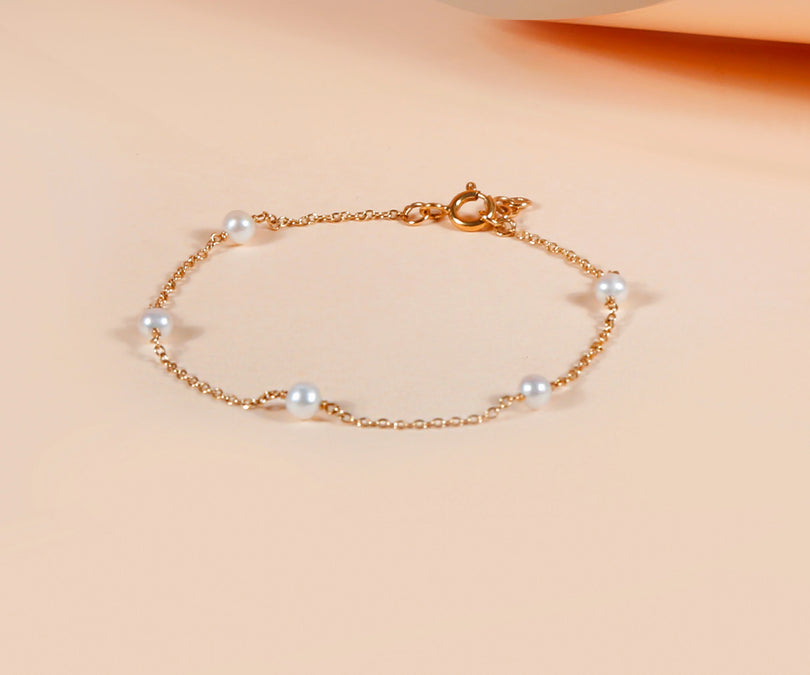
For formal events: One statement piece, a necklace, earrings, or a bracelet, not all three simultaneously. Metallic accessories (gold, silver) suit formal events. A structured clutch rather than a casual bag.
For smart casual events: More flexibility, a layered necklace, earrings, and a simple bracelet can work together. A leather handbag or a structured tote is appropriate.
For casual events: Minimal, personal accessories. A simple pendant necklace, stud earrings, and a meaningful ring. The accessories shouldn't look more dressed than the outfit.
How Do You Layer for a Formal or Semi-Formal Event?
Layering adds versatility and practicality, particularly for events that span different temperatures (an outdoor ceremony followed by an indoor reception, or an evening event with outdoor elements).
Effective layering options for event outfits:
-
A tailored blazer over a cocktail dress adds structure, covers bare arms in air-conditioned rooms, and elevates a simple dress significantly
-
A silk or satin wrap over an evening gown adds warmth, covers the shoulders in formal religious settings, and can be removed when the occasion allows
-
A fine wool or cashmere cardigan over a smart casual dress adds warmth for autumn and spring events without diminishing the outfit's elegance
-
A structured overcoat over a formal outfit, the outerwear is the finishing piece for cold-weather formal occasions, as significant a choice as the outfit beneath it
Also Read: How To Choose Dish Towels For Your Kitchen
How Important Is Comfort When Choosing an Event Outfit?
Comfort is not a secondary consideration; it's foundational. An outfit that looks perfect but is uncomfortable to wear will undermine the entire event. Restricting silhouettes that prevent easy movement, shoes that cause pain within thirty minutes, or fabric that makes you feel too hot or too cold all create a background of physical discomfort that prevents you from being present.
The best event outfits are those that look good and feel good simultaneously. Natural fabrics help significantly, linen and cotton breathe; silk and wool regulate temperature. Well-fitting clothing that suits your body rather than fighting it allows natural confidence. Comfortable footwear that works for the event's duration means the conversation at hour three feels as easy as hour one.
Overview
Choosing the perfect outfit for an event comes down to reading the dress code accurately, selecting a fabric that suits the occasion and season, choosing a silhouette that you feel confident and comfortable in, and completing the look with accessories appropriate to the formality level.
Natural fabrics, such as linen, cotton, silk, and wool, are the most reliable choices across every event type. They breathe, regulate temperature, drape naturally, and look better in photographs than synthetic alternatives. Linen and cotton suit warm-weather casual and smart casual events; silk and satin suit formal evening occasions; velvet and wool blends suit formal winter events.
Dress for the event, dress for the venue, dress for your comfort, and then stop worrying about it. The best outfit is the one you stop thinking about fifteen minutes after arrival because it simply works.