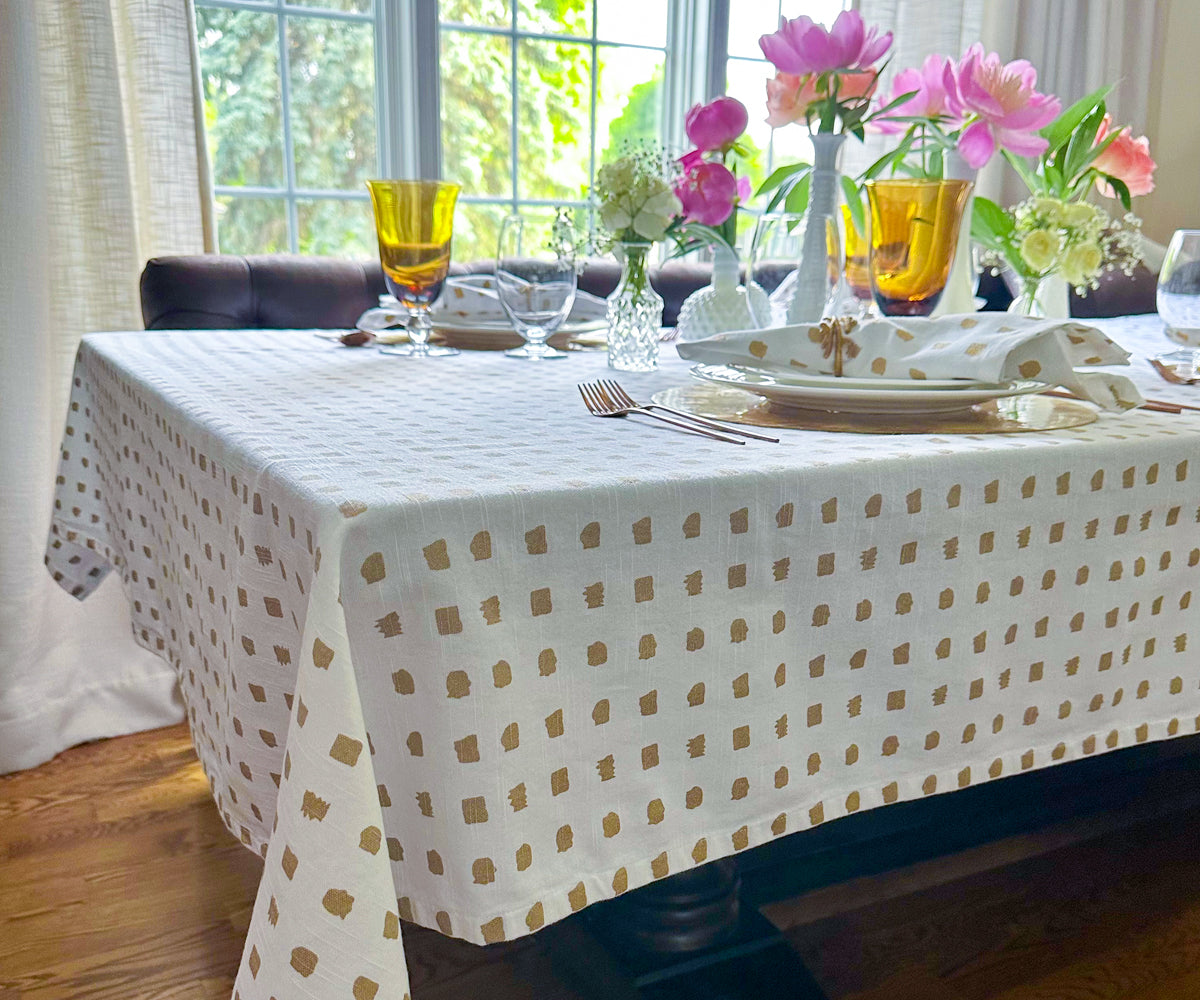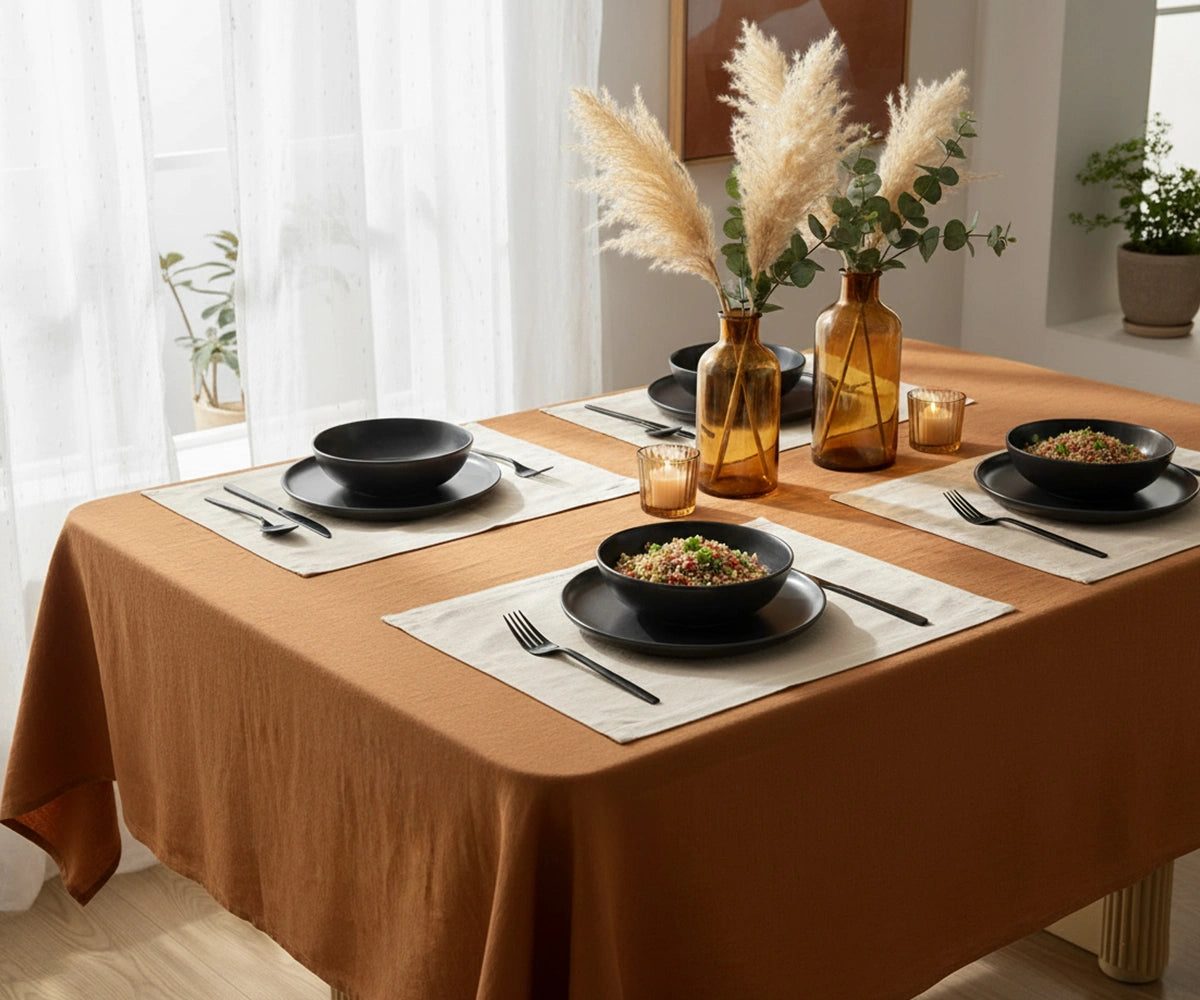


Over the years, we have seen how simple adjustments in table placement settings can make a big difference in the overall presentation of a dining table. In this guide, we share practical insights on creating a proper plate setting, arranging silverware correctly, and designing a beautiful dinner table place setting for different occasions.
Understanding Table Placement Settings
Before arranging plates and utensils, it helps to understand what table placement settings actually mean. A place setting refers to the arrangement of tableware positioned for one guest. This includes the plate, utensils, glassware, and napkin placed in a specific order around the plate.

A balanced table place setting keeps the dining space organized and ensures that guests can easily find the utensils they need for each course. Proper arrangement also helps maintain symmetry across the table, which contributes to a polished appearance.
In most cases, the setting of the table follows a simple rule: utensils are placed in the order they will be used, starting from the outside and moving inward toward the plate. Understanding this principle makes it easier to arrange both simple and elaborate table settings.
How to Set a Table for Dinner
When planning a dinner table place setting, it is helpful to start with the essentials. A comfortable dining setup focuses on both function and design. Every item placed on the table should contribute to the meal without creating clutter.

Begin with the foundation of the table, such as a tablecloth or placemat. This creates a defined space for each guest and protects the table surface. Next, place the dinner plate at the center of each seat to establish the main focal point of the table setup.
After positioning the plate, add utensils and glassware in their designated locations. The arrangement should look balanced and easy to navigate. Small details like folded napkins or coordinated table accents can add character without overwhelming the table.
A thoughtful, proper table setting creates a comfortable environment where guests can focus on enjoying the meal and conversation.
Types of Table Place Settings
Different occasions call for different settings and place arrangements. Some gatherings require a simple layout, while others involve multiple courses and more detailed tableware placement.

Below are some of the most common table setting styles used for different events.
Basic Table Setting
A basic table setting is perfect for everyday meals or small gatherings. It keeps the table simple while still maintaining a clean and organized appearance.
For a basic setup:
-
Place the dinner plate in the center of the setting.
-
Position the fork on the left side of the plate.
-
Place the knife on the right side with the blade facing the plate.
-
Add a spoon to the right of the knife if needed.
-
Place the napkin either beside the fork or on top of the plate.
-
Position a water glass above the knife.
This simple proper plate setting works well for casual dinners, family meals, and relaxed gatherings.
Casual Table Setting
A casual table place setting includes a few additional elements compared to the basic setup. It is commonly used for brunches, holiday meals, and informal celebrations.
In this arrangement:
-
A charger plate or placemat is often used as the base.
-
A salad plate may be placed on top of the dinner plate.
-
Utensils are arranged based on the order of the meal courses.
-
Glassware may include both water and wine glasses.
This type of table setup adds more detail while still maintaining a comfortable and approachable dining environment.
Formal Table Setting
A formal, proper table setting is typically used for elegant dinners, weddings, and formal events. Because multiple courses are served, more tableware is included in the arrangement.
A formal dinner table place setting may include:
-
A charger plate as the base
-
A dinner plate, salad plate, and soup bowl
-
Multiple forks and knives
-
Dessert utensils placed above the plate
-
Several glasses for water and beverages
Although the arrangement may appear complex, following the principle of proper place setting for silverware makes it easier to organize the table.
Utensils are placed from the outside inward based on the order of the courses.
To Read: Is Bamboo Clothing Toxic? Myths vs. Facts
Proper Silverware Placement
Correct silverware placement is one of the most important parts of a well-arranged table. Guests should be able to recognize which utensils to use without confusion.
A traditional proper place setting for silverware follows a clear layout:
-
Forks are placed to the left of the plate.
-
Knives and spoons are placed to the right.
-
Knife blades face toward the plate.
-
Dessert utensils are positioned above the plate.
This arrangement ensures that the silverware placement remains practical while maintaining a balanced appearance across the table.
Keeping the utensils aligned with the bottom edge of the plate also helps create a neat and symmetrical layout.
Step-by-Step Guide to Proper Plate Setting
Creating a balanced, proper plate setting becomes easier when the process is broken down into simple steps.

Step 1: Prepare the Table Surface
Begin with a tablecloth, placemat, or runner to establish the base of the table setting.
Step 2: Place the Dinner Plate
Position the plate directly in front of each seat. The plate should sit about an inch from the edge of the table.
Step 3: Arrange Silverware
Follow the standard rule of silverware placement, placing forks on the left and knives and spoons on the right.
Step 4: Add Glassware
Place the water glass above the knife. Additional glasses can be placed to the right.
Step 5: Add the Napkin
Napkins can be placed on the plate, beside the fork, or folded decoratively.
Step 6: Finish with Table Accents
Small table accents such as candles, centerpieces, or napkin rings can enhance the appearance of the table without overcrowding the space.
Choosing Table Accents for a Beautiful Table Setup
Decorative details can elevate a dining table while still maintaining balance. Thoughtful table accents help tie together the theme of a gathering and create a more inviting environment.
Simple additions such as table runners, centerpieces, or decorative napkin folds can add character to a table setup.
For casual gatherings, minimal decorations often work best. A few candles or small floral arrangements can add warmth without distracting from the meal.
Formal events may include more detailed accents such as layered plates, elegant glassware, or coordinated linens. However, it is important to keep decorations low enough for guests to maintain eye contact across the table.
Common Table Setting Mistakes to Avoid
Even a carefully arranged table can feel cluttered if too many elements are added. Avoiding a few common mistakes helps maintain a clean and balanced appearance.
Using Too Many Utensils
Only include the utensils needed for the meal. Extra items can confuse guests.
Overcrowding the Table
Leave enough space between each place setting to keep the table comfortable.
Ignoring Alignment
Plates, utensils, and glasses should line up evenly to maintain a polished look.
Oversized Centerpieces
Tall or bulky decorations can block conversation across the table.
A thoughtful approach to table placement settings ensures the table remains both functional and visually appealing.
Know More: 7 Basic Paper Napkin Folding: Simple and Elegant Ideas for Any Occasion
Learning how to arrange table placement settings can make hosting gatherings much easier. A well-balanced table place setting brings together practicality and design, helping guests feel comfortable while enhancing the presentation of the meal.
Whether you are arranging a basic table setting, preparing a formal dinner, or designing a casual dining table, understanding silverware placement and proper plate setting makes the process straightforward.
With a little practice, creating a beautiful table setup becomes second nature. Small touches like coordinated linens and subtle table accents can transform an everyday meal into a memorable dining experience.