
Tieing Apron
Most people throw on an apron without thinking twice. They loop the neck, pull the ties behind their back, and call it done. Then 20 minutes later, the whole thing droops. The neck strap digs in. The ties loosen. Sound familiar?
Here's the thing: a well-tied apron stays put the whole time you're cooking, grilling, or baking. It takes an extra 30 seconds to do it right. And once you know the method that fits your apron style, you'll never fidget with it again.
First - What Type of Apron Do You Have?
Before tying anything, figure out your apron type. The method changes depending on the design.
Bib ApronHas a top panel that covers your chest. Comes with a neck loop and two waist ties. The most common kitchen apron. |
Waist Apron (Half Apron) Covers only your lower body. No neck loop at all. Just two ties that wrap around your waist. |
|
Cross-Back Apron The straps cross behind your back and attach at the waist. No neck loop. Great for anyone with neck pain. |
Chef's Apron Usually a heavy bib apron with extra-long waist ties. Often worn with the ties going front-to-back-to-front. |
Find Out: How to Choose the Right Color for Your Cloth Napkins
How to Tie a Bib Apron - Step by Step
This is the method most people need. A bib apron has a neck loop at the top and two long ties at the waist. Here's exactly how to put it on and keep it there.

1. Set the neck loop first
Slip the loop over your head. The bib should sit about 4 to 5 inches below your collar bone, not up against your chin, and not down near your stomach. Adjust the neck strap length if yours is adjustable. A good fit here prevents neck soreness later.
2. Smooth the apron against your body
Pull the bib flat against your chest. Make sure it lays even, not twisted or bunched. This small step makes a big difference in how the whole apron sits.
3. Grab both waist ties
Hold one tie in each hand. Make sure they're equal length. If one is longer, your bow will pull to one side and loosen faster.
4. Cross them behind your back
Reach both hands behind you. Cross the right tie over the left. Pull them snug. You don't need to pull hard, just firm enough so the apron doesn't sag in front.
5. Bring the ties to the front
Bring both ties back around to your front. They should land just above your hip bones. This is the most common tie point for cooks and chefs.
6. Tie a secure bow
Tie them in a standard shoe-knot bow. Pull both loops to make it snug. Then give it a quick tug, if the knot holds, you're good. If it slips, add a second pass through the bow to lock it.
|
Pro Tip A double bow takes 5 extra seconds and lasts the entire cook. Fold each loop back through the center again before pulling tight. It won't come undone even if you're moving fast around the kitchen. |
If you're serious about cooking, a well-made chef apron with long cross-back ties gives you the best coverage and keeps everything locked in place while you work.
How to Tie a Waist Apron (Half Apron)
A waist apron is simpler because there's no neck loop. It only covers from your waist down. Great for servers, bartenders, and anyone who just wants front-pocket coverage.

Hold the apron at your waist. Place it against your body at the height you want, usually just below the belly button. Take both ties and wrap them behind your back. Cross them over each other. Bring them back around to the front. Tie them in a bow on your left or right side, not directly in the center where a knot can dig in.
|
Tip Tying a waist apron slightly to the side (rather than dead center) makes it more comfortable when you bend or lean forward. |
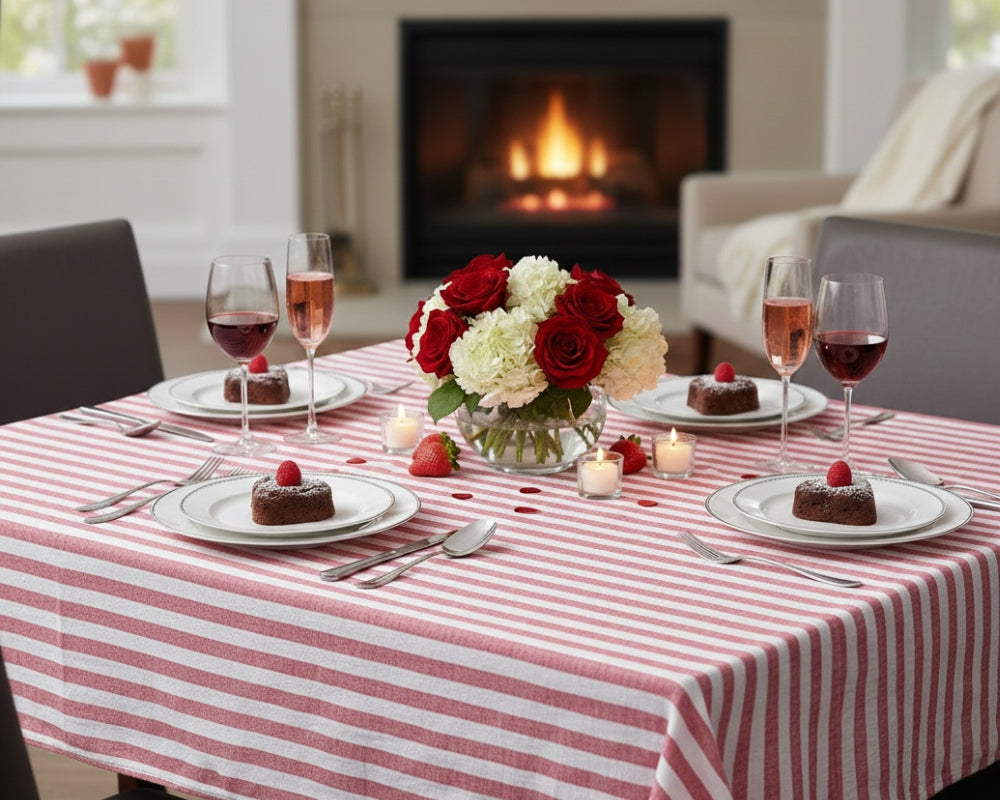
A classic striped apron doesn't just look great in the kitchen, the structured fabric holds its shape and stays tied longer than lighter materials.
How to Tie a Cross-Back Apron
This style is a favorite for people who spend hours in the kitchen. The straps cross behind your back instead of looping around your neck. That takes all the pressure off your neck and distributes the weight across your shoulders.

To put on a cross-back apron, slip it over your head like a regular bib apron. But instead of leaving the long straps loose at the sides, bring them up and over your shoulders, crossing them behind your neck. Then bring both straps back down and around to your waist. Tie them in a bow at the front or side.
The exact crossing point depends on your height. Shorter cooks may need to loop the straps slightly lower so the apron doesn't ride up. Taller cooks may need to cross them a bit higher so the apron sits right.
A linen apron gets better with every wash, the fabric softens over time, breathes well in a hot kitchen, and the natural weight helps it stay flat without bunching at the waist.
|
Good to Know Cross-back aprons don't work well if your torso is very short, the crossing point may end up too high. In that case, a classic bib apron with an adjustable neck strap is usually the better call. |
How to Tie an Apron Behind Your Back (Without Help)
Tying the knot at your back is common in professional kitchens and formal settings. It looks cleaner and keeps the ties out of the way. But it can be tricky at first.

Here's a simple trick: after crossing the ties at your back, hold both in one hand and use your fingers to locate the loop. Make your bow slowly the first few times, there's no rush. Once you've done it 10 times, it takes about 5 seconds without even thinking.
To get faster, practice with the apron off. Lay it flat on a table. Take one tie in each hand, close your eyes, and practice the motion. Your hands will learn the position before your eyes need to confirm it.
|
Never tie so tight that the apron pulls the fabric across your stomach uncomfortably. It should feel secure, not cinched. You need room to breathe and move. |
The right apron for cooking should cover you from chest to knee, have ties long enough to wrap around comfortably, and feel light enough that you forget you're wearing it.
Common Problems (And How to Fix Them)
The apron keeps coming undone
Try a double bow instead of a single one. Loop the bow through itself a second time before pulling tight. This one small change makes the tie much harder to loosen accidentally.
The neck strap digs into the back of my neck
Your neck loop is probably too long. Shorten it so the bib sits higher, around 4 inches below your collar bone. If your apron has a fixed loop (no adjustment), you can tie a knot in the loop itself to shorten it temporarily.
The ties are too short to reach the front
Tie them at the back instead. Cross the ties behind you, make your bow right there at the small of your back, and you're done. Some aprons are cut for back-tie only, it's a perfectly normal way to wear one.
The apron bunches up at the waist
You may be tying too low. Move the tie point up slightly, aim for just above your hip bones. Also check that you're crossing the ties firmly before bringing them forward. A loose cross in the back creates slack that turns into bunching in the front.
The bib flops forward instead of sitting flat
Your neck loop is too loose. Tighten it until the bib rests flat against your chest with no gap. If it still flops, your apron may not be the right size for your torso length.
Know About: How to Wash Bamboo Clothing: Complete Care & Drying Guide
Quick Solutions to Common Doubts
Should I tie an apron in the front or the back?
Either works. Front tying is easier and quicker to undo. Back tying looks cleaner and keeps ties away from your work area. In professional kitchens, back ties are more common. At home, go with whatever is more comfortable for you.
How do you tie an apron without a neck loop?
If your apron has no neck loop, it's probably a waist-only (half) apron. Wrap the ties around your waist, cross them at the back, bring them forward, and tie in a bow at the side or front. No extra steps needed.
How do you tie an apron if the strings are too long?
Wrap them around your waist twice before tying. After the first pass around the back, don't bring them straight to the front, circle back around again. This takes up extra length and also adds a more secure hold.
What's the easiest apron knot that won't come undone?
A double bow. It's just like a regular shoe-knot bow, but you loop each side back through the center a second time before pulling tight. Takes a few extra seconds but stays put through even an active cook.
How do I stop my apron from twisting?
Always smooth and flatten the apron against your body before grabbing the ties. Twisting usually happens when the bib is slightly off-center before you start. Take a second to center it, and the ties will naturally cross without rotating the apron.
Can I tie an apron by myself, or do I need help?
You can absolutely tie it yourself. The front-tie method is the easiest solo option. Back-tie takes a little practice, but once you get the feel of it, it only takes a few seconds with no help needed.
A white cotton apron is the easiest to care for toss it in the wash after every use and it comes out just as crisp and ready to wear again.
Different Situations, Different Tie Methods
The "right" way to tie an apron really depends on what you're doing.
If you're cooking at home and moving quickly between tasks, a front bow is your friend. It's easy to loosen when you step away and re-tie in seconds when you're back.
If you're grilling or working near open heat, a back tie keeps the strings away from the fire. A loose bow dangling near a burner is a real hazard.
If you're hosting or serving food at a gathering, a neat back tie or side bow looks more intentional. It signals you know what you're doing, even if dinner is running 20 minutes late.
If you're doing messy baking, dough, flour, everything, a snug cross-back style keeps the apron from slipping while you knead, roll, and work with both hands.
Also Read: How to Style a Summer Outfit: Cotton & Linen Looks for Women
The Short Version |
|
Tying an apron well isn't complicated. It just takes knowing which style you have and using the right method for it. Do it right once, and it becomes second nature. Now go cook something good, and keep your clothes clean.