



Quick Glance: Kombucha Drink
|
Topic |
Quick Answer |
|---|---|
|
What it is |
A fermented tea drink made with a SCOBY |
|
Main ingredients |
Water, tea, sugar, SCOBY, starter tea |
|
First ferment time |
7 to 14 days |
|
Best brewing temperature |
75 to 85°F (24 to 29°C) |
|
Target acidity |
pH below 4.6, ideally near 3.0 to 3.5 |
|
Caffeine |
Roughly 10 to 25 mg per 8 oz glass, less than coffee |
|
Alcohol |
Trace amounts. Home brew can pass 0.5% ABV |
|
Good for |
A tangy, low sugar alternative to soda |
|
Use caution if |
You are pregnant, immunocompromised, or have a health condition |
What Is Kombucha
Kombucha is a lightly sweet, tangy, carbonated tea made by fermenting sweetened black or green tea with a SCOBY. SCOBY stands for symbiotic culture of bacteria and yeast. It looks like a pale, rubbery pancake that floats on the tea.

Here is how it works. The yeast eats the sugar and makes a little alcohol and carbon dioxide. The bacteria then turn that alcohol into organic acids, mostly acetic acid. Those acids give kombucha its sharp, fresh flavor. The sugar drops as it ferments, so the finished drink tastes much less sweet than the tea you started with. The drink has been brewed for centuries, and it is now sold in nearly every grocery store in the US. Flavor depends on the tea, the room temperature, and the brew time. A short brew tastes sweeter and milder. A long brew tastes sharper and more like vinegar. Most home brewers find their sweet spot after two or three batches.
Kombucha Recipe
The easiest kombucha recipe uses 14 cups of water, 1 cup of sugar, 8 tea bags, 2 cups of starter tea, and 1 SCOBY. It makes about one gallon. You brew the tea, cool it, add the culture, and let it ferment for 7 to 14 days at room temperature. This ratio is steady and forgiving, which makes it a good place to start.
|
Recipe Detail |
Amount |
|---|---|
|
Yield |
About 1 gallon (16 cups) |
|
Water |
14 cups, filtered |
|
Sugar |
1 cup plain white cane sugar |
|
Tea |
8 black or green tea bags (or 2 tablespoons loose leaf) |
|
Starter tea |
2 cups unflavored kombucha from a prior batch |
|
SCOBY |
1 healthy SCOBY |
|
First ferment |
7 to 14 days at 75 to 85°F |
|
Second ferment (optional) |
1 to 3 days in sealed bottles with fruit or juice |
|
Active time |
About 30 minutes |
How to Make Kombucha at Home From Scratch
To make kombucha at home from scratch, you brew sweet tea, cool it fully, add a SCOBY and starter tea, and cover the jar with a breathable cloth. Then you wait. The wait is the hardest part. Good kombucha rewards patience and clean habits more than fancy gear. Wash your hands, rinse your tools well, and keep the jar out of direct sun. If you do not have a SCOBY yet, you can buy one from a trusted brewer or grow one from a bottle of raw, unflavored kombucha, which takes a few extra weeks.

Kombucha Ingredients
You need only five ingredients, and each one has a job to do.
|
Ingredient |
Amount (1 gallon) |
Why It Matters |
|---|---|---|
|
Filtered water |
14 cups |
Chlorine in tap water can slow the culture. Filtered is safer. |
|
Plain tea |
8 bags black or green |
Gives the culture nitrogen and minerals. Skip flavored teas with oils. |
|
White cane sugar |
1 cup |
Food for the yeast. The finished drink holds far less sugar. |
|
Starter tea |
2 cups |
Drops the acidity right away and guards against mold. |
|
SCOBY |
1 whole culture |
The engine of the whole process. |
You will also need a one gallon glass jar, a wide pot, a long spoon, a tight weave cloth, a rubber band, and pH strips. Avoid metal jars and ceramic with unknown glazes. Acid can pull lead and other metals out of them.

How to Make Kombucha (Step by Step Procedure)
Follow these ten steps for a safe, steady first batch.
-
Wash your hands and tools: Use hot water and plain soap. Rinse until no soap smell is left. Clean gear keeps mold away.
-
Boil the water: Bring 4 cups of the water to a boil in a pot. Keep the other 10 cups cold for later.
-
Steep the tea: Turn off the heat, add the sugar, and stir until it melts. Add the tea bags and steep for 10 minutes.
-
Remove the tea bags: Take them out and do not squeeze them. Squeezing adds bitterness.
-
Cool it down: Pour in the cold water. Wait until the tea is at or below 85°F. Hot tea can harm the SCOBY.
-
Fill the jar: Pour the cooled tea into your glass jar. Add 2 cups of starter tea and stir gently.
-
Add the SCOBY: Slide it in with clean hands. It may sink, float, or sit sideways. All three are normal.
-
Cover the jar: Use a tight weave cloth and a rubber band. The culture needs air, but fruit flies do not.
-
Ferment for 7 to 14 days: Keep the jar at 75 to 85°F, away from sun and out of drafts. Start tasting on day 7 with a clean straw. It should taste tangy, not sweet.
-
Bottle it: Save the SCOBY and 2 cups of tea for your next batch. Pour the rest into bottles, leaving an inch of space. Refrigerate to slow the fermentation.
How to Store Kombucha?
For fizz, try a second ferment. Add 2 to 4 tablespoons of fruit juice or a few slices of ginger to each 16 oz bottle. Seal it and leave it on the counter for 1 to 3 days. Then chill it. Open bottles slowly over the sink, because built up pressure can make a mess. Never leave sealed bottles for long stretches, since they can burst.

Watch for trouble. Fuzzy, dry, colored spots on the surface are mold. Throw out the whole batch and the SCOBY. Brown, stringy bits and a cloudy haze are yeast, and they are harmless.
Check the acidity too. Dip a pH strip into the tea after day 7. A reading near 3.0 to 3.5 means the batch is acidic enough to be safe and tangy enough to enjoy. If it reads above 4.6, let it ferment longer. If it tastes too sour, mix it with a little fresh sweet tea or pour it over ice. Keep a small notebook with dates, room temperature, and taste notes. Those notes help you repeat a great batch.
Follow these simple habits.
-
Use glass: Plastic can hold odors. Metal can react with the acid.
-
Keep it dark: Light dulls the flavor. A shaded shelf or the back of the fridge works well.
-
Leave headspace: Fill each bottle and leave about an inch at the top.
-
Open slowly: Hold the bottle over the sink and ease the cap off.
-
Skip freezing: Cold is good, but freezing can harm the live cultures and crack the bottle.
Storing your SCOBY: Keep it in a clean jar with a few cups of strong starter tea. Cover the jar with a tight weave cloth. Feed it fresh sweet tea once a month. Cooks call this a SCOBY hotel.
How to Brew Kombucha
To brew kombucha, steep sweet tea, cool it fully, add a SCOBY and starter tea, and let the jar ferment under a breathable cloth for 7 to 14 days at 75 to 85°F. This is the first ferment, and it builds the tangy base. Keep the jar in a calm, shaded spot, because sun and sudden bumps can stress the culture. Do not stir or poke the SCOBY. Taste the tea with a clean straw from day 7. Once it is tangy enough for you, pour it into bottles for a second ferment, or chill it and drink it as is. Always save a SCOBY and 2 cups of tea to start the next batch.
What Is Kombucha Good For
Kombucha is best known as a tangy, low sugar drink that may support digestion and can replace soda. The research on health claims is still early, so it helps to look at both sides.
Kombucha Benefits
-
Live cultures: Raw kombucha contains bacteria and yeast that may support gut balance. Studies on people are limited, so it is not a replacement for a doctor’s advice.
-
Tea antioxidants: Black and green tea carry polyphenols, and kombucha keeps some of them through fermentation.
-
A soda swap: A serving often has far less sugar than a regular soda. Check the label, because brands vary a lot.
-
Organic acids: Acetic acid gives kombucha its zing. It also makes the drink hard for many bad microbes to survive in.
-
Possible blood sugar support: A small human study saw lower fasting blood sugar in people with type 2 diabetes. Much larger studies are still needed.
-
A fun home project: Brewing is calm and hands on. A pitcher of homemade kombucha also looks lovely at a brunch table.
Risks of Kombucha
-
Contamination: Dirty gear or a weak batch can grow mold or harmful bacteria. Home brewers need clean habits and pH checks.
-
Too much acid: Heavy drinking may upset the stomach and wear down tooth enamel. Rinse with water after a glass.
-
Not for everyone: Pregnant people, those who are immunocompromised, and people with liver or kidney conditions should ask a doctor first.
-
Added sugar: Some bottled brands add juice and sweeteners. The label tells the real story.
-
Over carbonation: Sealed bottles can build pressure and burst. Burp them and refrigerate on time.
-
Metal and glaze leaching: Acidic tea can pull lead from poor ceramics. Use glass.
-
Start small: Try 4 oz at first. Some people feel gas or bloating when they begin.
Is Kombucha Good for You?
Kombucha can be a good choice in small amounts for most healthy adults, but the proof for big health claims is thin. It offers live cultures, tea antioxidants, and less sugar than soda. Those are real perks. Still, most evidence comes from lab and animal work, and human trials are small. A glass a day is a common limit. Drink it as a tasty part of a balanced diet, not as a cure for anything. Store bought bottles are easier to judge, since the label lists sugar and serving size. If you take medicine or have a health condition, check with your doctor first.
Does Kombucha Have Caffeine?
Yes, kombucha has caffeine because it is brewed from real tea. Most bottles hold roughly 10 to 25 mg per 8 oz glass, which is about a third of what a cup of black tea has and much less than coffee. Fermentation lowers the amount a little. Brewing with green tea or black tea changes the number, and a decaf tea base lowers it further. If you are sensitive to caffeine, sip it earlier in the day and check the label. Many brands print the caffeine amount right on the bottle, so a quick look saves guessing.
Does Kombucha Have Alcohol?
Yes, kombucha has a small amount of alcohol, because yeast makes it during fermentation. Store bought bottles are sold as non alcoholic when they stay under 0.5% ABV. Homemade batches vary and can climb higher, sometimes above 1%, especially with a long second ferment or warm rooms. That level is low, yet it matters if you avoid alcohol for health, religious, or recovery reasons, or if you are pregnant. In those cases, talk to your doctor before you drink it.
How to Set a Table for Kombucha
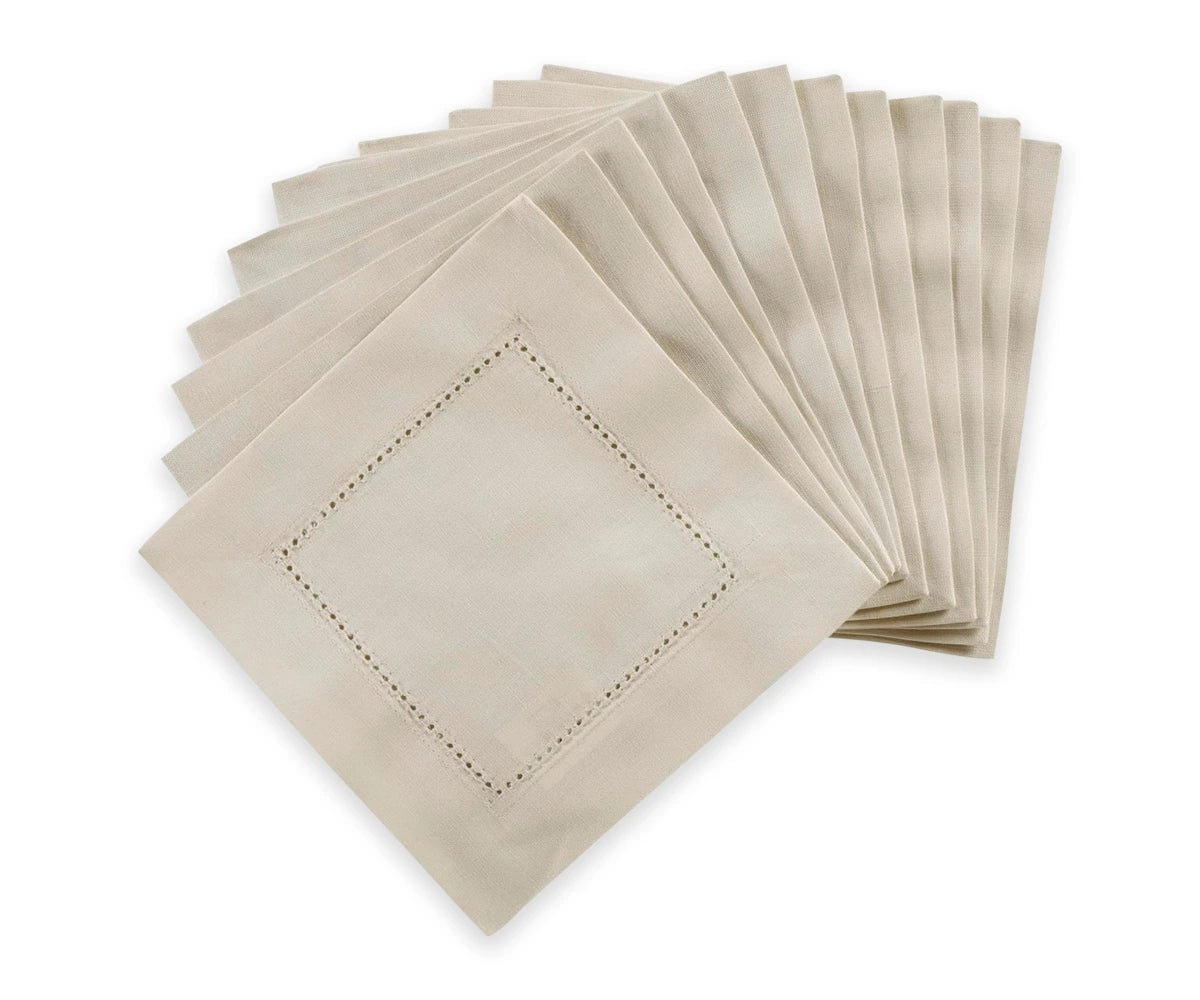
A kombucha table looks best when it stays light, clean, and simple. Think soft cotton, natural linen, and clear glass. Here is the setup, one layer at a time, using our table linens.
|
Layer |
What to Place |
Our Product |
Styling Tip |
|---|---|---|---|
|
Base |
Cover the table with a soft neutral cloth |
Pick a washable one. Kombucha is acidic and can mark fabric. |
|
|
Center |
Run a long strip down the middle for the pitcher and bottles |
Set the pitcher on it. Cold glass sweats, and the runner soaks it up. |
|
|
Each seat |
Give every guest a defined place |
Use one per guest, with a glass at the top right. |
|
|
Napkins |
Fold one simply and tuck it beside the glass |
A plain fold looks fresh. Add a lemon slice or herb sprig on top. |
|
|
Drinks |
Serve in a clear pitcher with small glasses |
Glass pitcher and glasses |
Add fruit slices or ginger so guests see the color. |
|
Cleanup |
Keep a towel close for drips when bottles open |
Open bottles slowly over a tray or sink. |
|
|
The host |
Protect your clothes while you pour |
A neat apron keeps pouring easy and mess free. |
Keep the colors calm. Whites, creams, and soft greens suit the tangy, fresh feel of the drink. Chill the bottles before guests arrive, and fill the pitcher just before serving so the fizz stays lively.
Kombucha travels well when you pack it right. Slip the chilled bottle into our reusable tote bag. The sturdy cotton holds it upright and keeps it from knocking into other things. Heading out for a trek or a picnic? Carry the bottle in one of our organic produce bags. The soft, breathable cotton mesh is light, easy to hang from a backpack, and gentle on glass. Add a cloth napkin around the neck to catch any drips. Keep the bottle cool, and open it slowly when you are ready to sip.
Key Takeaways
-
Kombucha is fermented sweet tea made with a SCOBY.
-
A basic gallon batch uses 14 cups of water, 1 cup of sugar, 8 tea bags, 2 cups of starter tea, and 1 SCOBY.
-
The first ferment takes 7 to 14 days at 75 to 85°F.
-
Aim for a pH below 4.6 and use glass jars only.
-
Benefits are promising, but human research is still small.
-
Kombucha has some caffeine and a trace of alcohol.
-
Pregnant and immunocompromised people should speak to a doctor first.
Related Reading
About the Author
Amelia Claire is a senior writer who spent over six years in event management before moving into writing. Based in San Ramon, California, she writes about home interiors, table styling, and lifestyle.