

Color does not exist on its own in a home. It lives on surfaces, absorbs light, reacts to texture, and changes throughout the day. This is why the same shade can feel calm in one space and strangely uncomfortable in another. Fabric plays a bigger role in that difference than most people realize.
Linen and cotton don’t just carry color. They translate it. They soften it, dull it slightly, warm it, or give it air. That translation is why certain colors feel easier to live with when they appear on natural fabrics instead of glossy paint, synthetics, or high-sheen finishes. When you’re decorating your home, these fabrics allow color to settle into the space rather than dominate it, making rooms feel considered without feeling overdesigned.
This isn’t about trends. It’s about how color behaves when you actually inhabit a space how it looks in morning light, how it feels at the end of the day, and how comfortably it lives alongside everyday movement and use.
Color on Natural Fibers Is Never Flat
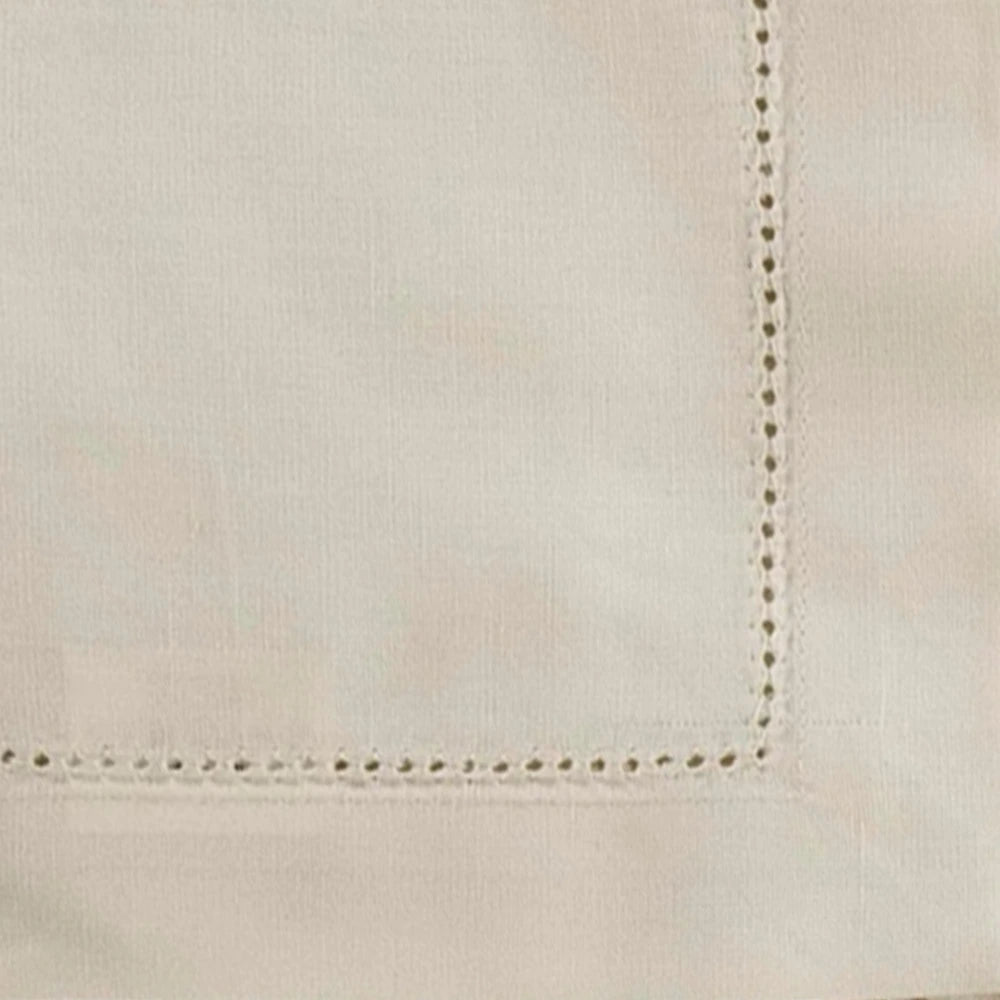
One of the first things people notice with linen and cotton is that color rarely looks uniform. A white linen curtain is not a single white. It’s a field of tiny variations created by weave, thread thickness, and how light passes through the fiber.
That variation matters. Flat color feels static. Static color draws attention to itself. Textured color recedes slightly, which makes a room feel calmer.
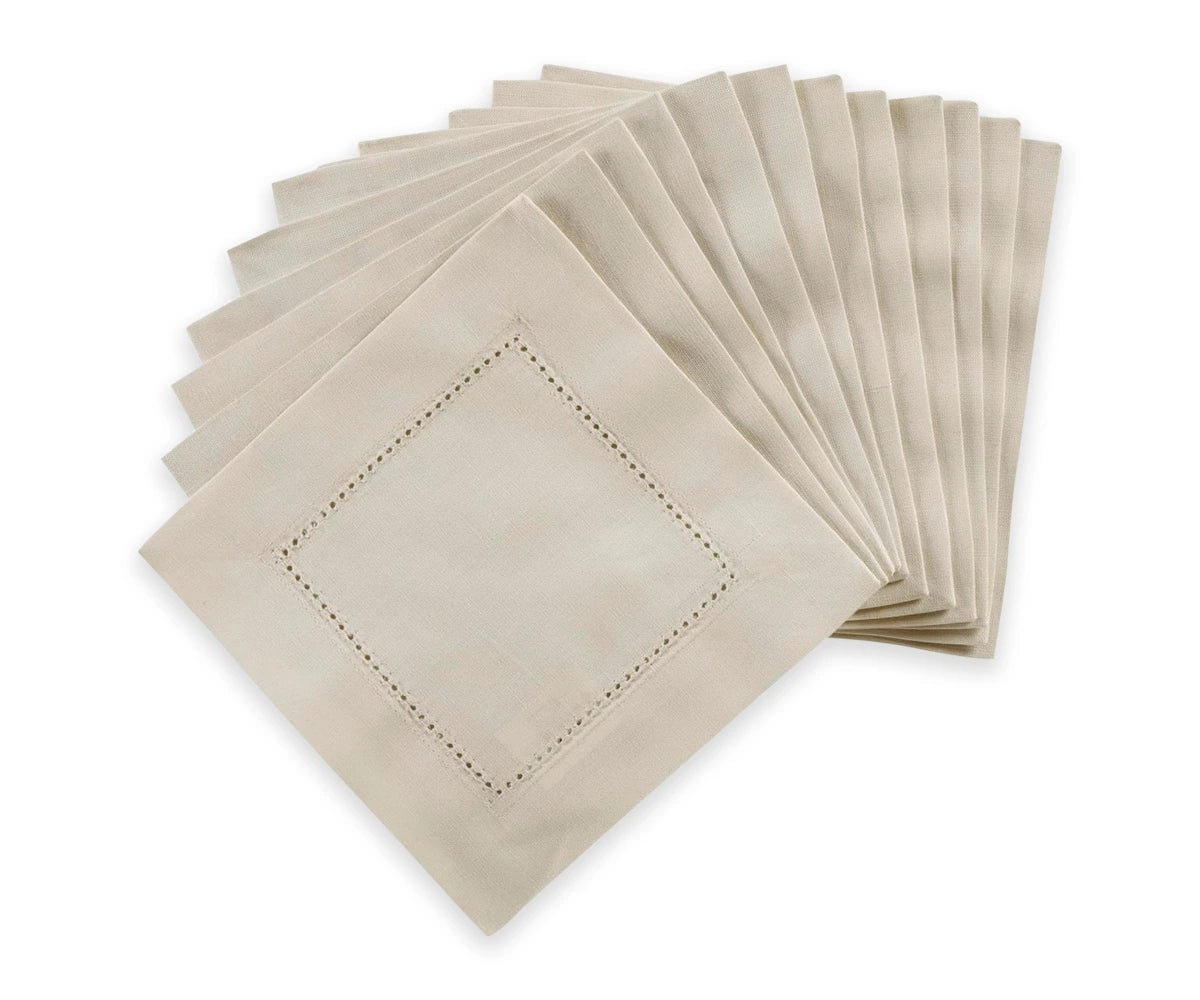
Soft whites, creams, and off-whites are the clearest example. On a painted wall, white can feel clinical or stark, especially under artificial light. On linen, the same white feels warmer, even when the actual pigment is cooler. The fiber breaks up the surface just enough to remove the glare.
This is why people who claim they “don’t like white” often respond well to white linen without realizing it.
Linen Makes Muted Colors Feel Intentional
Muted colors live or die by texture. Dusty blues, clay tones, soft sages, warm grays, these colors can feel dull or undecided when applied to smooth surfaces. On linen, they feel deliberate.
Take a muted green. On a wall, it can read as uncertain, especially in low light. On a linen tablecloth or sofa cover, it gains depth. The fabric holds shadow in the weave, which gives the color structure.
This is why muted colors are so closely associated with natural-fabric interiors. Linen gives them weight without heaviness. Cotton gives them clarity without sharpness.
In practical terms, this means you can live with these colors long-term. They don’t exhaust you. They don’t demand constant styling to justify themselves.
Cotton Stabilizes Color in Everyday Use

Cotton behaves differently from linen, and that difference affects how color feels in daily life. Cotton has a tighter, more consistent weave. It reflects color more evenly. This makes it especially useful for colors that might otherwise feel unstable.
Soft blues, blush tones, warm taupes, and light grays benefit from cotton’s steadiness. On synthetic blends, these colors can shift dramatically under different lighting, sometimes looking cold at night and washed out during the day. Cotton anchors them.
This is particularly noticeable with linen bedding. A pale blue cotton sheet feels calm across morning, afternoon, and evening light. The same blue in a synthetic fabric can feel crisp at noon and oddly artificial by night.
Cotton doesn’t fight the light. It absorbs just enough of it.
Earth Tones Feel More Forgiving on Linen
Earth tones are popular because they reference nature, but they are also easy to get wrong. Browns can feel heavy. Terracotta can feel loud. Ochre can feel dated.
Linen changes that equation.
Because linen fibers are irregular and slightly coarse, they diffuse strong pigments. A deep clay color on linen curtains doesn’t dominate the room. It settles into it. A warm brown linen cushion or linen napkins feels grounded rather than dark.
This forgiveness is crucial in homes that are lived in, not staged. Natural fabrics allow earth tones to coexist with wear, sunlight, and movement. Wrinkles don’t clash with color. Fading looks natural rather than worn.
That’s why linen-heavy interiors age better. The fabric and the color decline together, instead of fighting each other.
Light Neutrals Feel Less Exposed
Neutral colors are often chosen for safety, but many people find they feel oddly exposed living with them. Beige walls can feel empty. Gray rooms can feel cold. Creams can feel unfinished.
Linen and cotton soften that exposure.
A neutral cotton sofa feels complete even without constant accessorizing. Linen curtains in a pale tone create a sense of enclosure without blocking light. The fabric gives the color something to lean on.
This is especially important in open-plan homes, where large areas of neutral color can feel vast and undefined. Natural fabrics break that scale down. They give the eye places to rest.
Dark Colors Become Livable, Not Dramatic
Dark colors intimidate people because they’re afraid of commitment. A dark wall feels permanent. A dark synthetic fabric can feel theatrical.
On linen and cotton, dark colors become more human.
Charcoal linen doesn’t shine. Navy cotton doesn’t glare. Deep olive softens instead of hardening. The fabric absorbs light unevenly, which keeps the color from becoming a statement that dominates the room.
This is why dark natural-fabric upholstery works so well in everyday spaces. It doesn’t feel like a design decision you have to defend. It feels like something the room naturally arrived at.
Pattern Feels Less Aggressive on Natural Fibers
Even when color comes with pattern, linen and cotton change how it reads. Stripes, checks, and simple motifs feel quieter on natural fibers because the texture interrupts the pattern slightly.
This matters for color-heavy patterns. A bold stripe in synthetic fabric can feel rigid. The same stripe in linen feels relaxed. Color contrast still exists, but the edges soften.
This is one reason classic patterns survive longest in linen and cotton. The fabric keeps them from feeling locked into a specific era.
Sunlight Is Kinder to Linen and Cotton

Color lives in light, and homes change throughout the day. Linen and cotton handle that change better than most materials.
Morning light brings out warmth. Afternoon light highlights texture. Evening light deepens tone. Natural fibers adapt to these shifts instead of amplifying them.
In practical terms, this means you don’t feel like your home has multiple personalities. Colors feel consistent even as conditions change, whether on walls, upholstery, or a linen tablecloth laid across the dining table.
This is especially noticeable in rooms with large windows. Linen curtains filter sunlight instead of reflecting it sharply. Cotton upholstery doesn’t flash color back at you.
Why These Colors Feel Easier Over Time
The real test of color isn’t how it looks on day one. It’s how it feels after months, years, and countless small interactions.
Linen and cotton support colors that don’t demand constant attention. They allow rooms to feel complete without feeling finished. They let color exist as atmosphere rather than statement.
That’s why people often describe natural-fabric homes as calm, even when the color palette isn’t minimal. The fabric does half the work.
Living with color should feel supportive, not performative. Linen and cotton make that possible by giving color a surface that breathes, softens, and adapts.
In the end, it’s not that these fabrics make colors prettier. They make them livable.