



Let's be real - most students don't spend much time thinking about their sheets. You're probably more worried about your next deadline, that noisy roommate, or how to find five quiet minutes in your dorm. But what if upgrading your bedding could actually change your day - and night?
Linen sheets aren't just an aesthetic upgrade for influencers or Pinterest boards. They're breathable, durable, low-maintenance, and - surprisingly - budget-friendly over time. Plus, if you're sleeping better, you're studying better. And if your bedding holds up through laundry day, you're not wasting time and money replacing it.
Before we get into the care guide, though, here's a quick academic hack. Use a tool like the best writing platform for students when you're overwhelmed by back-to-back assignments. It can save hours during busy weeks and help you stay organized across multiple subjects.
Now, back to the cozy stuff. Let's explore why linen bedding is perfect for student life - and how to make it last, even if your budget's tight and your laundry habits are questionable.
What Makes Linen So Good for Students?

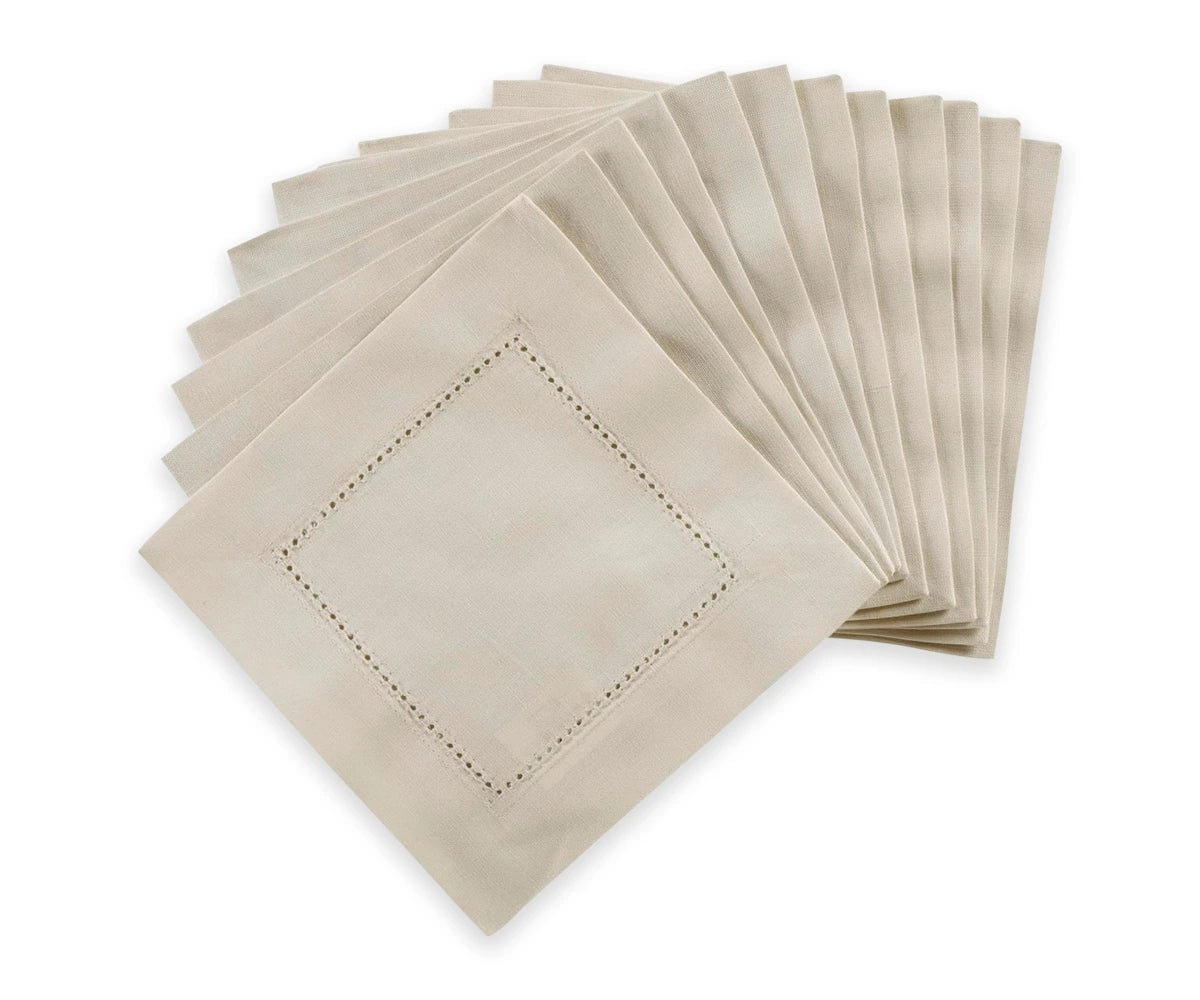
Linen is made from the flax plant, which grows quickly with minimal resources, making it one of the most sustainable textiles on the market. A quality Linen Bedding set not only supports eco-friendly living but also delivers real comfort benefits that students can feel every day.
Linen is naturally temperature-regulating, keeping you cool in summer and warm in winter without switching sheets every season. It is also moisture-wicking and breathable, making it ideal for hot sleepers. Stylish options like Teal Bedding Sets combine comfort with a modern dorm or bedroom look.
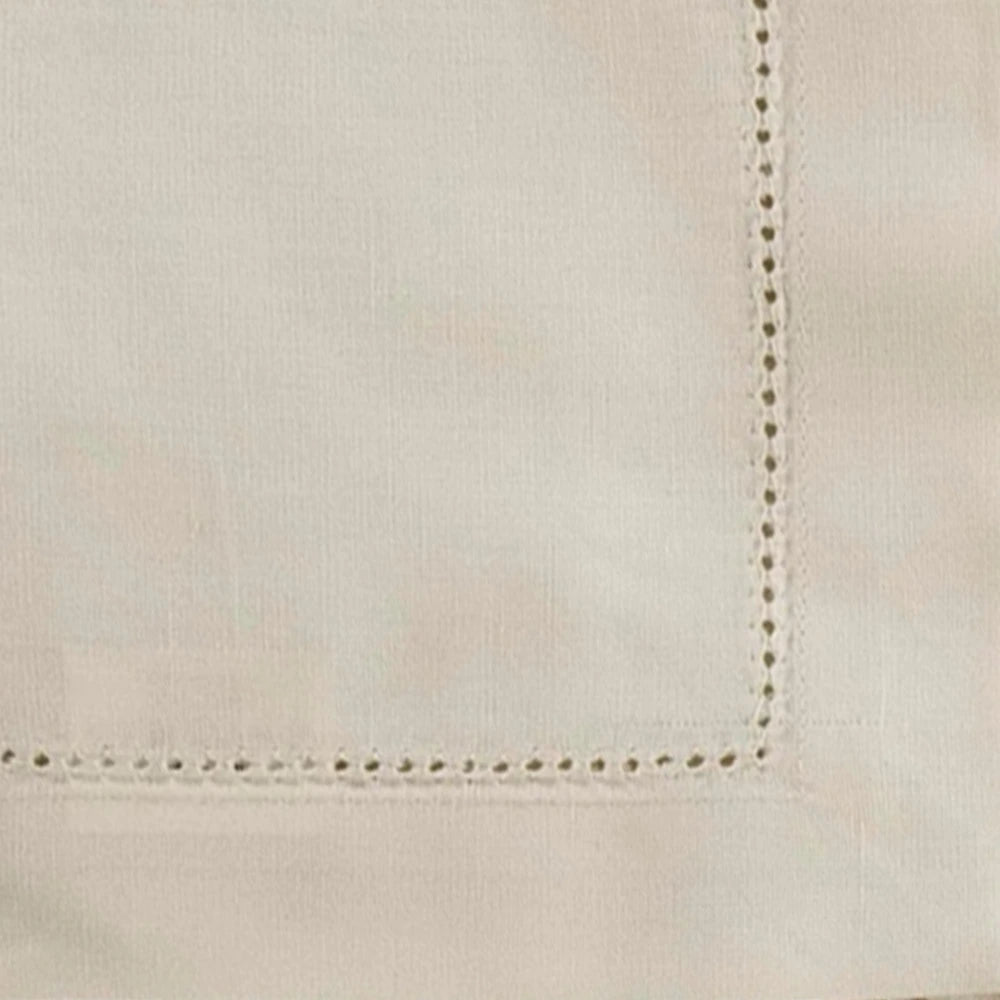
And here’s the best part: the more you wash linen, the softer it gets. While it may feel slightly crisp at first, it becomes softer over time and lasts longer than cheaper synthetic fabrics that pill, rip, or fade quickly.
But Isn't Linen Expensive?
Yes - and no.
If you compare linen to the cheapest polyester blend at the store, sure, it's pricier upfront. But linen's longevity flips the math. While you might burn through two or three sets of low-cost sheets in a year, one good linen set can last through college and beyond - saving you money long-term.
If you're on a strict student budget, look for sales at bedding outlets or direct-to-consumer linen brands. Some even offer student discounts. Another tip: choose a neutral color. Linen ages beautifully, and a soft gray or oat shade won't go out of style. That way, you can keep the same set as your dorm decor evolves.
How to Wash Linen Without Wrecking It
Taking care of linen is simpler than you think. In fact, it's easier than cotton in many ways - it just needs a few tweaks to your laundry habits.
First things first: never wash linen on hot. Warm or cold water is best. Use a gentle cycle and a mild detergent. Skip bleach. And definitely avoid fabric softener - linen doesn't need it, and it can actually break down the fibers.
When it comes to drying, tumble dry low or hang it up. High heat shrinks and damages linen, while line drying keeps the texture just right. If you're short on space, a drying rack near your window works fine.
Here's a quick routine to follow:
-
Wash every 1-2 weeks
-
Cold or warm cycle
-
Mild detergent only
-
Skip fabric softener
-
Tumble dry low or hang dry
Stick to this and your linen will last - and get better - over time.
Living With Linen in Small Spaces
In a shared dorm or small apartment, laundry isn't always accessible. The good news? Linen's natural texture hides wrinkles and holds its shape. You don't need to iron it - ever. That relaxed look is part of its charm.
Plus, linen is naturally antimicrobial, which means it resists odor and bacteria. Even if you skip a wash week (hey, it happens), your bedding won't feel or smell gross as fast as synthetics might.
Store it rolled or loosely folded to keep airflow moving. Avoid plastic bins - linen likes to breathe.
If you're sharing a laundry room with dozens of others, mark your sheet tags with a Sharpie or stitch in a little colored thread to avoid mix-ups. It sounds silly - until someone walks off with your favorite duvet cover.
Styling Tips Without Spending More
Linen doesn't need much to look good. That's the beauty of it. But if you want your dorm to feel more put together, try this:
Pick one set of linen sheets in a soft color - like sage, clay, or natural beige. Then pair it with one throw pillow and a textured blanket in a complementary tone. That's it. Minimal effort, maximum comfort.
Don't over-accessorize. Linen has texture and movement that stands out without flashy patterns. If your budget allows, add a second pillowcase set in a darker or lighter shade for contrast. Or grab a lightweight linen curtain panel to soften a harsh window view.
A well-made bed (even a quick one) signals to your brain that your space is under control - and that you're ready to handle the day. It's subtle, but it helps.
Final Thoughts: Invest in Rest
Sleep isn't optional - especially in college. Your bedding plays a bigger role in your focus and mental clarity than most people realize.
Annie Lambert, a researcher at a leading essay writing service, notes that sleep quality affects everything from cognitive recall to emotional regulation. "The students who sleep best are usually the ones who manage stress better - and hit their academic goals consistently," she says.
That makes linen a secret weapon. It's not flashy. It's not trendy. But it helps you get real rest. And that gives you a better shot at getting things done, showing up, and succeeding - even when campus life feels chaotic.