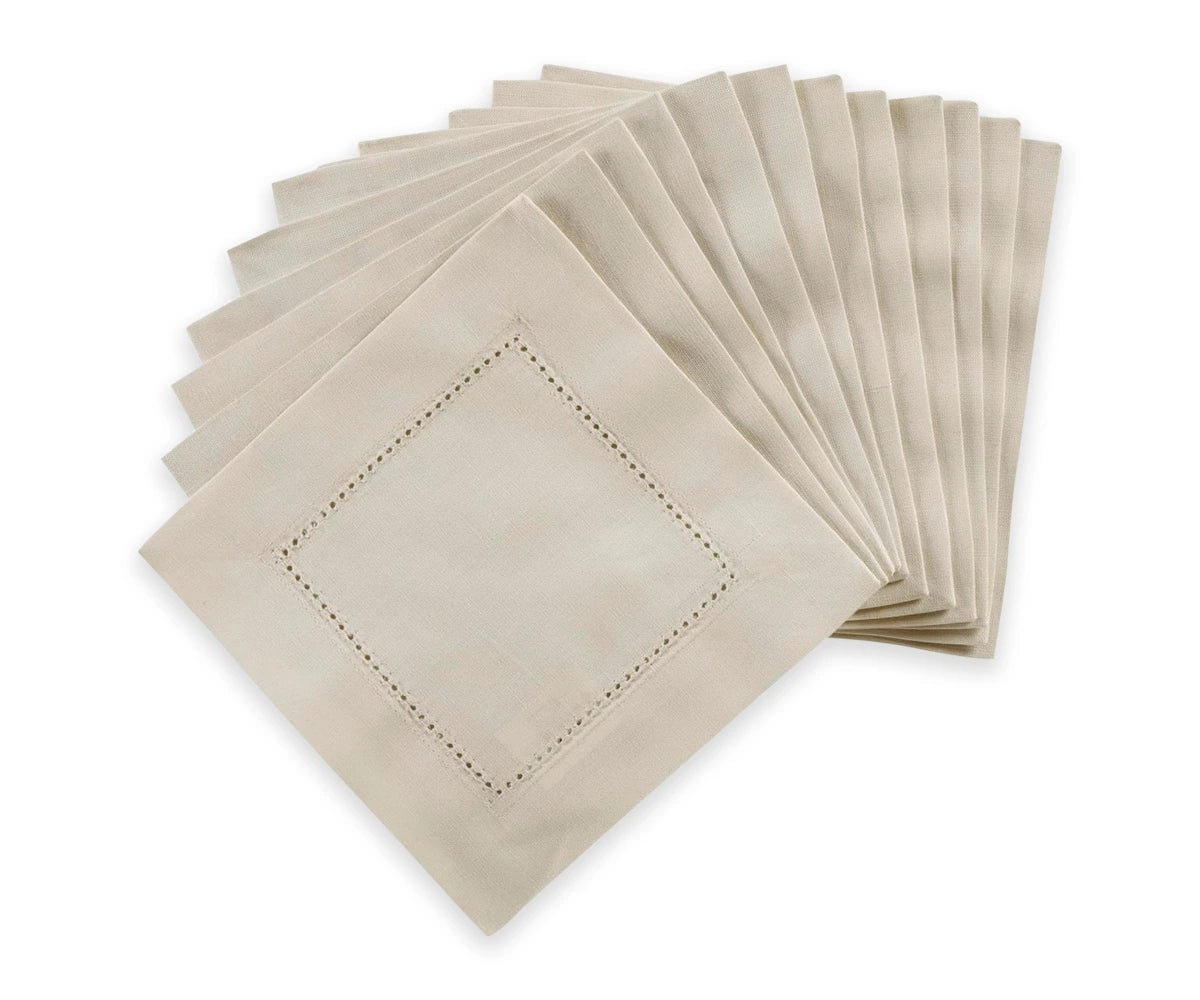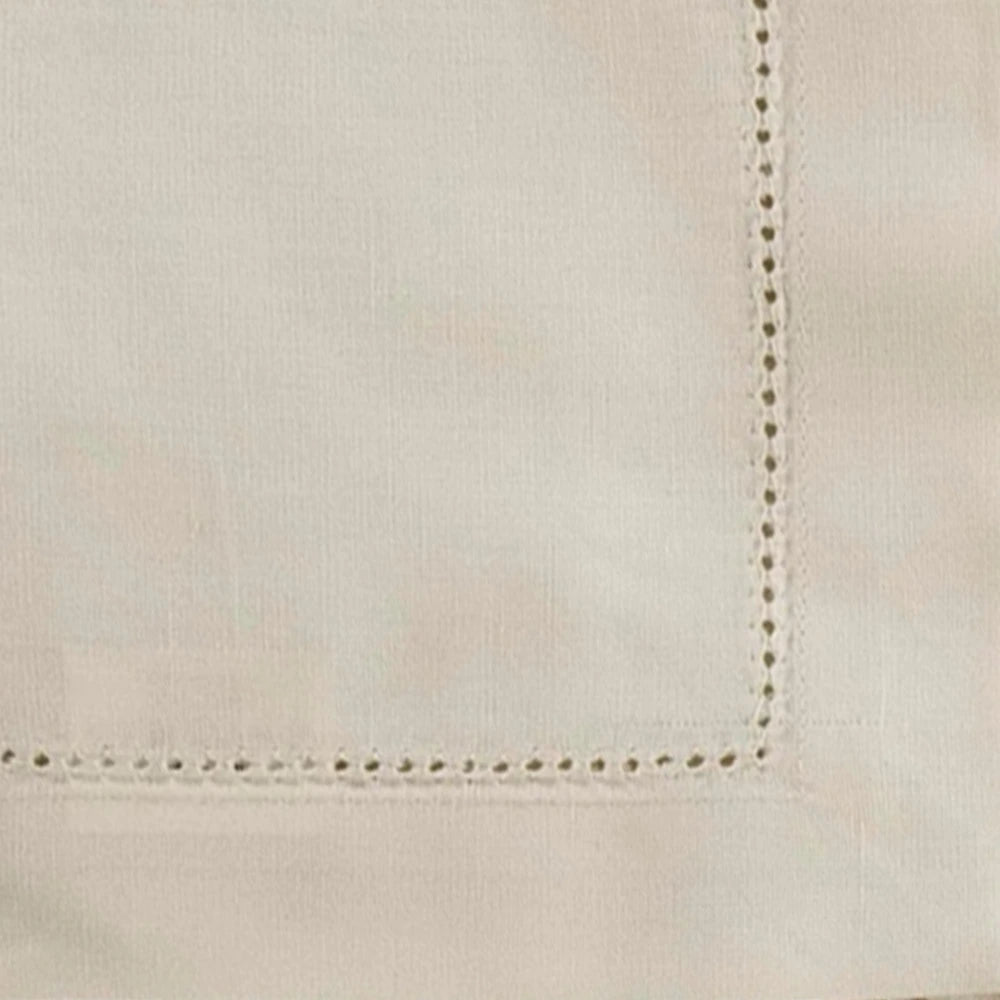



Linen is one of the easiest natural fabrics to bring into a home because it works across bedrooms, living rooms, dining areas, kitchens, and even bathrooms. Linen home decor can add texture and softness without requiring a complete room makeover. Simple additions such as linen curtains, bedding, tablecloths, napkins, or kitchen towels can change the feel of a space while remaining practical for everyday use.
The key to decorating with linen is balance. Instead of filling an entire room with the same fabric, choose a few linen pieces that complement your existing furniture, colors, and materials.
Why Is Linen Good for Home Decor?
Linen is a natural textile made from flax fibers. Its visible weave, breathable structure, and relaxed texture make it useful for both decorative and functional home textiles.
For interior styling, linen works particularly well because it can soften hard surfaces and add visual texture without introducing a busy pattern.
|
Linen quality |
How it works in home decor |
|
Natural texture |
Adds depth to neutral interiors |
|
Breathability |
Works well for curtains and bedding |
|
Durable fiber |
Suitable for frequently used household textiles |
|
Relaxed appearance |
Creates a casual, lived-in look |
|
Versatile colors |
Works with neutral, earthy, and deeper palettes |
|
Natural fiber |
Complements wood, stone, ceramic, and rattan |
Linen does not have to be limited to summer decorating. Heavier linen textiles, layered bedding, darker colors, and textured accessories can work throughout the year.
8 Ways to Incorporate Linen Into Your Home Decor
You do not need to redesign your home to use linen. Start with practical textile pieces that already have a place in your rooms.
1. Add Linen Curtains to the Living Room
Linen curtains are an easy way to introduce natural texture to a living room. Their relaxed drape can soften windows and help create a lighter visual feel.
For a neutral living room, try white, ivory, oatmeal, beige, or natural linen tones. If your furniture is mostly neutral, a muted stripe or deeper shade can introduce contrast.
Styling tip: Let the curtains coordinate with one or two other textiles in the room rather than matching everything exactly.
For example:
-
Linen curtains + cotton cushion covers
-
Linen curtains + a textured throw
-
Natural linen curtains + wood furniture
-
White linen curtains + earthy accent colors
This creates repetition without making the room look overly coordinated.

2. Use Linen Bedding in the Bedroom
The bedroom is one of the most natural places to use linen. Linen sheets, duvet covers, pillowcases, and other bedding can introduce texture while keeping the overall styling relaxed.
For a simple linen bedroom, build the bed around two or three complementary shades.
|
Bedroom element |
Linen styling idea |
|
Sheets |
White, ivory, or natural linen |
|
Duvet cover |
Neutral or muted earthy shade |
|
Pillowcases |
Coordinate with the duvet or contrast slightly. |
|
Throw |
Add a different texture. |
|
Curtains |
Repeat the main bedroom color. |
You can also combine linen with cotton. A linen duvet cover with cotton sheets, for example, creates variation in texture without making the room feel visually crowded.
3. Dress the Dining Table With Linen
One of the simplest linen decor ideas is updating the dining table.
A linen tablecloth can become the base of the tablescape, while linen napkins, runners, or placemats can add smaller layers of texture.
You can style linen dining textiles for both everyday meals and special occasions.
For everyday dining:
-
Natural or neutral tablecloth
-
Simple linen napkins
-
Ceramic dinnerware
-
Wooden or woven accents
For entertaining:
-
Linen tablecloth or runner
-
Coordinating napkins
-
Candles
-
Seasonal greenery or flowers
-
Glassware and simple serving pieces
If you prefer a less formal look, leave some of the table surface visible and use a linen runner or placemats instead of covering the entire table.
4. Bring Linen Into the Kitchen
The kitchen is an easy place to start if you want to add linen to your home. Linen kitchen towels and tea towels are useful every day, but they can also add a simple layer of texture and color to the space. Hang them from a hook, drape one over the oven handle, or keep a neatly folded towel on an open shelf.
When choosing linen towels, look at the colors already in your kitchen. You do not need to match them exactly. A shade that complements your cabinets, countertops, or backsplash can make the whole space feel more put together.
For example:
- White cabinets: Try natural, beige, or lightly striped linen towels.
- Wood cabinets: Oatmeal, cream, and earthy shades pair naturally with the warmth of wood.
- Dark cabinets: White, ivory, or other light neutrals can add a nice contrast.
- Colorful kitchens: Stick with simple neutral linen towels so the existing colors remain the focus.
You only need a few well-chosen towels to make a difference. Rotate them with the seasons or change the colors when you want a small refresh without adding more decor to your kitchen.

5. Layer Linen Placemats and Runners
If you want to add linen to your dining room without using a full tablecloth, start with placemats or a runner.
Linen placemats create a defined place setting while adding natural texture. A runner can also work well when you want the table itself to remain visible.
Try these combinations:
|
Table style |
Linen combination |
|
Minimalist |
Natural linen runner + white dinnerware |
|
Rustic |
Linen placemats + wood table |
|
Modern |
Neutral linen + simple ceramic plates |
|
Coastal |
White or natural linen + blue accents |
|
Holiday |
Linen base + seasonal napkins and greenery |
The goal is to create contrast between materials. Linen works particularly well with wood, ceramic, glass, stone, and metal.
6. Add Small Linen Accents to a Living Space
You do not need large linen furniture pieces to introduce the fabric into your living room.
Small accents can be enough.
Consider:
-
Linen cushion covers
-
Linen throw pillows
-
Small textile accents
-
Linen curtains
-
Decorative runners on consoles
-
Linen storage or textile accessories
If your room already contains several patterns, choose solid linen in a neutral shade. If the furniture is simple, a subtle stripe or textured linen can add more visual interest.

7. Use Linen in a Guest Bedroom
A guest bedroom does not need extensive decoration to feel welcoming.
Linen bedding, pillowcases, curtains, or a simple throw can create a coordinated look without adding too many decorative objects.
A practical combination is
White or natural linen bedding + neutral curtains + one accent color.
For example, muted blue, olive, terracotta, or warm brown can add contrast while keeping the room easy to style.
8. Bring Linen Into Seasonal Home Decor
Linen is flexible enough to work with different seasonal color palettes.
You can keep your main linen pieces neutral and change smaller accessories throughout the year.
|
Season |
Linen styling ideas |
|
Spring |
White, soft green, pale blue, floral accents |
|
Summer |
Natural linen, white, blue, and lightweight textures |
|
Fall |
Oatmeal, rust, olive, brown, warm wood |
|
Winter |
Cream, charcoal, deep green, burgundy, layered textures |
This approach means you do not have to replace your main home textiles every season.
Also Read: What to Wear to a Wedding: Stylish Outfit Ideas for EveryOne

How to Decorate a Living Room With Linen
For a linen living room, start with the largest textile opportunity available, such as curtains, then add one or two smaller accents.
A simple formula is
Linen curtains + textured cushions + natural materials = balanced living room styling
Pair linen with:
-
Wood
-
Rattan
-
Woven baskets
-
Ceramic
-
Stone
-
Cotton
-
Leather
-
Metal accents
Linen's natural texture can help soften rooms that contain many hard surfaces such as glass, metal, or polished wood.
How to Use Linen in a Bedroom
Linen works especially well in bedrooms because bedding occupies a large visual area.
For a cohesive look, avoid using too many competing colors. Instead, choose one main linen color and add one or two complementary shades.
Simple linen bedroom formula
-
Choose neutral linen bedding.
-
Add cotton or linen pillowcases.
-
Use a textured throw at the foot of the bed.
-
Coordinate curtains with the bedding.
-
Add wood or woven accessories for contrast.
You can also mix linen and cotton rather than using linen everywhere. This creates texture variation and keeps the room from looking too uniform.
Know More: 7 Eco-Friendly Home Décor Trends for 2026
How to Style a Dining Table With Linen
Linen table linens are particularly useful because they can change the appearance of a dining table without replacing the furniture.
Choose your base first:
Tablecloth → runner → placemats → napkins
You do not necessarily need all four.
For an everyday table, linen placemats and napkins may be enough. For a dinner party, a tablecloth with coordinating napkins can create a more complete tablescape.

Linen table styling tips
-
Match the overall color palette rather than every textile.
-
Combine linen with ceramic or stoneware dishes.
-
Use wood for a warmer, natural look.
-
Add greenery or flowers for seasonal color.
-
Choose patterned linen when the dinnerware is simple.
-
Choose plain linen when the table already has several decorative elements.
What Colors Go Well With Linen?
Natural linen shades work particularly well with neutral and earthy colors, but linen does not have to mean beige.
Popular combinations include:
|
Linen color |
Colors that pair well |
|
Natural |
White, cream, olive, brown |
|
White |
Blue, gray, wood tones, black |
|
Ivory |
Terracotta, tan, sage, brown |
|
Beige |
Cream, charcoal, olive, rust |
|
Gray |
White, navy, black, muted green |
|
Blue |
White, natural, tan, warm wood |
|
Olive |
Cream, beige, brown, natural linen |
The right combination depends on the existing colors and materials in your room.
How to Mix Linen With Other Fabrics
Using linen does not mean every textile in the room needs to be linen.
In fact, mixing fabrics can make a room more interesting.
Try pairing:
-
Linen + cotton for softness
-
Linen + wool for cooler months
-
Linen + velvet for contrast
-
Linen + leather for a modern look
-
Linen + woven textiles for a natural interior
The easiest approach is to repeat a linen texture two or three times while allowing other materials to provide contrast.
Common Mistakes When Decorating With Linen
Linen is easy to work into different rooms, but a few simple styling mistakes can make the space feel less balanced. Keeping the mix of colors, textures, and materials in mind can help you get a more natural look.
Using Too Much Linen in One Room
Linen curtains, cushions, bedding, and table linens can look great individually, but using the same texture everywhere may make the room feel flat.
Try this instead: Mix linen with cotton, wood, ceramic, glass, rattan, or other materials. The contrast gives the room more depth without taking away from the natural look of linen.
Choosing a Linen Color Without Looking at the Room
The same linen shade can look quite different depending on the wall color, flooring, furniture, and amount of natural light in the room. A warm beige may work beautifully with wood furniture but look different against cool gray walls.
Try this instead: Look at the colors and materials already in the room before choosing your linen pieces. If possible, check the fabric in the room where you plan to use it.
Matching Every Linen Piece
Using exactly the same linen color throughout the room can make the decor feel too coordinated. A little variation usually creates a more relaxed and lived-in look.
Try this instead: Choose shades that complement one another rather than matching everything perfectly. For example, pair natural linen with cream, soft white, beige, or a muted earthy tone.
Trying to Keep Linen Completely Wrinkle-Free
One of the recognizable features of linen is its natural texture. Light creasing is normal and can give linen a relaxed, lived-in appearance.
Try this instead: Decide how you want the fabric to look. If you prefer a casual finish, allow some natural creasing. For a more polished setting, smooth or press the linen before using it.
How to Start Decorating With Linen on a Budget
You do not need to buy several large linen pieces at once.
Start with small, functional items.
Begin with:
-
Linen kitchen towels
-
Linen napkins
-
A linen table runner
-
Linen placemats
-
One set of linen pillowcases
-
Linen curtains
-
Linen bedding
Once you know which colors and textures work in your home, you can add larger pieces.
Is Linen Suitable for Year-Round Home Decor?
Yes. Linen can be used year-round in home decor. Lightweight linen works naturally in spring and summer, while deeper colors and layered textiles can make linen suitable for fall and winter.
For year-round styling, keep larger pieces such as curtains and bedding in versatile neutral colors. Then use seasonal napkins, runners, cushions, throws, or other small textiles to change the look.
Linen Home Decor Ideas at a Glance
|
Room |
Linen pieces to try |
Styling benefit |
|
Living room |
Curtains, cushions |
Adds texture around seating and windows |
|
Bedroom |
Sheets, duvet covers, pillowcases |
Creates a relaxed bedding scheme |
|
Dining room |
Tablecloths, runners, napkins |
Builds a layered table setting |
|
Kitchen |
Tea towels, kitchen towels |
Adds practical decorative accents |
|
Guest room |
Bedding, curtains |
Creates a coordinated space |
|
Bathroom |
Small linen textiles |
Adds natural texture |
|
Entryway |
Small runners or textile accents |
Softens hard surfaces |
Bring Natural Texture Into Your Home
You do not have to fill a room with linen to make it part of your decor. A pair of linen curtains, a few napkins on the dining table, a simple runner, kitchen towels, or linen bedding can add texture without changing the entire look of your space.
Start with one or two pieces that work with what you already have. Linen pairs easily with cotton, wood, ceramic, woven materials, and other natural textures, so you can build on the look gradually. Try different colors and layers as the seasons change to keep your home feeling fresh and personal.
Shop All Cotton and Linen for natural cotton and linen textiles made for everyday living.