

What Are Organic Cotton Sheets?
Organic cotton sheets are made from cotton grown without synthetic pesticides, herbicides, or genetically modified seeds. The farming process is tightly regulated, and the finished fabric must pass independent certification to carry the organic label.
That distinction matters more than it might seem. Conventional cotton is one of the most heavily chemically treated crops in the world. Residues from those treatments can remain in the finished fabric and transfer to your skin during the seven or eight hours you spend in contact with your bedding every night.

Organic cotton removes that problem at the source. The result is a fabric that is gentler, cleaner, and for most people, noticeably more comfortable from the very first wash.
Why Organic Cotton Sheets Help You Sleep Better
They Are Kinder to Your Skin
Your skin is in contact with your sheets for the entire night. That is a long time to be pressed against fabric that contains chemical residues, dyes, or finishing treatments.
Organic cotton sheets are made without pesticides and harsh processing chemicals used in conventional cotton production. For people with sensitive skin, eczema, allergies, or any kind of skin condition, this makes a genuine difference. Even for people who have never had a skin reaction to bedding, the switch to organic cotton often results in skin that simply feels calmer and less irritated in the morning.
They Regulate Your Temperature Through the Night
One of the most common causes of disturbed sleep is temperature, specifically, getting too hot in the first half of the night and too cold as the temperature drops in the early hours.
Organic cotton is naturally breathable. The fibres allow air to move freely through the fabric, which means heat escapes instead of building up around your body. This natural temperature regulation keeps you in the comfortable range your body needs for deep, uninterrupted sleep. It is one of the reasons people who switch from synthetic or blended sheets to organic cotton often report sleeping through the night more consistently.
The Fibre Is Healthy — The Finishes Are the Question
Let's be fair to cotton first. As a fibre, it's one of the healthiest things you can sleep on: breathable, moisture-absorbing, soft, and free of the microplastic concerns that come with synthetics.
Most bedding gets worn and rough with repeated washing. Organic cotton, however, does the opposite. Because the fibres have not been chemically treated or weakened during processing, they remain intact through wash after wash. Over time, they actually soften and become more comfortable, not less.
This is one of those qualities that is hard to appreciate until you experience it. A set of quality organic cotton sheets that you have had for two or three years will often feel noticeably better than a new set of conventional sheets straight out of the packaging.
They Create a Cleaner Sleeping Environment
Good sleep is not just about comfort. It is also about what you are breathing in and what is touching your skin for hours at a time. Organic cotton sheets produce fewer airborne irritants than synthetic fabrics and do not off-gas chemicals the way some treated conventional fabrics can.
For anyone with asthma, respiratory sensitivities, or a household that includes young children or babies, this matters. A cleaner sleep environment means fewer potential triggers and a genuinely healthier bedroom.
Organic Cotton vs. Regular Cotton vs. Linen: What Is the Difference?
People often ask how organic cotton compares to conventional cotton and to linen. The short answer is that each has a genuine use case the right choice depends on your priorities.
Organic cotton is soft from the start, easy to care for, and suitable for all seasons. It is the best all-round choice for most people who want comfortable, low-maintenance bedding that is also better for health and the environment.
Conventional cotton is widely available and affordable, but the chemical treatment involved in production means it starts to break down earlier and may cause more skin irritation, particularly for sensitive sleepers.
Linen is the best choice for hot sleepers and warm climates. It is more breathable than cotton and gets softer over many years of use. The tradeoff is that it starts out stiffer and takes longer to reach its full softness. All Cotton and Linen carries a range of linen sheet sets for anyone who wants that extra breathability.
How to Choose the Right Organic Cotton Sheets
Check the Thread Count, but Do Not Obsess Over It
Thread count refers to the number of threads woven into each square inch of fabric. For organic cotton sheets, a thread count between 200 and 400 is the sweet spot. This range gives you a good balance of softness, breathability, and durability.

Beyond 400, the gains are often minimal, and in some cases, manufacturers achieve very high thread counts by using thinner, weaker threads rather than better cotton. A 300-thread count sheet made from high-quality organic cotton will outperform a 600-thread count sheet made from poor-quality fibres every time.
Look for Independent Certifications
Not all products labelled "organic" are equally trustworthy. The two certifications worth looking for are:
GOTS (Global Organic Textile Standard) the most recognised certification for organic textiles worldwide. It covers the entire supply chain from farming through processing to the finished product.
OEKO-TEX Standard 100 tests the finished fabric for harmful substances. A product with this certification has been tested and confirmed safe for prolonged skin contact.
If a product does not carry either of these certifications, treat the "organic" claim with some caution.
Understand the Weave
The weave of a sheet affects how it feels against the skin and how it performs throughout the year.
Percale is a plain, one-over-one-under weave that produces a crisp, cool, matte finish. It is the better choice for hot sleepers and warmer months. Percale sheets feel fresh and light rather than heavy and smooth.
Sateen is woven with more threads running along the surface, which creates a silkier, slightly lustrous finish. It feels softer and heavier than percale and works well in cooler months or for people who prefer a more luxurious feel.
Neither is objectively better; it is a question of what you prefer to sleep in.
Read On: Why Making Your Bed Every Day Is Important? 8 Simple Tips
Get the Size Right
An ill-fitting fitted sheet is one of life's small but persistent frustrations. Before buying, measure the depth of your mattress, including any mattress topper, and check that the fitted sheet's pocket depth matches. Most standard fitted sheets fit mattresses up to around 12 inches deep, but many modern mattresses and toppers run considerably deeper. Look for sheets with a pocket depth of 14 to 16 inches if you have a thicker setup.
Think About Value, Not Just Price
Organic cotton sheets cost more upfront than conventional alternatives. That gap narrows significantly when you account for how long they last. A well-made organic cotton sheet set that holds up for five to seven years is a better investment than a cheaper set replaced every twelve to eighteen months.
Caring for Your Organic Cotton Sheets
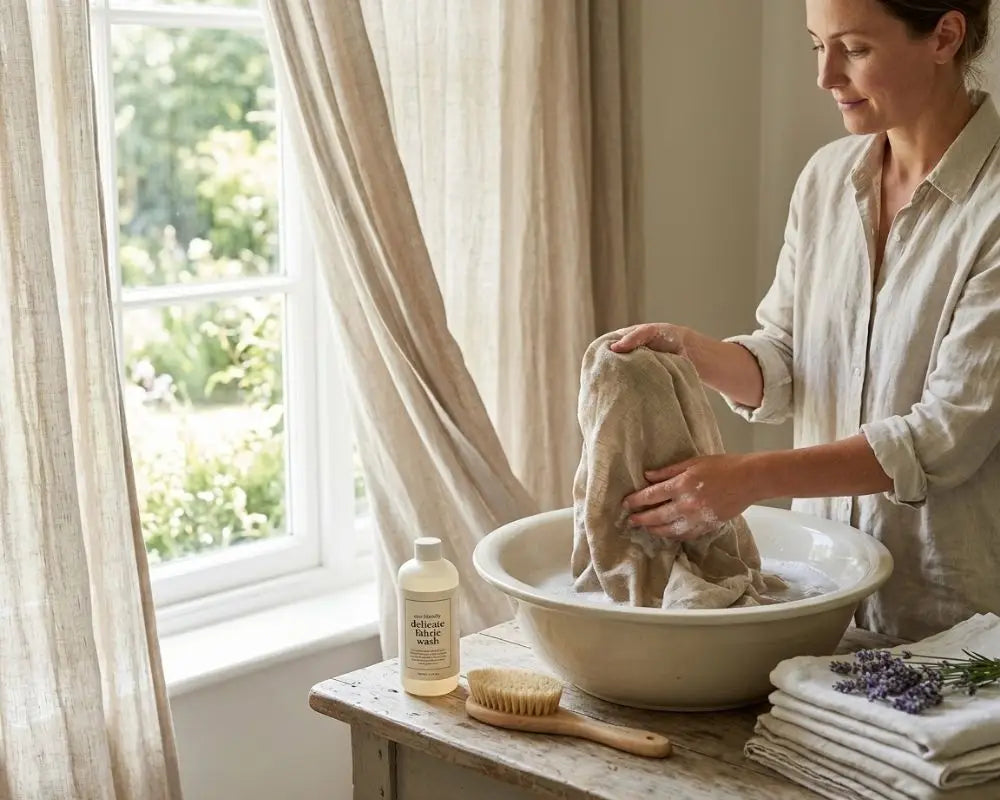
Getting the care right keeps organic cotton sheets looking and feeling their best for years.

Washing — cold or warm water (30–40°C) on a gentle cycle. Hot water weakens cotton fibres over time and causes shrinkage.
Detergent — Use a mild, fragrance-free detergent. Harsh detergents strip the natural oils from the fibres and cause premature wear.
Drying — air drying is always the better option. If you use a dryer, use low heat only. High heat is the fastest way to shorten the life of any cotton bedding.
Ironing — organic cotton sheets iron easily when slightly damp. For percale, a quick iron gives a crisp, hotel-style finish. Sateen generally does not need ironing at all.
Frequency — wash sheets every one to two weeks. More frequent washing with gentle products is always better than infrequent washing with harsh ones.
Organic Cotton Bedding for Babies and Children
If there is one place in the house where the shift to organic cotton matters most, it is the crib or the child's bed. Babies spend up to sixteen hours a day in contact with their bedding. Their skin is thinner and more permeable than that of adult skin, and their immune and respiratory systems are still developing.

Organic crib sheets made from GOTS-certified cotton eliminate the pesticide residues, chemical finishing agents, and artificial dyes that can accumulate on conventional baby bedding. For parents who are already careful about what goes into their baby's food and what products touch their skin, the choice of bedding is a natural extension of the same thinking.
Learn About: What Is Percale? A Complete Guide to Crisp, Cool, and Winter-Ready Bedding
The Environmental Case for Organic Cotton
Choosing organic cotton is not just better for the person sleeping in it. It is measurably better for the environment.
Conventional cotton farming uses significant amounts of synthetic pesticides and fertilisers. These chemicals run off into waterways, deplete soil health over time, and expose farmworkers to harmful substances daily. Organic farming avoids all of this using natural pest control, rotating crops to maintain soil health, and reducing chemical runoff into the surrounding environment.
Certified organic cotton bedding is often processed using stricter standards that limit the use of harsh chemicals during production. Many organic sheets avoid chlorine-based bleaching methods and rely on safer processing techniques, helping reduce chemical exposure throughout manufacturing. This means you are not only choosing bedding that feels comfortable in your home but also supporting a production process that places greater emphasis on environmental responsibility. From cotton cultivation to the finished fabric, organic bedding promotes a cleaner and more sustainable approach to making everyday essentials.
Overview
A good night's sleep plays an important role in your physical health, mental focus, and daily productivity. While mattresses and pillows often get the most attention, the bedding you use can be just as important. The right sheets can help create a more comfortable and relaxing sleep environment.
Organic cotton sheets are a popular choice for those seeking natural comfort. Made from breathable cotton fibers, they help improve airflow, reduce heat buildup, and feel soft against the skin.
They also become even softer over time with regular washing. Compared to many synthetic fabrics, organic cotton provides a fresher, more comfortable sleeping experience that can help you wake up feeling better rested.
You do not need to redesign your entire bedroom to notice a difference. A well-made set of organic cotton sheets can instantly improve the feel of your bed and enhance everyday comfort. If you are looking for bedding that combines softness, durability, and natural comfort, organic cotton sheets are a worthwhile addition to your home.
Explore organic cotton sheet sets from All Cotton and Linen and experience the difference for yourself.
Shop Organic Cotton Bedding at All Cotton and Linen
All Cotton and Linen carries a full range of organic cotton bedding, including cotton sheet sets, fitted sheets, pillowcases, and organic crib sheets in a range of sizes and colours. All made for comfort, durability, and genuinely better sleep.