

What a Tablecloth Actually Does (Beyond Covering the Table)

Most people know a tablecloth protects the surface. It catches spills before they reach the wood, shields against heat, and covers scratches or stains that have accumulated over years of family meals. That's the practical layer, and it's genuinely useful.
But a tablecloth does something subtler, too. It sets the visual tone for everything that goes on top of it. Your plates, glasses, napkins, and centerpiece all read differently against a bare wooden table versus a crisp white linen cloth versus a bold checkered tablecloth. The tablecloth is your table's background, and like any background, it shapes how you perceive everything in front of it.
It also changes the feeling of a meal. There's a reason that cafés use tablecloths in their upscale locations and bare tables in their casual ones. Fabric on a table signals that someone has thought about the experience, and that signal reaches your guests before the food even arrives.
Choosing the Right Fabric: Cotton, Linen, or Blend?
Fabric is the most important tablecloth decision you'll make. Everything else, color, pattern, size flows from it.
Cotton is the everyday workhorse. Cotton tablecloths are soft, durable, machine washable, and forgiving of heavy use. They work across casual family meals and relaxed entertaining, and come in virtually every color and pattern. If you want one tablecloth you'll reach for week after week without worrying about it, cotton is your answer.
Linen is the elevated choice. Linen tablecloths have a natural texture and subtle sheen that cotton simply doesn't replicate. They wrinkle beautifully, the kind of easy, lived-in drape that looks more stylish than stiff. Linen is naturally temperature-regulating, gets softer with every wash, and has a longevity that means a good linen tablecloth can last decades. For dinner parties, holiday tables, and any occasion where you want the table to feel genuinely special, linen is worth every penny.
Cotton-linen blends give you the best of both, softer than pure linen, with more texture and drape than plain cotton. A cotton-linen tablecloth is a practical everyday option that doesn't sacrifice the elegance of natural fiber.
Read More: The Ultimate Guide to Choosing the Perfect Tablecloth Size
How to Get the Size Right
 Tablecloth sizing is one of the most common sources of confusion, and getting it wrong is immediately visible.
The key measurement is the drop: how far the cloth hangs below the table edge on each side. The right drop depends on the occasion:
6–8 inches: Casual everyday use. The cloth covers the table but doesn't hang dramatically easy to sit with and relaxed in appearance.
10–12 inches: Standard and versatile. Works for both relaxed dinners and more formal settings. The most common and flattering drop for most tables.
15 inches or more: Formal dining and special occasions. A longer drop creates a dramatic, banquet-style look that suits weddings, holiday feasts, and formal entertaining.
To calculate your size: measure your table length and width, then add twice your desired drop to each dimension. If your table is 60" x 36" and you want a 10" drop, you need an 80" x 56" tablecloth.
Always round up if you're between sizes. A slightly larger cloth looks elegant and intentional; one that's too small looks like a mistake.
Styling Your Tablecloth: The Layering Approach
The most design-forward thing you can do with a tablecloth is layer it. Start with a base tablecloth in a neutral white, natural linen, or soft grey, then add texture and color through placemats, table runners, and napkins.
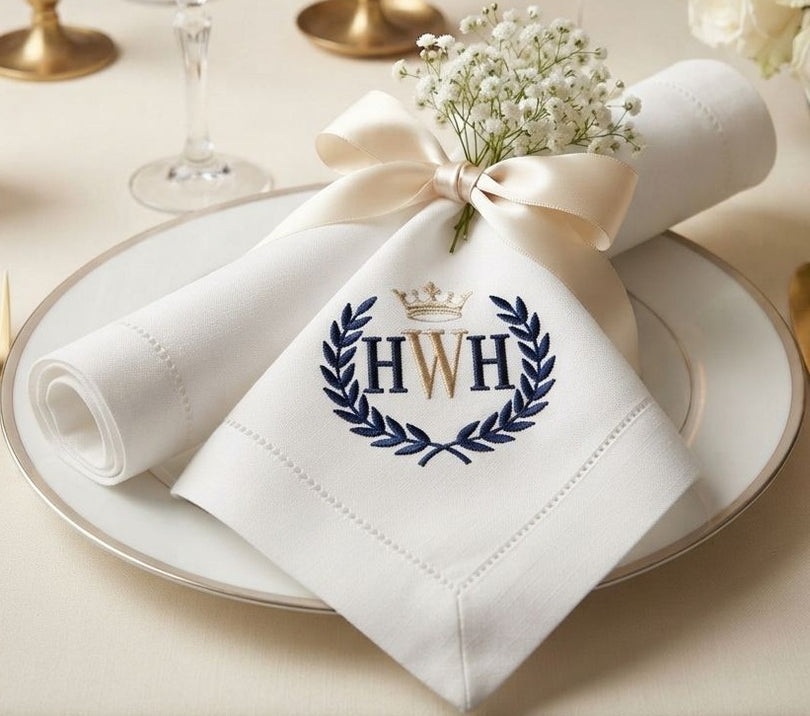
A white linen tablecloth with a linen table runner down the center and embroidered napkins at each setting creates a layered, textural look that feels genuinely styled without being overdone.
For casual meals, skip the runner and let the tablecloth work alone a checkered cotton tablecloth with simple cloth napkins is already a complete look.
Care That Keeps Your Tablecloth Looking Its Best
Cotton: Machine wash warm, tumble dry low, iron while slightly damp. Treat stains immediately. Most cotton tablecloths respond well to a pre-soak before washing.
Linen: Gentle cycle in cool water, air dry flat or on a line, iron while damp on a medium-high setting. Linen wrinkles are largely charming iron for a formal occasion, let it drape naturally for everyday use.
Storage: Fold loosely and store in a cool, dry place. Avoid pressing the same crease repeatedly. Rotate your fold lines to prevent permanent lines from forming along the same path.
The Right Tablecloth for Every Season
Spring and Summer: Light colors, natural textures, and relaxed patterns, striped cotton tablecloths, plain white linen, or soft florals. Keep it fresh and airy.
Autumn: Rich, warm tones, terracotta, burnt orange, deep red, ochre. Plaid and checkered tablecloths in warm color combinations are perfect for harvest dinners and Thanksgiving tables.
Winter and Holidays: Deep greens, navy, red, or classic white and ivory for Christmas and New Year. Embroidered tablecloths and metallic tablecloths add celebration and warmth. For Hanukkah, blue and white combinations feel beautifully traditional.
To Know: How to Choose and Style Cloth Napkins for Your Table
One Table, Many Occasions
The dining table is one of the most used surfaces in your home. It's where daily meals happen, where guests gather, where homework gets done, and conversations run long. A tablecloth doesn't just dress it up it frames those moments and gives them a setting worthy of the time you're spending together.
The right tablecloth for a Tuesday dinner and the right one for a Christmas feast are different choices. That's not a complication, it's an opportunity. A small collection of well-chosen tablecloths, rotated through the year, means your table always looks like someone cared about it.
Because someone did.