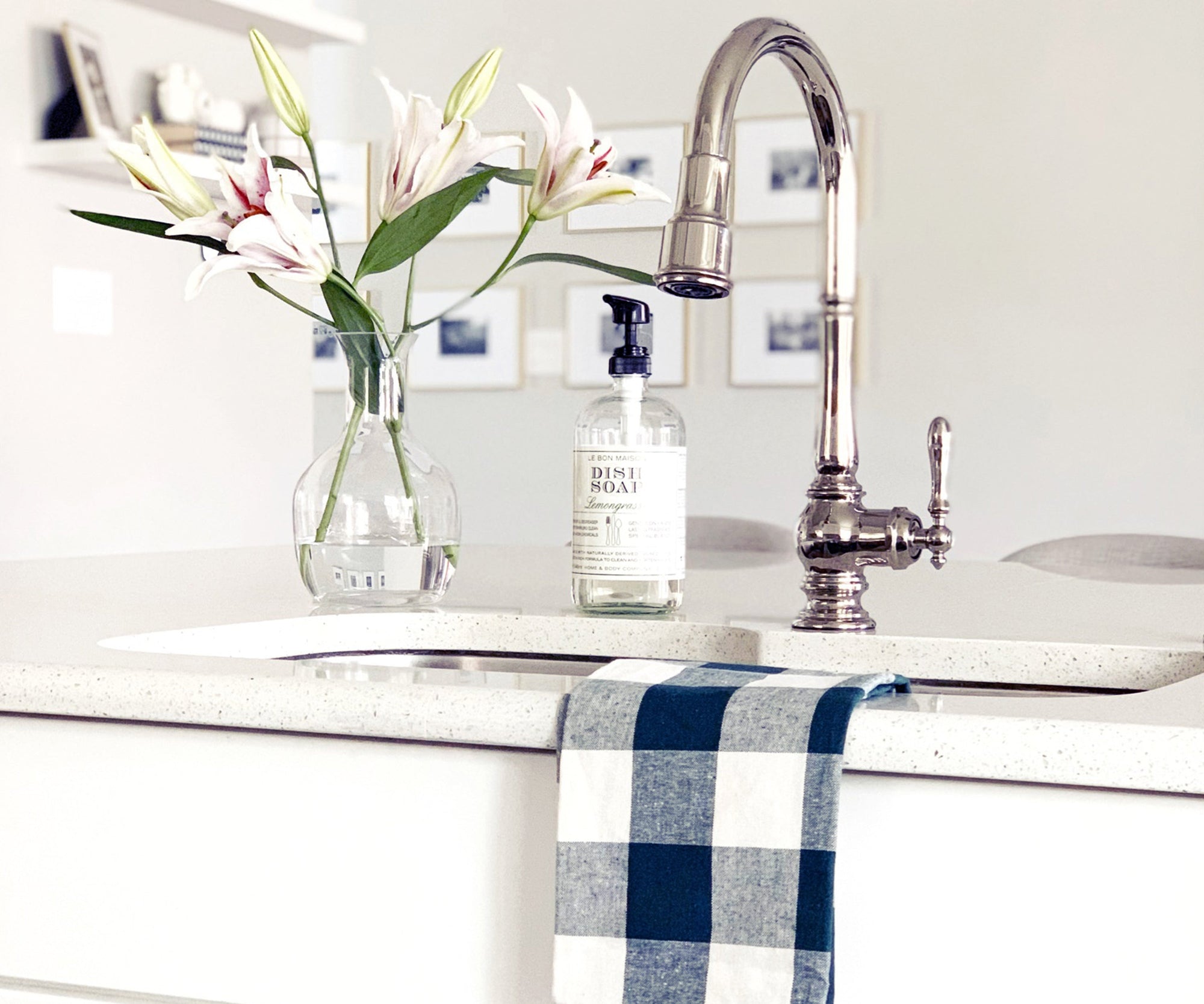


The answer is simple. In many cases, tea towels and dish towels serve the same purpose, but their names, materials, and traditional uses vary by region. Understanding these differences can help you select the right towel for drying dishes, polishing glassware, cleaning surfaces, or handling food preparation tasks.
This guide explains everything you need to know about tea towels and dish towels, including their origins, fabrics, weaves, uses, and maintenance.
Are Tea Towels and Dish Towels the Same?
In modern households, the terms are often used interchangeably. However, there are some traditional distinctions.
A tea towel is the term commonly used in the United Kingdom, Australia, and several other countries. Historically, it referred to a lightweight linen cloth used to dry delicate china and glassware after tea service.
A dish towel is the term more commonly used in the United States and Canada. It describes a kitchen towel designed for drying dishes, wiping counters, and handling everyday kitchen chores.
Today, the differences are less about function and more about material, weave, and regional naming conventions.

Tea Towel vs Dish Towel: Key Differences
Size Comparison
The size difference between tea towels and dish towels is usually minor.
|
Towel Type |
Typical Size |
|
Traditional Tea Towel |
18 x 28 inches |
|
Standard Dish Towel |
18 x 28 to 20 x 30 inches |
|
Waffle Weave Towel |
18 x 28 to 20 x 30 inches |
|
Flour Sack Towel |
28 x 28 to 30 x 30 inches |
Most kitchen towels fall within a similar size range, making them suitable for everyday use.
Material Differences
The fabric used has the biggest impact on performance.
Linen Tea Towels
Traditional tea towels are often made from linen or linen blends.
Benefits include:
-
Low lint production
-
Fast drying time
-
Long-lasting durability
-
Better polishing performance
-
Improved appearance with repeated washing
Linen is especially useful for glassware, mirrors, and polished surfaces where a clean finish matters.

Cotton Dish Towels
Cotton remains the most popular kitchen towel material.
Benefits include:
-
Soft texture
-
Excellent absorbency
-
Easy care and maintenance
-
Wide variety of colors and designs
-
Suitable for everyday kitchen tasks
Cotton towels work well for drying dishes, wiping spills, and general household use.
How Does the Weave Affect Performance?
The weave plays an important role in how a towel absorbs moisture and dries.
Flat Weave Towels
Flat-woven towels feature a smooth surface and lightweight construction. They dry quickly and work well for most kitchen tasks.
Best for:
-
Drying dishes
-
Drying glassware
-
Light kitchen work

Waffle Weave Towels
Waffle weave towels have a textured pattern that increases surface area and improves absorbency.
Benefits include:
-
Faster drying
-
Better moisture absorption
-
Lightweight feel
-
Reduced bulk
They are among the most practical options for daily dish drying.
Terry Cloth Towels
Terry cloth towels contain looped fibers similar to bath towels.
Benefits:
-
High absorbency
-
Soft texture
Limitations:
-
Slower drying
-
Can leave lint on dishes and glasses
These towels are often better suited for drying hands than polishing glassware.
Read On: The Different Uses of a Hand Towels or a Dish Towels
Flour Sack Towels
Flour sack towels are made from thin, breathable cotton.
Common uses include:
-
Covering dough
-
Straining liquids
-
Lining serving baskets
-
Light dish drying
Their large size makes them useful for food preparation tasks.

Which Towel Is Better for Drying Dishes?
The answer depends on what you are drying.
For Everyday Dishes
A cotton dish towel, particularly one with a waffle weave or flat weave, is usually the most practical choice.
Advantages include:
-
High absorbency
-
Easy washing
-
Long-term durability
-
Good performance for plates, bowls, and cookware
Best Solution for Most Kitchens
Many households benefit from having both types available.
Use cotton towels for daily kitchen tasks and reserve linen towels for delicate items and polishing.
Which Towel Works Best for Cleaning Surfaces?
For countertops, stovetops, and general cleaning, cotton dish towels are usually the better option.
Cotton handles:
-
Food spills
-
Water splashes
-
Everyday messes
-
Frequent washing
Linen towels are better suited for drying dishes and polishing, as grease and stains can be more difficult to remove from linen fibers.
More Uses for Tea Towels and Dish Towels
Kitchen towels are surprisingly versatile.
Covering Dough and Food
A clean towel can cover bread dough while it rises and protect prepared foods without trapping excess moisture.
Lining Baskets and Trays
Many people use towels to line bread baskets and serving trays. This adds visual appeal while helping absorb excess moisture.
Straining Liquids
Fine-weave linen or flour sack towels can be used to strain:
-
Homemade stock
-
Yogurt
-
Nut milk
-
Cold brew coffee
Kitchen Decoration
Kitchen towels are often displayed on oven handles, racks, and countertops. A patterned or striped towel can add color and character to the space.
Polishing Surfaces
A slightly damp linen towel works well for polishing:
-
Stainless steel appliances
-
Chrome fixtures
-
Glass surfaces
Its smooth texture helps create a clean finish without scratching.
Explore More: Mornings and Meals with Dish Towels: How to Choose the Kitchen Towels?
What Should You Consider When Buying Kitchen Towels?
Choose the Right Material
For glassware and polishing:
-
100% linen
-
Linen-cotton blends
For daily kitchen use:
-
100% cotton
-
Waffle weave cotton
-
Flat-woven cotton
Select the Right Size
Standard kitchen towels are suitable for most households. Larger flour sack towels are useful when additional coverage is needed.
Build a Practical Collection
Most households should have at least four to six kitchen towels available.
This allows:
-
Some towels in daily use
-
Clean replacements ready when needed
-
Better kitchen hygiene
Households that assign towels to specific tasks may prefer eight to twelve towels in total.

How to Wash Tea Towels
Linen tea towels require gentle care.
Washing Instructions
-
Use cold or cool water
-
Select a gentle cycle
-
Use mild detergent
-
Avoid bleach
-
Avoid fabric softeners
Drying Instructions
-
Air dry when possible
-
Tumble dry on low heat if needed
Linen becomes softer and more comfortable over time with proper care.
How to Wash Dish Towels
Cotton dish towels are easier to maintain.
Washing Instructions
-
Wash at 40°C to 60°C
-
Use regular detergent
-
Wash separately from heavily soiled items when possible
Drying Instructions
-
Air dry or tumble dry on low heat
-
Skip fabric softener to maintain absorbency
How Often Should Kitchen Towels Be Washed?
Kitchen towels should be cleaned regularly to prevent odor and bacterial growth.
General recommendations:
-
Dish towels: every one to two days
-
Surface-cleaning towels: after heavy use
-
Hand-drying towels: daily in busy households
-
Glassware towels: after several uses, if kept clean
Replacing damp towels with fresh ones is one of the easiest ways to maintain a cleaner kitchen.
Overview
Tea towels and dish towels perform many of the same jobs, but their materials and traditional uses set them apart. Linen tea towels are known for their lint-free finish and work particularly well for glassware, polishing, and delicate dishes. Cotton dish towels offer excellent absorbency and versatility, making them ideal for everyday kitchen tasks.
For the most practical setup, keep a collection of cotton dish towels for regular use and a few linen tea towels for polishing and glassware. With the right combination, your kitchen will always have the right towel for every task.