


This guide covers everything from planning the menu to creating a welcoming atmosphere. Follow these steps to host a memorable evening with ease!
1. Plan Your Dinner Party From the Start
The foundation of a stress free dinner party begins with planning. Most hosts find that starting two weeks before the event gives them enough time to handle the details without rushing.

Choose Your Theme and Style
Think about what kind of evening you want to create. A casual dinner might feature simple home cooked meals that guests can enjoy in a relaxed setting. For a more formal affair, you could offer a structured meal with multiple courses and refined presentation.
Seasonal feasts let you showcase fresh, local ingredients. A cuisine night like Italian, Mexican, or Asian brings excitement and gives you a clear direction for the menu, decorations, and even music.
Your theme shapes all the other decisions that follow, so take a moment to picture what that evening will feel like.
Decide on Your Guest List
Your menu should be delicious, balanced, and manageable within your skill level. Don't feel pressured to cook every invitations single component from scratch.
How many people can you actually host without feeling overwhelmed? Most hosts find that 6 to 8 guests is the ideal size. This number allows you to serve food without stress and keeps conversation flowing naturally.
Once you know who you're inviting, pick a date that works for most people. Send invitations at least two weeks in advance, whether through text, email, or printed card. Ask guests to let you know if they're coming, so you can plan food quantities and seating.
Relax and enjoy the company of your guests. While All Cotton & Linen bring style and elegance to your dinner party!

Read Related: What to Write in a Wedding Card: Heartfelt Messages & Wishes
2. Create a Menu That Works for You
Your menu should be delicious, balanced, and manageable within your skill level. Don't feel pressured to cook every single component from scratch.

Build Your Menu Structure
Start with an appetizer. This could be soup, salad, or a cheese platter. For parties where guests mingle before sitting down, simple finger foods like bruschetta, stuffed mushrooms, or mini sliders keep people satisfied while they chat.
Follow with a hearty main course. Pasta dishes, roasted chicken, or grilled steak all work well. These foods let you cook ahead of time and feel less rushed when guests arrive.
Add one or two side dishes such as vegetables, rice, or bread. Then finish with dessert, whether it's cake, ice cream, or fresh fruit. Don't forget beverages—offer wine, cocktails, and water or juice for those who don't drink alcohol.
Account for Everyone's Needs
Ask guests about food allergies or preferences when they RSVP. Always prepare at least one vegetarian option. Many guests appreciate knowing what's being served so they can plan accordingly.
Prepare in Advance
Most of the work can happen before guests arrive. Make dips, sauces, and soups the day before. Marinate meats overnight for deeper flavor. Prepare salads or cold appetizers and store them in the fridge.
This advance work means you'll have just the final cooking and plating to do when everyone arrives, allowing you to actually relax and enjoy your guests.
You May Like to Read: What Are The Best Valentine's Day Food Specials | Romantic Dining Ideas
3. Set a Table That Makes an Impression
A well arranged table shows your guests that you've thought about their comfort and experience. The good news is that beautiful table settings don't have to be complicated.
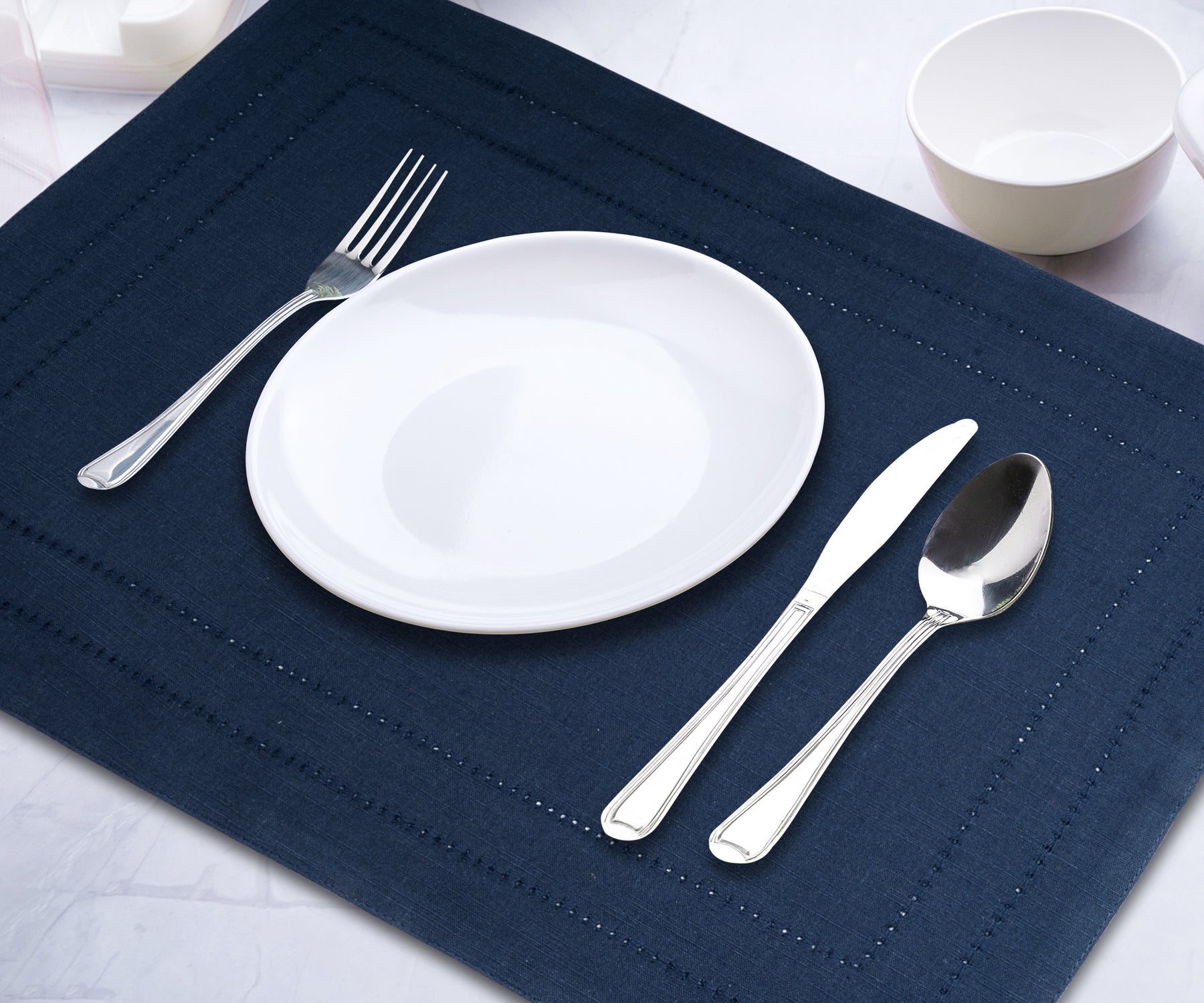
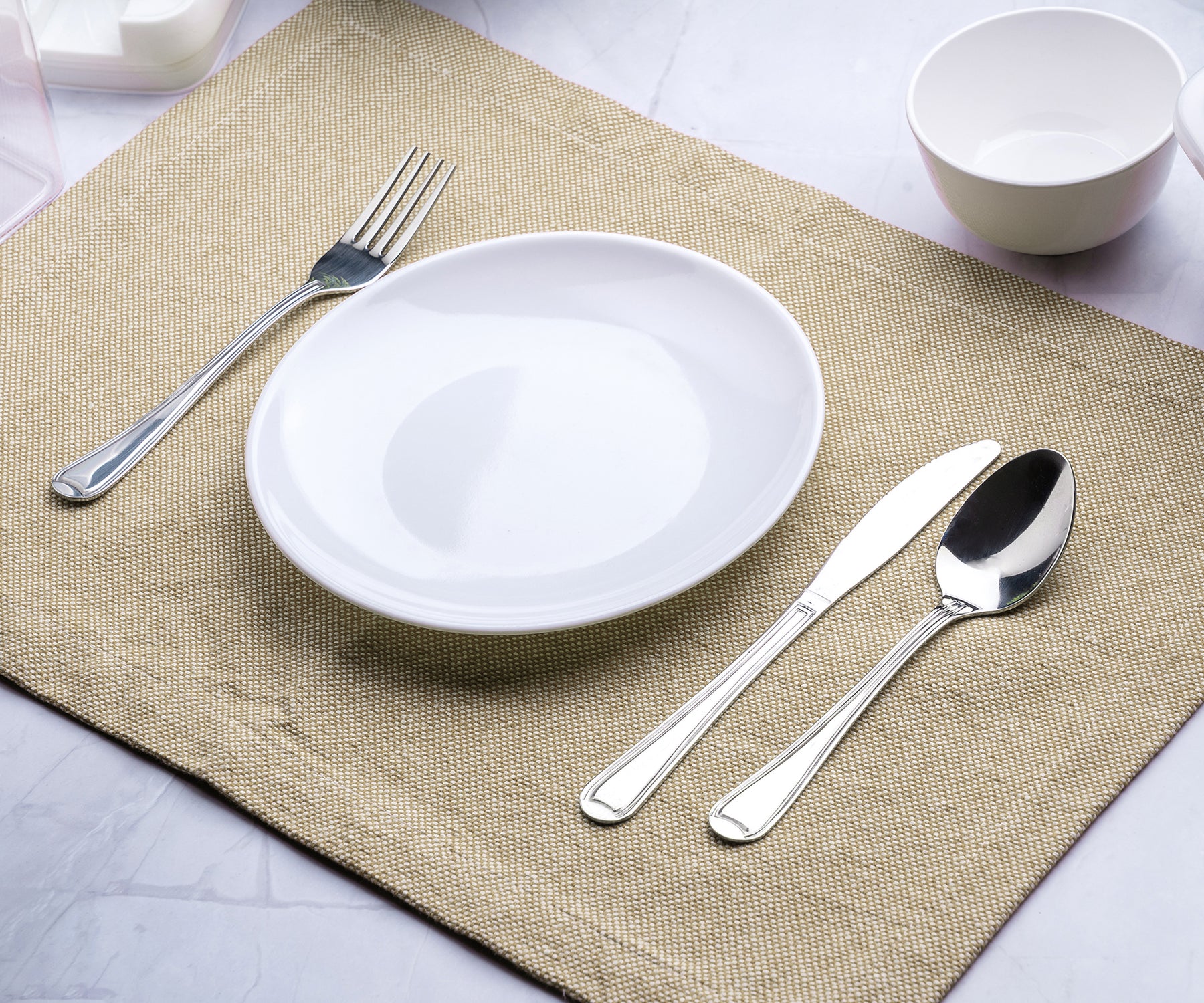
Basic Table Setting for Casual Dinners
For an everyday dinner party, keep it simple and functional:

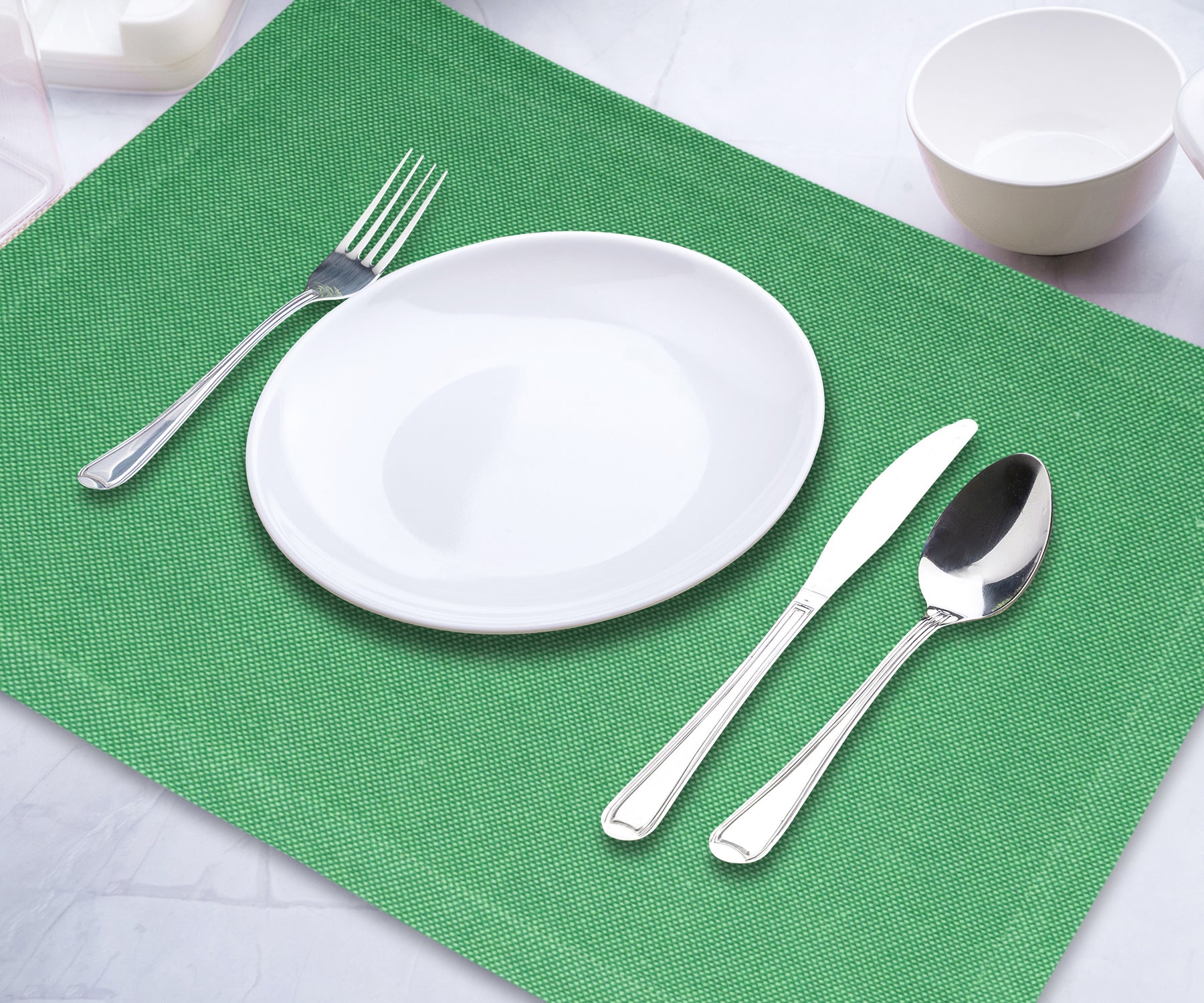
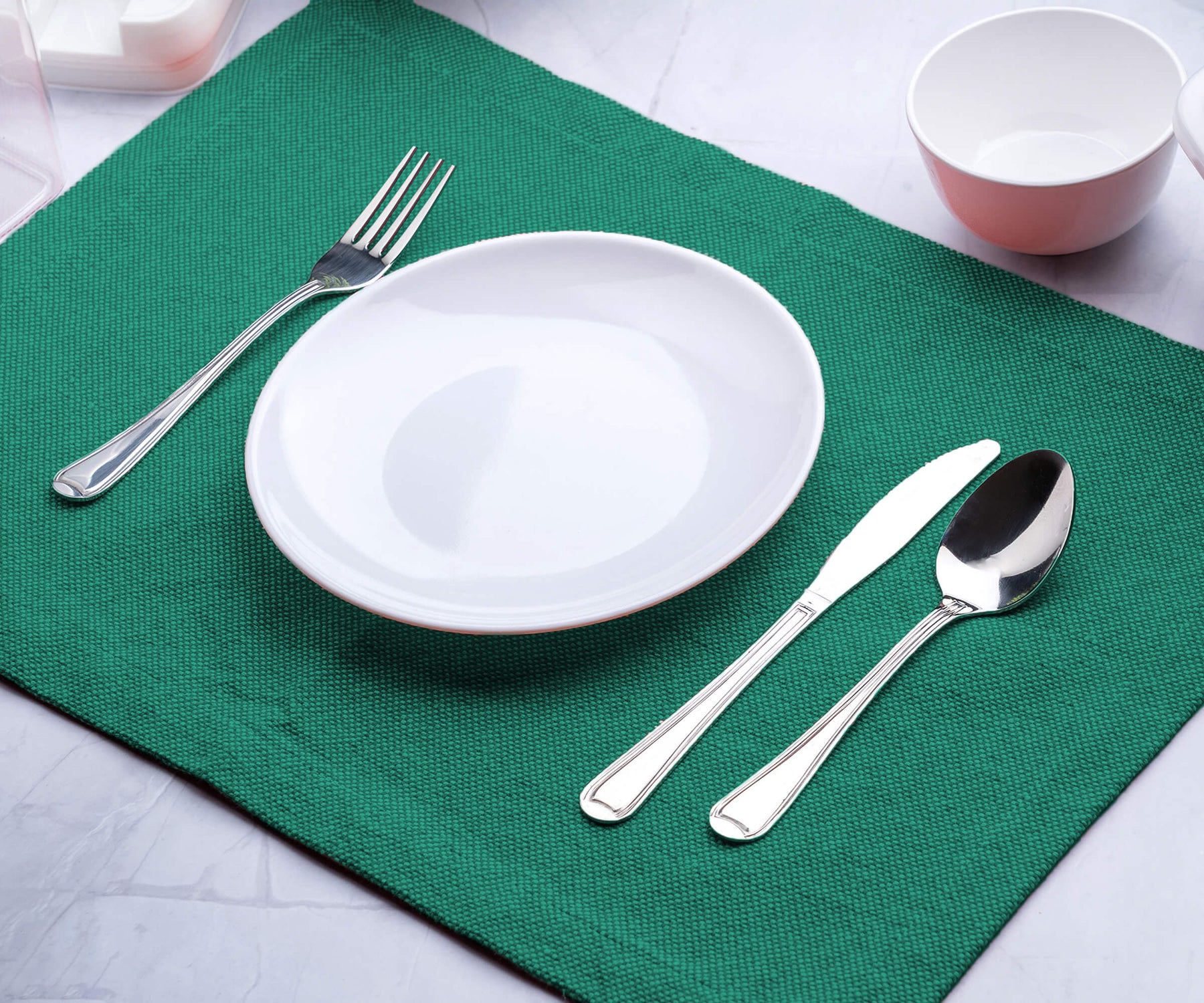
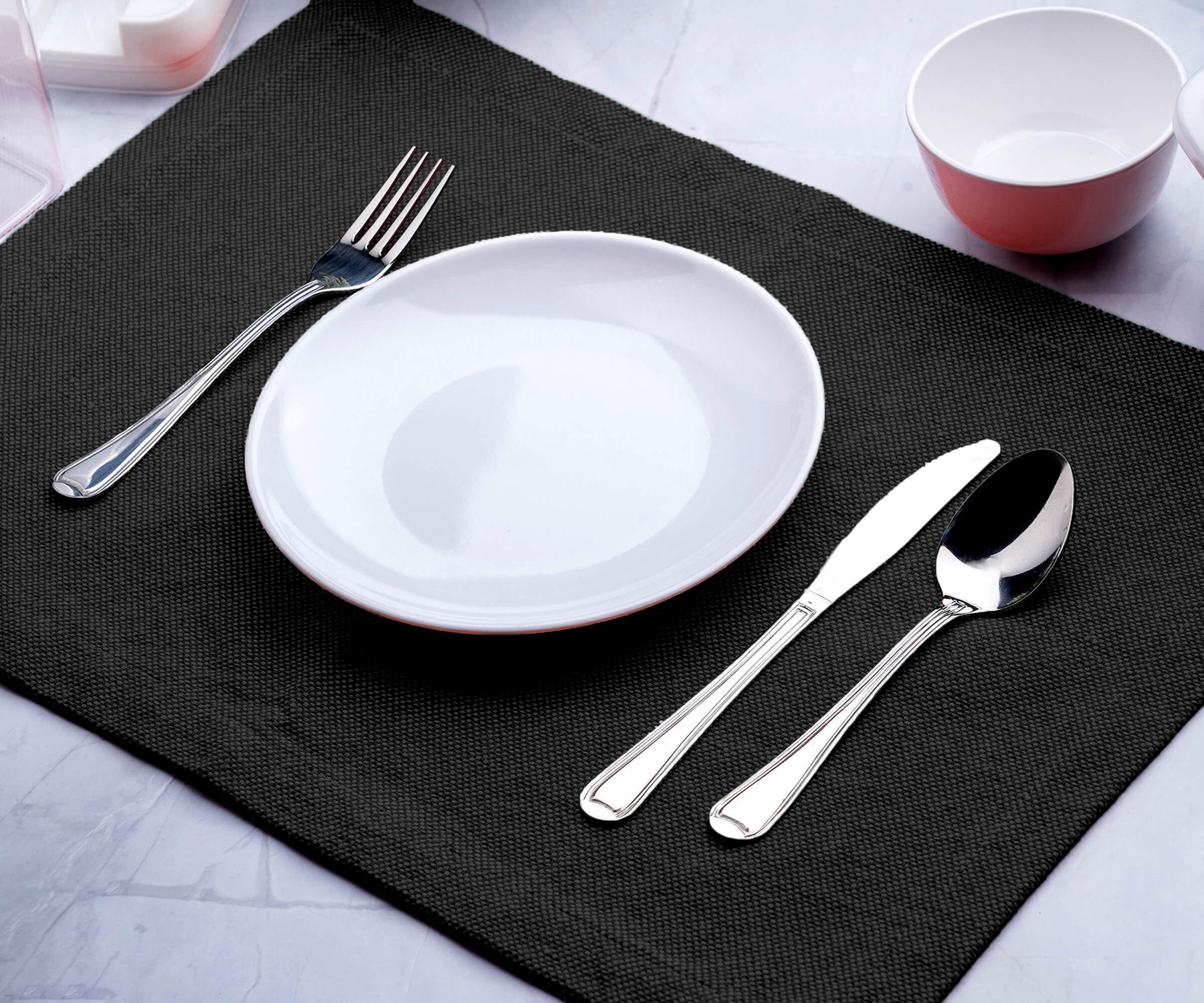
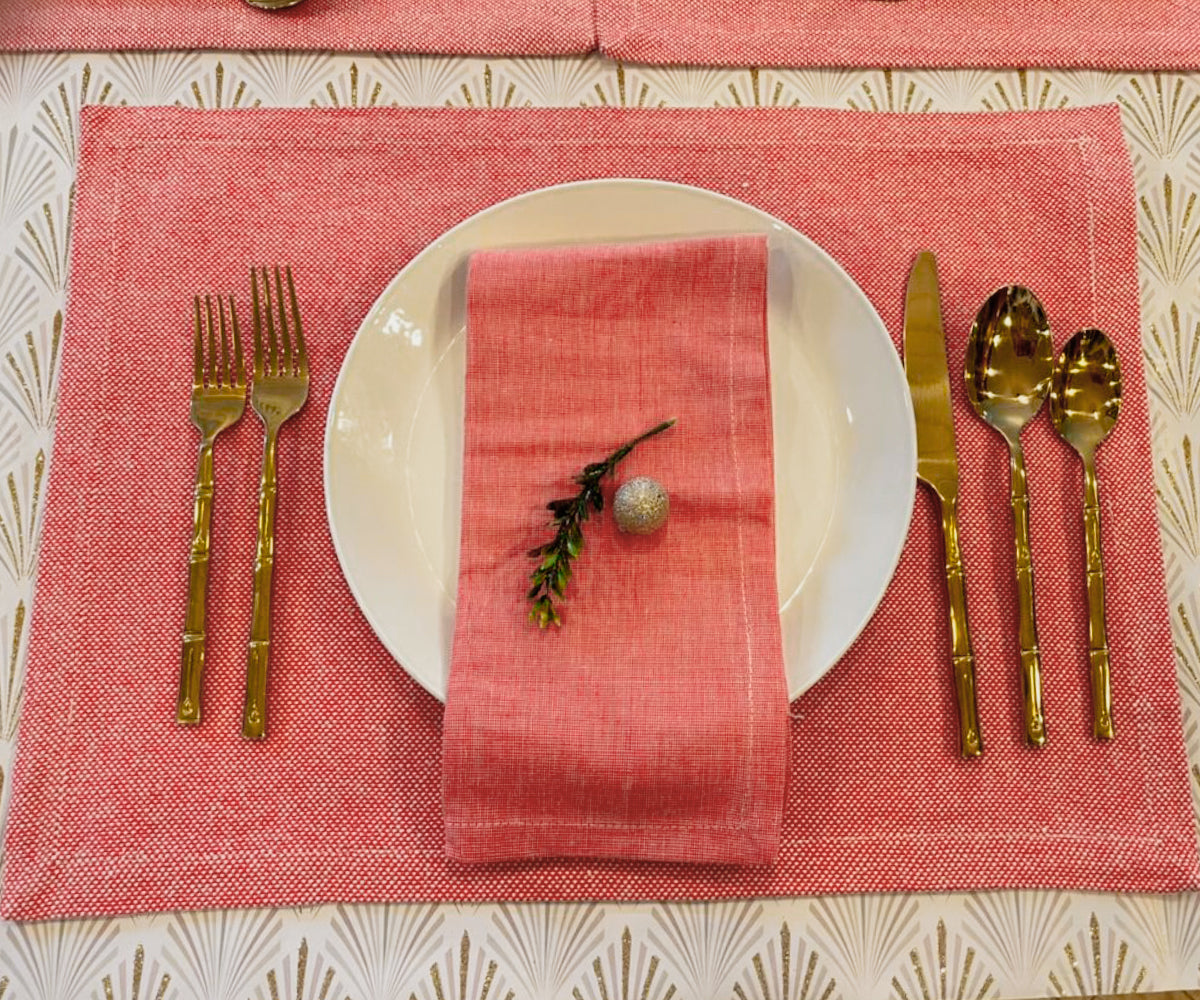
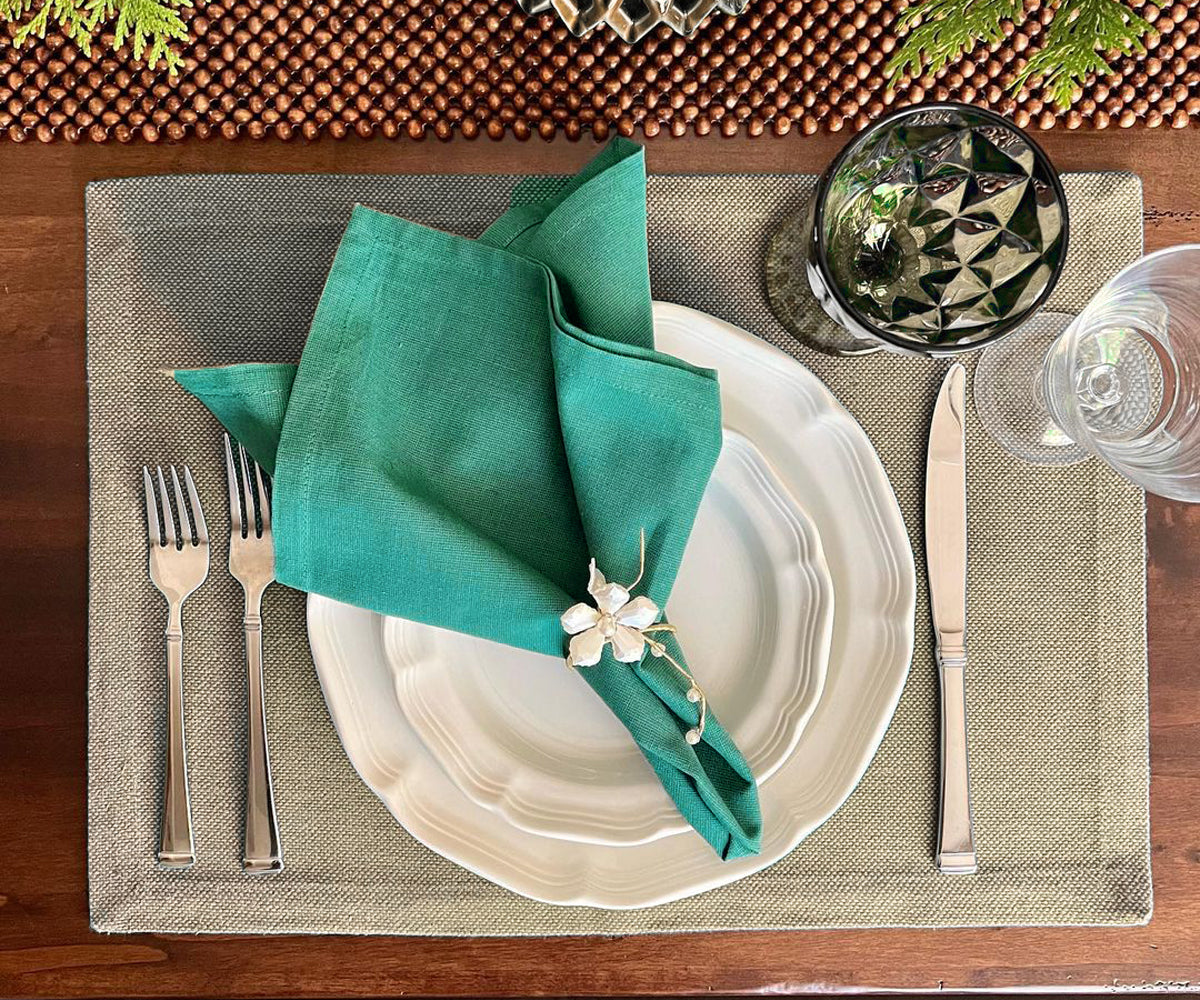
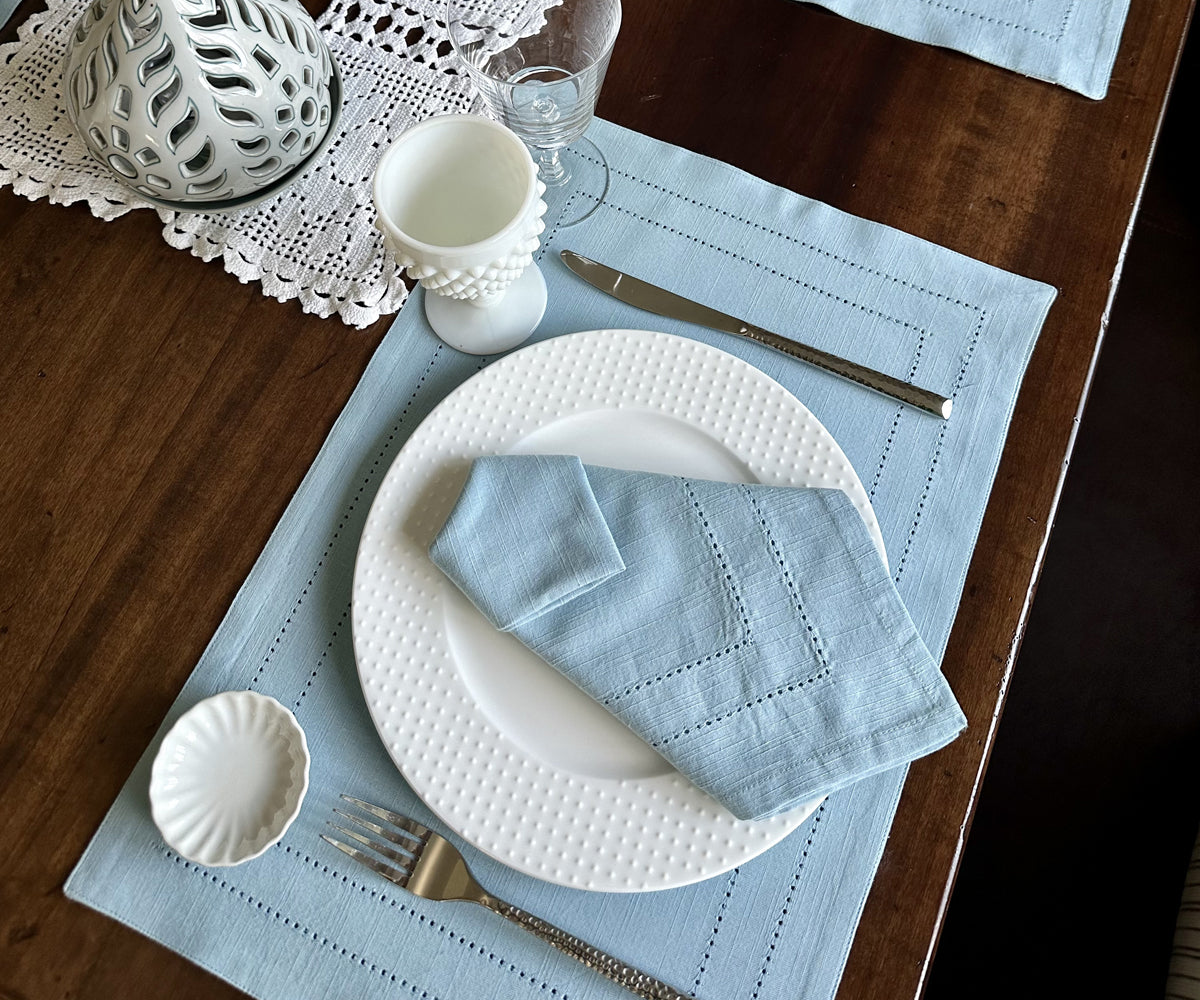
- Place a dinner plate in the center of each seat
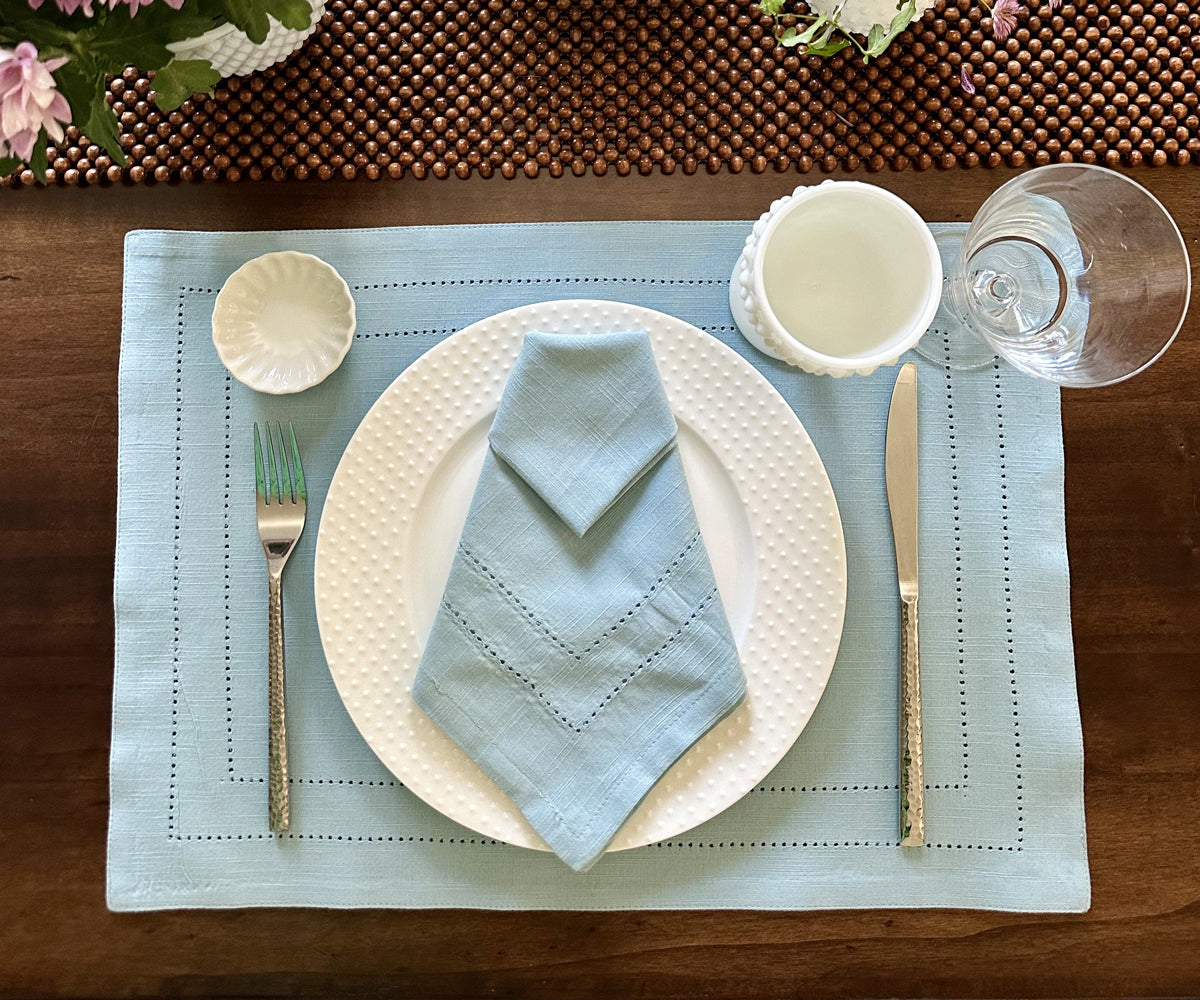
- Put a fork on the left side and a knife on the right side, with the blade facing toward the plate
- Add a spoon next to the knife if you're serving soup
- Set a water glass above the knife
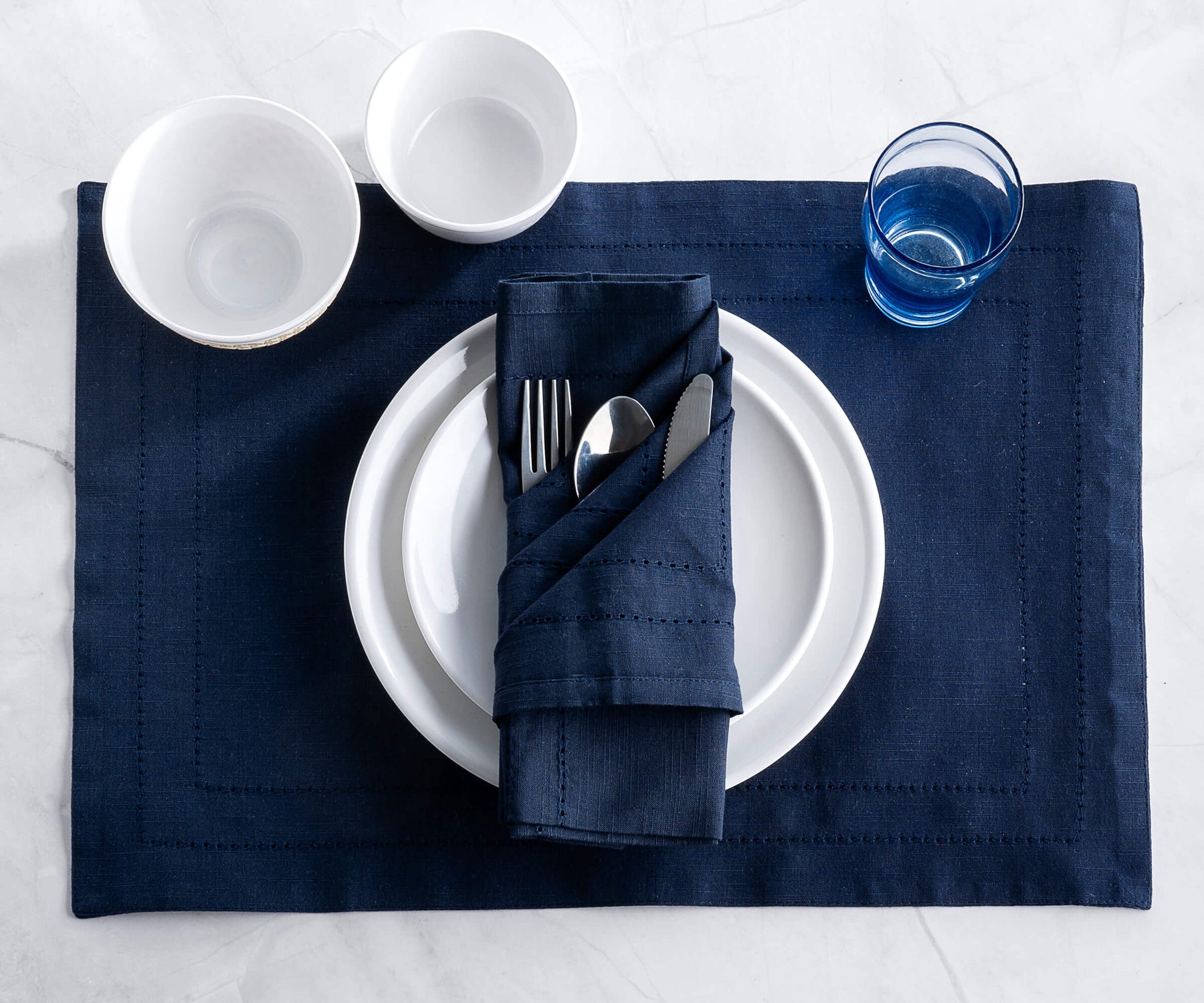
- Fold a napkin and place it on the plate or underneath the fork
This setup works well for family style meals and creates a relaxed feeling.
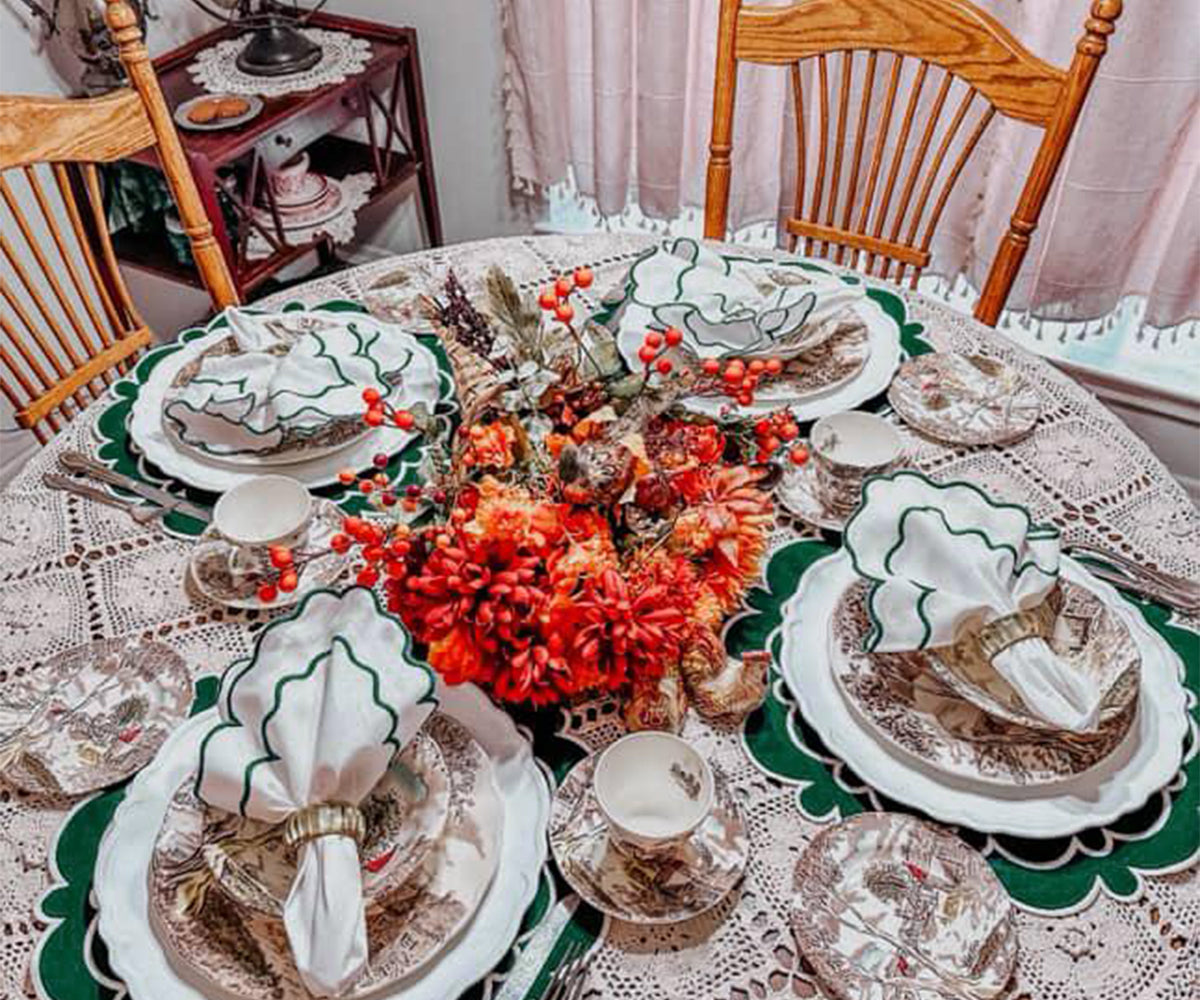
Formal Table Setting for Elegant Dinners
For a more sophisticated setup:

-
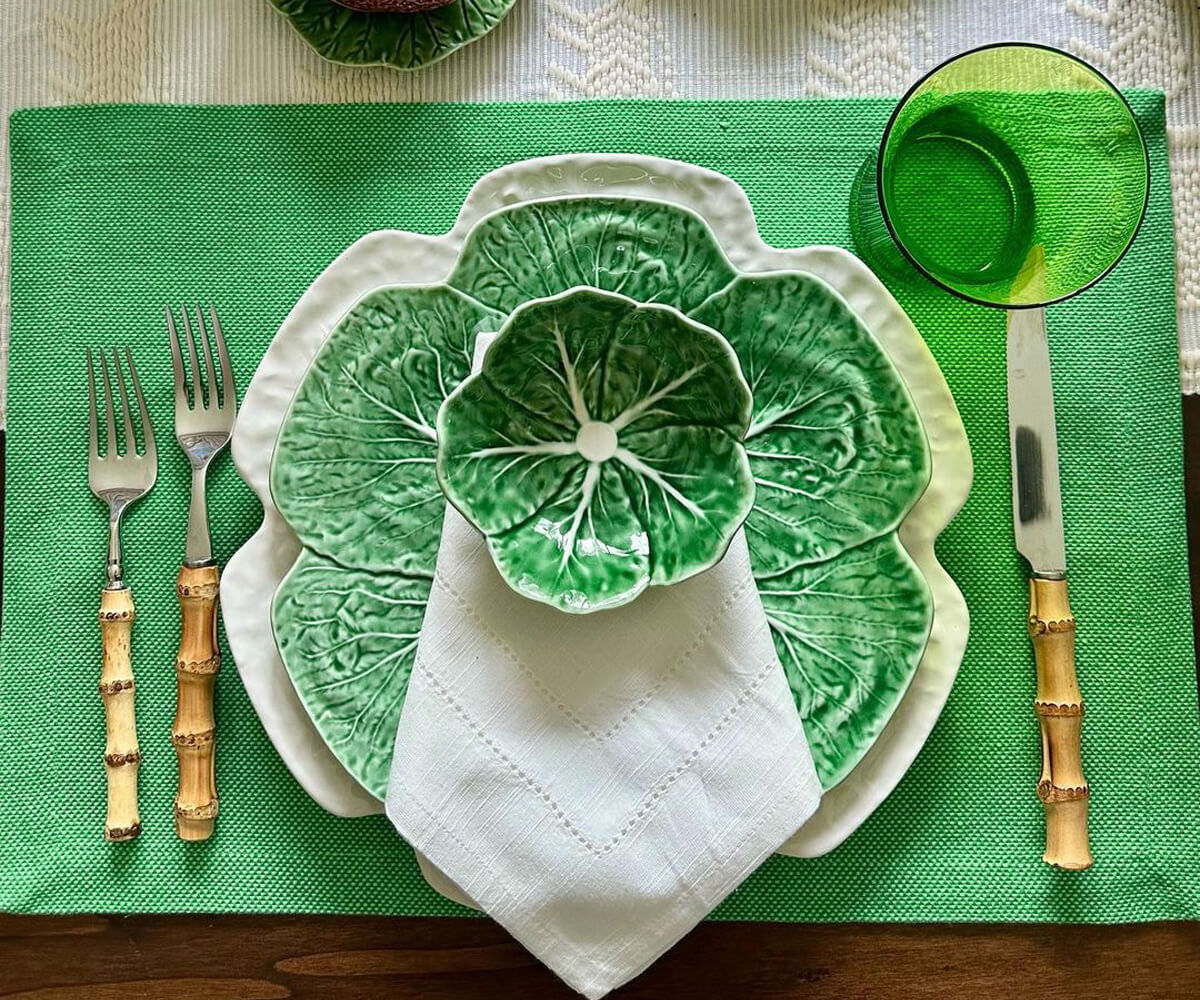
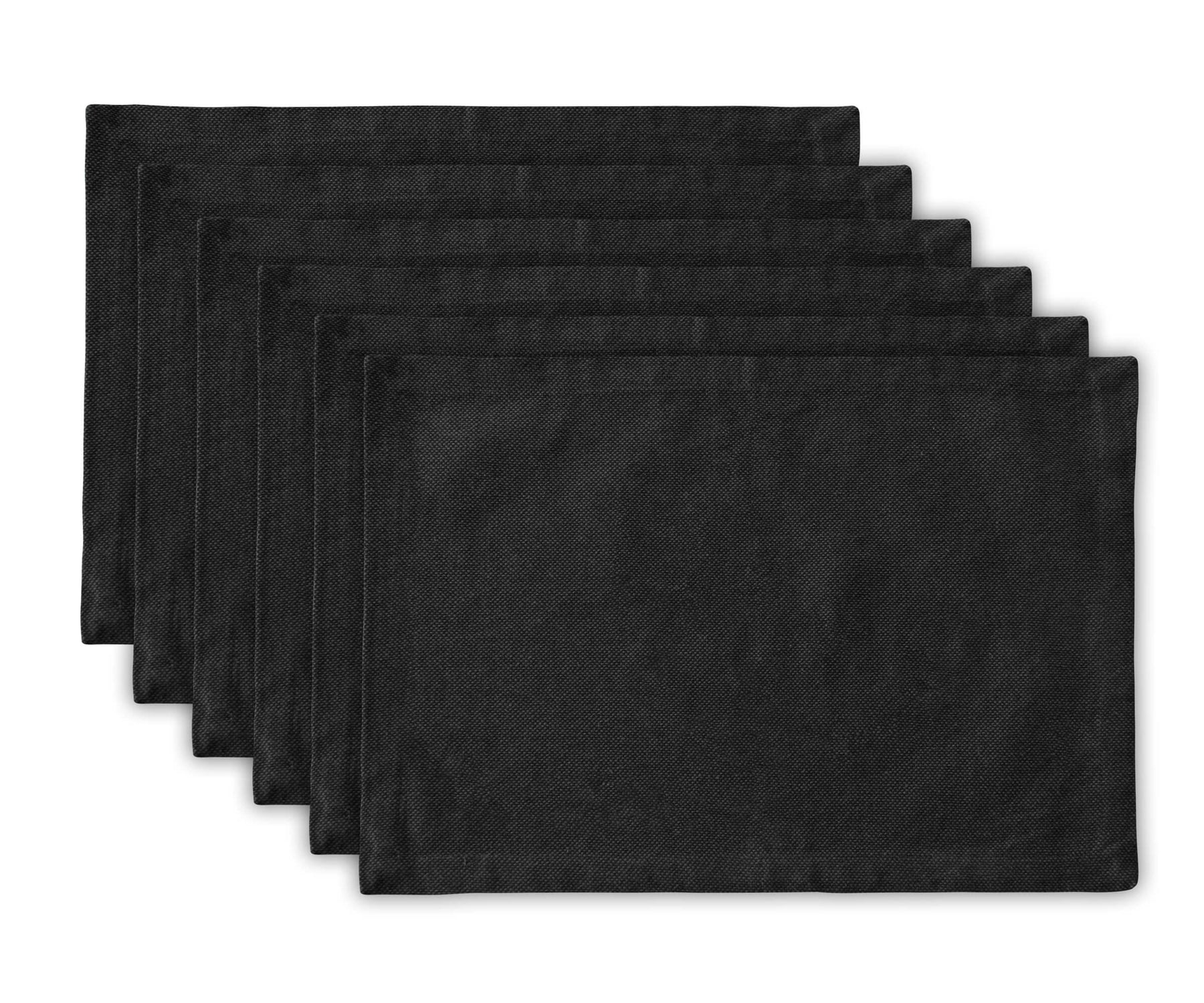
Use a tablecloth or elegant placemats.
-
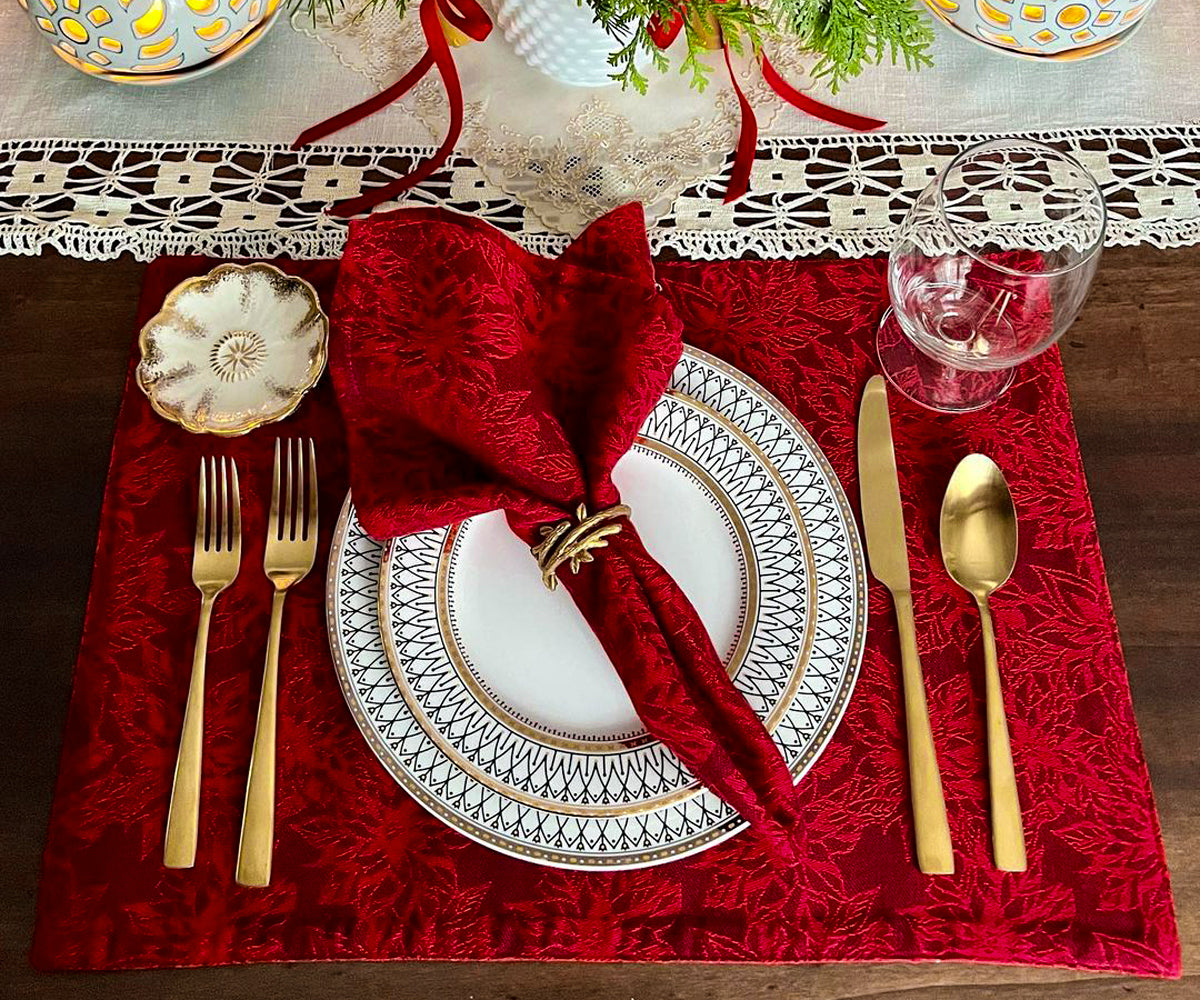
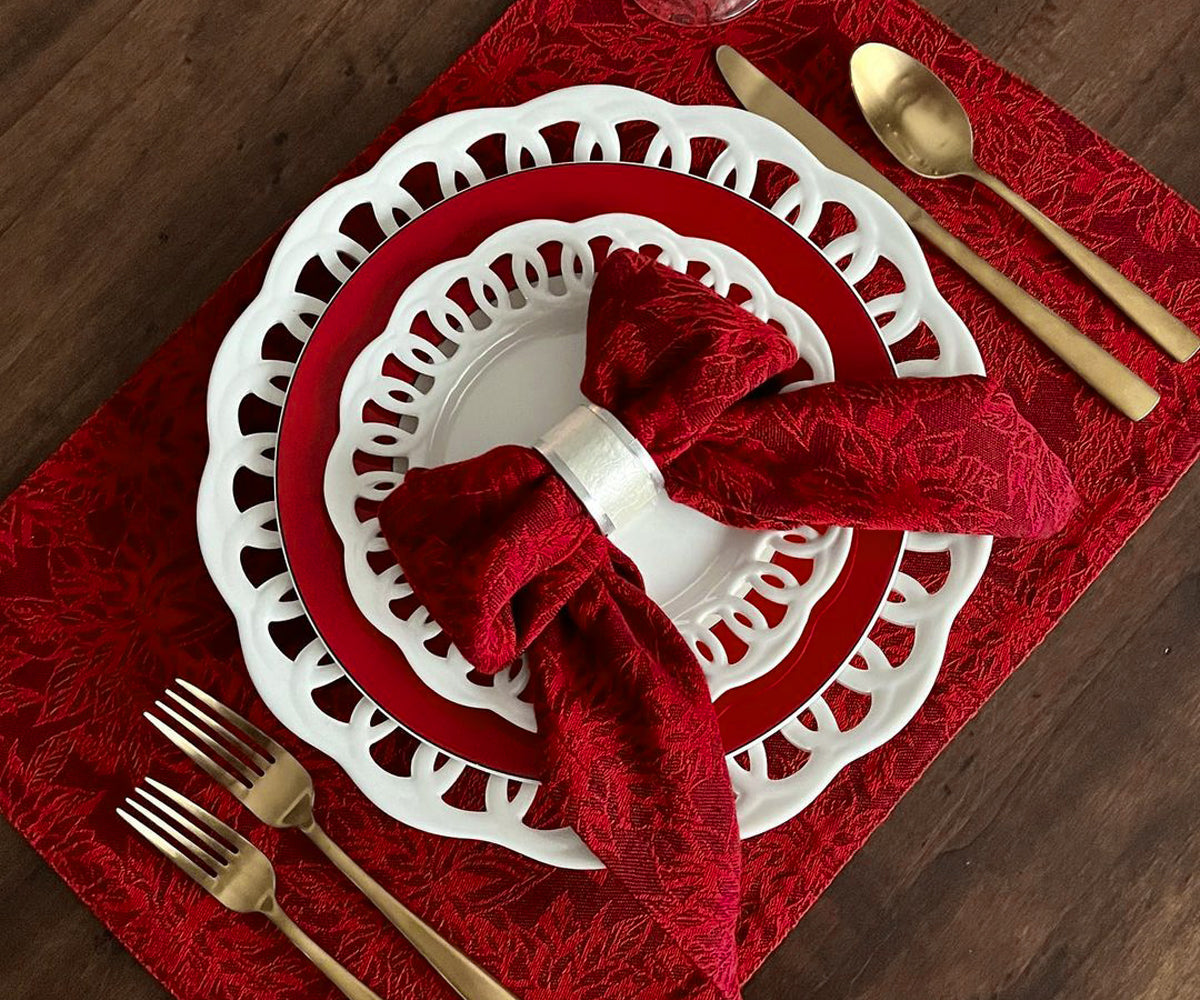
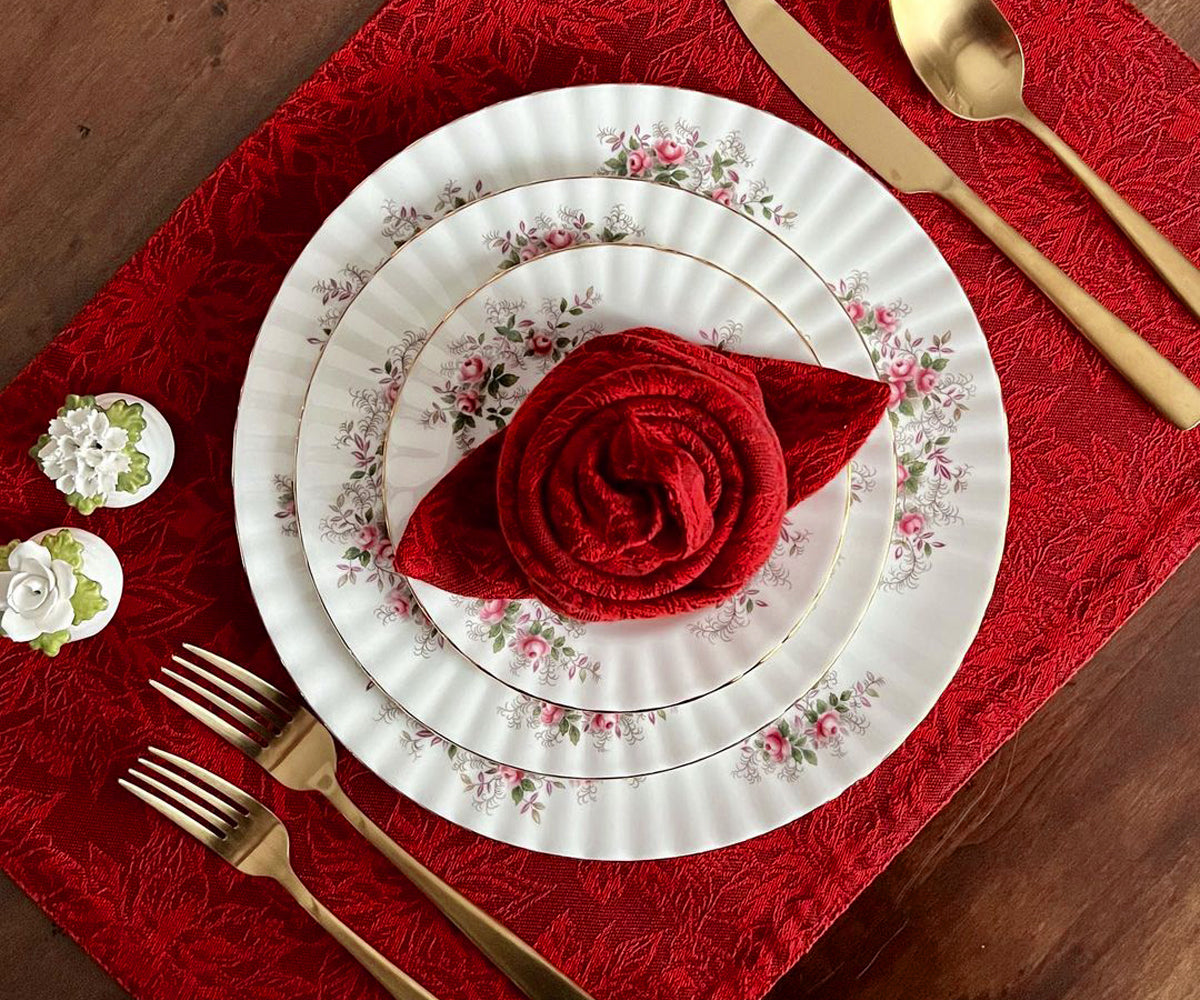
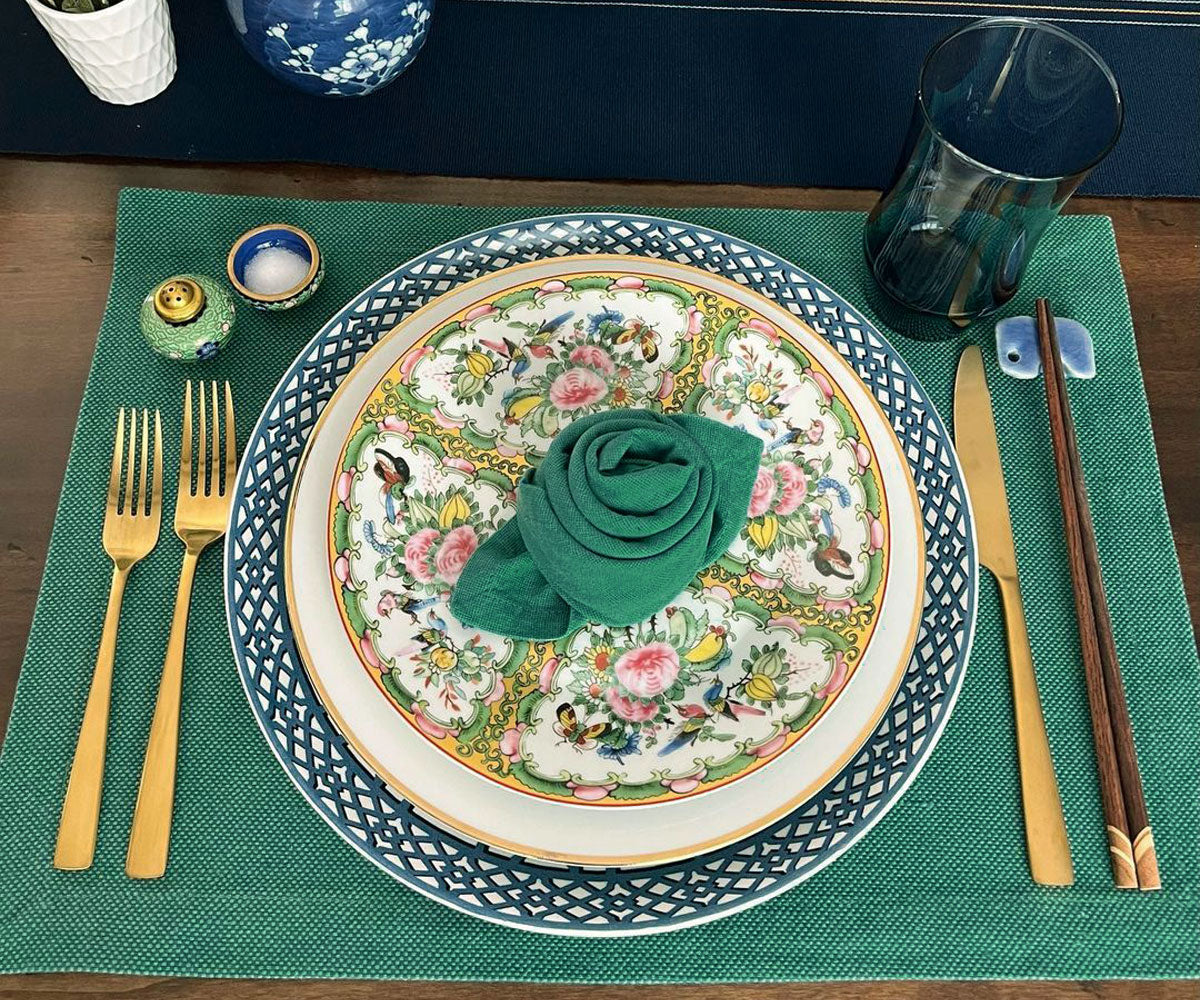
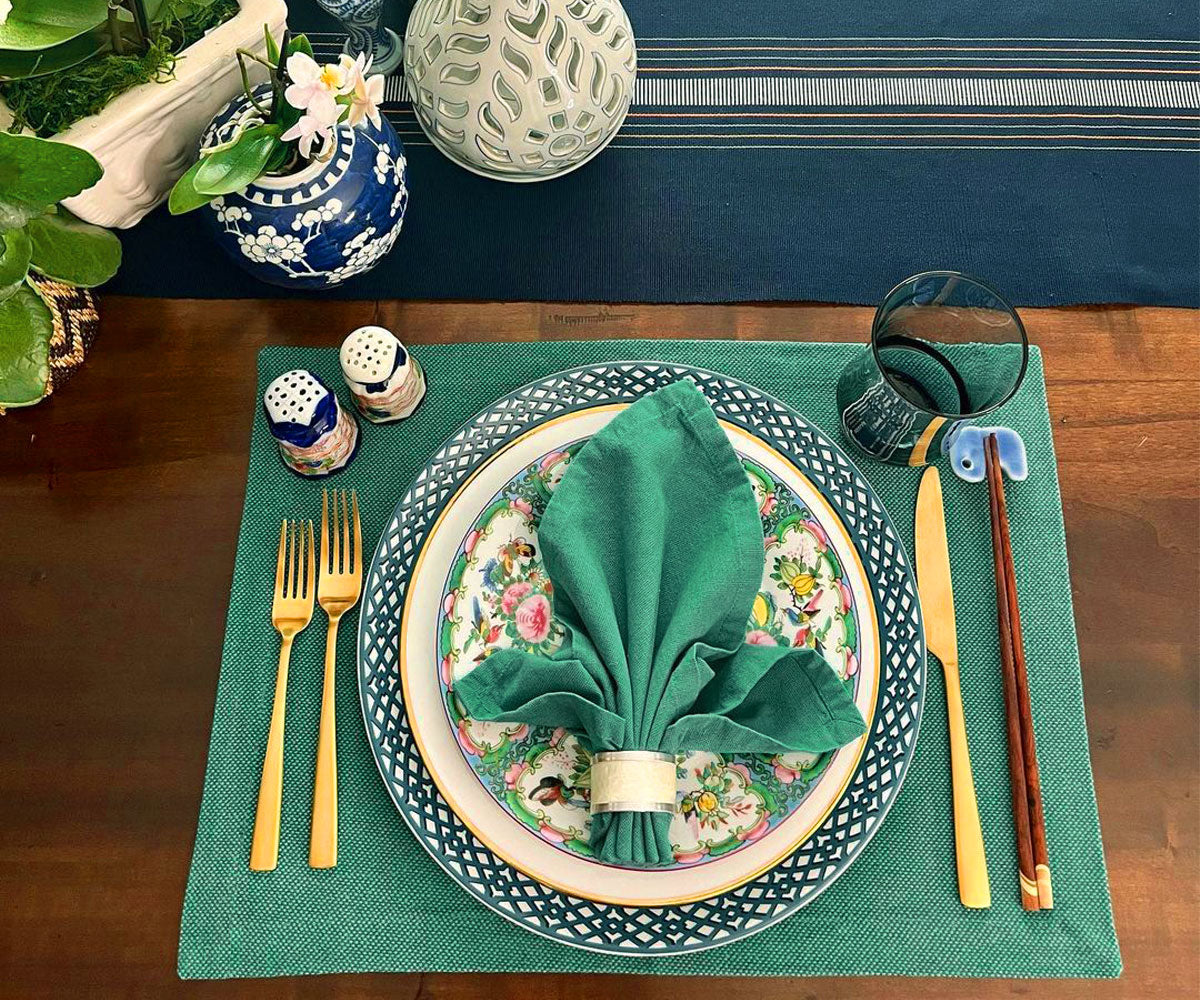
Stack plates: A smaller salad plate goes on top of the dinner plate.
-
Add multiple forks. Salad fork (outside), and dinner fork (inside).
-
Include a bread plate (top left) with a butter knife.
-
Set two glasses, one for water (top right), and one for wine (slightly lower).
-
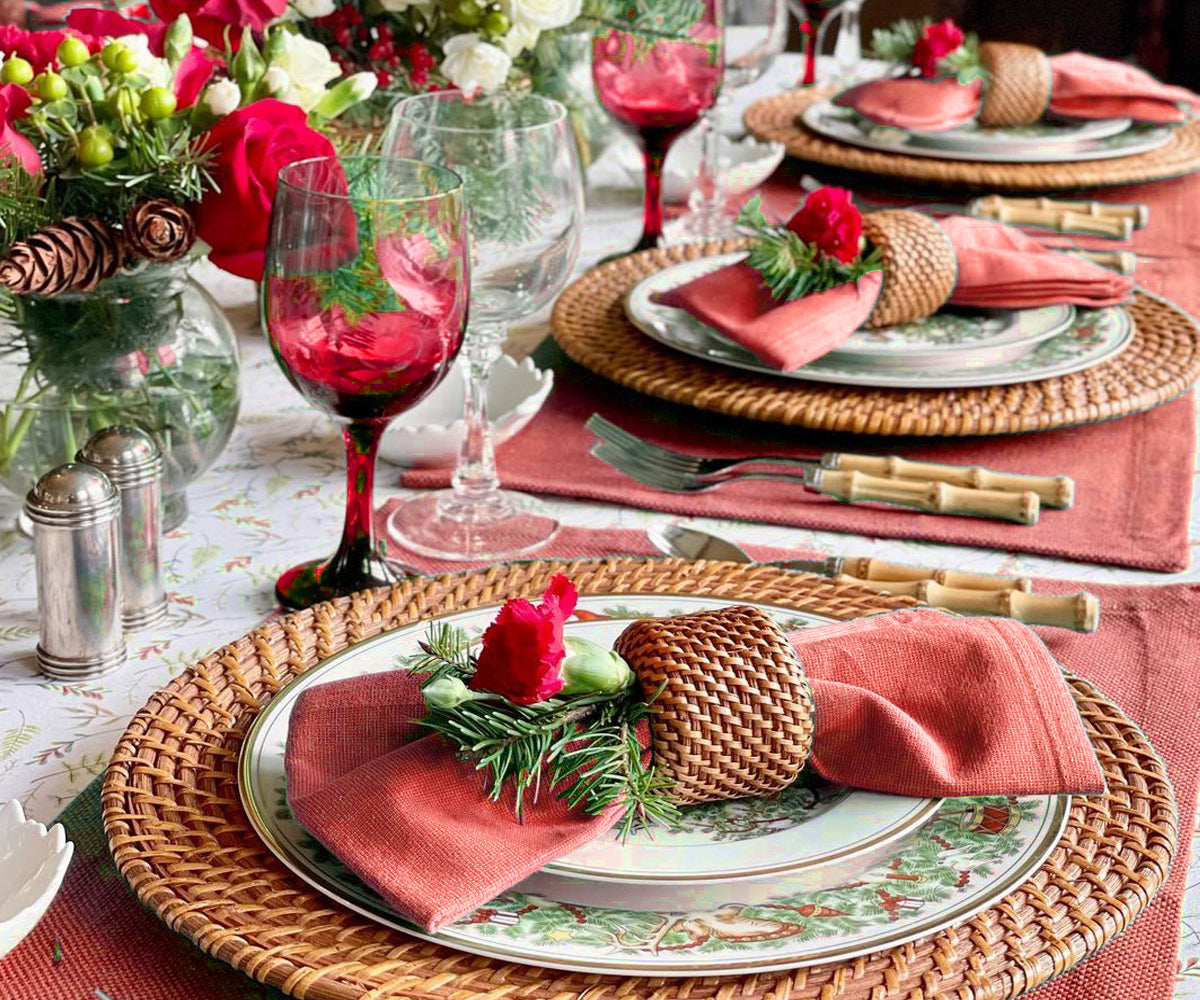
Fold napkins elegantly or use napkin rings.
|
Element |
Placement |
Notes |
|
Base Layer |
Center of place |
Use a tablecloth or elegant placemats |
|
Plates |
Stacked |
Salad plate on top, dinner plate below |
|
Forks |
Left side |
Salad fork on outside, dinner fork inside |
|
Bread Plate |
Top left |
Include a butter knife |
|
Knives and Spoons |
Right side |
Knife (blade facing in), then spoon |
|
Glasses |
Top right |
Water glass above knife, wine glass slightly lower |
|
Napkin |
On plate or under fork |
Fold elegantly or use napkin rings |
This arrangement gives your table a polished appearance while keeping everything functional.
Elevate with Premium Linens
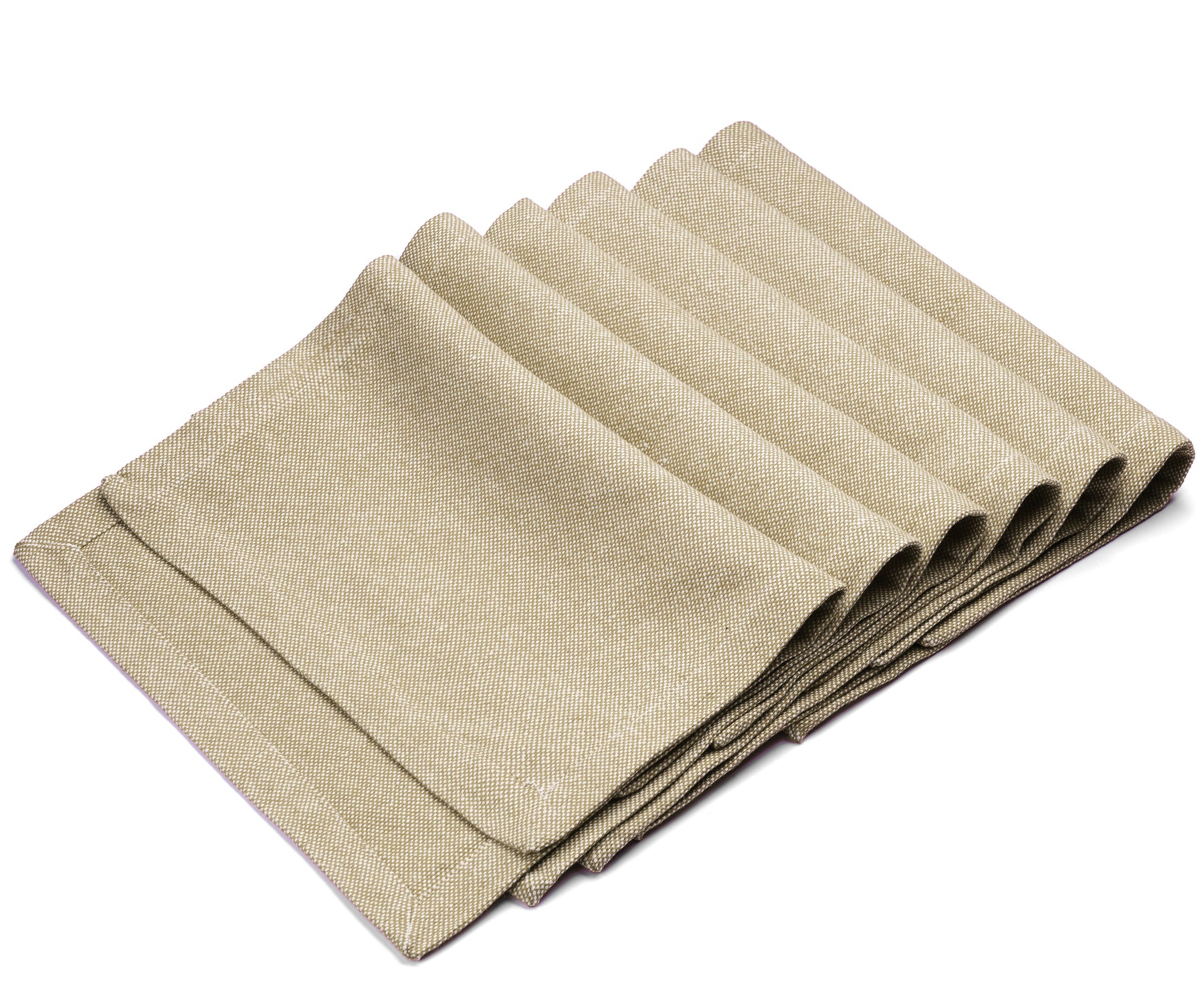
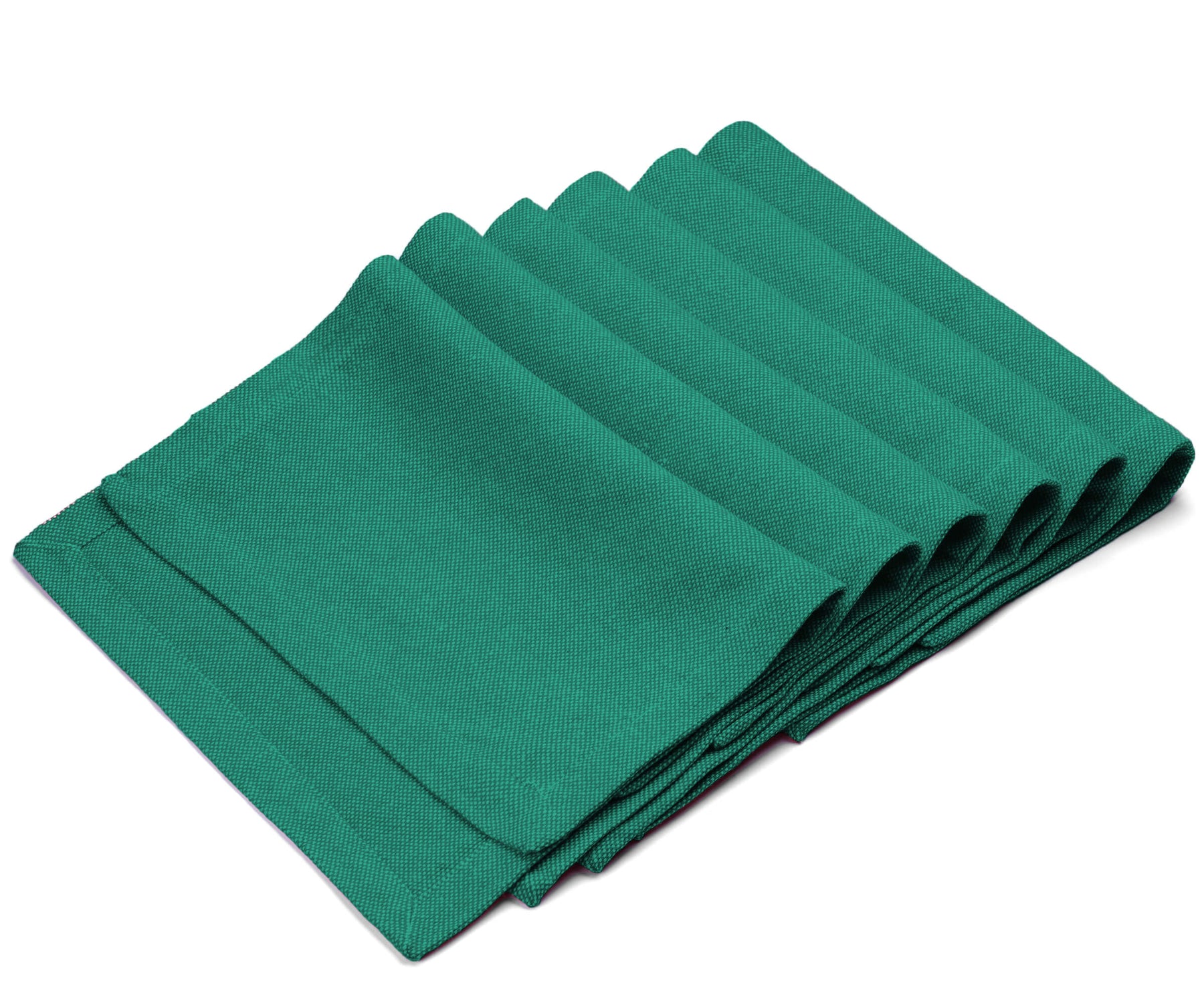
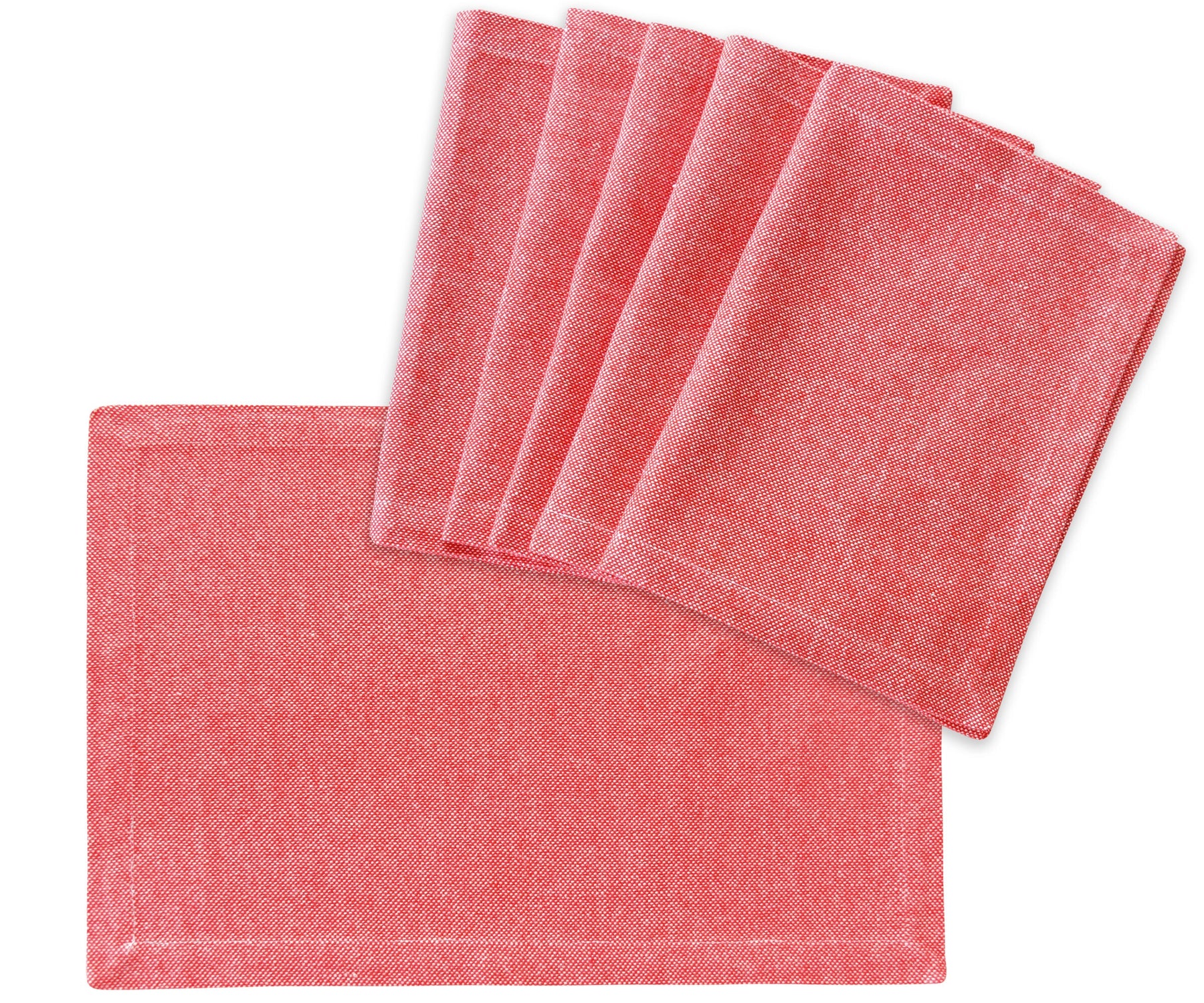
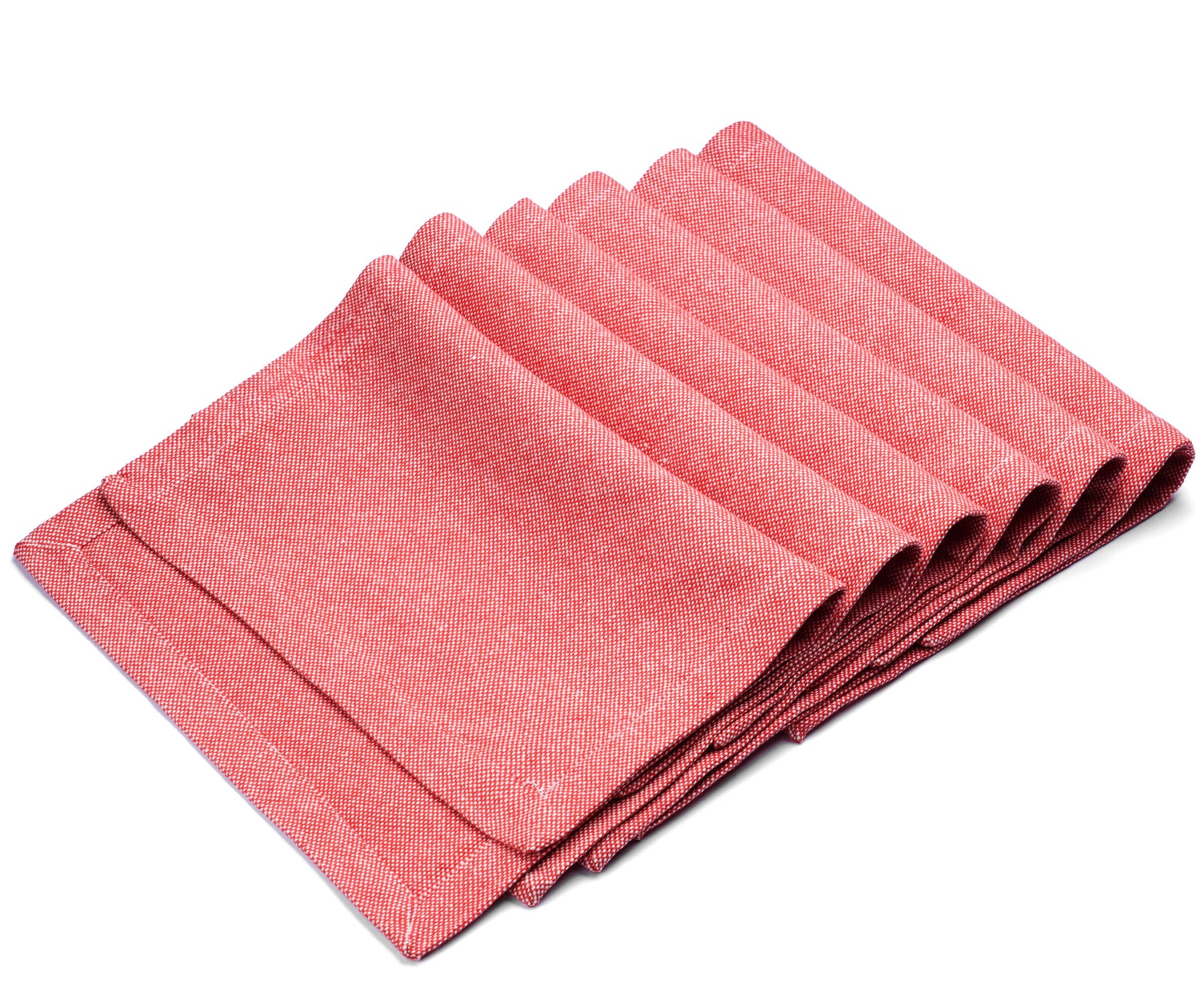
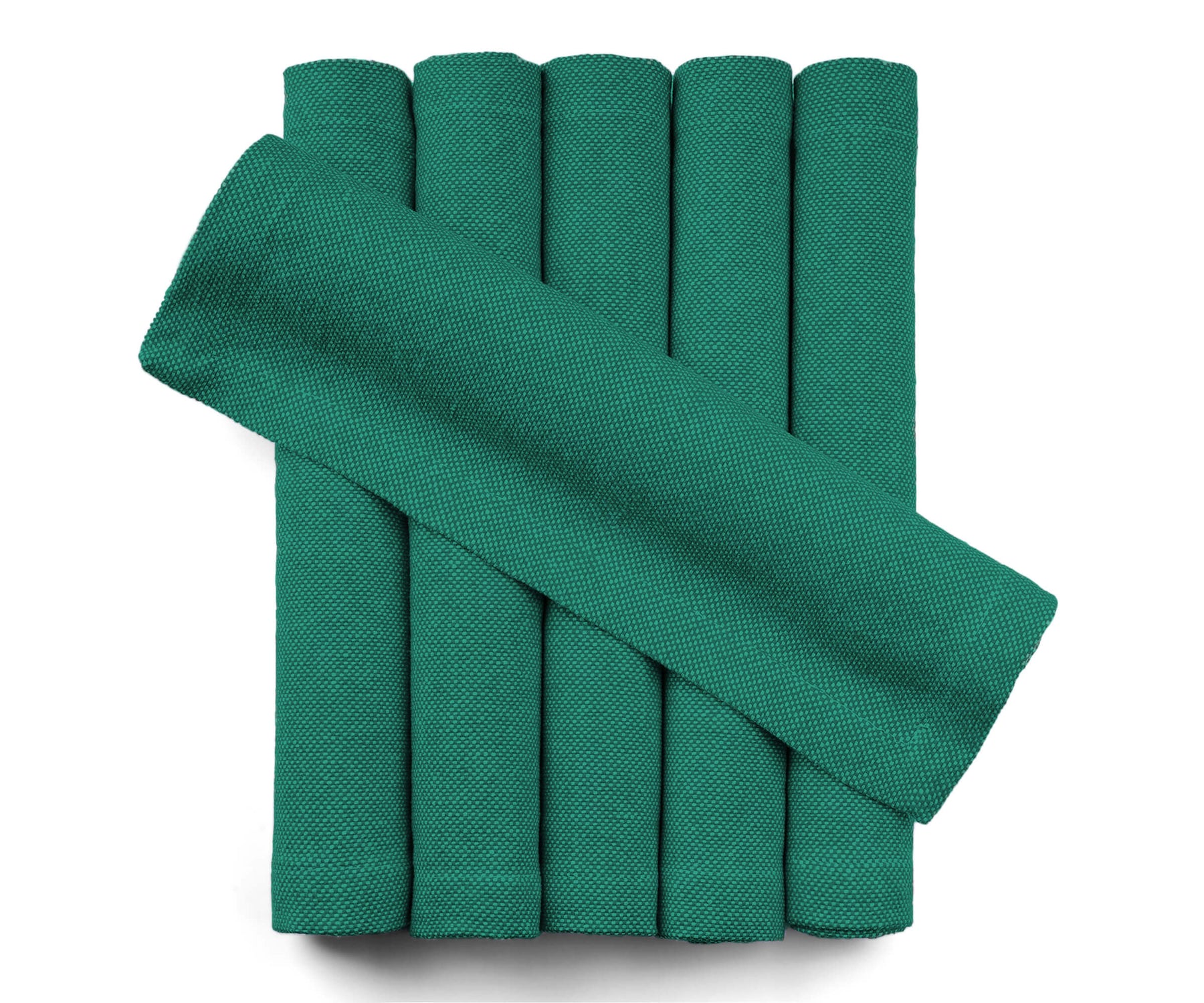
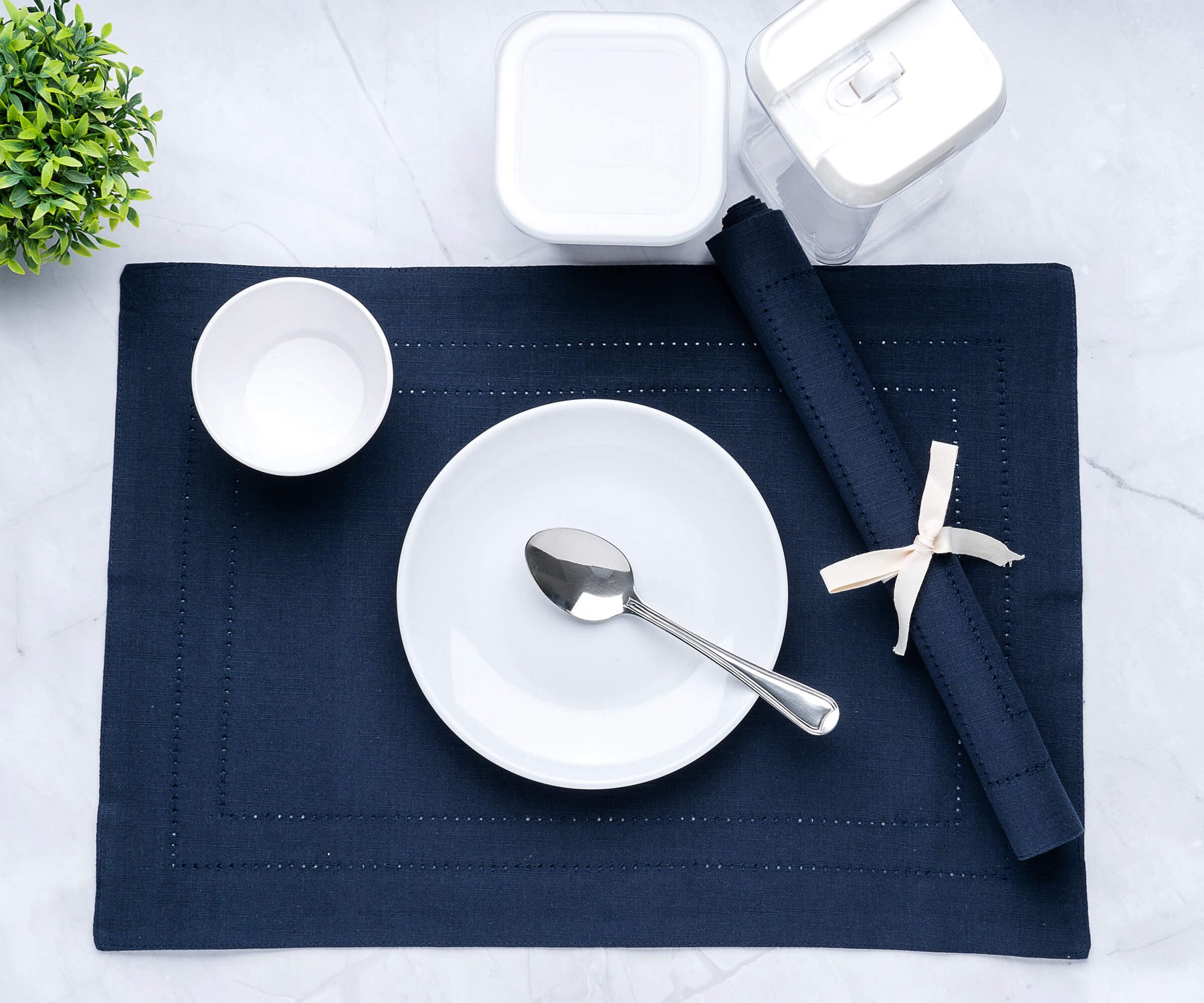
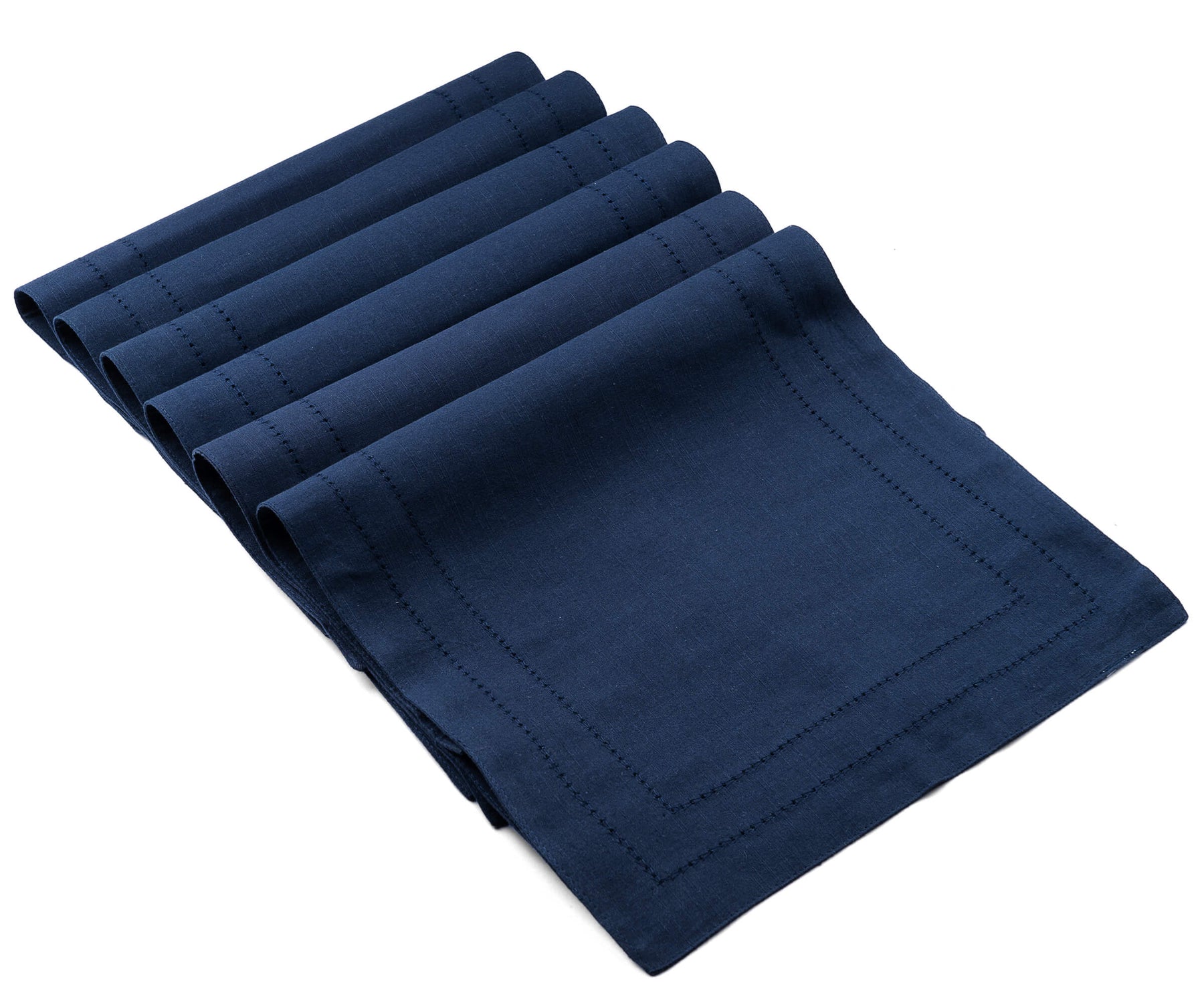
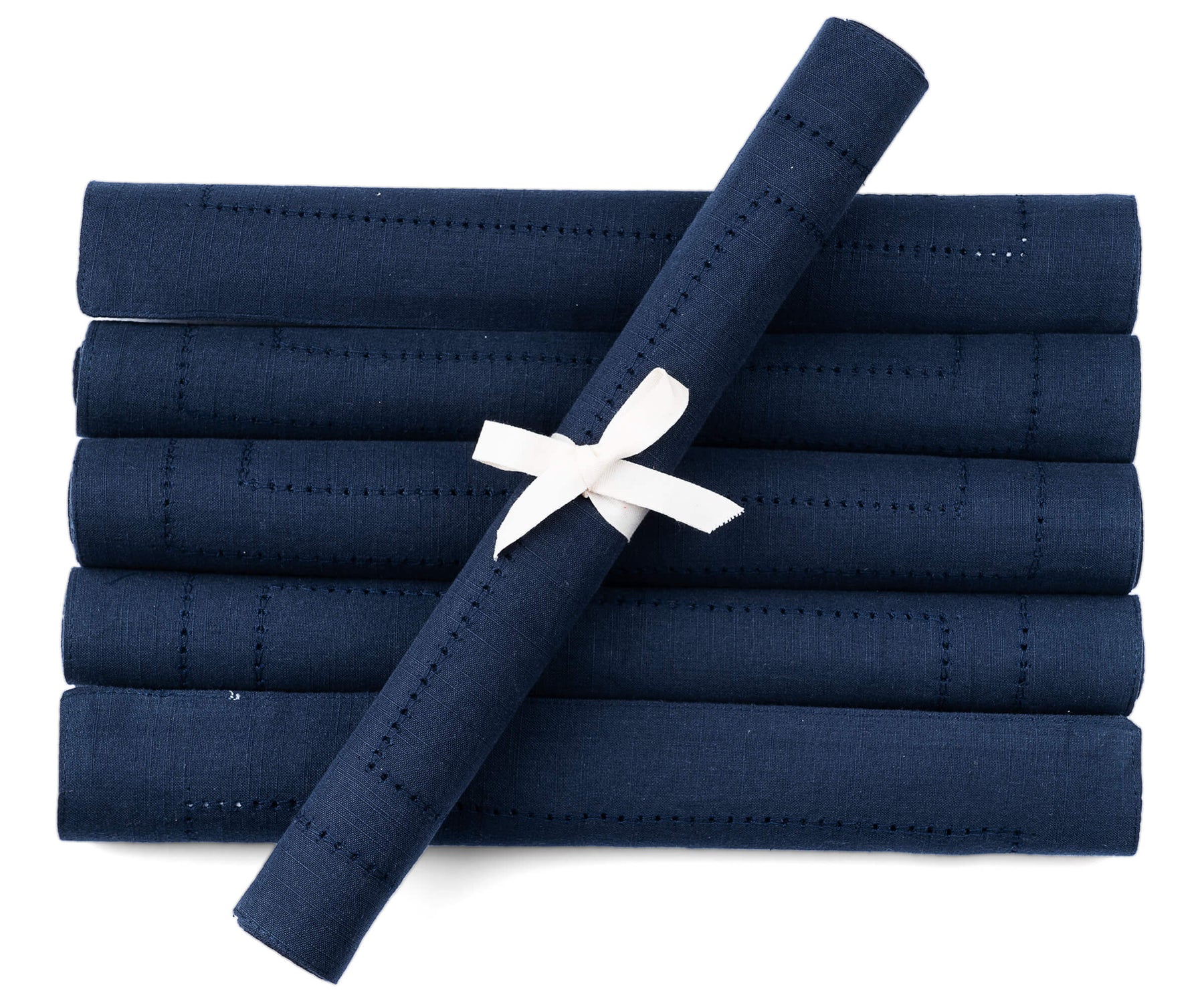
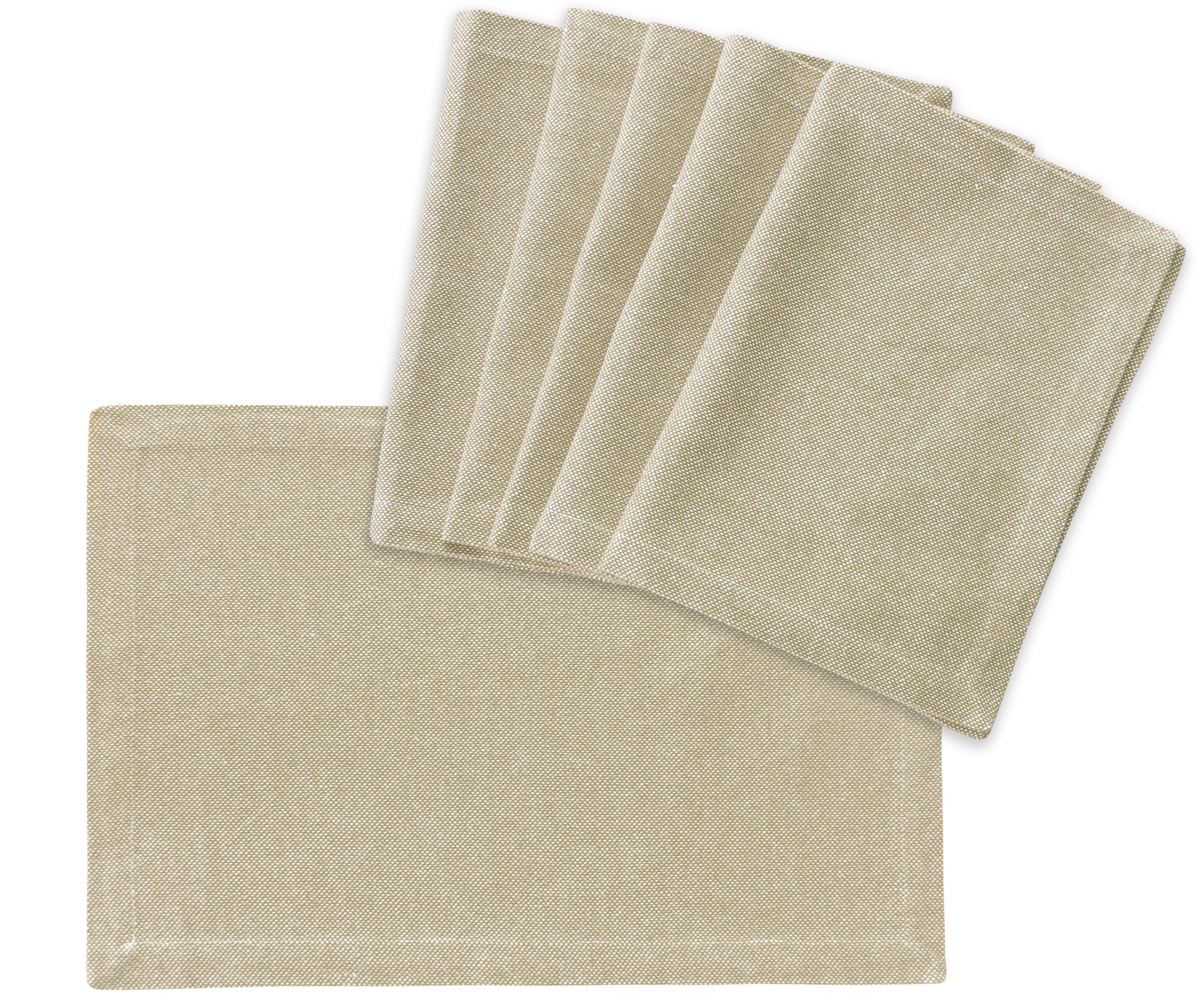
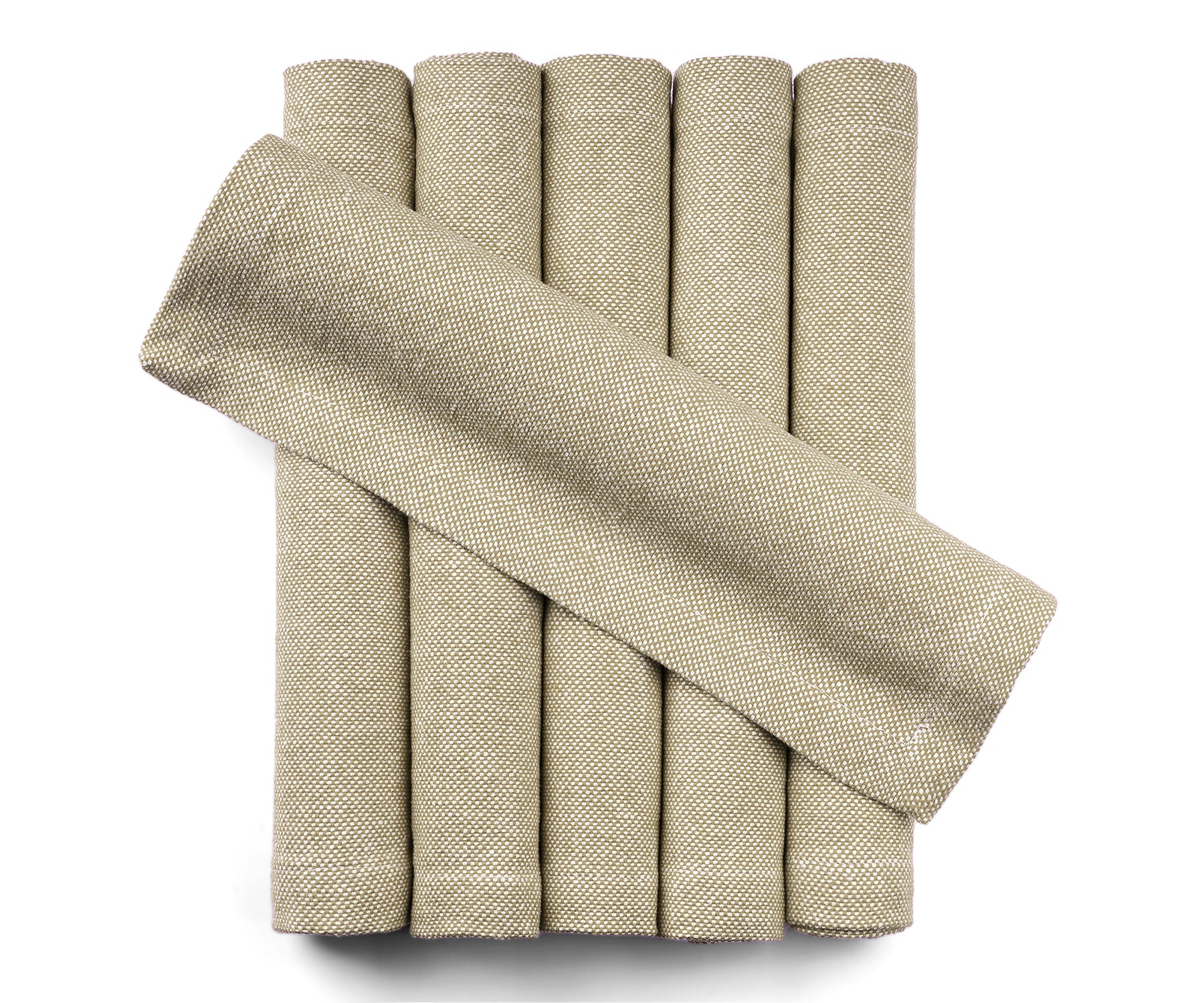
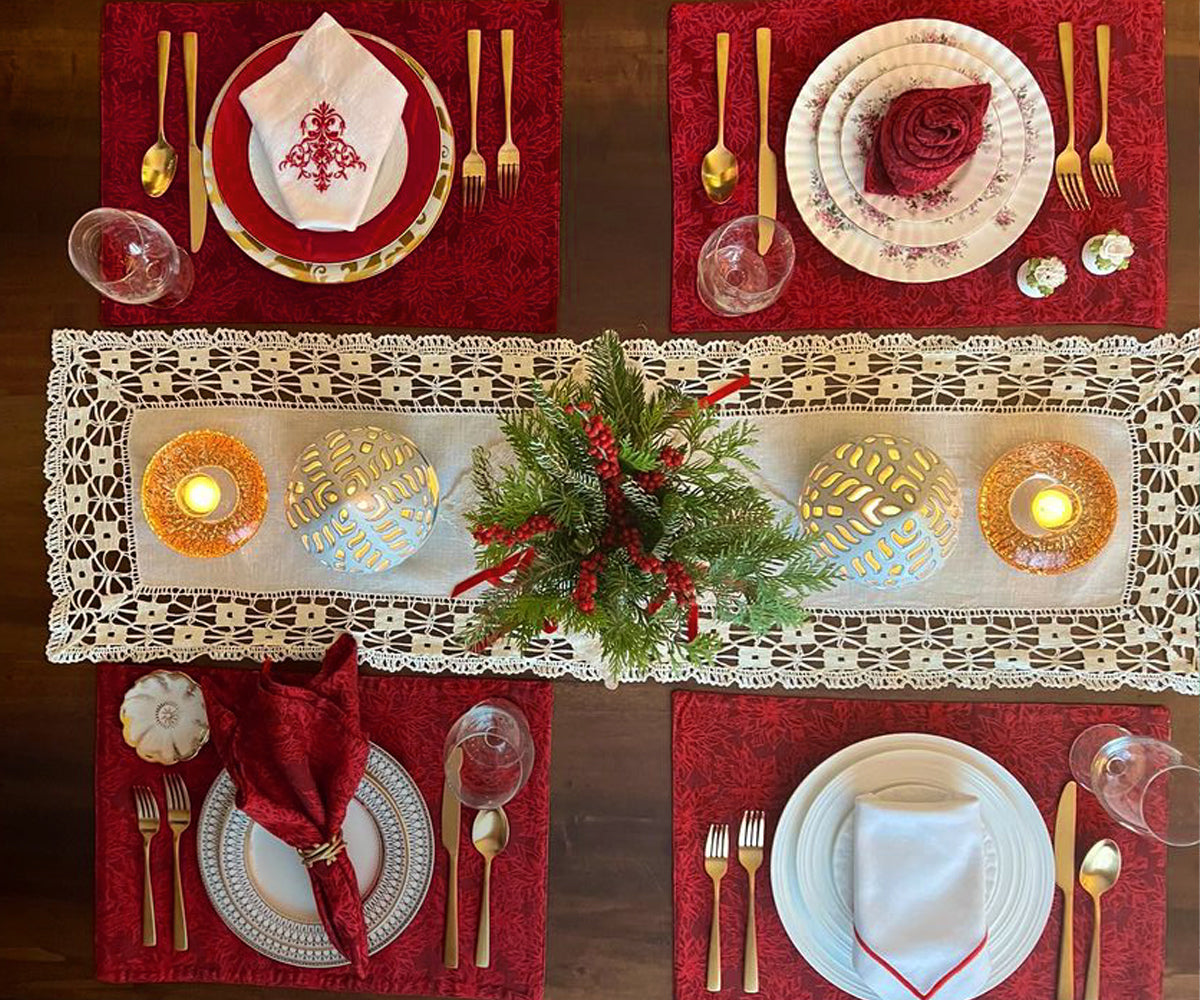
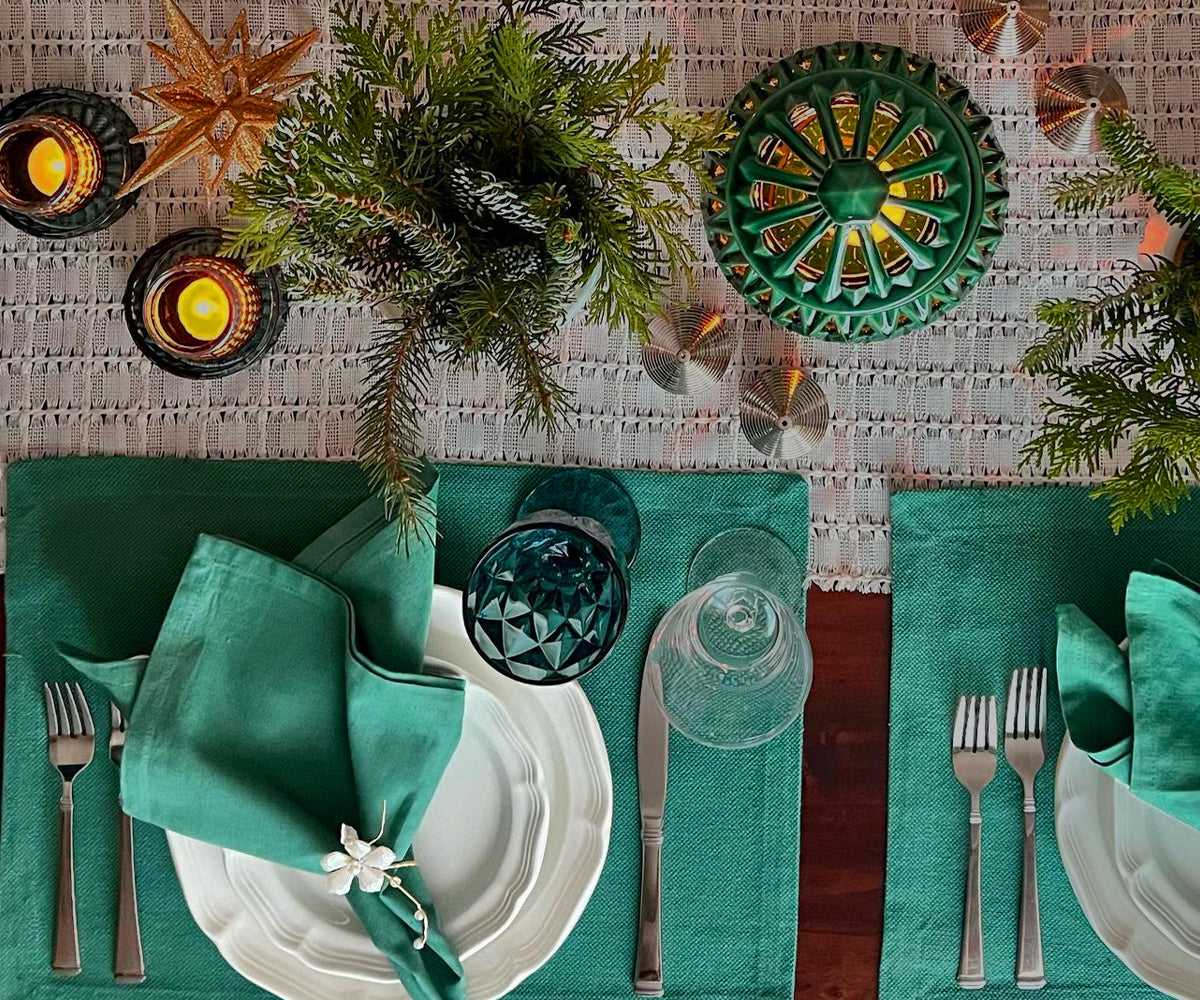
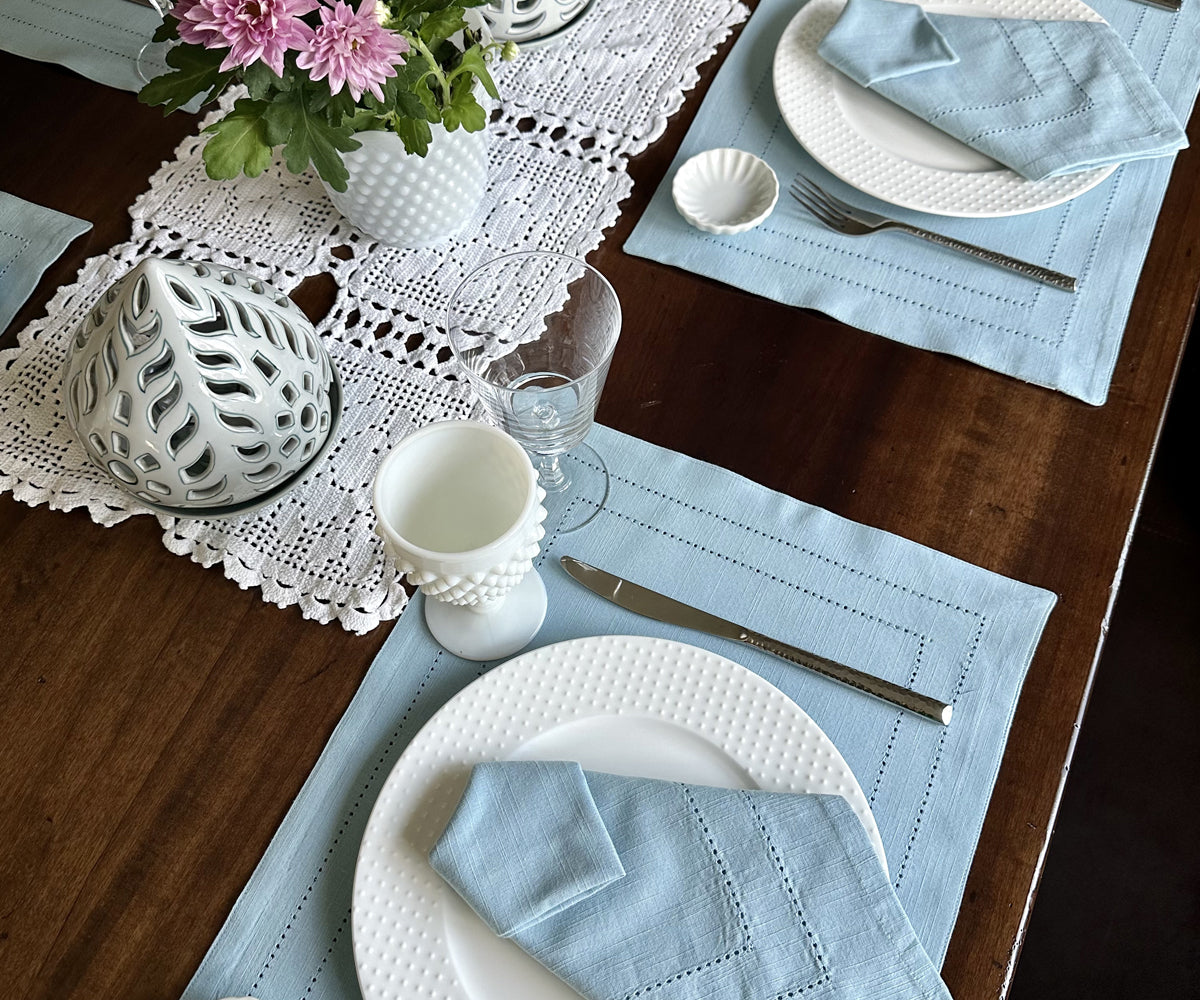
Your choice of linens sets the tone for the entire table. Consider using linen napkins instead of paper ones—they instantly elevate the experience and show your guests you care about details.
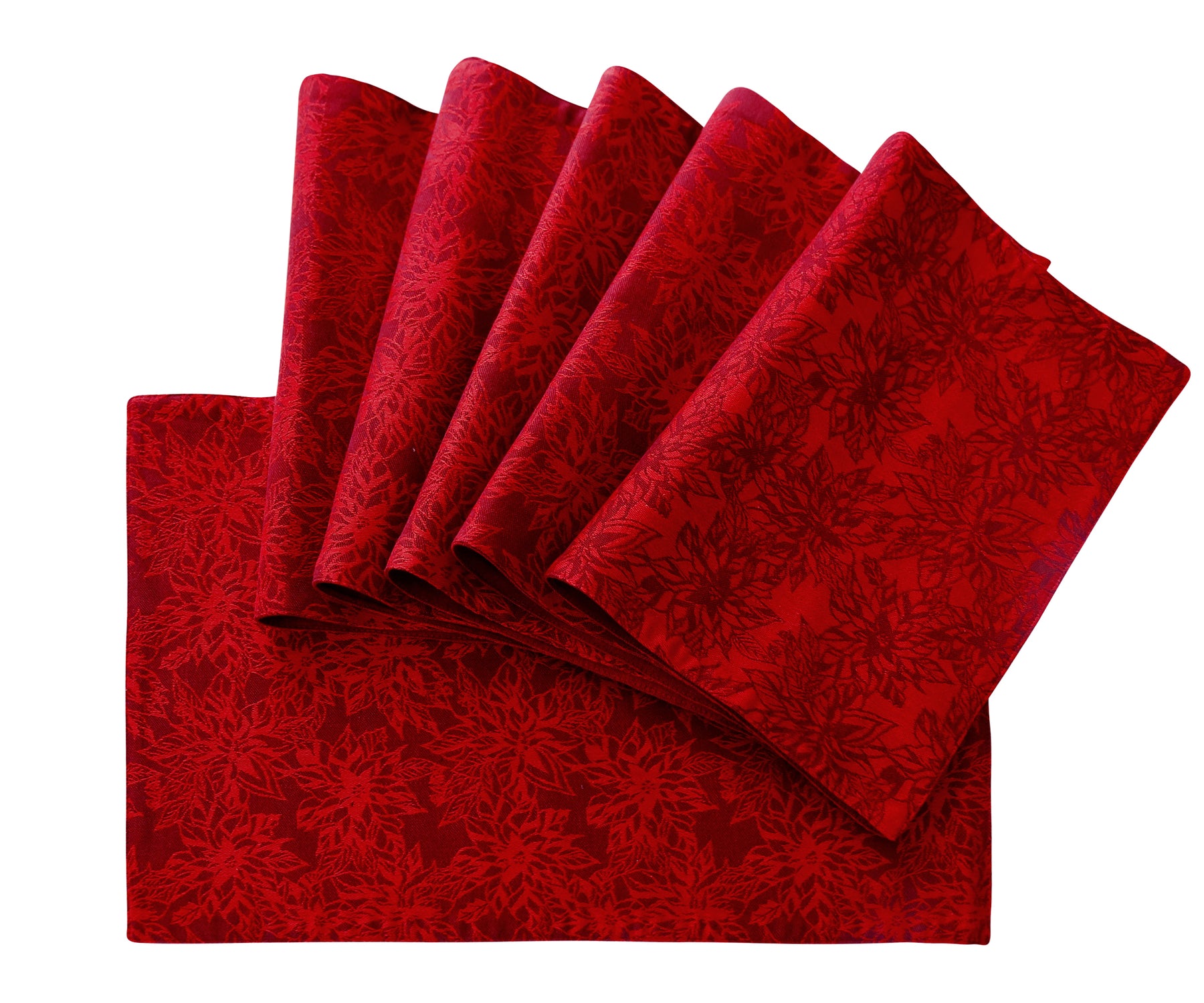
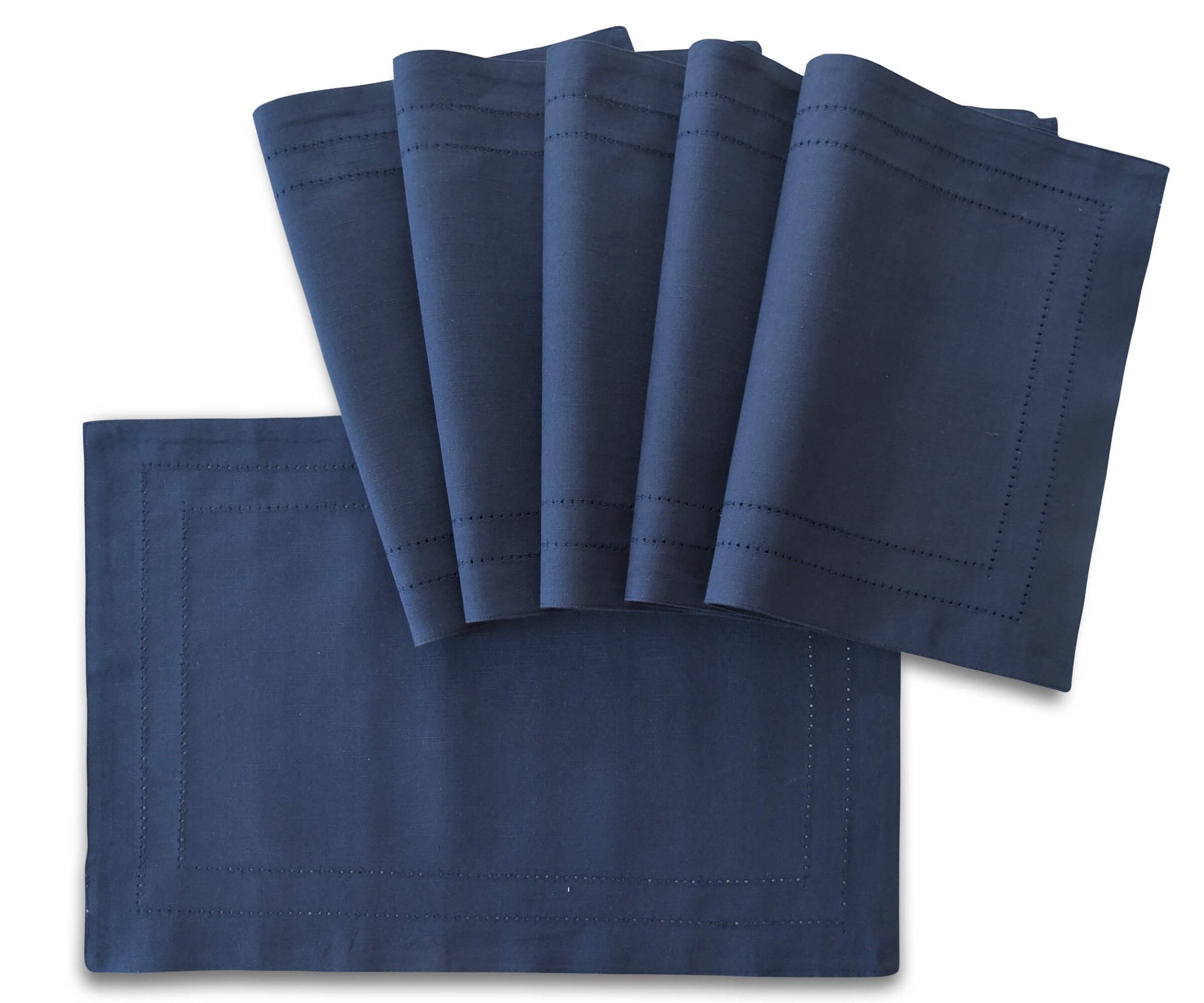
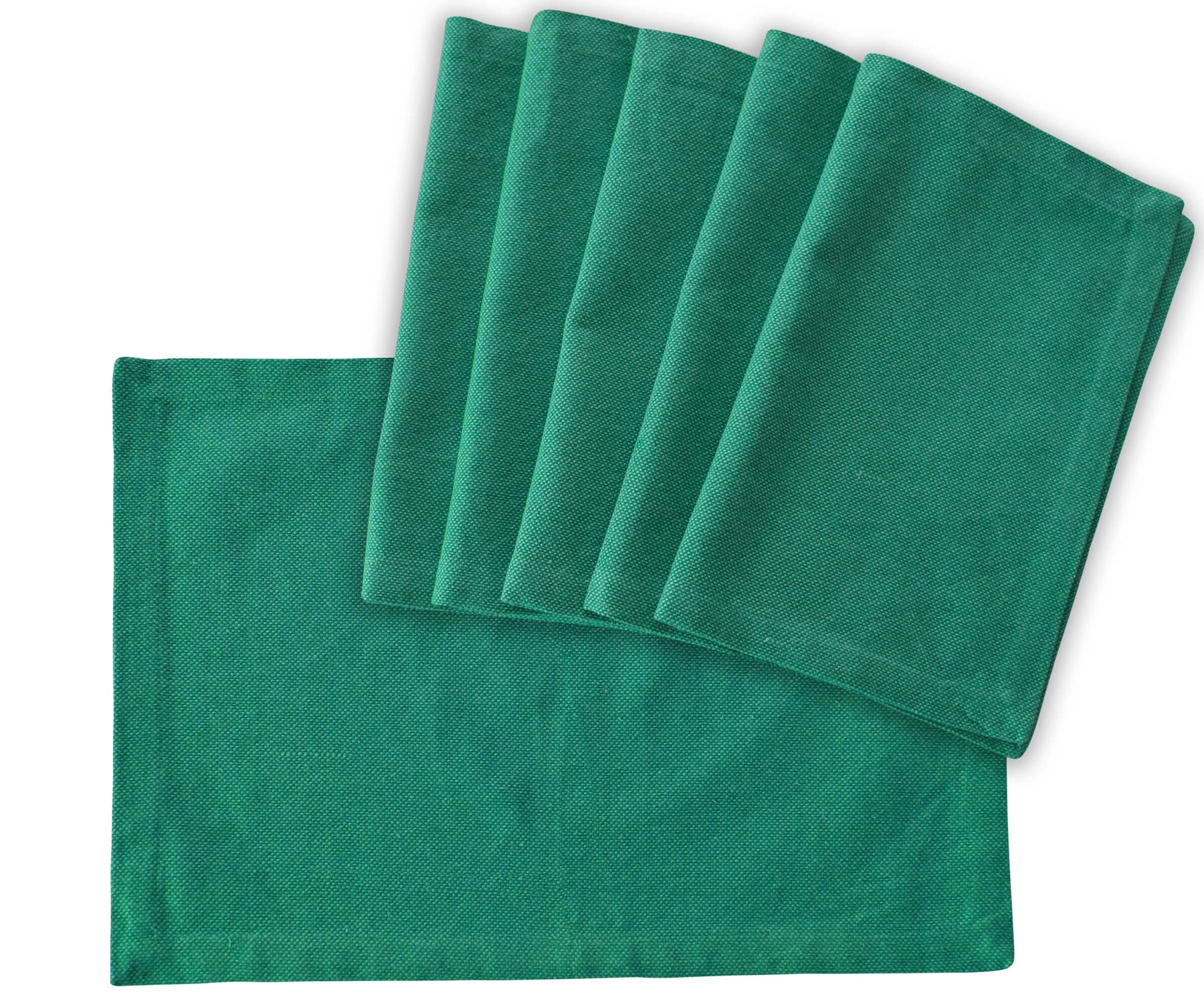
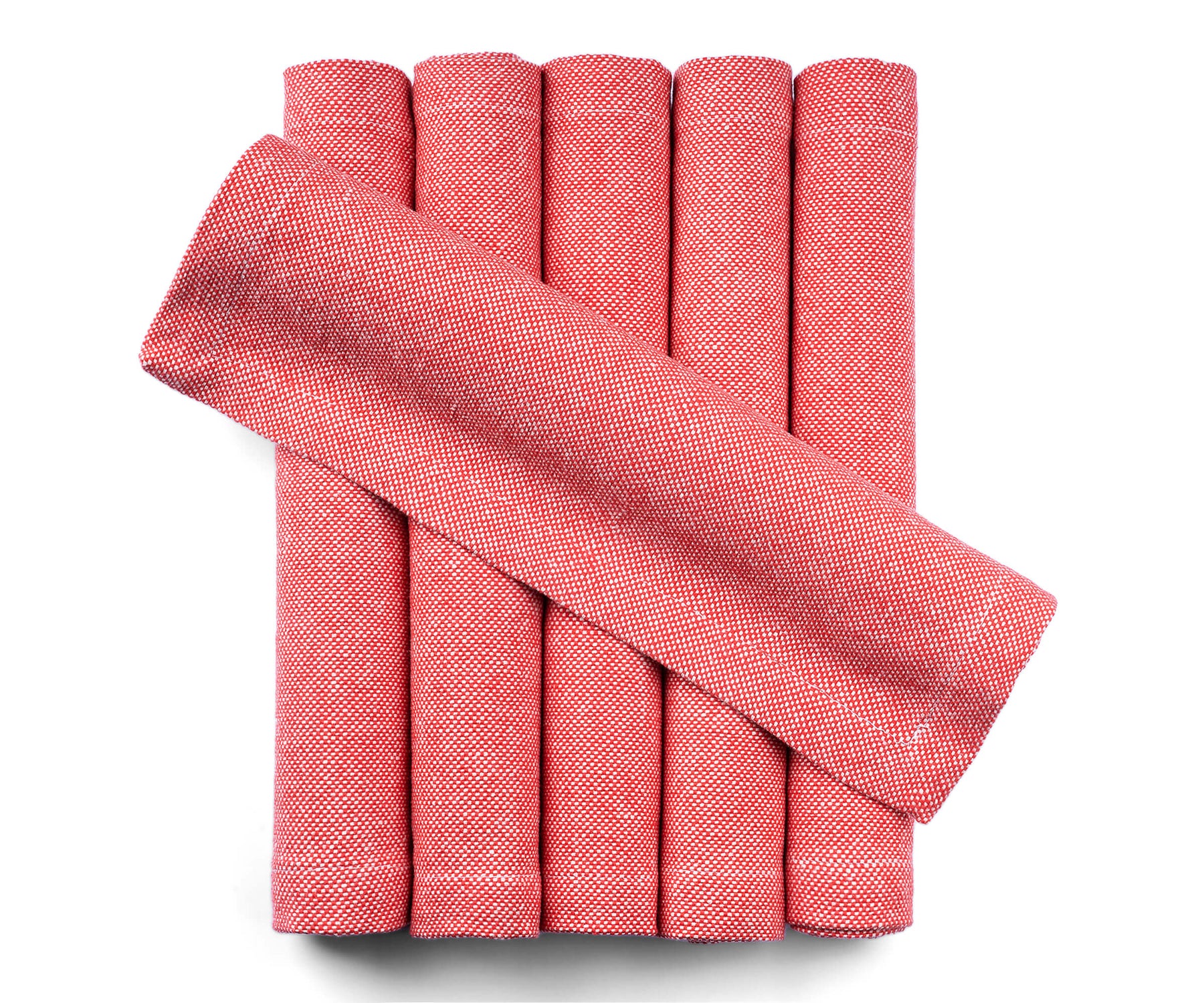
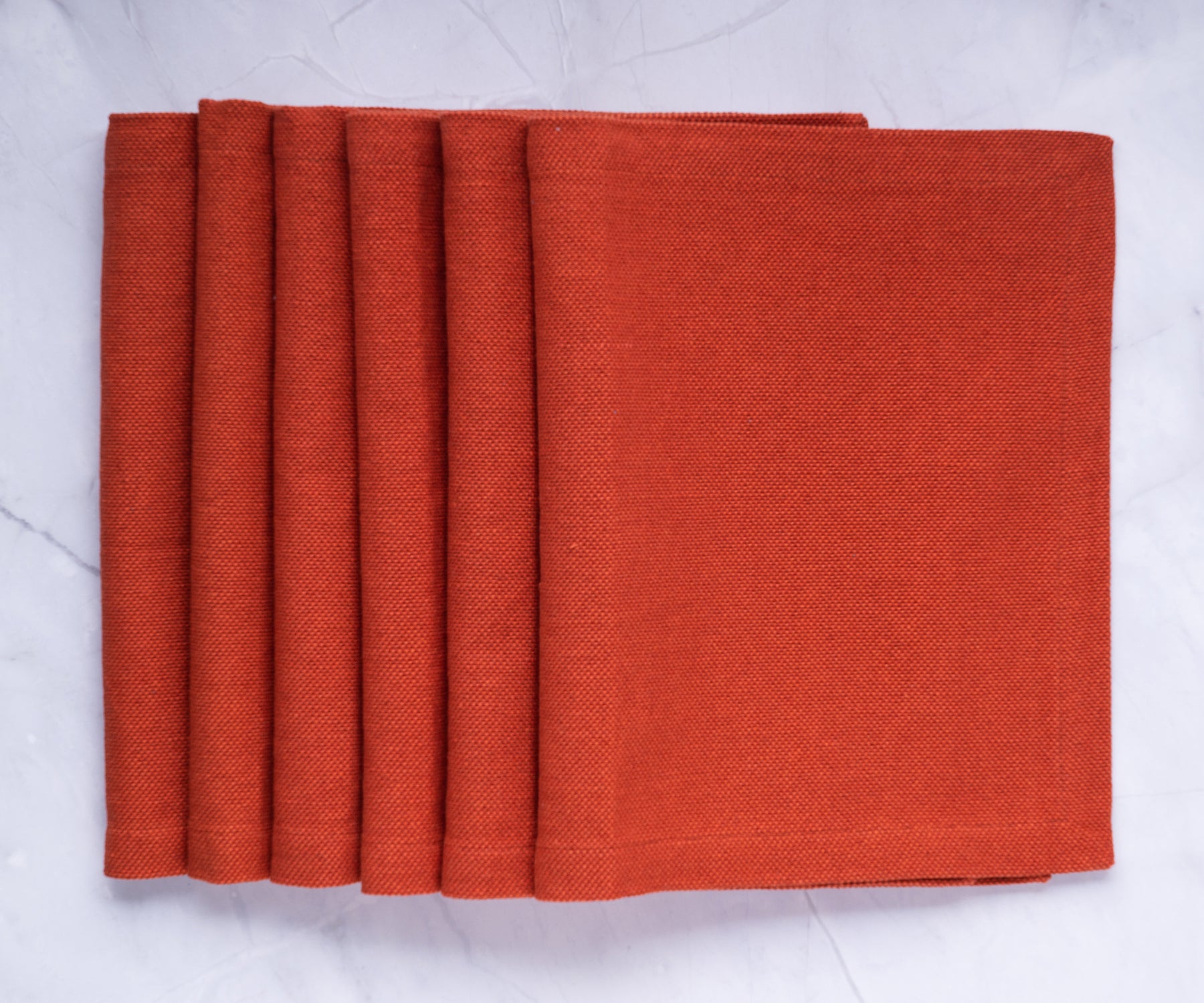
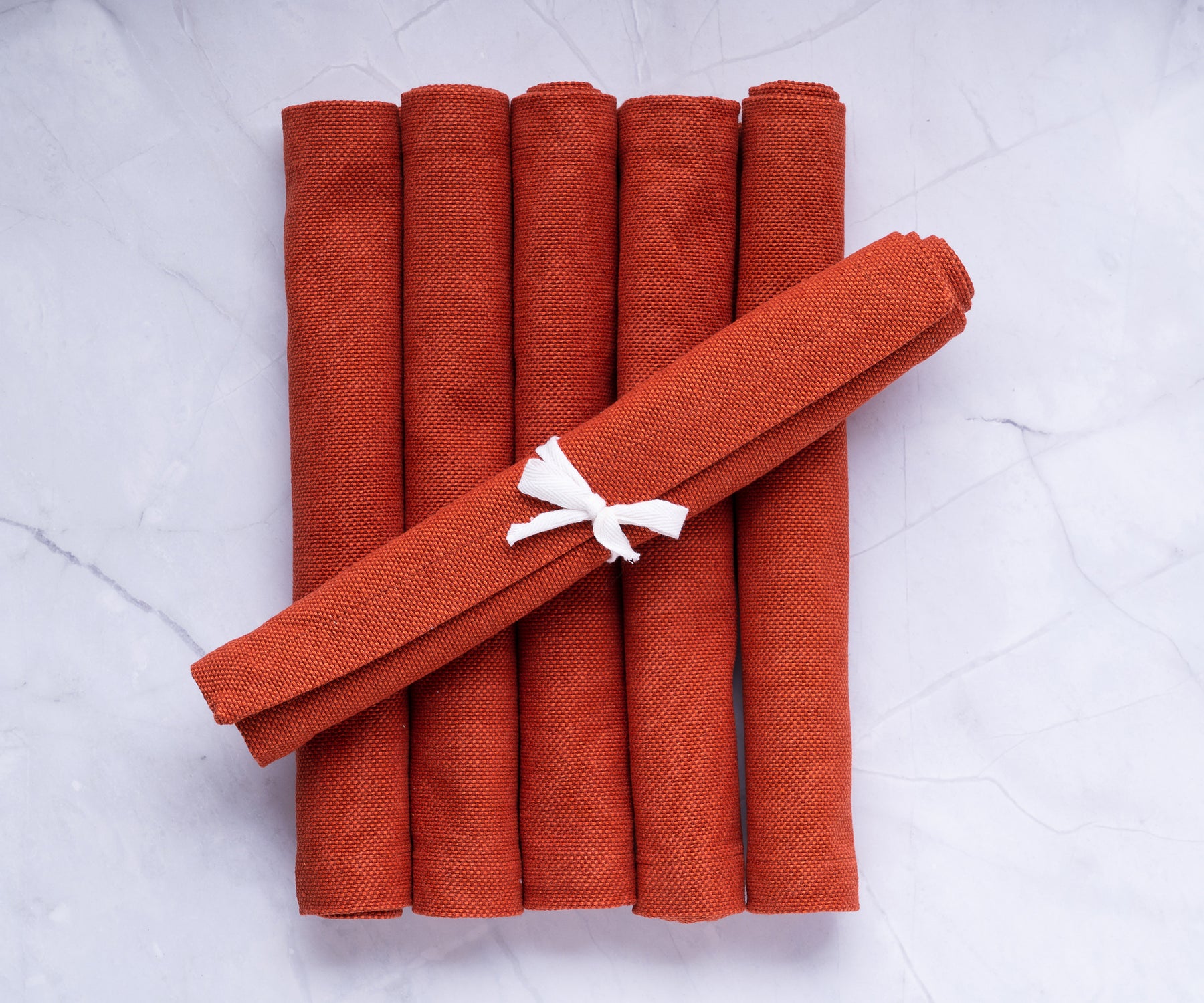
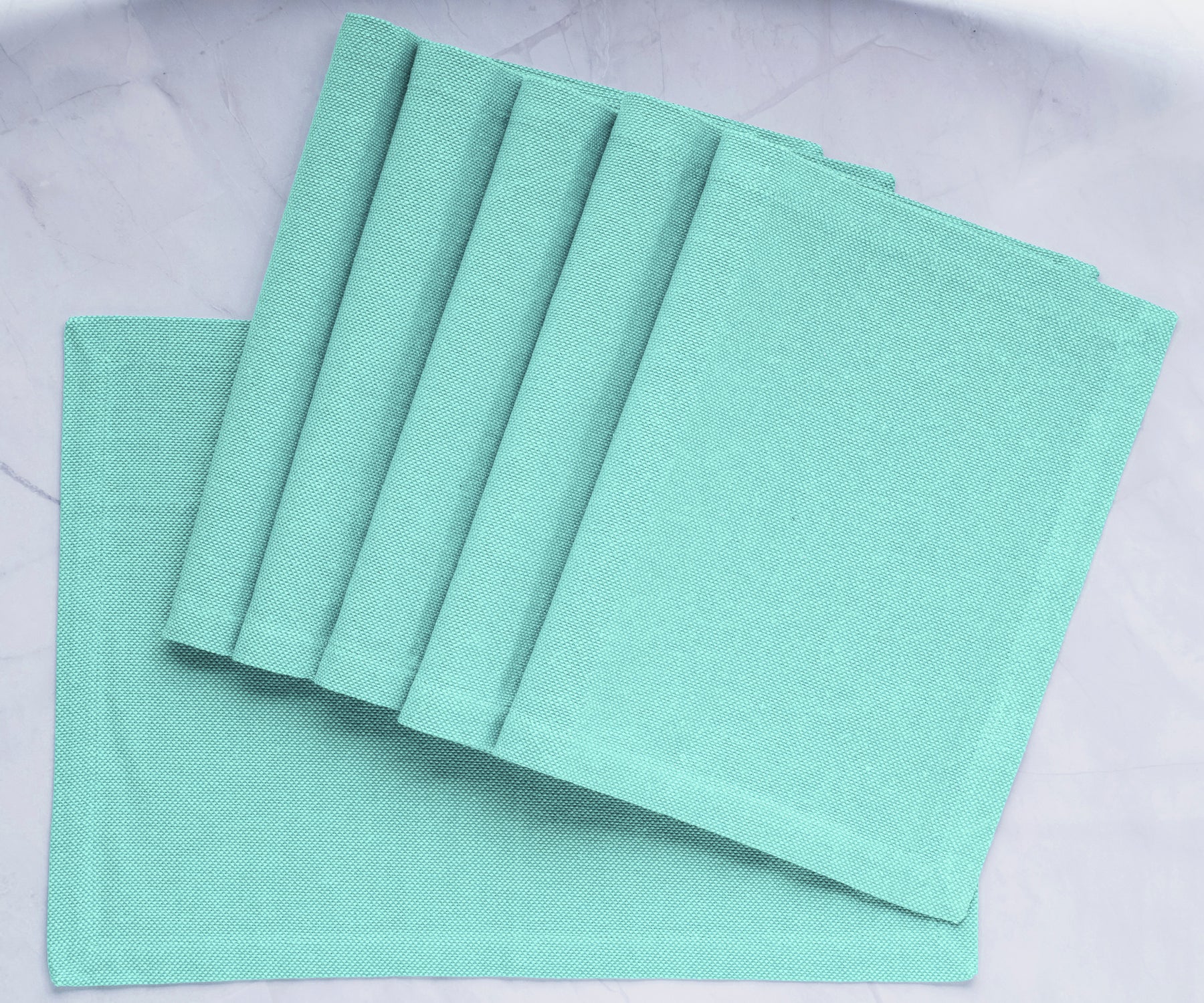
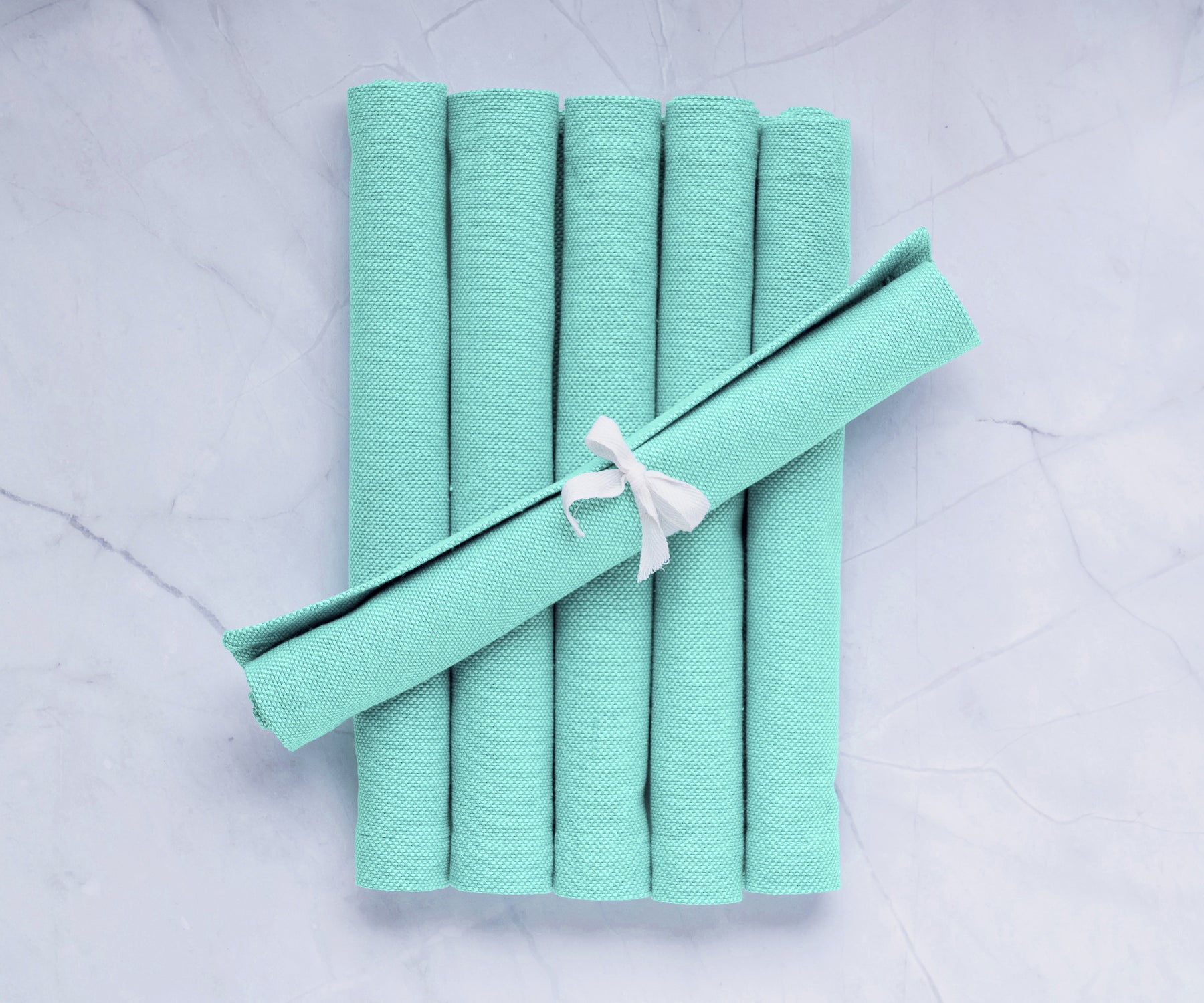
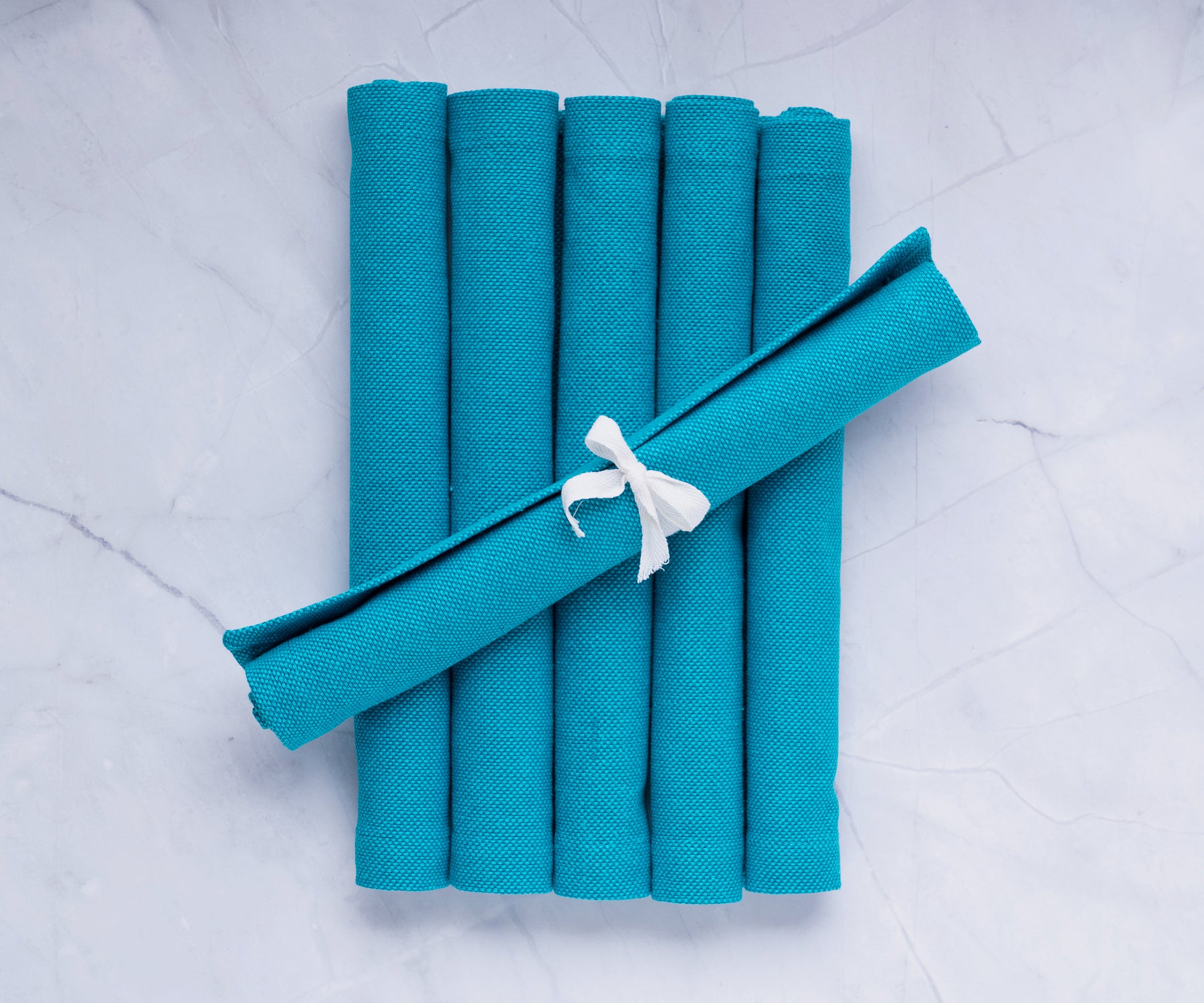
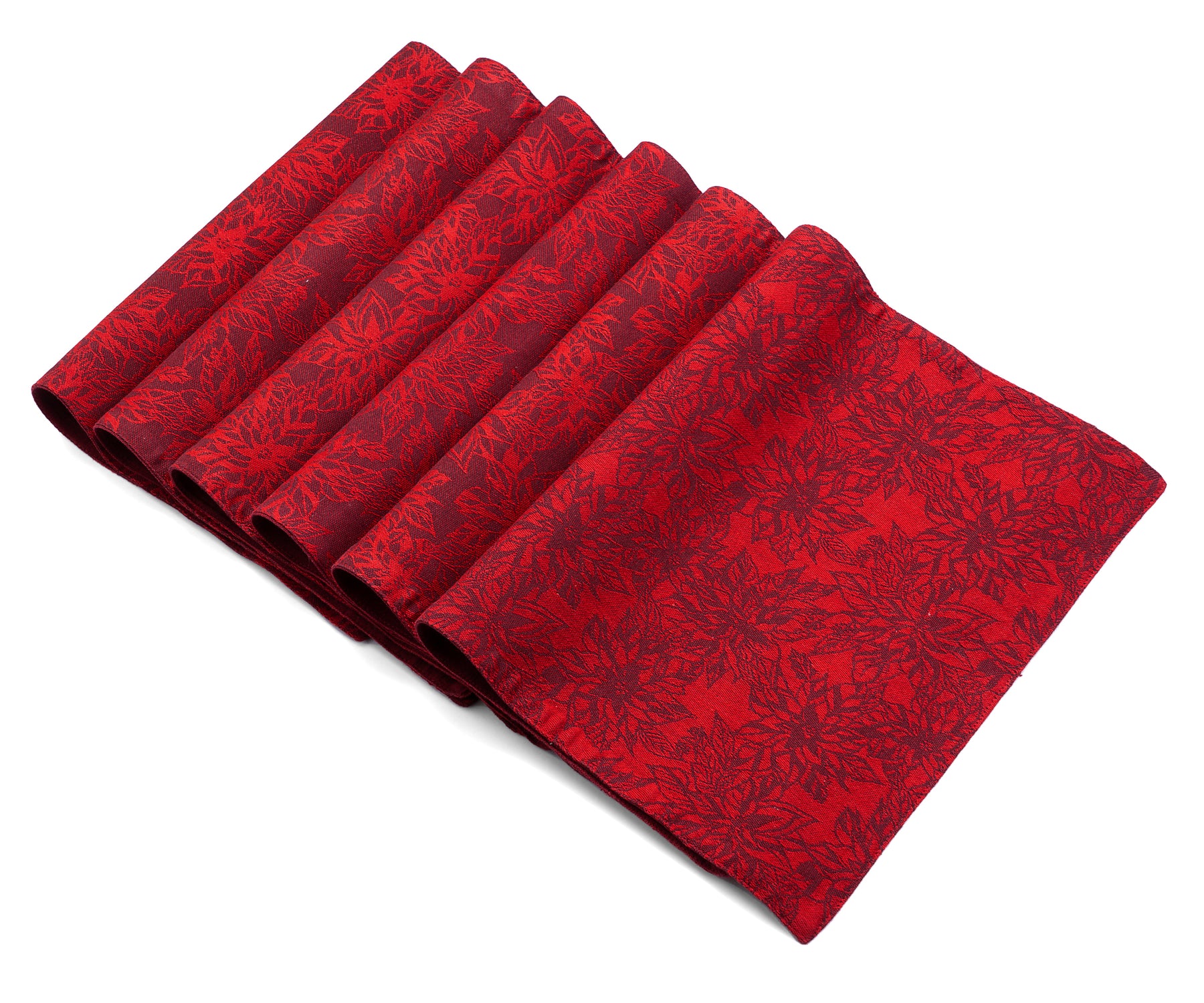
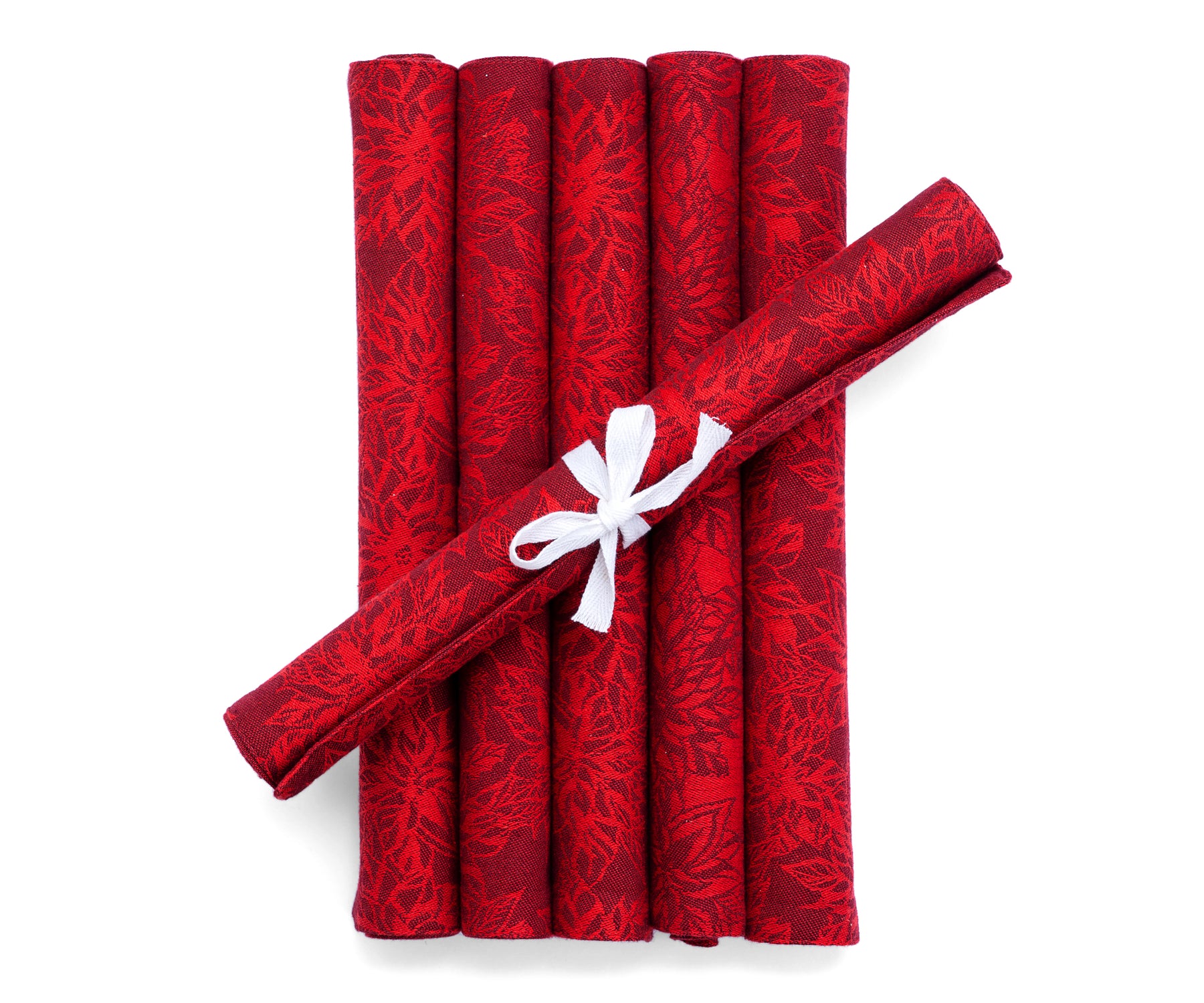
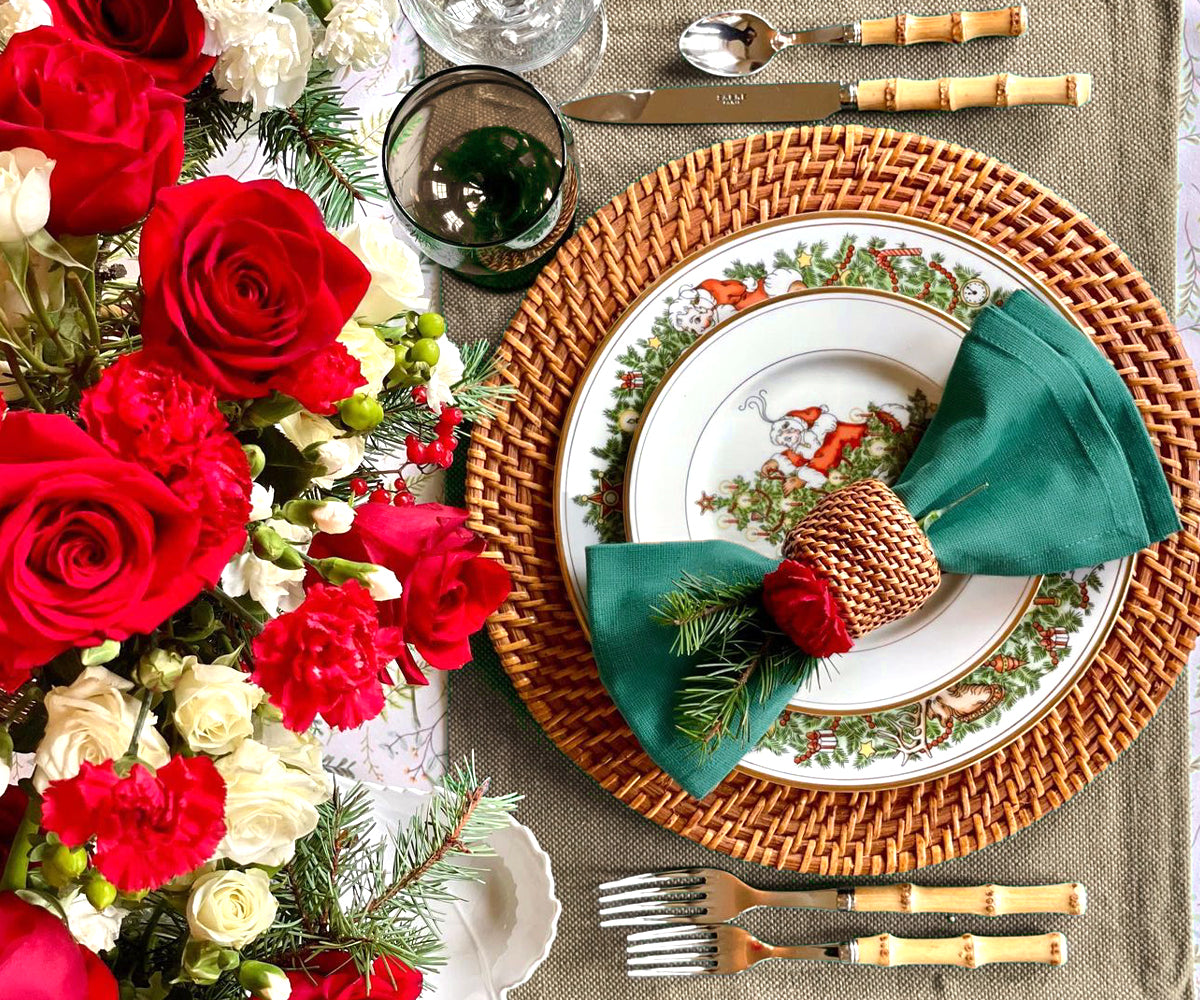
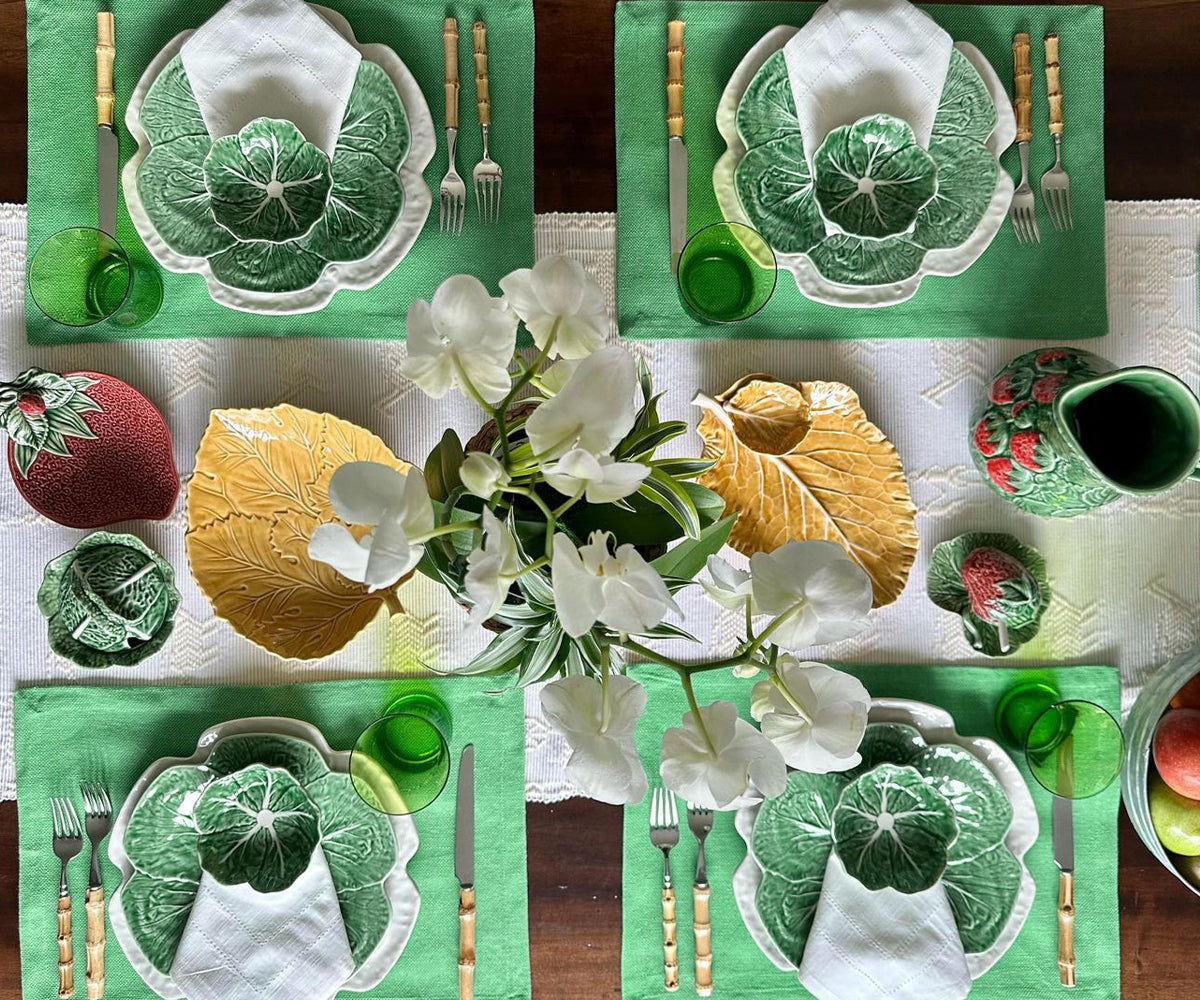
Choose napkins in colors that complement your dishes and table decor. Soft blues work beautifully for summer gatherings, while deep reds create a warm feeling for winter entertaining. For a truly personal touch, custom napkins with monograms or subtle patterns make excellent conversation starters.
Pair your napkins with quality tablecloths that protect your table while adding visual appeal. Linen tablecloths in neutral tones coordinate well with any table setting, and their natural texture adds a sense of sophistication.
For a finishing touch, add table runners in complementary colors or patterns. They define the center of your table and provide a canvas for your centerpiece
If you want your dinner party to stand out, skip the plain paper napkins. Custom cloth napkins make even a casual meal feel more intentional.
-
Custom color napkins – Match your party theme or dining room decor. Soft blues for a summer gathering, deep reds for a cozy winter dinner.
-
Custom printed napkins – Add monograms, fun patterns, or even a playful message. They’re a great conversation starter.
Add Final Touches

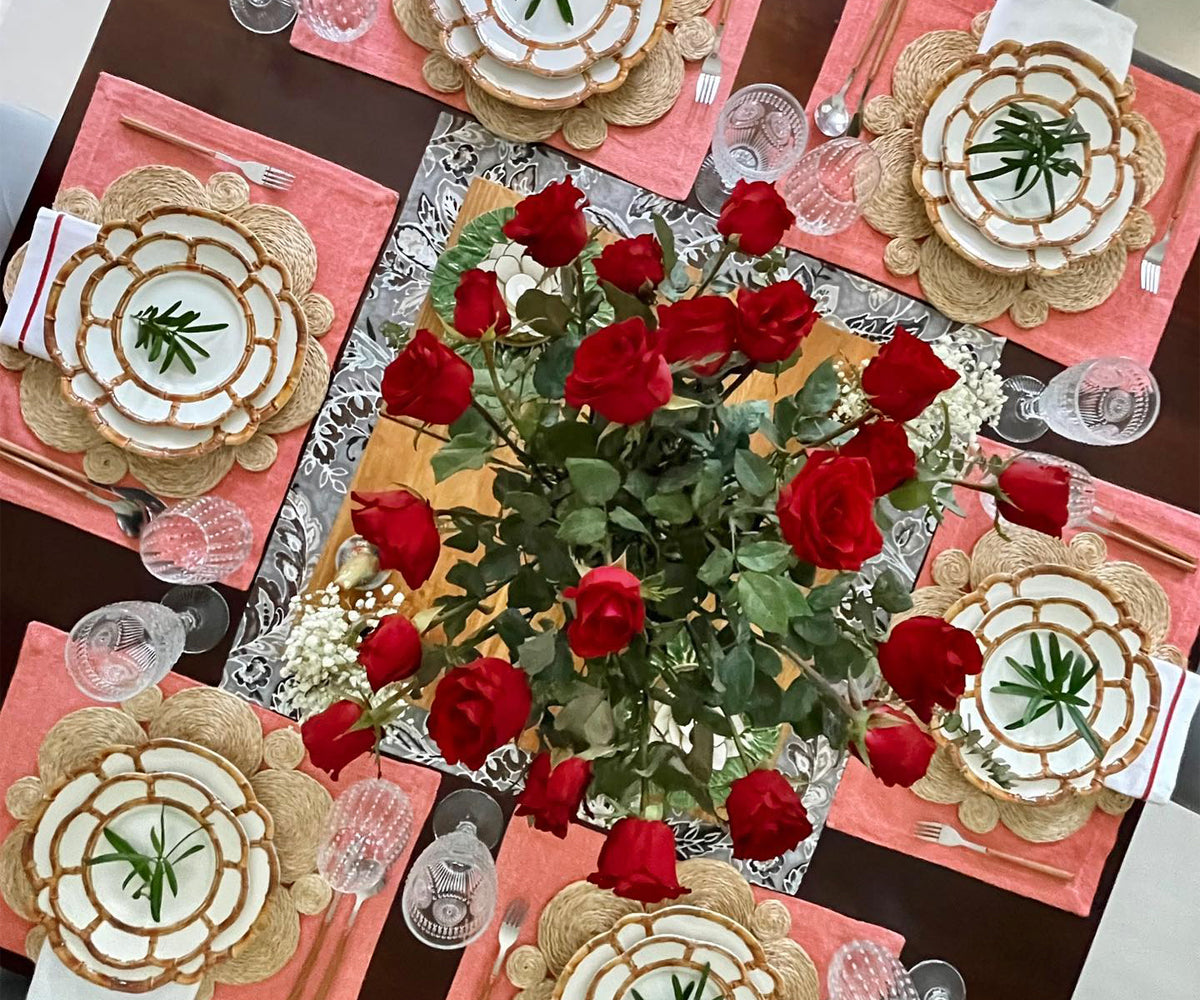
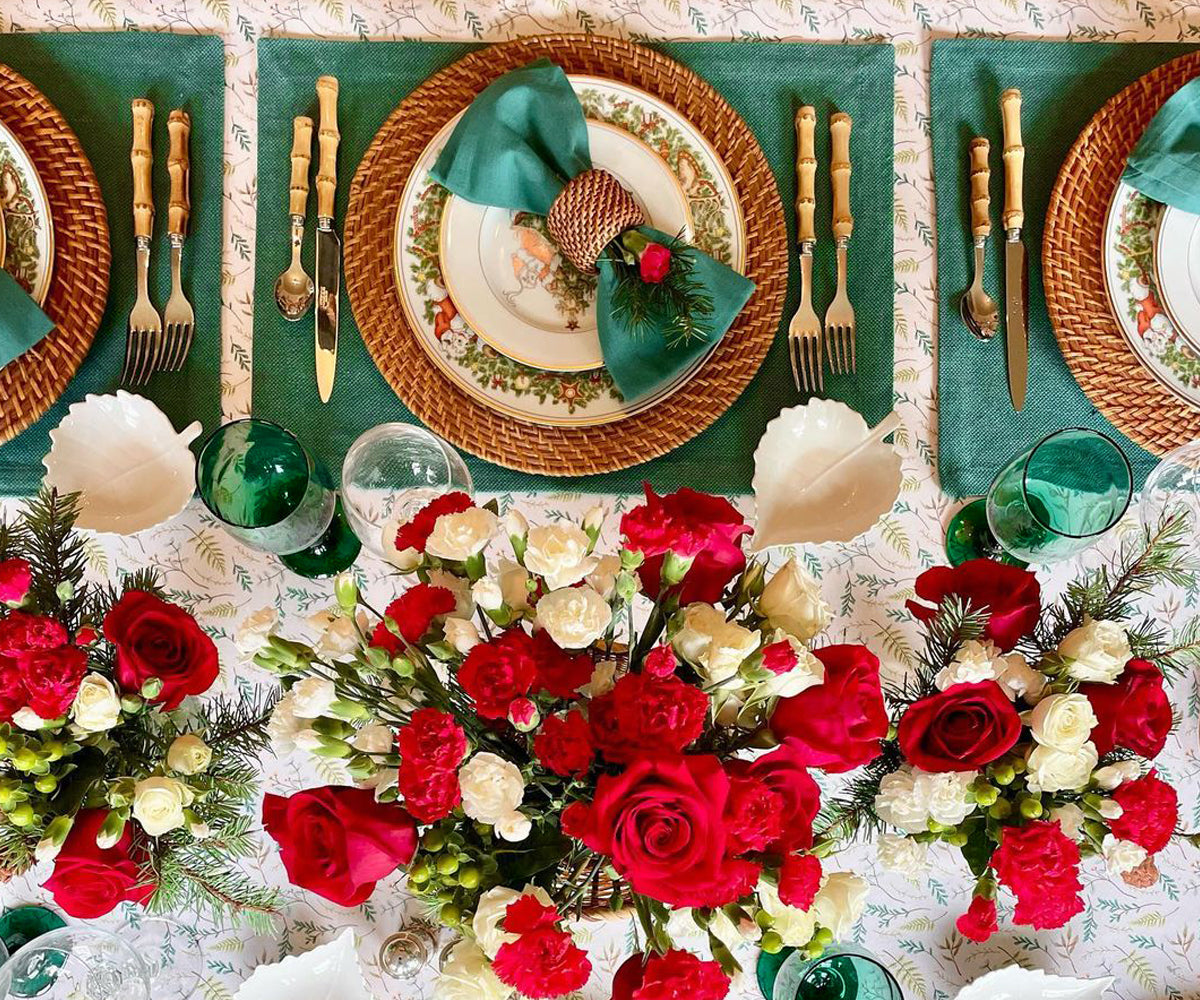
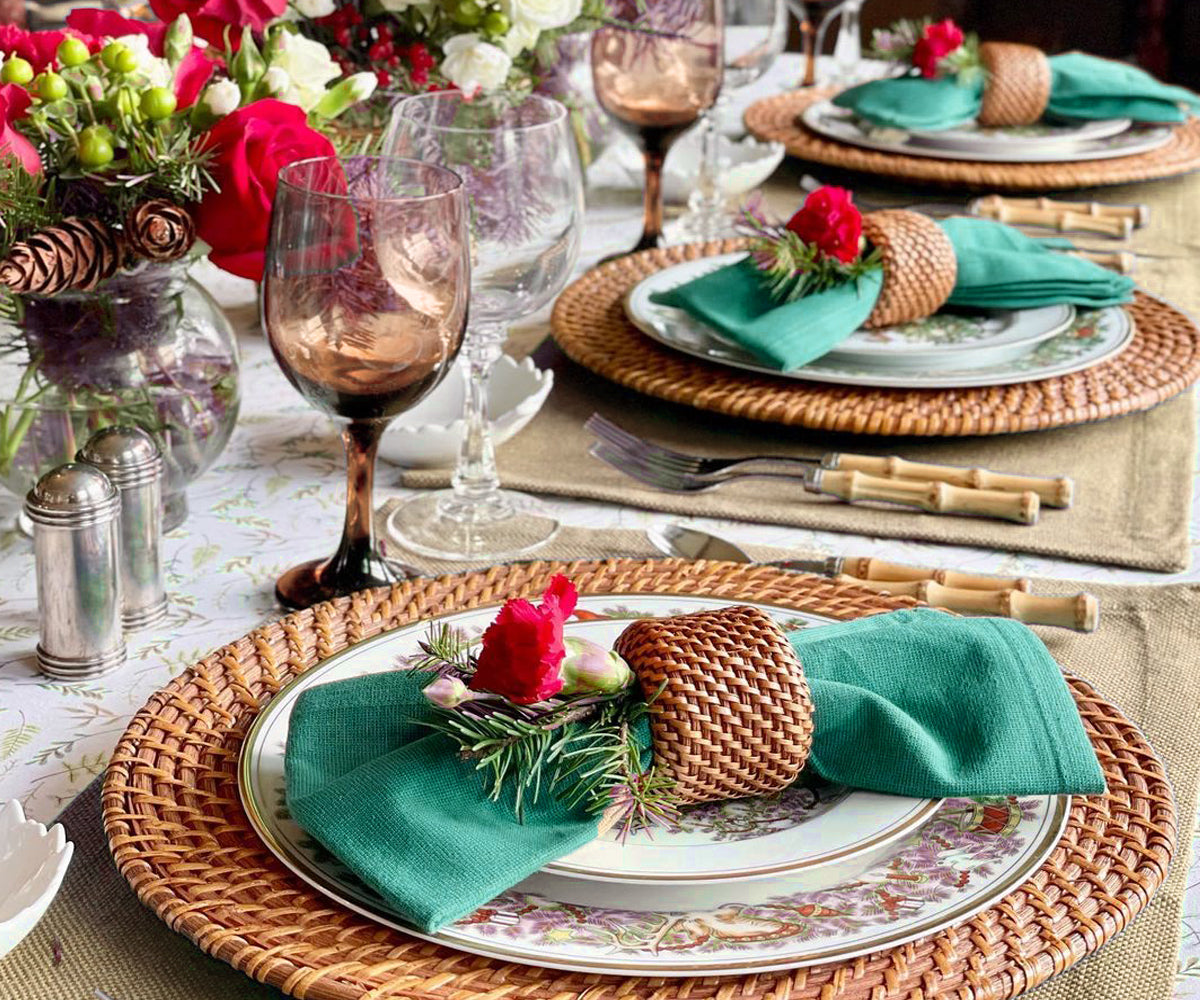
Use candles or fresh flowers as your centerpiece. Keep flowers low enough that guests can see and talk across the table. Arrange silverware evenly for a polished look. Place cards work well if you want assigned seating, especially at larger gatherings.
Also Read: Celebrate Valentine's Day at Home, Your Way – Love is in the Air!
4. Create an Atmosphere That Welcomes Everyone
The setting matters as much as the food. A cozy environment helps guests feel comfortable and encourages good conversation.
Lighting Sets the Mood
Bright overhead lights can feel cold and institutional. Instead, dim the main lights and use candles, table lamps, or string lights. Candlelight creates warmth and intimacy while flattering everyone at the table.
Music Adds Without Overwhelming
Choose background music that complements your theme but doesn't dominate conversation. Soft jazz, acoustic playlists, or lounge music work well for most dinners. Keep the volume low enough that people can hear each other clearly.
For a cuisine specific theme, match the music to your menu. Italian background music for an Italian dinner, French jazz for French cuisine.
Control the Temperature
Check that your dining room is comfortable before guests arrive. A cool room is generally better than a warm one—people generate heat once they start eating and conversing.
Arrange Seating Thoughtfully
Seat people next to others who will enjoy a conversation. Mix friends who know each other with people who are meeting for the first time.
5. Welcome Your Guests and Set the Tone
The first few minutes of an evening shape how the rest of the night will feel.

Greet Each Person Warmly
Meet guests at the door with a genuine smile. Offer a welcome drink right away, whether it's a cocktail, glass of wine, or sparkling cider. Having a drink in hand helps people feel comfortable while they settle in.
Help Guests Connect
If some people don't know each other, introduce them to one another. Mention something they might have in common. This small step prevents awkward silences and encourages natural conversation.
Keep Conversation Flowing
Ask open ended questions that invite people to share stories. "What have you been working on lately?" or "Have you traveled anywhere interesting?" work better than yes or no questions.
Share fun topics that interest most of the group. Steer clear of heated subjects like politics or personal finances, which can make people uncomfortable.
If you notice a quiet guest, gently pull them into the conversation by asking their opinion on something being discussed.
6. Handle the Unexpected With Ease
Even the best planned evenings sometimes hit a bump. Here's how to handle common situations.
When Guests Cancel
If someone can't make it, adjust your portions and rearrange seating if needed. This happens to every host, and it's not worth worrying about.
If Cooking Runs Behind
Follow a written cooking timeline to stay on track. Keep cooked food warm in a low heat oven. Guests would rather eat a few minutes later than watch you stress.
When Accidents Happen
Keep napkins and hand towels within easy reach. If a spill occurs, clean it up quickly without making a big deal out of it. Most guests won't even notice if you handle it calmly.
Breaking Awkward Silences
Have a few conversation topics ready if needed. A simple question about food or travel usually gets people talking again. Light games or activities can also help, though this depends on your crowd.
7. End the Evening on a High Note
The final moments of your party shape how guests remember it.

Serve Something Special at the End
Offer coffee, tea, or an after dinner drink. Serve a final course if you haven't already. Take time to enjoy this quieter part of the evening when the meal is over and conversation deepens.
Thank Your Guests
Express genuine gratitude for their presence. Let them know how much you enjoyed seeing them. A simple "Thank you so much for coming. It meant a lot to have you here" goes a long way.
Offer Thoughtful Farewells
If you have extras of main dishes, offer to send guests home with leftovers. They'll appreciate the gesture and think of you when they enjoy the food again.
Clean Up Later
Don't feel pressured to clean up while guests are still there. Load the dishwasher as you go to contain the mess, but save deep cleaning for after everyone leaves. You'll enjoy your time with guests more if you're not worried about tidying.
Frequently Asked Questions
How do you be a good host for a dinner party?
A good host focuses on making guests feel welcome and comfortable. Prepare what you can in advance so you're not stressed during the event. Pay attention to what people need—more water, another drink, or just someone to listen. Create an atmosphere where conversation flows naturally. Remember that your guests came to spend time with you, not to judge the food or your home.
How do you plan a dinner party that's not stressful?
Plan two weeks ahead so nothing feels rushed. Keep your menu simple with dishes you've made before. Set your table the day before. Prepare as much food as possible in advance. Choose a guest count you can comfortably handle. Focus on what matters most: good people, good food, and a warm atmosphere.
What makes a dinner party interesting?
Incorporate a theme that excites you. Serve food that reflects your style, not what you think people want. Add music and lighting that support the mood. Introduce guests to each other. Ask thoughtful questions that encourage people to share stories. Sometimes a simple activity like playing cards or looking at photos together can spark good conversation.
How should you time a dinner party?
Casual dinners work well starting at 6:00 to 6:30 PM on weeknights, or 6:30 to 7:00 PM on weekends. Formal dinners typically begin between 7:00 and 8:00 PM. Plan for guests to arrive 10 to 15 minutes after the stated time, and have appetizers ready to serve. Allow about two hours for a meal with three to four courses.
How do you seat guests at a formal dinner?
The host traditionally sits at one end of the table and the hostess at the other end. Seat the most honored guest to the right of the host. Try to alternate between people of different genders if possible. Use place cards for assigned seating at formal events. Seat conversationalists near each other to encourage good discussion.
Create an Event Your Guests Will Remember
Hosting a dinner party doesn't require fancy cooking or an elaborate setup. What matters is that you've thought about your guests' comfort, prepared food you're proud of, and created a space where people can relax and connect.
The best dinner parties happen when the host actually enjoys the evening. When you finish your own preparations early and spend most of the time with your guests instead of in the kitchen, everyone benefits.
At All Cotton and Linen, we believe the right linens make a real difference in how your table feels. Our premium tablecloths, cloth napkins, placemats, and kitchen towels help you set a table that reflects your personality and makes entertaining feel natural.
Whether you're hosting a casual weeknight meal or a formal celebration, these pieces support you in creating the kind of evening that brings people together.