




From antique furniture and vintage accessories to soft table linens and decorative textiles, each piece can give a room a more personal and collected feel. The key is to combine older pieces with modern essentials so the space feels comfortable and functional rather than dated.
This guide covers practical vintage home decor ideas, ways to mix old and new pieces, and simple styling tips to help you create a cozy and inviting home with a characterful, lived-in feel.
What Counts as Vintage Home Decor?
Vintage home decor usually refers to furniture and decorative pieces that are 20 to 100 years old. These items reflect the design, materials, and craftsmanship of a particular period but are generally younger than antiques, which are typically at least 100 years old.
It is also useful to distinguish vintage pieces from vintage-inspired decor. Vintage items are genuinely older, while vintage-inspired products are newly made but designed to resemble styles from earlier periods. This makes it easier to bring the look into a home without searching for original pieces.
Vintage decor is not limited to one decade or design movement. You can mix influences from different periods, including:
-
Mid-century: Simple shapes, wooden furniture, and practical designs.
-
Victorian: Detailed furniture, decorative patterns, and rich fabrics.
-
Farmhouse: Natural wood, practical furnishings, and comfortable textiles.
-
Cottage: Floral patterns, soft colors, linen, lace, and relaxed furniture.
Common features include aged wood, natural fabrics, faded or muted colors, floral and checked patterns, decorative details, and furniture with softer or rounded shapes. The goal is not to make everything look old. Instead, individual vintage elements can add character while working alongside newer pieces.
Why Is Vintage Decor Trending Again in 2026?
Vintage decor has gained renewed attention as many homeowners look for spaces that feel more personal, comfortable, and distinctive. Instead of furnishing an entire room with matching pieces, people are mixing older furniture and accessories with modern essentials.
Several decorating trends are helping shape the vintage look in 2026:
-
Layered patterns: Florals, checks, stripes, and other traditional patterns can be combined to add visual interest and depth.
-
Curved furniture: Softer silhouettes are appearing in chairs, sofas, tables, and other furnishings.
-
Traditional details: Hutches, cafe curtains, skirted furniture, and decorative woodwork are being incorporated into contemporary rooms.
-
Natural materials: Wood, linen, cotton, wicker, and other tactile materials help create a warmer atmosphere.
-
Collected interiors: Mixing pieces from different periods can make a home feel more personal than using a matching furniture set.
-
Secondhand and vintage shopping: Older furniture and decor can offer distinctive designs and materials that are not always found in modern mass-produced collections.

Vintage decorating does not require filling your home with antiques. A few thoughtfully selected pieces, combined with practical modern furniture and textiles, can create a balanced space that feels comfortable, functional, and personal.
Furniture is a genuinely lower-impact choice, which matters to a growing share of shoppers.
Also Read: Vintage Christmas Table Settings: A Timeless Way to Enjoy the Holidays
How Do You Bring Vintage Decor Into Each Room?
Start with the room you spend the most time in and build from there. Trying to overhaul an entire home at once is how vintage decorating starts to feel like a costume rather than a lived-in style.
|
Room |
Where to start |
Easy first pieces |
|
Living room |
Textiles and a single furniture anchor |
A patterned table runner, a cozy woven throw blanket, and one aged wood or carved coffee table |
|
Bedroom |
Bedding and window treatments |
Soft floral or muted cotton sheets, sheer curtains, and an iron or wood bed frame |
|
Kitchen & dining |
Table linens and small storage |
A classic tablecloth, cloth napkins, lace, or embroidered kitchen towels |
|
Outdoor & patio |
Weathered furniture and warm lighting |
String lights, a bistro table with a lace runner, floral outdoor cushions |
Living Room
The living room carries the most visual weight in a vintage-leaning home, since it's where guests spend the most time. A patterned table runner or lace-edged tablecloth over a side table adds texture instantly, and a wood coffee table with carved detailing or a naturally distressed finish sets the tone for the rest of the room. Layer in a soft woven blanket draped over the arm of a sofa, and swap out a plain throw pillow cover for one with embroidery or a classic print.
Small vintage-style objects, an aged mirror, a wind-up clock, and an old-fashioned table lamp do a surprising amount of work here. You don't need many; two or three well-placed pieces read as intentional, while a dozen scattered across every surface starts to feel like a prop room.

Bedroom
A bedroom aiming for vintage warmth should start with what you're actually sleeping on. Soft floral or muted pastel bedding in a natural fiber like cotton reads as vintage without any additional styling, and sheer curtains that let daylight filter through softly do more for the room's mood than almost any single decorative object.
An iron bed frame or a wood dresser with some age to it anchors the look, and layering textures a lightweight woven blanket over cotton sheets and an embroidered pillowcase mixed in with plain ones gives the room depth without requiring a full furniture overhaul.
Kitchen and Dining Area
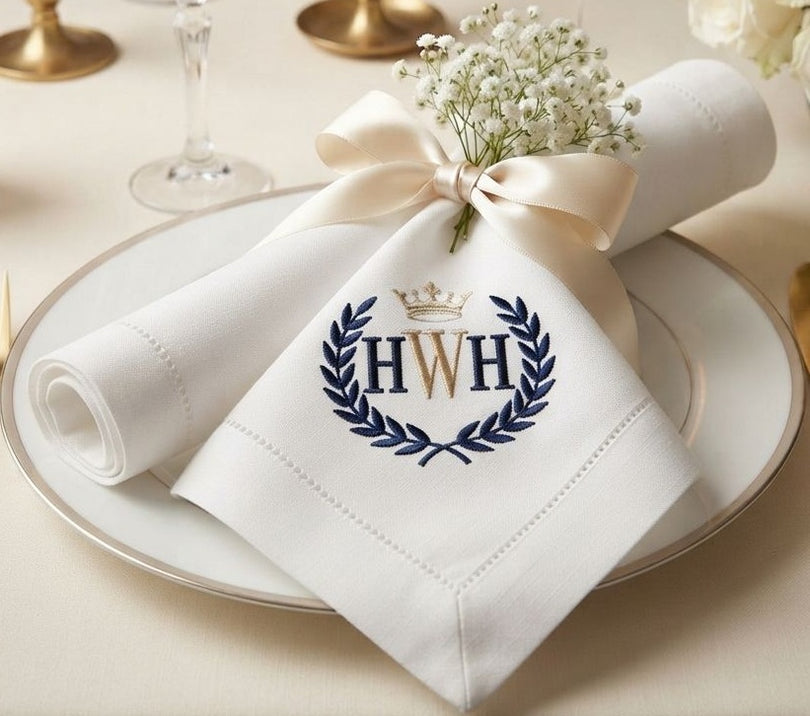
The dining table is one of the easiest places in the house to build a vintage mood, because table linens do most of the visual work and can be swapped out seasonally without any real commitment. A classic tablecloth in a soft, muted tone, paired with cloth napkins and simple placemats, creates an elegant, old-world table setting in minutes. Kitchen towels with a lace trim or subtle floral print add the same warmth to the working side of the kitchen.
Storing dry goods in fabric bags rather than plastic containers and displaying a few pieces of mismatched ceramic dishware instead of a matched set both lean into the collected, old-fashioned feel that makes this style work.
Outdoor and Patio
A vintage patio doesn't need much: weathered wood furniture, a few floral outdoor cushions, and warm string lighting cover most of the ground. A small bistro-style table with a lace runner turns a corner of the patio into a genuine garden tea setup, and keeping a canvas tote bag by the door for farmers' market trips is both practical and quietly in keeping with the aesthetic.
You May Also Like: Vintage-Inspired Halloween Table Decor - A Complete Guide

Where Can You Find Vintage Home Decor Without Overspending?
You don't need an antiques budget to get this look right; most of what makes a space feel vintage comes from texture and color choices, not rare finds. That said, a few genuine sourcing categories are worth knowing:
-
Thrift stores and flea markets remain the most reliable low-cost source for furniture, frames, and decorative objects, though quality varies significantly by location, and it takes some regular browsing to catch good pieces before they sell.
-
Estate sales tend to offer better furniture quality than general thrift stores, since entire households are being sold at once, often including well-made older pieces that were built to last.
-
Online vintage marketplaces — sites and apps specializing in secondhand and antique furniture—let you search by style and era, trading the thrill of an in-person find for convenience and more predictable pricing.
-
DIY and upcycling stretch a budget furthest of all: refinishing a plain wood dresser, reupholstering a dated chair in a new fabric, or simply adding new hardware to an old piece can transform something forgettable into a genuine centerpiece.
How Do You Mix Vintage and Modern Decor Without It Looking Dated?
The most reliable approach is an 80/20 split: let roughly 80% of the room stay clean and contemporary with walls, larger furniture, and lighting, and use vintage pieces for the remaining 20%, concentrated in textiles, small furniture, and accessories. This keeps a home from tipping into full period-costume territory while still giving it real character.
A few ways this plays out in practice: pair a vintage-style patterned tablecloth with otherwise minimalist, neutral dinnerware rather than layering pattern on pattern everywhere at once. Set an aged wood side table next to a clean-lined modern sofa instead of surrounding it with other antique pieces. And when in doubt, let one bold vintage piece anchor a room and keep everything else around it simple, so the eye has a clear place to land.
Common Vintage Decor Mistakes to Avoid
-
Matching too literally. A room where every piece is from the same decade can start to feel like a period film set rather than a home. Mixing eras and styles, not just old with new, keeps things feeling collected rather than staged.
-
Ignoring scale. Furniture from earlier eras was often built larger and heavier than modern pieces. A substantial vintage armoire or sideboard needs real breathing room, or it overwhelms a smaller space.
-
Skipping the wash and repair step. Secondhand textiles and furniture often need a genuine clean, tightening, or minor repair before they read as charming rather than simply worn out. A quick refresh makes the difference between "vintage" and "in need of a trip to the donation bin."
-
Overcrowding surfaces. Vintage styling leans into collected objects, but every shelf and tabletop covered edge to edge reads as cluttered rather than curated. Leave visual breathing room between groupings.
Takeaways
Vintage decor works best built one room at a time, starting with textiles and one furniture anchor rather than a full overhaul. The 80/20 mixing rule, mostly contemporary, with vintage concentrated in a smaller share of standout pieces—is what separates a well-done vintage-leaning home from a themed one. Table linens are one of the lowest-cost, highest-impact places to start, since a tablecloth, napkins, and a runner can transform a dining space in minutes without touching a single piece of furniture.
Ready to start at the table? Shop tablecloths, cloth napkins, and placemats in soft, natural cotton and linen for an easy first step into the look.


