
Linen-Cotton Blend
|
Feature |
What to Expect |
|
Fiber mix |
Linen and cotton spun together, often near 50/50 or 55/45 |
|
Feel |
Soft, with a light natural texture |
|
Breathability |
High, a little less airy than pure linen |
|
Wrinkles |
Fewer than pure linen |
|
Strength |
Strong and long lasting |
|
Shrinkage |
A small amount in the first wash |
|
Care |
Machine wash cool, low dry, warm iron if you like |
|
Best for |
Table linens, kitchen towels, aprons, curtains, cushion covers |
A cotton-linen blend is a fabric that mixes two natural fibers. Cotton comes from the soft boll of the cotton plant. Linen comes from the stem of the flax plant. Put them together and you get cotton's softness and fewer wrinkles, plus linen's cool breathability, strength, and natural texture.
What makes a blend different
-
The mix: Makers use different ratios, such as 60% cotton and 40% linen, or 55% linen and 45% cotton. The ratio changes how the fabric hangs, how heavy it feels, and how textured it looks.
-
The feel: A blend feels softer right out of the package than 100% linen. It creases less deeply too, though it still wrinkles a little.
-
Comfort and care: It breathes well, so it works for warm weather. It is usually easier to look after and often costs less than pure linen. Travelers and everyday wearers on Reddit community often mention that blends resist wrinkles and hold up well.
Where you will see it
-
Clothing: Shirts, tops, kurtas, trousers, dresses, and light jackets.
-
Home textiles: Curtains, bedding, pillow covers, and table linens.
What Is a Linen Blend?
A linen blend is a fabric where linen is mixed with another fiber, and cotton is the most popular partner for home textiles. The fibers are spun together, so every thread carries a little of both. Linen adds strength, a cool touch, and a natural texture. Cotton adds softness, a smoother surface, and a friendlier price. Together they make cloth that feels easy in daily life. The label usually shows the ratio, such as 55% linen and 45% cotton. The higher the linen share, the more the cloth looks and acts like pure linen. A blend with more cotton feels softer and smoother. A blend with more linen feels crisper and cooler.
What's the Difference Between Linen and Linen Blend?
Pure linen is made from flax alone. A linen blend adds another fiber, usually cotton, to change how the cloth feels and behaves. The table below shows the biggest differences side by side. Keep in mind that the exact feel changes with the weave and the share of each fiber.
|
Feature |
100% Linen |
Linen-Cotton Blend |
|
Fiber source |
Flax only |
Flax and cotton |
|
First touch |
Crisp, can feel stiff |
Softer right away |
|
Wrinkles |
Wrinkles easily |
Wrinkles less |
|
Absorbency |
Very high |
High |
|
Strength |
Very strong |
Strong |
|
Softening over time |
Gets softer with many washes |
Soft from the start |
|
Texture |
Bold, slubby look |
Smoother, even look |
|
Price |
Usually higher |
Usually lower |
|
Best use |
Heirloom pieces, hot weather |
Everyday table, kitchen, and home |
Is a Linen-Cotton Blend Better Than Linen?
It depends on how you plan to use the fabric. A blend wins for everyday items like napkins, aprons, and kitchen towels because it feels soft right away, wrinkles less, and costs less. Pure linen wins for special pieces and very hot days because it is more absorbent and grows softer with age. If you dislike ironing, a blend is the easier pick. If you want the coolest cloth and the longest life, choose pure linen. Many homemakers use both, with pure linen for holiday tables and blends for busy weeknights. This way you enjoy the best of each fabric without overspending.
Linen and Cotton Blend Fabric at All Cotton and Linen
At All Cotton and Linen, we make everyday home textiles from natural fibers. Our linen and cotton pieces cover the table, kitchen, windows, sofa, and bed. Each product page lists the fiber content, so you always know what you are buying. Here is what you can browse in our store right now.
Cotton Linen Tablecloths
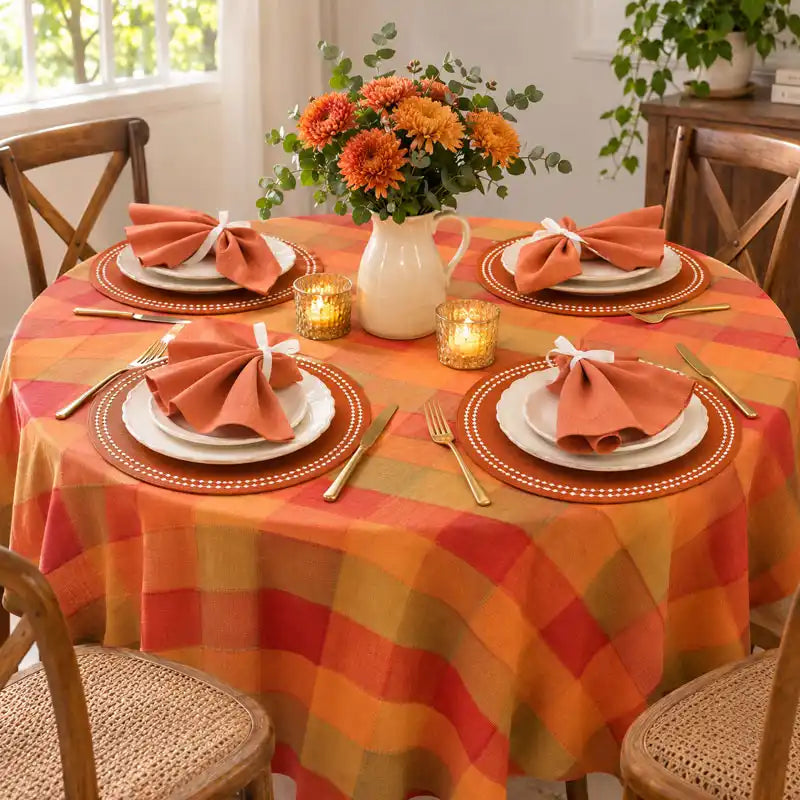
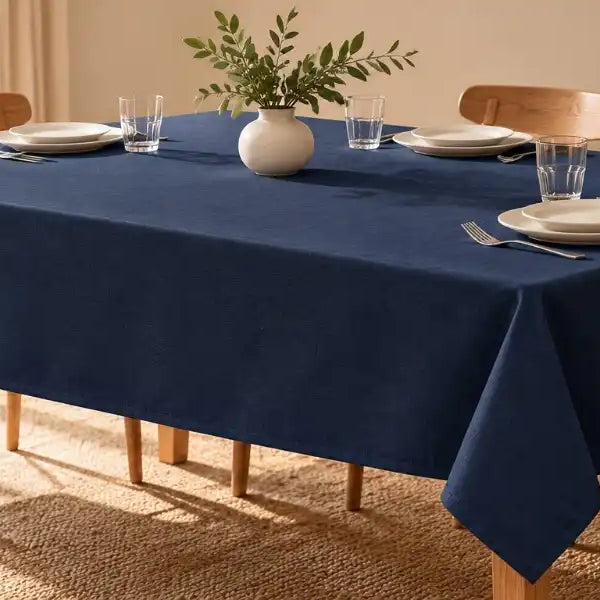
A tablecloth is the first thing guests see. Our cotton linen tablecloth collection gives you a soft drape and a relaxed texture that hides small creases. It works for Sunday dinners, birthday lunches, and holiday tables. Toss it in the wash after the party and it is ready for the next one.

Cotton Linen Napkins
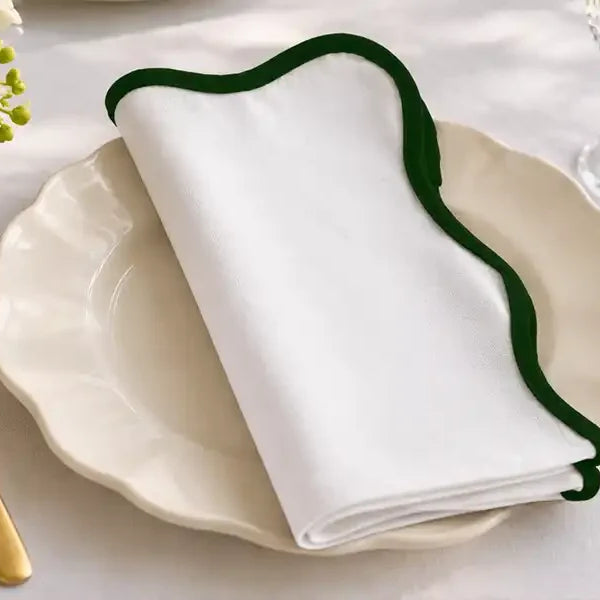
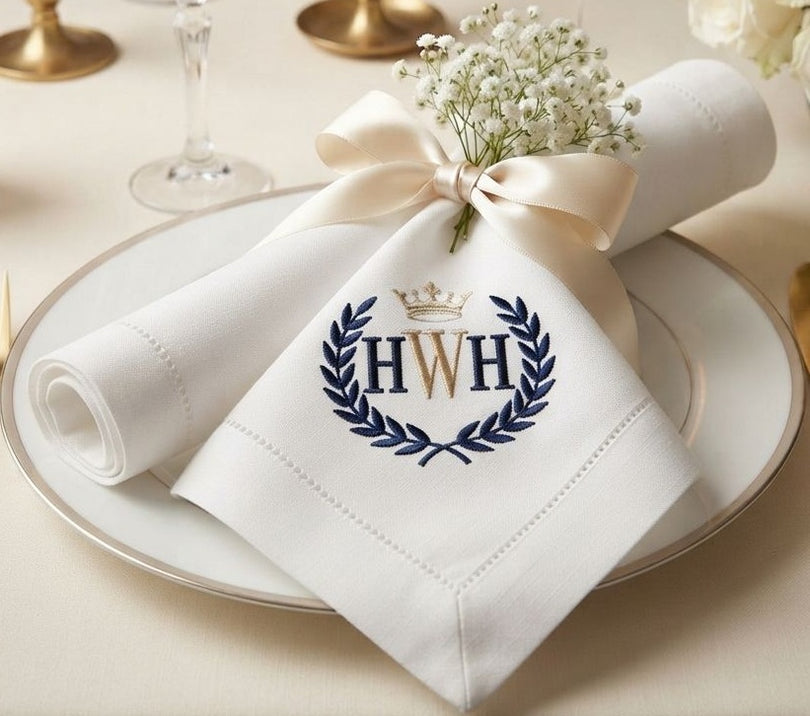
Napkins get the most hands-on use, so softness matters. Our cotton linen napkins feel gentle on the lips and fingers and soak up spills fast. They also hold a fold nicely for dinner parties. A set of these cloth napkins makes paper napkins feel like a thing of the past.

Linen Placemats
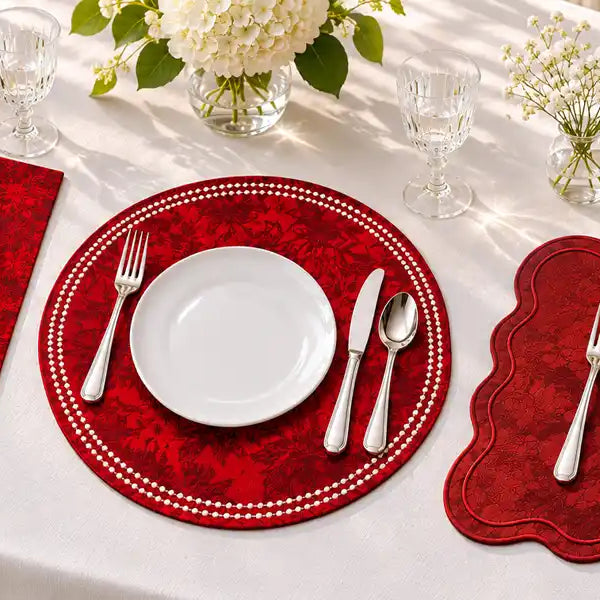
Placemats protect your table and add a layer of texture. Browse our linen placemats in round, rectangle, and oval shapes. They pair well with a plain tablecloth or sit alone on a wood table. Wipe or wash them after meals and they bounce back. They also protect wood from heat rings and scratches.
Linen Table Runners
A runner is the quickest way to dress a table. Our cotton-linen table runners add color down the center and give platters a soft place to rest. Use one on a dining table, a console, or a buffet. Swap it with the seasons for a fresh look.

Linen Kitchen Towels
Kitchen towels work hard every day. Our linen kitchen towels dry dishes quickly, leave glassware streak free, and wash easily. They also dry fast on the oven handle. Many people love them as a small gift too, especially for new homes and housewarmings.
Cotton Linen Aprons
An apron keeps your clothes clean while you cook or bake. Our cotton linen apron styles breathe well near a hot stove and feel soft against the body. Adjustable straps make them easy to share in a busy family kitchen.

Cotton Linen Cushion Covers
Cushions bring comfort and color to a sofa or bed. Our cotton linen cushion covers have a light woven texture that looks calm in any room. They slip on and off easily, so washing day is simple.

Linen Curtains
Curtains change how a room feels. Our linen curtains let in soft, filtered light and move gently with the breeze. They hang well in living rooms, bedrooms, and kitchens, and they add a relaxed look to any window.
Linen Bedding
Good sleep starts with good sheets. Our linen bedding feels airy in warm months and cozy when layered in winter. Check each product page for the exact fiber mix before you buy.
Linen-Cotton Blends: Advantages and Disadvantages
Every fabric has strong points and weak spots. This table shows what you gain and what you give up with a linen-cotton blend, so you can decide if it fits your home. Think about how often you wash, how much you iron, and how hot your summers get.
|
Advantages |
Disadvantages |
|
Soft from the first wash |
Less cooling than pure linen |
|
Wrinkles less than pure linen |
Still creases a little |
|
Strong and long lasting |
Lasts a bit less than pure linen |
|
Absorbs spills and moisture well |
Can shrink if washed too hot |
|
Costs less than 100% linen |
Fiber mix varies by brand |
|
Easy to wash at home |
May fade with strong sun or harsh soap |
|
Natural fibers, kind to skin |
Less rustic texture than pure linen |
Does Linen and Cotton Blend Shrink?
Yes, a linen-cotton blend can shrink, and most of it happens in the first wash. Both fibers pull in a little when they meet hot water and a hot dryer. Cloth that has not been pre-washed shrinks more, so read the care tag first. Wash your blend in cool or warm water on a gentle cycle. Skip high heat and take items out of the dryer while they are still slightly damp. Our linen care guide has more tips. After the first wash, the fabric settles and keeps its size well.
Does Cotton-Linen Blend Stretch?
A little, but not much. Cotton has more give than linen, so a blend relaxes slightly with wear. Linen fibers are stiff and do not spring back well, so heavy pulling can leave soft bagging in a cushion cover or a pair of pants. Blends with more cotton stretch a bit more, and blends with more linen hold their shape better. A tight weave resists stretching, while a loose weave gives more. To keep the shape, rotate your pieces and avoid hot dryers. Tablecloths and napkins rarely stretch at all, so this matters most for clothes and covers that you pull and sit on every day.
Is Cotton Linen Blend Good for Summer?
Yes, a linen-cotton blend is a smart summer fabric. Linen lets air move through the weave and pulls moisture away from the skin. Cotton adds softness so the cloth never feels scratchy. Together they stay light, dry quickly, and do not cling on humid days. Light colors reflect the sun and feel even cooler. A blend is slightly warmer than pure linen, but many people find it more comfortable because it is softer. For backyard dinners, blend table linens stay fresh and are easy to wash. Linen curtains also help by softening harsh afternoon light.
Can You Iron a Linen Cotton Blend?
Yes, you can iron a linen-cotton blend, and it is easier than ironing pure linen. Set the iron to a medium or cotton setting. Press while the cloth is slightly damp, or use steam. Turn dark items inside out to avoid shine, and cover embroidery with a thin cloth. Use smooth strokes and do not stay in one spot. If you like a relaxed look, skip the iron. Smooth the item by hand after washing, let it dry flat, and many wrinkles will fade on their own. A light spritz of water can help stubborn creases too.
Key Takeaways
-
A linen-cotton blend spins flax and cotton fibers into one yarn.
-
It is softer than pure linen and wrinkles less.
-
Pure linen is cooler and lasts longer, while blends cost less.
-
Blends shrink a little in the first wash, so use cool water and low heat.
-
They stretch only slightly, and a tight weave holds shape best.
-
A blend is a great summer fabric because it breathes and dries fast.
-
You can iron a blend on a medium setting, or skip ironing for a relaxed look.
Related Readings
How to Care for Your Linen Tablecloths