

What Is Spandex?
Spandex is a synthetic fiber celebrated for one thing above all else: stretch. It can expand several times its original size and snap back into shape without losing structure. This is why it dominates the performance clothing and fitted garments market.
The word "spandex" is derived from "expands," which perfectly captures what the fabric does best.
Spandex goes by different names around the world. In Europe and many other regions, it's called Lycra or elastane, but they all refer to the same synthetic elastic fiber.
What Is Spandex Made Of?
Spandex is made from a synthetic polymer called polyurethane, a petroleum-based plastic material. During manufacturing, the liquid polymer is extruded into long elastic fibers, which are then spun into yarn and woven into fabric.

Unlike cotton, which grows from a plant, or linen, which comes from the flax plant, spandex is entirely man-made from chemicals. It does not occur in nature and does not biodegrade easily.
This distinction matters more than most people realize, especially when choosing fabrics for your home.
Where Spandex Works Well
To be fair, spandex genuinely excels in certain categories:

-
Activewear and sportswear — yoga pants, gym shorts, cycling gear
-
Swimwear — needs to hold shape when wet
-
Compression garments — medical socks, shapewear
-
Fitted clothing — leggings, fitted dresses, athletic tops
If you're looking for stretch and performance in your workout wardrobe, spandex blends deliver. In fact, All Cotton and Linen's women's leggings collection uses performance-friendly fabrics designed for comfort and movement, the kind of clothing where stretch truly matters.
But the moment you step away from activewear and into your home, your kitchen, your dining room, your bedroom, spandex loses its advantages fast.
You May Also Like: Linen vs Cotton: Napkins, Sheets, Bedding & More Compared
Spandex vs Natural Fabrics: The Real Comparison
Here's where it gets important. Let's look at how spandex actually compares to cotton and linen across the things that matter most at home.
1. Breathability
Spandex is a synthetic plastic fiber. It traps heat and moisture against the body and surfaces, which is why wearing a 100% spandex garment feels suffocating.
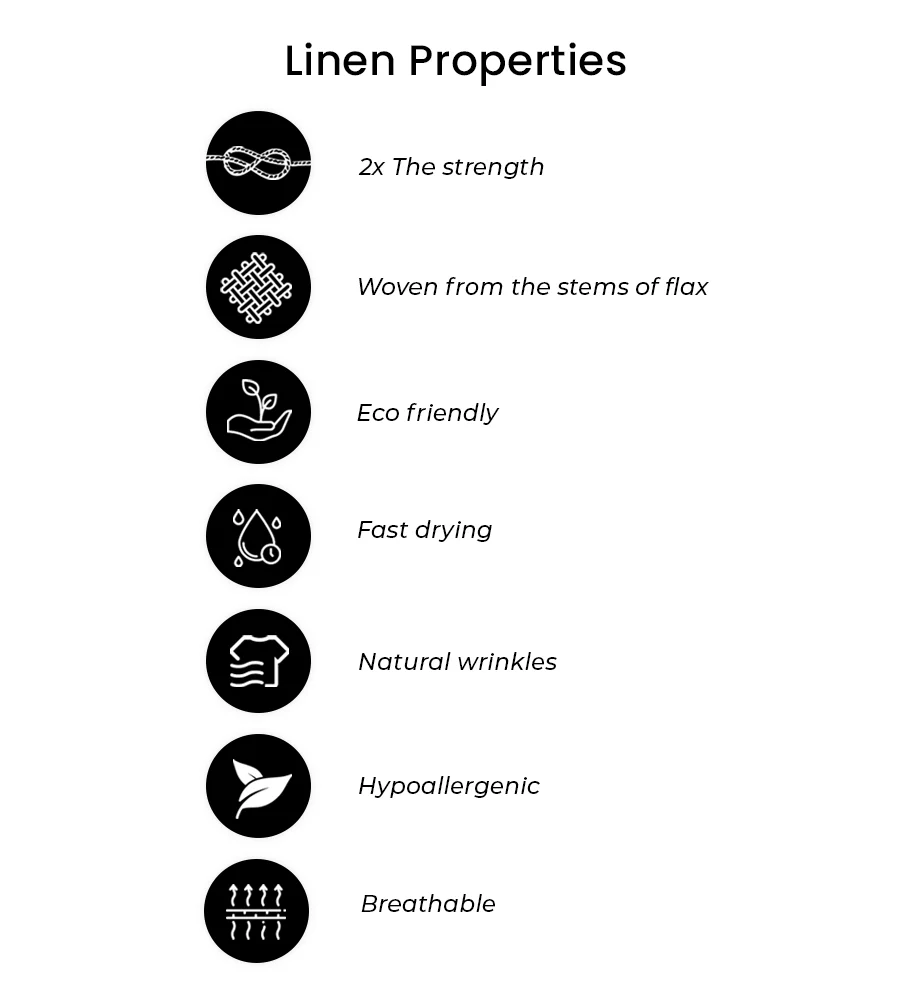
Cotton and linen, on the other hand, are natural fibers that breathe. They absorb moisture, allow air to circulate, and feel cool and comfortable, making them the obvious choice for tablecloths, napkins, kitchen towels, and bedding that you use every day.
2. Feel and Comfort
Spandex has a slick, plastic-like texture that many people find uncomfortable against bare skin over long periods.
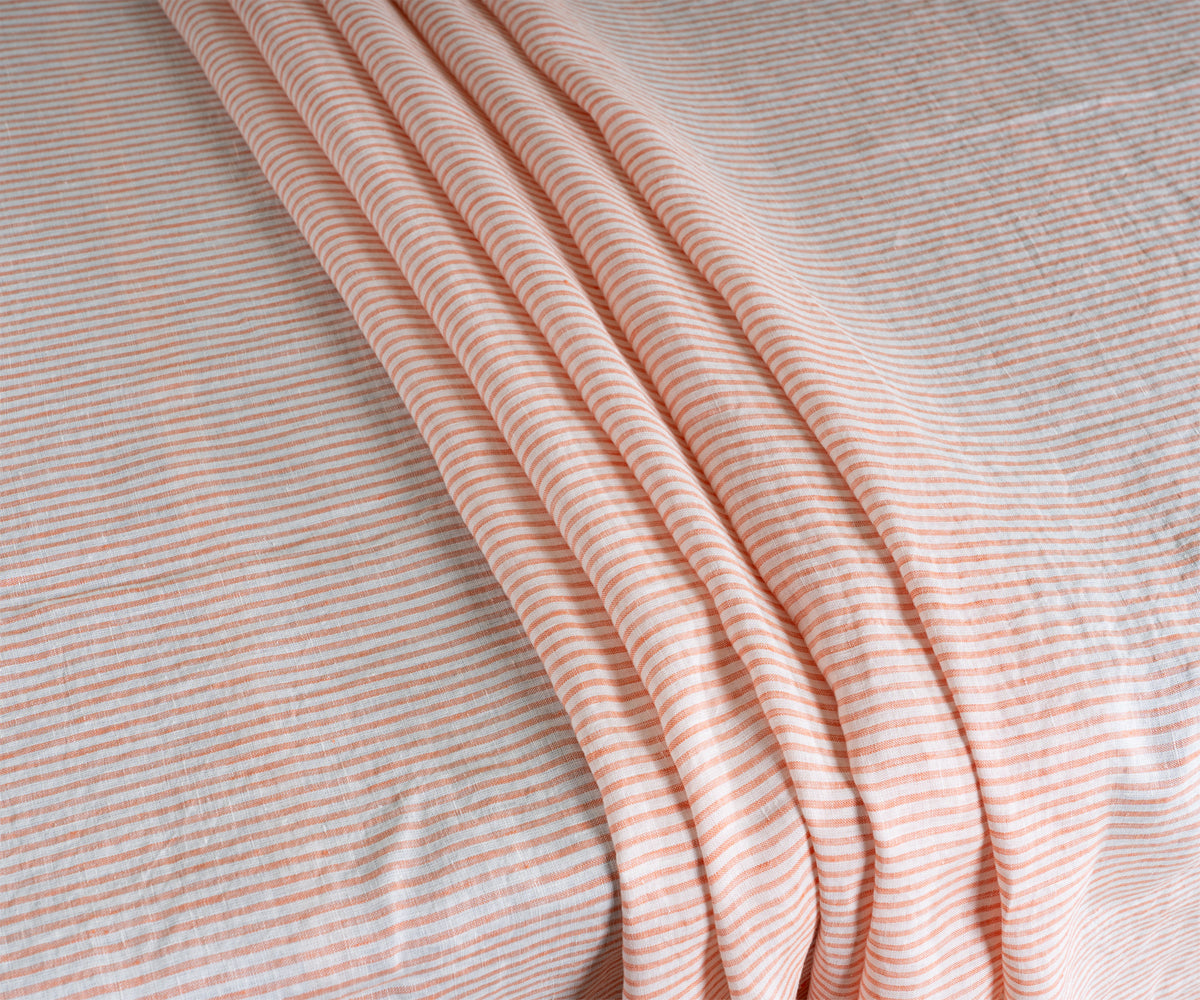
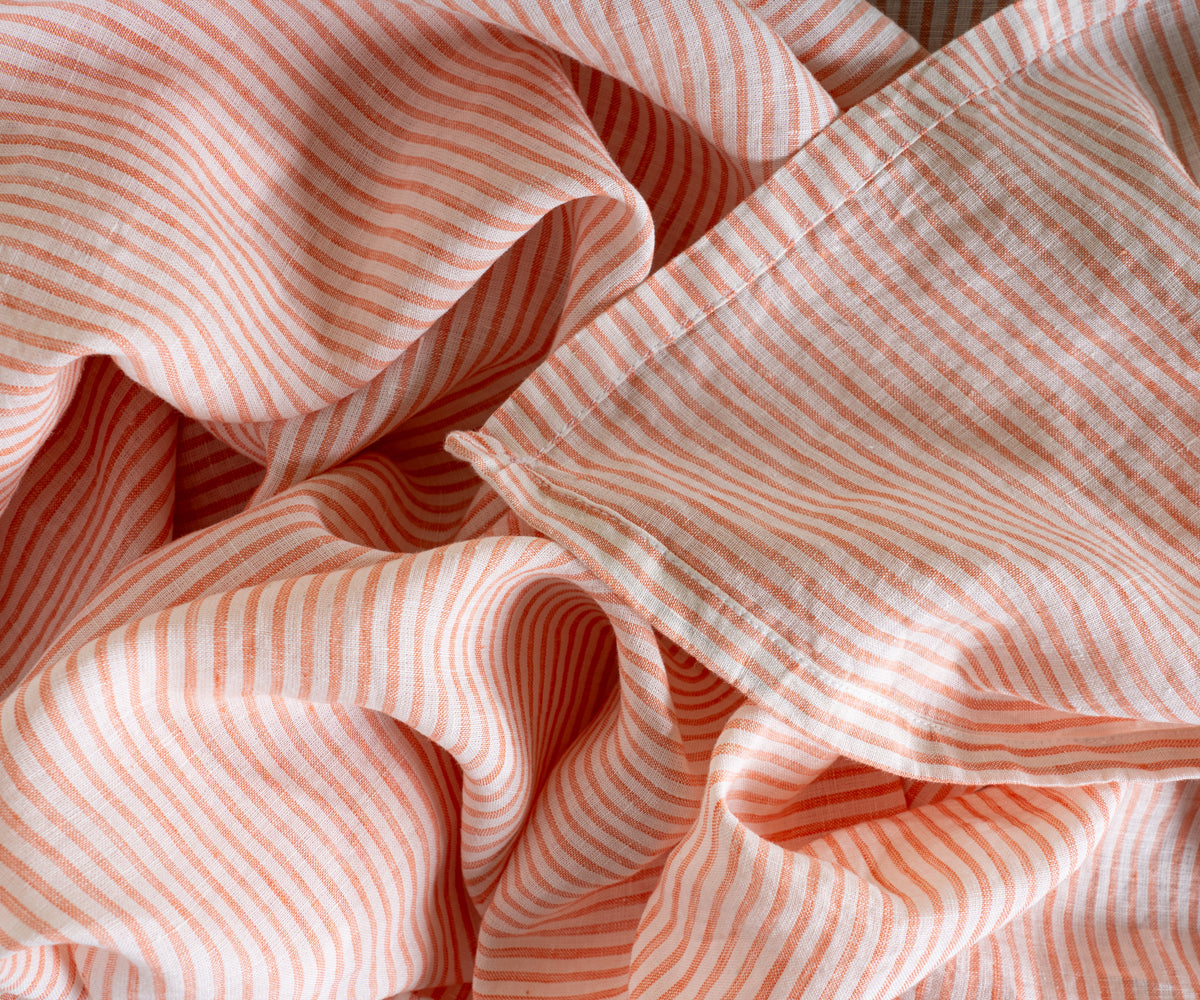
Linen softens with every wash, developing a gorgeous lived-in texture that only gets better with age. Cotton is naturally soft from the start, gentle, familiar, and comfortable against skin and surfaces alike.
3. Aesthetics and Elegance
Let's be honest, a spandex tablecloth would look completely out of place at a dinner party. Spandex is functional, not beautiful.
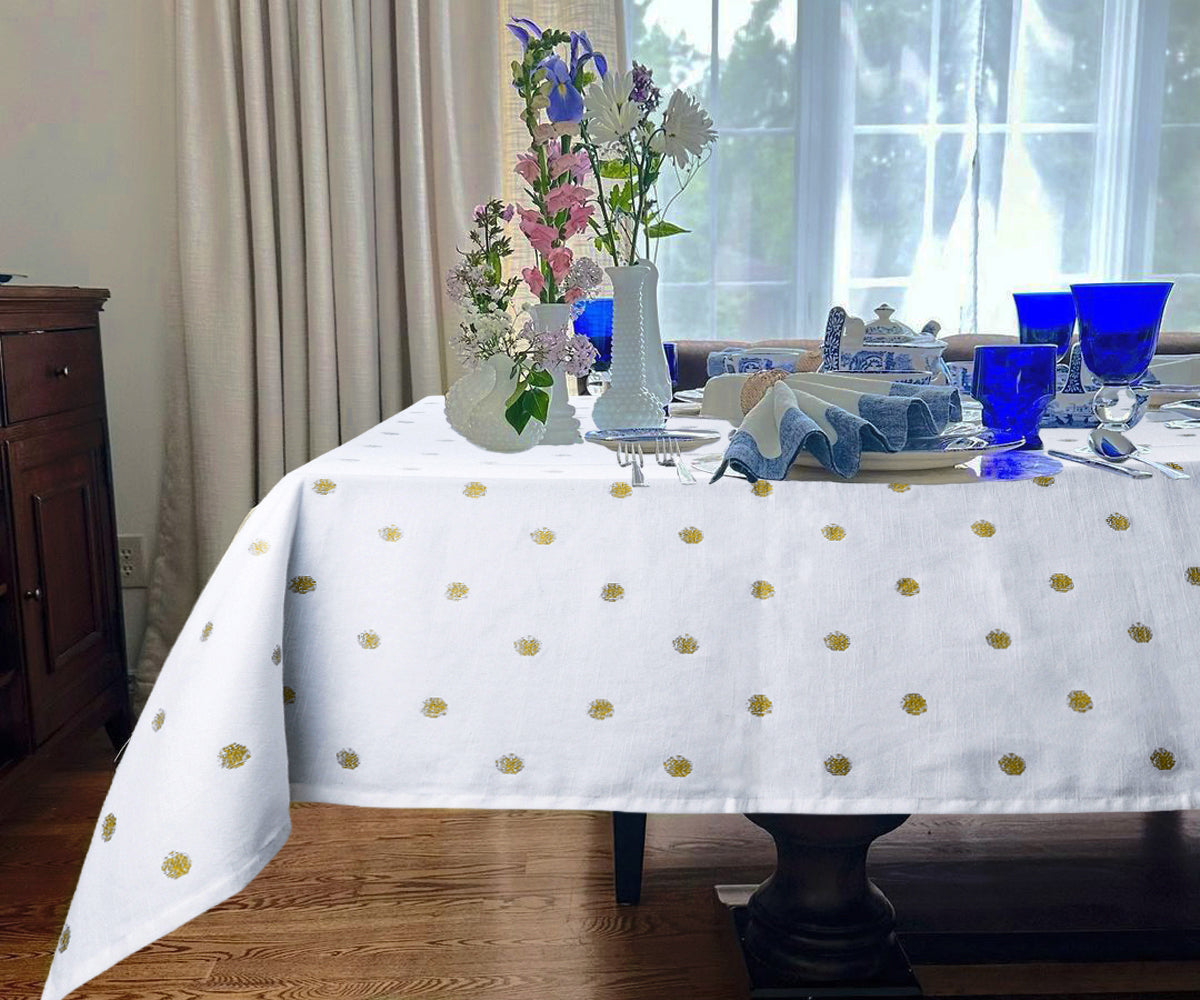
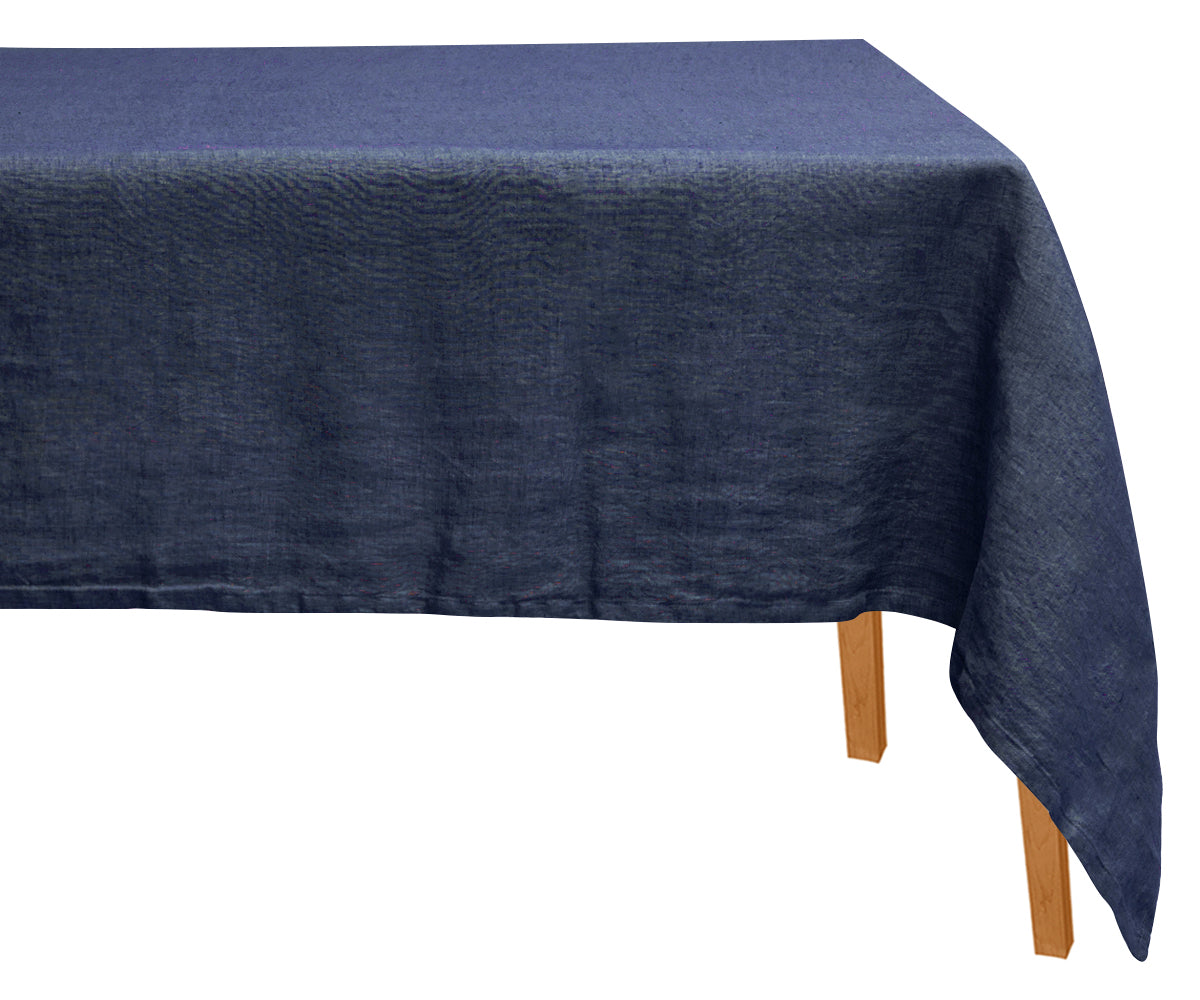
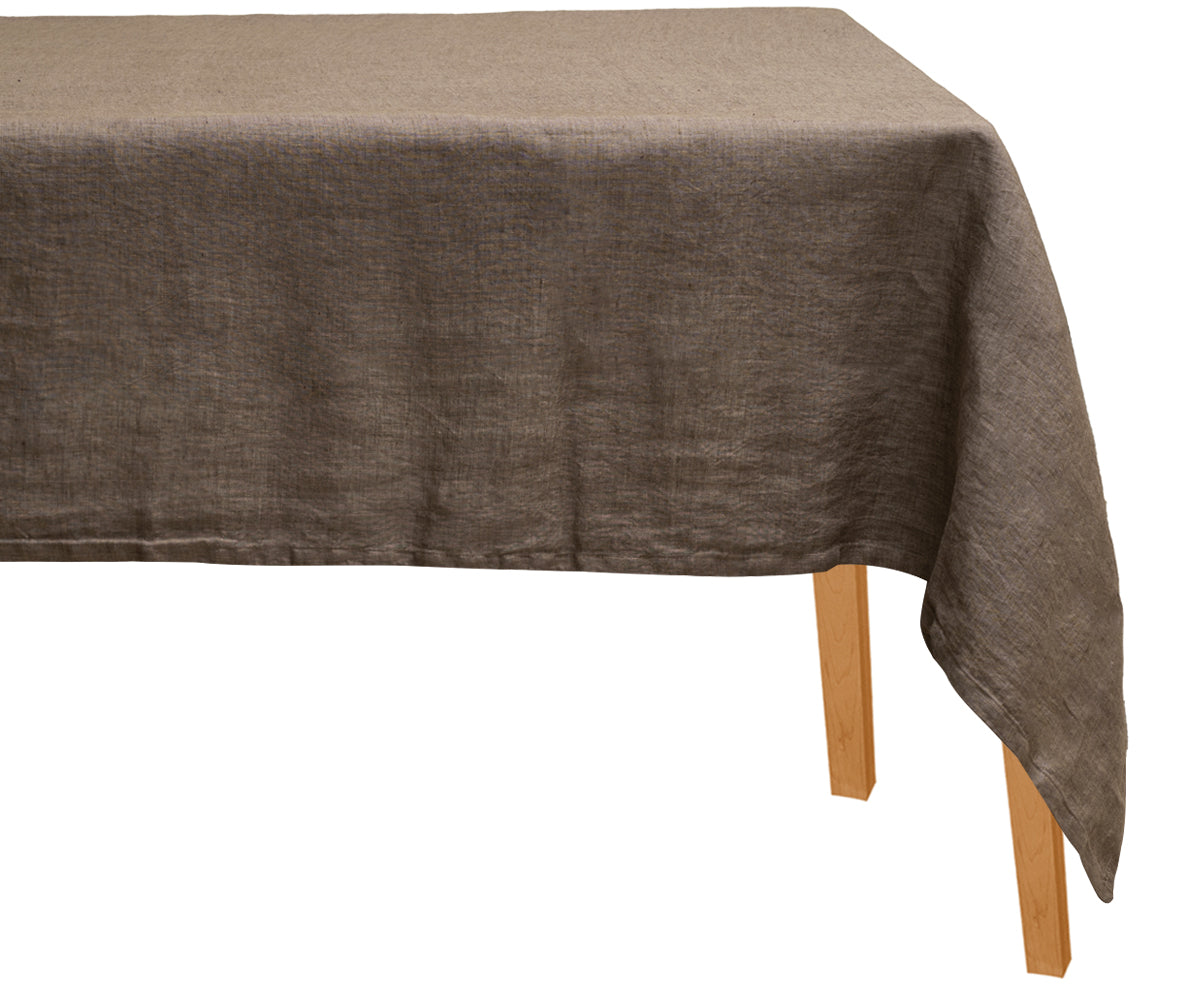
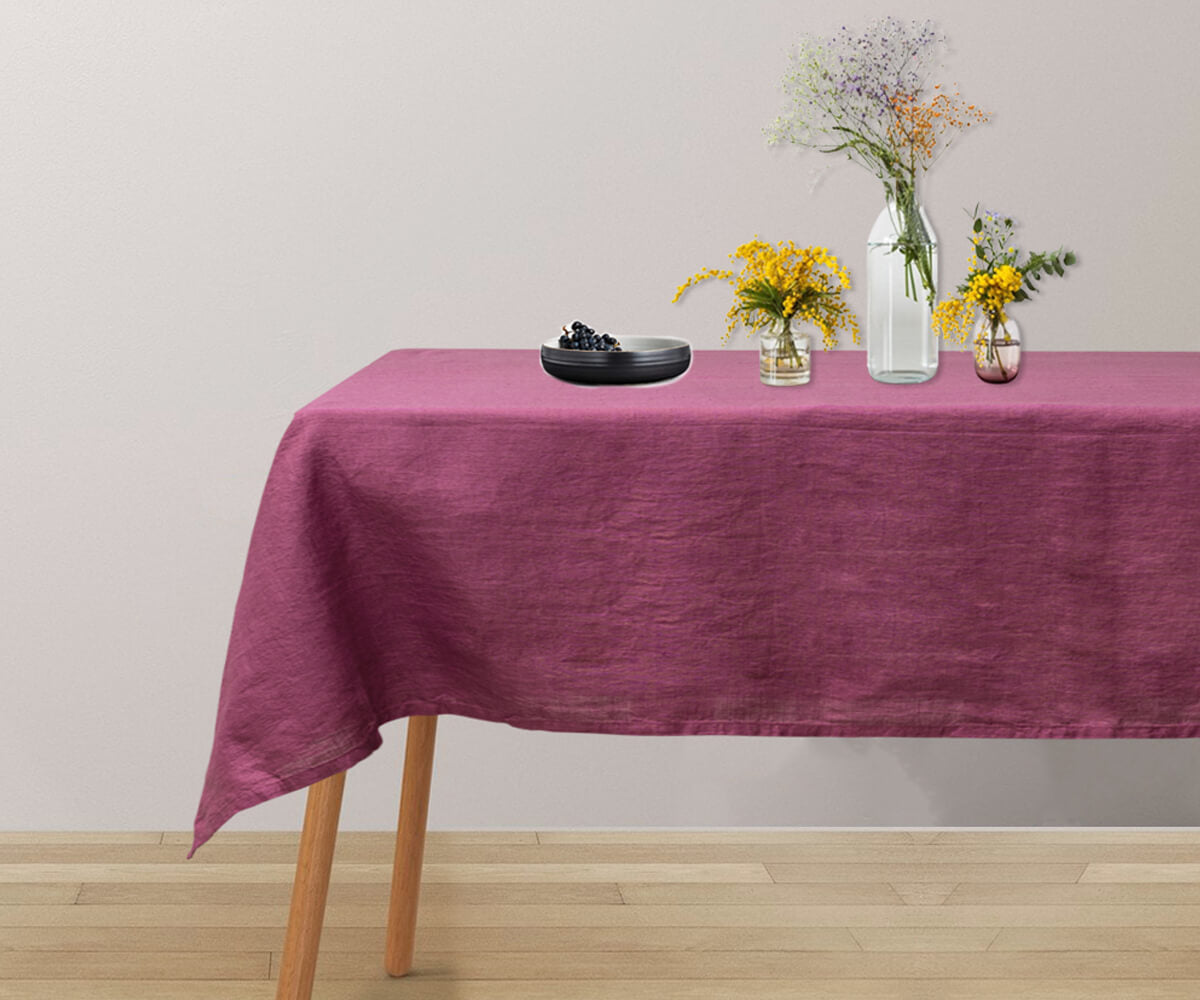
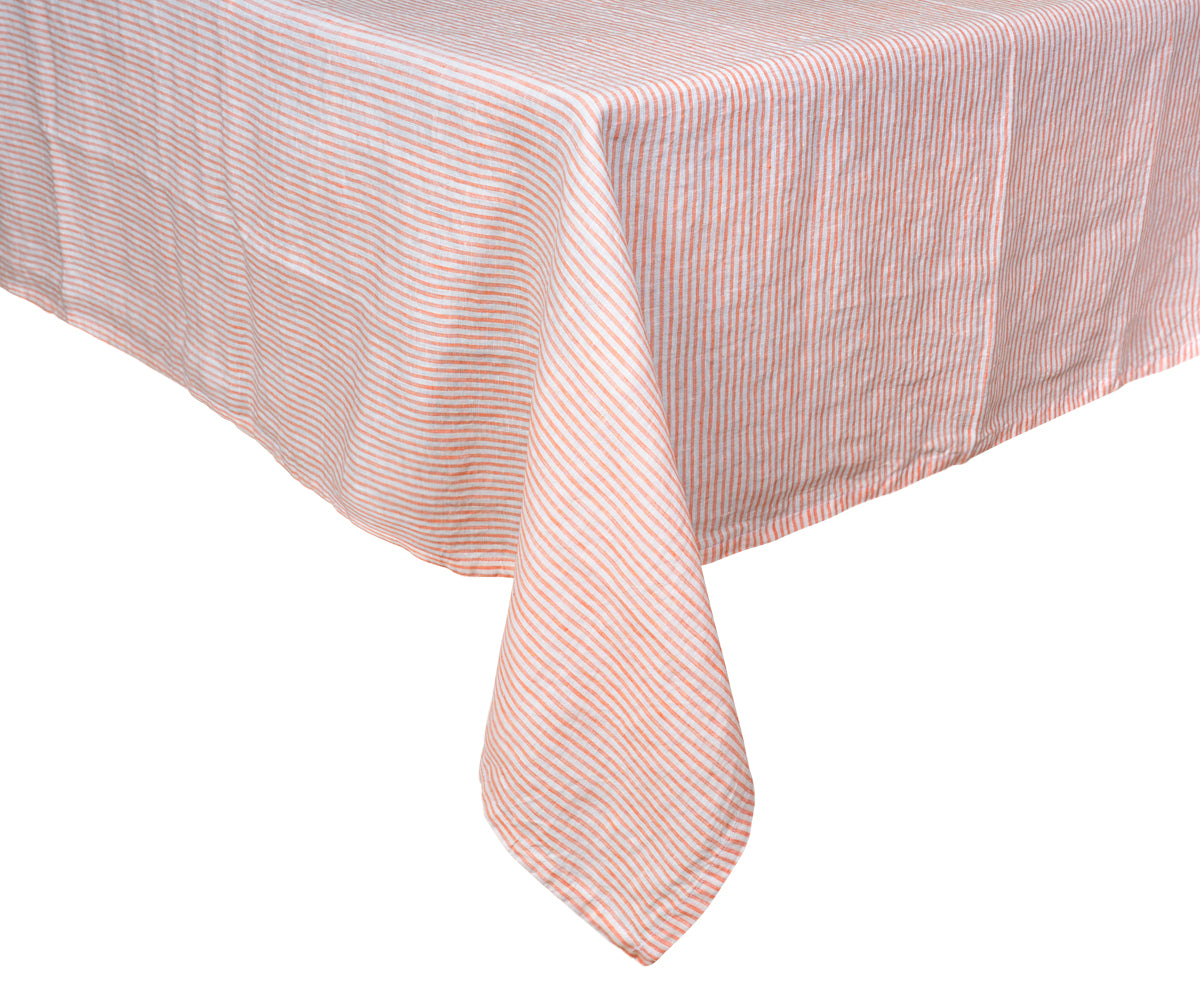
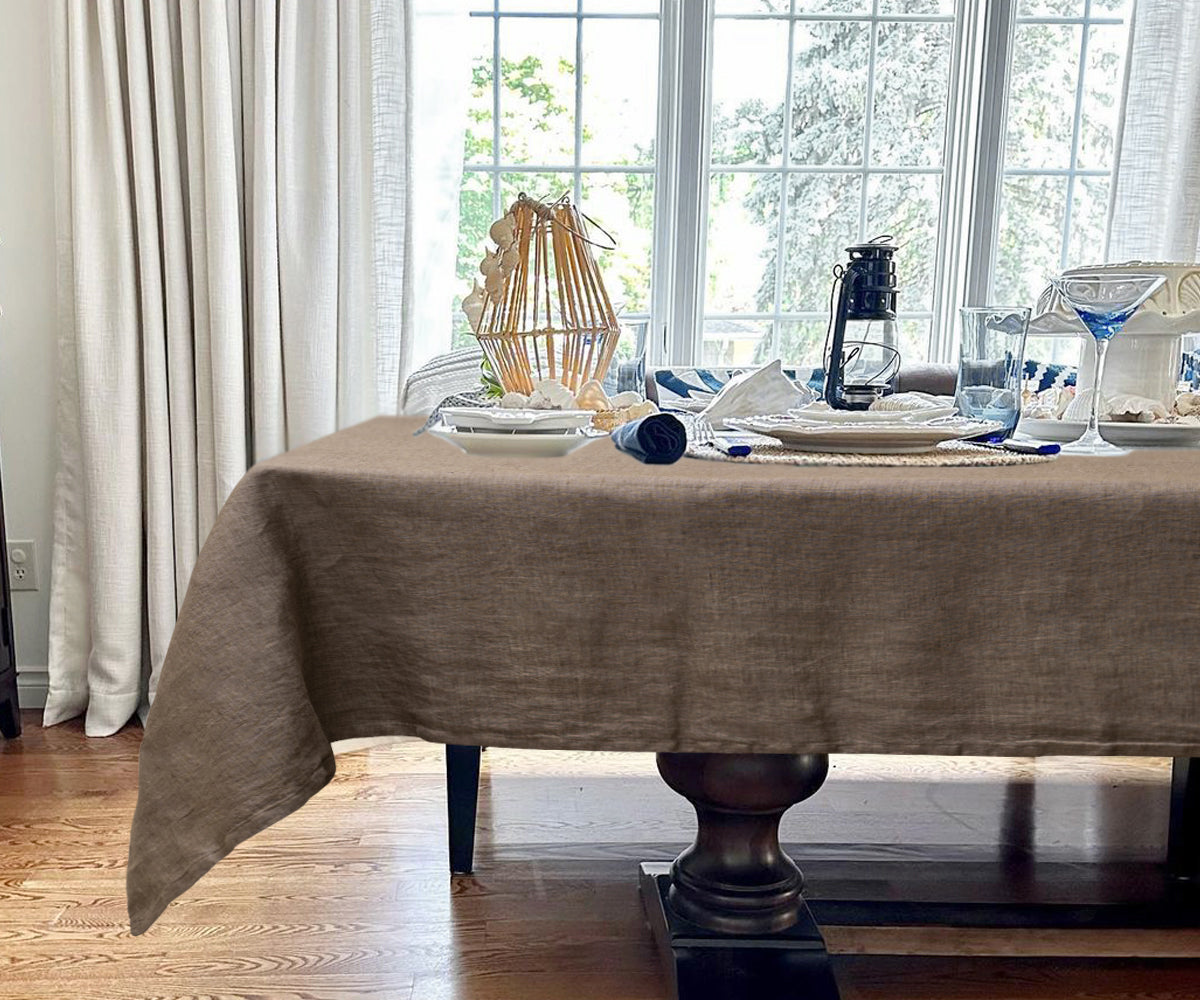
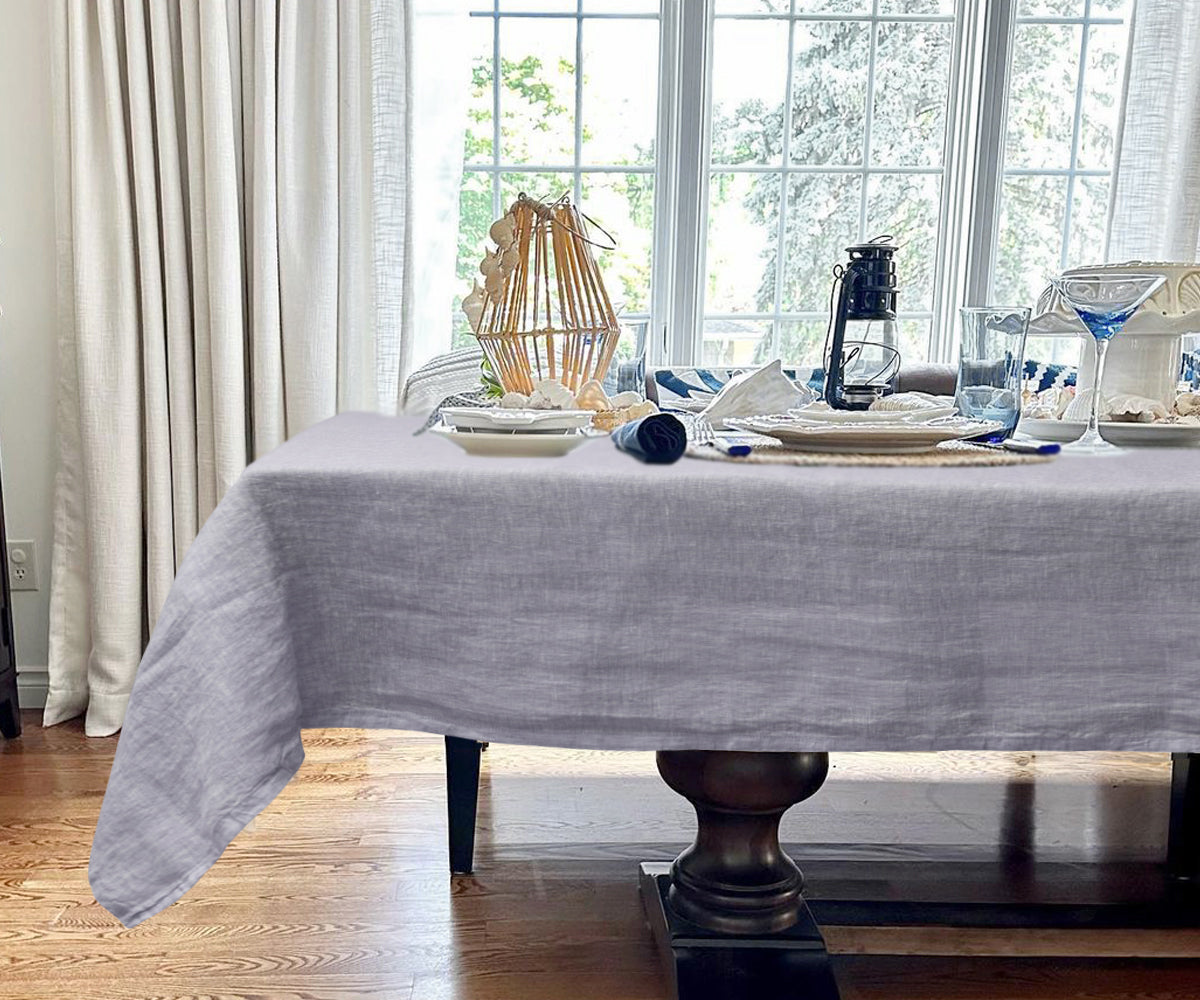
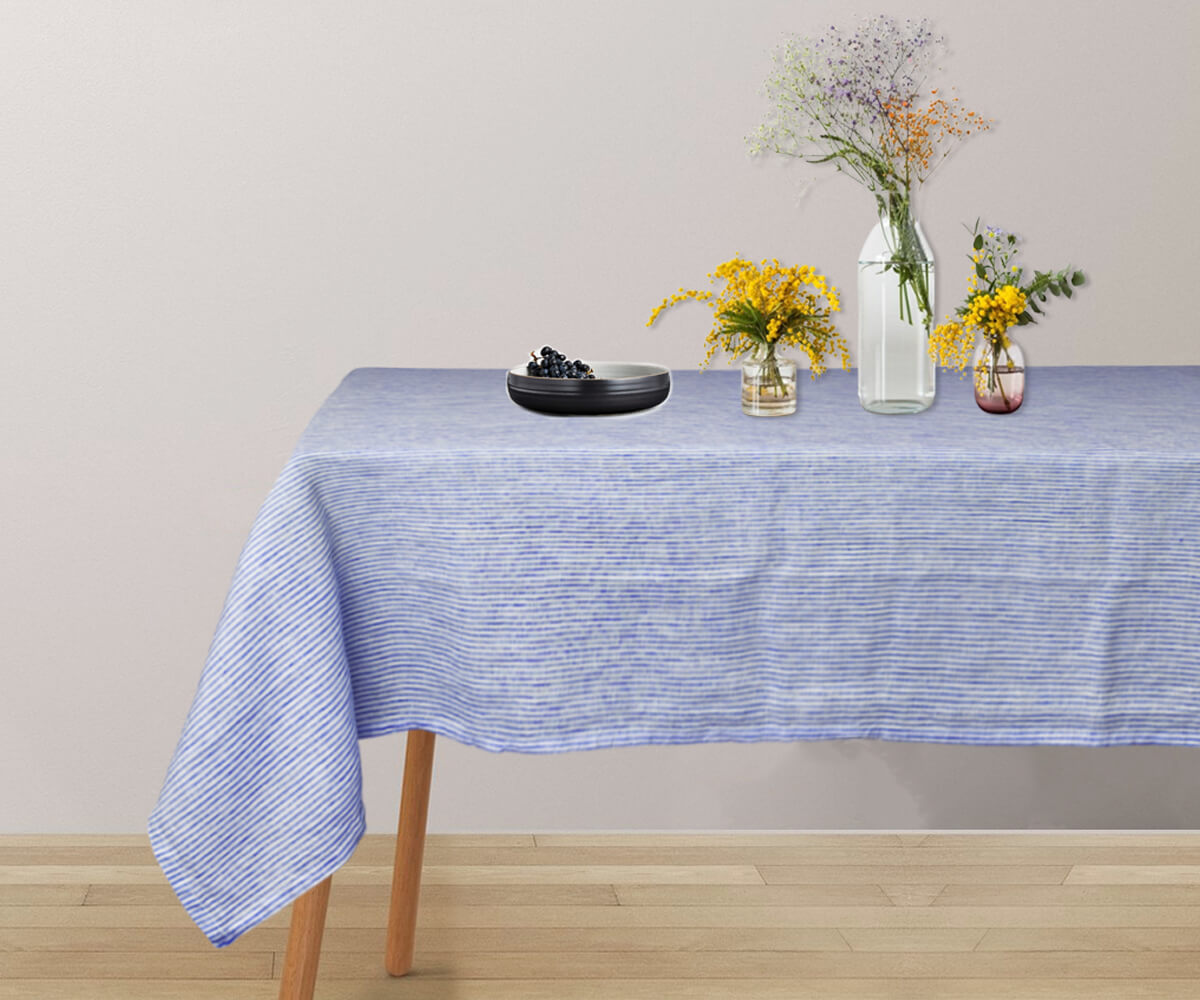
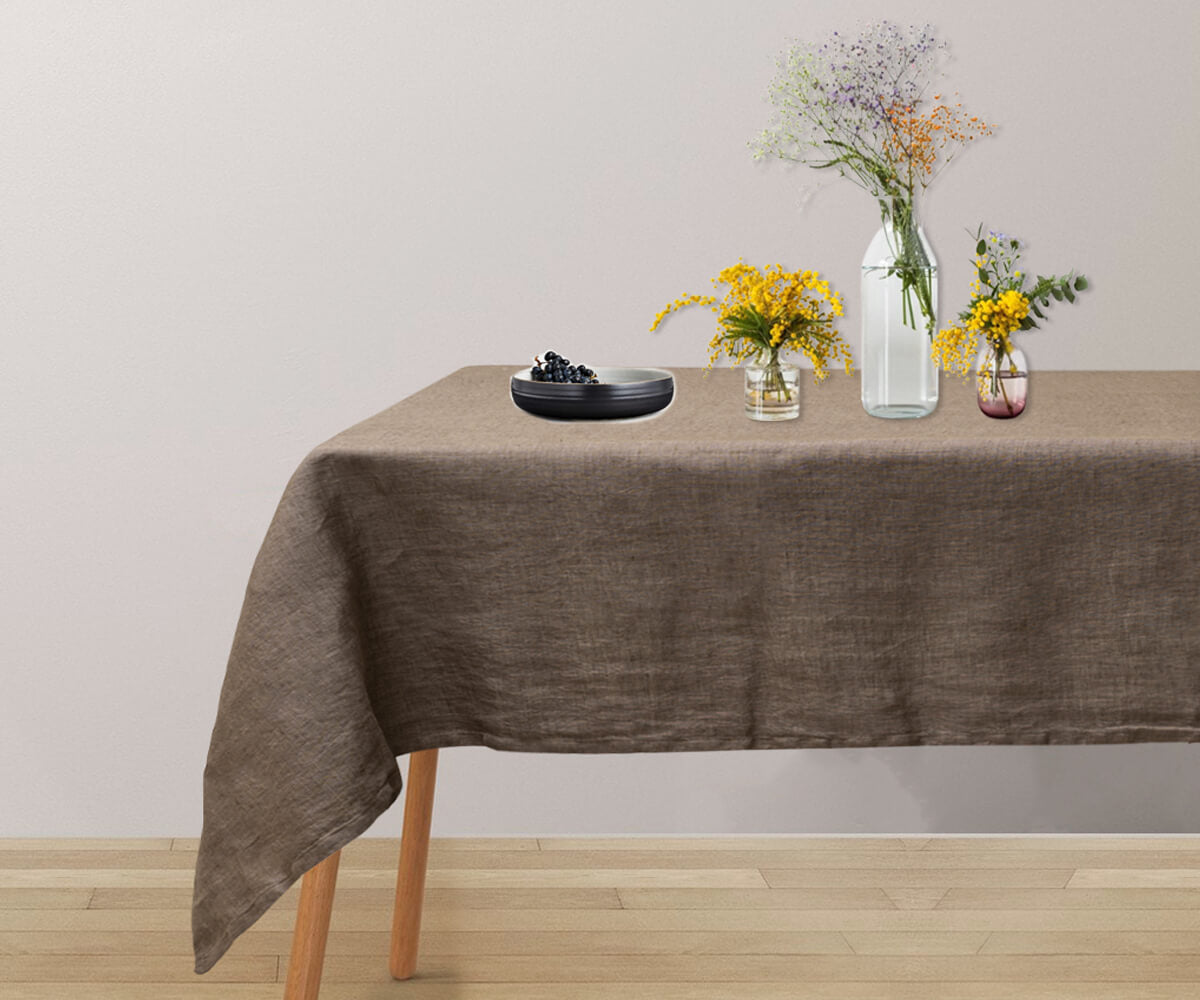
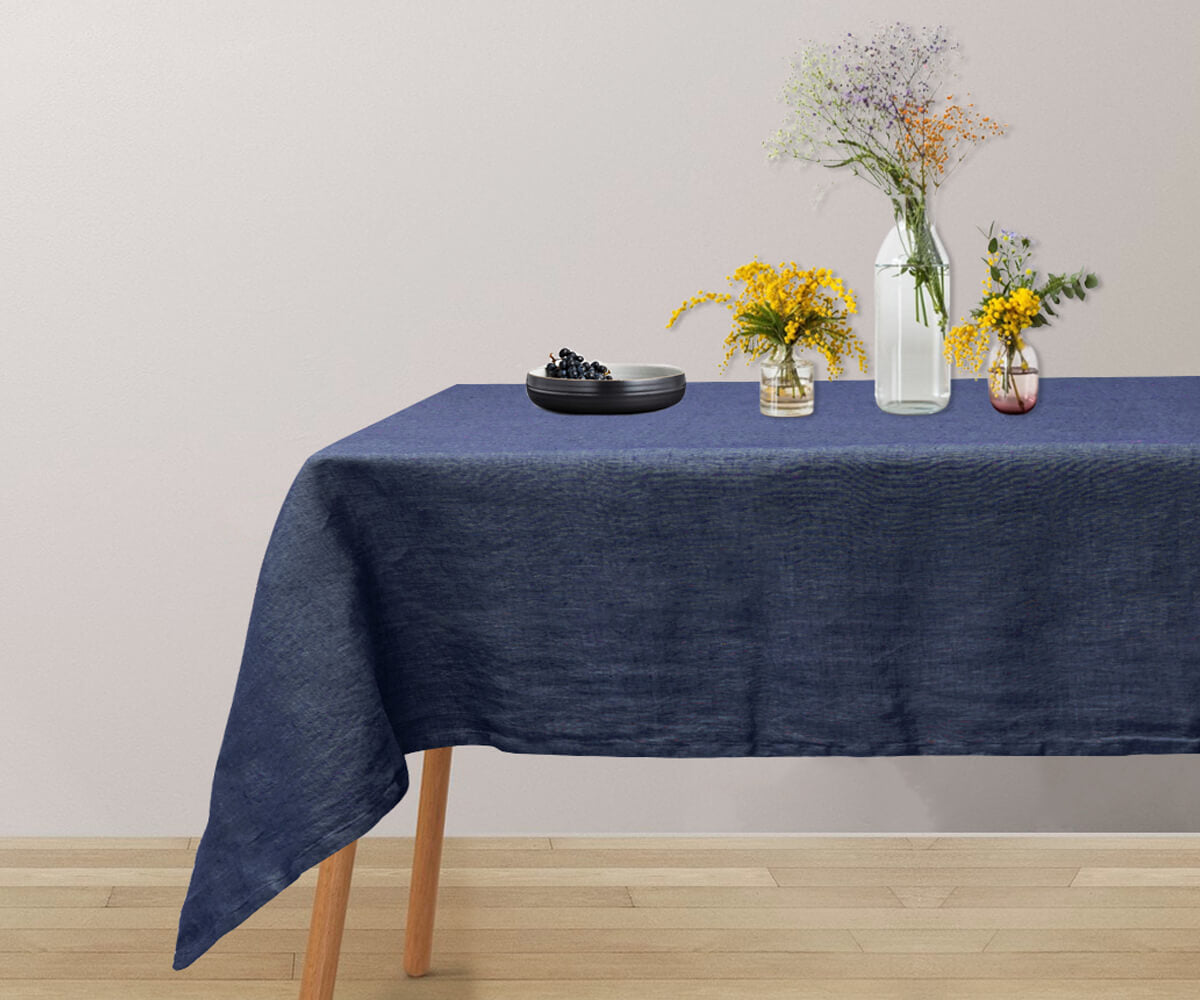
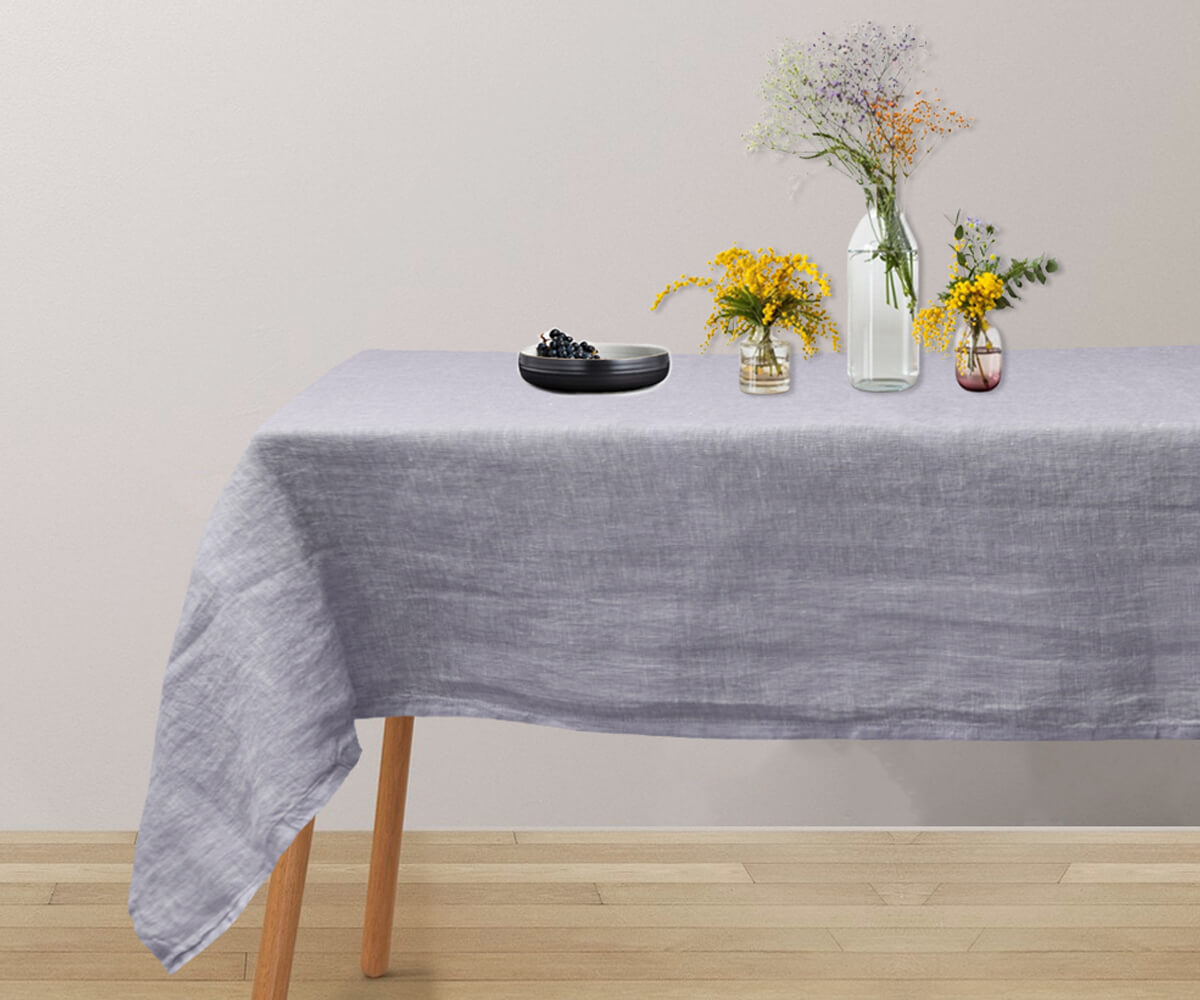
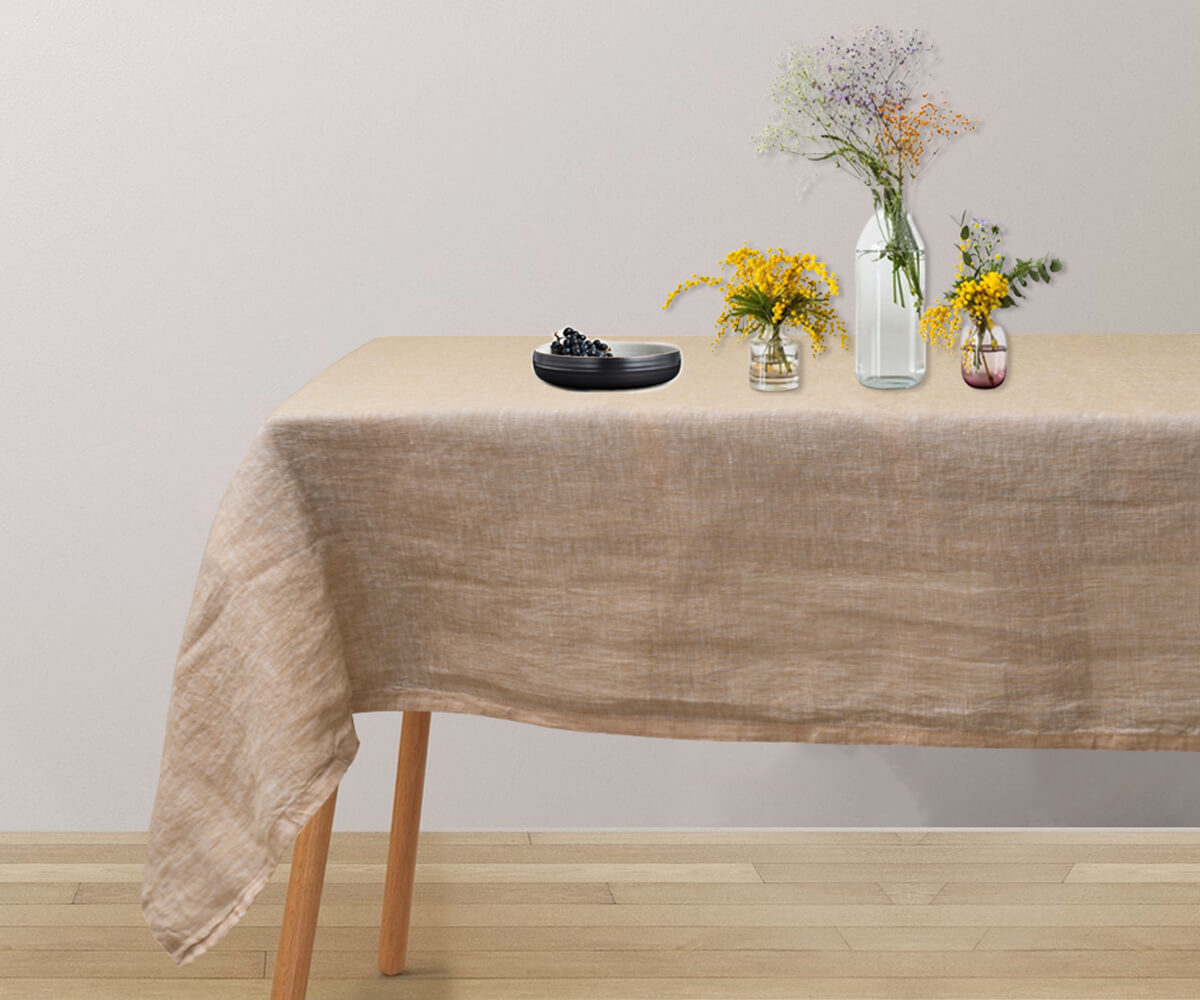
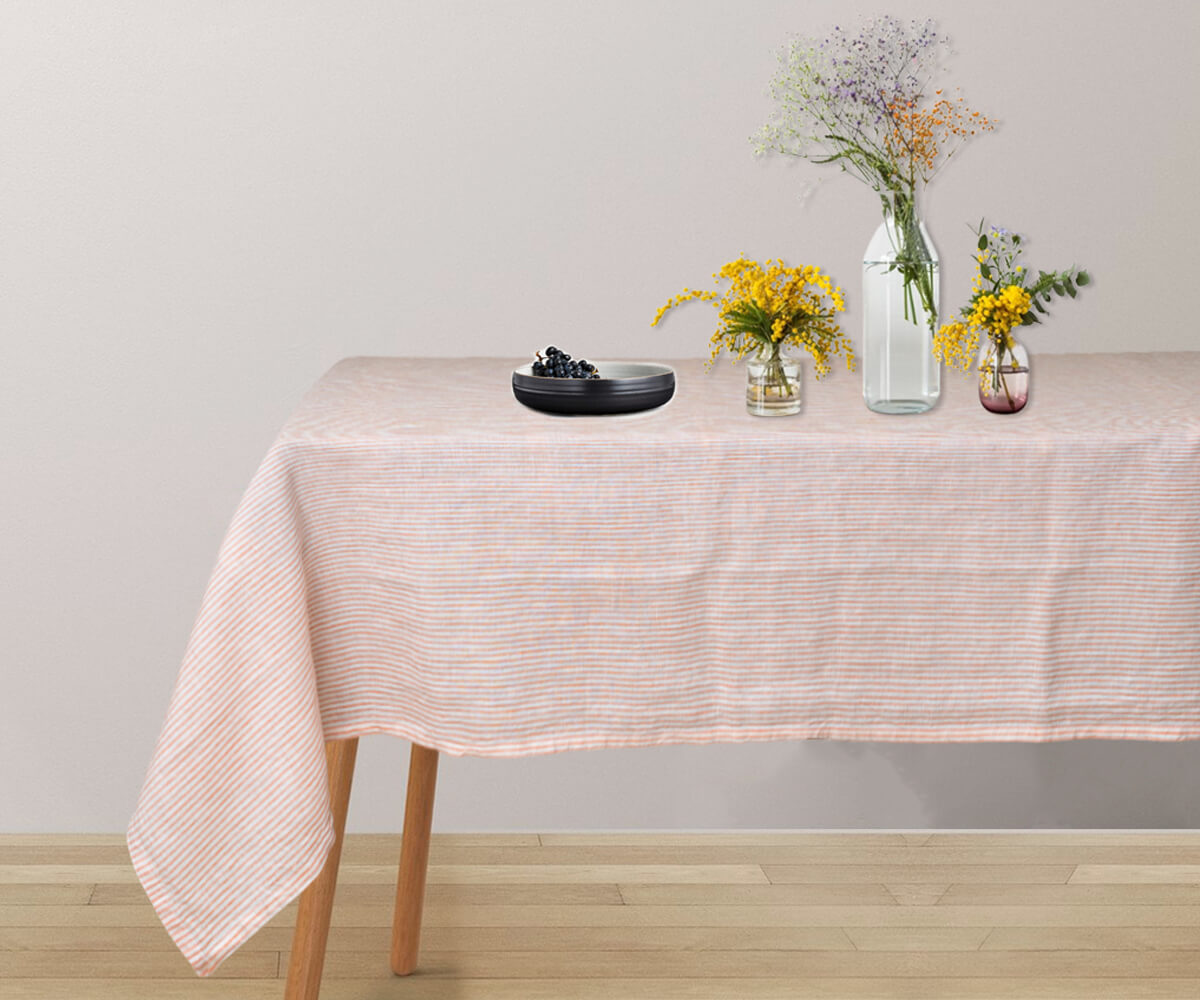
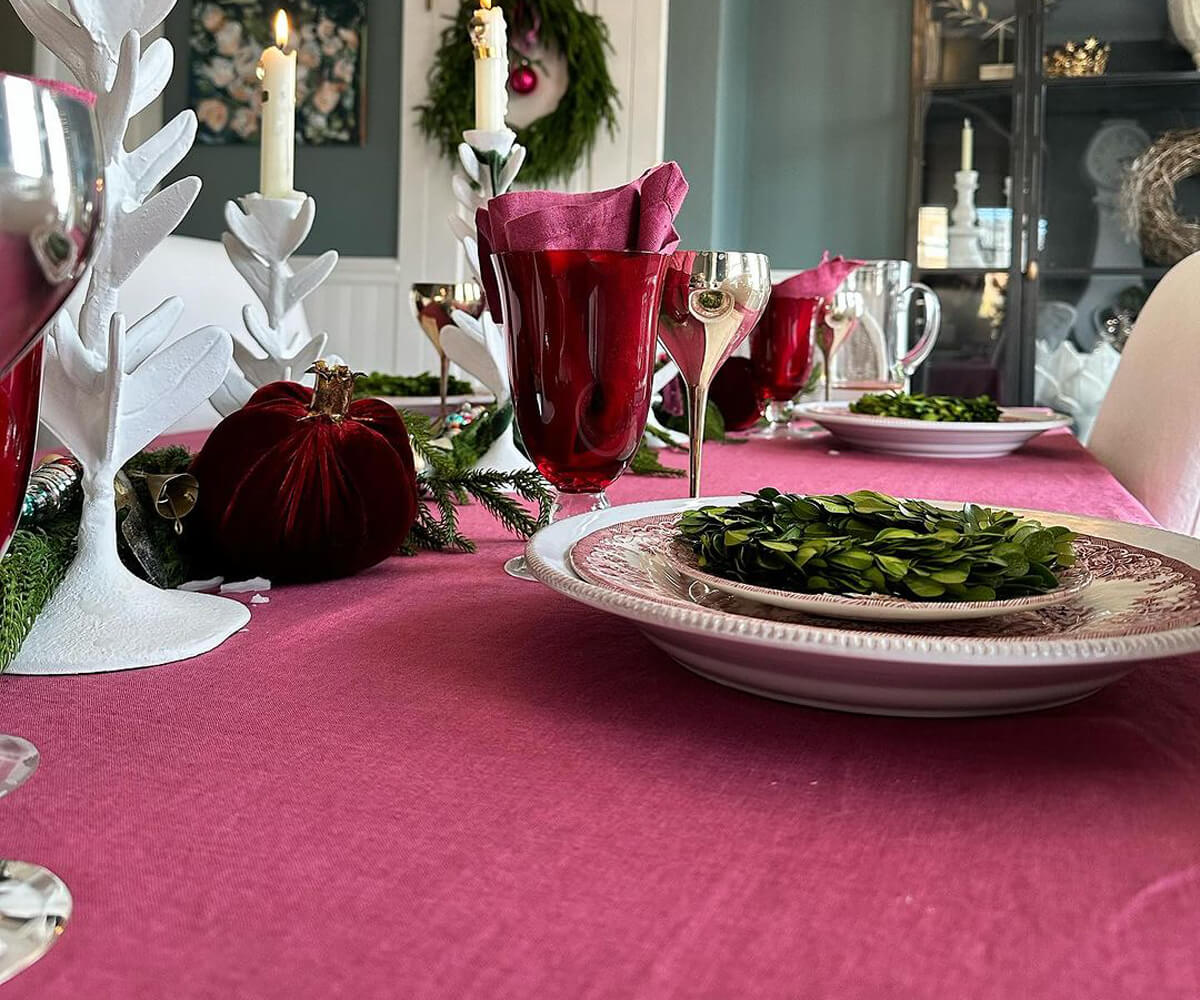
Linen and cotton bring natural elegance to any home. The slight texture of linen, the crisp finish of cotton, these are the fabrics that make a dining table look like it belongs in a magazine. A well-chosen linen or cotton tablecloth instantly elevates a room in a way that no synthetic fabric can replicate.
4. Sustainability
Spandex is made from petroleum, a non-renewable resource. It doesn't biodegrade, and the microplastics it sheds during washing enter waterways and the food chain.
Cotton and linen are both plant-based, renewable, and biodegradable. Linen is considered one of the most eco-friendly fabrics in existence the flax plant requires very little water, no pesticides, and every part of the plant is used. Choosing natural fabrics for your home is one of the simplest ways to make a more sustainable choice.
5. Washability and Longevity
Spandex degrades with heat. Washing it too hot or tumoring it too long, and it loses elasticity permanently. It's also prone to pilling and snagging.
Cotton and linen are built to last. Wash them, use them, wash them again; they hold their integrity and actually improve with washing. A quality linen tablecloth can last decades with basic care.
Why Cotton and Linen Are the Right Fabrics For Your Home
The fabrics you choose for your home say something about how you live. Spandex was engineered for performance in motion. It's at its best when you're running, stretching, or working out.

But your home is a place of comfort, beauty, and nourishment. The fabrics on your table, in your kitchen, and on your bed should feel natural, breathe well, look beautiful, and last for years.
That's exactly what cotton and linen deliver.
At All Cotton and Linen, every piece is made from carefully chosen natural fibers because we believe your home deserves better than synthetic. Whether it's a tablecloth for Sunday dinner or a set of linen napkins for a special occasion, natural fabrics bring warmth and character that no petroleum-based fiber can match.
Quick Comparison: Spandex vs Cotton vs Linen
|
Feature |
Spandex |
Cotton |
Linen |
|
Source |
Synthetic (petroleum) |
Natural (plant) |
Natural (flax plant) |
|
Breathability |
Poor |
Excellent |
Excellent |
|
Feel |
Slick / plastic |
Soft |
Textured, softens with age |
|
Eco-friendly |
No |
Yes |
Very high |
|
Best for |
Activewear, sportswear |
Home, dining, kitchen |
Home, dining, bedding |
|
Longevity |
Degrades with heat |
Durable |
Extremely durable |
|
Aesthetics at home |
Poor |
Beautiful |
Naturally elegant |
Read Related: Why Sustainable Cotton & Linen Gifts Make Meaningful Moments
Spandex is a remarkable fiber for what it was designed to do: stretch. In your gym bag and workout wardrobe, it earns its place. But in your home, your kitchen, and on your dining table, natural fabrics like cotton and linen are simply in a different league.
They breathe, they last, they look beautiful, and they get better with every wash.
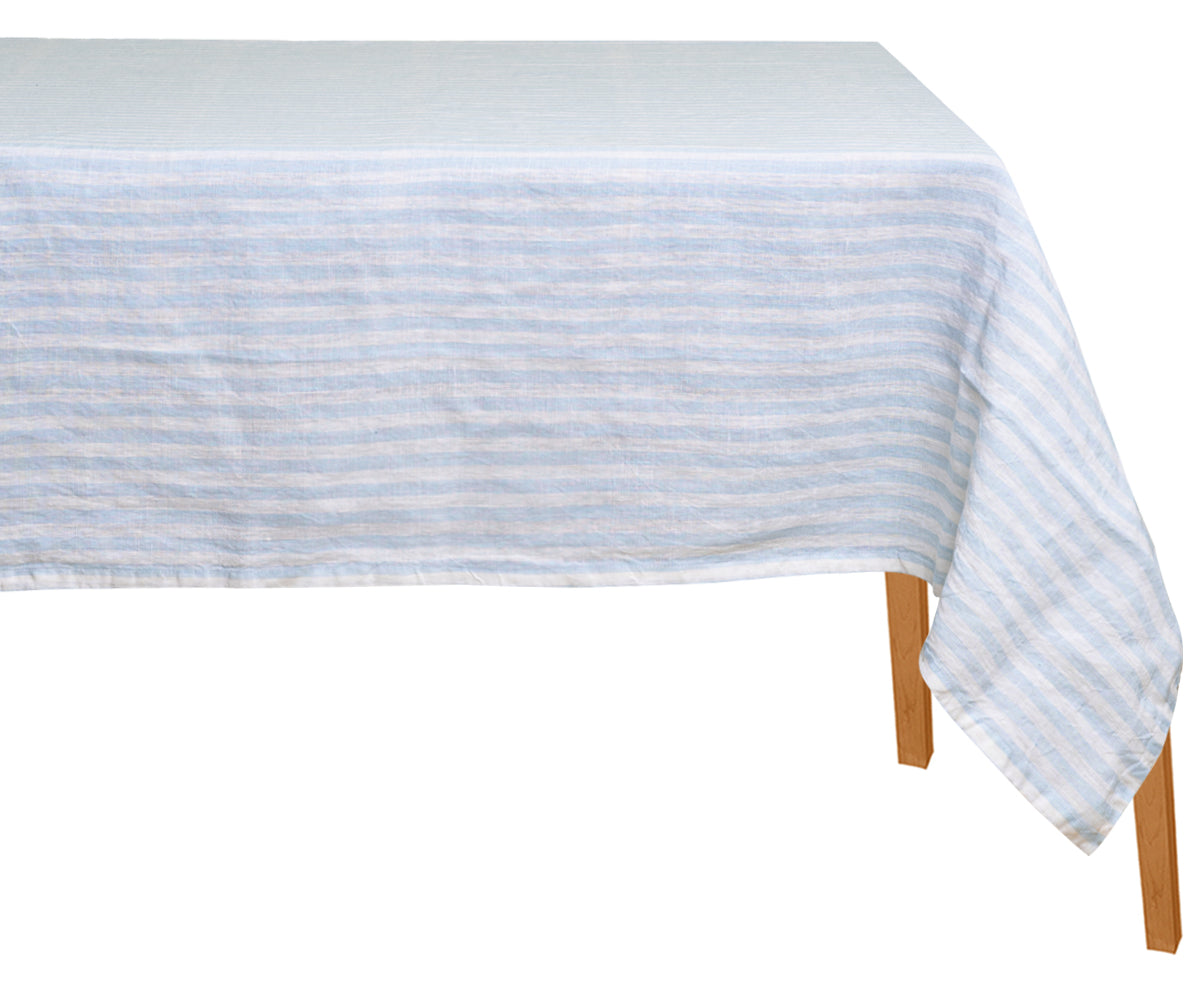
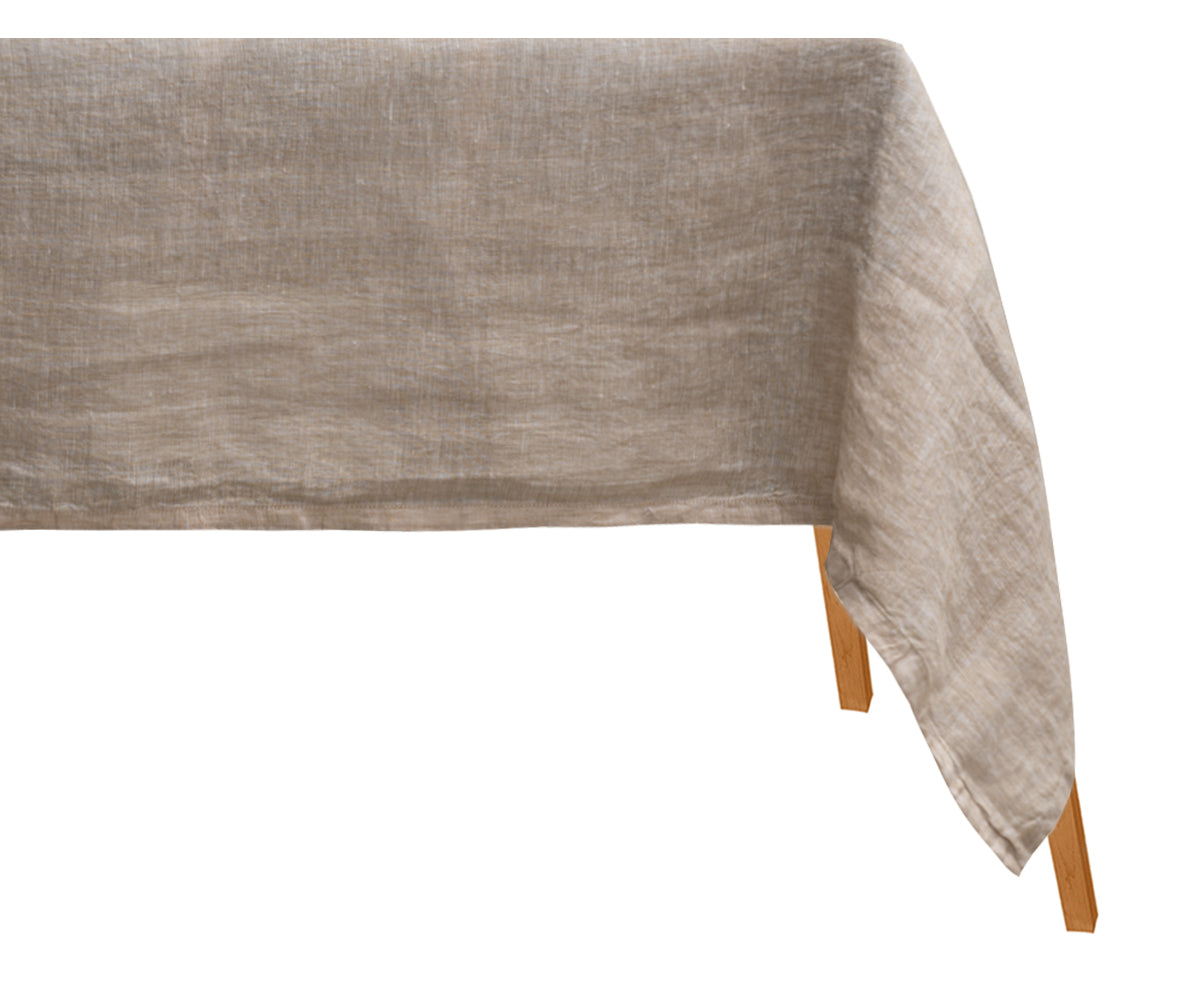
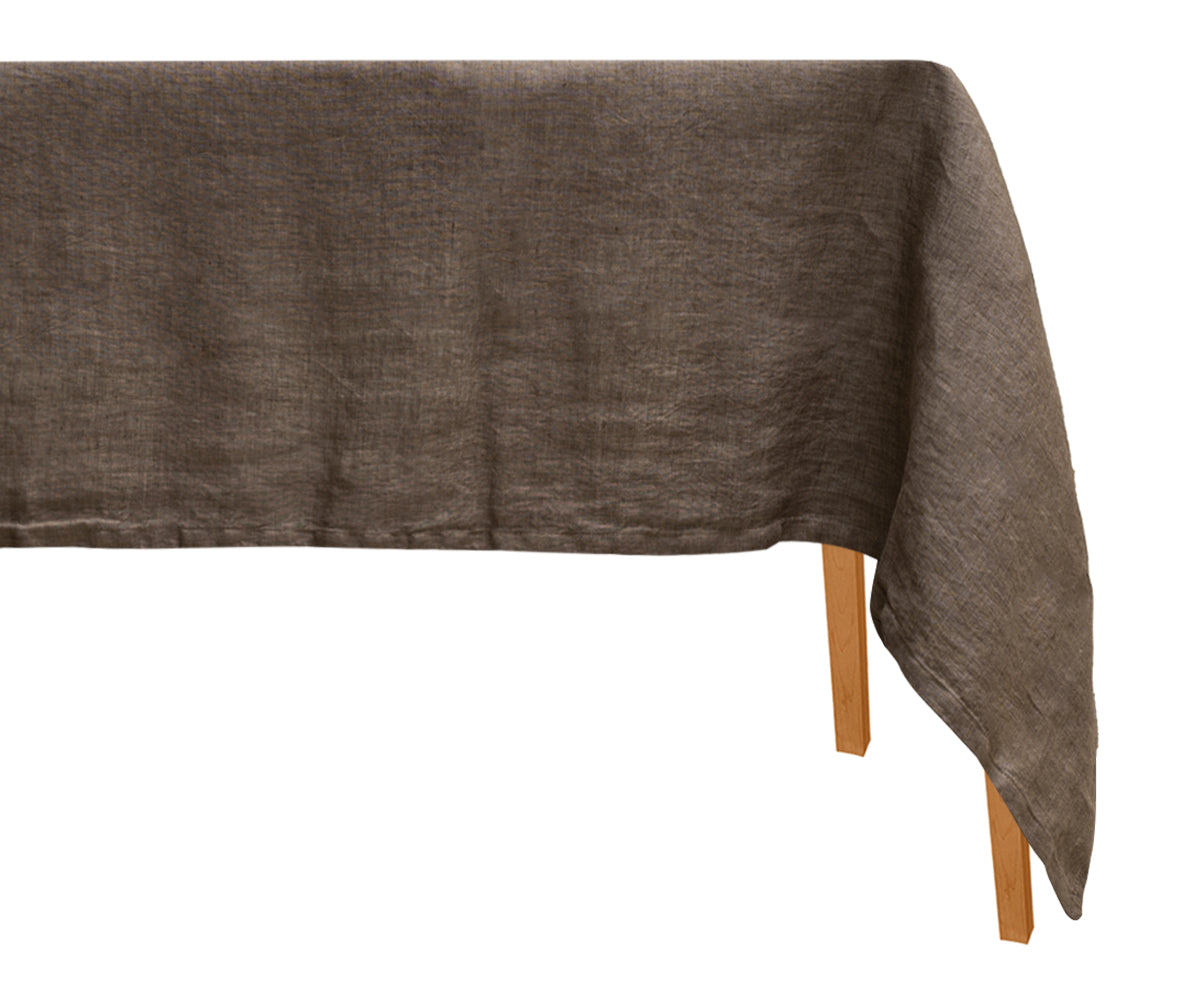
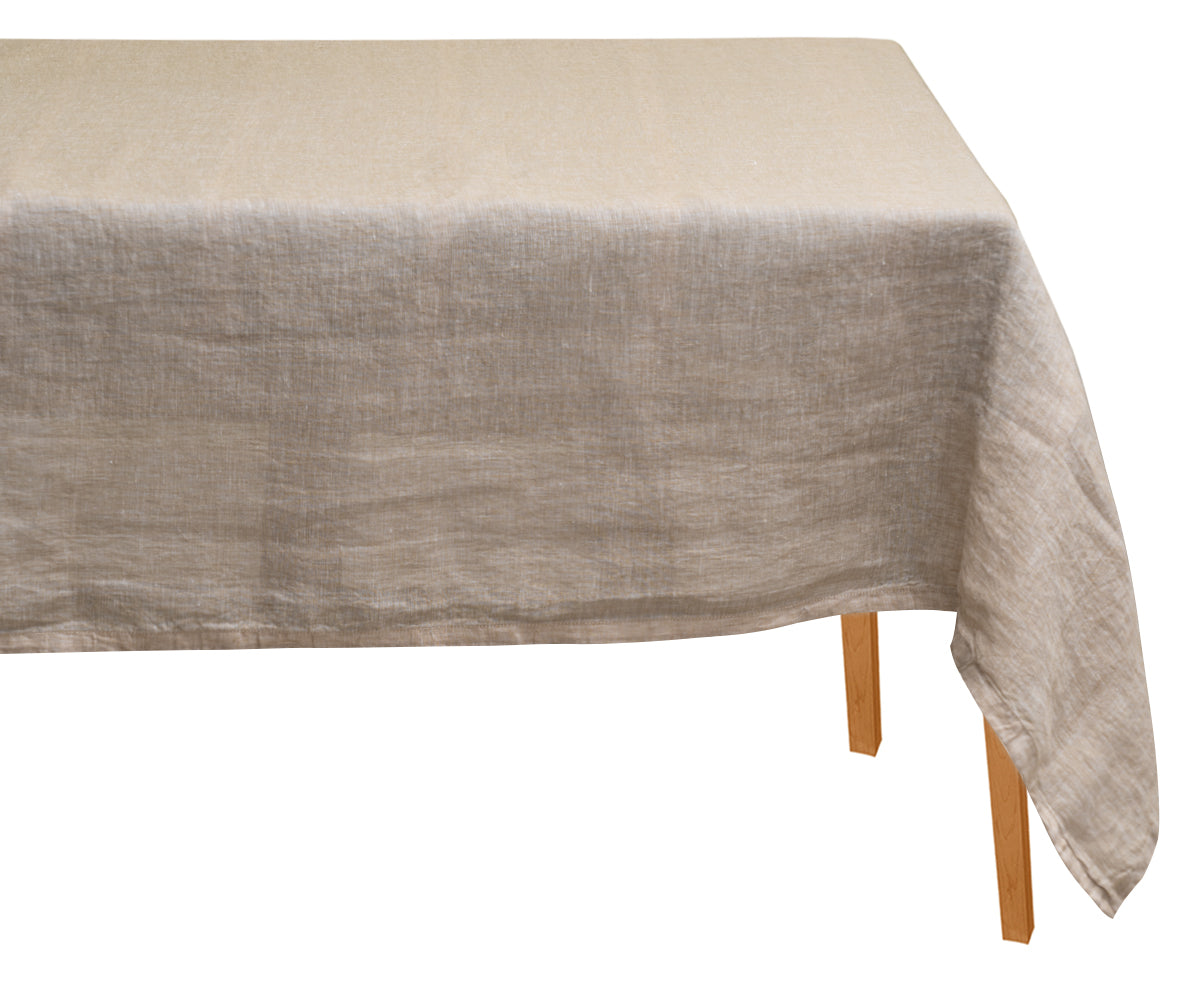
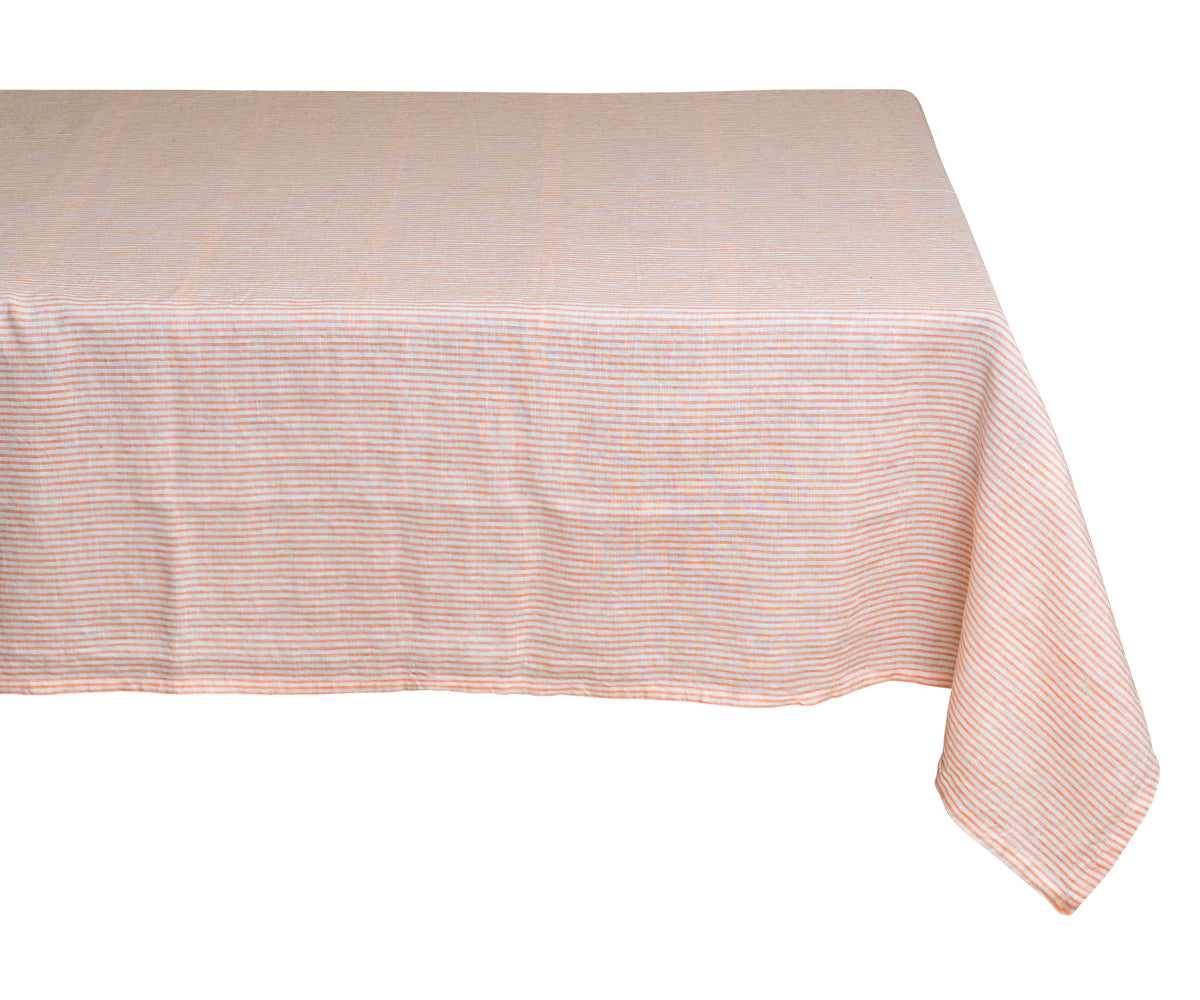
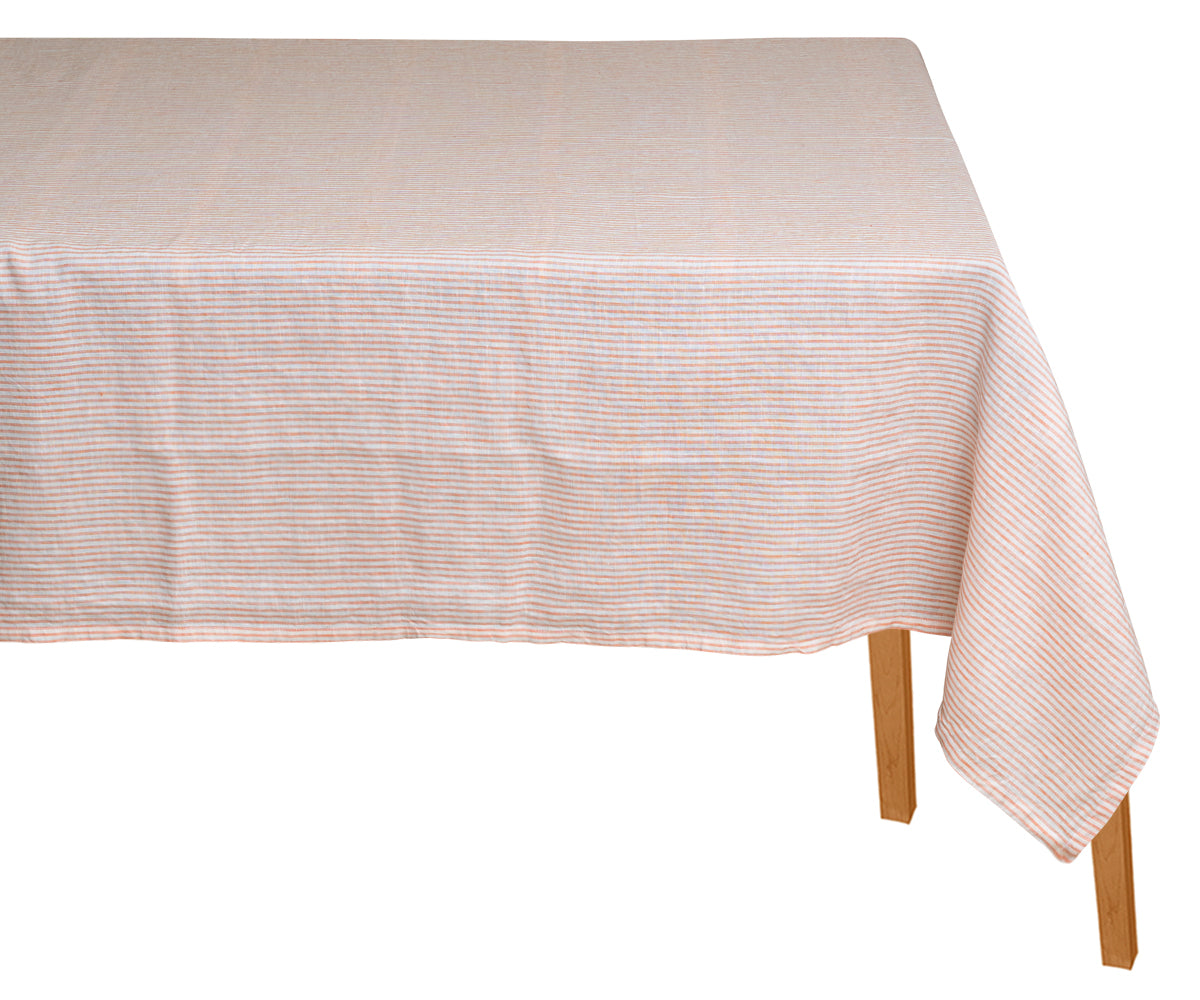
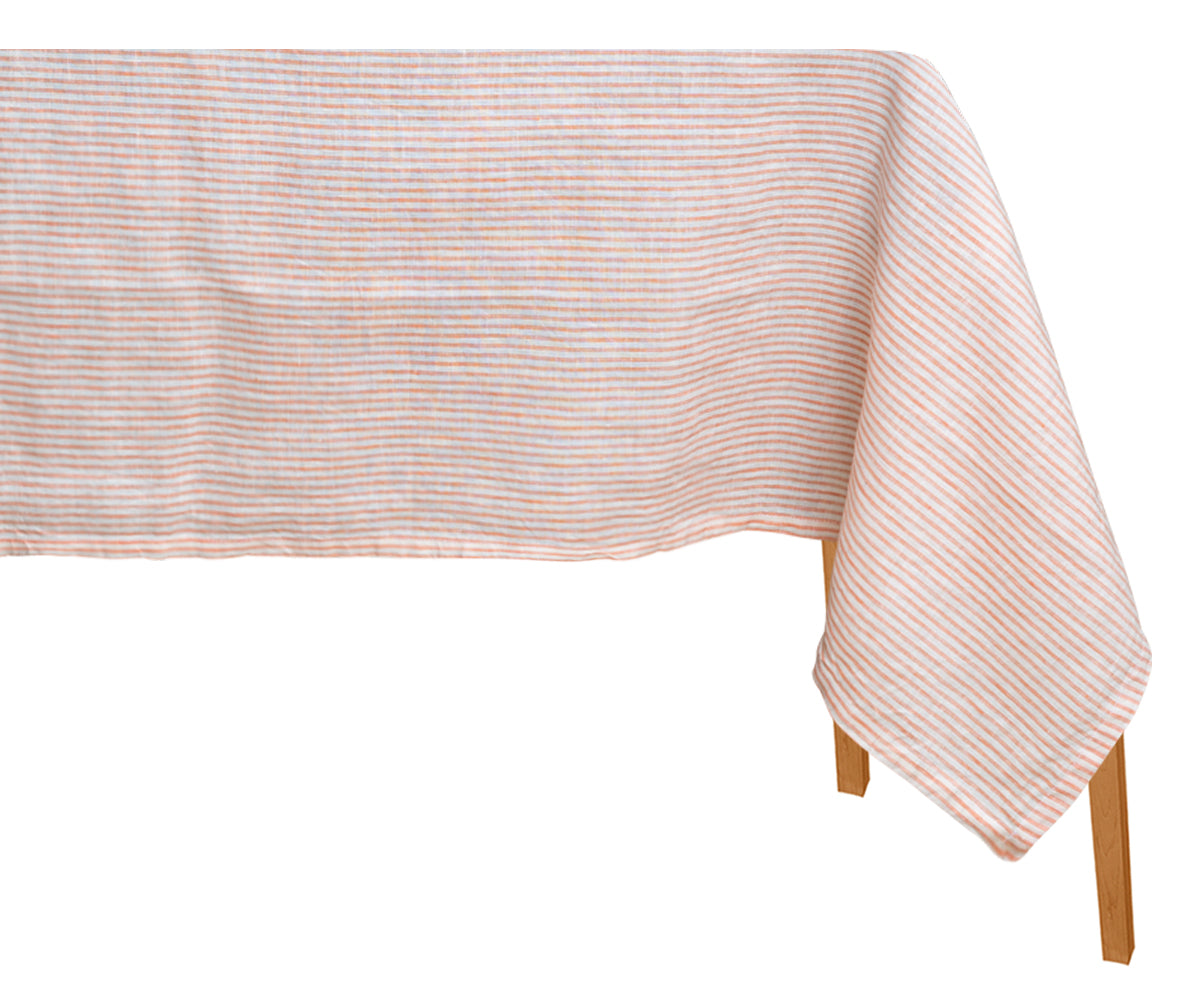
Ready to bring natural fabrics into your home? Explore All Cotton and Linen's full collection of cotton and linen tablecloths crafted for everyday beauty and lasting quality.