





The confusion hits hard, what is linen vs cotton? What is linen fabric vs cotton? This guide cuts through it all, sharing stories from homes across the US to help you pick the right natural fabrics for your life.
Linen vs Cotton Table Decor
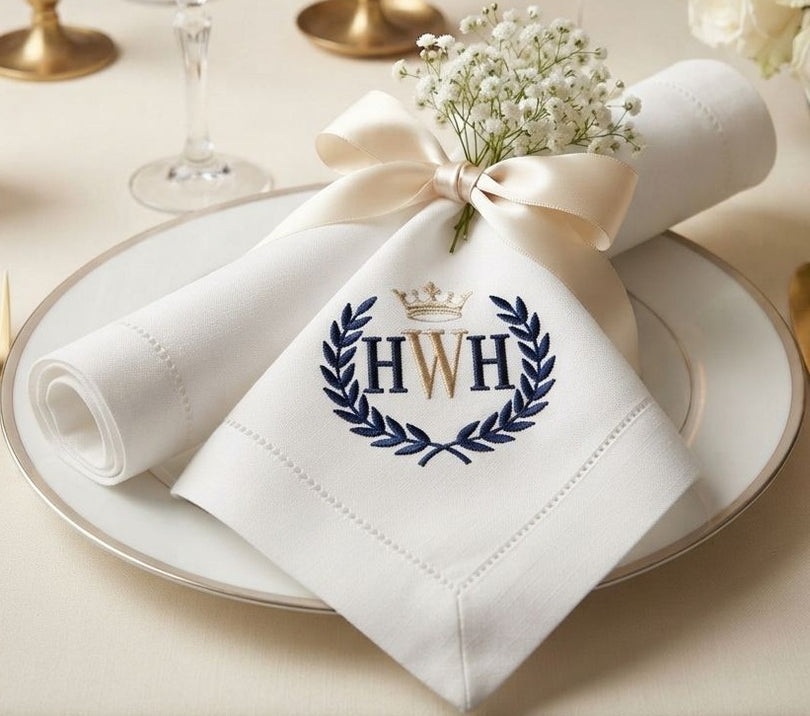
Let me take you back to my aunt's dinner parties in Chicago. She'd set the table with crisp napkins that held their shape through hours of chatter and spills. That's the magic of European flax linen vs cotton in table decor.
Both come from plants, cotton from fluffy bolls, linen from flax fields in Europe, and carry certifications like OEKO-TEX for safe, chemical-free, natural fabrics. But differences pop right away.
|
Feature |
European Flax Linen Napkins |
Cotton Napkins |
|
Look |
Loose weave, rustic charm |
Smooth, uniform finish |
|
Feel |
Crisp start, softens over washes |
Soft from the first touch |
|
Durability |
Holds up to heavy use |
Fades faster with stains |
|
Best For |
Everyday family meals |
Formal dinners |
Linen napkins bring that lived-in vibe to potlucks, while cotton napkins shine for polished events. Grab a set of linen napkins for your next grill-out, they pair perfectly with a linen bread bag to keep rolls fresh.
Know About: Why Are Tank Tops Called Wife Beaters
Is Linen or Cotton More Breathable
Ever stepped out of a shower in humid Florida, reaching for a towel that actually dries you? That's where is linen or cotton more breathable becomes real. Let's break down the linen vs cotton feel through everyday details.
Softness
Cotton starts plush, like sinking into a cloud, think your favorite worn-in shirts or cotton sheets after a dozen washes. Cotton softness wins for baby blankets or guest bedding.
Linen fabric vs cotton shifts gears. European flax linen feels structured at first, almost papery, but repeated laundering turns it buttery. In my Seattle apartment, linen shirts softened into go-tos for casual Fridays.
Texture
Cotton glides smooth, ideal for sheets for hot sleepers who hate bunching. Its even weave suits cotton shirts that drape without fuss.
Linen texture adds character, slightly rough, with visible slubs that scream handmade. It shines in linen curtains that filter light softly in a sunny California living room, or napkins that grip food without slipping.
Temperature
Is linen or cotton more breathable? Linen takes the crown as a breathable fabric and cooling fabric. Air flows through its loose weave, perfect for sheets in Arizona nights.
Cotton holds steady but traps heat more. It's solid for cooler Midwest winters in bedding, yet linen keeps you cooler overall. My cousin in Phoenix swears by linen sheets over cotton for sweat-free sleep.
Quality
Quality shows up in stories that last, like my grandmother's napkins from the '70s still in rotation. Here's how linen vs cotton stacks up in durable fabric terms.
Longevity
Linen durability stands out. European flax linen gets tougher with age, outlasting cotton in high-traffic spots like curtains or bedding. One set of linen sheets served my family through three kids.
Cotton lifespan shortens with pilling and thinning, especially in shirts washed weekly. It works for seasonal use but needs replacing sooner.
Flexibility
Linen bends without breaking, its fibers stretch and snap back, great for linen shirts that move with you on hikes. Cotton stays rigid longer, suiting structured cotton bedding.
Maintenance
Fabric maintenance for cotton means tumble dry low to avoid shrinkage. Wrinkle fabric? Linen creases freely but shakes out; iron if needed for napkins.
Both machine-wash cold, but linen air-dries fastest. Skip fabric softener to preserve linen texture, my tip from years of trial.
Function
Function turns fabrics into heroes. Remember that rainy picnic where napkins saved the day? Linen vs cotton delivers differently.
Absorbency
Cotton absorbency soaks up spills like a sponge, top for kitchen towels or washcloths. It holds liquids in bedding too.
Absorbent fabric like linen manages well but dries quicker, ideal for linen napkins at humid barbecues.
Moisture-Wicking
Moisture wicking fabric? Linen pulls sweat away fast, making it the breathable linen pick for sheets for hot sleepers or active shirts. Cotton wicks decently but retains dampness longer.
Hypoallergenic
Both rank as hypoallergenic bedding options, but linen's minimal processing edges it out for sensitive skin in pillowcases or sheets.
Find Out: What is a Crop Top and Its Popular Types
When to Use Linen and Cotton
This is where choices click, like outfitting your Atlanta home for year-round comfort. Here's the guide to best fabric for bedding, curtains, and more.
Linen vs Cotton Napkins
Linen napkins are known for their durability and slightly textured finish, making them ideal for frequent use and long-lasting table settings. They handle repeated washing well and dry quickly, which is helpful in busy kitchens.
Cotton napkins feel softer and absorb spills easily, making them a great choice for casual dining or everyday meals. The choice often depends on whether you prioritize longevity or softness.
Linen vs Cotton Sheets
Linen sheets are highly breathable and help regulate temperature, which makes them suitable for warm climates and hot sleepers. They also soften over time while maintaining strength.
Organic cotton sheets are naturally soft from the start and provide a cozy feel, especially in cooler conditions. If you prefer a crisp, airy sleep experience, linen works well, while cotton offers immediate softness and comfort.
Linen vs Cotton Shirts
Linen shirts are lightweight and airy, making them a popular option for warm weather and relaxed styles. Their natural texture gives a casual and effortless look.
Cotton shirts offer a smoother finish and more flexibility, which makes them suitable for both everyday wear and slightly structured outfits. Each fabric supports comfort, but the choice often depends on climate and personal style.
Linen vs Cotton Bedding
Linen bedding allows better airflow and helps wick moisture away from the body, supporting a cool and dry sleep environment. It is often preferred for long-term use because of its strength and durability.
Cotton bedding feels soft and smooth, making it comfortable for daily use and easy to maintain. Both options work well, depending on whether you value breathability or softness more.
Linen vs Cotton Curtains
Linen curtains create a light and airy look while allowing natural light and airflow into the room. They work well in spaces where a relaxed and open feel is desired. Cotton curtains have a denser weave, which can provide better insulation and privacy. They are often used in cooler seasons or rooms where blocking light is important.
Linen vs Cotton Bread Bag
Linen bread bags are breathable and help maintain freshness by allowing airflow, which prevents moisture buildup. This makes them a practical choice for storing homemade or artisan bread.
Cotton bread bags also absorb moisture but tend to retain it longer, which may affect freshness over time. Linen is often preferred for longer storage, while cotton works well for short-term use.
Read More: Why Do Women Wear Revealing Clothing?
Our Collections
Choosing the right fabric becomes easier when you have access to well-crafted products. At All Cotton and Linen, you can explore a wide range of organic cotton and European flax linen products, including bedding, napkins, curtains, and more.
Enjoy exclusive offers like 10% off with code FIRST10, 15% off on 3 items with ACL15, 20% off on 5 items with ACL20, along with free shipping and seasonal sale discounts as well.
These deals make it simple to upgrade your home with comfortable, durable, and thoughtfully made linen and cotton essentials.
Ready to buy linen sheets or a cotton bedding set? These picks transform homes.
You May Also Like: What Is the Difference Between Napkin and Serviette?
Overview
From barbecue napkins to summer sheets for hot sleepers, linen vs cotton offers options for every corner. Your fabric choice depends on needs, linen for breathability, cotton for softness. This linen vs cotton guide arms you for smart buys in home textiles. Update your bedding, curtains, or table today, what's your next swap?