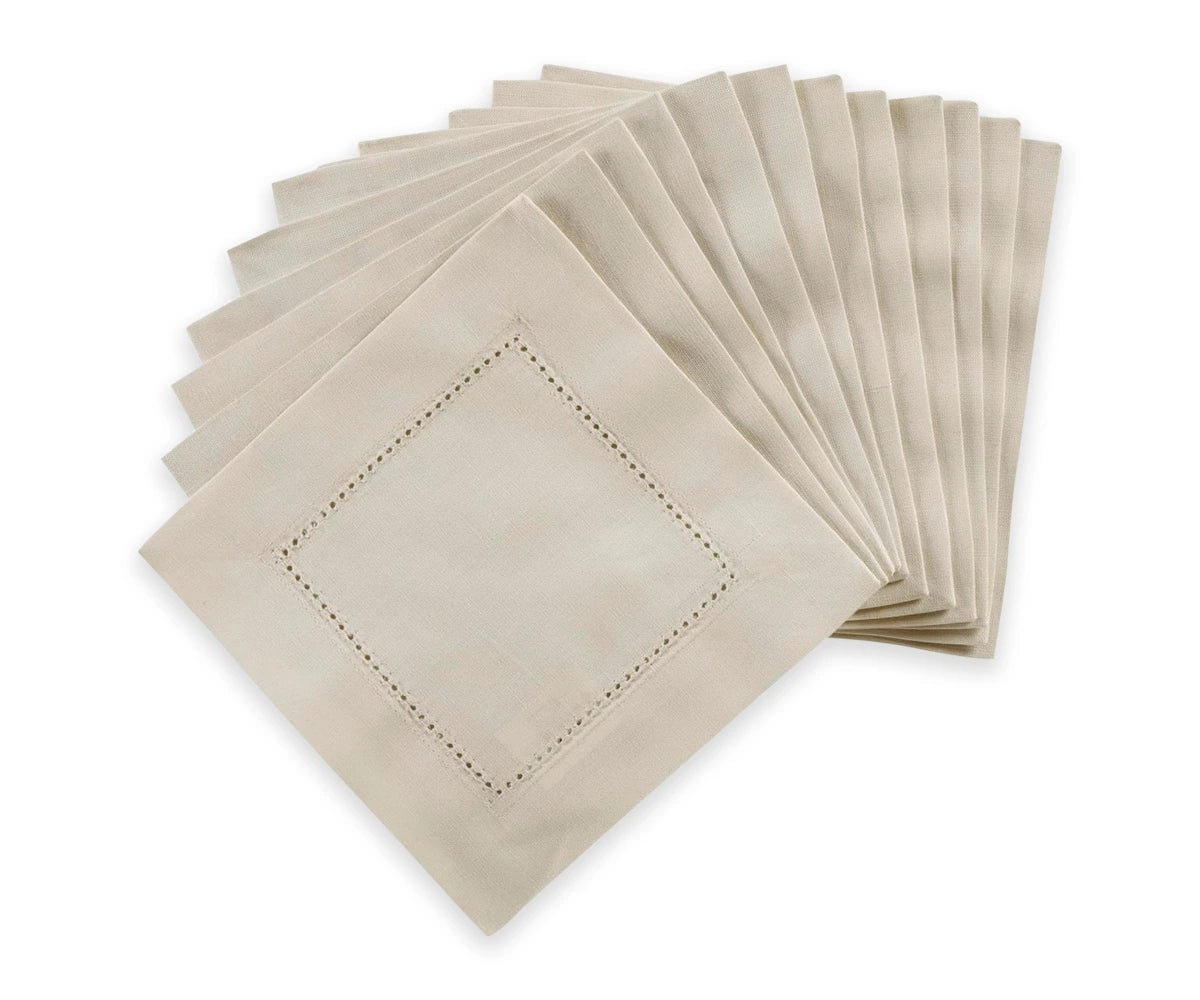
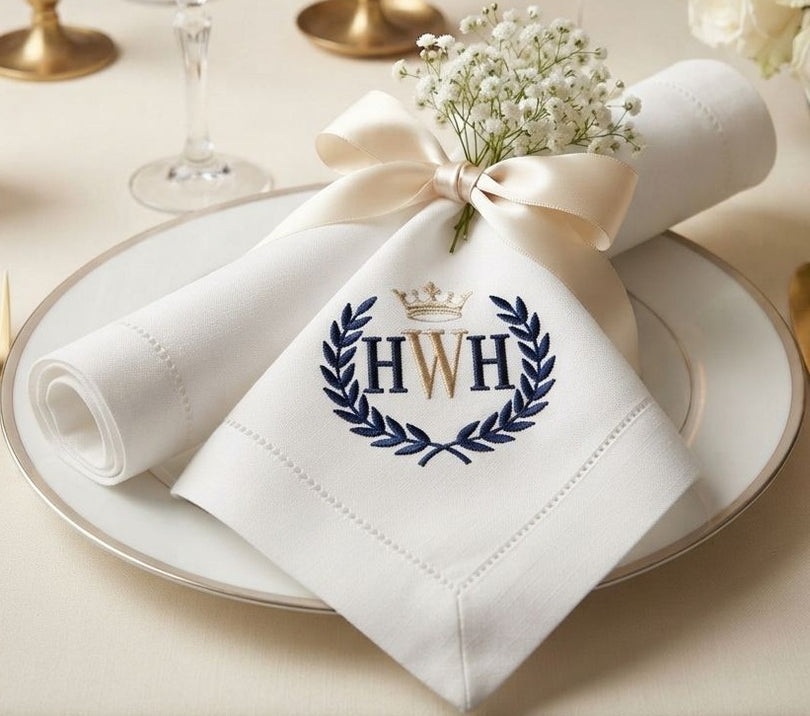

Couples across the United States will spend an average of $2,800 on wedding florals in 2026, according to The Knot's latest Real Weddings Study. That number climbed 11% since 2023. Knowing which blooms, palettes, and arrangements dominate this year helps you stretch every dollar and avoid designs that already feel dated. From floral choices to details like wedding napkins, thoughtful coordination can help create a cohesive and stylish celebration.For couples planning a destination wedding, a trusted Puerto Rico flower delivery service can make it easy to bring these trends to life without the stress of transporting arrangements yourself. Below, I break down the wedding flower trends 2026 brings to ceremonies and receptions, with practical tips most trend roundups skip.
Victorian romance meets raw, exposed stems
Two bouquet styles sit at opposite ends of the spectrum right now – and both sell fast. Victorian-era bouquets pack tightly layered garden roses, ranunculus, and sweet peas into a rounded silhouette. Florists like Putnam & Putnam in New York City charge $350–$650 per bridal bouquet in that style. Meanwhile, long-stem bouquets leave 8–12 inches of bare stalk visible. The exposed greenery adds height and drama without extra cost.
I personally love the tension between these two directions. One screams "heirloom portrait." The other feels plucked from a meadow five minutes ago. Both work beautifully at spring and fall weddings.
How to pick between them
- Choose Victorian shapes for structured gowns with corsets or heavy embroidery
- Choose exposed-stem bouquets for minimalist dresses, jumpsuits, or outdoor venues
- Ask your florist for a mock-up at least 90 days before the ceremony date
- Budget $150–$250 for bridesmaids' versions of either style
Color palettes competitors barely mention
Most guides highlight blue, burgundy, and chartreuse. Fair enough – Pantone named "Mocha Mousse" (PANTONE 17-1230) the 2025 Color of the Year, and warm earth tones still echo into 2026 bridal design. But several palettes deserve more attention.
Soft citrus and muted mustard
Florists in Southern California and the Gulf Coast report a 40% jump in requests for apricot, tangerine, and saffron-toned arrangements since January 2026. Marigolds – once considered "too casual" – now anchor centerpieces at $4–$6 per stem. Pair marigolds with dusty-rose dahlias and olive branches for depth without heaviness.
Monochrome white with texture shifts
All-white arrangements dominated 2025 bridal floral choices, and the trend still holds. The twist: designers vary texture aggressively. A single centerpiece might combine ruffled lisianthus, waxy gardenias, feathery astilbe, and spiky veronica all in ivory. Holly Chapple, a Virginia-based floral educator, calls texture-play "the new color." She recommends at least five distinct textures per arrangement. Pairing these floral textures with a well-chosen wedding tablecloth can further enhance the overall look and create a polished, cohesive tablescape.
Installations that steal the show – and where budgets actually go
Ceremony arches consume roughly 25–35% of a couple's floral budget in 2026. Grounded arches – structures that rise from the floor without scaffolding – cut rental fees by $200–$500 compared to suspended designs. Florists build grounded arches from foam-free mechanics and chicken wire, which aligns with the sustainability push gaining ground this year.
Suspended garlands still appear, especially at indoor venues with exposed beams. A 20-foot garland typically runs $800–$1,400 in major metro areas like Chicago, Miami, or Austin. Smaller venues benefit from a single statement piece above the head table rather than garlands spanning the entire ceiling.
Fruit-and-floral tablescapes
Competitors mention fruit mixed with flowers. Here's the detail they skip. Pomegranates, figs, and kumquats add roughly $3–$7 per table setting. Florists wire fruit directly into foam-free arrangements so the produce stays secure through a five-hour reception. Citrus releases a subtle fragrance that replaces the need for scented candles – a practical bonus many couples overlook.
Sustainability moves beyond a buzzword
The Sustainable Wedding Alliance reported in March 2026 that 62% of U.S. couples now ask florists about sourcing before signing a contract. Seasonal blooms cut carbon emissions from air freight. A peony flown from Ecuador in January carries roughly ten times the carbon footprint of a locally grown ranunculus harvested in April.
Foam-free mechanics – using chicken wire, pin frogs, and moss – replaced floral foam in an estimated 45% of American wedding designs by early 2026. Couples planning destination weddings in Puerto Rico or Hawaii face unique sourcing questions, since tropical blooms like heliconias and anthuriums grow locally and slash shipping costs.
Quick sustainability checklist
• Request seasonal bloom lists from your florist at least four months ahead
• Specify foam-free mechanics in your contract
• Donate arrangements to local hospitals or shelters after the reception
• Ask about potted plants as centerpieces – guests take them home, and nothing goes to waste
• Consider dried or preserved flowers for boutonnieres and corsages
The silk-and-fresh blend: smart or risky?
Mixing silk flowers with fresh stems gained traction during pandemic-era supply disruptions. By 2026, roughly 18% of couples incorporate at least some faux elements, according to a WeddingWire survey of 3,200 respondents. High-end silk peonies from brands like Afloral cost $12–$25 per stem and look convincing in photos.
The risk? Texture mismatch under direct sunlight. Fresh petals reflect light differently than polyester. My recommendation: limit silk to structural pieces like arch accents or aisle markers, and keep the bridal bouquet entirely fresh. Your photographer will thank you.
Popular blooms couples request most in 2026
|
Flower |
Peak season |
Average price per stem |
Why couples love it |
|
Garden Rose |
May – October |
$5 – $12 |
Lush, layered petals with strong fragrance |
|
Ranunculus |
March – May |
$3 – $6 |
Paper-thin petals, dozens of color options |
|
Dahlia |
July – October |
$4 – $8 |
Sculptural shape, works in monofloral designs |
|
Anemone |
November – April |
$4 – $7 |
Dark center creates dramatic contrast |
|
Sweet Pea |
April – June |
$2 – $5 |
Delicate, trailing habit and light scent |
Popular wedding flowers this year lean heavily toward varieties with movement – stems that drape, bend, or cascade naturally. Stiff, symmetrical arrangements feel less relevant. Florists report a sharp decline in requests for tightly packed dome-style centerpieces compared to 2024.
Destination weddings shift how florals get sourced
About 28% of American couples plan destination ceremonies in 2026, up from 22% in 2023. Tropical locations like Puerto Rico, Costa Rica, and the U.S. Virgin Islands present a real advantage for floral budgets. Orchids, birds of paradise, and plumeria grow year-round in Caribbean climates. Couples who source blooms locally at tropical destinations cut floral costs by 20–30% compared to importing temperate-climate flowers.
Coordinating with florists across state lines or international borders requires clear communication. Couples often send mood boards via Pinterest – currently the top visual planning tool for 2026 bridal floral trends – and schedule video consultations six months before the wedding date.
What actually matters more than any trend
Stone House Creative's lead designer made a blunt point in her 2026 forecast: the best weddings reflect the couple, not a Pinterest board. I agree. Trends give you a vocabulary. The flowers you choose should echo your story – the peonies from a first-date farmers' market, the jasmine your grandmother grew on her porch, the wild sunflowers from that road trip through Kansas.
Start with two or three blooms that mean something to you. Then hand your florist a color palette and a realistic budget. A skilled designer will layer in seasonal stems, texture contrasts, and structural elements that feel both current and personal.
Want to explore fresh flower options – especially for celebrations in tropical destinations? Browse floral delivery services in Puerto Rico for locally sourced stems that arrive at peak freshness. Whatever direction you choose, invest in flowers that make you stop and breathe in the moment. That matters far more than any trend list.