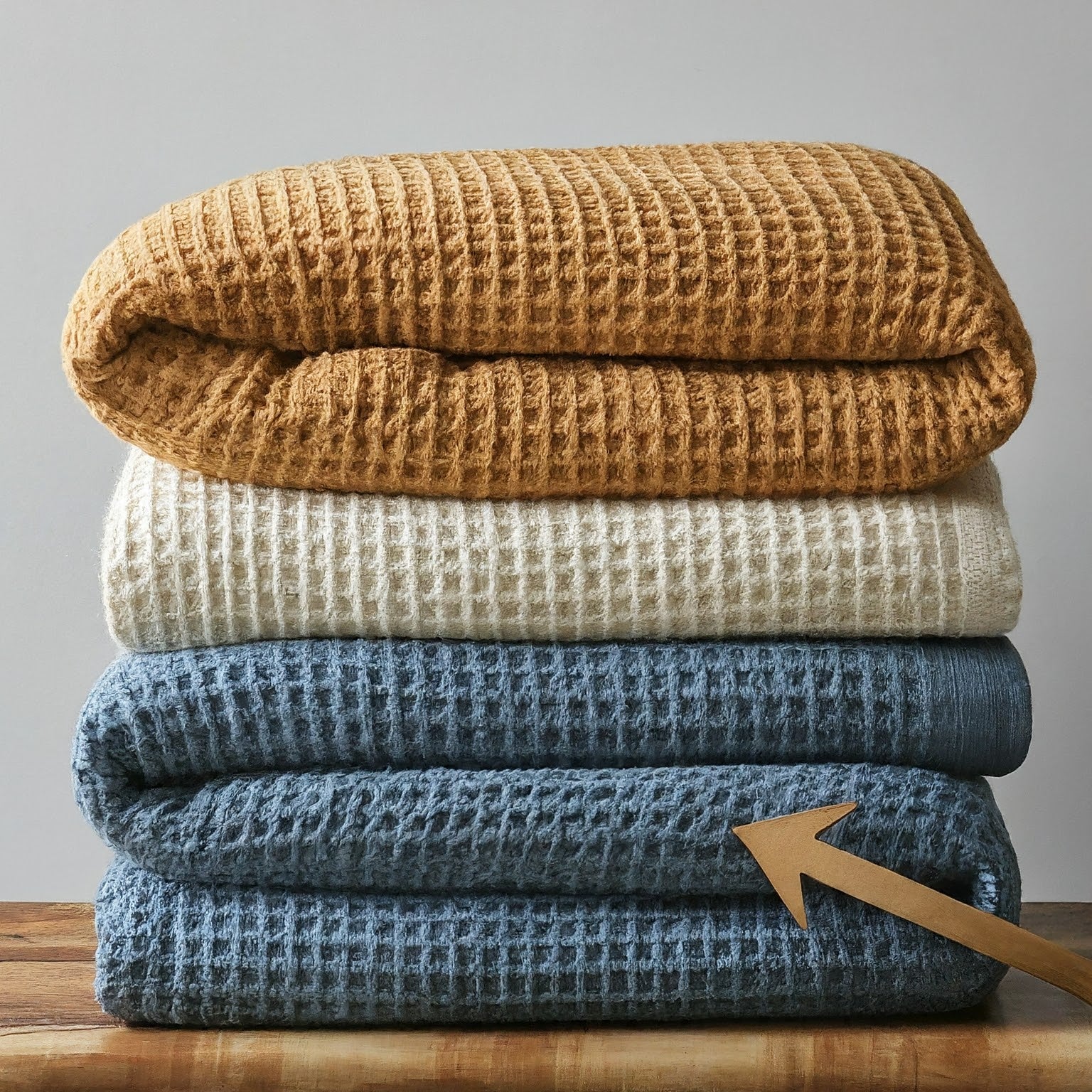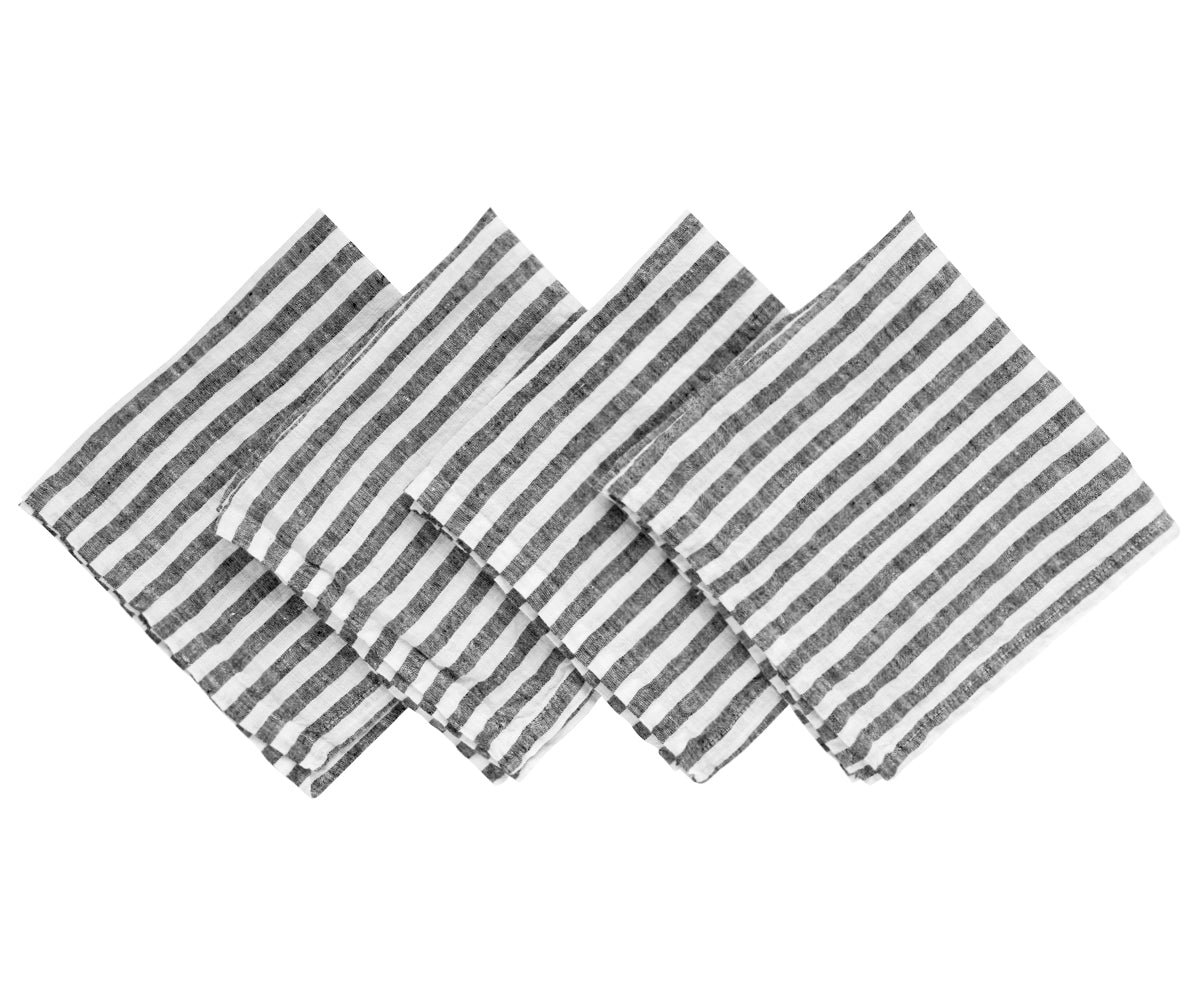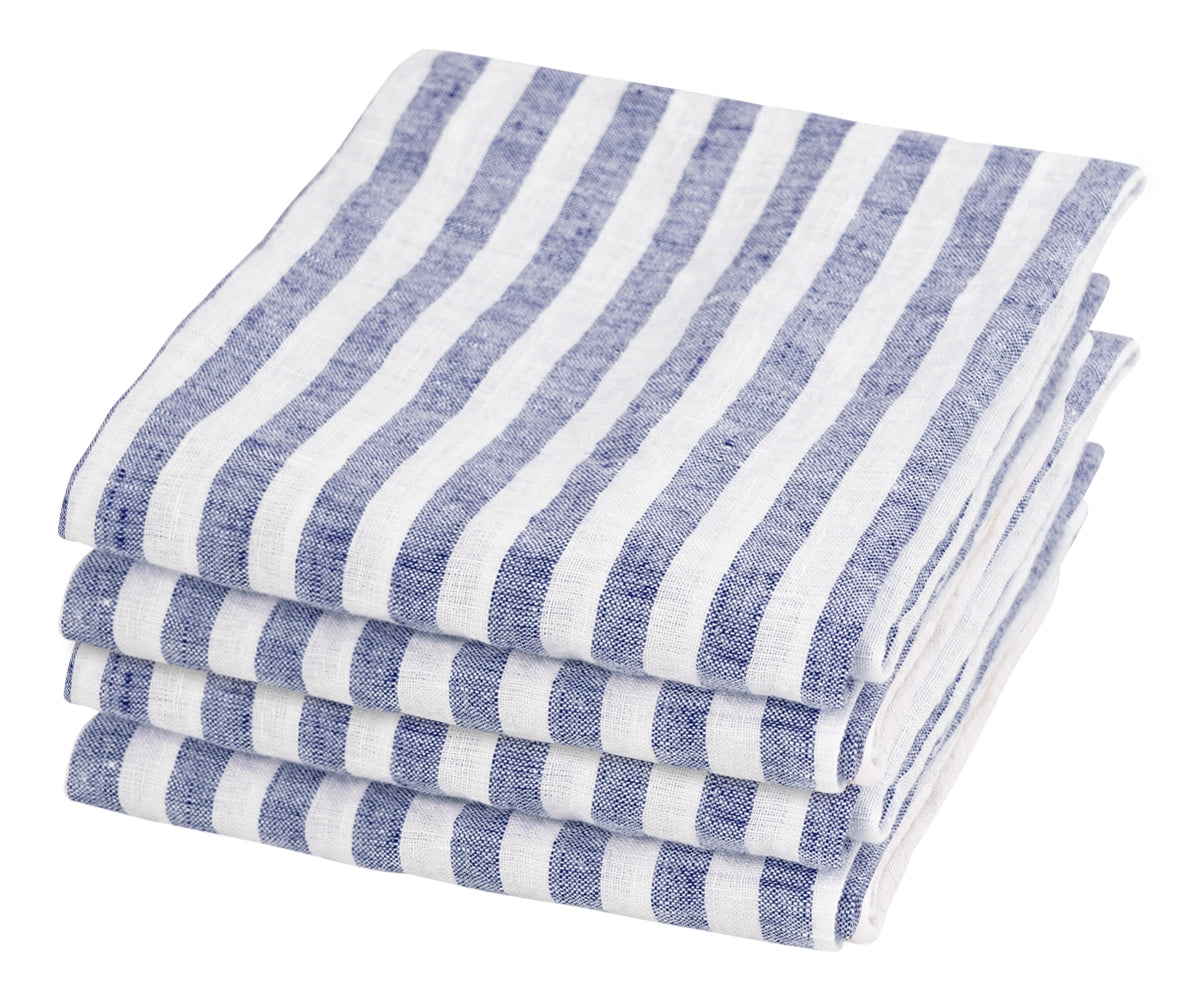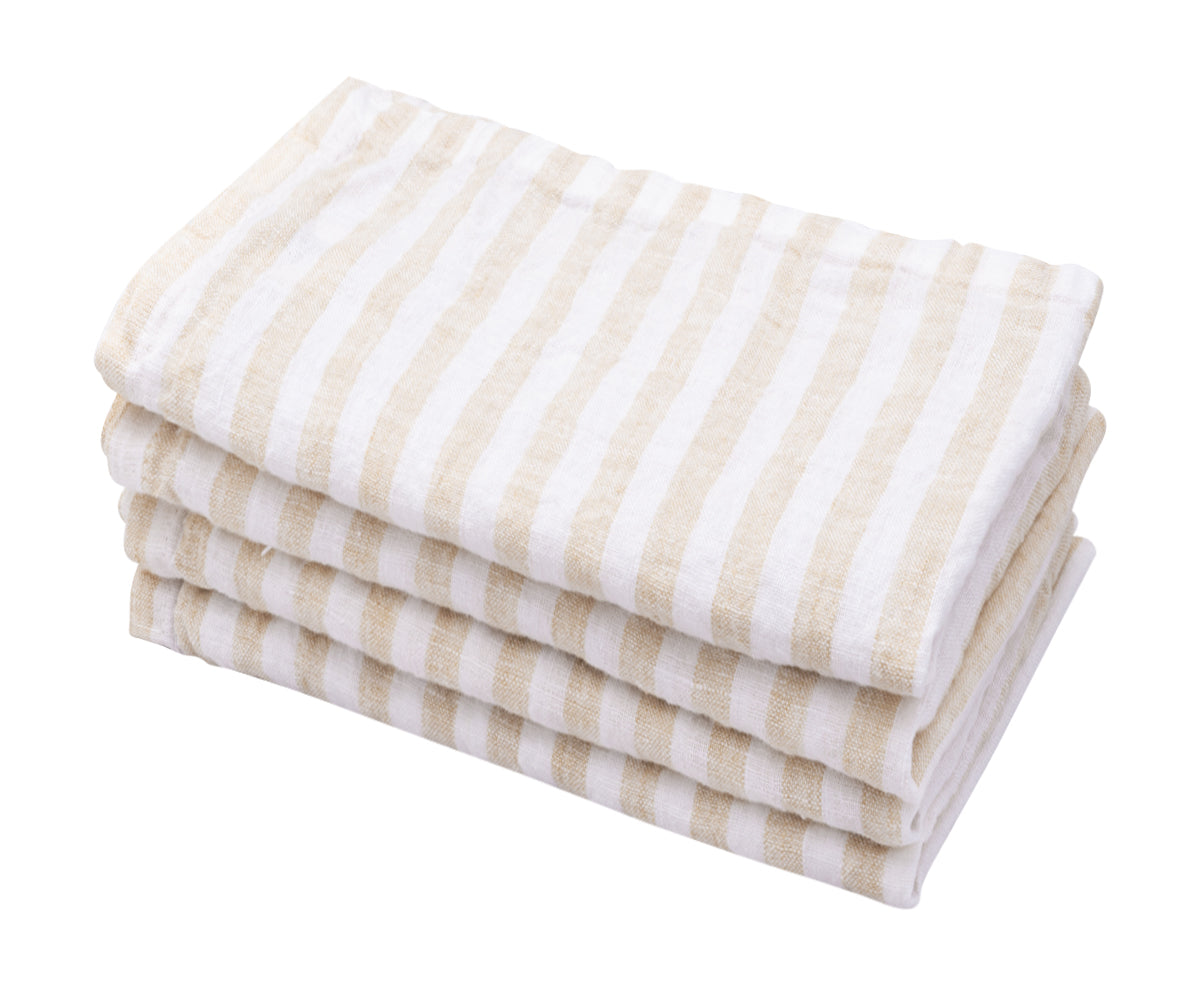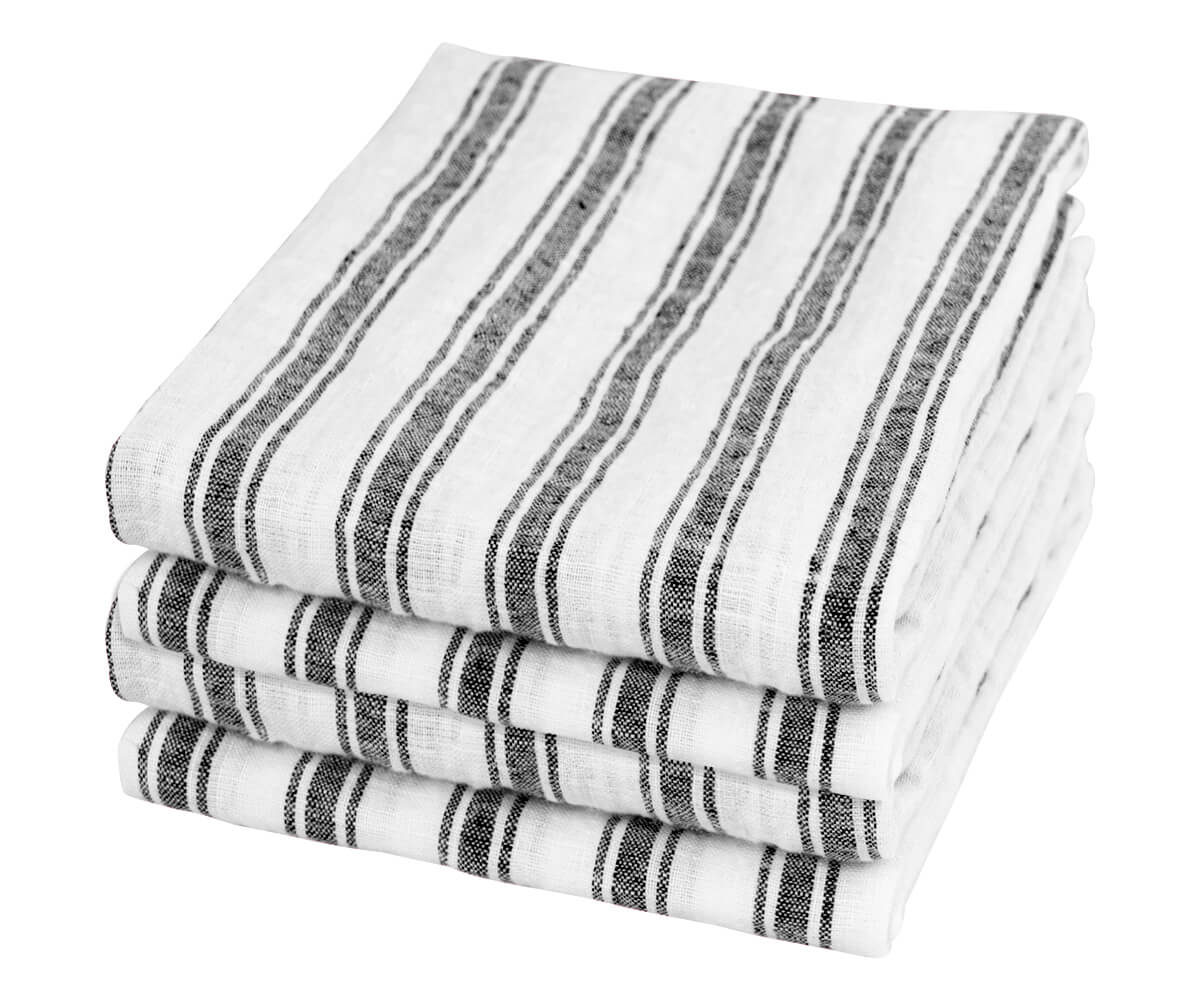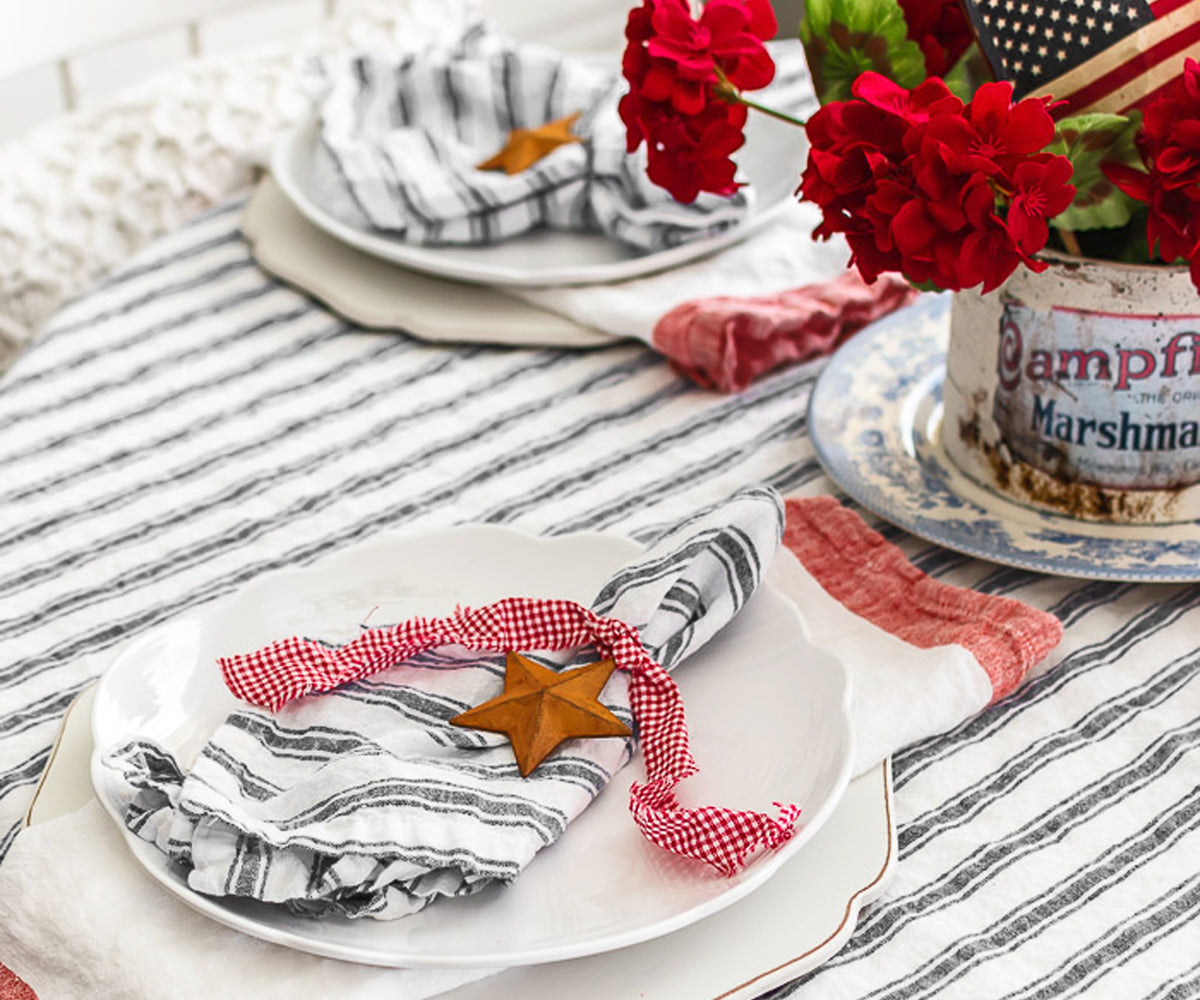


In this blog, we’ll uncover the factors that contribute to linen’s higher price and explain why this beloved fabric remains a favorite choice for those who value quality and sustainability.
The Origins of Linen: A Labor-Intensive Process
At the heart of linen's cost is its origin: flax linen. Linen is derived from the flax plant, a crop that requires meticulous care and precise growing conditions.
Unlike cotton, which can be mass-produced with relative ease, flax is more temperamental, thriving only in specific climates, such as those found in Europe, especially France and Belgium.

French linen, often considered the gold standard, is renowned for its softness, durability, and sustainability.
The labor-intensive process of growing and harvesting flax significantly contributes to linen's price. Every step, from sowing the seeds to retting (a process where the stalks are soaked to separate fibers), demands expertise and manual effort.
Get 15% off your purchase of high-quality table linen at All Cotton and Linen online store by using the coupon code ACL15 at checkout!
Why European Flax Linen Costs More
European flax linen is considered premium because flax grown in countries like France and Belgium is known for stronger and finer fibers.
These regions provide ideal climate conditions that help produce high-quality linen with better durability and texture.
The production process also involves skilled labor, slower weaving methods, and careful finishing techniques. These factors increase manufacturing costs but help create linen fabric that lasts longer and becomes softer over time.
Know About: Organic cotton and Linen : What's the difference?
Why Is Linen So Expensive? The Cost Factors Explained
1. Production Challenges
The process of turning flax into linen fabric is both time-consuming and resource-intensive. From hand-harvesting the flax to spinning the fibers into thread, each stage is labor-heavy. This is why linen is more expensive to make than cotton or other fabrics.

The fibers must be carefully extracted and processed to maintain their integrity, which contributes to the cost. Unlike synthetic fabrics, linen production avoids harsh chemicals, emphasizing sustainability over shortcuts.
2. Quality Over Quantity
Linen’s hallmark is its exceptional quality. 100% linen is prized for its breathability, moisture-wicking properties, and hypoallergenic nature. It’s a fabric that gets softer with every wash, offering long-term value.
The craftsmanship involved in producing the most expensive linen fabric ensures a premium product that lasts for decades when cared for properly.
Read More: Does Linen Shrink in the Dryer? Tips and Best Practices
Is Expensive Linen Worth the Investment?
High-quality linen may cost more initially, but its durability and timeless appeal make it a long-term investment for many households. Linen fabric is naturally breathable, moisture-wicking, and strong enough to last for years with proper care.
Unlike fast-fashion fabrics that wear out quickly, linen becomes softer after repeated washing and often maintains its quality longer than many cotton or synthetic materials. This long lifespan adds value despite the higher upfront cost.
Comparing Linen to Other Fabrics
One common question is: “Which is more expensive: linen or cotton?” While cotton is widely used and often more affordable, linen's superior qualities make it worth the investment.

Here’s why:
-
Linen is about 30% stronger than cotton, making it more durable.
-
The unique texture of flax linen gives it a timeless, luxurious appeal that cotton struggles to match.
-
Linen’s sustainability, derived from the minimal environmental impact of flax farming, adds to its value.
Ultimately, while cotton may be cheaper upfront, linen offers a longer lifespan and greater aesthetic appeal.
Know About: What Size Tablecloth for an 8-Foot Rectangular Table?
The Many Uses of Linen
Linen is celebrated not only for its appearance but also for its functionality. Here are some popular linen products and why they’re worth the splurge:
1. Linen Bedding
If you’ve ever slept on linen sheets, you know the unmatched comfort they offer. Linen bedding is breathable, regulating body temperature to keep you cool in the summer and warm in the winter.
While the upfront cost may seem steep, the longevity and comfort of linen sheets make them a worthwhile investment.
2. Linen Clothing
Linen is a staple in warm-weather wardrobes. Its lightweight, breathable properties make it ideal for summer outfits. While linen clothing may cost more than synthetic alternatives, it’s a stylish, eco-friendly option that doesn’t sacrifice comfort.
3. Table Linens

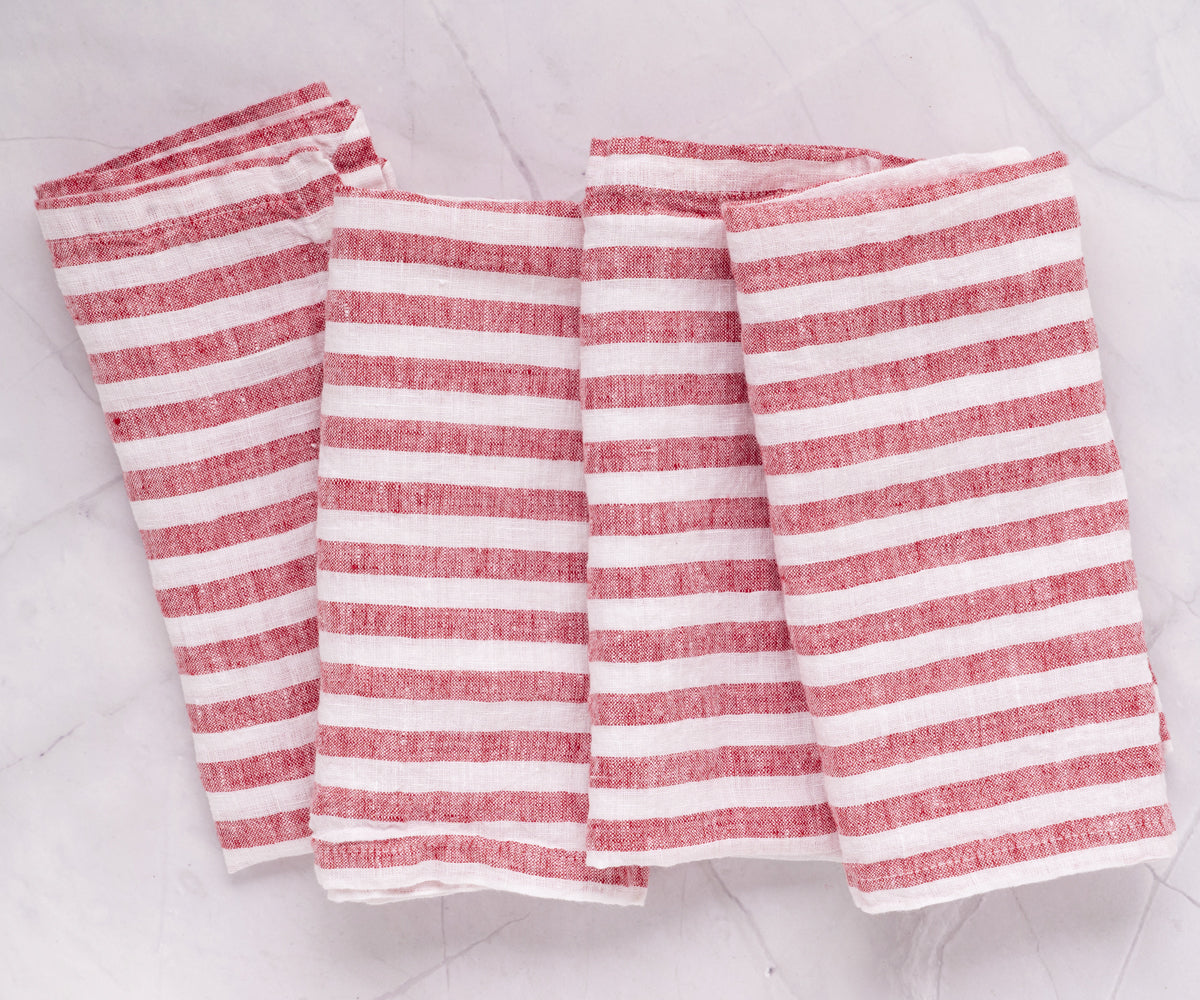
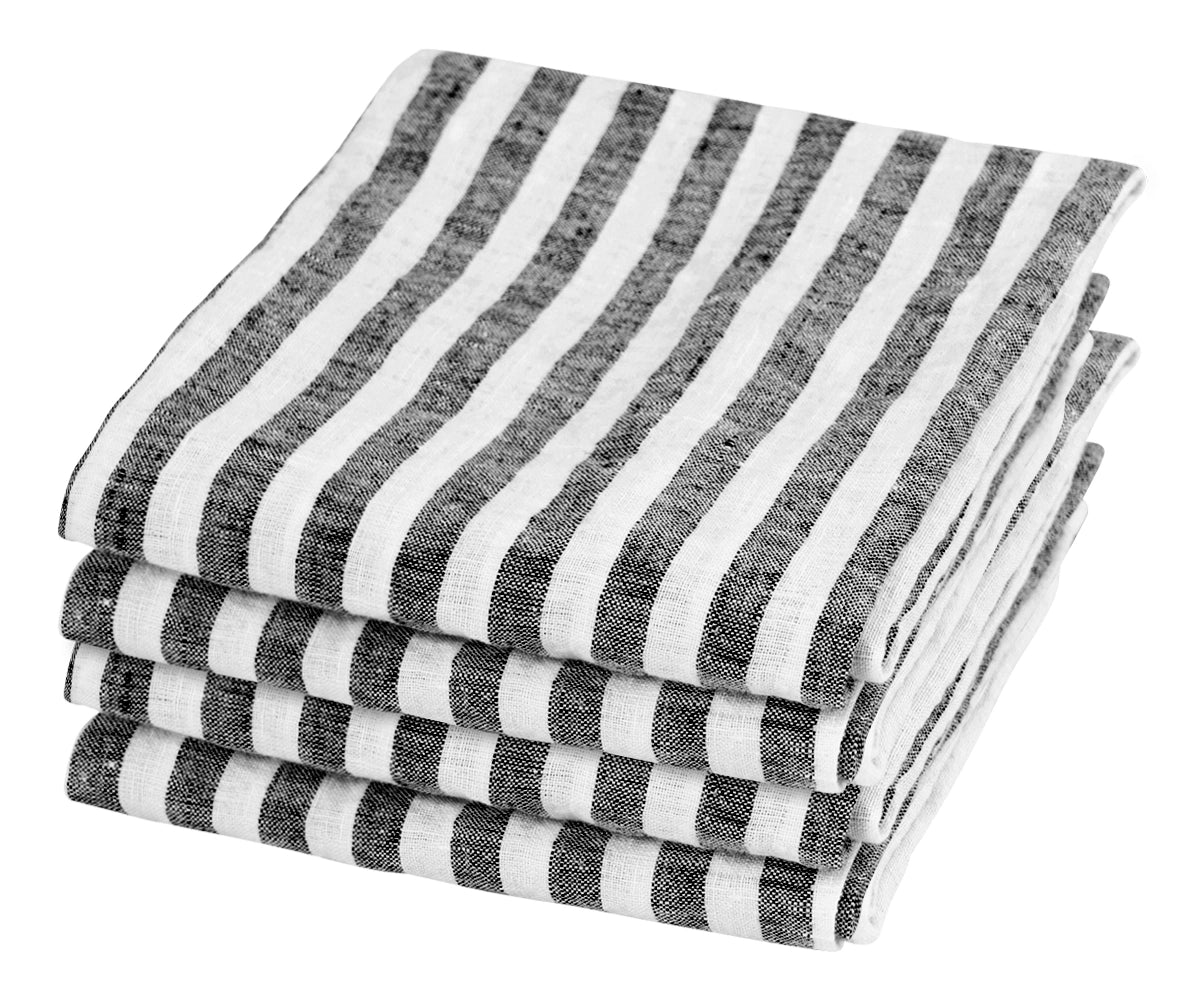
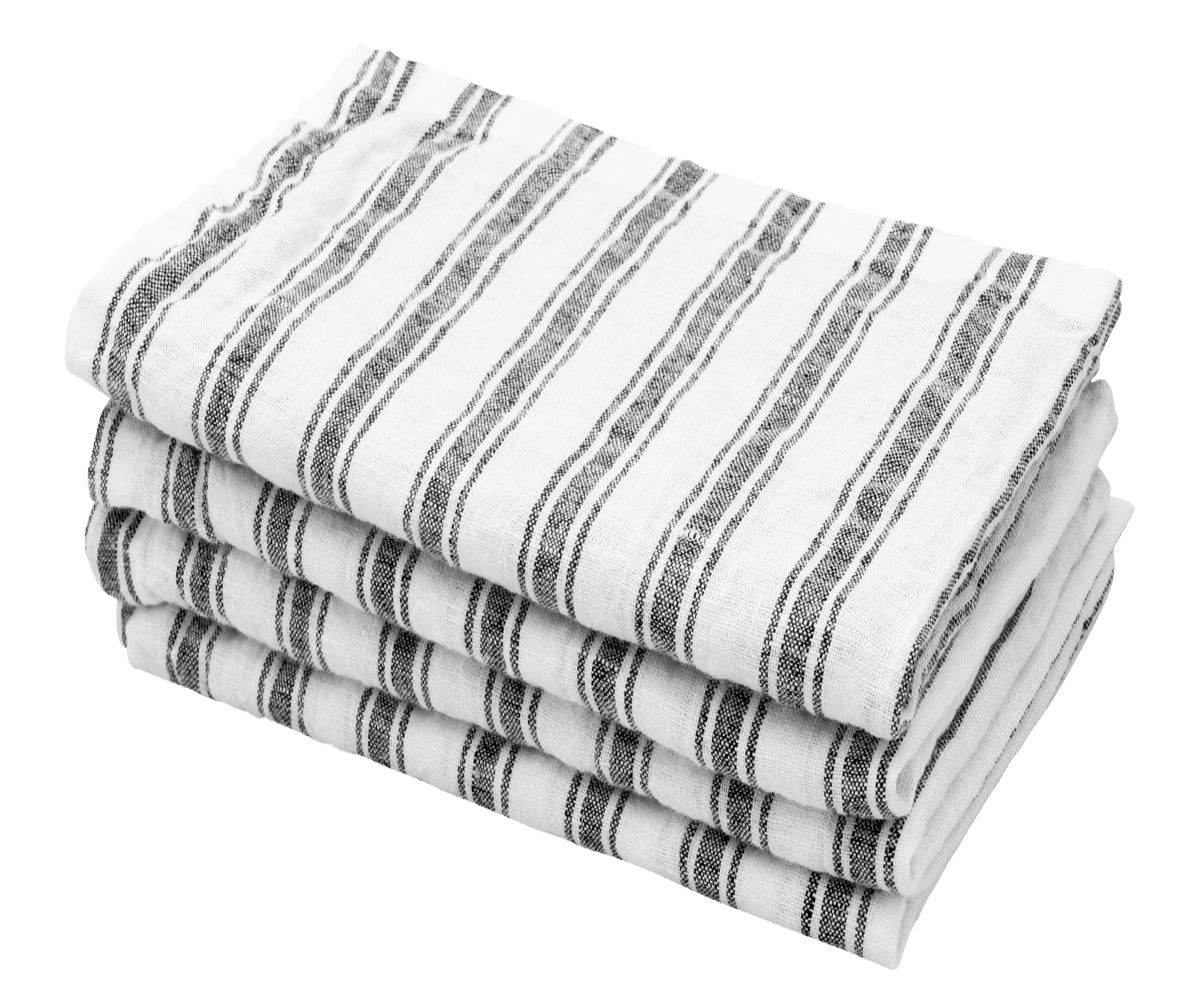
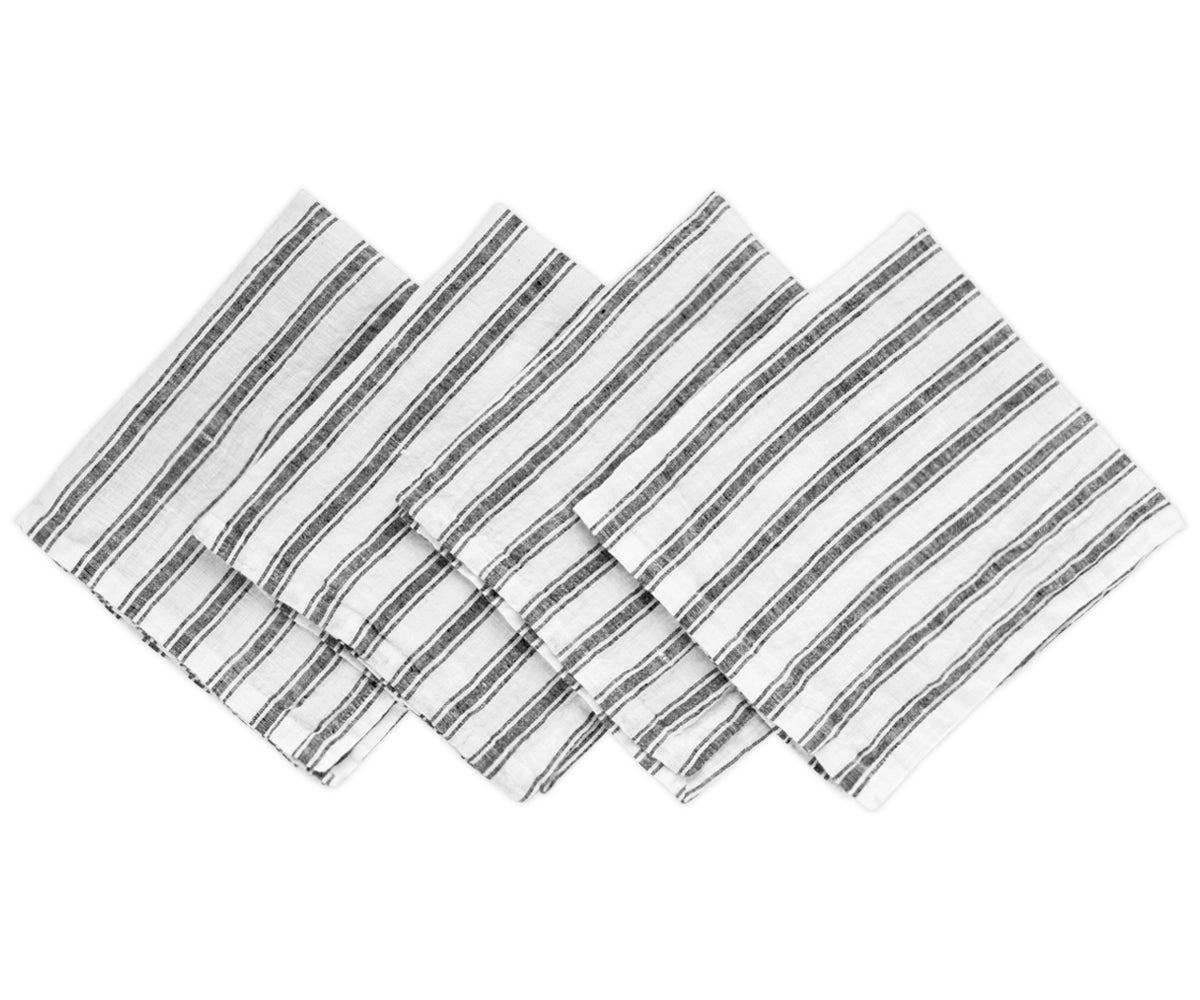
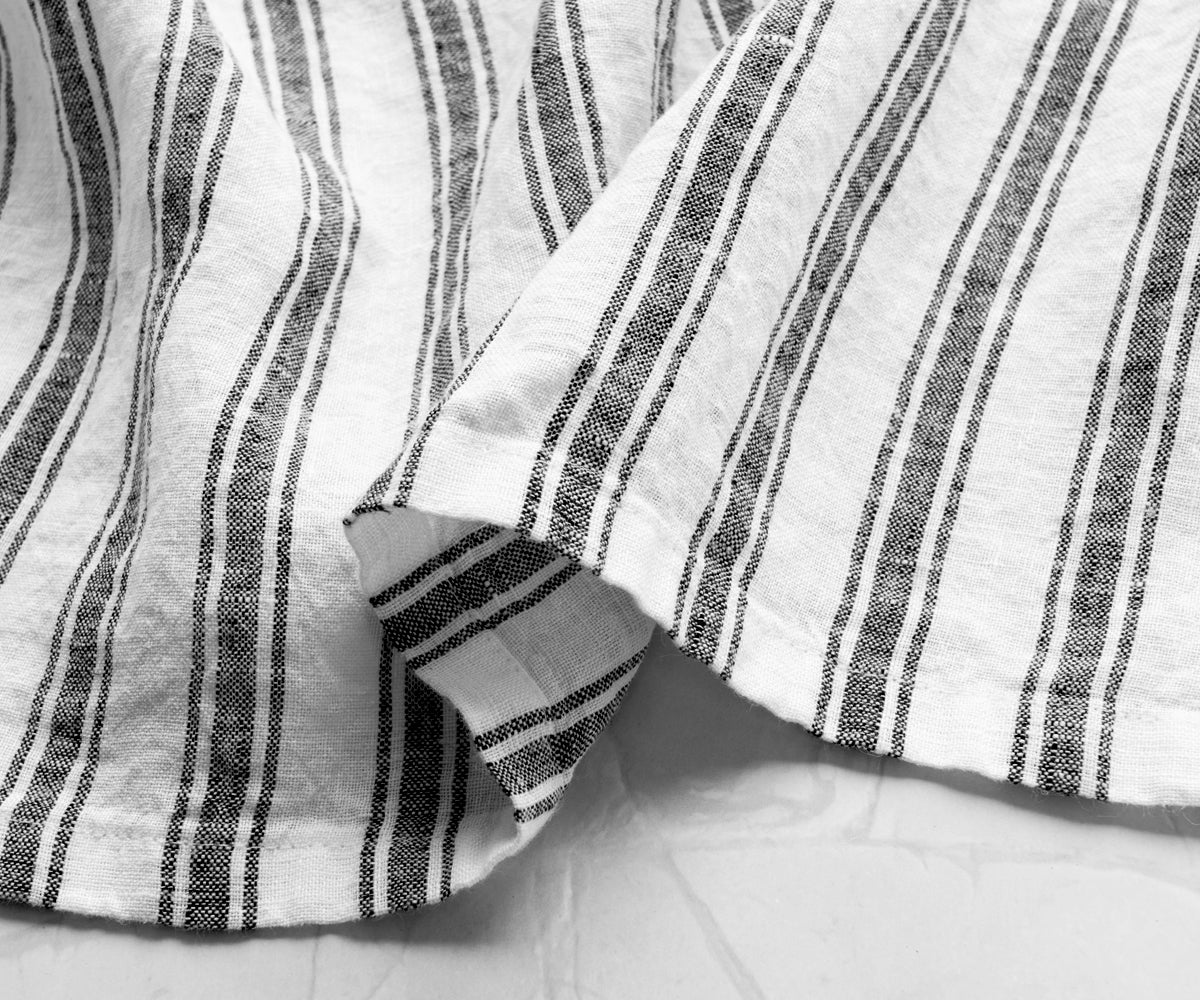
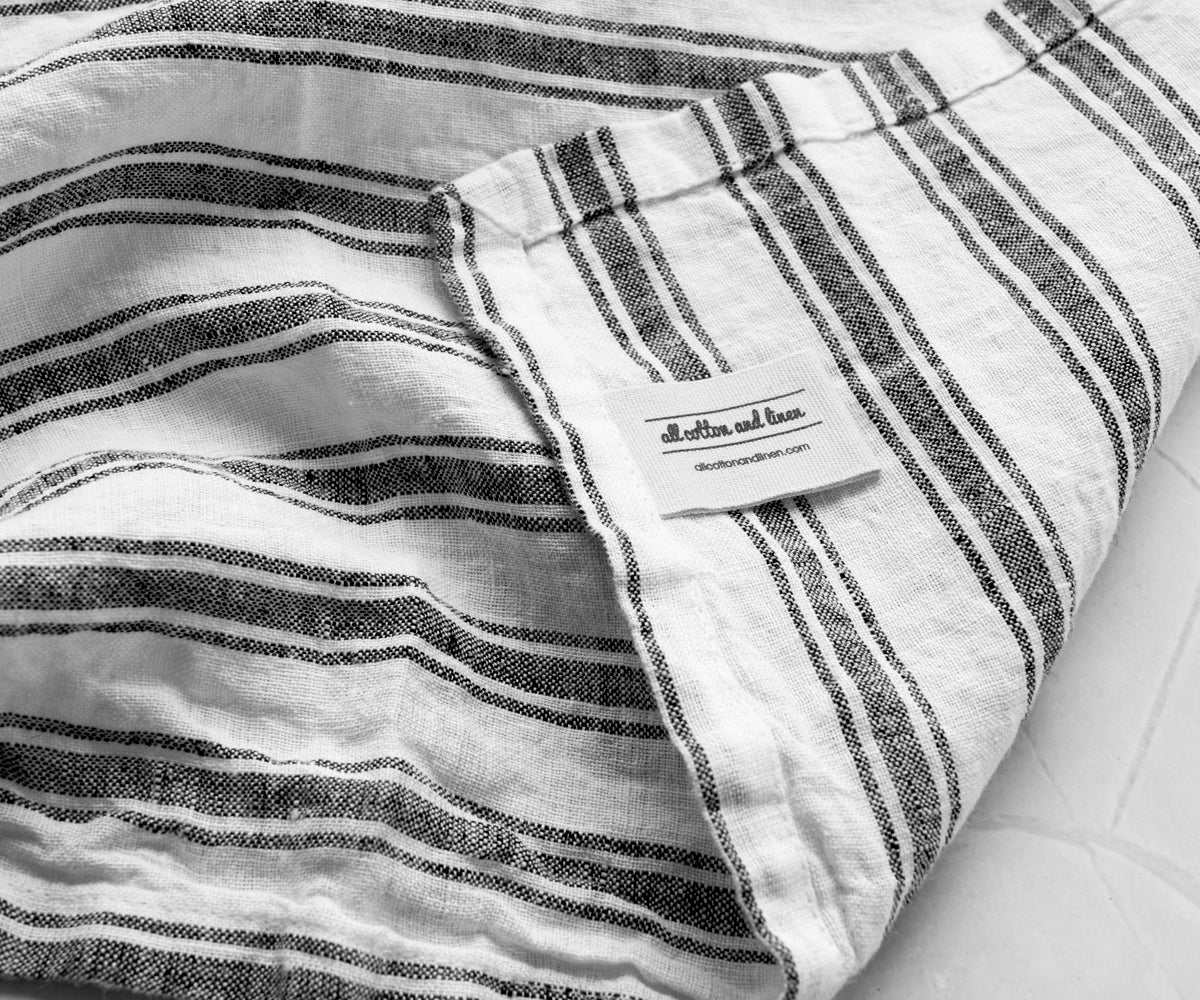
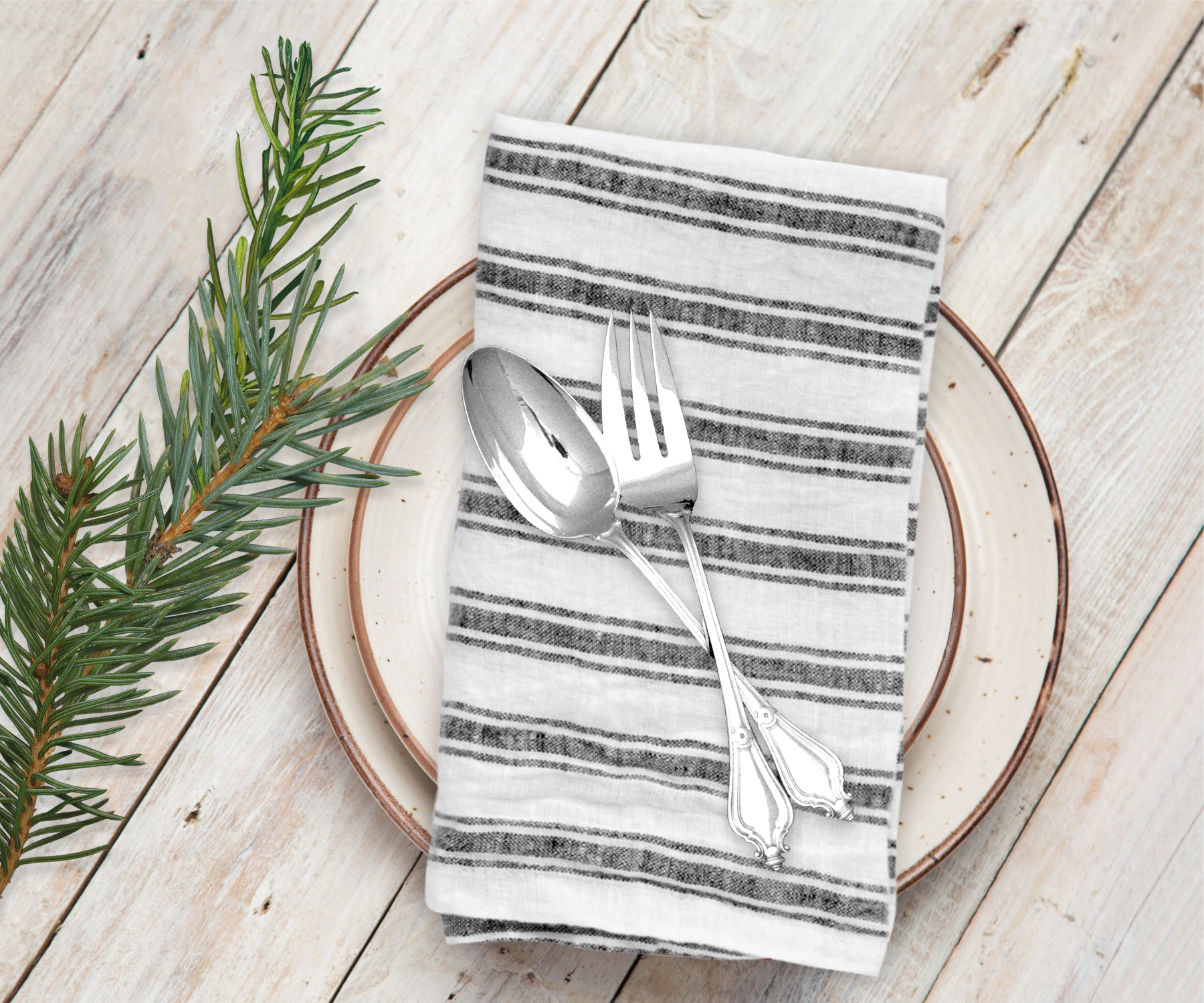
For hosting or daily use, cloth table linens like linen dinner napkins, white linen napkins, and round table linen bring elegance to any table setting. These items not only add sophistication but also showcase the durability and charm of linen in everyday life.
4. Linen Kitchen Towels

Linen kitchen towels are another example of how linen combines functionality with style. Absorbent, quick-drying, and long-lasting, they outperform regular towels in both performance and aesthetics.
How Expensive Is Linen? Breaking Down the Price
To answer the question “How expensive is linen?” it’s helpful to look at specific products. For example, a set of high-quality white linen napkins can cost $30–$50, while linen bedding sets often range from $200 to $400.
French linen clothing pieces, such as dresses or blouses, typically start at $100 and can go much higher.
While these prices might seem high, it’s important to remember the value proposition of linen:
-
It lasts significantly longer than cheaper alternatives.
-
It retains its beauty and softness over time.
-
Its production process is eco-friendly, supporting sustainable practices.
Why Is Linen More Expensive Than Cotton?
In addition to the labor-intensive production process, linen has inherent qualities that make it pricier than cotton:
-
Durability: Linen fibers are much stronger, allowing the fabric to withstand years of use.
-
Craftsmanship: Producing linen requires skilled artisans, particularly for French linen.
-
Sustainability: Flax farming uses less water and fewer pesticides than cotton, aligning with modern eco-conscious values.
When comparing the costs of linen and cotton, the higher price of linen reflects its superior quality and environmental benefits.
Learn About: What Color Is Linen? Natural Color, Shades & Code
The Value of Investing in Linen
So, is linen expensive? Yes, but it’s also an investment in quality, sustainability, and timeless elegance.
Whether you’re buying linen dinner napkins, linen bedding, or a piece of 100% linen clothing, you’re choosing a product that offers longevity and luxury.

While the upfront cost of linen may deter some, savvy consumers understand that the value of linen far outweighs its price.
By incorporating this fabric into your wardrobe or home, you’re embracing a legacy of craftsmanship, durability, and eco-conscious living.
Linen vs Other Fabrics Cost Comparison
|
Fabric Type |
Why Pricing Differs |
|
Linen |
Labor-intensive flax processing and premium durability increase cost. |
|
Cotton |
Easier large-scale production makes cotton more affordable. |
|
Polyester |
Synthetic manufacturing lowers overall production costs. |
|
Bamboo Fabric |
Specialized processing can increase pricing moderately. |
|
Silk |
Luxury fiber production and delicate weaving raise prices significantly. |
|
Linen Blends |
Mixed fibers reduce production costs compared to pure linen. |
Why Is Linen Worth the Cost?
Linen stands apart from other fabrics because of its natural beauty, eco-friendliness, and durability.
From its origins in flax linen to the creation of exquisite linen clothing and cloth table linens, this fabric is a testament to the artistry of textile production.
The next time you’re considering whether to splurge on linen, remember its unique qualities and the value it brings.
Whether you’re setting the table with white linen napkins or curling up under linen bedding, you’re experiencing the timeless appeal of one of the world’s oldest and most luxurious fabrics.