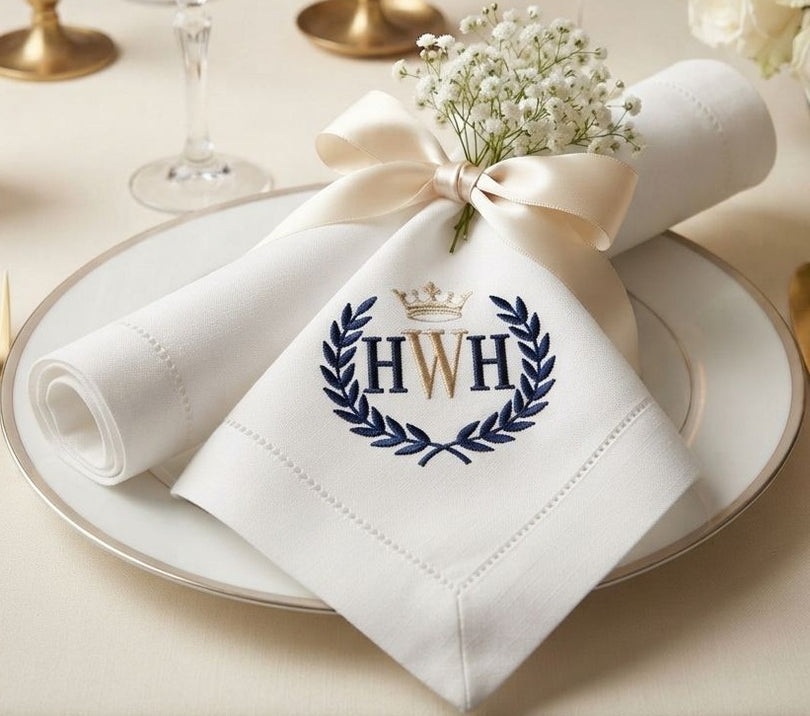

The majority of sustainable swaps ask you for something; it could be a new routine, a higher price, or a compromise on convenience. But cloth napkins ask for almost nothing. You can just buy them once, toss them in with your regular laundry, and never think about running out of paper napkins again. This is the swap most people ignore for years, then wonder why they waited so long. But, in this article, we will tell you the step-by-step process for switching to cloth napkins sustainably at home. You will get real numbers, honest answers to objections, and a simple way to start today.
Cloth Napkins vs Paper Napkins: Know Their Impact on the Environment

The math behind paper napkins is quietly uncomfortable once you look at it.
If you use an average of 3 paper napkins daily, it adds up to 1,095 napkins a year. In turn, it takes 328 litres of water and generates nearly 11,000 grams of emissions just to manufacture them.
Meanwhile, one cloth napkin is washed nearly 52 times a year and uses nearly 13 litres of total water. So, needless to say, the comparison is not close.
|
Factor |
Paper napkins (family of 4,1 year) |
Cloth napkins (12 set, 1 year) |
|
Napkins used |
4,000+ |
12 |
|
Water Consumption |
1,200 litres |
50 litres |
|
Annual cost |
USD 70- USD 100 |
USD 0 (already bought) |
|
Landfill waste |
Significant |
Zero |
Initially, I did not believe these numbers the first time I saw them either, but when I did the math for my household, I was surprised.
Although it takes more energy to make a cloth napkin than a paper napkin, after 15-20 washes, the total cost of making and washing them equals the cost of 15-20 paper napkins.
The Real Objections (Answered Honestly)
1. Cloth napkins add more to the laundry
Not really, they are usually small and thin. So, they go in with the bath towels or bed sheets and take up virtually no extra space or weight. The “extra” water or electricity is effectively nothing.
In fact, you can keep a small basket for clean ones on the table and a hook or a basket nearby for used ones; this could be an entire routine.
2. Cloth napkins stain and look terrible
Patterned napkins hide small stains naturally, which is a significant reason why they are better for everyday use than a plain white napkin. You can use a cloth napkin at dinner for meals and can reuse it the next morning without washing, unless you have eaten something particularly messy.
Another useful tip is to pre-soak stubborn stains in cold water for 20 minutes to effectively remove them.
3. Cloth napkin’s upfront cost is high
The cost for five years’ worth of cloth napkins for a family of four ranges from USD 20 to USD 108. So, the cost of paper napkins for the same household over five years ranges from USD 322 to USD 2,635. Meanwhile, a starter set of 12 quality cotton or linen napkins pays for itself within months.
4. Cloth napkins feel like a big commitment
You can start small by using it just for dinner. Simply replace the paper napkins at one meal a day. Don’t change anything else. It will genuinely be enough to make a small start.
What to look for (Cotton vs Linen vs Blends)
Well, not all cloth napkins are made from the same material. However, the napkin material matters more than most guides admit.
|
Material |
Feel |
Durability |
Best for |
|
100% cotton |
Soft from first use |
Very durable, gets softer over time |
Everyday family use |
|
Linen |
Slightly textured, crisp |
Extremely durable and long-lasting |
Dinner parties and elegant settings |
|
Cotton-linen blend |
Best of both |
Durable and soft |
Every day + occasional entertaining |
|
Polyster |
Smooth |
Stain -resistant |
Avoid (Sheds plastic microfibres when washed) |
Since not all cloth napkins are the same, the materials matter more than most guides. In fact, natural fibres like cotton and linen are better than polyester because they do not shed any plastic during washing.
Another good option is organic cotton, which is the most sustainable option of all. It produces significantly less greenhouse gas than conventional cotton used during production.
The Full Lifecycle of your Napkins
One of the main benefits of cloth napkins at home is what happens after they age out of the dining room.
A worn cloth napkin does not get thrown away. Instead, it is rotated into a kitchen towel, then to a dust cloth, and then to a house cleaning rag before it becomes a garage towel.
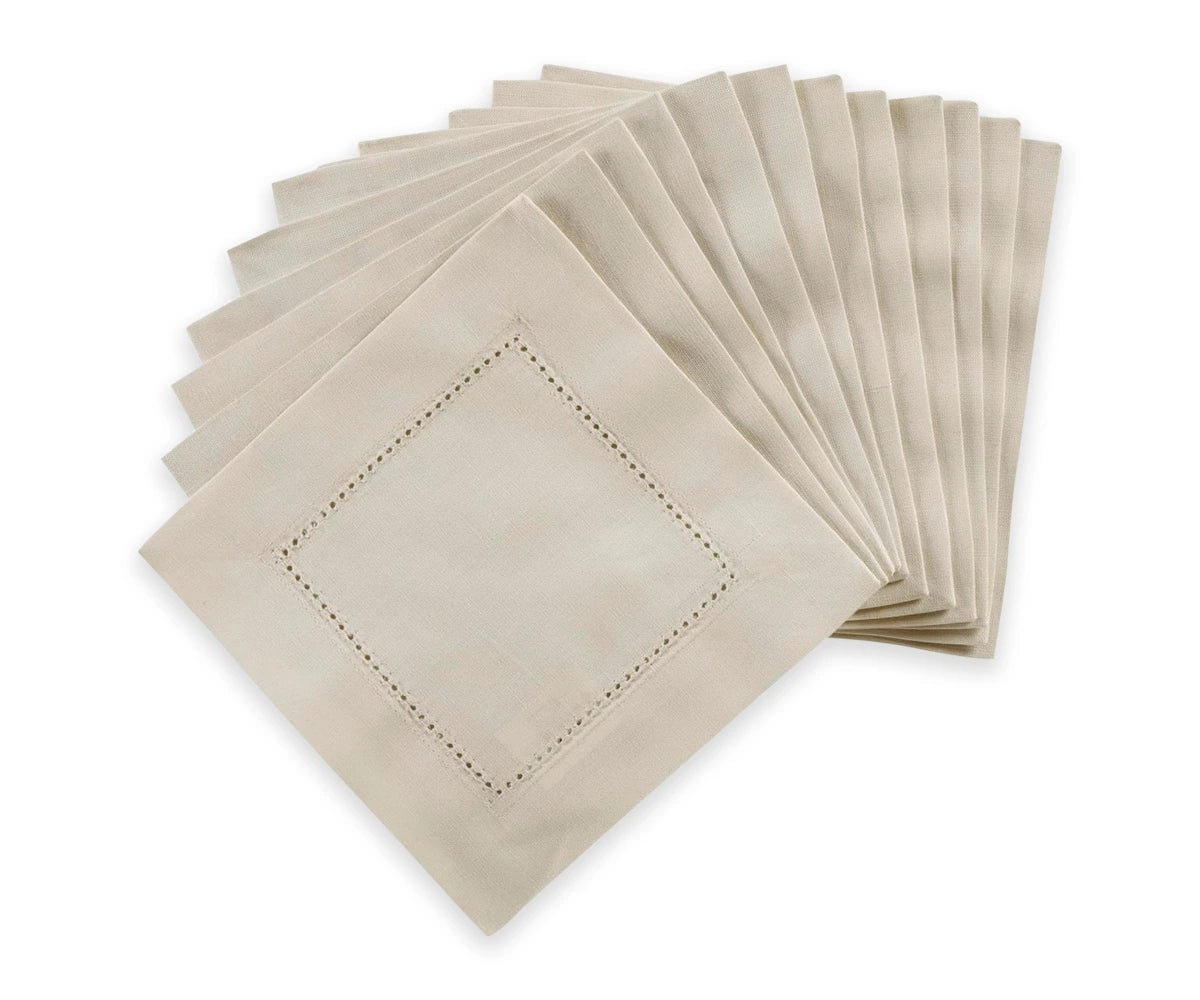
In this way, a single set of hemstich napkins can serve your home for nearly 10 years in multiple roles. In contrast, a paper napkin serves just one meal. So, the comparison is almost impossible to argue with.
Similarly, the oldest set of napkins at my home is cleaning the cupboard, and trust me, it is better than any cloth I have bought specifically for ceiling purposes.
How to Start Using Cloth Napkins At Home? (Remove all friction)
The reason that most people delay replacing their paper napkins is not the cost of cleaning it with the laundry. Rather, it is the friction of starting. If you feel the same, here is how you can remove it all:
1. Buy a starter set of 12
Make a start with a small investment in a 12 napkin seat. It can easily cover a family of four for 3 days between washes. You can use cotton or linen, plain or patterned. In fact, patterned hides are better for daily use. You can buy any good, everyday cotton and linen sets online, an ideal starting point.
They are well-made, machine washable, and available in sets of 6 or 12. But before buying, check DealsShutter for active discount codes. They have listed verified coupon codes for the site that most shoppers miss. A starter set at a discount is the lowest-friction way to begin.
2. Set up the System
Place a clean napkin in a basket or use a napkin ring on the table to ensure it is visible enough to grab. Meanwhile, keep a used napkin in a small hook basket nearby, and it goes in with the next laundry load.
3. Start with dinner only
Just replace cloth napkins with paper napkins once a day, with no other changes. This will help you to build the habit before expanding it.
The Style Angle (Cloth Napkins Enhance Every Table)
There is a specific reason why restaurants have always used cloth napkins and not paper ones. It is not just sustainability; it is how a table flows.
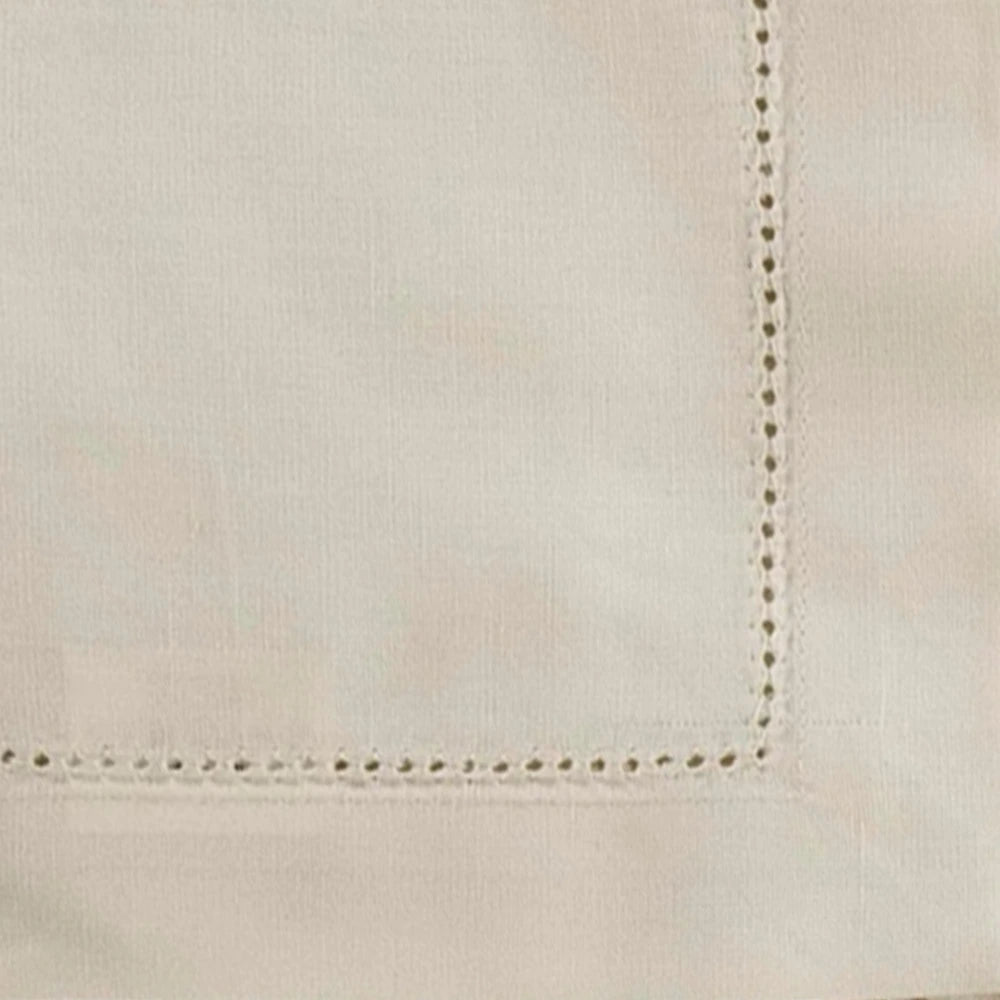
A cloth napkin is a signal that the meal matters. It adds texture, colour, and a sense of occasion even on a Tuesday night dinner. For instance, paper napkins cannot replicate hemstitched edges, embroidered details, linen weaves, and more.
Personally, I started with plain cotton napkins for practicality. But now, I own three sets in different colours for different seasons and occasions because I feel cloth napkins are worth.. It has become an enjoyable part of setting the table, not a chore.
Final Words
The most sustainable swaps ask you for something, but switching to cloth napkins genuinely doesn’t. You can buy them once, wash them with laundry you already run, and never run out. Meanwhile, in this change, the environment wins, the financial savings are real, and the table looks better, too. In turn, the only thing left to do is buy a starter set, check dealsShutter for a discount code before you do, and switch costs even less to begin.
Frequently Asked Questions
-
Are cloth napkins more sustainable?
Cloth napkins are generally more sustainable than paper ones over their lifespan, but only if you reuse them many times. Although it takes more water and energy to make cloth napkins, washing and drying them only takes a fraction of the resources.
-
What is a sustainable alternative to napkins?
You can switch from single-use paper napkins to reusable cloth napkins, which is the most sustainable option. Use strong materials like organic cotton or linen. You can buy or make it. Simply throw it in your washing machine after use.
-
What is one advantage of using cloth napkins?
One major advantage of using cloth napkins is that they help save money and the environment. Instead of buying paper napkins every time you go to the store, you buy cloth napkins once. You wash and reuse them for years.
-
What type of cloth napkins are best?
The best cloth napkins are made of 100% cotton or a cotton-linen blend. Cotton is soft and easy to wash, which makes it highly absorbent. On the other hand, linen adds a tough and elegant feel. The blend resists wrinkles, and the tight waves make it long-lasting. al