

Quick Look at All Five Projects
|
Project |
Skill Level |
Hands-On Time |
Main Supplies |
|
Fringed Linen Table Runner |
Beginner |
About 30 minutes |
Linen fabric, scissors, fray-stop liquid |
|
Block-Printed Cushion Covers |
Beginner |
About 45 minutes, plus drying |
Cotton cushion cover, fabric paint, foam stamp |
|
Linen-Wrapped Lampshade |
Easy |
About 45 minutes |
Drum lampshade, linen fabric, fabric adhesive |
|
Tea-Dyed Cotton Napkins |
Beginner |
About 30 minutes, plus soaking |
Cotton napkins, black tea bags |
|
Trimmed Cotton Curtains |
Easy |
About 45 minutes |
Cotton curtain panels, pom-pom trim, fusible tape |
Why Cotton and Linen Work So Well for DIY
Natural fibers usually take fabric paint and dye better than synthetic blends. Cotton is smooth and easy to control, which helps beginners. Linen has a woven texture that frays cleanly into fringe and gives a relaxed look. Both fabrics soften with every wash, so your projects only get better with use.
Three prep steps save a lot of trouble:
-
Wash and dry the fabric first. Cotton and linen can shrink. Washing also removes factory finishes that block paint and dye.
-
Skip fabric softener before painting or dyeing. It can leave a coating that stops color from setting.
-
Iron the fabric while it is slightly damp. A flat surface makes cutting, gluing, and stamping much easier.
1. Fringed Linen Table Runner (No Sewing)
A runner is the fastest way to give a dining table a new look. Fringed ends add a finished, casual feel. You can buy linen by the yard or cut down an old linen tablecloth. If you have one waiting in a closet, our guide to DIY tablecloth makeovers has more ways to reuse it.

What you need
-
Linen fabric or an old linen tablecloth
-
Measuring tape and fabric scissors
-
Fray-stop liquid or fabric glue
-
Iron-on hem tape (optional, for the long edges)
Steps
-
Wash, dry, and iron the linen.
-
Measure your table. Add about 10 inches of overhang on each end. That is your total length.
-
Snip a tiny notch in the fabric edge and pull one thread across the width. The gap it leaves is a straight cutting line. Cut along it.
-
Cut the runner about 15 inches wide, using the same thread trick along the sides.
-
At each short end, pull out the threads that run along the length of the runner. Stop when the fringe is about 1 inch deep.
-
Dab fray-stop liquid along the base of the fringe, or brush on a thin line of fabric glue. Test on a scrap first.
-
Fold each long edge over by half an inch, press, and seal with iron-on hem tape. You can also fringe the long edges for a softer look.
Tip: Pulling a thread before you cut keeps the runner straight. Linen is woven, so it will not tear evenly without this guide.
Want a ready-made base instead? Browse our linen table runners.
2. Block-Printed Cushion Covers
Plain cushion covers are a blank canvas. A foam stamp and fabric paint turn them into custom pieces in one sitting. Cotton and linen blends hold a crisp print. Choose a simple shape such as dots, leaves, or short lines.

What you need
-
A plain cotton or linen cushion cover
-
Fabric paint
-
A foam or rubber stamp, or a potato cut in half
-
Cardboard or a plastic sheet
-
A paper plate
-
An iron and a pressing cloth
Steps
-
Wash, dry, and iron the cover. Slide cardboard inside so paint cannot soak through to the back.
-
Squeeze a small amount of paint onto the paper plate. Press the stamp into the paint and tap it lightly for an even layer.
-
Test the stamp on a scrap of fabric. Adjust the amount of paint until the print looks crisp.
-
Press the stamp straight down on the cover. Do not twist or slide it. Lift straight up.
-
Repeat in even rows. Painter's tape or light pencil marks help keep the lines straight.
-
Let the paint dry fully. Check the label for the drying time.
-
Heat set the paint by ironing the back of the fabric through a pressing cloth. Follow the paint label for time and heat.
Tip: Use less paint than you think. Too much paint blurs the edges.
Need a plain cover to start with? See our cotton linen cushion covers.
3. Linen-Wrapped Lampshade
Lighting sets the mood of a room. A basic drum lampshade gets a softer look when you wrap it in linen. Light passes through the woven fabric and glows warm. A light color keeps that glow bright.

What you need
-
A plain drum lampshade (paper or fabric, not glass)
-
Light linen fabric
-
Spray fabric adhesive or fabric glue
-
Scissors, a ruler, and a pencil
-
An LED bulb
Steps
-
Unplug the lamp and remove the shade.
-
Roll the shade across the linen and mark where the roll starts and ends. Cut the linen with 1 inch of extra fabric at the top and bottom, plus 1 inch of extra length for the seam.
-
Iron the linen flat.
-
Apply adhesive to a small section of the shade. Press the linen on and smooth it outward with your hand. Work in small sections around the shade.
-
At the seam, fold the raw edge under by a quarter inch and overlap it neatly at the back.
-
Fold the extra fabric at the top and bottom inside the shade and glue it down.
-
Let the glue dry fully, then set the shade back on the lamp. Use an LED bulb. LED bulbs run cooler than older bulbs, which is safer with a fabric shade.
Tip: If the fabric looks too dark when the lamp is on, try a lighter color or a thinner weave.
4. Tea-Dyed Cotton Napkins
Tea dyeing is one of the oldest and simplest ways to add color. It gives plain white napkins a soft, warm ivory tone. You do not need special dye. You only need tea bags.

What you need
-
White or cream cotton napkins
-
Black tea bags
-
A large pot or heat-safe bowl
-
Very hot water
-
A spoon or tongs
-
Mild detergent
Steps
-
Wash the napkins to remove any factory finish. Leave them damp.
-
Steep about 8 black tea bags in a large bowl of very hot water for 10 minutes. Use more bags for a deeper color.
-
Remove the tea bags. Add the damp napkins and push them under the water.
-
Soak for about 20 minutes for a soft ivory. Stir now and then so the color spreads evenly. Soak longer for a deeper tan.
-
Rinse in cool water until the water runs clear.
-
Dry flat or in the dryer, then iron.
Tip: Fabric looks darker when wet, so judge the color after it dries. Dye the whole set in one batch so every napkin matches. Tea dye is gentle and can fade over time, so wash the napkins on their own for the first few washes.
Start with plain cotton napkins or linen napkins in a light shade.
5. Trimmed Curtains
Curtains frame a room. A row of pom-pom or tassel trim adds personality without changing the fabric. Cotton and linen curtains hold trim well because the weave is sturdy.

What you need
-
Cotton or linen curtain panels
-
Cotton pom-pom or tassel trim
-
Fusible hem tape or washable fabric glue
-
Iron and a pressing cloth
-
Pins or clips and a measuring tape
Steps
-
Iron the curtain and lay it flat on a clean table.
-
Measure the edge you want to trim. This is usually the bottom hem or the inner edge. Cut the trim about 1 inch longer than that.
-
Fold each end of the trim under by half an inch to stop fraying.
-
Pin or clip the trim along the edge, with the decorative part hanging just past the fabric.
-
Attach the trim. With fusible tape, follow the package steps. With fabric glue, apply a thin line and press firmly.
-
Let it set for the time listed on the package. Then hang the curtain.
Tip: Test the tape or glue on a hidden corner first. Check that the trim is washable if you plan to launder the curtains.
Need plain panels? Explore our linen curtains and cotton curtains.
How to Care for Your DIY Pieces
-
Painted items: Wait until the paint is fully dry and heat set. Then wash inside out in cold water on a gentle cycle.
-
Tea-dyed napkins: Wash them alone at first. Iron while slightly damp.
-
Lampshade: Dust it with a dry cloth. Do not wash it.
Which Project Should You Try First?
Start with the tea-dyed napkins if you want the lowest effort. Try the runner if you want the biggest change for your dining table. Pick the cushion covers for a quick living room refresh.
You may also like our guides to DIY fabric placemats and DIY kitchen towel projects.
Key Takeaways
-
Cotton and linen are forgiving fabrics, so they suit first-time DIY projects.
-
Heat set fabric paint so prints last through washing.
-
Simple changes such as a runner, cushions, or trim can refresh a room in one afternoon.
Overview
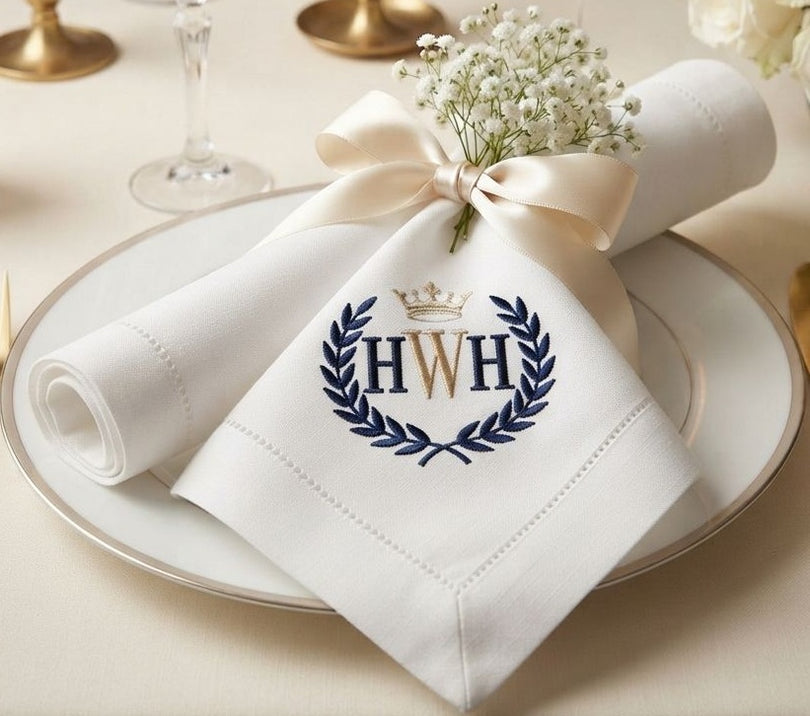
Every project above starts with a good base fabric. Browse our table linens for plain napkins, tablecloths, and runners you can dress up yourself. If you want a personal touch without the DIY, take a look at our custom napkins.
About Author: