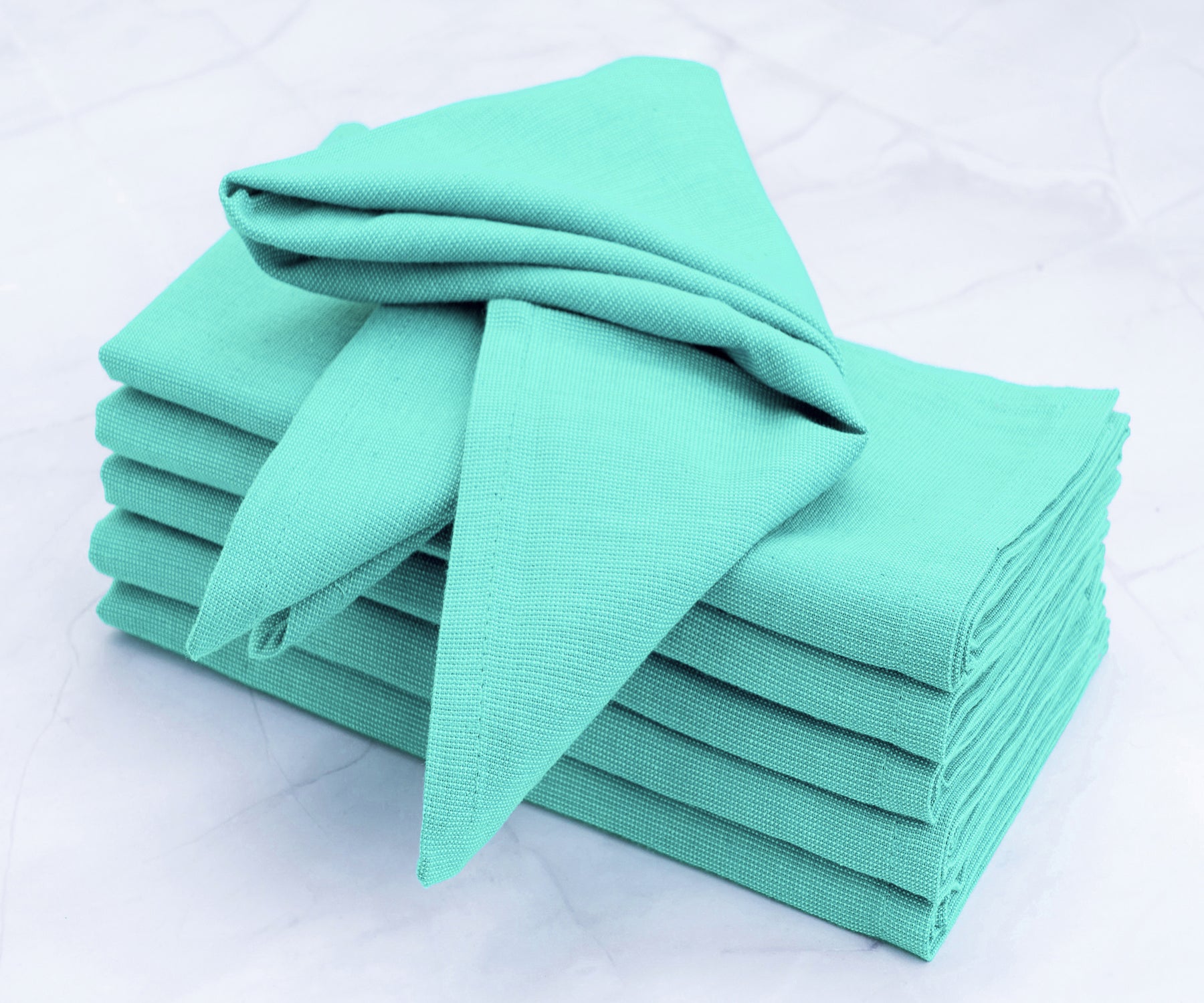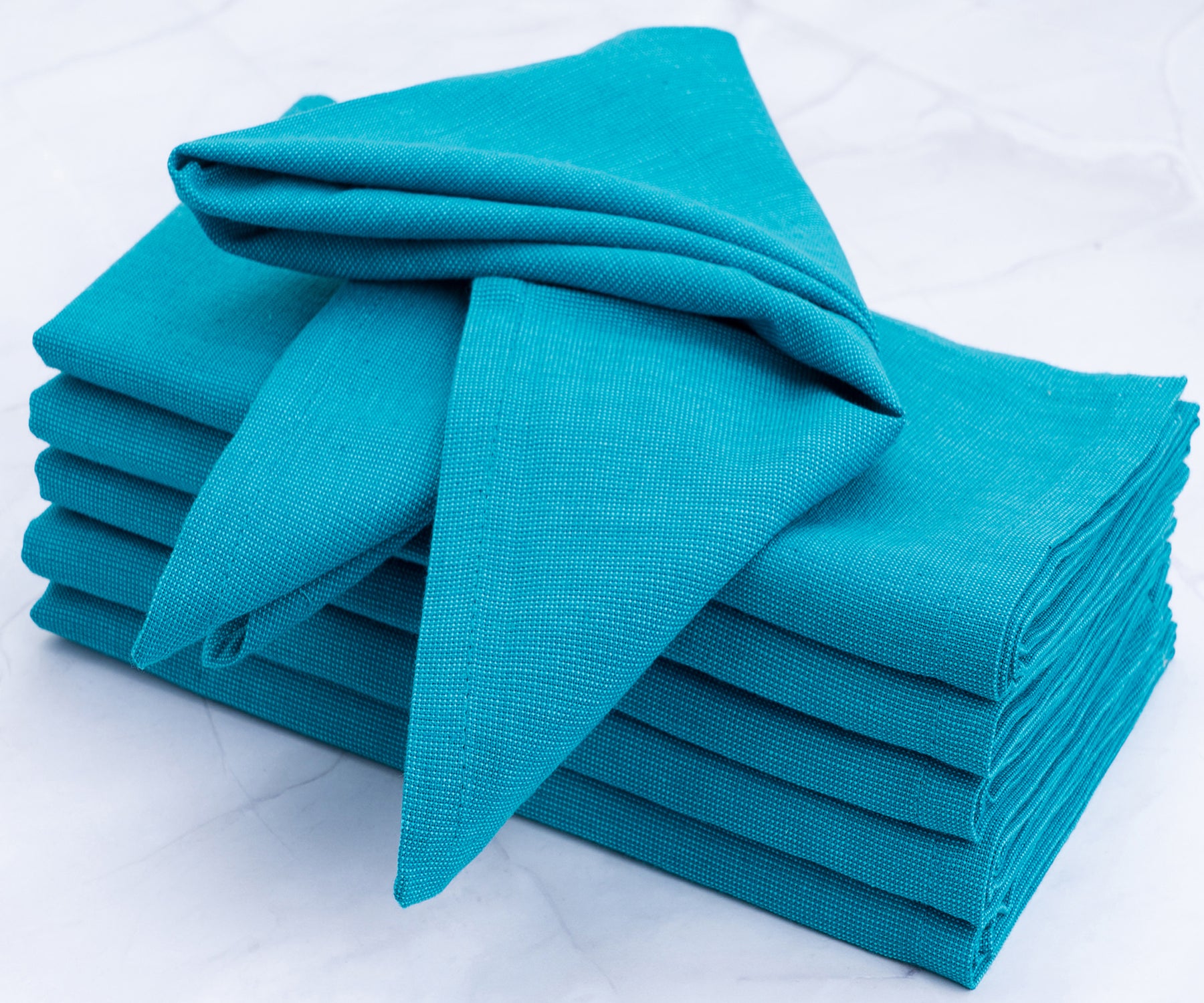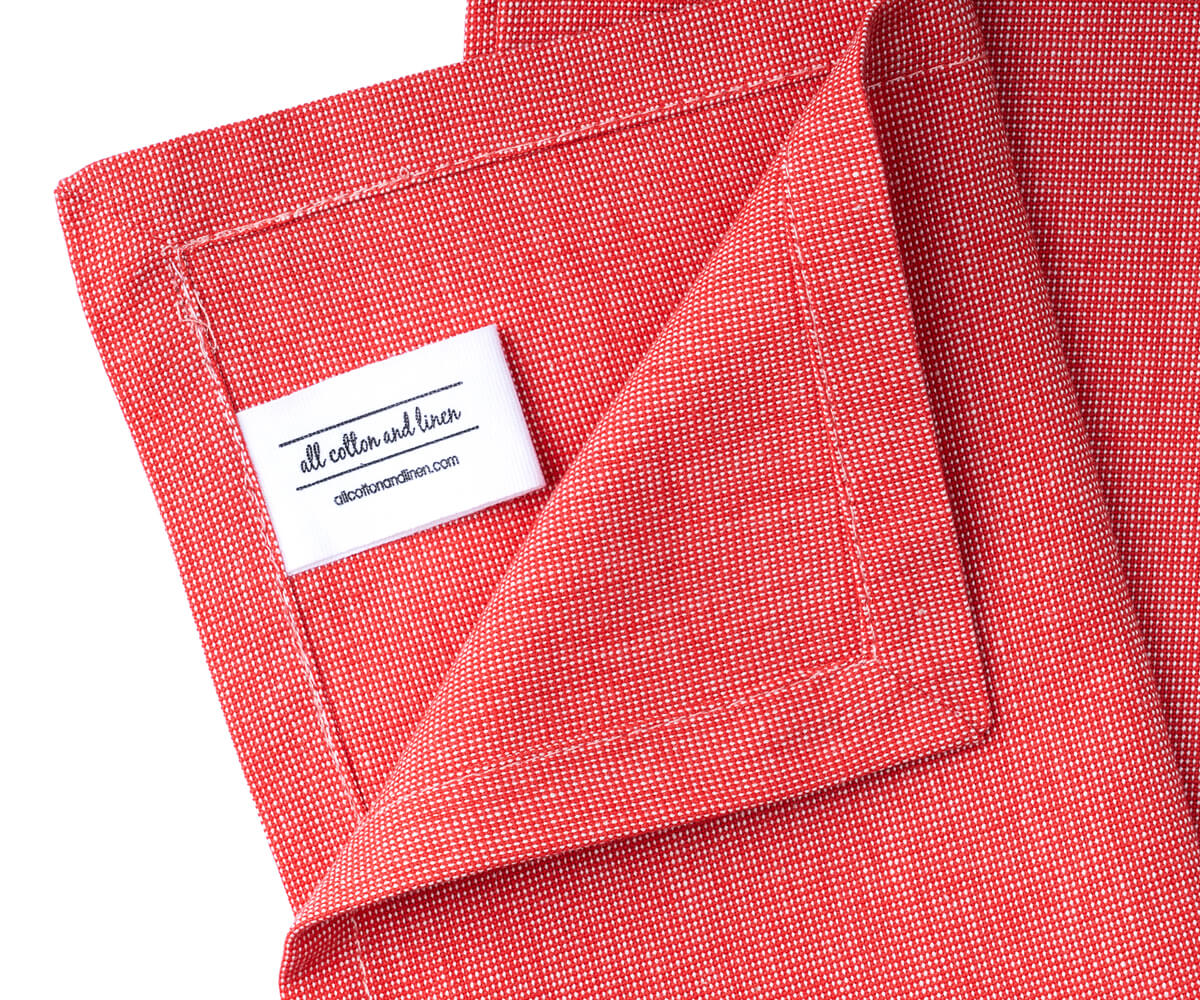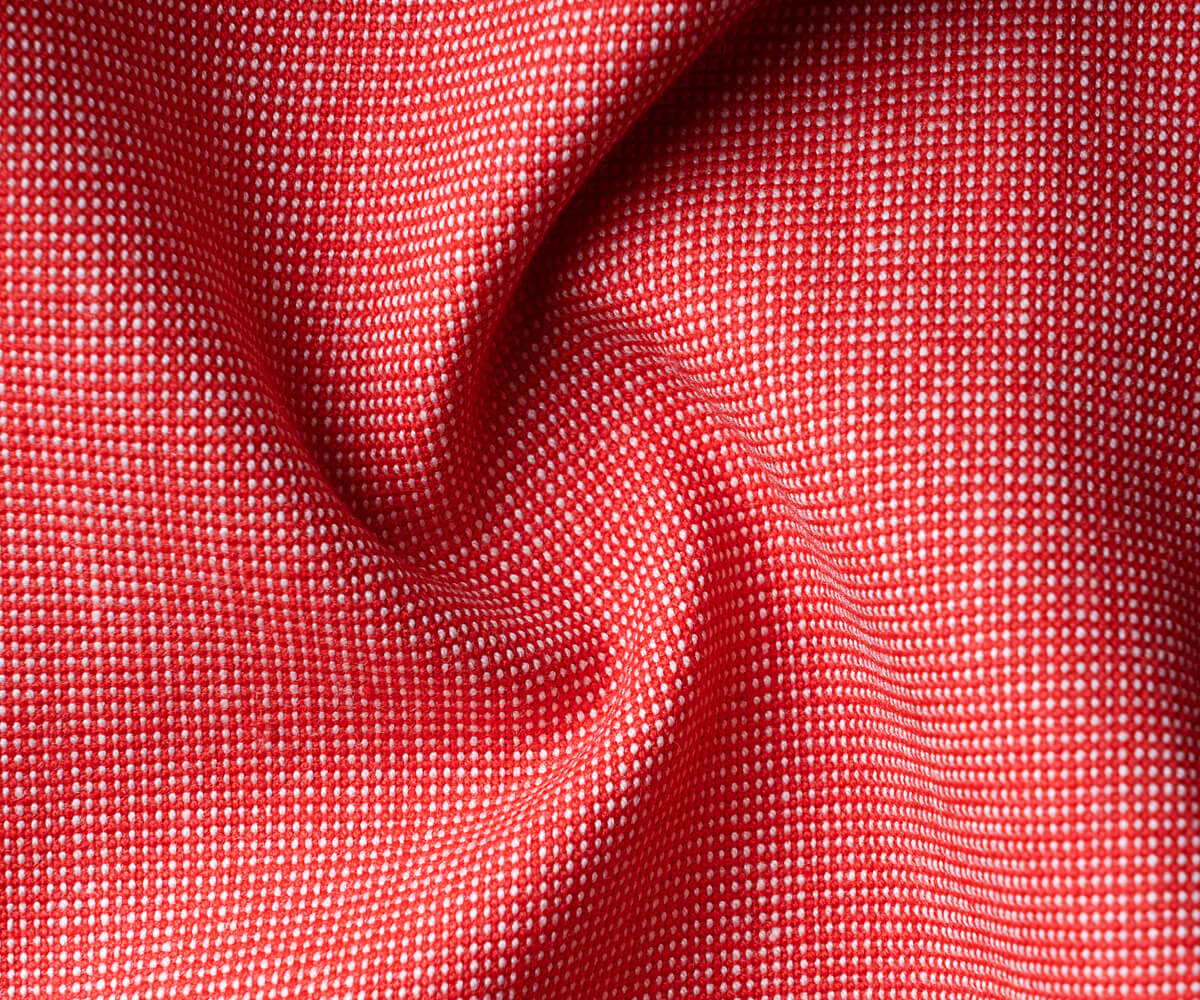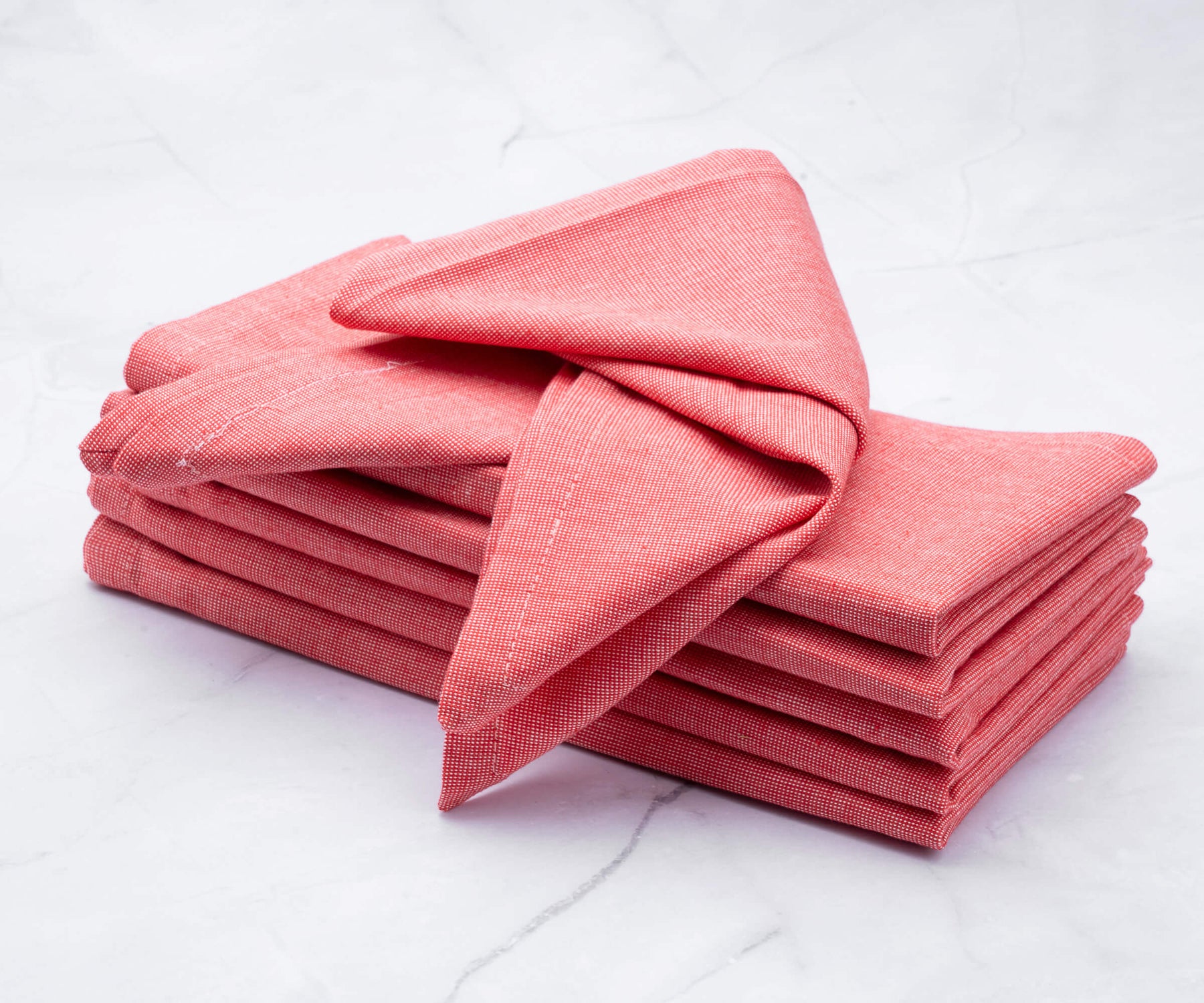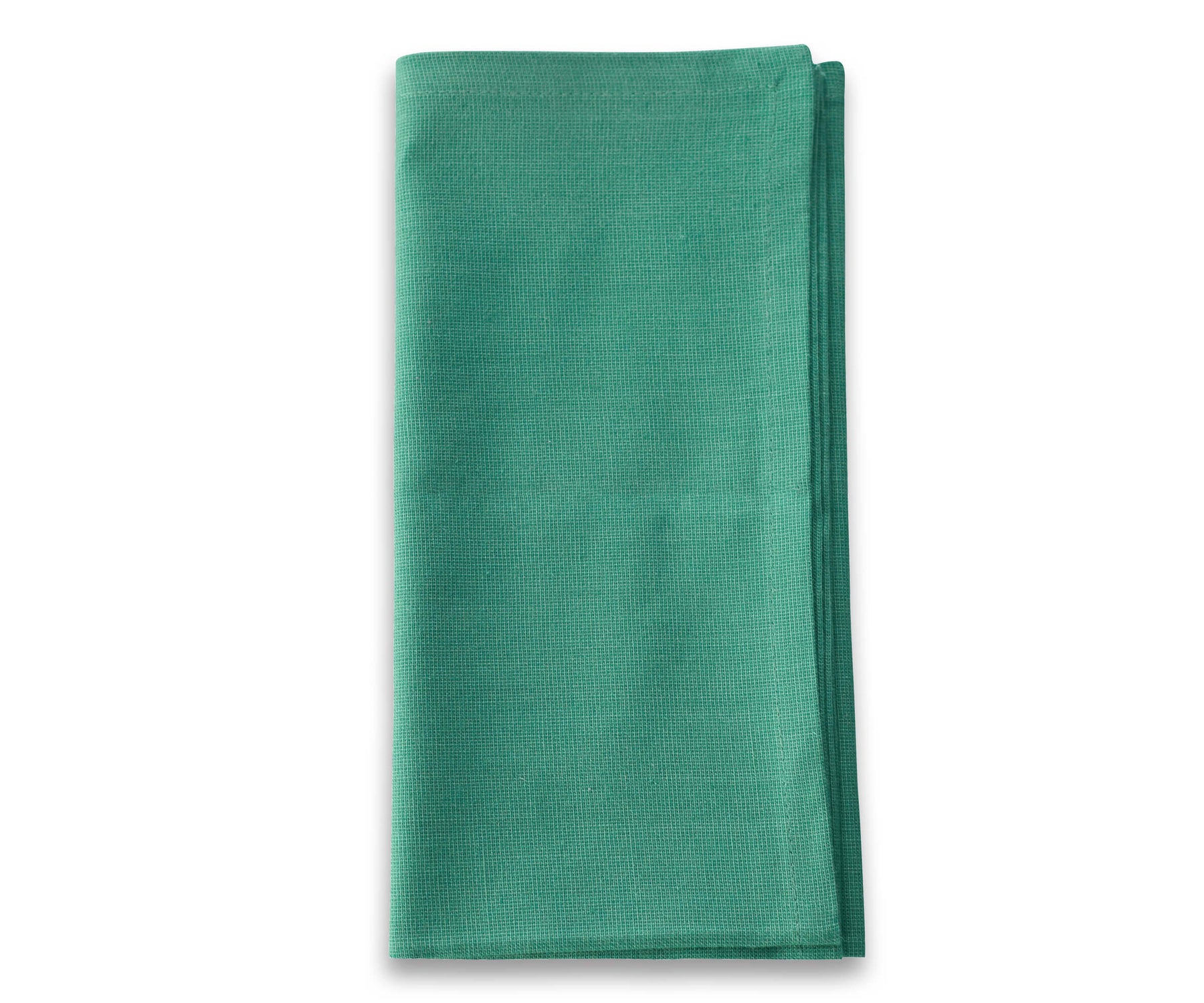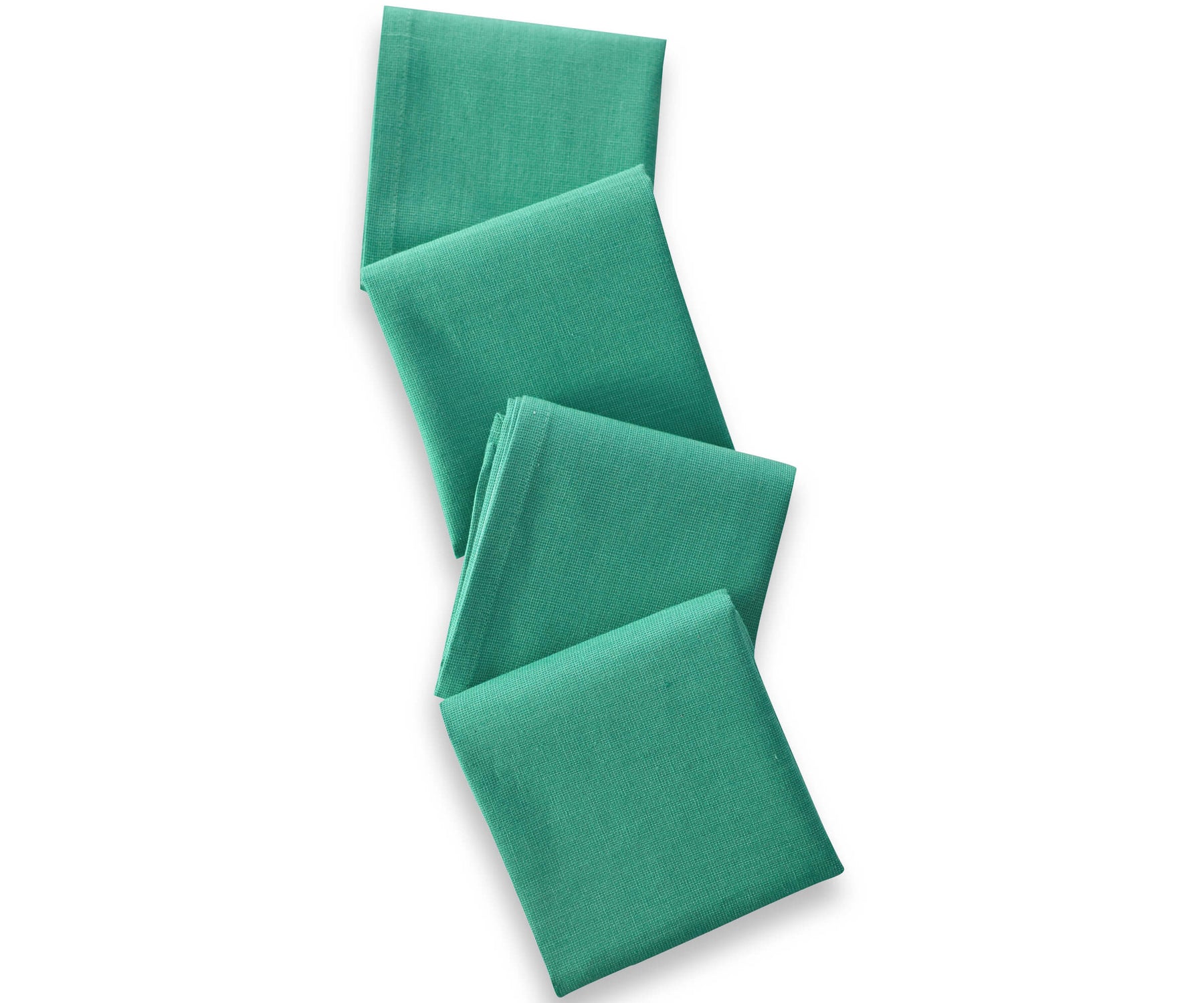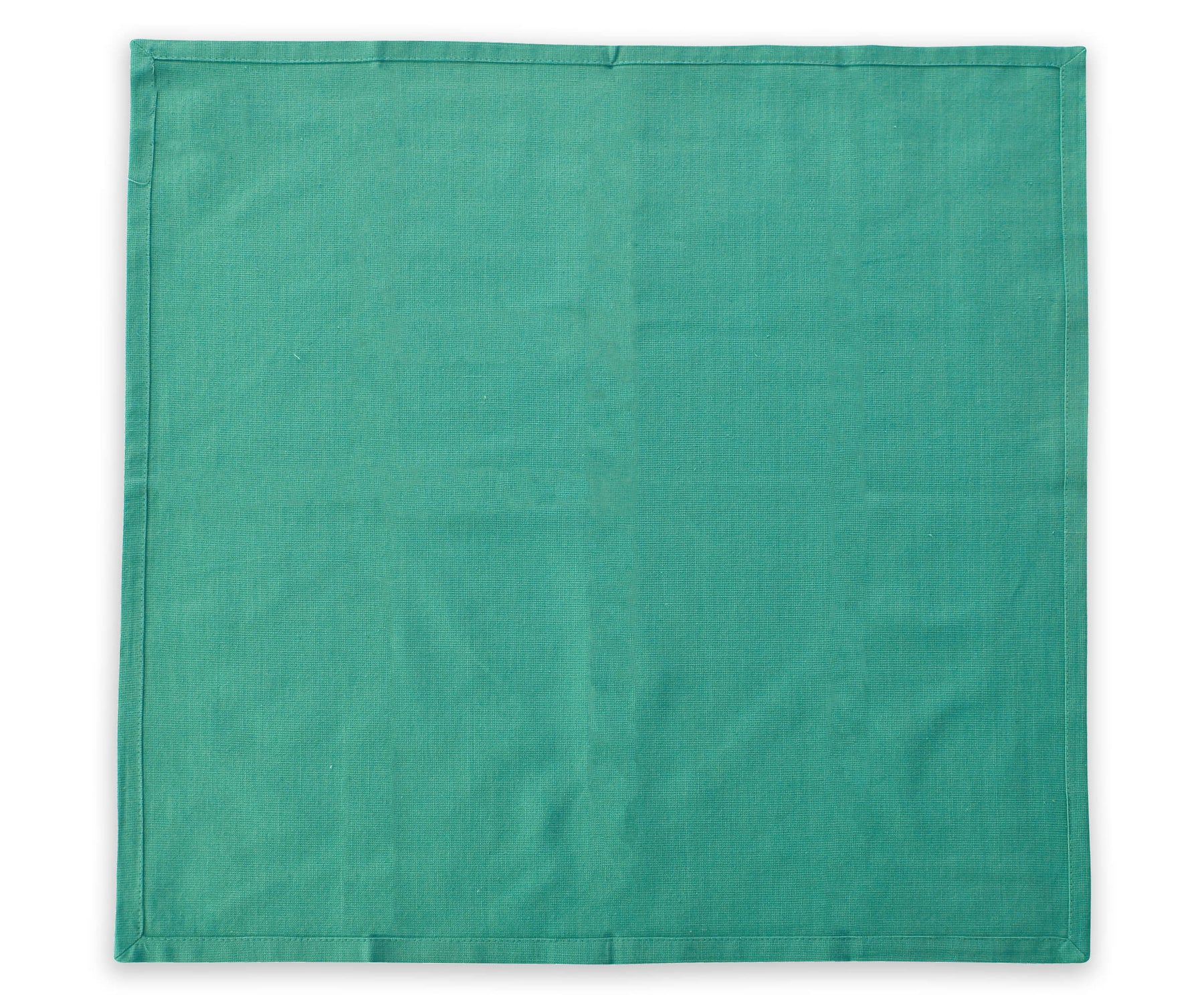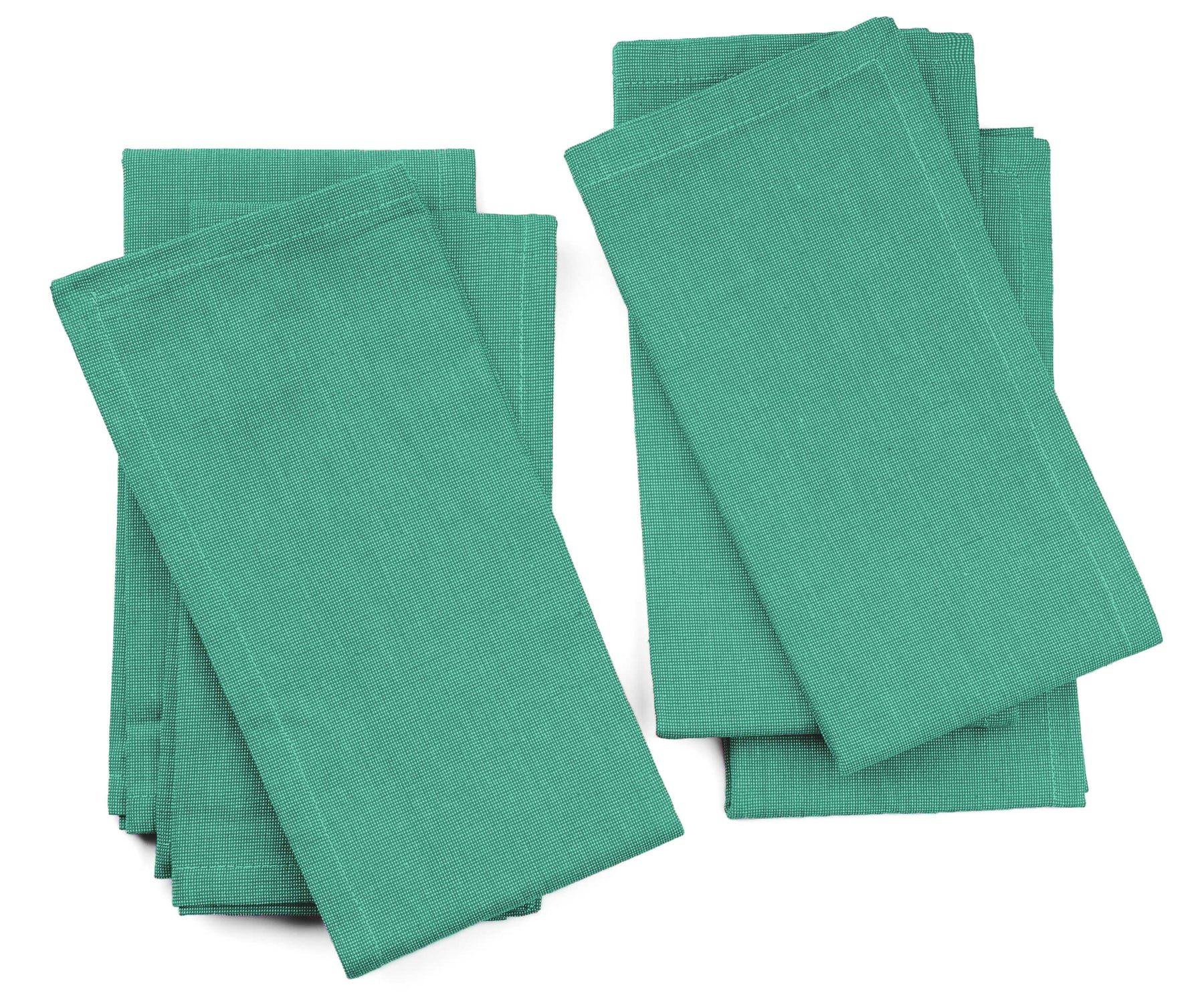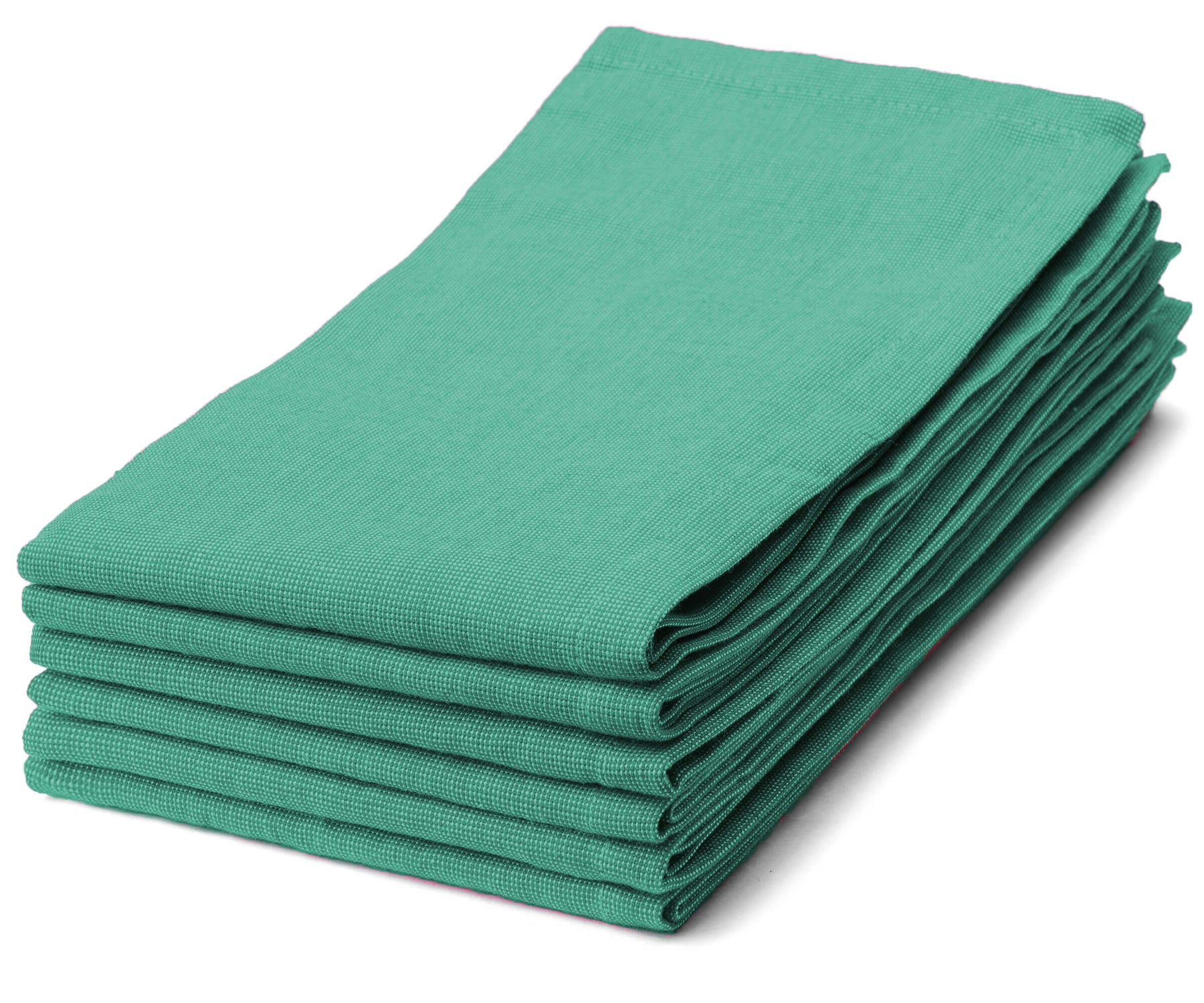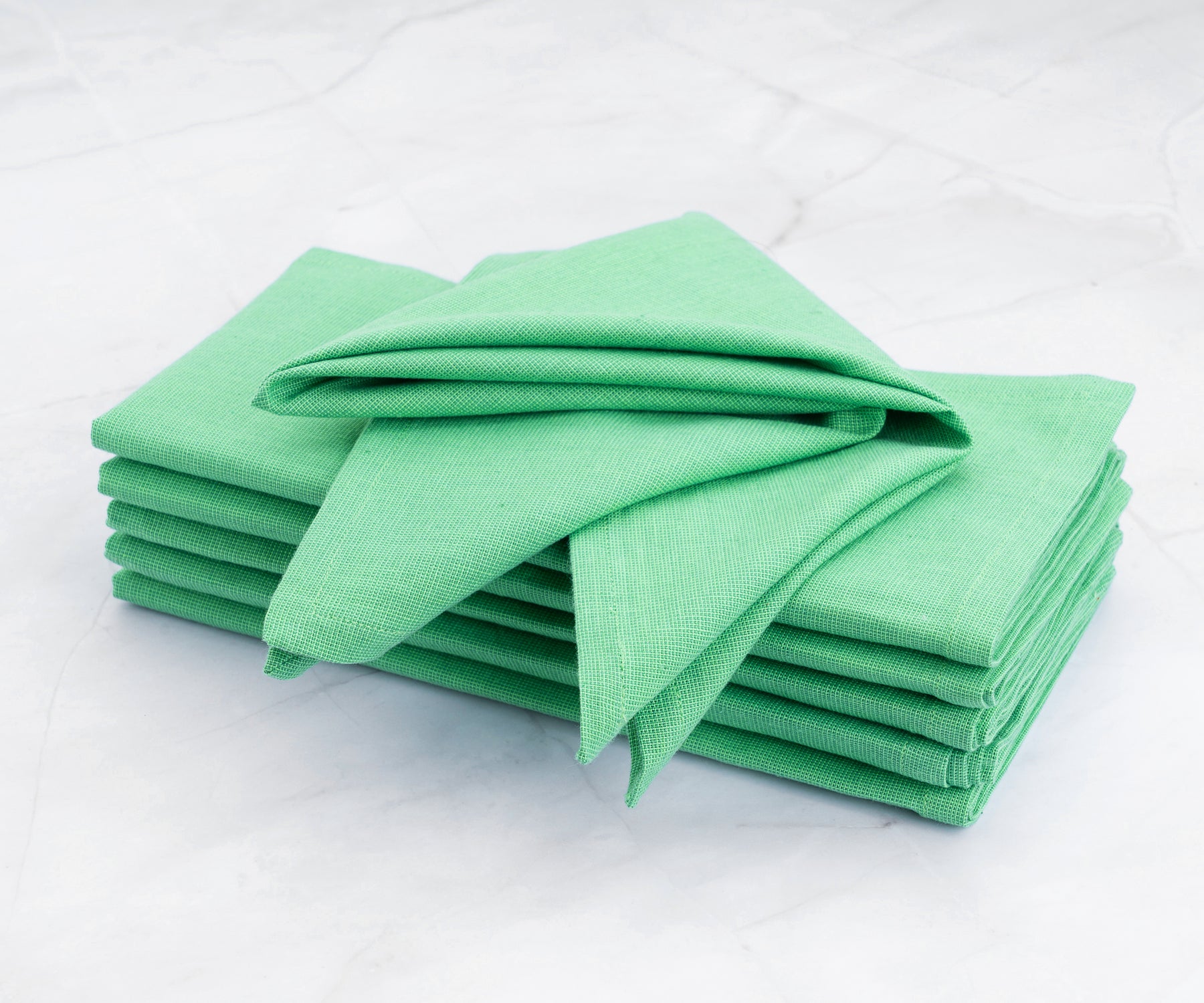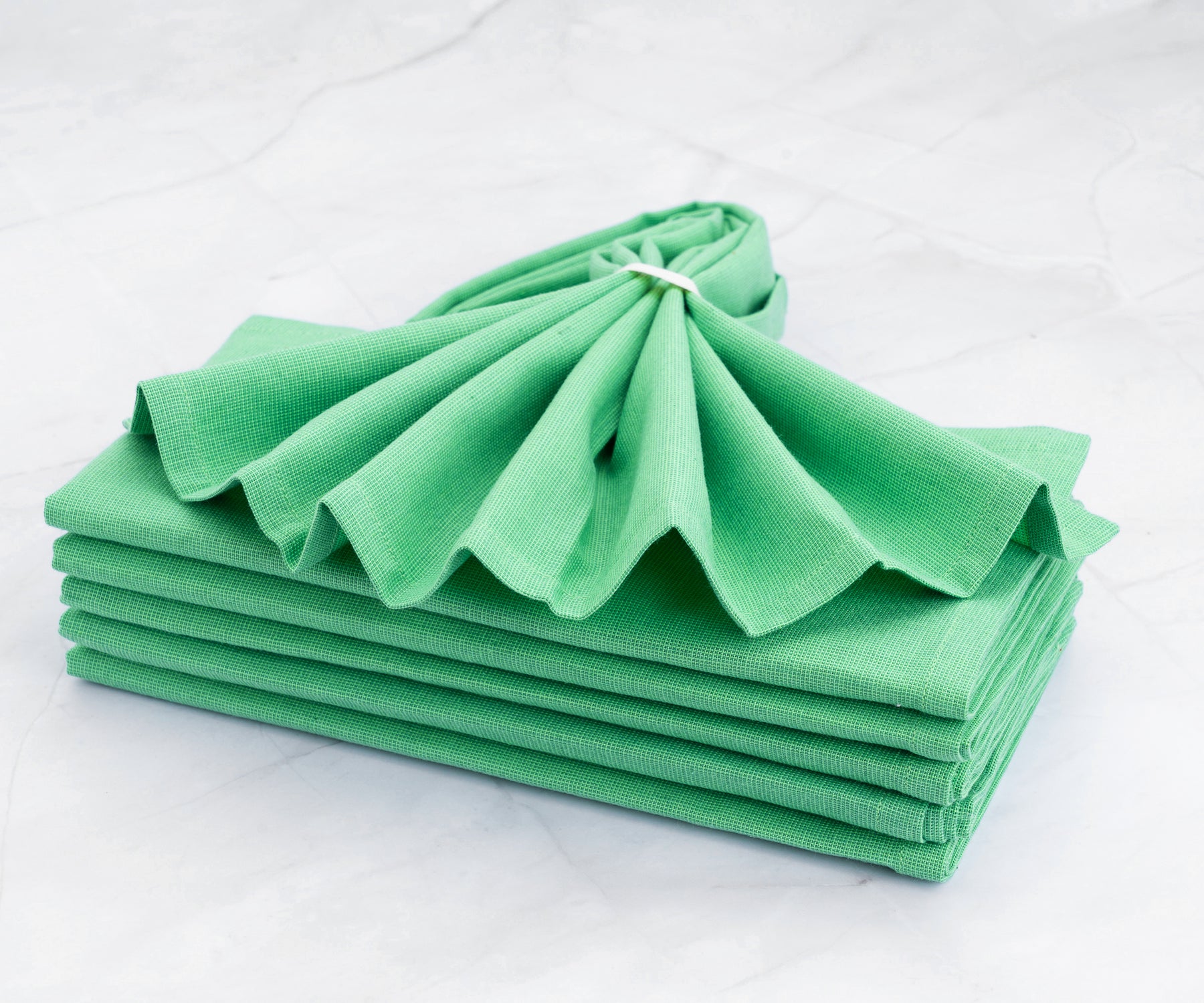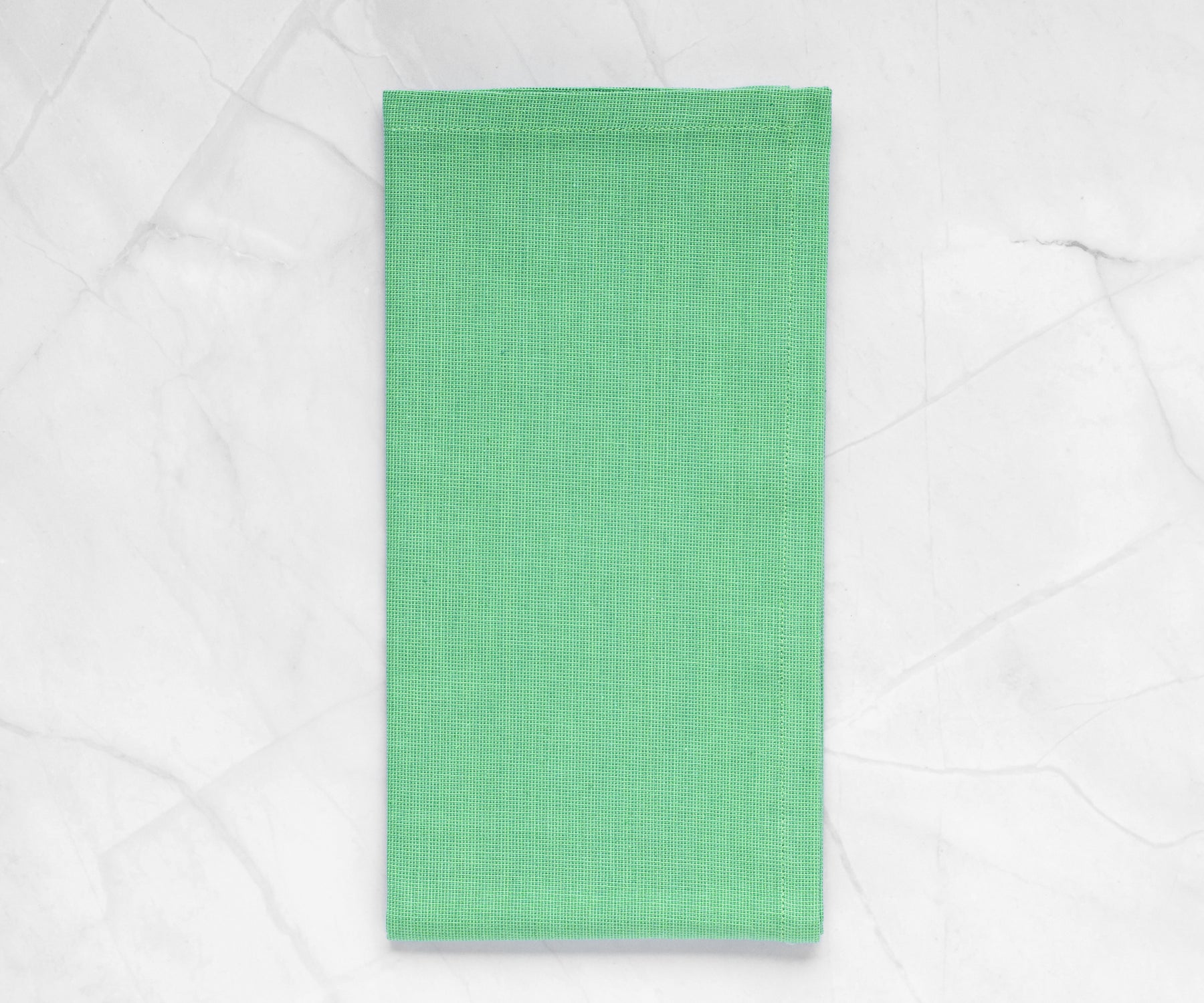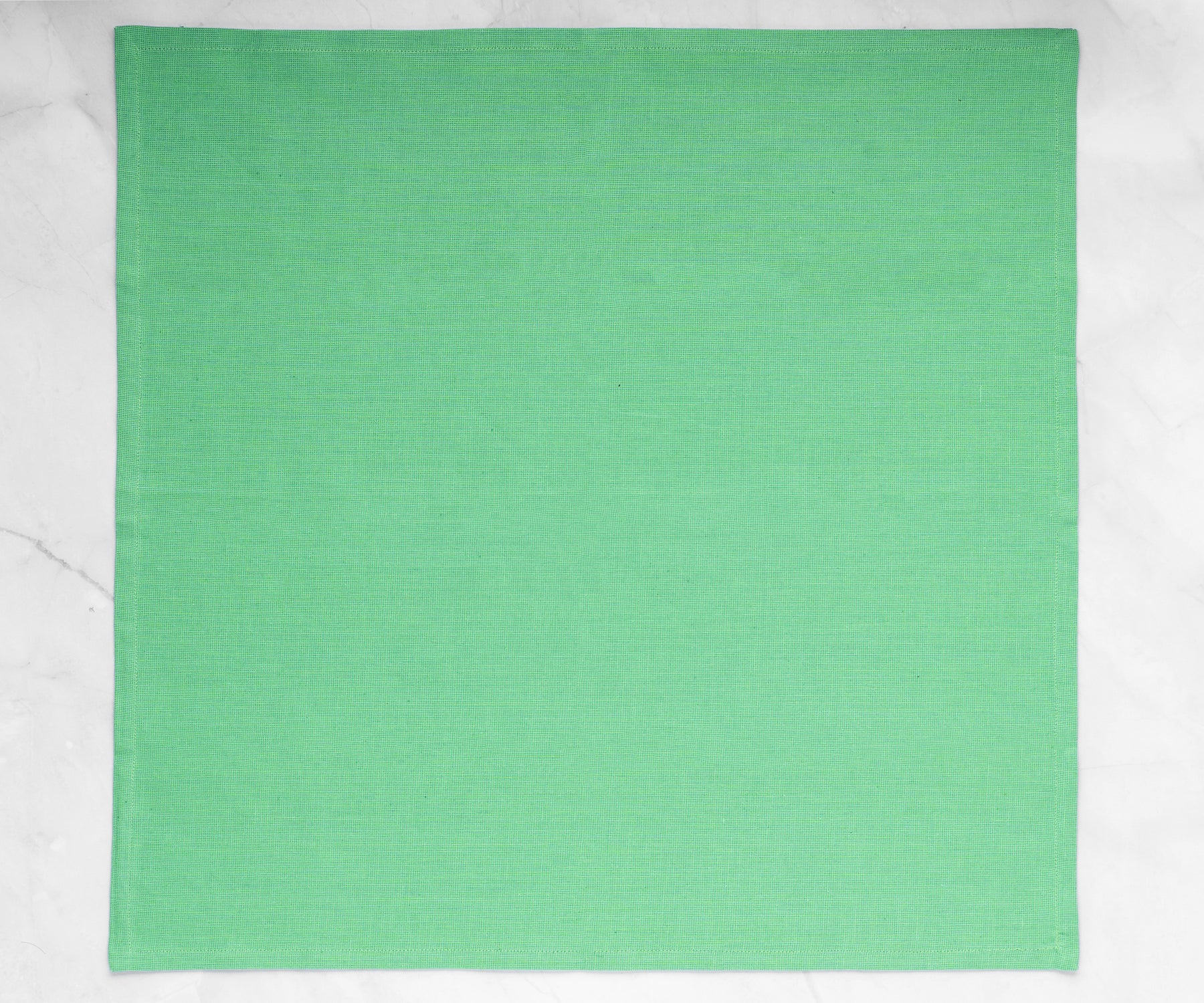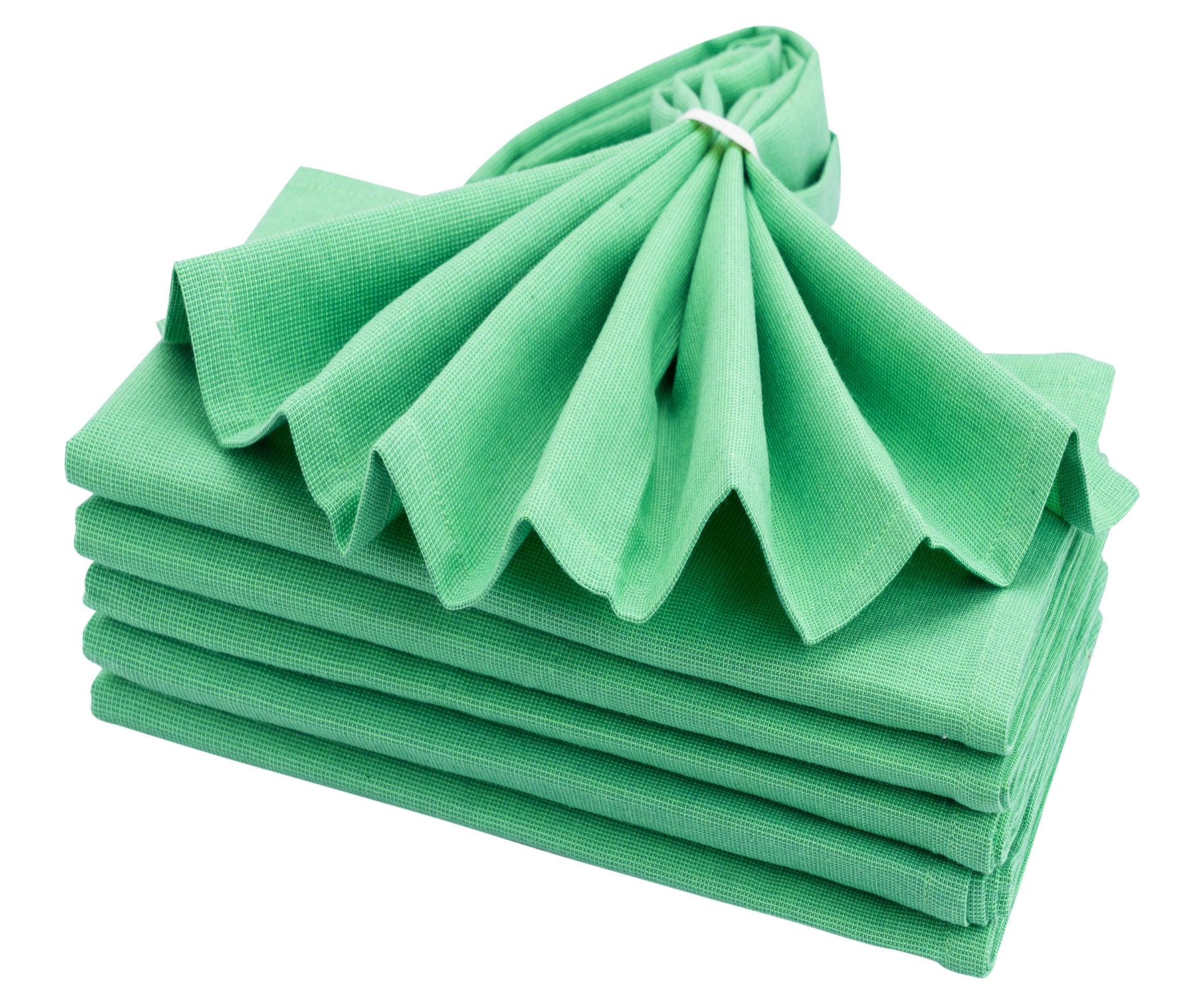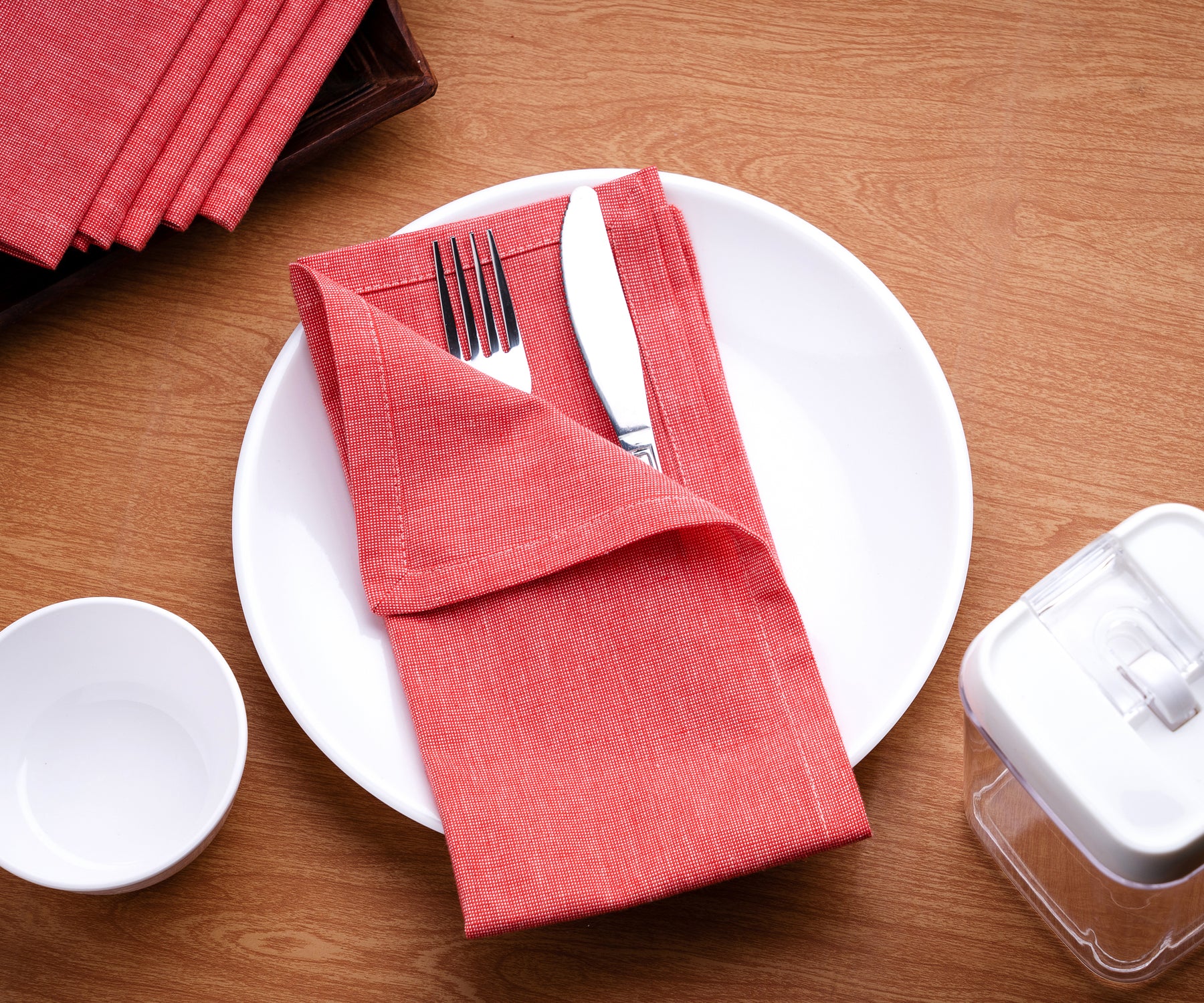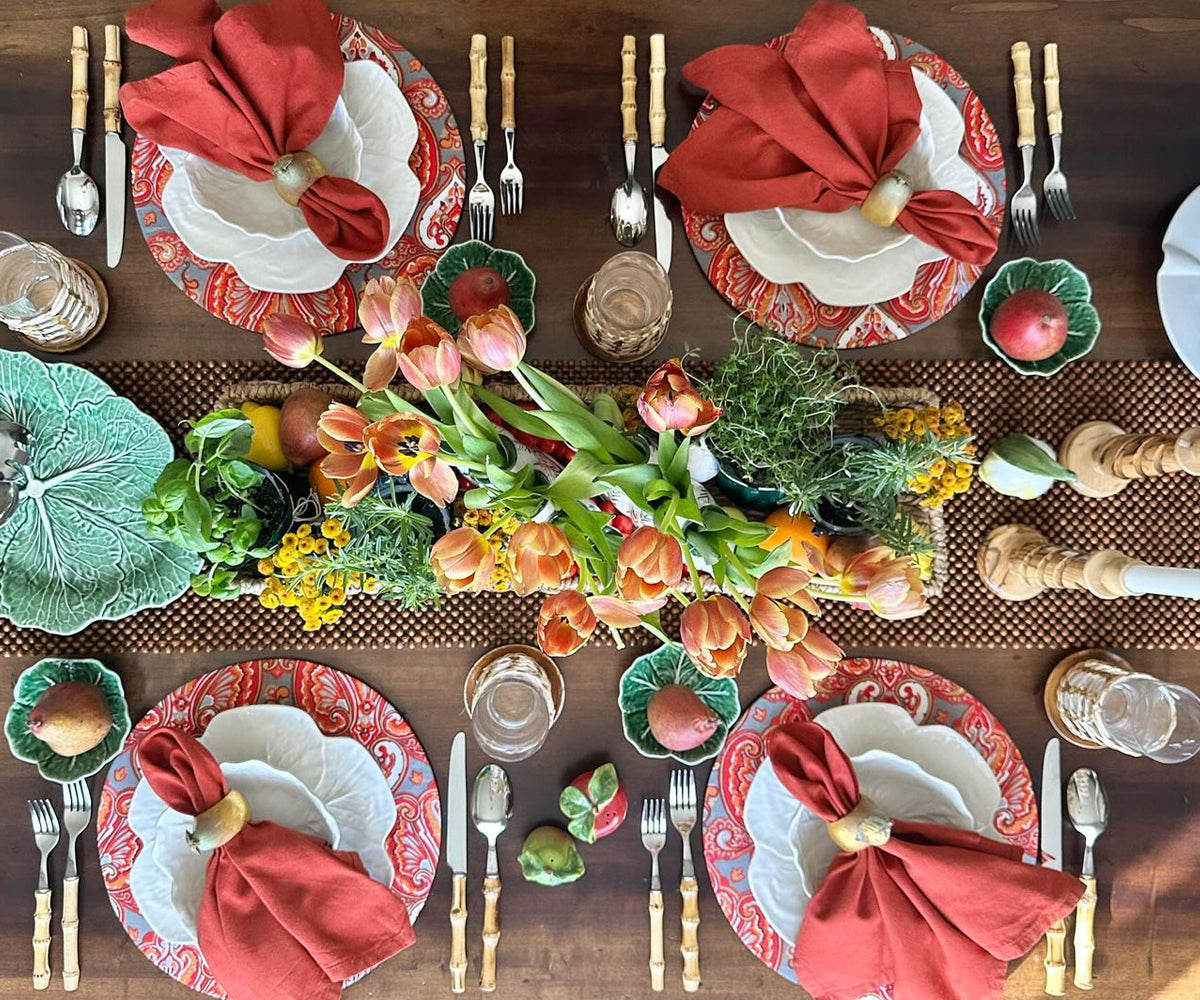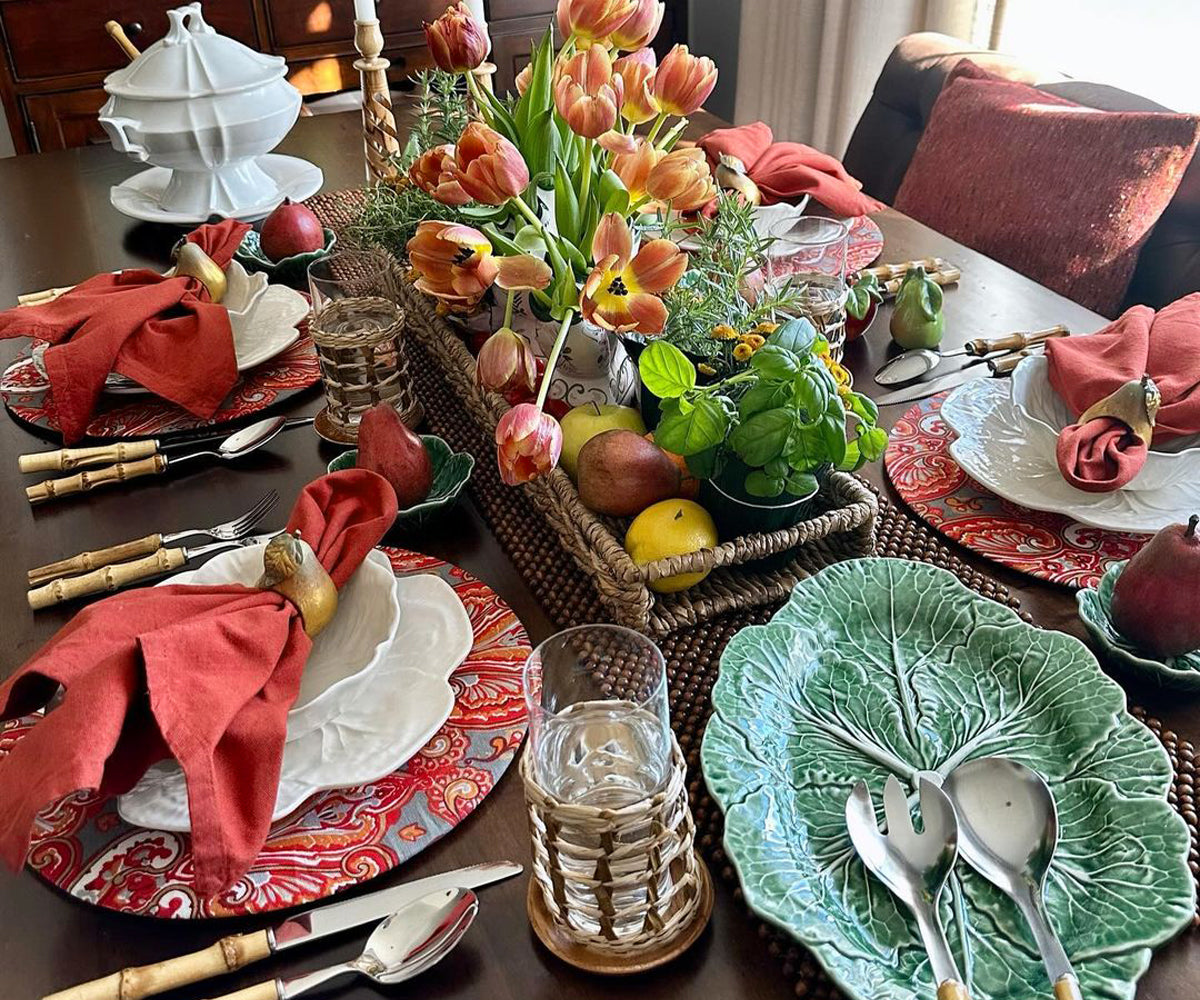

This guide covers the top trending styles, the best types of linen napkins, care tips, and modern table setting ideas to help you choose napkins that work well day after day.
Linen Napkins Trends Shaping Modern Tables in 2026
The shift in linen napkin trends is easy to notice. A few years ago, cloth napkins were mostly kept for guests or special dinners. Today, they are a regular part of the dining table, pulled out just as casually as a coffee mug. This change reflects a broader interest in sustainable table linens that are both practical and good-looking.
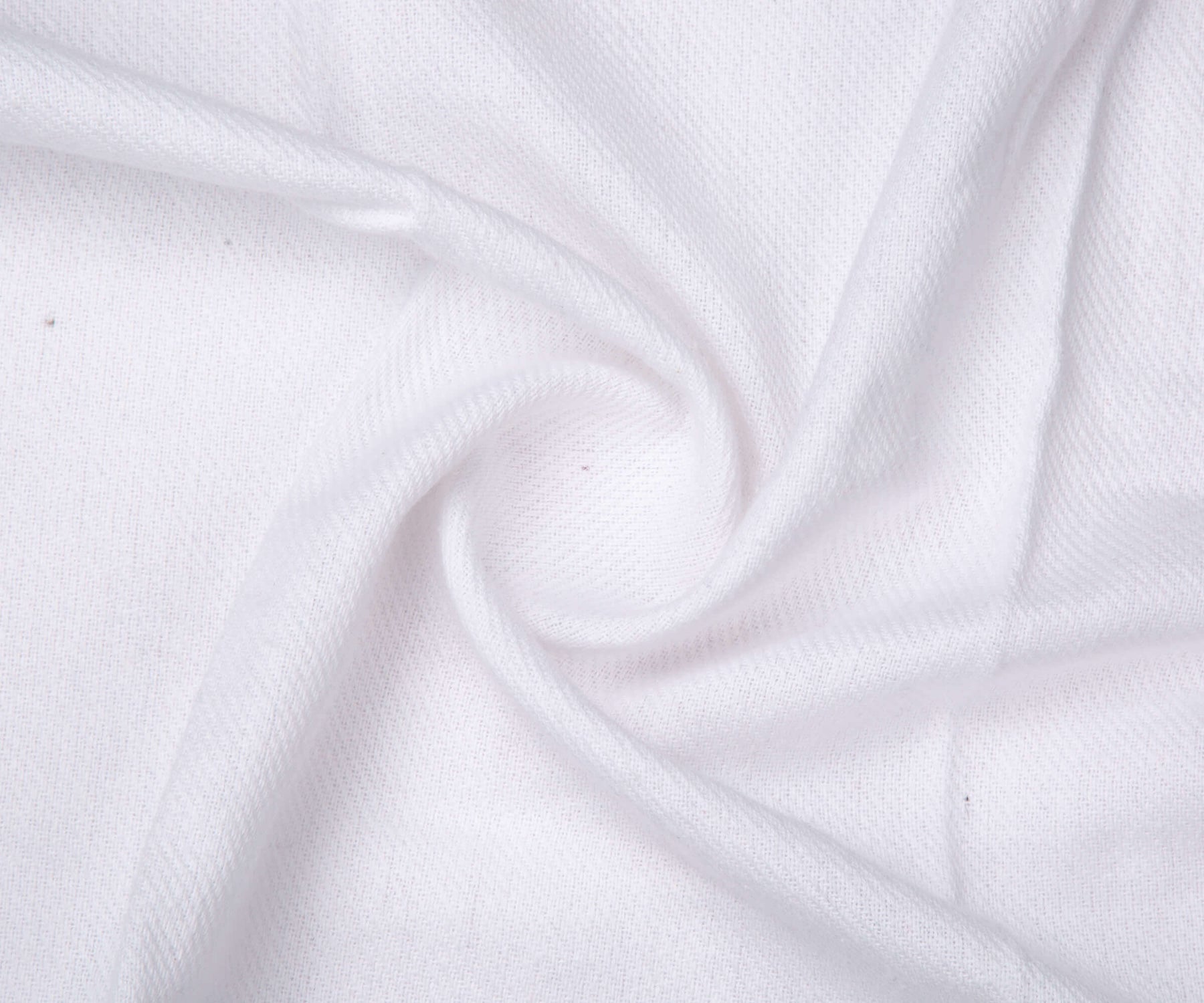
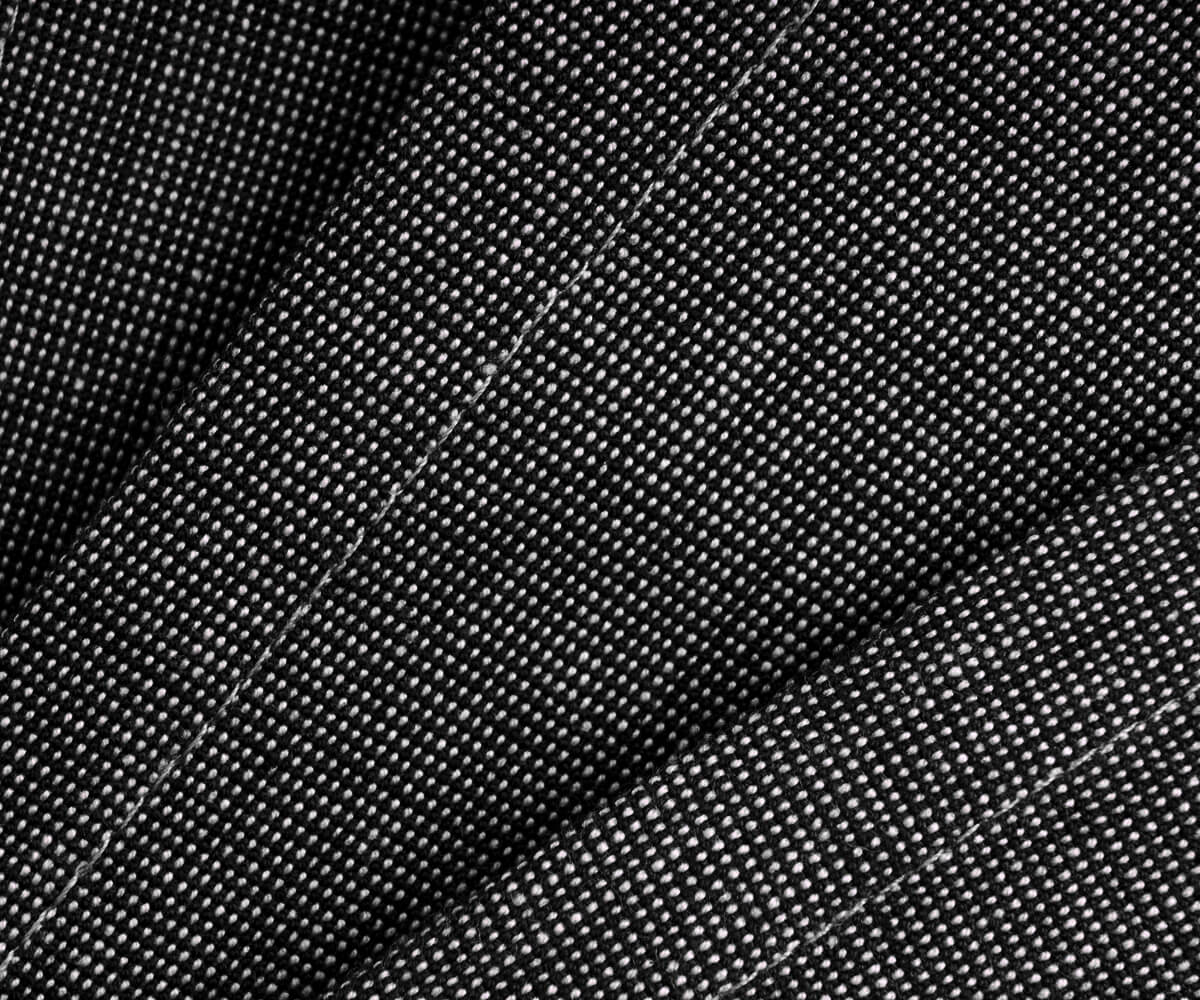
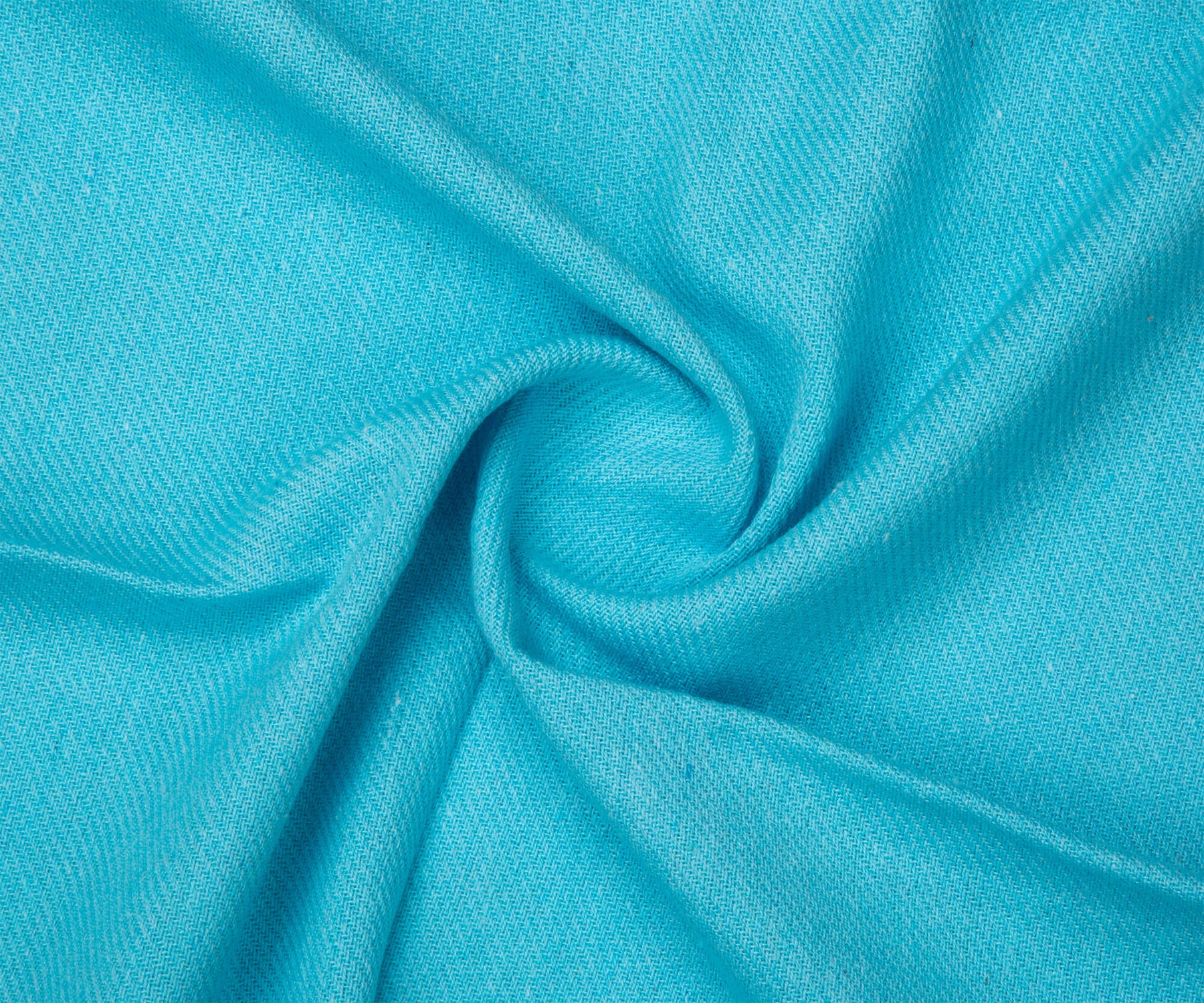
Washed linen is leading the trend. It has a soft, relaxed finish that does not require ironing and gets better with every wash. This texture suits the relaxed look that most households prefer right now. The surface has a slight roughness that adds visual warmth to any table setting.
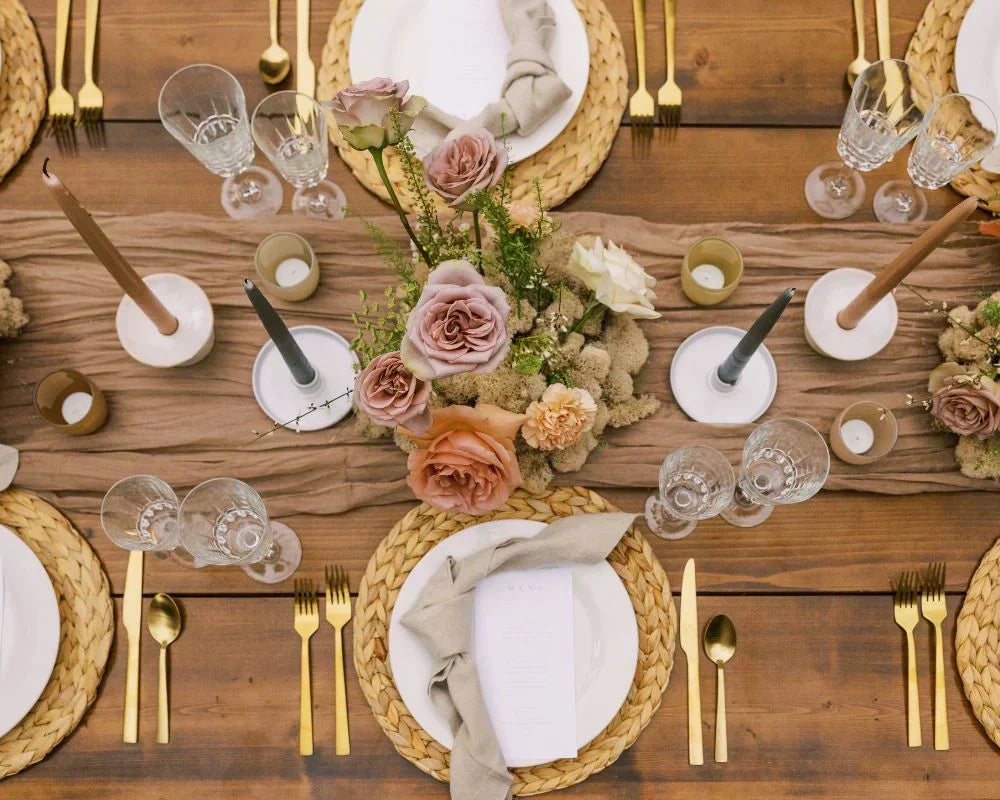
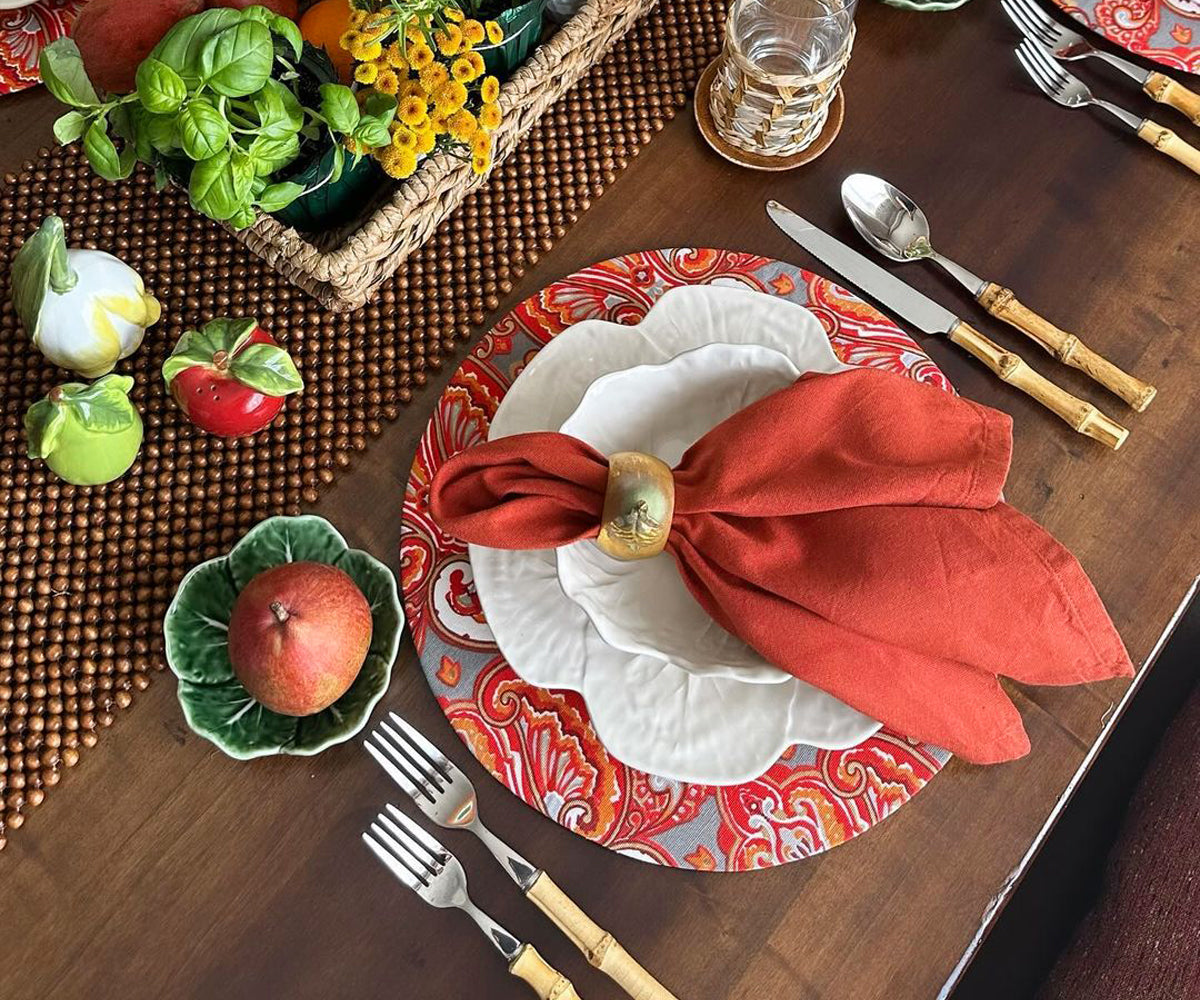
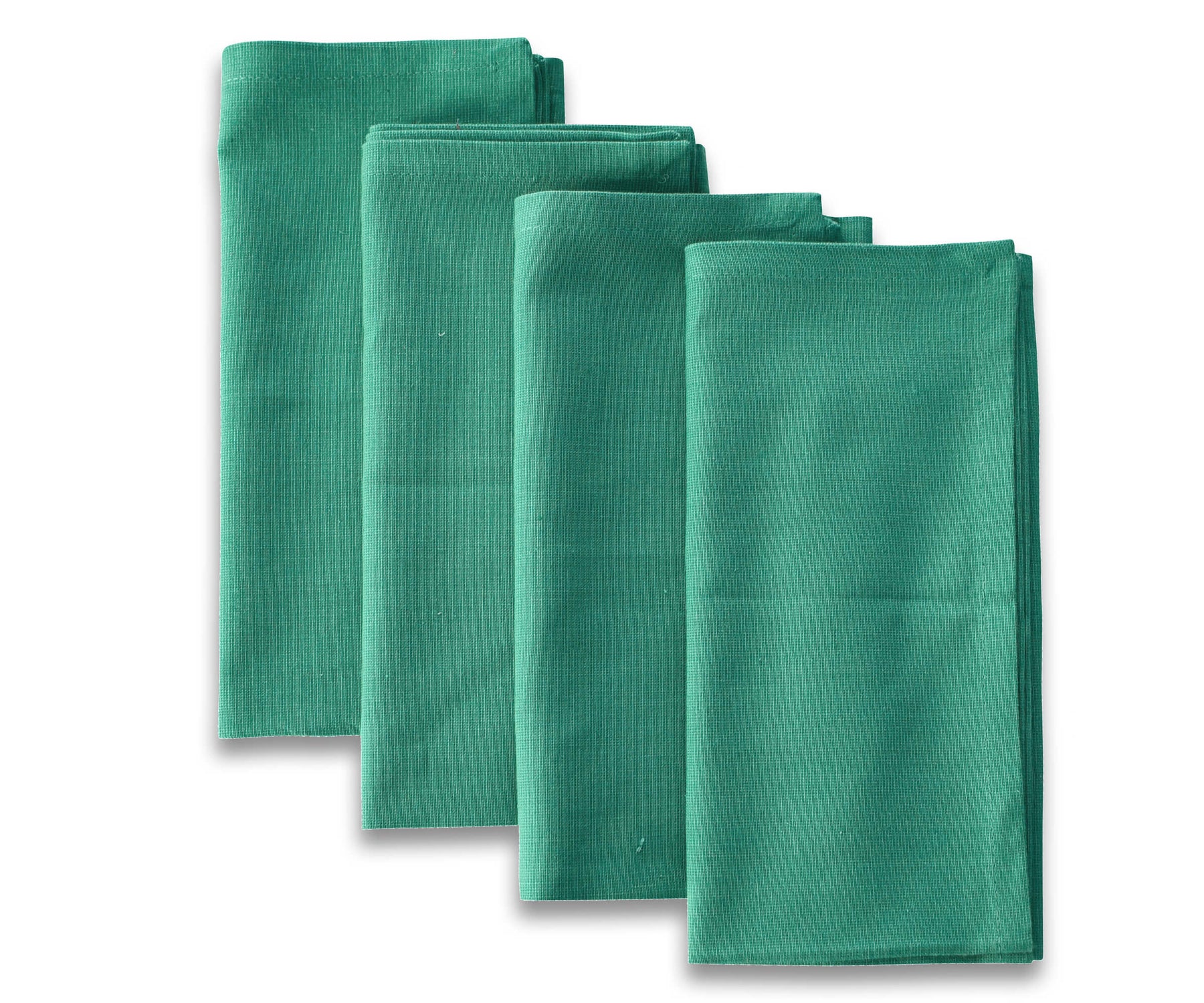
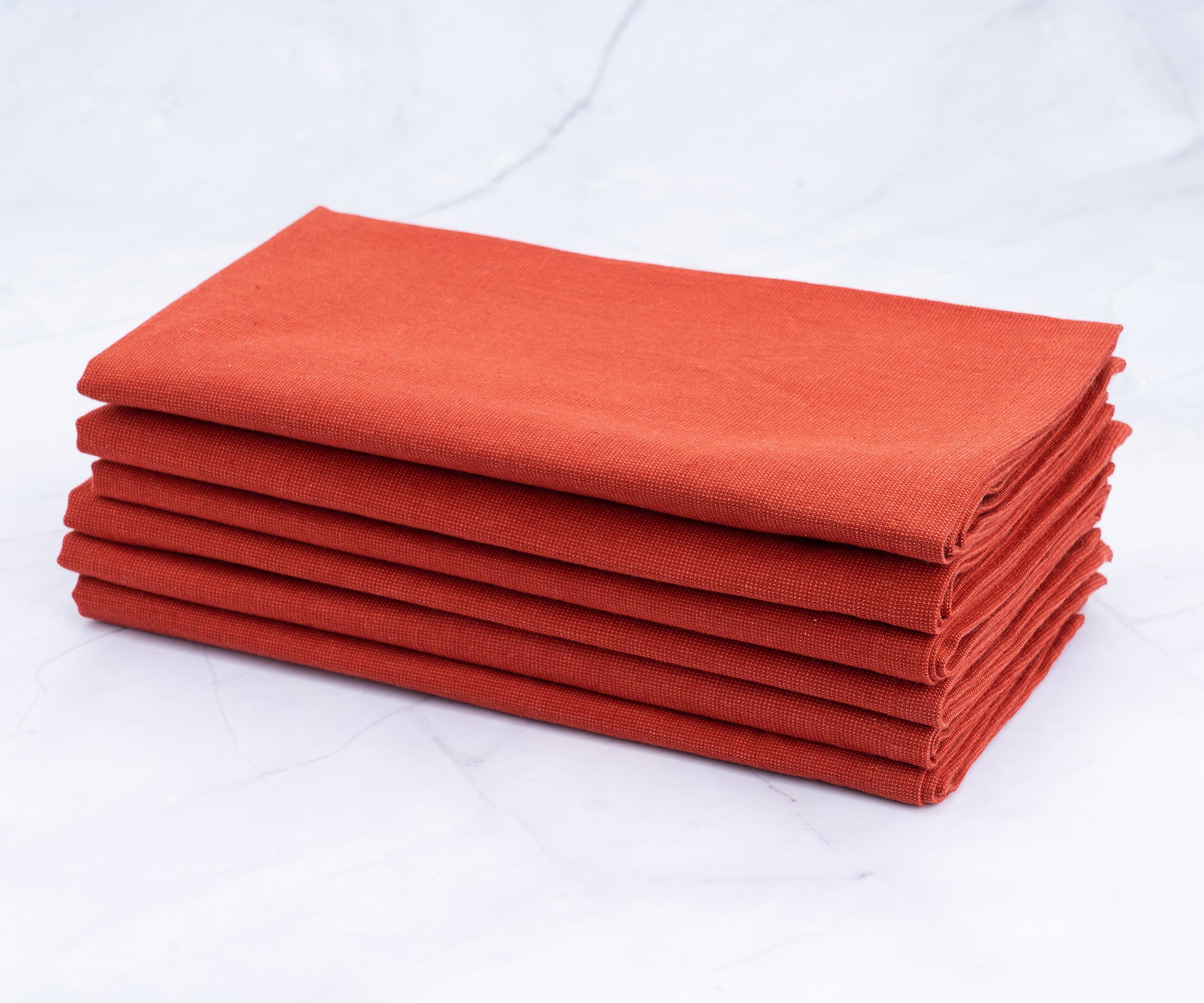
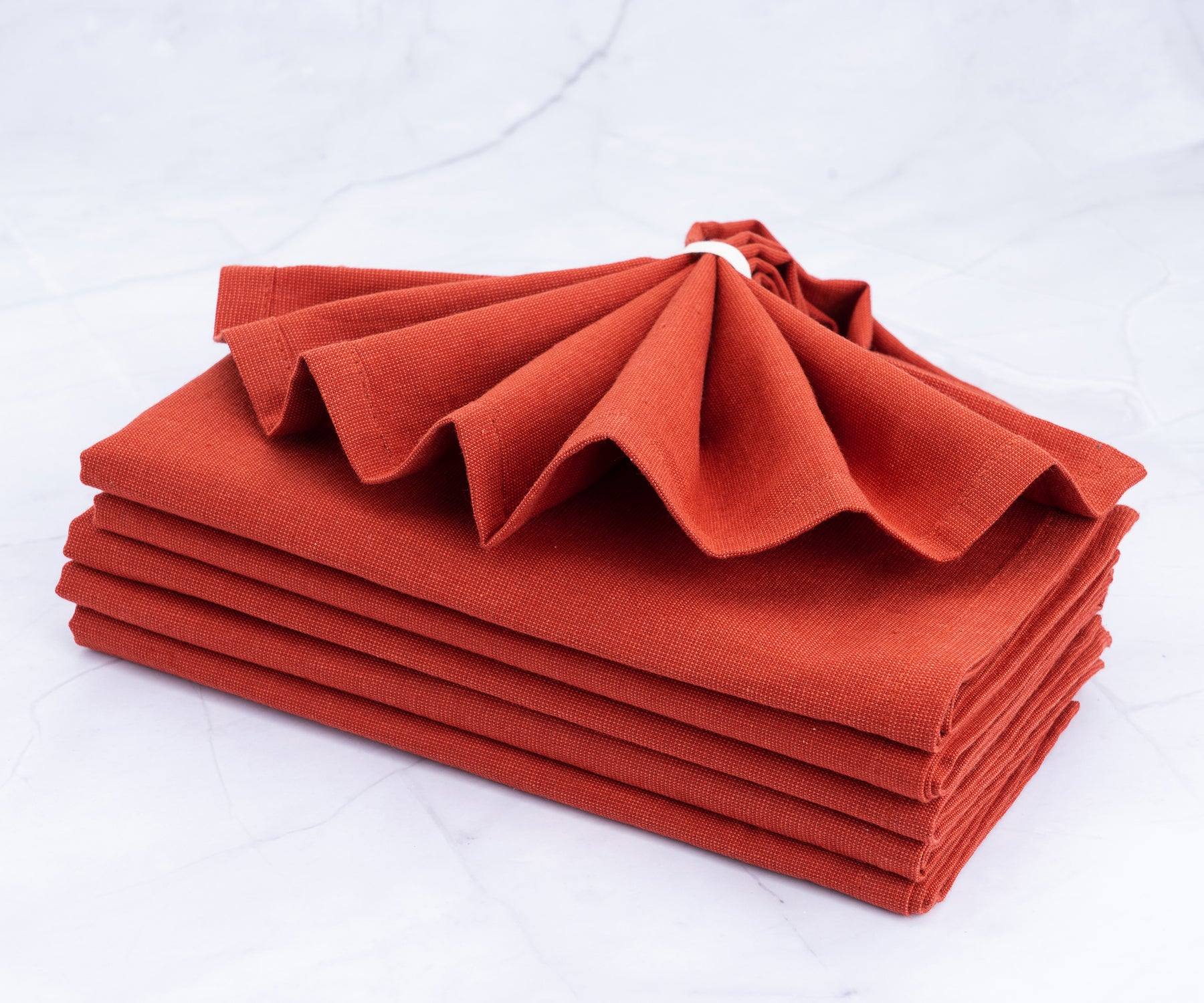
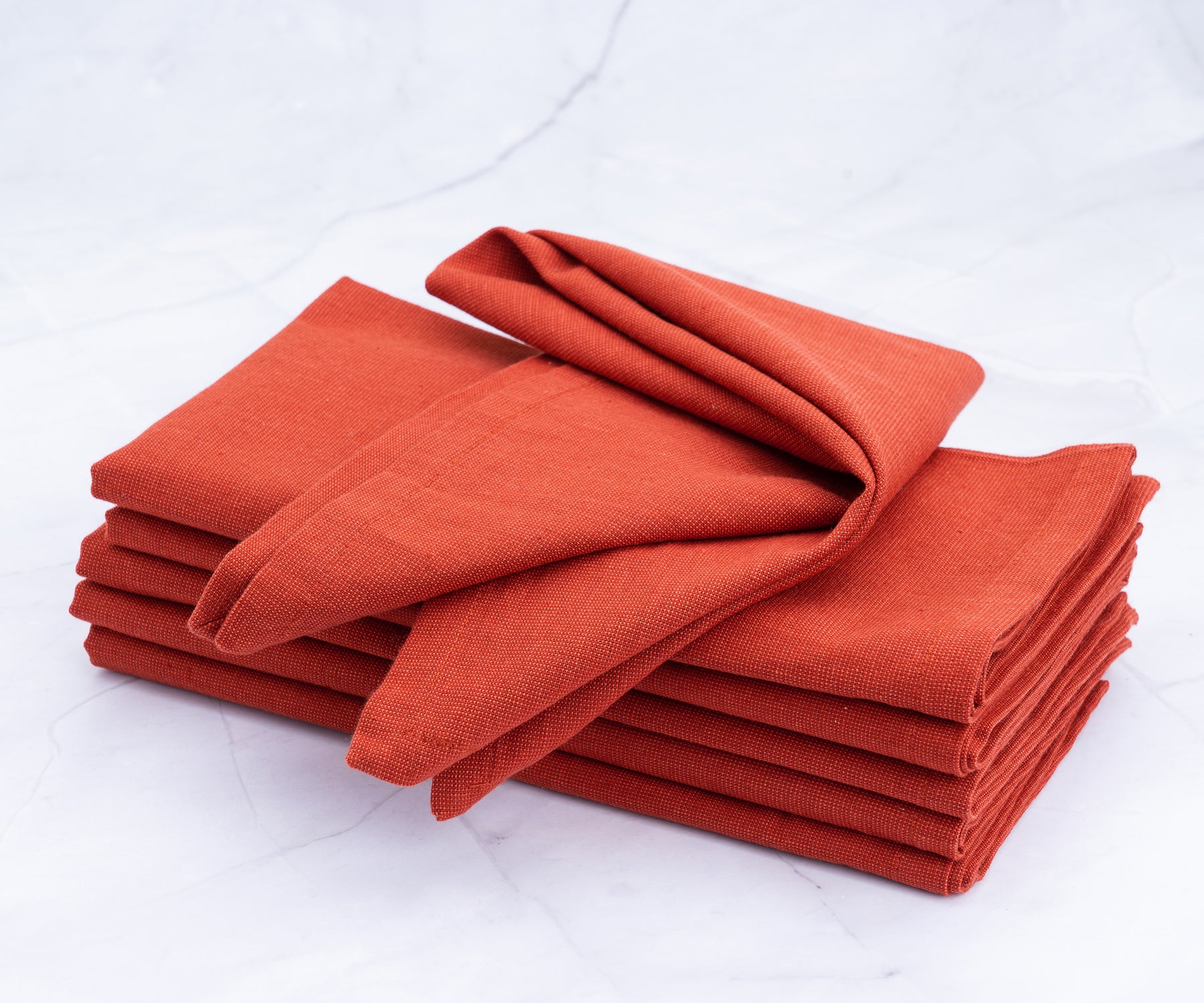
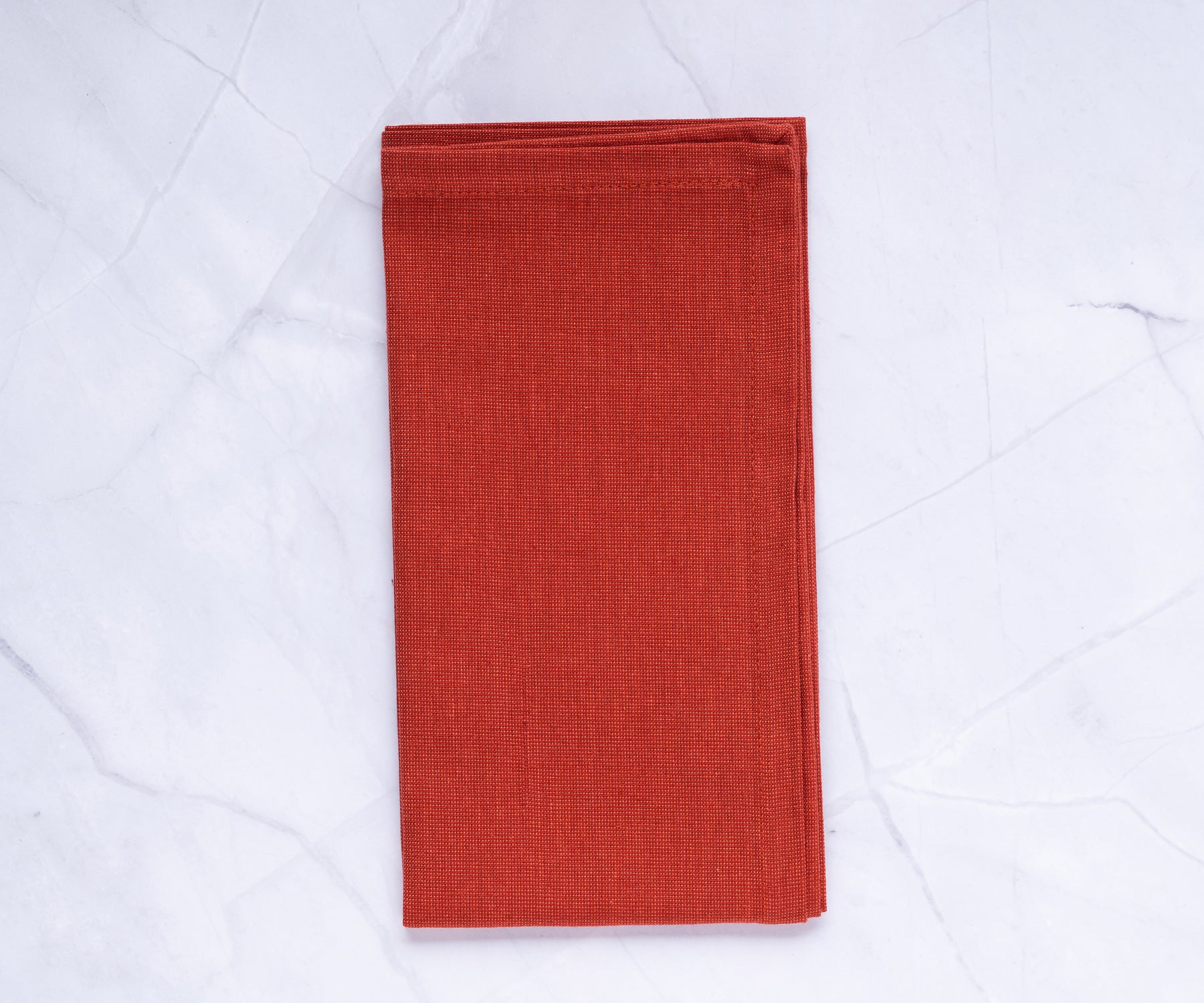
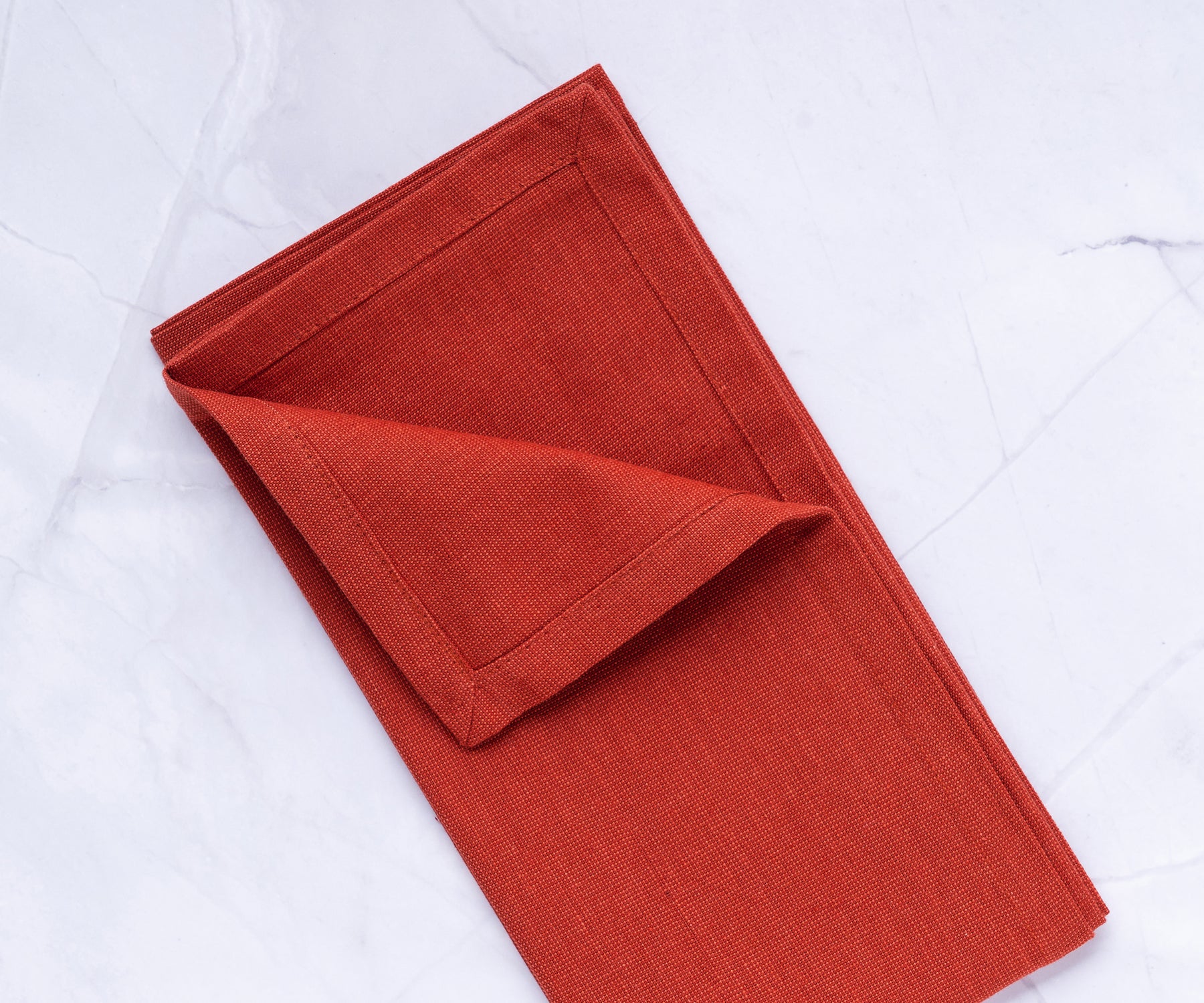
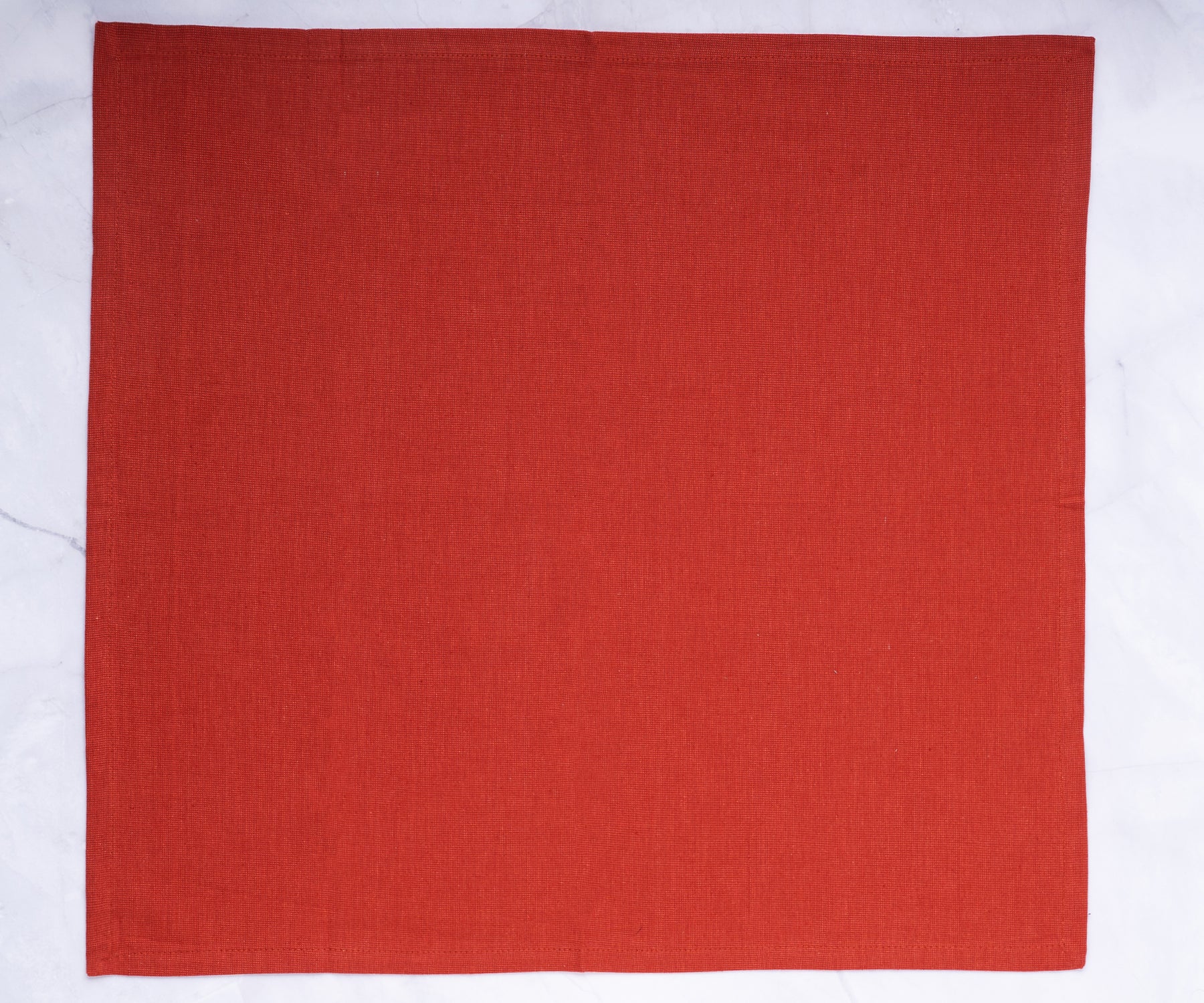
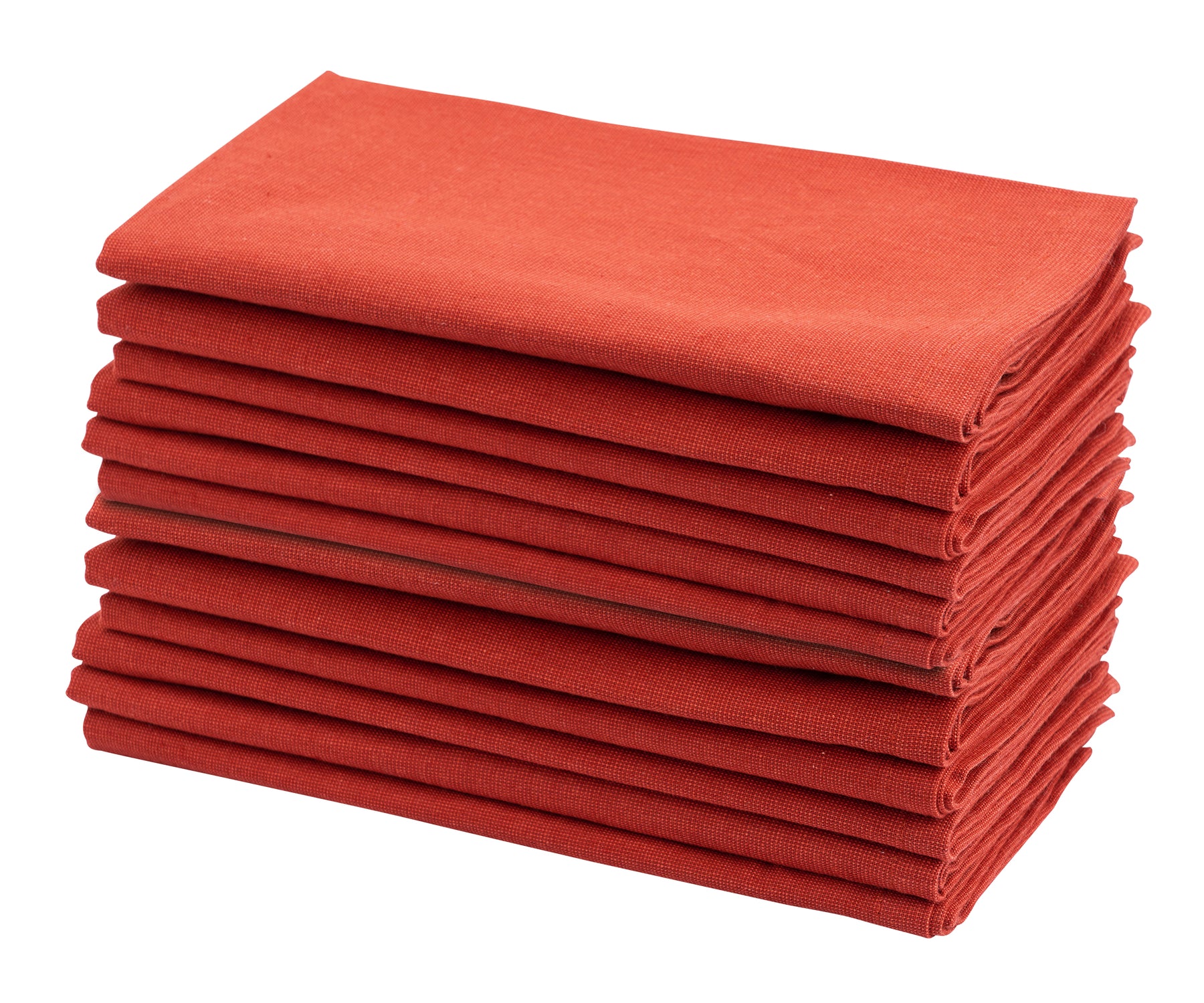
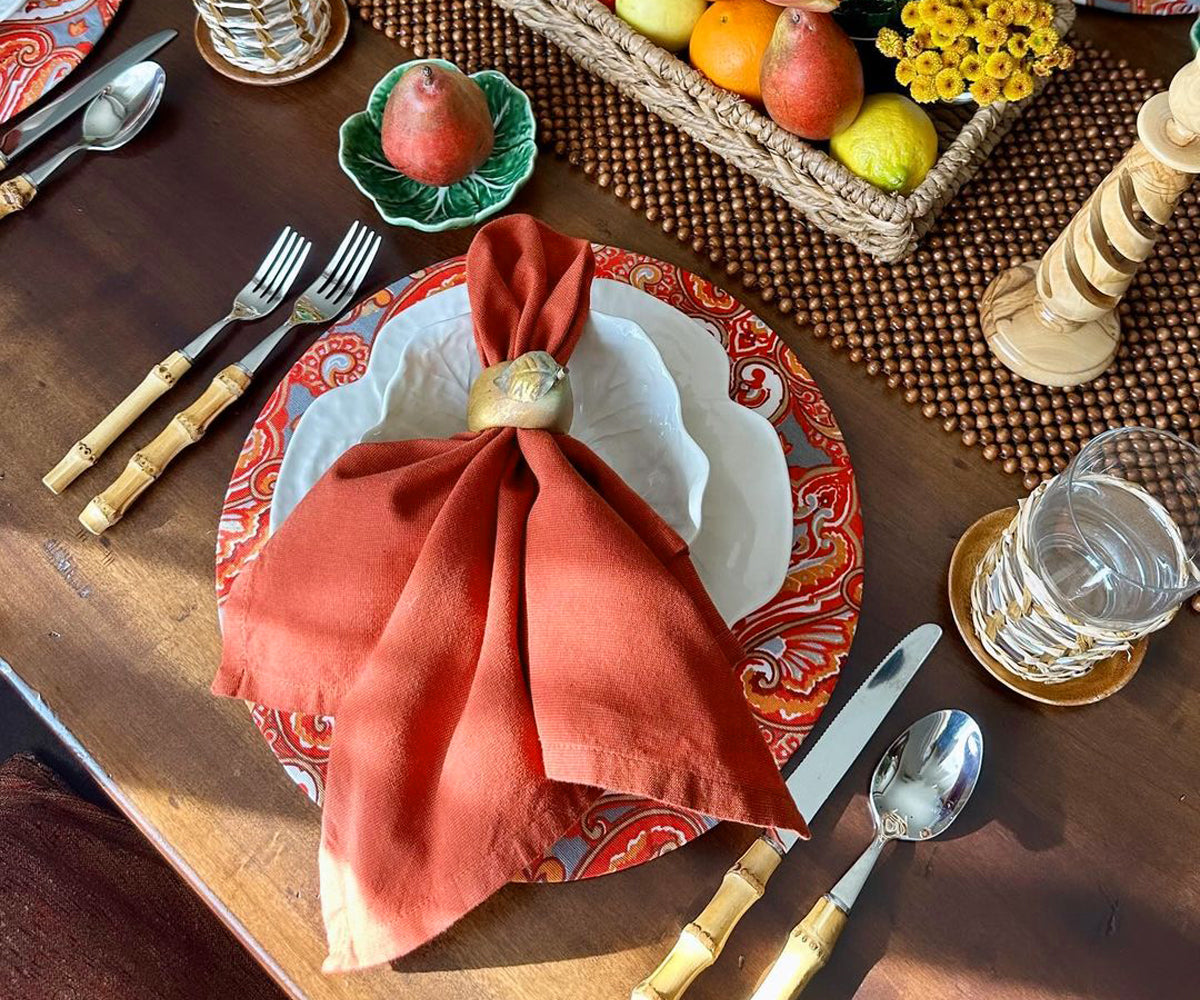
Color direction in 2026 stays close to nature. Warm whites, sand, stone, olive green, and dusty terracotta are the tones dominating linen napkin collections. These shades pair easily with wood tabletops, ceramic dinnerware, and rattan placemats. Unlike bold or printed options, neutral linen napkins do not compete with food presentation.
Pattern-wise, less is clearly more. Thin tonal stripes, small-scale checks, and minimal embroidery are the details people are drawn to. They add just enough visual interest to keep a table from looking flat, without making the setup feel cluttered. A clean, considered look is the goal, and understated patterns deliver exactly that.
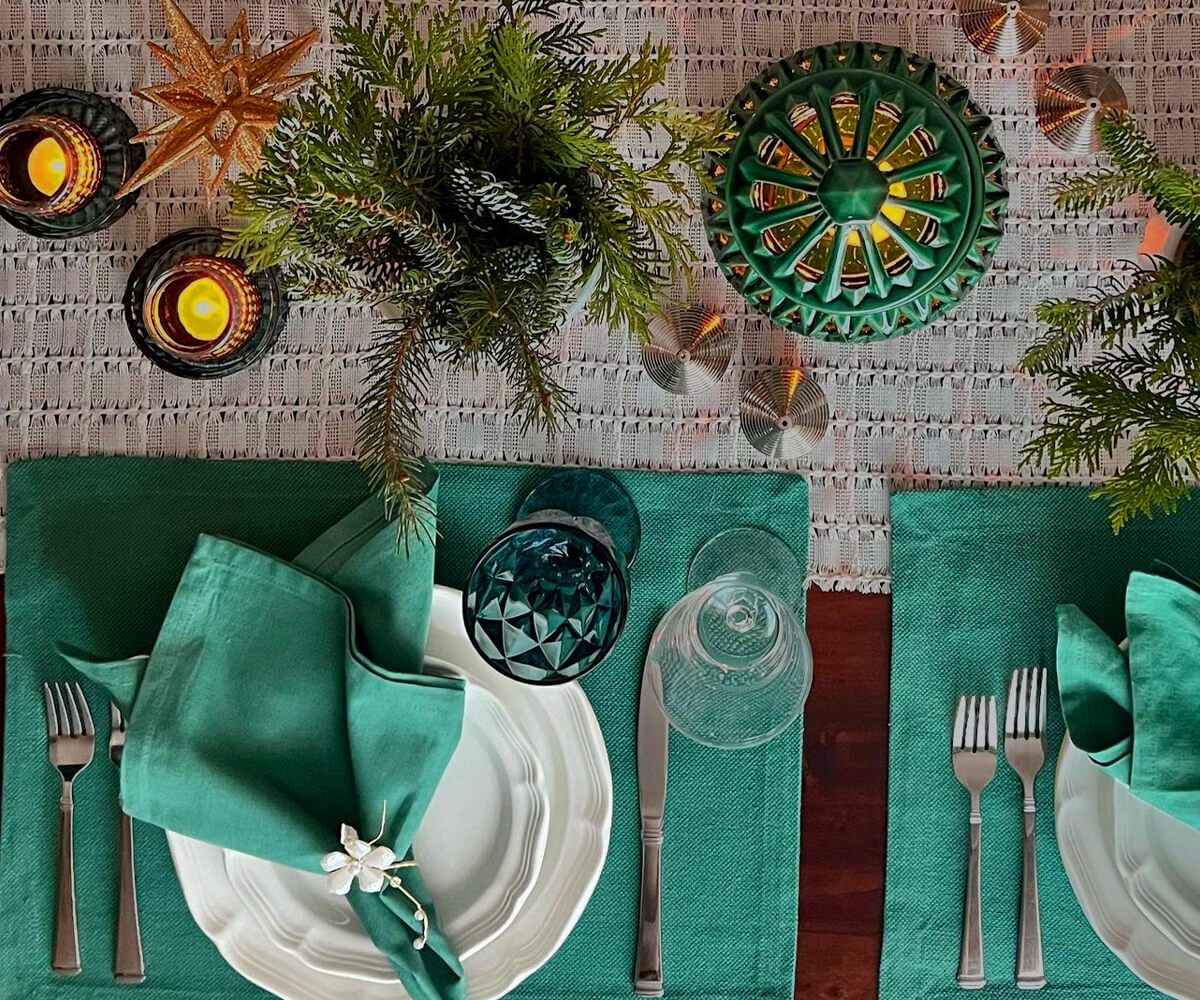
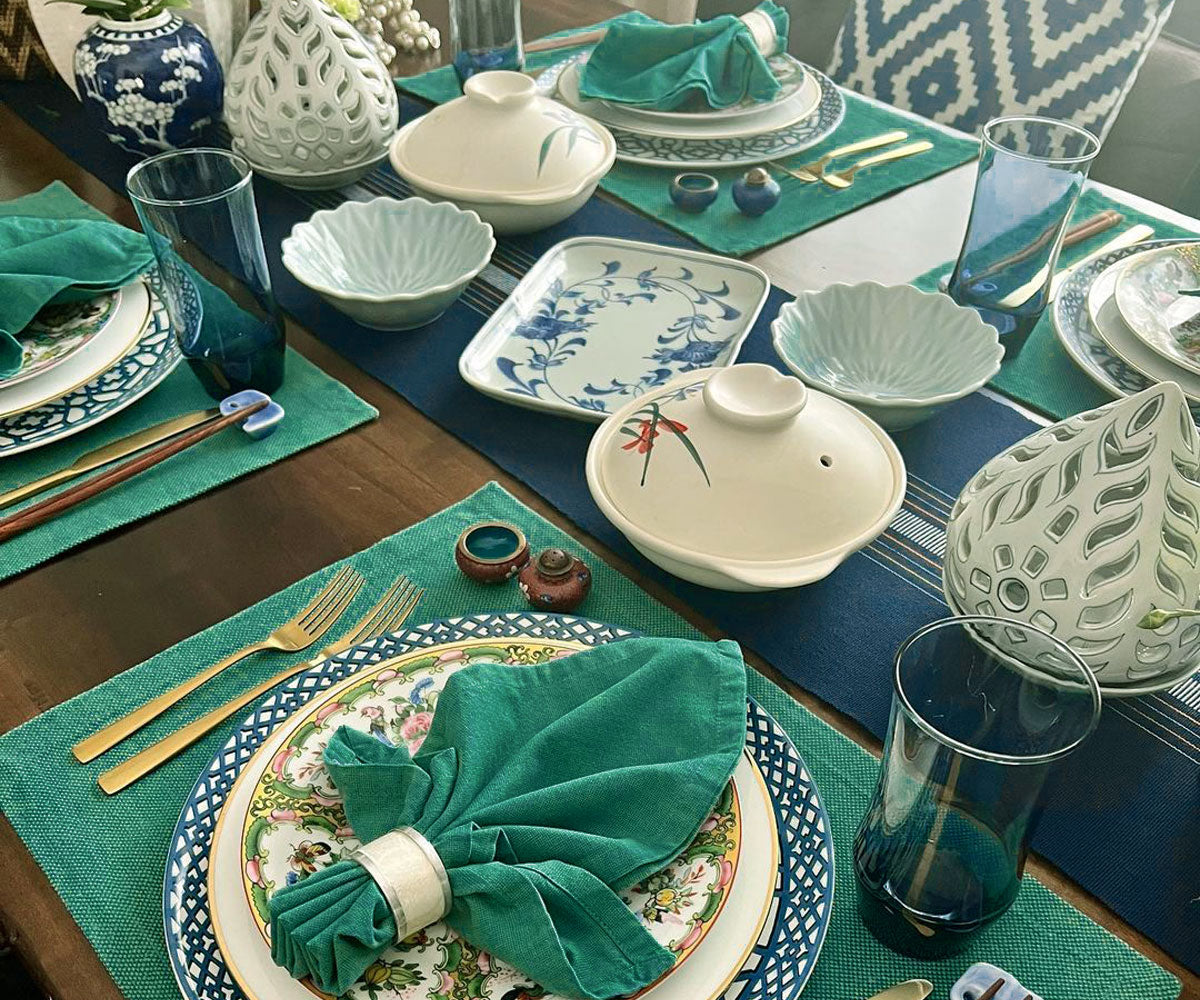
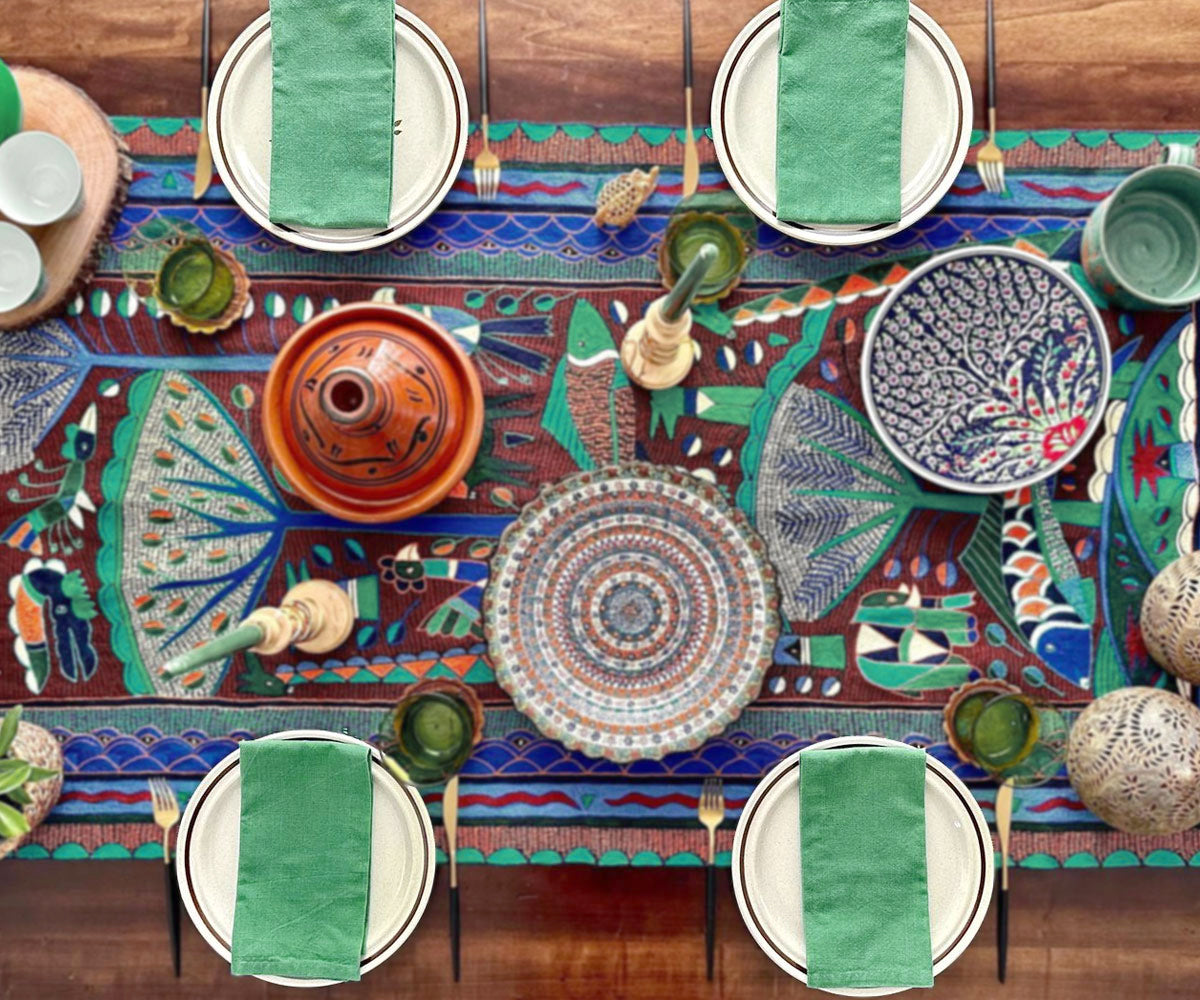
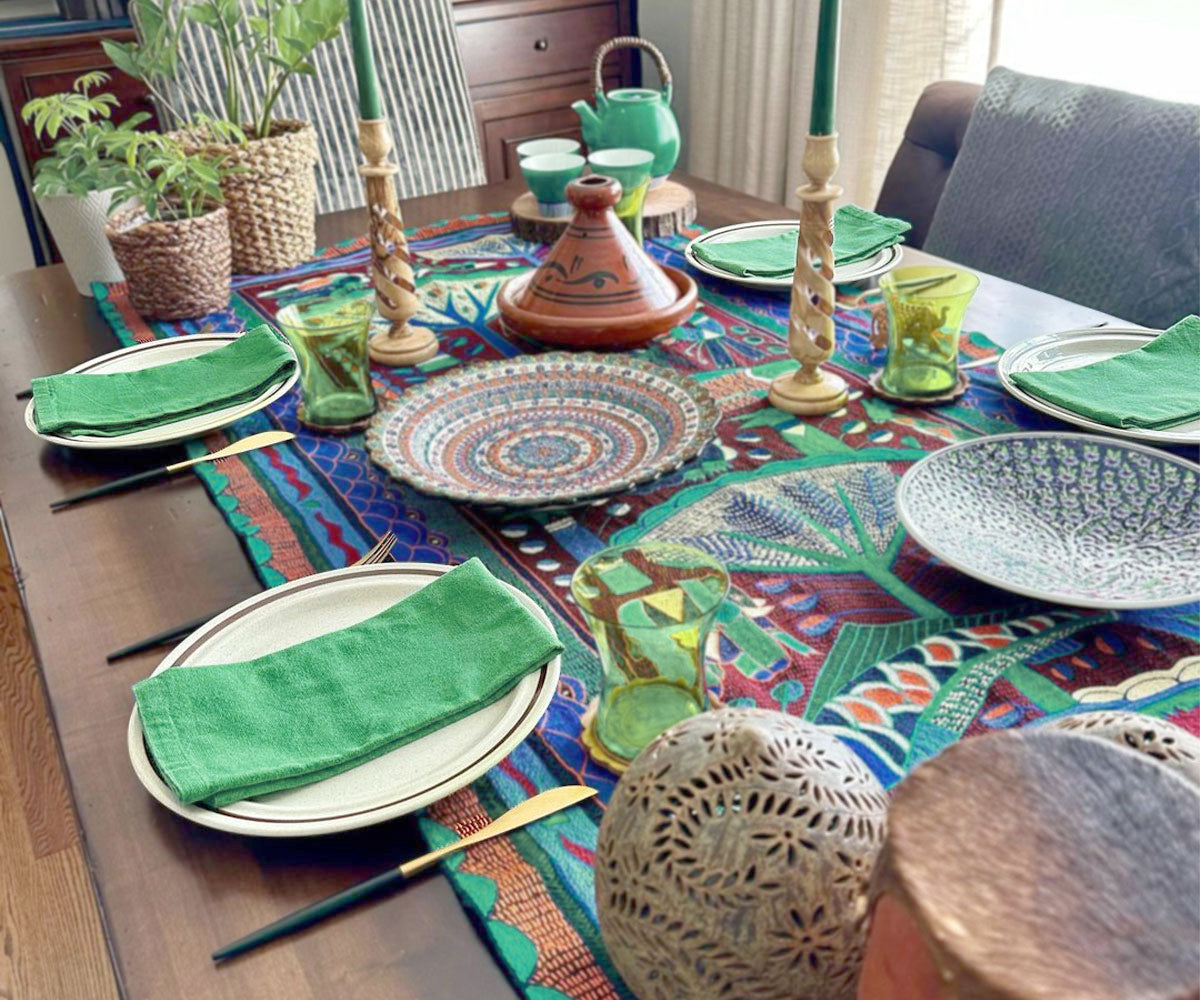
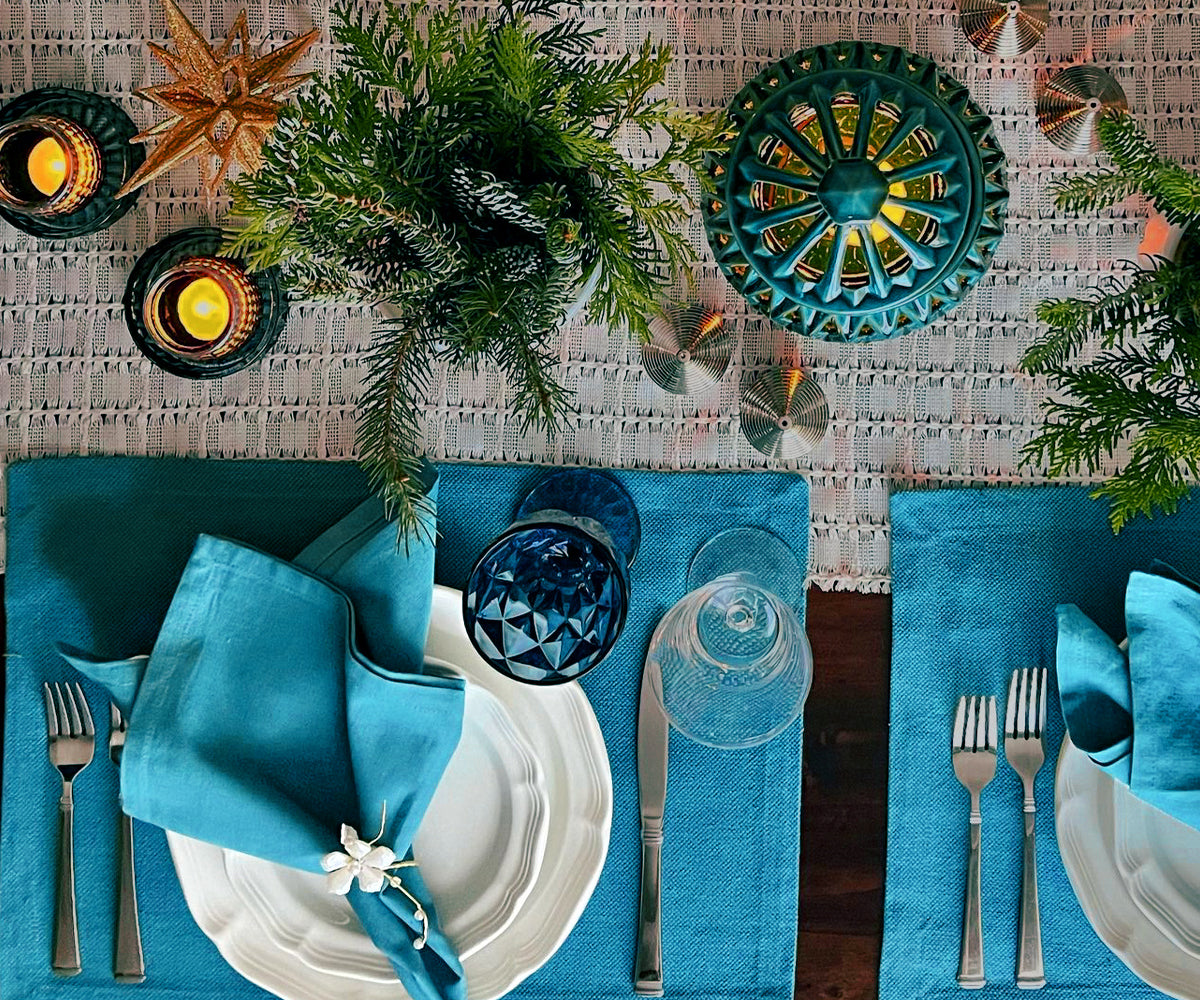
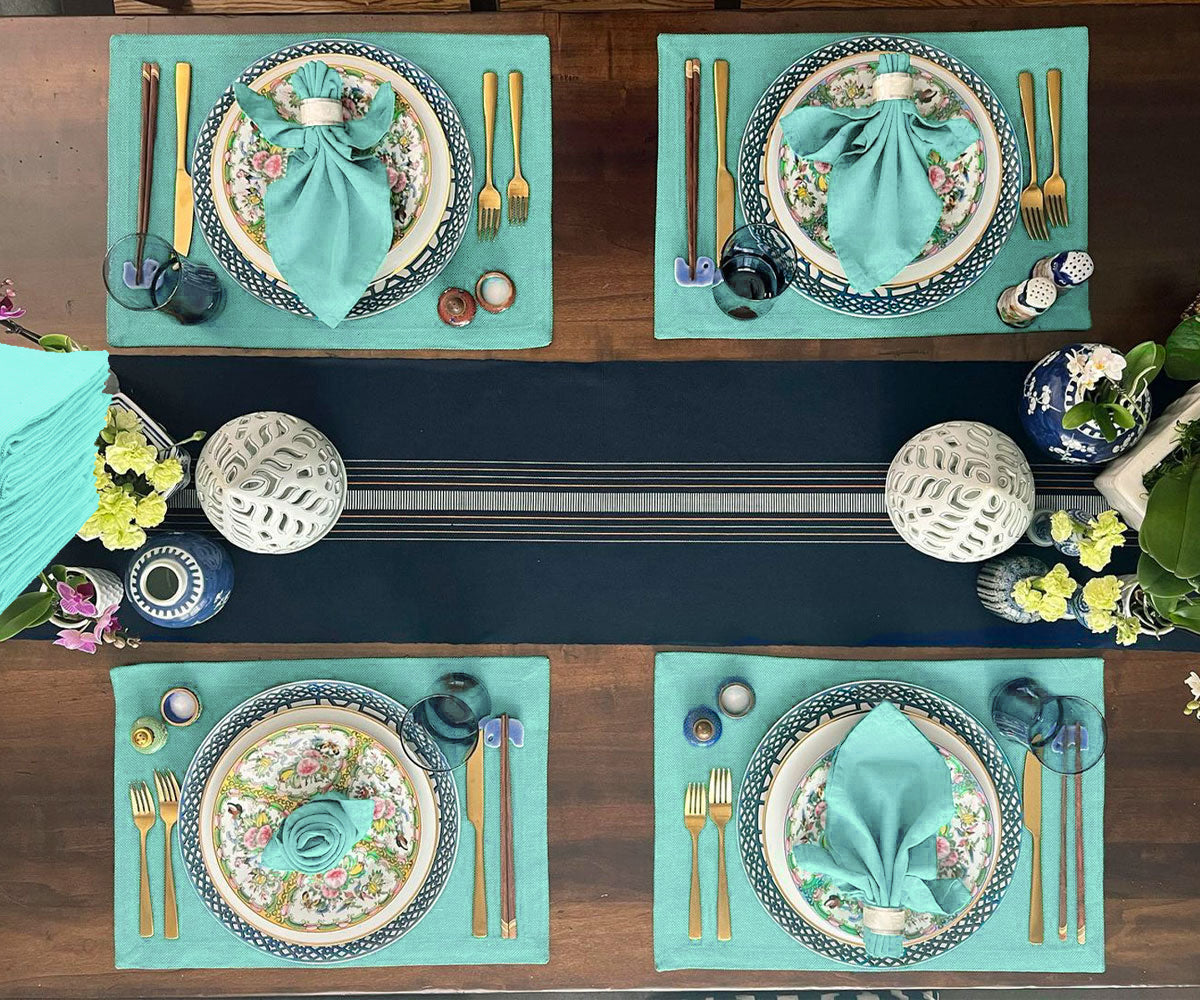
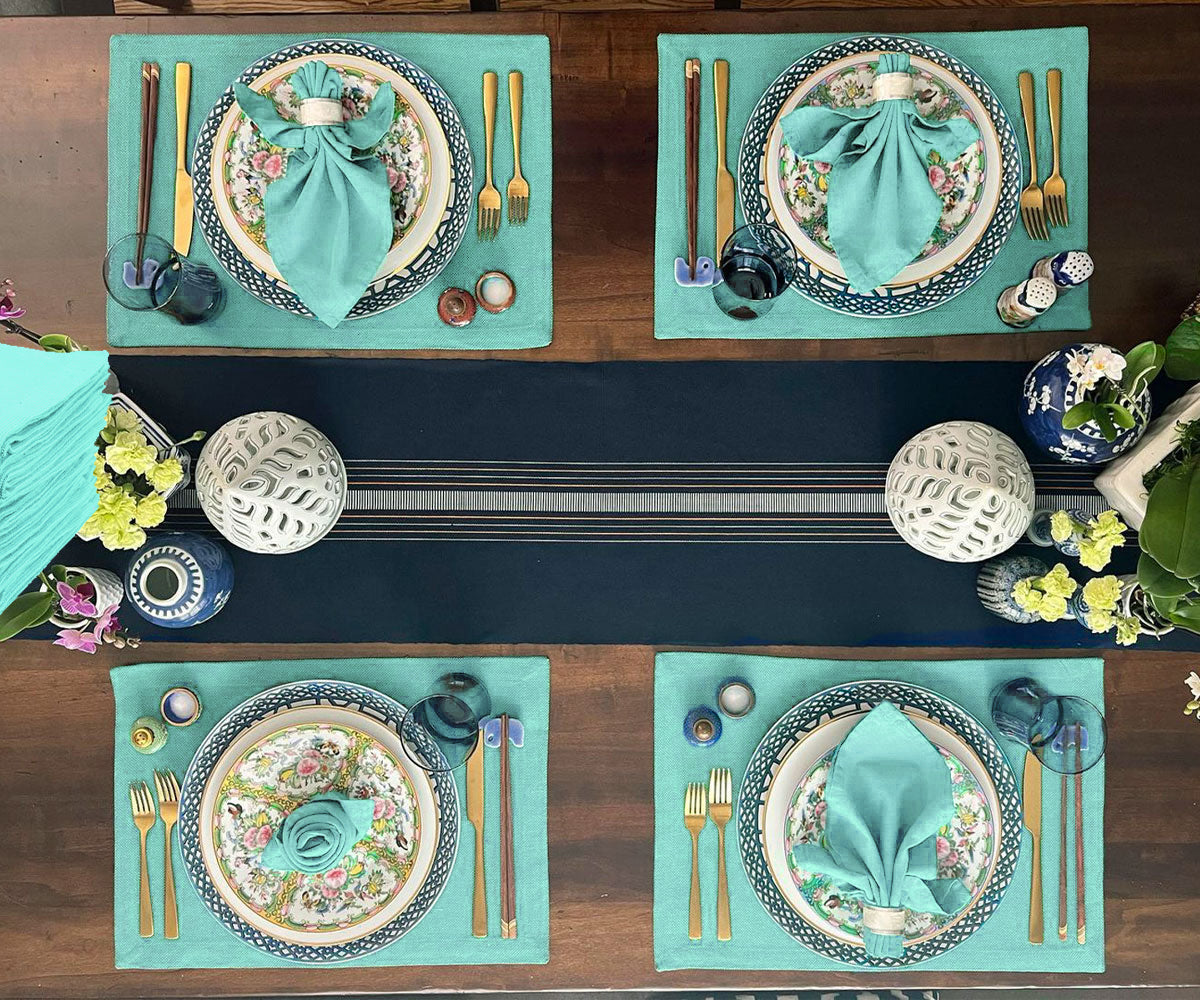
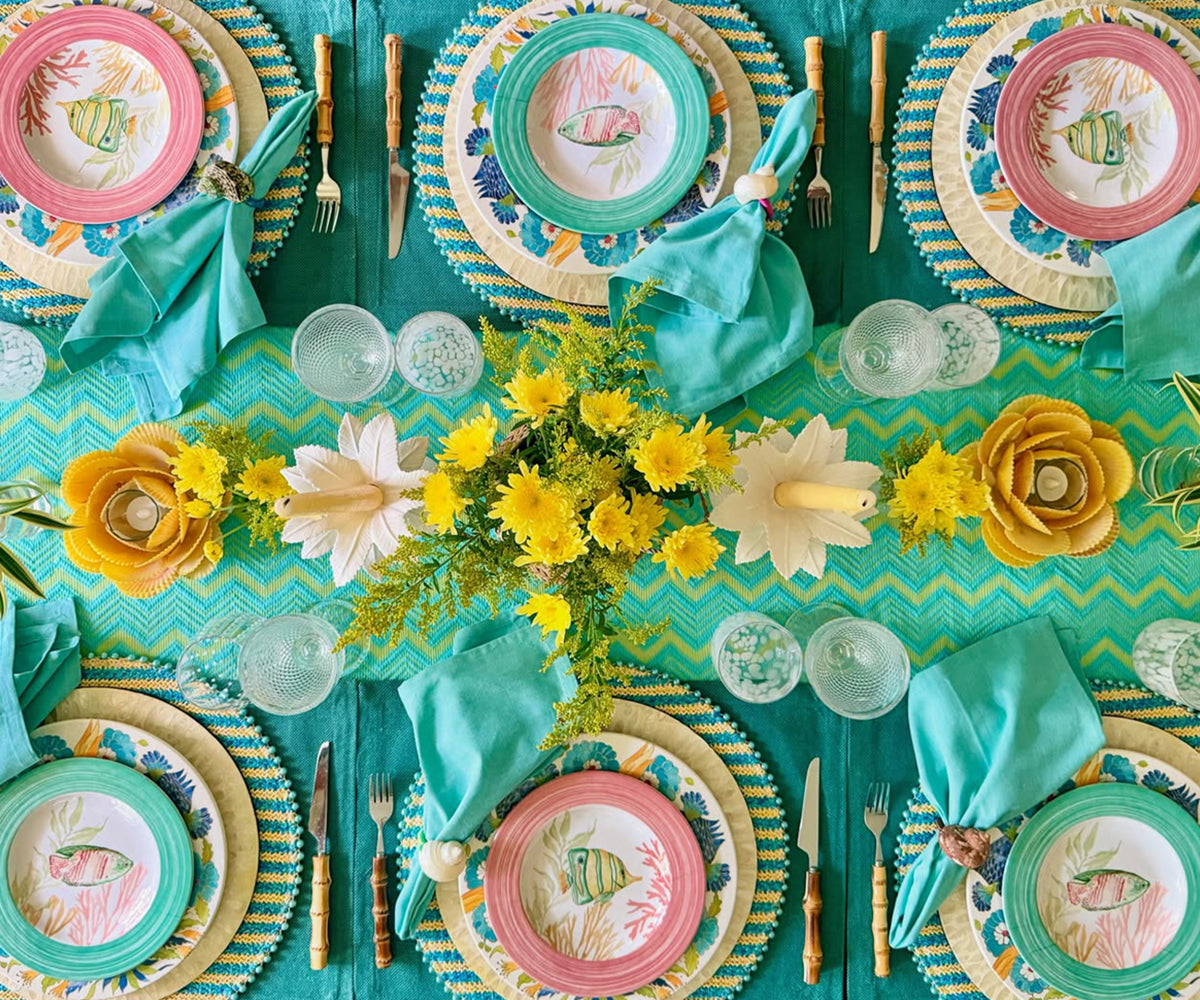
Layering is another strong trend. Pairing linen napkins with a table runner and simple placemats is now a standard practice for creating a put-together table. This approach builds depth and visual balance without requiring much effort or expense.
Read On: Paper Napkins vs. Cloth Napkins: Which is More Sustainable?
Best Linen Napkins for Daily Use and Special Occasions
The best linen napkins are the ones you actually reach for every day. That means they need to be soft enough to use comfortably, sturdy enough to hold up to regular washing, and easy enough to fold and store without fuss.
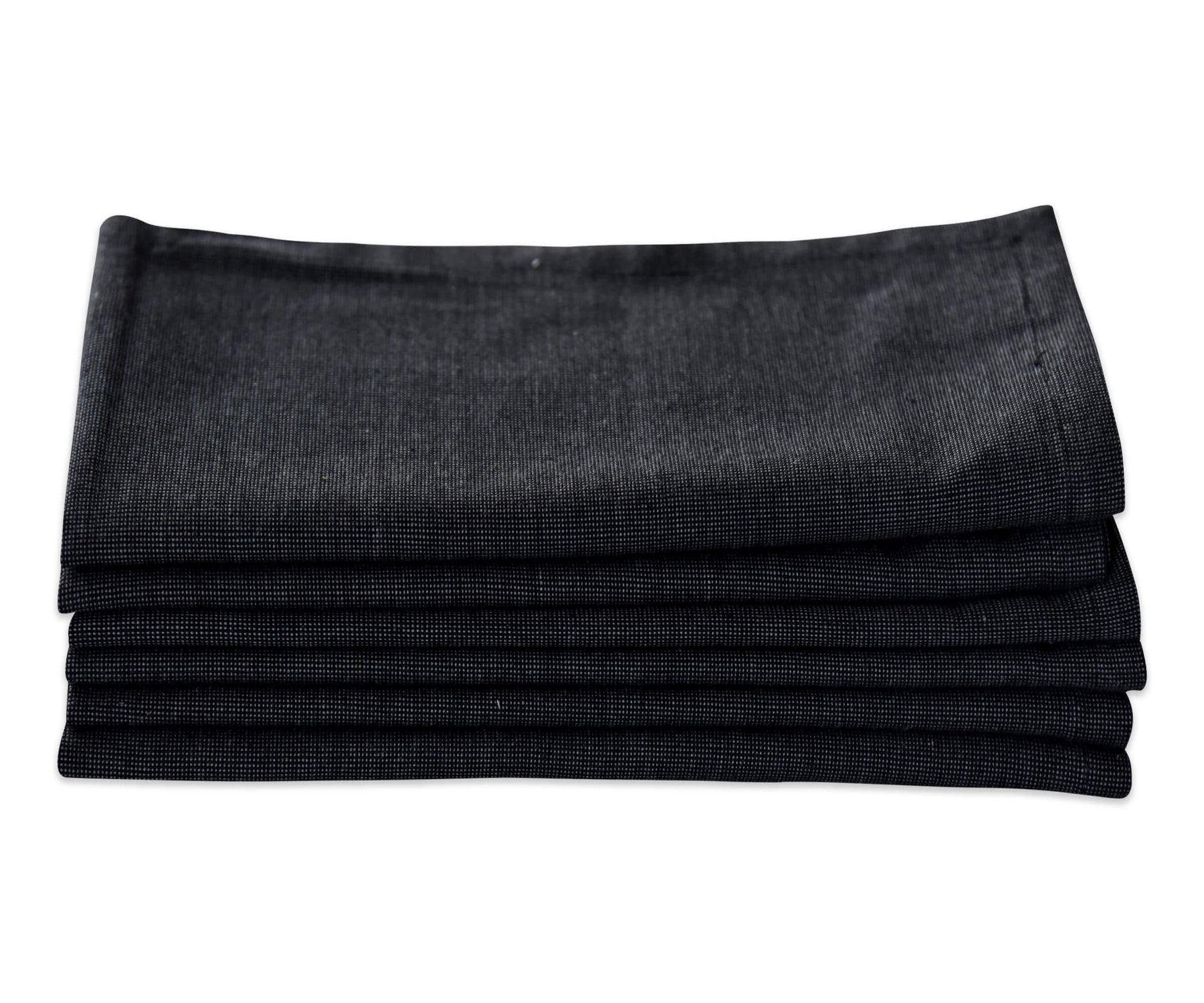
Medium-weight linen is the most versatile choice. It holds its shape during use, folds cleanly, and does not feel stiff or papery. Linen naturally absorbs moisture and releases it quickly, which makes napkins dry fast after washing. This fast-drying quality is one of the main reasons linen outperforms cotton in high-use settings.
Cotton linen blends napkins are a popular option for households that want a softer hand feel. These blends keep the durability of linen while adding the smoothness of cotton, making them a practical choice for families with young children or frequent entertaining.
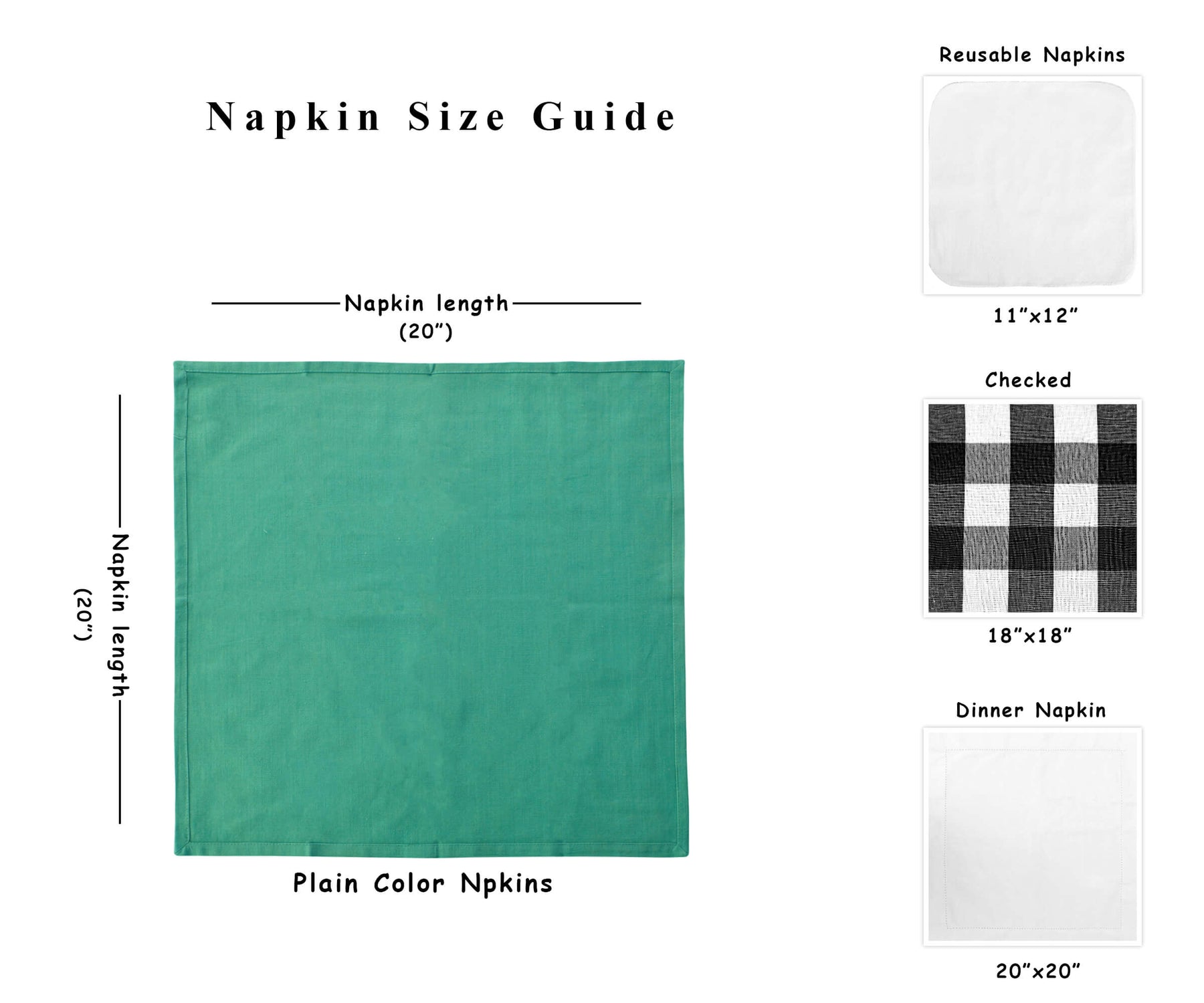
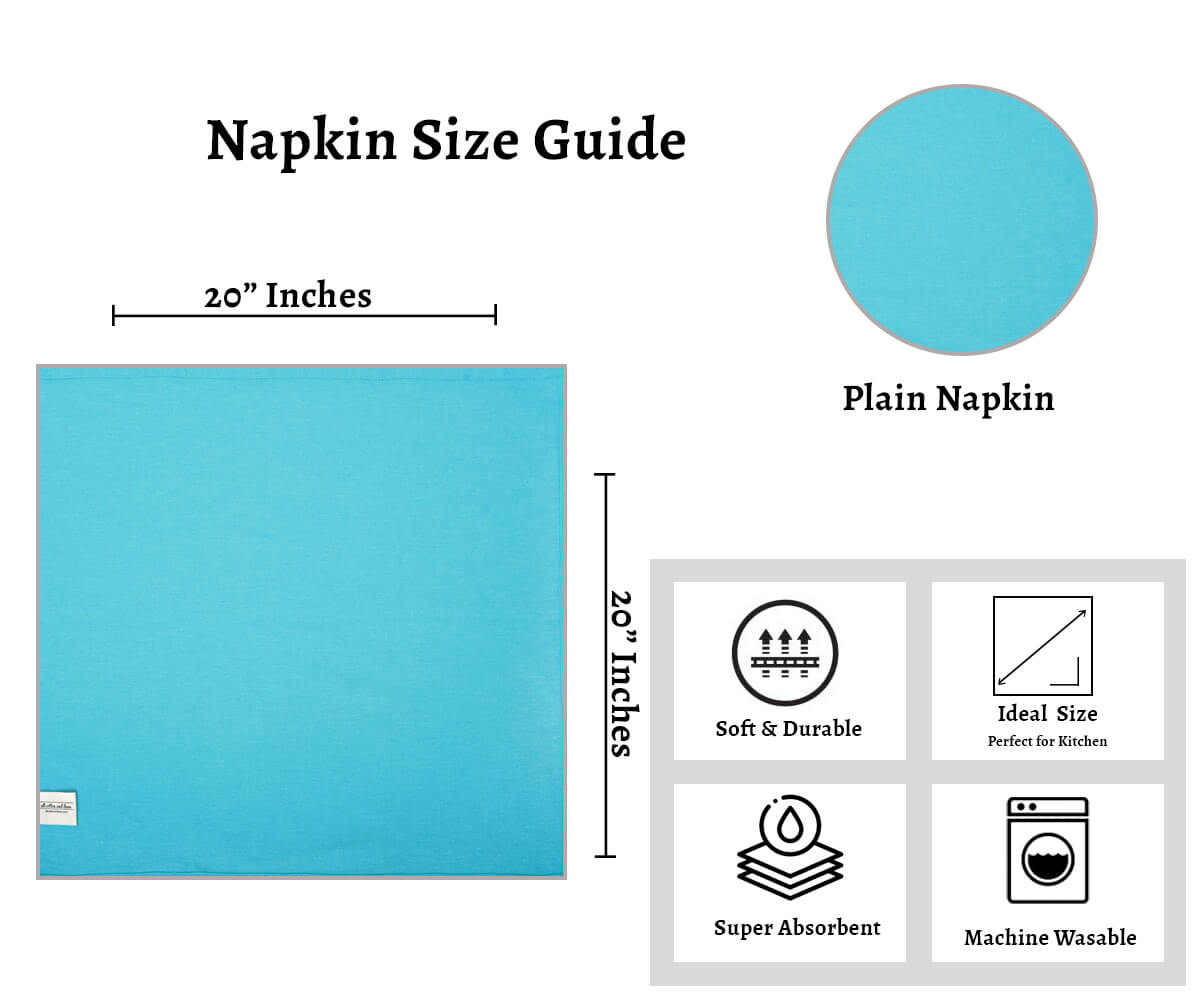
Size matters more than most people realize. A standard dinner napkin, around 18 by 18 inches, covers the lap properly and folds into a range of shapes. Smaller cocktail napkins and larger oversized napkins each serve specific purposes, but are less flexible for everyday use.
Reusable Cloth Napkins and Sustainable Table Linens
The growing interest in reusable cloth napkins is directly connected to a wider shift in how people think about their kitchens and dining habits. Single-use paper napkins are convenient, but over time, the cost and waste add up. Linen napkins solve both problems. A good set lasts for years, often a decade or more, with basic care.
Linen fibers are naturally strong. They do not pill, weaken with washing, or lose their shape the way some cotton napkins do. Over time, the fabric actually softens, which means a set of linen napkins bought this year will feel even nicer five years from now.
For anyone focused on sustainable table linens, linen is also one of the most responsibly produced fabrics. The flax plant used to make linen requires very little water and no pesticides when grown in its natural conditions. This makes linen a genuinely low-impact choice compared to many other textiles.
Reusable linen napkins also raise the everyday dining experience. There is something satisfying about sitting down at a table that is thoughtfully set, even on a Tuesday evening. Swapping paper for cloth is one of the simplest upgrades a household can make.
Know About: What Makes Linen So Exceptional? How to Care for Your Linen Fabrics
Types of Linen Napkins
|
Type of Linen Napkin |
Best Use |
Key Feature |
|
Plain linen napkins |
Everyday dining and simple setups |
Versatile, matches any |
|
Plain linen napkins |
Everyday dining and simple setups |
Versatile, matches any table style |
|
Striped linen napkins |
Modern casual styling |
Adds subtle visual interest |
|
Embroidered linen napkins |
Decorative gatherings |
Handcrafted detail and texture |
|
Hemstitched linen napkins |
Structured table settings |
Clean, precise border finish |
|
Ruffled linen napkins |
Relaxed dining |
Soft decorative edge |
|
Checked linen napkins |
Casual family meals |
Relaxed pattern, easy care |
|
Wedding linen napkins |
Events and large gatherings |
Uniform presentation, reusable |
Plain Linen Napkins

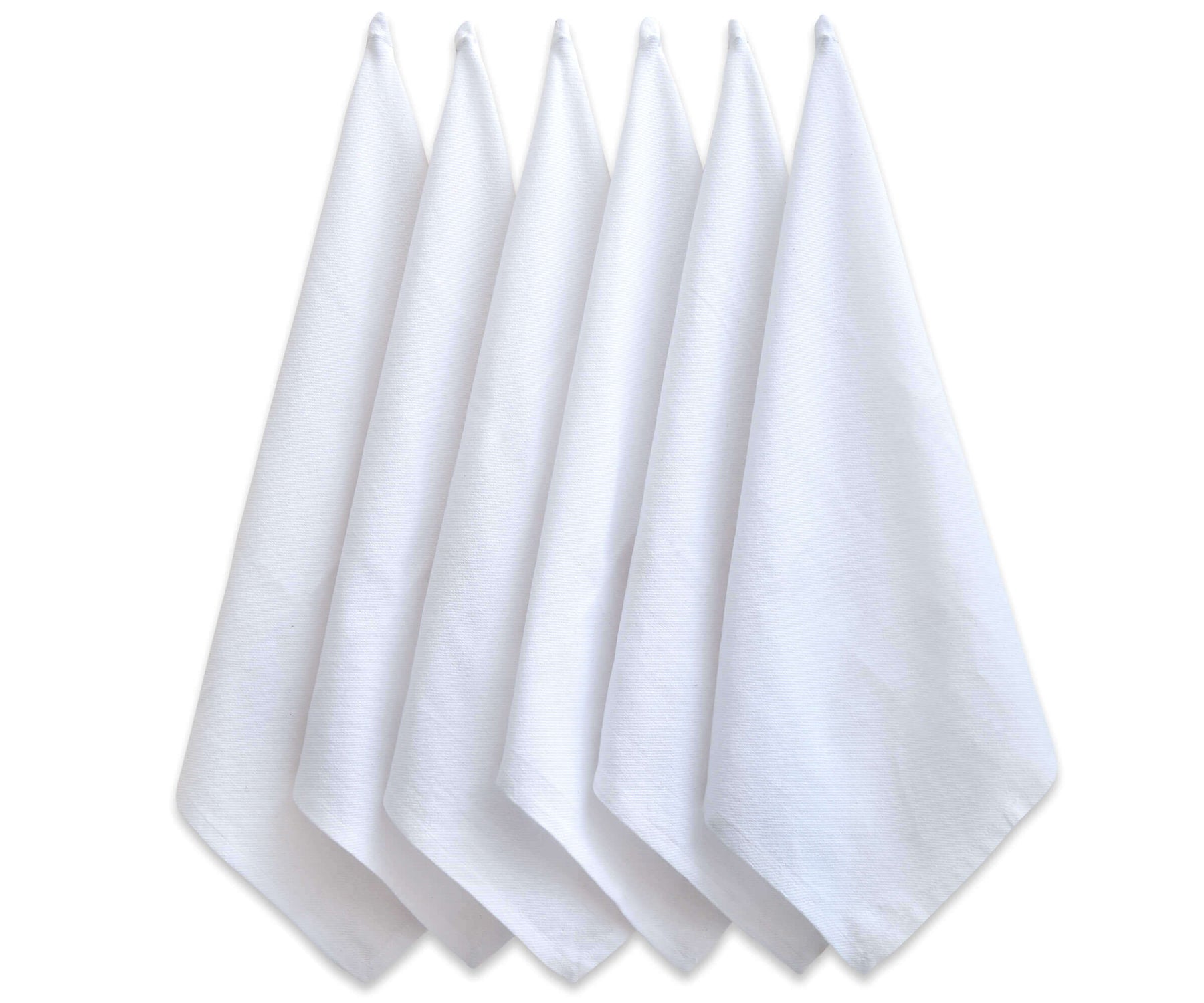
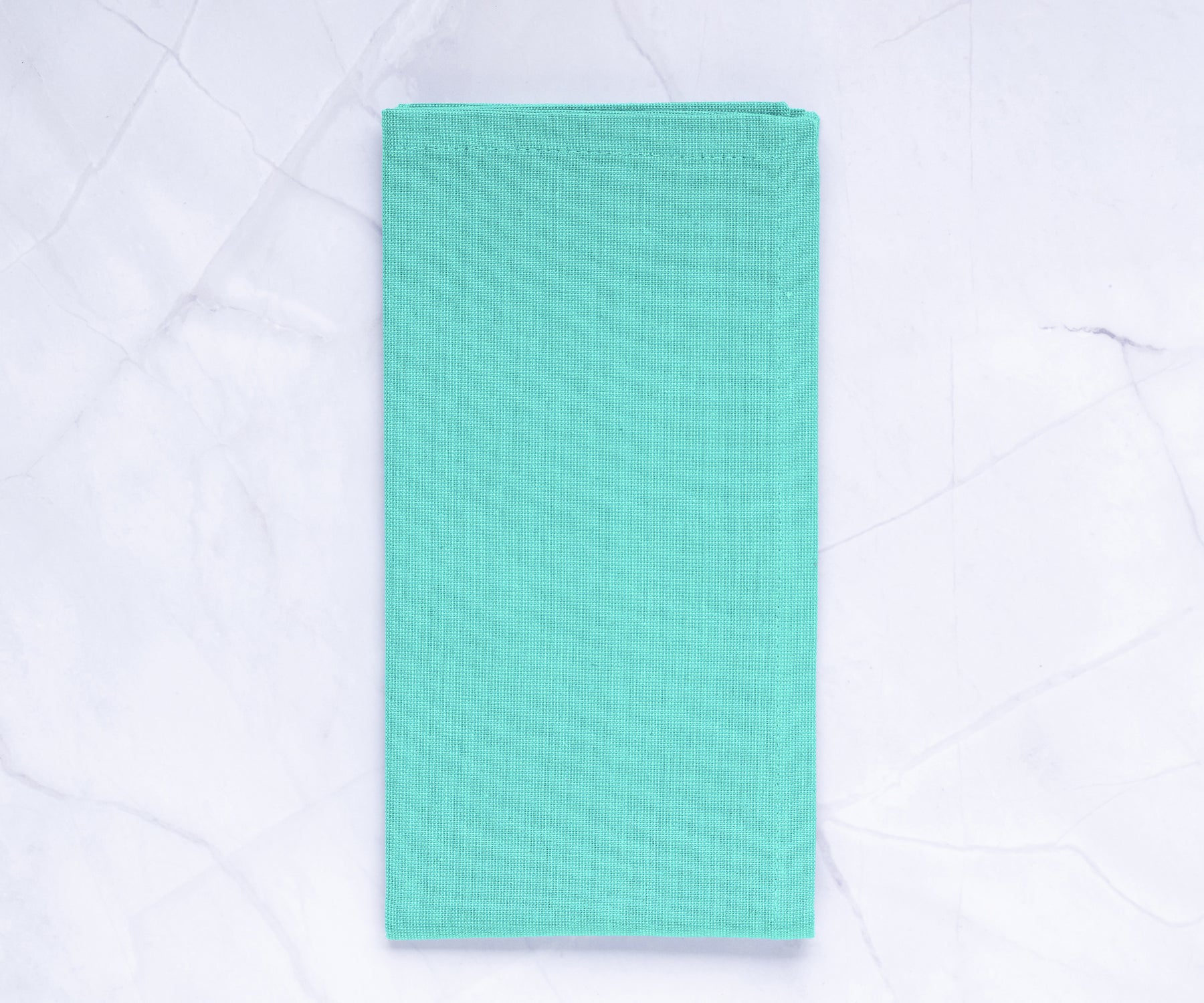
Plain linen napkins are the most widely used option across kitchens and dining rooms. Their clean, unfussy surface works across every table setting, from a simple breakfast plate to a carefully arranged dinner. Available in a full range of neutral colors, they are easy to mix with existing tablecloths, runners, and tableware. For households that want one set of napkins that covers all situations, plain linen is the dependable answer.
Striped Linen Napkins

Striped linen napkins bring a relaxed personality to the table without overwhelming the setting. Thin stripes in tonal or contrasting colors add dimension and make a table feel intentional.
These work particularly well for outdoor dining, weekend brunches, and casual family meals. They pair easily with plain white or off-white tablecloths, letting the stripe carry just enough visual interest.
Embroidered Linen Napkins

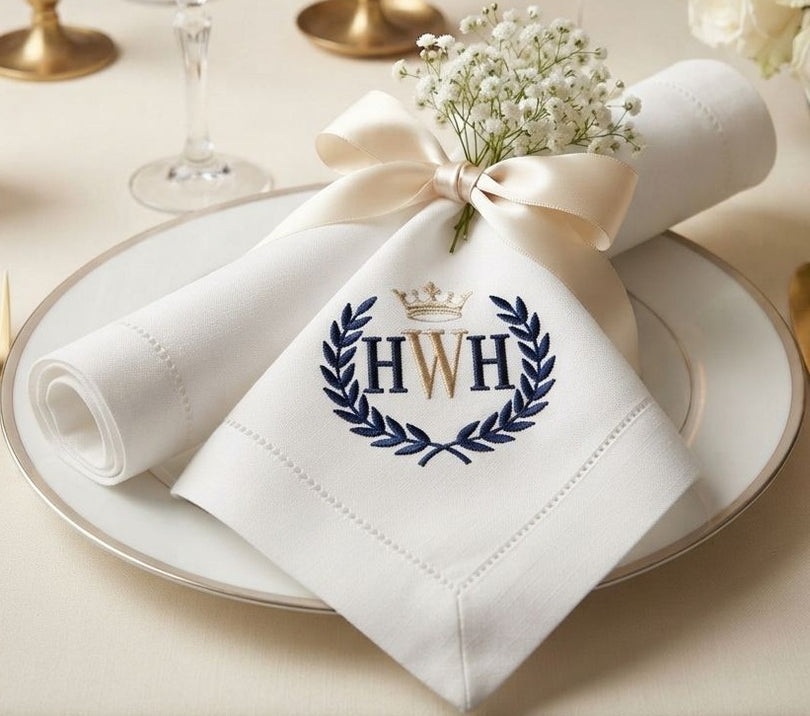
Embroidered linen napkins are chosen when a table setting needs a decorative detail. A small monogram at the corner, a minimal floral motif, or simple geometric stitching adds texture and a handcrafted quality that plain napkins cannot offer.
These napkins are a good fit for holiday meals, celebrations, or gatherings where presentation carries extra meaning. Keep the rest of the table setting simple so the embroidery stands out naturally.
Hemstitched Linen Napkins

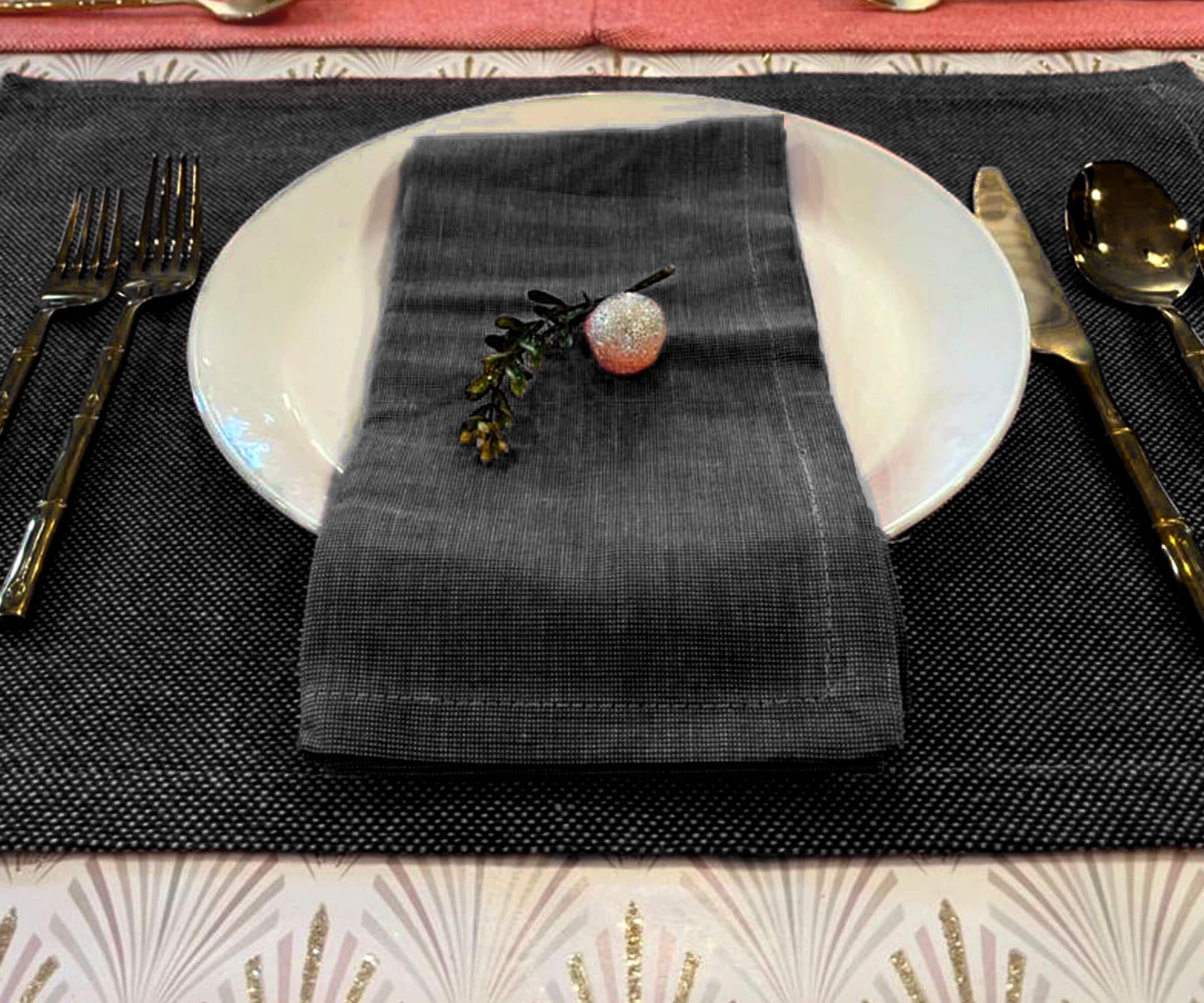
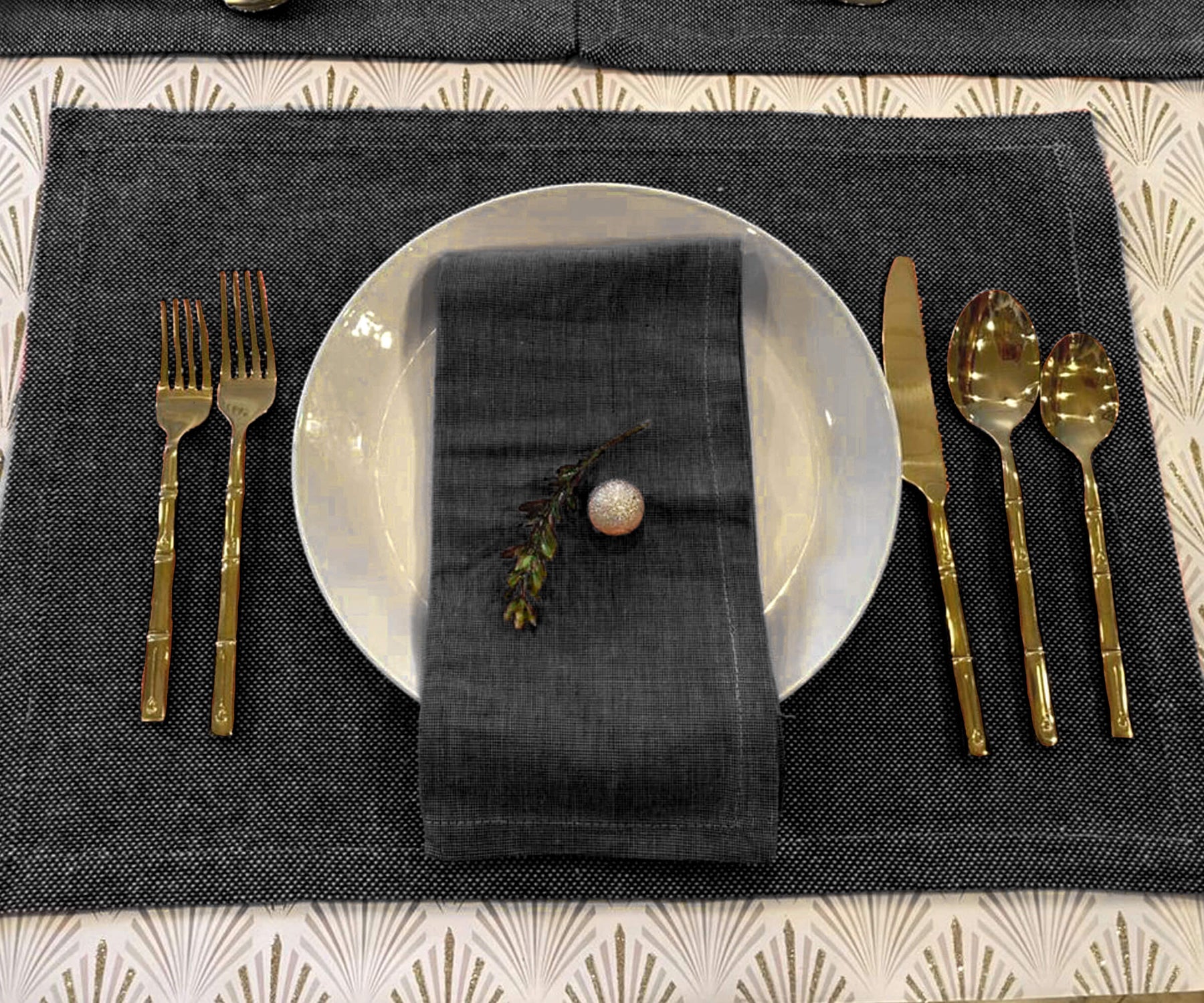
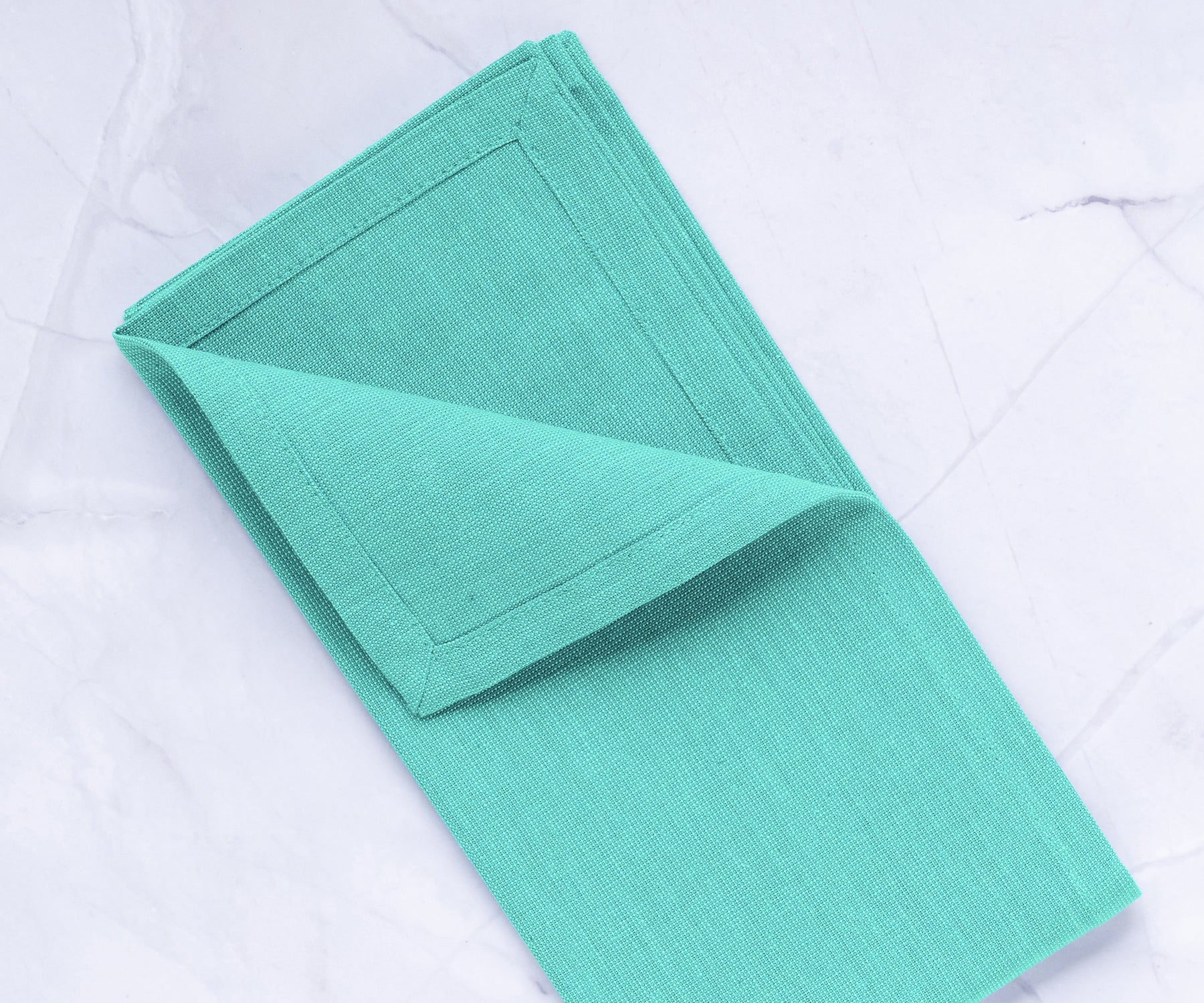
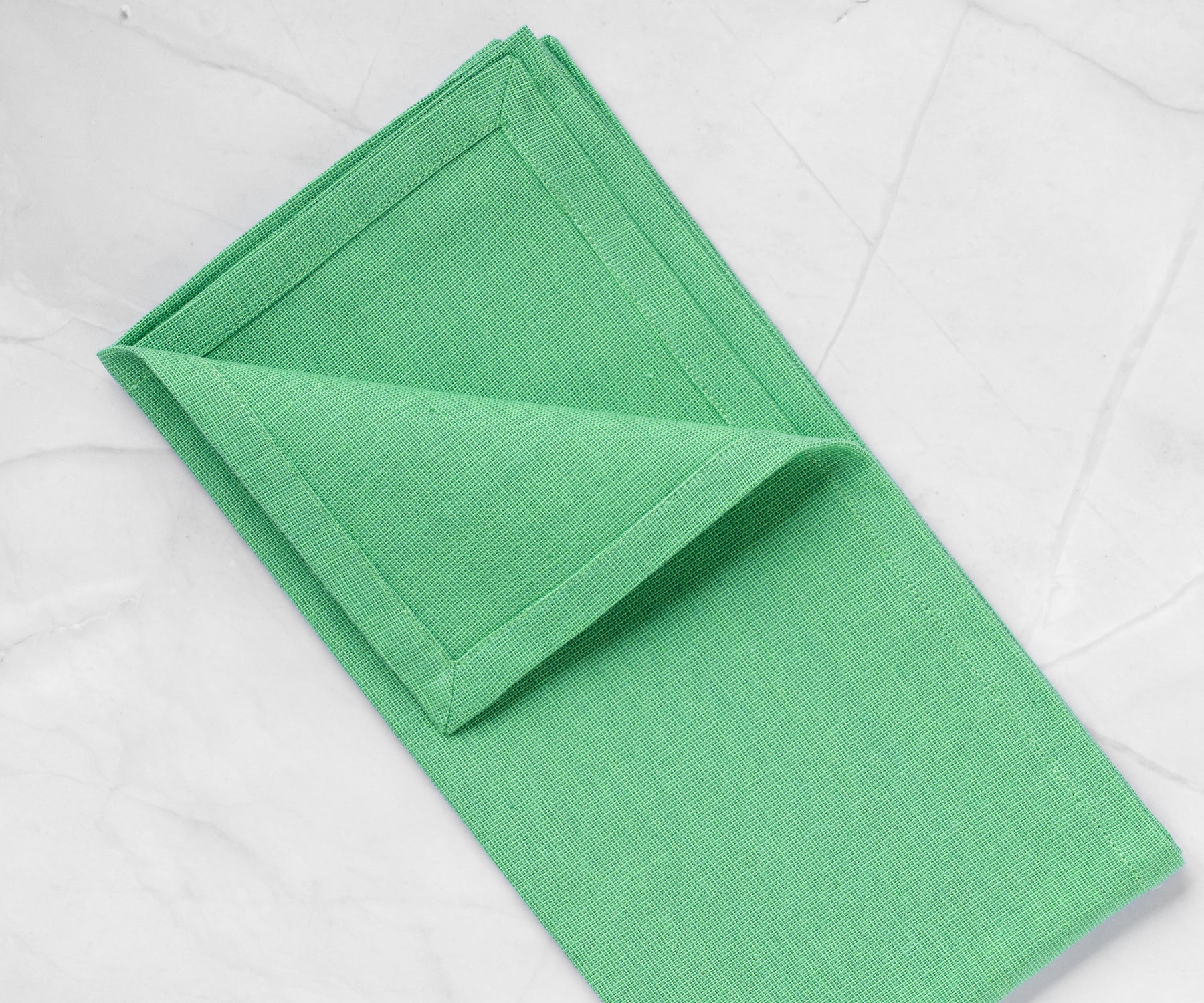
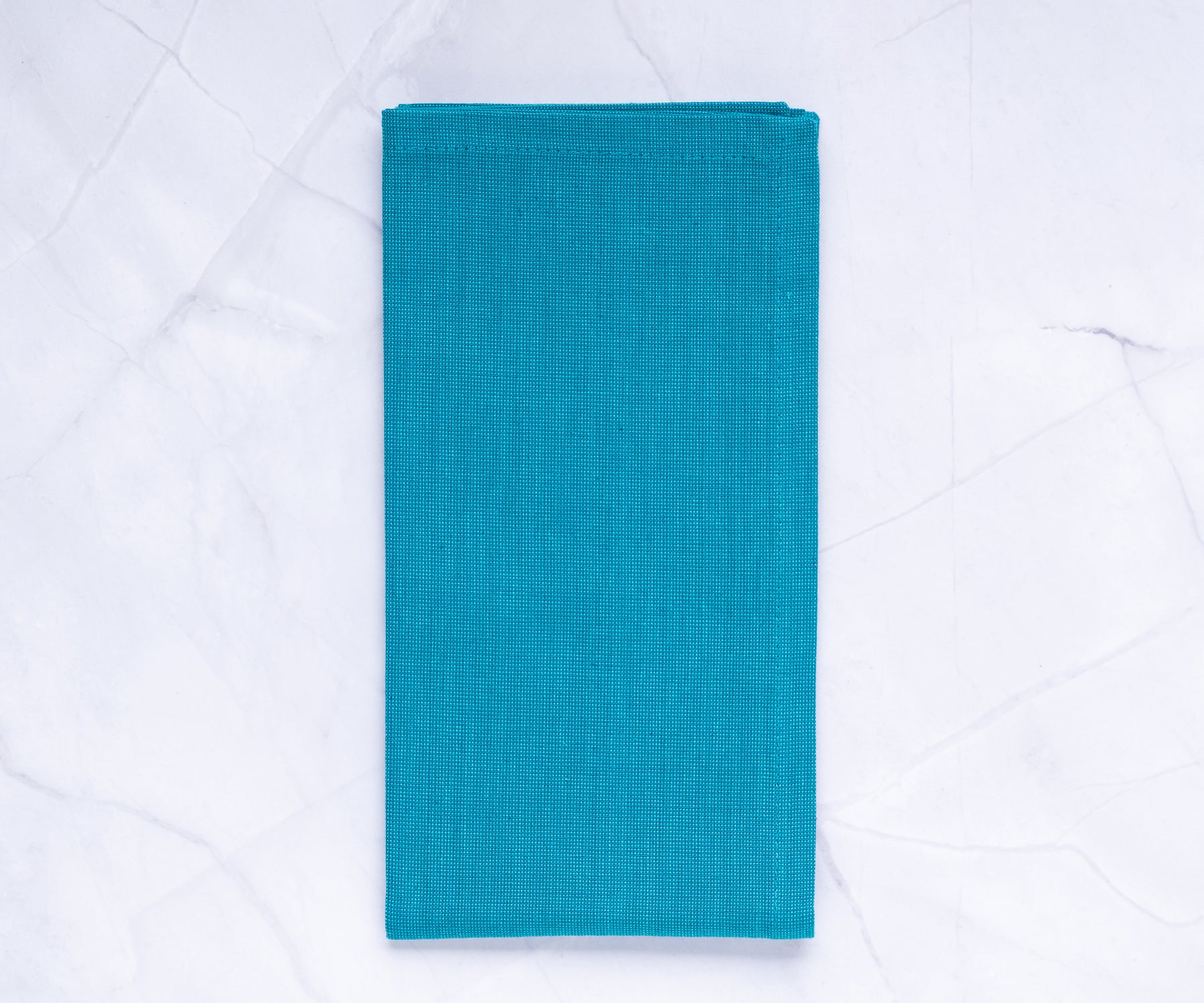
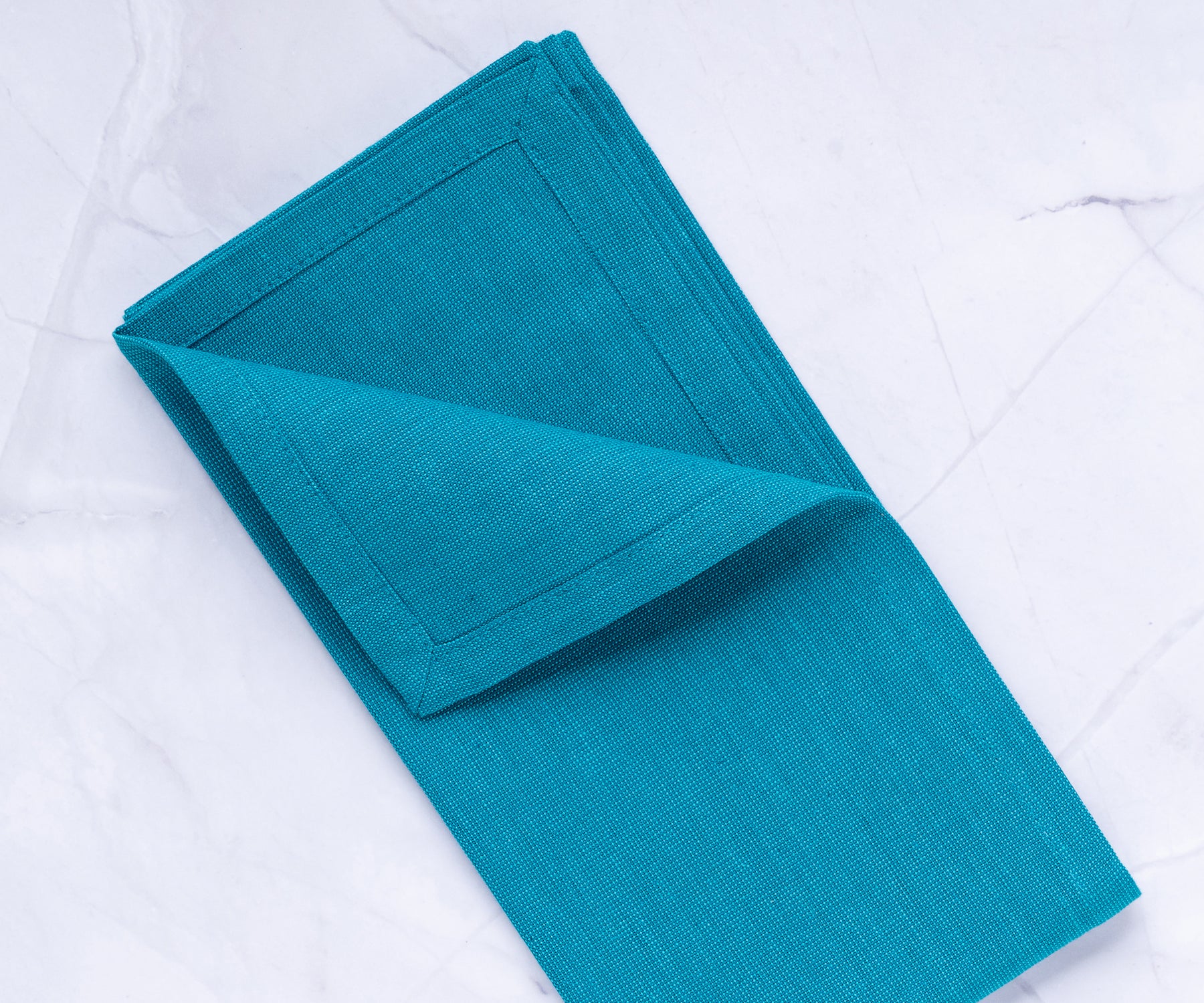
Hemstitched linen napkins are recognized by the drawn threadwork along their edges, which creates a neat, structured border. This finishing detail gives the napkin a precise, clean appearance that suits organized and formal table settings.
They fold sharply and hold their shape well, making them a practical choice for dinners where the table is set in advance. The hemstitch adds refinement without relying on pattern or color.
Ruffle Linen Napkins
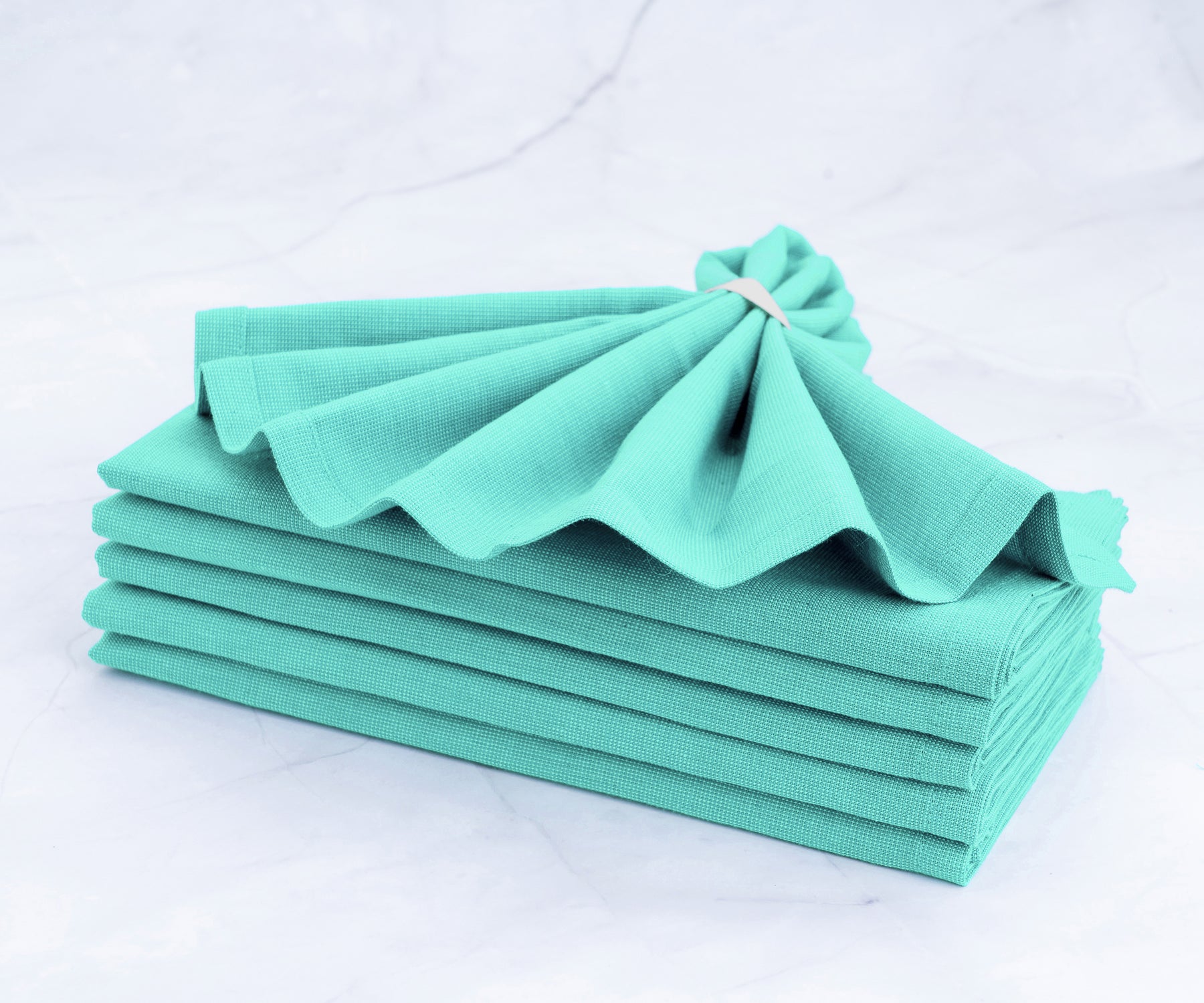
Ruffled linen napkins add a soft, decorative edge that brings warmth and texture to relaxed dining setups. The ruffle is subtle enough not to look overdone, but noticeable enough to distinguish the napkin from a plain option.
These work well for weekend brunches, garden gatherings, and any table setting that aims for a comfortable, inviting feel rather than a formal one.
Checked Linen Napkins

Checked linen napkins, particularly gingham patterns, are a staple of casual dining. The pattern signals a relaxed, friendly atmosphere and suits everyday family meals. Checks are easy to match with wood furniture, woven baskets, and simple ceramic plates.
These napkins are low-maintenance and durable, making them a reliable choice for regular use.
Linen Napkins for Weddings
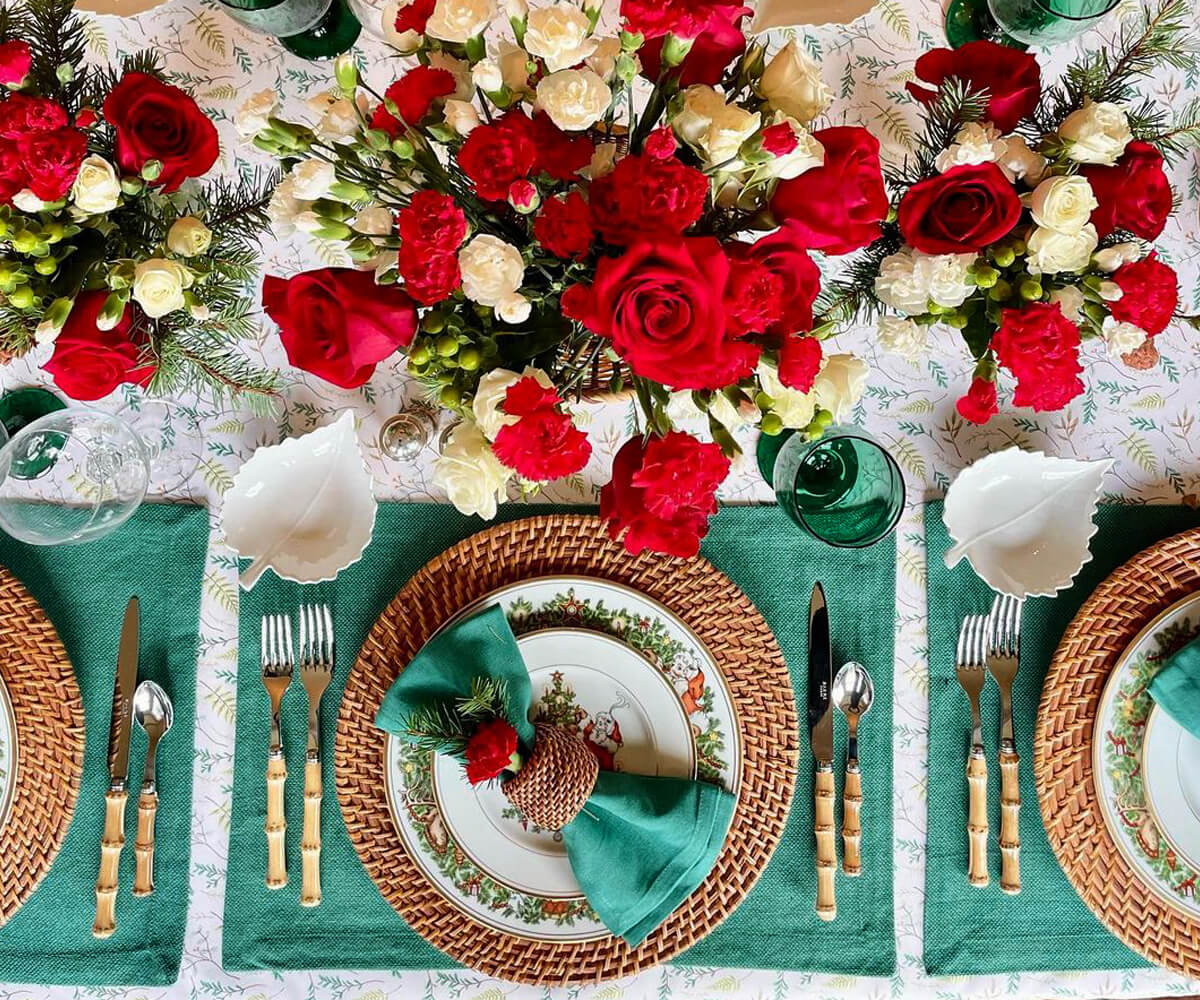
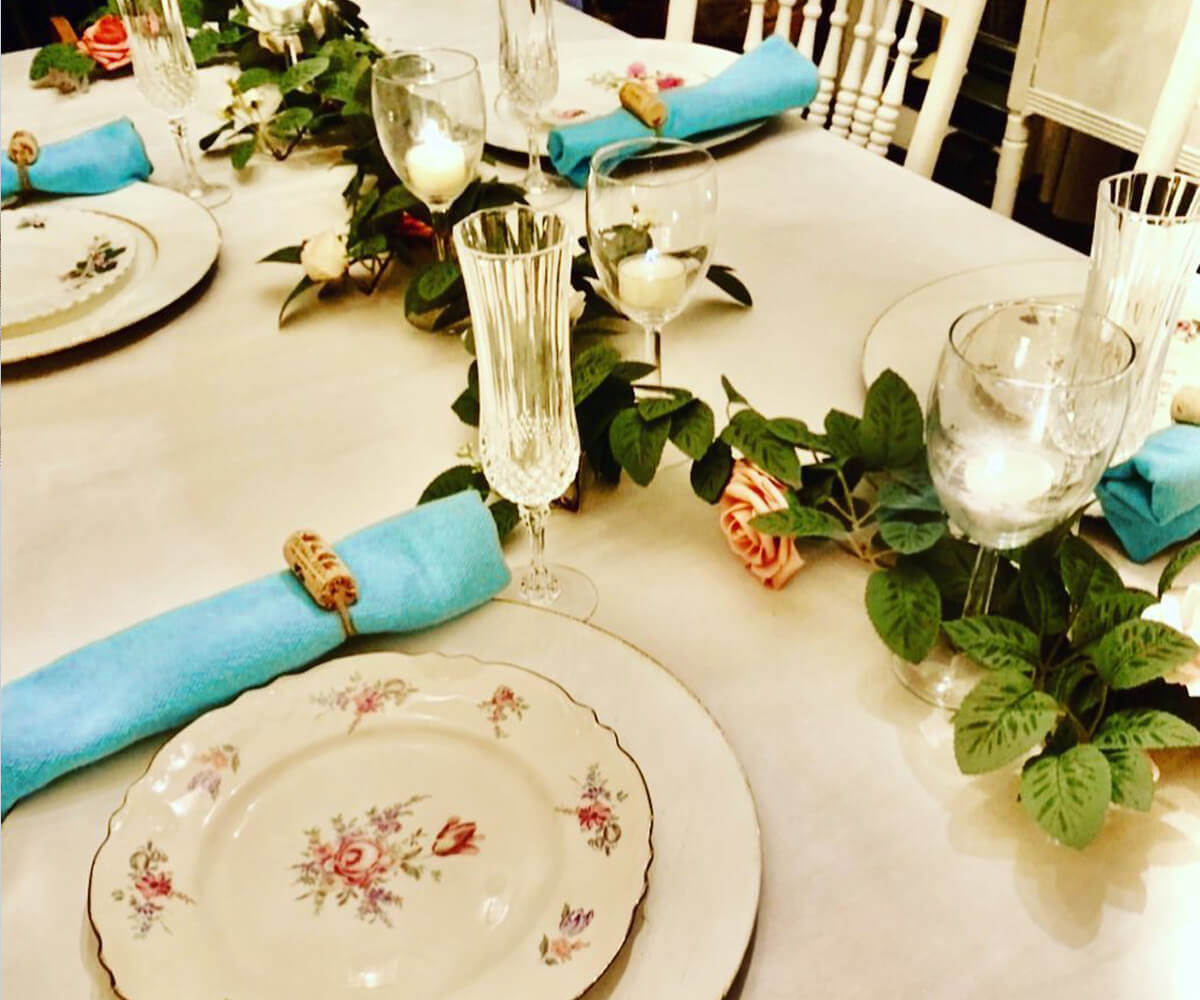
Linen napkins for weddings and large events are most often selected in neutral colors that coordinate easily across many tables. They create a uniform, polished look without drawing attention away from centerpieces or floral arrangements.
Hemstitched or plain napkins in warm white, ivory, or soft grey are popular picks. Since they are reusable, event planners and venues find linen napkins to be a more practical long-term investment than disposable alternatives.
Linen Napkins Benefits Worth Knowing
|
Feature |
Benefit |
|
Reusable fabric |
Reduces household waste over time |
|
Medium-weight material |
Durable and long-lasting through many washes |
|
Soft texture |
Comfortable against skin for daily use |
|
Neutral color range |
Matches different table styles without clashing |
|
Fast drying |
Ready to use again quickly after washing |
|
Improves with washing |
Gets softer while keeping its strength |
Linen napkins are not just a style choice. They come with a set of practical advantages that make them useful in real, daily life. Understanding these benefits helps explain why more households are making the switch from paper to cloth.
The reusability factor deserves particular attention. A household that uses cloth napkins instead of paper significantly reduces the amount of waste generated over a year. When combined with the long lifespan of linen, the practical and environmental case for making the switch becomes hard to argue against.
Modern Table Setting Ideas Using Linen Napkins
A well-set table does not require a lot of items or effort. It mostly requires intention. Linen napkins are one of the most effective tools for creating a table that looks considered without being overdone.
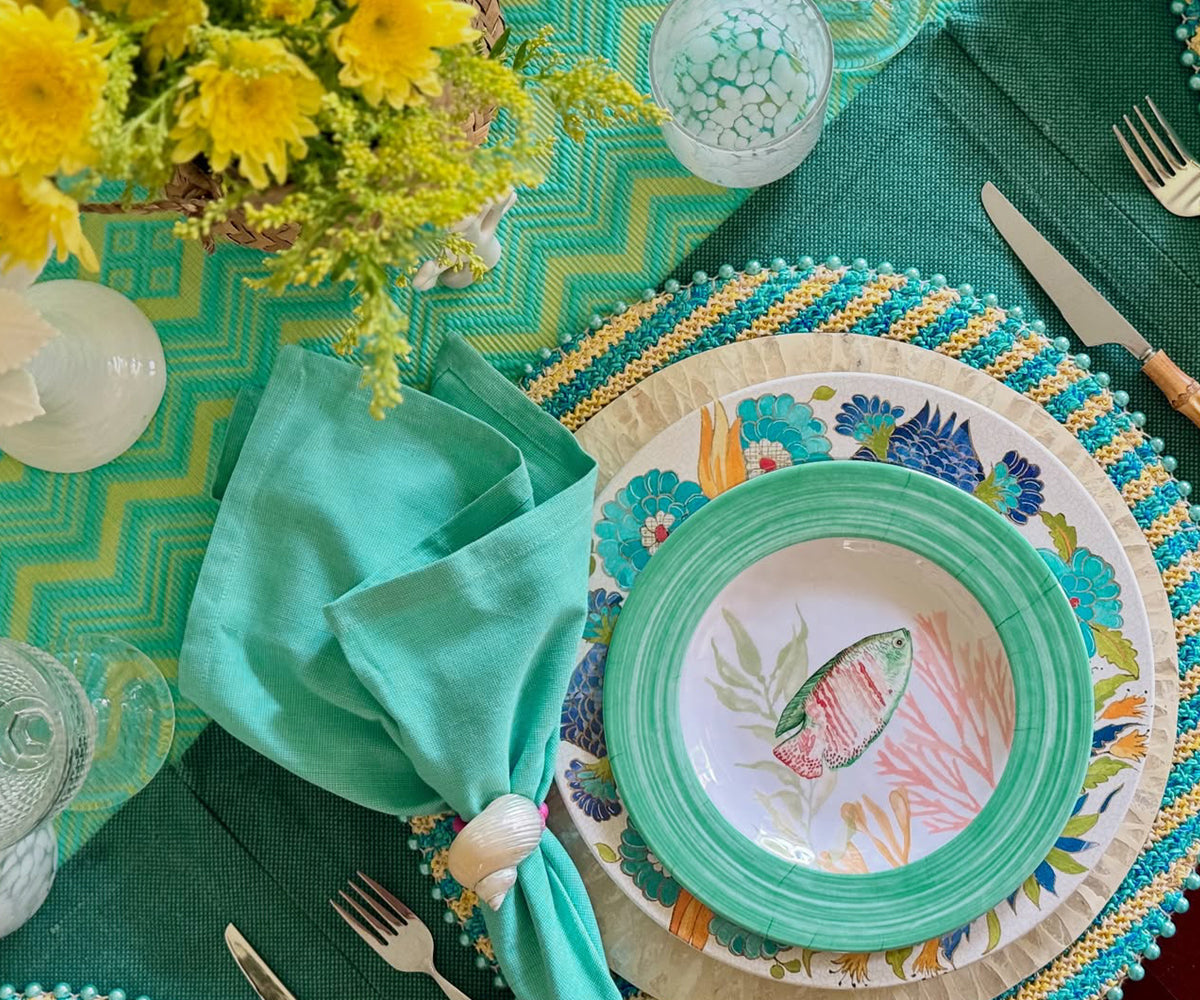
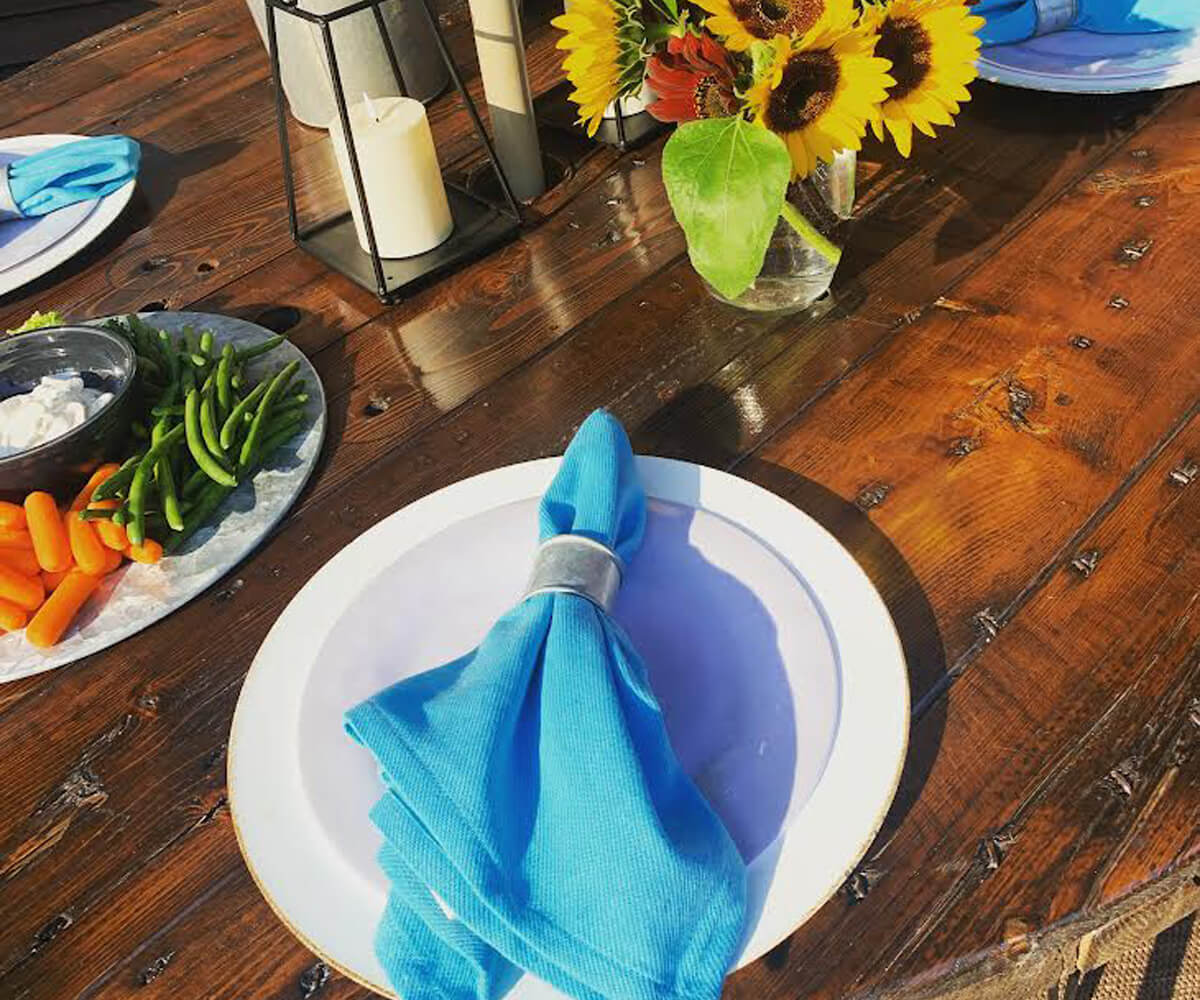
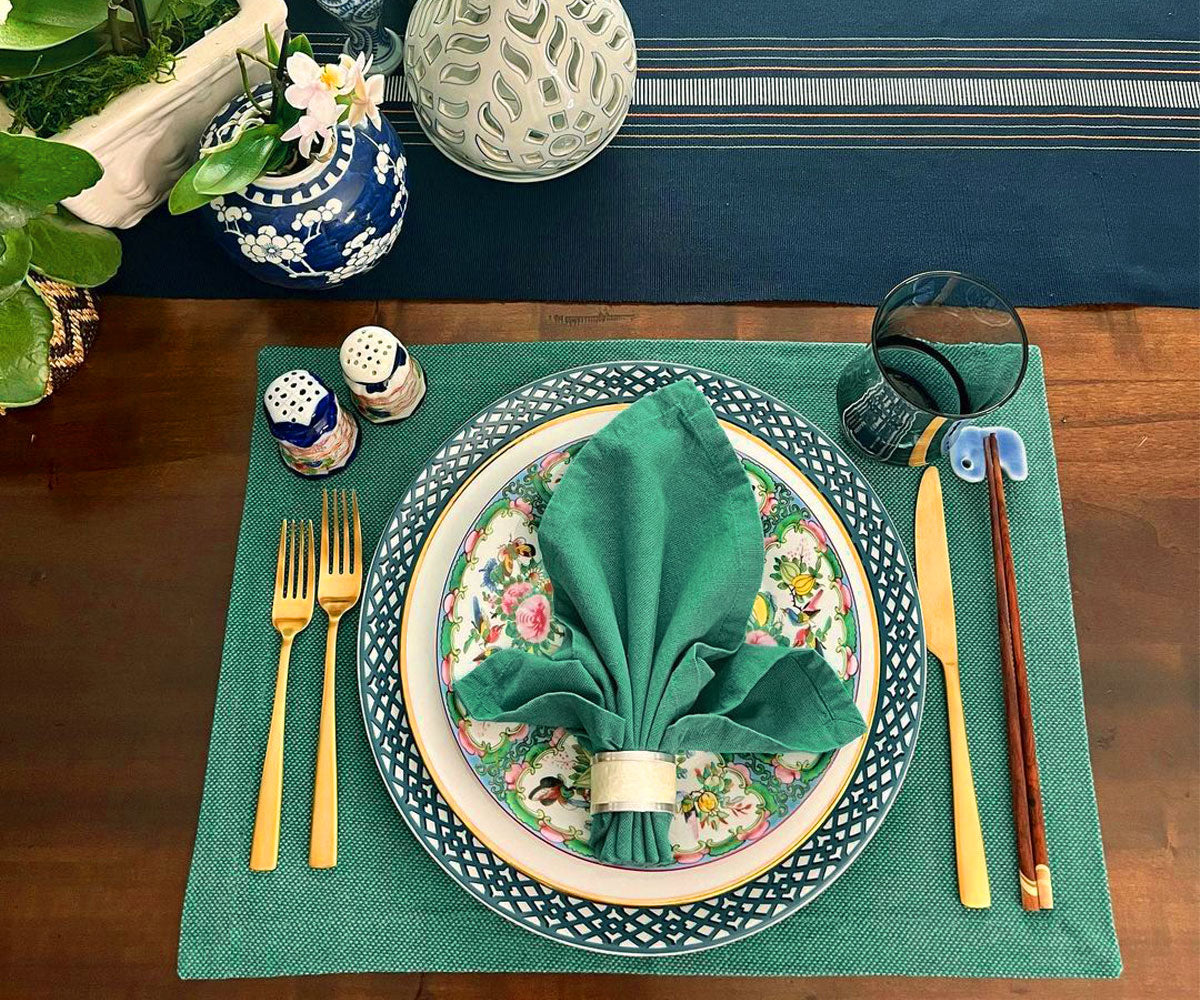
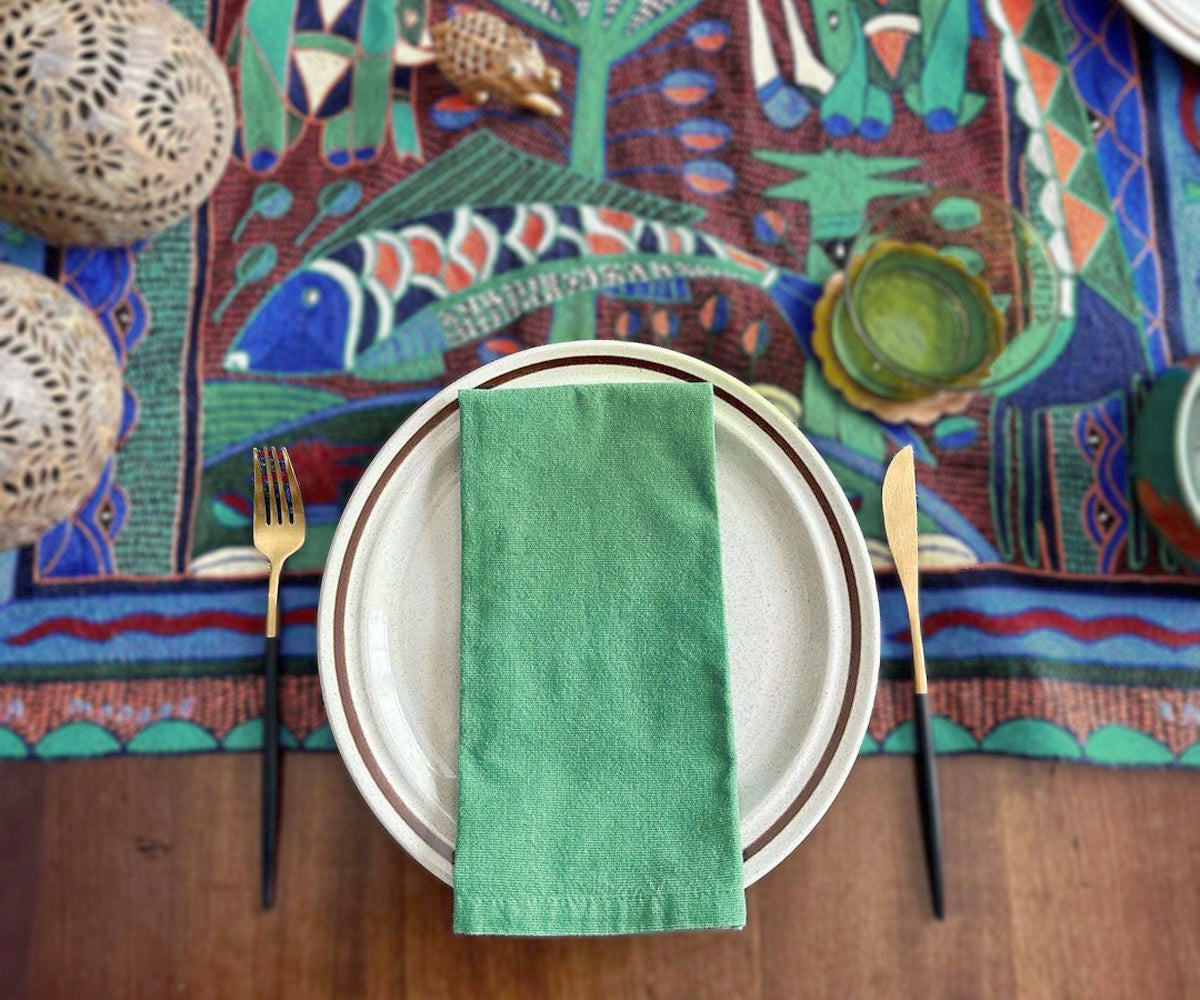
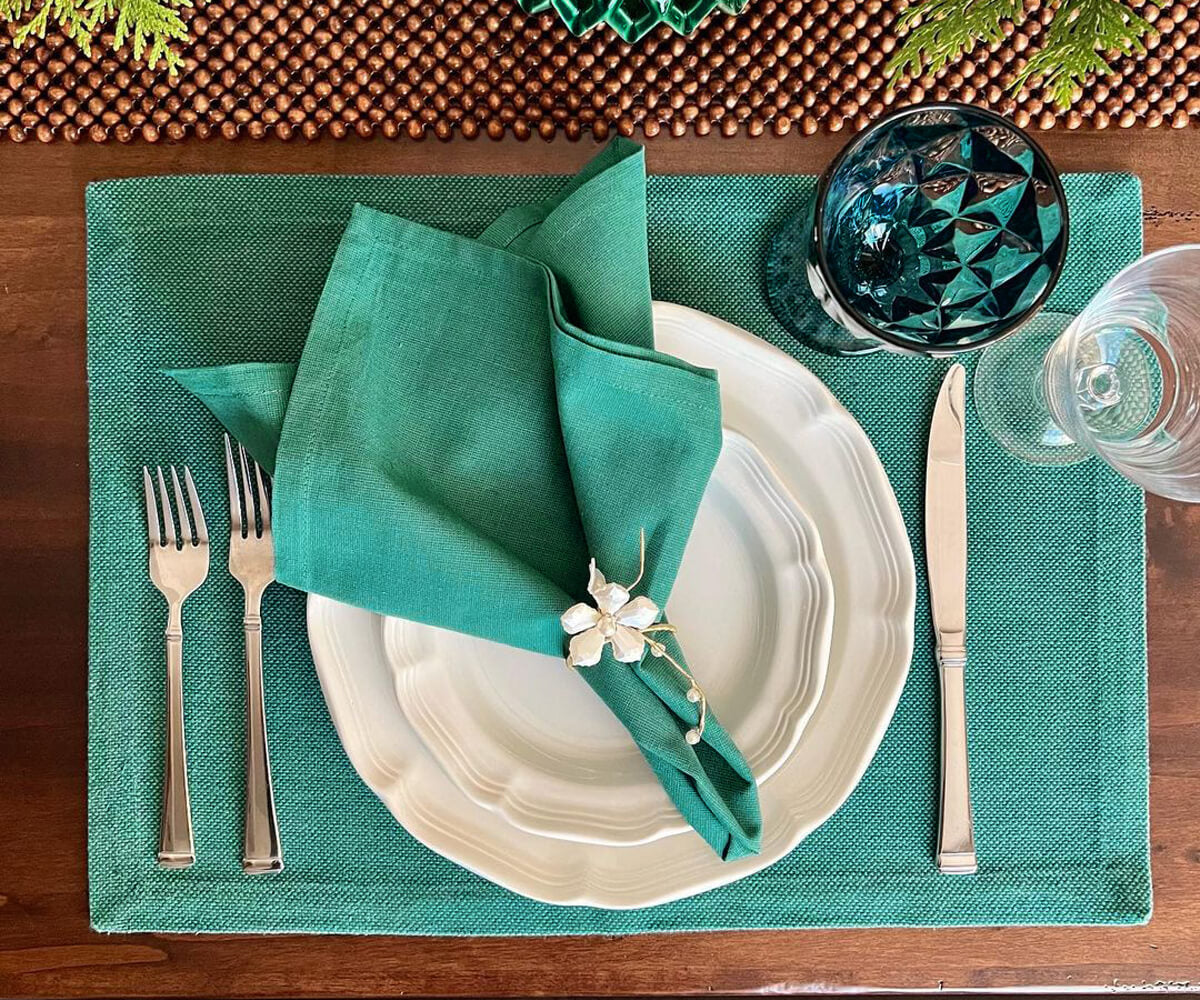
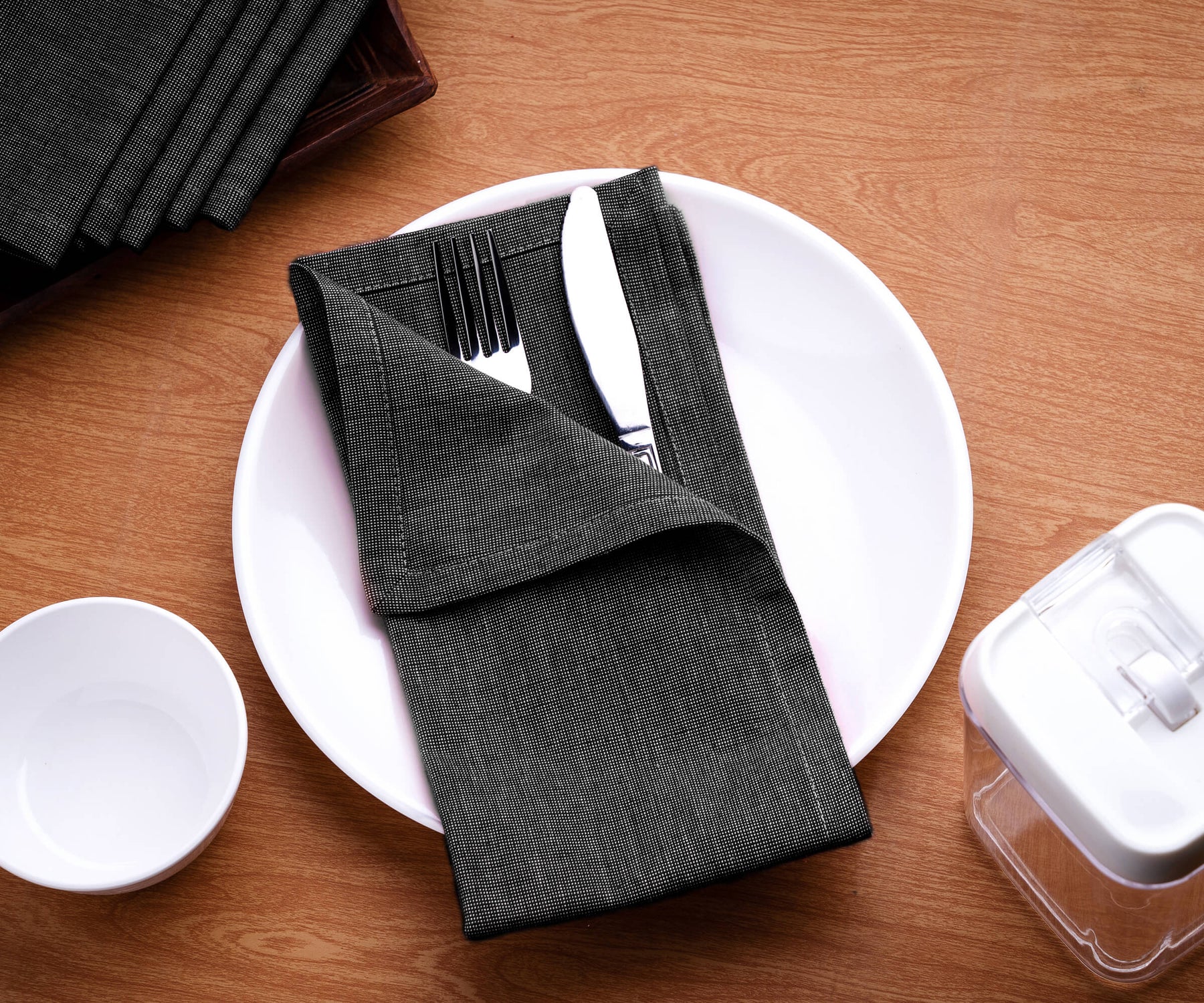
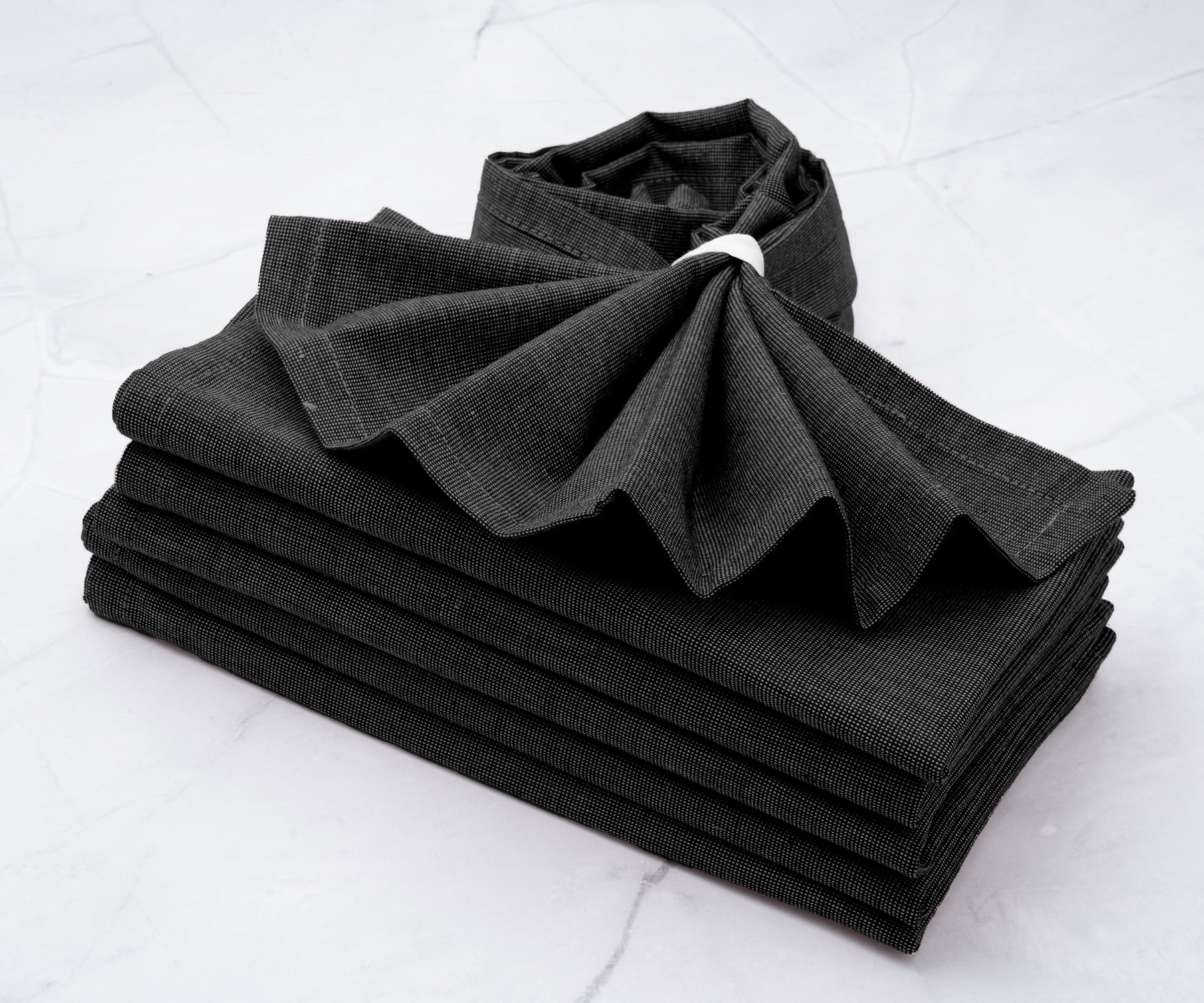
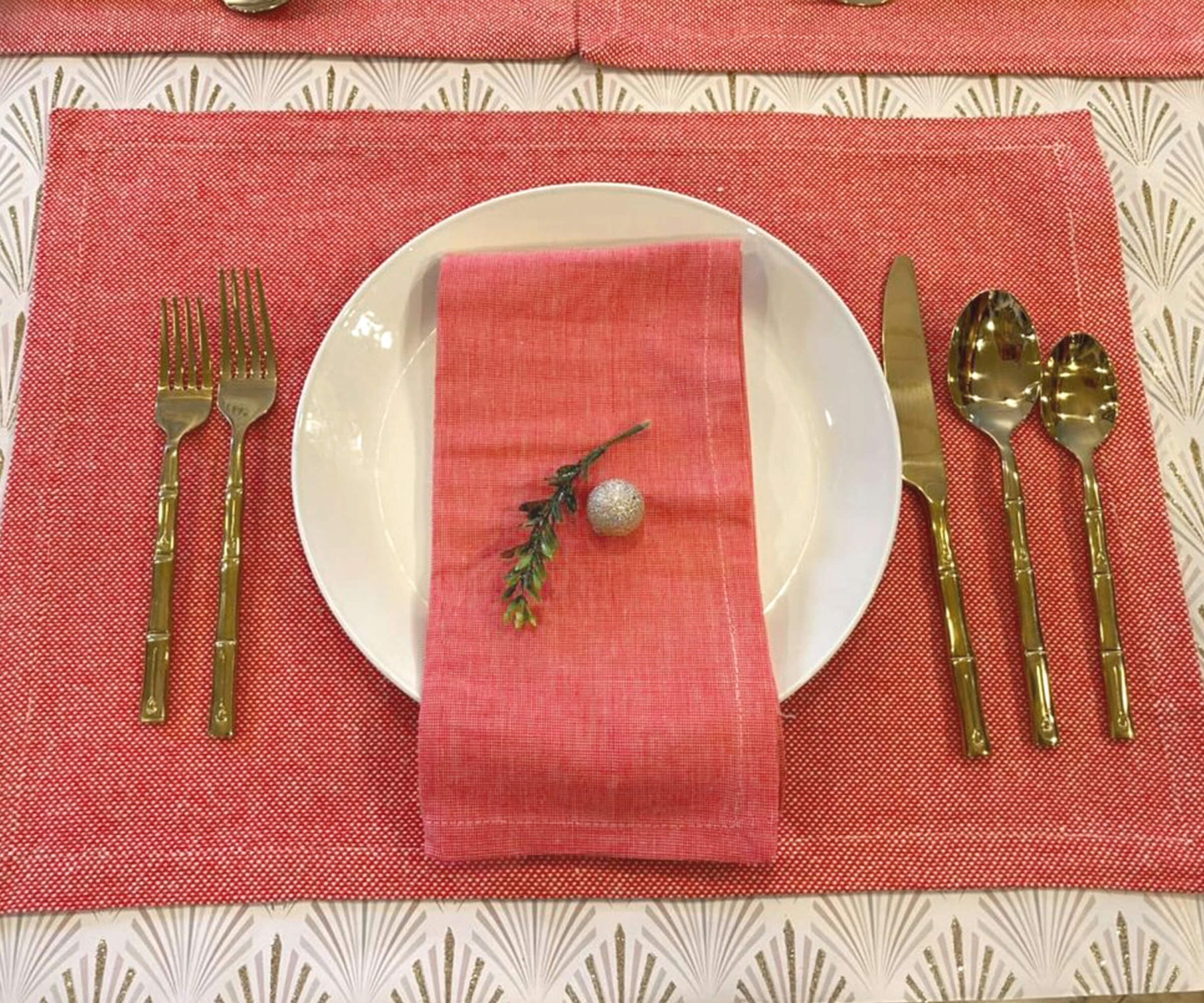
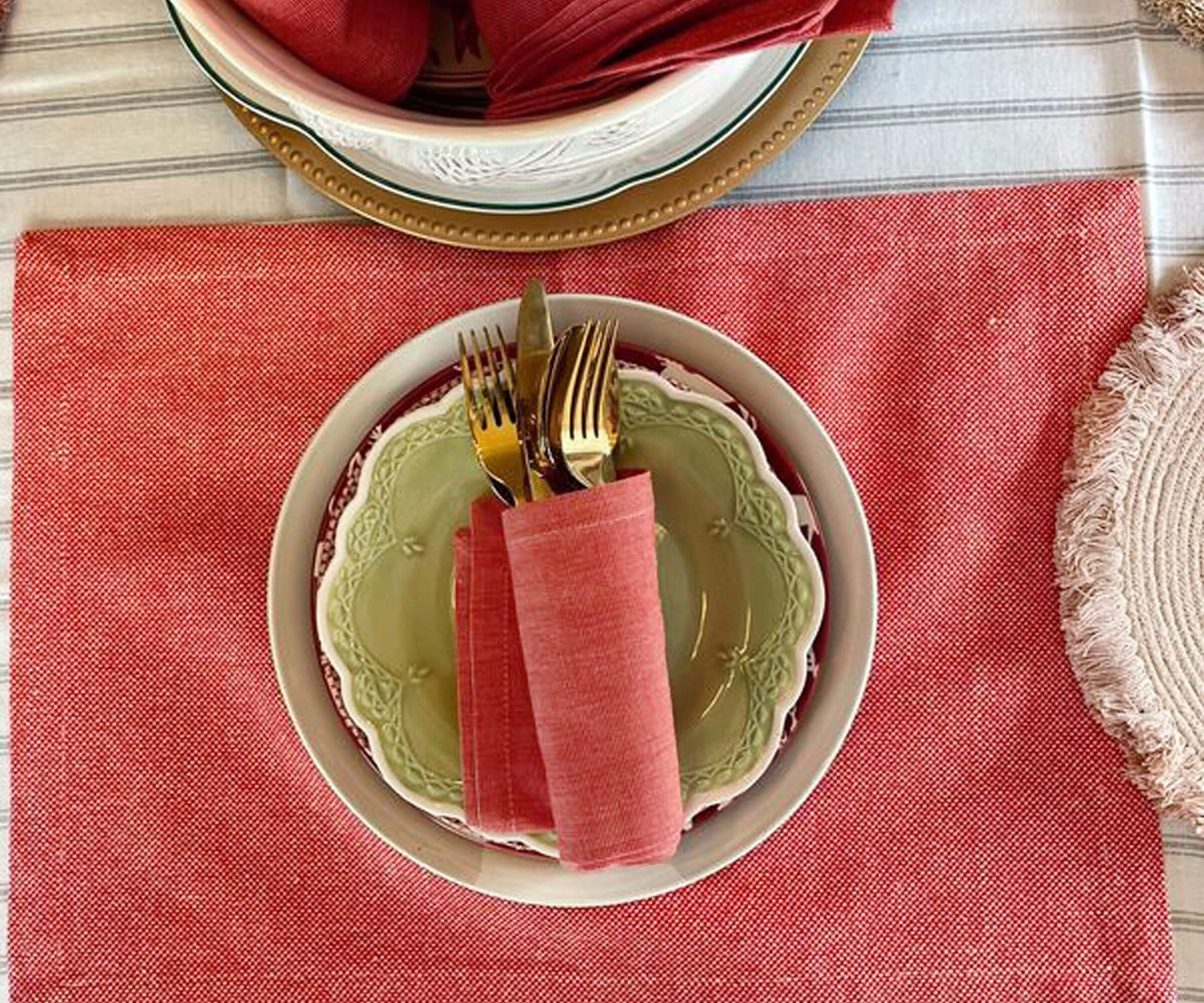
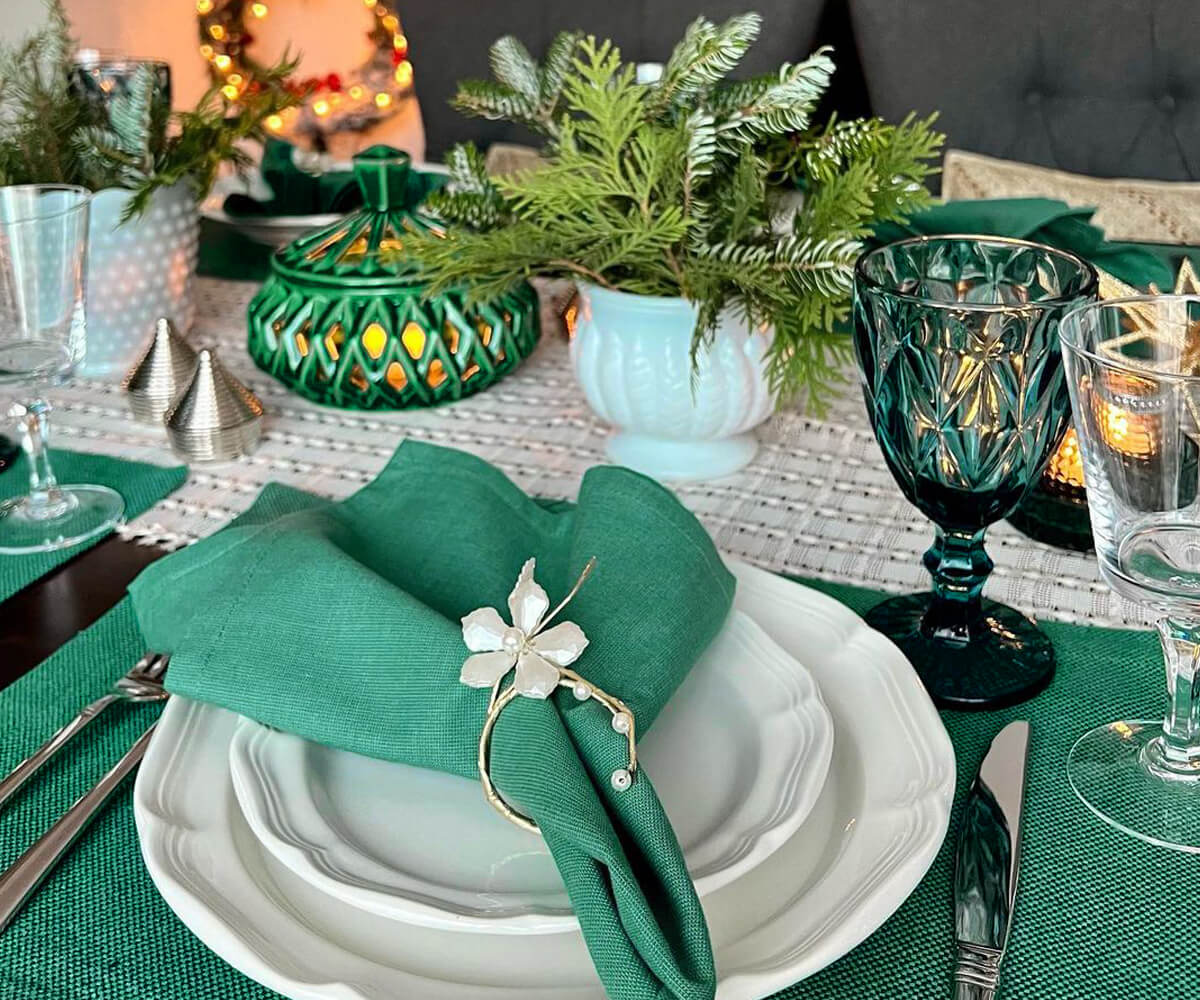
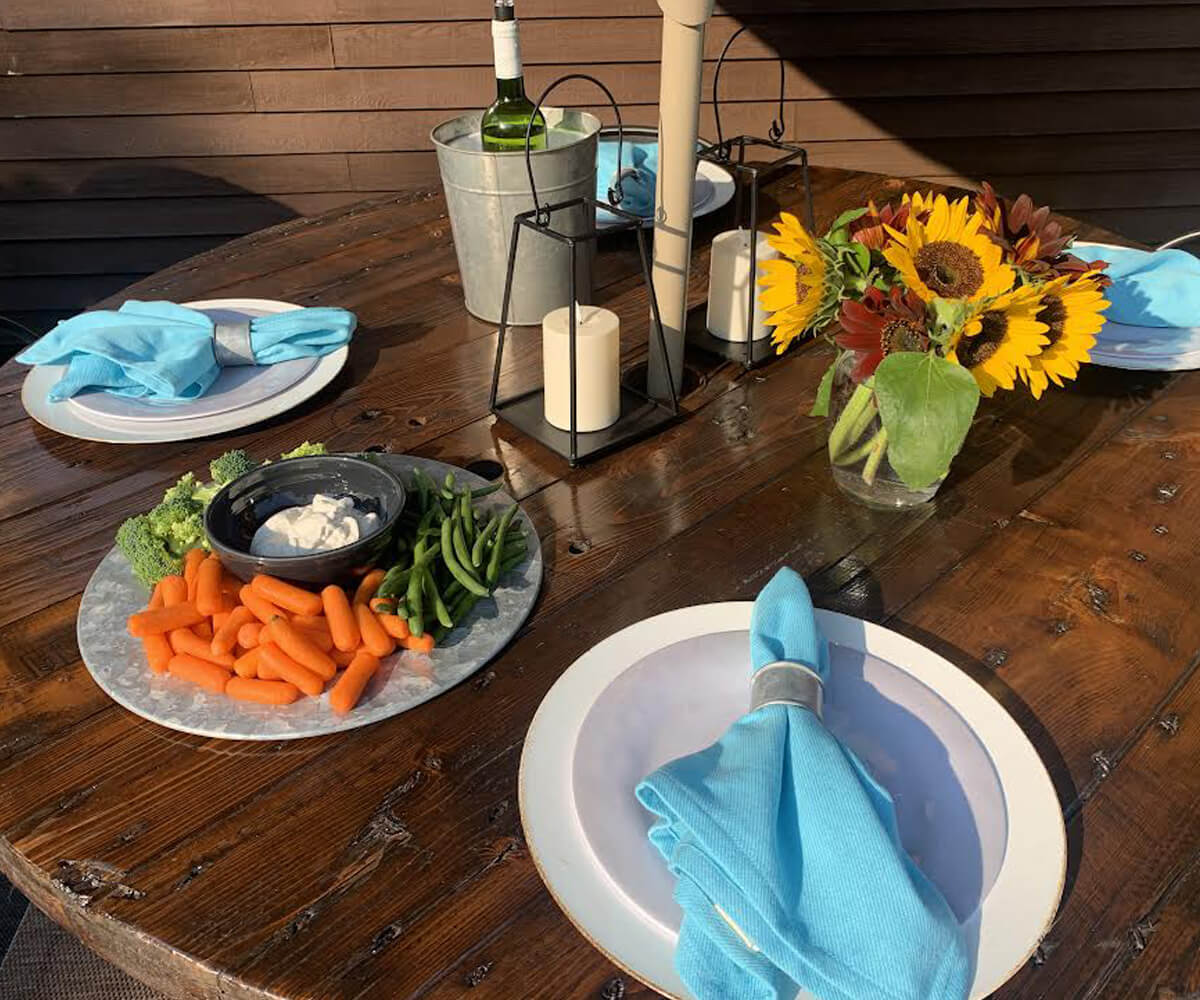
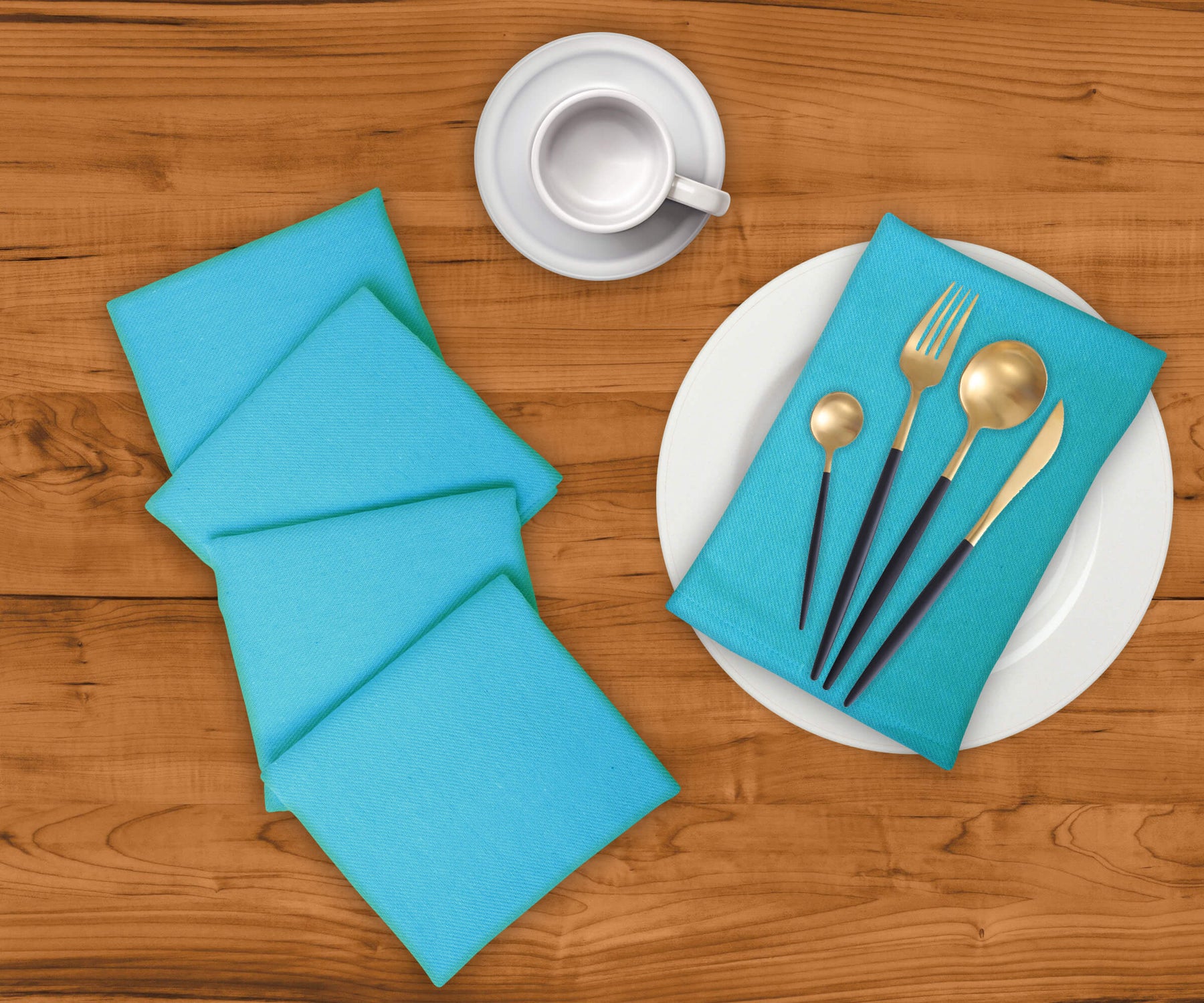
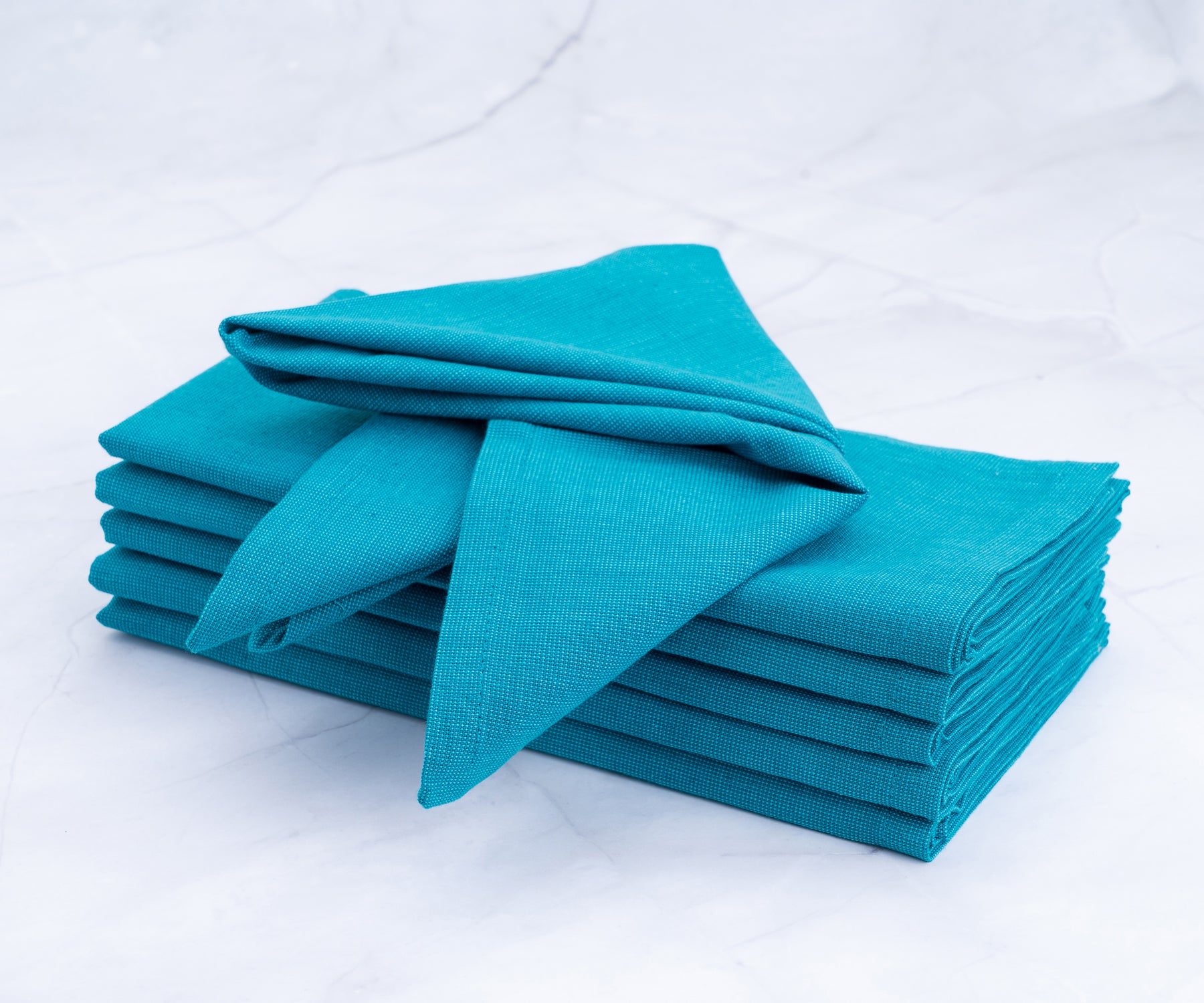
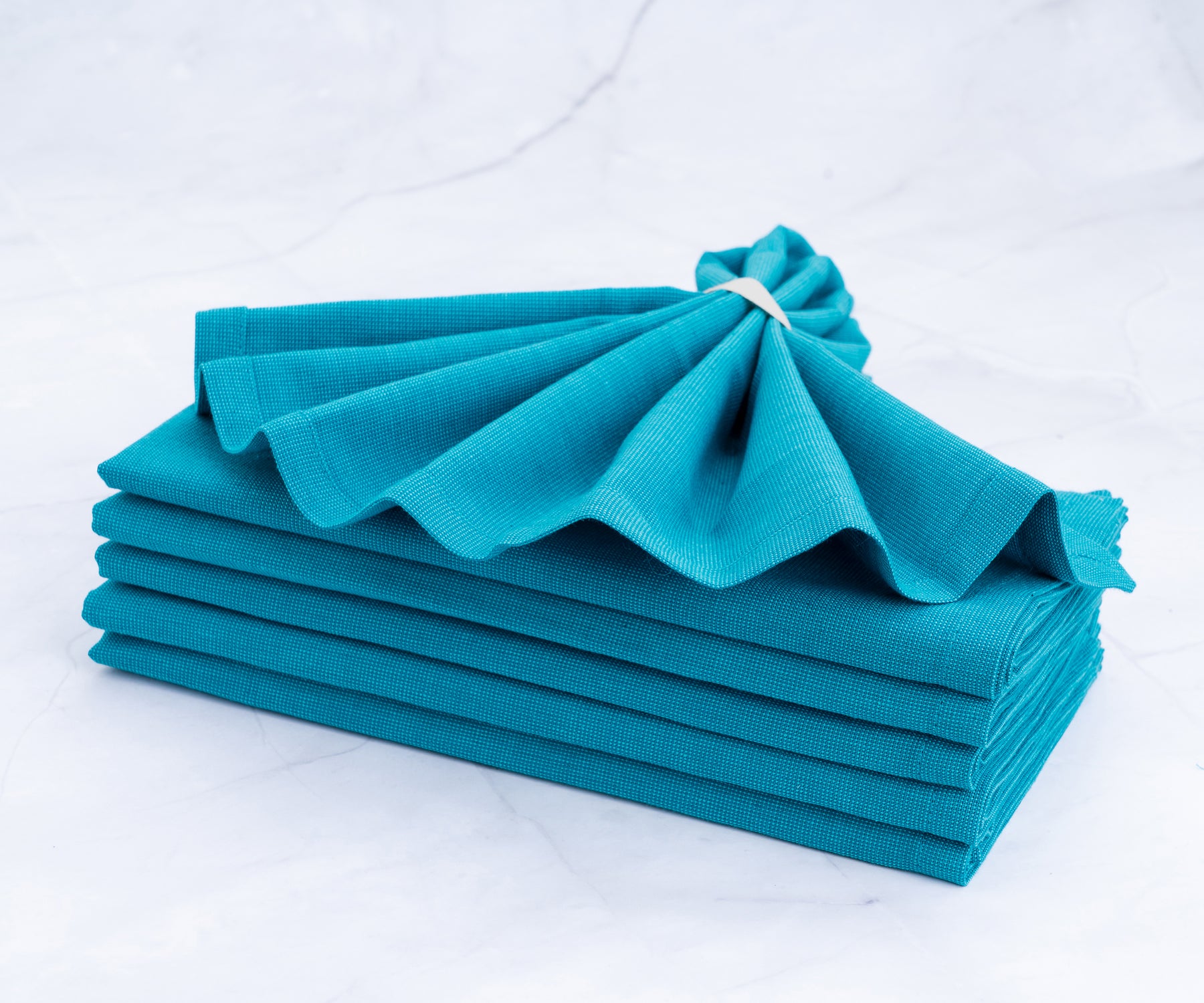
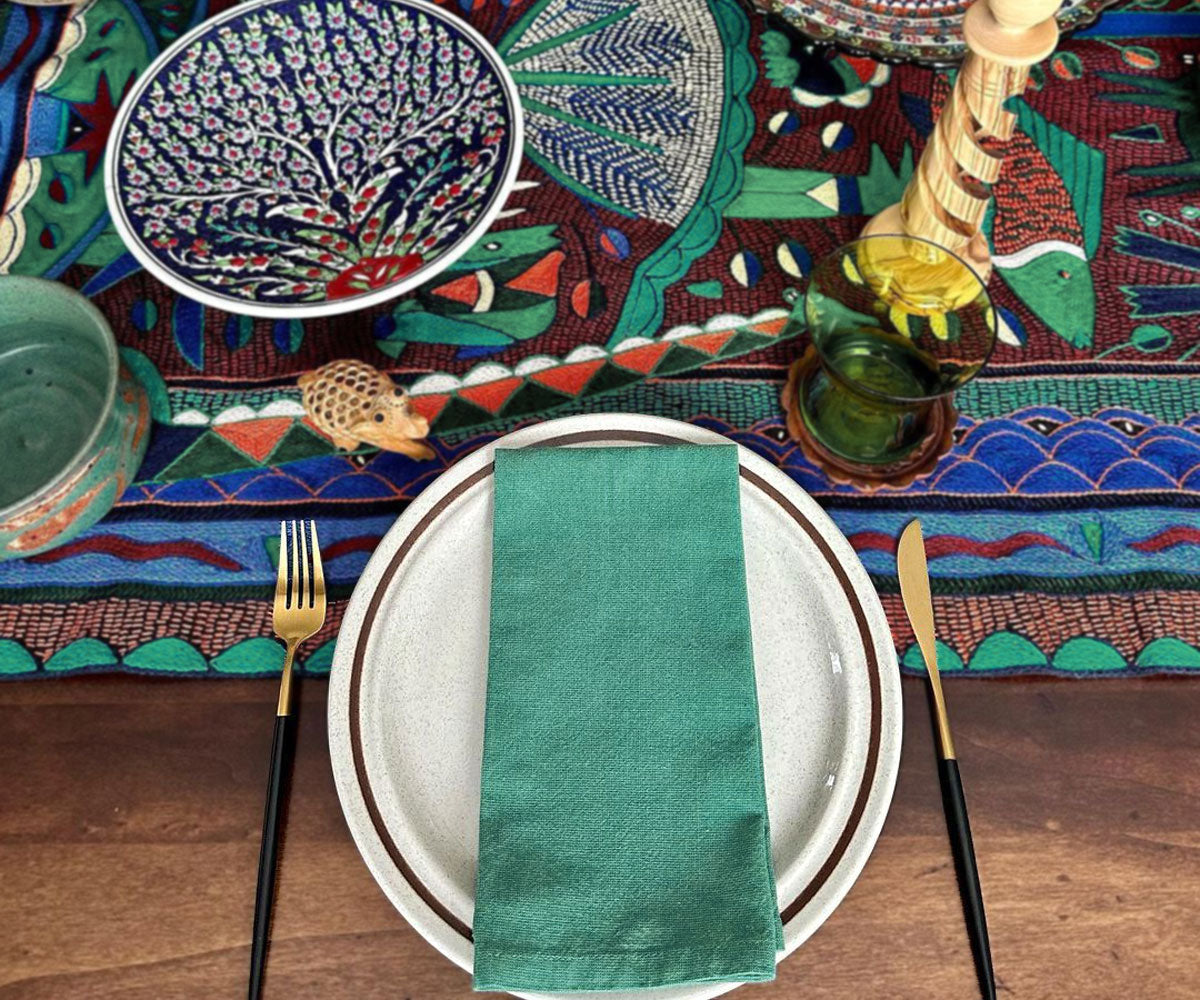
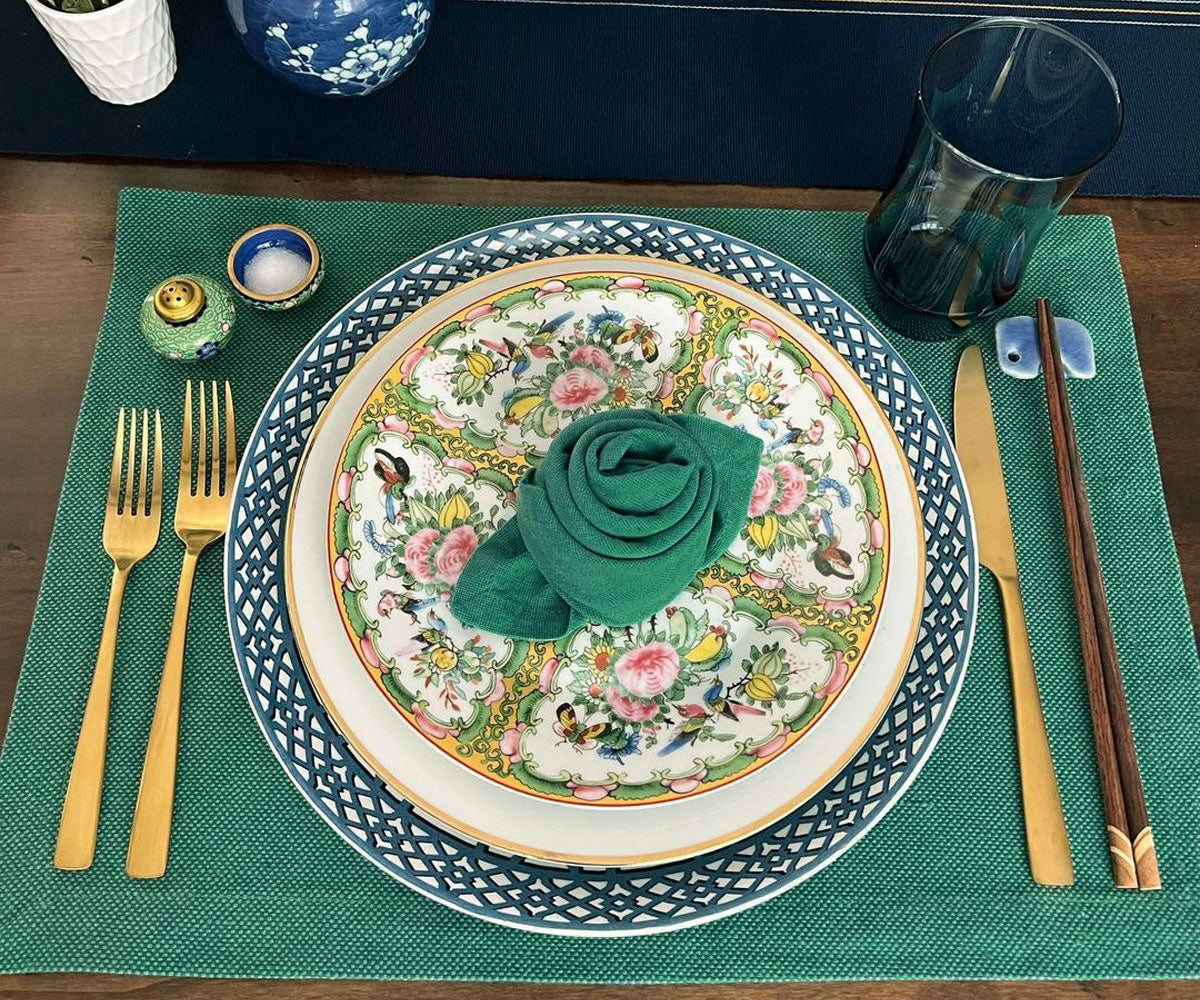
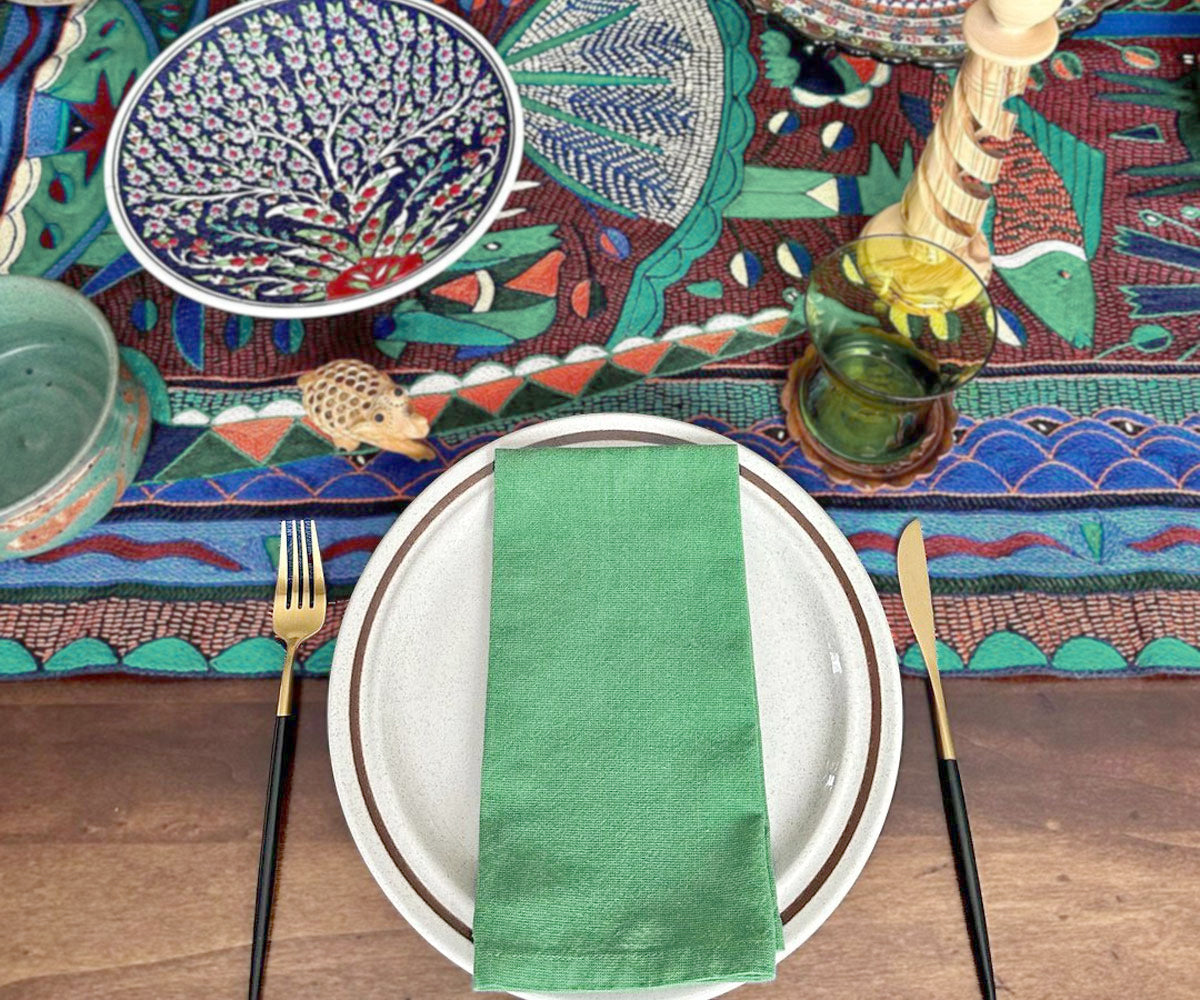
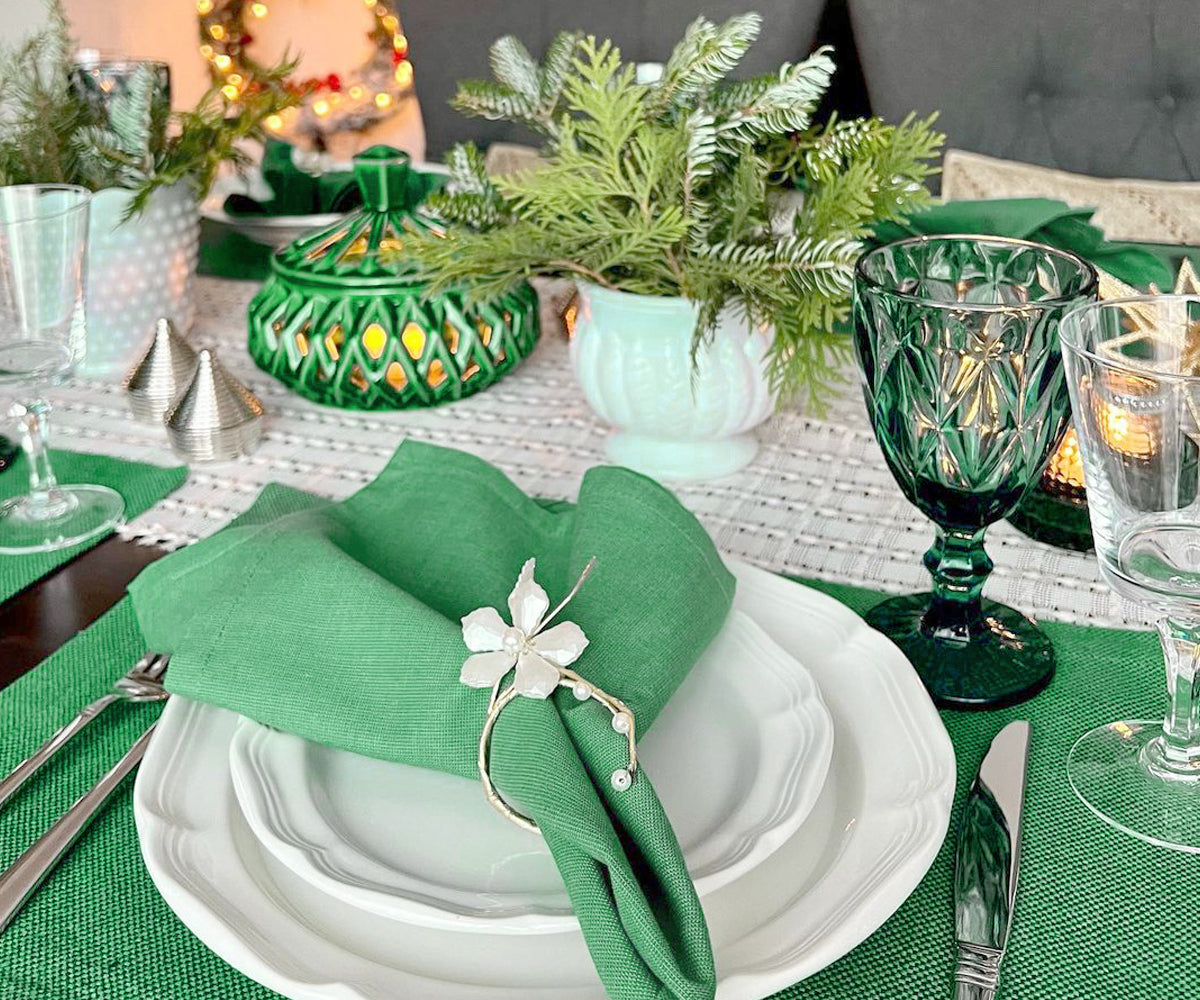
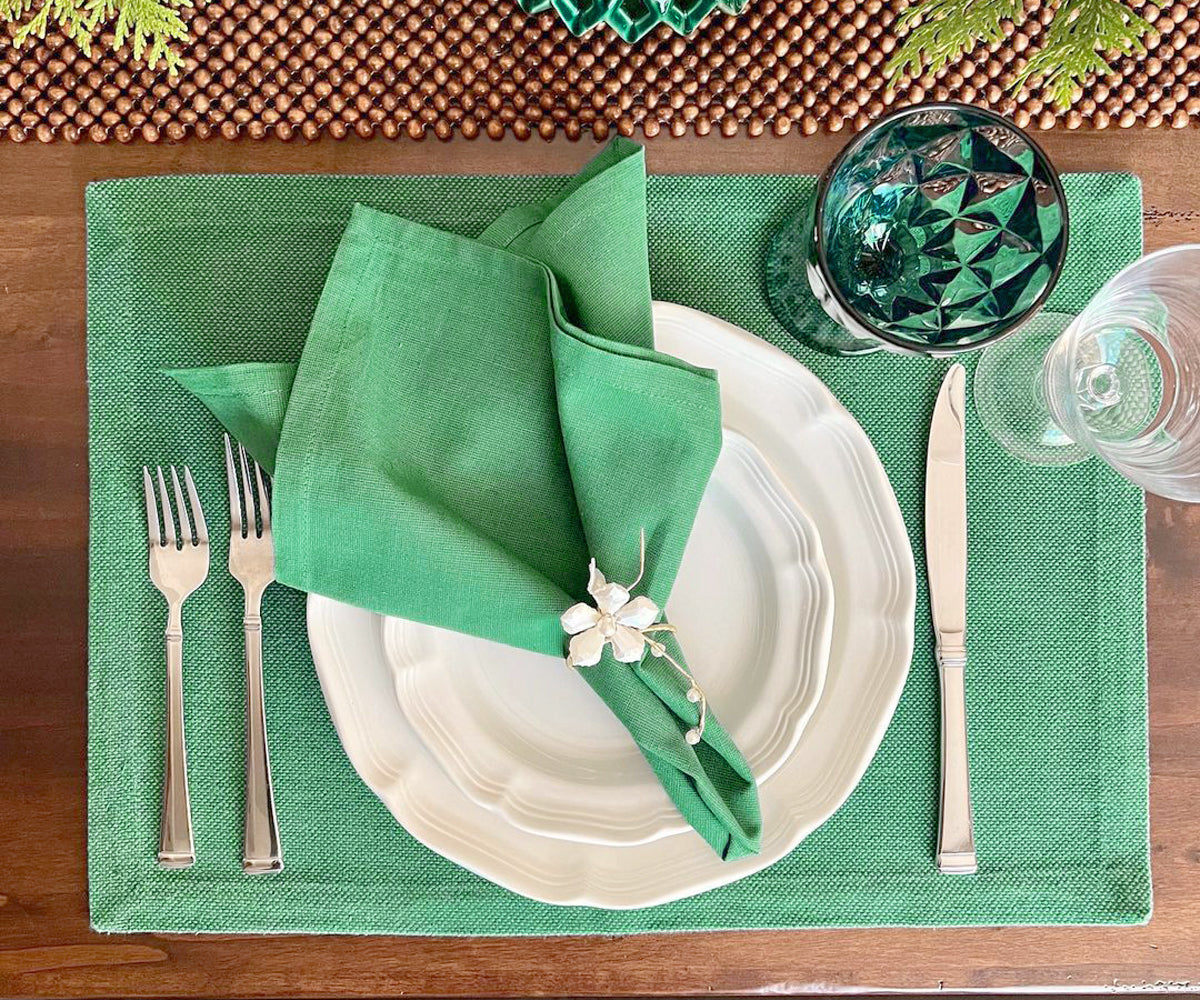
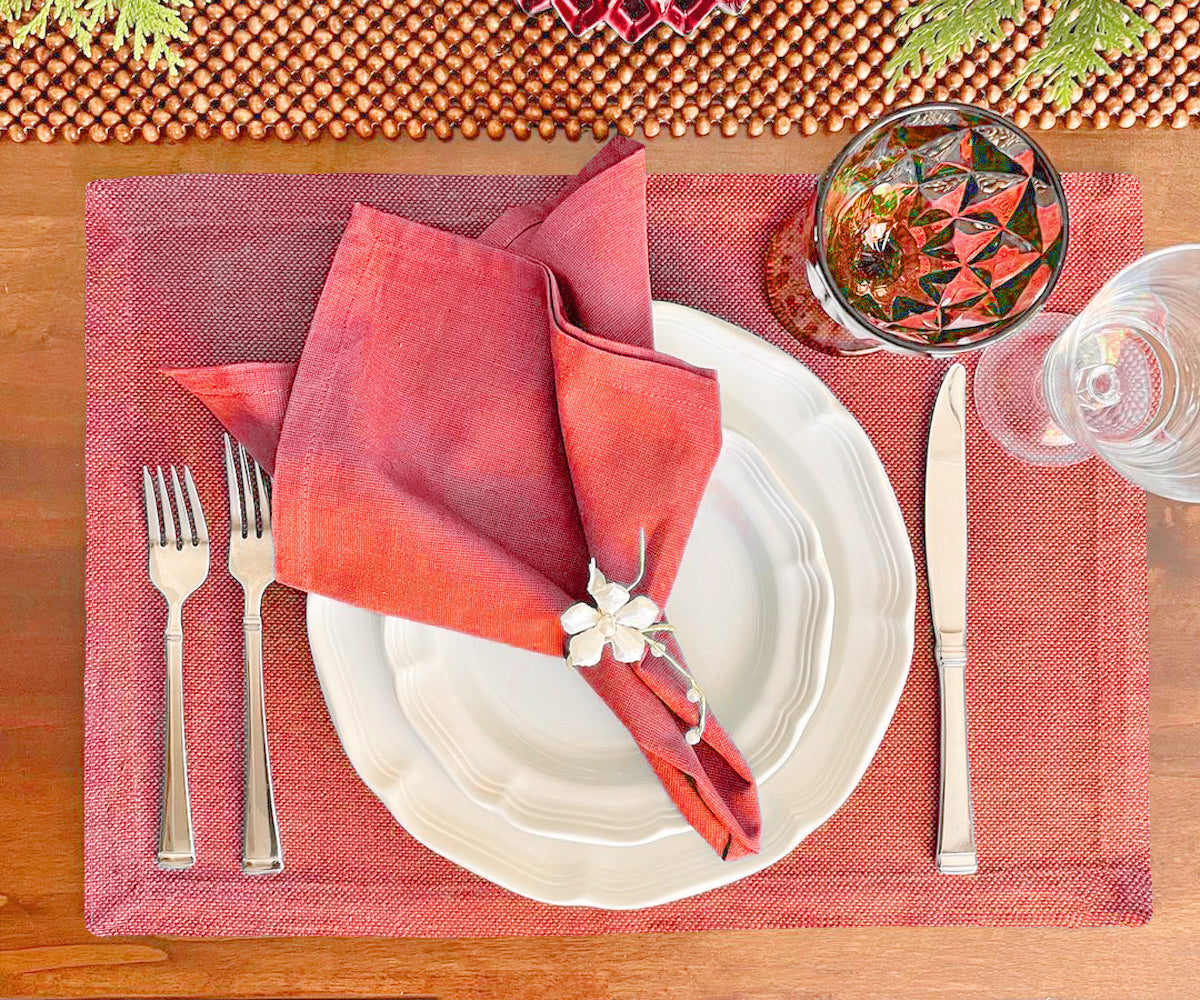
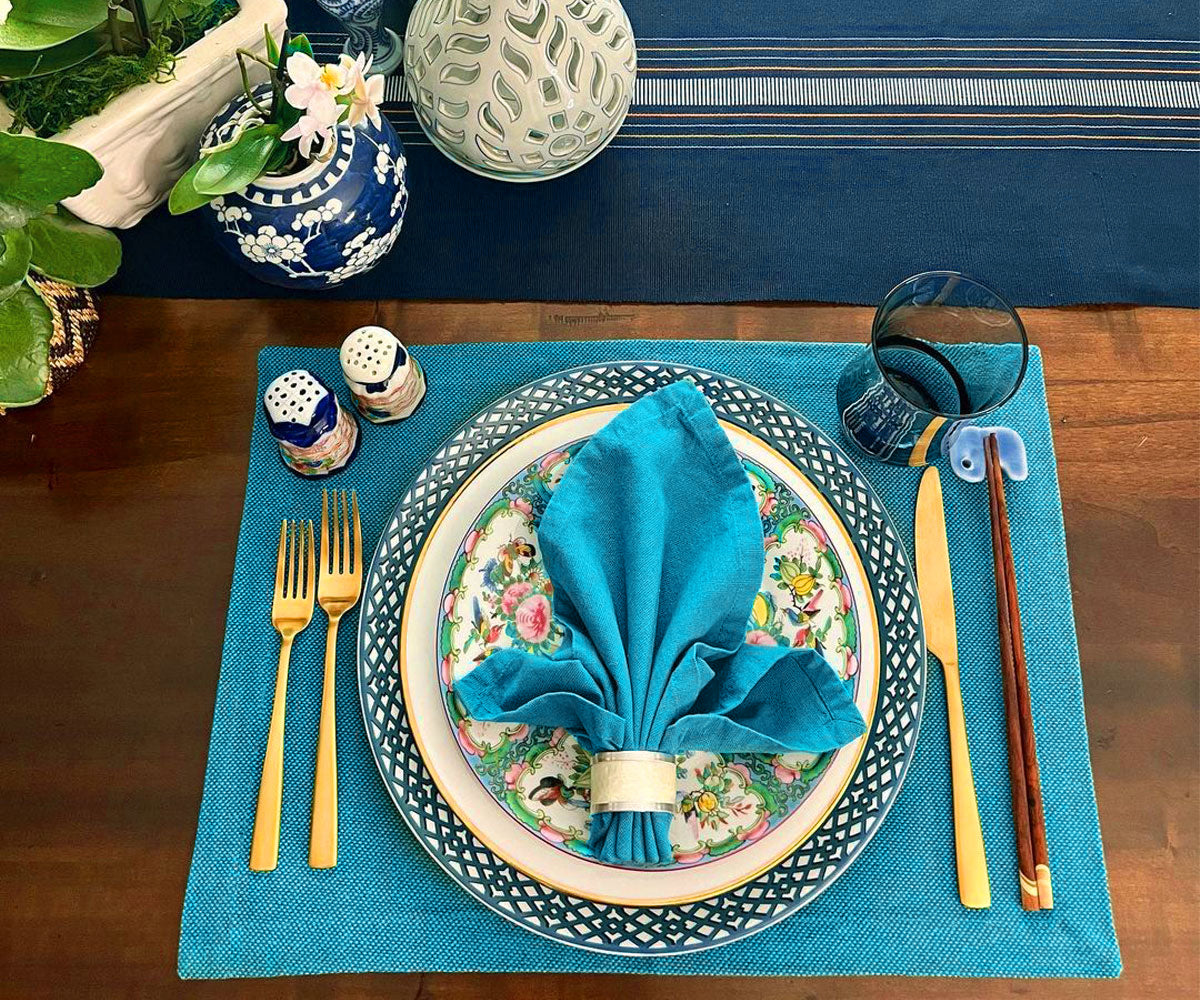
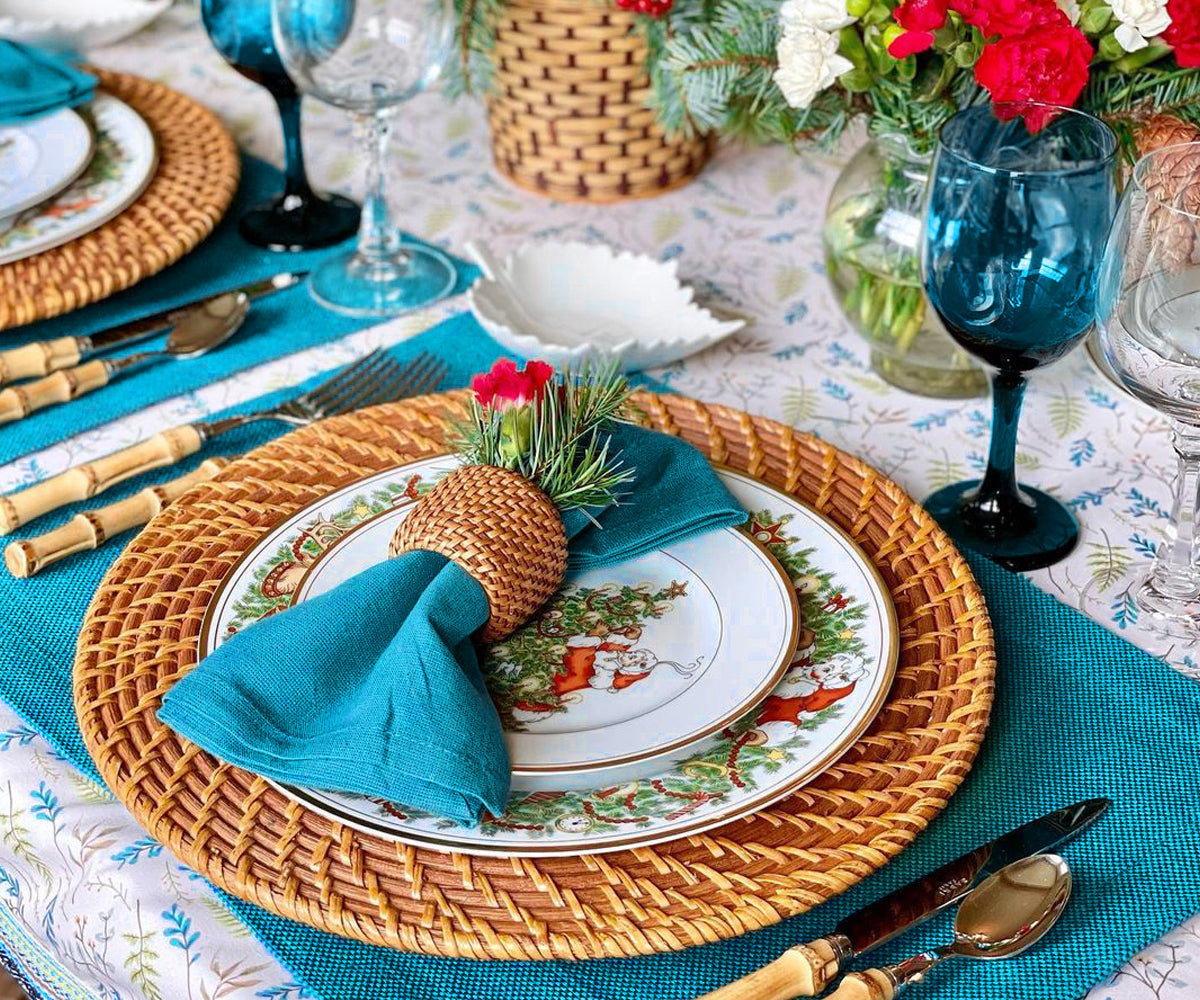
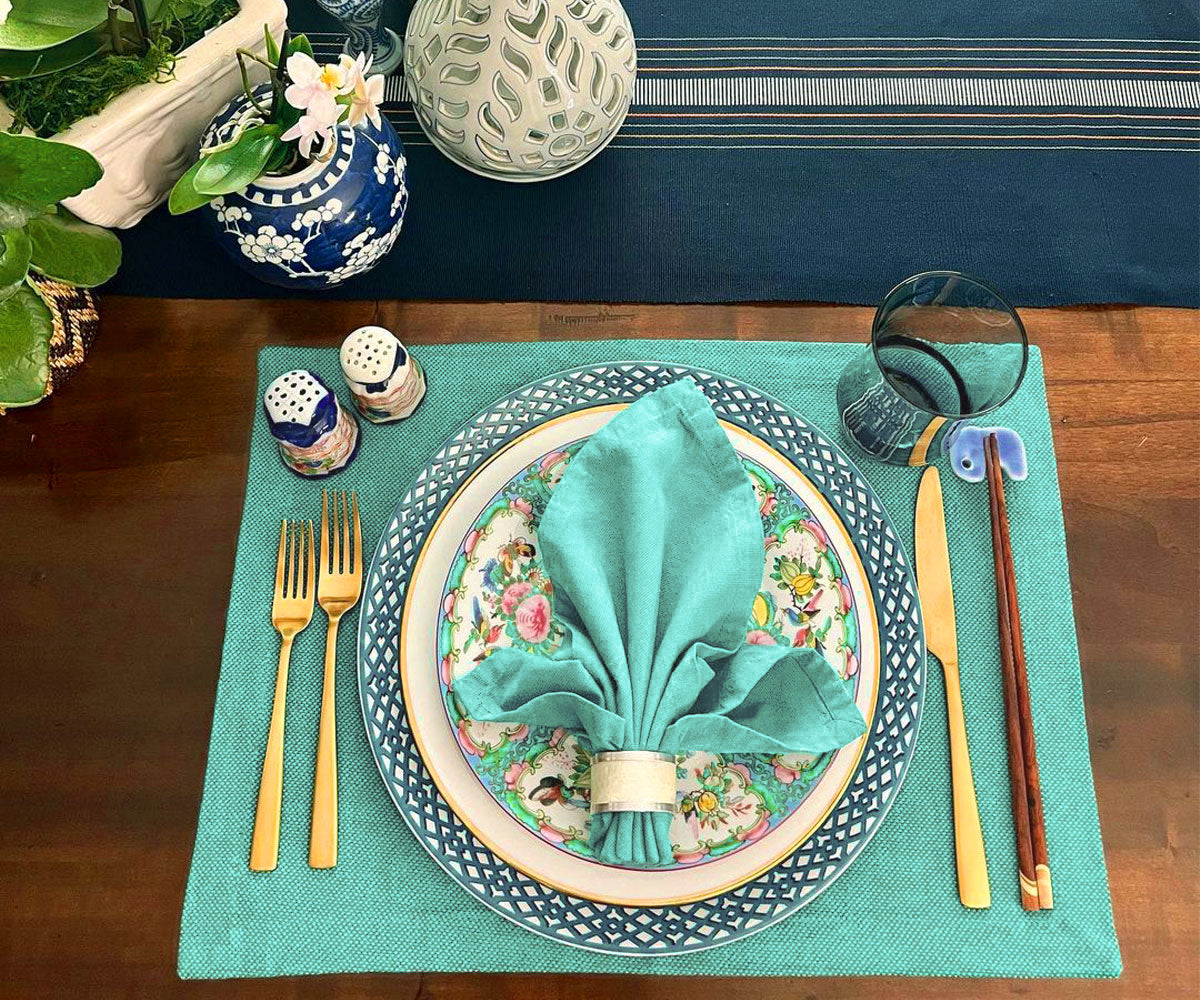
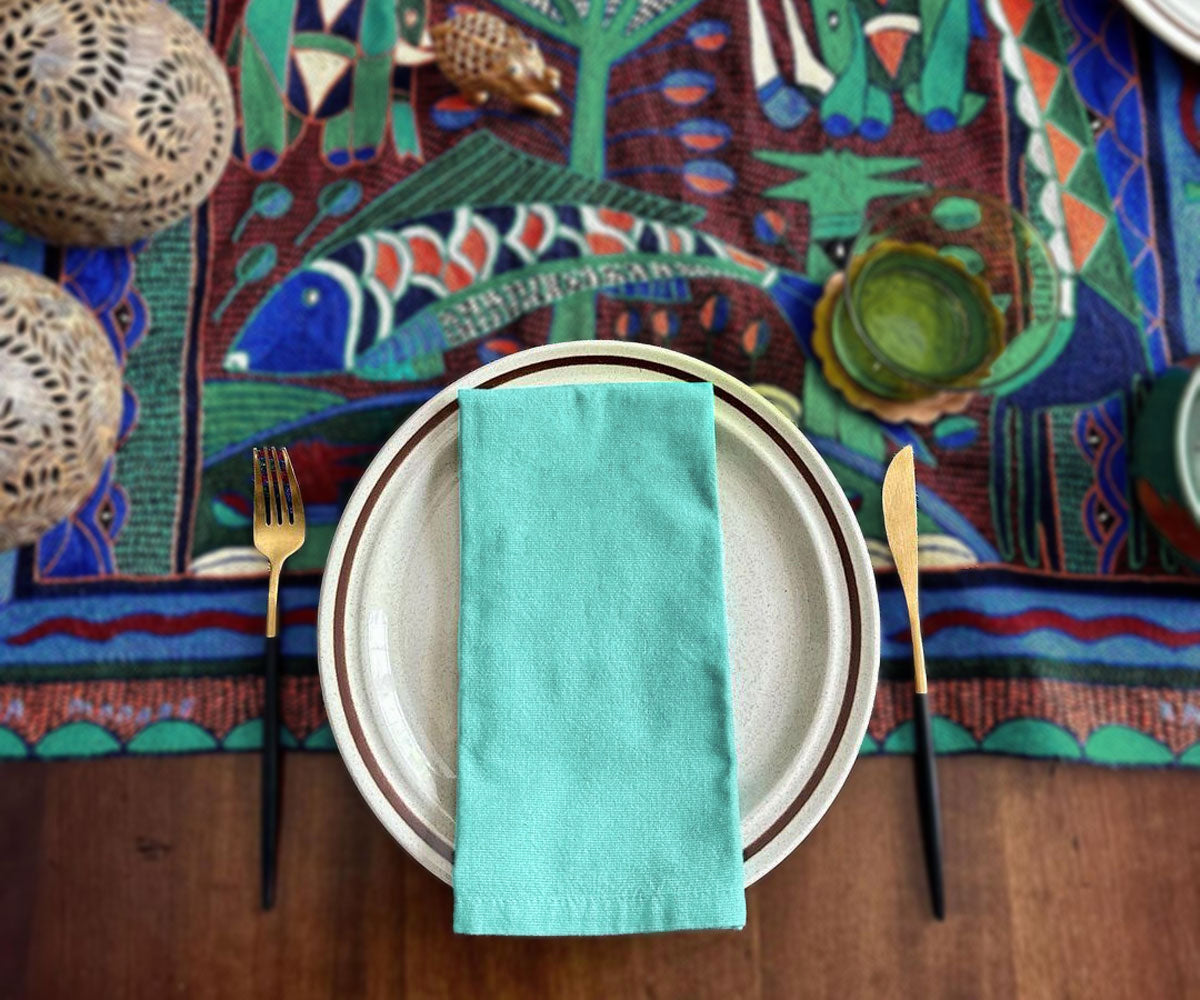
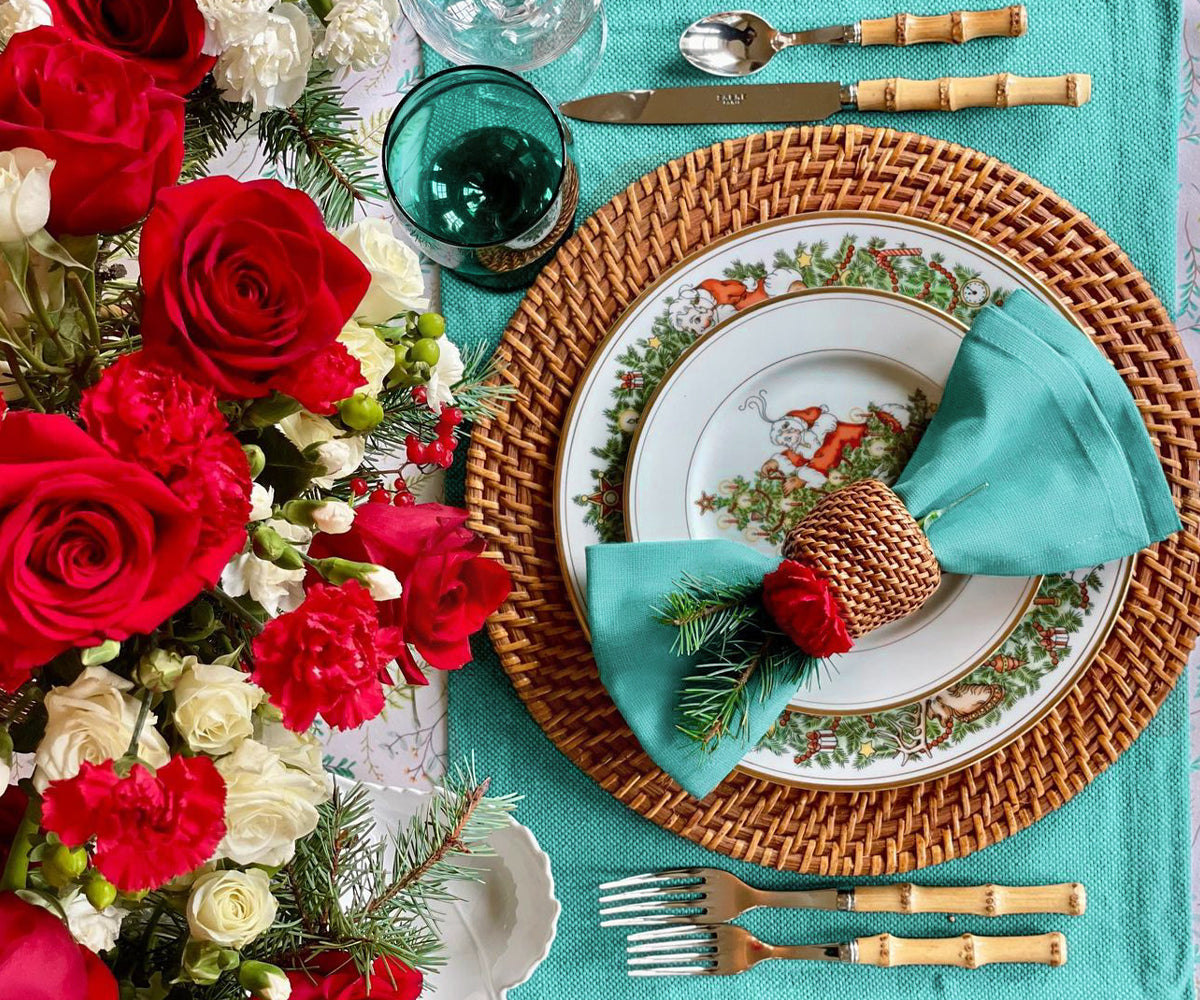
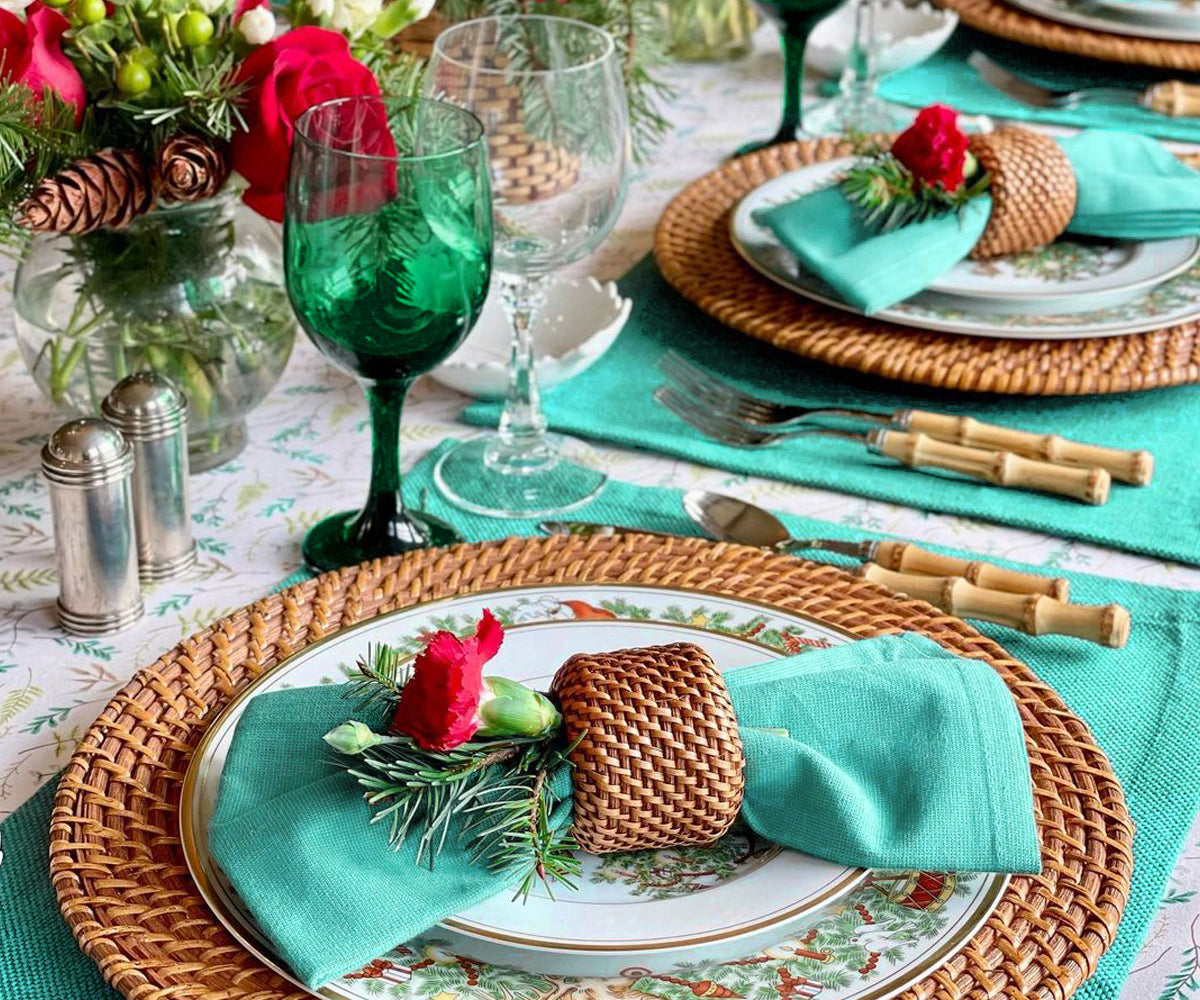
Start with a base. A simple neutral tablecloth or a natural jute runner provides the foundation. Then place linen napkins folded flat beside each plate, or roll them loosely and set them on top of the plate for a more relaxed presentation. A napkin ring keeps things tidy without requiring any folding skill.
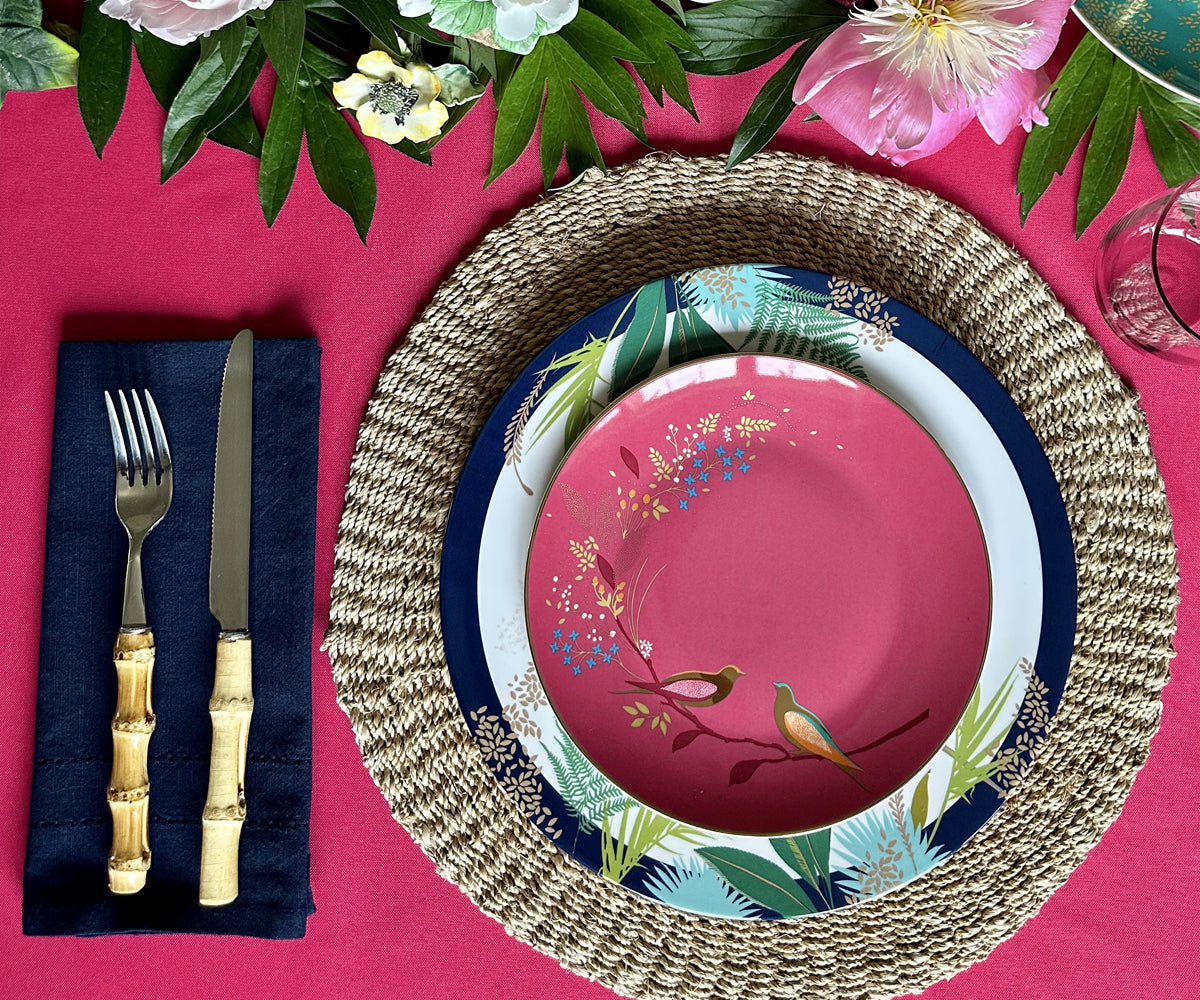
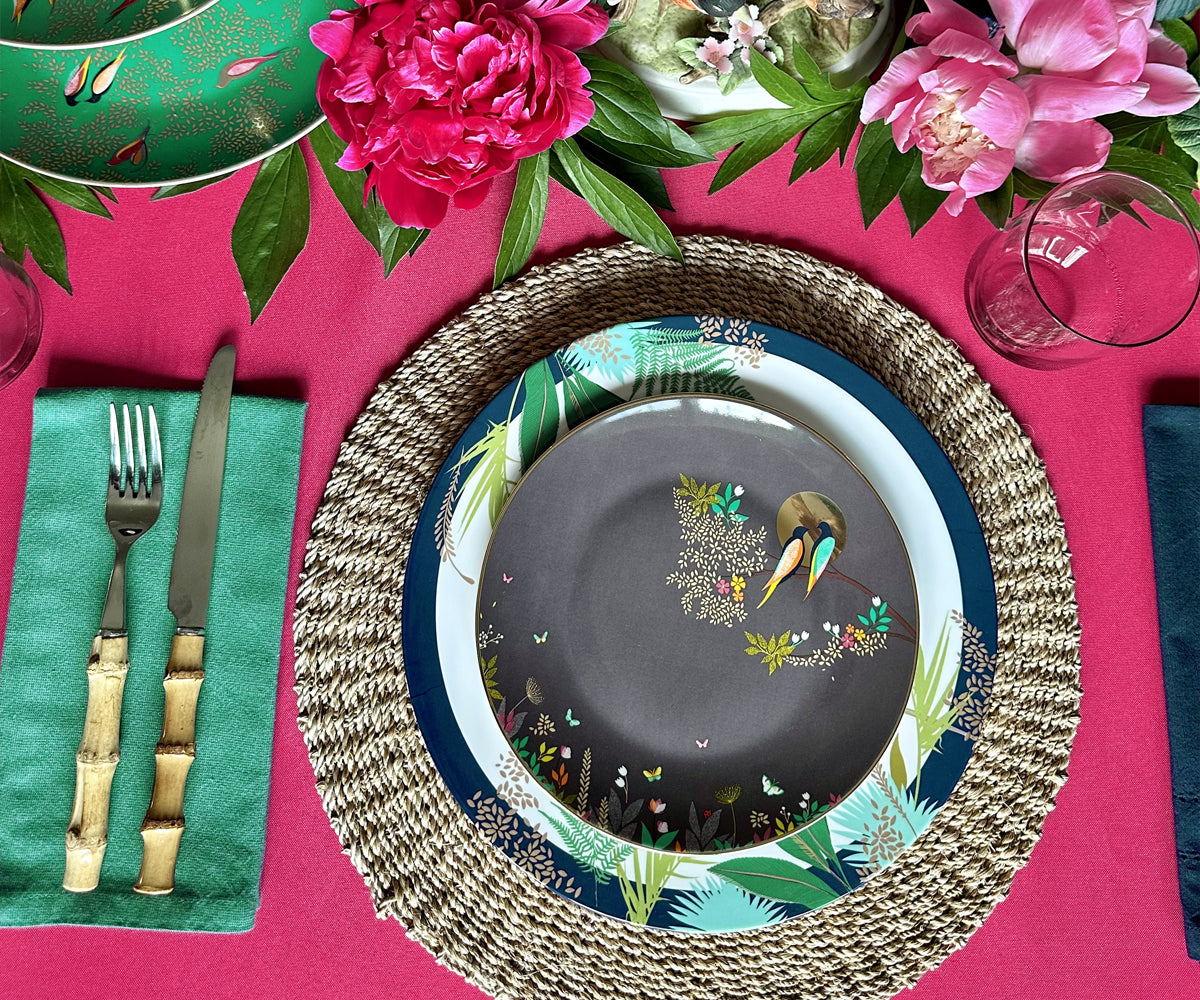
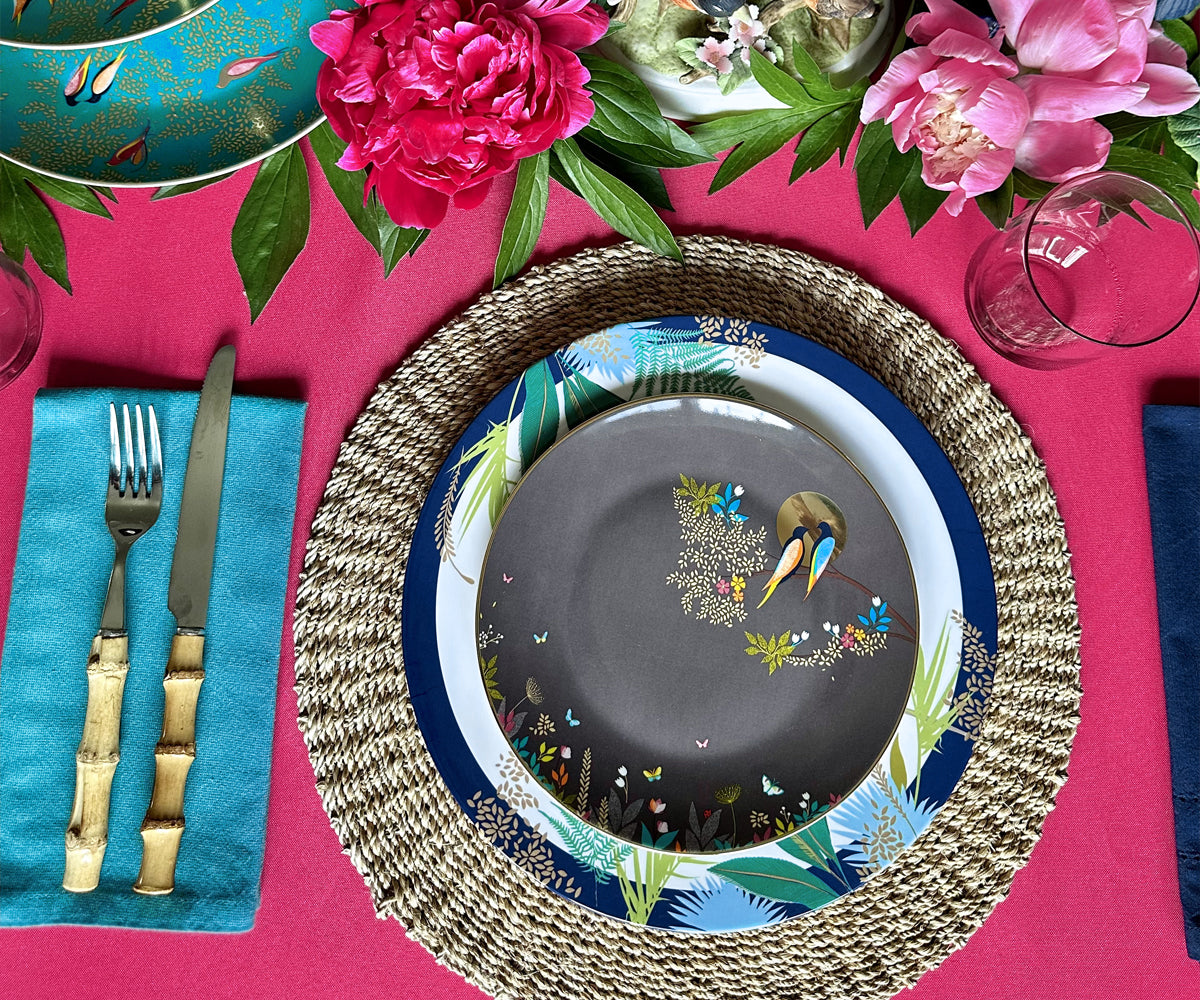
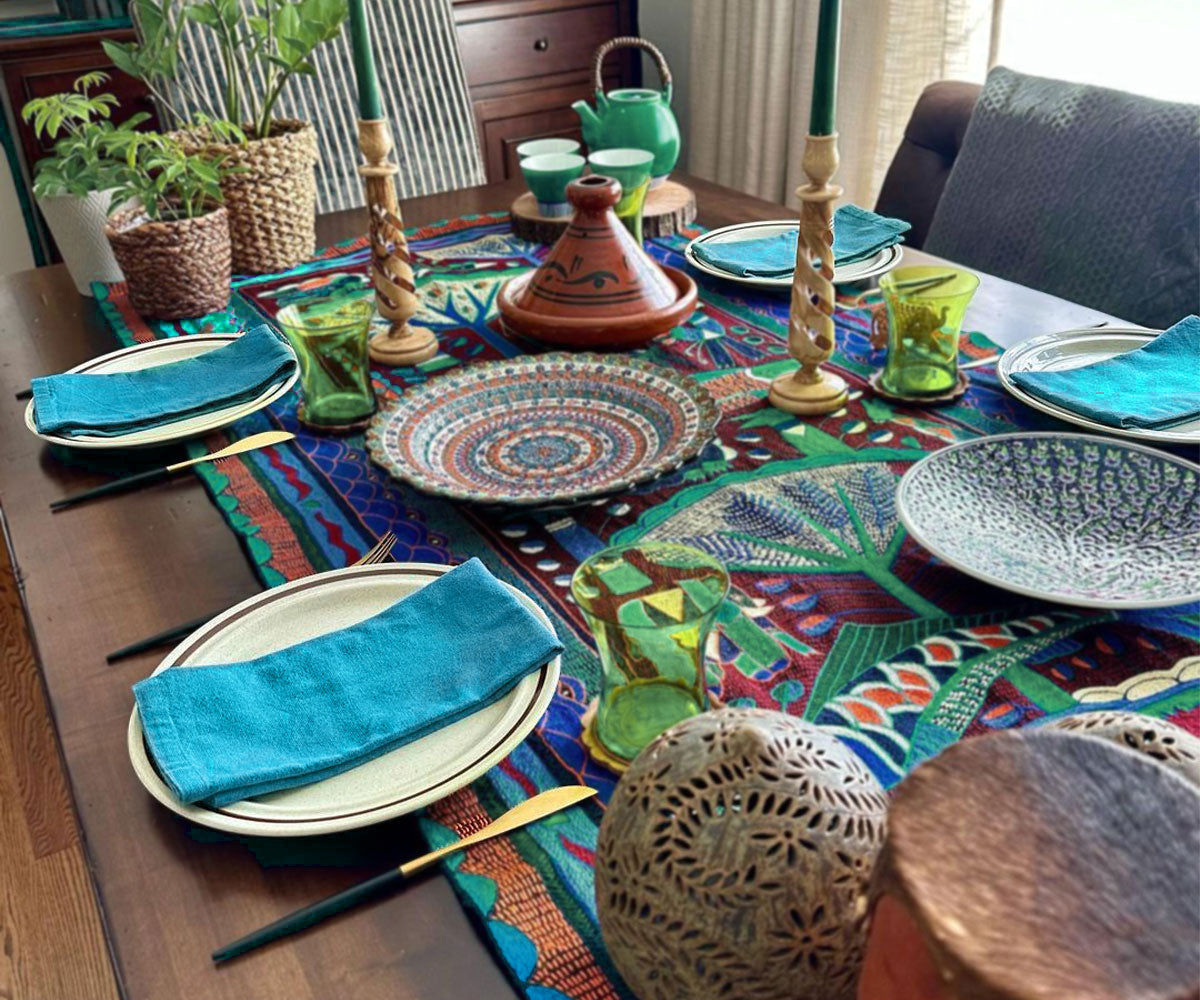
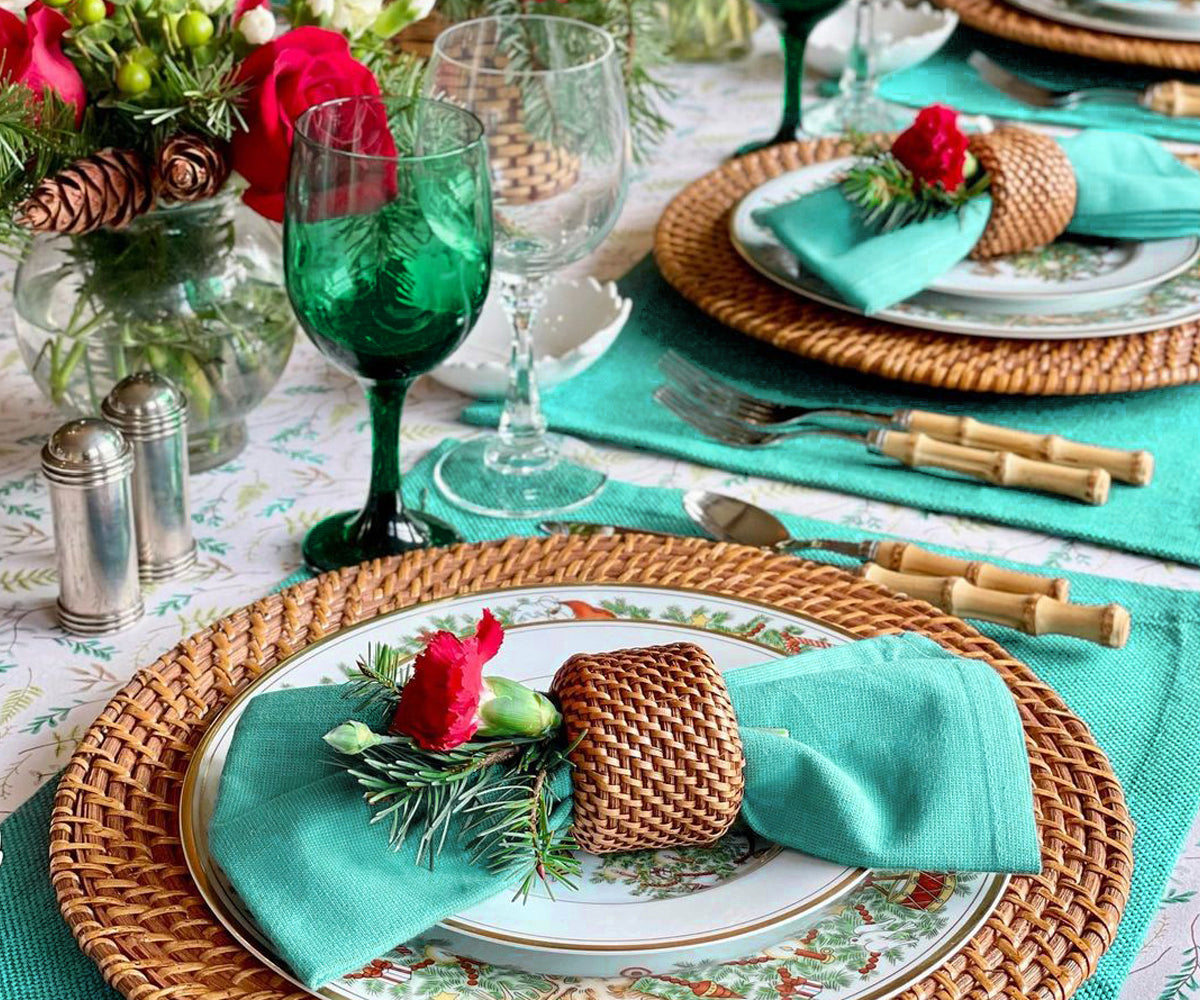
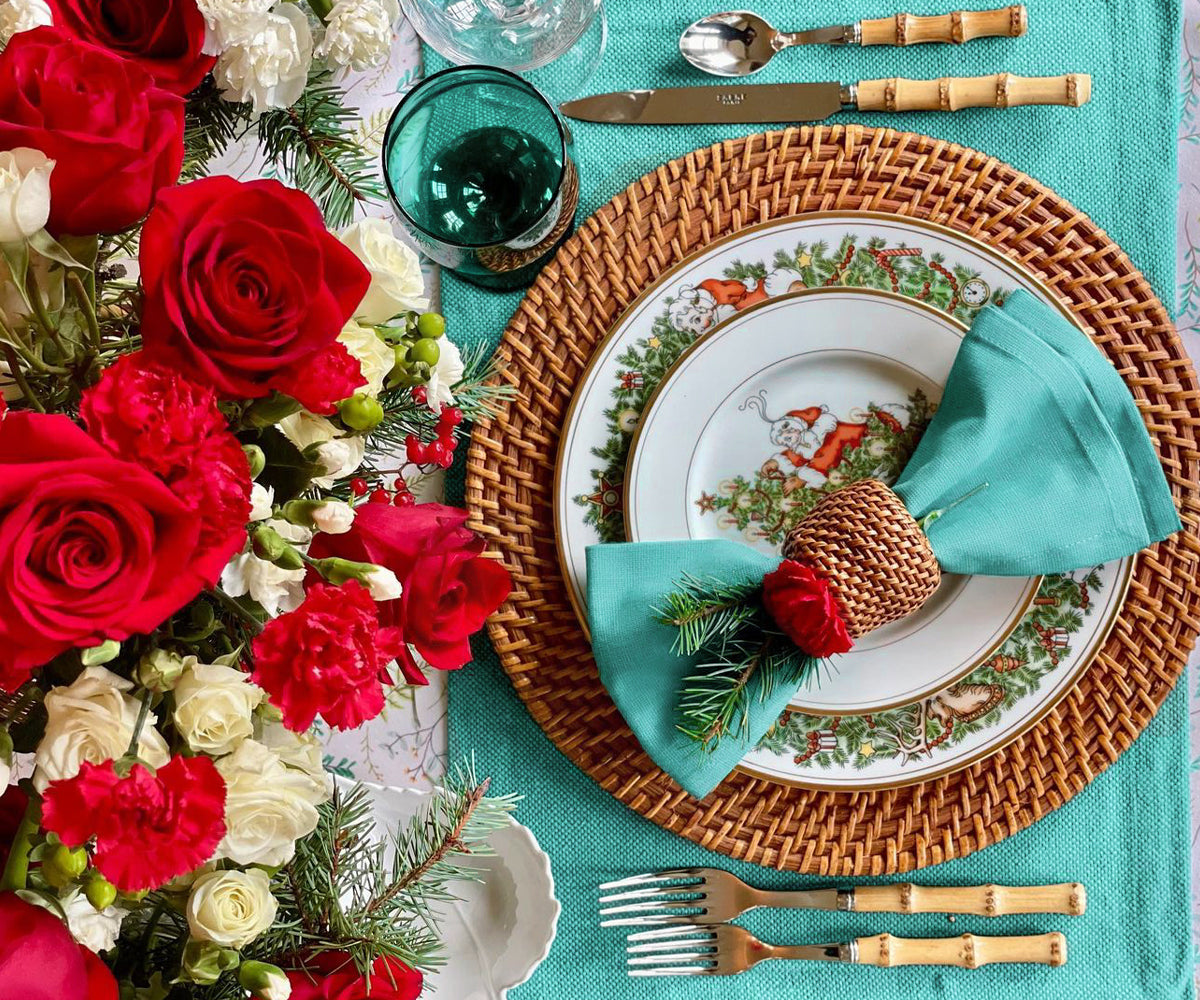
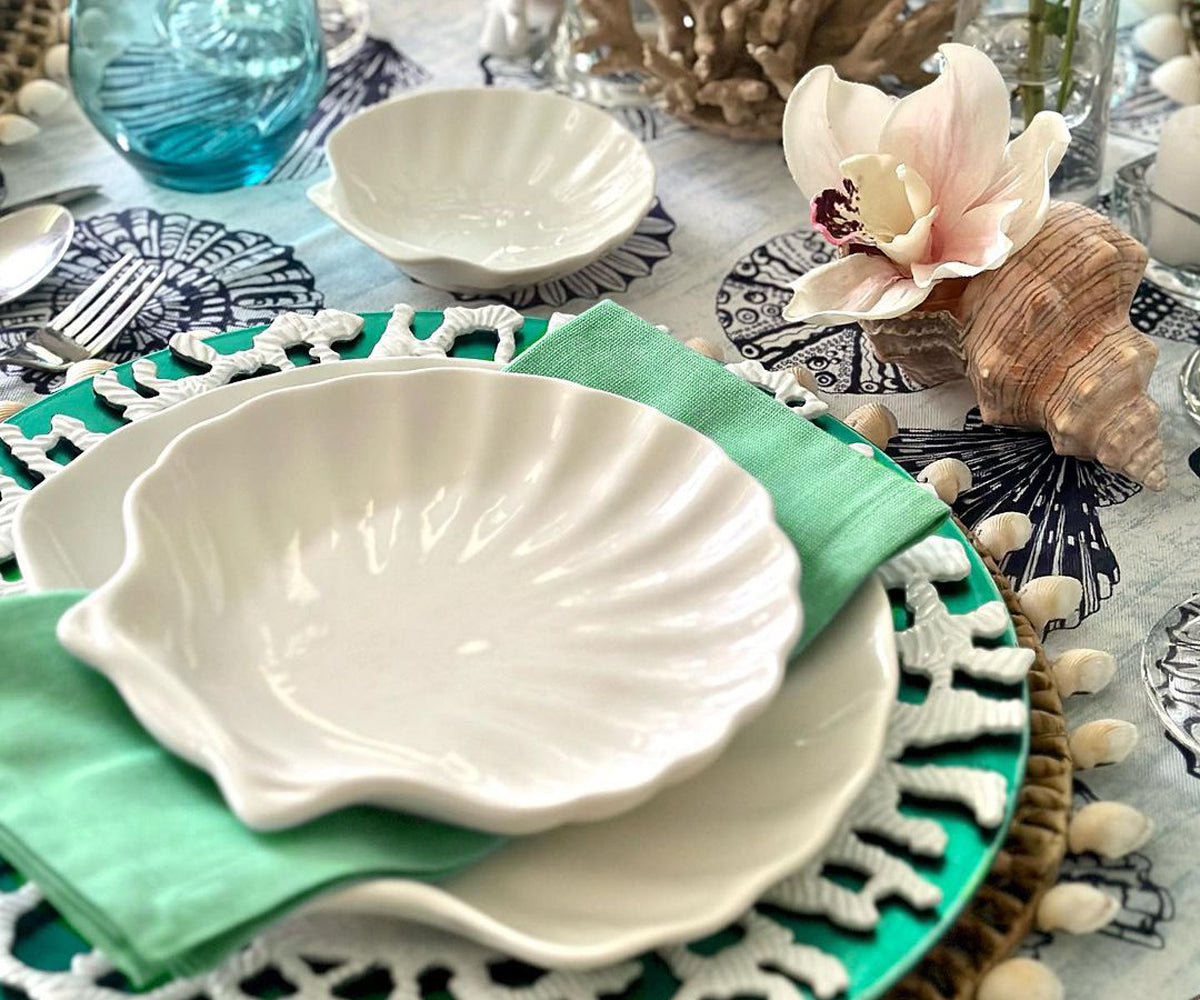
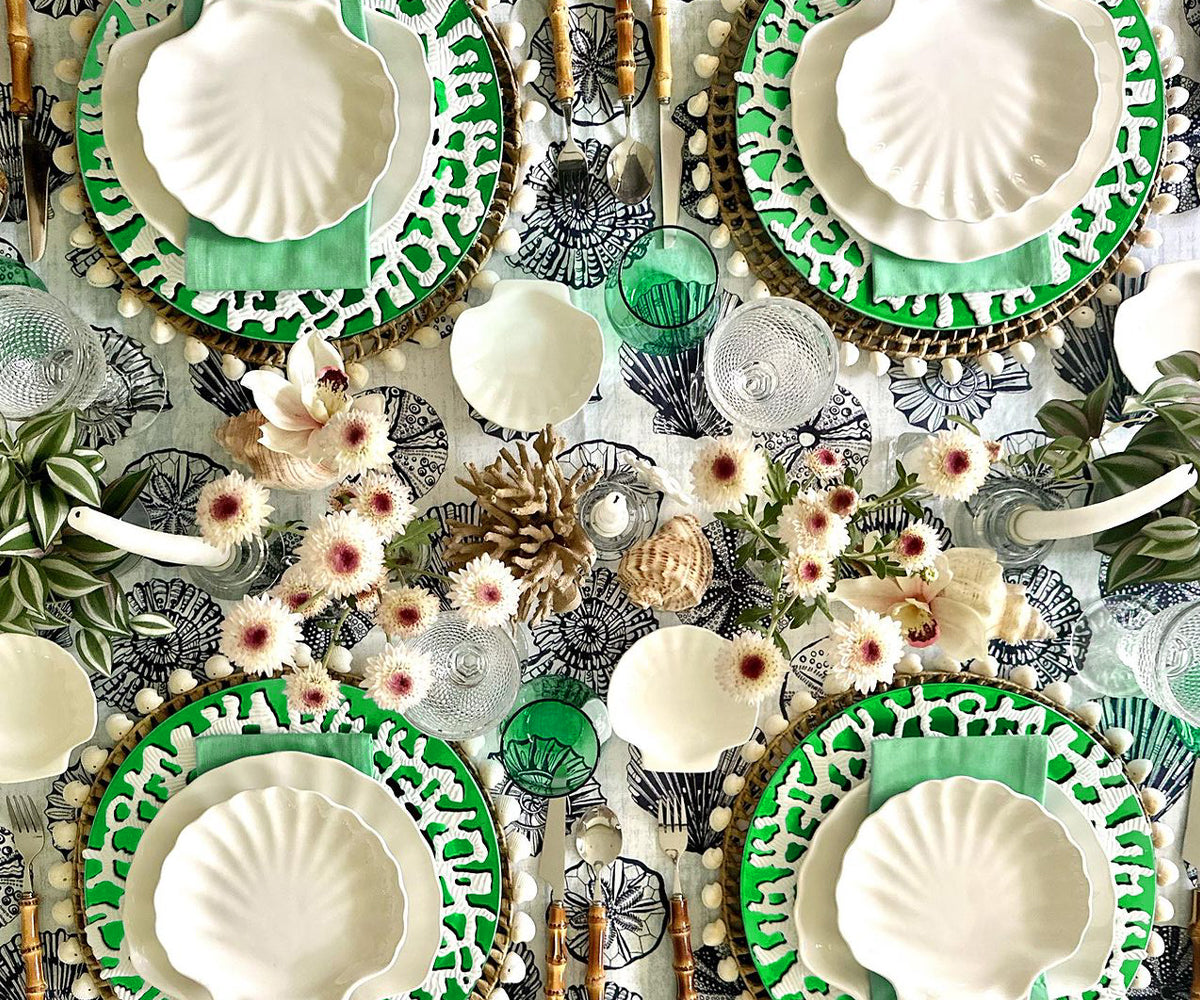
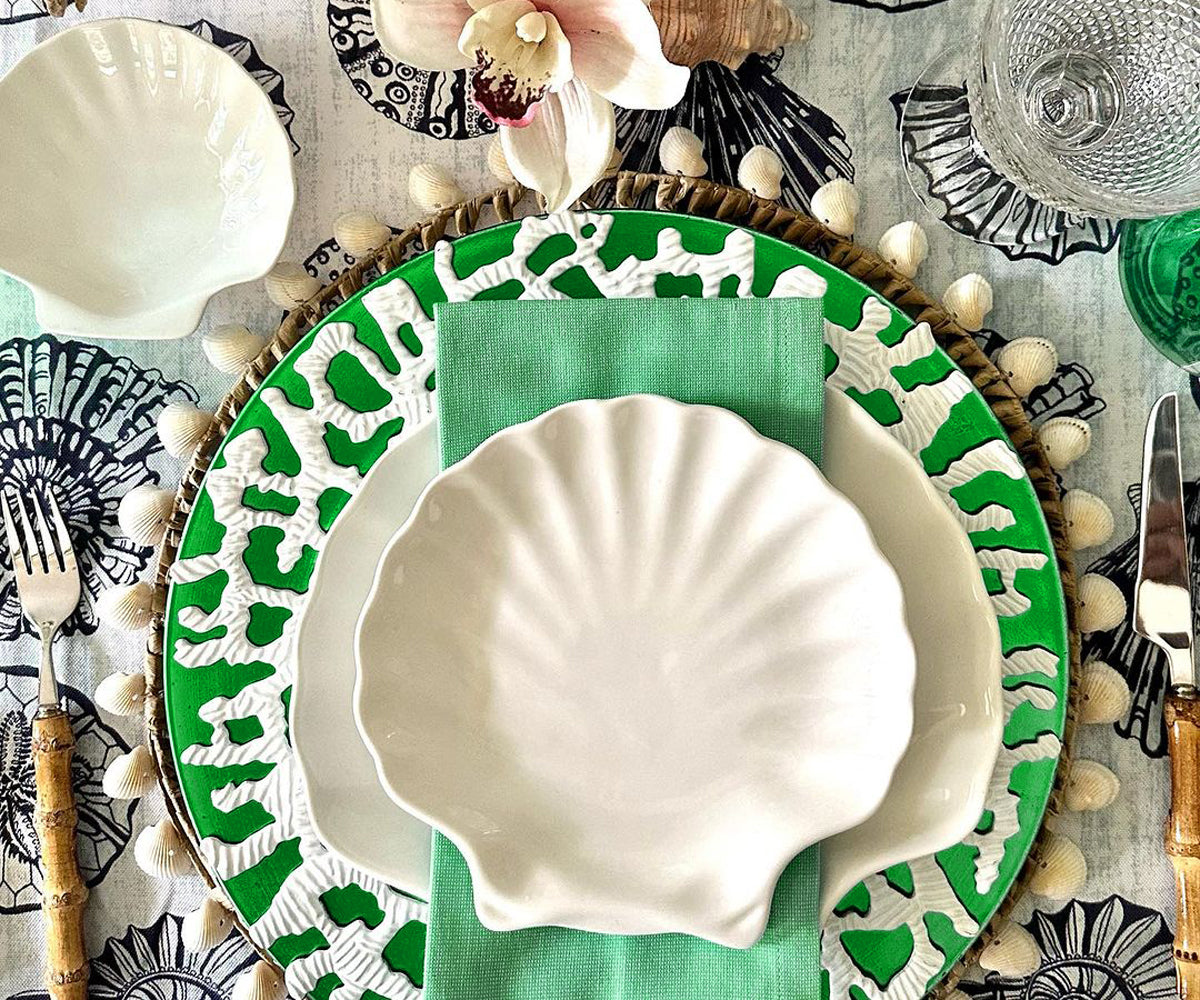
Layering textures is a technique that adds visual depth quickly. A woven placemat under a ceramic plate, paired with a washed linen napkin in a soft olive or warm sand tone, creates a table that looks styled but still approachable. This combination works for everyday meals just as well as it does for a dinner party.
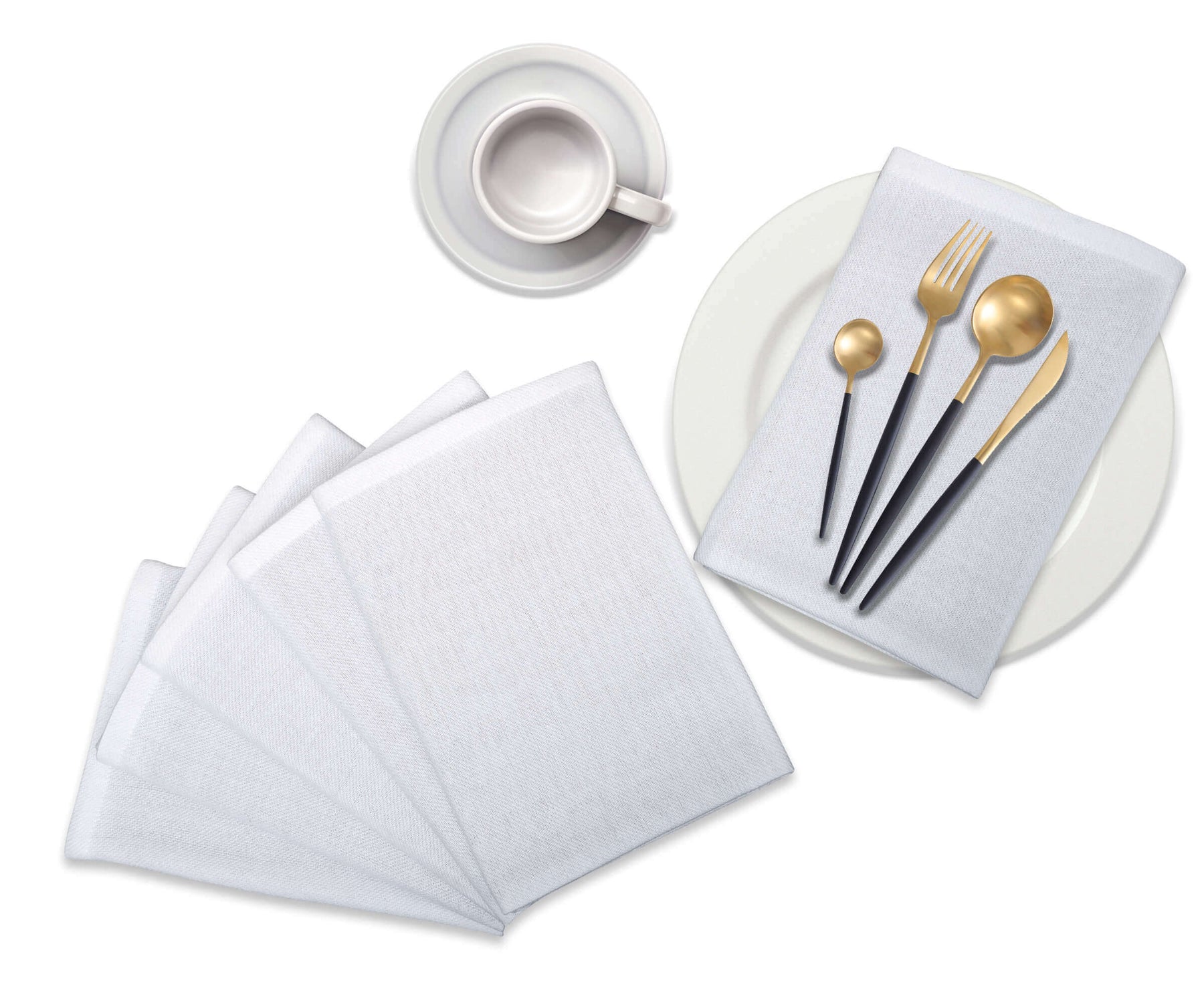
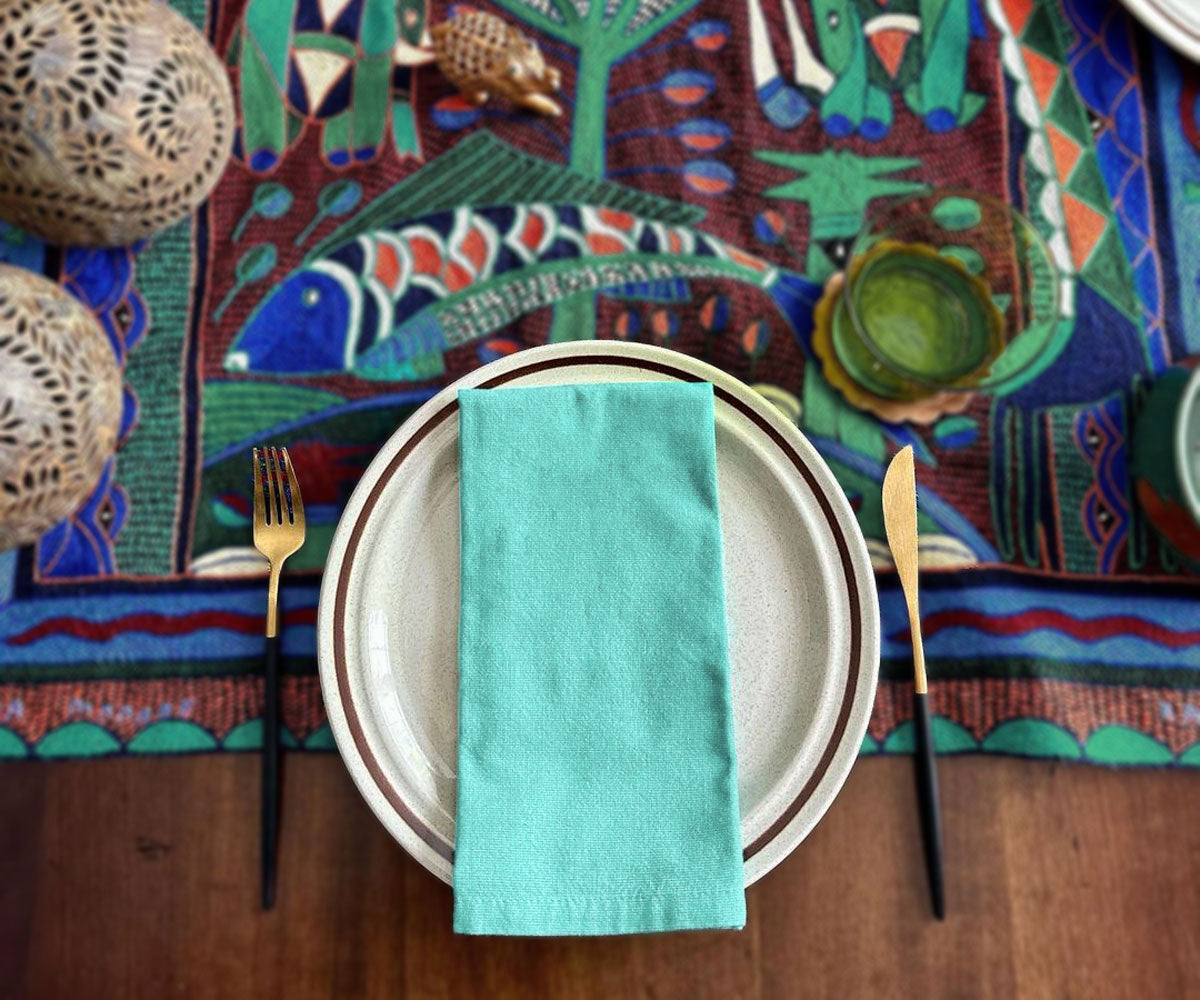
For a minimal setup, a white or off-white linen napkin on a wood table alongside simple tableware is often all that is needed. The natural texture of the linen does the visual work without needing any accessories.
Seasonal adjustments can be made easily by swapping napkin colors. Warm terracotta and burnt orange work well for autumn tables. Soft sage and pale yellow suit spring setups. This small change refreshes the table without requiring a full new set of tableware.
Read About: What Does the Term "Linen Napkin" Refer to? Everything You Need to Know
How to Fold Linen Napkins Without Overcomplicating It
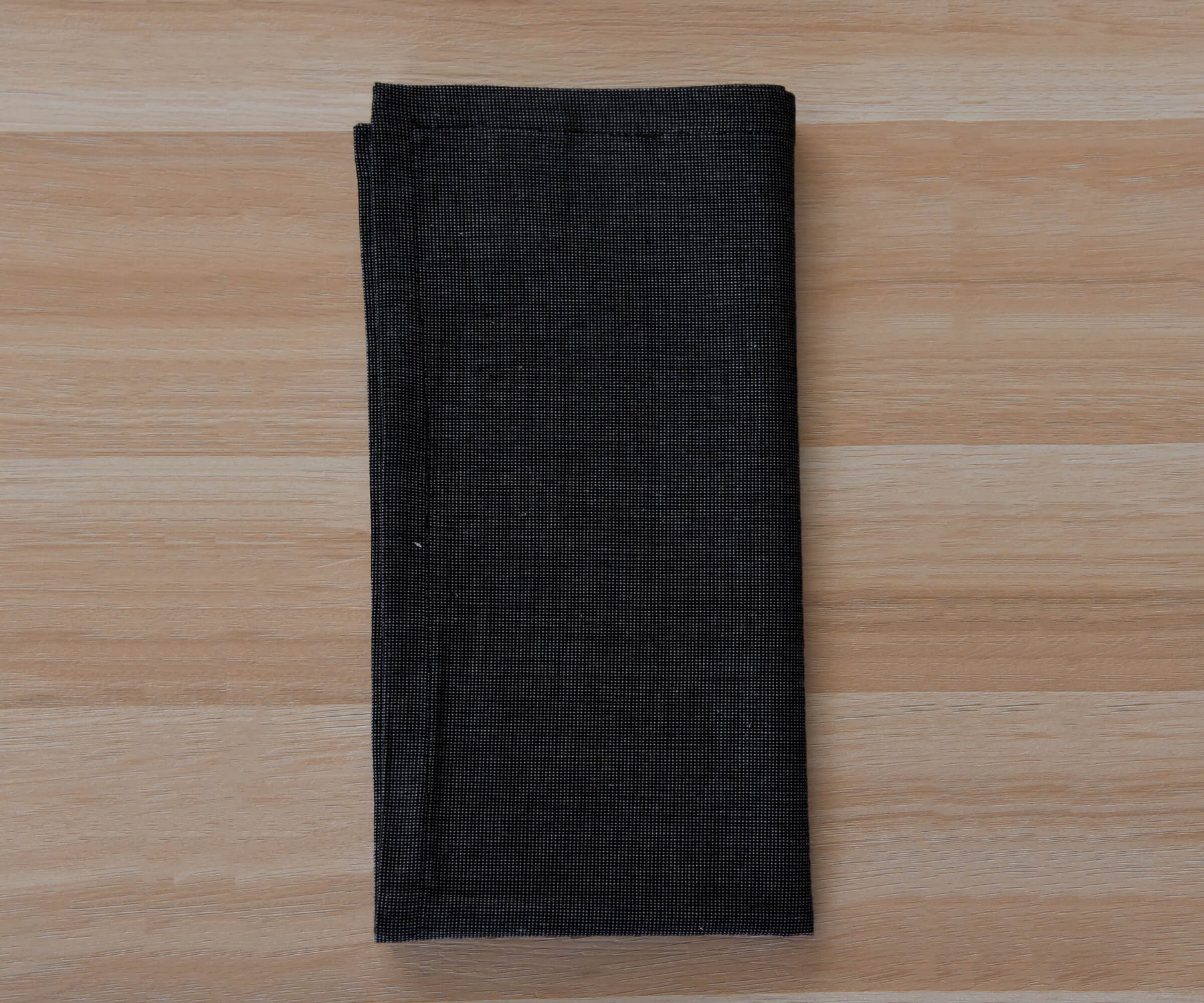
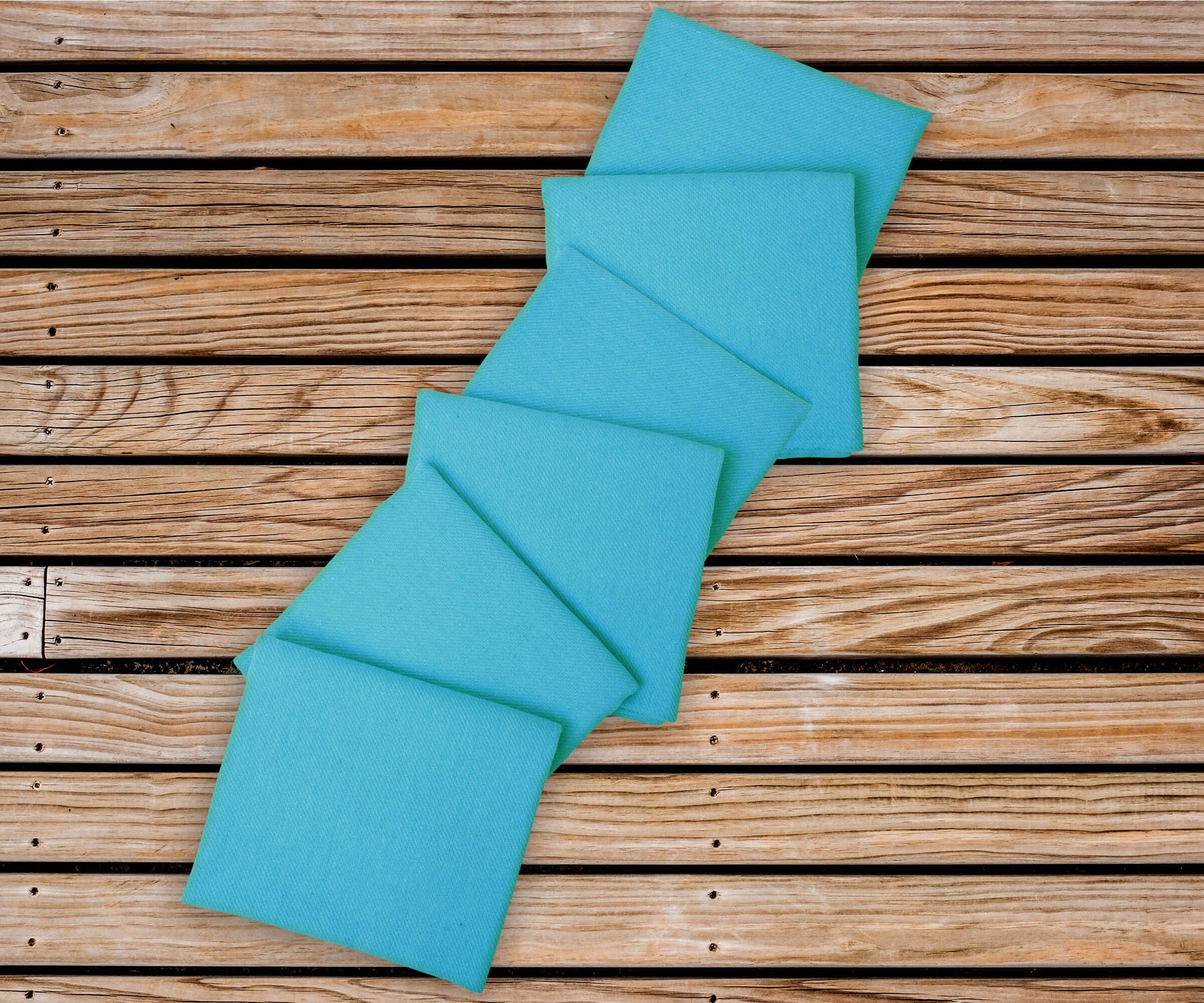
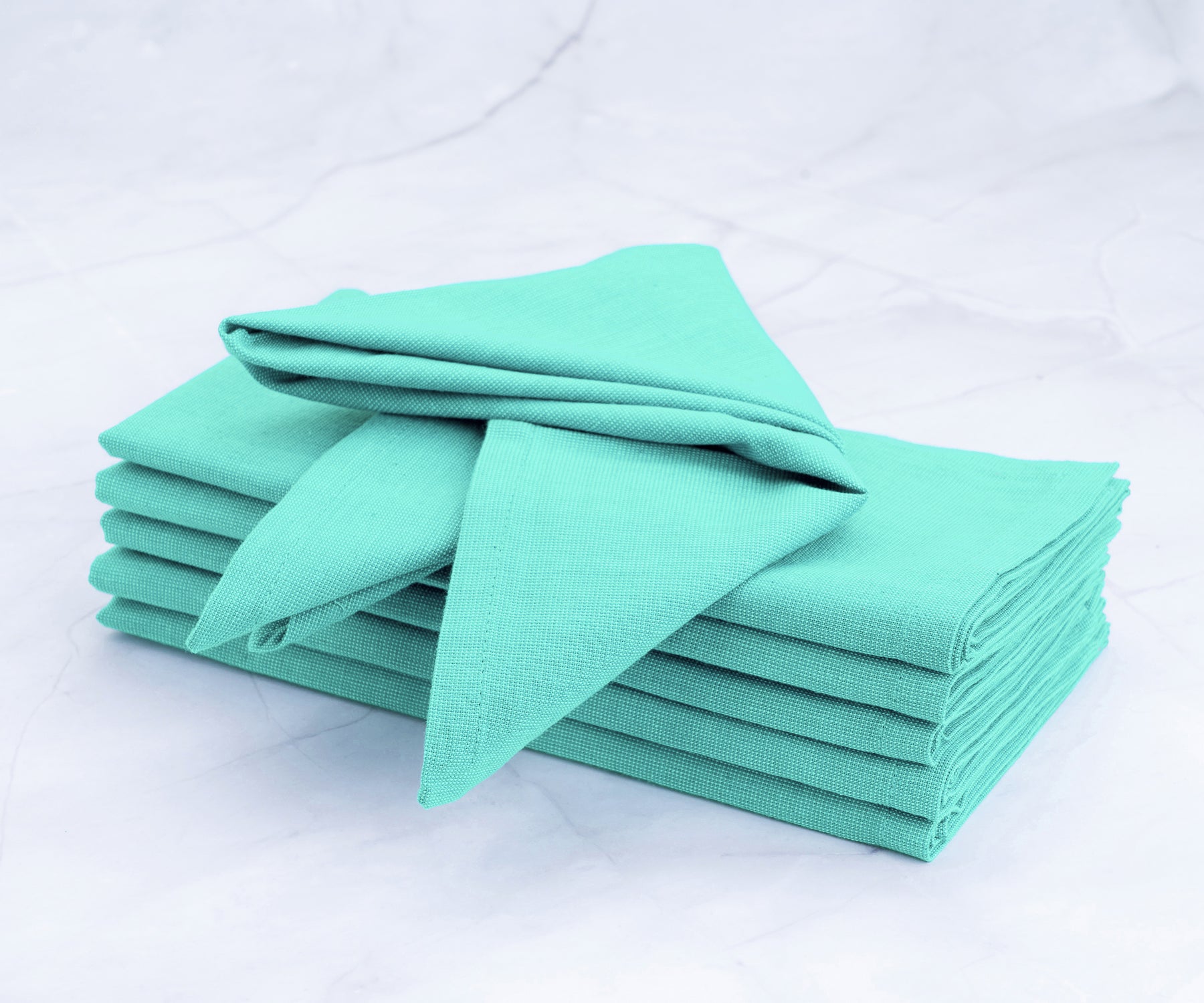
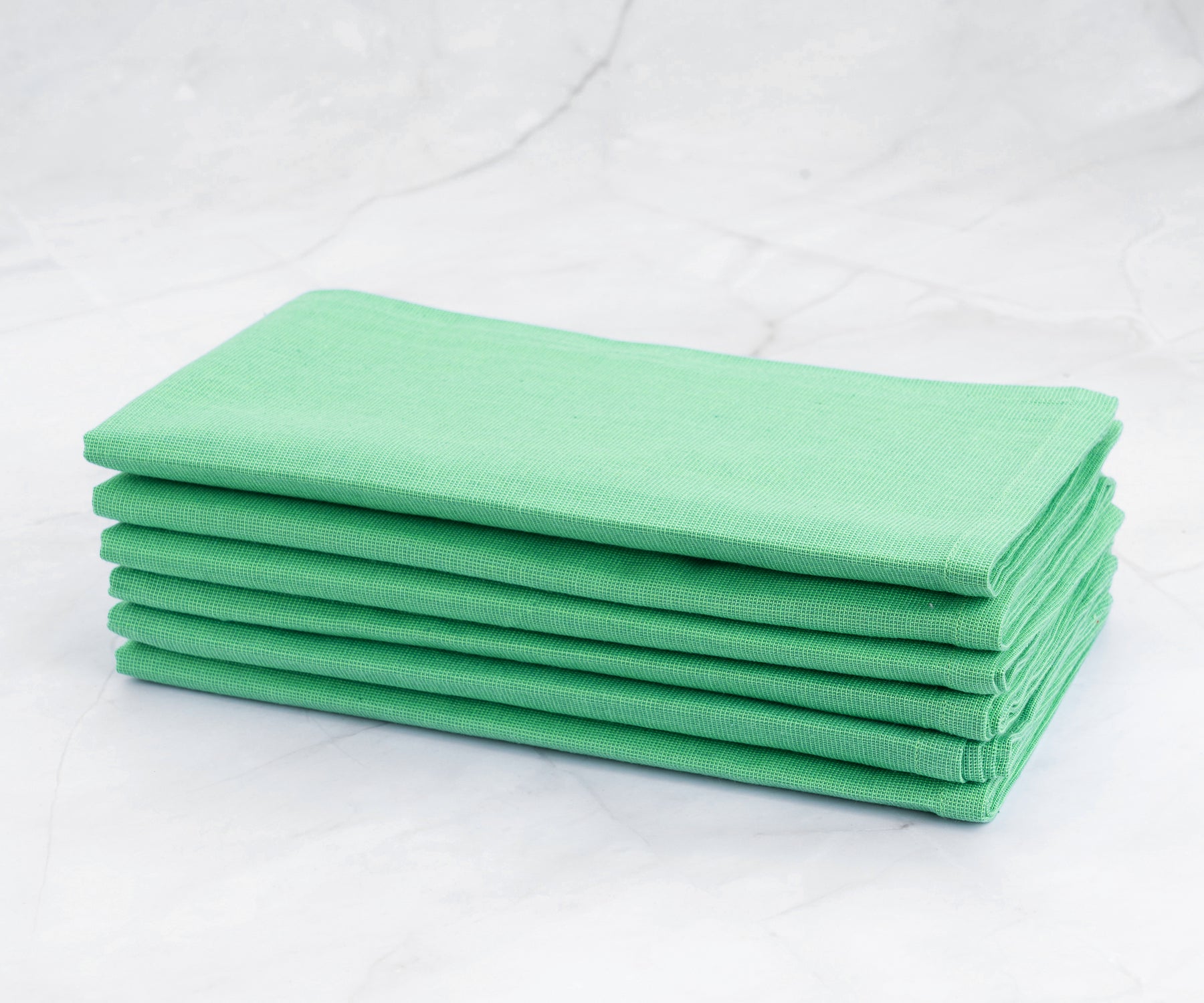
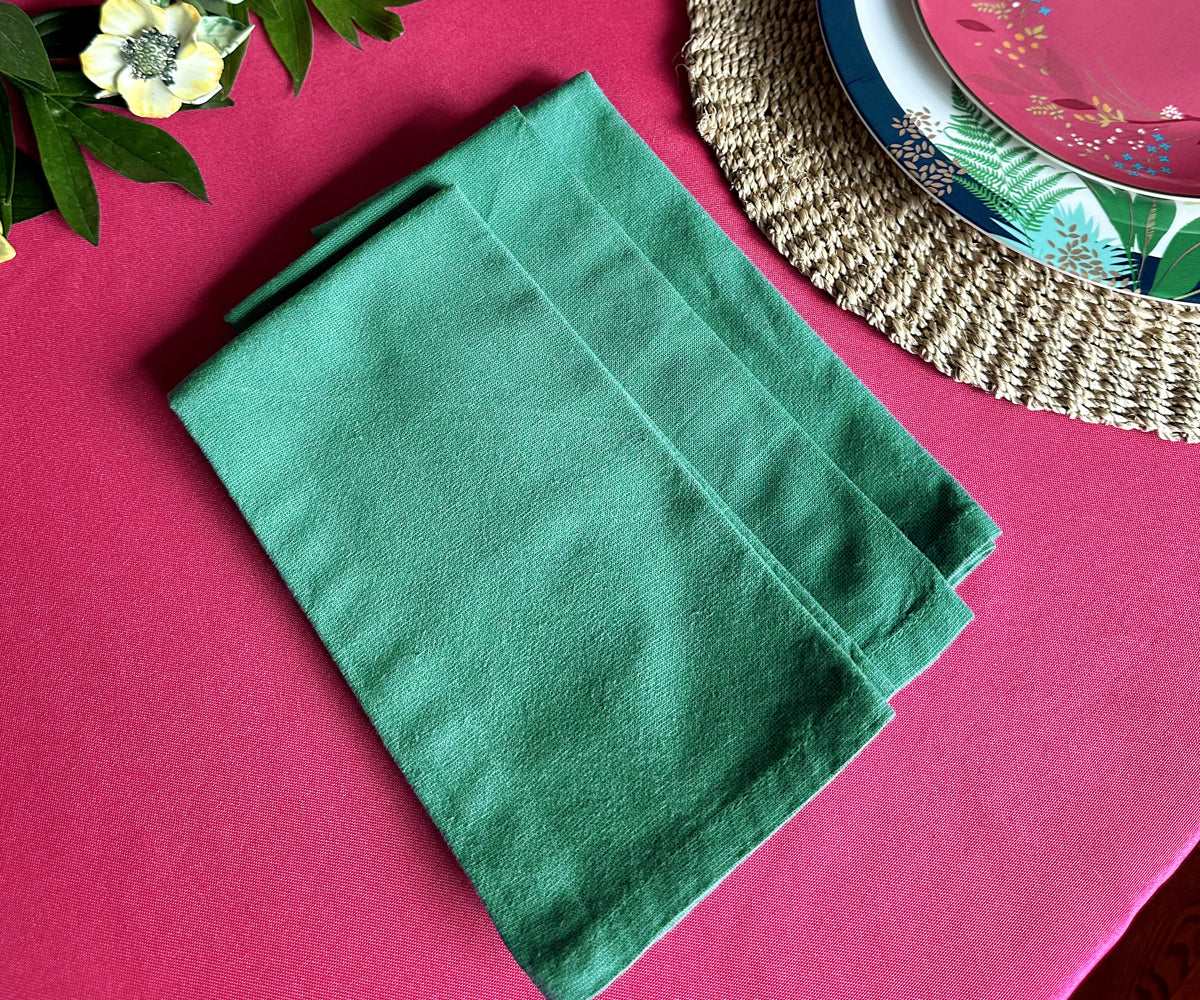
Most households do not need elaborate folding techniques for daily dining. A flat fold placed beside the plate looks clean and polished with minimal effort. The classic rectangle fold, where the napkin is folded in thirds, sits neatly under cutlery and is easy to replicate consistently.
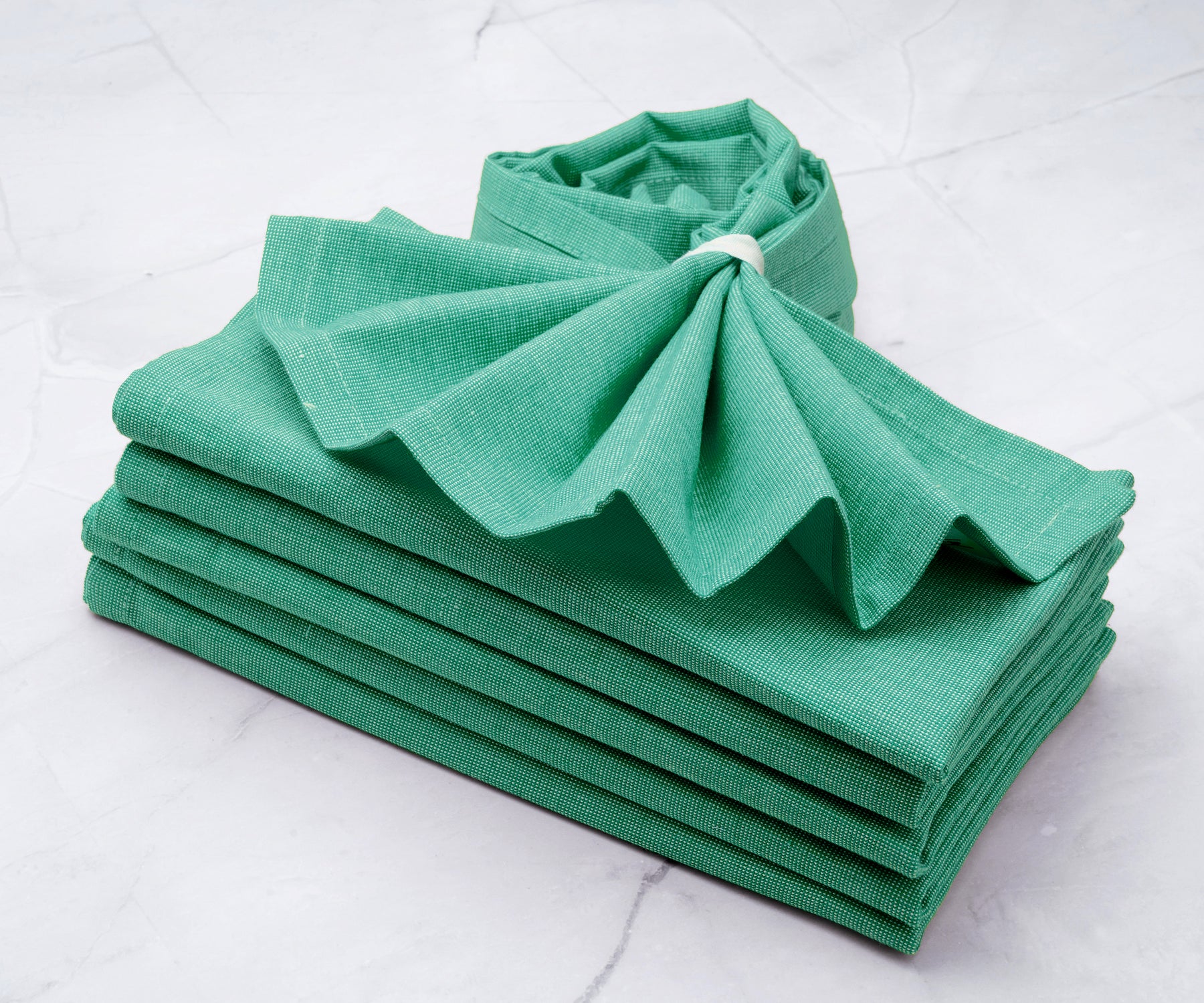
A loose roll secured with a napkin ring is a practical option for families. It is quick to do, easy to undo, and holds its shape through a meal. For a more relaxed setting, the napkin can simply be gathered loosely and placed inside a drinking glass.
Save intricate folds for occasions where the table setting itself is a focus, such as holiday dinners or celebrations. For everyday use, simplicity delivers a clean result in far less time.
Linen Napkin Care Tips for Long Lasting Use
One reason linen napkins are so practical is that they do not demand complicated care. A mild detergent, a gentle machine cycle, and air drying cover the basic routine for most napkins.
Avoid bleach and strong chemical treatments. These weaken linen fibers over time and can cause uneven fading, particularly in colored napkins. For stains, a short soak in cool water before washing usually does the job. Stain removers designed for natural fibers are safe to use when needed.
Air drying is the better option. It protects the fabric structure and keeps the natural texture intact. If a tumble dryer is used, a low heat setting works without causing damage, but the napkins may come out slightly stiffer than air-dried ones.
Ironing is a personal preference with linen. Many people enjoy the slightly rumpled, natural look of unwashed linen and skip ironing entirely. For a neater appearance, a light press while the napkin is still slightly damp gives a smooth result without much effort.
With consistent basic care, a quality set of linen napkins can last well over a decade. That longevity is part of what makes them a better long-term investment than paper alternatives.
Learn About: Mastering the art of folding linen napkins effortlessly
How to Choose Linen Napkins for Your Table
Choosing the right linen napkins comes down to a few practical questions. How often will they be used? What colors are already present on the table? How much care time is available?
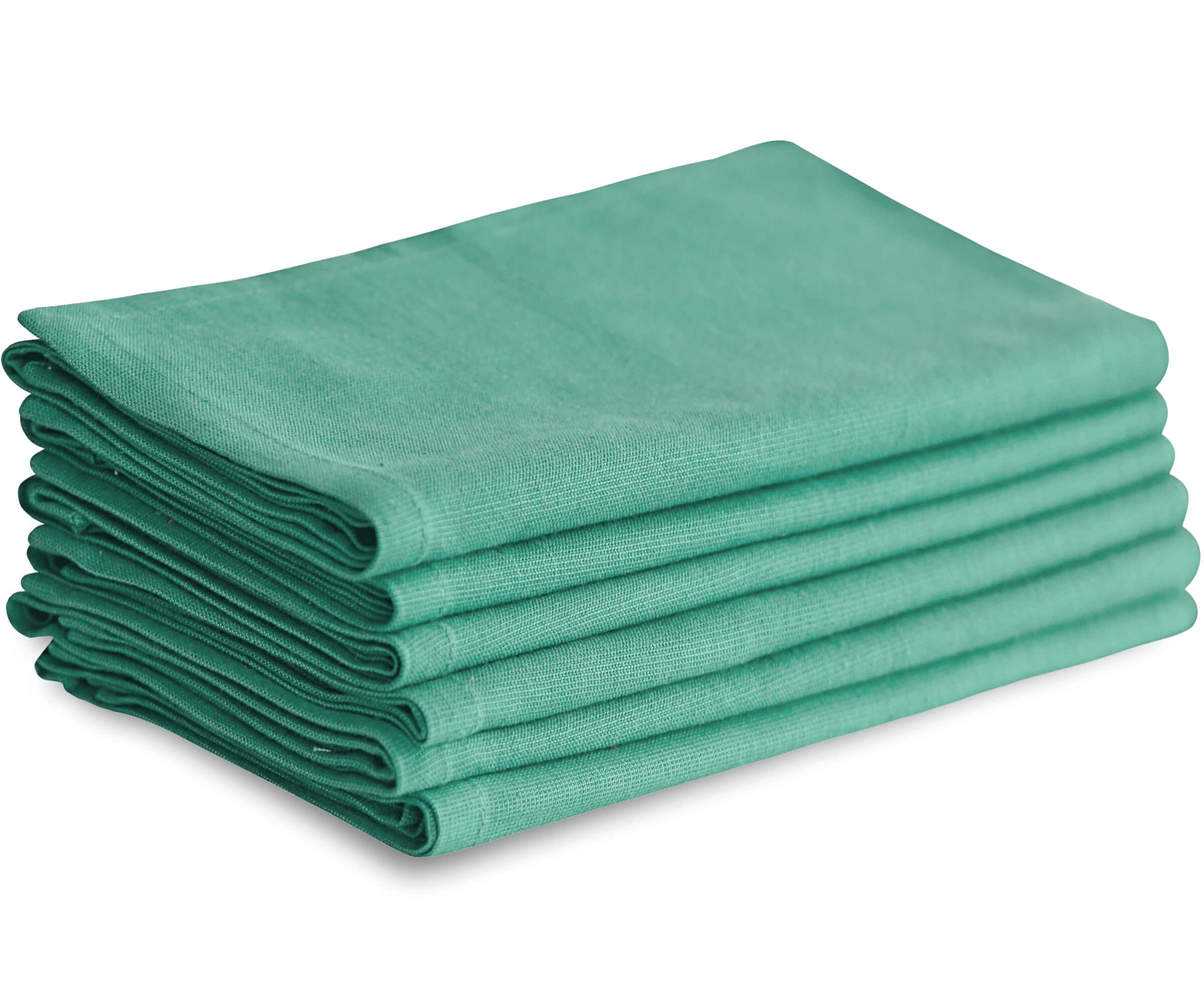
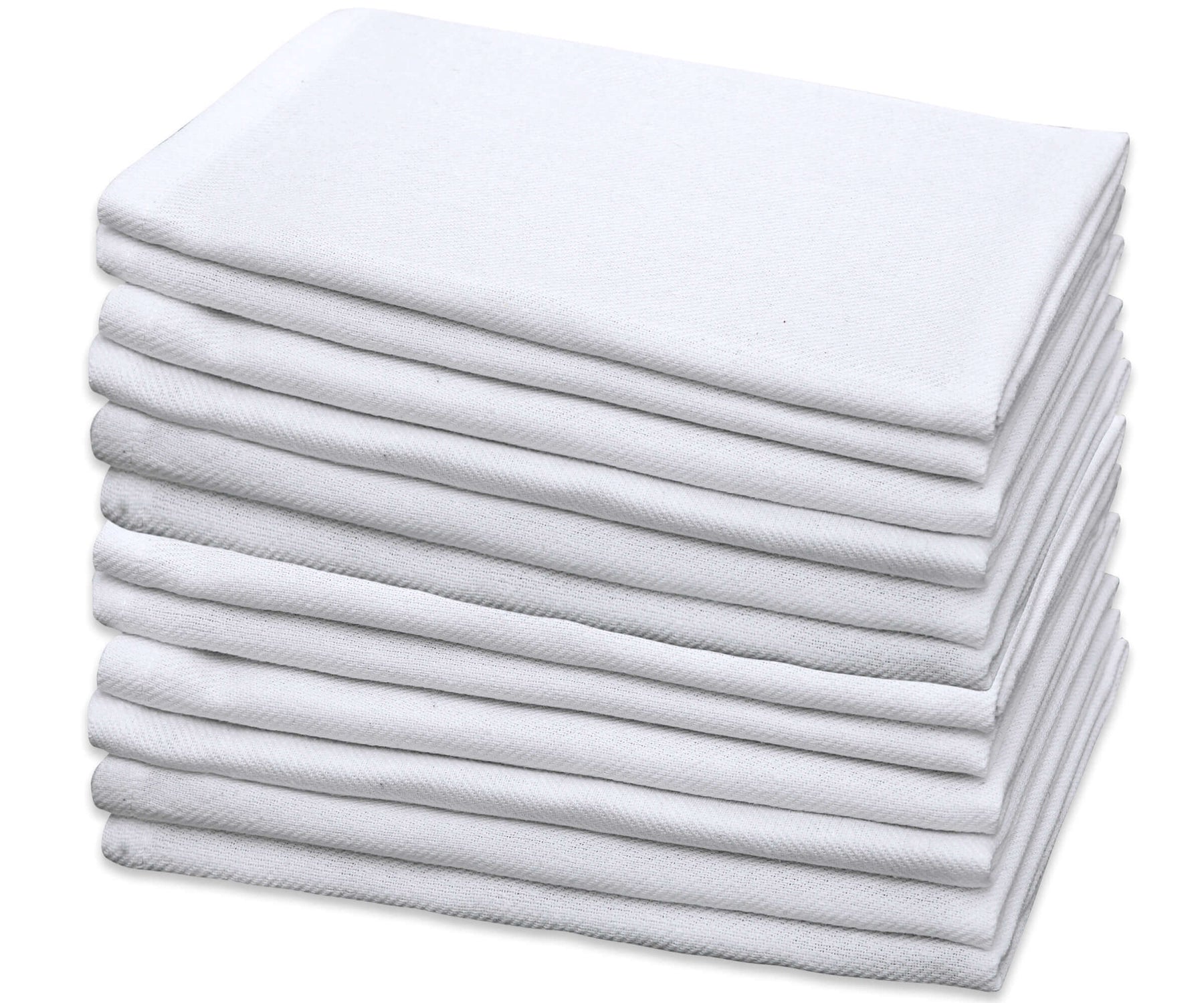
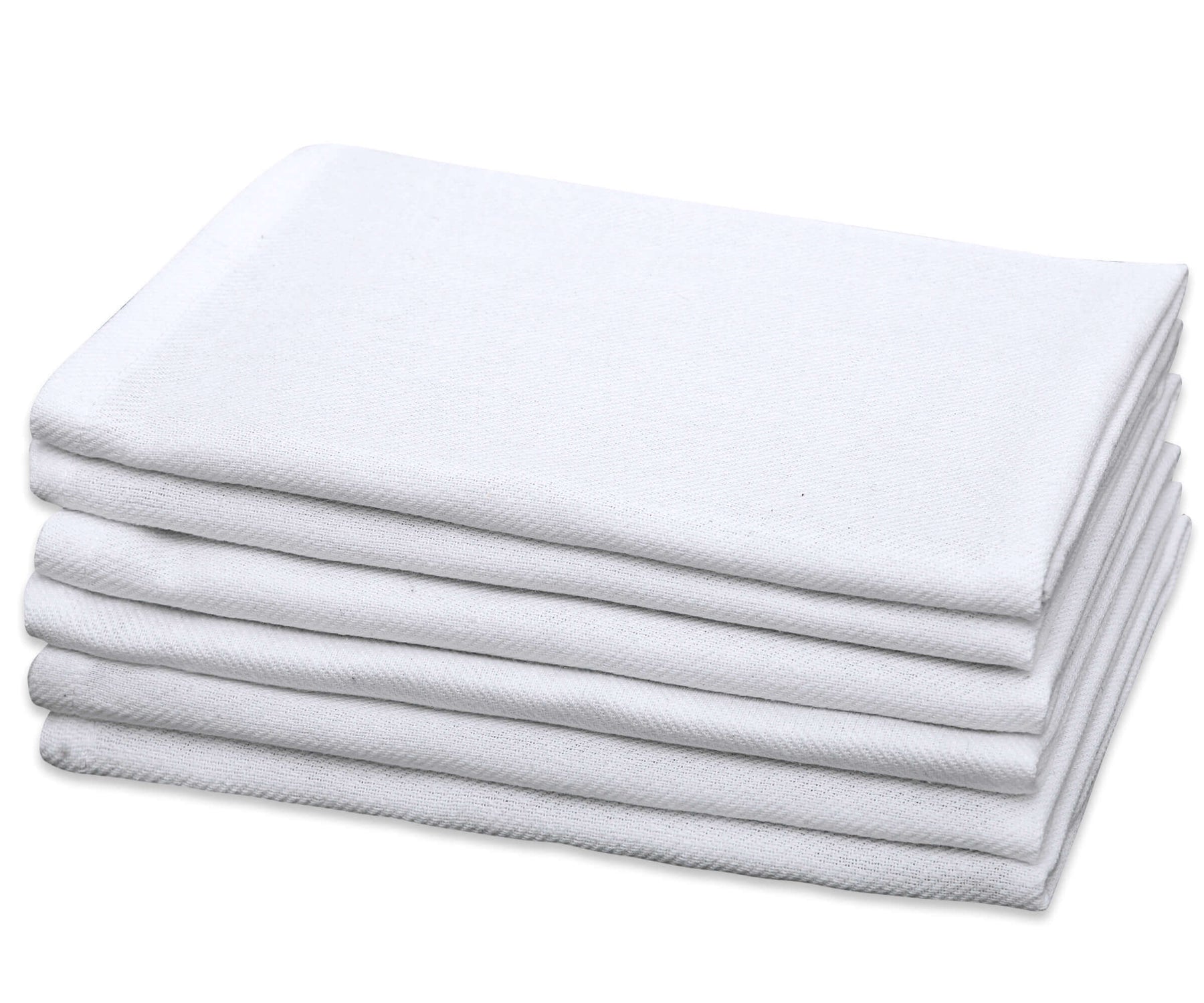
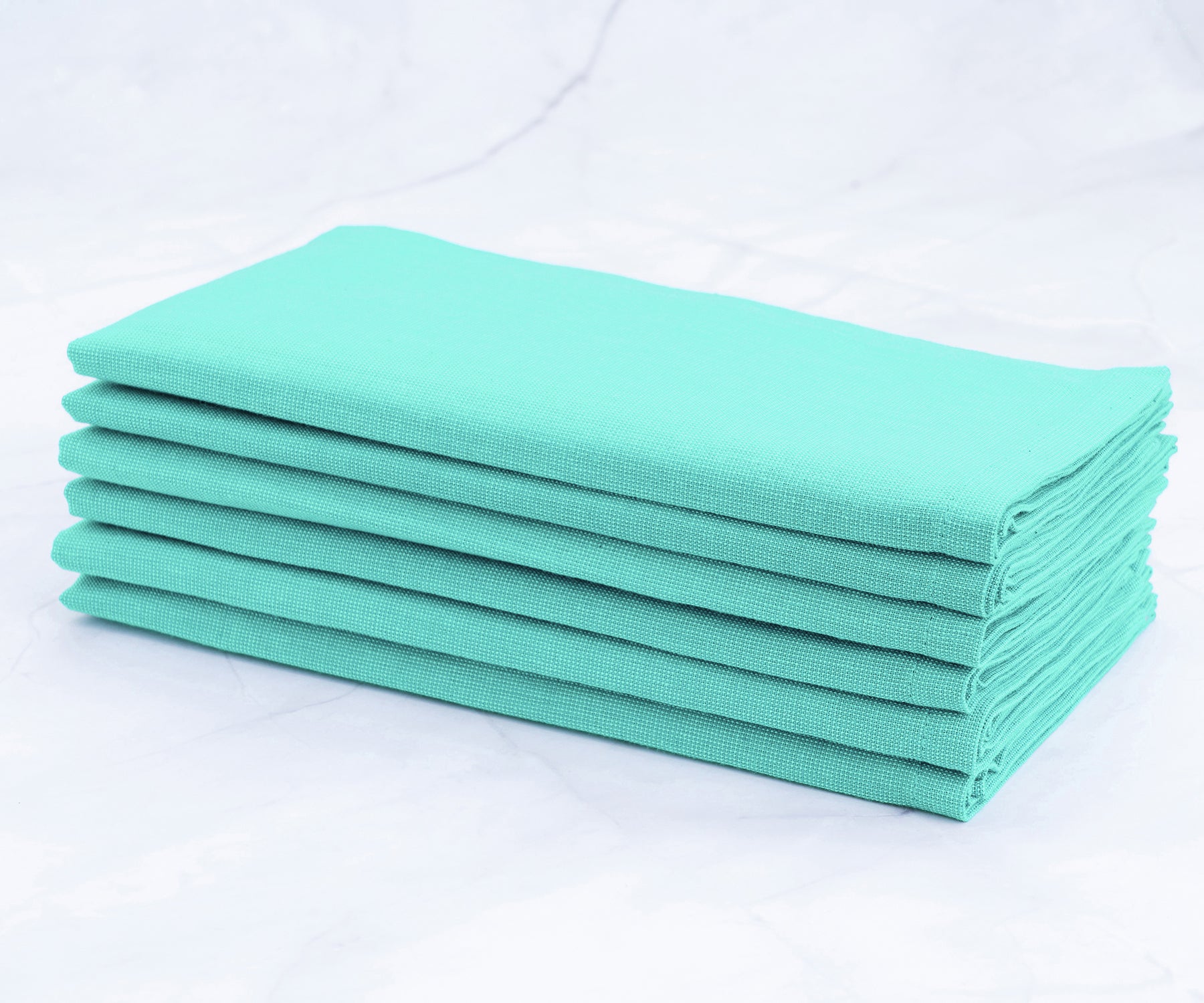
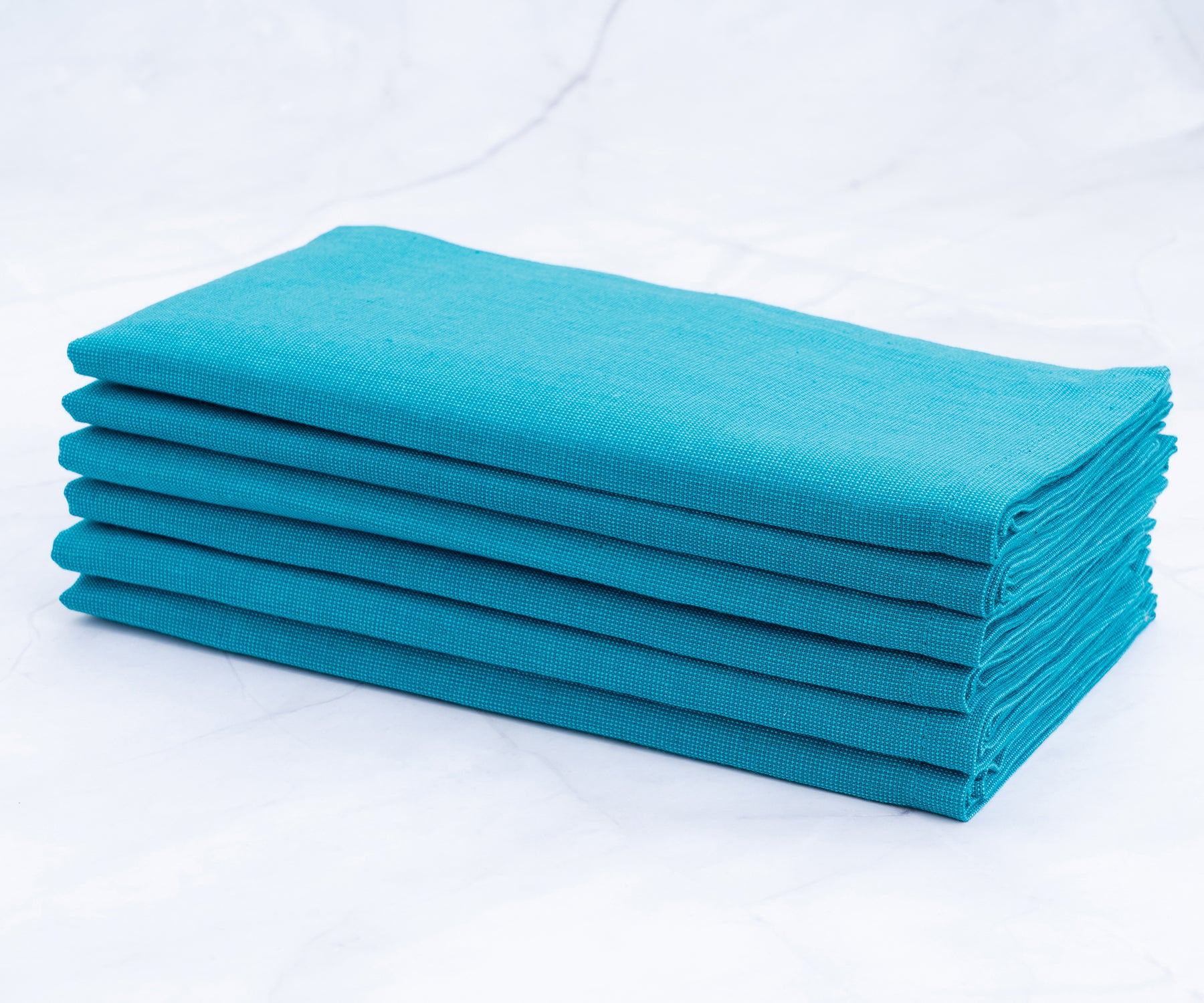
For daily use, medium-weight plain or checked linen napkins in neutral colors are the easiest starting point. They wash well, dry fast, and suit most table setups without needing much thought. A set of six to eight napkins is enough to cover a week of regular use with room for washing cycles.
For households that entertain regularly, having a secondary set of hemstitched or embroidered napkins on hand for gatherings makes sense. These can stay folded away and pulled out when the table needs a more deliberate presentation.
Cotton linen blends are a sensible pick for anyone who finds pure linen too textured at first. The blend softens the hand feel while keeping the durability and quick-dry properties that make linen useful. Similar styles and fabric options are available across collections from All Cotton and Linen.
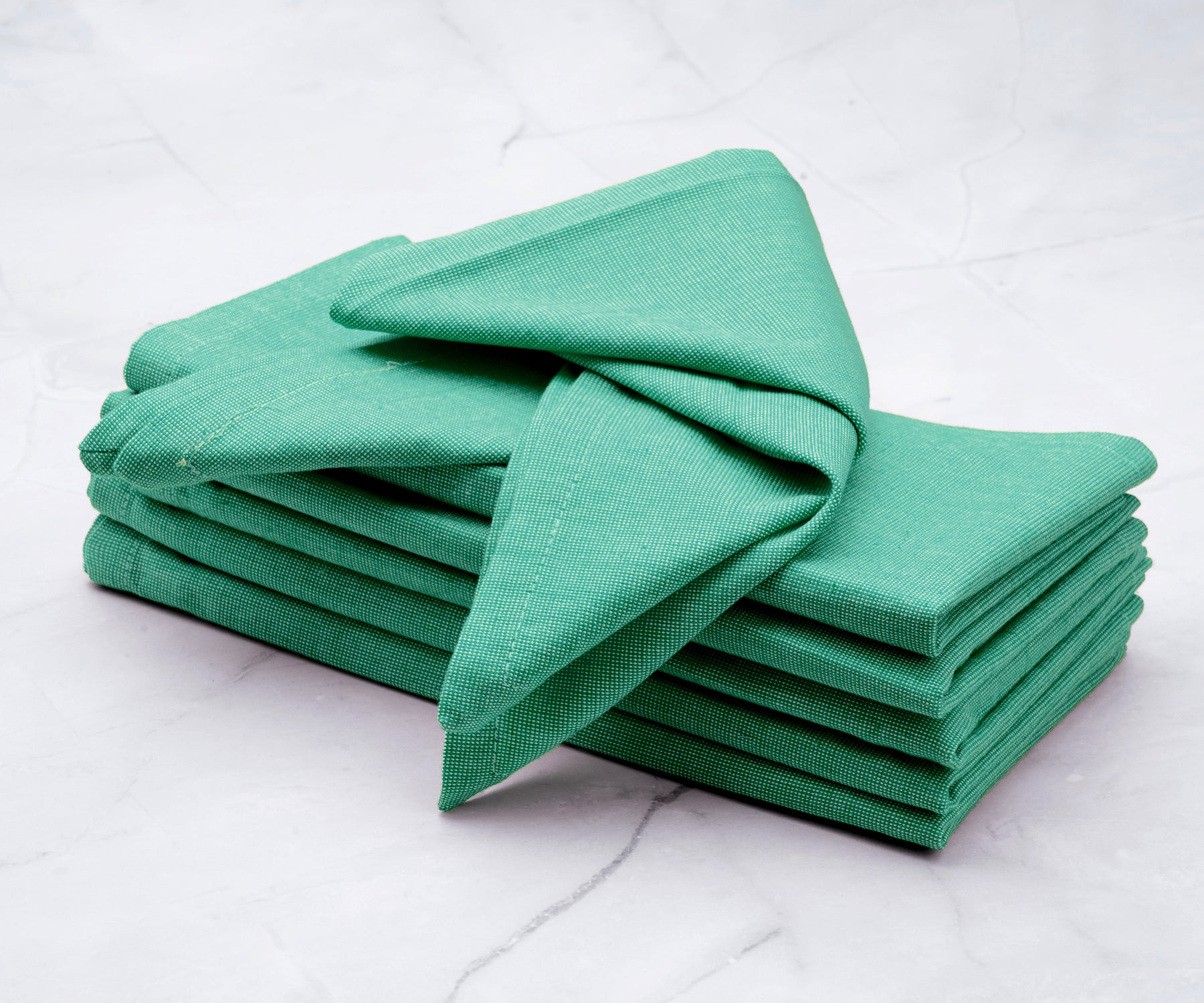
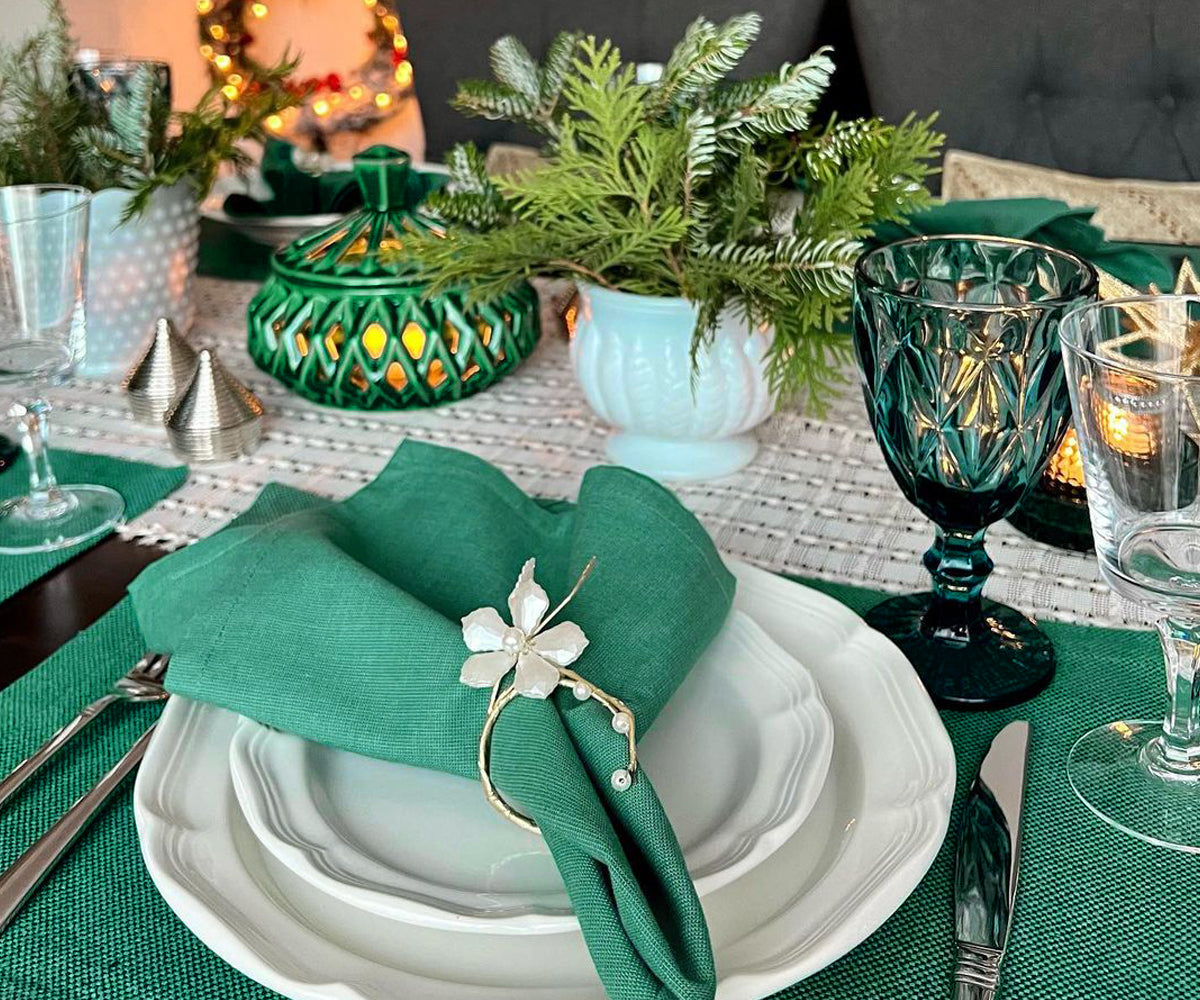
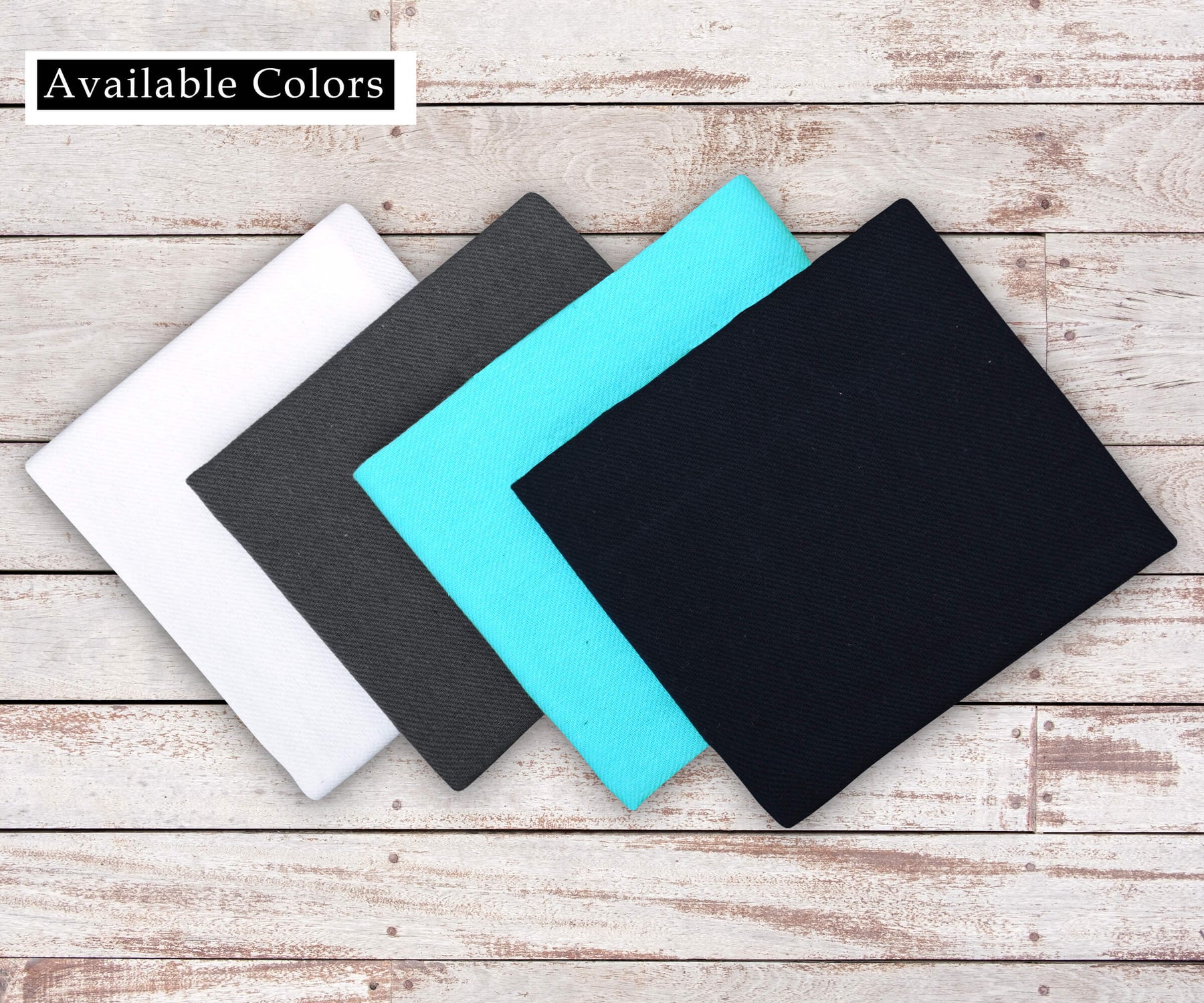
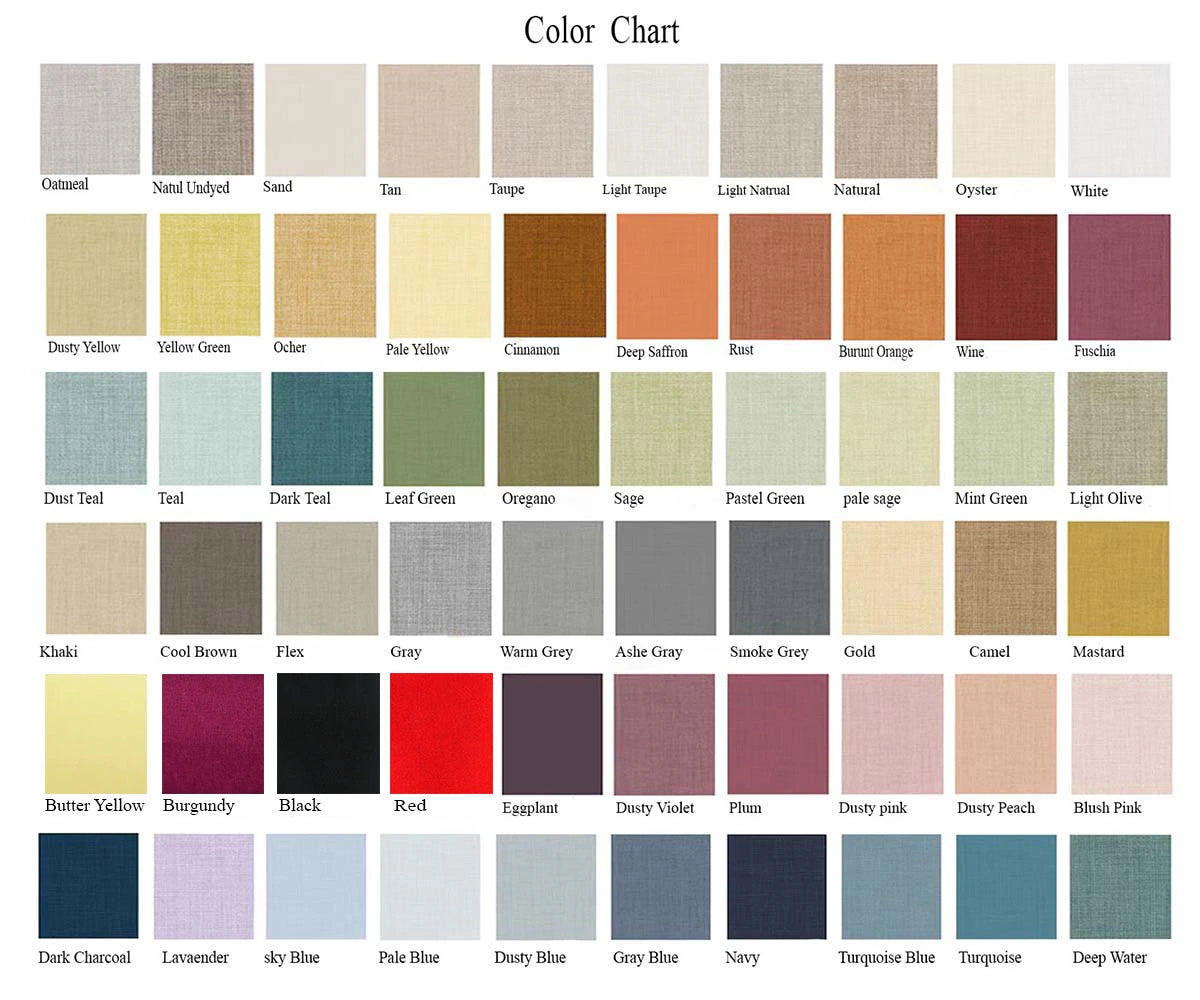
Color selection matters more than many people expect. Warm whites and ivory are the most flexible tones, working across almost every tableware style and season. Deeper shades like slate blue, forest green, and terracotta are strong secondary options that add personality while still sitting well with natural wood and ceramic.
Overview of the Latest Trends in Linen Napkins
The latest trends in linen napkins point toward a simple conclusion: cloth napkins are no longer a formal luxury but a practical everyday choice. Natural textures, washable fabrics, and neutral colors are defining the category in 2026, making it easier than ever to find napkins that work hard and look good doing it.
The range of styles available, from plain and checked for daily use to embroidered and hemstitched for more deliberate settings, means there is a linen napkin option that fits every household and every occasion.
Choosing the right set and caring for it properly makes linen napkins one of the most useful and lasting additions to any kitchen or dining room.