
The Origins of Linen
Before we dive into the specifics of linen napkins, it's essential to understand what linen is. Derived from the flax plant, linen is a natural fiber renowned for its breathability, durability, and unique texture. With a history spanning thousands of years, linen has been a popular choice for textiles due to its many benefits. While 100% linen napkins do exist, most are blended with other fibers like cotton or polyester to create a more practical and affordable product.
The Truth About Linen Napkins
A linen napkin is typically made from a blend of linen and other fibers, with the linen content ranging from 20% to 100%. The higher the linen content, the more expensive and luxurious the napkin will be. However, it's worth noting that a 100% linen napkin may not be the most practical choice, as it can be prone to wrinkles and may not be as absorbent as a blended napkin. This is because linen is a natural fiber that can be prone to shrinkage and wear over time.
Also Read: How to Set a Formal Table: The Role of Placemats in Elegant Dining

The Benefits of Linen Napkins
So, why choose a linen napkin over a traditional paper or cotton napkin? The benefits of linen napkins are numerous:
-
Exceptional Absorbency: Linen napkins are highly absorbent, making them perfect for cleaning up spills and wiping hands.
-
Durability: Linen napkins are more durable than paper napkins and can be washed and reused multiple times.
-
Elegance: Linen napkins add a touch of elegance to any table setting, making them perfect for special occasions.
-
Sustainability: Linen is a natural, biodegradable fiber that is gentle on the environment.
-
Hypoallergenic: Linen is a natural fiber that is resistant to dust mites, mold, and mildew, making it an excellent choice for those with allergies.
-
Breathable: Linen is a breathable fiber that allows for airflow, making it perfect for hot summer days.

Choosing the Right Linen Napkin
With so many options available, choosing the right linen napkin can be overwhelming. Here are a few tips to help you make the right choice:
-
Consider the Occasion: If you're looking for a napkin for everyday use, a blended linen napkin may be the best choice. However, if you're looking for a napkin for a special occasion, a 100% linen napkin may be the way to go.
-
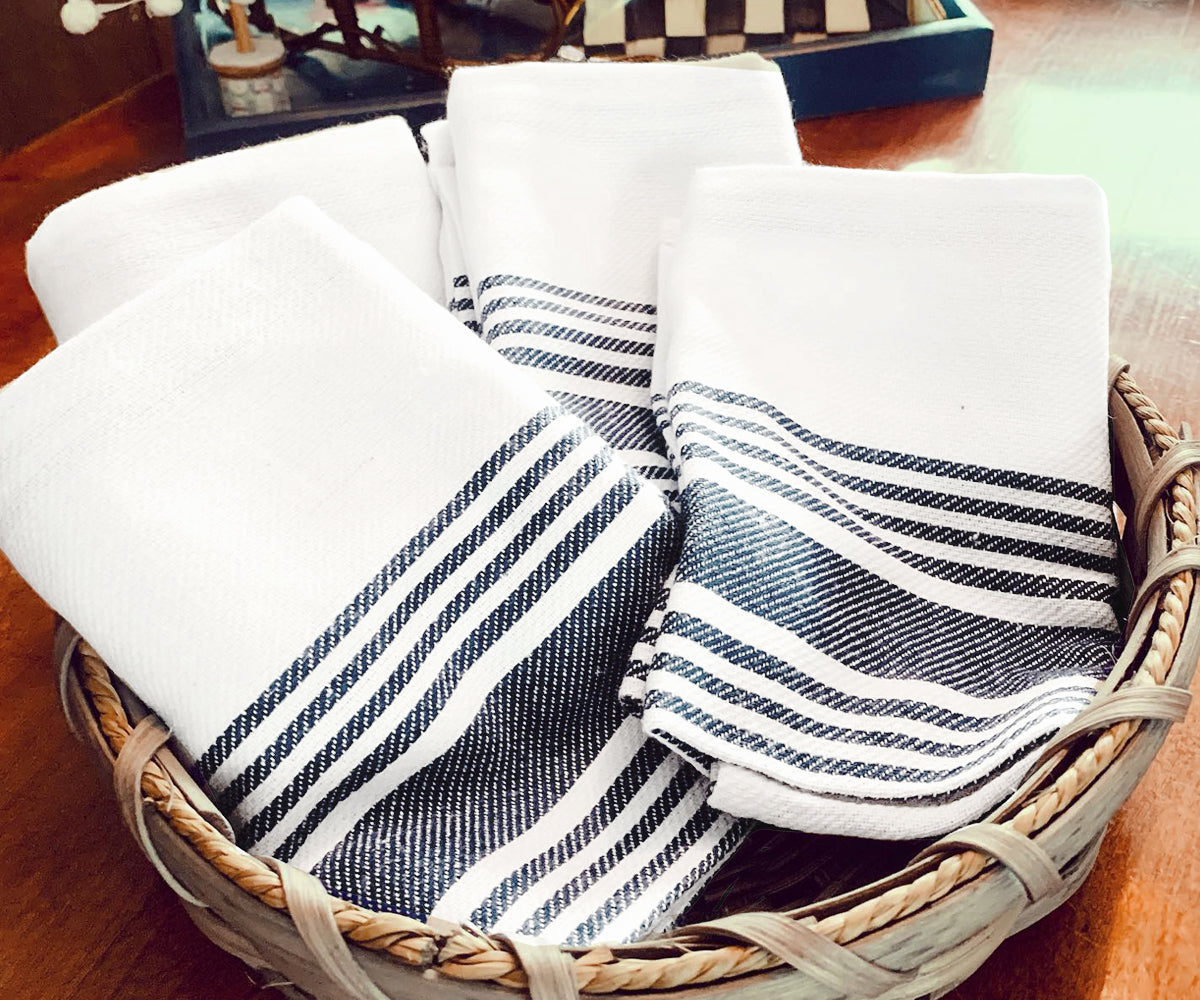
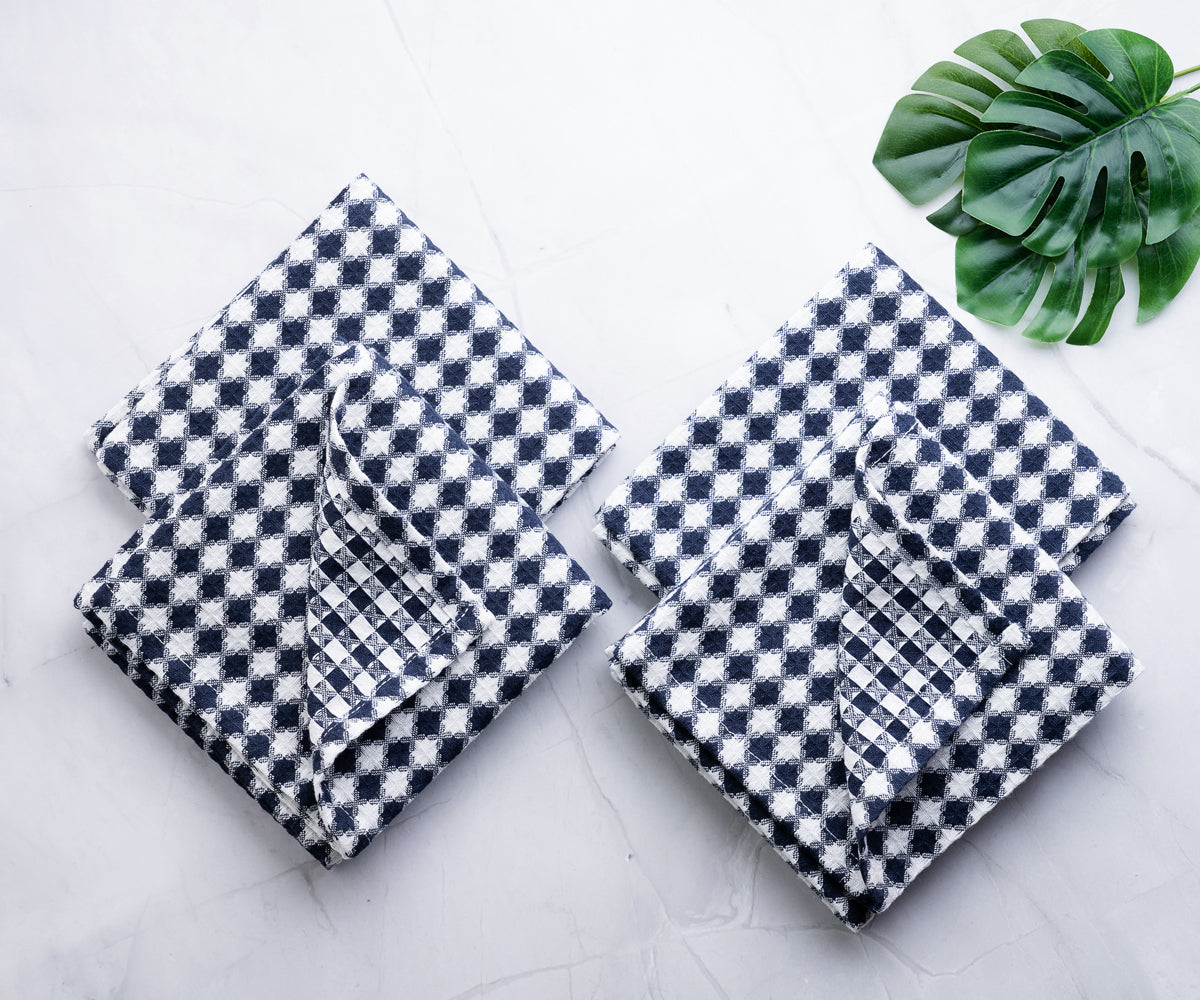
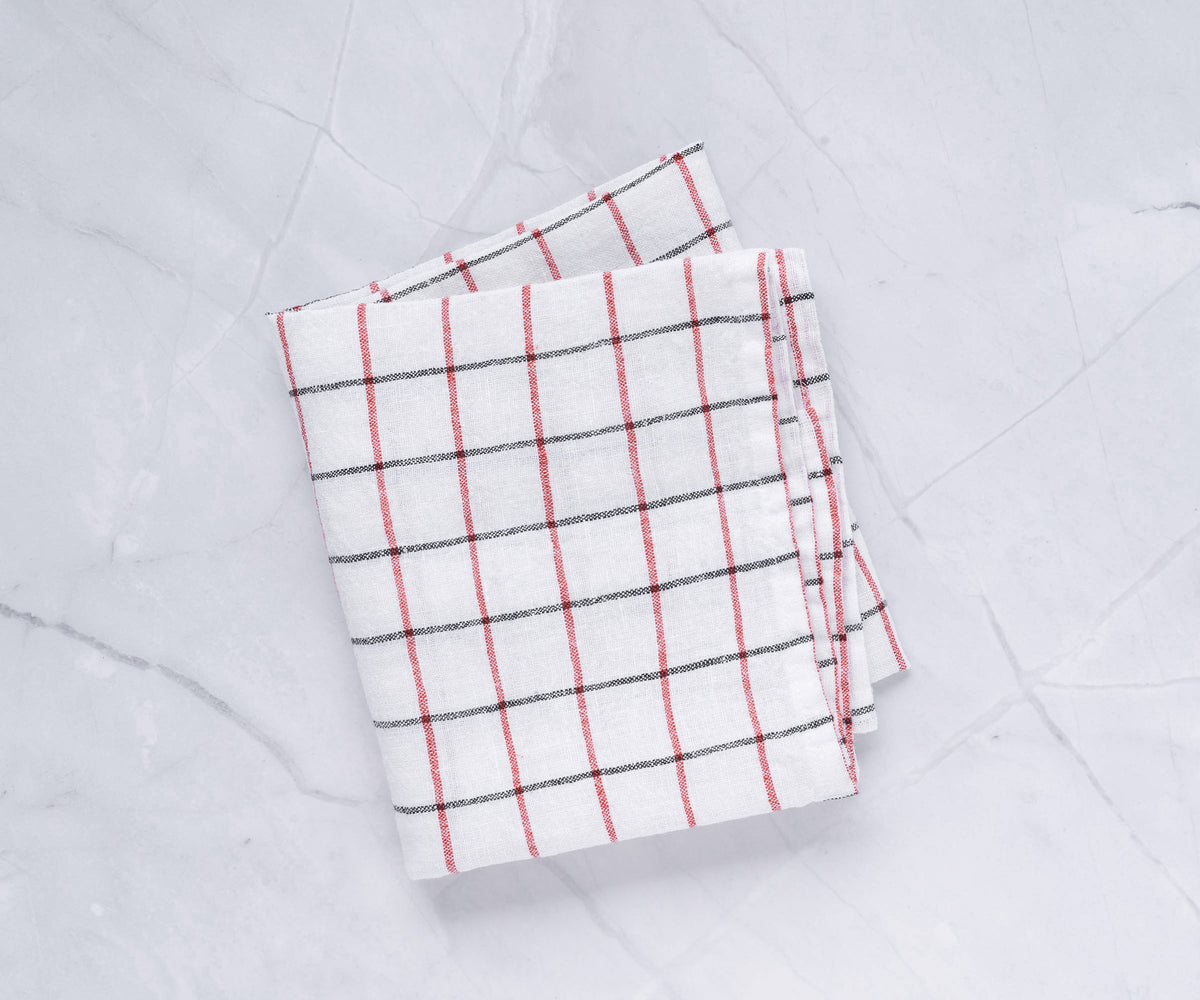
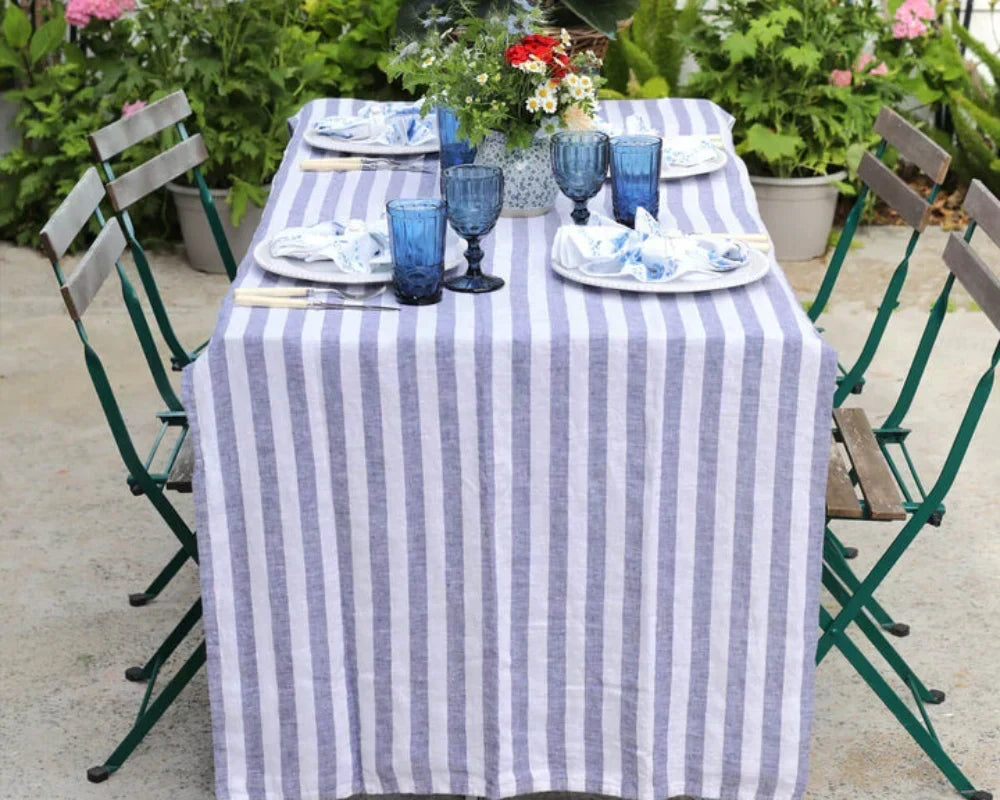
Think About the Color: Linen napkins come in a range of colors, from classic white to bold patterns. Choose a color that complements your table setting and adds a touch of elegance to the table.
-
Don't Forget About the Size: Linen napkins come in a range of sizes, from small to large. Choose a size that is proportional to the plates and glasses on the table.
-
Consider the Weave: Linen napkins come in a range of weaves, from plain to textured. Choose a weave that complements your table setting and adds a touch of elegance to the table.

Practical Tips for Using Linen Napkins
Using linen napkins is easy, but there are a few things to keep in mind:
-
Wash Them Regularly: Linen napkins should be washed regularly to prevent the buildup of bacteria and odors.
-
Iron Them: Linen napkins can be prone to wrinkles, so make sure to iron them before use.
-
Use Them as a Placemat: Linen napkins can also be used as a placemat, adding a touch of elegance to the table.
-
Store Them Properly: Linen napkins should be stored in a cool, dry place to prevent wrinkles and damage.

The History of Linen Napkins
Linen napkins have a long and storied history, dating back to ancient civilizations. In ancient Egypt, linen was used to make clothing, bedding, and even napkins. The ancient Greeks and Romans also used linen to make napkins, which were highly prized for their elegance and durability.
The Art of Linen Napkin Folding
Linen napkin folding is an art form that has been perfected over centuries. From simple folds to intricate designs, linen napkin folding is a great way to add a touch of elegance to your table setting. Here are a few tips to help you get started:
-
Start with a Simple Fold: Begin with a simple fold, such as a square or a triangle. This will help you get a feel for the fabric and the folding technique.
-
Experiment with Different Folds: Once you've mastered the simple fold, try experimenting with different folds, such as a fan or a rose.
-
Use a Napkin Ring: A napkin ring can add a touch of elegance to your linen napkin and help keep it in place.
Read Related: What are four ways linen curtain fabric can bring a transformative effect to a space?
The Benefits of Linen Napkins for the Environment
Linen napkins are not only a stylish and practical choice, but they are also a sustainable option for the environment. Here are a few reasons why:
-
Linen is Biodegradable: Linen is a natural, biodegradable fiber that can be composted at the end of its life cycle.
-
Linen Reduces Waste: Linen napkins can be washed and reused multiple times, reducing the amount of waste generated by paper napkins.
-
Linen is Hypoallergenic: It is a natural fiber that is resistant to dust mites, mold, and mildew, making it an excellent choice for those with allergies.
Conclusion
Linen napkins are a staple in many homes and restaurants, known for their elegant appearance and exceptional absorbency. While the term "linen napkin" may be somewhat misleading, the benefits of linen napkins are undeniable. By choosing the right linen napkin and following a few simple tips, you can add a touch of elegance to your table setting and make a sustainable choice for the environment.