

The interior design trends defining 2026 are warm, earthy color (often "drenched" across a whole room), tactile natural textures, softer curves, calmer layered bedrooms, and collected rooms that mix vintage and new. Cool gray and all-white minimalism, matching furniture sets and exaggerated wavy shapes are fading. You can try any of these with paint, textiles or a single vintage piece before committing to a bigger change.
Here are the five directions doing the most work this year, and how to use each one without redecorating an entire house.
2026 interior design trends at a glance
| Trend | The look | Easy first step |
|---|---|---|
| Warm earthy color | Khaki, espresso brown, smoky jade, terracotta, burgundy | Paint one small room; add clay or terracotta curtains |
| Tactile natural texture | Limewash, plaster, wood, linen, wool | Layer linen, wool and cotton in one color family |
| Soft curves | Arched mirrors, rounded tables, curved sofas | Add one rounded piece, such as a round table |
| Layered bedroom | Linen sheets, quilted layer, throw, fewer pillows | Switch to natural-fiber bedding and drop the pillow pile |
| Collected, vintage-mixed rooms | Mixed eras and finishes | Add one vintage sideboard, rug or lamp |
1. Warm earth tones and color drenching
Warmth is the through-line of 2026 color. The paint industry's color-of-the-year picks lean earthy, and Pantone's soft white acts as a calm counterpoint.
| Brand | 2026 color | Description |
|---|---|---|
| Sherwin-Williams | Universal Khaki (SW 6150) | Warm neutral between beige and soft olive |
| Benjamin Moore | Silhouette (AF-655) | Deep espresso brown with charcoal undertones |
| Behr | Hidden Gem (N430-6A) | Smoky jade |
| Glidden | Warm Mahogany | Rich, earthy red |
| Pantone | Cloud Dancer (11-4201) | Soft white |
Designers agree on the direction. In 1stDibs' annual survey of 468 design professionals, chocolate brown and burgundy remain favorites and color drenching is expected to be big. Gentler hues such as butter yellow, cornflower blue, baby pink and pistachio are also coming into focus.
What is color drenching? It means painting walls, trim and often the ceiling in the same shade so the room reads as one enclosed color. It suits smaller rooms and deeper tones.
How to try it: start in a small, enclosed space such as a powder room or bedroom, where a bold color carries the least risk. Then carry the palette into textiles, like linen curtains in clay or a cotton throw in caramel. Browse our terracotta, beige and natural collections.
2. Tactile natural materials and layered texture

With palettes turning tonal, texture does the work that pattern and contrast used to do. The materials leading 2026 are natural wood, limewash and clay paint, textured plaster, honed stone, linen with a visible slub, chunky wool and metals that age. Forecasters group these under nature-led design: earthy palettes, organic shapes and natural fibers.
A living room in three shades of oatmeal only works if the sofa, rug, curtains and walls each feel different to the touch. Aim for at least three surfaces per room, such as something smooth (stone or glass), something nubby (wool or linen) and something matte (limewash or plaster).
It's also forgiving for older homes. Limewash and clay finishes suit uneven walls, and unlacquered metals look better as they age. Natural fabrics follow the same logic, and our linen care guide explains how to keep them looking good.
3. Soft curves, used with restraint
Curved silhouettes, including rounded sofas, arched mirrors and capsule-shaped coffee tables, are replacing the sharp geometric furniture of the past decade. The shift extends to architecture, with arched doorways, curved plaster reveals and softly radiused kitchen islands.
Designers add a caution. Some name exaggerated wavy and scalloped shapes and oversized cloud sofas as micro-trends that can date a room quickly. Their advice is to keep those shapes to accents and choose gradual curves for big investments.
A practical approach: pick one curved anchor per room and keep large pieces classic. Textiles are the easiest place to add shape, such as a round tablecloth on a round table or rounded cushion covers on a straight-backed sofa.
4. The layered, calmer bedroom
Bedrooms are moving from hotel-perfect to lived-in comfort. Designers quoted by Living Etc describe restraint, such as a single bolster instead of a pile of decorative pillows. Retailers report linen, brushed cotton, percale and wool blends leading, with shoppers asking more about fiber content.
 A simple layered-bed formula:
- Base: linen or percale sheets.
- Middle: a quilted coverlet, brushed cotton or a linen duvet cover.
- Top: a chunky knit or waffle throw at the foot.
- Pillows: two standard pillows plus one bolster or cushion.
The layers should relate, not match. Think tonal, such as a throw a shade deeper than the duvet. Calm palettes in sage, oat, clay and terracotta are popular, and burgundy suits a moodier room. On the frame side, designers expect a swing from scallop-topped headboards toward tailored, architectural ones with stronger lines.
Explore linen bedding, cotton bedding and waffle blankets. If your bed is upholstered, choose the bedding first and let the frame stay calm.
5. Collected rooms: vintage, antiques and the end of the matching set
The strongest undercurrent is a move away from buying a room in one go. 1stDibs' survey found maximalism, eclecticism and vintage antiques among designers' top choices, and designers say matching sets are losing favor.
The look works because the pieces have different ages and finishes: a 1970s sideboard against a limewashed wall, an antique rug in a modern kitchen, a marble-topped table with contemporary chairs. It often costs less than a showroom scheme, and a solid wood piece from decades ago can outlast a new one at the same price.
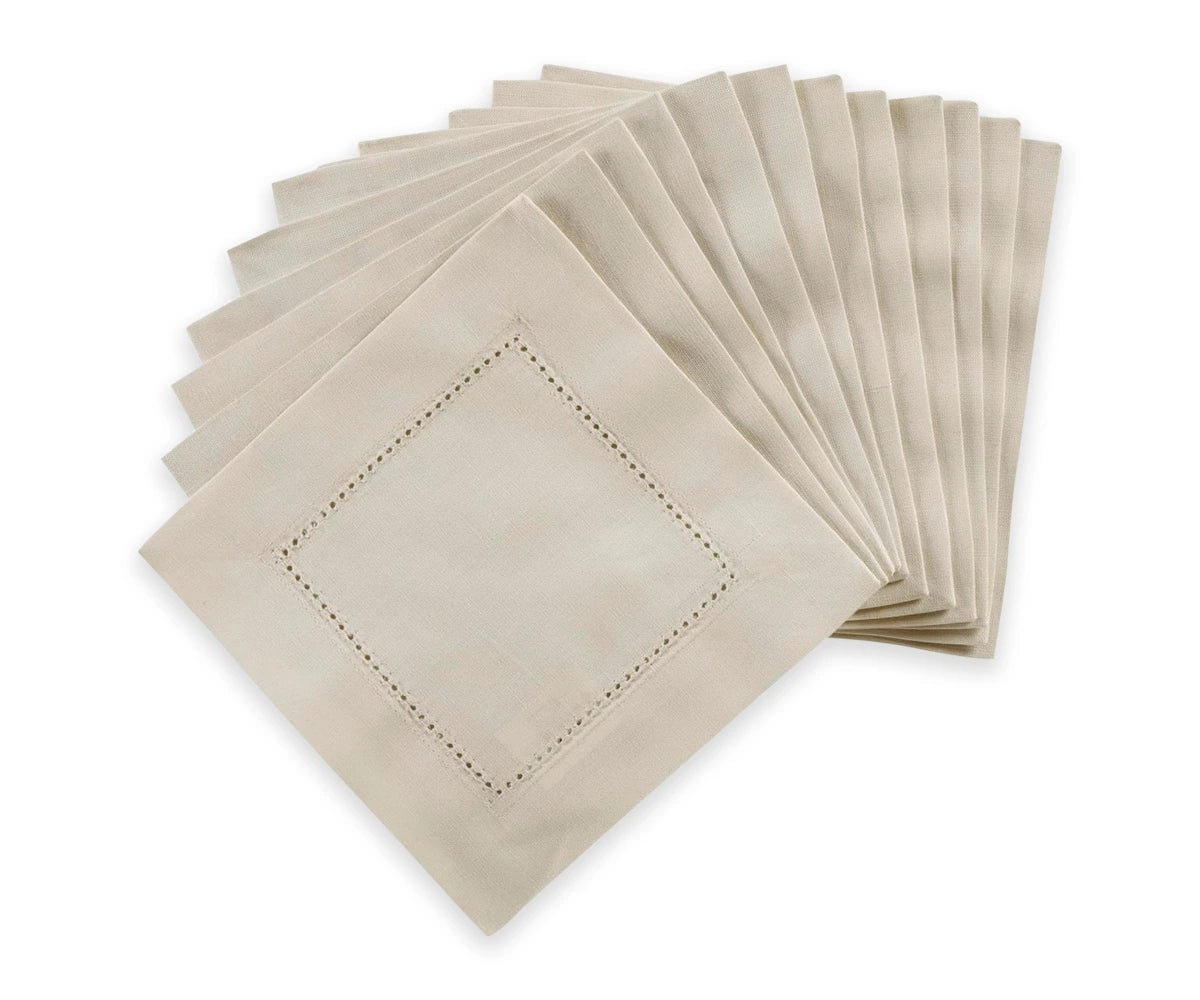
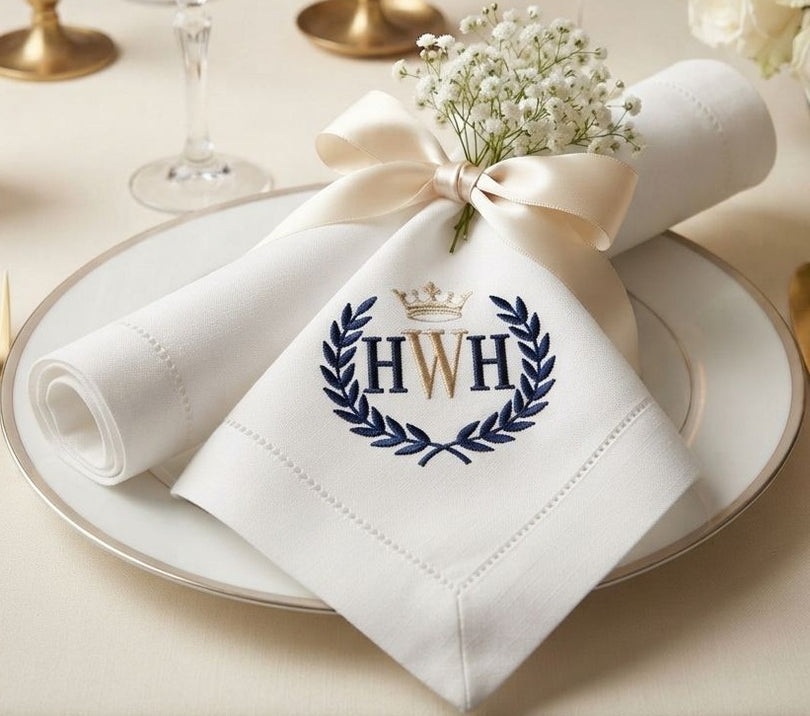
To try it, start with one vintage piece, such as a sideboard, rug or lamp. Then use textiles to tie the mix together: a linen tablecloth, a table runner and linen napkins in one color family will unify pieces of different ages.
What's fading in 2026?
- All-white kitchens and stark beige-and-white minimalism. They're giving way to layered, warmer spaces with deep greens, inky blues and soft taupes.
- Scalloped headboards. Tailored headboards with stronger lines are replacing them.
- Waterfall islands. Designers call them overdone and sometimes cold.
- Wavy furniture and oversized cloud sofas as whole-room looks.
- Matching furniture sets.
How to try 2026 trends without redoing your home?
- Start small. A powder room, hallway or bedroom is the lowest-risk place for a bold color.
- Change textiles first. Curtains, bedding, throws and cushion covers are the least expensive and most reversible updates.
- Buy one piece with presence. A vintage or curved piece works, and the rest of the room can stay calm.
- Choose durable natural fibers and check care labels so pieces last beyond this year's colors.