
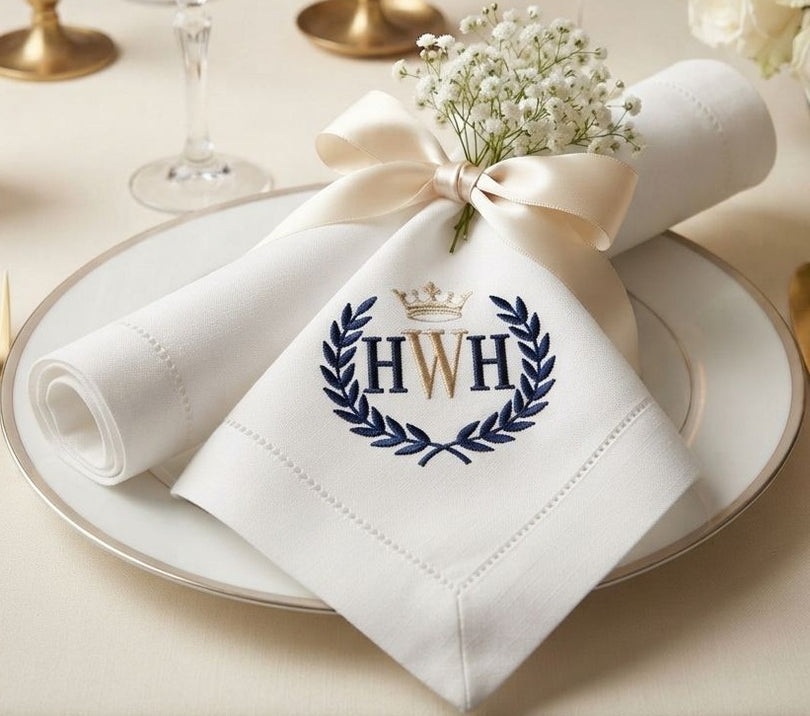

This guide covers how to clean white cloth napkins, how to remove the most common stains, how to keep them bright over time, and how to store them properly so they stay in good condition for years.
Why White Cloth Napkins Stain So Easily
White napkins made from natural fabrics like cotton and linen are highly absorbent by design, which is exactly what makes them so useful at the table and so prone to staining. Cotton and linen fibers draw in liquid quickly, which means a wine spill or an oil drip can penetrate deep into the weave within seconds. Colored napkins hide stains; white napkins show everything. This is not a flaw; it is a trade-off that comes with using a fabric that looks clean, feels soft, and performs well. Managing that trade-off is simply a matter of knowing what to do when a stain happens.
The Golden Rule Act Immediately
The single most important thing you can do when a stain happens is treat it straight away. A fresh stain is always easier to remove than a dried one. A dried stain that has been through the wash and the dryer is significantly harder, in some cases impossible, to remove completely.
The moment a stain occurs:
-
Do not rub the stained area with a clean cloth or paper towel to absorb as much of the liquid as possible before it sets
-
Use a gentle dabbing motion rather than scrubbing; scrubbing spreads the stain further into the fabric
-
Rinse the back of the stain under cool running water. This pushes the stain out through the surface it entered from, rather than driving it deeper
-
Apply a stain treatment immediately if one is available, or soak it in cool soapy water until you can treat it properly
Hot water should be avoided at this stage. Heat sets most stains, particularly protein-based stains like food, egg, and blood, making them far harder to lift from the fabric.
The immediate response for every stain:
-
Blot never rub. Use a clean cloth, paper towel, or another part of the napkin to gently press and lift the stain. Rubbing spreads it and drives it deeper into the fibers.
-
Remove excess. For solid food, gently scrape off any residue with a spoon or dull knife before treating the liquid stain beneath.
-
Rinse with cold water from the back. Running cold water through the back of the stain (from behind the fabric, not through the front) pushes the stain out, rather than through a technique that significantly improves removal rates.
-
Apply your treatment immediately; don't let the napkin dry before treating.
General Supplies You Need
Keep these items readily available, and stain removal becomes quick and routine:
-
Mild laundry detergent - free from harsh optical brighteners for regular washing
-
White distilled vinegar - a natural acid that breaks down many organic stains
-
Baking soda - alkaline powder that lifts and absorbs stains
-
Dish soap (grease-cutting formula) - the most effective weapon against oil and grease stains
-
Hydrogen peroxide (3%) - the safest whitening agent for cotton and linen; far less damaging than chlorine bleach
-
Oxygen-based bleach (OxiClean or similar) - for deep stains and periodic whitening soaks
-
Salt - for wine and fruit stains when treated immediately
-
Soft-bristle brush - for gentle scrubbing without fiber damage
-
Cold water - always cold for the initial rinse; hot water sets most stains
Stain-by-Stain Removal Guide
Wine Stains
Wine, particularly red wine, is one of the most common and most feared stains on white napkins. The trick is speed and cold.

-
Blot the spill immediately with a clean cloth to absorb as much wine as possible
-
Pour a small amount of cold water or club soda over the stain and blot again
-
Sprinkle baking soda or salt generously over the stain to absorb the remaining wine let it sit for 5 to 10 minutes
-
Brush off the baking soda or salt, and soak the napkin in cold water with a small amount of dish soap or laundry detergent
-
Wash on a gentle cycle in cold water and air dry — check the stain is fully gone before putting the napkin in the dryer
-
For dried wine stains, soak in cold water with dishwasher detergent for several hours before washing
If the wine has started to set (30+ minutes old):
-
Soak the stained area in a mixture of 1 part white vinegar + 2 parts cold water for 15–20 minutes.
-
Apply oxygen-based bleach (OxiClean) directly to the stain according to package directions.
-
Soak the entire napkin in a solution of oxygen bleach and cold water for 1–2 hours.
-
Machine wash on a cold, gentle cycle. Air dry, do not put in the dryer until you confirm the stain is completely gone (heat sets stains permanently).
For dried, old wine stains:
-
Soak in cold water for 30 minutes to rehydrate the stain.
-
Apply a paste of oxygen bleach powder and a small amount of water directly to the stain.
-
Leave for 1 hour, then wash in cold water.
Coffee and Tea Stains
-
Blot the spill immediately and rinse under cold water from the back of the fabric
-
Mix equal parts white vinegar and cool water, and apply to the stain — let it sit for 10 minutes
-
Rinse thoroughly and wash on a gentle cycle in cool water
-
For older or set coffee stains, soak in a mixture of cold water and mild detergent for several hours before washing
-
Air dry and check the result before ironing or putting it in the dryer
Lipstick Stains
-
Blot gently do not rub, as lipstick pigment smears easily across fabric
-
Apply a small amount of dish soap or a gentle stain remover directly to the mark
-
Let it sit for a few minutes, then work it in gently with a soft-bristle brush or your fingertips
-
Rinse with cool water and wash on a gentle cycle
-
For stubborn lipstick stains, a small amount of rubbing alcohol applied before the dish soap step can help break down the pigments
Grease and Oil Stains
Grease stains require a different approach than water-soluble stains; water alone will not touch them. You need to break down the oil before washing.

Treatment:
-
Remove any excess oil by gently blotting, never rubbing.
-
Immediately cover the stain with a generous layer of baking soda, cornstarch, or talcum powder. These absorbent powders draw the oil out of the fabric fibers.
-
Leave undisturbed for at least 30 minutes (longer for larger stains, up to an hour).
-
Gently brush off the powder.
-
Apply undiluted grease-cutting dish soap (original Dawn or similar) directly to the stain. Work it gently into the fabric with your fingertips.
-
Leave for 15–30 minutes.
-
Rinse with warm water (warm, not hot, just warm enough to help move the grease).
-
Machine wash on a warm cycle with regular detergent.
Pro tip: Avoid hot water on grease stains until you're certain the grease is gone. Heat can cook the remaining grease into the fibers.
For old, set grease stains: Apply WD-40 or a commercial enzyme-based stain remover to re-liquefy the set oil, then treat with dish soap as above. This sounds counterintuitive (adding more oil to remove oil), but it works by dissolving the old grease so it can be lifted out.
Find Out: 11 Ways to Make a Tablecloth Part of Your Everyday Routine
Blood Stains
Blood stains are protein-based and require cold water; exclusively hot water will permanently set them.
Treatment:
-
Act immediately, blood stains set faster than almost any other stain type.
-
Rinse immediately and thoroughly with cold water, running cold water through the back of the stain.
-
Apply a paste of salt and cold water directly to the stain. Leave for 10 minutes.
-
Rinse. Apply hydrogen peroxide (3%) to the remaining stain and allow it to bubble.
-
Rinse thoroughly with cold water.
-
If needed, apply enzyme-based stain remover and soak for 30 minutes.
-
Machine wash cold.
Never use warm or hot water on blood stains at any stage. Heat permanently bonds blood proteins to fabric.
Egg Stains
Like blood, egg is a protein stain and reacts badly to heat.
Treatment:
-
Remove solid egg residue without rubbing.
-
Rinse with cold water from the back of the stain.
-
Soak in cold water with a small amount of laundry detergent for 30 minutes.
-
Apply enzyme-based stain remover to any remaining discoloration.
-
Machine wash cold.
Fruit Juice and Berry Stains
Fruit juices and berry stains contain natural dyes (anthocyanins) that can permanently stain fabric if not treated quickly.
Immediate treatment:
-
Blot immediately, do not rub.
-
Stretch the stained fabric over a bowl and pour boiling water through it from a height. The force helps push the stain through the fabric rather than letting it settle in.
-
Apply white vinegar directly to any remaining discoloration. Leave for 5 minutes.
-
Rinse with cold water.
-
Machine wash cold.
For dried berry stains: Soak in a solution of 1 tbsp oxygen bleach per 1 liter of cold water for 2–4 hours before washing.
Candle Wax
Common at dinner tables, candle wax requires a physical removal before any cleaning treatment.
Treatment:
-
Allow the wax to harden completely. Do not try to remove soft wax.
-
Place the napkin in the freezer for 20–30 minutes until the wax is fully rigid.
-
Gently flex the fabric and scrape off the hardened wax with a dull knife or credit card edge. It should shatter and lift off cleanly.
-
Place the stained area between two sheets of plain brown paper (or a paper bag) and press with a warm iron. The residual wax melts and transfers to the paper. Repeat with fresh paper until no more wax transfers.
-
Treat any remaining colored wax residue with rubbing alcohol.
-
Machine wash normally.
Ink Stains
Ink stains require a solvent-based approach. Do not wet the stain with water first.
Treatment:
-
Place the stained area face down on a paper towel.
-
Apply isopropyl alcohol (70% or higher) to the back of the stain. Blot don't rub.
-
Continue with fresh paper towels until no more ink transfers.
-
Apply a small amount of dish soap to the remaining stain.
-
Rinse with cold water.
-
Machine wash cold.
For ballpoint pen ink specifically, Hairspray contains solvents effective on ballpoint ink. Spray directly onto the stain, leave for 1 minute, then blot and rinse.
How to Wash White Cloth Napkins
Before tackling specific stains, the baseline washing routine matters. Washing white napkins correctly every time prevents buildup, keeps the fabric bright, and extends the life of the napkin considerably.
Standard Washing Routine:
-
Wash white napkins separately from colored fabrics — even light colors can transfer dye during the wash cycle, which is especially important for linen napkins that absorb dye quickly
-
Shake off any loose crumbs or debris before placing napkins in the machine
-
Use a mild laundry detergent — harsh detergents can weaken natural fibers over time
-
Wash on a gentle or normal cycle in cold or lukewarm water — hot water can shrink cotton and linen and may set certain stains
-
Avoid fabric softeners — they coat the fibers and reduce absorbency over time, which is the opposite of what you want in a cloth napkin
-
Air dry or tumble dry on low heat — high heat causes shrinkage and can yellow white fabric over time
-
Remove napkins from the dryer promptly to avoid deep crease lines that are difficult to iron out
-
Iron while slightly damp on a medium-high heat setting for a crisp, polished finish. Linen in particular responds beautifully to ironing at this stage

Machine Washing
Water temperature: Cold or cool water for all regular washes. Hot water is only appropriate for heavily soiled napkins or periodic deep-cleaning washes and only after confirming all stains have been pre-treated, as heat sets any remaining stain permanently.
Cycle: Gentle cycle for everyday washing. This reduces fiber stress and extends the life of your napkins.
Detergent: Use a mild, fragrance-free laundry detergent. Avoid:
-
Fabric softeners coat fibers with waxy residue that dulls whiteness and reduces absorbency over time
-
Chlorine bleach weakens cotton and linen fibers with repeated use, causes yellowing over time, and is not necessary when oxygen bleach is available
Load size: Wash napkins in small, manageable loads with space in the drum. Overcrowding causes friction and wrinkling.
Sorting: Wash white napkins separately from colored items, even "colorfast" fabrics can transfer at high temperatures. Never mix white napkins with dark or brightly colored laundry.
Drying
Air dry whenever possible. Lay flat on a clean towel or hang on a line away from direct sunlight (which can cause yellowing over time). Air drying:
-
Prevents heat-setting any remaining trace stains
-
Preserves the fabric's natural texture and drape
-
Significantly extends the lifespan of the napkin
If tumble drying: Use the lowest heat setting. Remove while still slightly damp; this makes ironing much easier and prevents the stiffness that comes from fully machine-dried linen.
Ironing
Iron white cotton and linen napkins while still slightly damp, with about 10–15% moisture remaining in the fabric. This is when both cotton and linen press most easily and achieve the crispest finish.
Temperature: Medium-high for cotton, medium for linen. Test on an inconspicuous corner first.
Direction: Iron in straight lines following the weave of the fabric. Press decorative hems and edges last with extra attention.
Starch: A light spray starch gives white napkins a restaurant-quality finish and makes them easier to fold and hold a fold shape.
Know About: How to Store Tablecloths: 9 Clever Space-Saving Ideas
How to Whiten Napkins That Have Gone Yellow or Dull
Even with perfect care, white cloth napkins gradually lose brightness over time. Here are the most effective whitening methods:

Method 1: Oxygen Bleach Soak (Most Recommended)
-
Dissolve 2–3 scoops of oxygen bleach (OxiClean or similar) in a large basin of warm water.
-
Submerge napkins fully.
-
Soak for 4–6 hours or overnight for significant yellowing.
-
Machine wash cold after soaking.
This is the safest, most effective whitening method for cotton and linen, with no fiber damage, no chemical odor residue.
Method 2: Baking Soda and Vinegar Wash
-
Add ½ cup of baking soda to your washing machine drum along with your regular detergent.
-
Start the wash cycle. At the rinse stage, add ½ cup white distilled vinegar to the fabric softener compartment.
-
The baking soda brightens; the vinegar removes any alkaline residue and naturally softens the fabric.
Method 3: Lemon Juice and Sunlight
-
Add ½ cup lemon juice to the final rinse cycle.
-
Hang napkins in direct sunlight to dry.
-
The citric acid + UV rays combination is a powerful natural whitening process that won't damage fibers.
Method 4: Hydrogen Peroxide Soak
-
Add 1 cup of 3% hydrogen peroxide to a basin of cold water.
-
Soak napkins for 30 minutes.
-
Machine wash cold.
Hydrogen peroxide is a gentler bleaching agent than chlorine bleach; it whitens effectively without weakening natural fibers.
A Note on Chlorine Bleach
Chlorine bleach (sodium hypochlorite) is effective at whitening but comes with significant drawbacks for cotton and linen napkins:
-
Repeated use weakens and thins natural fibers over time
-
Can cause yellowing when used on cotton and linen that contains optical brighteners
-
Harsh chemical residue that can cause skin irritation
Reserve chlorine bleach for very occasional deep treatments on heavily stained napkins, only not as part of a regular washing routine.
How Restaurants Keep Napkins White: The Commercial Secrets
If you've ever wondered how restaurants manage to keep their white napkins brilliantly white through hundreds of washes, here's how:
1. Pre-soaking as standard practice. Commercial linen services soak napkins in an enzyme or oxygen bleach solution before every wash cycle, not just when visibly stained. This breaks down food proteins and oils before they can set.
2. Hot water washes are used selectively. Commercial machines use hot water (60–70°C) periodically, but only for heavily soiled loads. Most regular washes use warm water with enzyme-based detergents.
3. Oxygen bleach, not chlorine bleach. Professional linen services increasingly use oxygen-based bleaching systems (sodium percarbonate) rather than chlorine bleach. It's gentler on fibers and just as effective at maintaining whiteness over hundreds of washes.
4. No fabric softeners ever. Fabric softeners coat fibers with residue that progressively dulls whiteness and reduces absorbency. Commercial linen services never use them.
5. Proper drying. Commercial operations use industrial dryers with precise temperature control and always remove linens while slightly damp to allow final air drying, preventing the over-drying that causes brittleness.
6. Immediate treatment of stains on return. Stained napkins are separated and treated before they enter the main wash, never washed with the general load while still stained.
The home equivalent: Soak in oxygen bleach before washing, use an enzyme-based detergent, skip the fabric softener, and air dry. Follow these four rules consistently, and your white cloth napkins will maintain restaurant-level brightness at home.
Care Guide for All Cotton and Linen White Napkins
All Cotton and Linen's white napkins are made from 100% organic cotton or cotton-linen blends, natural fibers that respond beautifully to proper care.
General care:
-
Machine wash cold on a gentle cycle
-
Use mild, fragrance-free detergent
-
No fabric softeners
-
Air dry or tumble dry low
-
Iron while slightly damp for best results
For embroidered or hemstitched napkins: Turn inside out before washing to protect the decorative stitching. Iron on the reverse side to avoid flattening the embroidery.
For scalloped napkins: Wash in a mesh laundry bag to protect the scalloped edges from snagging or distorting.
Read Related: How to Properly Care for Your White Cloth Napkins
Stain Removal Quick Reference:
|
Stain Type |
First Response |
Treatment |
Avoid |
|
Wine (red or white) |
Blot immediately, rinse with cold water |
Salt or baking soda to absorb, then soak in cold water with dish soap |
Hot water — sets the stain |
|
Oil and grease |
Blot — do not rinse |
Baking soda or talcum powder to absorb, then dish soap |
Water before absorbing the grease |
|
Food (general) |
Scrape off solids, blot liquid |
Mild detergent and cool water soak |
Rubbing — spreads the stain |
|
Coffee or tea |
Blot, rinse with cold water |
White vinegar and water solution, then wash |
Hot water — darkens the stain |
|
Lipstick |
Blot gently |
Dish soap or mild stain remover applied directly |
Rubbing — smears the pigment |
|
Yellowing (age) |
— |
Bleach soak or the lemon juice and sunlight method |
Chlorine bleach on linen |
|
Fruit or berry |
Blot and rinse immediately |
Cold water soak, then mild detergent |
Heat at any stage before the stain is gone |
How to Store White Cloth Napkins
Storage affects how napkins look when you take them out, particularly for natural fabrics like cotton and linen that crease easily.
-
Store napkins folded flat or rolled; deep fold lines can be difficult to iron out before a meal or event
-
Keep in a cool, dry place away from direct sunlight. Prolonged exposure to sunlight can yellow white fabric over time in storage
-
Avoid storing in sealed plastic bags; natural fabrics need to breathe; a linen or cotton storage bag is a better option
-
Make sure napkins are completely dry before storing; any residual moisture can lead to mildew, which is very difficult to remove from white fabric
Overview
Keeping white cloth napkins clean and bright is not complicated, but it does require the right habits applied consistently. Treat stains the moment they happen, use cool water rather than hot, wash whites separately, and never dry a stained napkin until the mark is completely gone. For cotton napkins, diluted bleach handles stubborn whitening jobs. For linen, lemon juice and sunlight do the same work without damaging the fibers. Ironed while slightly damp, stored flat and dry, and washed after every use, a good set of cotton or linen napkins will stay in excellent condition for years with very little effort.