
Halloween decorating does not always have to rely on glossy plastic, dramatic lighting, or modern horror themes. A more nostalgic approach can create an atmosphere that feels warm, playful, and familiar. Vintage-inspired table linens are especially effective because they bring color, pattern, and texture to the dining area without overwhelming the rest of the room.
Older Halloween decorations often featured simple illustrations, handmade-looking details, and recognizable seasonal symbols such as pumpkins, black cats, witches, bats, and autumn leaves. These visual traditions can be translated into table runners, cloth napkins, table covers, and other fabric accents. The result is a tablescape that feels connected to earlier eras while still working in a contemporary home.
Why Vintage Table Linens Work So Well for Halloween
Table linens have a practical purpose, but they also establish the visual foundation of a dining table. A vintage-inspired runner or tablecloth can introduce a seasonal theme without requiring every decoration to match which makes linens useful for people who want Halloween decor to feel coordinated rather than crowded.
Traditional Halloween imagery has changed considerably over the decades. Collectors and historians often point to early and mid-20th-century decorations as distinctive because of their illustrated designs and relatively simple materials. Vintage Halloween collections frequently include paper decorations, die-cut figures, honeycomb designs, and printed party accessories.
The same visual language can be recreated through textiles. Instead of using oversized graphics, look for smaller repeating motifs. A dark table runner with tiny pumpkins can provide the seasonal element while leaving enough visual space for dishes, glassware, and centerpieces.
Color is equally important. Orange and black remain strongly associated with Halloween, but vintage-inspired interiors often benefit from softer variations. Burnt orange, faded cream, muted green, charcoal, brown, and dusty purple can create an aged appearance without making the table look overly bright.
For an especially nostalgic effect, consider mixing patterns rather than using a single matching set. A striped runner can work with small-patterned napkins, while a plain tablecloth can provide a calm background for more decorative fabric accents.
Choosing Fabrics and Patterns With a Retro Feel
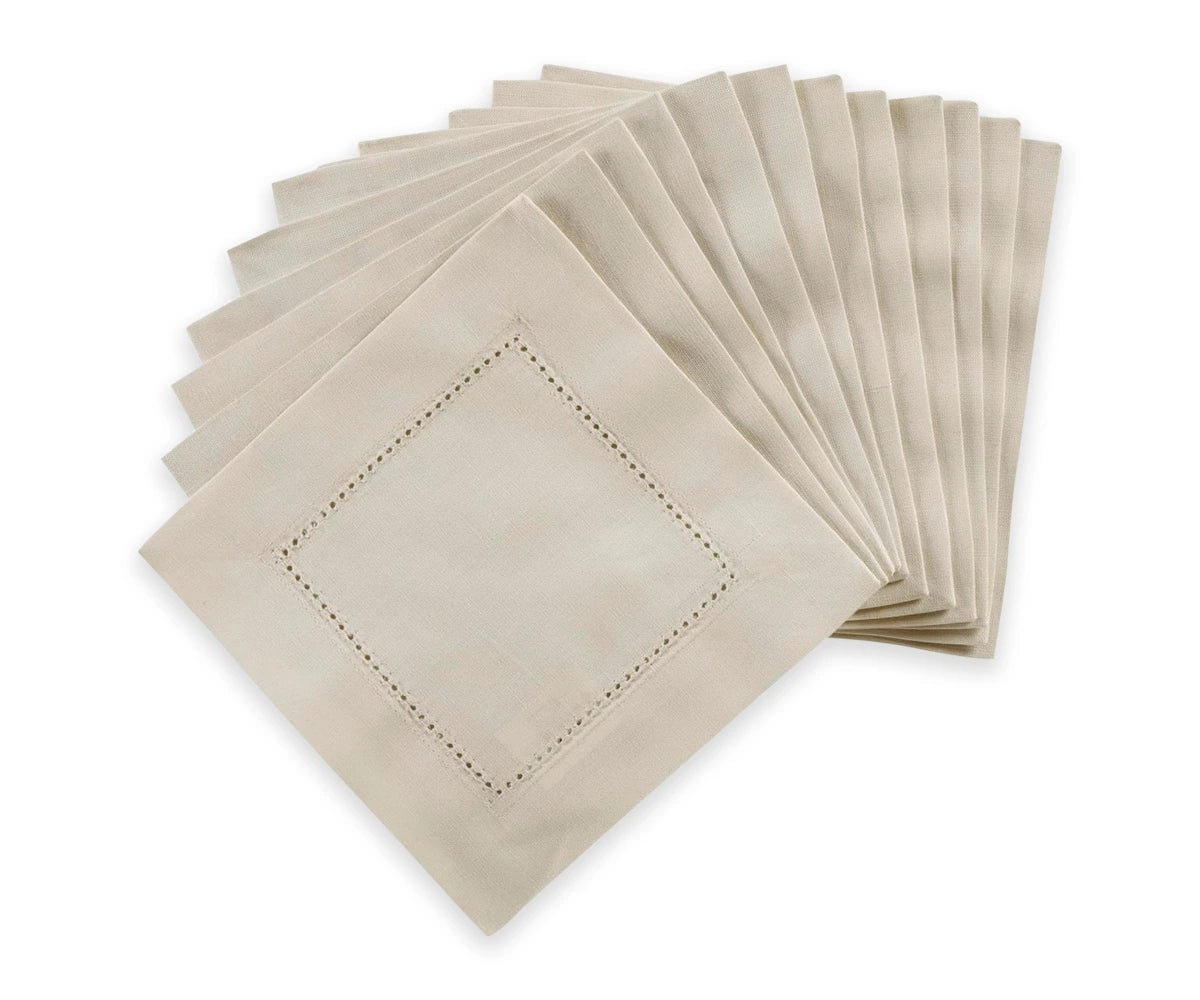
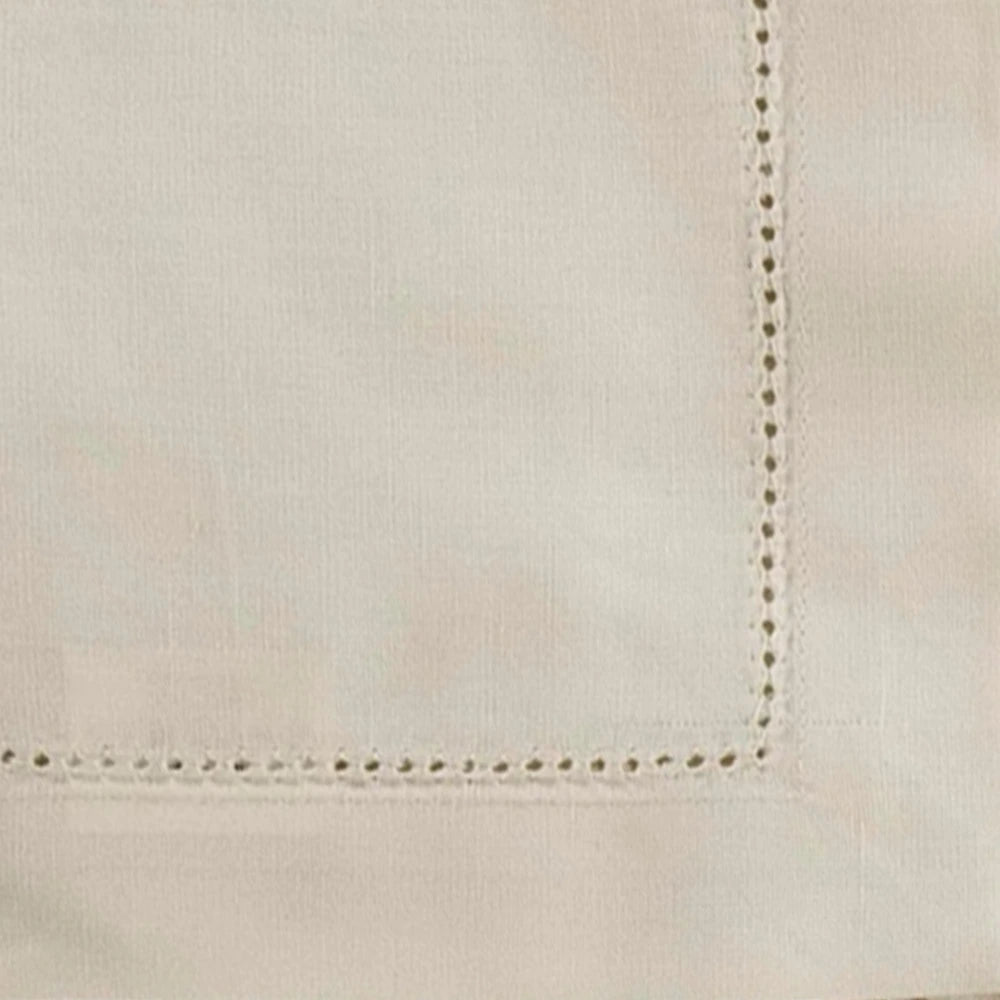
The material of a table linen can influence how authentic the overall design feels. Natural-looking fabrics such as cotton and linen tend to work particularly well because their texture is visually softer than highly reflective synthetic materials. Slightly textured fabric can also make modern reproductions feel less polished and more reminiscent of older household textiles.
Pattern scale matters too. Very large Halloween graphics can dominate a small dining table, while smaller motifs tend to blend more naturally with dinnerware and other decorations. Classic illustrations of pumpkins, leaves, moons, bats, black cats, and whimsical witches can create a recognizable Halloween atmosphere without making the table appear themed like a party store display.
When choosing patterns, consider how the textile will interact with the rest of the room. A patterned tablecloth may work better with simple plates and understated centerpieces, while a plain runner can provide a neutral foundation when the table includes vintage-style figurines, candles, or illustrated place cards.
There is also a practical reason to avoid overly delicate materials. Halloween gatherings can involve food, candles, children, and frequent movement around the table — durable, washable fabric is generally more useful than a fragile decorative piece that cannot withstand ordinary spills.
Older homes often come with small quirks that have nothing to do with decorating, and it helps to notice them before the seasonal focus takes over. A faint ants in walls scratching noise is one of the more common household sounds people report during the cooler months, and it is sometimes linked to carpenter ant activity inside wall cavities. Scratching sounds can have several other explanations as well, so it is worth looking into rather than assuming the cause. Carpenter ants tunnel through wood to build nesting galleries, and a faint rustling or clicking can sometimes be heard when a colony is active behind drywall or paneling.
This is particularly relevant when preparing a dining room in an older home. Seasonal decorating should complement the condition of the space rather than hide maintenance issues that deserve attention.
Building a Nostalgic Halloween Tablescape
A successful vintage-inspired table does not require a large collection of antiques. The key is repetition and balance. Choose a small number of visual elements and allow them to work together rather than placing every Halloween object available on the table.
Start with the largest textile, such as a tablecloth or runner, and build upward from there. Napkins can repeat one color from the main pattern, while a centerpiece can introduce a related material or shape. For instance, an orange detail in the table runner can be echoed in pumpkins or autumn foliage placed near the center.
Many vintage linens spend most of the year folded away in cabinets, closets, or attic storage, and these are often the same spaces where homeowners first notice an ant-in-the-walls scratching noise, particularly in older houses with wood-frame construction. Taking a moment to check storage areas before pulling out seasonal textiles can catch a minor pest issue early, well before it becomes a bigger repair.
The following combinations can help create different retro moods:
-
Classic autumn: muted orange linens, cream dinnerware, dried leaves, and small pumpkins.
-
Playful mid-century: black-and-orange patterns, simple geometric motifs, and illustrated Halloween figures.
-
Old-fashioned farmhouse: natural linen, faded seasonal prints, wooden serving pieces, and traditional autumn colors.
-
Dark vintage: charcoal or deep brown textiles, antique-style illustrations, warm candlelight, and restrained orange accents.
Lighting can significantly affect the appearance of the fabric. Warm, low-level lighting tends to emphasize texture and make faded or muted colors appear richer. Candles can contribute to the atmosphere, but they should always be positioned safely away from loose fabric, napkins, and other combustible decorations.
The centerpiece should remain low enough for people to see across the table. Vintage Halloween styling works best when guests can appreciate the decorative details without having to look around large objects.
Matching Table Linens With Other Retro Decorations
Once the table linens are selected, other decorations can be chosen to support rather than compete with them. This is where restraint becomes useful. Vintage Halloween decorating is often recognizable through a combination of familiar symbols and limited colors rather than through the number of decorations used.
|
Table Linen Style |
Complementary Colors |
Suitable Decorative Details |
Overall Effect |
|
Printed orange-and-black runner |
Cream, brown, charcoal |
Small pumpkins, black cats |
Classic and playful |
|
Faded botanical or autumn print |
Burnt orange, olive, beige |
Dried leaves, gourds |
Rustic and nostalgic |
|
Cream linen with small motifs |
Black, muted orange, dark green |
Vintage-style figures, candles |
Subtle and refined |
|
Dark charcoal textile |
Orange, cream, brass tones |
Pumpkins, antique-style holders |
Moody and traditional |
|
Striped or checked fabric |
Orange, brown, cream |
Wooden serving pieces, foliage |
Farmhouse-inspired |
Vintage-inspired materials can also include paper, glass, wood, and older-looking plastic decorations. Mid-century Halloween decorating frequently used simple materials that were widely available at the time, including paper decorations and printed party accessories.
The goal is not to reproduce one historical period perfectly. Instead, combine recognizable elements in a way that feels coherent. A modern dining table can easily accommodate a retro Halloween runner, vintage-style napkins, simple glassware, and a few handmade decorations.
Fabric care should also be considered. If the linens will be reused each year, check their washing instructions and avoid storing them while damp. Folded textiles should be kept somewhere dry and protected from excessive moisture, since seasonal fabrics may spend many months in storage between uses.
Creating Vintage Character Without Making the Table Feel Dated
There is a difference between vintage-inspired and genuinely old-fashioned. The former borrows visual characteristics from the past while adapting them to contemporary interiors. That distinction allows homeowners to create nostalgia without making the dining room feel disconnected from the rest of the house.
One useful approach is to select one dominant vintage element and surround it with simpler pieces. A highly illustrated tablecloth, for example, can become the focal point while plain napkins and neutral plates keep the composition balanced.
Another option is to use vintage-style linens with contemporary dinnerware. This contrast can make the older visual elements feel intentional rather than accidental. Similarly, a traditional Halloween pattern can look surprisingly modern when paired with simple furniture and uncluttered surroundings.
It is also worth remembering that authentic vintage Halloween pieces can be difficult to find in excellent condition. Historical Halloween decorations were often disposable, and many were discarded after parties or damaged during use this scarcity is one reason surviving examples are hard to locate in good condition.
For that reason, reproduction fabrics and vintage-inspired textiles can be a practical alternative. They allow the visual character of older Halloween decorating to be recreated without requiring fragile collectibles.
The most successful tables usually feel collected rather than purchased as a single matching set. A combination of textures, restrained colors, and familiar Halloween imagery can create a setting that feels personal and inviting.
End Note
Vintage Halloween decor works because it connects seasonal decorating with memories, familiar imagery, and the visual character of earlier decades. Table linens provide an accessible way to introduce that atmosphere because they can transform a dining space without requiring permanent changes.
The best results come from thoughtful choices rather than excessive decoration. A well-selected runner, complementary napkins, a restrained centerpiece, and a few carefully chosen seasonal details can create a nostalgic table that feels comfortable and authentic.
Whether the inspiration comes from mid-century illustrations, traditional autumn colors, or the handmade appearance of older decorations, vintage styling leaves plenty of room for personal interpretation. The objective is not to recreate the past perfectly it is to capture the warmth and character that make those older Halloween settings memorable.