
Quick Facts: Linen vs. Cotton
| Category | Linen | Cotton |
|---|---|---|
| Made from | Flax plant (bast fiber) | Cotton plant (seed fibers) |
| First-touch feel | Crisp, slightly textured | Soft immediately |
| After many washes | Softer and more supple | Stays soft; quality varies |
| Breathability | Excellent | Good (weave-dependent) |
| Dries | Faster | Slower |
| Wrinkles | Easily (part of the look) | Less, especially percale |
| Strength | Stronger fiber | Varies by fiber length and weave |
| Price | Usually higher | Usually lower |
| Best for | Hot sleepers, humid climates, heirloom-style pieces | Everyday comfort, budget, crisp look |
| Care | Easy; low heat; ironing optional | Easy; machine washable |
What Is Linen?
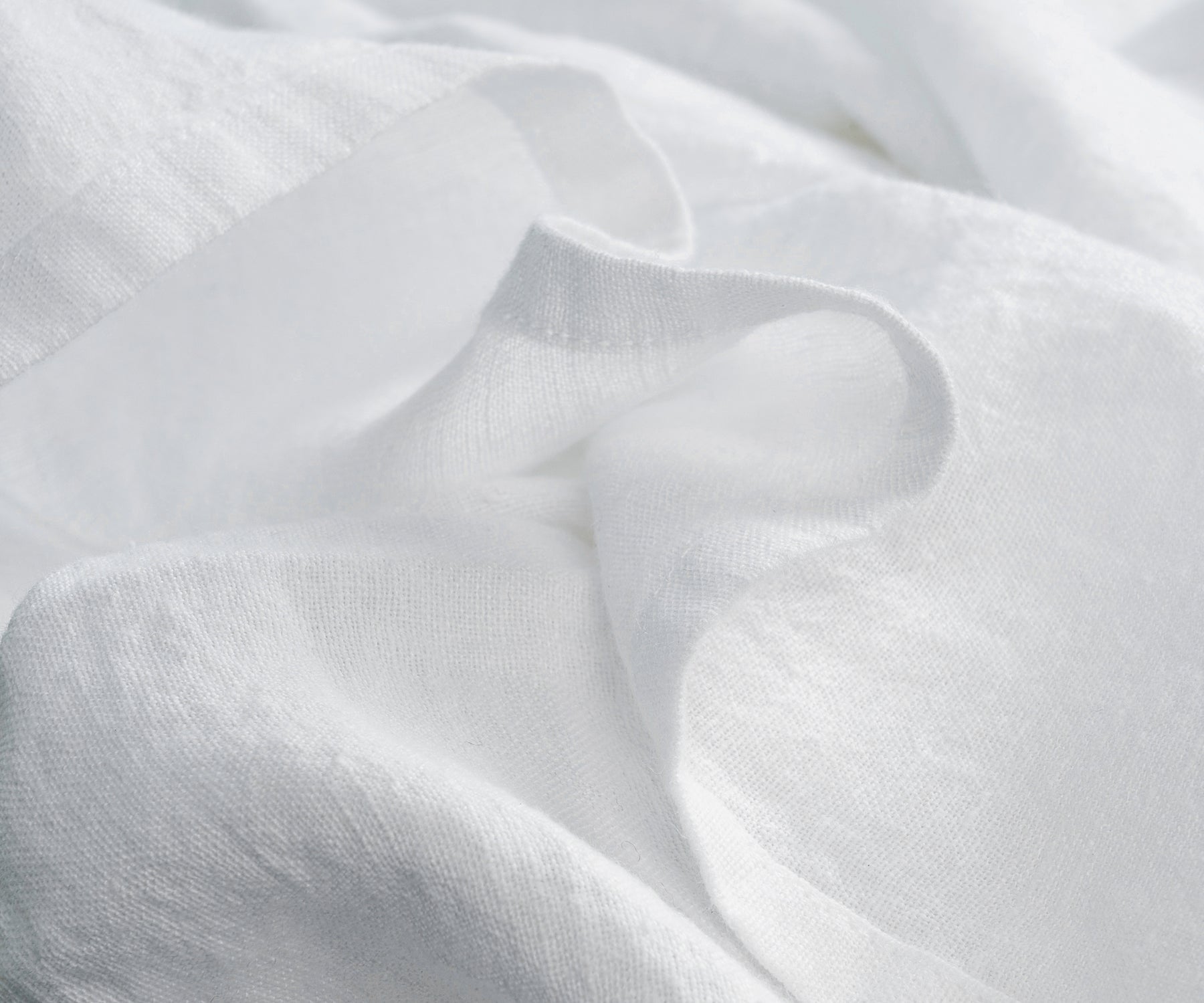
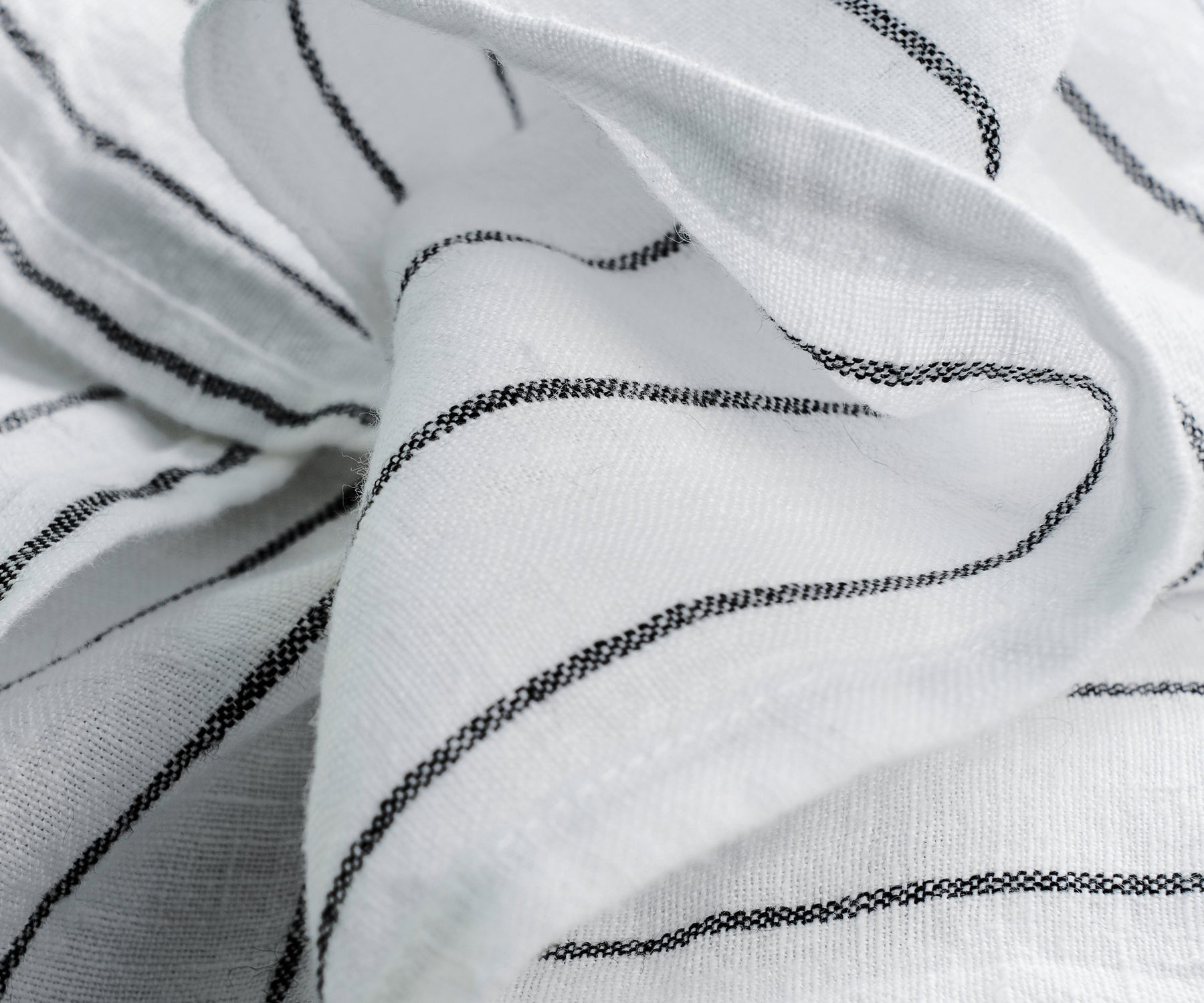
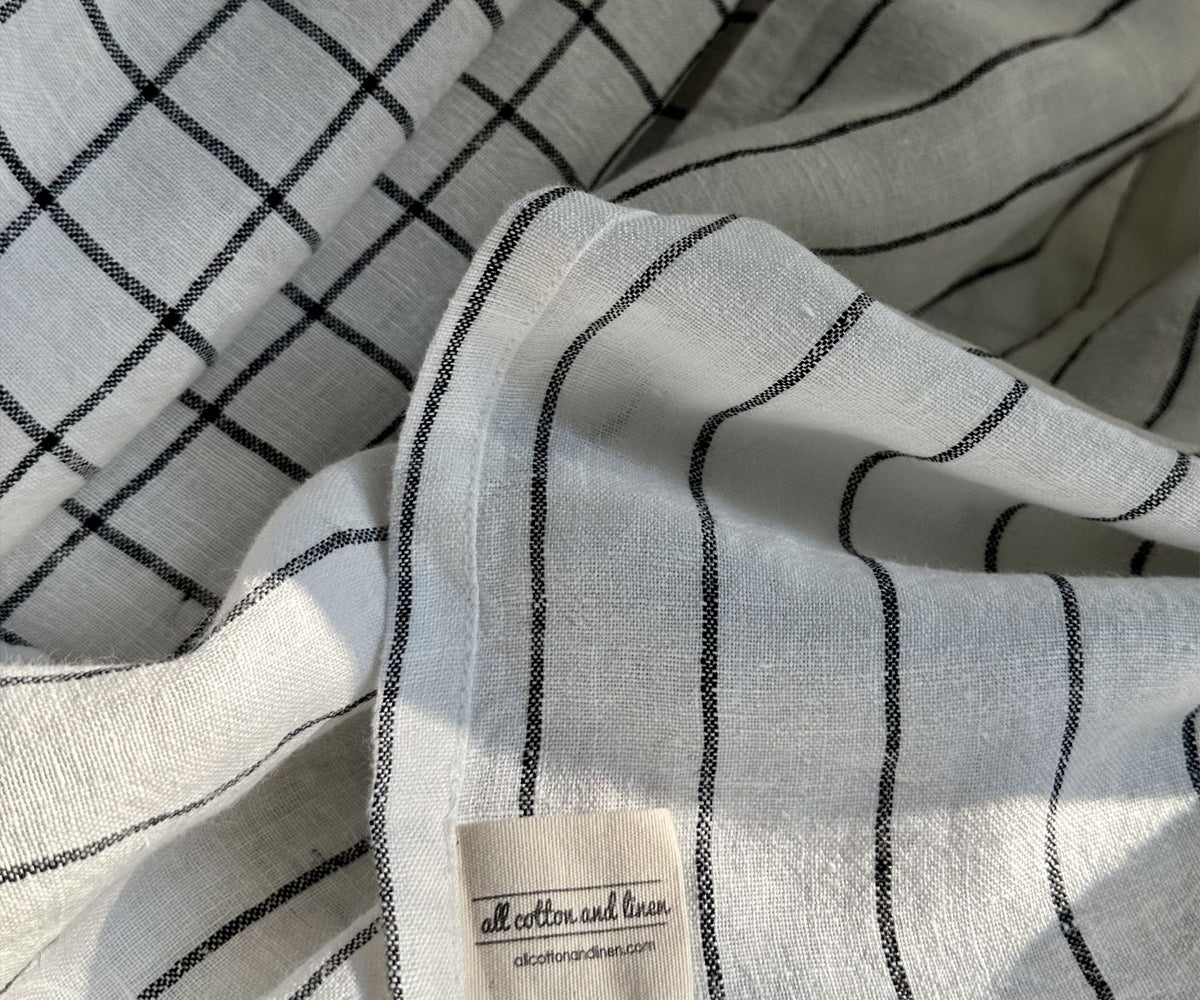
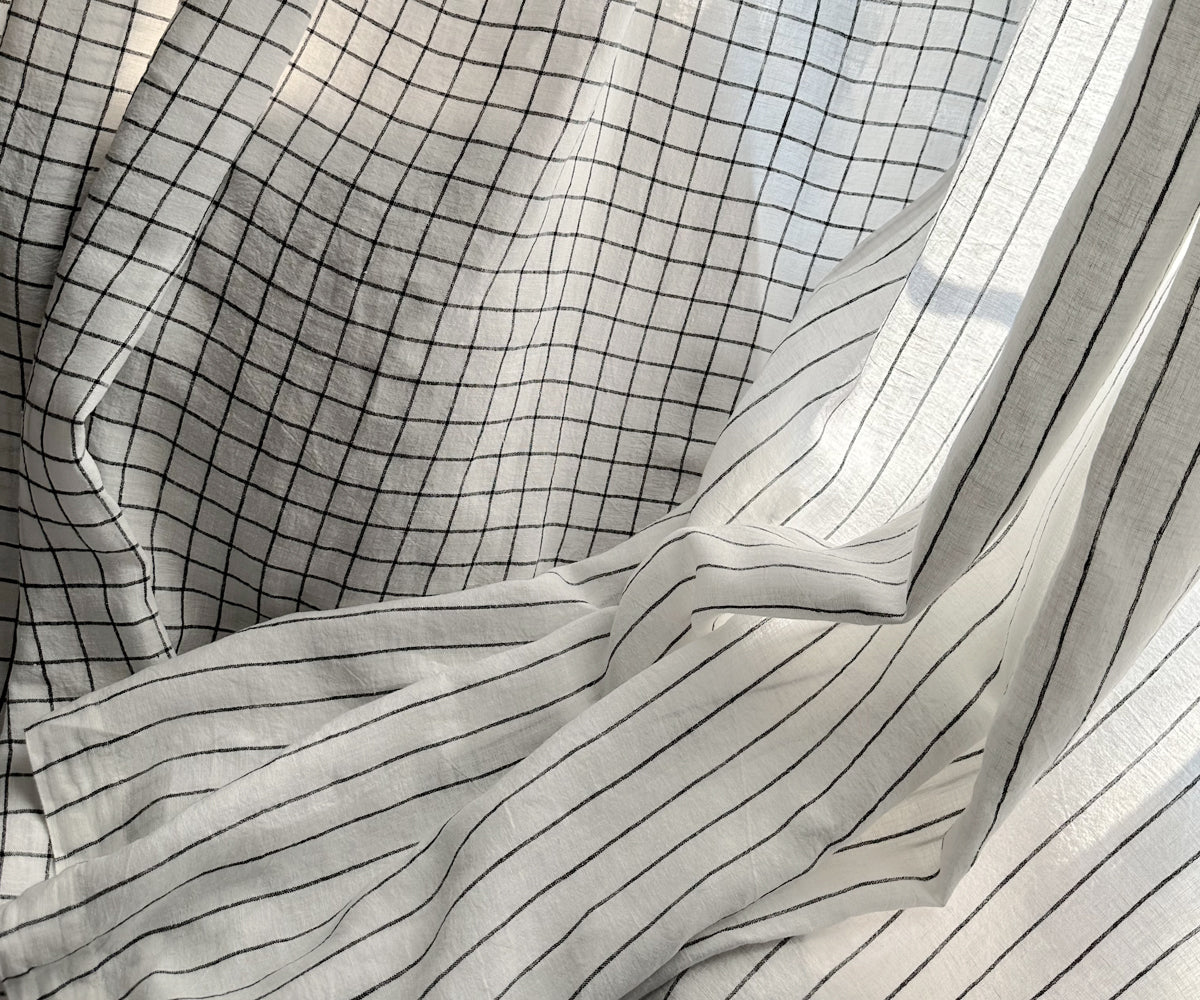
Linen is a natural fabric made from the fibers of the flax plant. The fibers are taken from the inner part of the plant stem, processed, spun into yarn, and woven into fabric. Linen is known for its lightweight feel, breathability, moisture absorption, and natural texture. It is commonly used for clothing, bedding, table linens, towels, and home textiles.
What Is Cotton?
Cotton is a natural fiber that comes from the fluffy fibers surrounding the seeds of the cotton plant. After harvesting, the fibers are cleaned, spun into yarn, and woven or knitted into fabric. Cotton is widely used because it feels soft against the skin, absorbs moisture well, and is available in a range of weights and textures. It is commonly found in clothing, bedding, towels, kitchen linens, and other everyday textiles.
What is the difference between linen and cotton?
Linen comes from the stem of the flax plant; cotton comes from the fluffy fibers around cotton seeds. Flax fibers are naturally long and strong, which is why linen feels crisp and textured when new. Cotton fibers are shorter and softer, which is why cotton feels smooth immediately. The weave matters as much as the fiber.

Linen vs cotton: head-to-head
| Category | Linen | Cotton |
|---|---|---|
| Breathability | Excellent: open weave and fiber structure move air | Good; depends on weave, thin weaves feel cool |
| Moisture handling | Absorbs and releases moisture quickly | Absorbs well; holds moisture longer |
| Softness | Crisp at first, softens with washing | Soft from the start |
| Durability | Fiber is generally stronger | Depends on staple length and construction |
| Wrinkling | High | Lower (percale, twill less than linen) |
| Shrinkage | Can shrink if hot-washed/dried | Can shrink; pre-washed fabric shrinks less |
| Pilling | Rare | More common in lower-quality cotton |
| Warmth | Cooler | Warmer, especially flannel |
| Allergens/skin | Smooth long fibers; often comfortable for sensitive skin | Generally gentle; wash regularly |
| Sustainability | Flax often needs fewer inputs; processing matters | Organic and better-managed cotton improve footprint |
| Cost | Higher upfront | Lower upfront |
Which should you choose? (Verdict by use)
| Use | Better Choice | Why |
|---|---|---|
| Hot-weather bedding | Linen | Airflow and quick drying |
| Cold-weather bedding | Cotton (flannel or brushed) | Insulates more |
| Crisp hotel-style sheets | Cotton percale | Smooth, crisp finish |
| Summer clothing | Linen | Lightweight, breathable |
| Everyday t-shirts | Cotton | Soft, stretchy, easy care |
| Kitchen towels & napkins | Linen or cotton-linen | Absorbent, dries quickly, durable |
| Bath towels | Cotton | Plush, absorbent |
| Curtains | Either | Linen for drape and light-filtering; cotton for structure |
| Low-maintenance care | Cotton or blend | Less ironing |
Is Linen Cooler Than Cotton?
Short answer: usually yes.
Flax fibers and a looser weave let air and moisture move through, and linen releases moisture quickly, so it tends to feel cooler in heat and humidity. Lightweight cotton percale can also feel cool, but heavier or tightly woven cotton holds more warmth. Note that some brands say linen retains warmth in cold weather. That is plausible because it is a thicker, heavier fabric, so linen works across seasons for many people.
- For Indians in hot, humid weather, linen or lightweight cotton (like mulmul-style weaves) both work well; heavier cotton in monsoon humidity can feel damp.
- US hot sleepers and people in the humid Southeast often choose linen. Cooler climates often prefer cotton flannel or sateen in winter.
Which Feels Softer, Linen or Cotton?
Cotton feels soft from day one, especially percale and sateen. New linen feels crisper and slightly textured, then softens with washing. Many people prefer the "broken-in" feel linen reaches after several washes. If you want soft immediately, cotton wins. If you want a softness that develops, linen wins.
Which Lasts Longer, Linen or Cotton?
Linen fiber is generally stronger, and many brands say flax is significantly stronger than cotton, though the numbers vary by source. Some sellers quote "20–30 years for linen and 3–5 for cotton". Treat these as seller estimates, not lab results. In real life, lifespan depends on fiber quality, weave, weight, and how you wash and dry. Well-made cotton can last many years; poorly made linen can wear out.
What helps any fabric last: gentle washing, avoiding high heat, not overloading the machine, and rotating sets.
Read More: Why Linen Tablecloths? What Are the Advantages of Linen Tablecloths?
Is Linen Good for Sensitive Skin or Allergies?
Linen can be a good choice for people with sensitive skin because its breathable, moisture-wicking fibers help keep the skin cool and dry, especially in warm or humid weather. Soft, pre-washed linen bedding and clothing can feel comfortable against the skin and may be a practical alternative to fabrics that trap heat and moisture. While linen is often considered a skin-friendly natural fabric, it is not completely hypoallergenic, and reactions can depend on dyes, fabric finishes, and laundry products. For sensitive skin, look for high-quality, minimally processed linen and wash it with a gentle, fragrance-free detergent.
Read More: Can You Wash Linen in the Washing Machine?
Cotton Types at a Glance: Which One Is Right for You?
| Cotton Type | Feel | Best For |
|---|---|---|
| Percale | Crisp, cool, matte | Hot sleepers who like a "hotel" feel |
| Sateen | Smooth, slightly silky, warmer | Those who want softness with a sheen |
| Flannel | Brushed, warm | Winter |
| Long-staple (Egyptian, Pima/Supima) | Smoother, more durable | Premium cotton sets |
| Organic cotton | Same as conventional, farmed with fewer chemicals | Eco-minded buyers |
Thread count myth: a higher thread count does not automatically mean better quality. Fiber quality and weave matter more.
Linen vs Cotton by Product
Bedding
Linen suits hot sleepers and humid climates and gives a relaxed look. Cotton suits those who want smooth, soft sheets from the start. Explore linen bedding or cotton bedding.
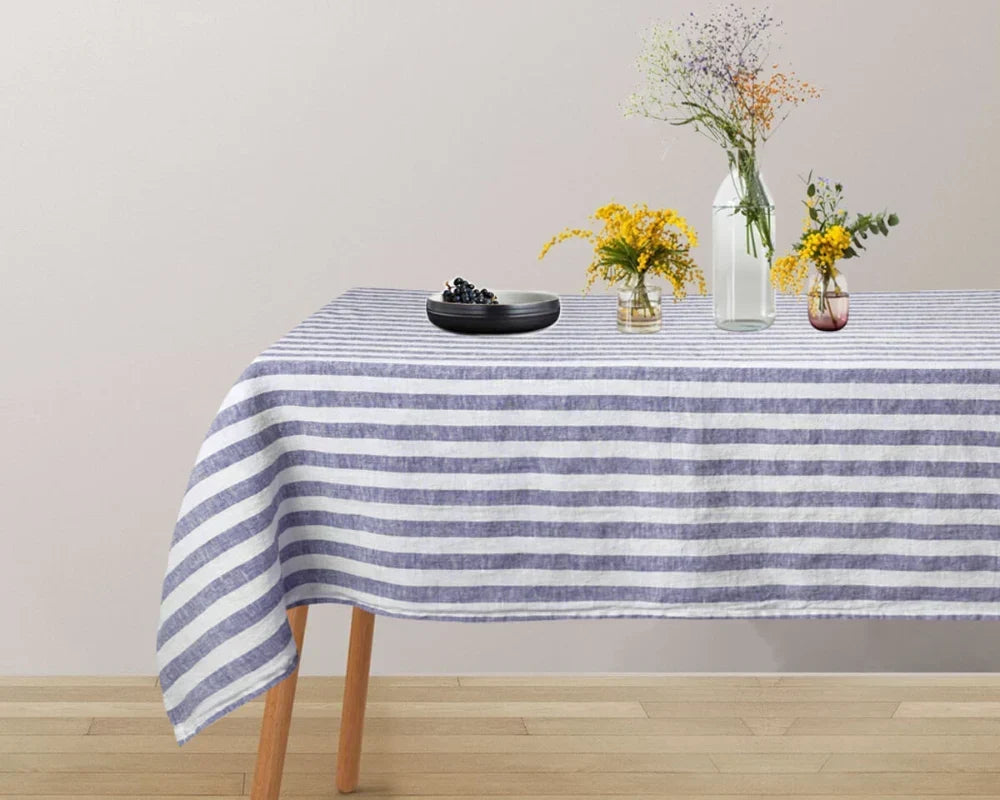
Napkins and Tablecloths
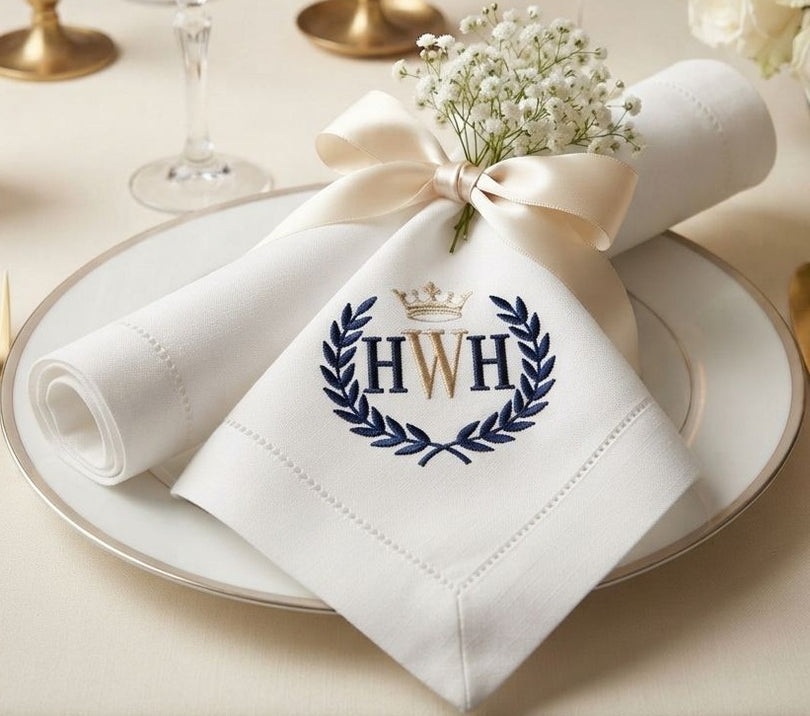
Linen looks elevated and dries fast. Cotton is soft, absorbent, and easier on budgets. See linen napkins and cotton napkins, or read the guide to the best fabric for napkins.
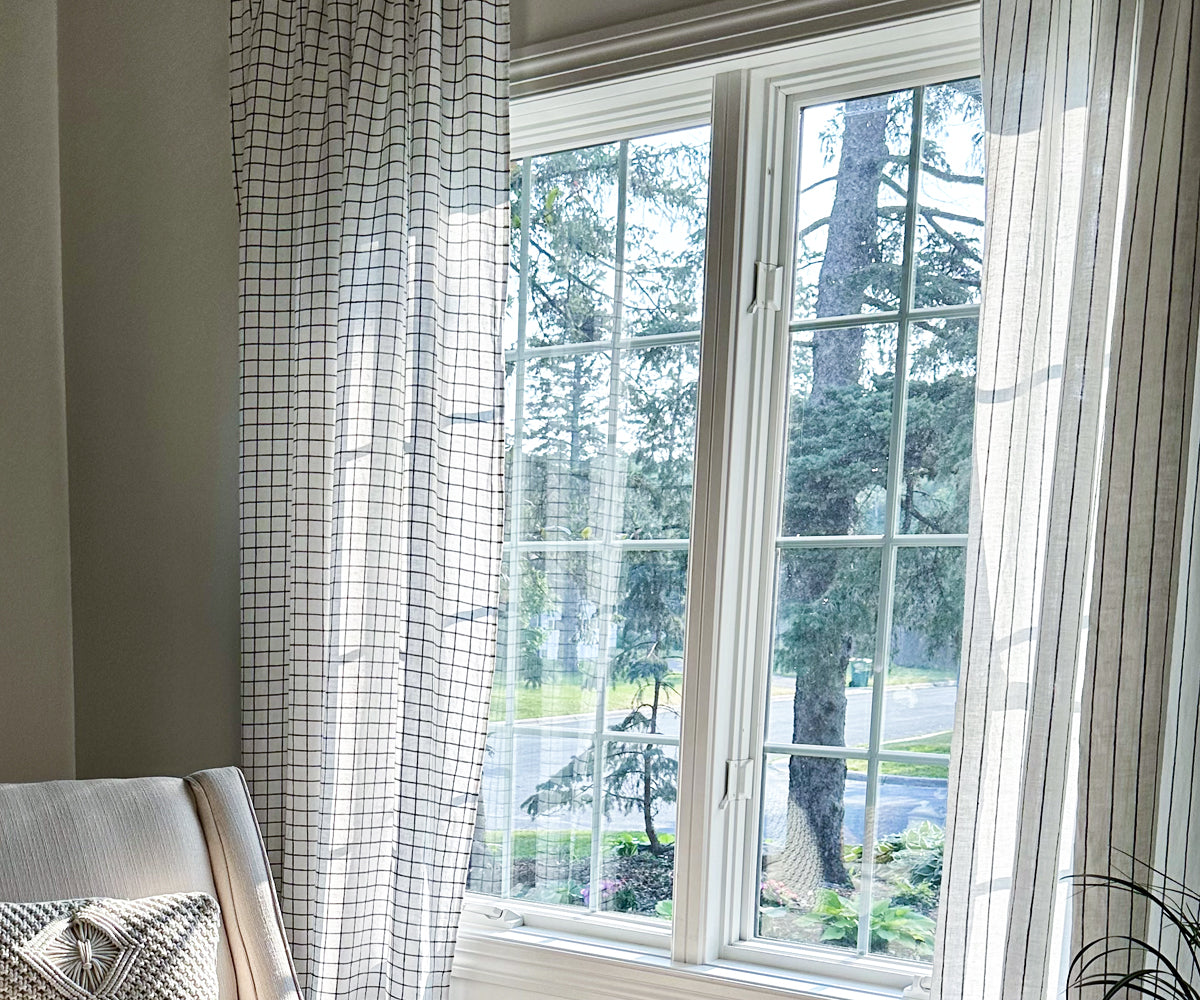
Curtains
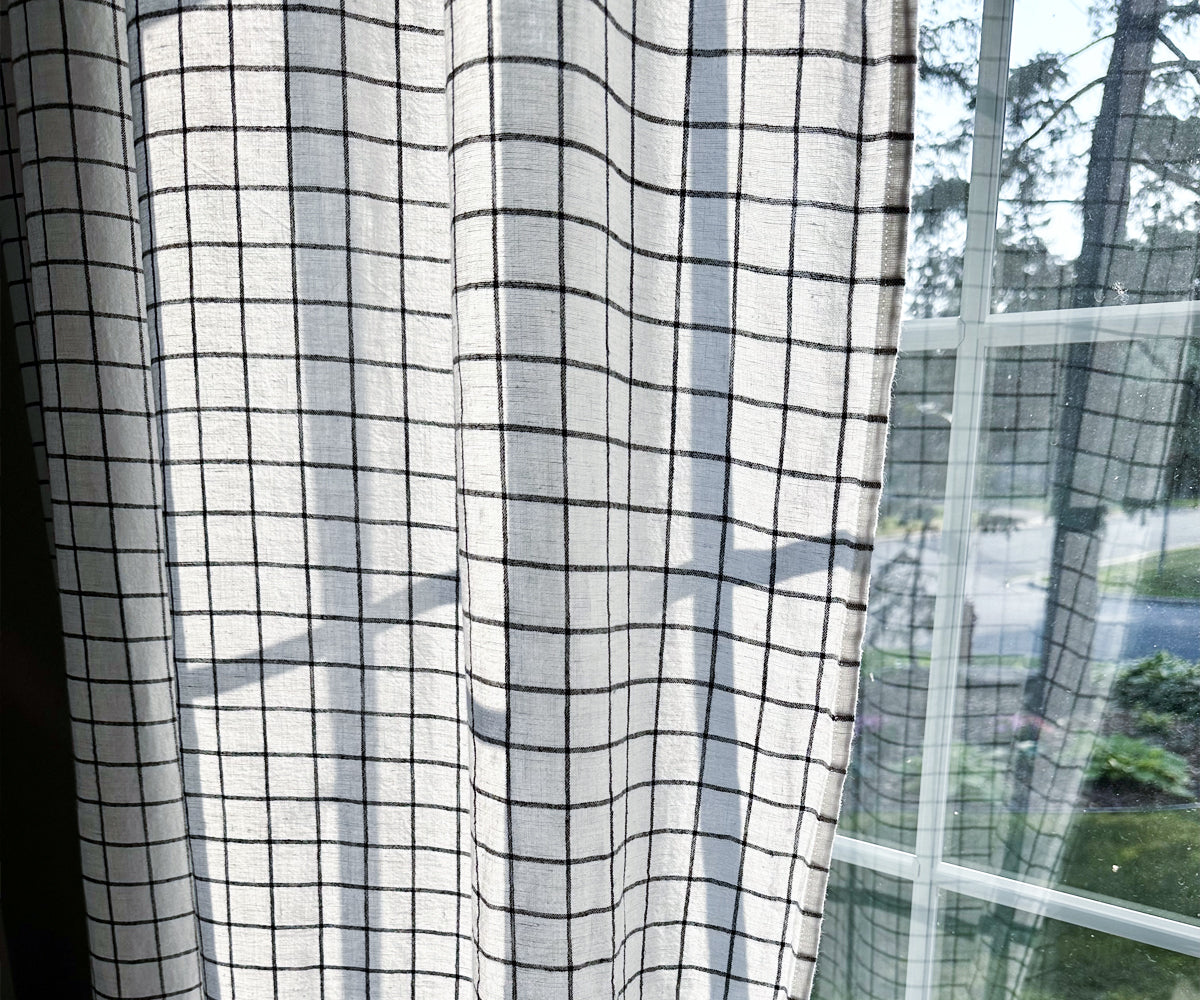
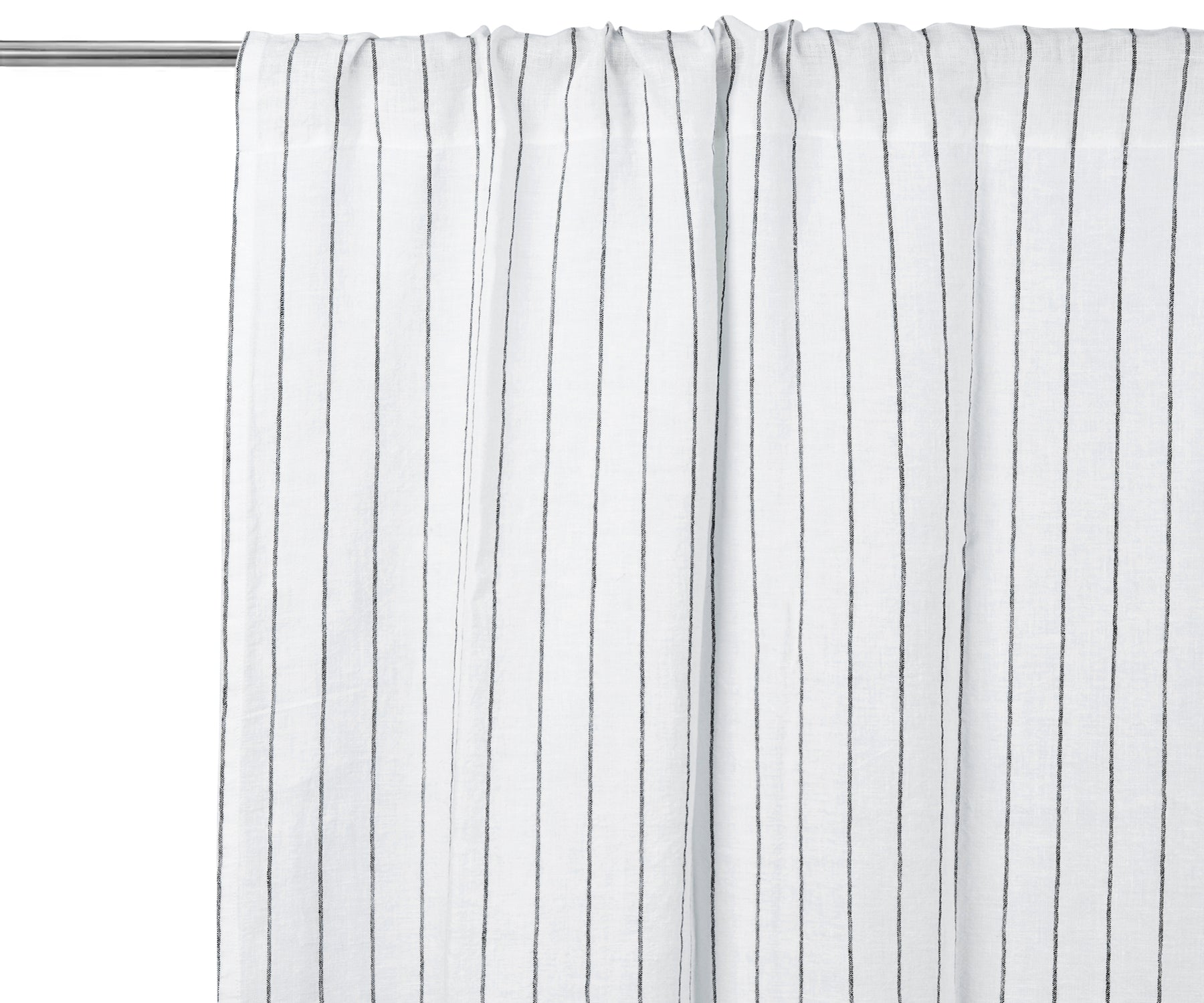
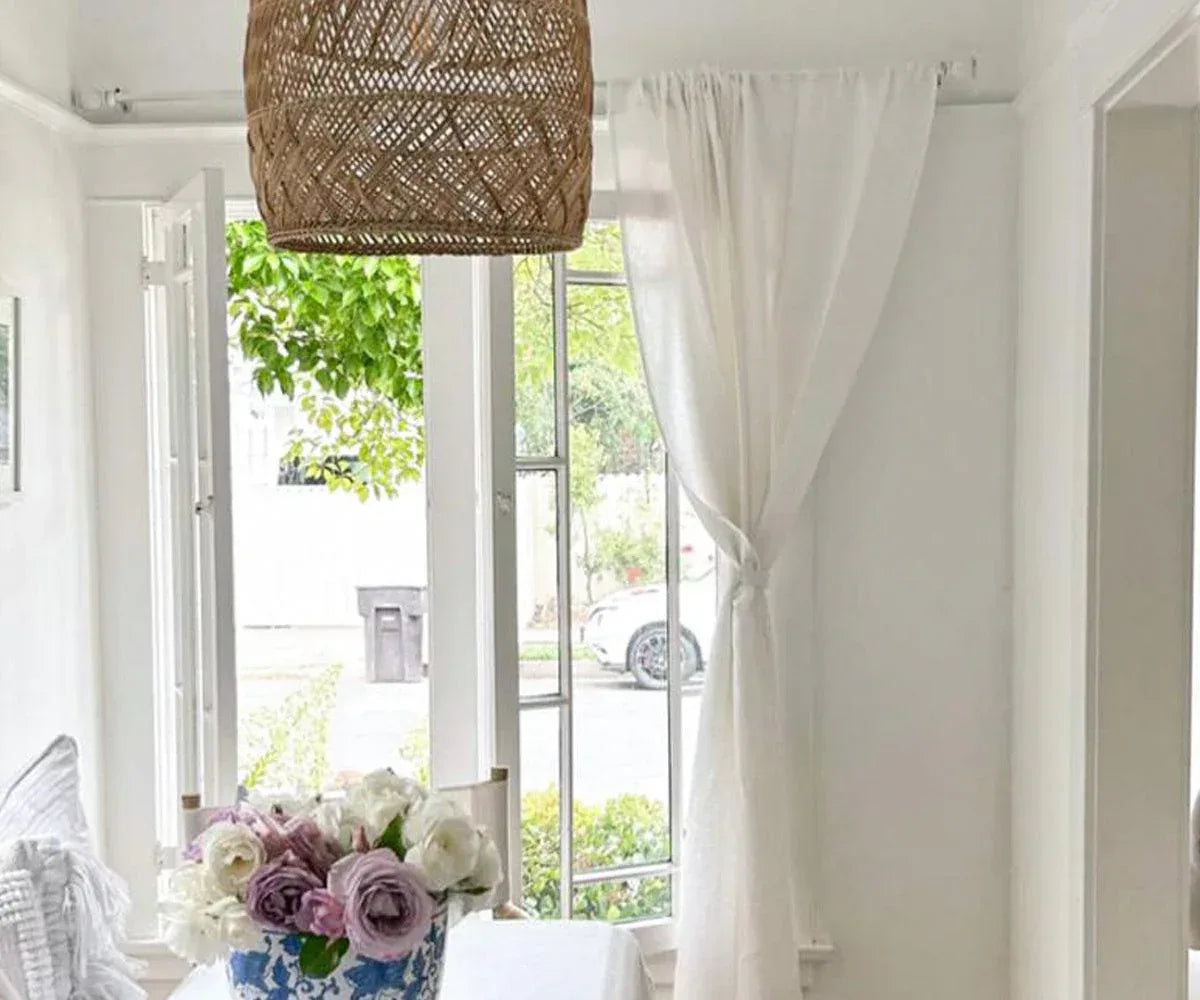
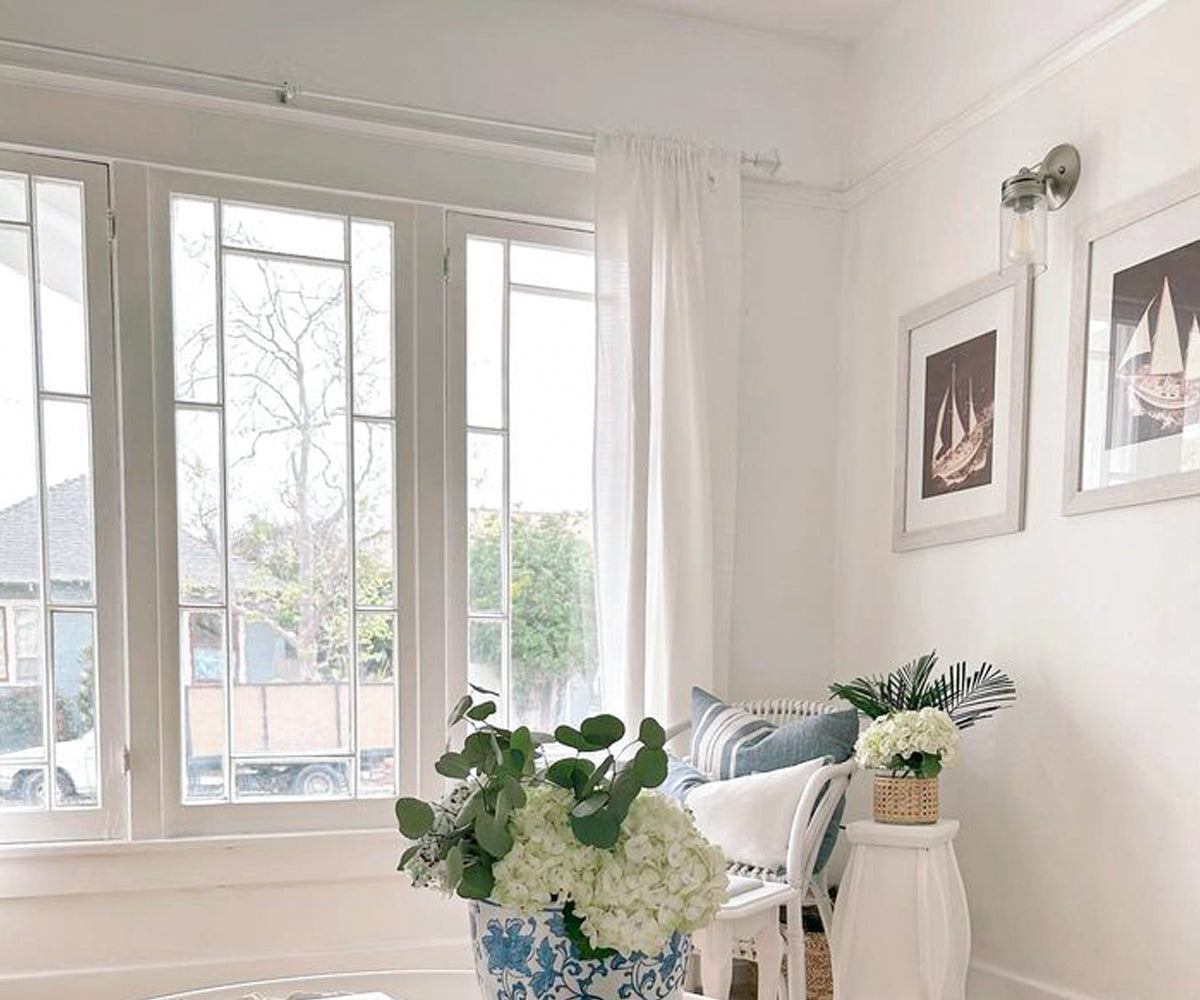
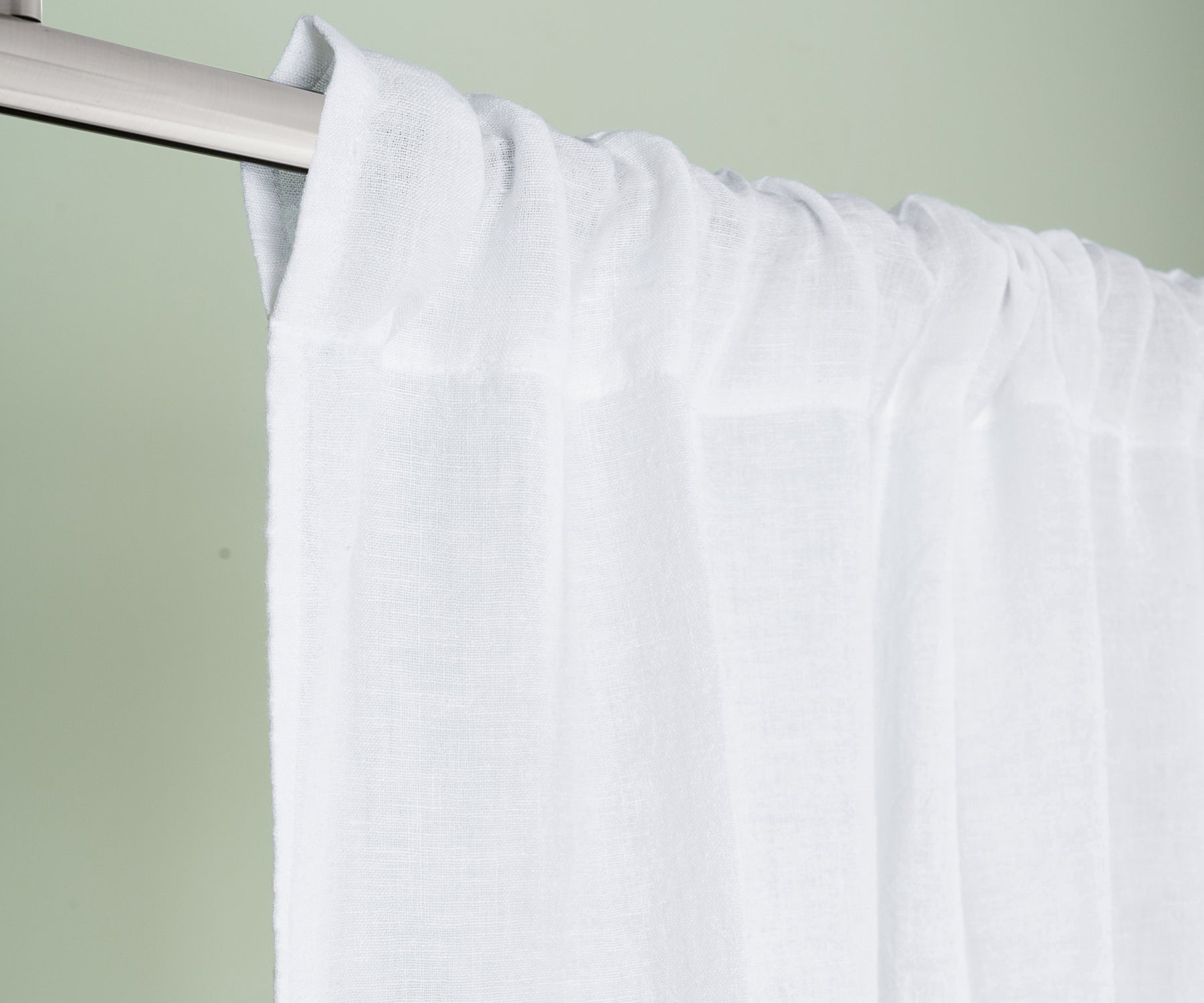
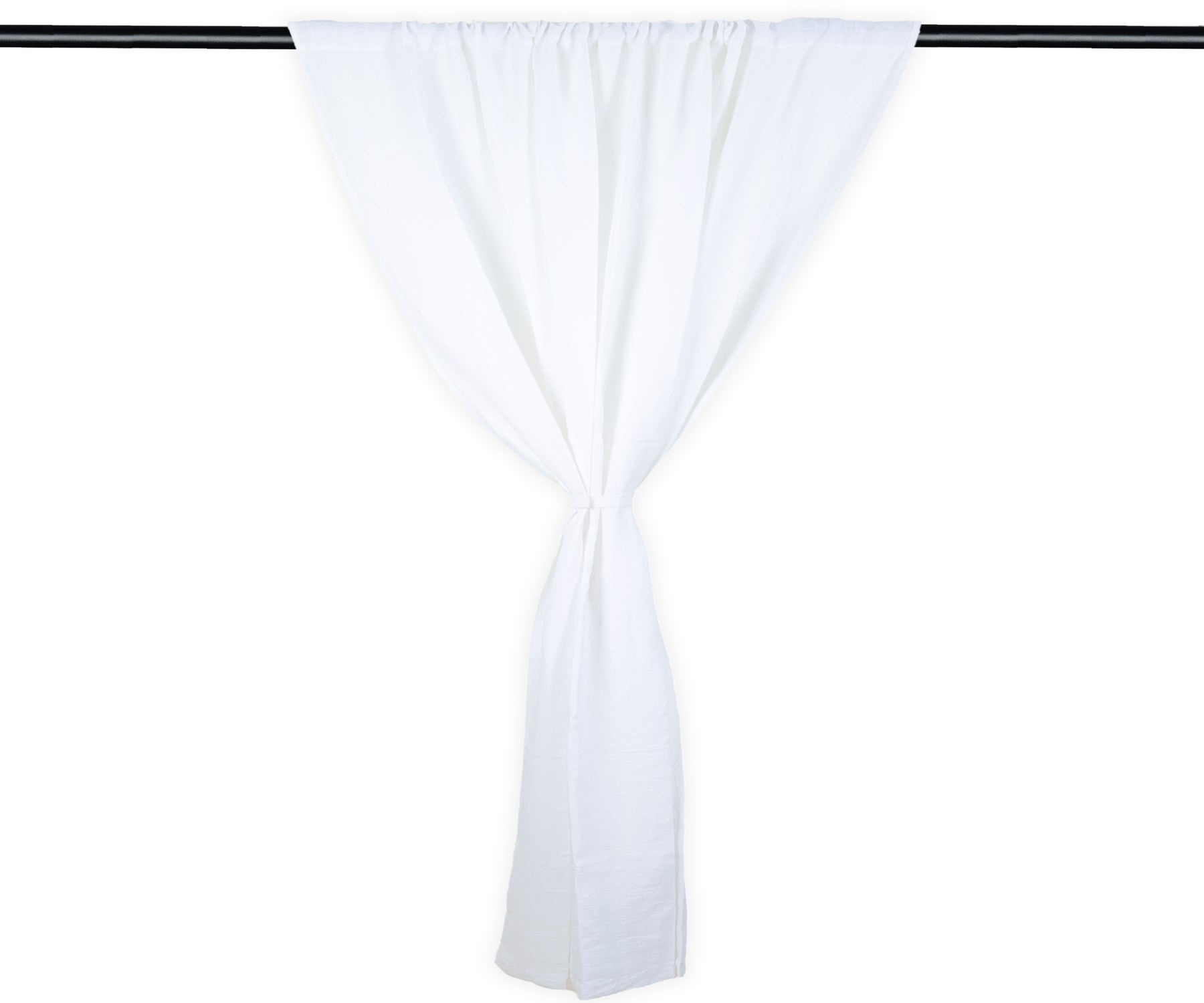
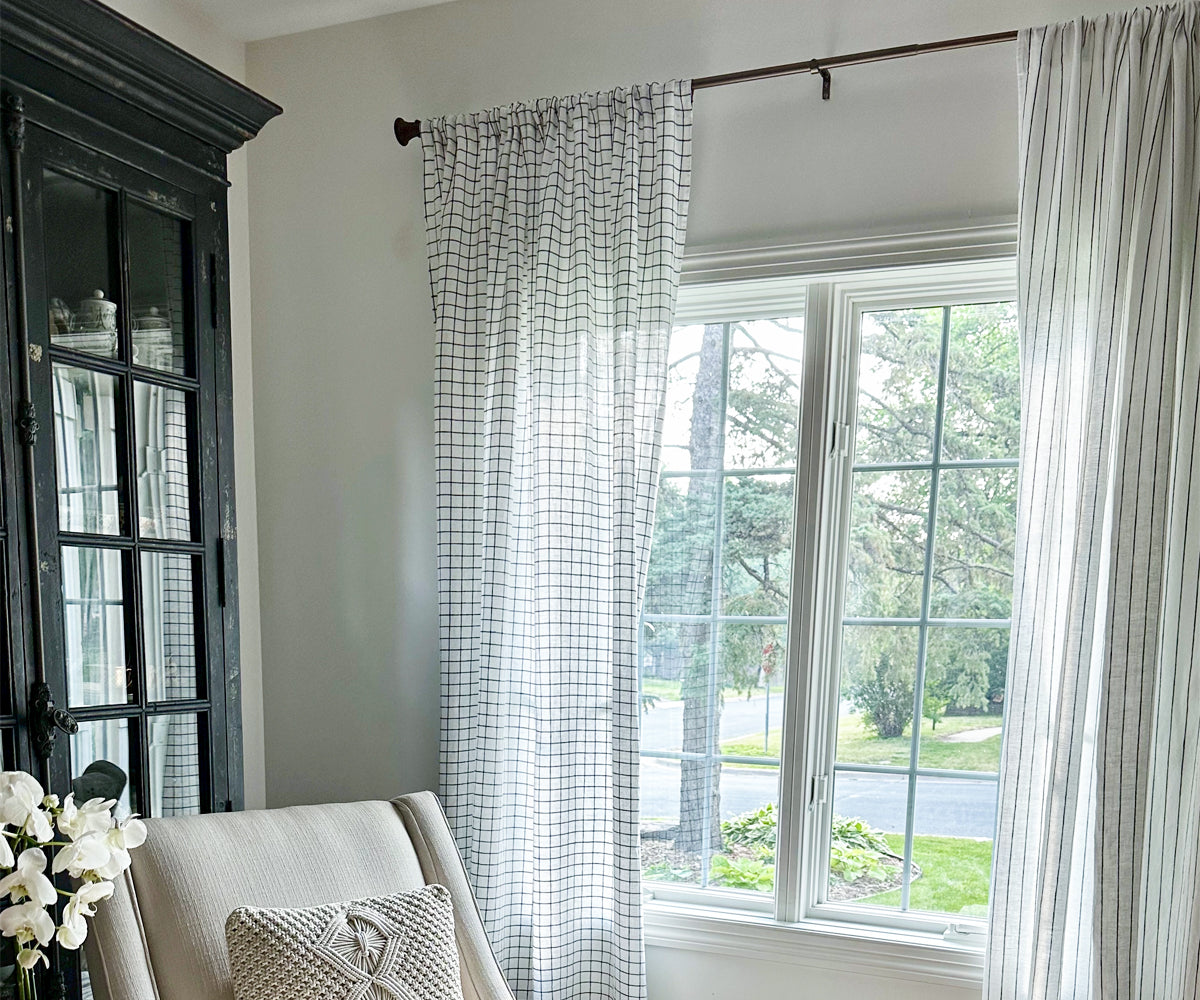
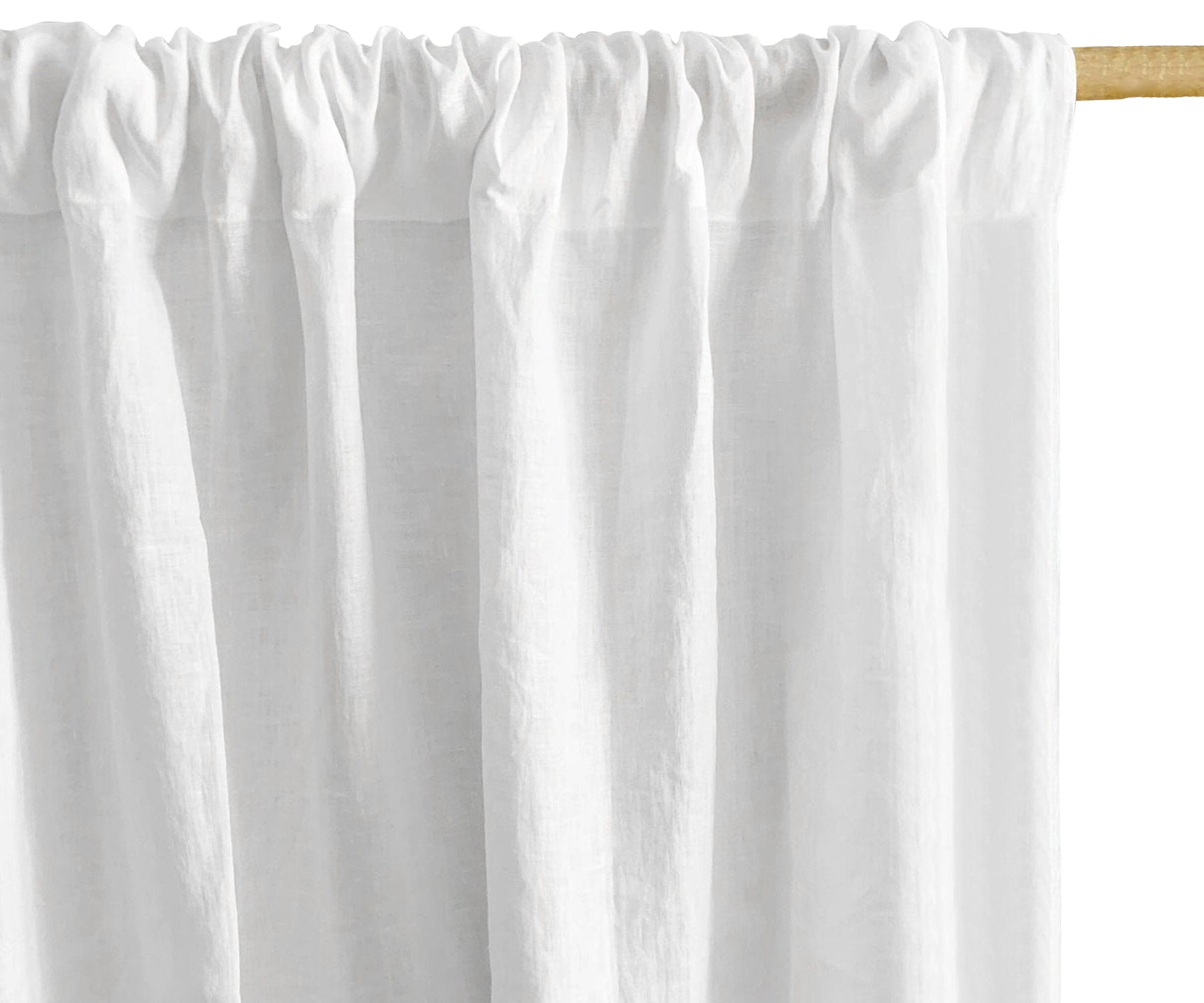
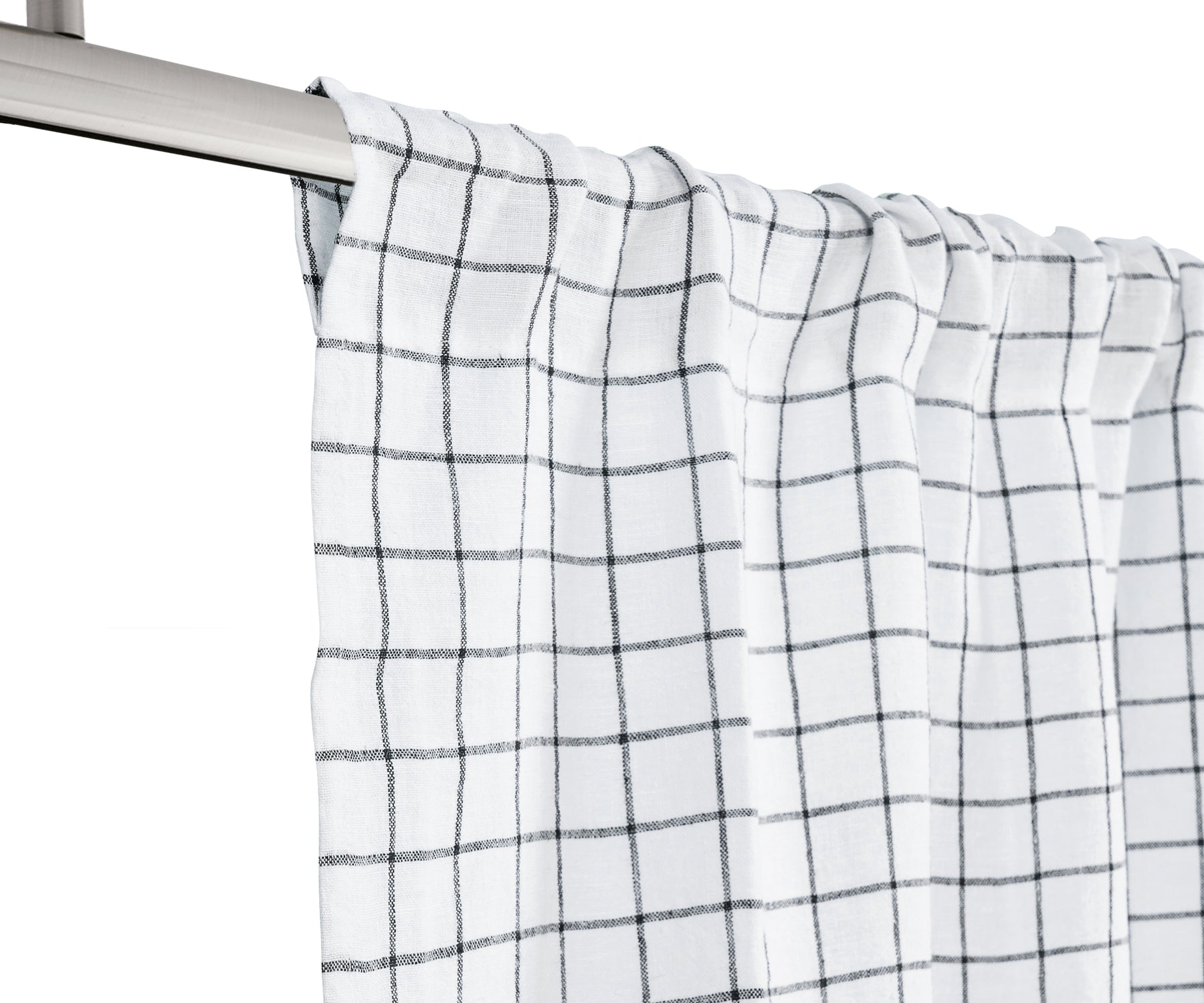
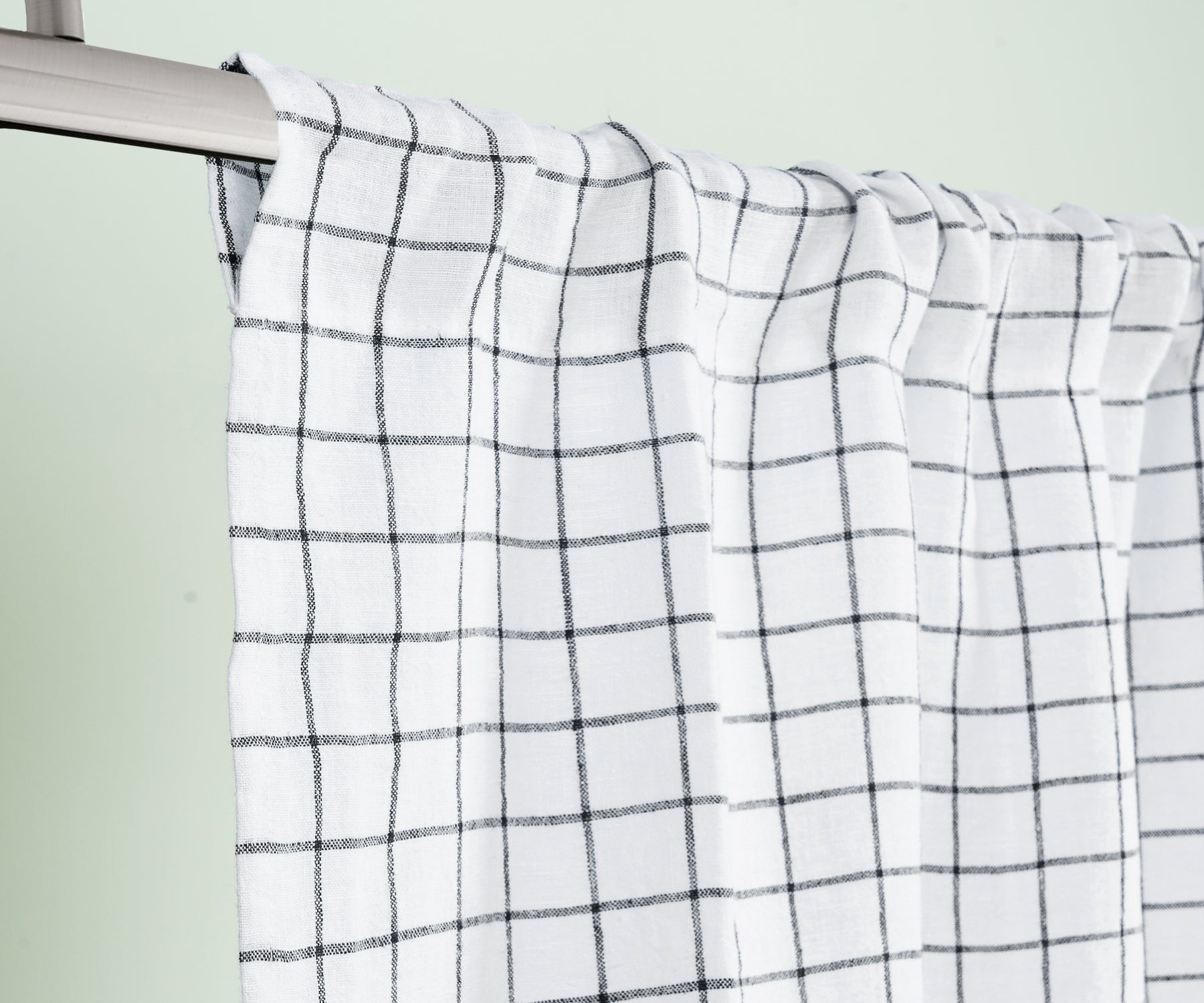
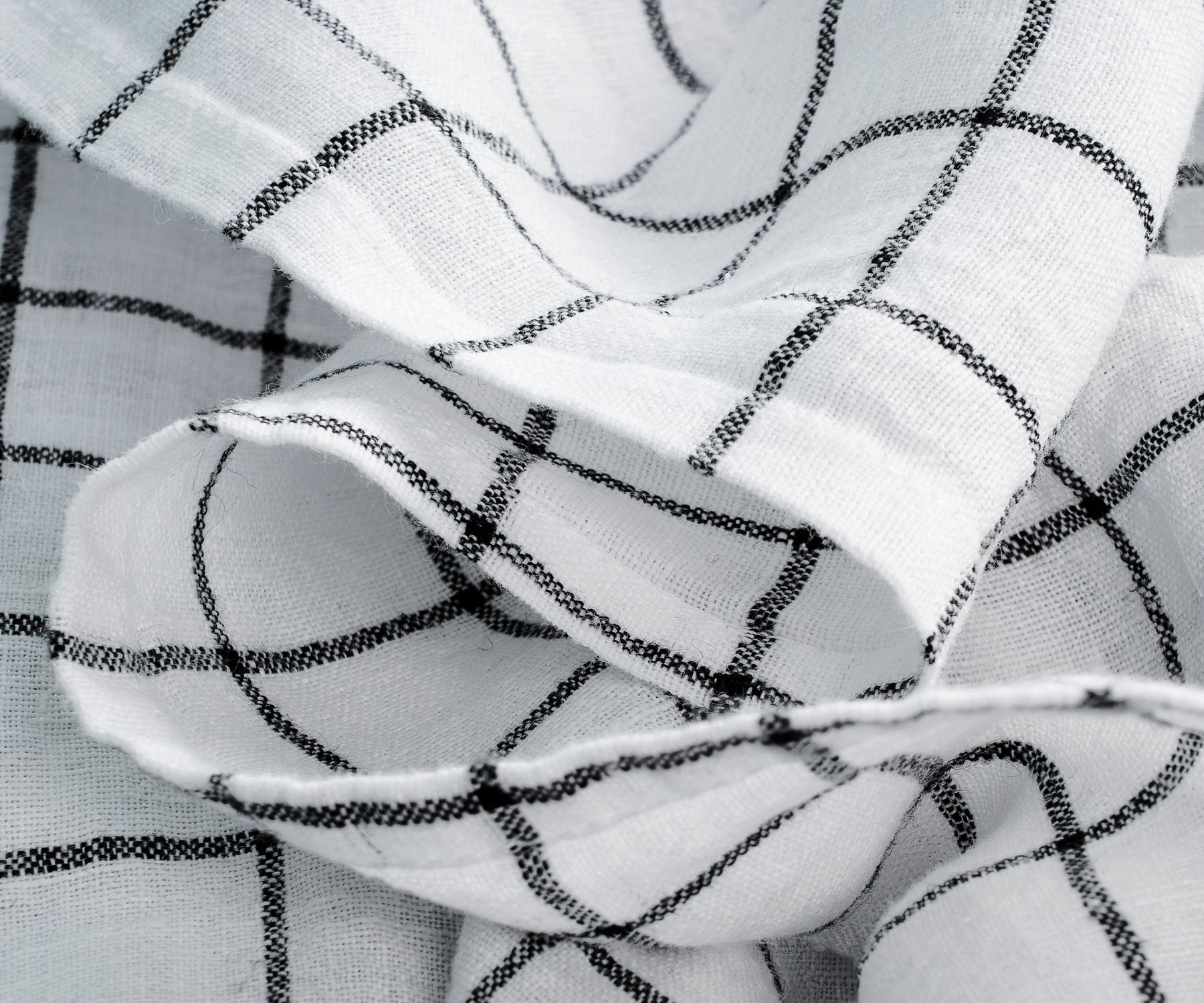
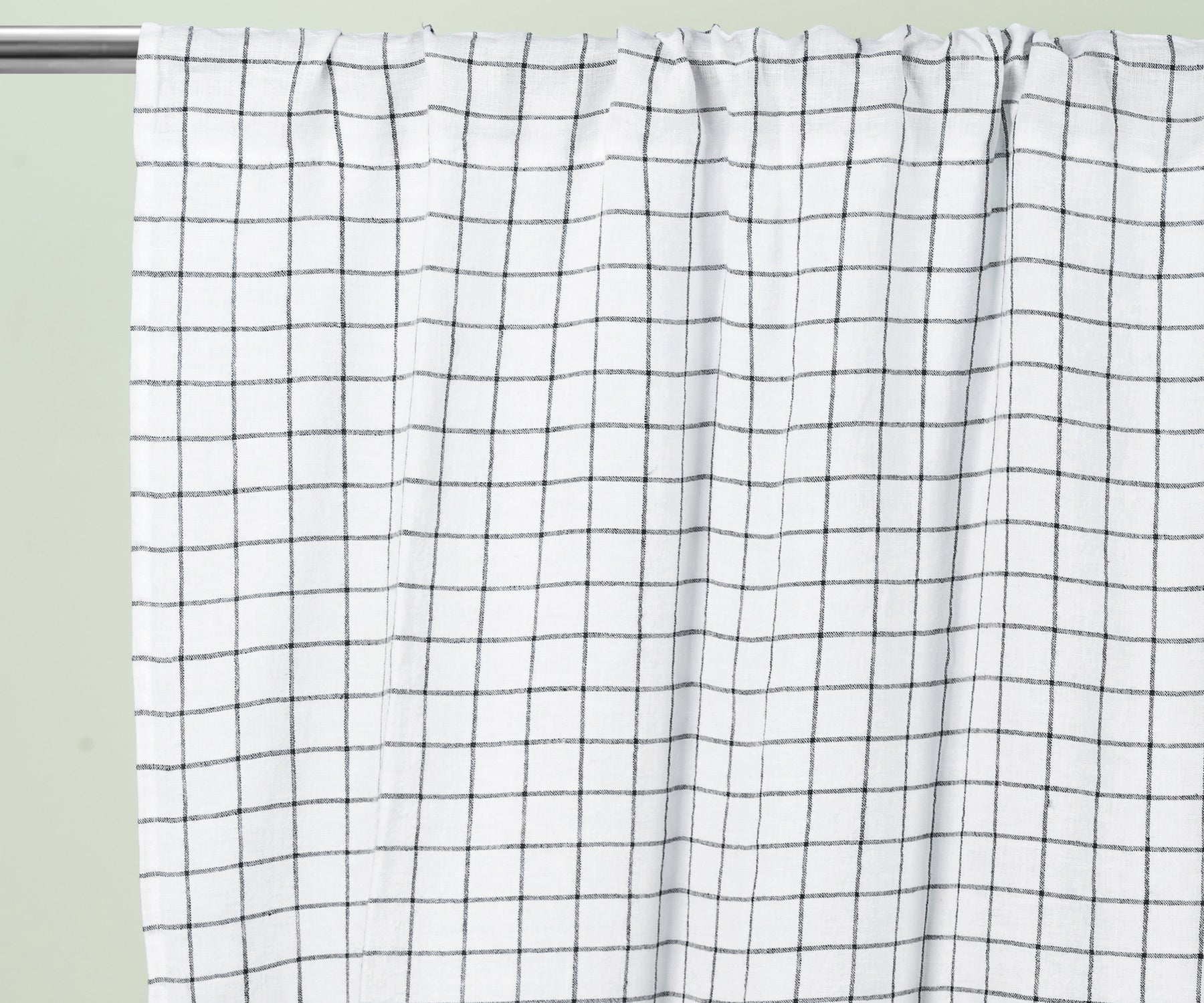
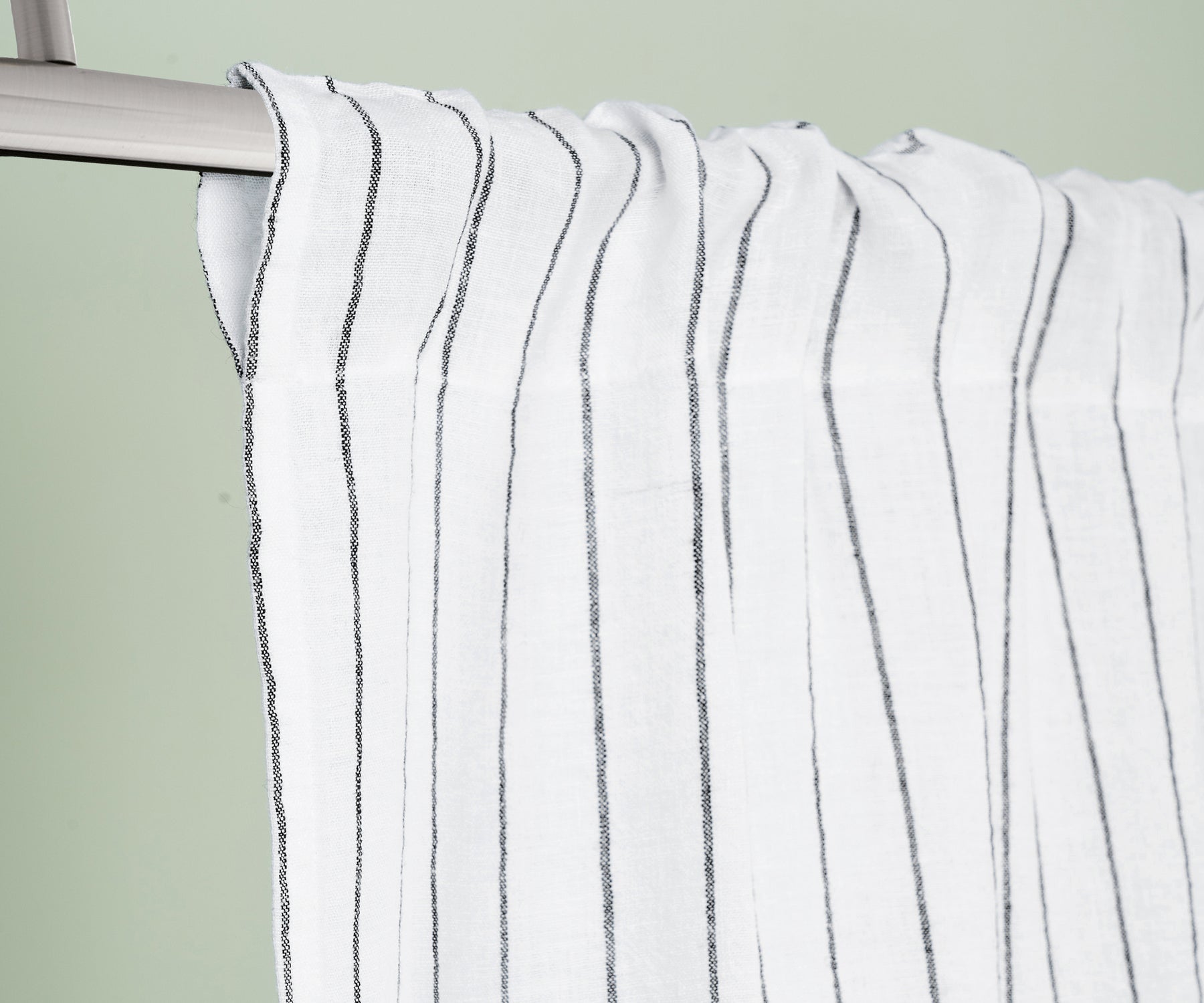
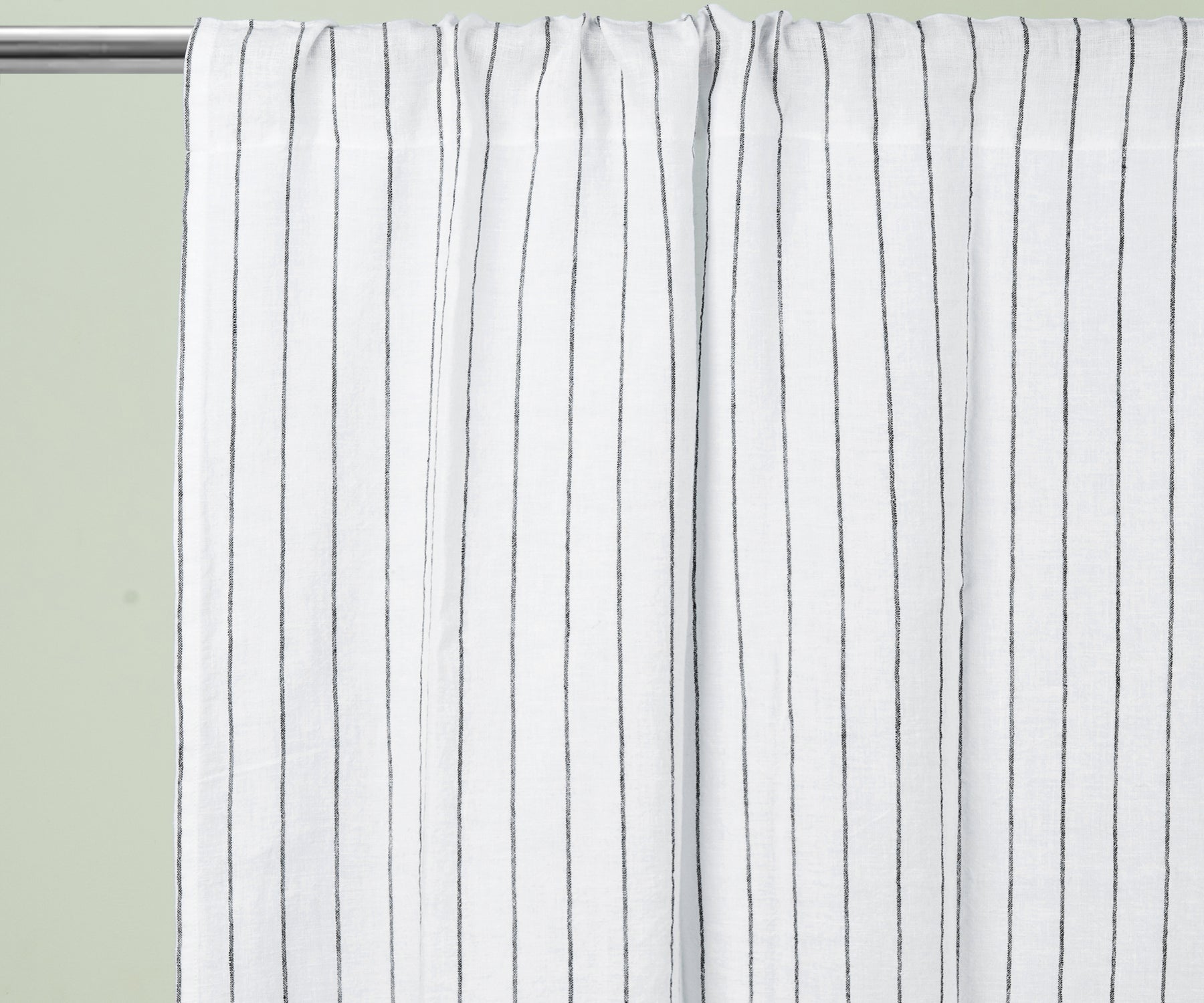
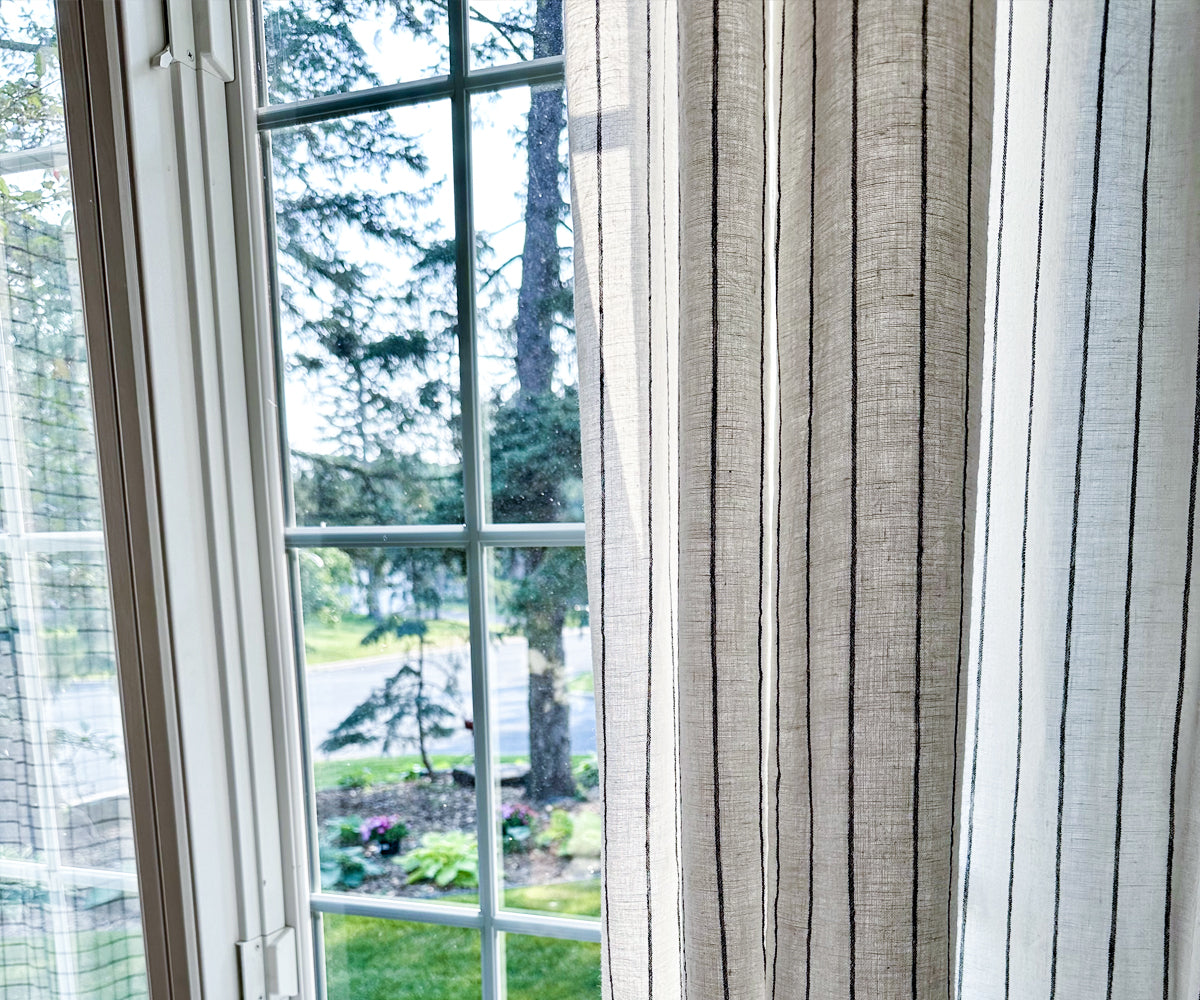
Linen curtains have a natural texture and airy drape. Cotton curtains are more structured. See linen curtains.
Kitchen and Bath Towels
Linen dries quickly, which is useful in humid kitchens. Cotton is highly absorbent for soaking up spills. See kitchen towels.
Clothing
Linen suits hot-weather shirts, dresses, and trousers. Cotton is more versatile across seasons.
What About Cotton-Linen Blends?
A blend gives you some of linen's breathability and texture with cotton's softness and easier handling. It wrinkles less than pure linen, depending on the ratio. It is a good choice for everyday napkins, tablecloths, and cushion covers. Check the label for the blend percentage, because "linen look" is not the same as "linen".
Which Fabric Is Better for Clothing: Linen or Cotton?
Linen is well suited to warm weather clothing because it is lightweight, breathable, and comfortable in hot conditions. It works well for shirts, dresses, trousers, and other relaxed styles. Cotton is more versatile for everyday clothing and is available in many weights and weaves, making it suitable for different seasons. Your choice can depend on the climate, garment type, and whether you prefer a more textured or softer feel.
Know About: Can You Wash Linen in the Washing Machine?
Which Fabric Works Best for Curtains and Table Linens?
Both linen and cotton can work well for curtains and table linens, but they create different looks and offer different practical benefits. Linen curtains have a natural texture and lightweight drape, while cotton curtains are available in a wider range of weights and can provide a more structured appearance. For table linens, linen offers good absorbency and a textured finish, while cotton is soft, versatile, and easy to find in different styles and weights.

How to Take Care of Linen and Cotton
| Task | Linen | Cotton |
|---|---|---|
| Washing | Gentle or normal cycle; 30–40°C; mild detergent | Normal cycle; check label |
| Drying | Low heat or air-dry | Low to medium heat |
| Ironing | Optional; iron slightly damp for crisp | Iron if you like a smooth look |
| Stains | Treat early | Treat early |
| Storage | Cool, dry, folded | Cool, dry, folded |
See our full guides: How to Care for Linen
Common Myths about Linen and Cotton
- Linen is always rough, but it can soften significantly with regular washing and use.
- Cotton is always softer than linen, although softness depends on the fiber quality, weave, and fabric construction.
- Linen is difficult to care for, but many linen fabrics can be machine-washed when cared for according to the manufacturer's instructions.
- A higher thread count always means better quality, but factors such as fiber quality, weave, and construction also affect how a fabric feels and performs.
Key Takeaways
Linen and cotton each have qualities that suit different needs. Linen offers excellent breathability, strong fibers, and a natural texture that becomes softer with use. Cotton is known for its softness, versatility, easy care, and wide range of fabric options. The right choice depends on where and how you plan to use the fabric, your preferred feel, and how much maintenance you are comfortable with.
A cotton and linen blend can also be a practical option if you want some of the breathability and texture of linen with the softness and easy handling of cotton.
Looking for natural fabrics for your home? Browse All Cotton and Linen for linen bedding, cotton bedding, and other cotton and linen essentials designed for everyday use.