

Why Choose Luxury Bed Coverings for Your Bedroom
Luxury bed coverings are crafted to provide an unparalleled sleeping experience. Made from the finest materials such as silk, linen, and cotton, they boast exceptional softness, breathability, and durability. These materials work in harmony to regulate body temperature, keeping you cool in the summer and warm in the winter. Moreover, luxury bed coverings often feature intricate designs and patterns, adding a touch of sophistication to your bedroom.
Exploring the Realm of Luxury Bed Coverings
Luxury bed coverings come in a diverse array of styles and materials, each with its unique benefits and drawbacks. Let's embark on a journey to discover the various types of luxury bed coverings:
Duvets and Comforters: The Ultimate Warmth
A duvet or comforter is a type of luxury bed covering that's filled with insulating material, such as down feathers or synthetic fibers. Designed to provide warmth and comfort, they're perfect for colder climates. When selecting a duvet or comforter, consider the fill power and material, as well as the thread count and weave of the outer fabric.
The Fill Power Factor
The fill power of a duvet refers to its ability to trap warmth and maintain loft. Higher fill-power duvets are generally more expensive, but they offer superior warmth and comfort.
Filling Materials: A Delicate Balance
Duvets can be filled with a variety of materials, including down feathers, synthetic fibers, and wool. Each material has its unique benefits and drawbacks, and the right choice will depend on your personal preferences and needs. For more information on duvet filling materials
Sheet Sets and Pillowcases: The Foundation of Luxury
A sheet set and a pillowcase are essential components of a luxury bedding set. They provide a smooth, comfortable surface for sleeping and lounging. When selecting a sheet set and pillowcase, consider the material, thread count, and weave.

Material Options: A World of Possibilities
Sheet sets and pillowcases can be made from a variety of materials, including cotton, linen, and silk. Each material has its unique benefits and drawbacks, and the right choice will depend on your personal preferences and needs. For more information on material options for sheet sets and pillowcases, check
Bed Spreads and Throws: A Touch of Elegance
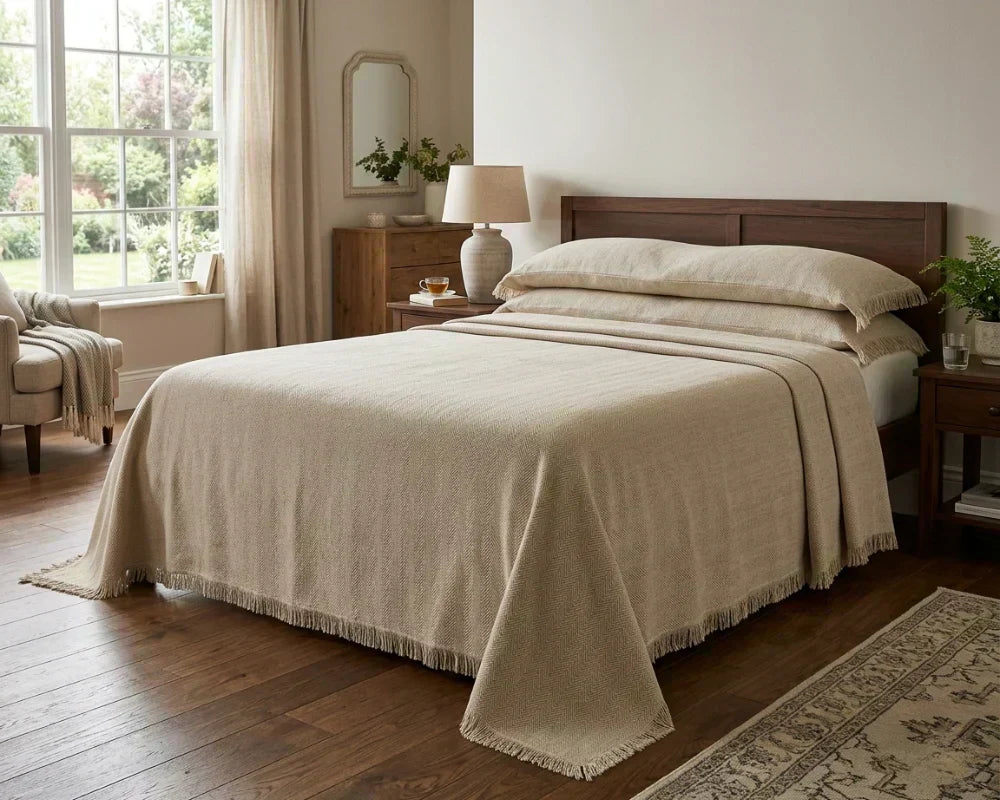
A bedspread or throw is a luxury bed covering designed to add a touch of sophistication to your bedroom. Made from lightweight materials such as cotton, linen, or silk, they're perfect for adding a pop of color and texture to your bedding.
Down Comforters and Duvets: The Ultimate in Warmth
Down comforters and duvets are types of luxury bed coverings that are filled with insulating material, such as down feathers. They're designed to provide warmth and comfort and are perfect for colder climates.
You May Also Like: Beat the Summer Heat: Top Tips for Cooling Down Your Bedding

Practical Tips for Choosing Luxury Bed Coverings
Choosing the right luxury bed covering can be overwhelming, but here are a few practical tips to consider:
-
Climate Considerations
When selecting a luxury bed covering, consider your climate and the time of year. If you live in a colder climate, a duvet or comforter filled with insulating material may be a good choice. If you live in a warmer climate, a lightweight sheet set and pillowcase may be more suitable.
-
Personal Preferences
Luxury bed coverings come in a wide range of styles and materials, so think about your personal preferences and needs. Do you prefer a soft, smooth fabric or a more textured, woven fabric? Do you have allergies or sensitivities that may affect your choice of material?
-
Maintenance Matters
Luxury bed coverings require regular maintenance to keep them clean and fresh. Consider the ease of cleaning and maintenance when choosing a luxury bed covering.
-
Invest in Quality
Luxury bed coverings are an investment in your sleep and comfort. Consider investing in high-quality materials and construction to ensure that your luxury bed covering lasts for years to come.
The Importance of Thread Count
When selecting a luxury bed covering, thread count is an essential factor to consider. Thread count refers to the number of threads per square inch of fabric. A higher thread count generally indicates a softer, more durable fabric. However, it's essential to note that thread count is not the only factor to consider, and other factors such as material and weave can also impact the quality of the fabric.
To Read: Flat vs Fitted Sheets: A Complete Guide for Your Bed

The Benefits of Natural Fibers
Luxury bed coverings made from natural fibers such as cotton, linen, and silk offer a range of benefits. These fibers are breathable, soft, and durable, making them ideal for regulating body temperature and promoting restful sleep. Additionally, natural fibers are often hypoallergenic and resistant to dust mites, making them a great choice for those with allergies.
How to Care for Your Luxury Bed Covering
To ensure that your luxury bed covering lasts for years to come, it's essential to follow proper care and maintenance instructions. Here are a few tips to keep in mind:
-
Wash your luxury bed covering in cold water to prevent shrinkage and damage to the fabric.
-
Avoid using harsh chemicals or detergents that can damage the fabric or affect its breathability.
-
Dry your luxury bed covering on a low-heat setting to prevent shrinkage and damage to the fabric.
-
Iron your luxury bed covering while it's still slightly damp to prevent wrinkles and creases.
Conclusion
Luxury bed coverings have the power to transform your bedroom into a serene oasis. By choosing the right type of luxury bed covering for your needs, you can create a peaceful retreat that promotes restful sleep and relaxation.