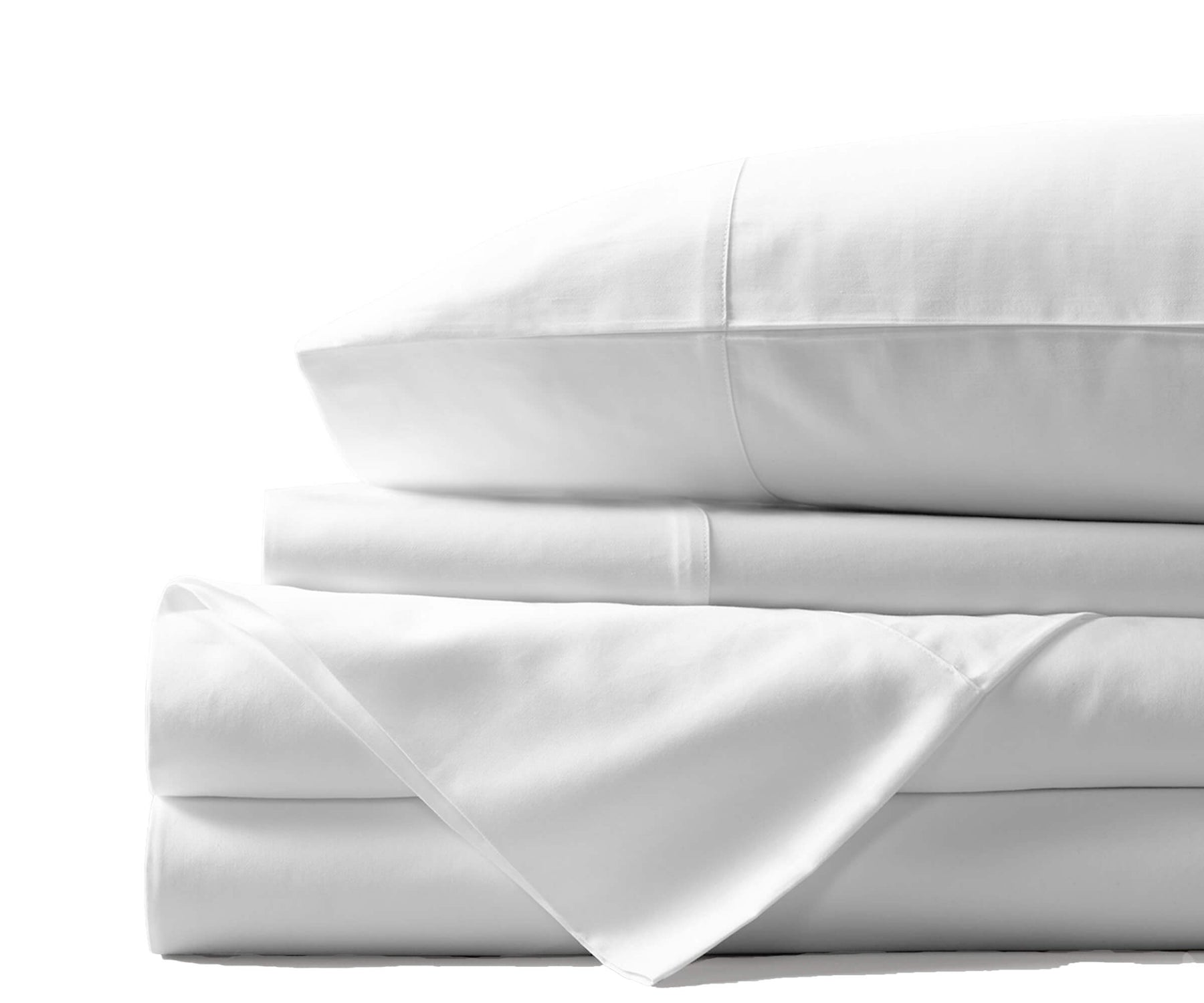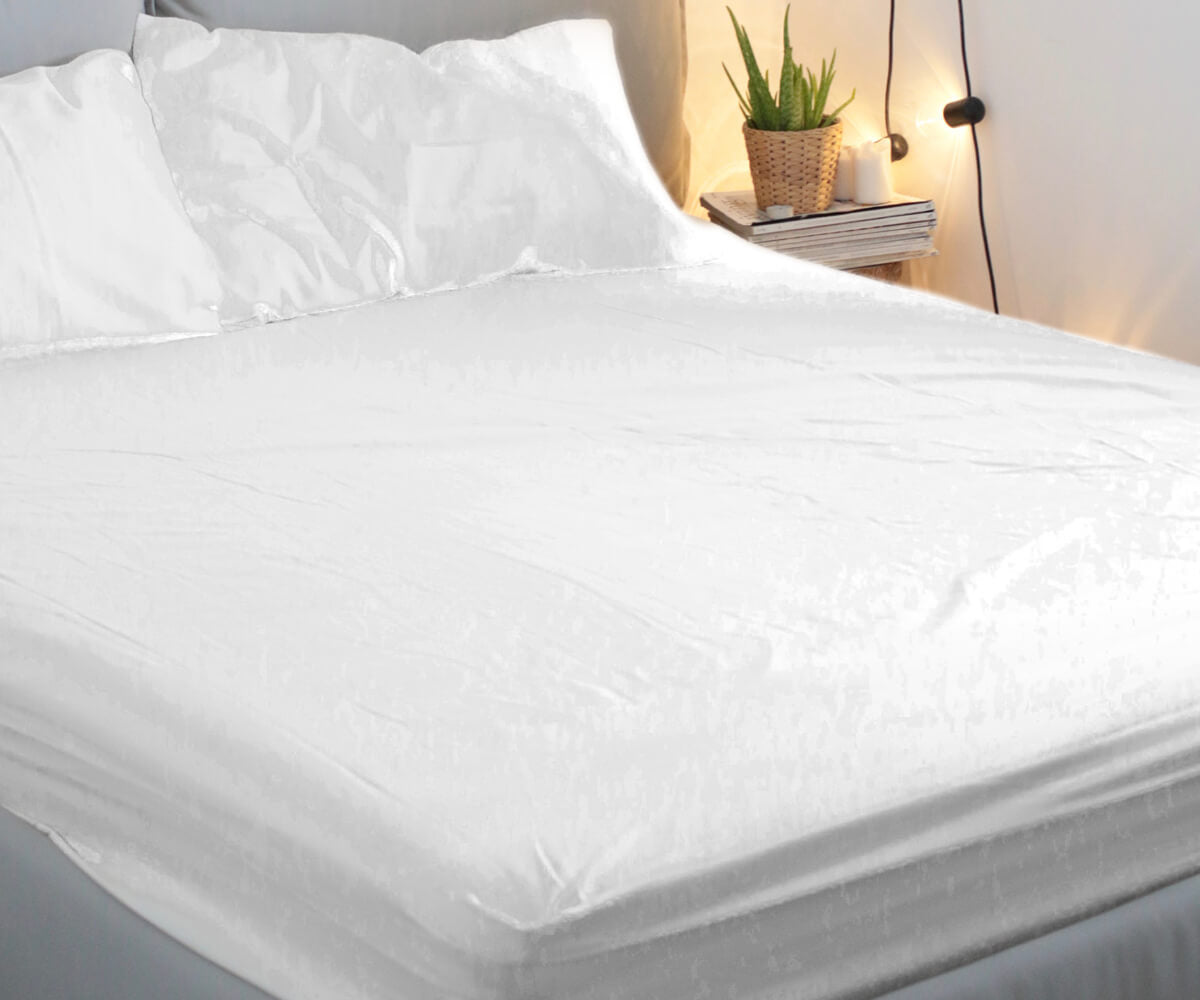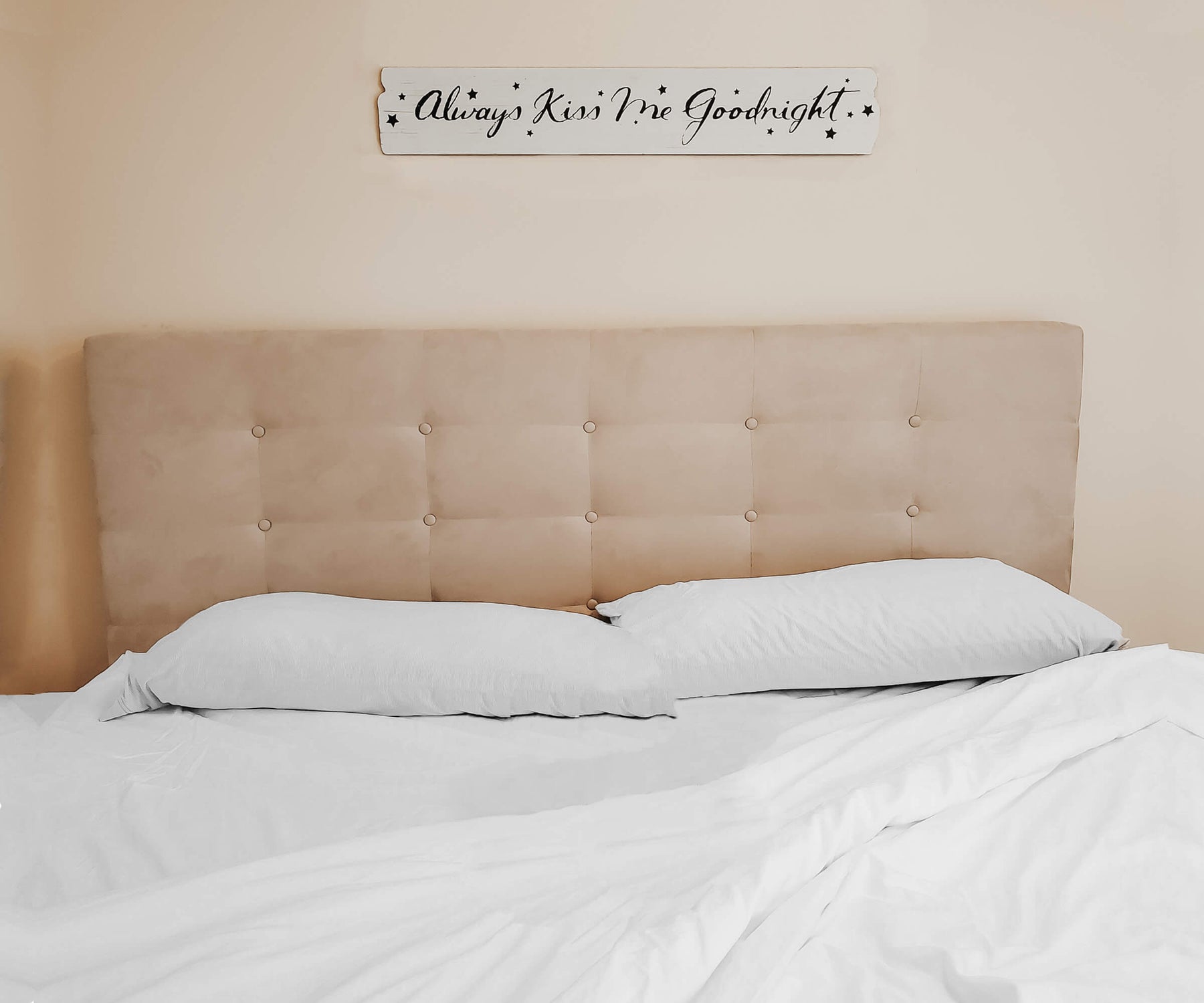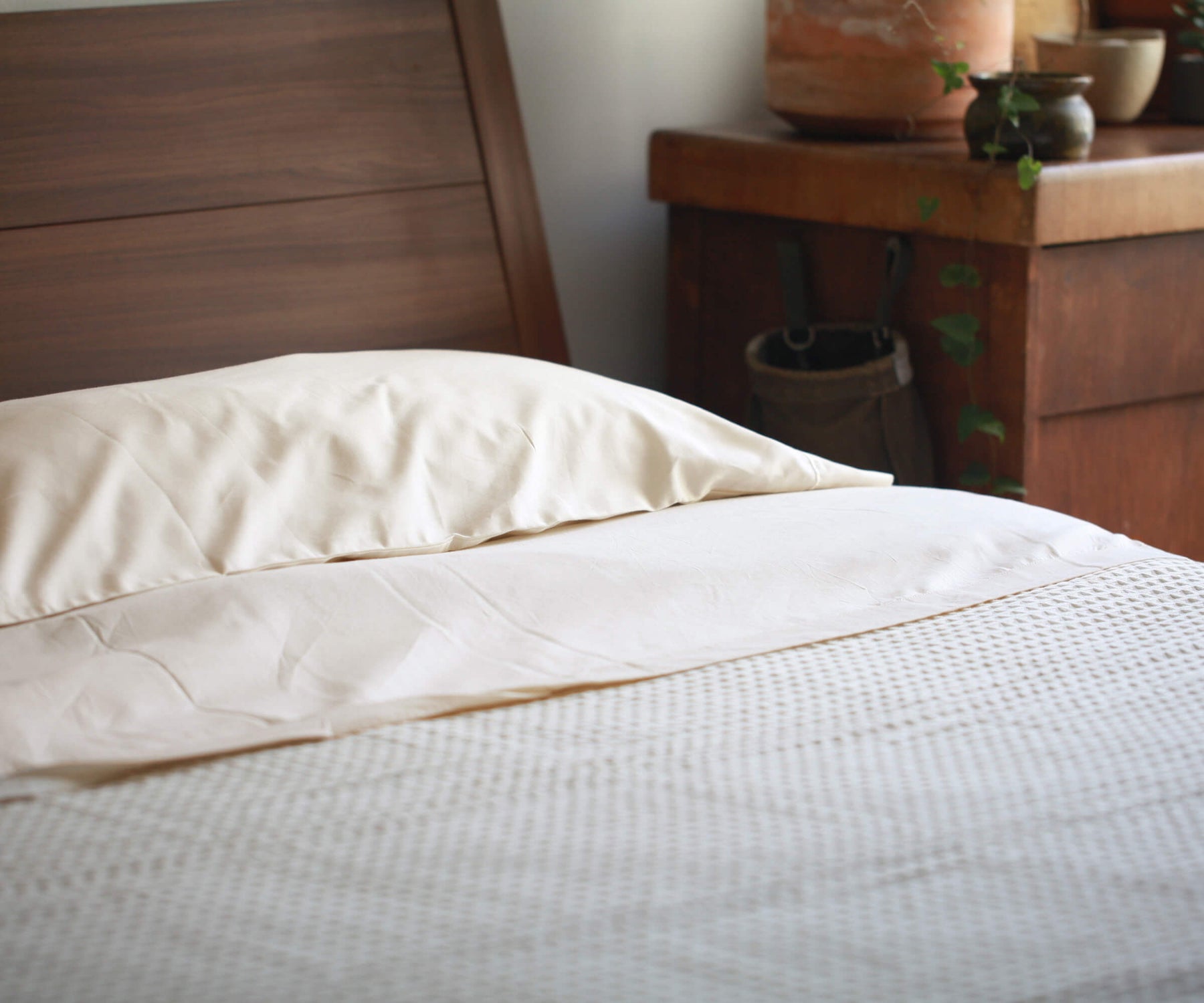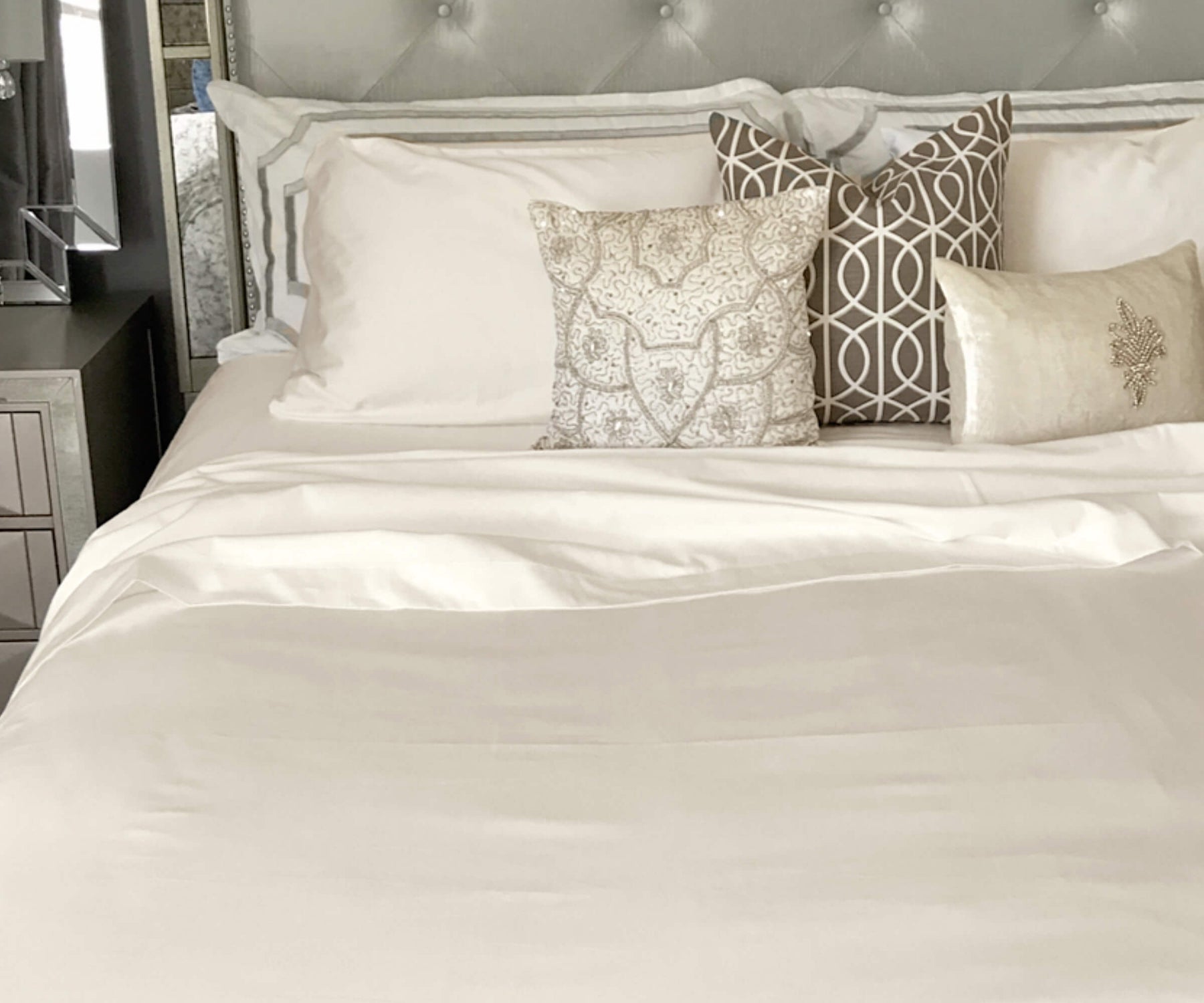



In the U.S., bedspreads have been a bedroom staple for generations, from classic chenille bedspreads in Southern homes to crisp cotton styles in coastal-inspired spaces.
They remain a practical choice for guest rooms, primary bedrooms, and vacation homes because they combine attractive coverage with straightforward care. Unlike many layered bedding setups, a bedspread offers a cleaner, more finished look while still being easy to maintain.
In this guide, you’ll learn how a bedspread differs from other bedding, which materials tend to perform best over time, how to choose the right size for a queen or king bed, and which styles work well with different decor preferences.
What Is a Bedspread?
A bedspread is a decorative top layer for your bed that covers the mattress, hangs over the sides, and often reaches the floor. It's cut larger than a standard blanket or comforter specifically to achieve that full-length drape. Most bedspreads are unlined or lightly padded; their primary job is aesthetic, though they do add a light layer of warmth during shoulder seasons.

The term "bedspread" is sometimes used loosely to describe any decorative top cover, but technically it refers to floor-length coverage. A coverlet, by comparison, only reaches the mattress edge or a few inches below it. Knowing the difference helps you pick the right piece for how your room is laid out.
Bedspread vs. Comforter: What's the Difference?
This is one of the most searched questions in US bedding, and the answer is simpler than most people expect.

|
Feature |
Bedspread |
Comforter |
|
Fill / Padding |
Minimal to none |
Thick fill (down, synthetic) |
|
Coverage |
Floor-length drape |
Mattress-top coverage |
|
Primary Purpose |
Decorative + light coverage |
Warmth while sleeping |
|
Layering |
Usually layered over blankets |
Often used as the main cover |
|
Styling |
Tailored, hotel-like look |
Soft, cozy, casual feel |
A comforter is built for warmth. It's thick, often stuffed with down or down-alternative fill, and sits on top of your sleeping layers. A bedspread is thinner and longer; it's meant to cover the bed when it's made, not necessarily to be the layer you sleep under.
That said, in warmer climates across the South and Southwest US, a cotton or linen bedspread can absolutely double as a sleeping layer during spring and summer.
How to Use a Bedspread
A bedspread is one of the more versatile pieces of bedding, and it works a little differently depending on the season and the look you're going for.
- As the sole top layer in warm weather. In spring and summer, a bedspread alone over just a fitted sheet gives enough coverage without added warmth, making it a practical choice for anyone who tends to sleep hot.
- Layered over a blanket or comforter in cooler months. During colder seasons, a bedspread can be added on top of an existing blanket or comforter, both to enhance warmth slightly and to give the bed a clean, finished look once made.
- As a daytime cover for a made bed. Because bedspreads drape fully to the floor, they're often used simply to conceal the sheets, blankets, and pillows underneath during the day, then folded back or removed at night for sleeping.
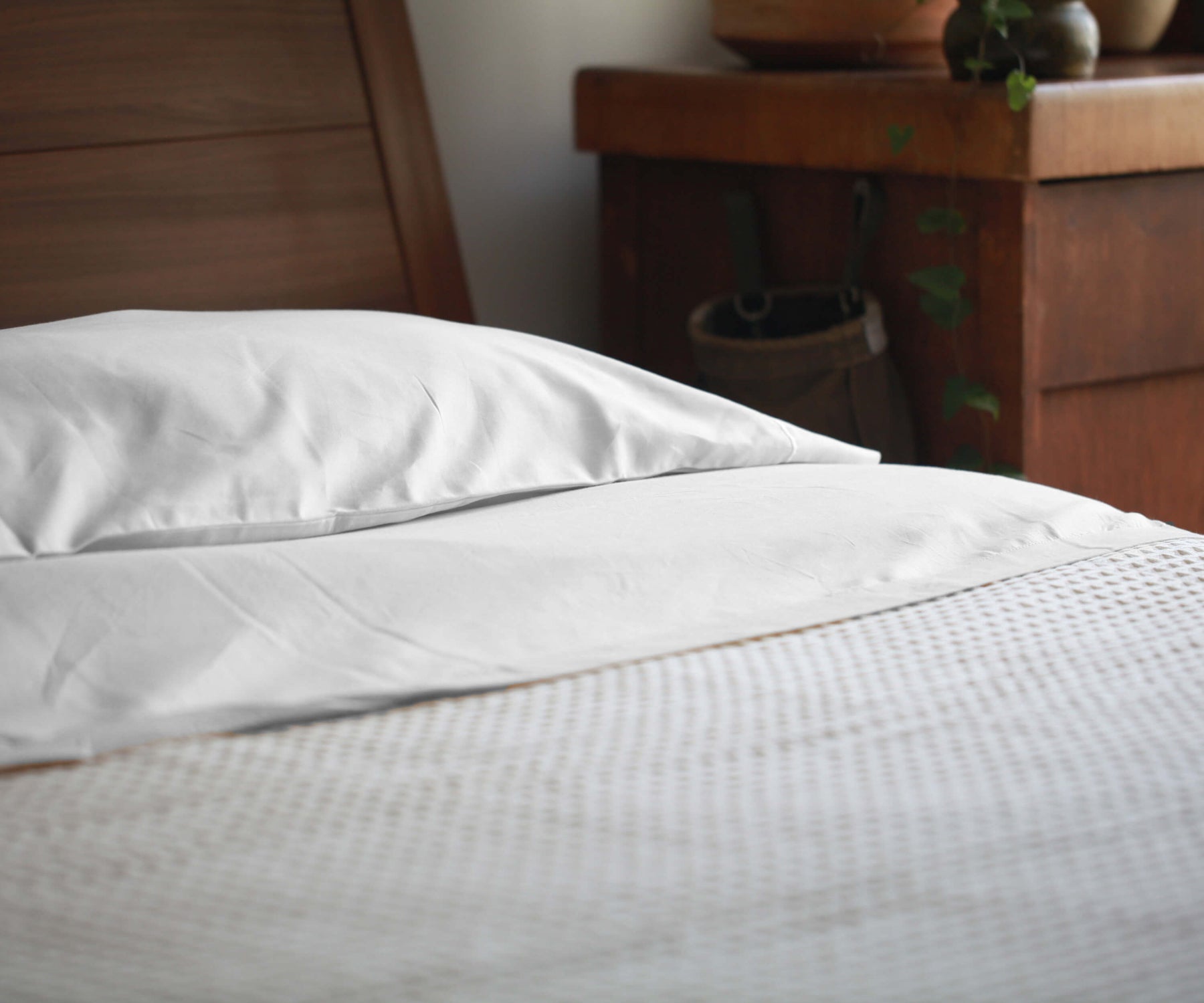
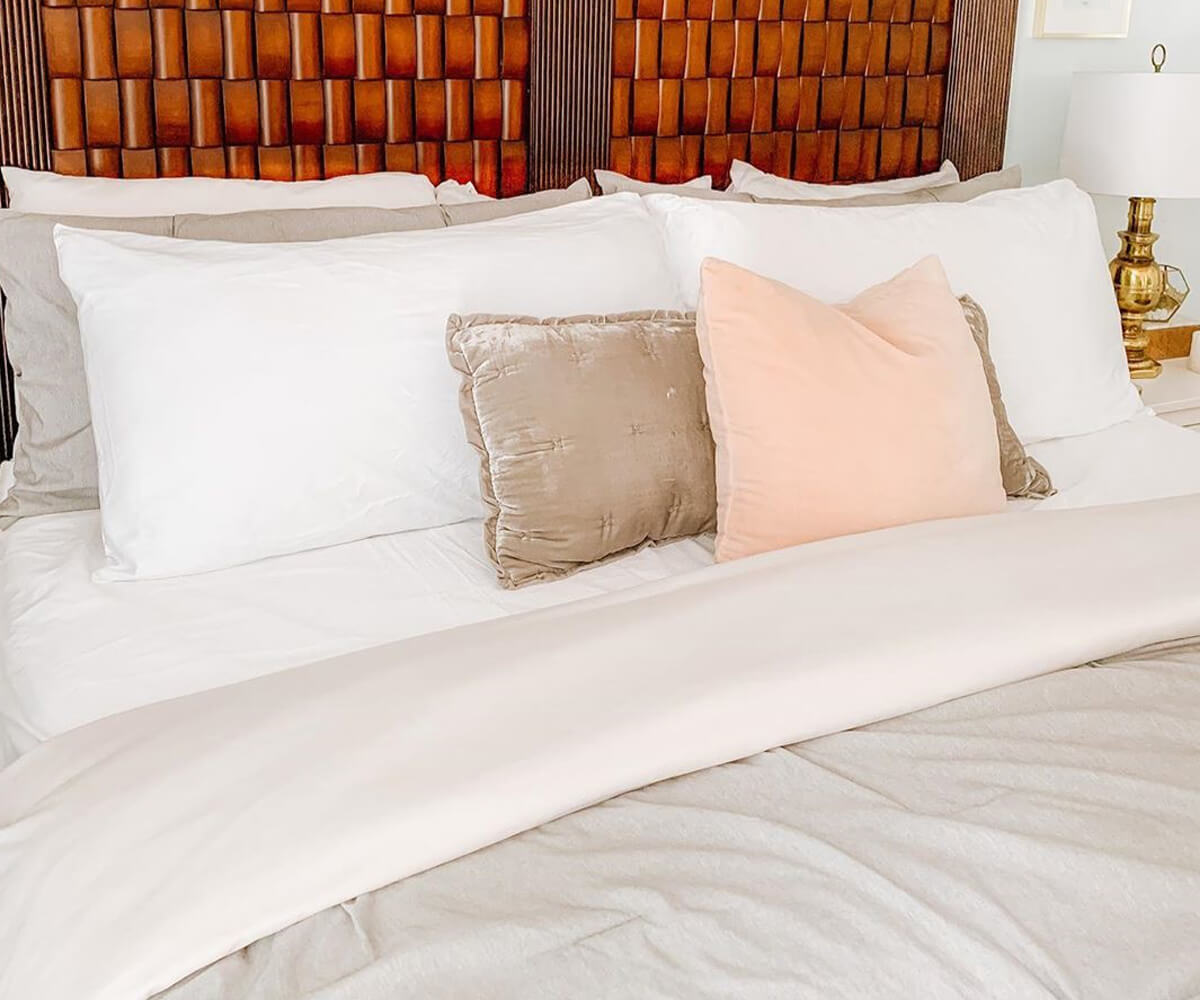
- Styled with shams and decorative pillows. Pairing a bedspread with coordinating pillow shams or throw pillows creates a polished, hotel-like finish. Arrange pillows on top of the folded-back bedspread for a simple, put-together look.
- In guest rooms and minimalist spaces. Since bedspreads are lightweight and easy to put on or remove, they're a popular choice for guest rooms where low-maintenance bedding matters more than heavy layering.
- For quick, everyday bed-making. Because a bedspread is a single piece rather than multiple layers, it's one of the fastest ways to make a bed look tidy each morning without stacking sheets, blankets, and a comforter separately.
The main thing to keep in mind: a bedspread is designed primarily for coverage and appearance rather than warmth, so in colder climates it usually works best as a finishing layer over a blanket or comforter rather than a stand-alone replacement for one.
Popular Bedspread Materials
The material you choose shapes how a bedspread looks, feels, and holds up over time. Here are the most common options you'll find in US homes:
Cotton Bedspread
Cotton is the most practical choice for most American households. It's breathable, easy to machine wash, and available in a wide range of weaves and finishes. A cotton bedspread works year-round in moderate climates and is especially popular in warmer states. Percale-woven cotton bedspreads have a crisp, cool feel similar to hotel bedding, while sateen cotton versions offer a subtle sheen. Cotton also takes dye well, so you'll find it in everything from solid whites and neutrals to bold patterns.
Best for: Everyday use, warm climates, families who wash bedding frequently.
Linen Bedspread
Linen is having a sustained moment in US home décor, and for good reason. A linen bedspread is naturally breathable, moisture-wicking, and gets softer the more you wash it. It has a relaxed, slightly rumpled texture that suits modern farmhouse, coastal, and Scandinavian-inspired bedrooms. Linen is a stronger fiber than cotton, so a quality linen bedspread can last well over a decade with proper care.
Best for: Hot sleepers, humid climates, relaxed or organic-style interiors.
Chenille Bedspread
Chenille bedspreads carry a lot of nostalgia in the US; the classic tufted white chenille with fringe edges was a fixture in mid-century American bedrooms. Today's chenille bedspreads still feature that familiar plush texture, but they come in a much broader range of colors and patterns, from solid neutrals to floral designs. Chenille is heavier than cotton or linen, with a velvety surface that adds warmth and visual weight to a room.
Best for: Traditional, vintage, or cozy bedroom aesthetics.
Matelasse Bedspread
A matelasse bedspread is woven with a double-cloth technique that creates a raised, quilted-looking pattern without any actual batting inside. The word comes from the French term for "cushioned," and the result is a textured, elegant surface that photographs beautifully and works in formal and transitional bedrooms. Matelasse is heavier than standard cotton but lighter than a comforter, making it a popular choice for year-round use in temperature-controlled US homes.
Best for: Classic, traditional, or transitional bedroom styles; guest rooms.
What Size Bedspread Do You Need?
Getting the size right is where many buyers go wrong. Because a bedspread is designed to drape to the floor, you often need to size up from your mattress label.

What Size Is a Queen Bedspread?
A standard queen bedspread typically measures around 102 x 118 inches. A queen mattress is 60 x 80 inches, but the additional width and length account for the side drop and footboard coverage. If your bed sits high off the floor (platform beds, beds with thick mattress toppers), measure your drop distance before ordering. You may need a bedspread in the 110–120 inch width range to reach the floor comfortably.
Quick reference for a queen bed:
-
Mattress size: 60" x 80"
-
Recommended bedspread: 102" x 118" or larger
-
Drop to floor from mattress edge: typically 20–21 inches on standard frames
What Size Is a King Bedspread?
A king-size bedspread typically measures around 120 x 118 inches. A king mattress is 76 x 80 inches, so you need considerably more width to achieve that full side-draping look. California king beds (72 x 84 inches) require a slightly different proportion, longer but narrower, so always confirm whether you have a standard king or Cal king before purchasing.
Quick reference for a king bed:
-
Mattress size: 76" x 80"
-
Recommended bedspread: 120" x 118" or larger
-
California King: look for bedspreads labeled specifically for Cal King
Tip: Measure the drop from the top of your mattress to the floor before buying. If your bed has a thick pillow-top mattress or extra toppers, you'll likely need a bed skirt with a longer drop for the right fit.
Read More: Why Organic Cotton Bedding is Considered the Best Option
Bedspread Sizing Quick Reference Chart
|
Bed Size |
Mattress Dimensions |
Recommended Bedspread Size |
|
Twin |
38" x 75" |
80" x 110" |
|
Full |
54" x 75" |
96" x 110" |
|
Queen |
60" x 80" |
102" x 118" |
|
King |
76" x 80" |
120" x 118" |
|
California King |
72" x 84" |
114" x 122" |
How to Style a Bedspread
A bedspread works best when the rest of your bedding layers are tucked neatly underneath it. Here's a simple layering approach:
-
Fitted sheet directly on the mattress
-
Flat sheet on top of the fitted sheet
-
Lightweight blanket if extra warmth is needed
-
Bedspread draped over everything, smoothed to the floor on three sides
-
Pillow shams or standard pillowcases positioned at the head
For a hotel-style finish, fold the top 12–14 inches of the bedspread back over the pillows, then tuck the leading edge underneath. This gives the bed that polished, tailored look you see in upscale hotel rooms.
How to Care for a Bedspread
Care instructions vary by material, but a few rules apply across most bedspreads:
-
Cotton and linen bedspreads can generally be machine-washed on a gentle cycle in cold water. Tumble dry on low and remove while slightly damp to reduce wrinkles.
-
Chenille bedspreads should be washed on a gentle or delicate cycle. Avoid high heat in the dryer, which can crush the pile over time.
-
Matelasse bedspreads may require a larger-capacity washer due to their weight. Many can be machine-washed, but check the care label; some recommend dry cleaning to preserve the raised weave texture.
Regardless of material, avoid overcrowding the washer. A king or queen bedspread needs room to move freely to wash evenly. Many US households find it easier to take oversized bedspreads to a laundromat's large-capacity machines every few months.
Explore More: What Makes Linen So Exceptional? How to Care for Your Linen Fabrics
Why a Natural Fiber Bedspread Makes a Difference
Synthetic bedspreads (polyester blends and microfiber) are widely available and inexpensive, but they trap heat and don't breathe the way natural fibers do. If you've ever woken up feeling warmer than expected under what seemed like a thin layer, a synthetic blend is usually the culprit.
Natural fiber bedspreads, cotton, linen, and cotton-linen blends regulate temperature more effectively because the fiber itself is breathable. They also tend to age gracefully: a quality cotton or linen bedspread softens with each wash rather than pilling or losing shape. For a bedroom in the American South, West, or anywhere with warm summers, a natural fiber bedspread is worth the investment.