
What is a Tea Towel?
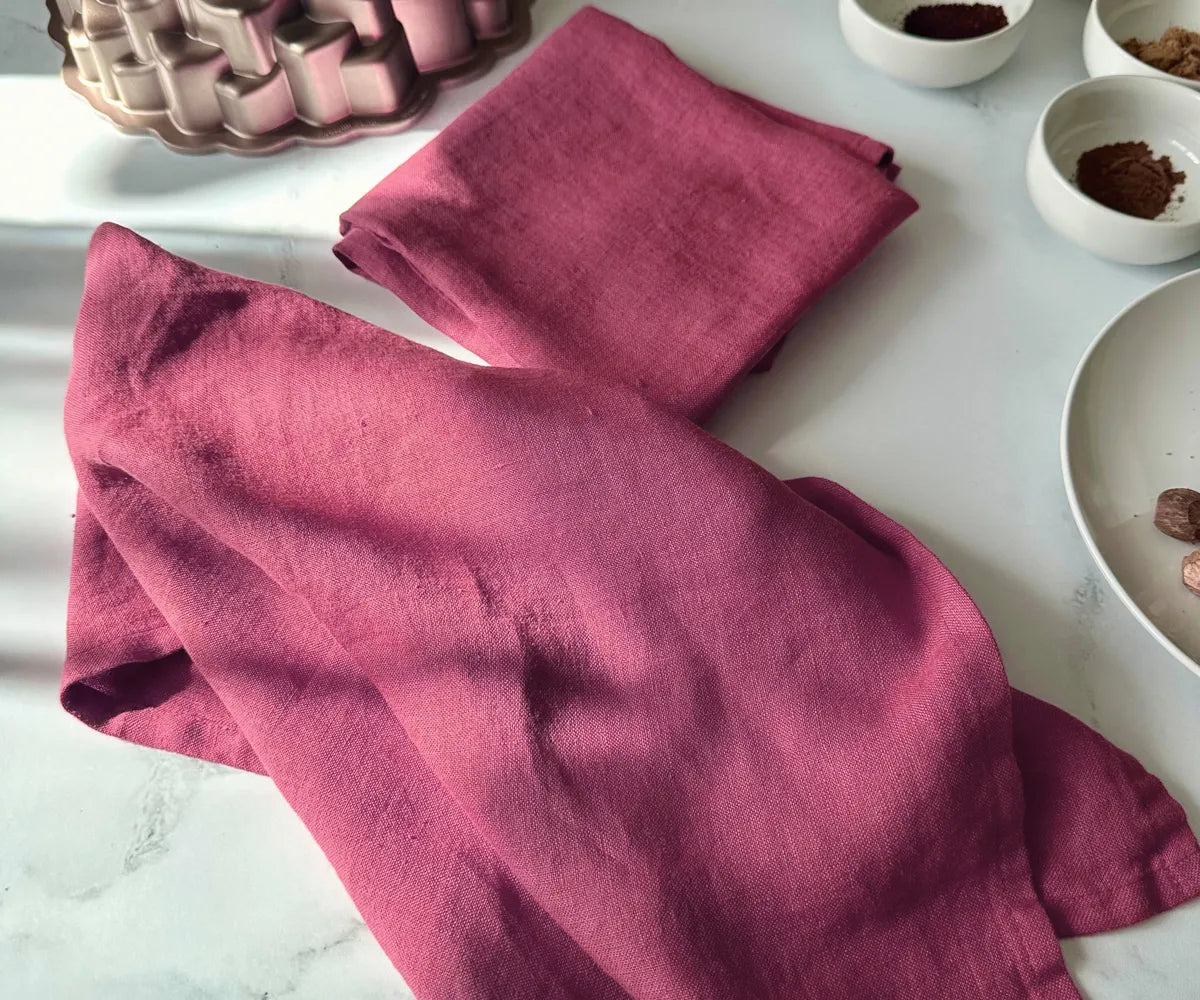
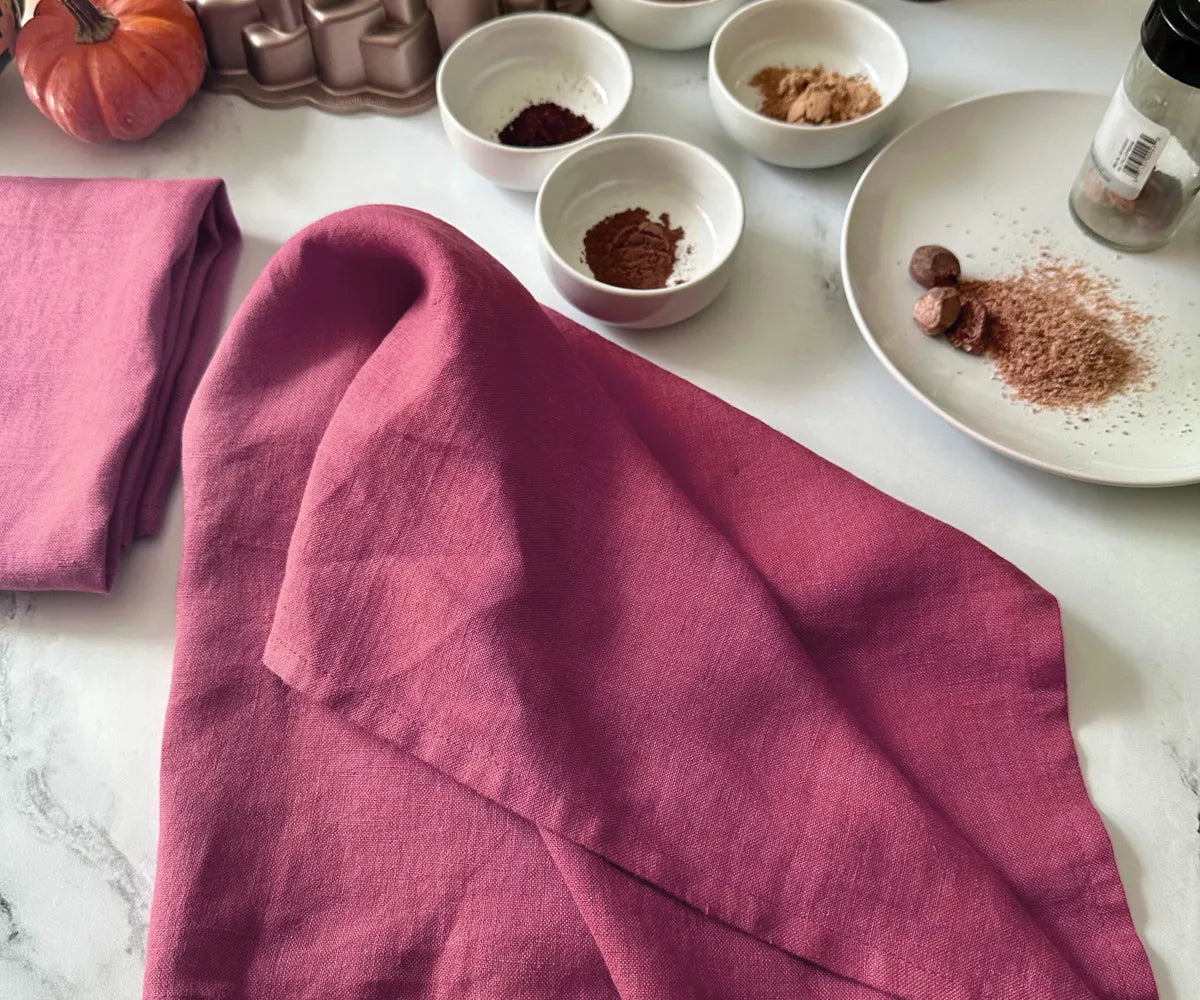
A tea towel is a lightweight, absorbent cloth traditionally used for drying delicate items like fine china glassware, and silverware. Unlike bulkier towels, tea towels are designed to be soft and gentle, making them perfect for tasks that require a delicate touch.
They are typically made from natural materials like cotton or linen, which are both highly absorbent and durable.

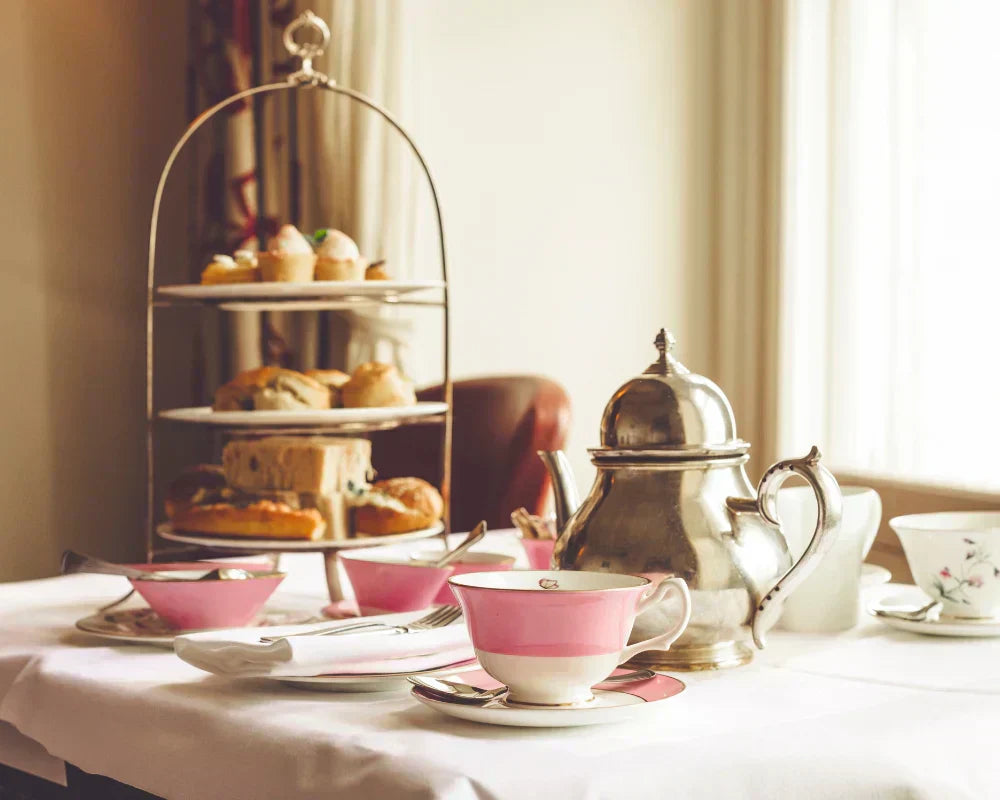
The name “tea towel” dates back to 18th-century England, where they were used by servants to dry tea sets and polish fine china.
This answers the question, “why is it called a tea towel?” it literally started as a tool for tea service! Over time, their use expanded, and today, they’re a versatile kitchen essential.
You May Also Like to Read How to Incorporate Linen into Your Home Décor
What is a Tea Towel Used For?
While tea towels were originally designed for drying dishes, their uses have evolved. Here are some common ways to use a tea towel:

-
Drying Dishes: Their absorbent fabric makes them ideal for drying glasses, plates, and cutlery without leaving lint or streaks.
-
For Baking: Tea towels are a baker’s best friend. Use them to cover dough while it rises, wrap freshly baked bread to keep it warm, or even strain yogurt or cheese.
-
Handling Hot Items: Their heat-resistant properties make them perfect for grabbing hot pots, pans, or baking trays.
-
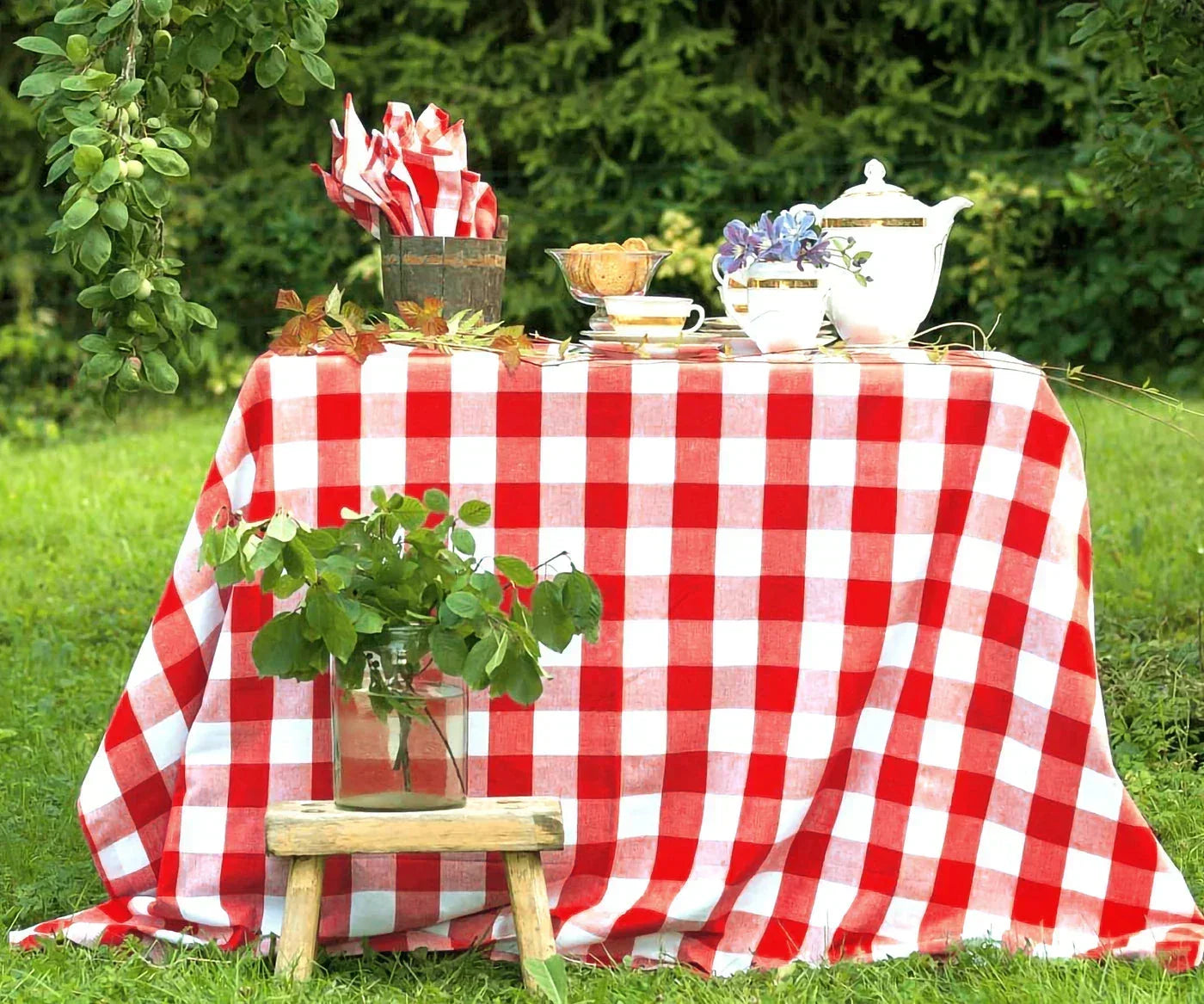
Decorating: With their wide range of designs and printing options, tea towels can double as kitchen decor. Hang them on a tea towel holder, ladder, or frame to add a touch of charm to your space.
-
Gift Wrapping: A beautifully designed tea towel can be used to wrap gifts, adding a personal and reusable touch.
How to Use Tea Towels the Right Way
Beyond simply knowing what tasks a tea towel is for, using it correctly extends its life and keeps it performing well.
Reserve one towel per task type. Use a dedicated tea towel for drying clean dishes and a separate one for wiping hands or counters, mixing the two spreads bacteria from surfaces onto dishes you're about to eat from.
Pat, don't rub, delicate glassware. For fine china or crystal, a light patting motion dries more effectively and avoids leaving lint streaks that a rubbing motion can create.
Air it out between uses. Hang a damp tea towel fully open rather than balling it up on a counter, trapped moisture is what causes the musty smell many people mistake for a fabric quality issue.
Rotate your towels daily. Because tea towels absorb moisture constantly throughout the day, switching to a fresh one every 24 hours (rather than reusing one for several days) keeps bacteria levels low and keeps the fabric performing at full absorbency.
Also Read: What to Wear to a Wedding: Stylish Outfit Ideas
How Large Is a Tea Towel?
Cotton is a natural fiber, and its tendency to shrink comes from the way it’s structured. During weaving, the fibers are stretched and held under tension. When exposed to heat and moisture such as in a wash or dryer cycle the fibers relax and return to their original shape, causing the fabric to shrink.

How to Take Tea Towel Measurements at Home
If you're shopping vintage, handmade, or unbranded tea towels where sizing isn't listed, here's how to measure one accurately yourself.
Lay it fully flat first. Iron out major creases or smooth the towel on a table before measuring, folded or bunched fabric gives an inaccurate, smaller reading.
Measure edge to edge, not selvage to selvage. Measure the full finished length and width including the hemmed border, not just the interior woven pattern, since the hem is part of the towel's usable size.
Note shrinkage potential for unwashed towels. A brand-new, unwashed cotton or linen tea towel can shrink 3–5% after its first hot wash, so a towel measuring exactly 20" x 30" off the shelf may settle closer to 19" x 29" once laundered.
Round to the nearest half inch. Minor variations of a quarter inch or so are normal in woven natural fiber textiles and don't indicate a manufacturing defect.
What Is the Standard Size of a Tea Towel?
The standard tea towel size typically measures around 18 x 28 inches or 20 x 30 inches perfect for drying dishes, covering baked goods, or lining a breadbasket. While sizes may vary slightly by brand or style, most tea towels fall within this range for everyday practicality.
If you prefer something more compact, smaller versions are available, but the standard size offers the best balance of function and versatility in the kitchen.
Tea Towel vs Dish Towel: What’s the Difference?
One of the most common questions is, “tea towel vs dish towel what’s the difference?” While the terms are often used interchangeably, there are subtle distinctions.
-
Tea Towels: Typically made from linen or cotton, tea towels are lightweight, highly absorbent, and designed for delicate tasks like drying glassware or polishing silver. They often feature decorative printing and are slightly smaller in size compared to dish towels.
-
Dish Towels: These are usually thicker and more heavy-duty, designed for general kitchen tasks like wiping countertops or drying pots and pans.
Tea Towel vs Kitchen Towel: How Do They Compare?
Similarly, people often ask, “tea towel vs kitchen towel—how do they differ?” Kitchen towels are a broader category that includes both tea towels and dish towels. While tea towels are more specialized, kitchen towels are multipurpose and can be used for a variety of tasks, from cleaning spills to handling hot dishes.

Know About Unique Wedding Gift Ideas 2025 | Thoughtful Gifts for Every Couple
Choosing the Right Tea Towel
When selecting a tea towel, consider the following factors:
-
Fabric: The most common materials are cotton and linen. Cotton tea towels are soft and highly absorbent, while linen tea towels are durable and lint-free, making them perfect for drying glassware.
-
Size: Tea towels are typically smaller than dish towels, usually measuring around 28x28 inches. This compact size makes them easy to handle and store.
-
Design: From classic Flour Sack Tea Towels to festive Christmas tea towels, there’s a design for every kitchen. Look for options with decorative printing to add a pop of color to your space.
-
Functionality: If you plan to use your tea towel for baking, choose one made from natural fibers that can withstand heat and moisture.
Creative Ways to Display Your Tea Towels
Tea towels aren’t just functional they’re also decorative. Here are some ideas for displaying them in your kitchen:
-
Tea Towel Holder: A simple bar or hook can keep your towels within easy reach while adding a stylish touch.
-
Ladder: A small wooden ladder leaned against the wall can serve as a charming display for your tea towels.
-
Frame: For a more artistic approach, frame a decorative tea towel and hang it on the wall as kitchen art.
What Is the Purpose of a Tea Towel, Really
The blog already covers the 18th-century origin of the name, but it's worth separating the towel's original purpose from what it's evolved to solve today.
Original purpose: protecting delicate items. Tea towels were designed specifically because fine bone china and silver couldn't be left to air dry (water spots and mineral deposits would mar the finish), so a soft, lint-free cloth was needed to dry them by hand immediately after washing.
Modern purpose: an all-around kitchen multitasker. Today's tea towel purpose has broadened well past china care, it's as likely to be seen catching flour during baking or lining a bread basket as it is drying a wine glass.
The unifying thread. Whether in 1780 or today, a tea towel's core purpose has always been the same: a lightweight, absorbent, lint-free fabric that handles delicate or careful tasks better than a bulkier towel can.
What Are Tea Towels Made Of
The existing content mentions cotton and linen briefly, here's a deeper look at the specific fabric options and what each brings to the table.
100% cotton. The most common and affordable choice. Soft from the first wash, highly absorbent, and holds up well to frequent laundering, though it can leave slight lint on very shiny glassware.
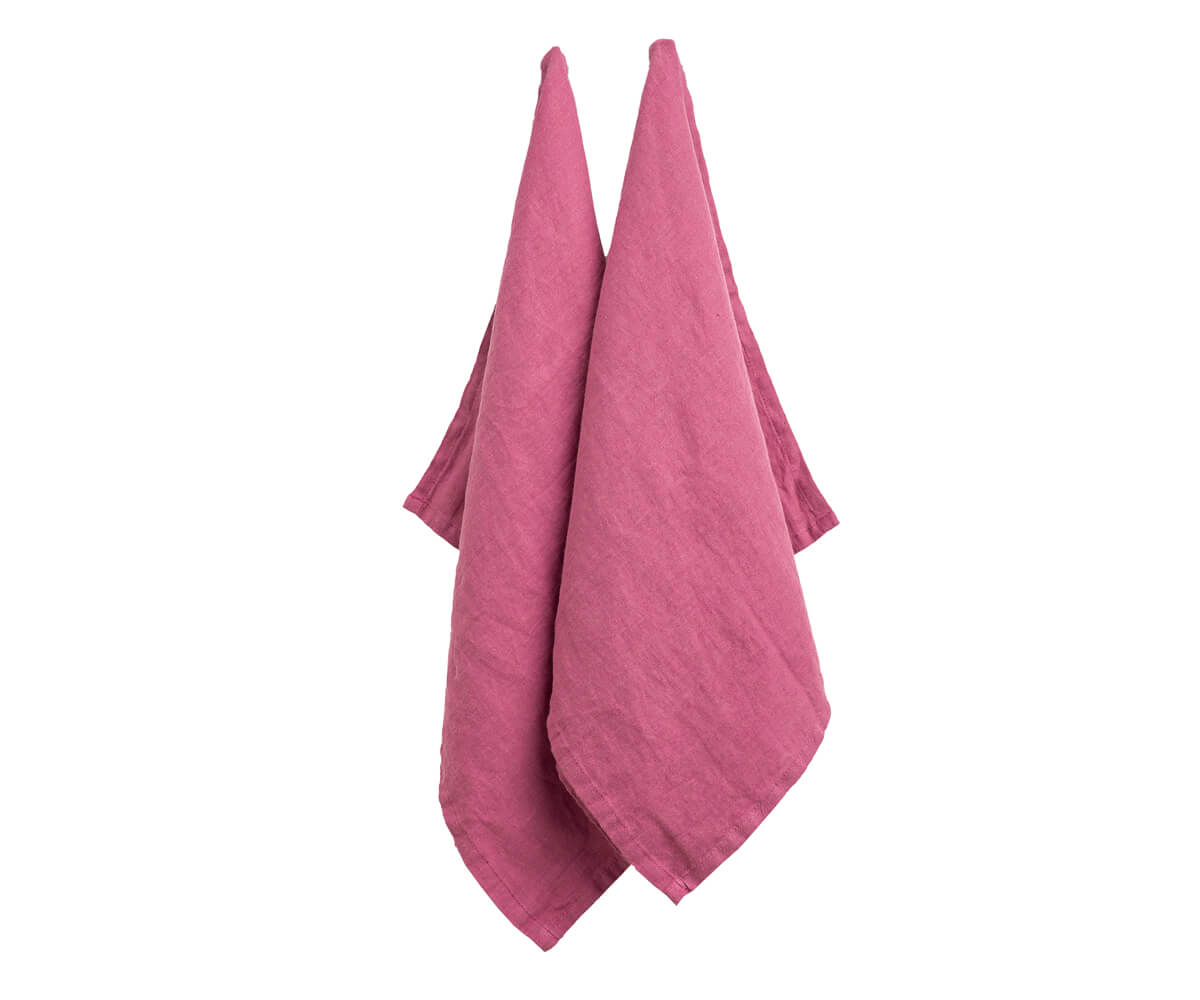
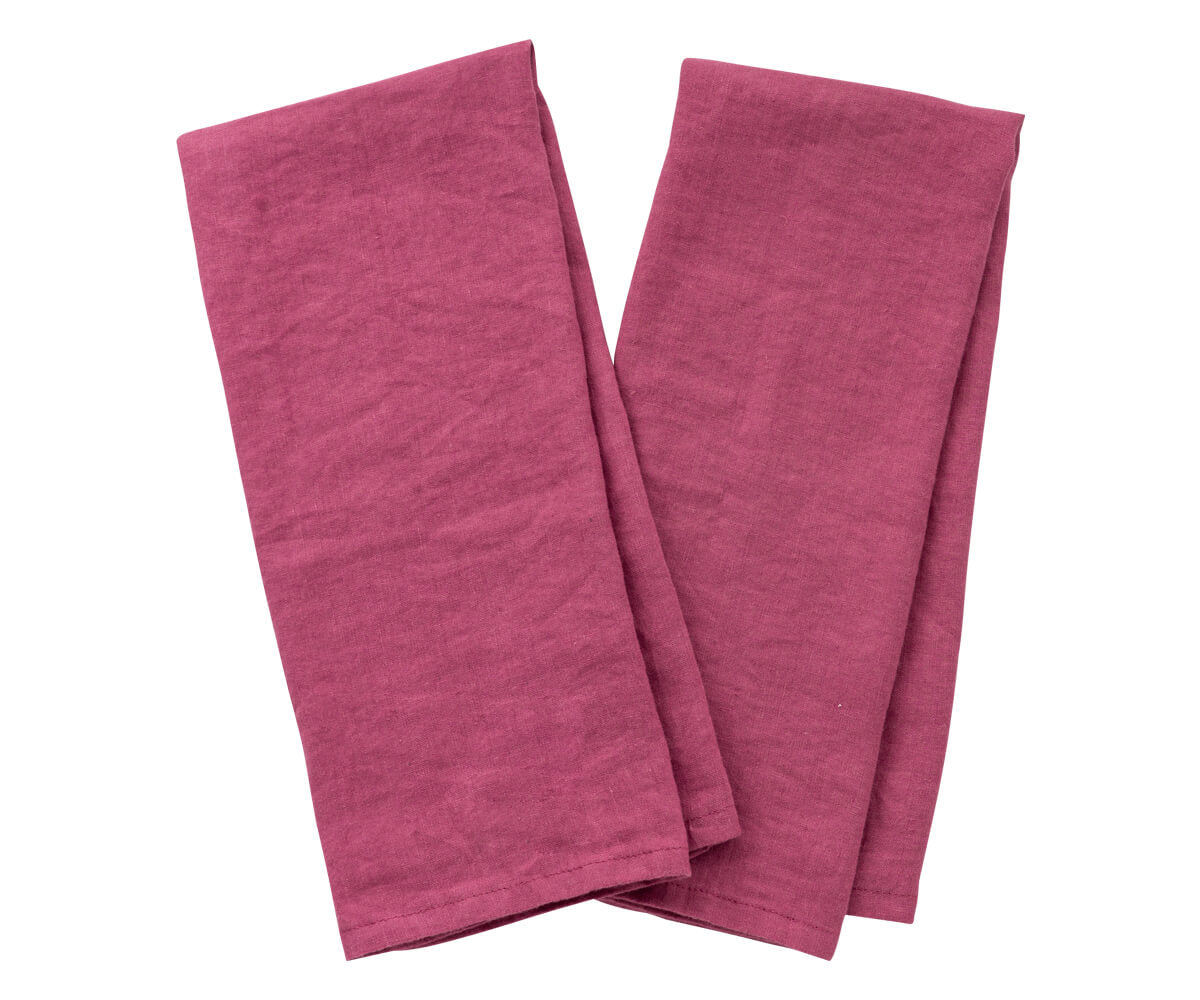
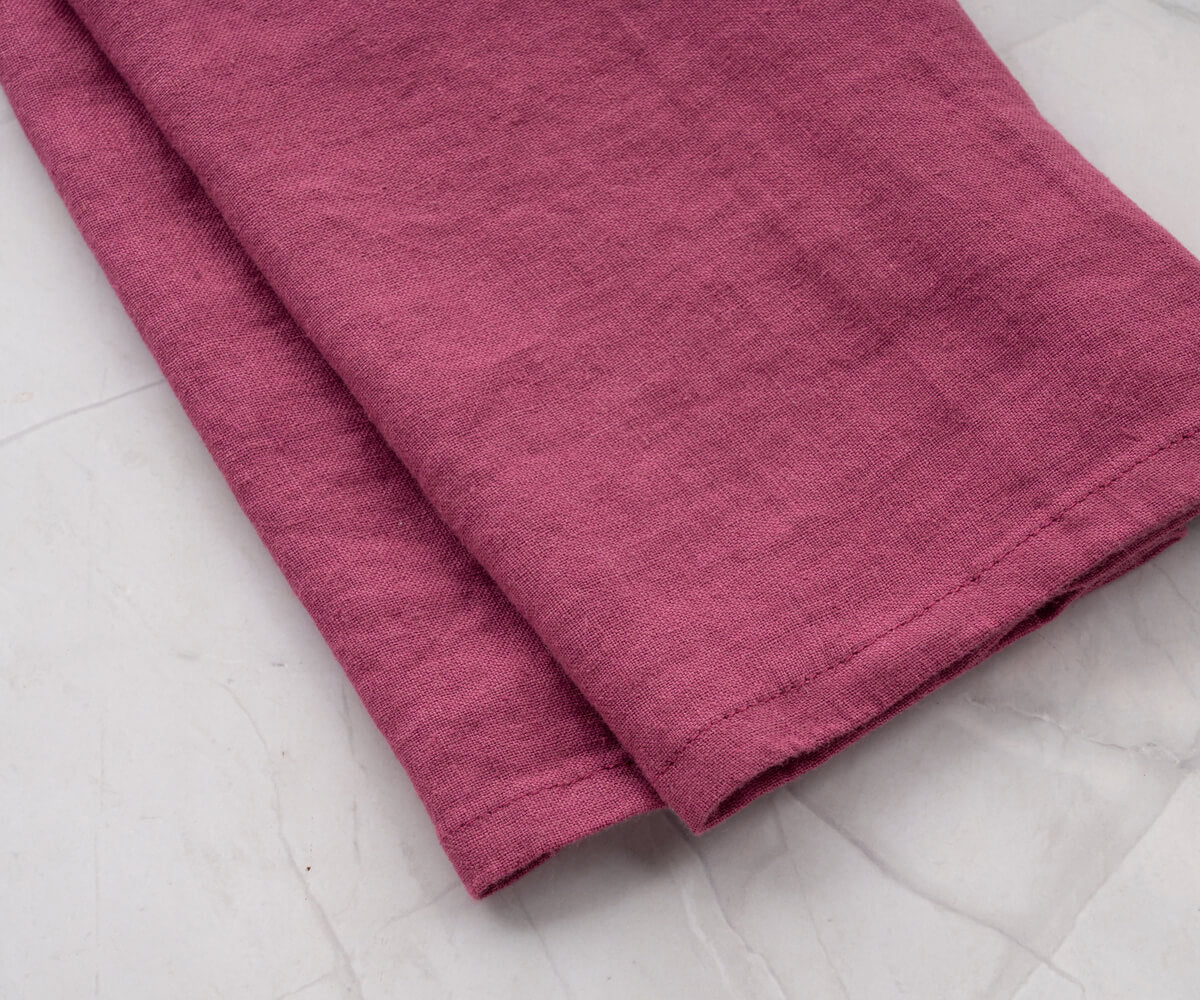
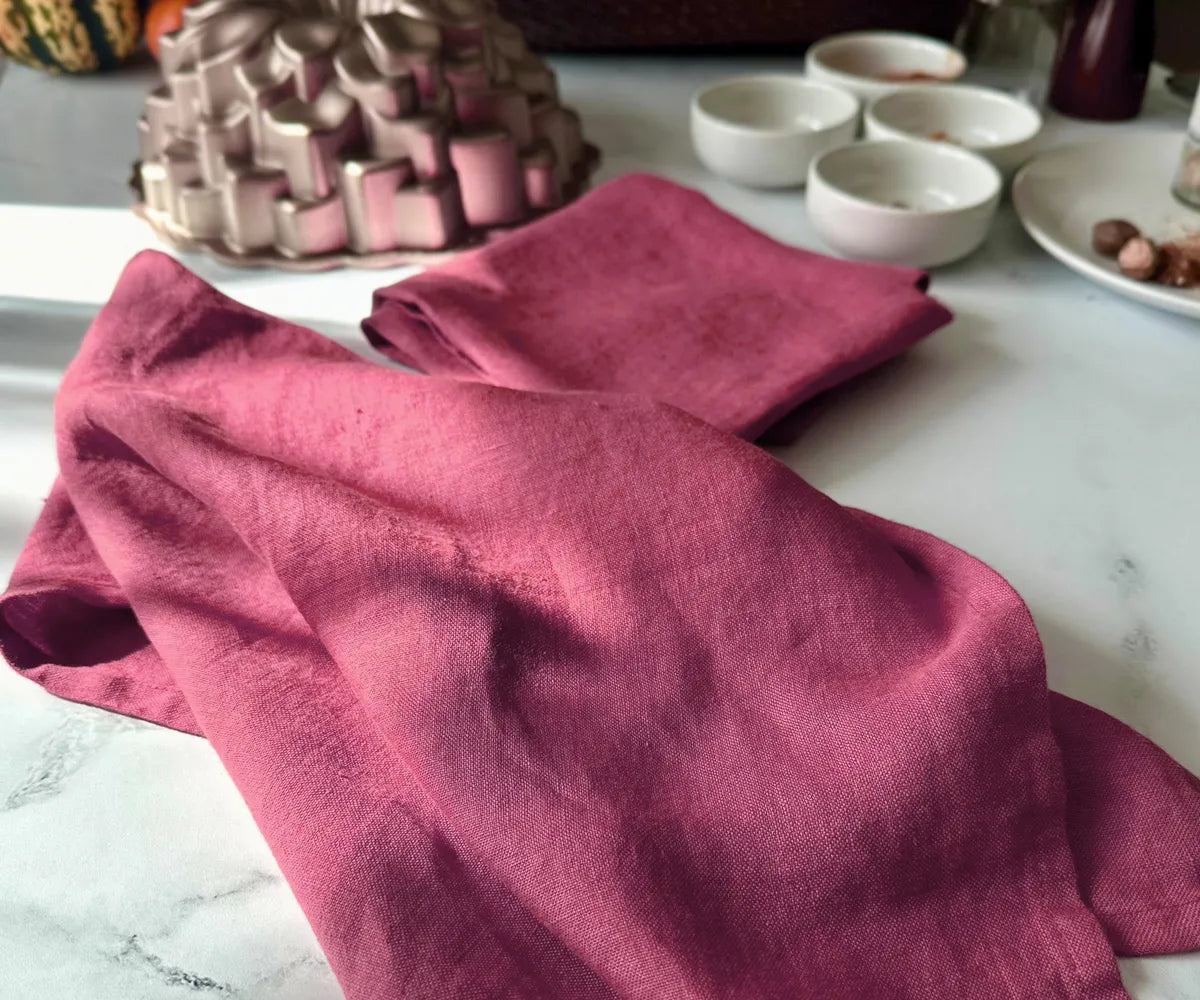
100% linen. Made from flax fibers, linen tea towels are naturally lint-free, which is why they're often recommended specifically for drying glassware and polishing silver. Linen also gets softer and more absorbent with every wash.
Cotton-linen blends. Combining the softness and low cost of cotton with the lint-free, durable qualities of linen, blended tea towels are a popular middle-ground choice for everyday kitchens.
Flour sack cotton (a looser weave). This is a thinner, more open weave of 100% cotton, prized for being extremely absorbent and quick-drying, which is why it's the traditional choice for straining cheese or yogurt.
Waffle weave. A textured cotton weave with small raised squares, waffle-weave tea towels have more surface area, giving them extra scrubbing texture useful for tackling stuck-on food residue.
Bamboo or bamboo-cotton blends. A newer option on the market, bamboo fiber towels are naturally antimicrobial and very soft, though they tend to be pricier and can wear out faster with heavy daily use than cotton or linen.
How to Make Your Own Tea Towel
If you’re feeling crafty, you might wonder, “how to make a tea towel?” It’s easier than you think! Start with a piece of linen or cotton fabric in your desired size. Hem the edges to prevent fraying, and add decorative touches like crochet trim or custom printing.
You can even personalize it with embroidery or fabric paint for a unique touch.
Top Tea Towel Picks
Looking for the perfect tea towel? Here are some popular options:

-
Flour Sack Tea Towel: Lightweight and absorbent, these are a classic choice for any kitchen.
-
Beige Linen Tea Towels: Neutral and elegant, these towels blend seamlessly with any decor.
-
Red Linen Dish Tea Towels: Add a bold pop of color to your kitchen with these vibrant towels.
-
Blue Linen Dish Tea Towels: Perfect for a coastal or nautical-themed kitchen.
So, what is a tea towel? It’s a versatile, absorbent, and stylish kitchen essential that can be used for everything from drying dishes to decorating your space.
With their rich history, practical uses, and endless design options, tea towels are more than just a kitchen tool—they’re a way to add functionality and charm to your everyday life. So why not invest in a few high-quality tea towels today? Your kitchen (and your dishes) will thank you!