

What is Normal Yoga Attire
There's no official yoga dress code. Studios are welcoming. Nobody is inspecting your outfit at the door.
But here's what matters: if you're tugging at your shirt every five minutes or your waistband keeps sliding, you're going to lose focus. And focus is kind of the whole point of yoga.
So the goal is simple, wear something you completely forget you're wearing. That's it.
Find Out: How Do You Prepare Your Home for Unexpected Visitors?
Fabric First: This Decision Changes Everything
Most people skip this step. Don't.
The fabric you wear matters more than the style, the brand, or the color. Wrong fabric = miserable class. Right fabric = you forget you're even dressed.
|
Fabric |
Features |
Best For |
|
Cotton + Nylon + Spandex blend |
Stretchy · moisture-managing · durable |
Best all-rounder for most yoga styles |
|
100% Organic Cotton |
Soft · breathable · eco-friendly |
Ideal for slow, low-sweat practices |
|
Pure cotton (avoid) |
Absorbs sweat · gets heavy |
Not recommended for active or heated classes |
Skip Pure Cotton for Active Classes
Cotton feels comfortable off the mat. On the mat, it becomes a problem. It absorbs sweat, gets heavy, and sticks to your body in ways that are not comfortable. A soaked cotton shirt during a hot vinyasa class is genuinely distracting.
For slower practices, yin yoga, restorative, or gentle beginner sessions, cotton can work. It breathes well and feels soft. But for anything more active, it's not your best option.
The Blend That Actually Works
Here's what performs well across most yoga styles: a cotton, nylon, and spandex blend.
It sounds technical, but here's what it actually means for you on the mat:
-
Cotton keeps things breathable and feels natural against skin, not plasticky or synthetic
-
Nylon adds durability and light moisture control, your clothes stay light even when you sweat
-
Spandex gives you the stretch, four-way, unrestricted movement in every direction
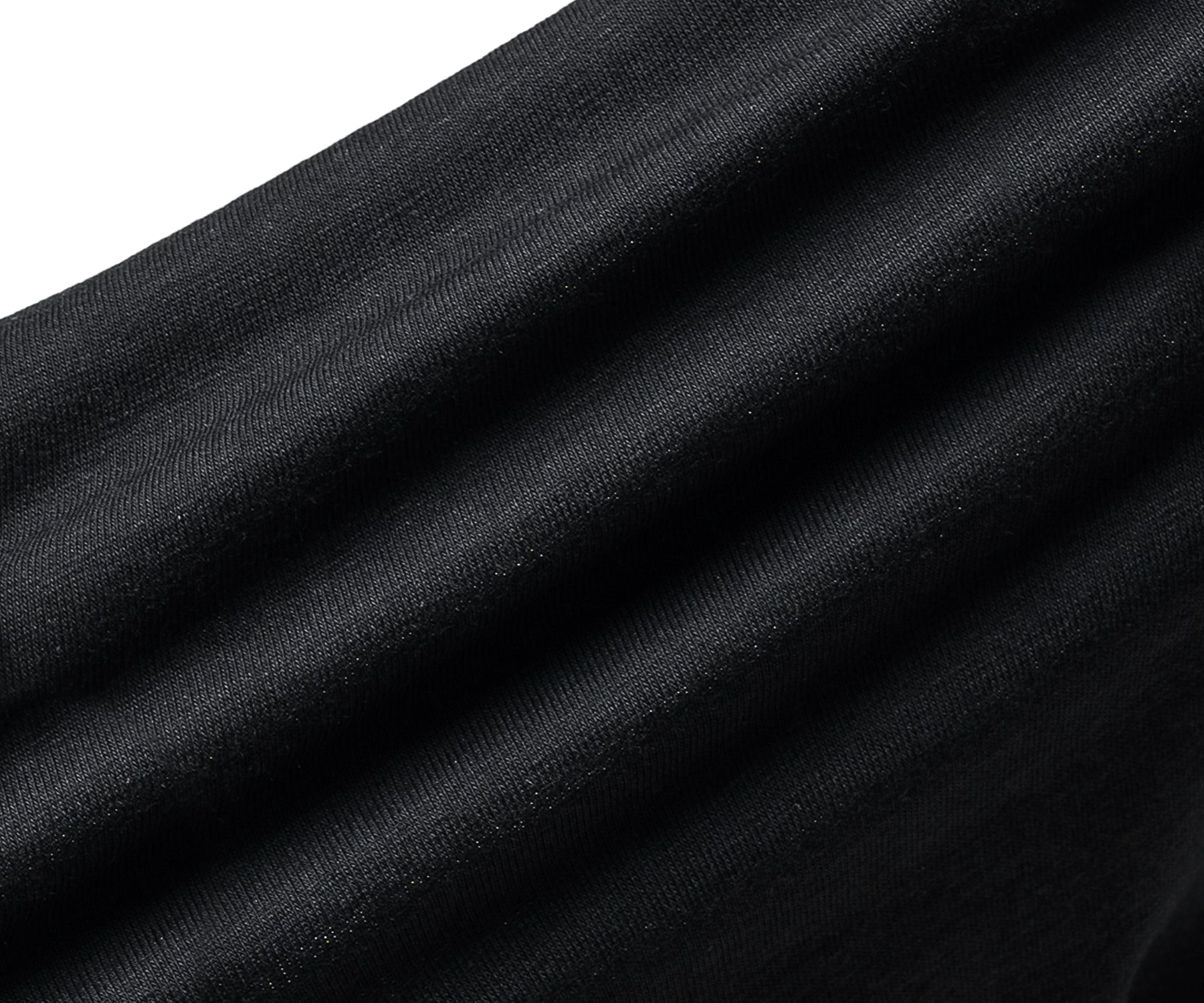
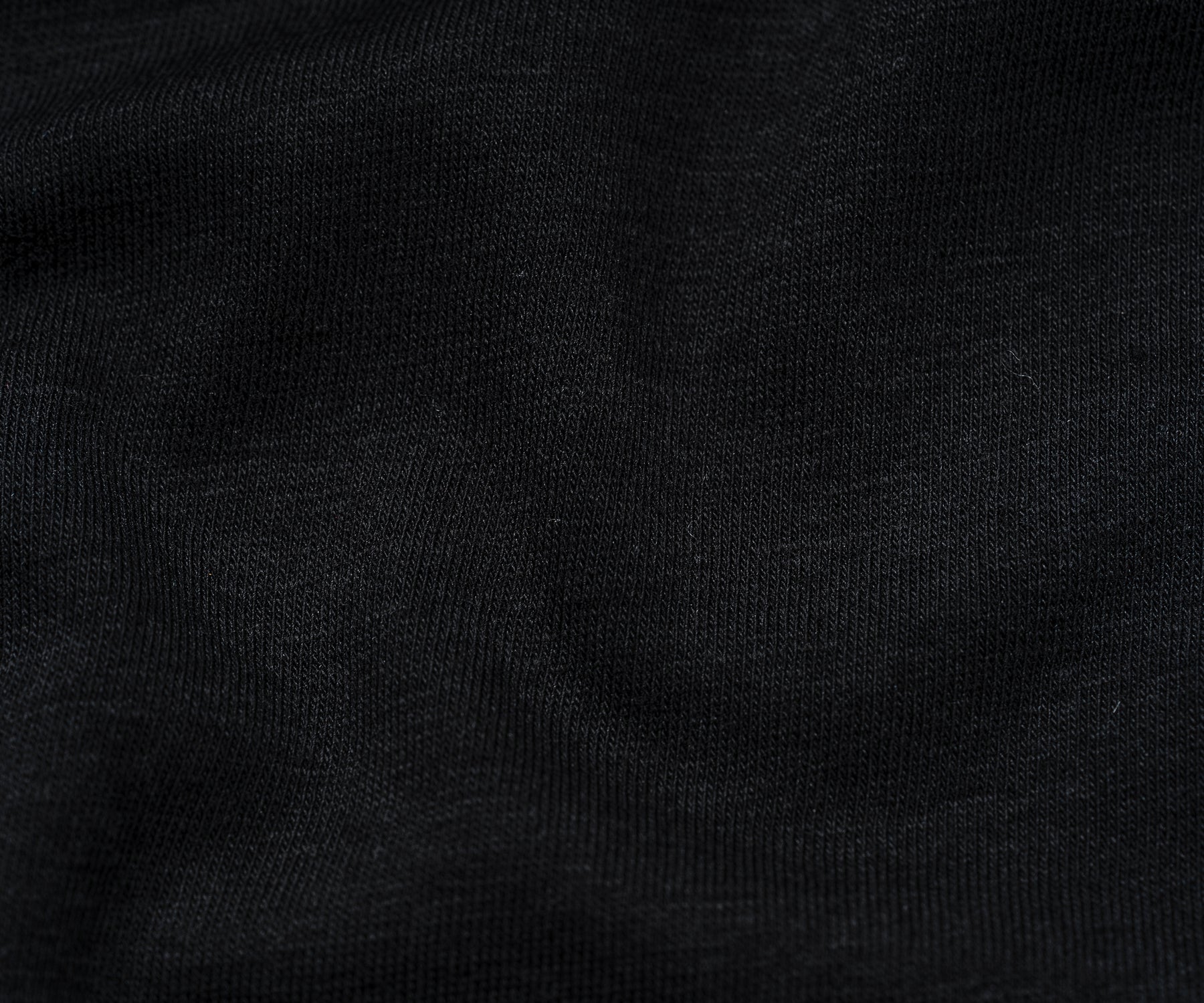
A blend around 70% cotton, 25% nylon, and 5% spandex hits the right balance. You get the comfort of a natural fiber without the sogginess of pure cotton. It stretches when you need it to and snaps back into shape. It's a genuinely practical choice for regular practice.
For lower-intensity classes, organic cotton pieces are worth considering too. They feel incredibly soft, breathe well, and are a more eco-conscious choice. On a slow Saturday morning yin session, that kind of softness is exactly right.
Know About: How to Choose the Right Table Linens Color for Your Home?
What to Wear to Yoga: Women's Guide
Choosing the right yoga outfit can make a big difference in how comfortable and confident you feel during class. Here’s a quick guide to help you pick the best tops and bottoms based on your yoga style, studio temperature, and comfort preference.
|
Piece |
Best For |
Skip When |
|
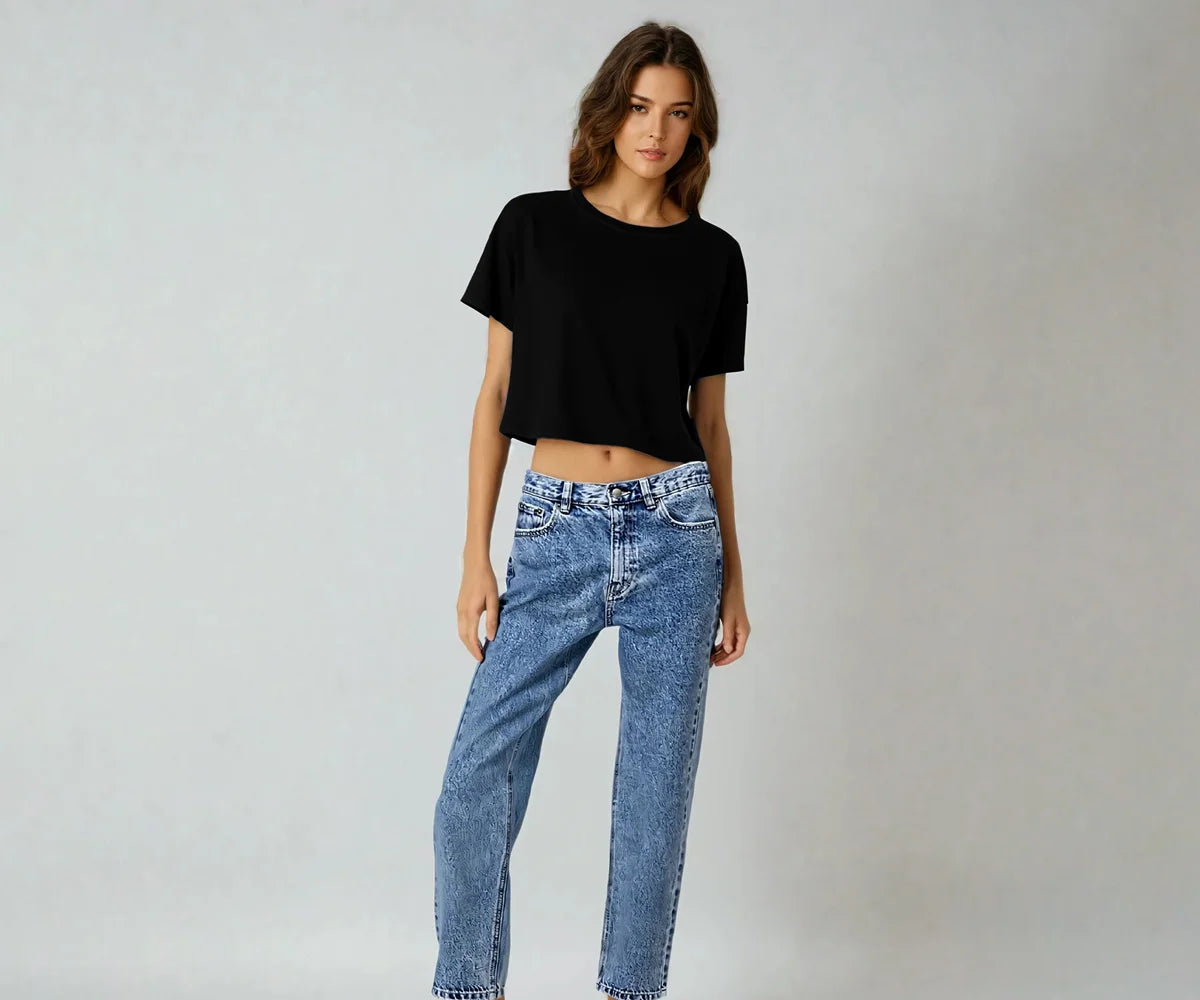
Crop tank top |
Vinyasa, Hot yoga |
You run cold or prefer more coverage |
|
Short-sleeve tee |
Hatha, Yin, Restorative |
Fast-flow or heated classes |
|
Full-sleeve sport tee |
Outdoor sessions, Cool studios |
Hot yoga or warm summer classes |
|
Raglan tee |
Hatha, Outdoor yoga |
You prefer minimal layering |
|
High-waisted leggings |
Vinyasa, Hatha, All levels |
You run very warm in hot yoga |
|
Leggings (regular) |
Hatha, Beginners |
High-intensity or heated classes |
|
Sport shorts |
Hot yoga, Vinyasa |
You prefer full coverage |
Tops
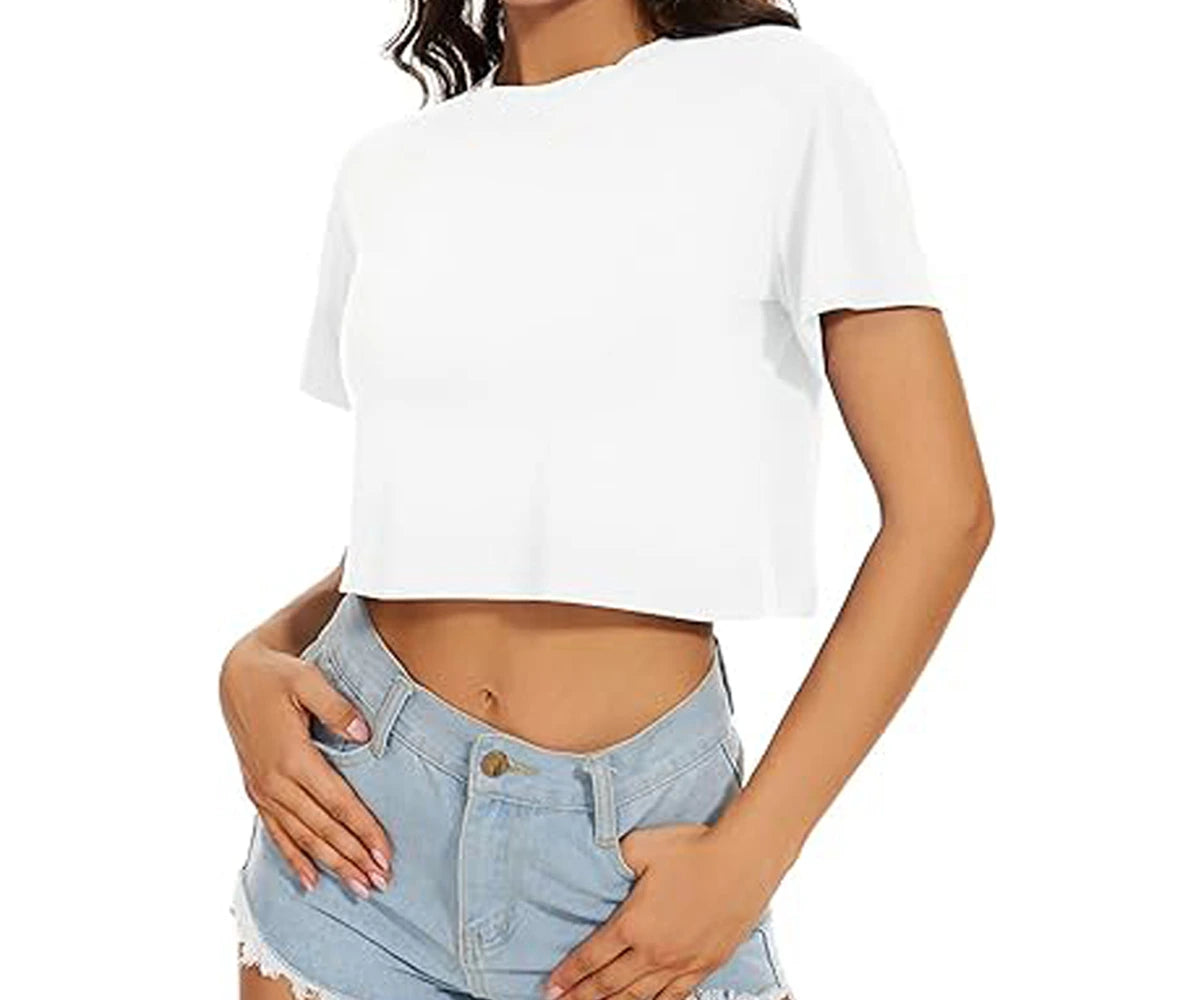
Sports tank top: This is probably the most popular yoga top for a reason. It stays in place during inversions, doesn't bunch under your arms, and keeps you cool in a heated room. Look for one with wider straps or a racerback back panel, you want the straps to stay put when you're in downward dog or warrior three.
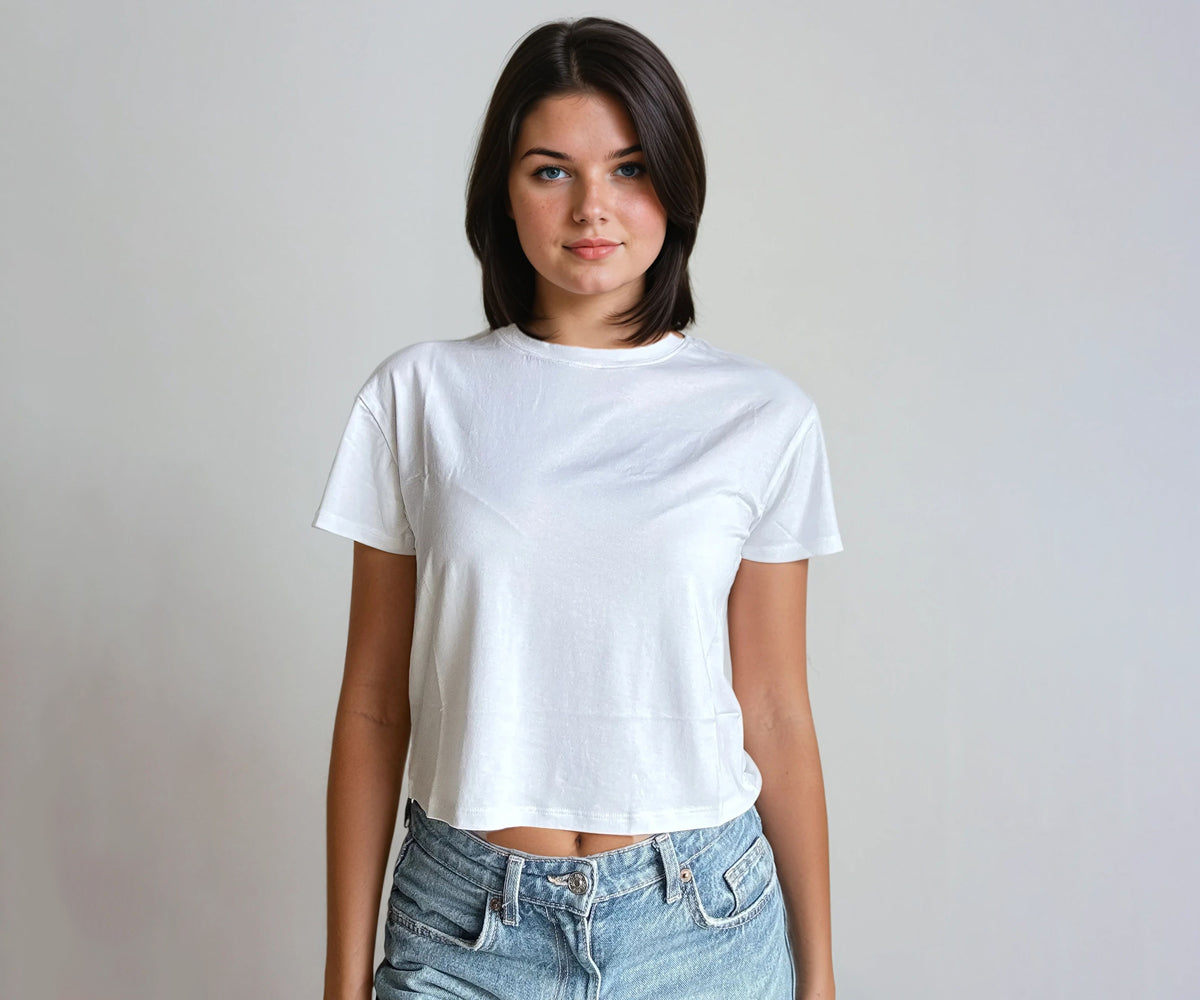
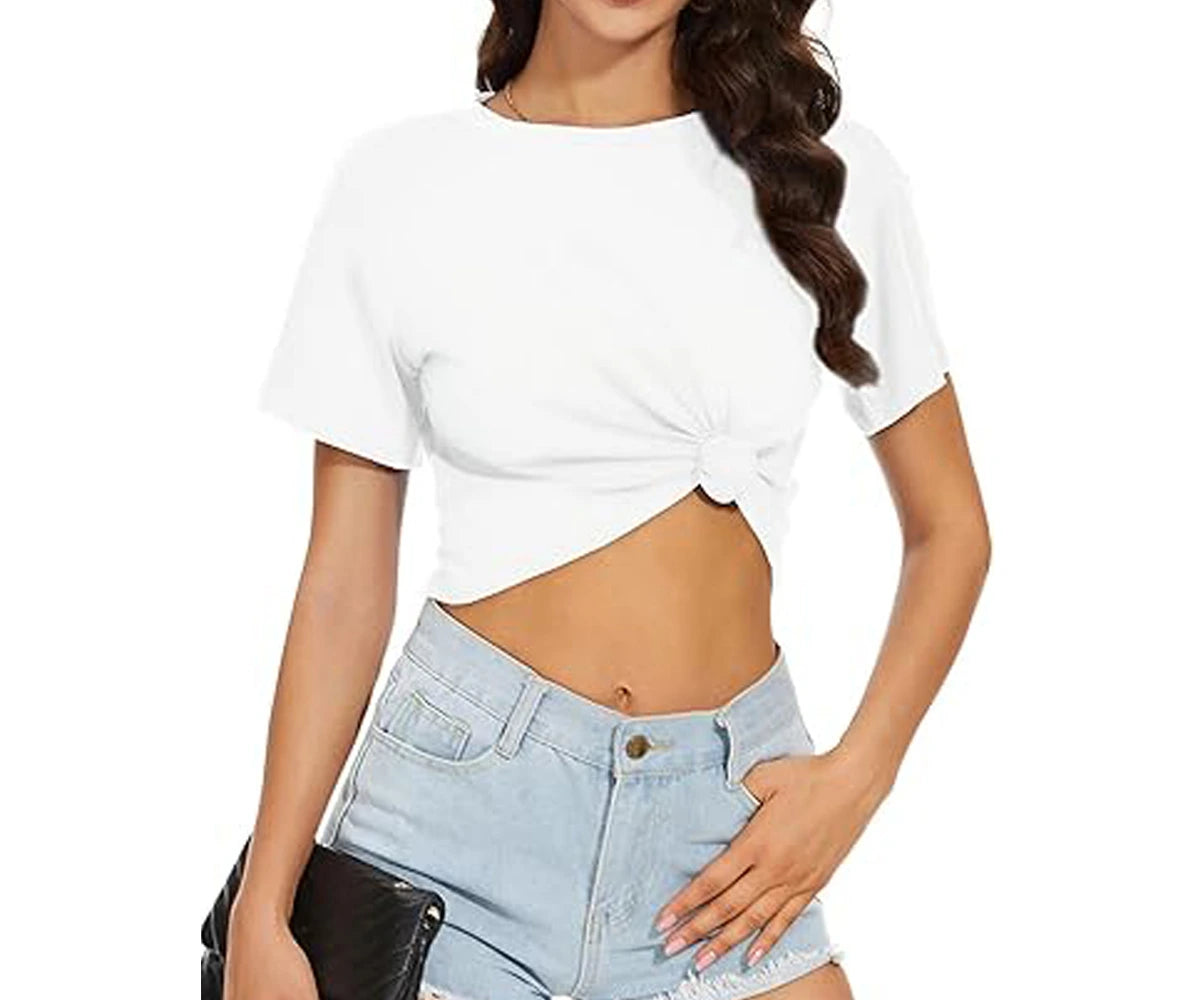
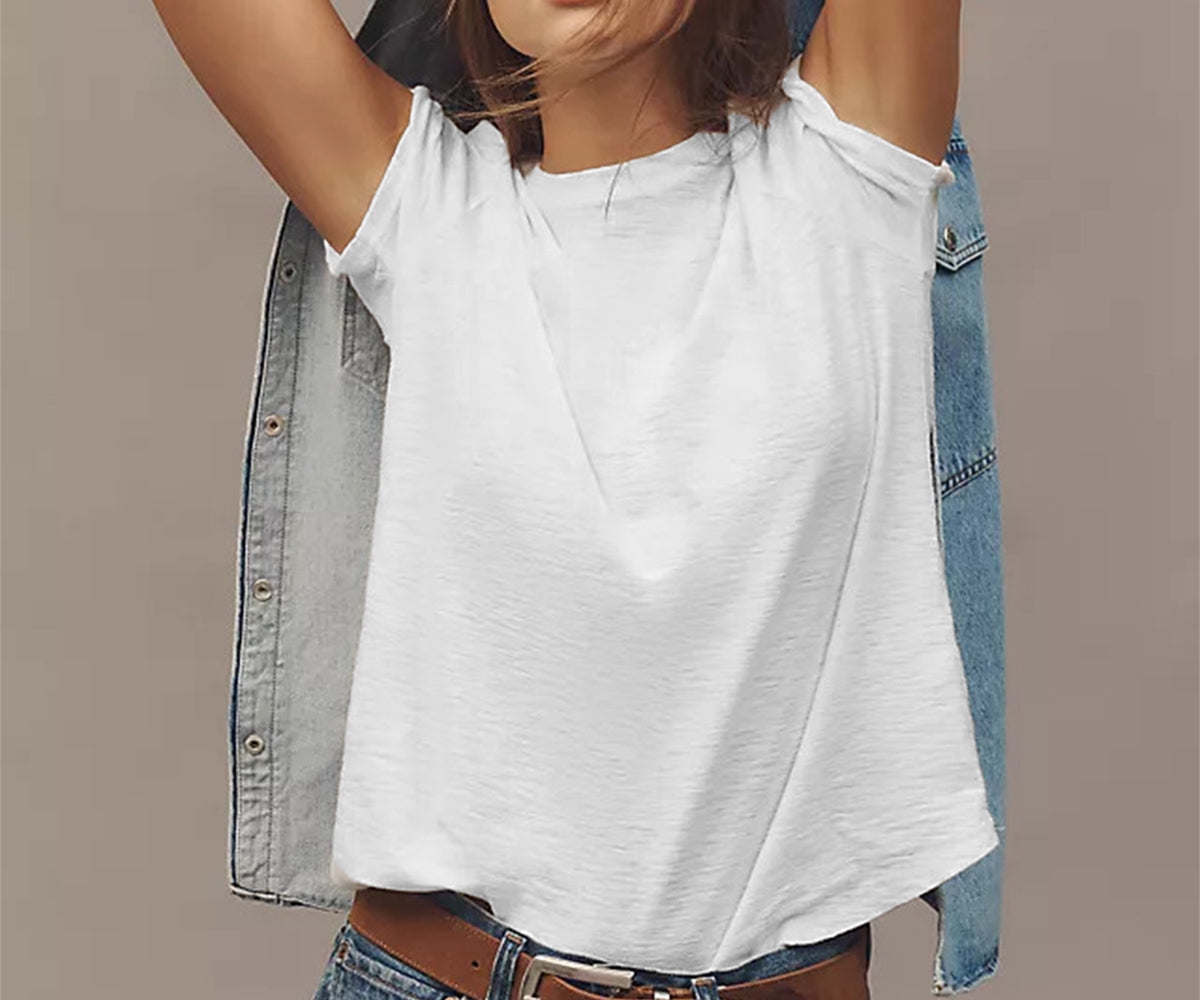
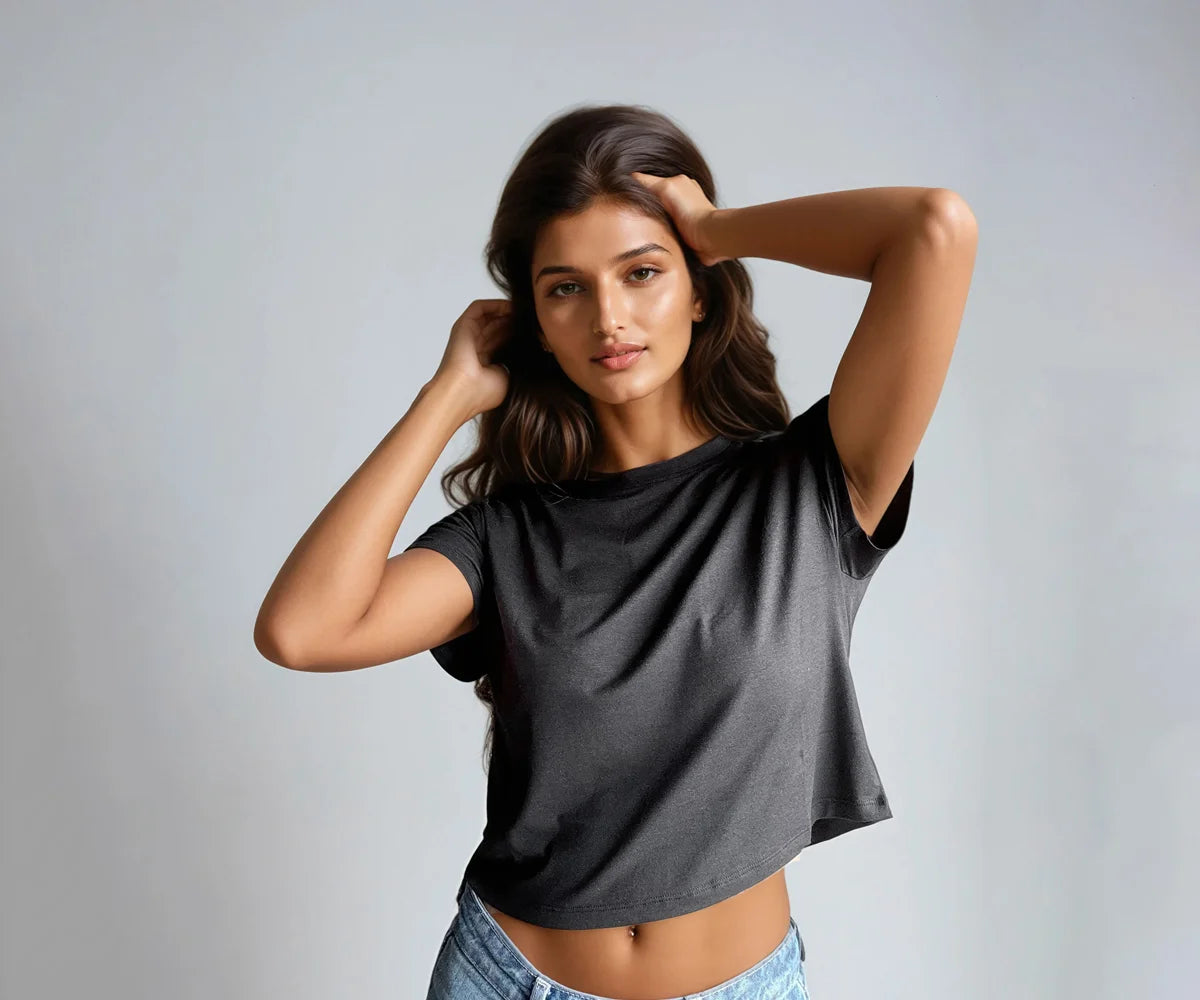
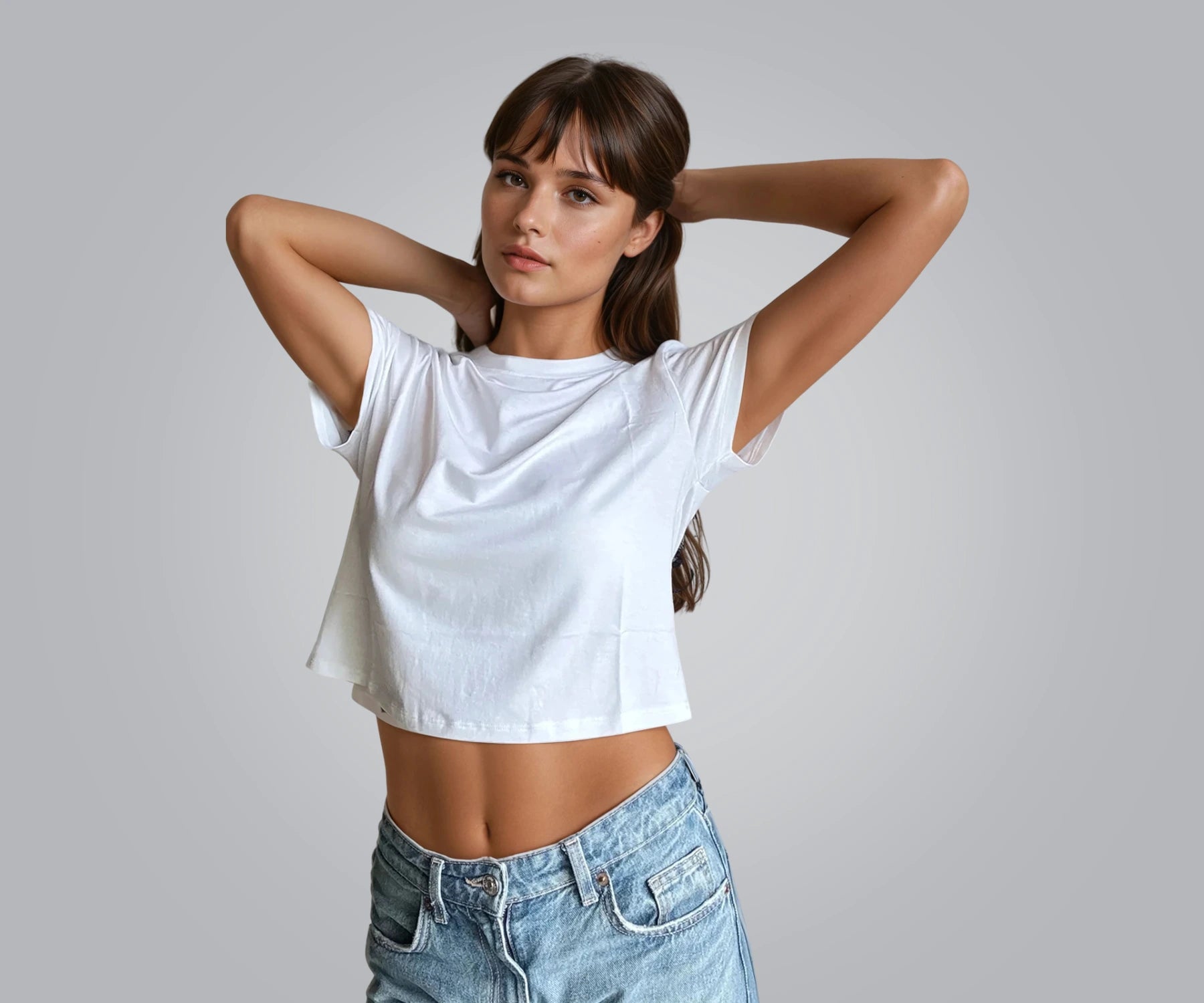
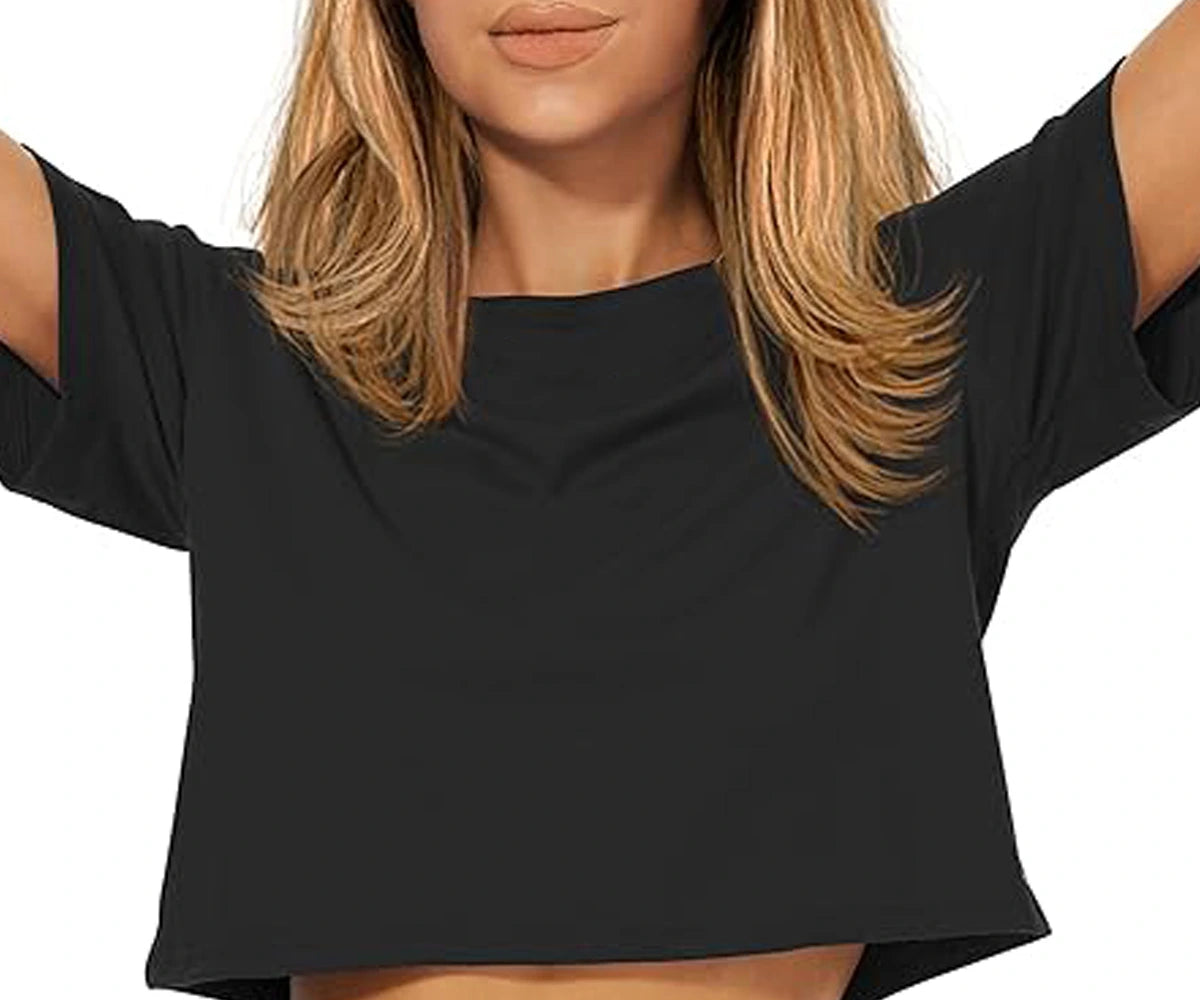
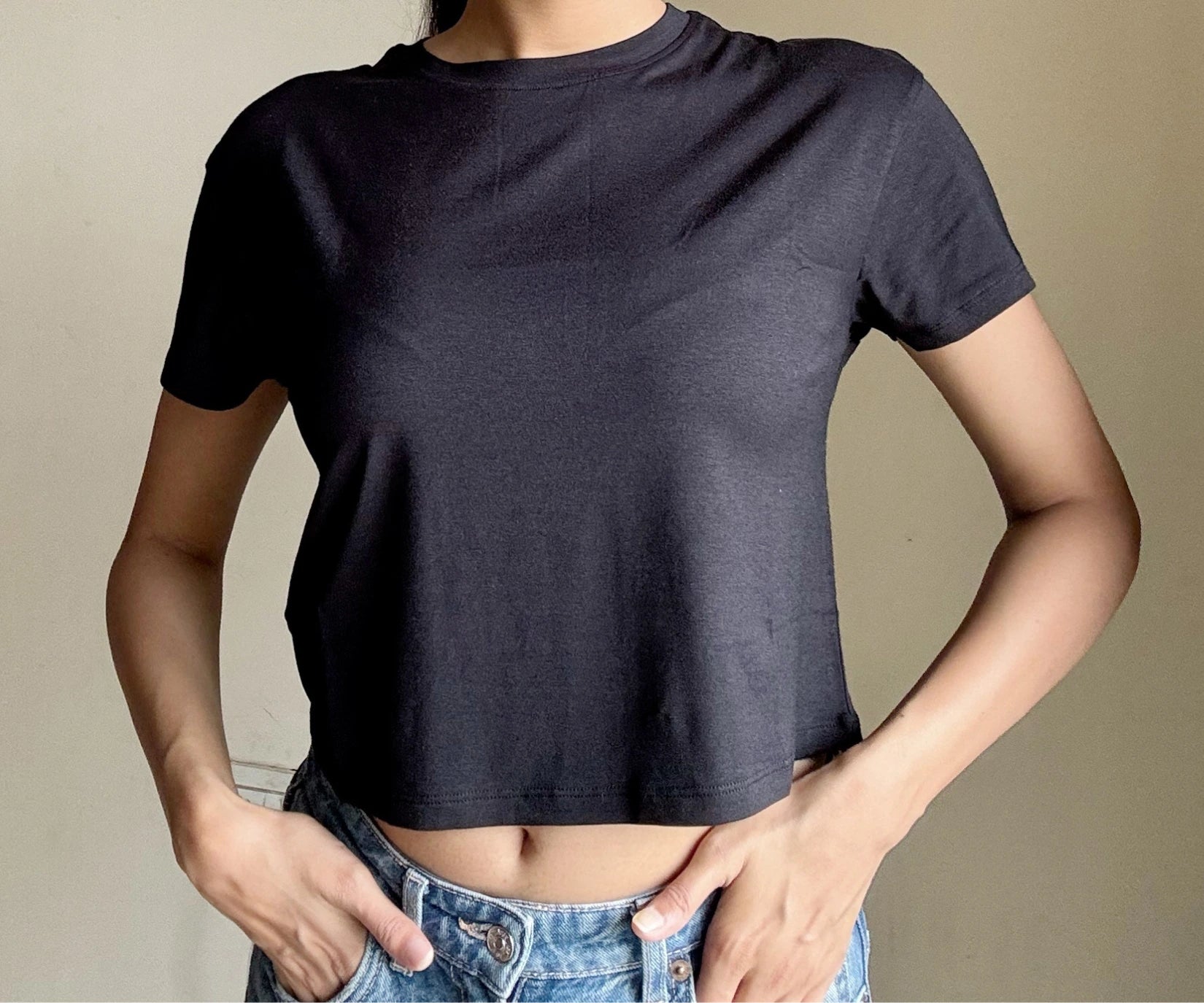
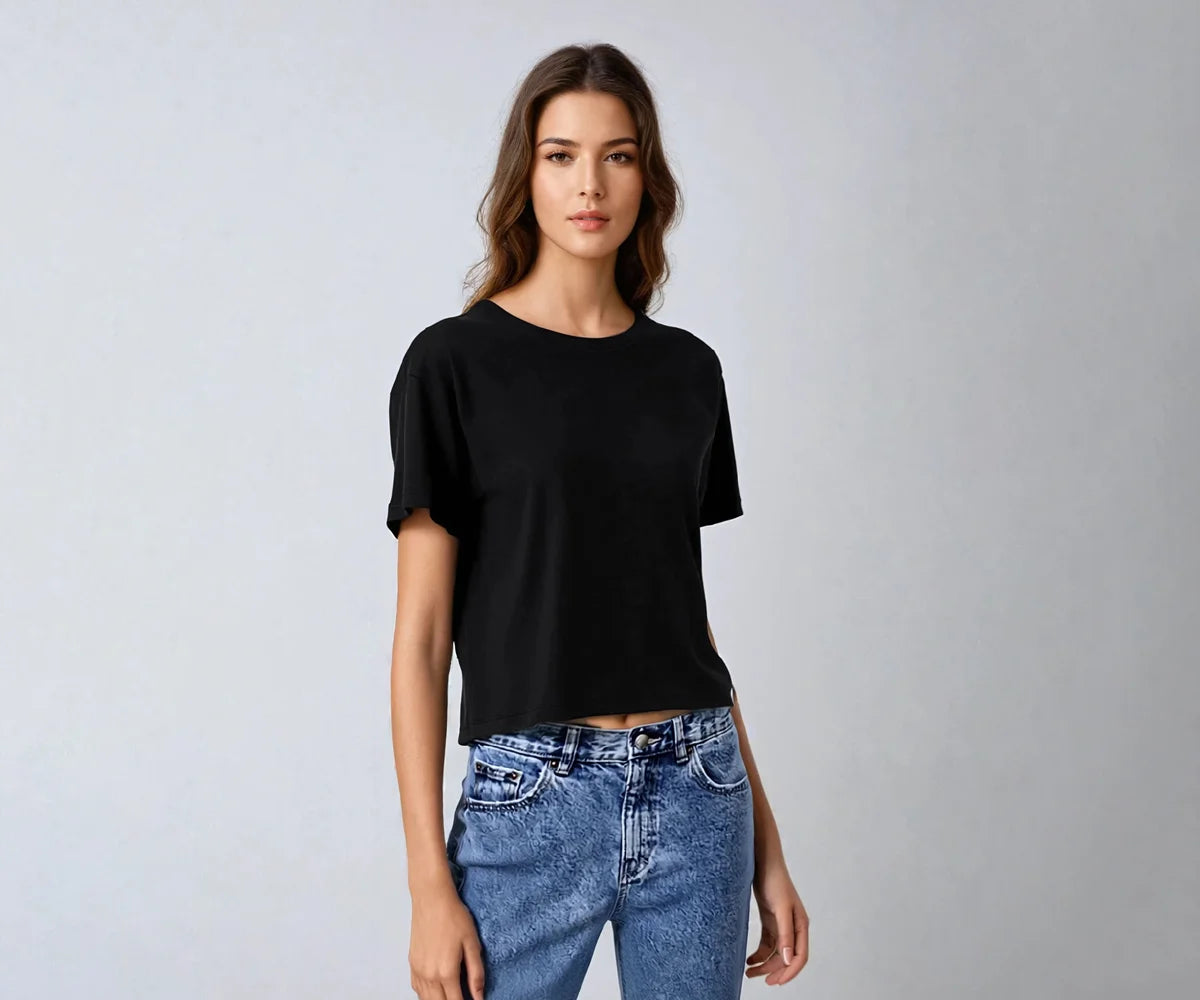
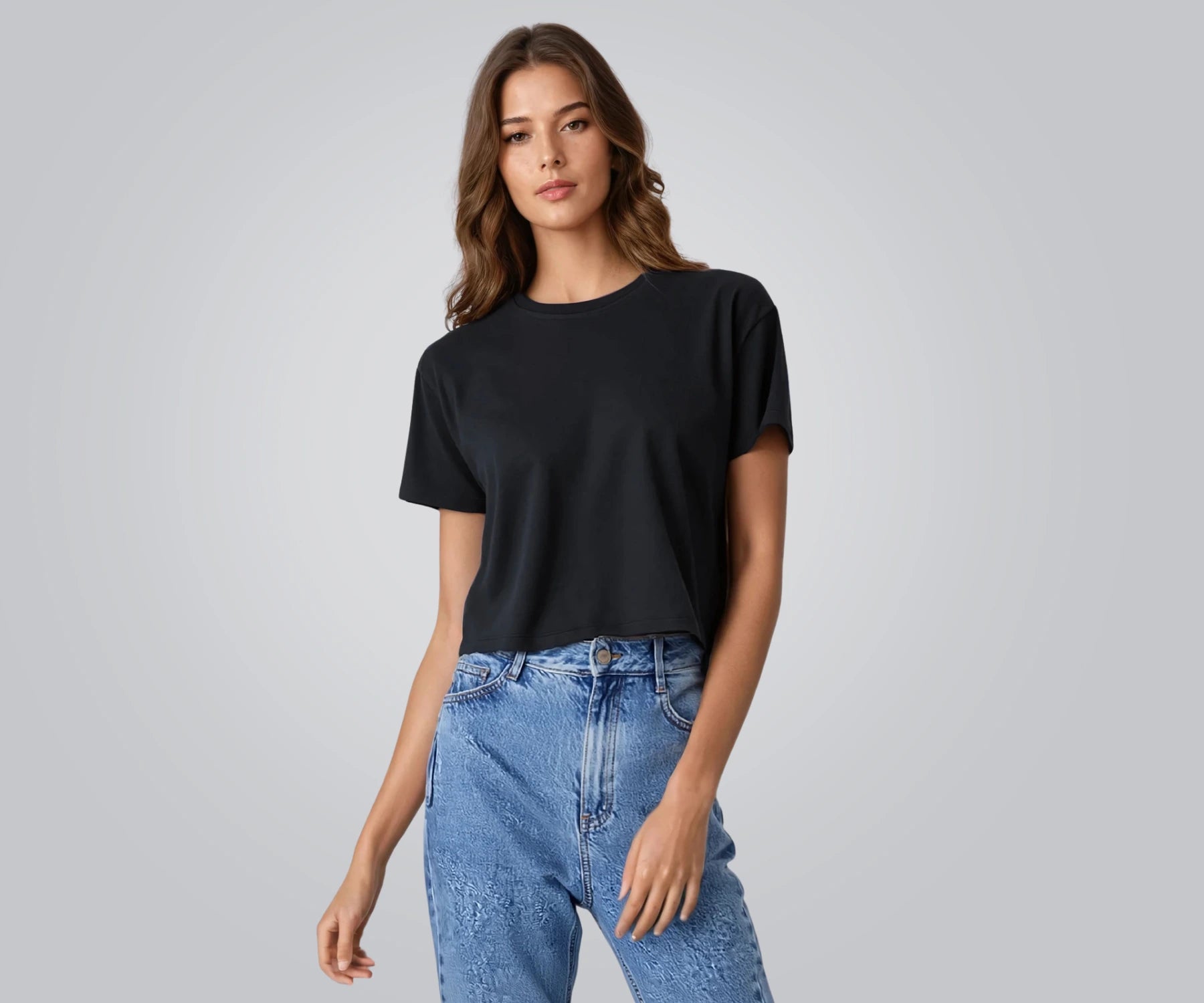
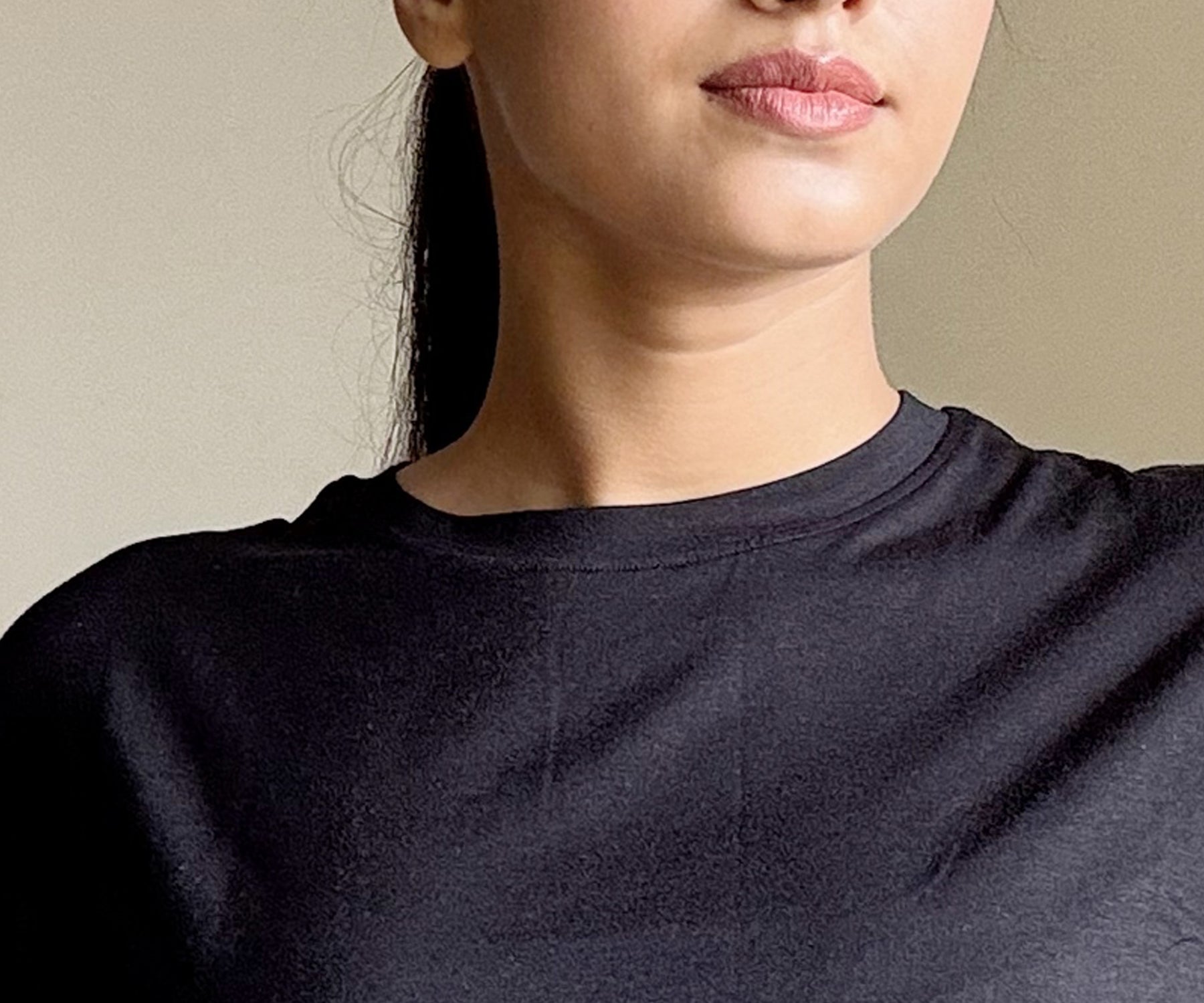
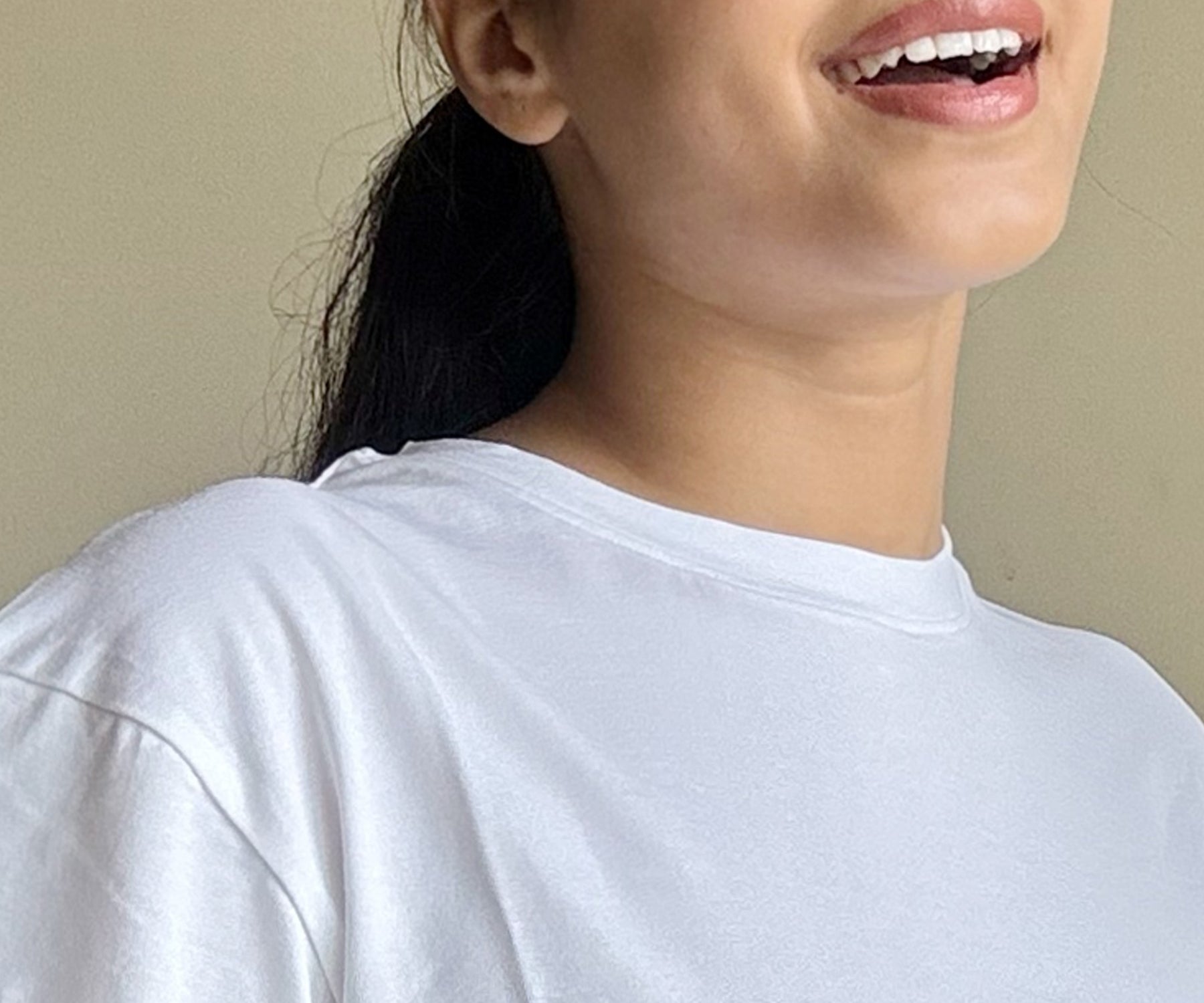
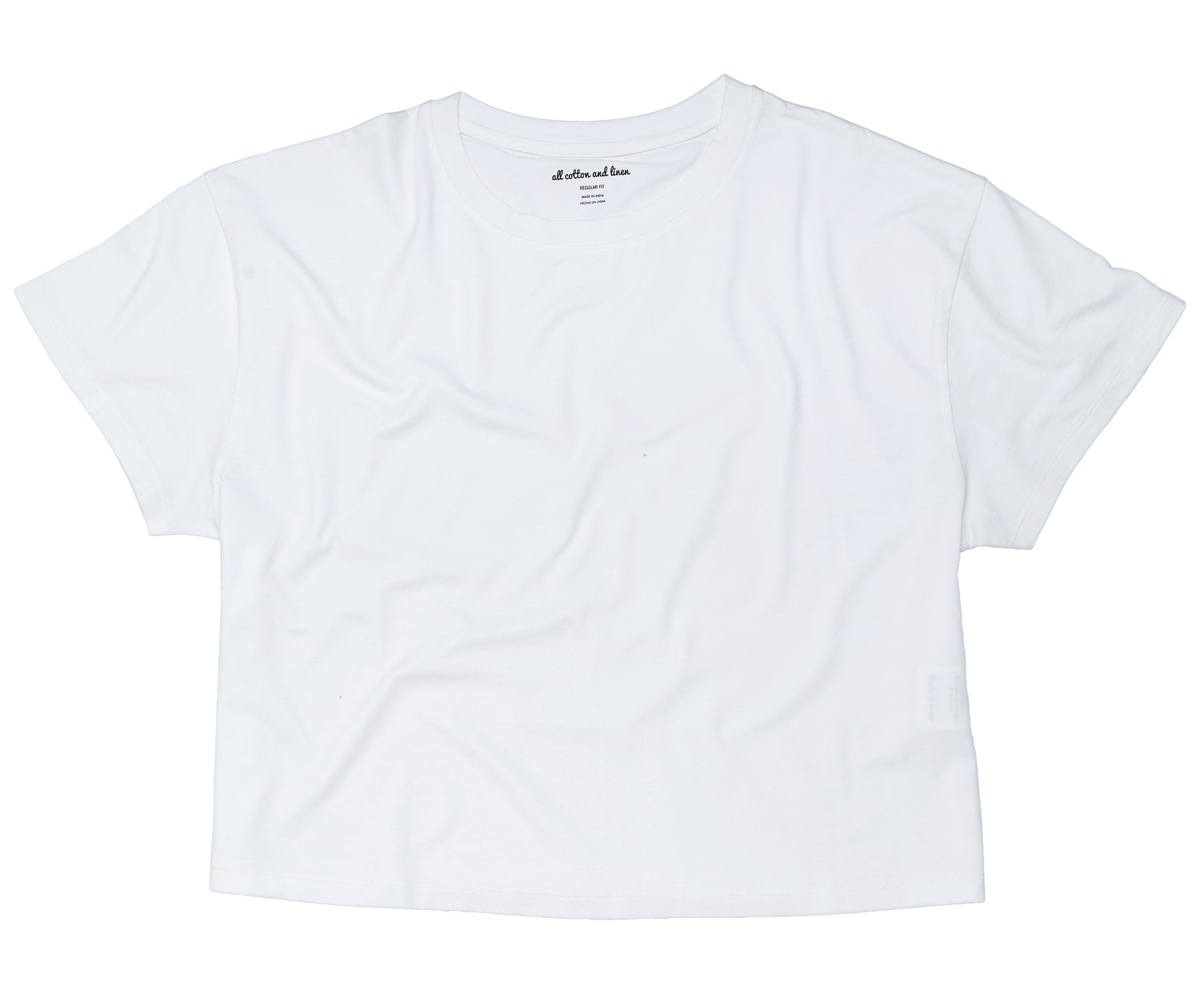
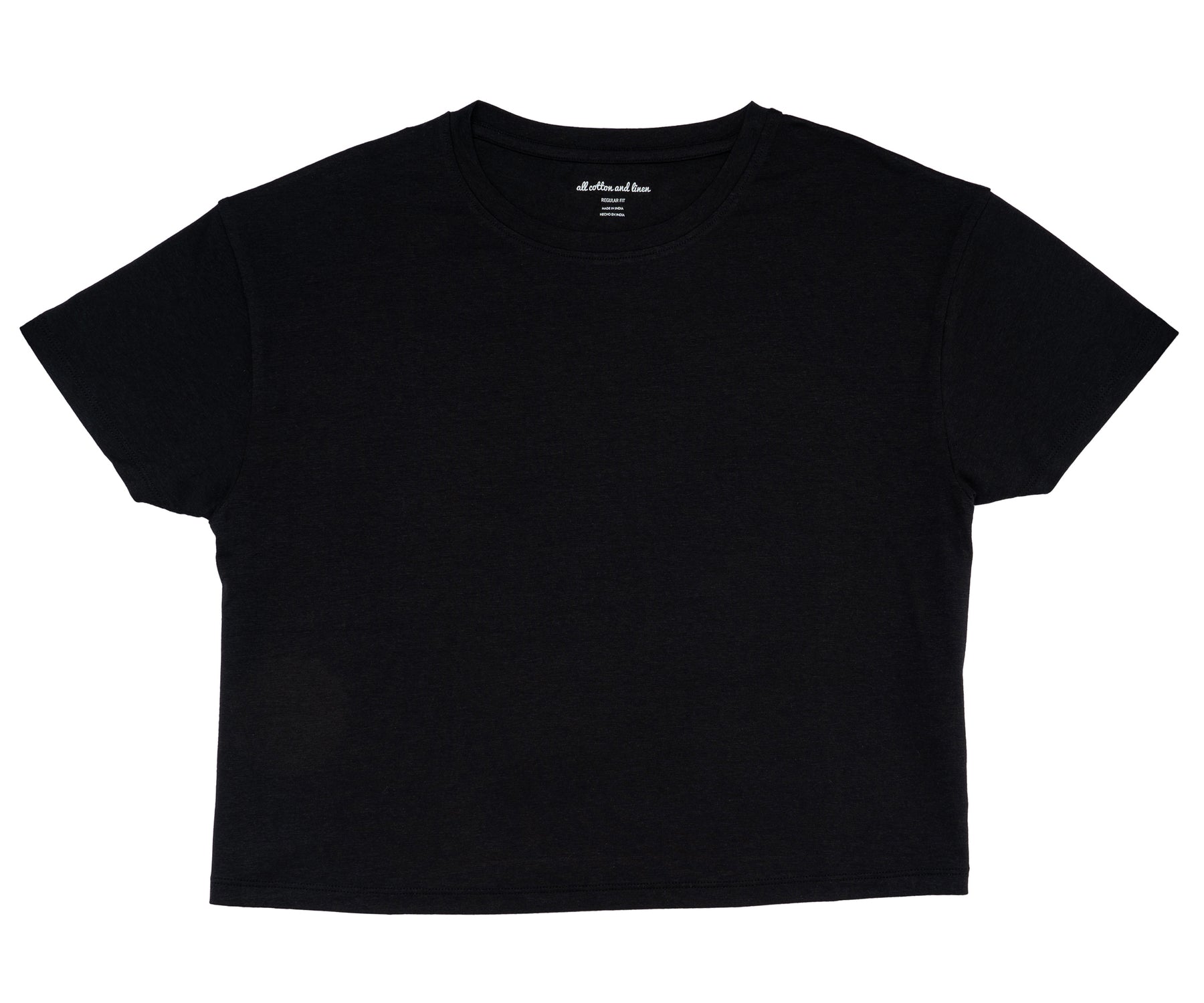
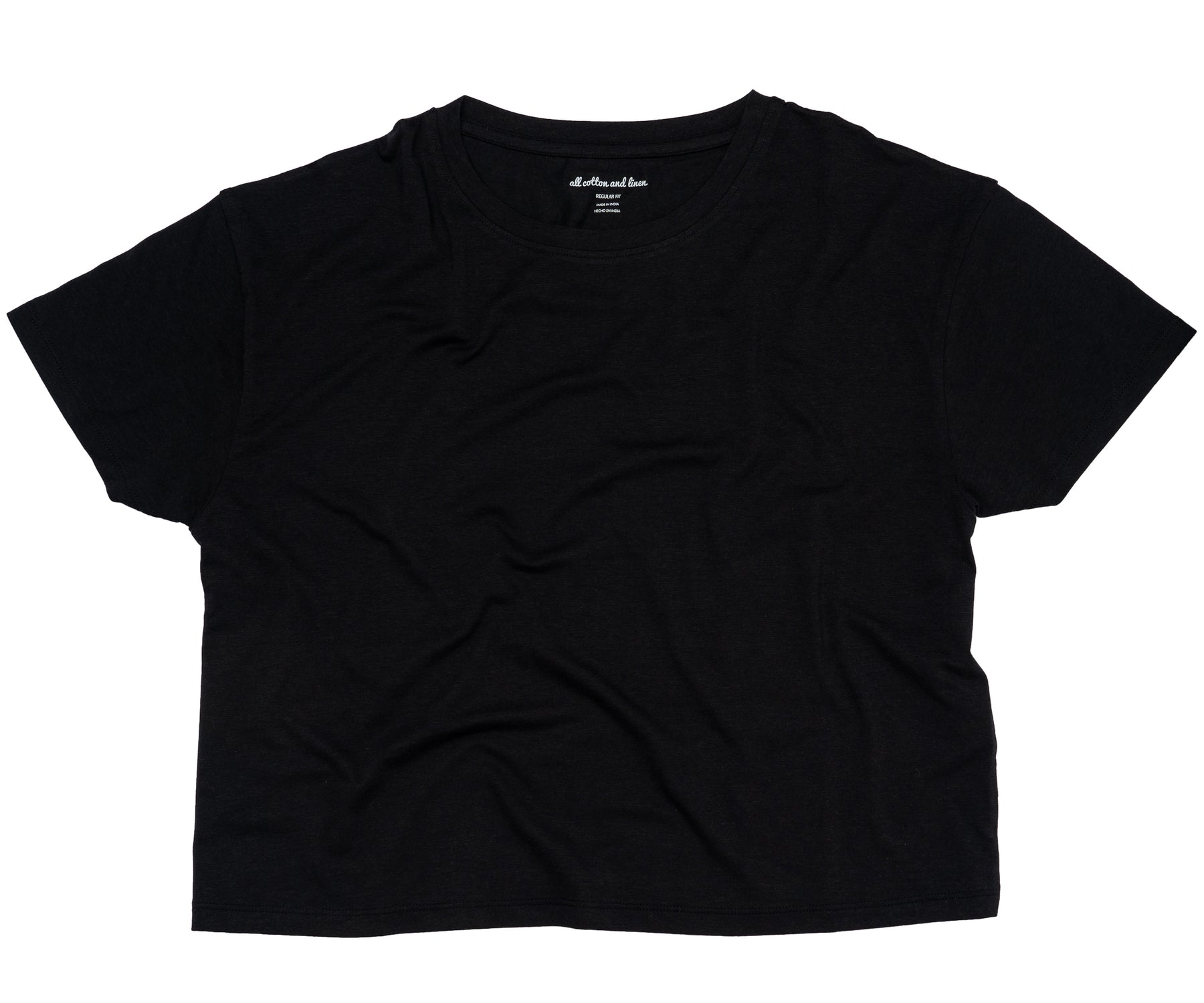
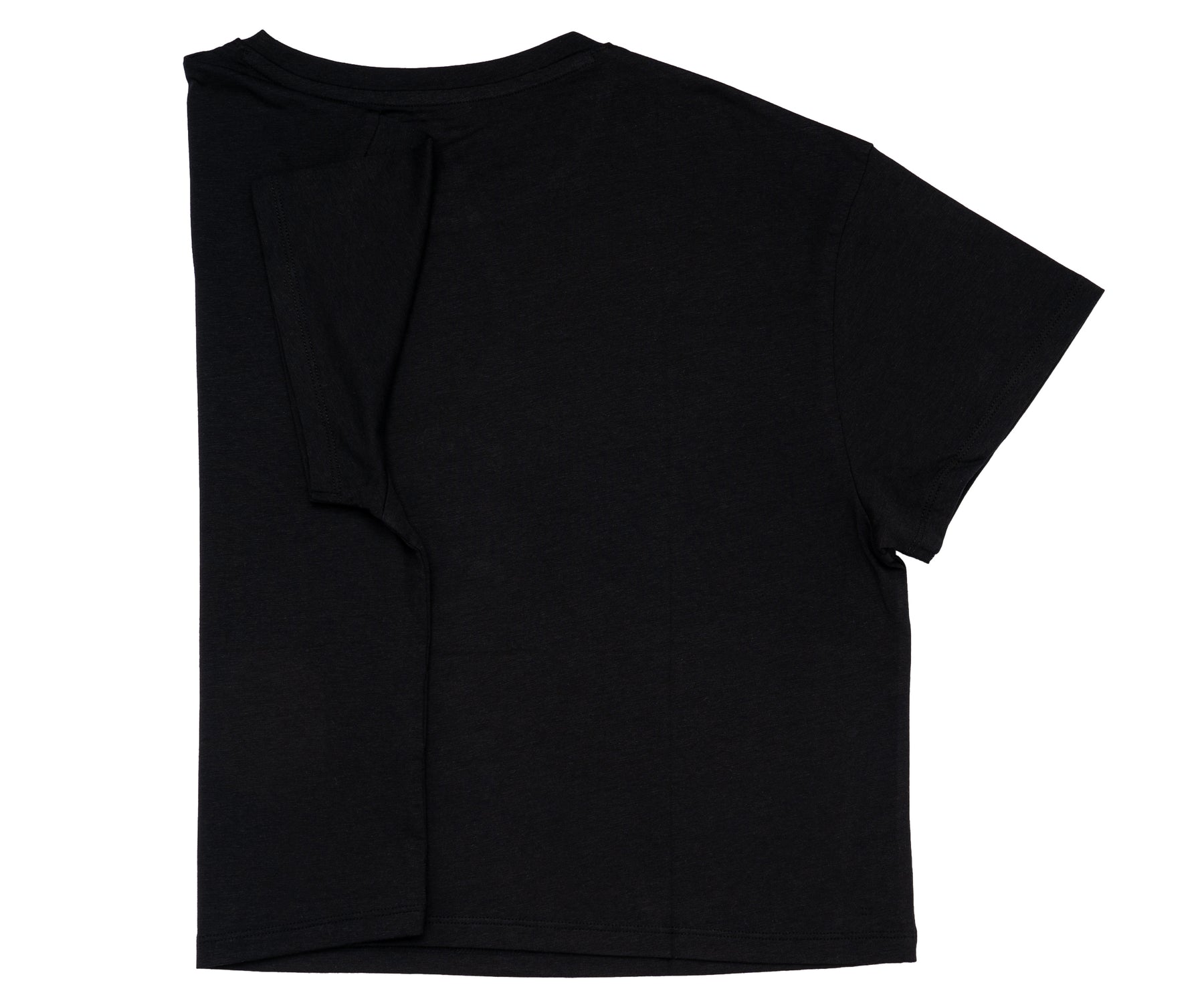
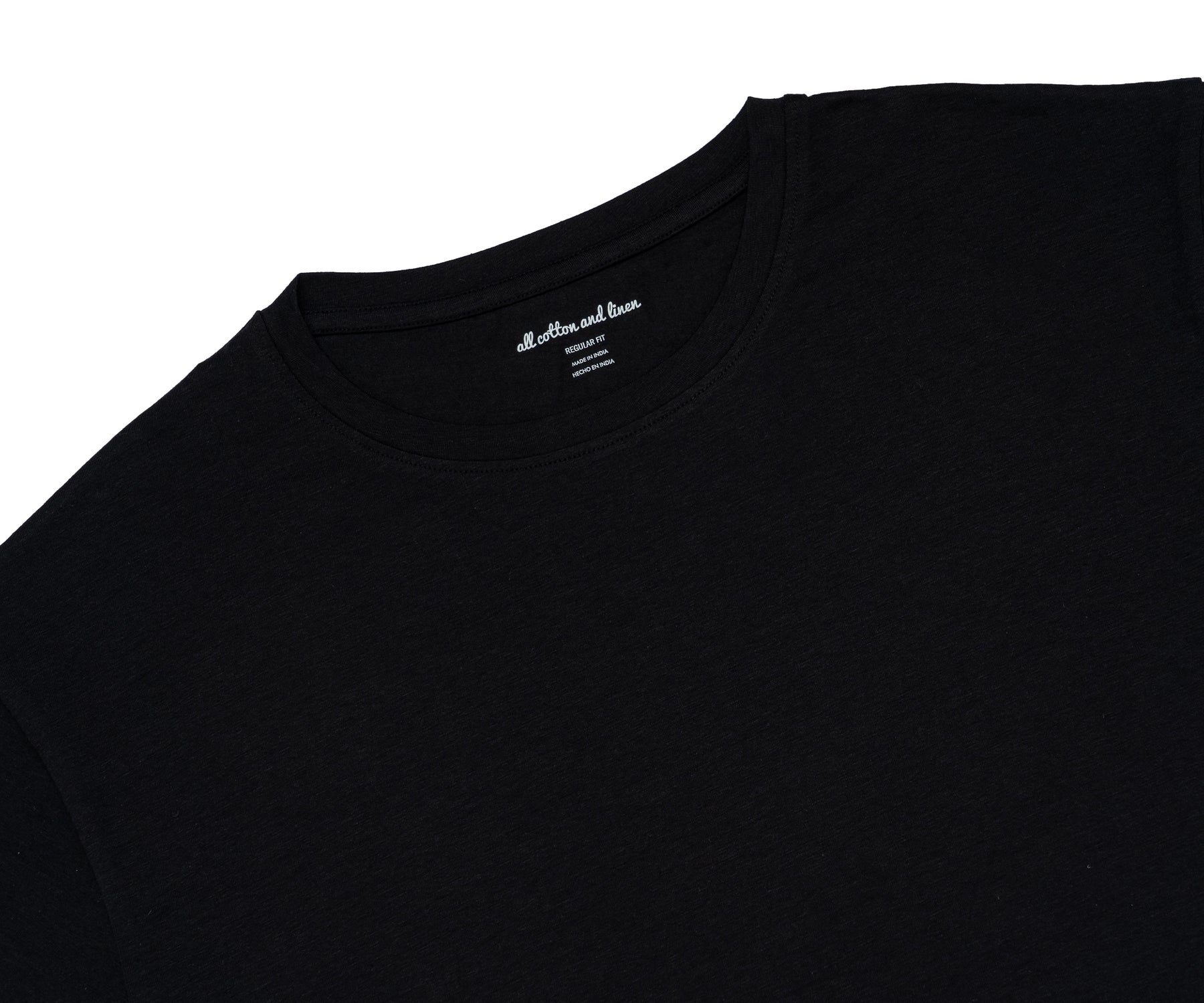
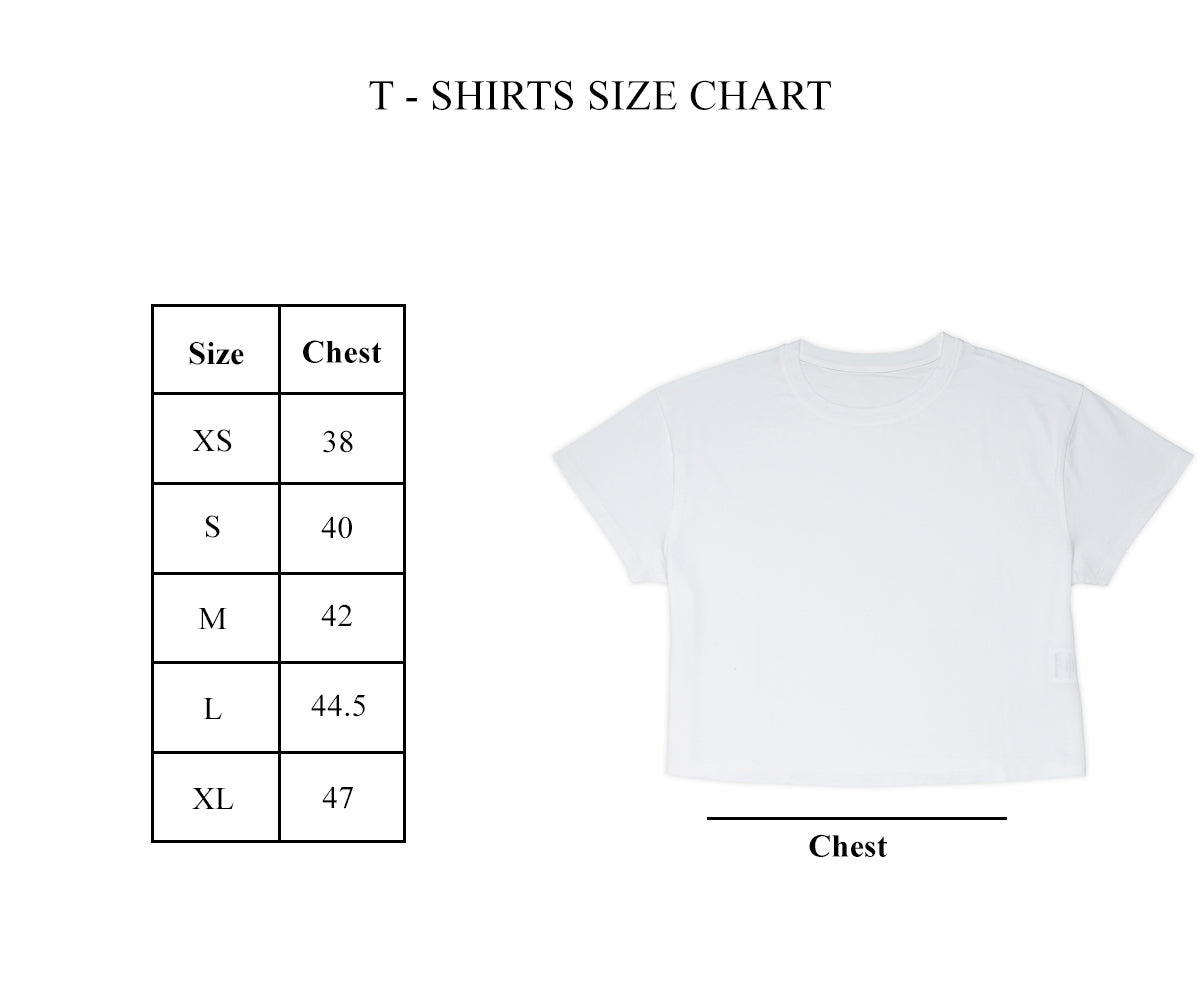
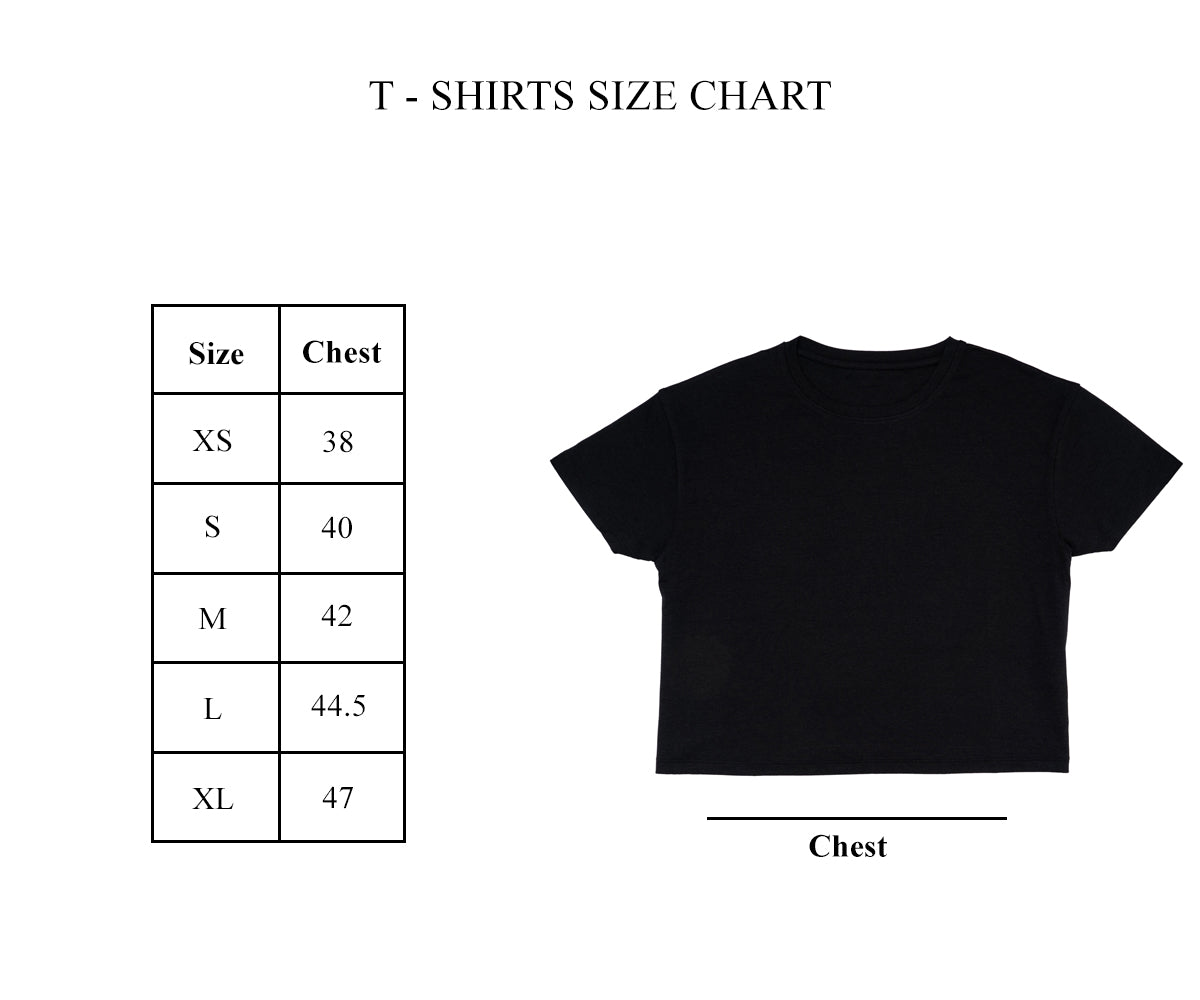
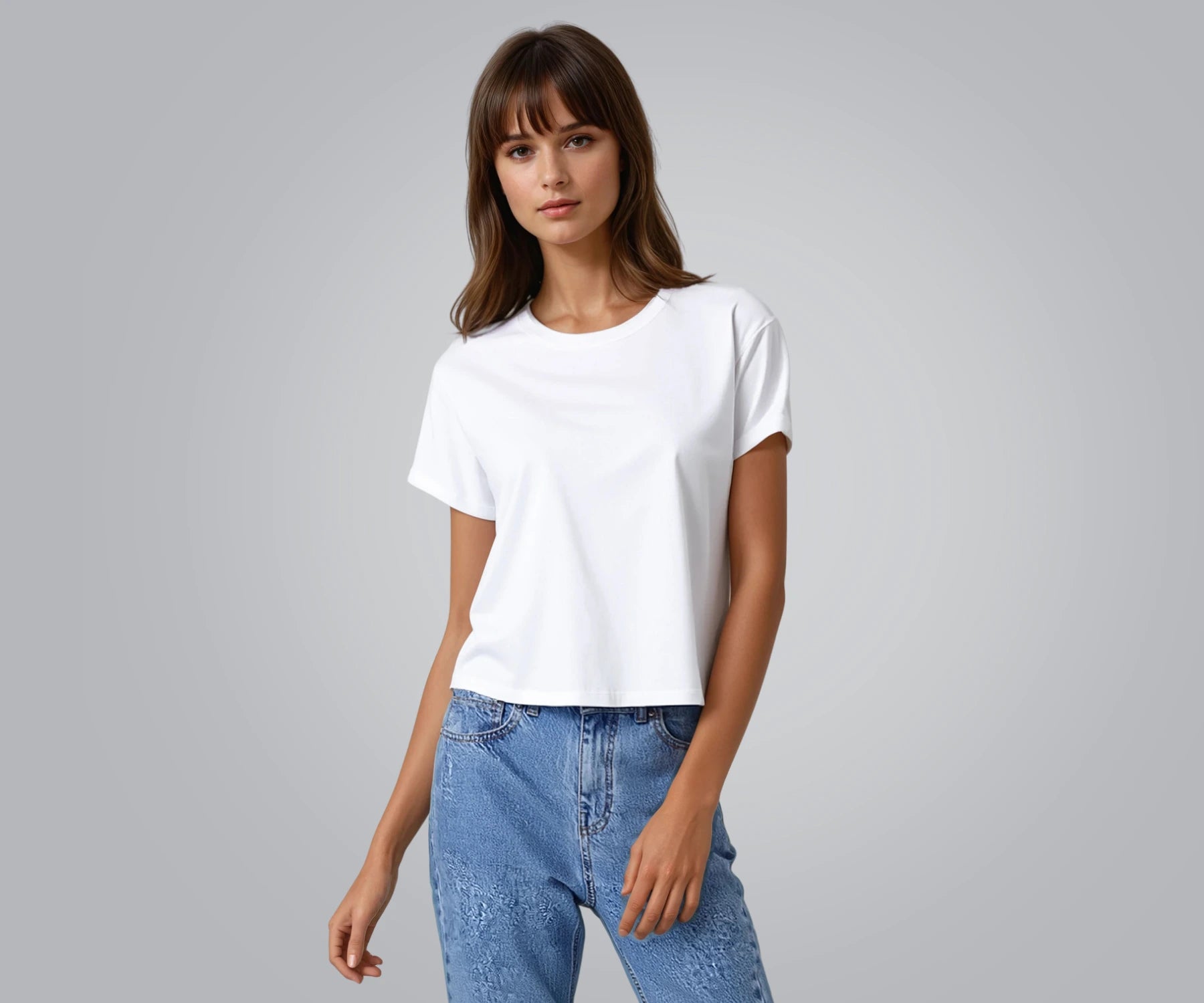
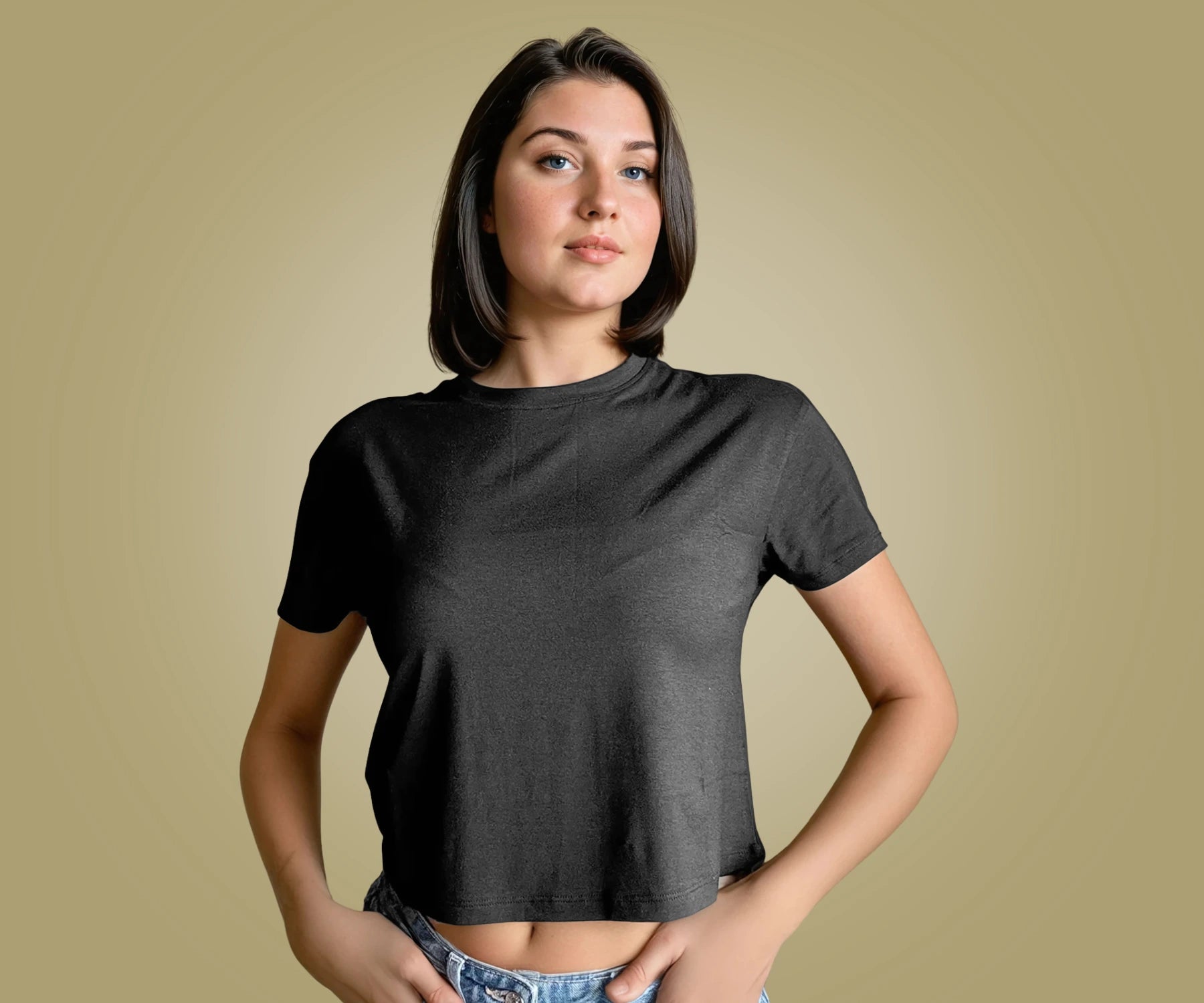
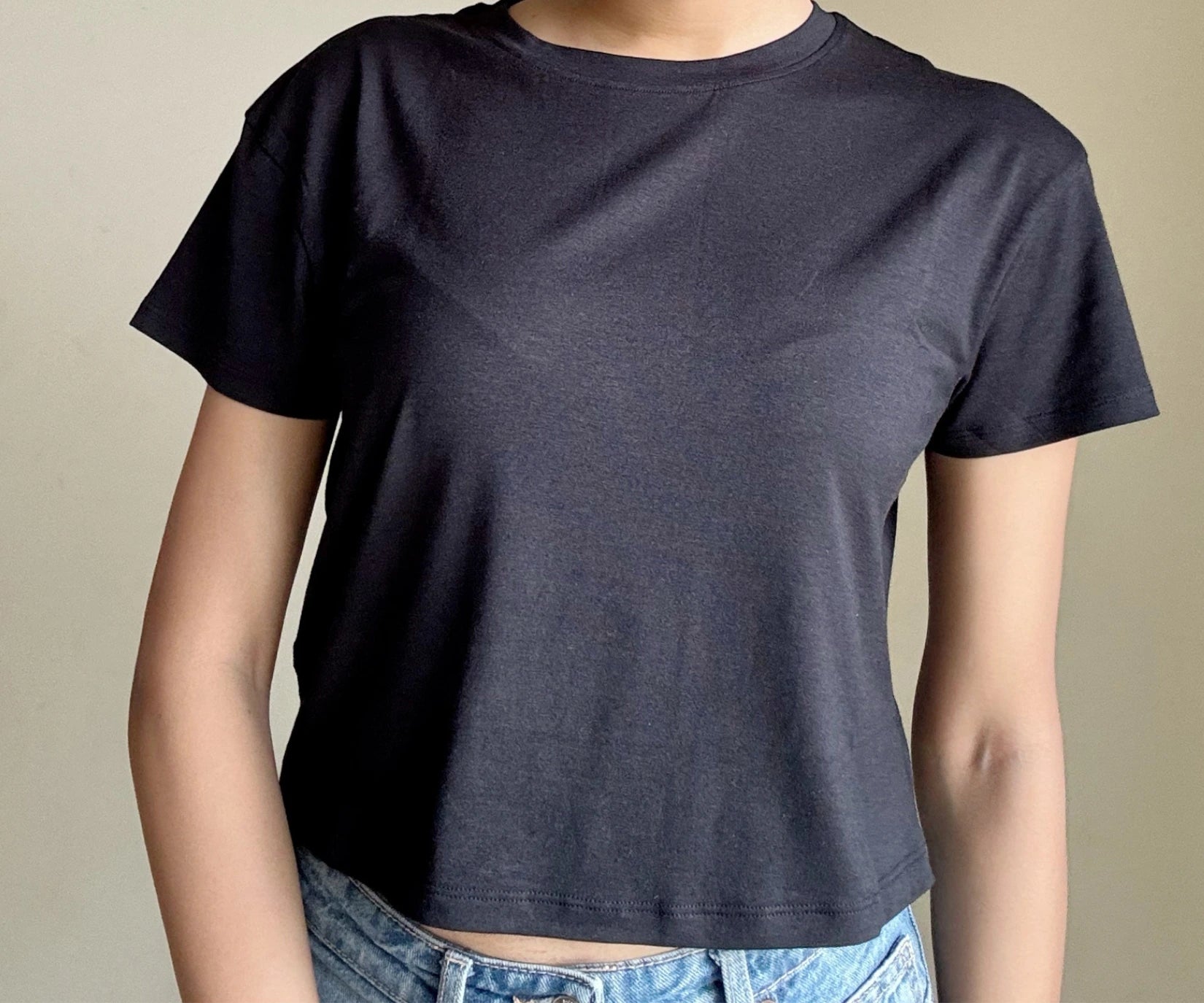
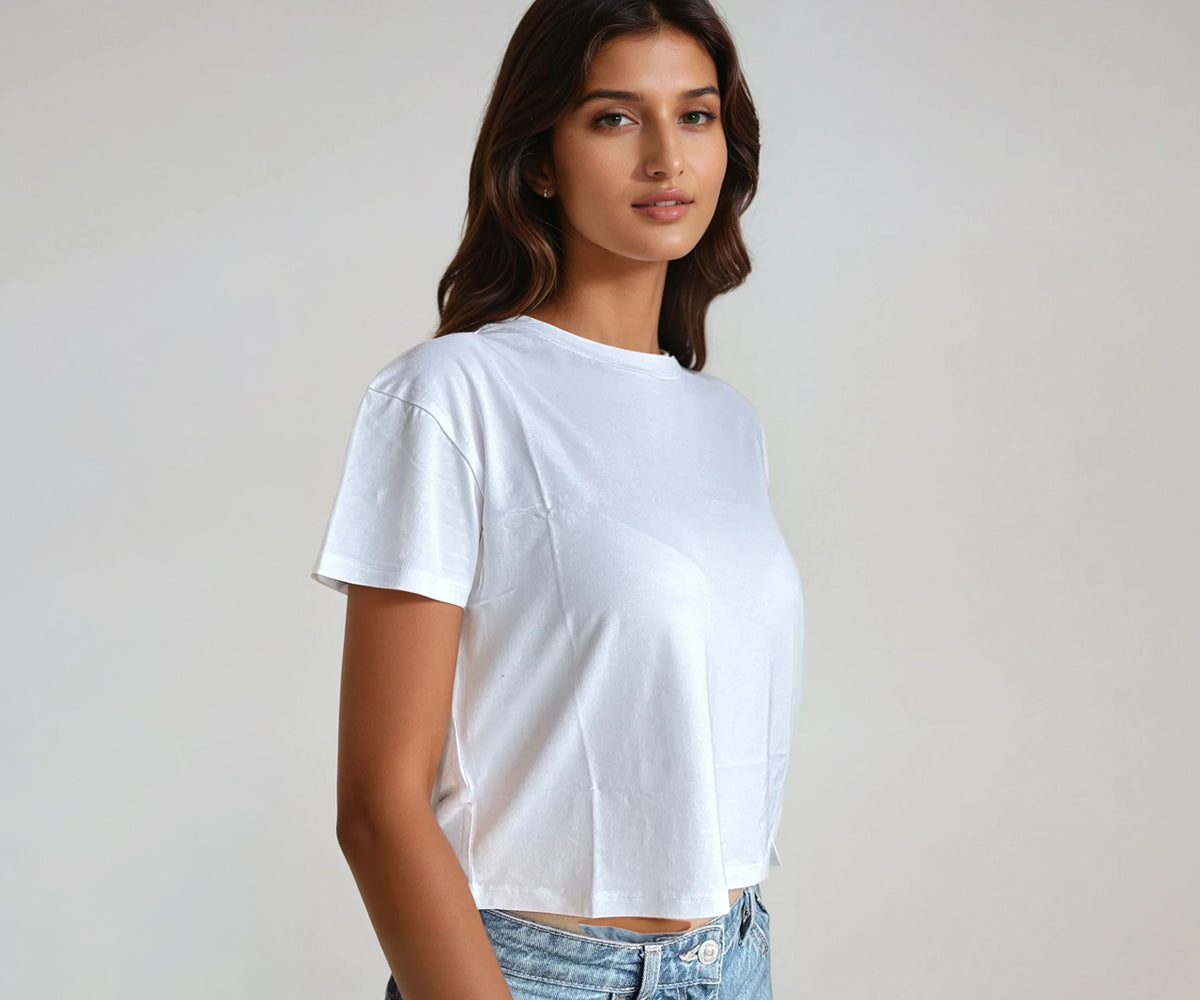
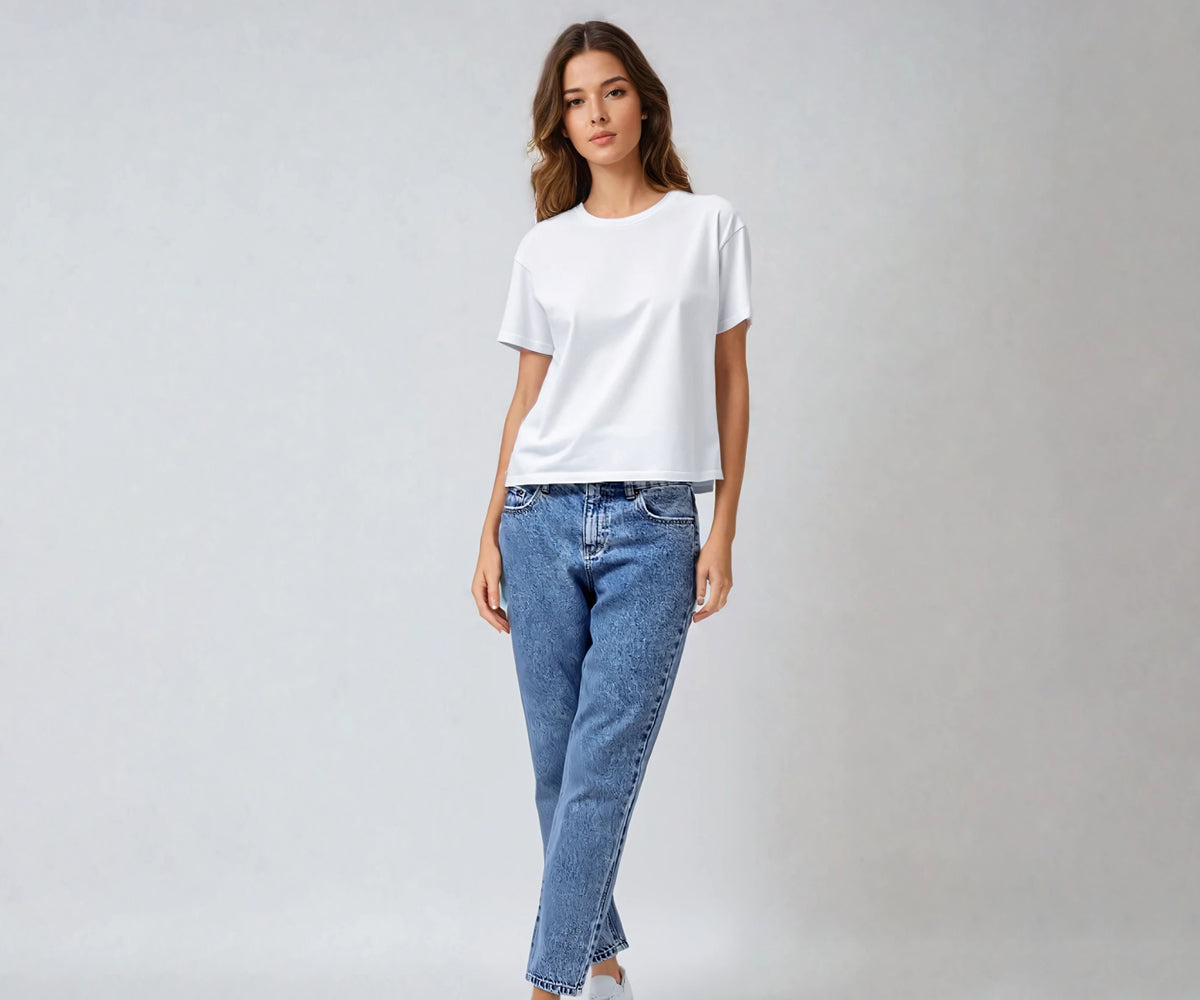
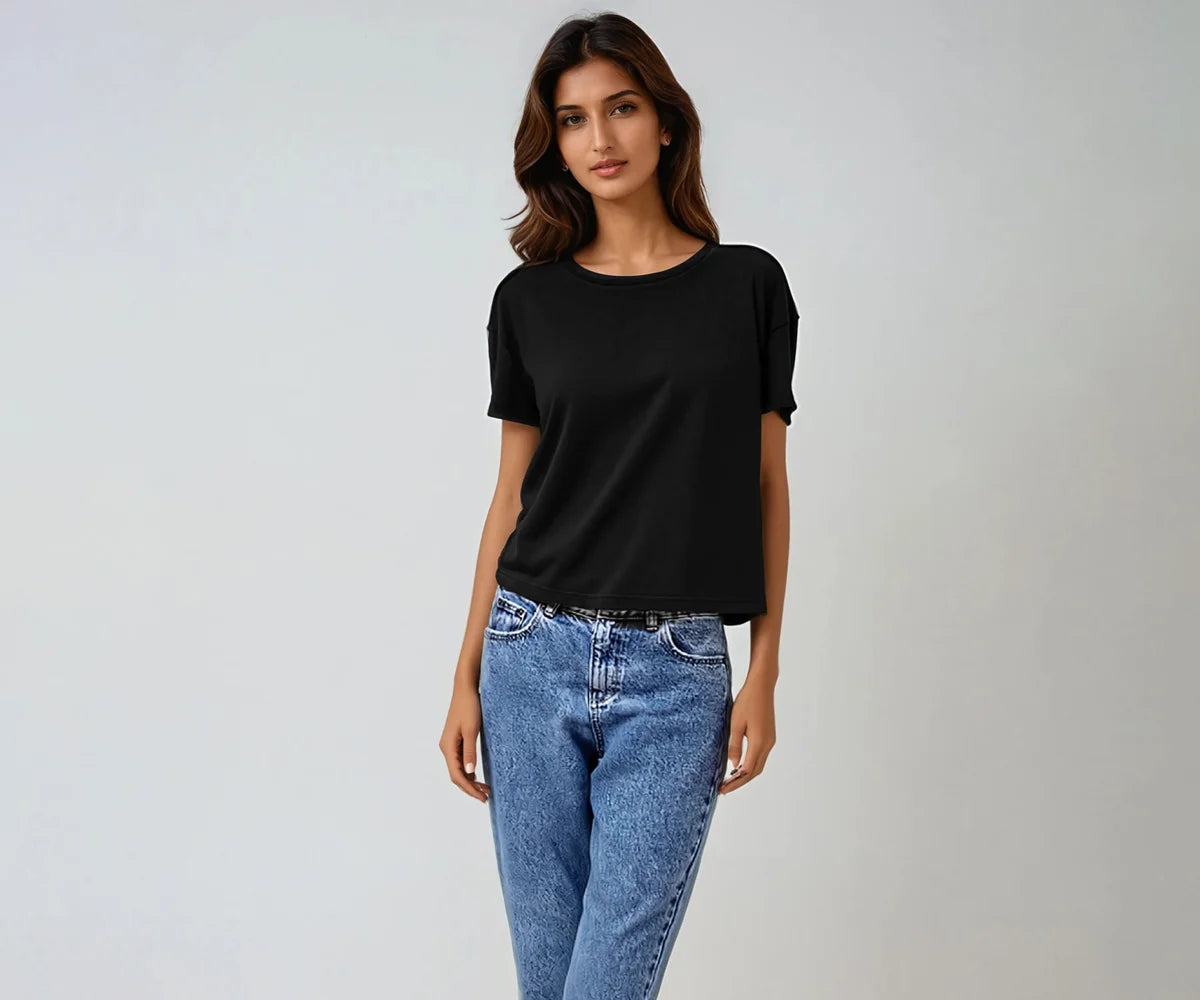
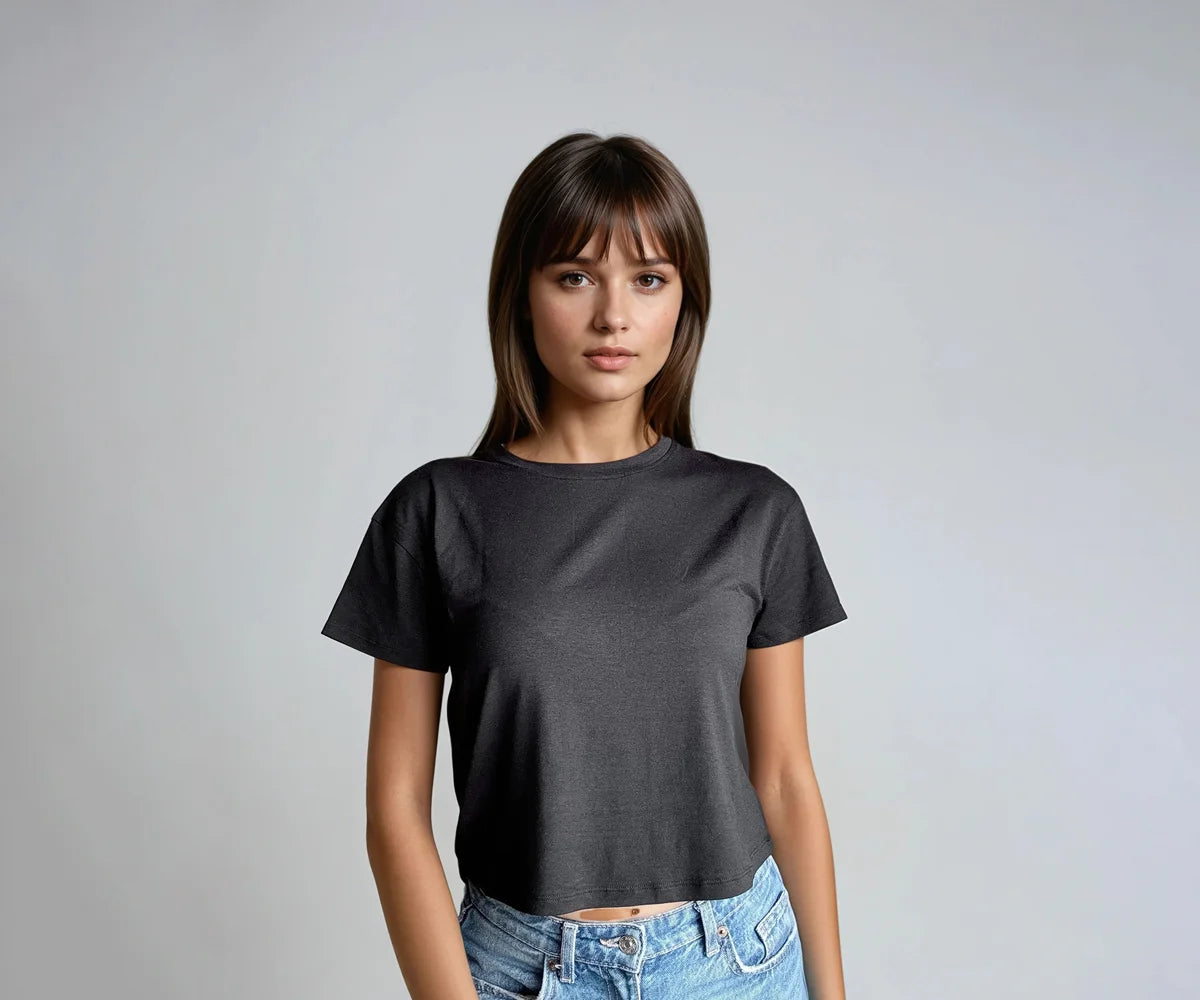
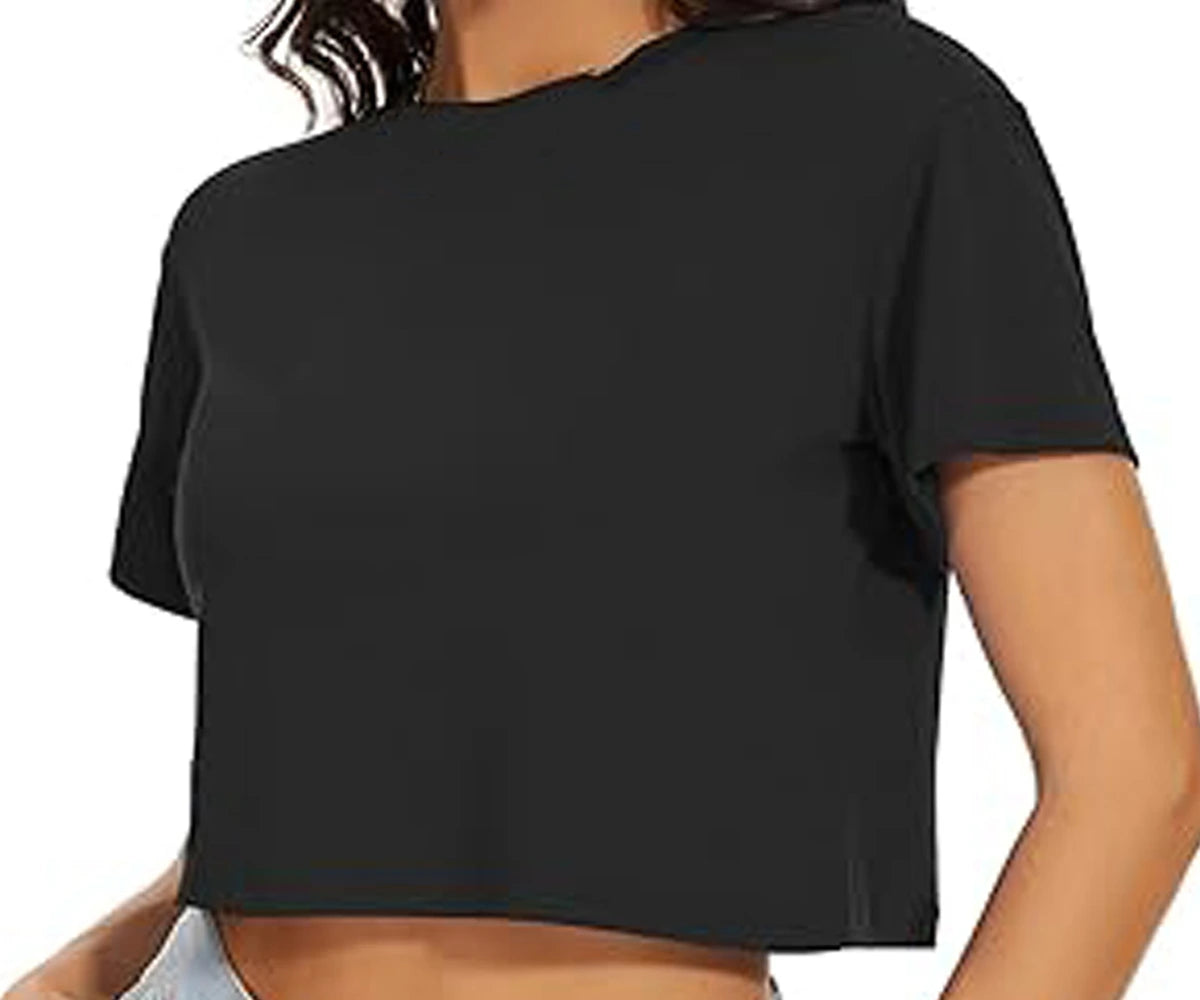
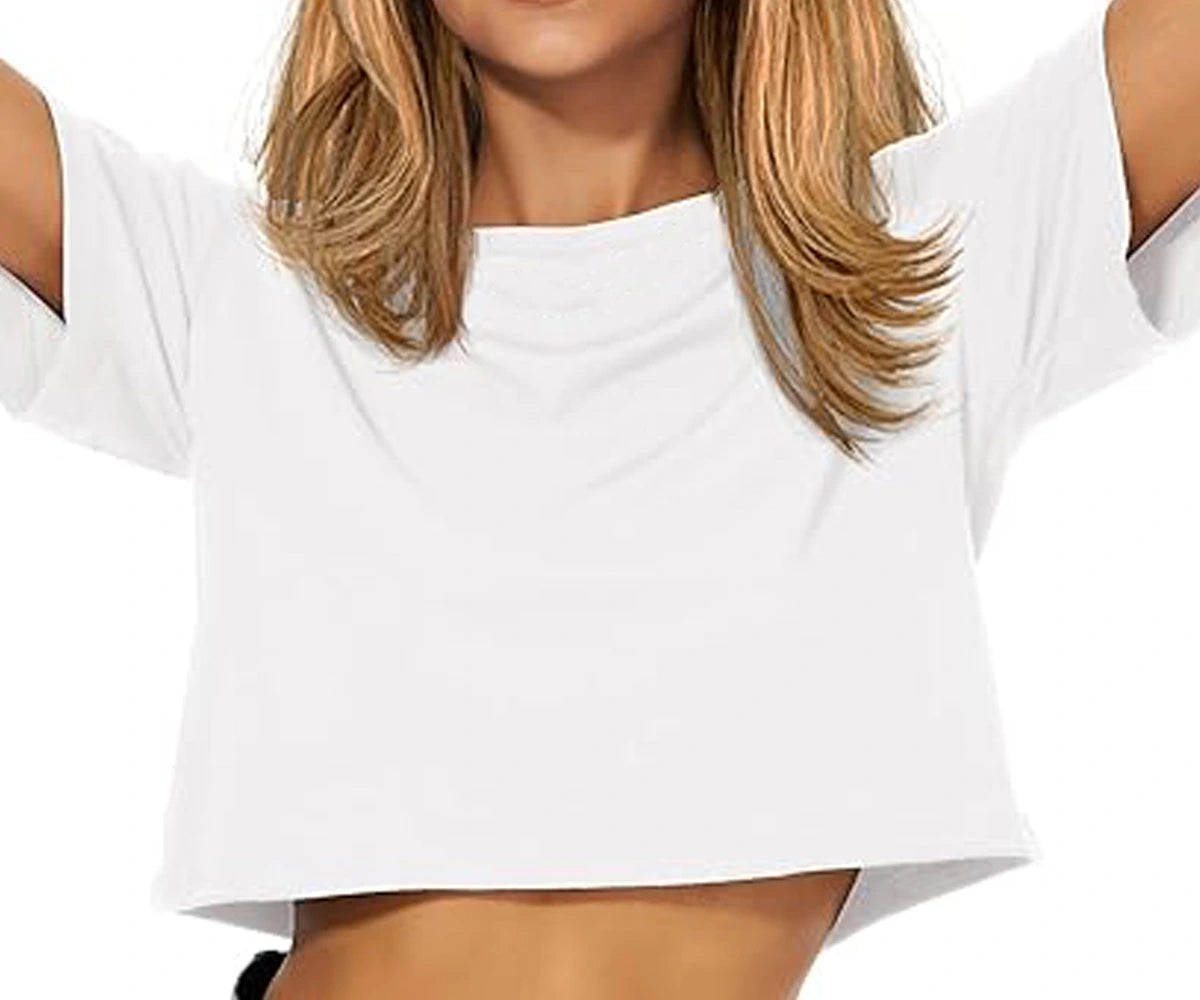
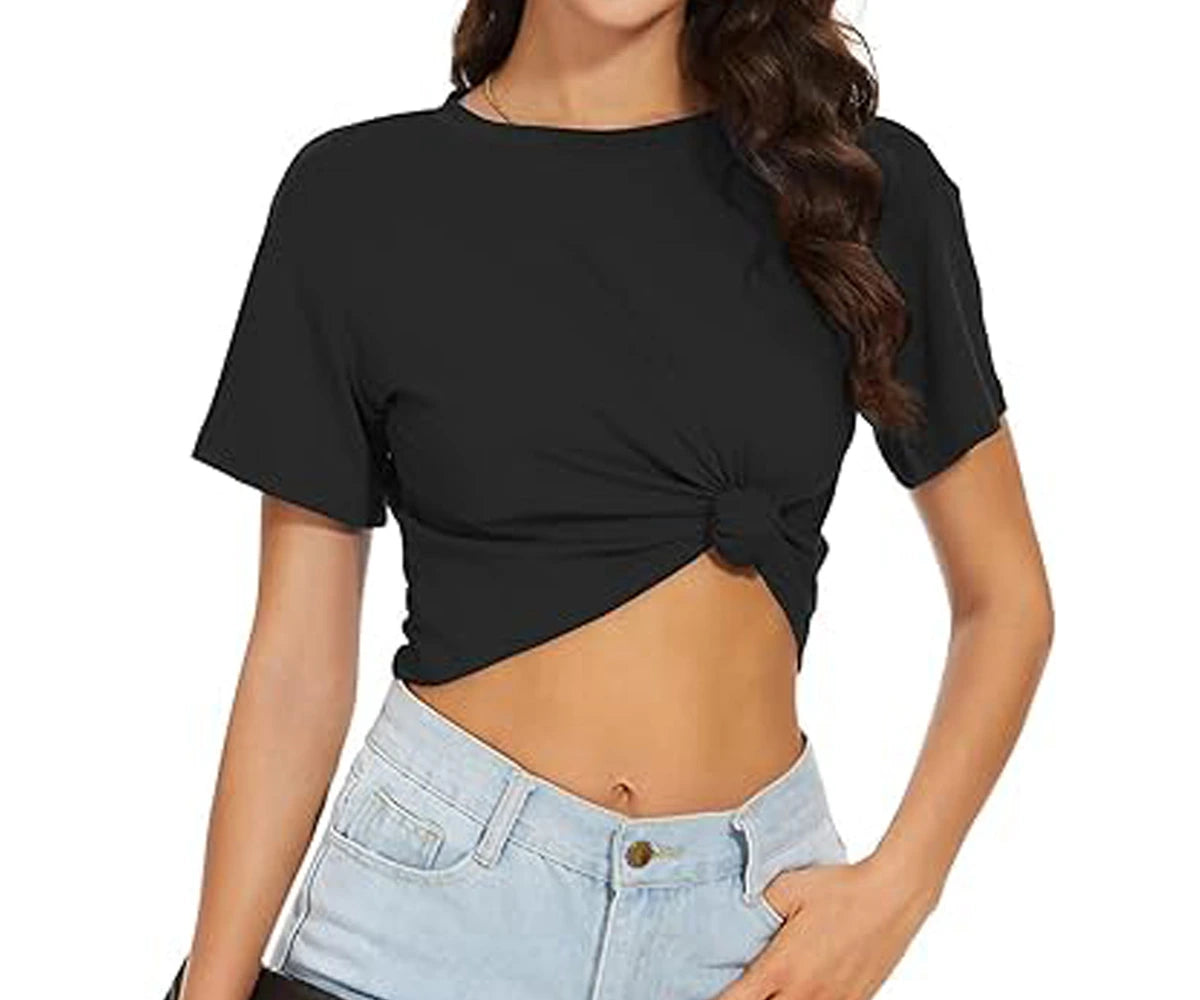
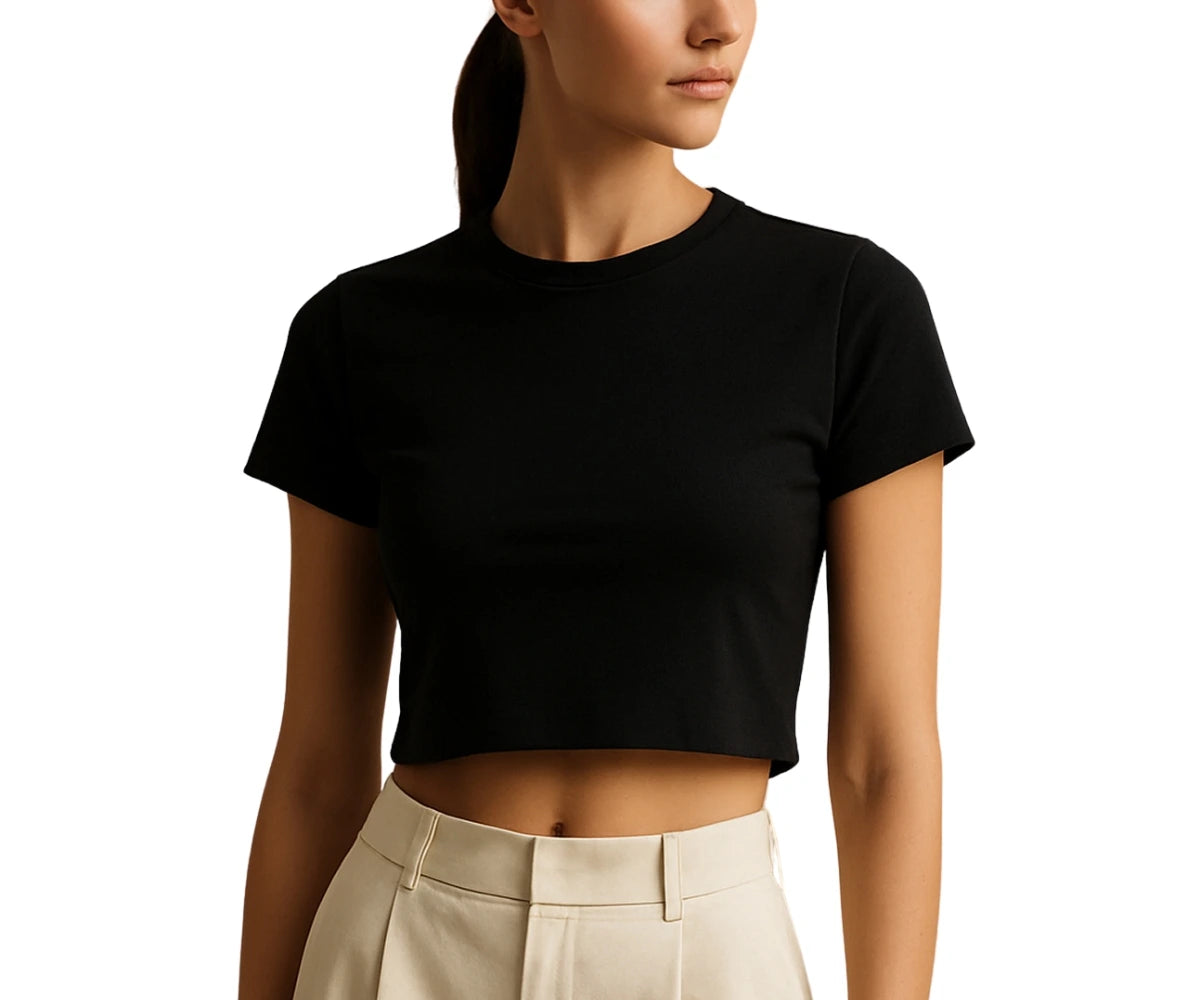
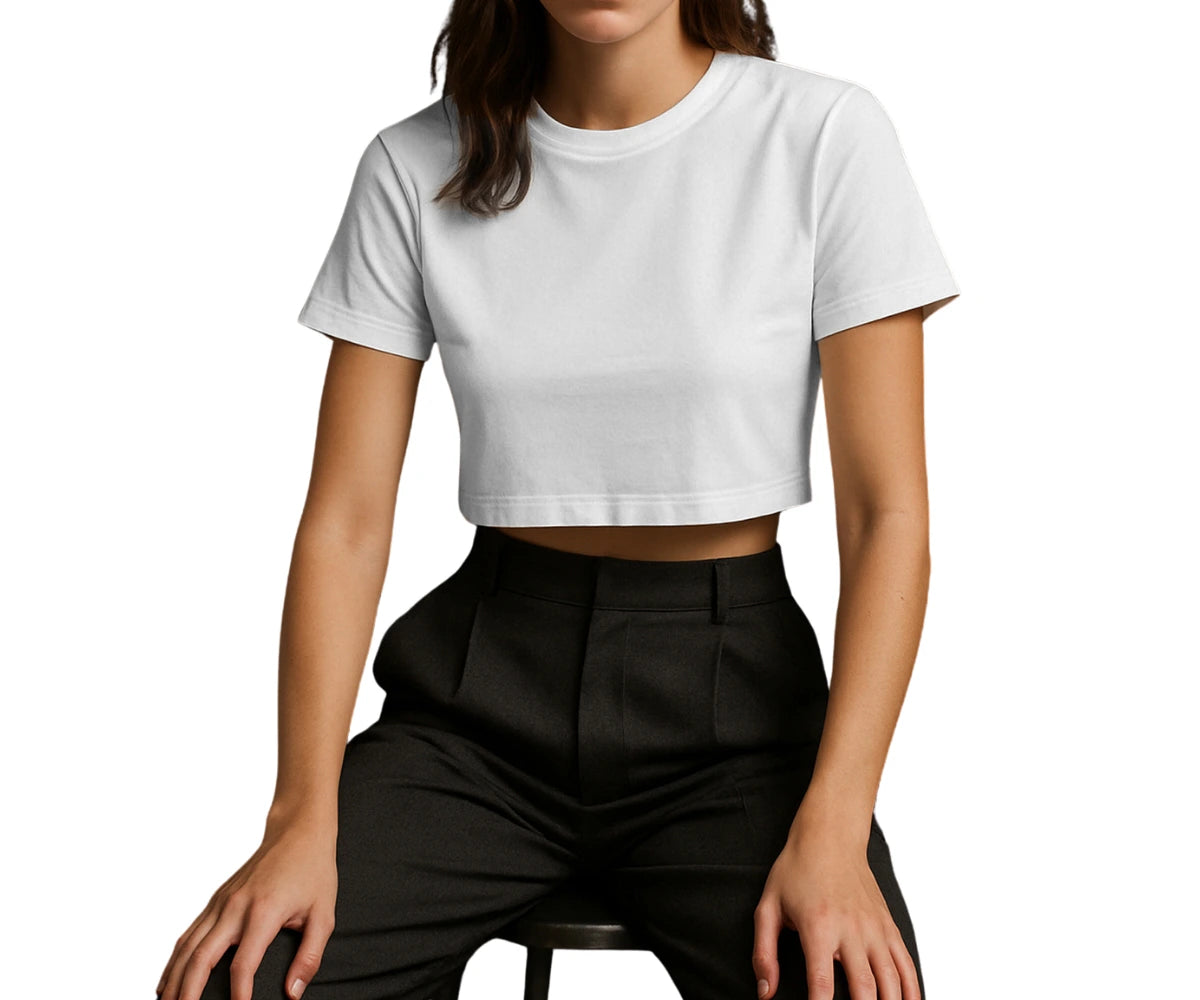
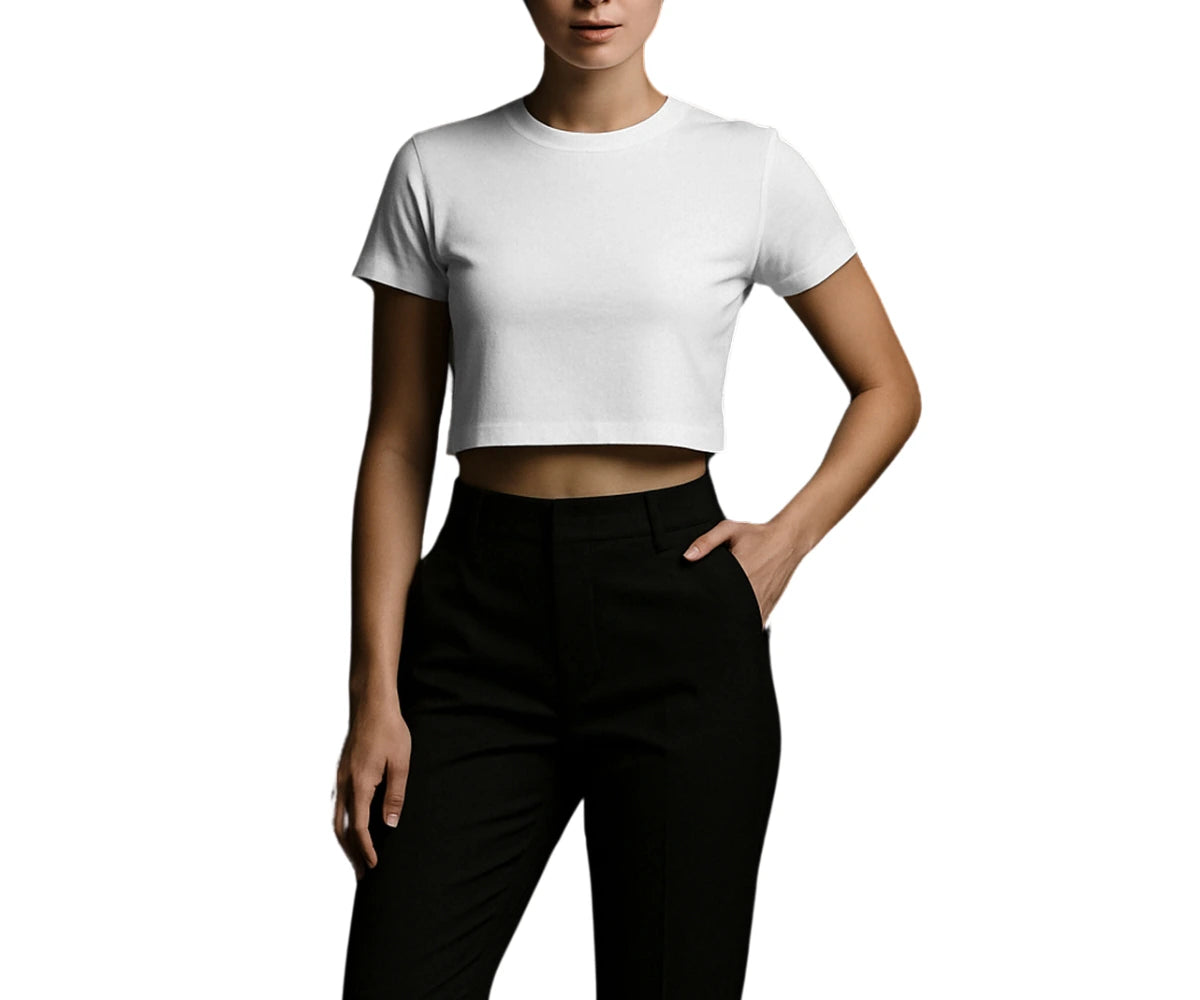
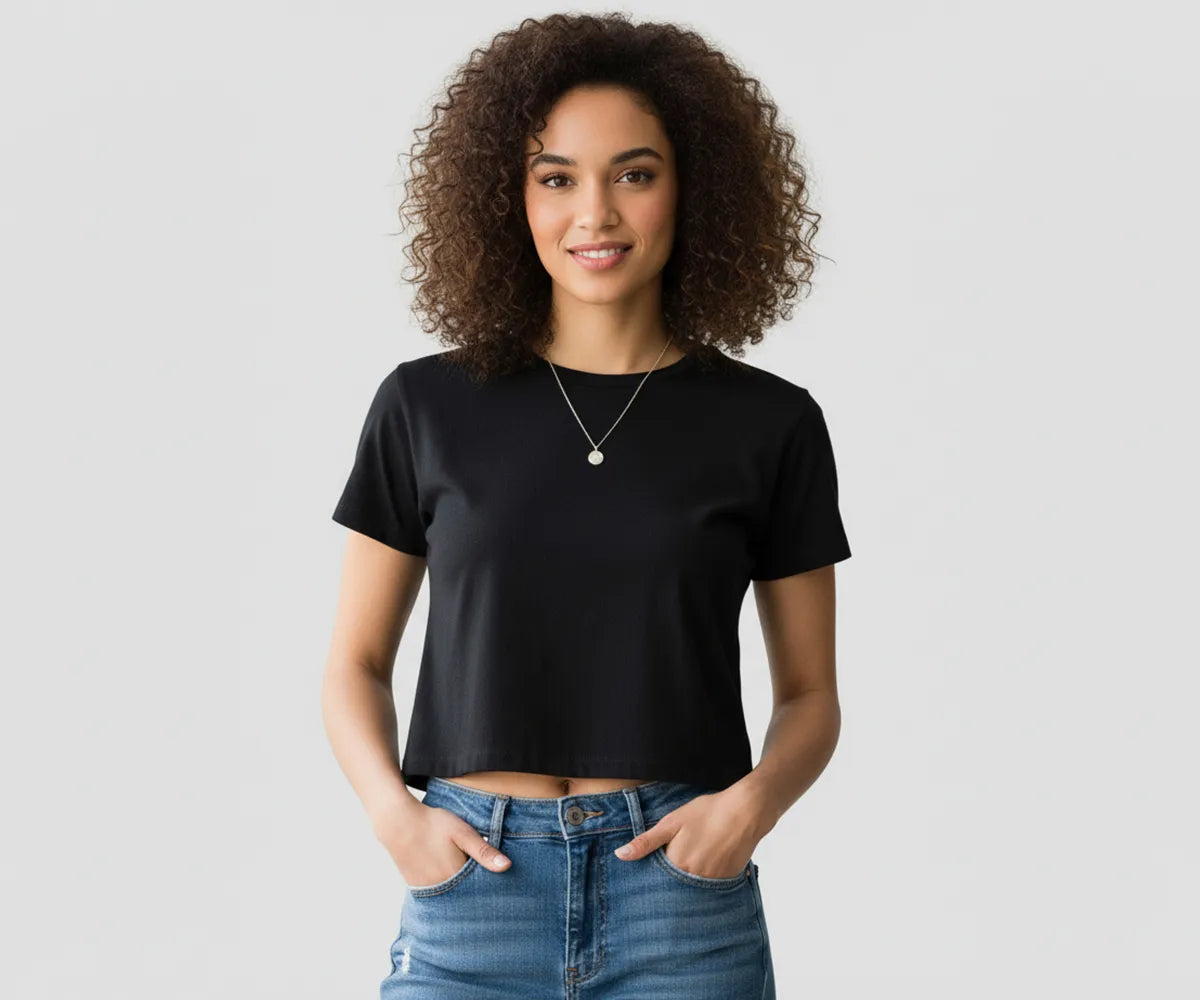
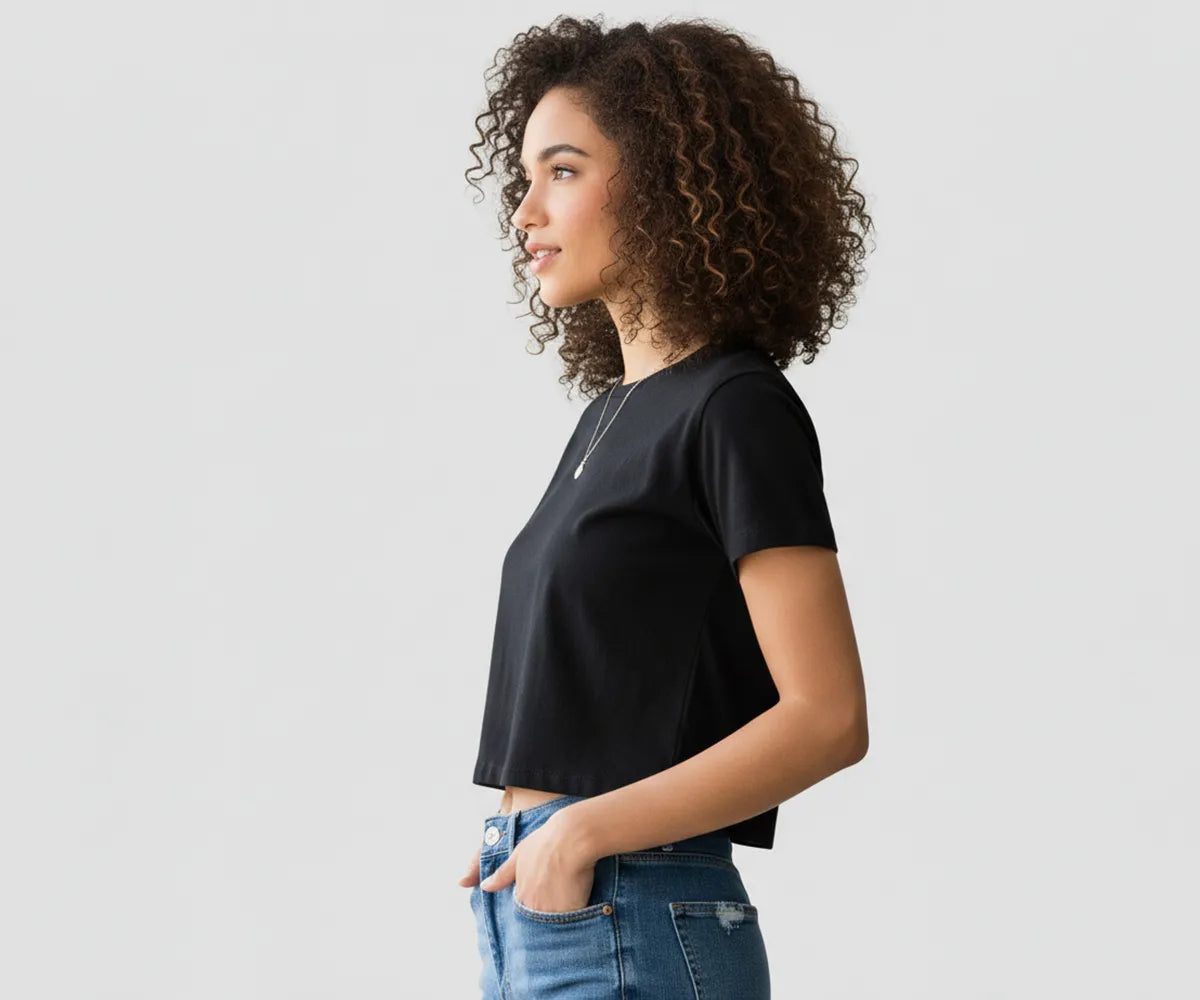
Short-sleeve T-shirt: A relaxed but not baggy fit works well here. It should have some stretch so it moves with you. If you're in a slower class or just prefer more coverage, a well-fitted short-sleeve tee is completely practical. Organic cotton options are especially comfortable for this style.
Full-sleeve sport top: Great for outdoor yoga, cooler studios, or morning practices before the room warms up. A cotton-nylon-spandex blend here keeps things breathable even with full coverage. It also works as a light layer you peel off once you're warmed up.
Raglan tee: Underrated pick. The cut gives you extra shoulder and arm room compared to a standard tee. That matters more than you'd think during overhead poses or anything that opens the chest. It's also a versatile piece that doesn't scream "workout clothes" when you wear it outside the studio.
What to skip: Regular bras with underwires. The hardware digs in during floor poses. A sports bra underneath any top is the right move.
Bottoms
High-waisted leggings: The most popular yoga bottom, and the preference makes sense. A high waist keeps everything secure through every pose. No readjusting. No sliding. The cotton-nylon-spandex blend mentioned earlier works really well here, enough compression to feel supportive without cutting off circulation.
Do a quick squat test before your first class. If you can see through the fabric when you bend, the leggings aren't thick enough. This sounds obvious but saves a lot of discomfort.
Sport shorts: Genuinely great for hot yoga, summer classes, or if leggings just feel too warm. Mid-thigh length tends to work best, short enough for airflow, long enough to stay in place during wide-legged poses. Look for shorts with a bit of stretch in the waistband.
Joggers or sweatpants: Fine for yin or restorative practices. For anything with a lot of flow or movement, they can feel bulky.
What to skip: Anything with zippers, thick seams, or metal hardware. You're going to be lying on a mat and folding forward, extra hardware gets uncomfortable fast.
You May Also Like to Know: How to Fold a Napkin Pocket
What to Wear to Yoga: Men's Guide
Tops
A moisture-managing T-shirt or tank top is the standard pick. Tanks give you slightly more arm mobility, which matters in poses that involve a lot of shoulder rotation.
Fitted works better than loose. A baggy shirt will fall over your face the moment you do a forward fold. It happens every time. Go fitted.
Some studios are fine with going shirtless, especially for hot yoga. Check the studio's policy if you're unsure.
Full-sleeve options: useful for cooler mornings or outdoor sessions. Same fabric logic applies, something with stretch and breathability beats a thick sweatshirt.
Bottoms
Athletic shorts with some stretch are the default. Standard gym shorts work fine for most classes.
Compression shorts underneath are a smart layer, especially during poses where your legs go wide or overhead. They keep everything in place and let you focus on the pose instead of adjusting.
Fitted yoga pants or athletic joggers are more common than you'd think for men who practice regularly. They offer good flexibility and stay put. Worth trying if you haven't.
What to skip: Board shorts, basketball shorts, or anything too wide or long. They flap around and get caught during transitions.
What to Wear for Different Types of Yoga
Vinyasa / Power Yoga
You're moving continuously and you'll sweat. A breathable crop tank or fitted sport tee with high-waisted leggings is the standard setup. Fabric that manages moisture well makes a real difference here.
Hot Yoga
Less is more. The room temperature runs between 80–105°F in most hot studios. A crop tank and sport shorts, or minimal leggings, is the practical choice. Bring a microfiber towel, you'll use it constantly.
Hatha / Beginner Yoga
The pace is slower, so you have more flexibility. Comfortable leggings and a relaxed-fit T-shirt work great. If you like the feeling of natural fibers, this is where an organic cotton top really shines.
Restorative / Yin Yoga
You're holding poses for minutes at a time. Comfort is everything. Layers are smart, start with a soft tee and add a full-sleeve layer you can remove. This is the one context where even a looser, more relaxed fit is totally appropriate.
Outdoor Yoga
Start with a layer. A raglan tee or full-sleeve sport top lets you peel off once you warm up. Sun protection is worth thinking about too.
For Beginners: Start Simple
Don't build a whole yoga wardrobe before your first class.
You probably already have what you need:
-
A fitted athletic shirt or tank (not pure cotton if possible)
-
Leggings or athletic shorts with some stretch
-
A comfortable sports bra
That's enough to start. Once you know you want to keep practicing, then invest in pieces designed for the mat.
Things That Don't Work on the Mat
A quick list of what to leave at home:
-
Jeans, no stretch, no breathability, uncomfortable
-
Baggy tops, fall over your face every single inversion
-
100% cotton for active classes, absorbs sweat and gets heavy
-
Clothes with zippers, buttons, or thick seams, dig in on the mat
-
Underwired bras, hardware plus floor poses is not a good combo
-
Shoes, yoga is barefoot; wear slip-ons to the studio for easy removal
Small Accessories That Actually Help
You don't need much. But a few things are worth having:
Water bottle, Bring one every class. Non-negotiable.
Microfiber towel, Useful for wiping down during class and as a soft face rest during savasana. For hot yoga, it's essential.
Headband, Keeps sweat and hair out of your face. Especially useful in heated classes.
Grip socks, Optional. Most people practice barefoot. But if you're on a slippery floor or just like the security, socks with rubber grip on the sole are a practical addition.
How Many Outfits Do You Actually Need?
For one or two classes per week, two to three complete outfits is enough. That gives you time to wash between sessions without scrambling.
A practical starting lineup:
-
2 pairs of leggings (at least one high-waisted)
-
2–3 tops (mix of crop tanks, short-sleeve tees, and one long-sleeve option)
-
1 pair of sport shorts for warmer days
-
1 full-sleeve layer for cooler sessions
Keep it simple and build from there based on how often you practice.
What is the Right Clothing for Yoga
What to wear to yoga really comes down to a few things: something with stretch, something breathable, and something that stays where you put it.
A cotton-nylon-spandex blend covers most of those bases across most yoga styles. For slower, lower-intensity practices, organic cotton is worth considering, it's soft, breathable, and a more sustainable choice.
Start with high-waisted leggings and a fitted top. Add layers based on the class type and room temperature. Forget the rest.
The best yoga outfit is the one you stop thinking about the moment class starts. That's how you know it's working.
Now go unroll your mat.