Linen Products for Everyday Home Living: Table, Kitchen, Bedroom & Living Room Essentials
Linen has long been appreciated for its natural texture, breathable feel, and relaxed appearance. Today, linen is no longer limited to traditional household textiles. It has become a versatile choice for modern homes, bringing comfort and a simple, timeless look to dining spaces, kitchens, bedrooms, windows, and living rooms.
From a beautifully arranged dining table to a comfortable bedroom, the right linen products can make everyday spaces feel more inviting. Linen tablecloths, napkins, runners, placemats, kitchen towels, bedding, pillowcases, curtains, and couch covers can each add function and character while working naturally with different interior styles.
Whether you prefer a minimal home, a cozy farmhouse-inspired space, or a more refined dining setting, linen offers plenty of possibilities. Let's explore the different ways linen products can become useful and attractive additions to your home.
What Makes Linen a Popular Choice for the Home?
Linen is made from the fibers of the flax plant and is known for its distinctive natural texture. Unlike fabrics that are designed to look perfectly smooth, linen often has a slightly relaxed appearance that gives it character.
One of the reasons homeowners choose linen is its versatility. It can work beautifully in both casual and more formal settings. A simple linen textile can be used for everyday meals, family gatherings, seasonal decorating, or special occasions.
Linen also has a breathable and lightweight feel, making it particularly appealing for products used close to the body or in spaces where comfort matters. Its natural texture can also complement wood, ceramics, stone, metal, and other materials commonly found in modern interiors.
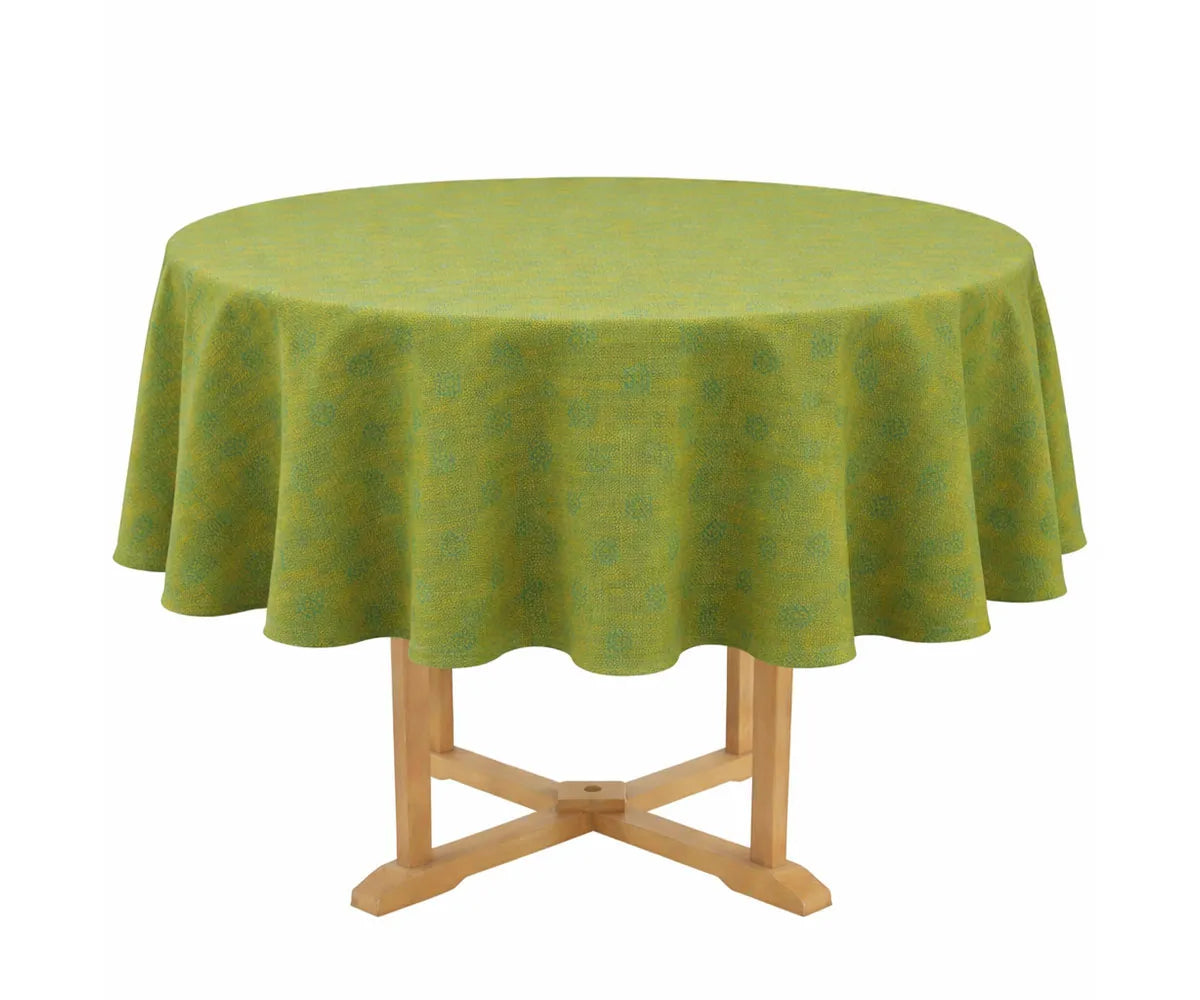
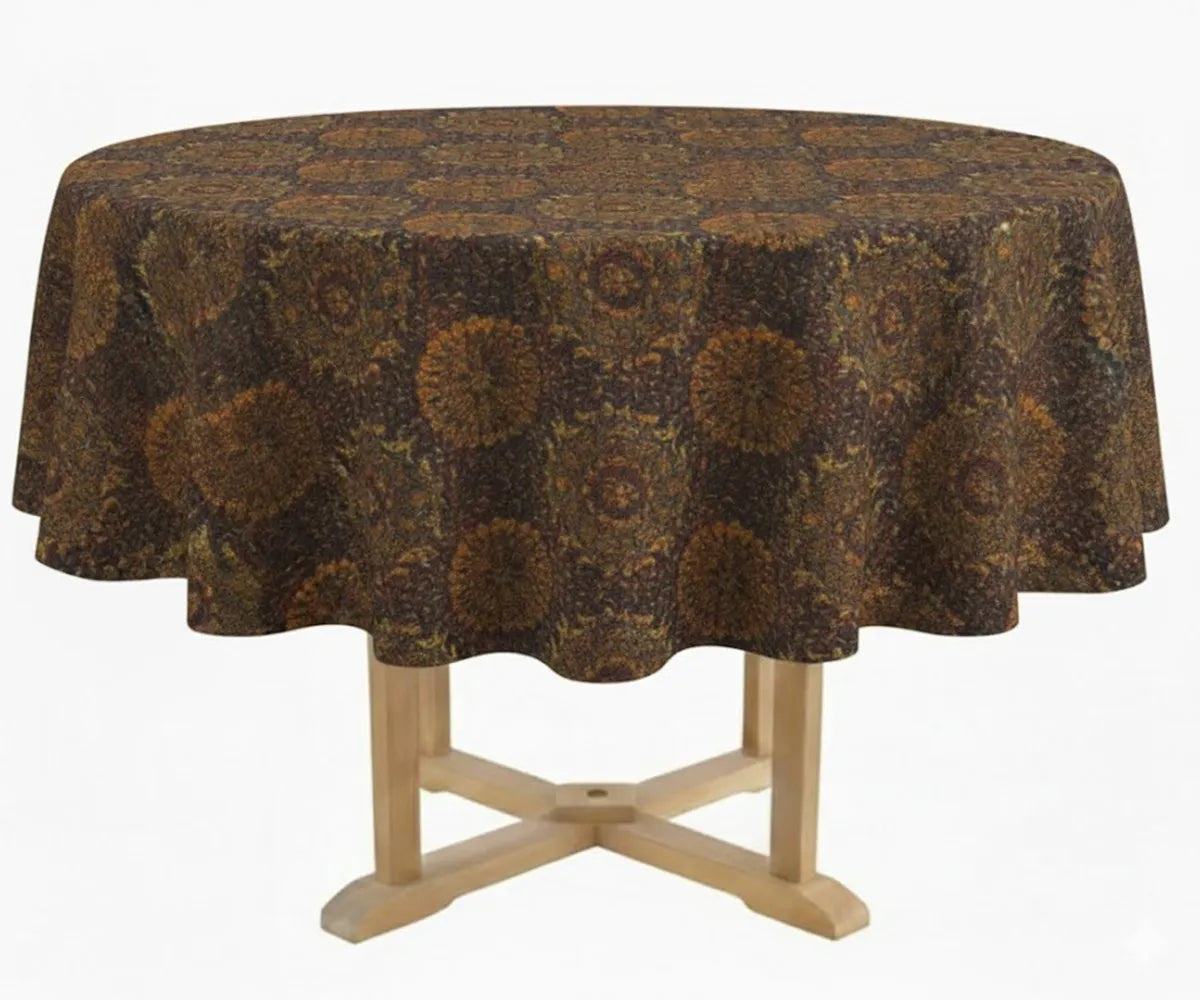
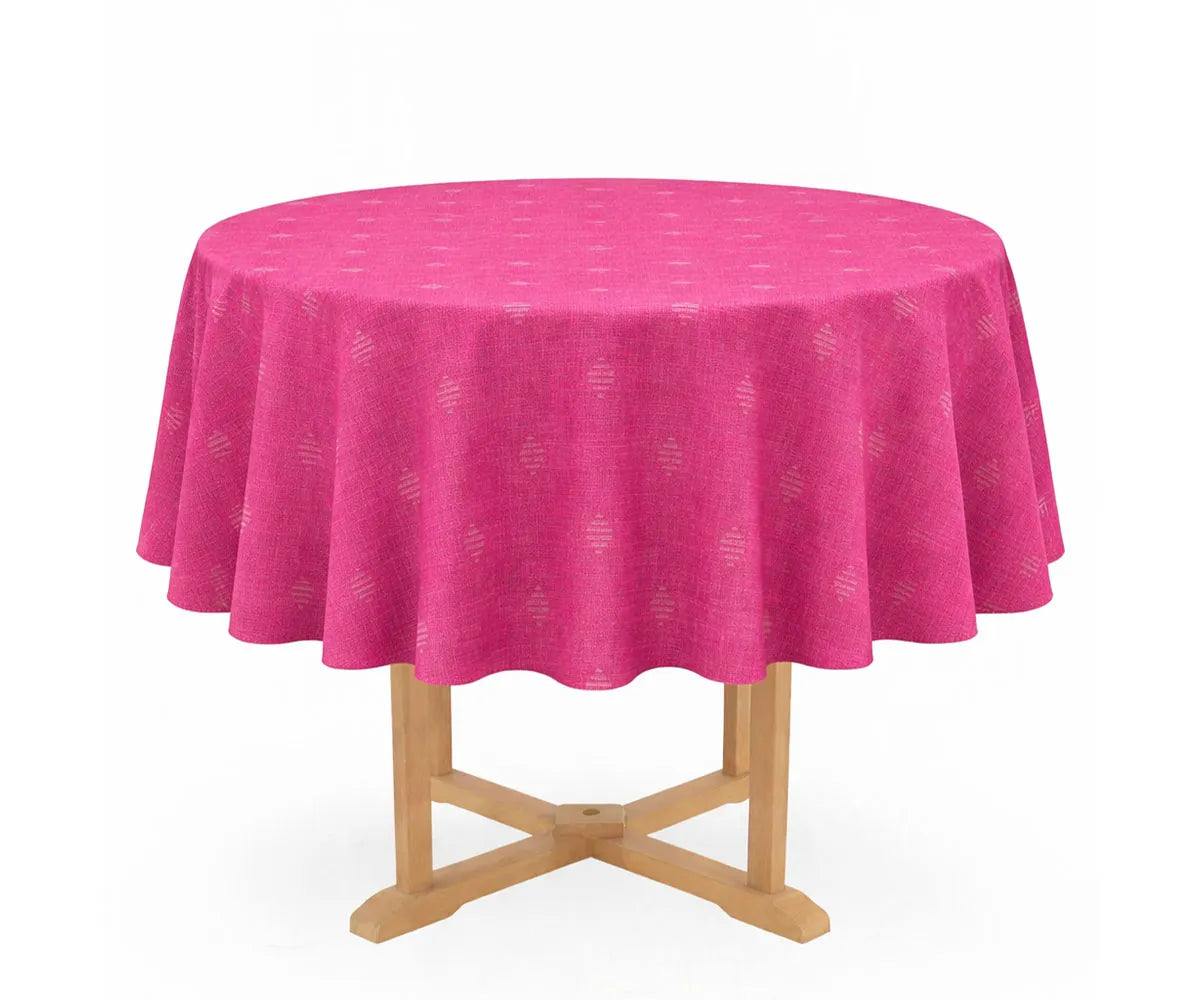
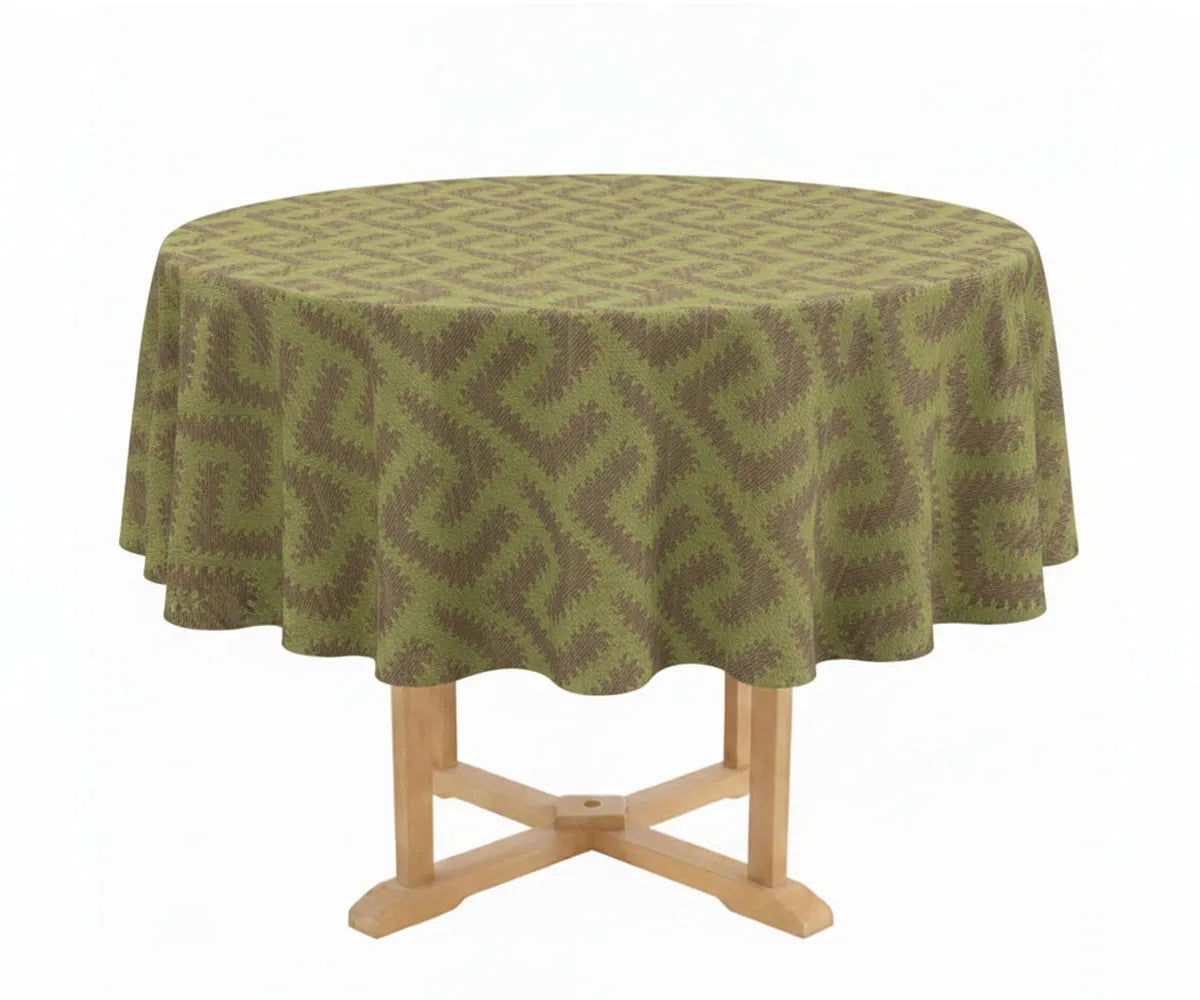
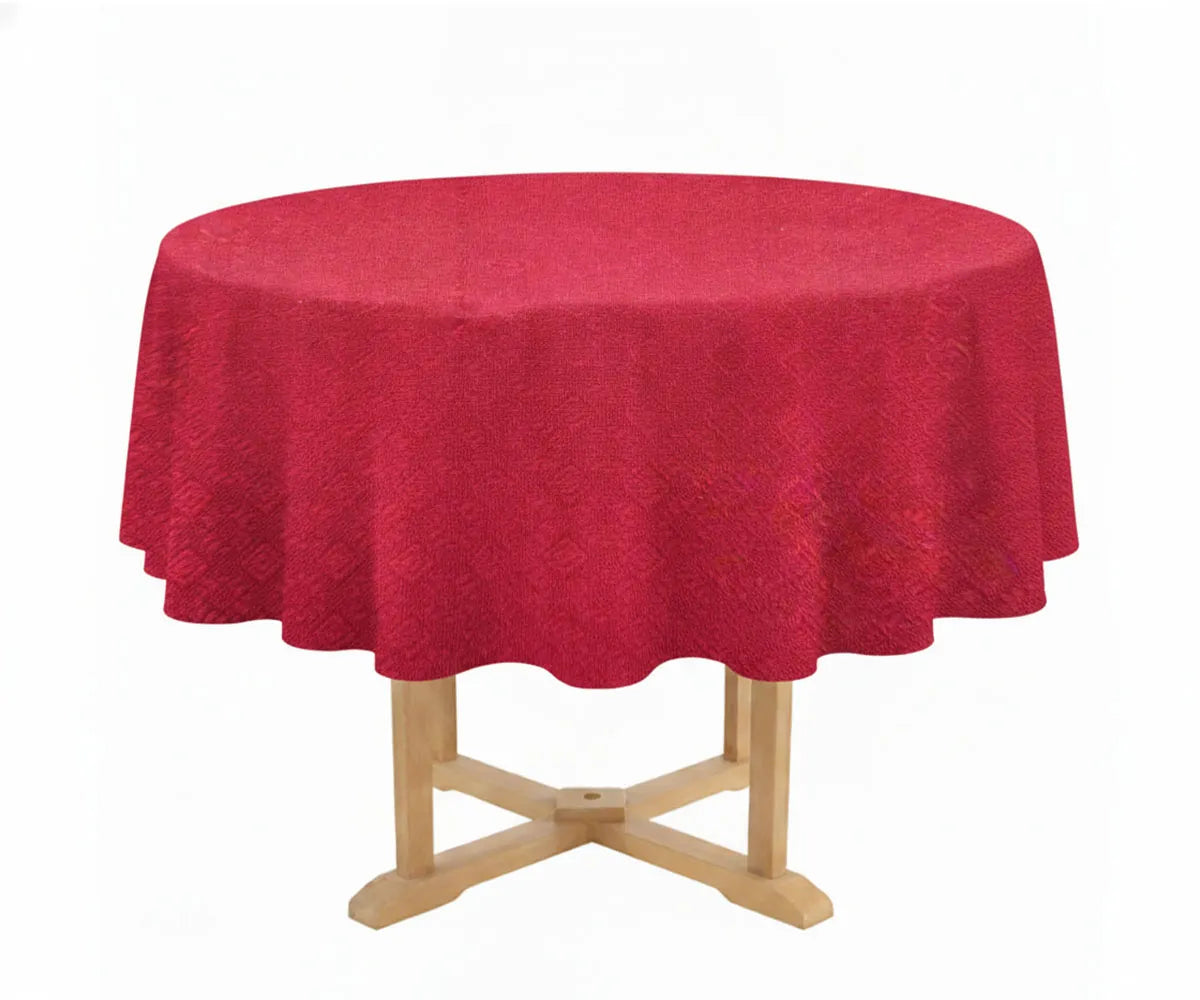
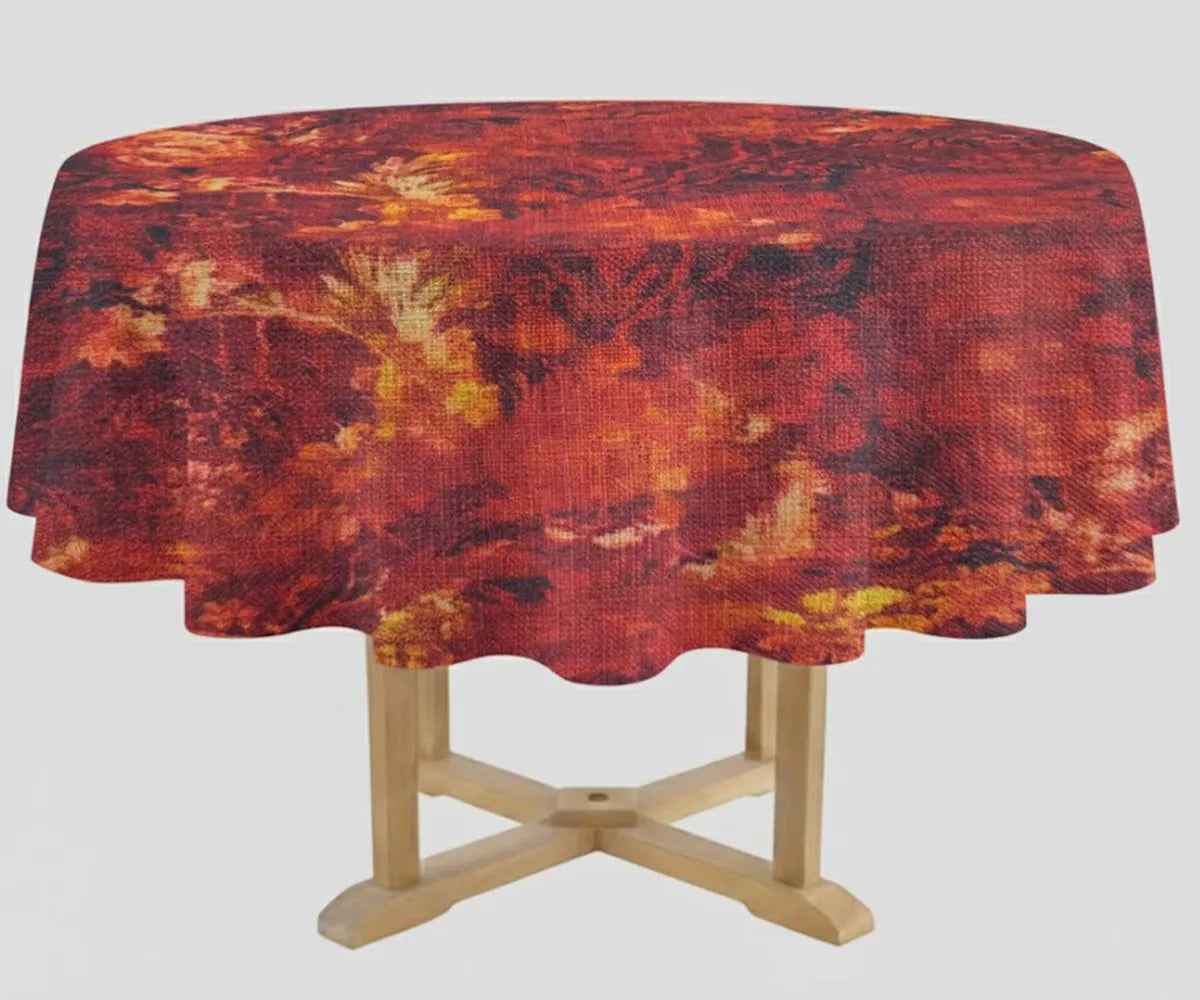
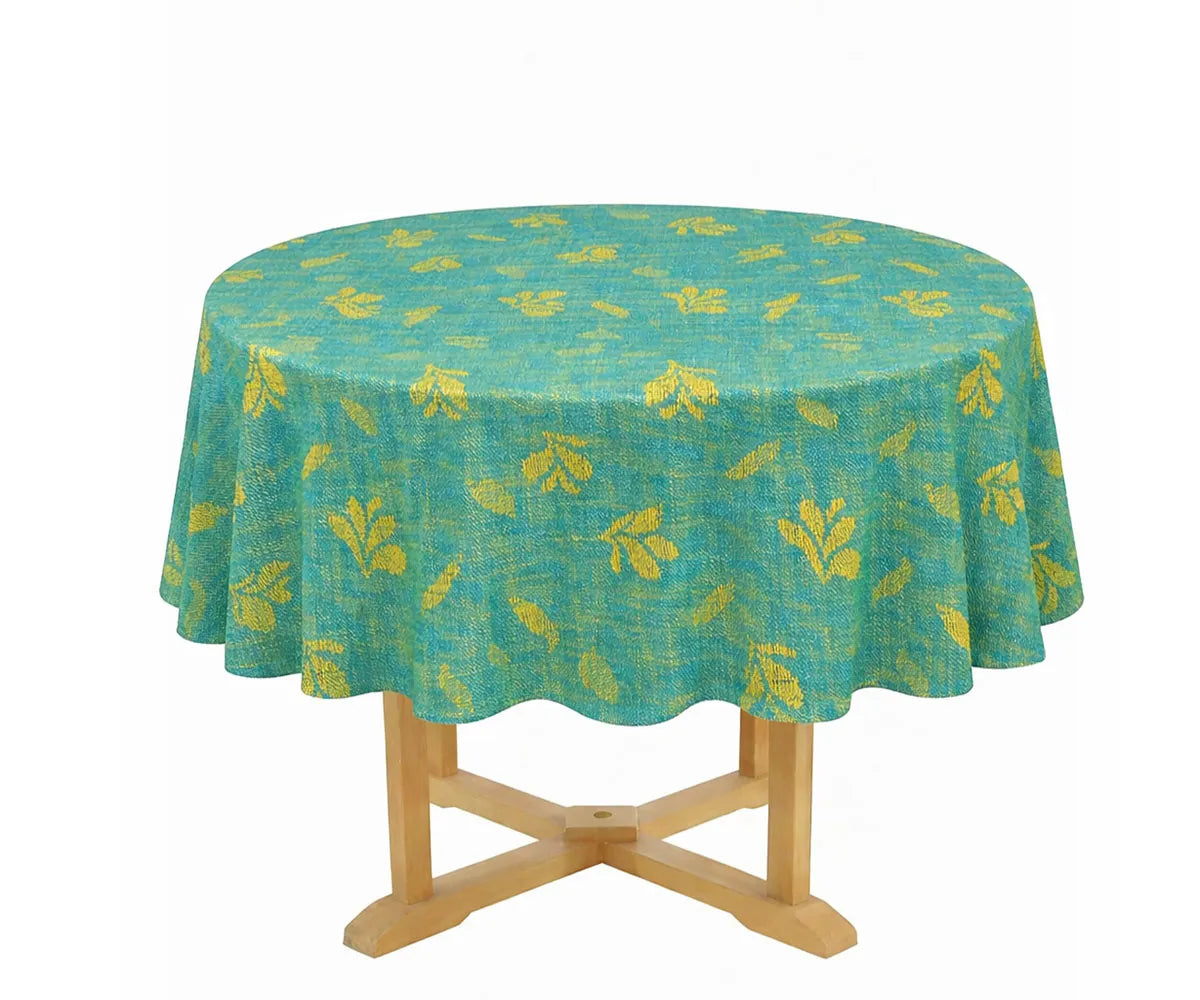
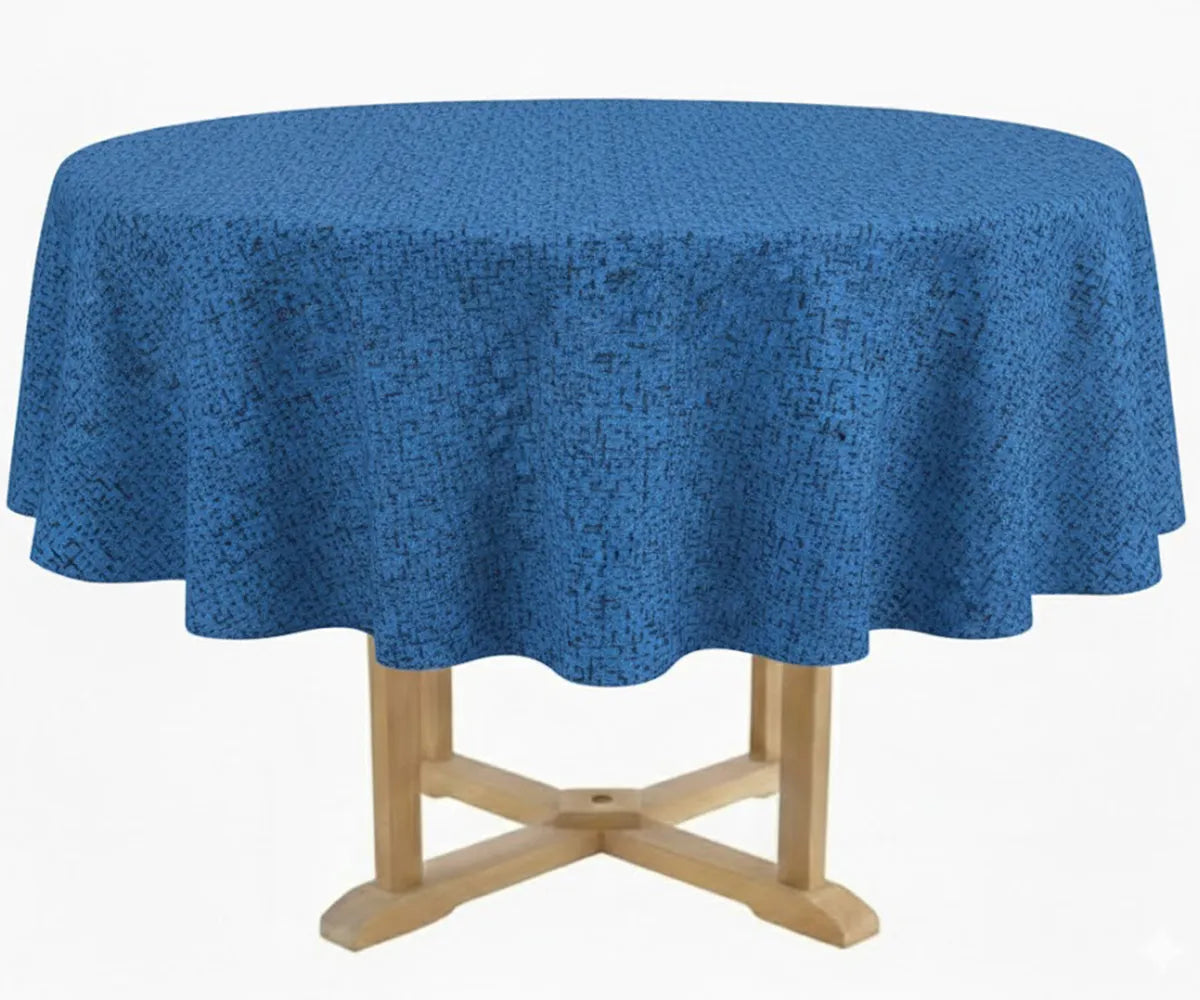
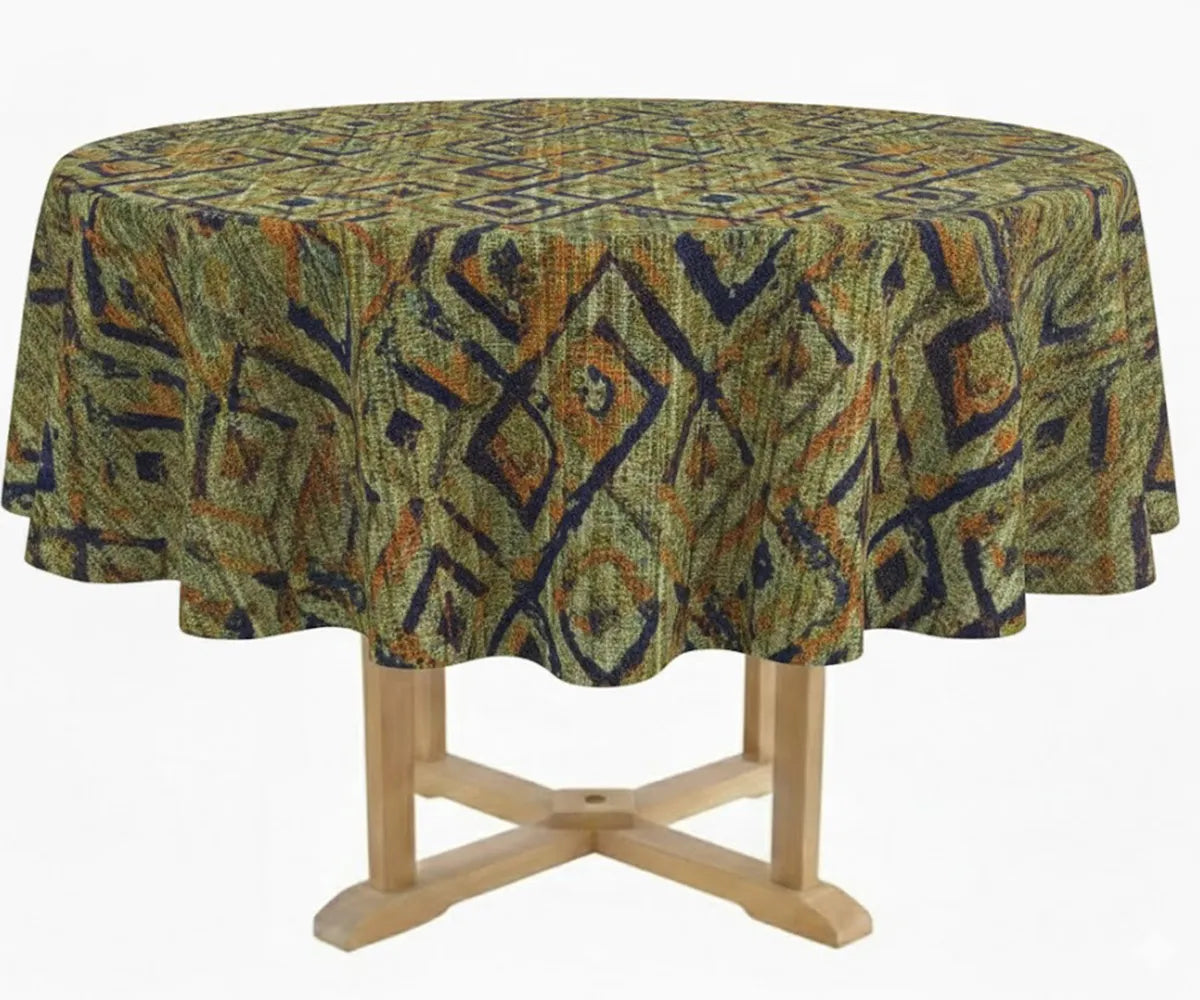
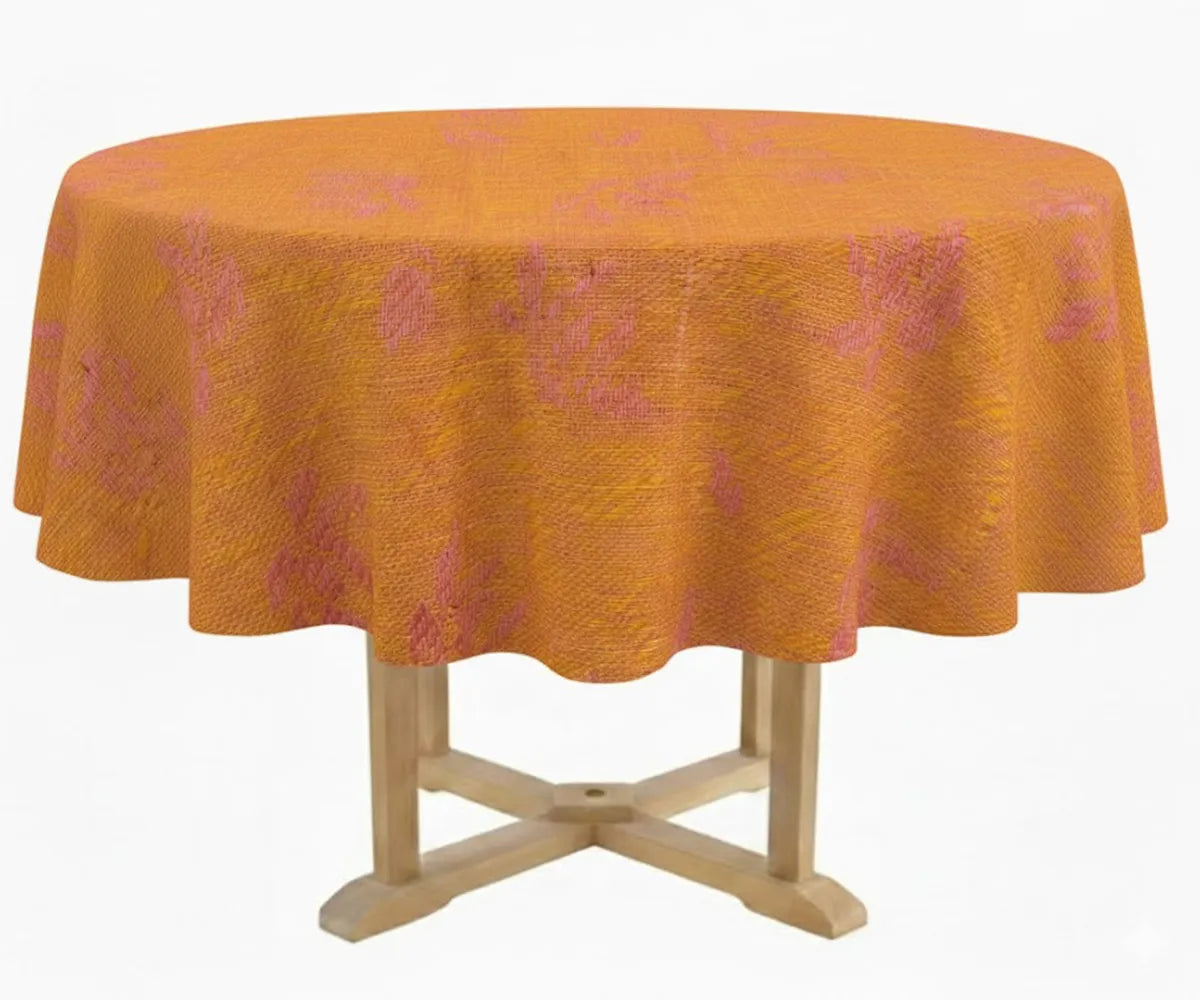
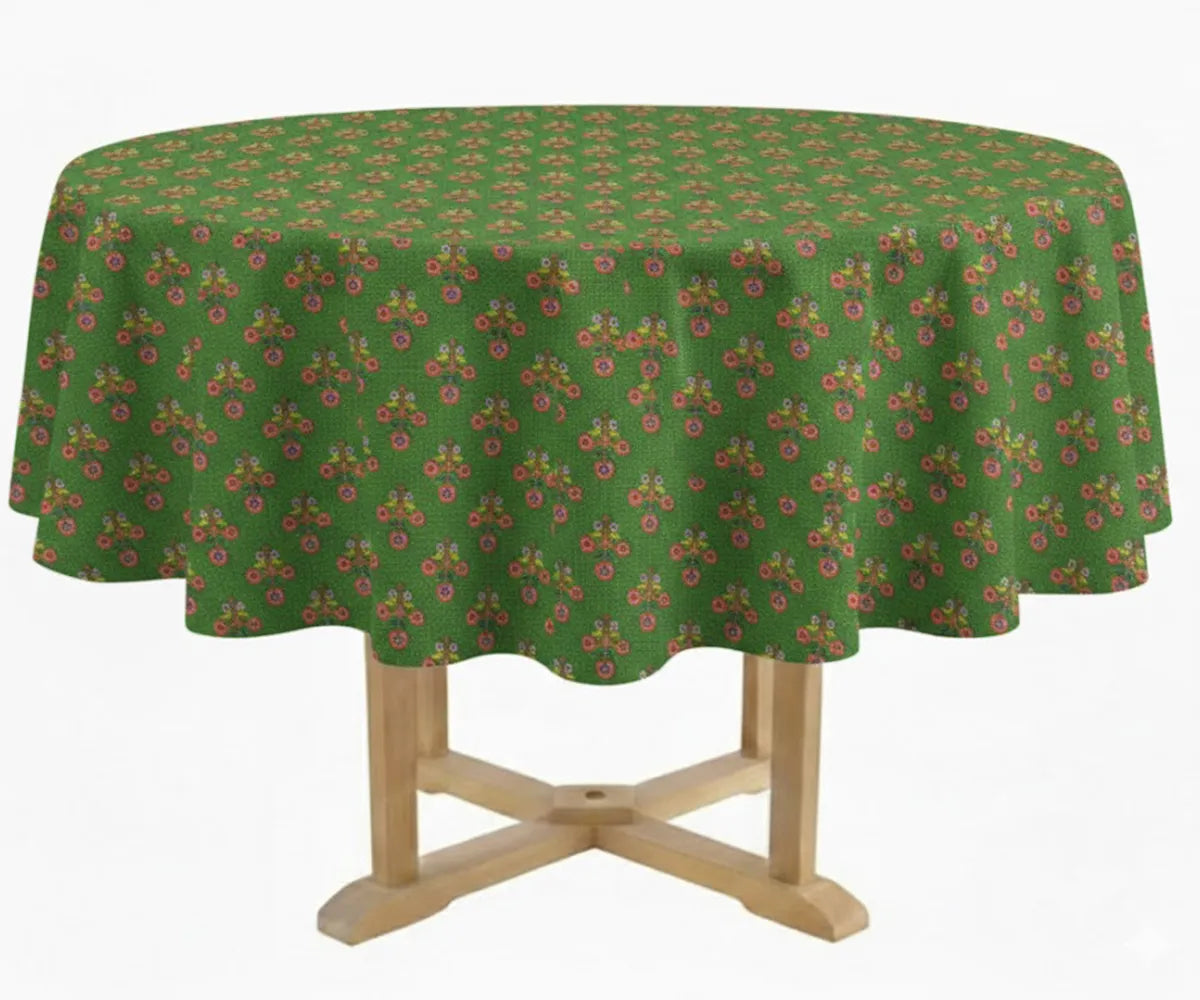
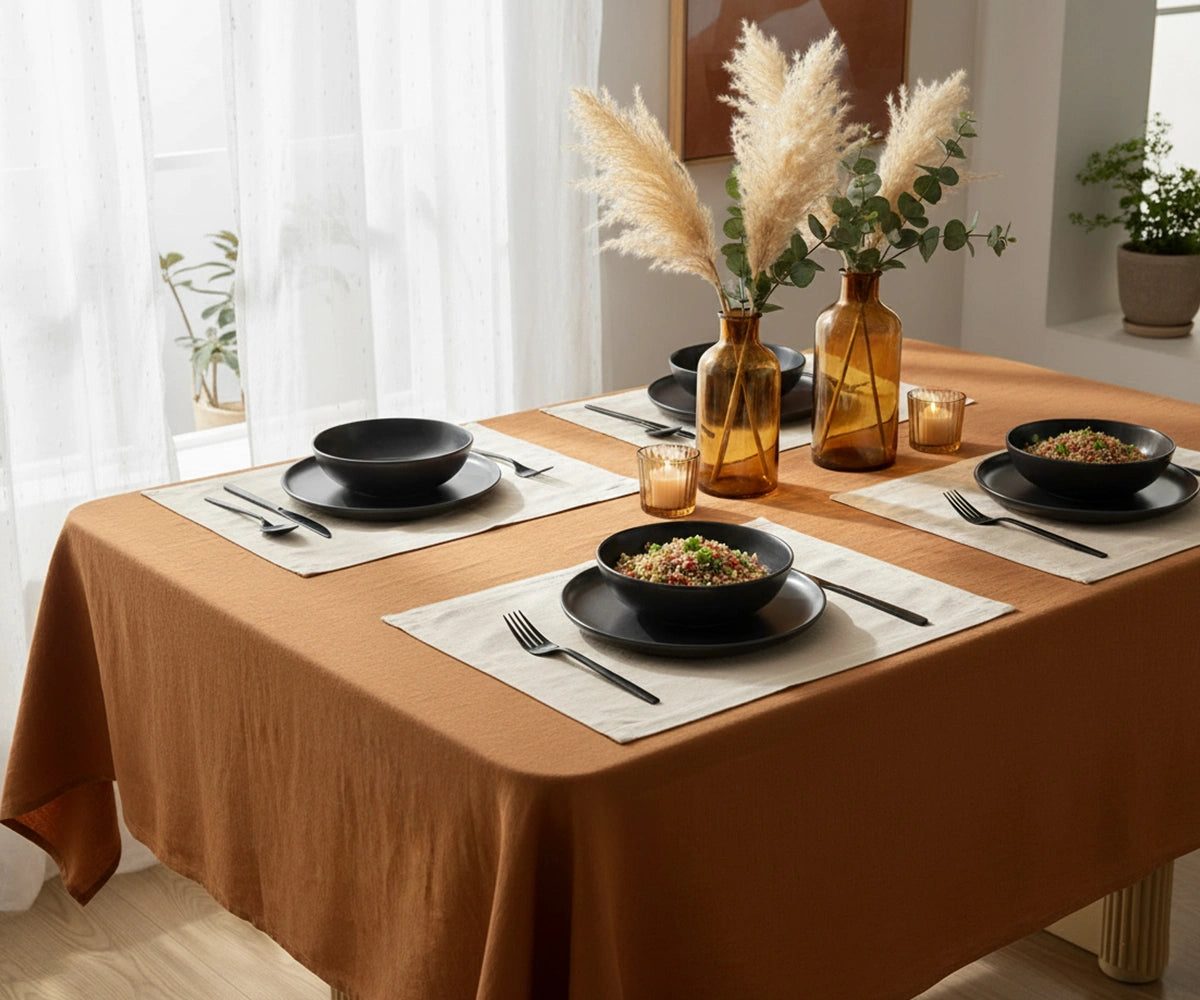
A tablecloth can completely change the appearance of a dining table. A linen tablecloth creates a relaxed and welcoming foundation for meals while allowing the tableware and centerpiece to stand out.
Linen tablecloths are suitable for everyday dining as well as dinner parties, holiday meals, brunches, and family celebrations. Depending on the table setting, you can choose a simple design for an understated look or pair the tablecloth with coordinating napkins and placemats for a more complete arrangement.
Linen works particularly well with natural dining accessories. Wooden serving boards, ceramic plates, glassware, and simple floral arrangements can create an effortlessly coordinated table.
For rectangular, square, or round tables, selecting the right size is important. The tablecloth should provide enough drop around the edges without interfering with seating.
Linen Napkins for Everyday and Special Meals
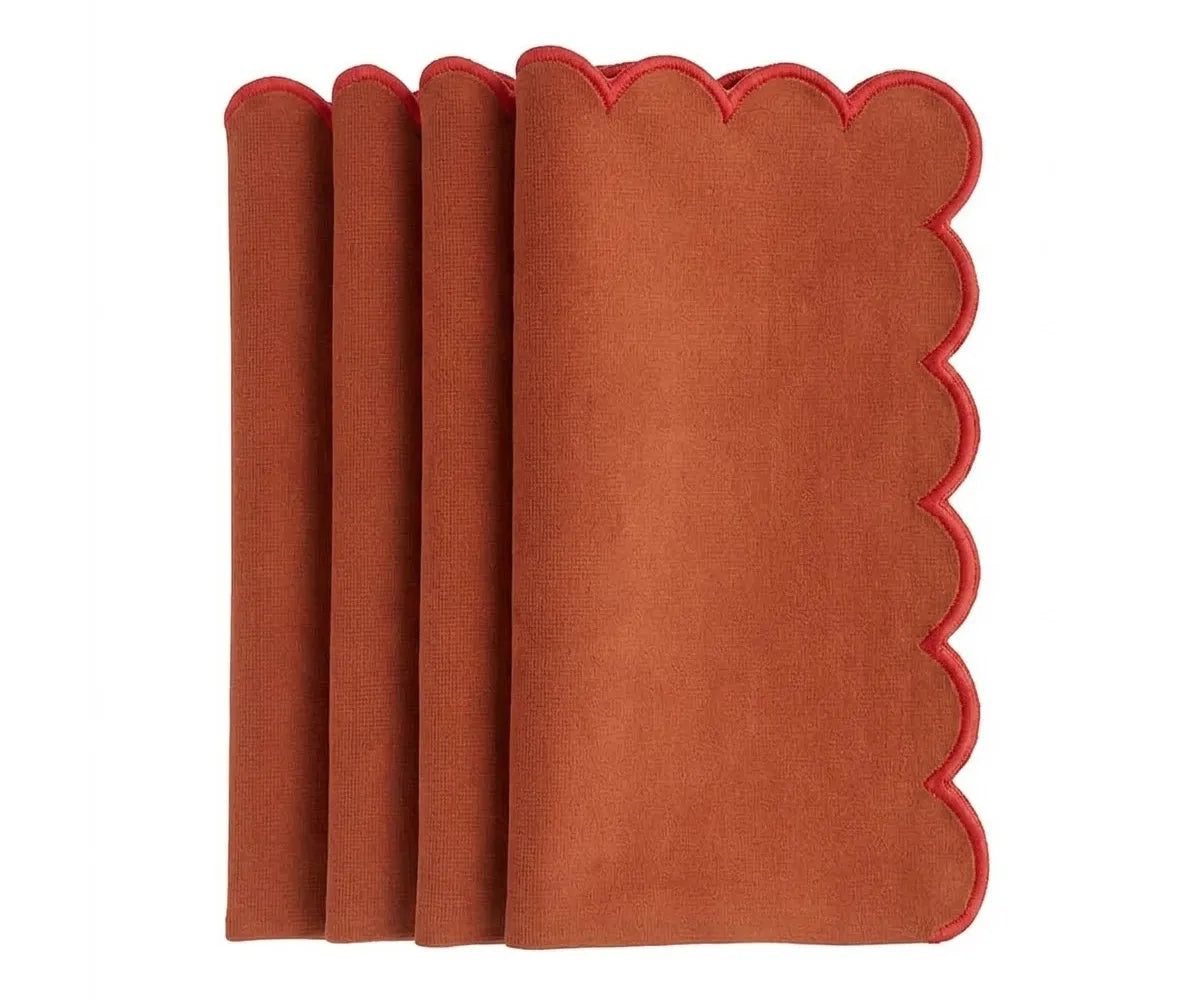
Small details can have a big impact on a table setting, and linen napkins are a simple way to add texture and style to the dining experience.
They can be folded traditionally, placed beneath cutlery, or casually arranged beside a plate. For a more coordinated appearance, linen napkins can be paired with a matching tablecloth or runner. Alternatively, contrasting textures can create a more layered table design.
Linen napkins are useful beyond formal dining. They can also be used for breakfast tables, outdoor meals, weekend gatherings, and seasonal celebrations.
Their natural appearance works well with both minimalist and decorative table settings, making them a practical addition to a collection of reusable dining textiles.
If you want to decorate your dining table without covering the entire surface, a linen runner is an easy alternative to a full tablecloth.
A runner can be positioned lengthwise along the center of the table or placed across the table to create a different visual effect. It provides a defined area for a centerpiece, candles, serving dishes, or decorative objects.
For everyday use, a neutral linen runner can complement a wide range of tableware. During holidays or special occasions, it can also become the foundation for a more seasonal arrangement.
A runner is especially useful when you want the natural beauty of the table surface to remain visible while still adding softness and texture.
Linen Placemats for Practical Table Settings
Placemats provide both decorative and functional benefits. Linen placemats can help define individual dining spaces while adding a layer of texture beneath plates, bowls, and cutlery.
They are a practical option for everyday family meals because they can be arranged quickly and easily. For entertaining, placemats can also help create a more organized table setting.
Try combining linen placemats with simple ceramic plates and natural-toned tableware for a relaxed look. For a more coordinated appearance, match the placemats with napkins or a table runner.
Because linen has a naturally textured surface, it can add visual interest even when the overall table design is kept simple.
Linen Kitchen Towels for Everyday Tasks
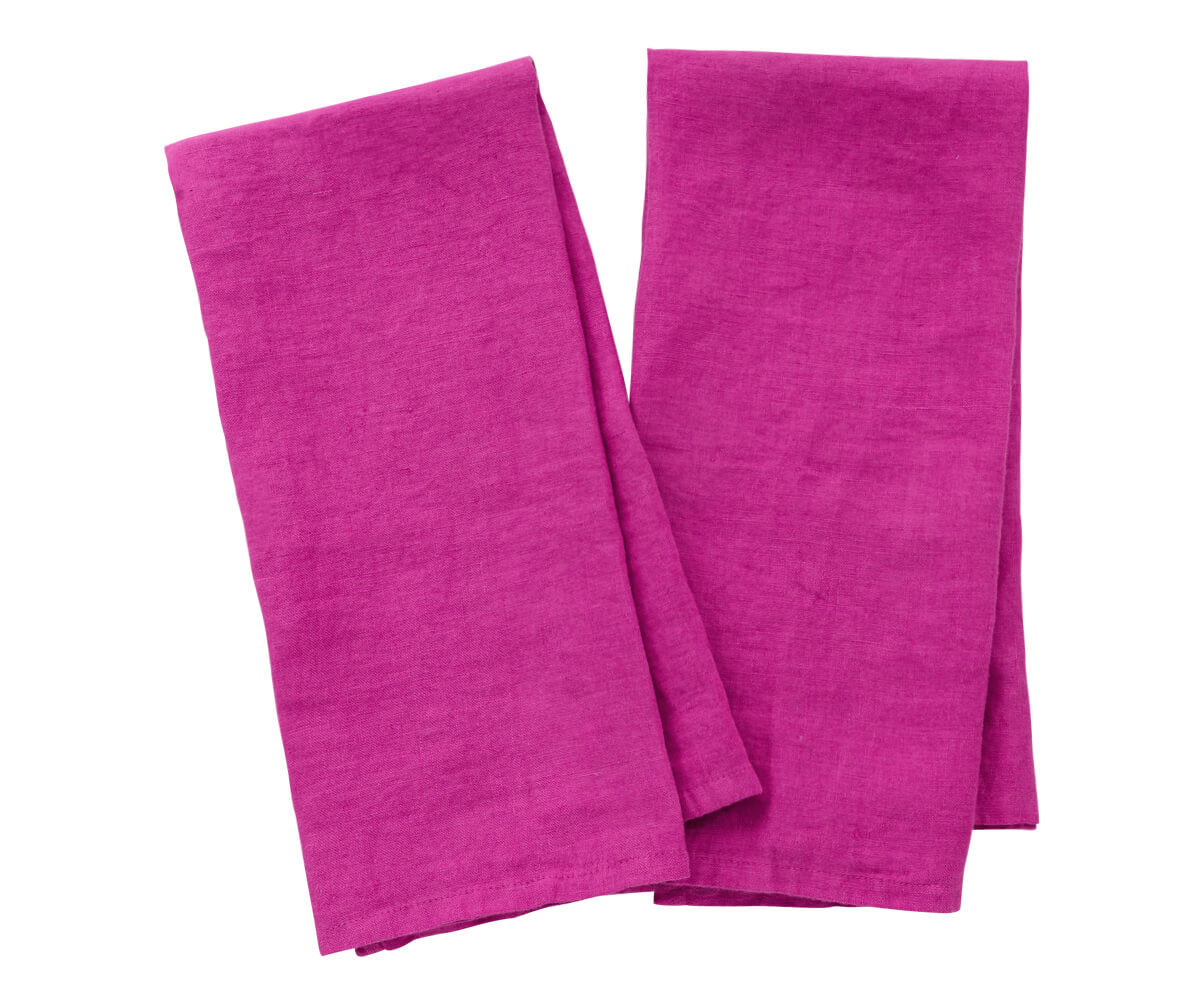
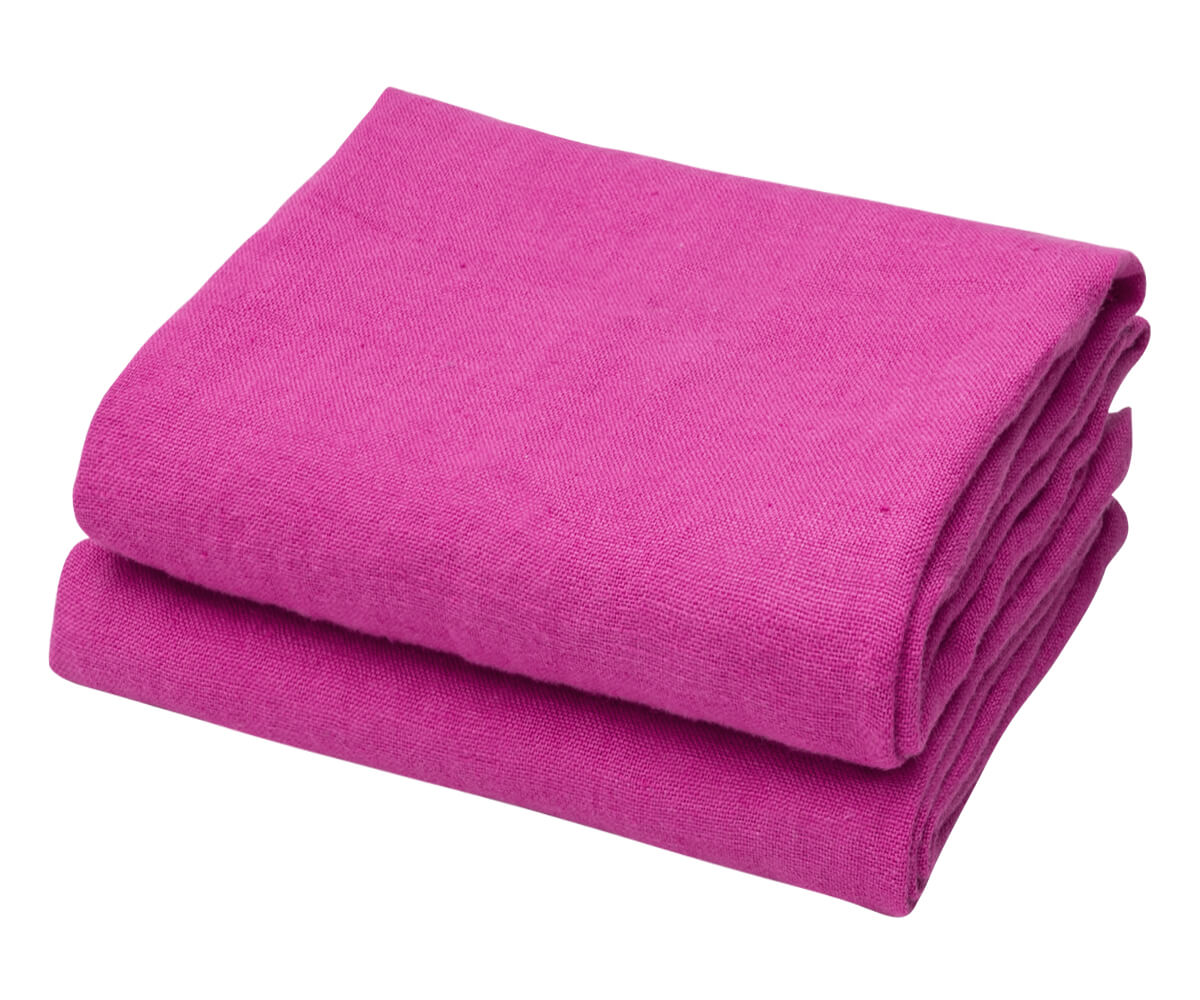
Kitchen textiles need to be practical, but they can also contribute to the appearance of the kitchen. Linen kitchen towels offer a simple way to introduce natural texture into the space.
They can be used for drying dishes, handling everyday kitchen tasks, covering baked goods, or keeping serving areas tidy. When folded or hung near the sink or oven, they can also become part of the kitchen's overall décor.
Linen kitchen towels pair naturally with wood, stone countertops, ceramic accessories, and neutral kitchenware. Keeping a few towels available allows you to rotate them between everyday use and decorative purposes.
A well-chosen kitchen towel can therefore be both a useful household essential and a small styling detail.
Create a Comfortable Bedroom With Linen Bedding
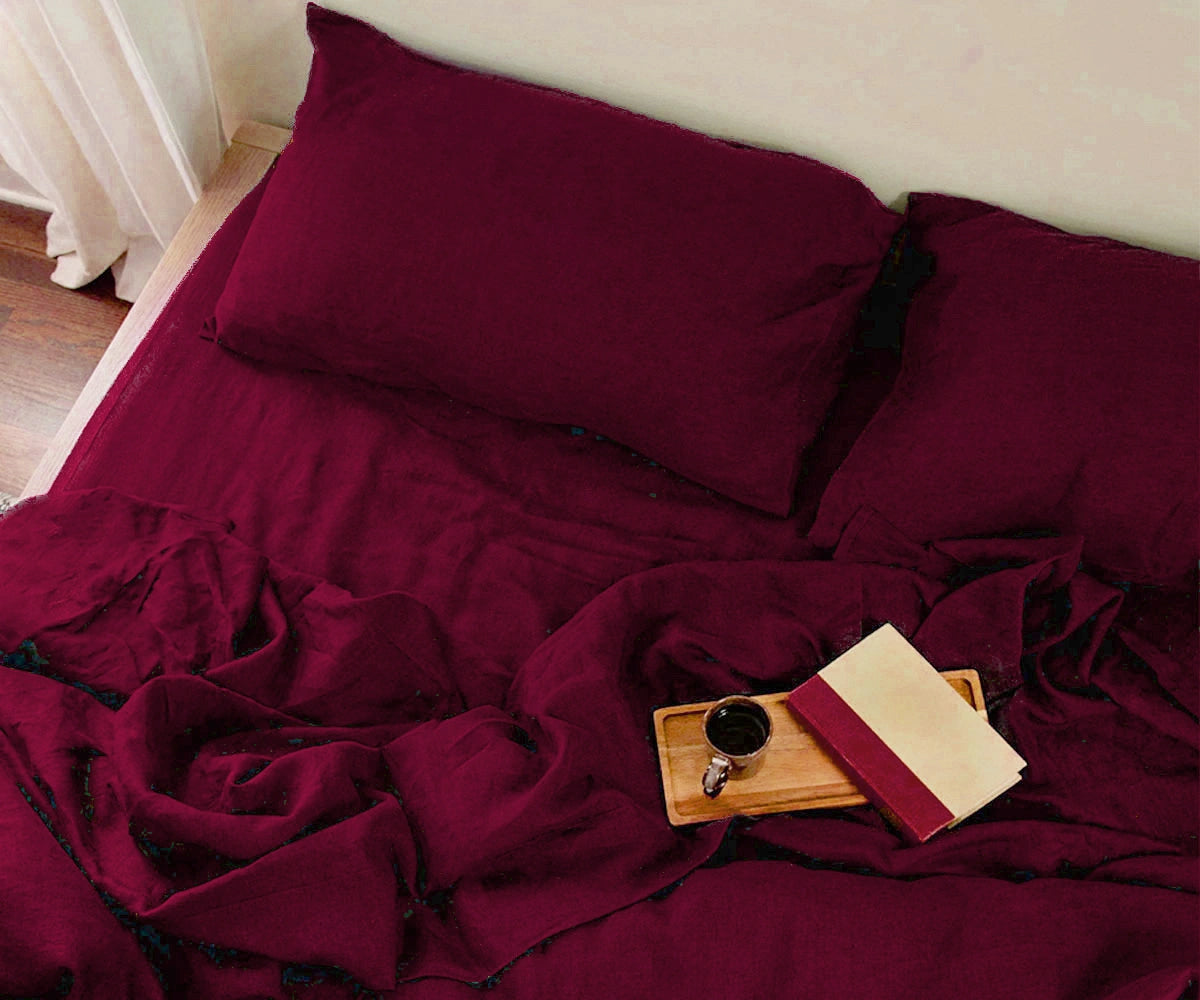
The bedroom is one of the most important spaces for comfort, and choosing the right textiles can make a noticeable difference. Linen bedding brings a relaxed, natural feel to the bed while complementing many different bedroom styles.
Linen bedding can work particularly well in rooms with natural materials, neutral colors, wooden furniture, and understated décor. Instead of creating a heavily decorated appearance, it can help achieve a calm and inviting atmosphere.
Linen sheets and bedding can also be layered with blankets, quilts, or decorative cushions. Mixing different textures can make the bed look comfortable without making the room feel overly styled.
For those who prefer a relaxed bedroom aesthetic, linen bedding can provide a simple foundation that works throughout the year.
Linen Sheet Sets for a Coordinated Look
A sheet set is an easy way to create a cohesive bedroom setup. Instead of choosing individual pieces separately, a linen sheet set can provide coordinated bedding for a clean and organized appearance.
Sheet sets can be layered with duvet covers, blankets, quilts, and decorative pillows depending on the season and personal preference.
For a minimalist bedroom, keep the bedding within a similar neutral palette. If you prefer a more expressive look, combine natural linen textures with patterned blankets or decorative cushions.
The versatility of linen makes it easy to change the overall appearance of a bedroom without replacing every piece of furniture or décor.
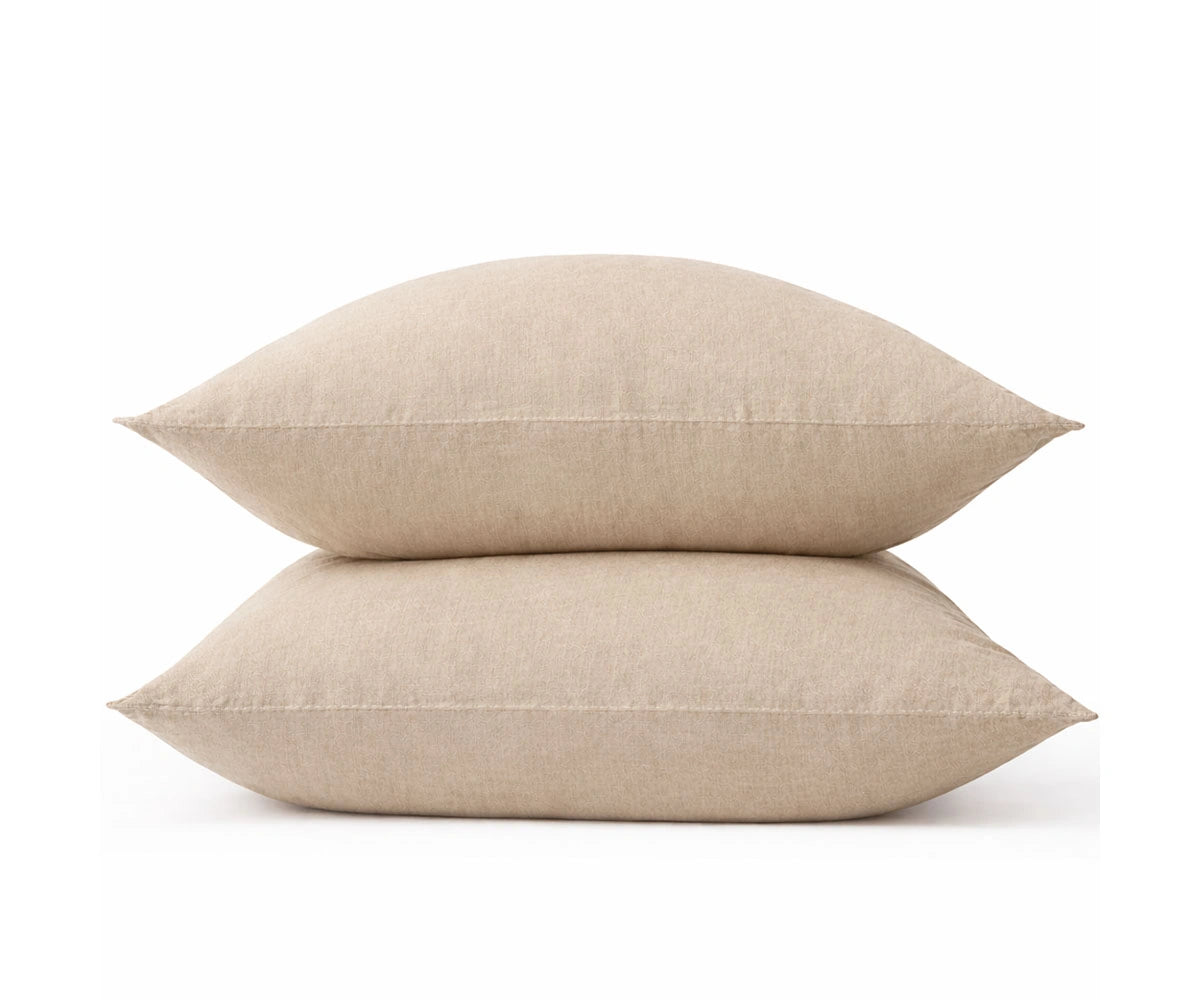
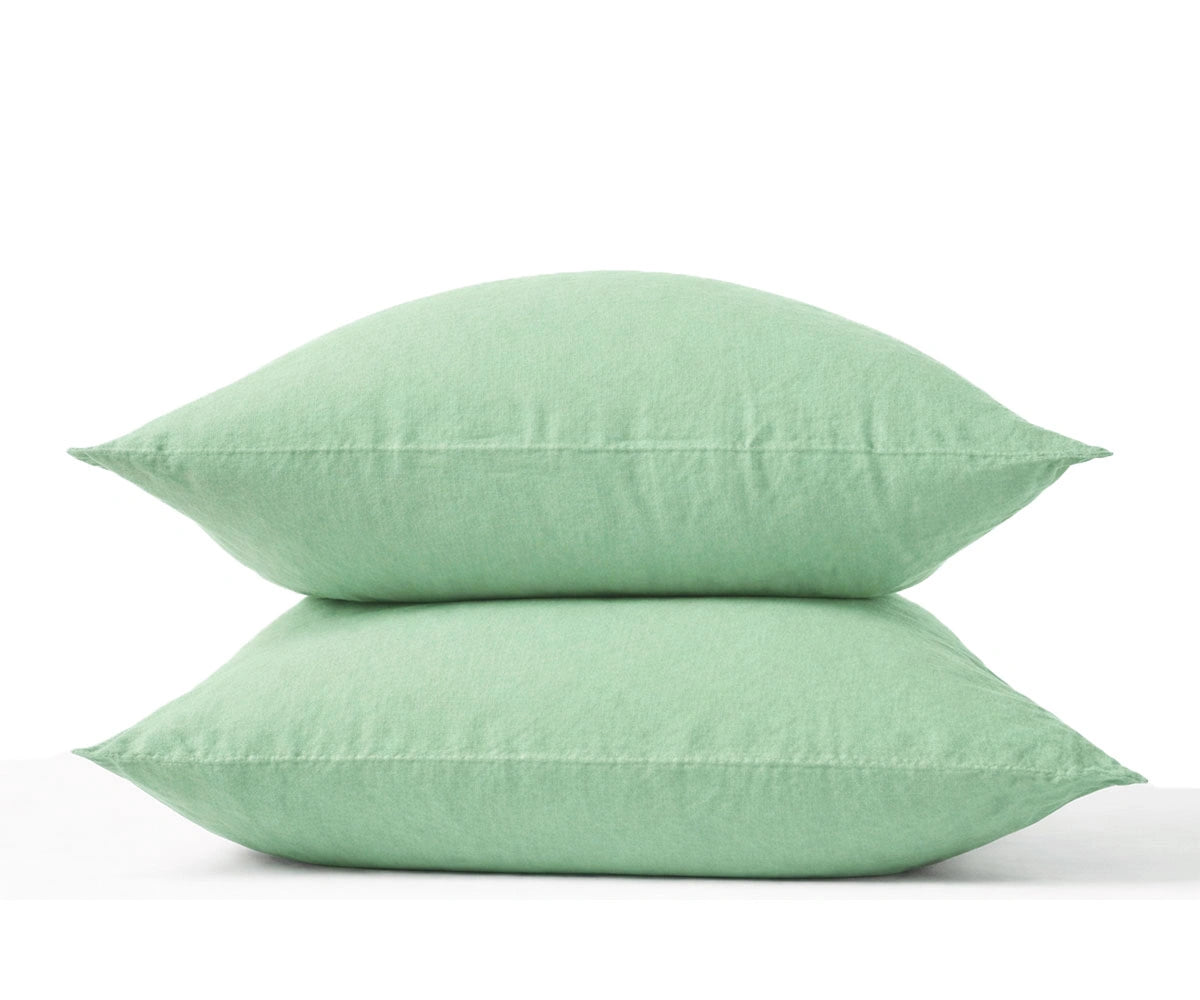
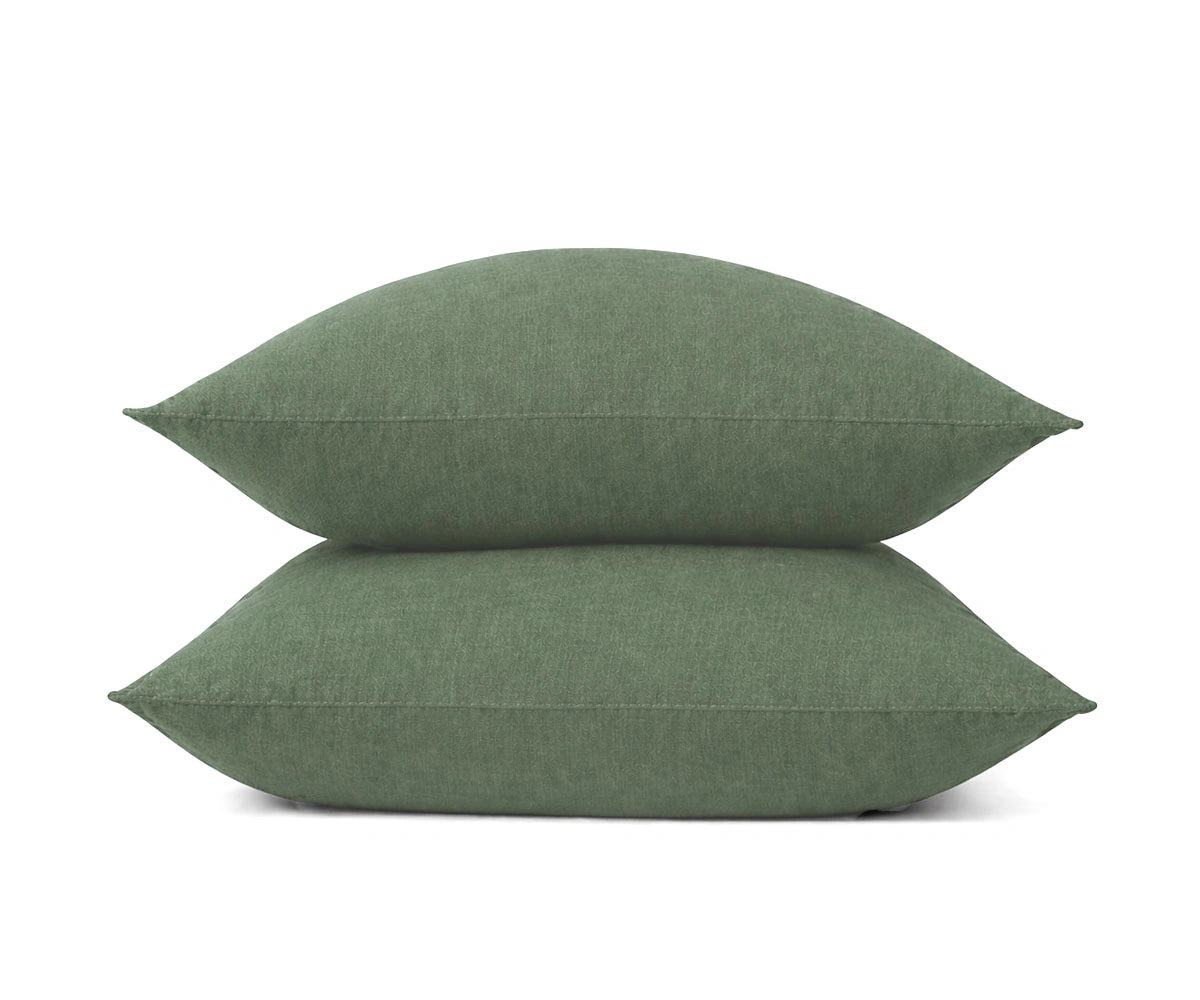
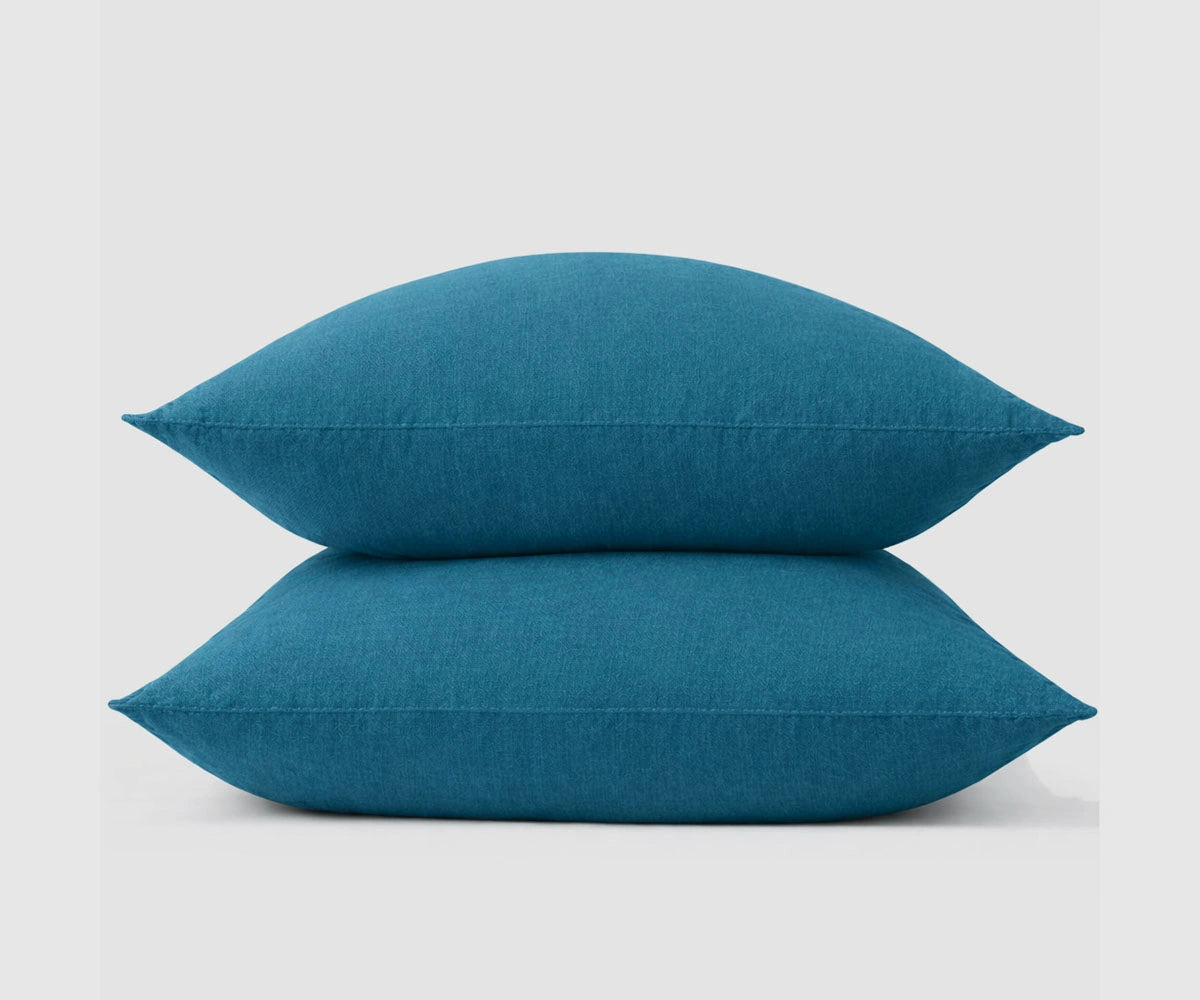
Linen Pillowcases for a Relaxed Bedroom
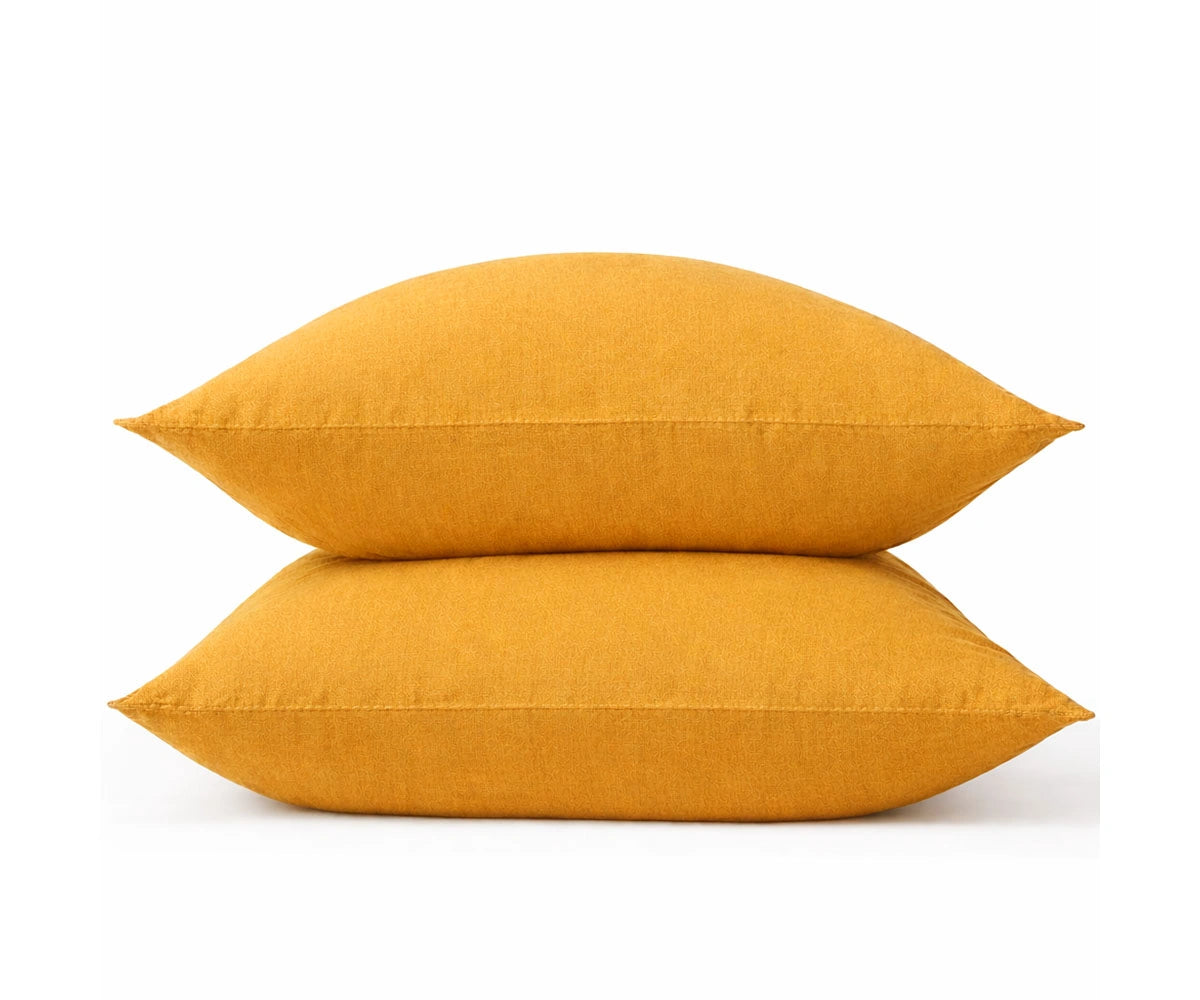
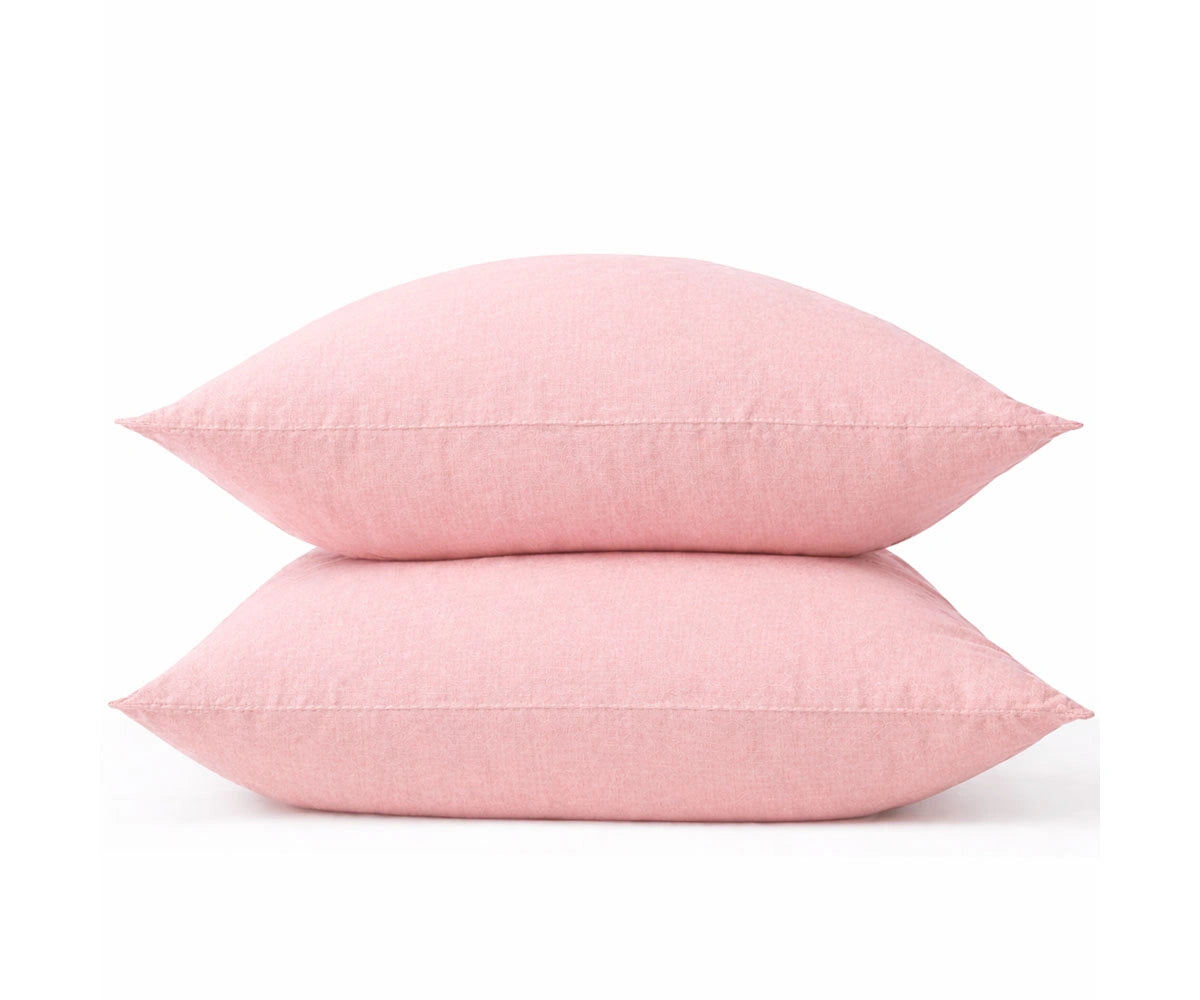
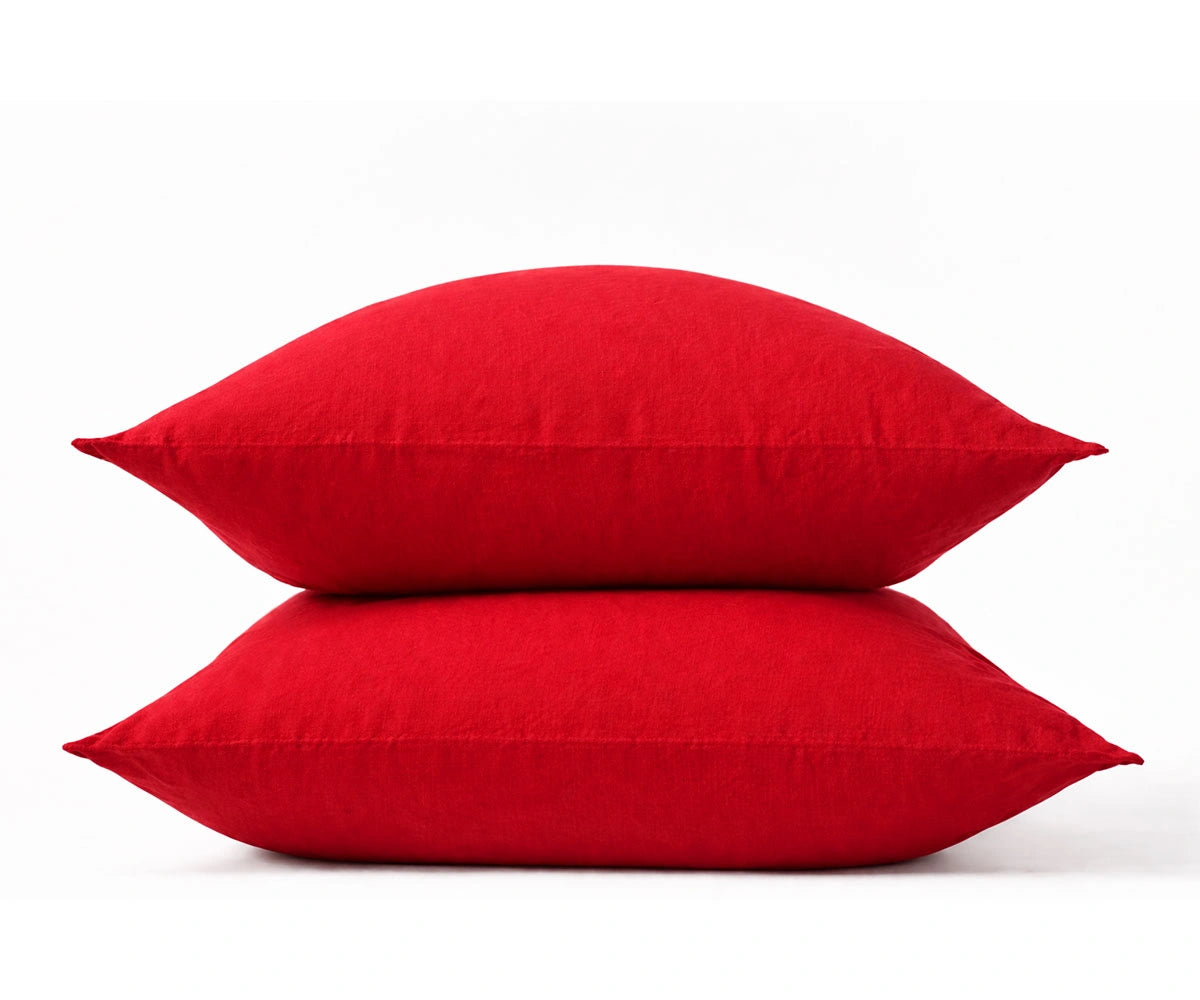
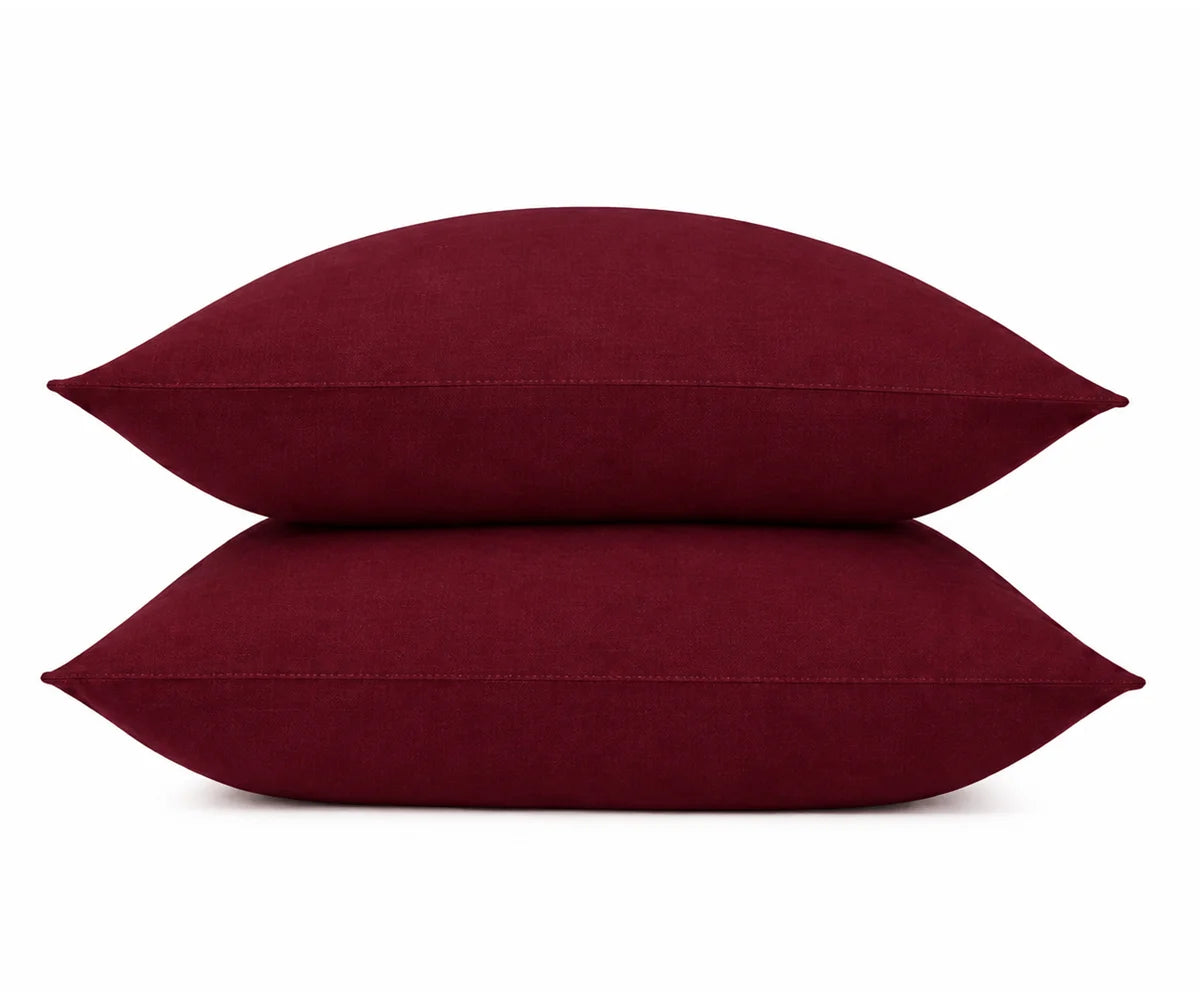
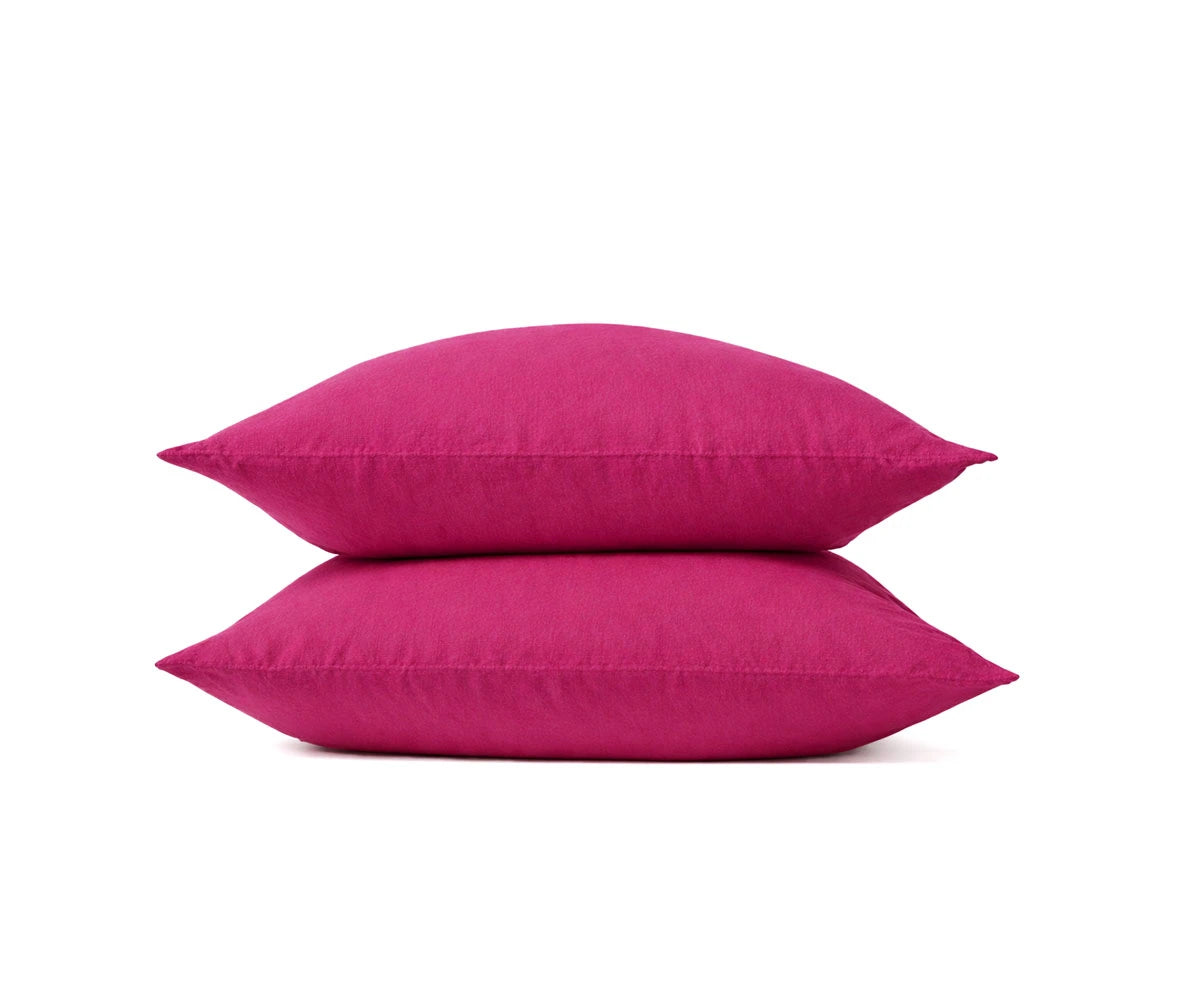
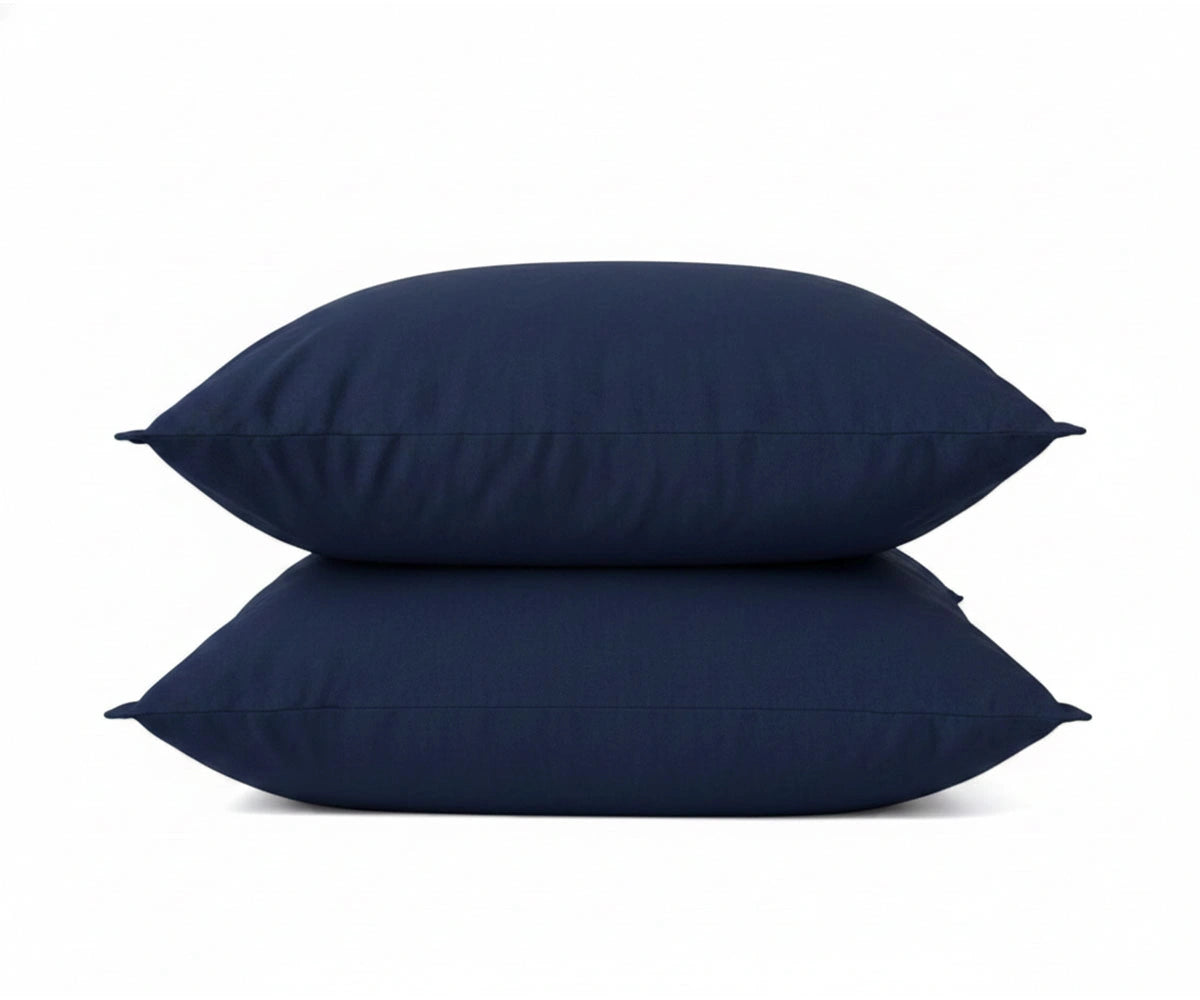
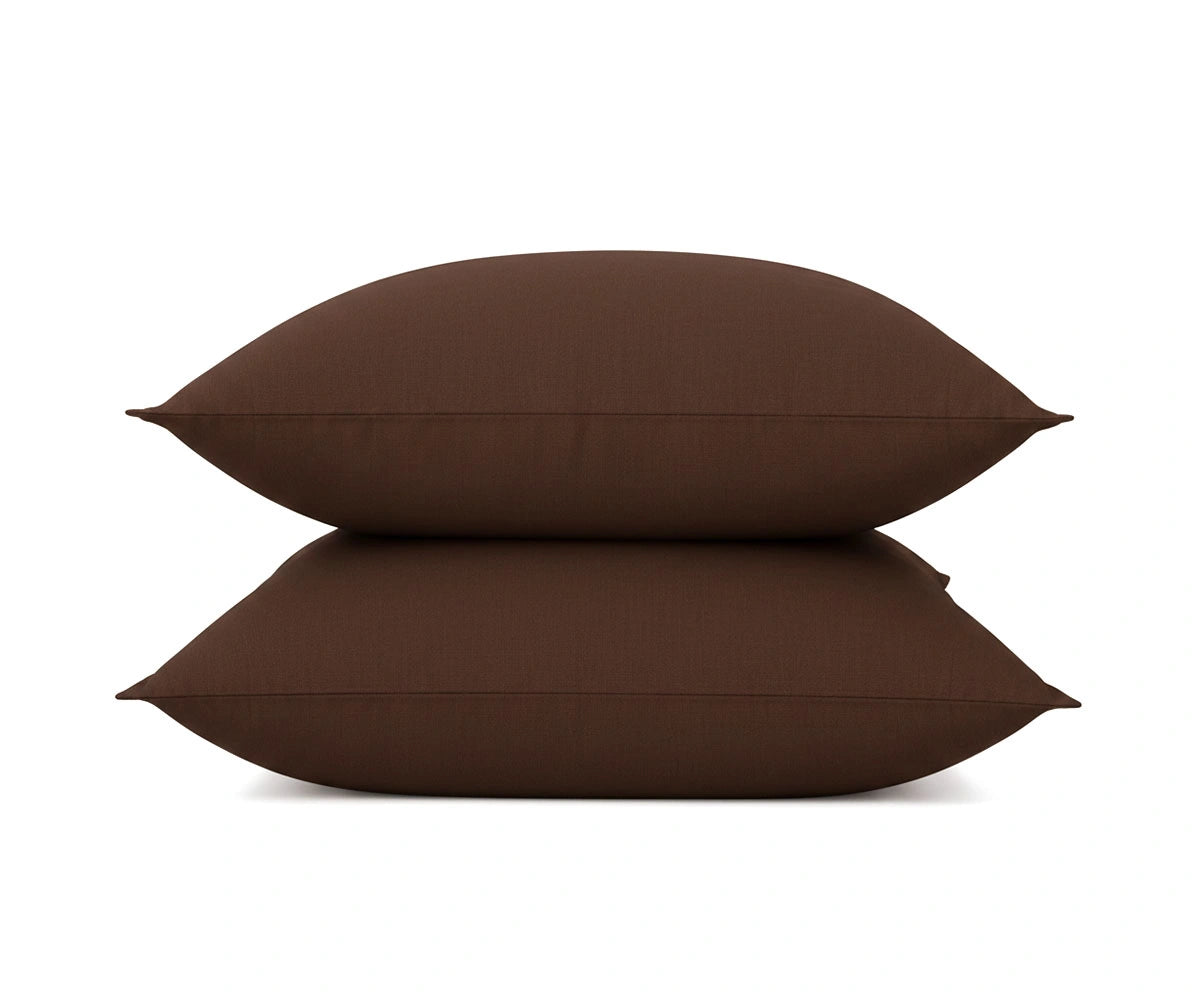
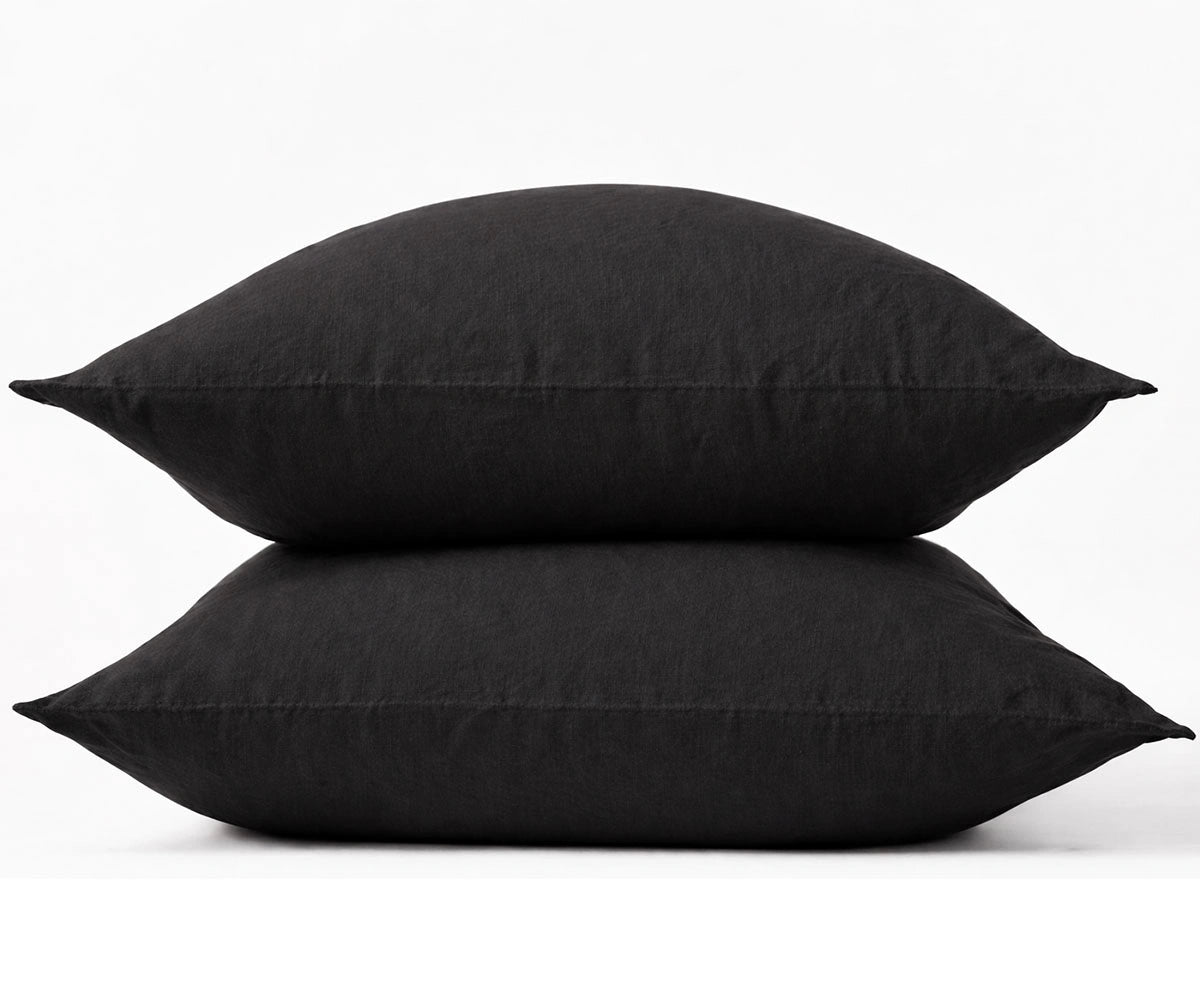
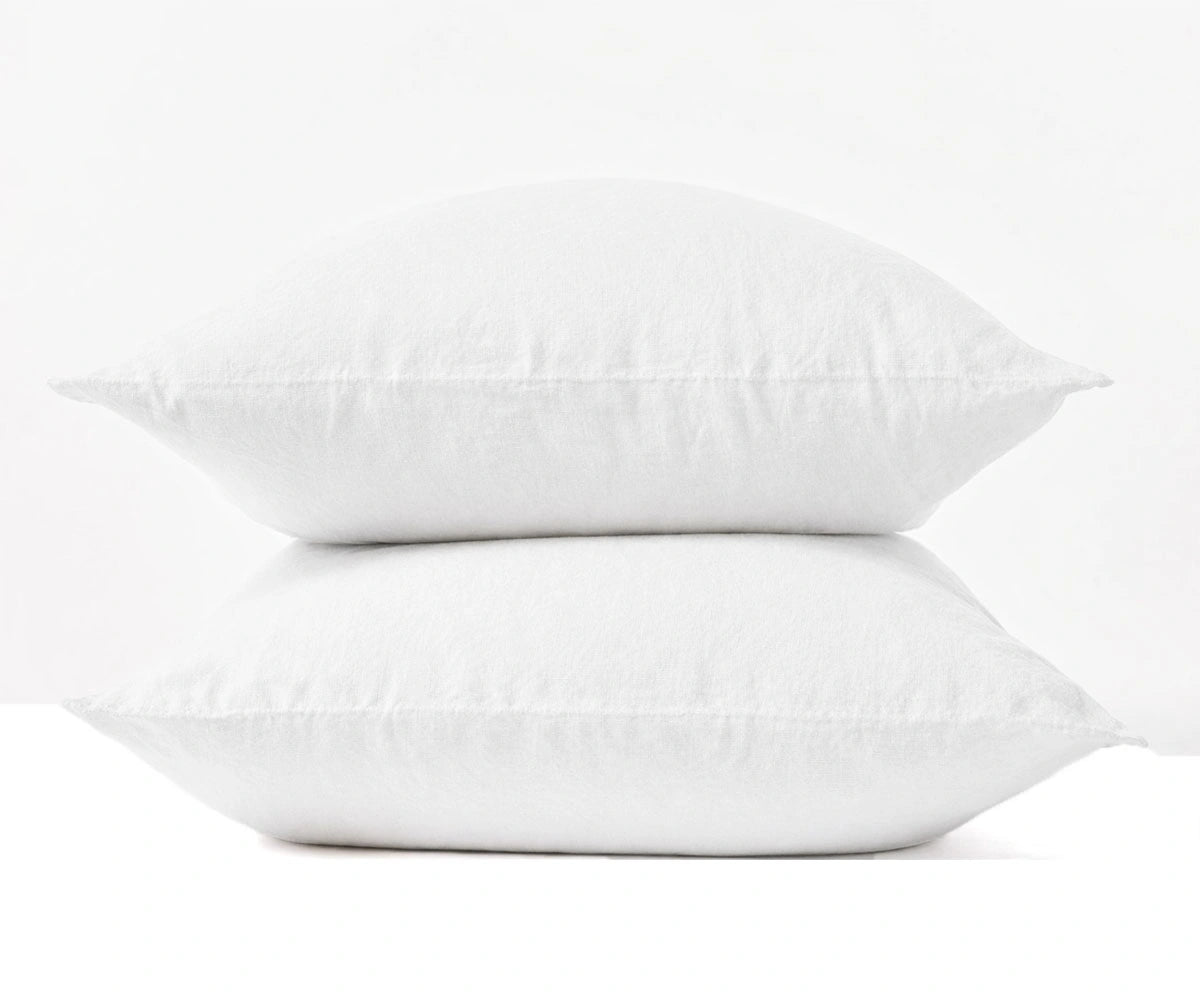
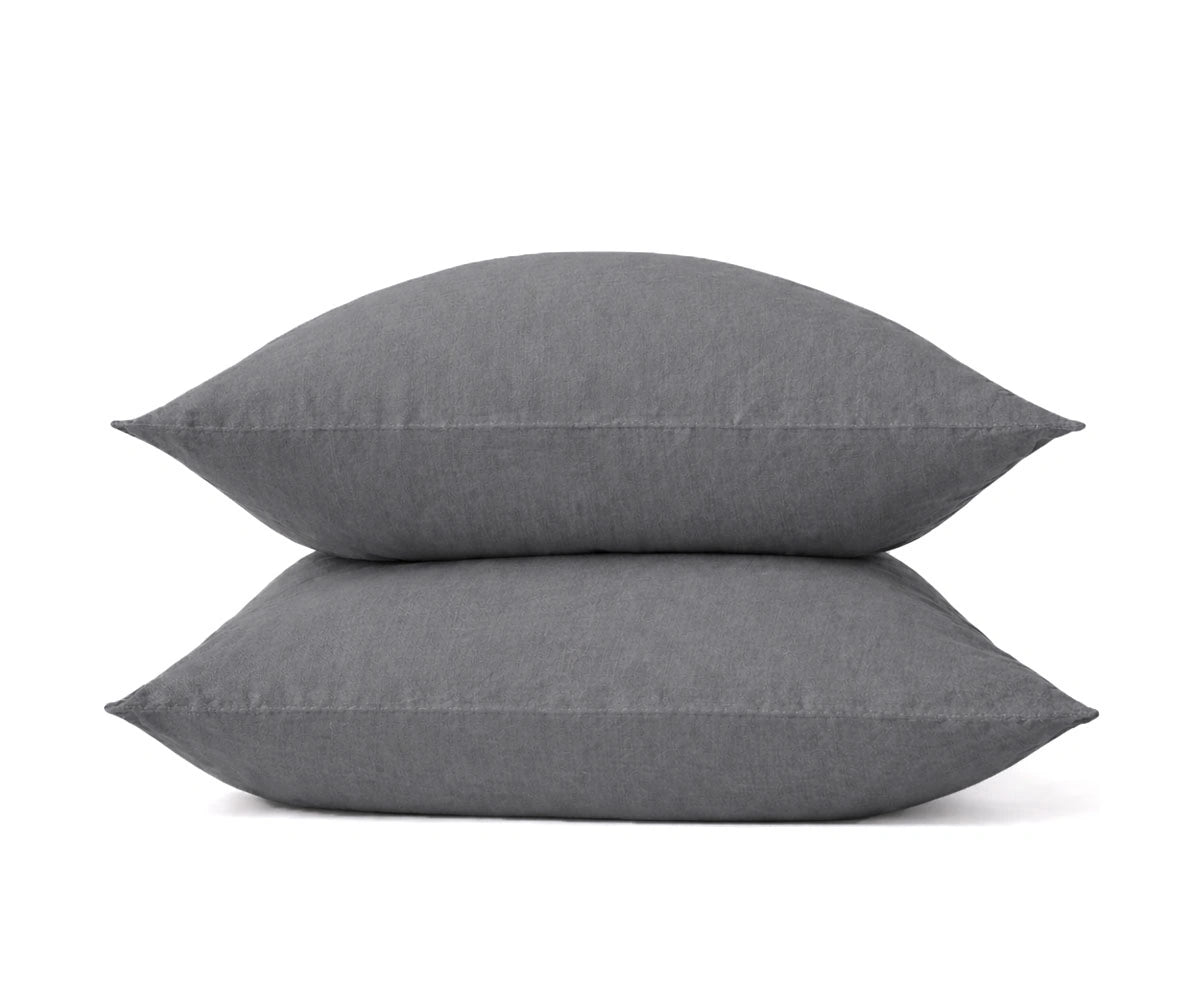
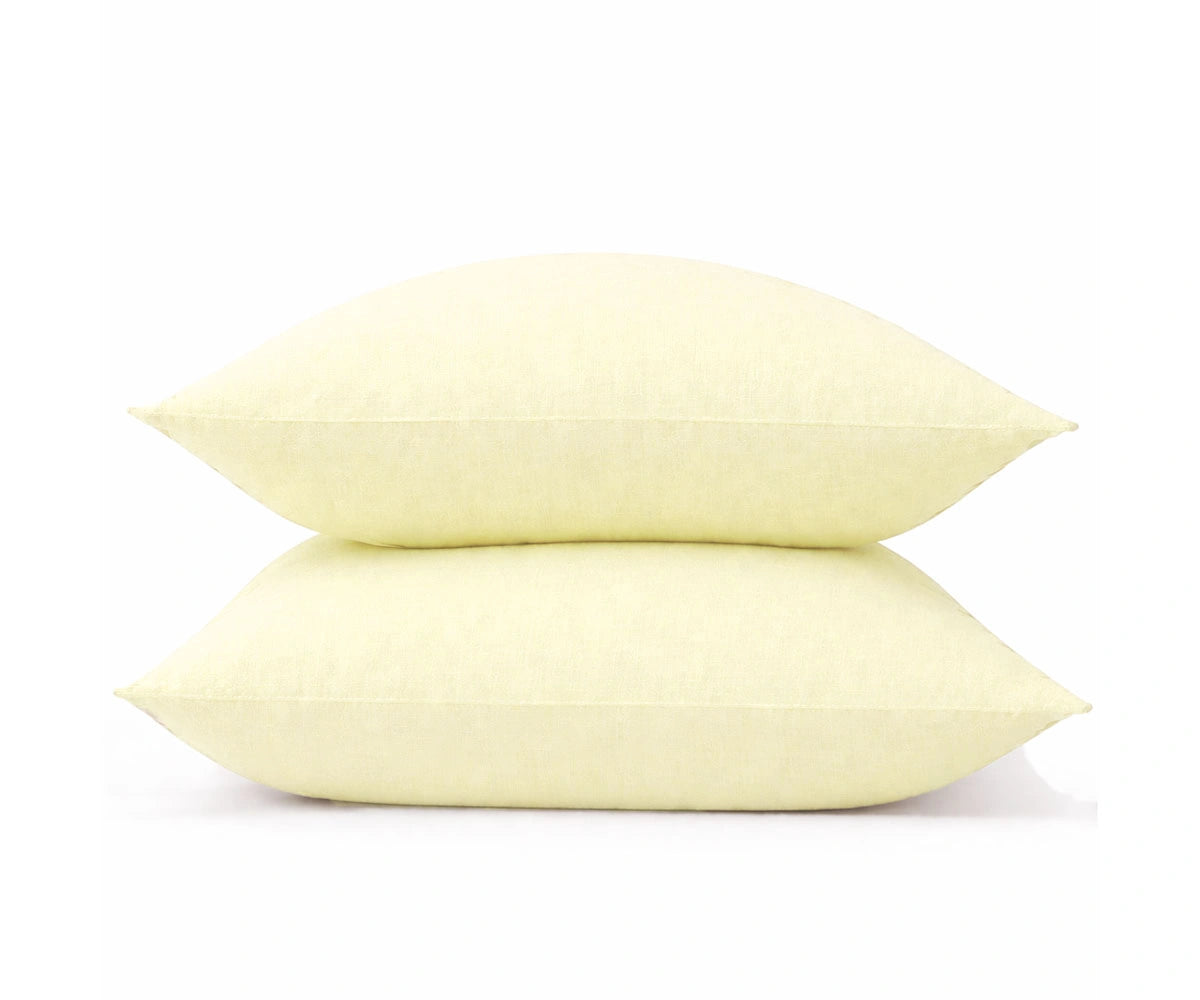
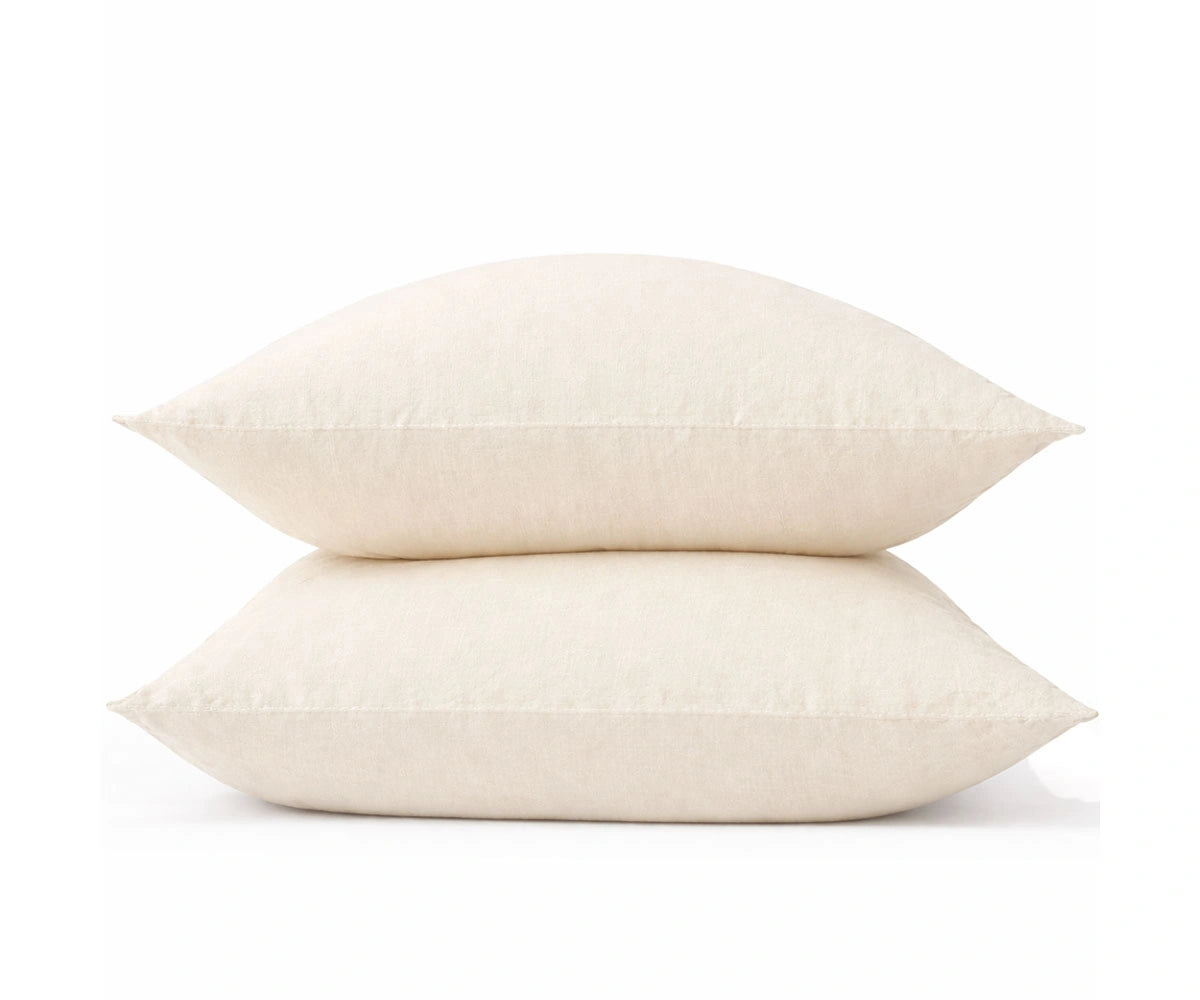
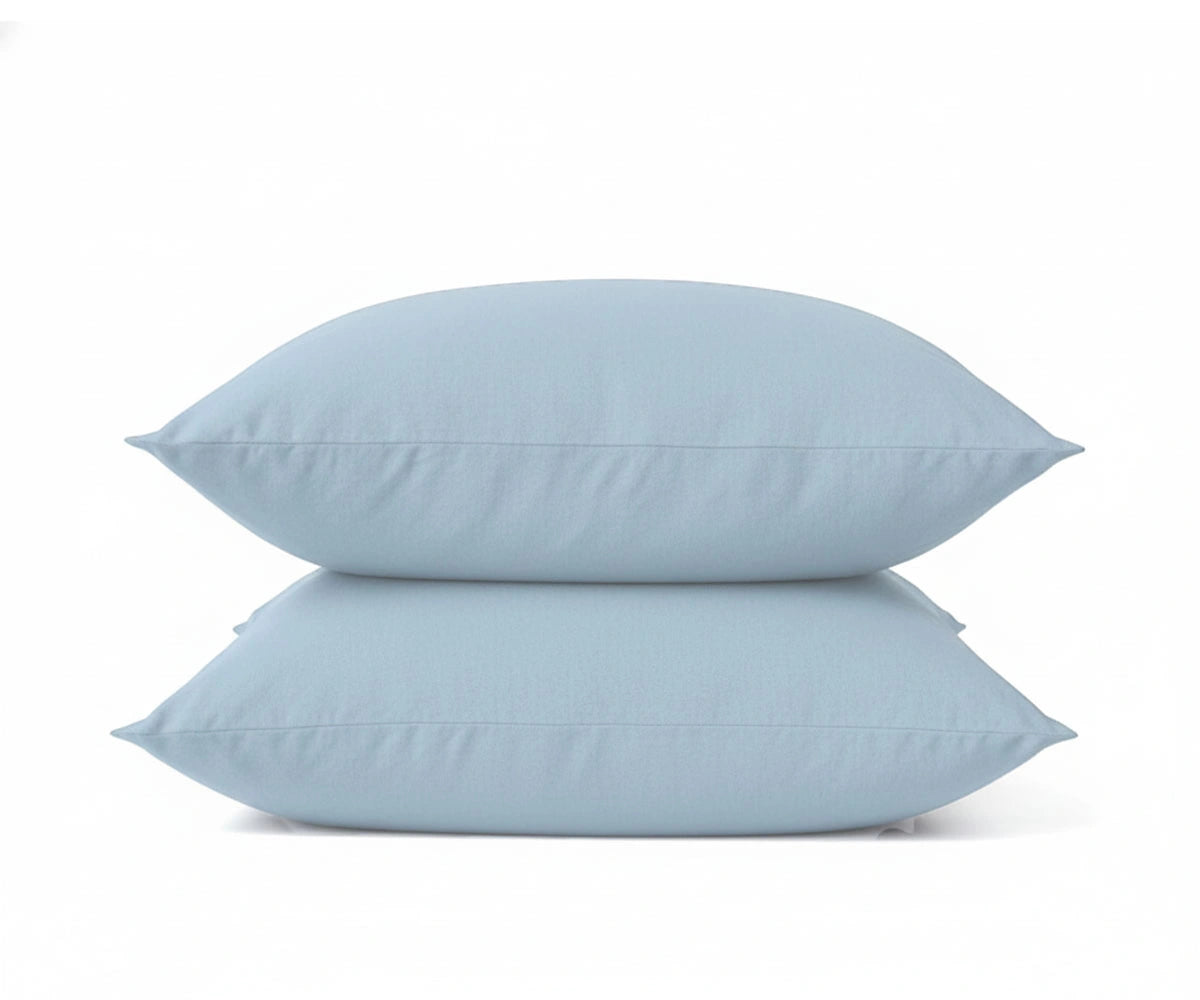
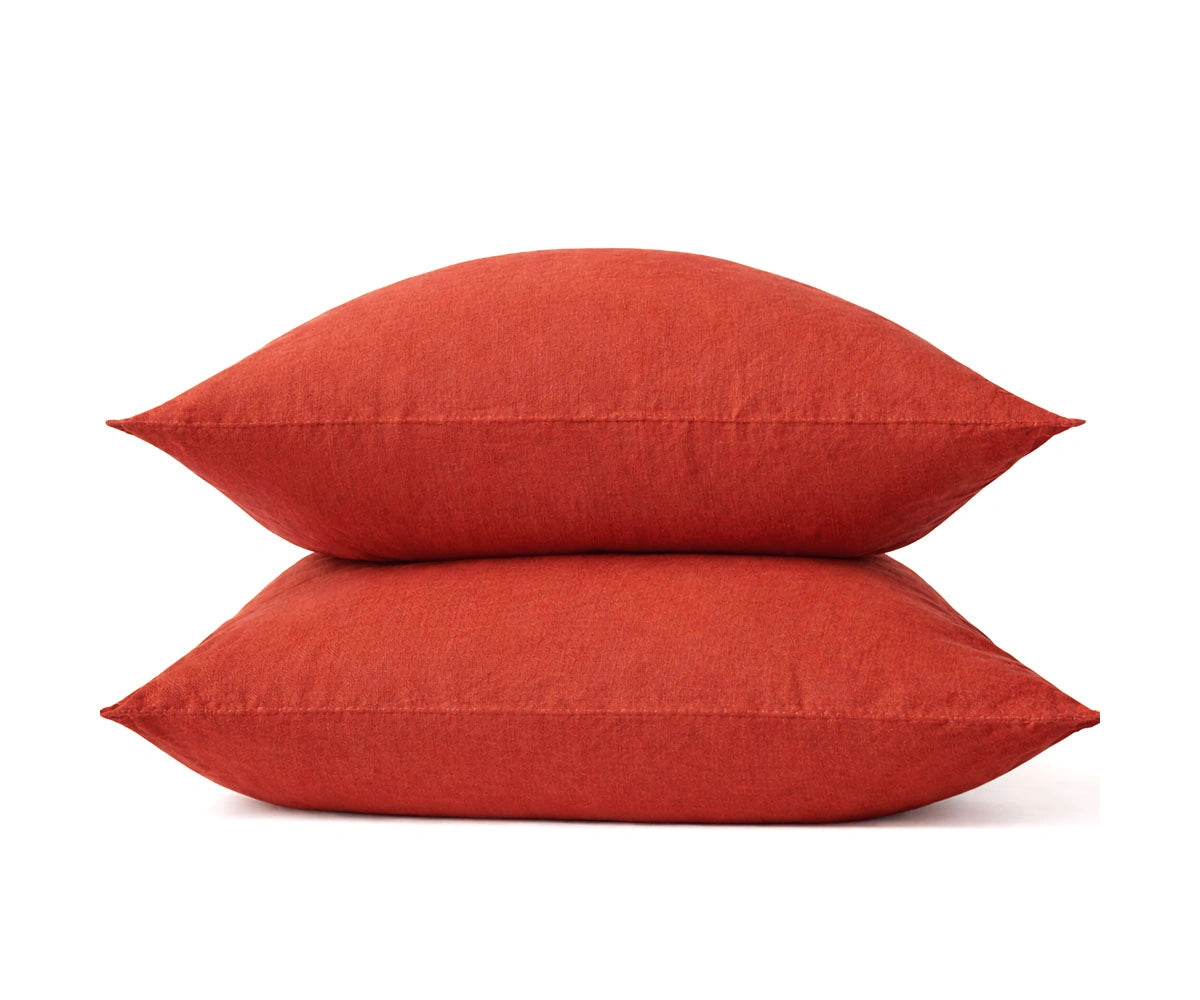
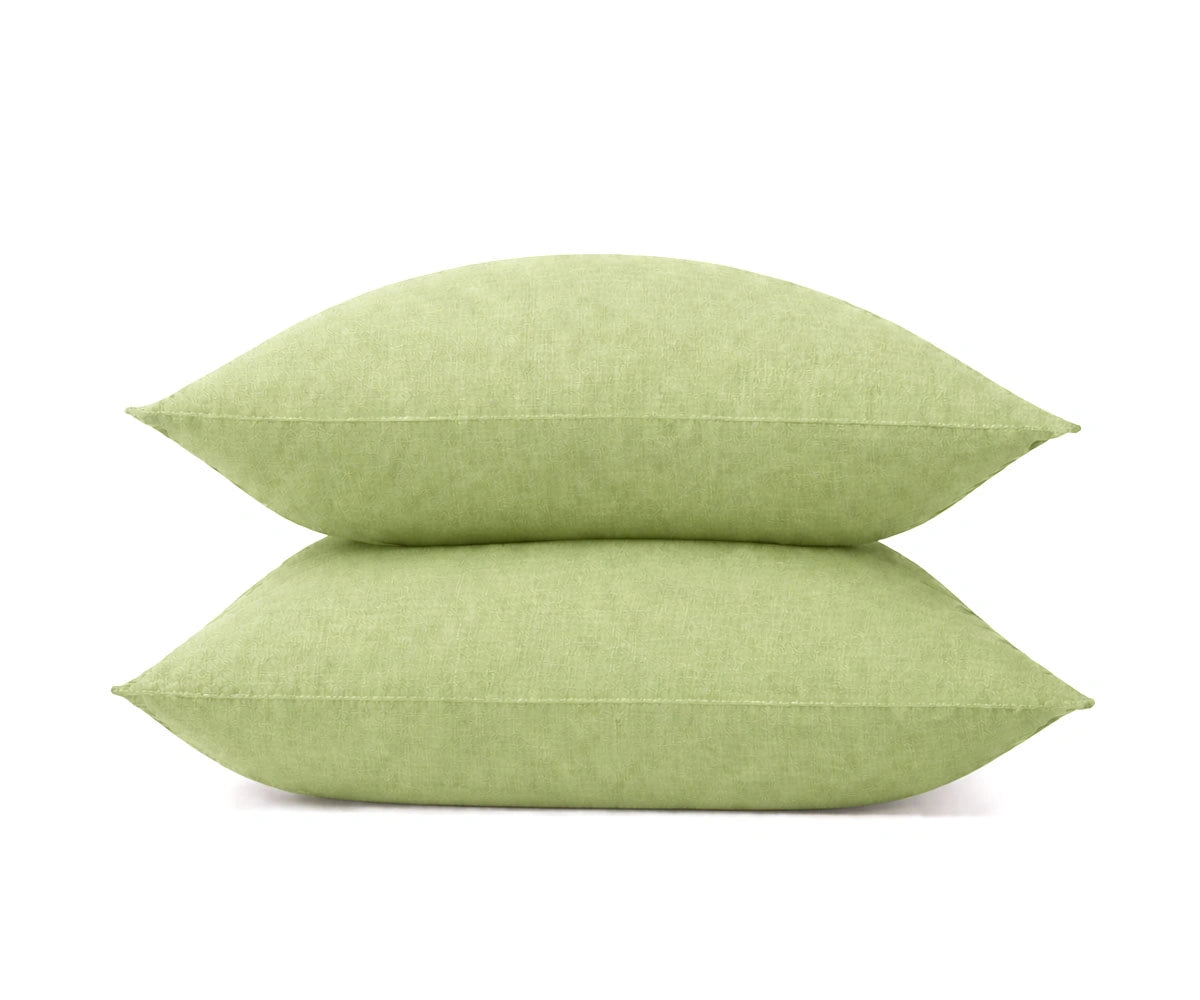
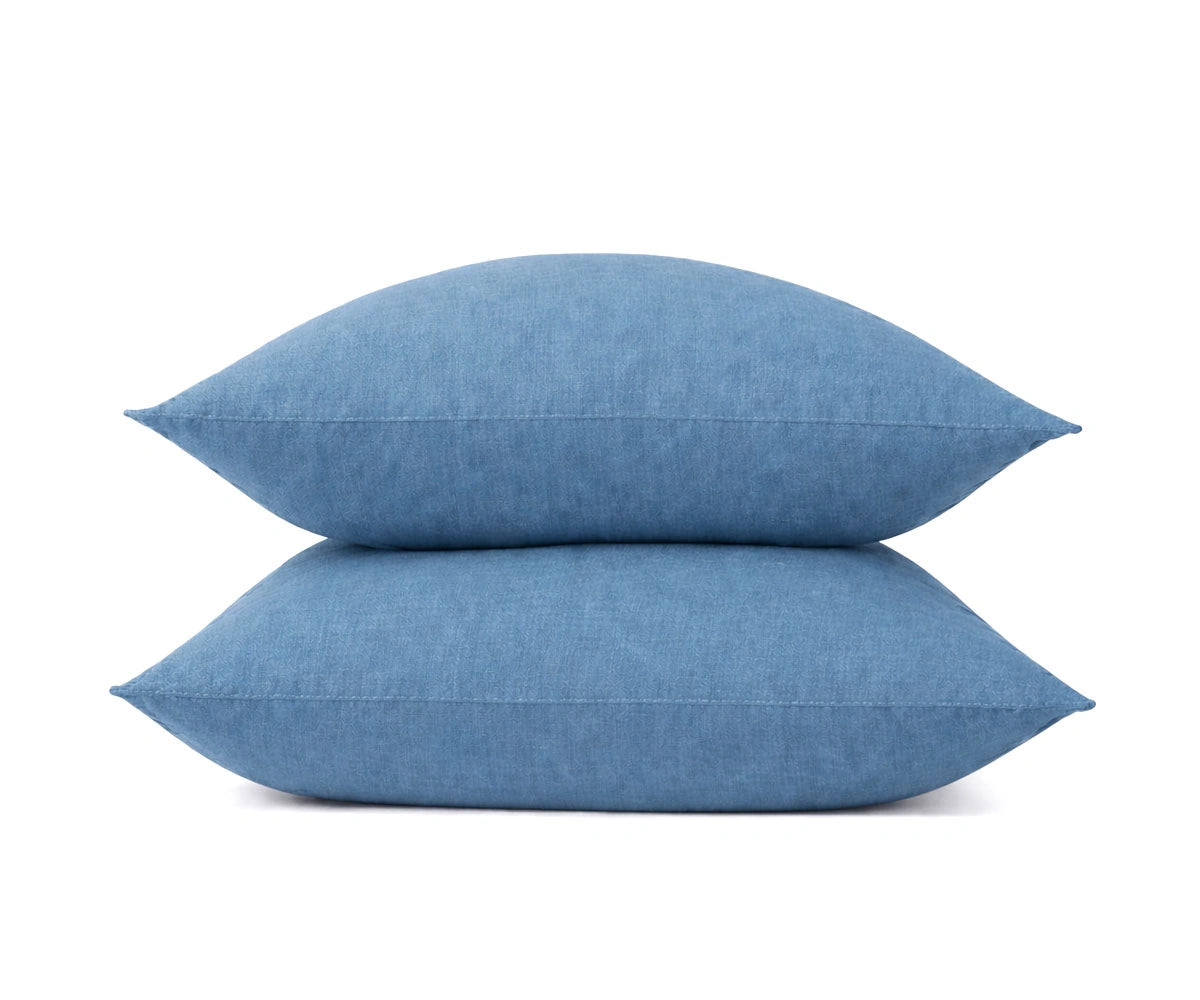
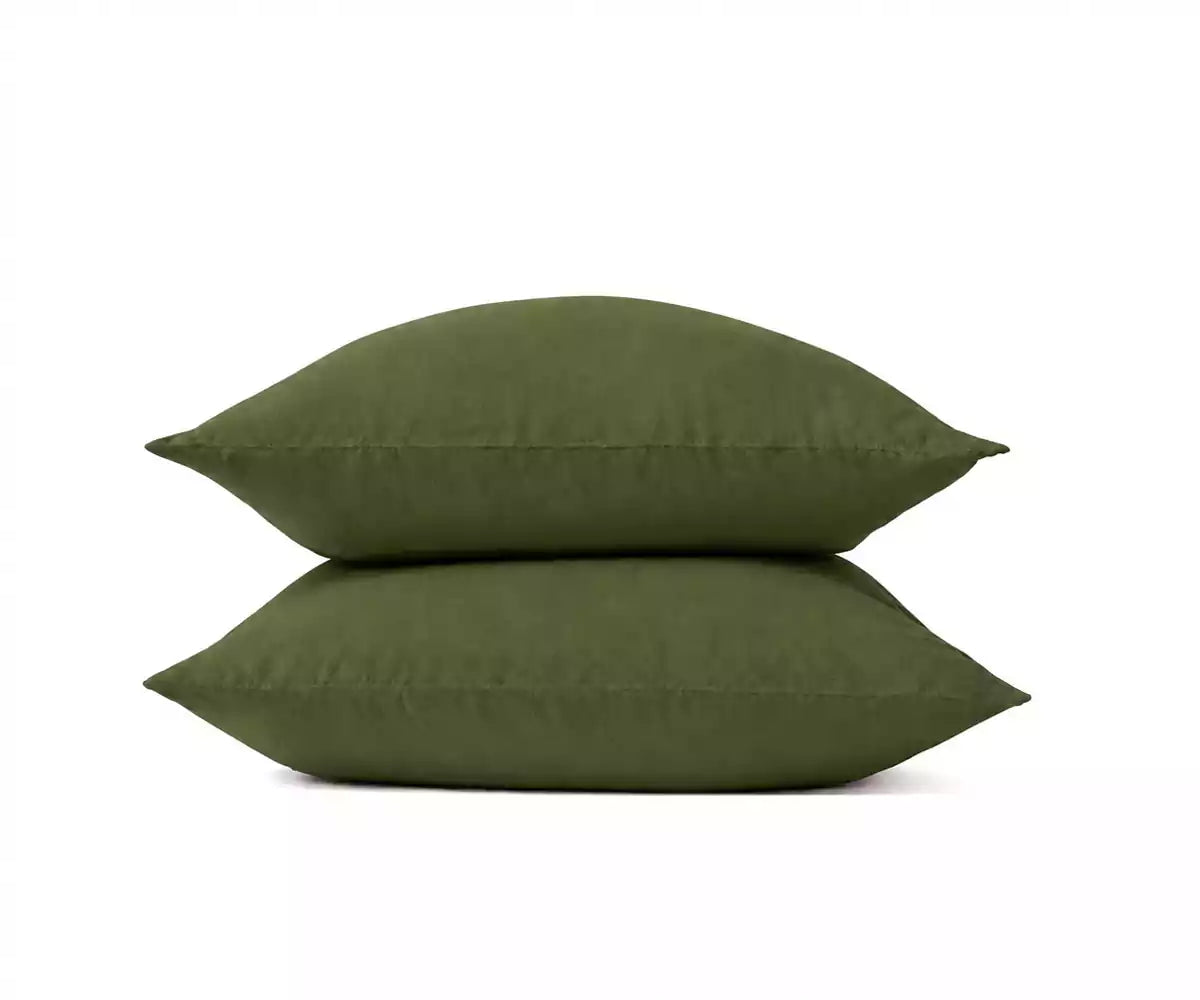
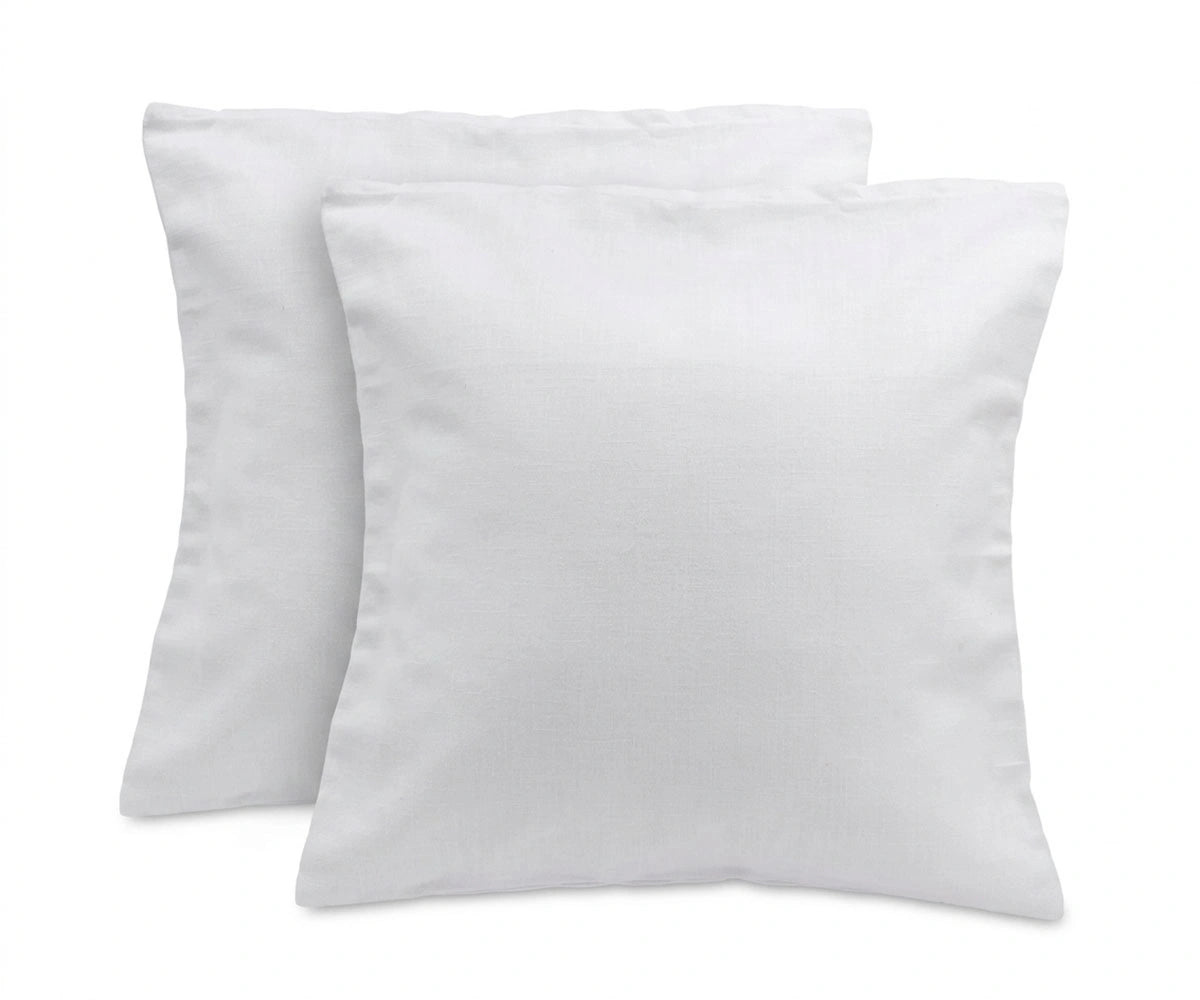
Pillowcases are another simple way to introduce linen into the bedroom. Linen pillowcases can complement linen sheets or be mixed with other bedding materials for added texture.
They can also be used as decorative accents. Pairing different pillow sizes and textures can make a bed feel more inviting while maintaining a natural appearance.
For a coordinated bedroom, choose pillowcases that work with the colors and textures already present in the bedding. For a layered look, combine linen pillowcases with cushions made from complementary fabrics.
Because pillowcases are highly visible, even a small change can make the entire bed look refreshed.
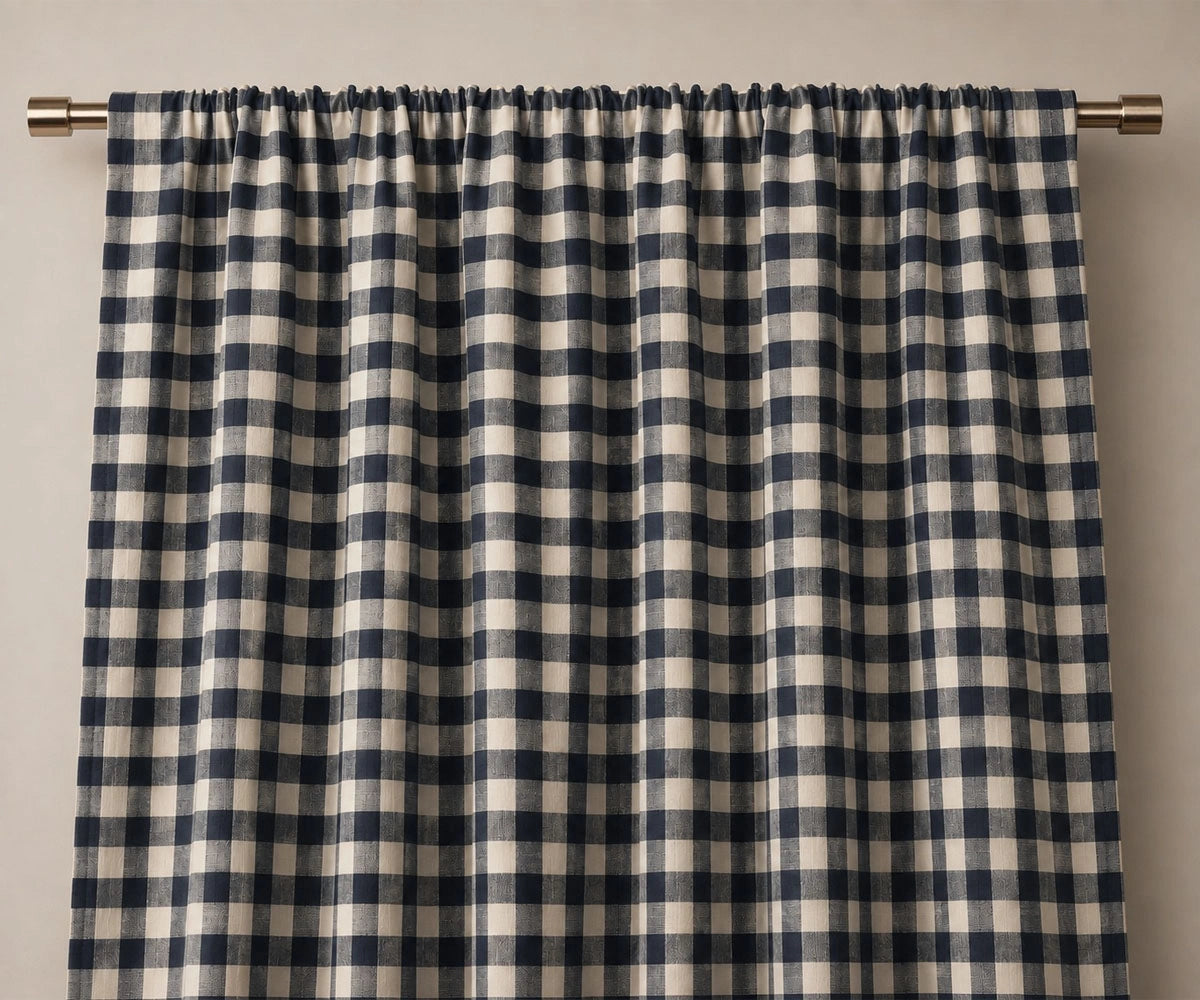
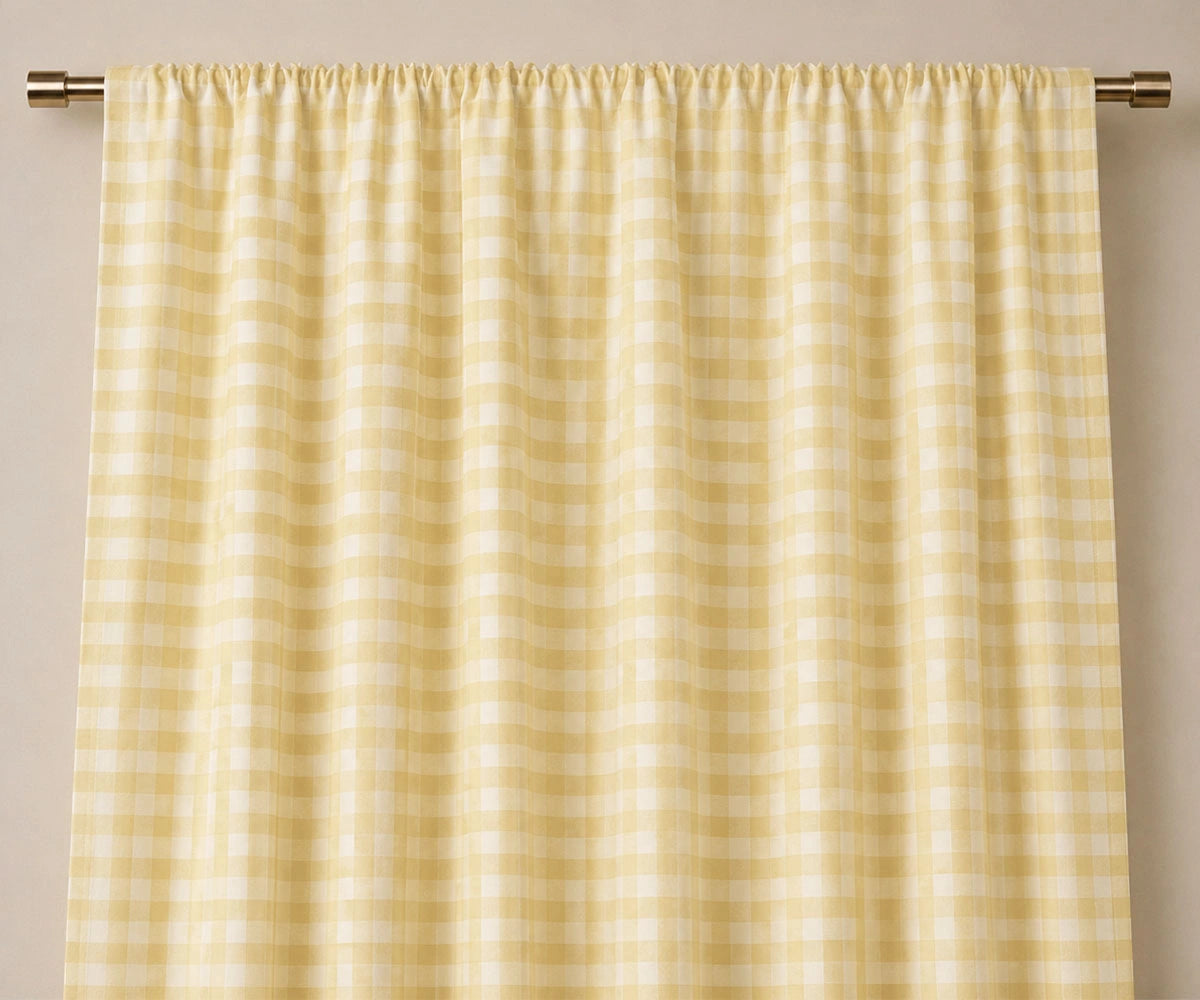
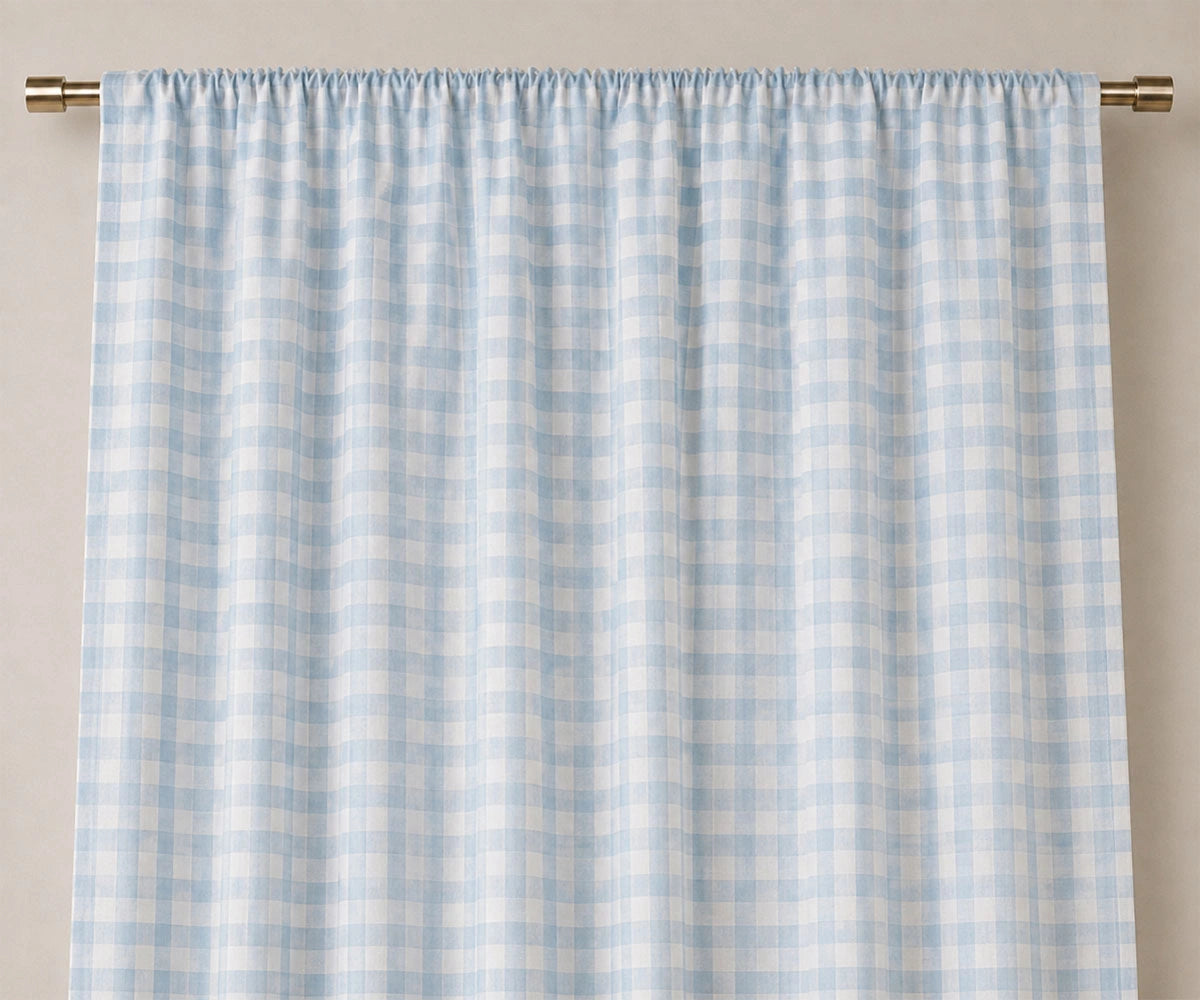
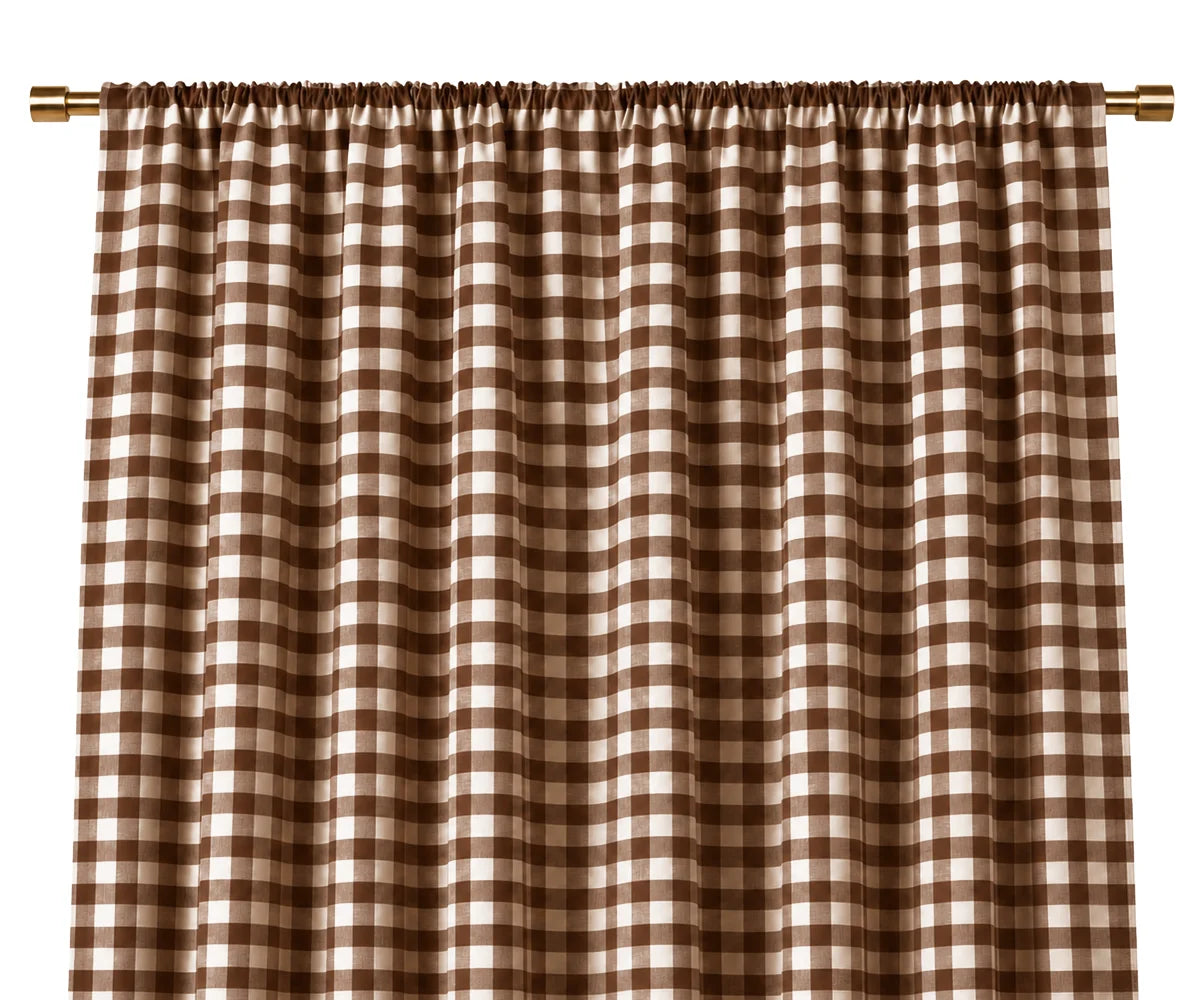
Linen Curtains for Windows and Natural Interiors
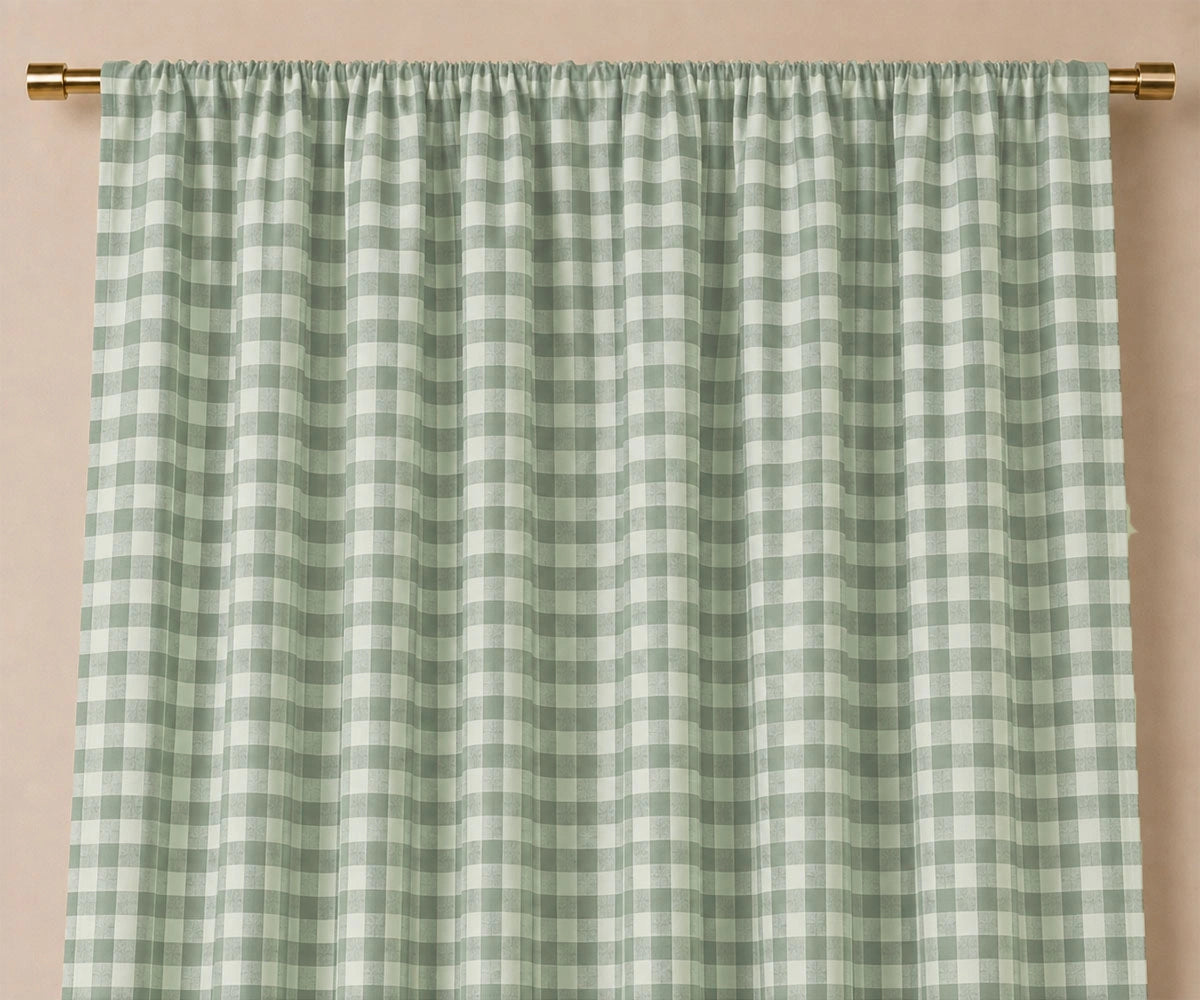
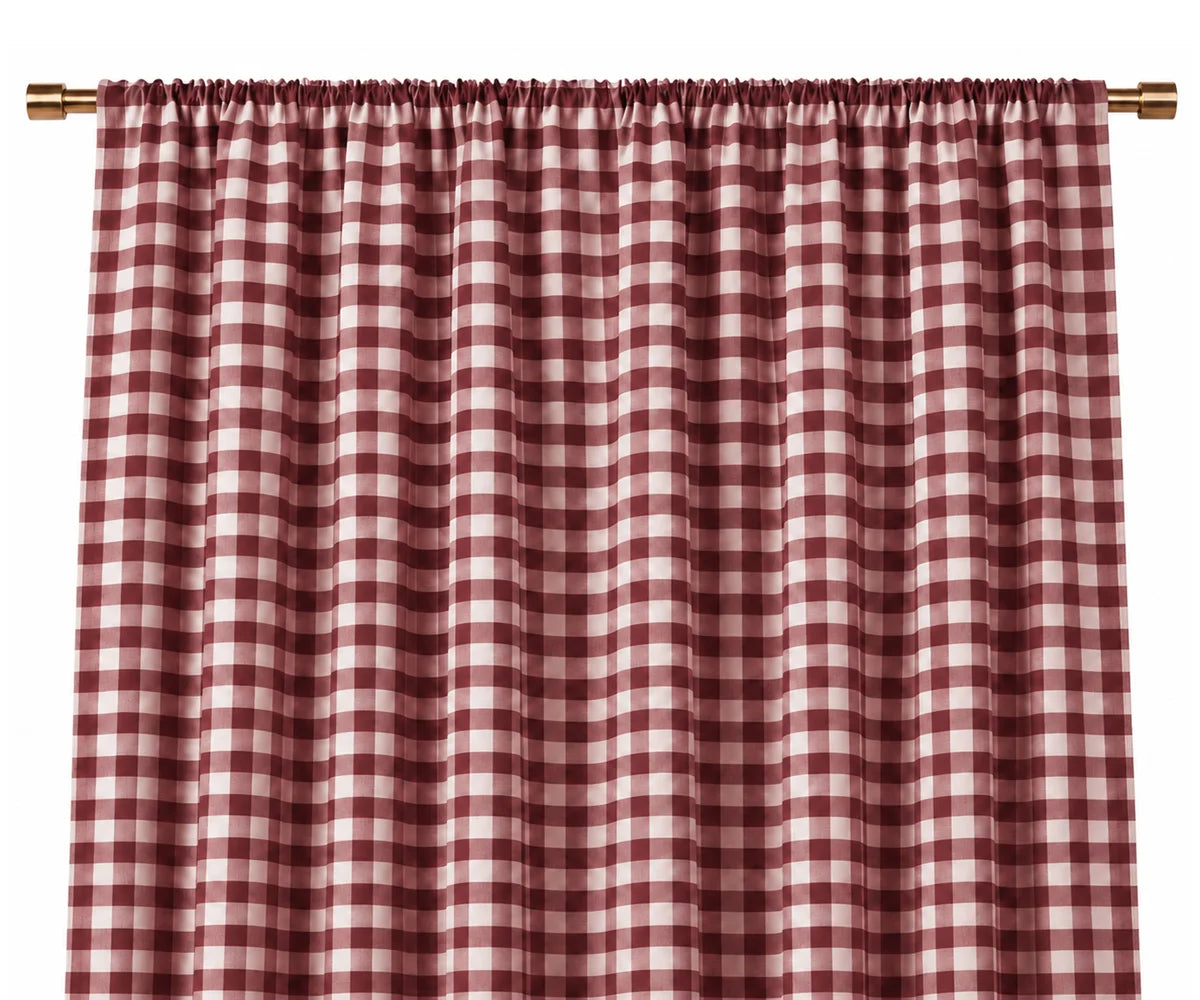
Window treatments play an important role in the overall appearance of a room. Linen curtains can bring softness and natural texture to windows while complementing a variety of interior styles.
They can work in bedrooms, living rooms, dining areas, and other spaces where a relaxed atmosphere is desired. Linen curtains can be styled with simple furniture and natural accessories for a calm, understated appearance.
They can also be combined with other window treatments when additional privacy or light control is needed.
For interiors that feature wood, woven accessories, neutral furniture, or natural finishes, linen curtains can help connect different elements of the room.
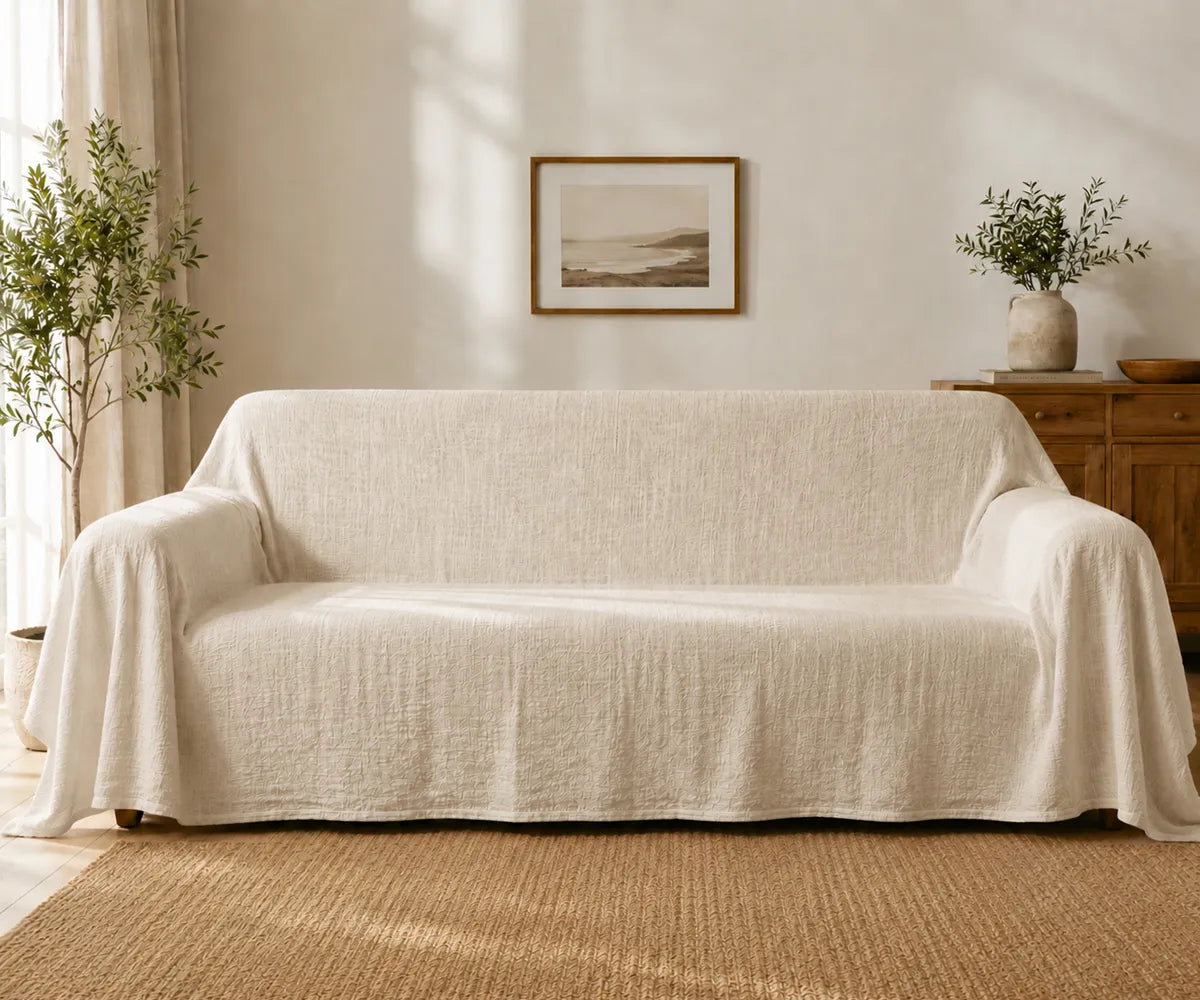
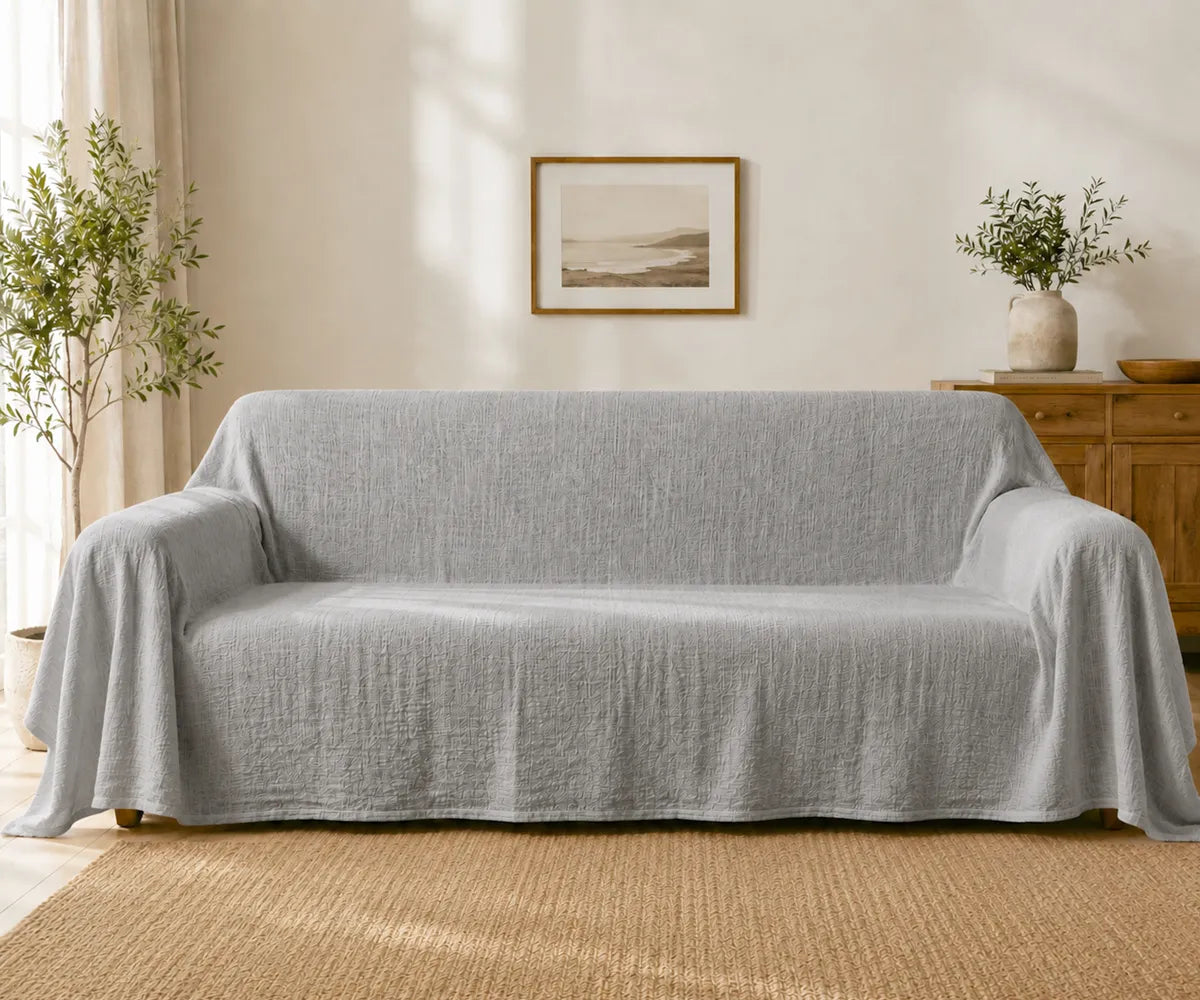
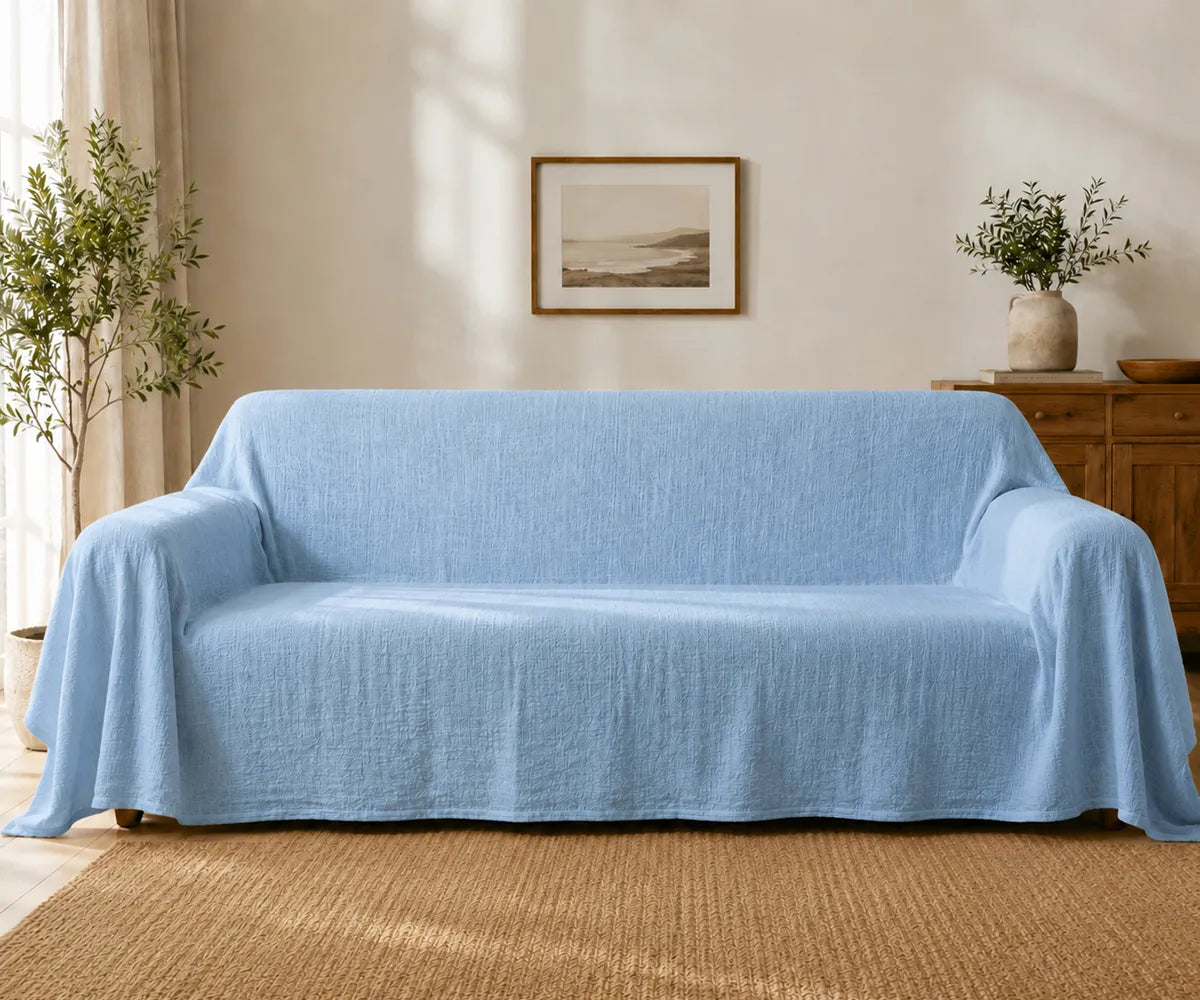
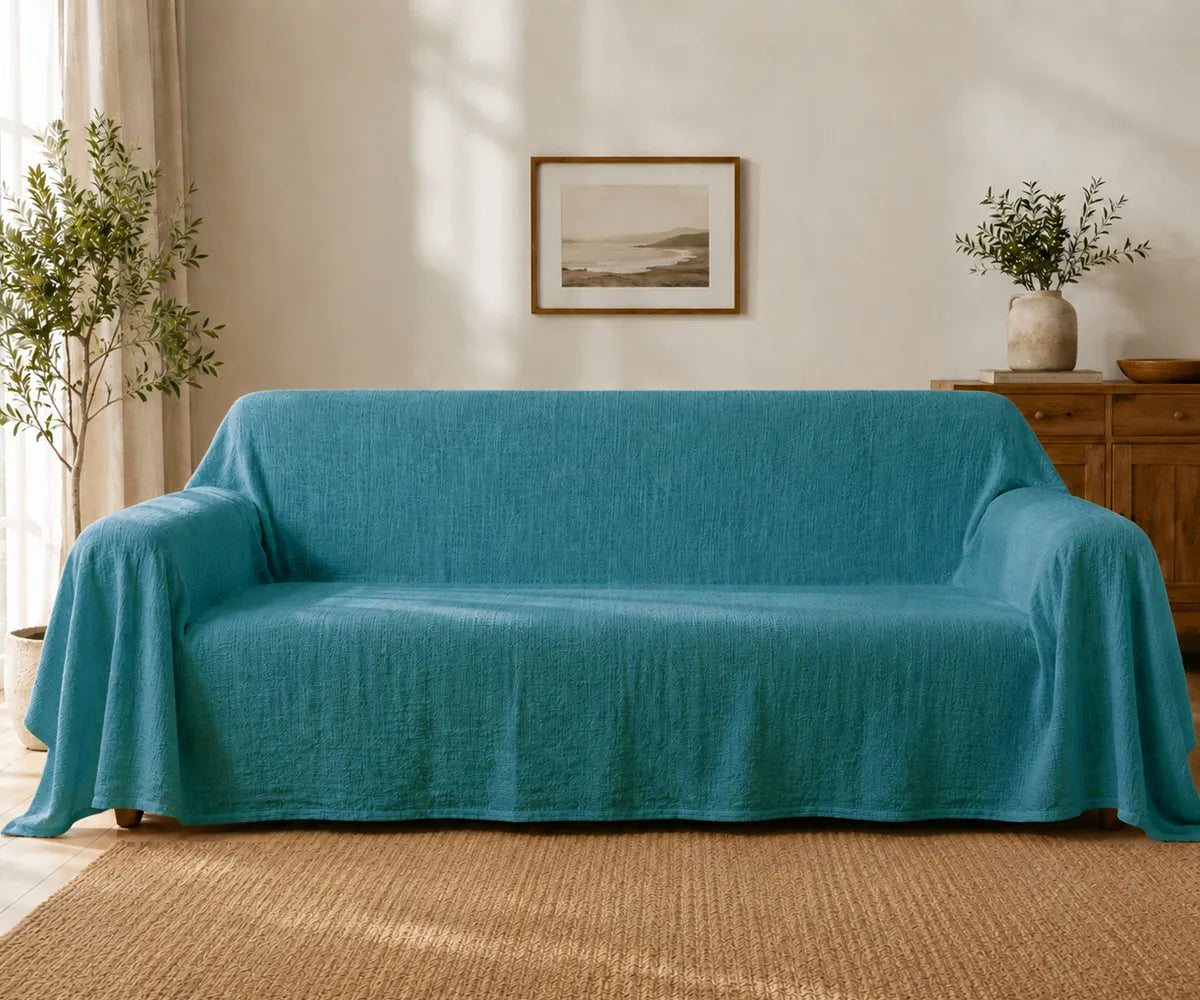
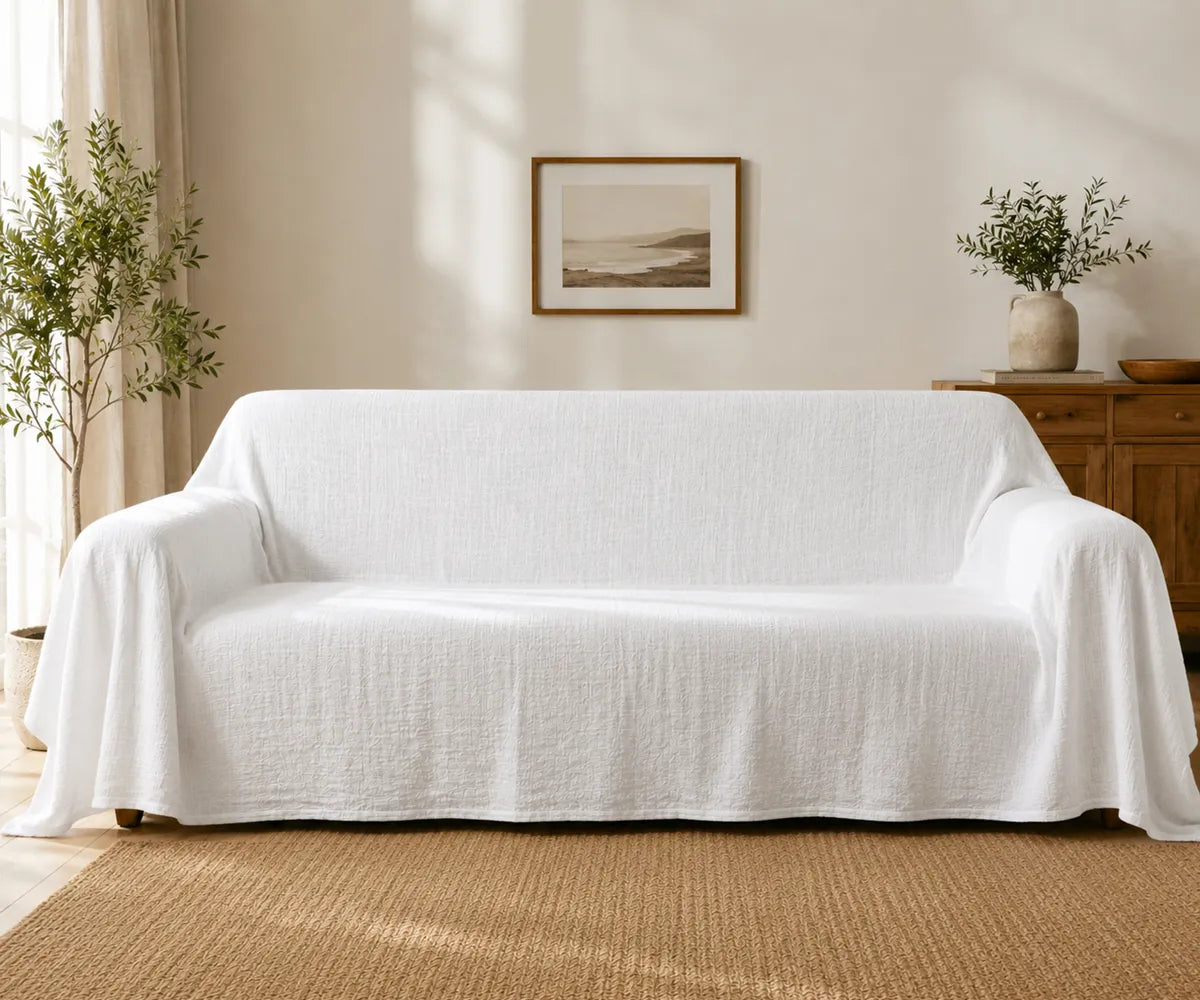
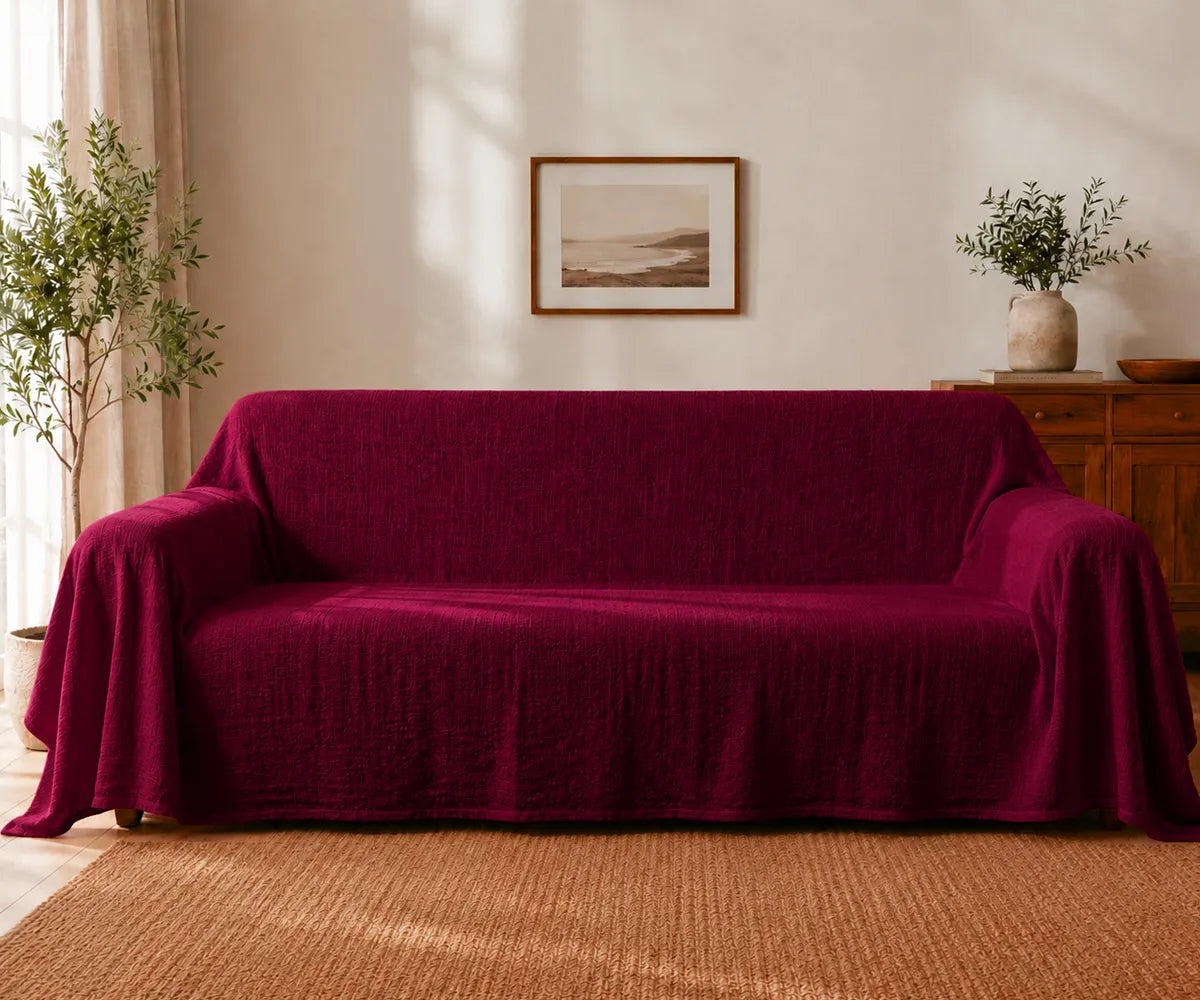
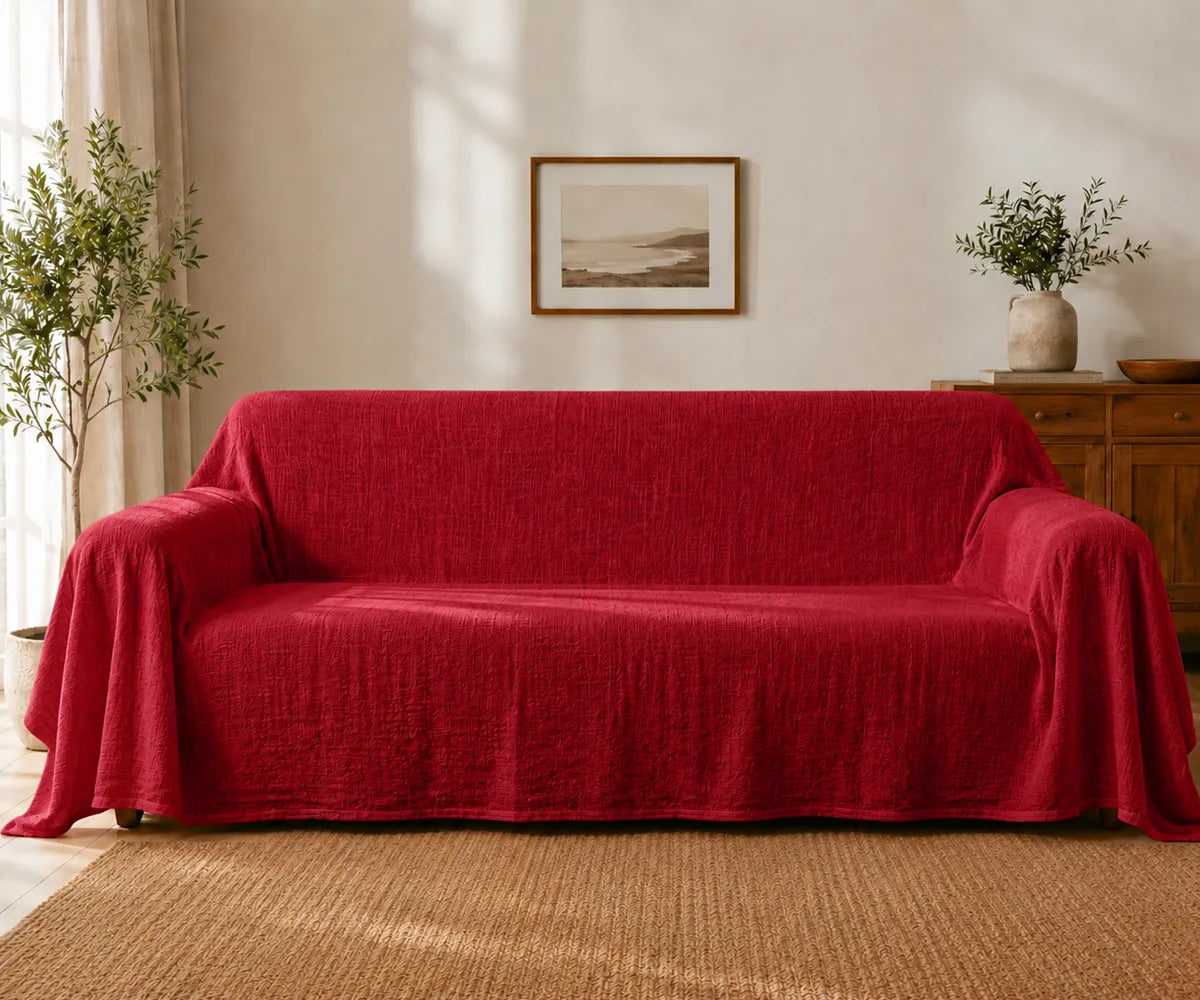
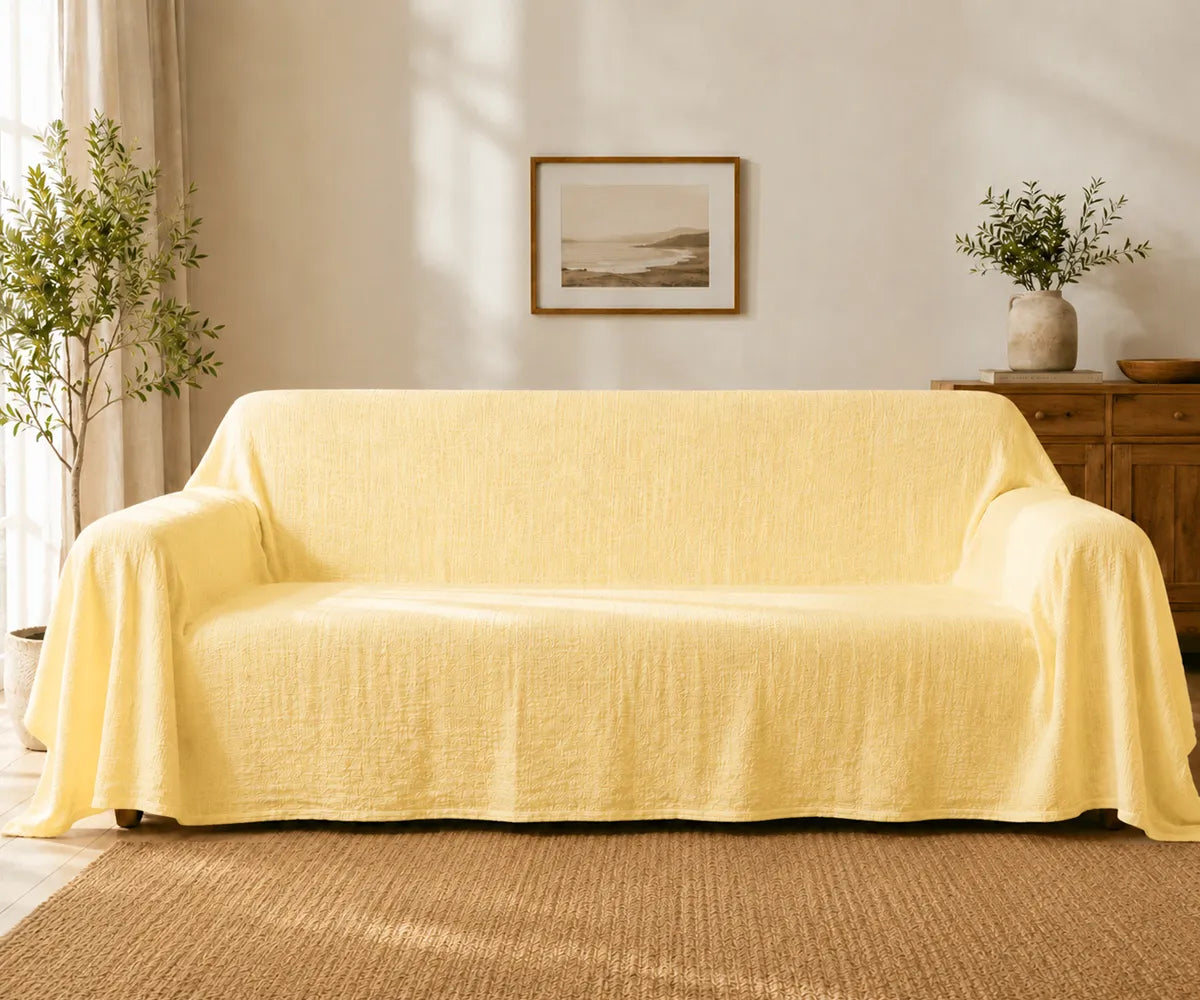
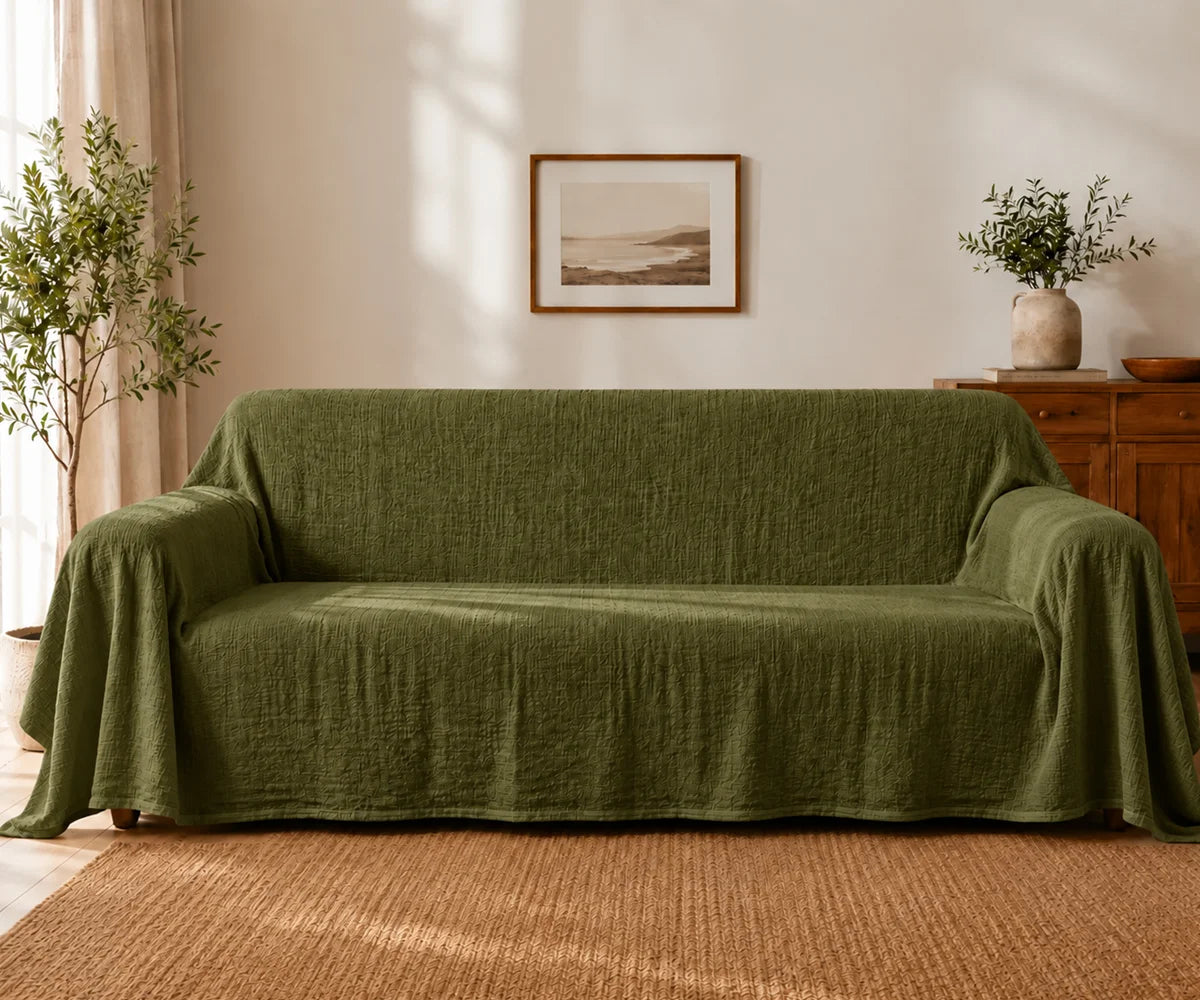
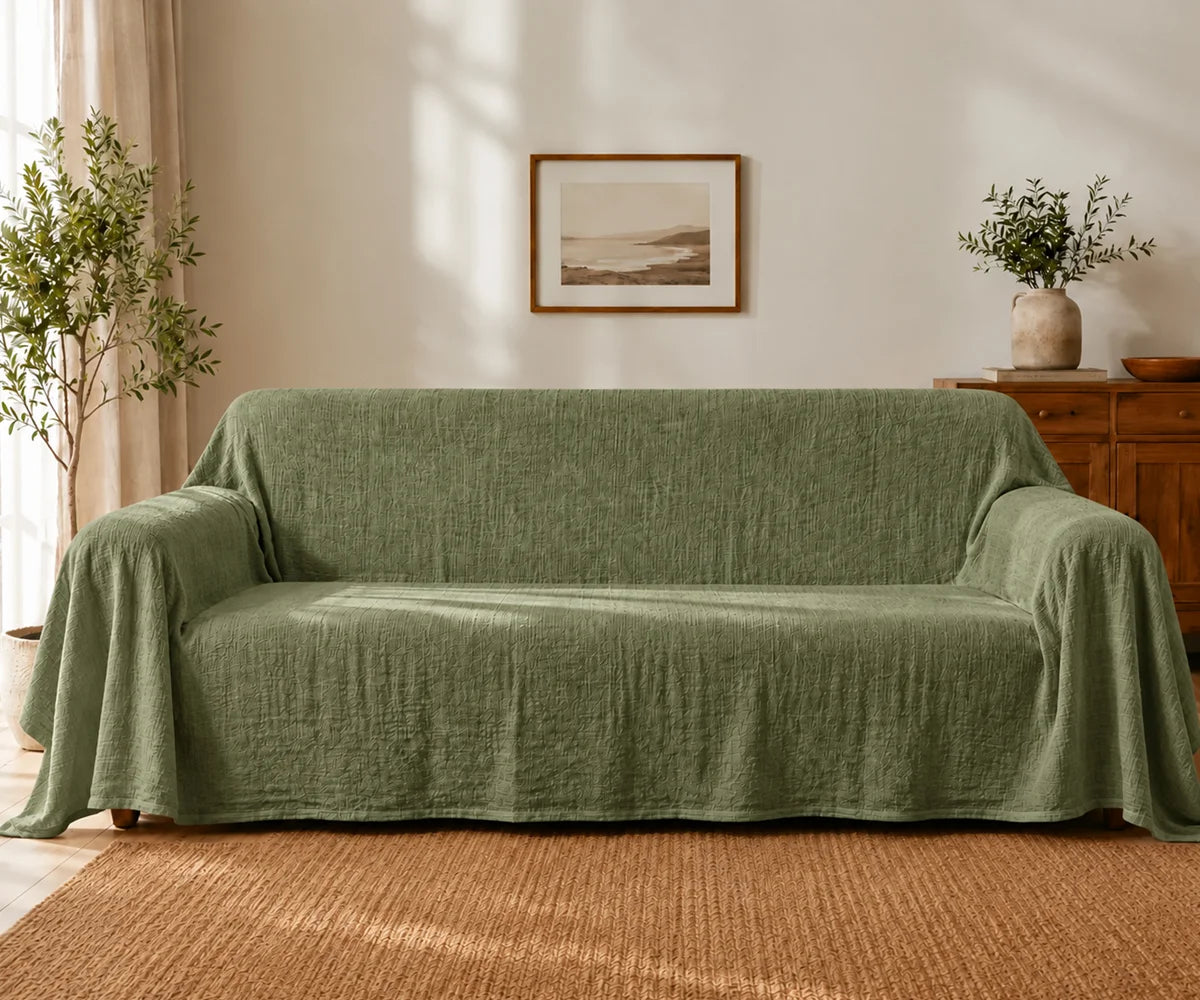
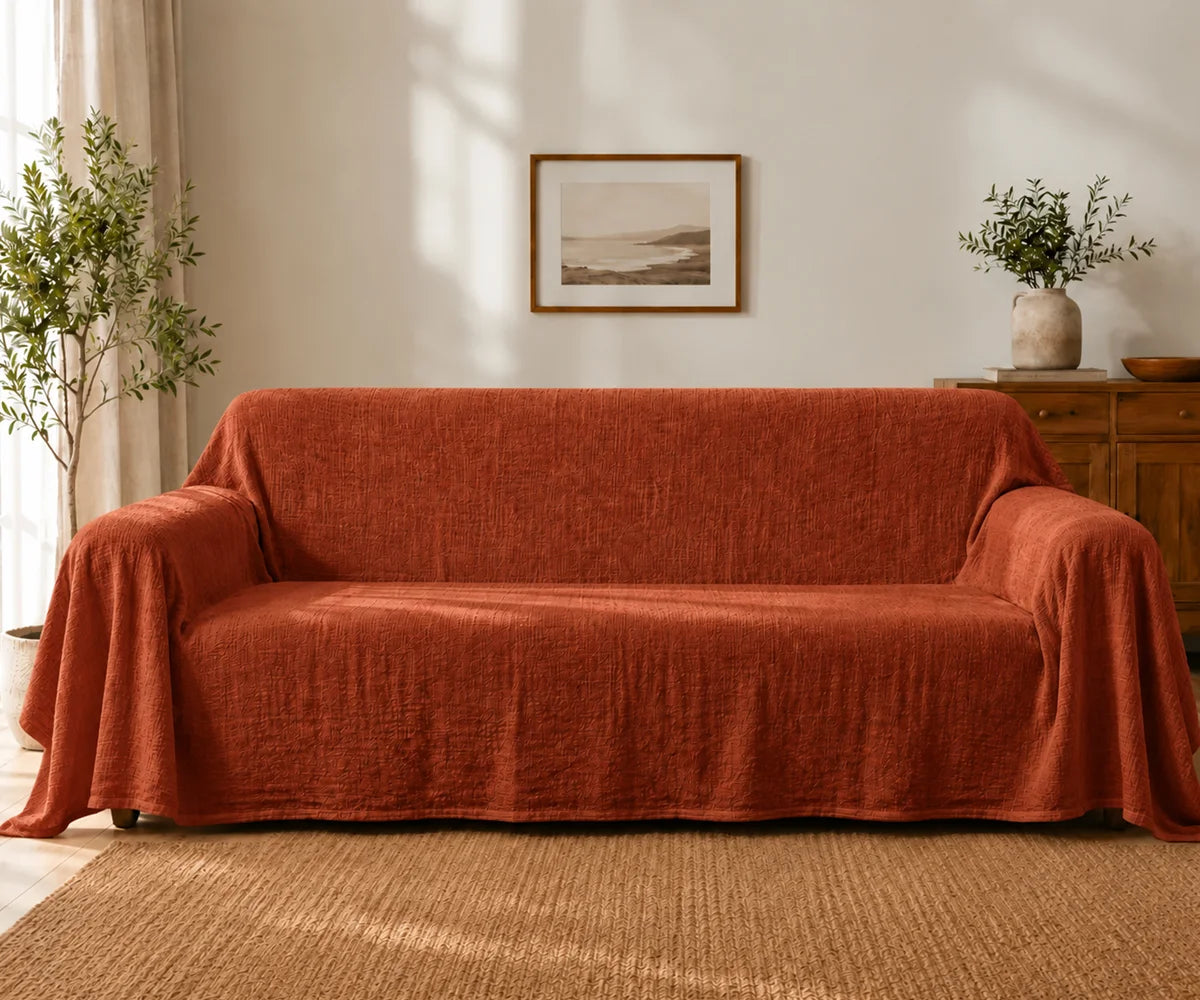
The sofa is often one of the main visual elements in a living room. A linen couch cover can provide a practical way to refresh the appearance of a sofa while introducing a softer, more relaxed texture.
Couch covers can be especially useful when you want to update your living space without purchasing new furniture. They can also help create a more casual atmosphere in family rooms, reading areas, or guest spaces.
Pair a linen couch cover with textured cushions, woven baskets, wooden furniture, or a soft throw to create a comfortable living environment.
The natural appearance of linen works particularly well when the goal is to create a room that feels comfortable rather than overly formal.
How to Style Linen Products Throughout Your Home
One of the advantages of linen is that it can create a visual connection between different rooms. You don't need every item to match exactly. Instead, use similar textures and complementary tones to create a consistent feeling.
In the dining room, combine a linen tablecloth with coordinating napkins and placemats. In the kitchen, add linen towels that complement the dining textiles.
For the bedroom, layer linen bedding with pillowcases and soft throws. In the living room, a linen couch cover can be paired with curtains and decorative cushions to create a cohesive look.
The key is balance. Mixing several linen products can look beautiful, but combining them with wood, cotton, ceramics, glass, and other materials prevents the space from feeling too uniform.
Choosing Linen Products for Different Occasions
Linen products can easily adapt to different occasions. Everyday dining may call for simple napkins and placemats, while a family dinner may benefit from a tablecloth and runner combination.
For holidays and celebrations, layering several textiles can create a more decorative setting. A runner can define the center of the table, while napkins and placemats provide individual details.
In the bedroom, lightweight bedding can create a relaxed everyday environment, while additional blankets and cushions can be added when you want a more layered appearance.
This versatility makes linen useful for both everyday routines and occasions when you want your home to feel a little more special.
Caring for Your Linen Home Textiles
Proper care can help linen products remain useful and attractive over time. Always check the specific care instructions provided with the product, as construction, finishing, and blends can affect recommended washing methods.
In general, avoid unnecessarily harsh washing conditions and follow the manufacturer's instructions regarding water temperature, detergent, drying, and ironing.
Linen's naturally relaxed appearance is part of its appeal, so perfectly pressing every item is not always necessary. A slightly lived-in texture can contribute to the casual character associated with linen.
For dining textiles such as tablecloths, napkins, runners, and placemats, treating spills promptly can make regular maintenance easier. Bedding and pillowcases should be washed according to their individual care instructions and household needs.
Why Linen Works Across Different Interior Styles
Linen is not restricted to one particular decorating style. Its natural texture allows it to work with a variety of interiors.
In a minimalist home, linen can add warmth without introducing excessive decoration. In a farmhouse-inspired interior, its relaxed texture complements wood and other natural materials. In modern spaces, simple linen textiles can soften clean architectural lines.
Linen can also work beautifully in coastal, Scandinavian-inspired, rustic, contemporary, and transitional interiors.
This adaptability is one reason linen remains a popular choice for homeowners looking for textiles that can evolve with changing décor preferences.
Bringing Comfort and Style Together With Linen
The most appealing aspect of linen products is their ability to combine everyday function with visual simplicity. A tablecloth protects and dresses the dining table. Napkins support everyday meals. Kitchen towels assist with routine tasks. Bedding and pillowcases contribute to bedroom comfort, while curtains and couch covers help shape the atmosphere of living spaces.
Rather than treating each product as a separate decorative item, linen can be used throughout the home as part of a broader approach to comfortable living.
Whether you are refreshing one room or gradually updating your entire home, starting with a few versatile linen pieces can make a noticeable difference.
Conclusion
Linen products offer a practical and versatile way to bring natural texture, comfort, and timeless style into the home. From dining essentials such as tablecloths, napkins, runners, and placemats to kitchen towels, bedding, sheet sets, pillowcases, curtains, and couch covers, linen can be incorporated into almost every part of everyday living.
Its relaxed appearance makes it suitable for both casual and more carefully styled spaces, while its versatility allows individual pieces to work together without looking overly coordinated. By choosing linen products that suit your home's existing décor and caring for them according to their specific instructions, you can create comfortable and inviting spaces that remain appealing over time.