
Why Upcycling Old Tablecloths Makes Sense
Cotton and linen are tough fabrics. They do not wear out quickly. A tablecloth that has faded or picked up a stain still has perfectly good fabric in it.
Repurposing it keeps it out of landfill. It saves you money on buying new items. And it often produces something more personal than anything you would find in a store.
Most tablecloths are also very large. Many measure 60 by 120 inches or more. That means one cloth can become several useful items in a single afternoon.
Upcycling Ideas at a Glance
|
Project |
Skill Level |
Sewing Required |
Best Fabric Type |
|
Cloth napkins |
Easy |
Basic |
Cotton or linen |
|
Handkerchiefs |
Easy |
Basic |
Thin cotton or linen |
|
Pillow covers |
Easy |
Basic |
Any tablecloth fabric |
|
Reusable tote bag |
Easy — Medium |
Basic |
Heavier cotton |
|
Apron |
Medium |
Moderate |
Cotton |
|
Laptop sleeve |
Medium |
Moderate |
Heavier cotton or linen |
|
Laundry or storage bag |
Easy |
Basic |
Any tablecloth fabric |
|
Furoshiki gift wrap |
Easy |
None |
Any tablecloth fabric |
|
Framed fabric wall art |
Easy |
None |
Patterned or vintage fabric |
|
Memory quilt |
Medium — Advanced |
Moderate — Advanced |
Any tablecloth fabric |
1. Cloth Napkins
This is the easiest and most practical place to start.
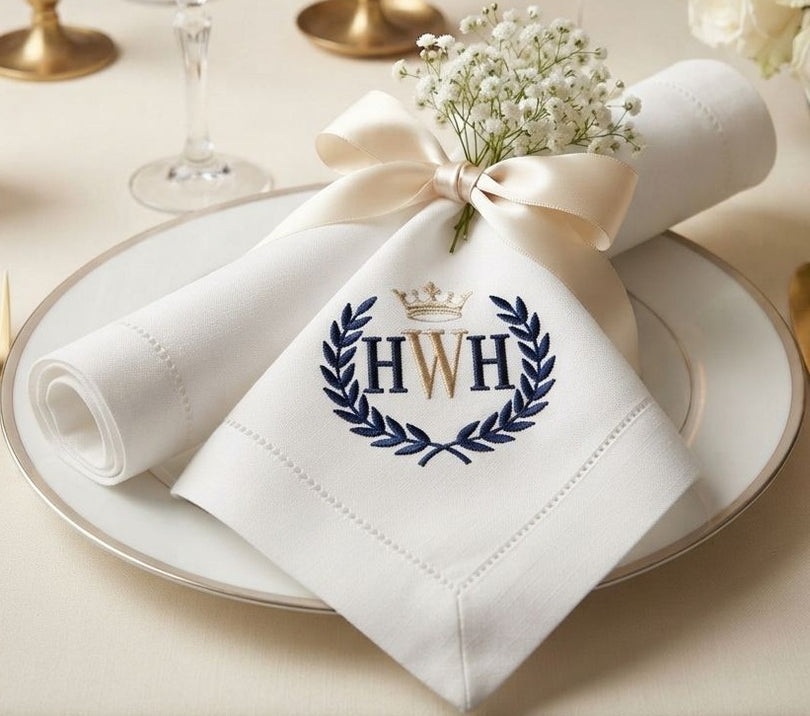
One standard tablecloth gives you between eight and twelve napkins. That is enough to replace a full set of paper napkins in one go.

Here is how to do it:
-
Cut the fabric into 18 by 18 inch squares for dinner napkins. Use 12 by 12 inches for smaller cocktail or luncheon napkins
-
Fold each edge over and stitch it down to stop fraying. A sewing machine works fastest, but hand stitching is fine too
-
If the tablecloth has a decorative border, cut each napkin so that border runs along one edge. It gives each napkin a neat, finished look with no extra effort
-
Stick to the cleanest areas of the cloth. Small stains on the back of the fabric will not affect how the napkin works
2. Handkerchiefs
Fine cotton or linen tablecloths are perfect for handkerchiefs.
The fabric is already the right weight. Years of washing have made it soft and comfortable against the skin.
-
Cut into 12 by 12 inch squares
-
Hem the edges for a clean finish
-
If the tablecloth has a corner motif or monogram, cut around it so that detail appears on the handkerchief. It becomes a feature, not a flaw
-
Work around any worn or stained areas by adjusting where you cut
3. Pillow Covers and Cushion Covers
This project makes an instant difference to a room.
Tablecloths with bold patterns, vintage prints, or seasonal designs work especially well. They turn into pillow covers that look intentional and interesting.

-
Measure your pillow insert. Cut two pieces of fabric to that size, adding an inch on each side for the seam
-
Sew three sides together with the fabric facing inward. Turn it right-side out, insert the pillow, then close the fourth side with a button or zip
-
Christmas, Easter, and autumn tablecloths make great seasonal covers. Swap them in and out throughout the year
-
Lace or scallop-edged tablecloths give you a decorative pillow edge with no extra finishing needed
Also Read: How to Care for Your Linen Tablecloths?
4. Reusable Tote Bags and Market Bags
One large tablecloth gives you enough fabric for two or three shopping bags.
These are sturdy, washable, and much better for the environment than single-use plastic bags.

-
Cut two equal rectangles for the body of the bag. Around 14 by 16 inches is a practical everyday size
-
Cut two strips for the handles, about 3 by 24 inches each
-
Fold and sew each handle strip lengthwise to make it strong. Attach the handles to the inside top edge before sewing the sides and base closed
-
Heavier cotton tablecloths make the most durable bags. Double up lighter fabric for added strength
-
No sewing machine? Use fabric glue or iron-on hem tape. Sewn bags will last longer, but glued ones still work well
5. Kitchen Apron
An old tablecloth gives you exactly the right size and weight of fabric for a kitchen apron.
Cotton tablecloths are especially good for this. They wash easily, feel comfortable to wear, and hold up well to regular use.

-
Cut the apron body as a large rectangle. Or trace the shape of an existing apron onto the fabric for a more fitted result
-
Sew a small rectangle onto the front before hemming to create a pocket
-
Cut long strips for the neck strap and waist ties. You can sew these from the tablecloth fabric, or use coordinating ribbon or twill tape instead
6. Laptop Sleeve or Book Cover
Skip the generic store-bought case. A tablecloth sleeve is more personal and just as protective.
-
Cut two pieces of fabric slightly larger than your laptop or book. Leave about an inch of clearance on all sides
-
For extra padding, place a thin layer of batting or fleece between the outer fabric and a lining before you sew
-
Sew around three sides. Leave the top open so the laptop can slide in and out
-
Add a button, snap, or strip of Velcro to keep the opening closed
-
The same method works for tablets, e-readers, and books. Just adjust the size to fit
7. Laundry Bag or Storage Bag
A drawstring bag made from tablecloth fabric is useful in many ways.
Use it for travel laundry, shoe storage in a suitcase, toy storage, or keeping shelves tidy.
-
Cut a large rectangle. Around 18 by 24 inches works well for a laundry bag
-
Fold it in half with right sides together. Sew down both long sides and leave the top open
-
Fold the top edge over twice to create a channel. Stitch it down, then thread a cord or ribbon through as the drawstring
-
One tablecloth can make two or three bags of different sizes. This is a great way to use a cloth that has a stain or worn patch in the middle
8. Furoshiki Gift Wrapping
Furoshiki is the Japanese method of wrapping gifts in fabric instead of paper.
No sewing needed. No tape. No wrapping paper.
Just fold the tablecloth fabric around the gift and tie it in a knot. The result looks beautiful and the wrapping itself becomes part of the gift. Heavier tablecloth fabric holds a knot well and gives the wrap a satisfying, substantial feel.

Read On: Linen Bedding Sets for a Natural Night’s Sleep
9. Memory Quilt
Some tablecloths are too meaningful to simply repurpose into napkins or bags.
If a cloth was used at family gatherings, passed down from a relative, or connected to a special occasion, turn it into a quilt instead. The fabric and the memory both get preserved in something that will last for generations.
-
Cut the tablecloth into equal squares. Six by six inches or 12 by 12 inches both work well
-
Mix in squares from other meaningful fabrics: old napkins, kitchen towels, or clothing
-
Sew the squares together in rows. Add backing fabric and batting, then finish the edges with binding
-
This is the most involved project on this list. But it only needs basic straight-line sewing, and the result is something truly lasting
No-Sew Upcycling Ideas for Old Tablecloths
You do not need a sewing machine to give an old tablecloth a new purpose. These ideas need no stitching at all:
-
Furoshiki gift wrap — fold and knot around any gift
-
Framed wall art — cut to size, stretch over a canvas frame, and secure the edges at the back
-
Table runner overlay — cut a narrow strip and layer it over a plain cloth for an easy update
-
Plant pot cover — wrap around an outdoor planter and tie with twine for a seasonal touch
-
Backdrop or canopy — drape large sections over a frame or garden chairs to create a backdrop for an outdoor event or a play space for children
Tips for Getting the Most from Old Tablecloth Fabric
A little preparation goes a long way before you start cutting.
-
Wash and iron the tablecloth first. Clean, flat fabric is much easier to measure and cut accurately
-
Cut around stains and worn areas rather than through them. Most projects only need part of the cloth anyway
-
Use tailor's chalk or a washable fabric marker to draw your cutting lines before you cut. Lines are easy to adjust. Cuts are not
-
Keep your scraps. Small offcuts work well as stuffing for pincushions, filling for small pouches, or pieces for patchwork
-
Pre-wash anything you make before you use it, especially if the cloth has been stored for a while. Natural fabrics can smell musty after storage, but a single wash fixes that
Overview
An old tablecloth is not a problem to solve. It is a resource.
Cotton and linen hold their quality for a long time. And because most tablecloths are so large, one cloth can become several useful things in a single afternoon.
Start with cloth napkins or handkerchiefs if you are new to this. They are quick, easy, and immediately practical. Move on to pillow covers, tote bags, or an apron once you feel comfortable with a sewing machine. Try furoshiki wrapping or framed wall art if you want something with no sewing at all.
Whatever you make, you end up with something useful and personal. And you keep good fabric out of the bin.
Shop Cotton and Linen Tablecloths at All Cotton and Linen
When an old tablecloth has given everything it can, replace it with something built to last just as long.
All Cotton and Linen makes tablecloths from natural cotton and linen. They are soft, durable, and designed to look good on your table for years before earning a second life as something new. The range includes rectangular tablecloths, round, and square tablecloths in a variety of sizes, colors, and styles. There is something for everyday dining and for formal occasions.
Shop the full tablecloth range at All Cotton and Linen and find the right fit for your table.