



Tablecloths also do real practical work: they protect your table surface, reduce cleaning time, anchor your dining space visually, and make even simple meals feel more intentional and enjoyable.
This guide gives you 11 specific, practical ways to bring your tablecloth out of the drawer and into your daily routine with tips on choosing the right fabric, style, and color for each use, and product recommendations from All Cotton and Linen's full cotton and linen tablecloth range.
1. Match Your Tablecloth Color to Your Morning Mood
Color psychology is real, and your dining table is one of the first things you see each morning. The color of your tablecloth can genuinely influence how your day begins.

Calming blues and greens - ideal for quiet morning routines, slow breakfasts, and anyone who needs to ease into the day. A sage green linen tablecloth or dusty blue cotton cloth creates a serene, unhurried atmosphere at the breakfast table.
Warm neutrals (cream, beige, natural) - the most versatile everyday choice. They work with every meal, every light condition, and every season. A natural cotton tablecloth never feels out of place.
Vibrant reds, mustards, and terracotta - for high-energy family dinners, weekend brunches, or anyone who wants their table to feel celebratory even on a Wednesday. Bold colors signal warmth and togetherness.
Practical tip: Keep two or three tablecloths in rotation, one neutral for daily use, one seasonal color, and one patterned for weekends. Switching between them takes 30 seconds and completely refreshes how the room feels.
2. Choose Easy-Care Fabrics for Stress-Free Daily Use
The number one reason people don't use tablecloths daily? They think they're high-maintenance. They're not if you choose the right fabric.

100% cotton tablecloths are the gold standard for everyday use. They're machine washable, quick-drying, and become softer and more beautiful with every wash. Spills wipe clean easily when they're fresh, and even if something sets, cotton responds well to normal washing at 40°C.
Cotton-linen blends offer the breathability and natural texture of linen with the durability and washability of cotton, slightly more structured than pure cotton, with a beautiful natural drape that looks effortlessly elegant on any table.
What to avoid for daily use: Polyester tablecloths feel synthetic and don't breathe well. Very heavy fabric weights are harder to launder frequently. Dry-clean-only tablecloths belong on special occasion tables, not everyday ones.
The care routine that makes daily use effortless: Machine wash on a gentle-warm cycle, air dry or tumble dry low, fold immediately while slightly damp, which removes most wrinkles without ironing.
Find About: How to Store Tablecloths: Clever Kitchen Organization Ideas
3. Protect Your Table Surface Every Single Day
This is the most practical, underappreciated reason to use a tablecloth daily and the one that saves you the most money in the long run.

Every meal without a tablecloth puts your table at risk from:
-
Heat damage from hot plates, mugs, and serving dishes
-
Scratch marks from cutlery, plates dragged across the surface, and kids' activities
-
Moisture rings from glasses and cold drinks
-
Staining from food, sauces, and liquids that penetrate wood finishes
A quality cotton tablecloth acts as a full-surface barrier against all of these, absorbing impact, blocking heat transfer, and catching spills before they reach the wood. For households with young children or daily family meals, this protection alone justifies using a tablecloth every day.
For wooden tables: Choose a tablecloth with a slight weight to it, a heavier cotton weave, or a linen-cotton blend. The additional mass means it won't slide around and provides better heat insulation.
For glass tables: A lighter tablecloth in a solid color or subtle pattern lets the table structure show through while still protecting the surface from scratches.
4. Elevate Everyday Meals with Pattern and Texture
You don't need to cook a special meal to have a special table. A patterned tablecloth does the work for you; it makes even a bowl of pasta or a quick weekday lunch feel more considered and enjoyable.

Stripes are the most versatile everyday pattern. Horizontal stripes feel relaxed and casual; vertical stripes feel slightly more structured. A striped farmhouse tablecloth in navy, green, or terracotta works across every meal and season.
Checks and gingham the classic everyday patterns. Buffalo check tablecloths in red-and-white or black-and-white bring warmth and personality to any table without requiring any other decoration.
Subtle embroidery, hemstitched tablecloths, or embroidered cotton tablecloths add texture and craftsmanship to everyday settings. The detail is quiet enough for daily use but beautiful enough to make every meal feel elevated.
Solid colors sometimes the most powerful choice. A single, well-chosen solid color in a quality fabric signals intentionality without any visual noise.
5. Rotate Tablecloths with the Seasons
One of the simplest ways to keep your home feeling fresh and current throughout the year is to rotate your tablecloth with the seasons. It costs nothing extra, takes minutes, and has a disproportionately large effect on how your dining space feels.

Spring: Light, fresh colors, sage green, soft yellow, powder blue, blush pink. Printed tablecloths with floral or botanical motifs. Lightweight cotton weaves that feel airy.
Summer: Bright stripes, bold checks, natural linen. Buffalo check tablecloths in classic red and white for outdoor dining. Bright, solid colors that hold up in sunlight.
Autumn/Fall: Warm earth tones, terracotta, rust, mustard, deep green. Farmhouse-style tablecloths in warm stripes or solid ochres. Heavier cotton weaves that feel cozy.
Winter/Holidays: Deep navies, rich reds, natural linens with metallic accents. Metallic tablecloths for festive occasions. Warm ivory or cream for a classic winter look.
Storage tip: Store off-season tablecloths in breathable muslin storage bags rather than plastic bags or boxes. Cotton breathes in storage and arrives next season fresh rather than musty.
Learn About: The Ultimate Guide to Choosing the Right Tablecloth Material
6. Create a Dedicated Work or Study Space at Home
This is one of the most creative and underused tablecloth applications, especially relevant in the age of working from home.
A tablecloth transforms any flat surface from a multi-purpose area into a defined, purposeful workspace. It signals visually and psychologically that this surface is for focused work. It also provides a clean, professional backdrop for video calls, protects the table from laptop heat, and gives you something pleasant to look at during long work sessions.
For home offices: Choose a solid, neutral linen tablecloth in natural, ivory, or grey. The texture adds warmth without distraction.
For kids' study tables: A wipe-clean cotton tablecloth in a fun color or pattern makes homework more appealing and protects the table surface from pen and pencil marks.
For craft tables: A dark-colored cotton tablecloth hides craft materials and paint stains well. Choose a washable cotton weave you can throw in the machine after a creative session.
7. Build Family Connection Around a Beautifully Set Table
Research consistently shows that families who eat together regularly at a properly set table communicate better, have stronger relationships, and report higher overall well-being. The table setting itself is part of this: a nicely laid table signals that the meal is worth slowing down for.

A tablecloth is the foundation of that signal. It's the visual cue that says: this meal matters, and so do the people at this table.
This doesn't have to mean formal or elaborate. A simple cotton tablecloth in a warm color, paired with matching cloth napkins and a small centerpiece (a candle, a few herbs from the kitchen, a single flower in a glass), creates exactly the right atmosphere for connection without requiring any special effort or expense.
Make it a habit: Choose one meal per day, breakfast on weekends, and family dinner on weekdays, where the tablecloth goes down without question. The consistency is what makes it meaningful.
8. Use Different Tablecloths to Manage Dietary Needs
This practical tip is particularly useful for households with multiple dietary requirements, allergies, intolerances, or specific eating plans.
A dedicated tablecloth color or pattern for specific meal zones can help prevent cross-contamination and create clear visual signals for everyone at the table:
-
White or cream tablecloth = standard family meals
-
Green tablecloth = vegetarian/vegan meal
-
Blue tablecloth = gluten-free designated zone
-
Patterned tablecloth = kids' zone or casual snacking area
This system is especially useful when serving guests with dietary restrictions; it removes ambiguity, reduces anxiety, and makes hosting more inclusive without requiring any extra explanation.
Shop solid color options: Plain Cotton Tablecloths available in a wide range of colors for easy color-coding.
To Know: Best Linen Tablecloths for All Occasions
9. Layer Tablecloths with Runners and Placemats
Layering is the secret technique that professional table stylists use and it's surprisingly easy to do at home. The result looks expensive and considered, but requires nothing more than combining pieces you probably already own.
The basic layering formula:
-
Base layer: Full cotton or linen tablecloth in a solid neutral white, natural, or cream
-
Middle layer: A patterned or colored table runner down the center of the table
-
Top layer: Placemats at each place setting in a coordinating color or texture
Color pairing ideas that always work:
-
White tablecloth + navy runner + natural linen placemats
-
Natural linen tablecloth + terracotta runner + cream embroidered placemats
-
Sage green tablecloth + white runner + striped placemats in green and cream
-
Cream tablecloth + black runner + black and white check placemats
The rule of thumb: Keep one element very simple (solid color), one with a subtle texture (linen weave, hemstitch), and one with a pattern (stripe, check, print). This three-way balance creates visual interest without chaos.
10. Coordinate Your Full Table Setting as a Design Statement
Your tablecloth is the foundation, but the full table setting is the complete picture. When all the elements work together, even a casual Tuesday dinner looks like a magazine-worthy tablescape.
The coordinated table setting formula:
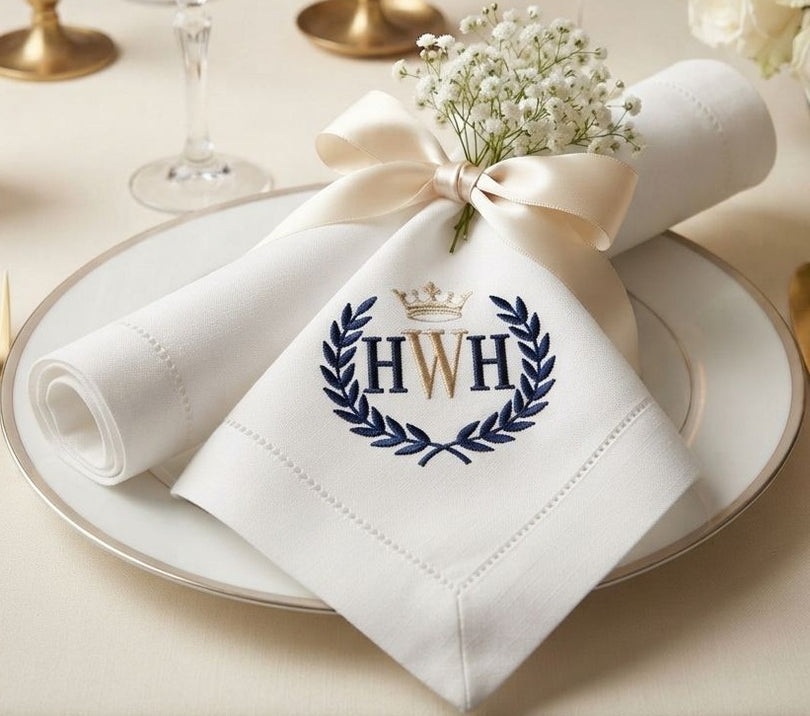
Tablecloth + Napkins: Your tablecloth and napkins should feel complementary without being matchy-matchy. A striped tablecloth pairs beautifully with solid napkins in one of the stripe's accent colors. A solid linen tablecloth pairs well with embroidered or hemstitched napkins for a refined look.
Centerpiece: Keep it proportional. A simple cluster of candles, a small vase of flowers, or a bowl of seasonal fruit. Anything over 12 inches tall blocks conversation; avoid it at a dining table.
Tableware: Your plates, glasses, and cutlery should have one element in common with the tablecloth whether that's color, material, or era of design. This creates cohesion without requiring a matching set.
The 60-30-10 color rule: 60% of the table should be your dominant tablecloth color, 30% a secondary color (napkins, placemats), 10% accent (candles, flowers, decorative objects). This ratio is the foundation of every great table design.
Shop the full collection: All Cotton and Linen Table Linens
11. Store and Care for Tablecloths So They're Always Ready
The biggest barrier to daily tablecloth use isn't motivation; it's inconvenience. If your tablecloths are buried at the back of a drawer, wrinkled, or hard to access, you won't use them. Great storage solves this entirely.
The fold that prevents wrinkles: For rectangular tablecloths, fold in thirds lengthwise first, then in thirds or quarters across the width. Store flat or hang over a trouser hanger in a wardrobe. Avoid sharp corner folds, which create permanent crease marks.
The roll method: For tablecloths you use frequently, roll them around a cardboard tube (like a gift wrap tube) rather than folding. This prevents creases entirely and keeps them ready to unfurl in seconds.
Dedicated storage: A small section of a linen cupboard, a wide shallow drawer, or a fabric basket near the dining table all work well. The closer the storage is to the table, the more likely you are to use the tablecloth daily.
Washing cadence: For daily use, wash your everyday tablecloth once a week, every 5–7 days. Spot-clean small spills immediately; full machine wash weekly. All Cotton and Linen's cotton tablecloths are designed for exactly this kind of regular, frequent washing; they maintain their color, shape, and softness wash after wash.
Between washes: A quick steam with a handheld steamer takes 60 seconds and removes light wrinkles without removing the tablecloth from the table.
Read On: Summertime Tablescapes: Striped Tablecloth Ideas
Quick Reference: The Right Tablecloth for Every Everyday Occasion
|
Occasion |
Best Style |
Best Fabric |
ACL Pick |
|
Daily breakfast |
Solid neutral or subtle check |
Cotton |
Plain cotton tablecloth |
|
Family weeknight dinner |
Stripe or check |
Cotton-linen blend |
Farmhouse striped |
|
Weekend brunch |
Bold color or botanical print |
Linen |
Printed linen tablecloth |
|
Kids' meals |
Dark, solid, or bold pattern |
Heavy cotton (washable) |
Buffalo check |
|
Work from home |
Solid neutral |
Linen |
Natural linen tablecloth |
|
Casual entertaining |
Layered solid + runner |
Cotton + linen |
White base + colored runner |
|
Seasonal change |
Seasonal color or pattern |
Cotton |
Rotate by season |