

A well-planned dinner party tablescape brings together table linens, place settings, a centerpiece, and a few decorative details to create a welcoming table. Start with a simple color palette, choose linens that suit the occasion, arrange each place setting with enough space for guests, and finish with a centerpiece that does not get in the way of conversation.
You do not need elaborate decorations to create a beautiful tablescape. The key is to balance style with comfort so the table looks inviting while still leaving enough room for plates, serving dishes, and drinks.
What Is a Tablescape?
A tablescape is the overall arrangement and decoration of a dining table. It includes the practical elements of a table setting, such as plates, cutlery, glasses, and napkins, along with decorative details such as table linens, centerpieces, candles, flowers, and seasonal accents. A table setting focuses on what each guest needs, while a tablescape considers how the entire table looks and works together.
For a dinner party, a tablescape can include:
-
Tablecloth, table runner, or placemats
-
Cloth napkins
-
Dinner plates and smaller plates
-
Forks, knives, and spoons
-
Water and wine glasses
-
A centerpiece
-
Candles or other lighting
-
Small decorative accents
The goal is to create a coordinated table without filling every available space.

How Do You Create a Dinner Party Tablescape?
Creating a tablescape is easier when you build it in layers. Start with the table itself and finish with smaller decorative details.
1. Choose a Theme and Color Palette
Start by deciding how you want the table to feel. A casual dinner with friends may suit natural fabrics and soft colors, while a formal dinner may call for crisp linens, classic dinnerware, and understated decorations.
Choose two or three main colors and use them throughout the table. For example, a neutral tablecloth can be paired with green napkins and natural wood accents. For a seasonal dinner, you can introduce one stronger color through napkins, flowers, or small decorations. A limited color palette helps different table elements look connected without making the table feel busy.
2. Choose the Right Table Linens
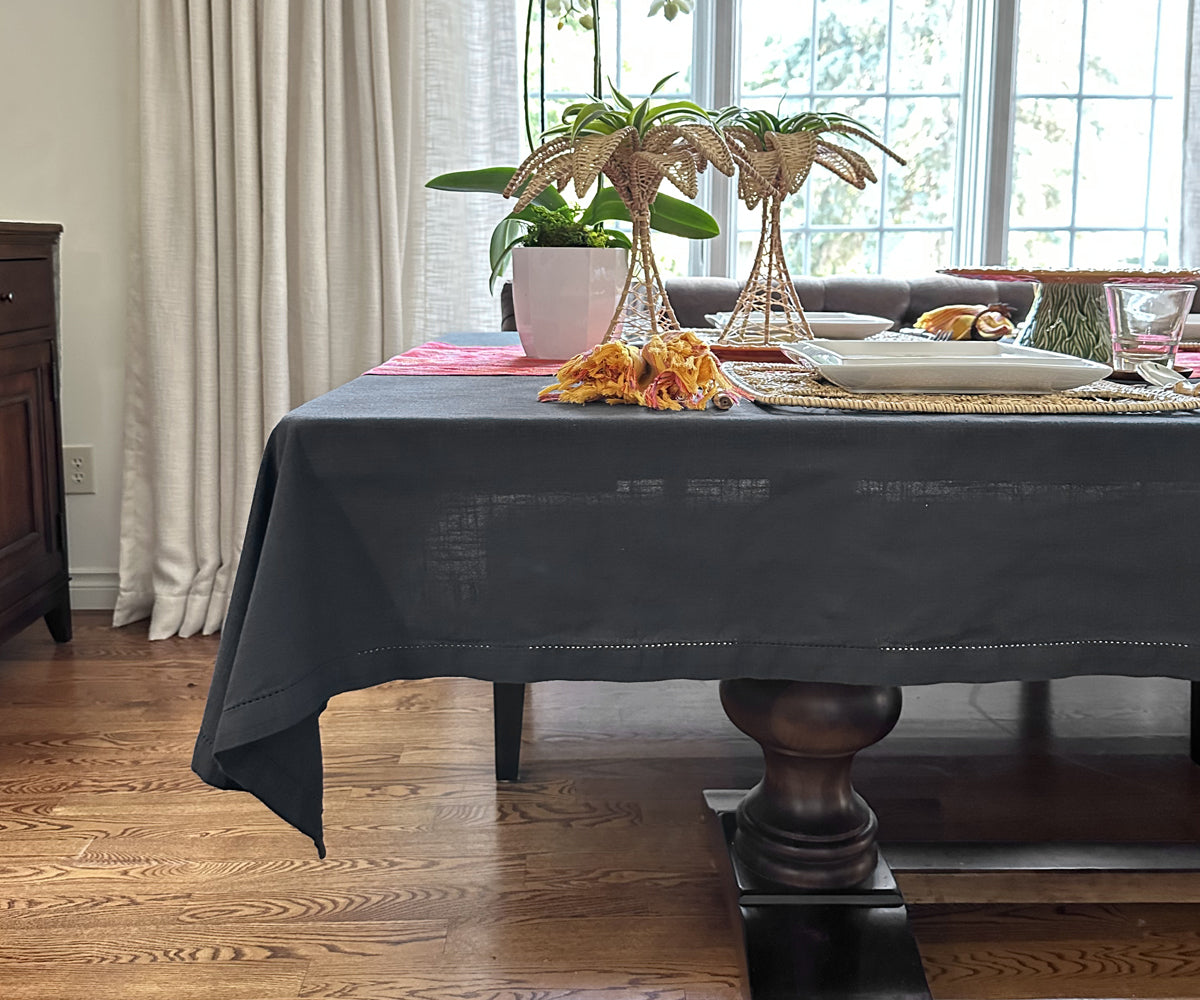
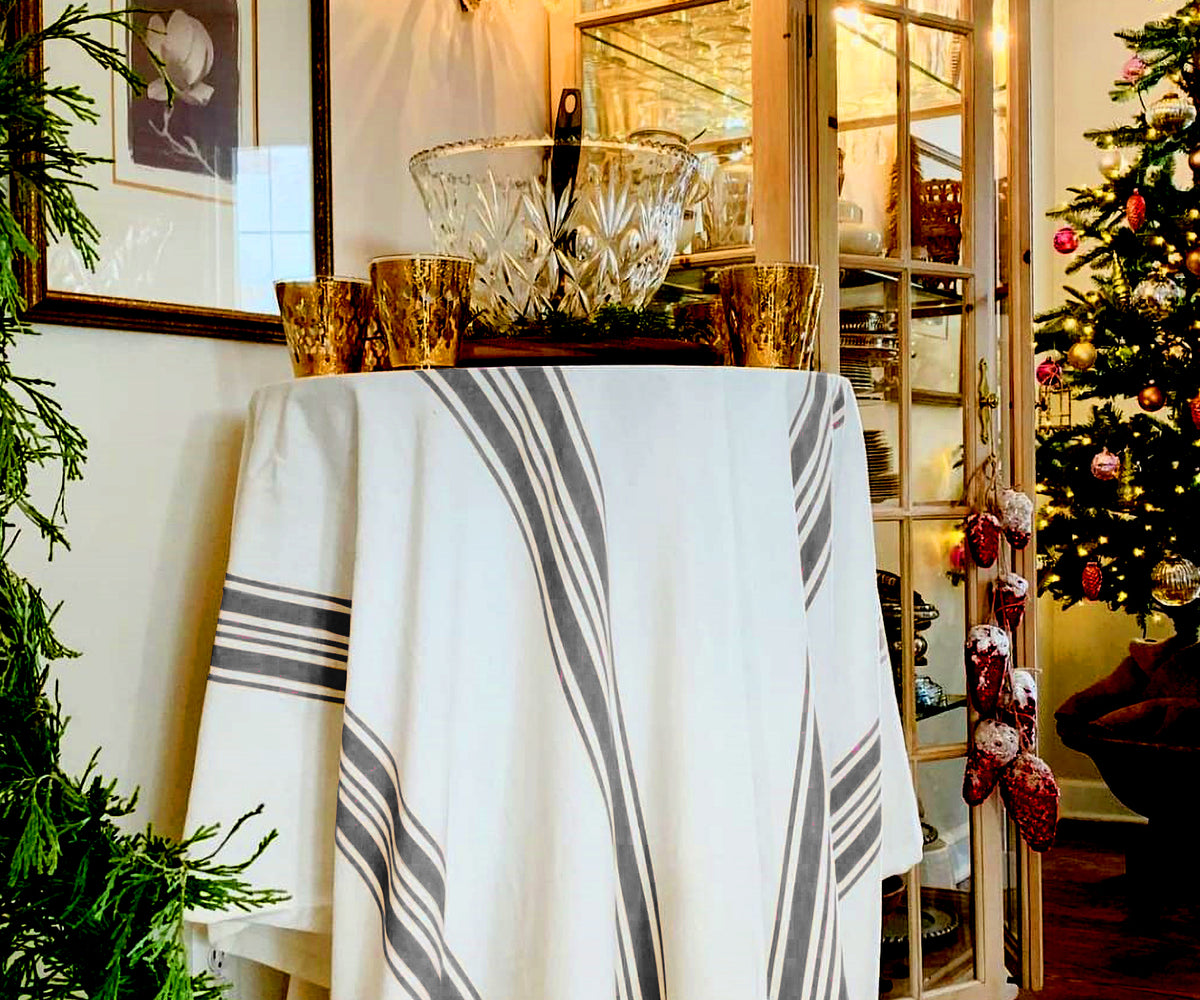
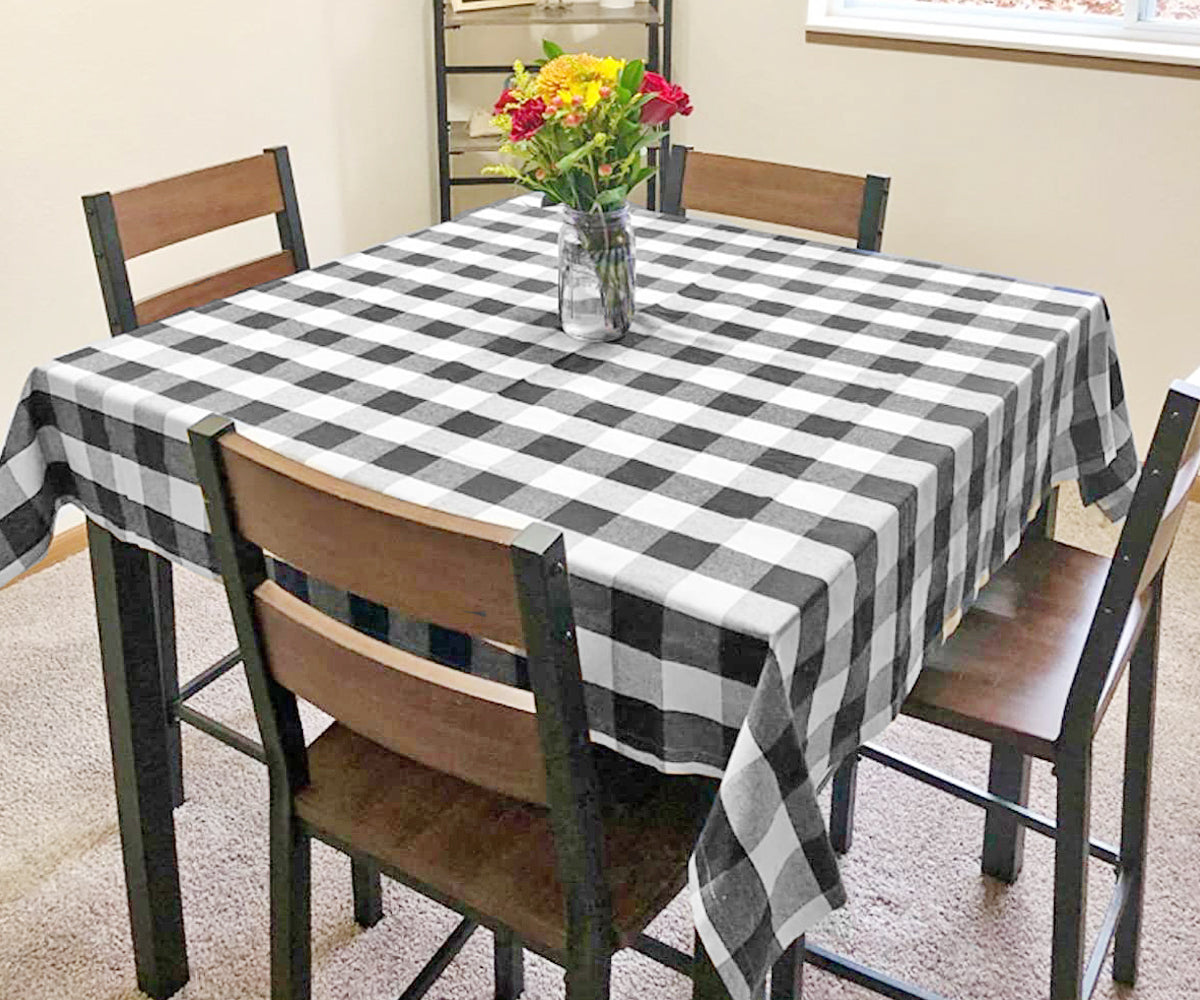
Table linens create the foundation for the tablescape. Depending on the occasion and the look you want, you can use a tablecloth, table runner, placemats, or a combination of these.
A tablecloth provides full coverage and can help create a more formal setting. A table runner adds a decorative layer while allowing some of the tabletop to remain visible. Placemats define each guest's space and can add color or texture without covering the entire table. Cotton and linen are both useful choices for reusable dinner party linens. Linen has a naturally textured appearance, while cotton offers a smooth and familiar feel. Choose the fabric based on the look you want and the care instructions that work for your household.
When layering linens, avoid adding every option at once. A tablecloth with napkins may be enough for one setting, while a runner with placemats and napkins can create another look.
3. Arrange the Place Settings
Once the base linens are in place, arrange the tableware for each guest.
A basic dinner place setting can include:
-
Dinner plate in the center
-
Fork on the left
-
Knife on the right with the blade facing the plate
-
Spoon to the right of the knife when needed
-
Water glass above the knife
-
Napkin beside the plate or arranged on top of it
Leave enough space between place settings so guests can eat comfortably without bumping elbows.
For a more formal dinner, additional glassware or smaller plates can be added based on the menu. For a casual gathering, keep the setting simple and provide only what guests will use.
4. Style the Cloth Napkins
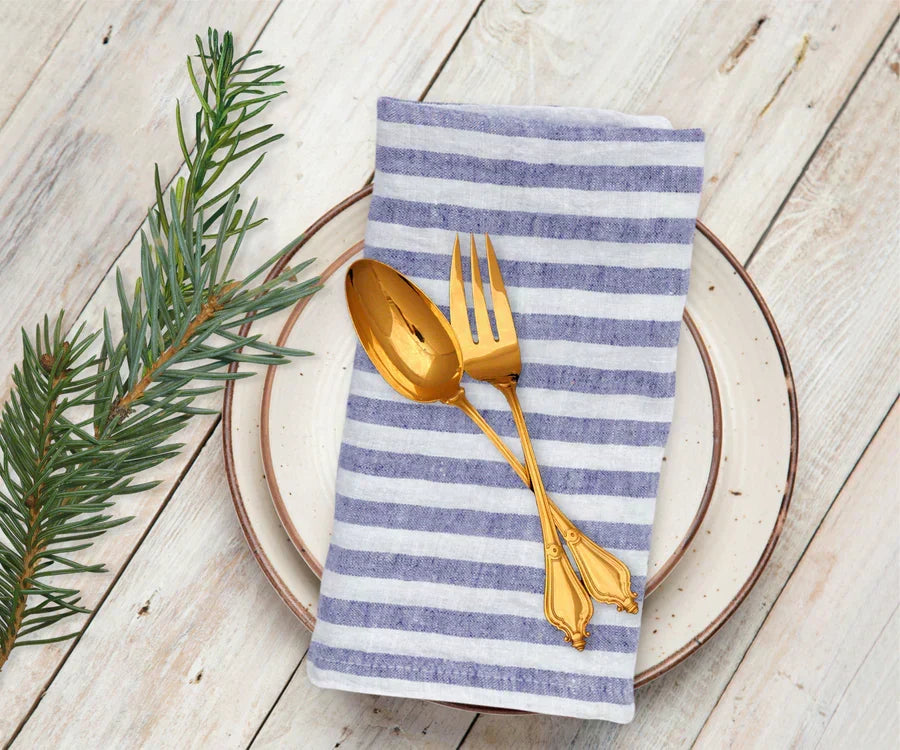
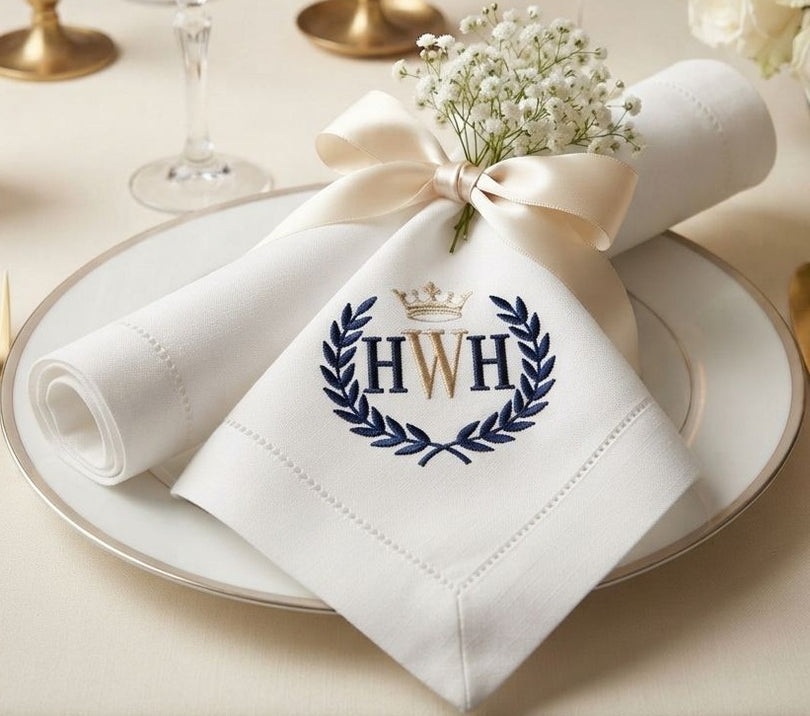
Cloth napkins are both practical and decorative. You can fold them simply, place them beside the plate, or position them on top of the dinnerware. For a relaxed table, a loosely folded napkin can complement a natural or rustic setting. A cleaner fold works well when you want a more structured appearance.
Napkin color is another easy way to introduce contrast. If your tablecloth is neutral, patterned or colored napkins can become a small focal point. If the table already includes several patterns, solid napkins can help balance the overall look.

5. Add a Table Centerpiece
The centerpiece should complement the table rather than take over the entire arrangement. For a rectangular table, consider a long runner with several small floral arrangements, candles, or bud vases. On a round table, one central arrangement can provide a natural focal point. Keep seated guests in mind when choosing the height of your centerpiece. Low arrangements generally make conversation easier because guests can see across the table.
You can use:
-
Fresh flowers
-
Small potted herbs
-
Bud vases
-
Seasonal branches
-
Candles
-
Bowls of fruit
-
Natural elements such as greenery
Choose one main centerpiece idea rather than combining too many different decorations.

6. Add Lighting and Finishing Details
Lighting can change the atmosphere of a dinner table, particularly when the meal continues into the evening. Candles can provide a warm glow, while small decorative lights can add another layer without taking up much table space. Finish the tablescape with a few carefully chosen details. Small flowers, seasonal produce, natural elements, or simple decorative pieces can work well when they relate to the rest of the table.
Before guests arrive, look at the table as a whole. Remove anything that feels unnecessary or makes it difficult to reach the food, glasses, or place settings.
What Are the Best Table Linens for a Dinner Party?
The best table linens depend on the type of dinner, the table size, and the overall style you want.
|
Table linen |
Best for |
Styling idea |
|
Tablecloth |
Full table coverage and formal dinners |
Pair with simple napkins and a low centerpiece. |
|
Table runner |
Adding color or texture |
Place lengthwise through the center of the table. |
|
Placemats |
Defining individual spaces |
Coordinate with napkins or tableware |
|
Cloth napkins |
Everyday and special dinners |
Fold simply or place on each dinner plate. |
Before buying or using a tablecloth, measure the table and consider how much drop you want around the edges. A longer drop creates a more traditional appearance, while a shorter drop can feel more casual.
How Can You Create Different Dinner Party Tablescape Styles?
You can create different looks using the same basic table setting by changing the linens, colors, centerpiece, and decorative details.
Casual and Natural
Use cotton or linen napkins, neutral placemats, simple dinnerware, and a small arrangement of greenery. Wooden or natural accents can add texture without making the table feel overly decorated.
Classic and Formal
A tablecloth, neatly folded cloth napkins, coordinated dinnerware, polished glassware, and a simple floral centerpiece can create a more traditional dinner table.
Seasonal
Change the napkin color, centerpiece, or small decorative accents according to the season. Fall dinners can include warm colors and seasonal foliage, while spring gatherings can use fresh flowers and lighter tones.
Outdoor Dinner
For an outdoor dinner, choose practical washable linens and keep decorations secure. Small arrangements, cloth napkins, and simple tableware can make an outdoor table feel special without creating unnecessary clutter.

How Do You Keep a Tablescape Practical for Guests?
A tablescape should look good while still working for the meal. Keep these practical points in mind before guests arrive:
-
Leave enough space between each place setting.
-
Keep the center of the table clear enough for serving dishes.
-
Avoid centerpieces that block guests' views.
-
Keep candles away from napkins and other flammable materials.
-
Make frequently used serving dishes easy to reach.
-
Avoid placing too many decorative objects around the plates and glasses.
-
Check that chairs can be pulled out without hitting decorations or table legs.
A beautiful table does not need to be crowded. Leaving some open space often makes the entire arrangement look more balanced.
Key Takeaways
Creating a dinner party tablescape does not require complicated decorations. Start with a suitable table linen, build comfortable place settings, add cloth napkins, and choose a centerpiece that works with the size and shape of your table.
The most successful tablescapes balance decoration with practicality. Guests should have enough room to eat and talk, while serving dishes and drinks should remain easy to reach. Cotton and linen table linens can also be reused for different occasions by changing the colors, centerpiece, and smaller decorative details. For dinner parties, focus on creating a table that feels welcoming and works comfortably for everyone sitting around it.
Ready to style your next dinner table? Shop All Cotton and Linen for cotton and linen tablecloths, napkins, runners, and placemats.
Related Readings:
What Is the Best Size for Cloth Napkins?