

Keeping your tablecloth from sliding at a Glance
|
Topic |
Quick Answer |
|
Best overall fix |
Non-slip pad |
|
Best for outdoors |
Clips or weights |
|
Best for round tables |
Fitted pad or elastic cord |
|
Best for wood tables |
Felt-backed pad |
|
Best fabric |
Linen or cotton |
|
Fabrics to skip |
Satin, silk, slick polyester |
|
Quick party fix |
Double-sided tape |
|
Cost range |
Low |
|
Time needed |
2 to 5 minutes |
Why Does a Tablecloth Slide?
A tablecloth slides for three simple reasons.
-
Slick fabric. Smooth cloth has nothing to grab the table.
-
A long drop. A heavy overhang pulls the cloth down. Even a small tug can drag the whole thing off.
-
Movement. Elbows, kids, wind, and serving dishes all push on the cloth.
Once you know the cause, the fix is easy. Let's start with the cloth itself.
Start With the Right Fabric
This is the step most people skip. A cloth with a little texture grips the table better than a slick one.
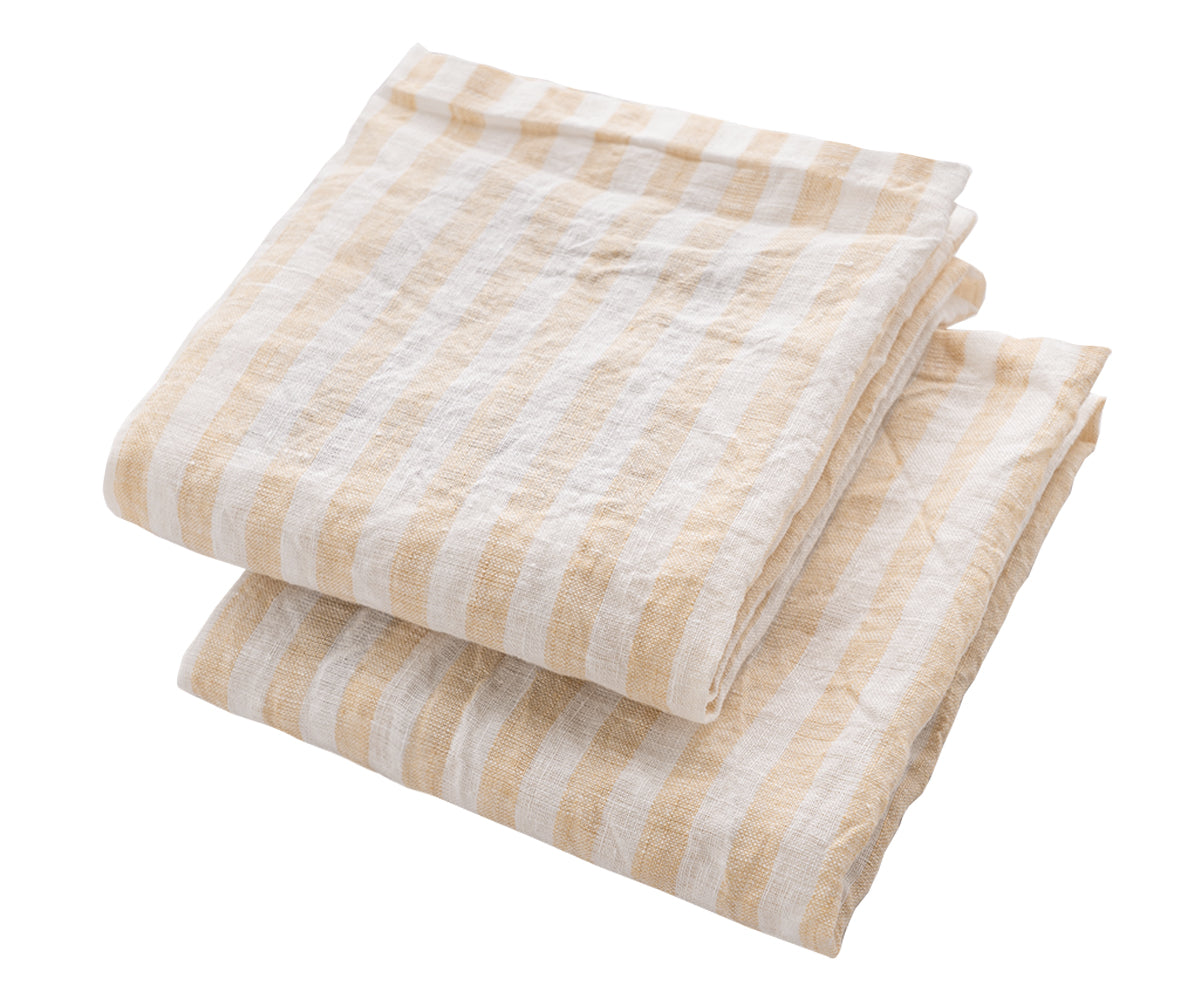
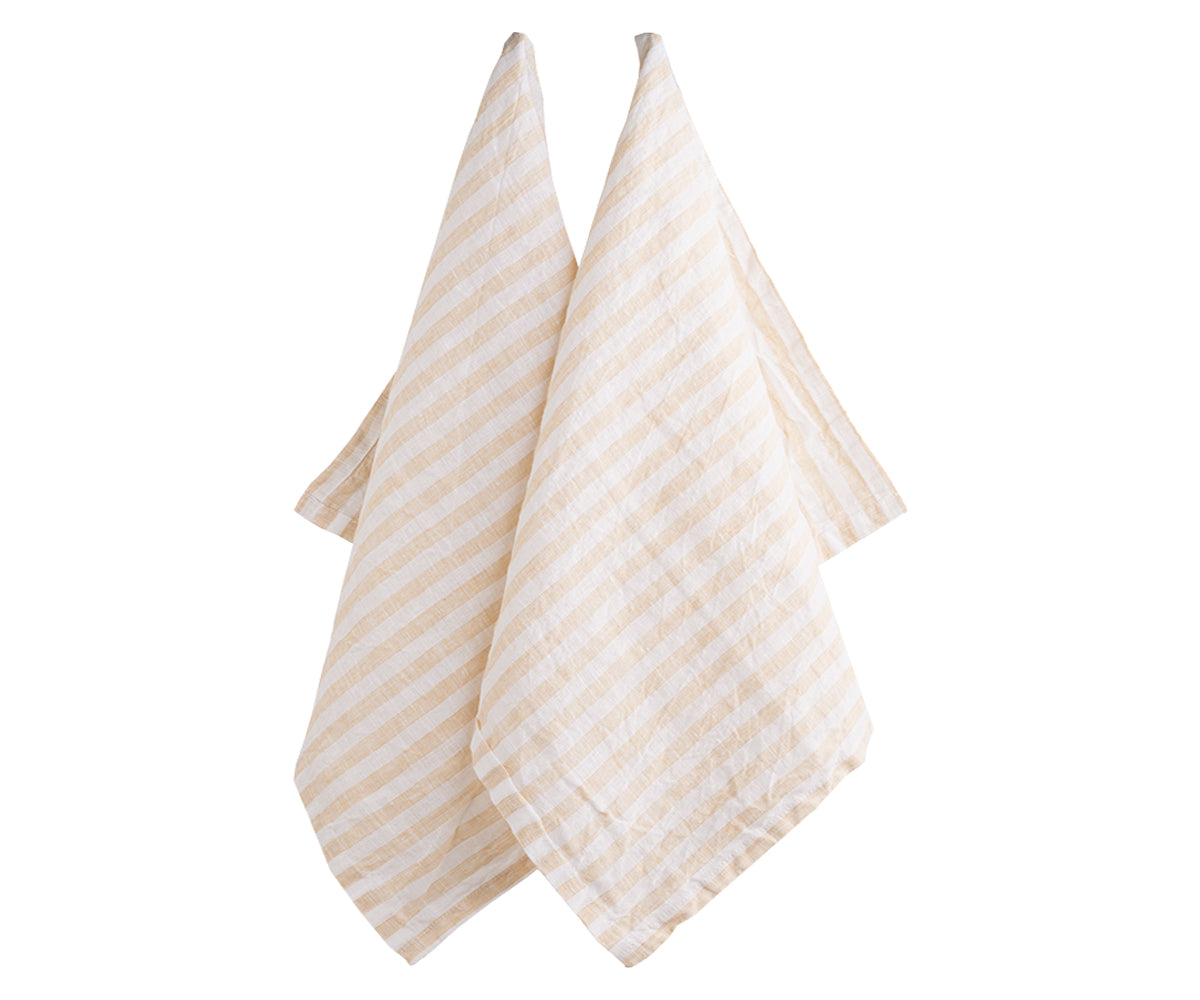
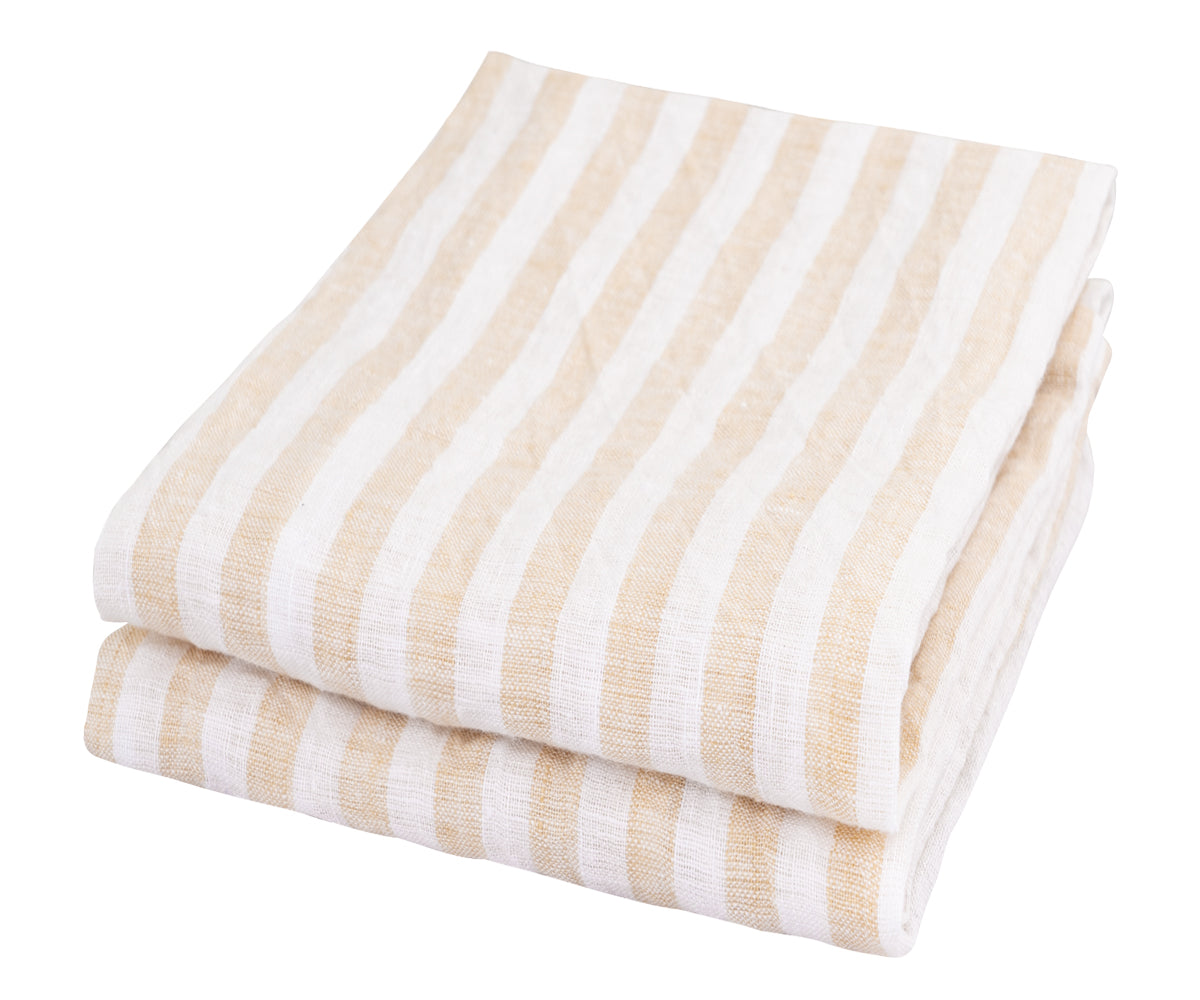
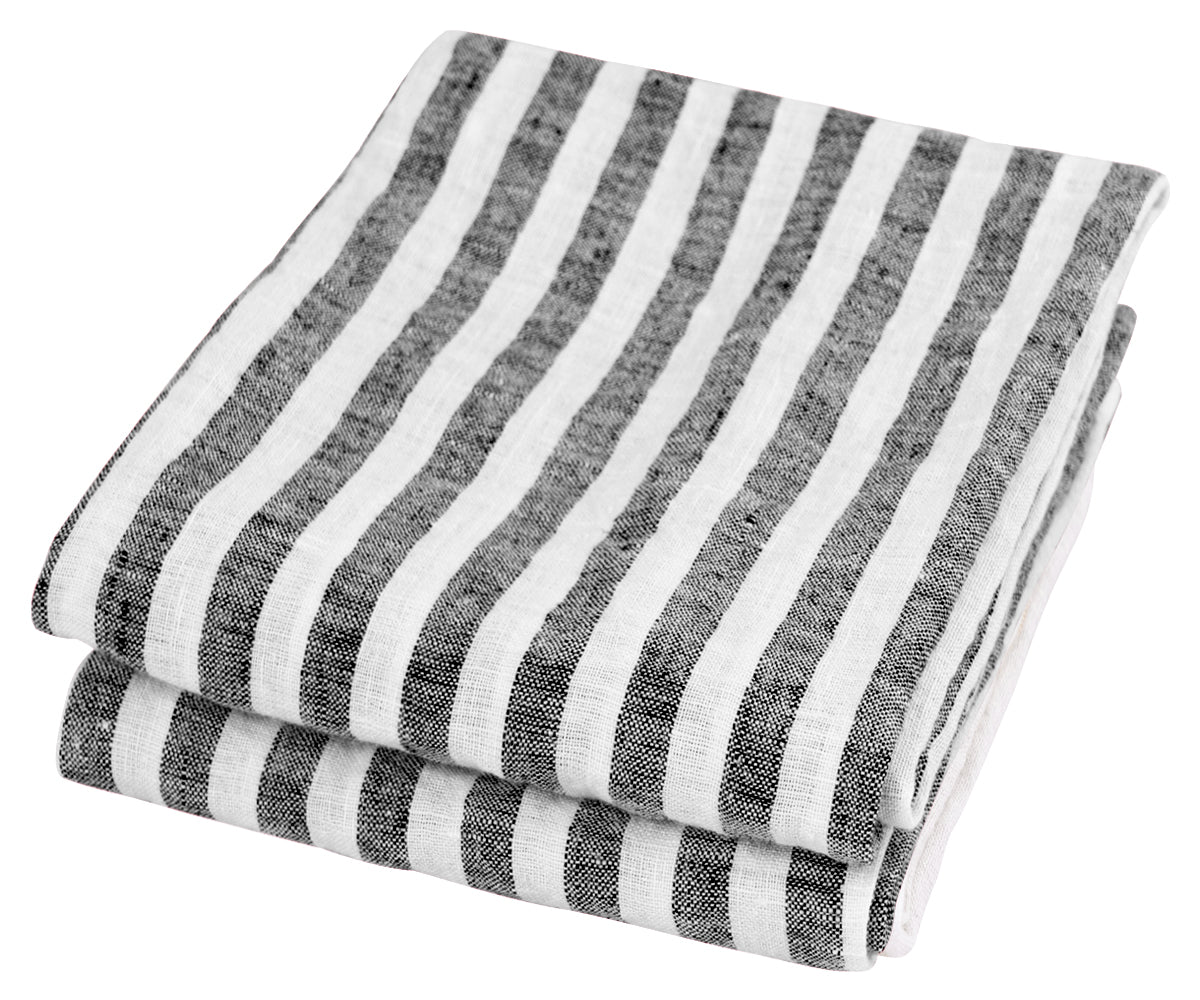
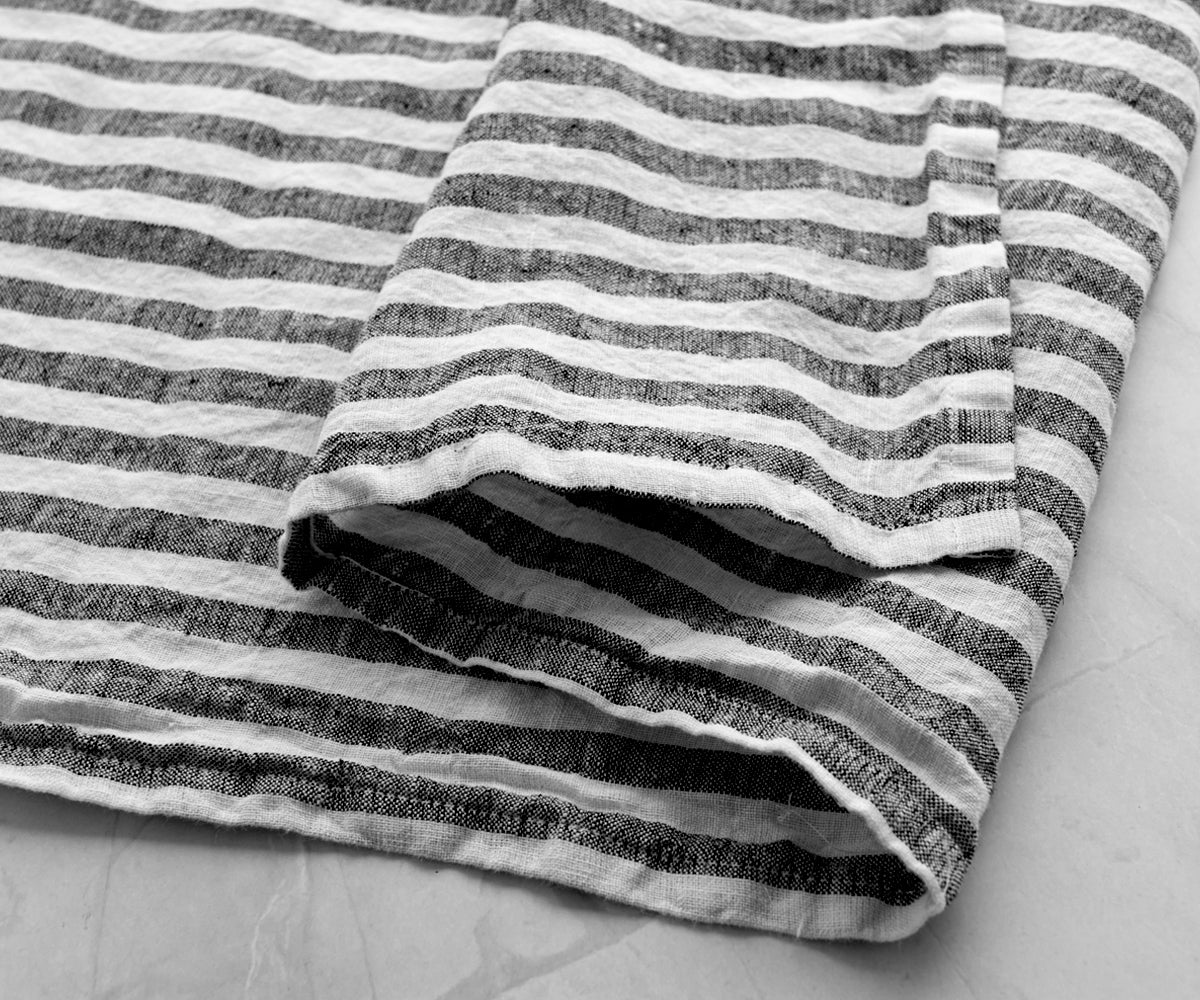
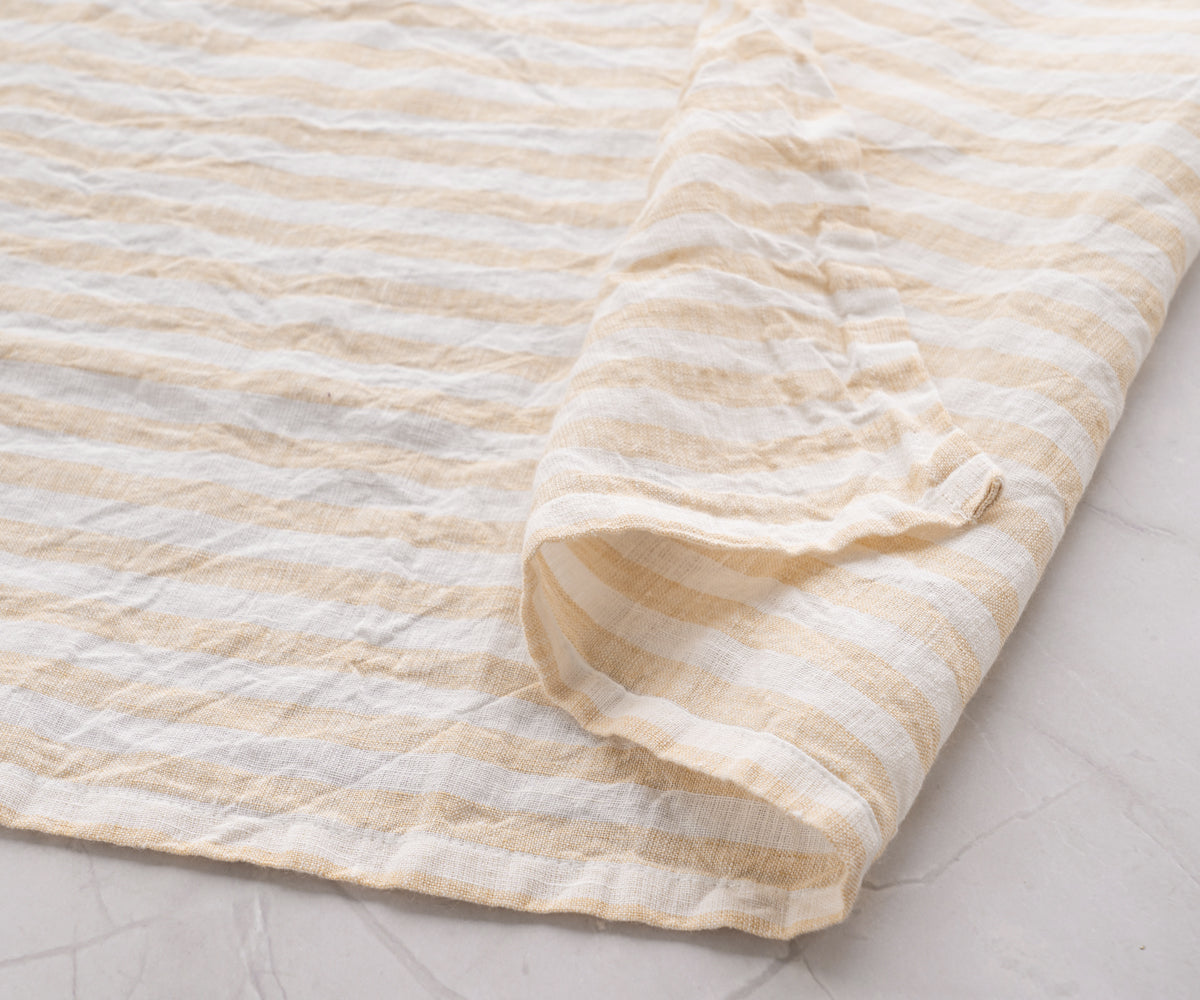
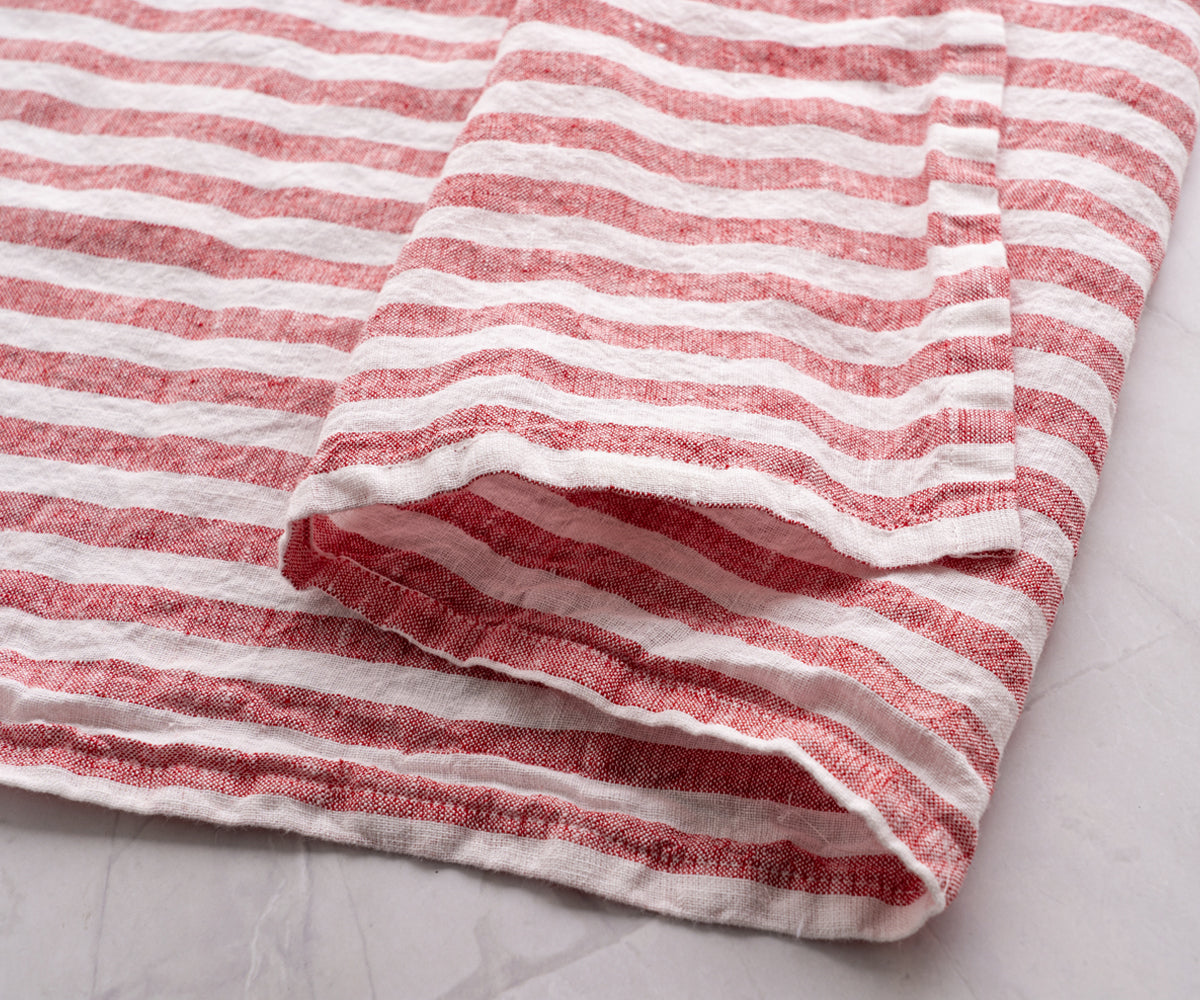
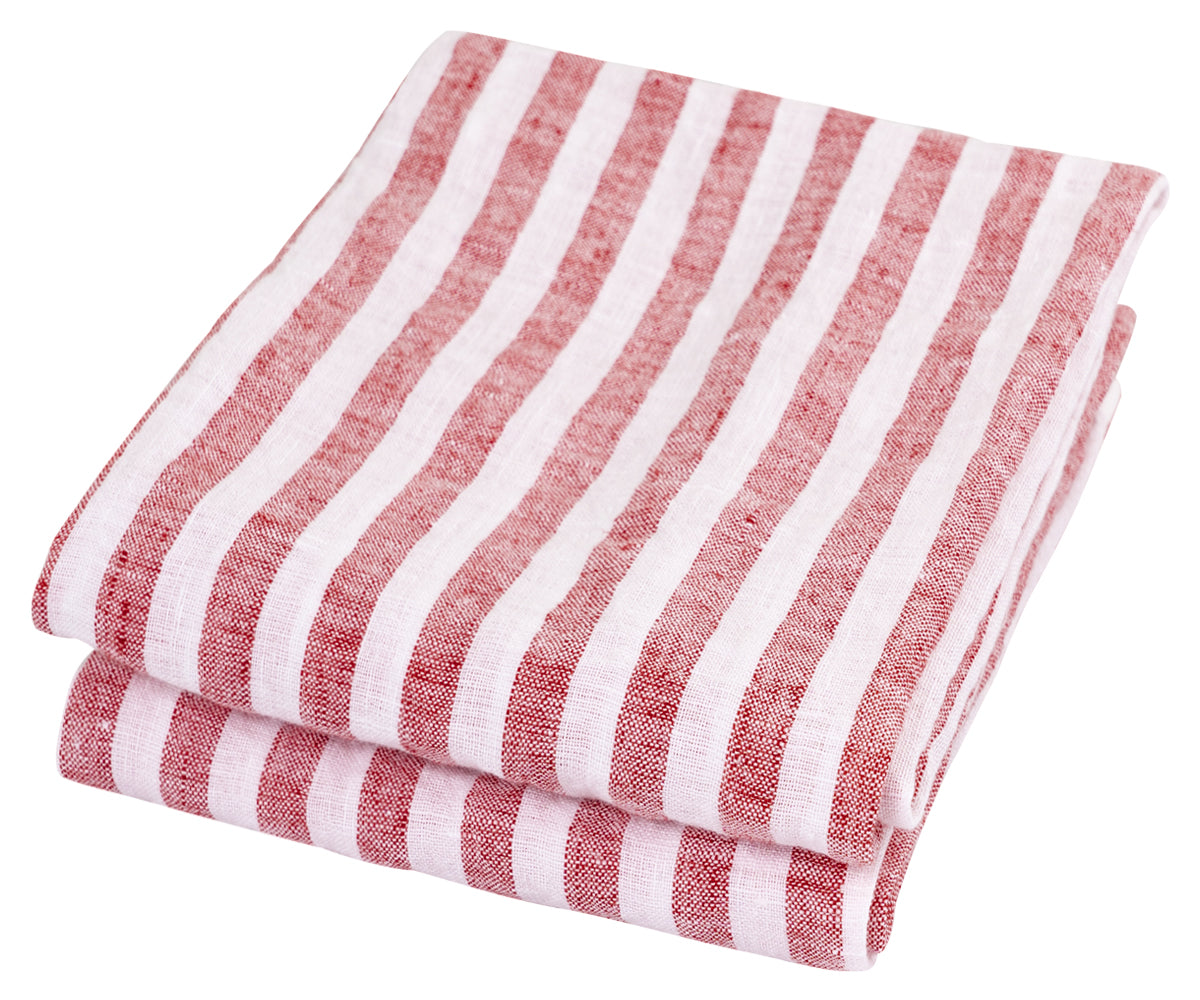
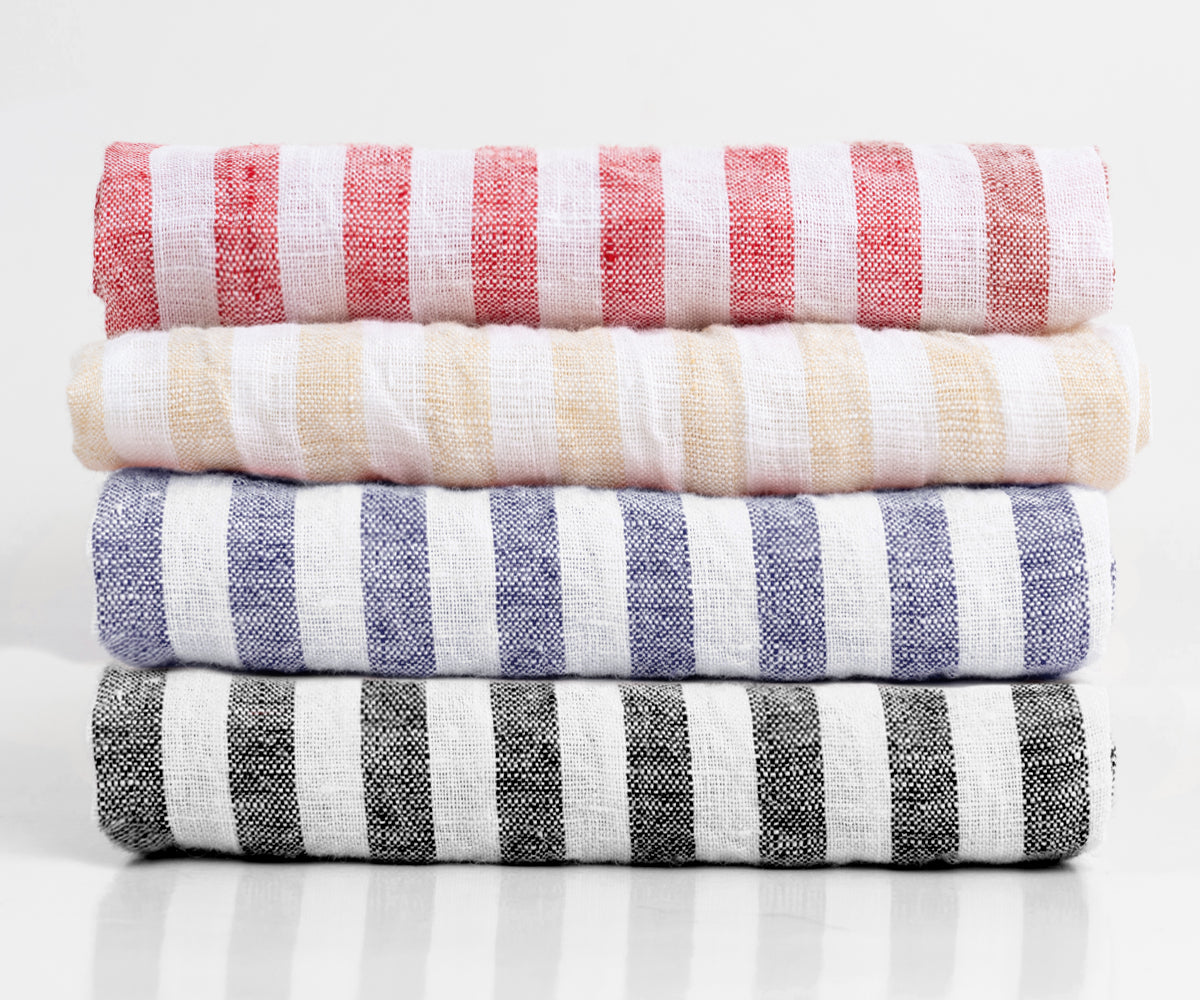
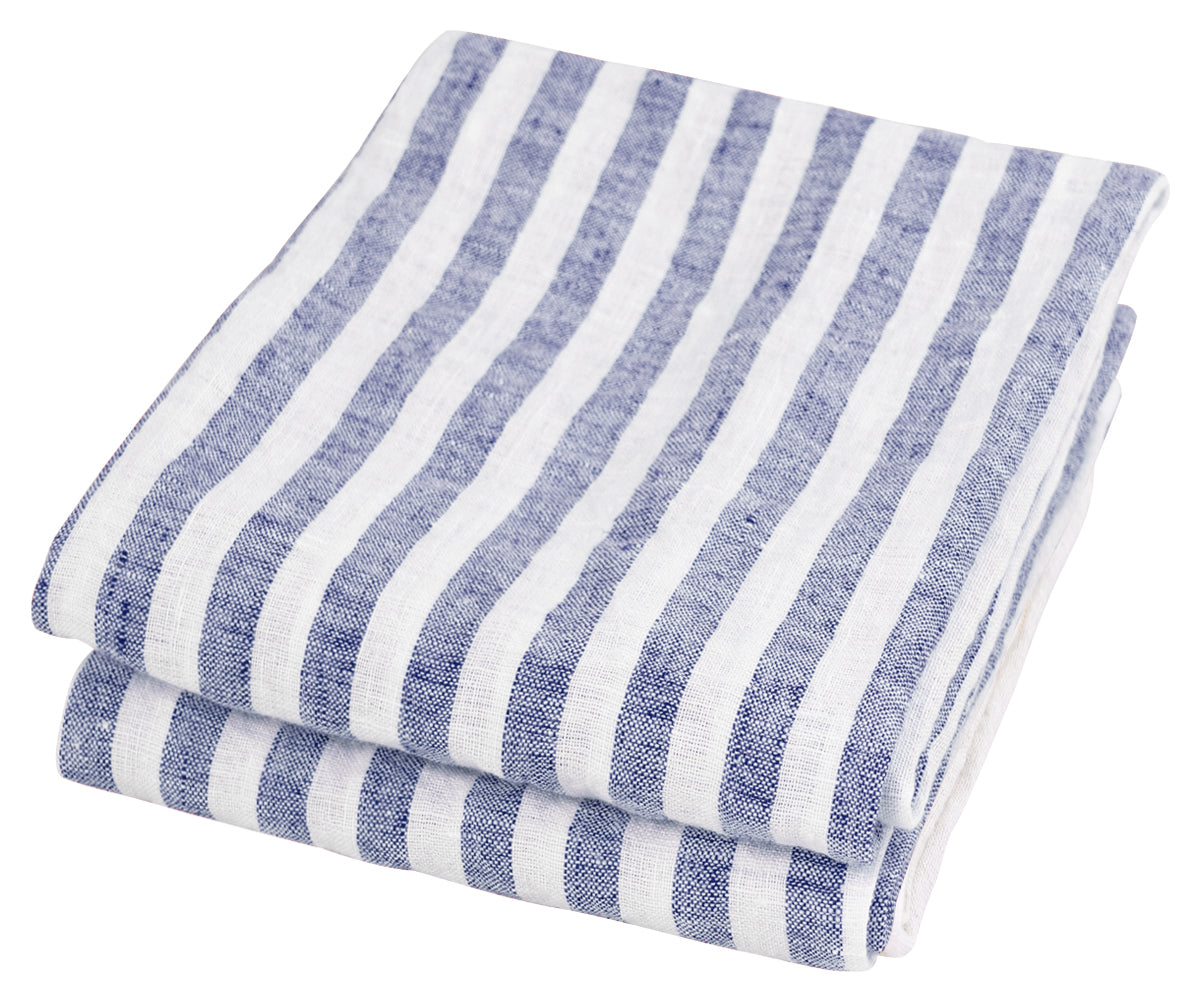
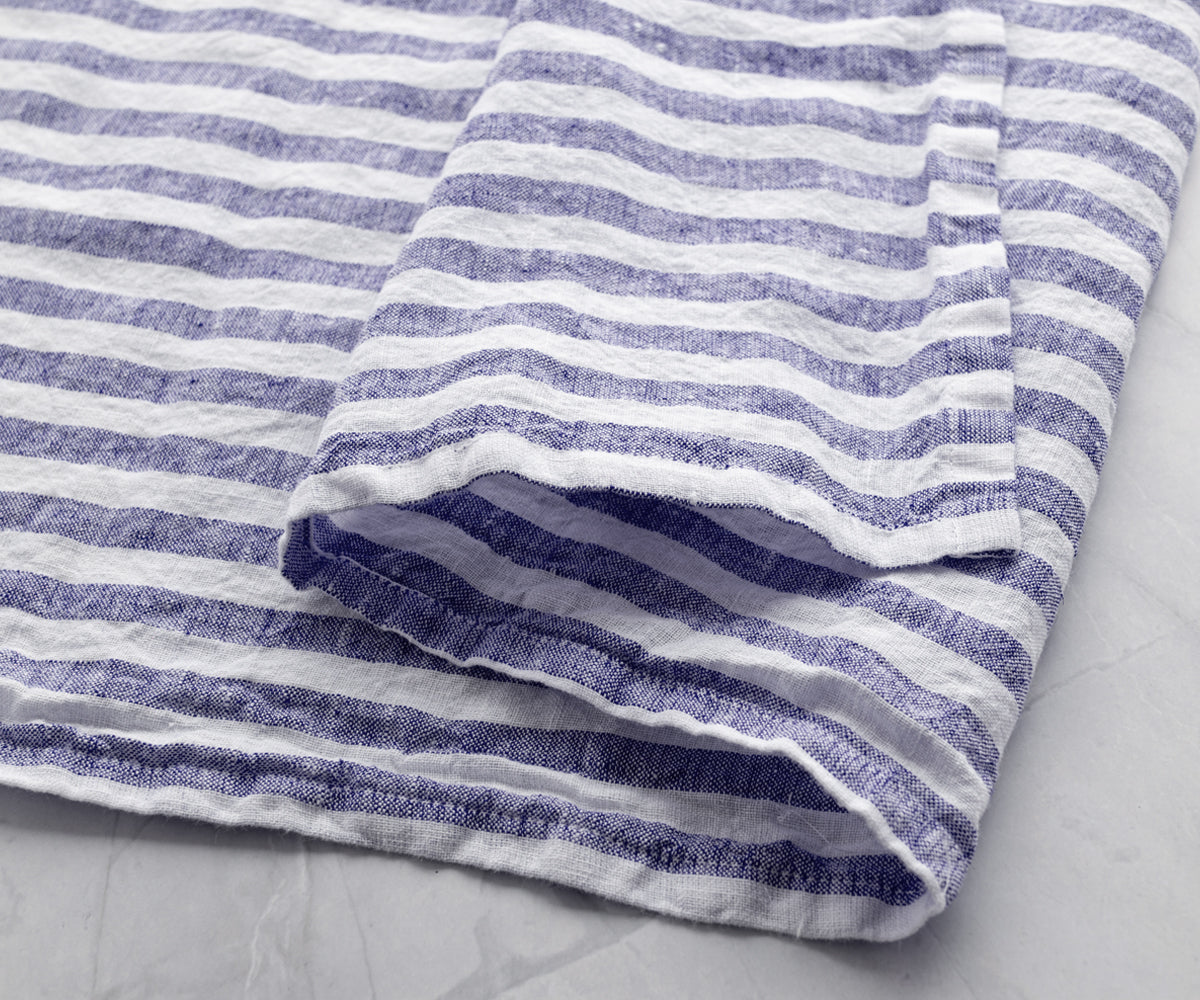
Linen tablecloths have a natural, slightly rough weave. That weave gives them more grip. Cotton tablecloths are another good pick. They are soft, easy to wash, and sit nicely on most tables.
Satin and silk look lovely, but they slide easily. If you love that shiny look, plan on using a pad and clips too.
Fix 1: Put a Non-Slip Pad Under It
If you ask me what to put under a tablecloth to keep it from sliding, this is my answer. A pad works by itself. It sits between the table and the cloth and grips both.

Here's how to use one:
-
Measure the top of your table.
-
Cut the pad about 1 inch smaller than the tabletop on every side. This way it stays hidden.
-
Lay it flat, then place the cloth over it.
A pad also protects your table from heat, scratches, and spills. And it makes the cloth feel thicker and softer.
Pad tip: Check the label before you buy. Some plastic or rubber pads can leave marks on certain wood finishes. A pad with a soft felt top and a grippy back is a safer choice.
Fix 2: Use Tablecloth Clips
Clips are cheap and easy. They grab the cloth and hold it to the table's edge. They are also one of the top searches that bring people to this page.

Clips work best on:
-
Picnic tables
-
Patio tables
-
Buffet tables at parties
-
Tables with a thin edge
Use one clip every 2 to 3 feet on long tables. On a round table, place one every 12 inches or so. Choose padded or clear clips for fine cloths, so they don't pinch or leave marks.
Fix 3: Add Tablecloth Weights
Weights hang from the corners or edges of the cloth. The extra pull keeps the fabric from lifting or drifting. They are great for windy days.
You can buy pretty ones in stone, metal, or seasonal shapes. A fall-themed weight looks great on a Thanksgiving table setting.
You can also make your own. Sew a small coin, washer, or smooth stone into a tiny fabric pocket, then clip or pin it to each corner. Just make sure it can't scratch the table.

Fix 4: Try Double-Sided Tape (Carefully)
Tape is the quick party fix. Stick strips along the table's edge, press the cloth down, and you're done.
But here is the catch. Tape can leave sticky residue, and it can pull at some wood finishes. So:
-
Test a small, hidden spot first.
-
Use tape on the cloth side when you can, not on the wood.
-
Take it off slowly when the party is over.
For a fine wood table, I'd pick a pad instead.
Fix 5: Use Velcro (Hook-and-Loop) Strips
Velcro is a smart pick for outdoor tables. Stick one strip under the table's edge. Attach the matching strip to the underside of the cloth. When they press together, the cloth can't drift.
It takes a few minutes to set up, but it lasts all season. It works best on tables where you use the same cloth often.
Fix 6: Use Elastic Cords or Fitted Covers
An elastic cord is a neat DIY trick. Sew or tuck a loop of elastic into the hem of the cloth. It hugs the table's edge like a fitted sheet. You can also use a tension rod or cord that wraps under the table.
This one is great for odd shapes and tables that are hard to clip.
How to Keep a Tablecloth From Sliding on a Wood Table
Wood is smooth, so cloths slide on it easily. It's also easy to scratch or stain. That's why I always start with a felt-backed or felt-topped pad here.
Then, if needed, add clips on the edge. Pick clips with soft tips. Skip anything sticky unless you've tested it first.
Wood tables are a favorite for family dinners. A good pad also protects your table from hot dishes, which is a nice bonus.
How to Keep a Tablecloth in Place Outside
Wind is the big enemy outdoors. A pad alone won't be enough. Here is what works best:
-
Clips on every side
-
Weights on each corner
-
Velcro if the table stays outdoors
-
A shorter drop, so the wind has less fabric to catch
A cotton or linen cloth is heavier than thin plastic, so it already holds better in a breeze. I learned this at an outdoor garden party years ago. A light breeze showed up right as guests sat down. We clipped every side in about two minutes, and not a single glass moved.
How to Keep a Round Tablecloth From Sliding
Round tables are trickier. The cloth hangs evenly on all sides, so a tug on one side pulls on the whole thing.

Try this:
-
Cut a round non-slip pad to fit the top.
-
Lay the cloth over it so the drop is even all around.
-
Add clips or an elastic cord if guests will lean on the table.
Make sure you have the right size, too. A round tablecloth that is too big will hang low and pull itself down. Our tablecloth size calculator helps you pick the right fit. If you're unsure whether a square cloth works on a round table, read can you use a square tablecloth on a round table.
How to Keep a Table Runner From Sliding
Runners slide, too. Use a small strip of non-slip pad under the runner. You can also tuck double-sided tape under each end. A table runner with some weight to it will also stay put better than a thin one.

Get the Size Right
A cloth that is too long will slide. Most designers suggest a drop of about 6 to 12 inches for everyday meals and around 15 inches for formal dinners. Longer than that, and the extra weight tugs the cloth down.
Not sure how big your table is? Our guide on what size tablecloth for an 8-foot rectangular table shows you how to measure. If you can't decide on a shape, see oblong vs. rectangle tablecloths.

Iron It and Tuck It
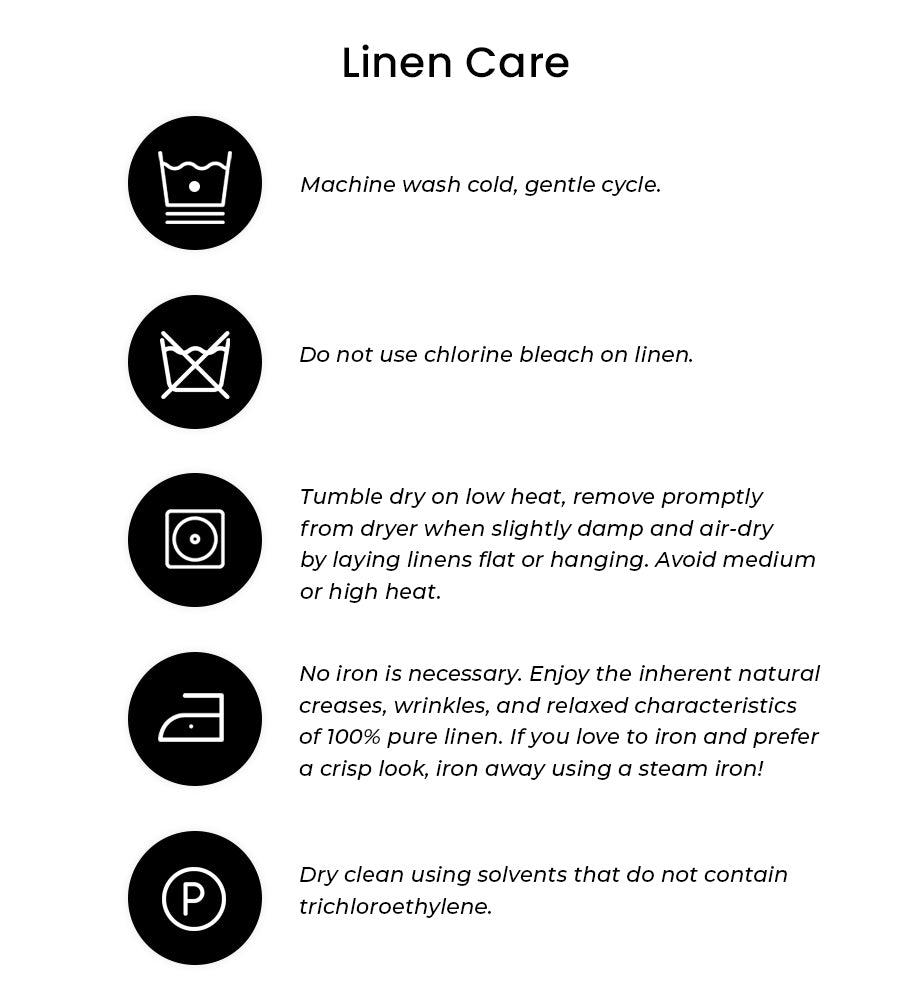
This one is free. A wrinkled cloth bunches up and moves around. A flat, ironed cloth lies smooth against the table.
Iron your cloth while it is a little damp. Then smooth it over the table and tuck any extra fabric neatly at the corners. It makes the table look better and keeps the cloth steadier.

Which Fix Should You Pick?
|
Your Table |
Best Fix |
Add-On |
|
Wood dining table |
Felt-backed pad |
Soft clips |
|
Round table |
Cut-to-fit pad |
Elastic cord |
|
Picnic table |
Clips |
Weights |
|
Patio table |
Weights |
Velcro strips |
|
Party buffet |
Double-sided tape |
Clips |
|
Glass table |
Clear grip pad |
Table protector |
Quick Mistakes to Avoid
-
Using a pad that is bigger than the table
-
Putting tape directly on fine wood
-
Choosing a cloth with a very long drop
-
Skipping a test on a hidden spot
-
Forgetting to iron the cloth first
My Go-To Setup
When I set a table for guests, I follow the same steps. I start with a cotton or linen cloth. I add a pad underneath. Then I iron, smooth, and tuck the corners. If it's an outdoor meal, I add clips. That's it. In my experience, this mix beats any single trick.
Ready to refresh your table? Browse our full tablecloth collection to find a cloth with the right size, weave, and style. If you want a cloth that grips naturally, start with our linen tablecloths or cotton tablecloths.
Key Takeaways
-
Slick fabric, a long drop, and movement make tablecloths slide.
-
Linen and cotton grip better than satin or silk.
-
A non-slip pad is the best all-around fix.
-
Use clips and weights for outdoor tables.
-
Test tape in a hidden spot before using it on wood.
-
Choose the right size so the cloth doesn't hang too low.
-
Iron the cloth and tuck the corners for extra hold.
Related Readings