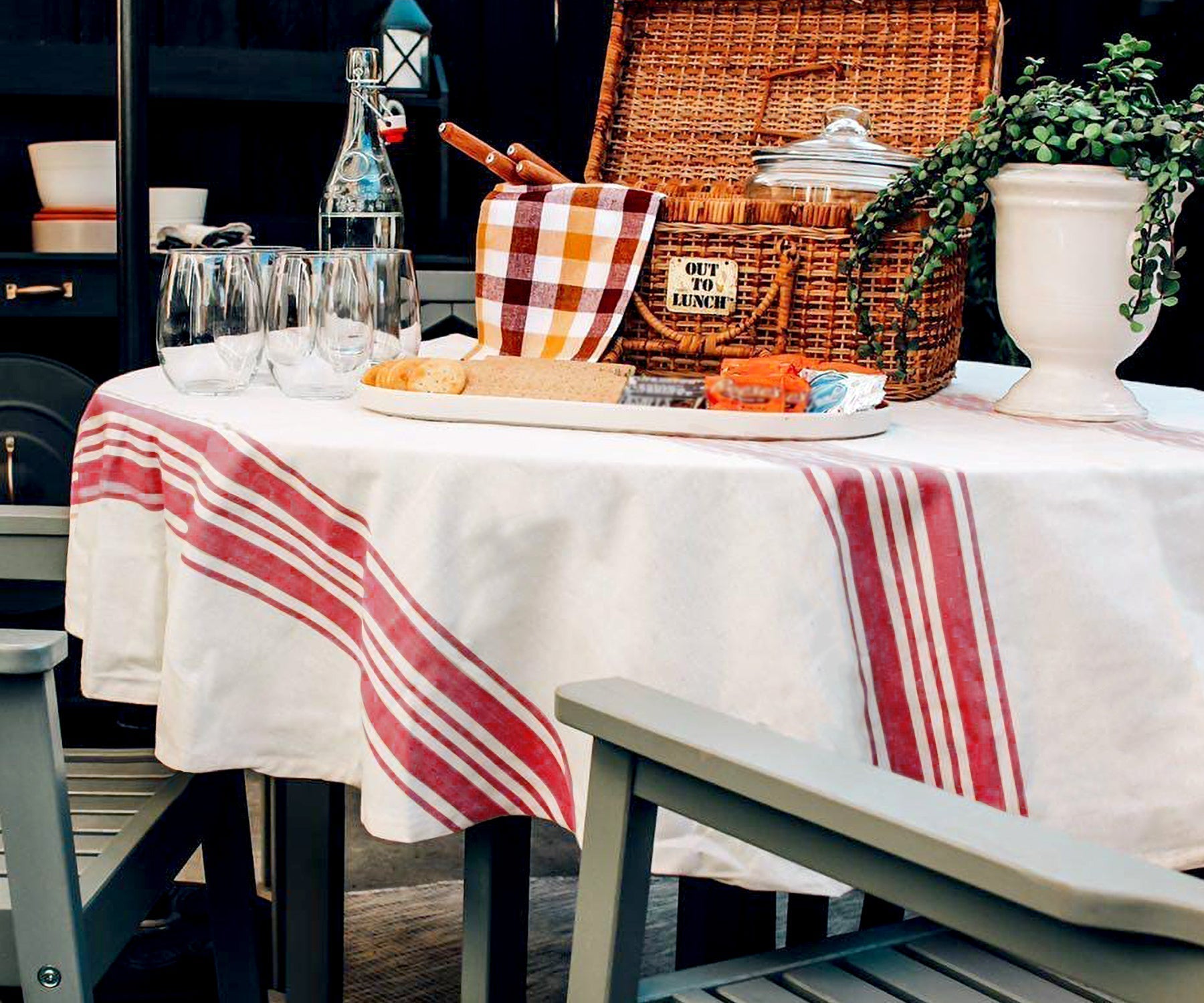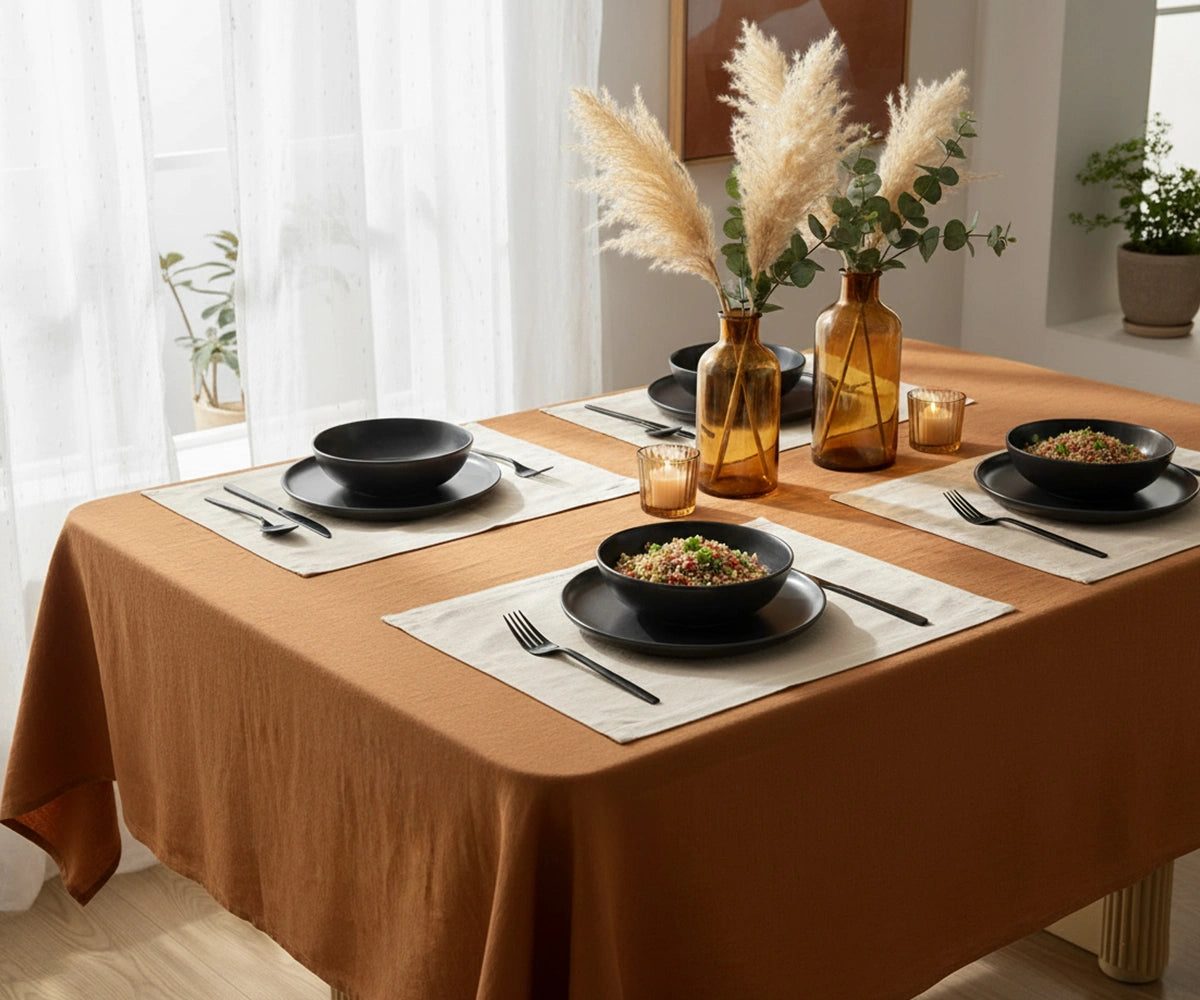



This guide covers how to set a table for dinner in every style: basic, casual, and formal, with step-by-step instructions and a full silverware placement reference.
A well-arranged table does more than look good. It tells guests where to sit, which utensils to use, and in what order. It signals that a meal was prepared with care, and it makes even an ordinary Tuesday dinner feel more intentional. Whether you are setting up for a family meal, a holiday dinner, or a formal gathering, the same core principles apply, and they are far simpler than most people expect.
What Is a Table Place Setting?
A place setting is the complete arrangement of tableware set out for one person at the dining table. This includes the plate, all required utensils, glassware, and a napkin — arranged according to the meal being served and the formality of the occasion.
The purpose of a place setting is practical as much as decorative. Silverware placed in the correct positions tells guests which utensil to reach for first without any instruction needed. Glassware in the right position keeps the table organised through multiple courses. A consistently laid table also creates the visual symmetry that makes a dinner table look finished rather than thrown together.
Every place setting starts with a table setting based on a tablecloth, a placemat, or both, which defines each person's space and protects the table surface.

The Core Rule of Silverware Placement
Before covering specific table setting styles, one principle covers nearly every silverware question you will encounter:
Utensils are placed in the order they will be used, arranged from the outside in.
The first utensil a guest will use sits farthest from the plate. The utensil used last sits closest. This applies to both sides of the plate.
Left side of the plate:
Forks only. Dinner fork closest to the plate, salad fork to the left of that.
Right side of the plate:
Knife closest to the plate (blade facing inward), soup spoon to the right of the knife, and a teaspoon to the right of the soup spoon if needed.
Above the plate:
Dessert fork pointing right and dessert spoon pointing left, placed horizontally.
Above and right:
Glassware. Water glass directly above the knife, wine glass to the right of the water glass.
Once this principle is clear, setting a table for any occasion becomes straightforward.

How to Set a Table Correctly: The Basic Setting
A basic table setting is the starting point for everyday dinners, relaxed family meals, and casual gatherings. It covers the essentials without any unnecessary additions.
What you need: Dinner plate, dinner fork, dinner knife, teaspoon, napkin, water glass.
Step-by-step:
Step 1: Lay your tablecloth or placemat as the base. Each place setting should have approximately 24 inches of space from centre to centre.
Step 2: Place the dinner plate at the centre of the setting, about one inch from the table edge.
Step 3: Place the dinner fork to the left of the plate.
Step 4: Place the dinner knife to the right of the plate, blade facing toward the plate.
Step 5: Place the teaspoon to the right of the knife.
Step 6: Place the water glass directly above the knife.
Step 7: Fold the napkin and place it on the plate or to the left of the fork.
That is a complete basic place setting. Nothing more is required for a comfortable, well-organised meal.
Know More: 7 Basic Paper Napkin Folding: Simple and Elegant Ideas for Any Occasion
|
Item |
Position |
|
Dinner plate |
Centre of the setting, 1 inch from the table edge |
|
Dinner fork |
Left of the plate |
|
Dinner knife |
Right of plate, blade facing plate |
|
Teaspoon |
Right of the knife |
|
Water glass |
Above the knife |
|
Napkin |
On the plate or to the left of the fork |
How to Set a Table for Dinner: The Casual Setting
A casual table setting adds a few pieces to the basic layout and suits brunches, holiday family meals, birthday dinners, and informal celebrations with guests. It looks more considered than a basic setting without requiring formal tableware.
Additional items needed: Salad plate or salad bowl, salad fork, wine glass, charger plate or decorative placemat.
How to set up a casual dinner table:
Step 1: Start with a charger plate or decorative placemat as the base for each seat.
Step 2: Place the dinner plate on top of the charger. If a salad is served first, place the salad plate or bowl on top of the dinner plate.
Step 3: Place the dinner fork immediately to the left of the plate. Place the salad fork to the left of the dinner fork.
Step 4: Place the dinner knife to the right of the plate, blade facing in. If soup is served, add the soup spoon to the right of the knife.
Step 5: Place the water glass above the knife. Add a wine glass to the right of the water glass.
Step 6: Fold the napkin and place it on the plate or to the left of the forks. A napkin ring adds a small decorative touch without any extra effort.
Step 7: Add a simple centrepiece in the middle of the table. A low arrangement of candles or flowers works well, as long as guests can see each other across the table.
Read On: Best Organic Bedding Sets for Healthy Sleep
How to Set a Formal Table: The Complete Guide
A formal table setting is used for events where multiple courses are served, such as dinner parties, holiday gatherings, wedding meals, and any occasion where the presentation matters as much as the food. The layout is more detailed, but the same outside-in rule applies throughout.
Items needed for a formal place setting: Charger plate, dinner plate, salad plate, soup bowl, dinner fork, salad fork, fish fork (if needed), dinner knife, fish knife (if needed), soup spoon, dessert fork and spoon, butter plate with butter knife, water glass, red wine glass, white wine glass, napkin.

How to set a formal table correctly:
Step 1: Start with a pressed linen tablecloth as the base. A formal table always uses a full tablecloth rather than individual placemats.
Step 2: Place the charger plate at the centre of each setting as the decorative base. The charger is removed before the main course is served.
Step 3: Place the soup bowl on the charger. The dinner plate will replace both the soup bowl and charger once the first course is cleared.
Step 4: Arrange forks to the left of the charger, from left to right in order of use: salad fork (outermost), fish fork (if applicable), dinner fork (closest to plate).
Step 5: Arrange knives and spoons to the right of the charger: dinner knife (closest, blade facing left), fish knife, soup spoon (outermost).
Step 6: Place the dessert fork and spoon horizontally above the plate. The dessert fork points right, the dessert spoon points left.
Step 7: Place the butter plate in the upper-left of the main setting, with the butter knife resting diagonally across it.
Step 8: Arrange glassware in a diagonal or curved line above the knife: water glass closest to the plate, white wine glass to the right, red wine glass to the right of that.
Step 9: Place the napkin on the charger plate, folded decoratively or pressed flat. A folded napkin or one placed in a napkin ring adds a considered detail to the formal setting.
Step 10: Finish with a centrepiece down the middle of the table. For a formal table, a floral arrangement, a candelabra, or a table runner running the length of the table works well.
Formal vs Casual vs Basic: Quick Reference Table
|
Element |
Basic Setting |
Casual Setting |
Formal Setting |
|
Base |
Tablecloth or placemat |
Charger or placemat |
Full tablecloth |
|
Plates |
Dinner plate only |
Dinner plate and salad plate |
Charger, dinner, salad, soup bowl |
|
Forks |
1 dinner fork |
2 forks (dinner and salad) |
3 or more forks |
|
Knives |
1 dinner knife |
1 to 2 knives |
2 or more knives |
|
Spoons |
1 teaspoon |
1 to 2 spoons |
2 to 3 spoons plus a dessert spoon |
|
Glassware |
Water only |
Water and wine |
Water, red wine, white wine |
|
Napkin |
On the plate or beside the fork |
On plate or beside fork, napkin ring optional |
On a charger, folded or in a napkin ring |
|
Centrepiece |
Optional |
Low candles or flowers |
Low floral arrangement or runner |
|
Occasions |
Daily meals |
Holiday dinners, casual guests |
Formal events, multi-course dinners |
Where Does the Napkin Go?
Napkin placement depends on the formality of the setting, but three positions are always correct:

On the plate:
The most common position for casual and formal settings alike. The napkin sits folded flat or in a decorative fold at the centre of the plate.
To the left of the fork:
This is the traditional position in a basic or casual setting. The napkin goes flush against the left side of the outermost fork.
Inside the wine glass:
A folded or rolled napkin placed inside the wine glass works well for buffet-style settings where guests serve themselves and take their own place at the table.
For complete guidance on napkin folding styles that suit different place settings, the guide on 7 basic paper napkin folding ideas for any occasion covers everything from simple folds to more decorative presentations.
You May Also Like: Cotton Tablecloths for Home: Benefits & Decoration Tips
Common Table Setting Mistakes to Avoid
Using more utensils than the meal needs. Only place the silverware that will actually be used. An extra fork or spoon that serves no purpose during the meal adds confusion and clutter.
Placing glasses too far from the plate. Glassware should sit within easy reach, directly above the knives on the right side of the setting.
Inconsistent spacing between settings. Each place setting should have roughly 24 inches of table space from centre to centre. Uneven spacing makes the table look unbalanced.
Centrepieces that block eye contact. Anything taller than 12 inches in the middle of the table interrupts conversation across the table. Keep centrepieces low or use candles with a narrow profile.
Forgetting to press the tablecloth. A creased or heavily wrinkled tablecloth undermines every other effort made to set the table well. Iron or steam the cloth before laying it.
Knife blades facing outward. Knife blades always face toward the plate, not outward toward guests.
How to Choose the Right Table Linens for Each Setting
The textiles on your table, the tablecloth, napkins, runner, and placemats, carry the visual tone of the whole setting. A few principles help with selection:
For a basic or casual setting, cotton placemats and matching cotton napkins in a solid colour or simple pattern keep things clean and easy to maintain. A cotton or linen tablecloth in a neutral tone works across every season.
For a formal setting, a pressed linen tablecloth in white, ivory, or natural creates the most traditionally correct base. Matching linen napkins folded into a clean rectangle or decorative fold complete the look without overcomplicating it.
For seasonal and holiday tables, the colour and pattern of the textiles carry the seasonal theme. Warm rust and burnt orange napkins suit an autumn table. Deep green or red cotton suits a Christmas setting. A pale blue linen tablecloth with white napkins suits a summer dinner.
|
Occasion |
Tablecloth |
Napkins |
Placemats |
|
Everyday family dinner |
Cotton, solid or striped |
Cotton solid |
Optional |
|
Casual dinner party |
Cotton or linen blend |
Cotton or linen |
Optional |
|
Holiday gathering |
Cotton or linen, seasonal colour |
Matching or contrast linen |
Under the dinner plate |
|
Formal dinner |
Pressed white or natural linen |
Pressed linen |
Usually omitted |
|
Outdoor dining |
Washable cotton or linen |
Washable cotton |
Cotton or woven |
Setting a table correctly takes less time than most people expect once the basic rule is clear: forks left, knives and spoons right, utensils outside-in. The table setting style, basic, casual, or formal, is simply a matter of adding or removing pieces based on the meal being served. Start with a clean tablecloth or well-pressed placemat, position the plate first, and build outward from there. With a set of well-made linens and a few practice runs, it becomes automatic.
Browse the full range of tablecloths, napkins, placemats, and table runners at All Cotton and Linen for every setting style and occasion.