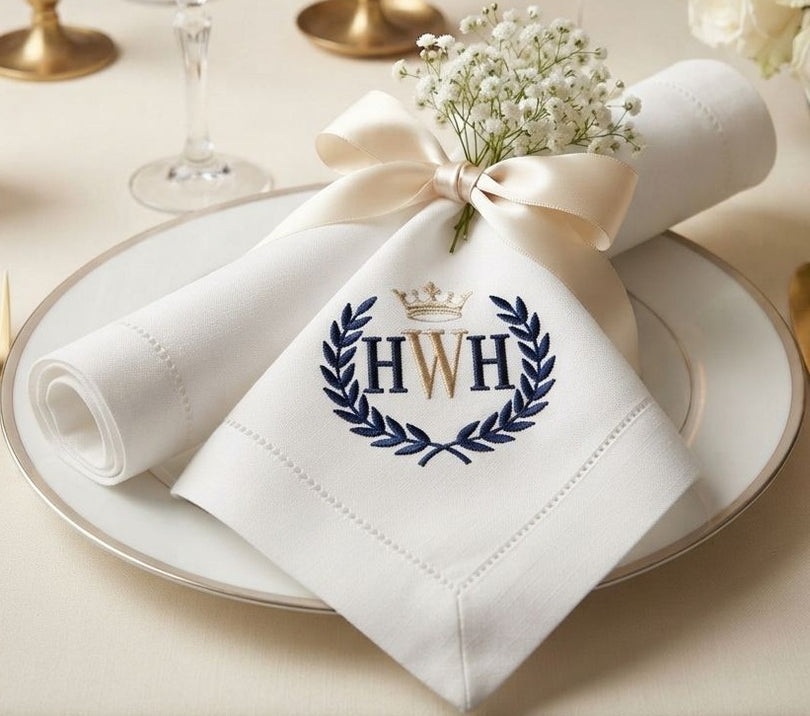

The gift wrapping process leads to the generation of millions of tons of waste each year that ultimately goes to landfills since such materials as glitter, foil, and plastic are not recyclable. Sustainable gift wrapping is a great alternative to the traditional one. It is more eco-friendly and beautiful. What is more, various packing materials help to make a present more personalized, unique, and impressive.
Below are some great ideas and tips on how to wrap gifts in a zero-waste way, make use of fabric wrapping, and turn your present into something special and memorable.
What Is Wrong With Traditional Wrapping Papers Anyway?
Wrapping papers are often made of multiple layers of materials, such as dye, foil, plastic, and other substances, to make them look beautiful and festive, but they are ultimately not recyclable and end up in landfills. Each year, hundreds of millions of square feet of wrapping paper are thrown away in North America only during the holiday season. Not to mention that ribbons, tapes, and bows made of plastic and used once are also harmful to the environment.

Sustainable Wrapping Accessories: What to Use
|
Accessory |
Sustainable Choice |
What to Avoid |
|
Ribbon |
Cotton twine, jute, fabric strips |
Plastic/metallic ribbon |
|
Tape |
Paper tape, fabric tuck-and-fold |
Scotch tape, plastic tape |
|
Tags |
Recycled kraft paper, seed paper |
Laminated plastic tags |
|
Filler/cushioning |
Cotton fabric scraps, linen strips |
Synthetic bubble wrap |
|
Bow |
Fabric bow from scrap cotton |
Plastic stick-on bows |
|
Decoration |
Dried flowers, cinnamon sticks, sprigs |
Plastic holly, glitter |
Why traditional wrapping paper is a bigger problem than it looks
Most people would assume that wrapping paper is recyclable. Afterall, its paper! Well its not quite as easy as just tossing it in the paper recycling bin. Traditional wrapping paper is embedded with non recyclable plastics that shine like the pretty glitters and metals and are almost impossible to remove from the paper fibers.
To top it off, almost all of the embellishments that come with wrapping paper such as synthetic ribbon, metallic bows and cellophane tape are also not recyclable.
Anything ripped off gifts on christmas morning just ends up in the bin and soon in the landfill.
Not only is it wasteful, its a huge drain of resources. Its a race against time to see who can cut the wrapping paper before the kid gets to unwrap their gift. Trees, water, and energy are used by the ton to make this annual use item. A forest the size of Wales is cut down every year to make wrapping paper for the UK alone and its used for an average of 30 seconds by each person unwrapping it.
So next time you think about getting more gifts for people, think about not making them more trash. Wrap your gifts in something meaningful that lasts longer then their gift and becomes part of the item itself instead of the first thing they throw away in the morning

What to use as fabric wrapping:
-
Cotton napkins — the ideal size and weight for most small to medium gifts
-
Linen napkins — slightly more textured and luxurious, with a beautiful natural drape
-
Dish towels and tea towels — perfect for bottles, boxes, and larger items
-
Scarves and bandanas — great for irregular shapes, and they add an extra layer of usefulness
-
Fabric scraps or remnants — especially beautiful if the fabric itself has a pattern or texture
-
Old pillowcases — excellent for very large or oddly shaped gifts
Choosing the right size: As a general rule, choose a cloth with a diagonal length approximately three times the length of the gift. For a standard-sized book (8" × 5"), a 24" × 24" cloth is ideal. For a wine bottle, a standard dinner napkin (20" × 20") works perfectly. When in doubt, go slightly larger; extra fabric tucks and knots more gracefully than fabric that is too small.
Step-by-step furoshiki wrapping techniques

Basic box wrap (otsukai-tsutsumi)
This is the simplest and most versatile furoshiki method. It works for boxes, books, and most rectangular gifts.
-
Lay your cloth flat in a diamond orientation (corner facing you).
-
Place your gift in the center.
-
Pull the corner farthest from you up and over the gift, tucking it neatly underneath on the far side.
-
Pull the corner closest to you up and over the gift, laying it on top.
-
Take the left and right corners and bring them together above the gift.
-
Tie them in a neat double knot or bow.
The result is a clean, elegant wrap that holds securely without a single piece of tape.
Bottle wrap
This technique is especially beautiful for wine, olive oil, or any cylindrical gift.
-
Lay your cloth flat in a diamond orientation.
-
Place the bottle on its side at the corner nearest to you, leaving about one-third of the cloth behind the bottle.
-
Roll the bottle forward until it is completely wrapped in the cloth.
-
Stand the bottle upright.
-
Take the two loose corners (now at the top) and tie them in a knot or bow above the bottle neck.
For two bottles wrapped together, place them side by side, facing opposite directions, and follow the same rolling technique.
Simple knot wrap
This works for irregularly shaped gifts, soft items, or anything that does not have clean rectangular edges.
-
Place the gift in the center of the cloth.
-
Gather all four corners together above the gift.
-
Tie all four corners in a single firm knot.
-
Fan out the ends above the knot for a decorative flourish.
Kraft paper and natural materials
If you prefer a paper-based wrap, kraft paper, plain brown packaging paper is by far the most sustainable option. It is fully recyclable, FSC-certified versions come from sustainably managed forests, and its natural texture looks beautiful when dressed with the right accents.
The key to making kraft paper look intentional and elevated rather than merely functional is in the finishing details:
-
Replace synthetic ribbon with natural twine, cotton string, or raffia
-
Attach a sprig of rosemary, eucalyptus, a cinnamon stick, or dried orange slices for a fragrant, nature-inspired accent
-
Use a wax seal or rubber stamp in place of a gift tag
-
Hand-letter the recipient's name directly onto the kraft paper in calligraphy or a clean, large script
-
Layer a strip of washi tape (paper-based, recyclable) for a clean, modern edge
The result is a gift that looks like it came from a high-end boutique, and every part of it is recyclable.
Reusable fabric bags
Drawstring bags and tote bags made from 100% cotton or linen are a practical, zero-waste alternative to gift bags. They are especially well-suited to gifts that are awkward to wrap, such as bottles, jars, candles, and round or soft items.
Cotton canvas bags hold their shape beautifully and can be reused for years as everyday carry bags, market bags, or storage pouches. Unlike single-use gift bags with plastic handles, a 100% cotton bag is fully recyclable and biodegradable at the end of its long life.
For a more personal touch, choose an unbleached natural cotton bag and stamp or stencil the recipient's initial or a simple seasonal motif before gifting.
Repurposed and found materials
Some of the most creative and meaningful sustainable wrapping comes from materials you already have:
-
Old maps and atlases — especially meaningful for travel lovers; wrap and include a note about a destination the two of you have shared or dreamed about
-
Sheet music — beautiful for music lovers, especially when the piece has significance
-
Magazine pages — striking photography or illustration pages make visually bold wraps
-
Newspaper in other languages — Japanese, French, or Italian newspapers used as wrap add an artful, worldly quality to any gift
-
Children's artwork — wrapping Grandma's gift in a grandchild's drawing is more meaningful than anything available in a shop
-
Old fabric remnants — even small leftover pieces from a sewing project can become a perfect wrap for a small gift
Find Out: How to Set a Table for Afternoon Tea at Home Easily
How to make fabric-wrapped gifts look stunning: styling tips
The presentation of a sustainably wrapped gift can be just as beautiful as, or often more beautiful than, a conventionally wrapped one. Here are the details that make the difference:
Choose your clothes with intention
A natural linen napkin in warm ivory or dusty blue wrapped around a gift sends a quietly luxurious message before a single knot is tied. Consider whether the fabric itself suits the recipient; a friend who loves botanical patterns might appreciate a floral-print cloth napkin as much as the gift inside.
Use texture contrast
A smooth, tightly woven cotton cloth paired with a rough jute or cotton twine creates a beautiful visual contrast. A loosely woven linen cloth looks stunning with a refined satin ribbon. The key is that the contrast should feel intentional.
Add a natural accent
A small dried flower, a sprig of rosemary, a cinnamon stick, or a pinecone tucked into the knot of a furoshiki wrap costs almost nothing and elevates the whole presentation significantly. These natural accents are compostable, zero-waste, and add fragrance as well as visual interest.
Match fabric color to the recipient or occasion
Traditionally in Japan, warm colors like reds and oranges were used for celebrations such as weddings and birthdays. Softer, cooler tones were reserved for more formal or sombre occasions. Bringing even a loose version of this intentionality to your fabric choice adds quiet meaning to the wrapping.
Include a how-to card
When you give a furoshiki-wrapped gift, include a small card showing the recipient how to rewrap and reuse the cloth. This spreads the practice, ensures the fabric is used rather than stored and forgotten, and turns your wrapping into a shared tradition rather than a one-time gesture.
Seasonal sustainable wrapping ideas
Spring and summer gifts
Lightweight cotton napkins in soft botanical prints, sage green, or warm white. Natural twine finished with a fresh herb sprig or a few dried wildflowers. Kraft paper with hand-stamped leaf motifs. Linen bags tied at the top with a simple cotton ribbon.
Autumn gifts
Rich terracotta, warm rust, and deep mustard cloth napkins feel genuinely seasonal. Dried orange slices, cinnamon sticks, and star anise tucked into knots. Kraft paper layered with pressed autumn leaves. Dark linen with natural twine has a quiet, harvest-season elegance.
Winter and holiday gifts
Deep navy, forest green, or warm cream linen napkins feel festive and refined together. Rosemary sprigs, pine branches, or small pinecones as natural accents. Kraft paper with wax seals and hand-lettered names. For Christmas, a cloth in a classic pattern or a napkin with a hemstitch border in red or green becomes part of the holiday decoration even before the gift is opened.
To Know: What Is the 4th of July? History, Facts & Outfit Ideas
Choosing the Right Fabric for the Occasion
|
Occasion |
Best Fabric |
Why It Works |
|
Christmas / Holiday gifts |
Linen in warm neutrals or deep green |
Looks festive without being loud |
|
Birthday presents |
Cotton in bright prints or solids |
Cheerful, easy to work with |
|
Baby shower gifts |
Organic cotton muslin |
Soft, safe, and the parent can reuse it |
|
Wedding or anniversary |
Linen in ivory or blush |
Elegant and gift-worthy on its own |
|
Everyday gifting |
Cotton kitchen towel or napkin |
Practical the wrap is part of the gift |
|
Corporate or thank-you gifts |
Natural linen in undyed or oatmeal |
Understated, professional, memorable |
Sustainable wrapping at All Cotton and Linen: what to use from our collection
Our napkins and dish towels are not just table linens; they are ready-made furoshiki cloths in the best possible materials. Here is what works particularly well for fabric gift wrapping:
Cotton dinner napkins (20" × 20") the ideal size for small to medium gifts, books, candles, and bottles. Available in a wide range of colors to suit any occasion or season.
Linen napkins are more textured and elegant than cotton, with a natural drape that knots and folds beautifully. The warm, organic tone of natural undyed linen makes an especially beautiful wrap for artisan and handcrafted gifts.
Cotton dish towels and tea towels are wider and longer than napkins, making them perfect for larger gifts, wine bottles, and awkwardly shaped items.
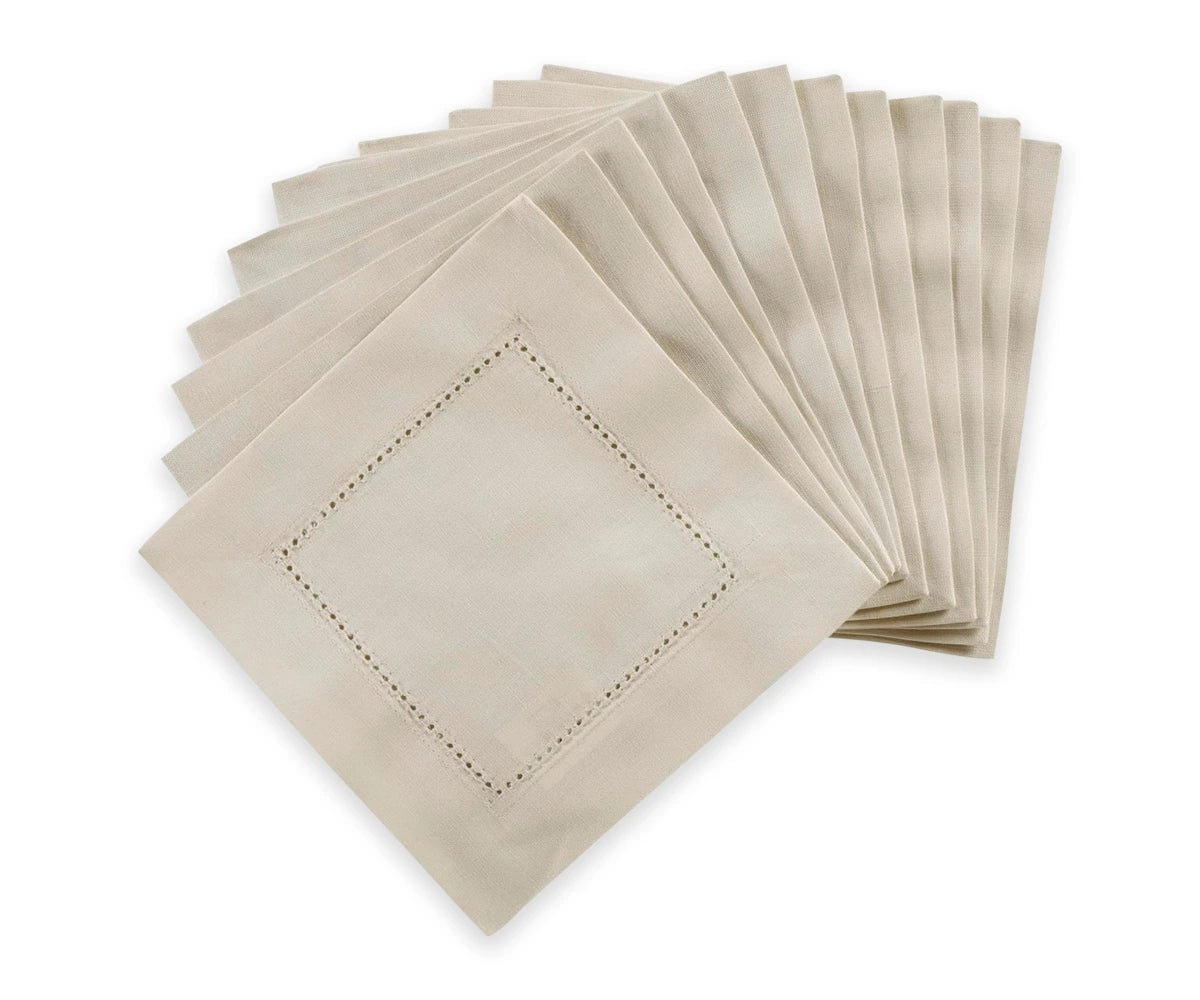
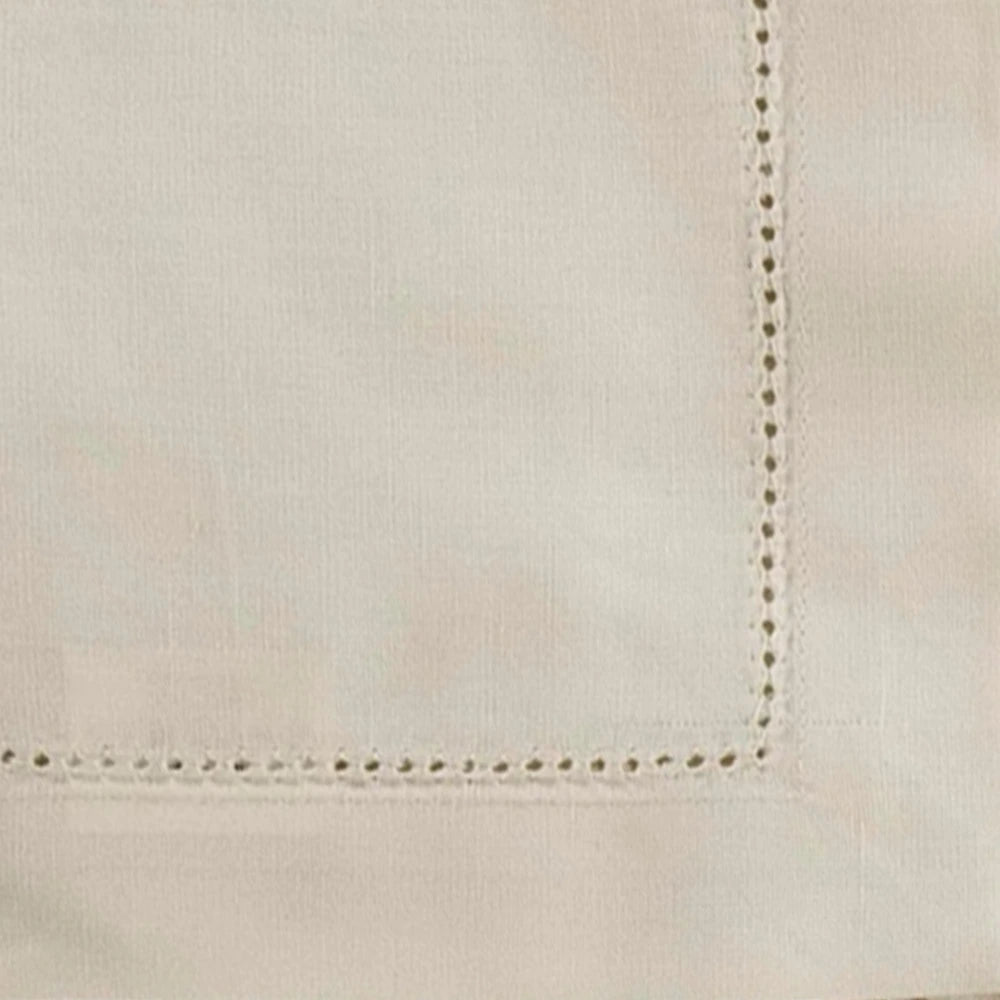
Hemstitch napkins. The detail of the hemstitch border gives wrapped gifts a refined, considered finish. The recipient notices and remembers it.
When a cloth napkin wraps a gift, it becomes two gifts at once. The person receiving it has something beautiful for their table long after the gift inside has been opened. That is the spirit of furoshiki, and it is exactly what thoughtful giving looks like.
Sustainable Wrapping for Every Season
Holiday Season:
Use a heavy natural linen in forest green or warm oatmeal. Tie with undyed cotton ribbon and add a single dried orange slice under the knot. It photographs beautifully and smells incredible under the tree.
Valentine's Day:
Wrap in soft blush or dusty rose cotton. Gather it at the top and tie with a cotton satin ribbon. Simple and completely charming.
Birthdays:
Let the fabric choice reflect the person. For someone who loves colour, choose a vibrant cotton print. For someone more minimal, natural linen tied with jute twine feels considered and personal.
Everyday giving:
A kitchen towel or cotton napkin from All Cotton and Linen wraps a small gift perfectly and doubles the value of what you're giving.
Final thoughts
Wrapping a gift is an act of care. It communicates that the person and the moment matter enough to take time over. The problem was never the ritual; it was the material.
Swapping to fabric, to kraft paper, to things you already have and can use again is not a sacrifice. It is an upgrade. A cloth napkin knotted around a gift has a warmth and intentionality that a foil bag from the discount bin simply cannot replicate. The wrapping remembers who gave it. It stays in the drawer, gets used at the table, and gets folded back around next year's gift.
That is exactly what giving should feel like: something that lasts a little longer than the paper it came wrapped in.
At All Cotton and Linen, our cotton and linen napkins are made to last, beautifully crafted, naturally textured, and available in colors for every occasion and season. They are as much at home on your table as they are knotted around a gift.