
In this guide, you'll learn how to choose the best cotton tablecloth, understand different sizes and fabric options, care for it properly, and find the right style for your home. By the end, you'll have everything you need to pick a tablecloth that looks great, lasts longer, and fits your dining table perfectly.
Why Choose a Cotton Tablecloth?
Durability That Lasts for Years
Cotton tablecloths are made for everyday use. Their strong natural fibers can handle frequent meals, regular washing, and special occasions without wearing out quickly. With proper care, they keep their shape, remain comfortable to use, and continue looking good for years. Unlike many synthetic fabrics that may become rough or lose their appeal over time, cotton becomes softer with every wash while maintaining its strength. This lasting durability makes a cotton tablecloth a practical choice for both daily dining and entertaining guests.

A Smart Choice for Everyday Use
A cotton tablecloth is built to last, making it a practical addition to your home. Instead of replacing worn-out table linens every year or two, you can enjoy the same cotton tablecloth for many years with proper care. Because of its durability, the long-term value is often better than lower-cost synthetic alternatives that need frequent replacement. It's a simple way to save money while reducing waste.
Soft, Comfortable, and Pleasant to Use
One of the biggest advantages of cotton is how it feels. The fabric is naturally soft, smooth, and comfortable, making every meal more enjoyable. Whether you're resting your hands on the table, sharing a family dinner, or hosting guests, a cotton tablecloth creates a warm and inviting dining experience.
Unlike many synthetic fabrics that can feel stiff or slippery, cotton has a natural texture that stays comfortable over time. Its softness, combined with its breathable fibers, helps create a table setting that feels just as good as it looks.
Breathable and Comfortable in Every Season
Cotton is a naturally breathable fabric that helps create a more comfortable dining experience. It allows air to circulate, so the tablecloth feels cool and pleasant during warm weather and comfortable year-round. Whether you're enjoying an indoor family meal or an outdoor gathering, a cotton tablecloth provides a fresh, natural feel that many synthetic fabrics can't match.
Easy to Wash and Care For
A cotton tablecloth is designed for everyday living. Most can be machine washed, making it easy to clean up after spills, food stains, and daily meals. With proper care, cotton stays soft, maintains its shape, and looks great even after repeated washing.
For the best results:
- Machine wash in cold or warm water using a mild detergent.
- Tumble dry on low heat or air dry to reduce wrinkles.
- Iron while slightly damp for a smooth finish if needed.
Its simple care routine makes cotton an excellent choice for busy households.
A More Sustainable Choice
Cotton is a renewable, plant-based fiber that is biodegradable, making it a better option than many synthetic tablecloth materials. Unlike polyester or PVC tablecloths, which can remain in landfills for many years, cotton naturally breaks down over time.
If sustainability is important to you, look for tablecloths made from organic cotton or responsibly sourced cotton. Choosing reusable cotton table linens also helps reduce single-use waste, making them a practical and environmentally conscious addition to your home.
Find Out: How to Choose the Best Baby Girl Dress
Embroidered Tablecloths
Embroidered tablecloths carry stitched motifs, florals, geometric patterns, seasonal designs, and monograms worked directly into the fabric. They are the most decorative tablecloth style and the most personal. A hand-embroidered or machine-embroidered design makes the tablecloth a textile object in its own right, not just a functional cover.

Custom embroidered tablecloths are a popular choice for weddings, housewarmings, and gifting, particularly when personalized with initials, dates, or a meaningful design.
Best for: Special occasions, formal dining, decorative tablescaping, gifting, and personalized presents.
Printed Tablecloths
Printed cotton tablecloths carry surface-printed designs, botanical prints, geometric patterns, seasonal motifs, and abstract designs. Printing allows for more complex, multicolor designs than weaving or embroidery at a more accessible price point.
Block-printed cotton tablecloths have a handcrafted, artisanal quality; each print is slightly imperfect, which is part of the appeal. Digitally printed cotton tablecloths allow photographic-quality images and intricate repeat patterns.
Best for: seasonal or occasion-specific tablescaping, bohemian and eclectic interiors, and statement table styling.
Jacquard Tablecloths
Jacquard is a woven fabric in which the pattern is created by the weave itself rather than by printing or embroidery. Jacquard cotton tablecloths have a subtle, self-toned pattern, damask florals, geometric weaves, and tone-on-tone checks that read as refined and textural rather than boldly decorative.
Jacquard tablecloths are a step up from plain cotton in formality and visual interest, appropriate for dinner parties and formal occasions while remaining machine washable and practical.
Best for: formal and semi-formal dining, dinner parties, and households that want a decorative tablecloth that remains understated.
Tassel and Fringe Tablecloths
Tablecloths with tassel or fringe trim at the edges add a relaxed, bohemian detail that suits casual and creative interior styles. The fringe or tassel moves slightly with air and activity at the table, giving the cloth a lively quality that plain hemmed tablecloths don't have.

Best for: Bohemian and eclectic interiors, casual outdoor dining, and creative and expressive dining spaces.
Ruffled Tablecloths
A ruffled tablecloth has gathered, layered fabric at the edges or hem, creating a full, romantic drape. This style suits cottage, romantic, and garden-party aesthetics and is particularly effective for outdoor table settings where the drape's fullness is visible.
Best for: Outdoor dining, garden parties, romantic and cottage-style interiors, spring and summer tablescaping.
Dining Table Decor Ideas to Pair with Your Cotton Tablecloth
A cotton tablecloth is the foundation, but a few simple additions turn a plain table into a fully styled dining space.
-
Layer a table runner. A table runner in a contrasting color or texture adds visual depth down the center of the table without competing with your tablecloth.
-
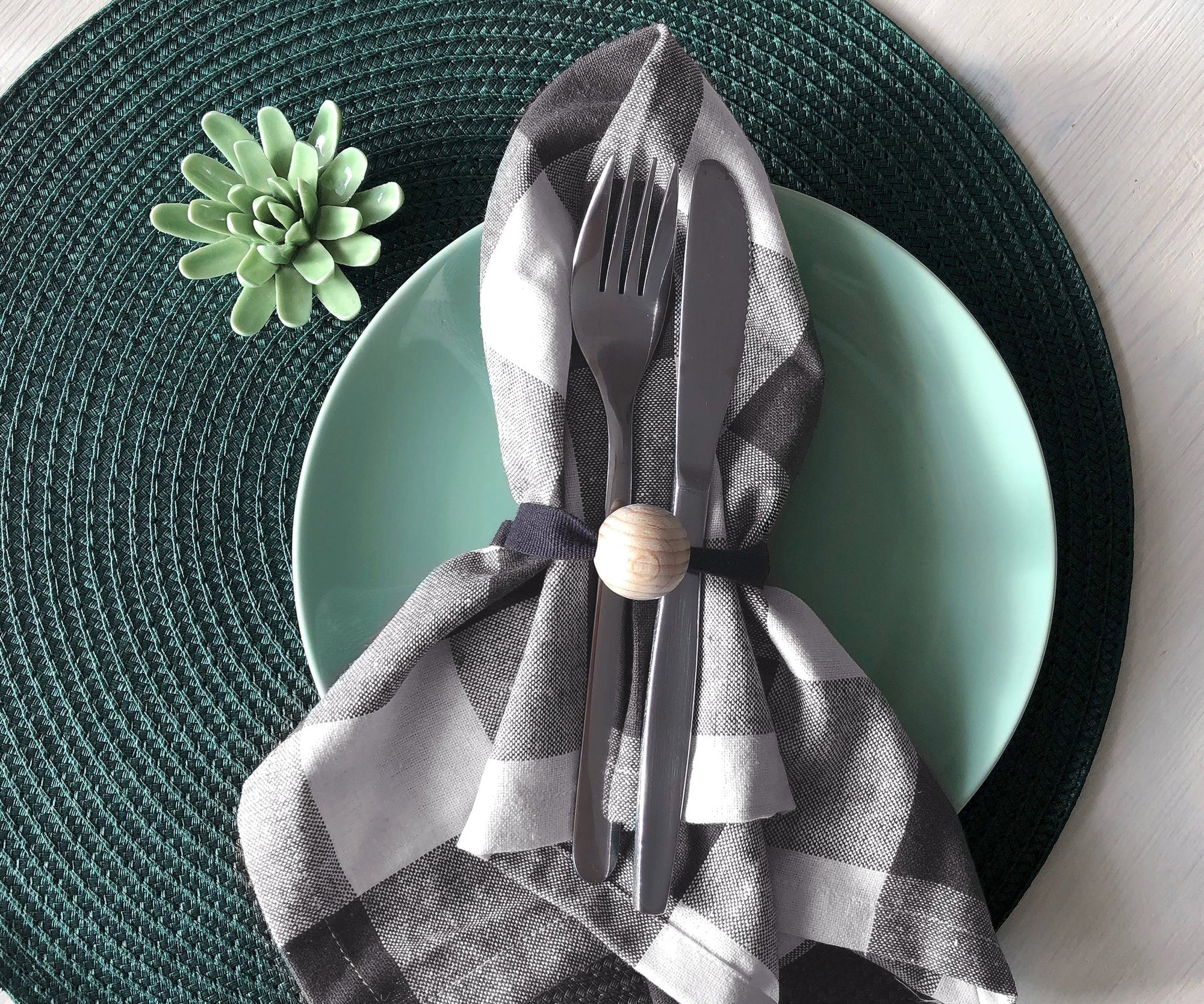
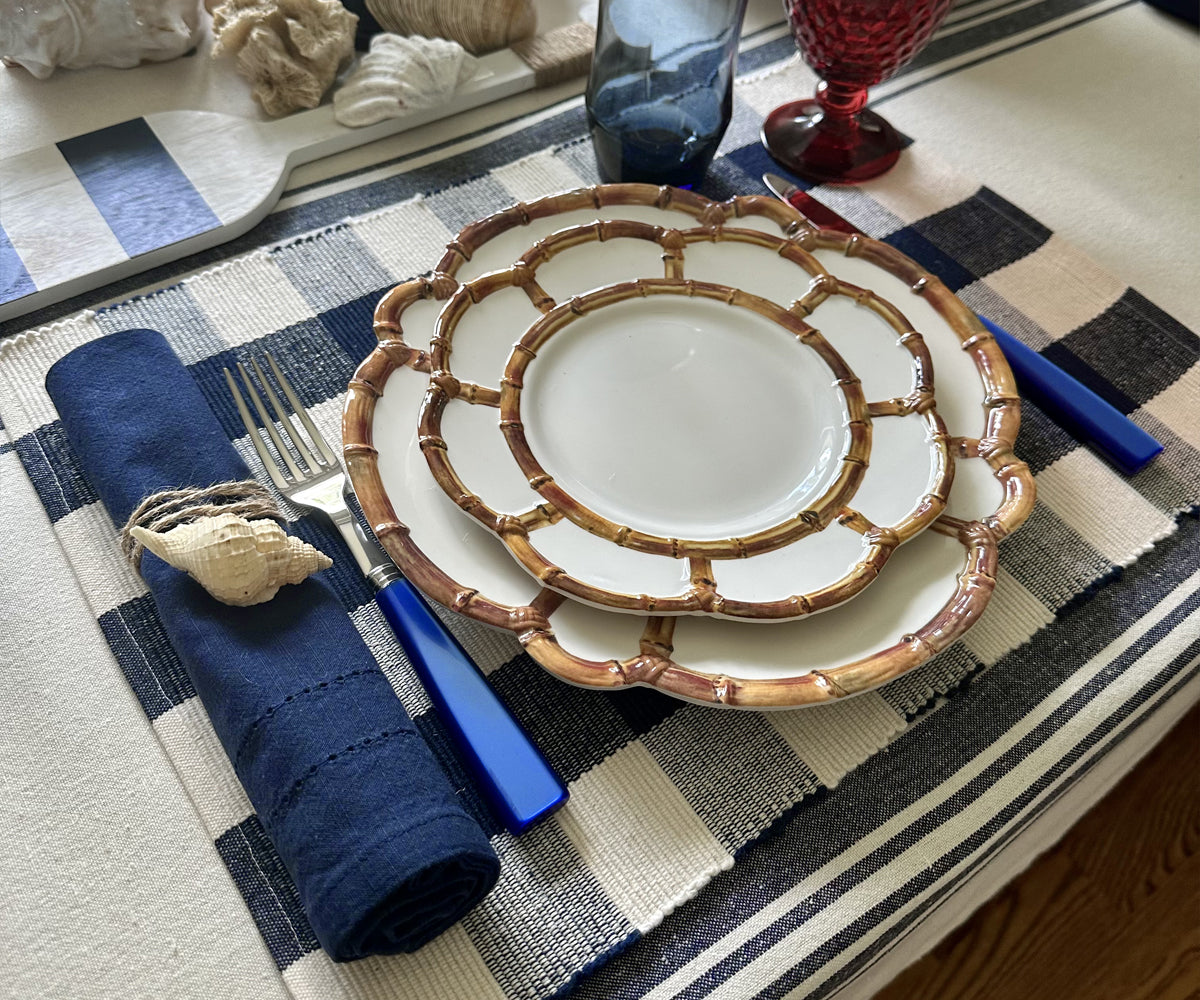
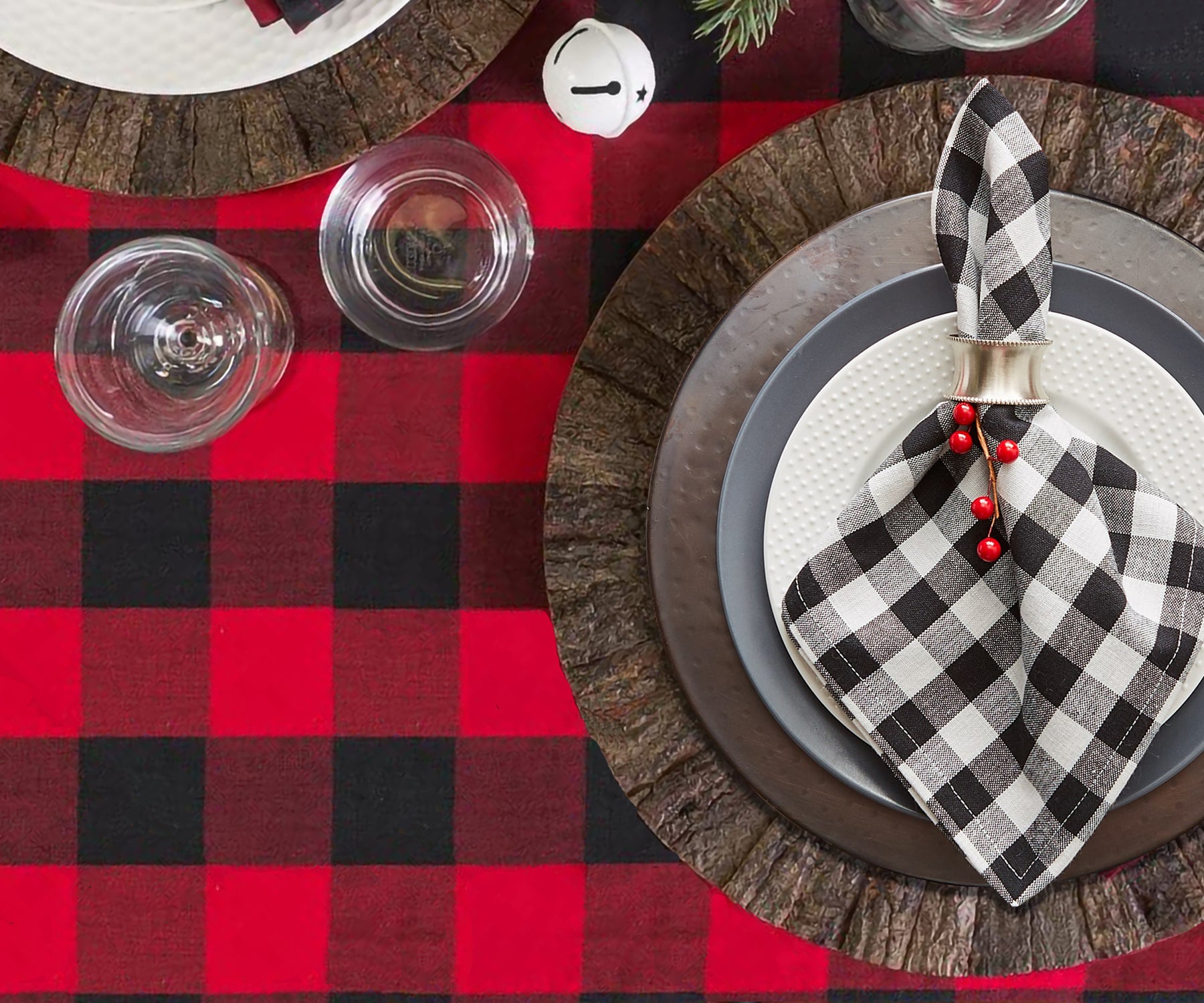
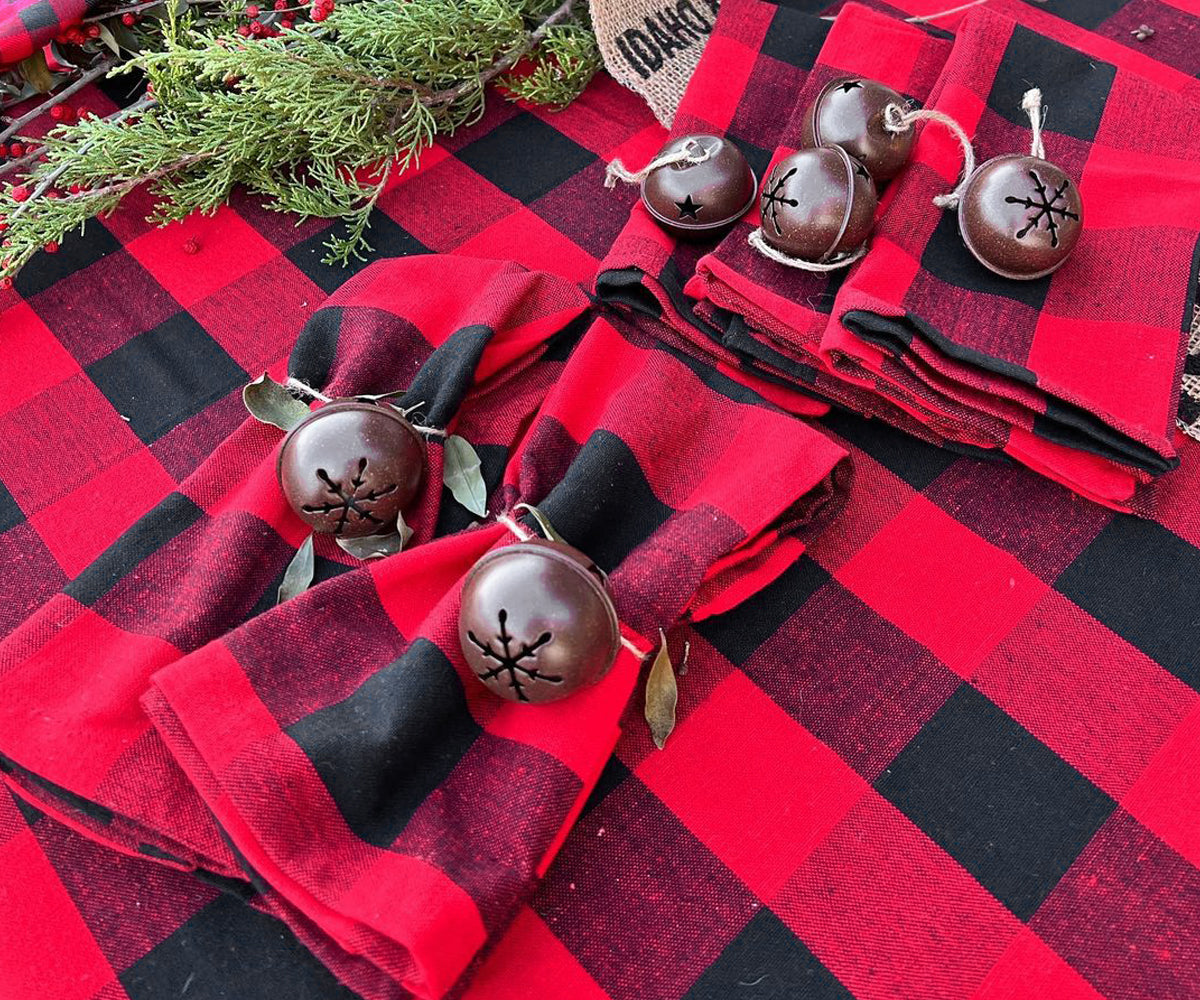
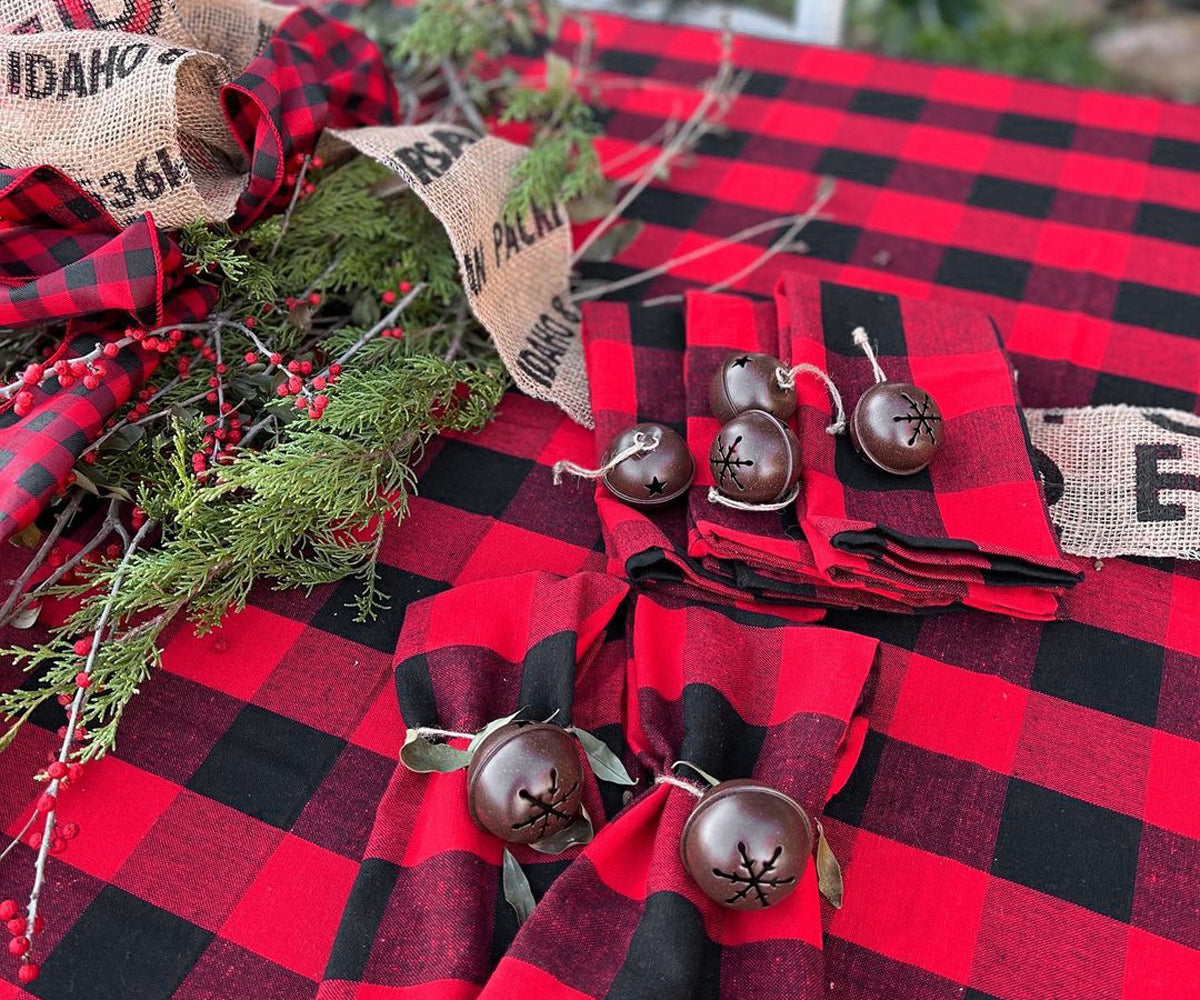
Add coordinating napkins. Simple folded cotton napkins in a complementary shade tie the whole table together, whether for everyday meals or special occasions.
-
Bring in a low centerpiece. A short vase of fresh flowers, a bowl of seasonal fruit, or a cluster of candles keeps sightlines open across the table while still adding color and life.
-
Mix in natural textures. Wooden chargers, woven placemats, or rattan accents pair beautifully with cotton's soft, matte finish for a relaxed, organic look.
-
Use varied candle heights. A mix of taper and votive candles down the center adds warmth and dimension, especially for evening dinners.
-
Keep metals consistent. Whether you choose gold, silver, or brass flatware and accents, sticking to one metal tone keeps the table looking cohesive rather than mismatched.
-
Rotate with the seasons. Swap runners, napkin colors, and centerpiece elements with the season while keeping your cotton tablecloth as the year-round neutral base.
These small additions are what turn a well-chosen cotton tablecloth into a complete, camera-ready dining table setup.
How to Choose the Right Cotton Tablecloth Size
Choosing the correct cotton tablecloth size helps your table look balanced and ensures comfortable seating. A tablecloth that is too small leaves the table edges exposed, while one that is too long can get in the way of chairs and guests.
What Is a Tablecloth Drop?
The drop is the amount of fabric that hangs over each side of the table.
-
6–10 inches: Best for everyday dining.
-
10–15 inches: Ideal for formal dinners and holiday gatherings.
-
Floor-length: Common for buffet tables, weddings, and special events.
How to Measure Your Table
Finding the right size is simple:
-
Measure the length and width of a rectangular or oval table or the diameter of a round table.
-
Decide how much drop you want.
-
Add the drop twice to each measurement.
Example:
If your table measures 60 × 96 inches and you want a 10-inch drop, choose a tablecloth that measures 80 × 116 inches.
Standard Cotton Tablecloth Size Guide
|
Tablecloth Size |
Best Fits |
|
52 × 70 inches |
4-seat rectangular table |
|
60 × 84 inches |
4–6 seat rectangular table |
|
60 × 102 inches |
6–8 seat rectangular table |
|
60 × 120 inches |
8–10 seat rectangular table |
|
70 × 144 inches |
10–12 seat rectangular table |
|
70-inch round |
Round table for 4–6 people |
|
90-inch round |
Round table for 6–8 people |
Tip: For oval tables, use a rectangular tablecloth that covers the table's longest length and widest width while providing your preferred drop.
How to Style a Cotton Tablecloth
A cotton tablecloth creates the foundation for a beautiful table setting. Whether you're decorating for everyday meals or entertaining guests, a few thoughtful touches can complete the look.
For Everyday Dining
Choose a neutral cotton tablecloth in white, cream, beige, or gray for a clean and versatile look. Pair it with matching placemats, cloth napkins, and simple dinnerware to create an inviting table without much effort.
Finish the table with a small centerpiece, such as:
-
A vase of fresh flowers
-
A bowl of seasonal fruit
-
A candle or lantern
-
A small potted plant
Keeping your cotton tablecloth on the table between meals not only protects the surface from everyday wear but also keeps your dining space looking neat and ready for family meals or unexpected guests.

For Casual Entertaining
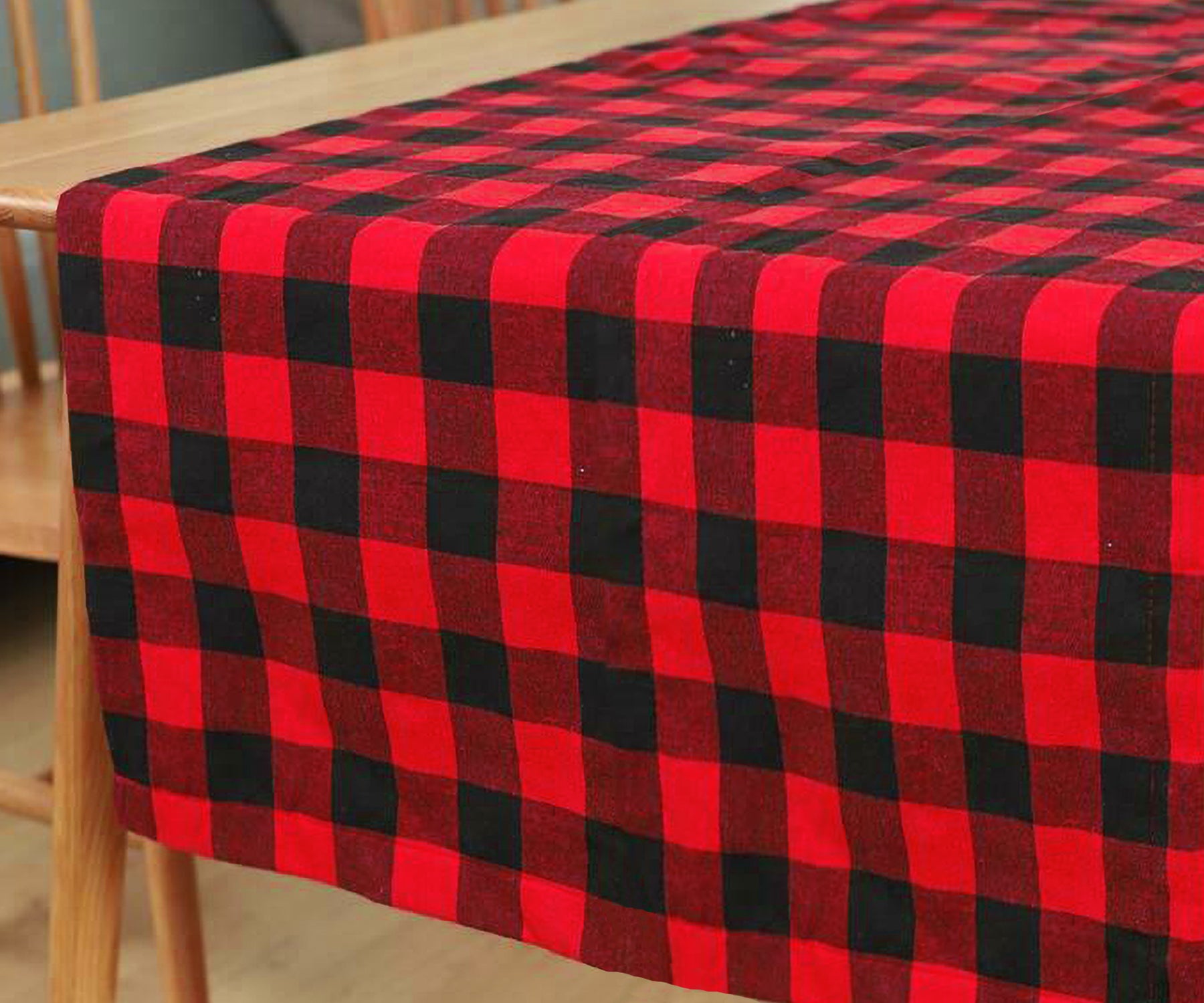
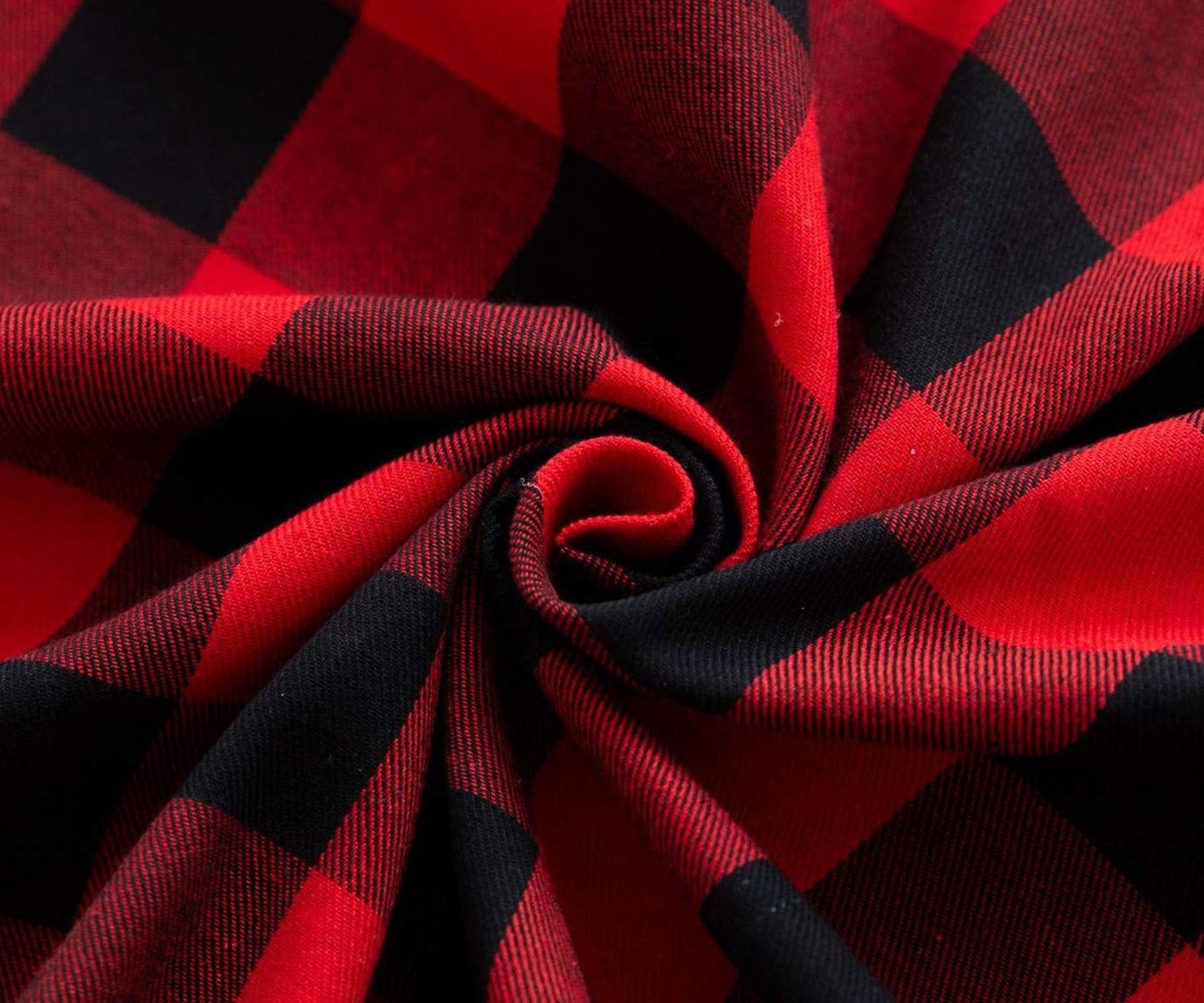
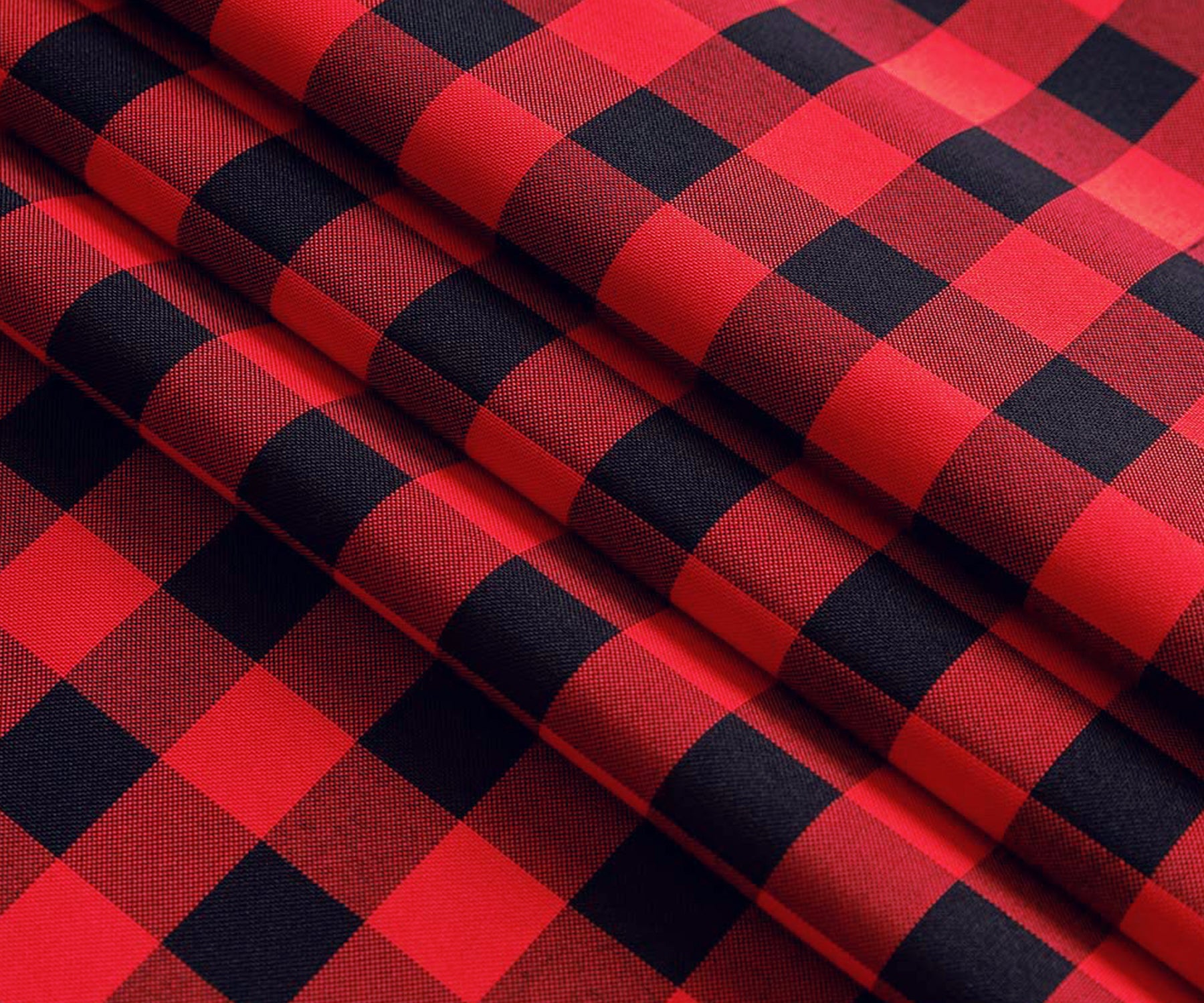
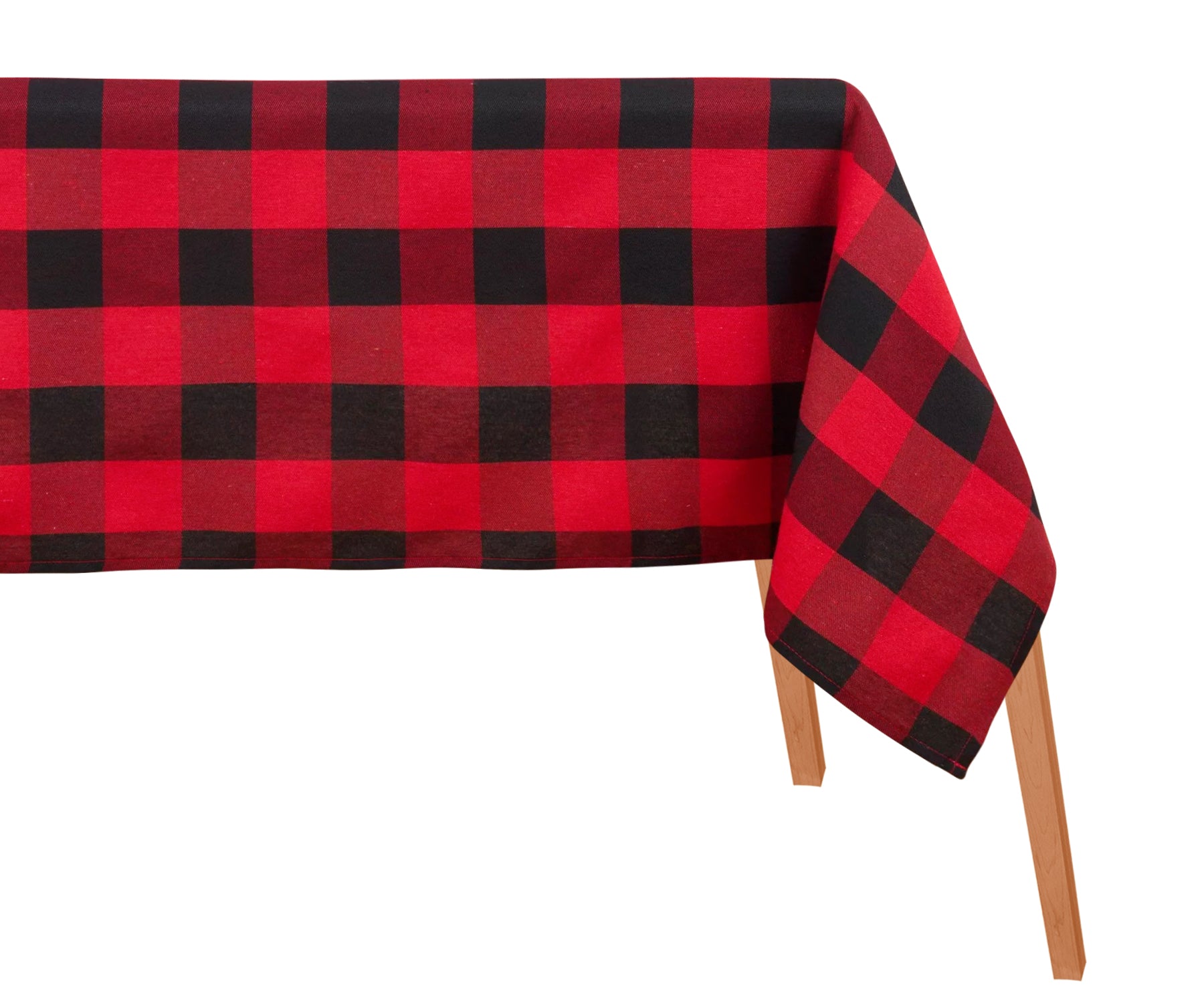
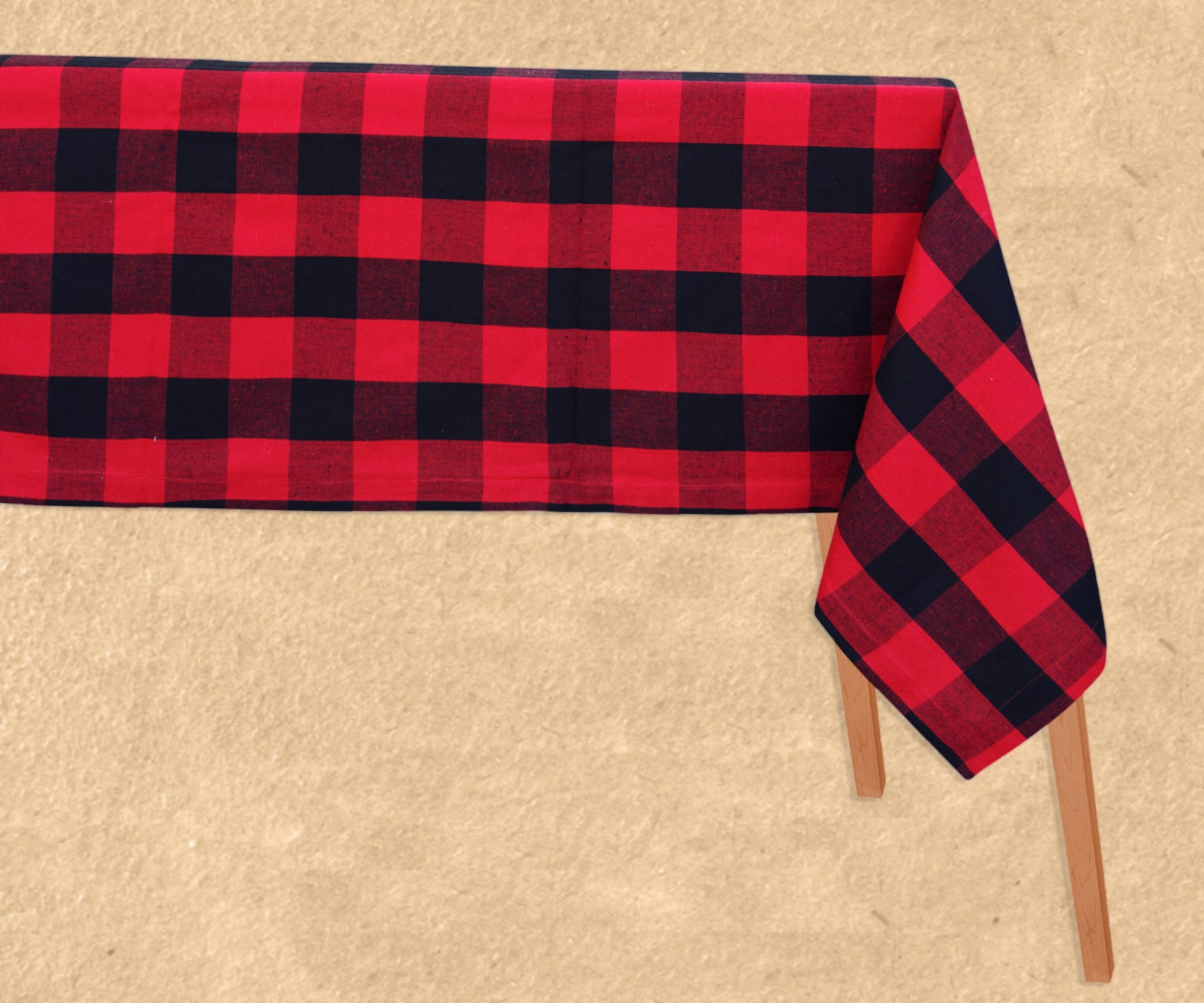
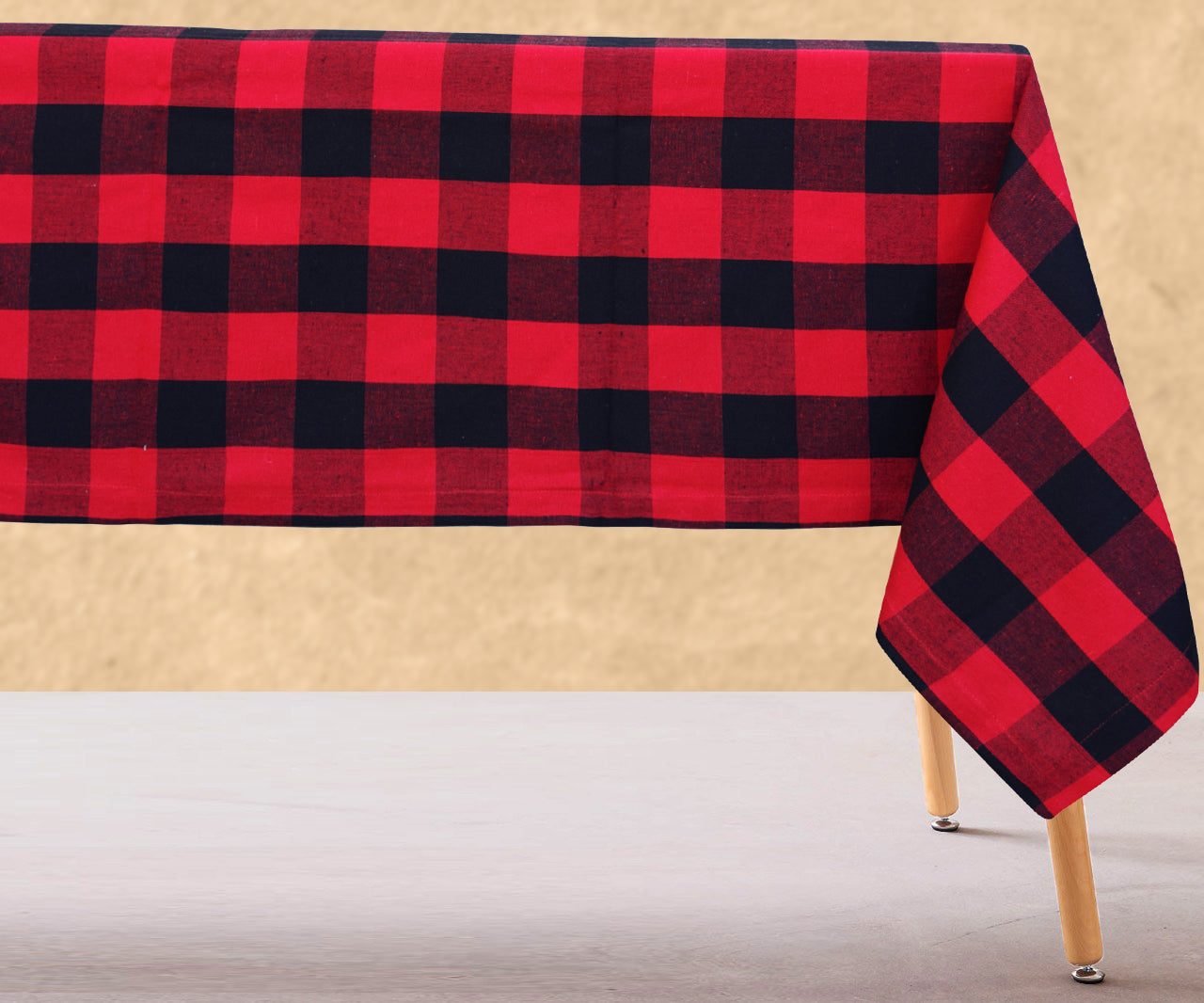
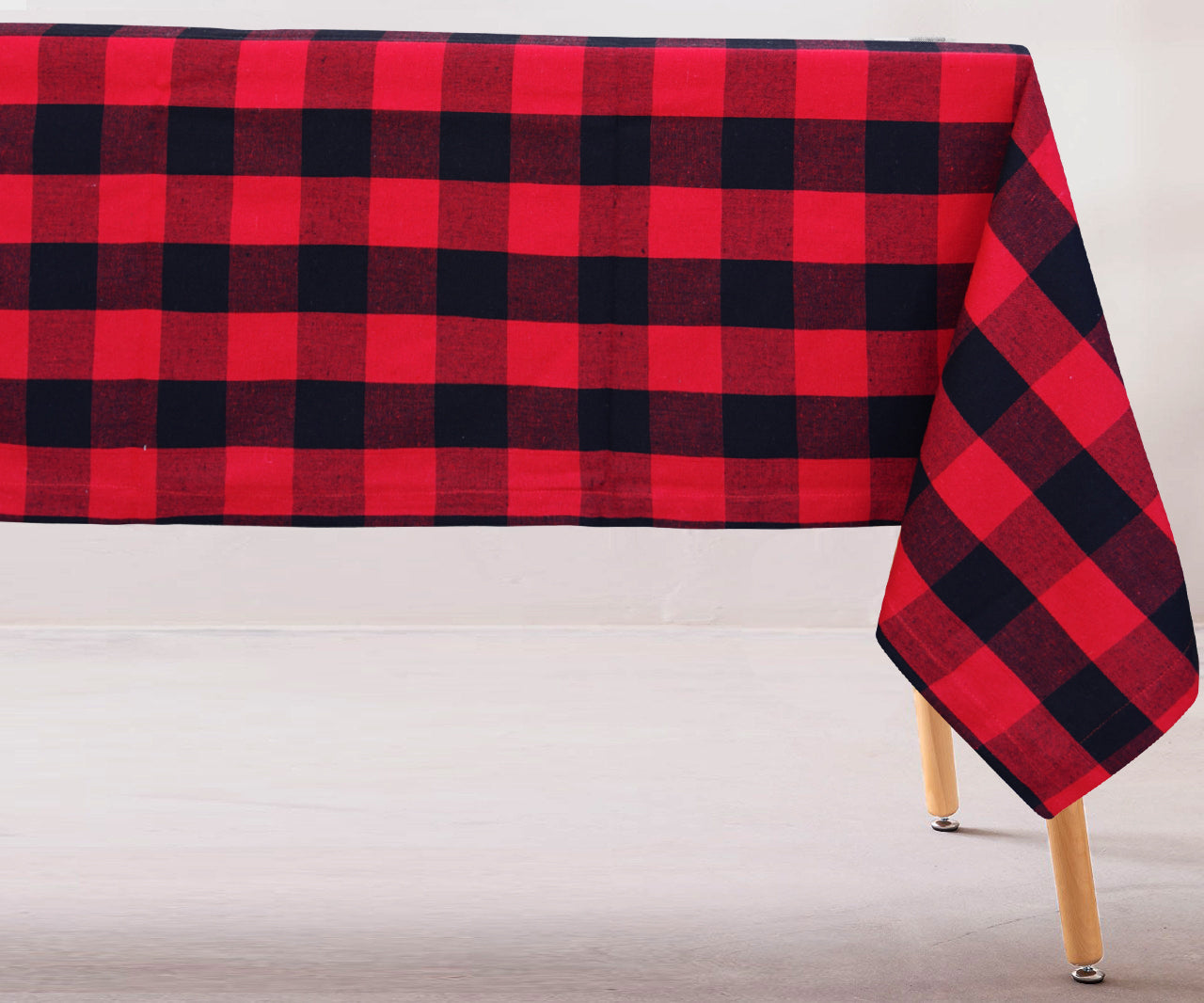
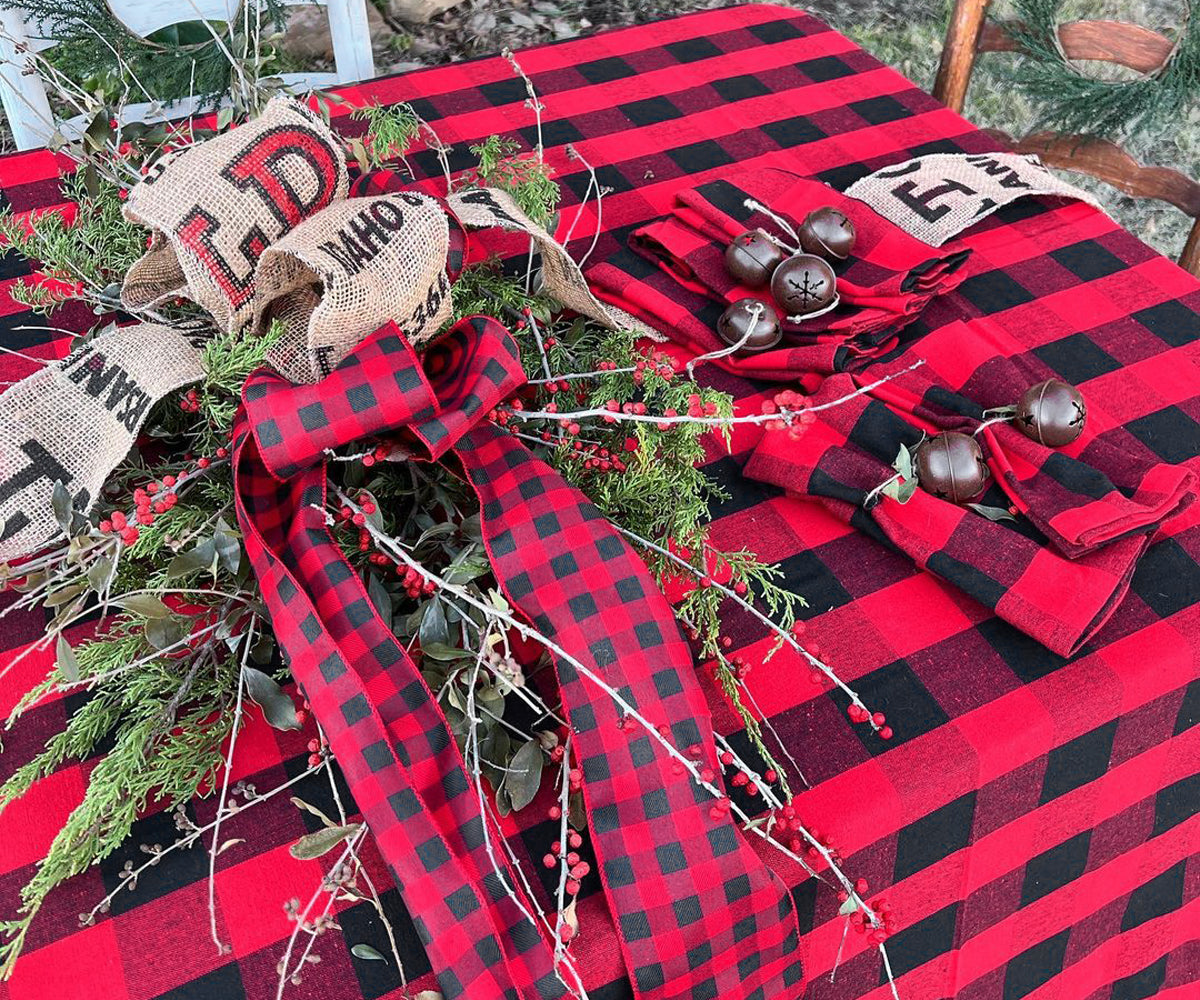
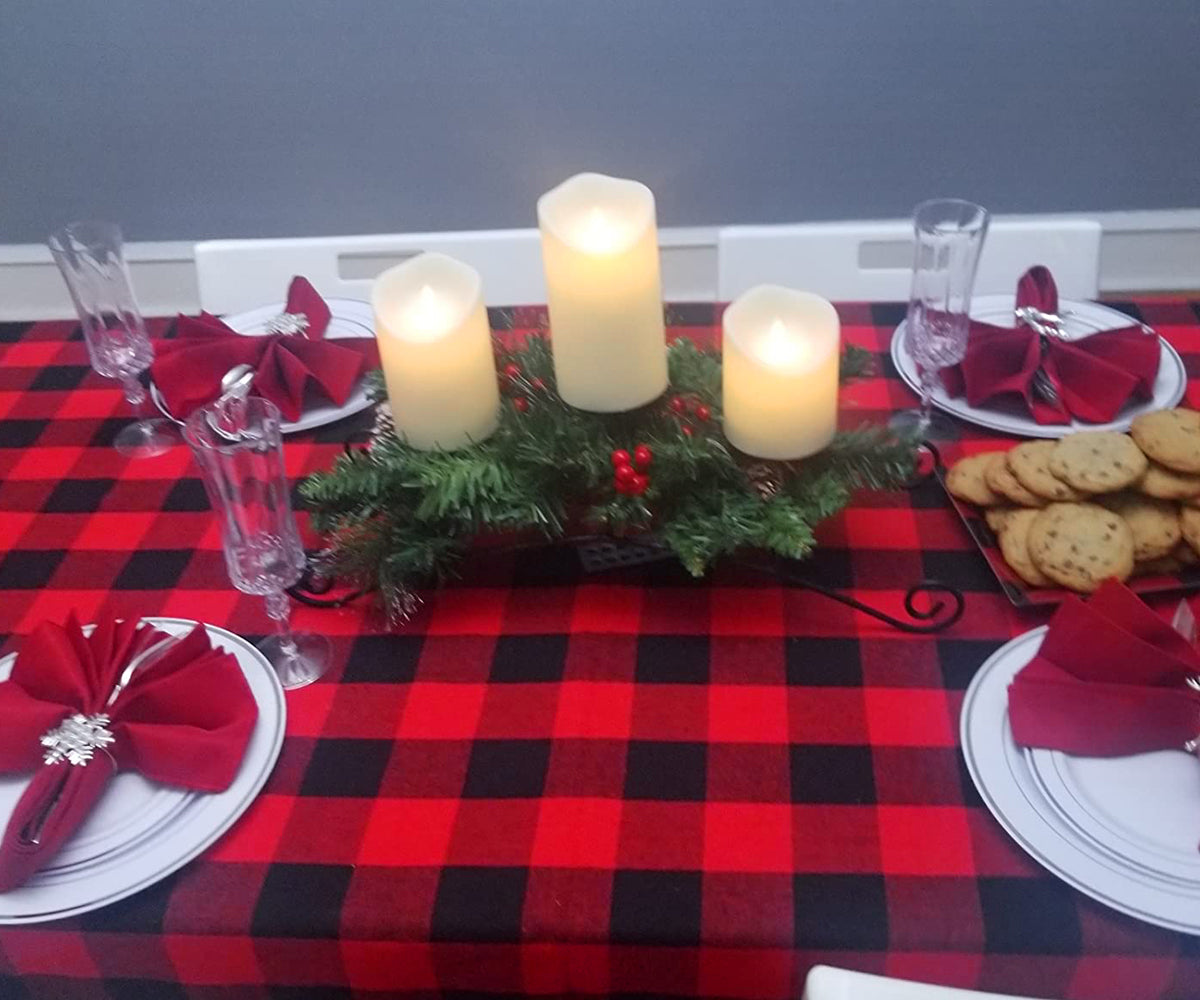
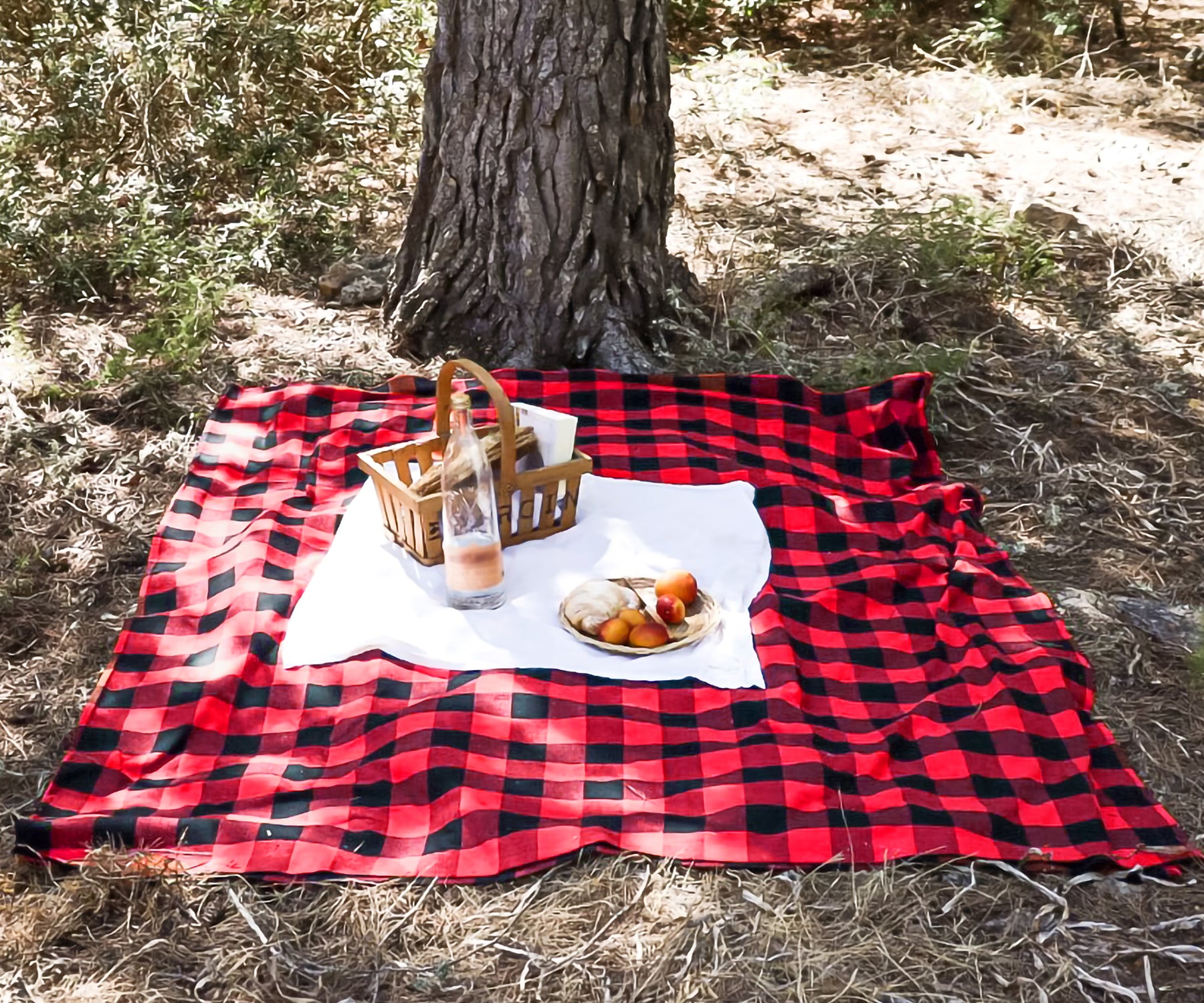
For casual dinners with friends or family, a checkered or striped cotton tablecloth does the decorative work without requiring matching tableware or elaborate centerpieces. Set coordinating cloth napkins, place a few candles down the center, add a pitcher of water and a simple arrangement of flowers, and the table is ready. The tablecloth provides the visual structure that holds the rest of the setting together.
For Formal and Special Occasions
For formal meals, holiday dinners, dinner parties, and celebrations, a hemstitched or embroidered cotton tablecloth paired with cloth napkins, proper glassware, and a more elaborate centerpiece creates a table that signals occasion and care. Layer placemats on top of the tablecloth if desired. The tablecloth as a base layer and individual placemats at each seat create a fully dressed, restaurant-quality setting.

Seasonal Styling
Because cotton tablecloths are machine washable and relatively affordable, rotating between seasonal sets is a practical way to keep the dining room feeling current without major investment. A white hemstitched cloth for winter and holiday dinners; a warm stripe or check for autumn; a lighter floral or plain one for spring and summer. Store between uses folded in a drawer or hanging flat to avoid permanent creasing from tight folding.
How to Care for Cotton Tablecloths
Washing: Machine wash at 40–60°C on a normal cycle with mild detergent. Treat spills as soon as possible, blot (don't rub), then rinse with cold water before machine washing. For white tablecloths, an occasional oxygen-based whitener (not chlorine bleach) maintains brightness without damaging fibers.
Drying: Tumble dry on low heat or air dry flat or on a line. Remove from the dryer while slightly damp and smooth out before folding to reduce wrinkling. High heat accelerates fiber breakdown and can cause shrinkage.
Ironing: Iron on a medium-to-high setting while slightly damp. Cotton responds well to ironing. A pressed tablecloth looks significantly more formal and polished than an unironed one, even in casual settings. Iron in the direction of the weave for a smooth, professional result.

Stain treatment: Pre-treat food and grease stains with a small amount of liquid detergent or a paste of baking soda and water applied directly to the stain, left for 15–30 minutes, then rinsed before machine washing. For red wine or berry stains, cold water and salt applied immediately after the spill absorb the stain effectively before washing.
Storage: Fold loosely and store flat in a drawer or linen closet shelf. Avoid tight folding that creates permanent crease lines. Roll around a cardboard tube if long-term storage is needed. Avoid plastic storage bags; cotton needs to breathe.
How long do cotton tablecloths last? A quality 100% cotton tablecloth, properly cared for, lasts five to seven years of regular use. Signs of the end of life include thinning fabric at fold lines, fraying edges that washing doesn't resolve, and permanent staining.
Overview
A cotton tablecloth is the most practical and versatile table linen available for home dining. It protects the table surface, makes every meal feel more considered, and improves with age through repeated washing. Choose plain or hemstitched cotton for formal occasions, checkered or striped for casual everyday use, and embroidered or printed for special occasions and seasonal styling.
Size correctly using the drop formula: measure the table, add 6–10 inches of drop per side for everyday use, and choose the nearest standard size. Care with regular machine washing at 40–60°C, low-heat drying, and ironing while damp for a pressed finish. A quality cotton tablecloth, properly chosen and cared for, serves the dining table for five to seven years, making it one of the most cost-effective home textile investments available.
Find the perfect cotton tablecloth at All Cotton and Linen. From classic solids to decorative patterns, our collection helps you create a warm and inviting dining space for every occasion.