
That embarrassing night sent me down a rabbit hole of fabric weights, weaves, and drop lengths. Fast forward to 2026, and after testing more cotton cloths than I care to count, I can confidently say that nothing beats a good cotton tablecloth, provided you know exactly what you’re looking for.
So, let’s skip the generic fluff and walk through this together. Whether you’re dressing a farmhouse harvest table or just trying to get your kids to eat spaghetti without ruining the wood finish, here is the only guide you’ll need this year.
Why Choose a Cotton Tablecloth?

Let’s start with the obvious question: why cotton, and why not just grab that cheap vinyl thing from the big-box store?
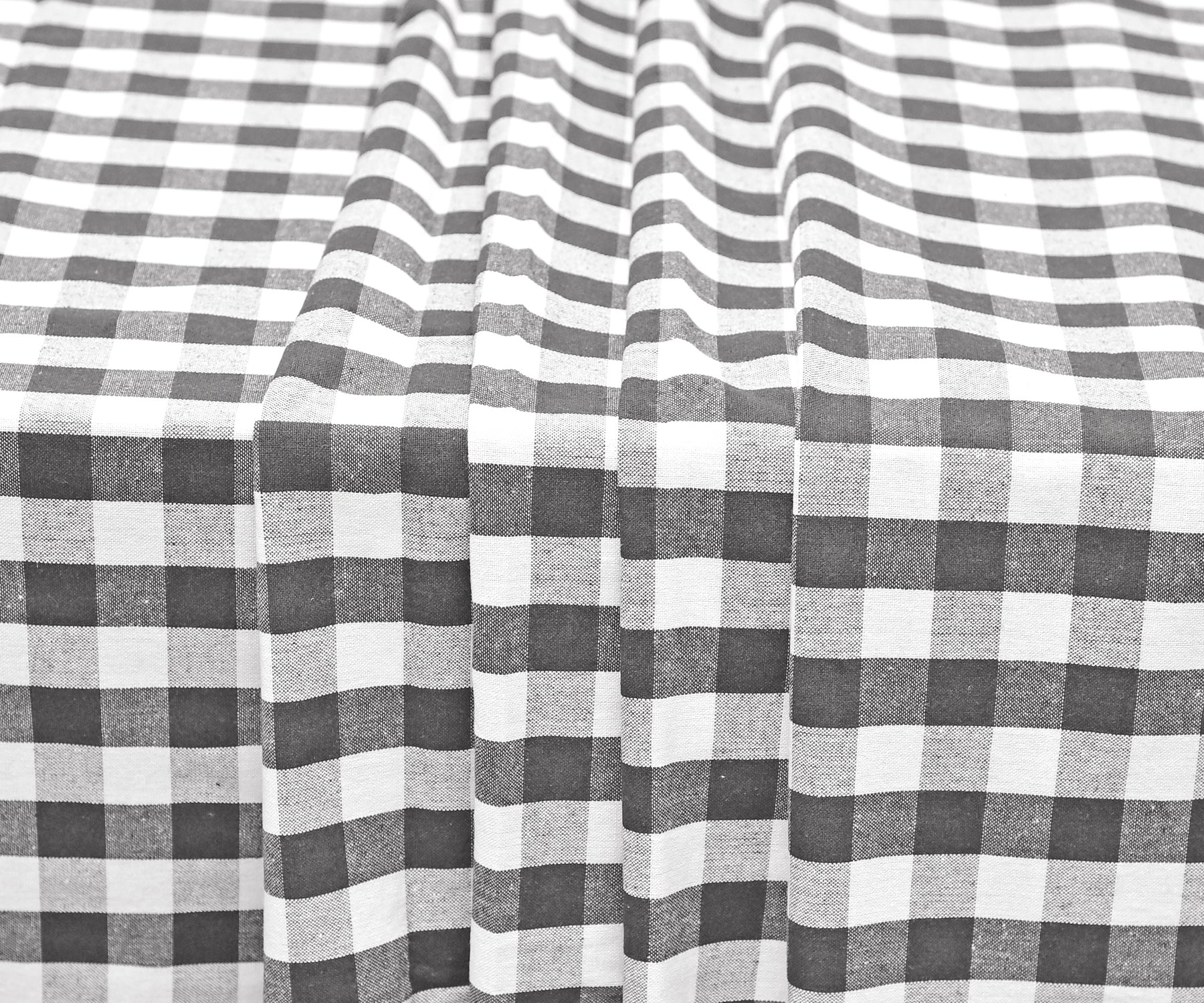
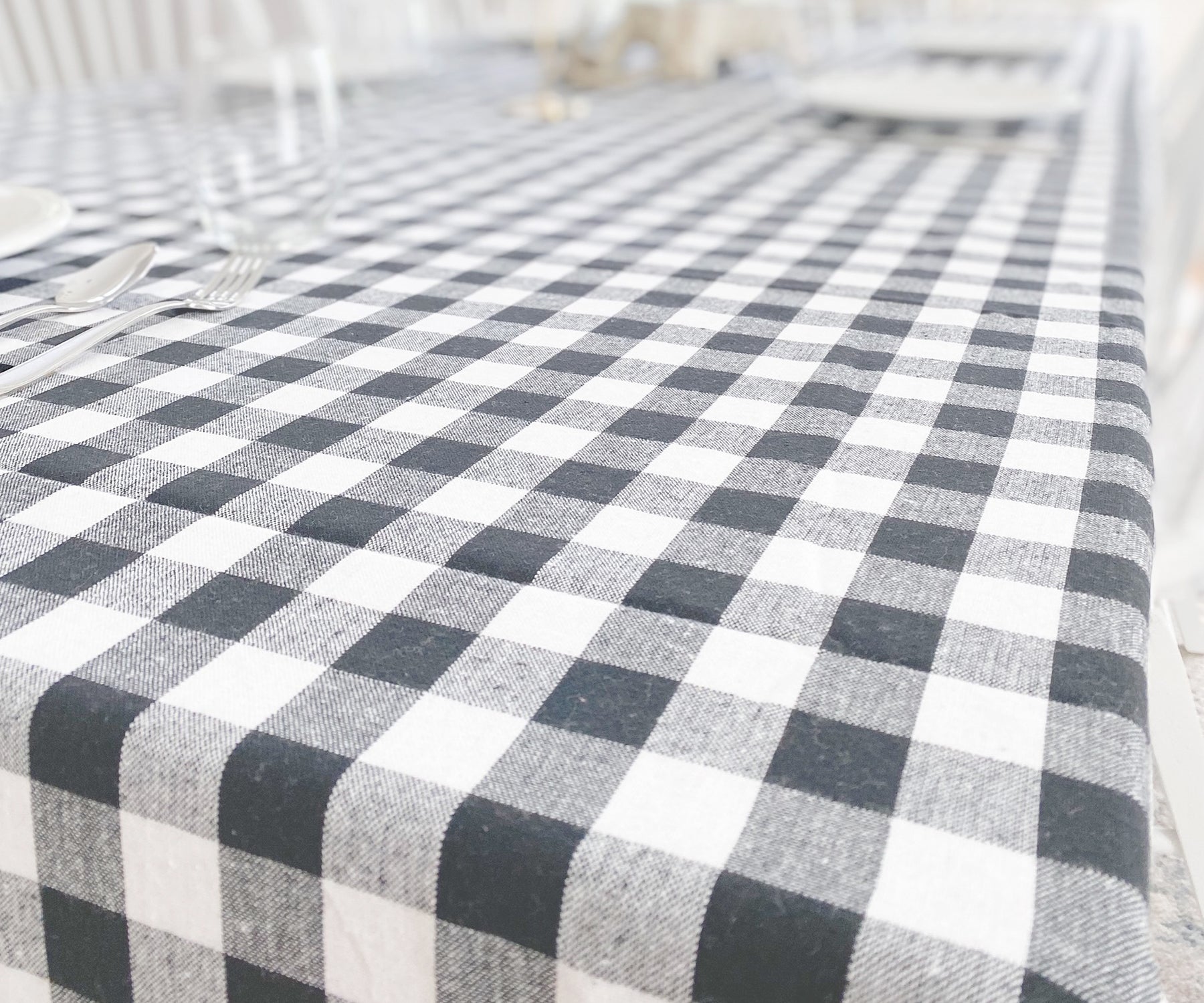
For me, the "a-ha" moment came when I touched a friend’s 100% cotton cloth after it had been washed about fifty times. It was impossibly soft like a favorite t-shirt but still felt substantial. That is the magic of cotton. It ages like a good pair of jeans. Unlike synthetics that get stiff, scratchy, or start pilling after a few cycles in the wash, cotton actually loosens up and becomes more luxurious the more you use it.
Beyond the feel, there is the breathability factor that doesn’t get talked about enough. If you’ve ever sat at a table covered in plastic or heavy polyester on a warm summer evening, you know that sticky, clammy feeling where your arms rest. Cotton breathes. It regulates temperature, so it stays cool in the heat and adds a layer of cozy insulation in the winter.
And look, we are living in an era where we are all trying to make slightly better choices for the planet. Cotton is a renewable, natural fiber. When it eventually wears out (which, if you treat it right, might take a decade), it biodegrades. That peace of mind is worth the extra few bucks over a plastic alternative, if you ask me. It just feels right to have something natural between your plates and the table.
Types of Cotton Tablecloths
This is where things get a little nuanced. Not all cotton is created equal, and walking into a store (or scrolling through a thousand listings online) can be overwhelming. Here is the breakdown based on what I’ve learned the hard way.
100% Cotton (The Gold Standard): This is your baseline. If you want that classic, homespun feel that drapes beautifully over the edges of your table, this is it. The only catch? It shrinks. I cannot stress this enough. If you don't buy pre-shrunk, you need to account for that 4-5% shrinkage, or you’ll end up with a cloth that barely covers the top of the table after the first wash.
Organic Cotton (The Guilt-Free Choice): Yes, it’s usually pricier. But here is the thing: the fibers in organic cotton are generally handled more gently during processing, meaning they stay longer and softer. If you have sensitive skin or kids who rub their faces on the table (mine do), this is the safest, most sustainable bet.
Heavyweight (The Showstopper): Think of this as the "suit" of tablecloths. It has a dense, almost damask-like weave that holds its shape perfectly. It doesn't slip, it doesn't wrinkle into a hot mess, and it screams formal dinner. I pull this one out for Thanksgiving and Christmas.
Everyday Lightweight (The Workhorse): This is what I use on Tuesday nights for mac and cheese. It’s breathable, easy to throw in the washer, and dries in a flash. It might wrinkle a bit, but honestly, that rumpled look works perfectly for casual dining.
Read On: A Guide to Gingham Tablecloths: Choosing the Right Fabric and Style
How to Choose the Right Cotton Tablecloth

Alright, let’s get practical. Buying a tablecloth is essentially math mixed with interior design, and it’s easy to mess up the math.
Shape & Size: First, know your table. Is it a standard rectangle? A stubborn oval? A round pedestal? You need a cloth that matches the geometry. Trying to force a rectangular cloth onto an oval table results in awkward droopy corners. Don’t do it.
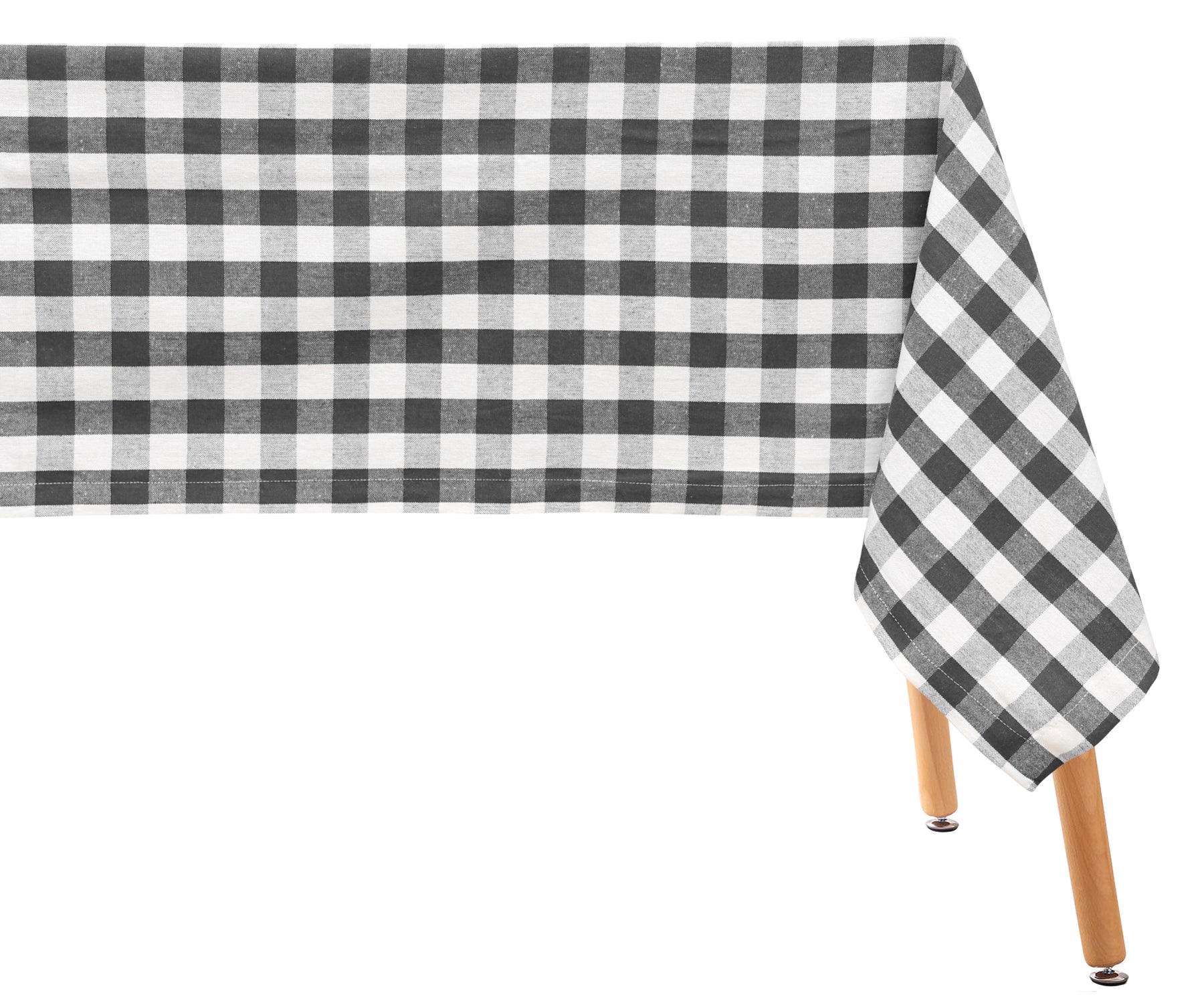
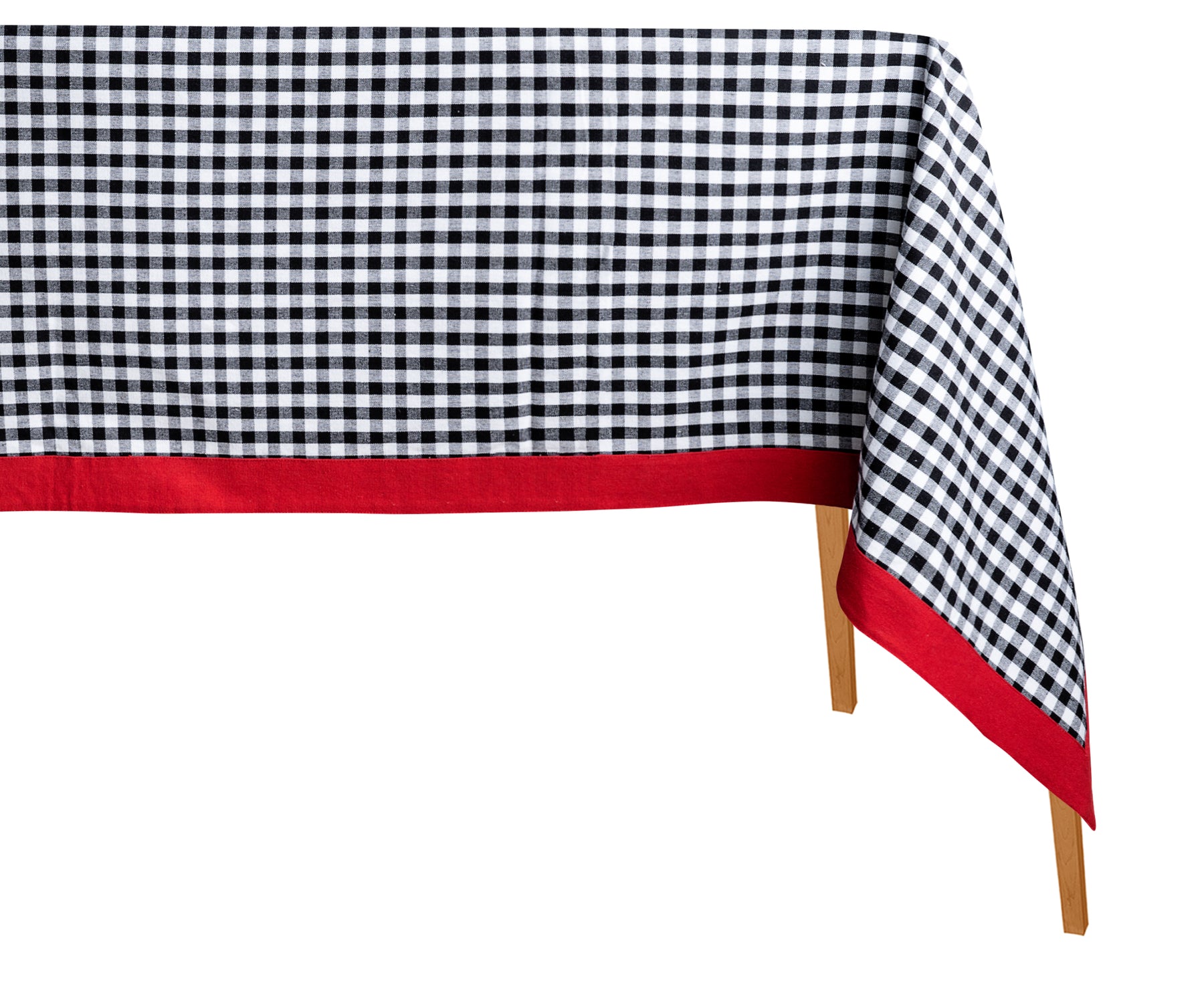
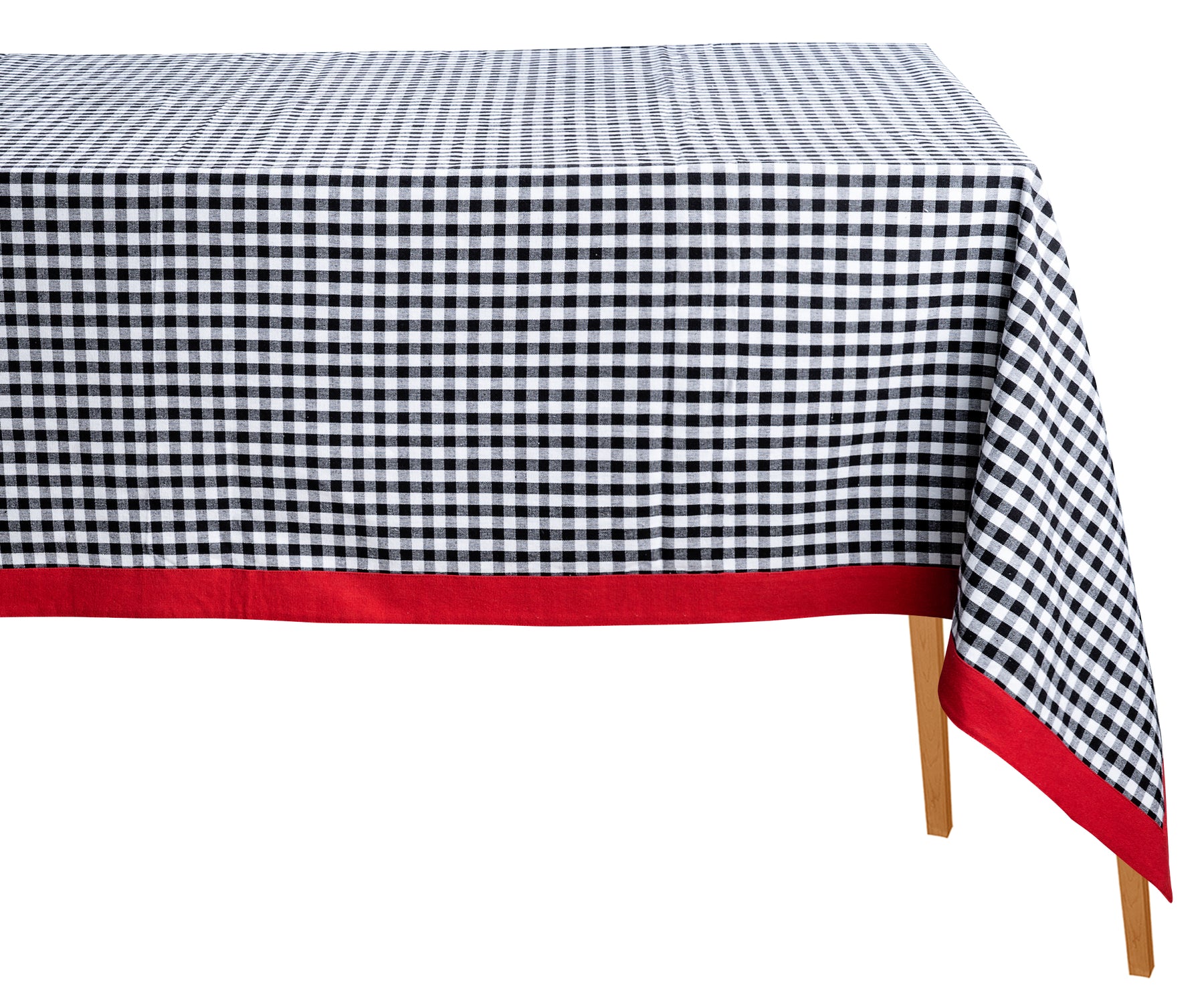
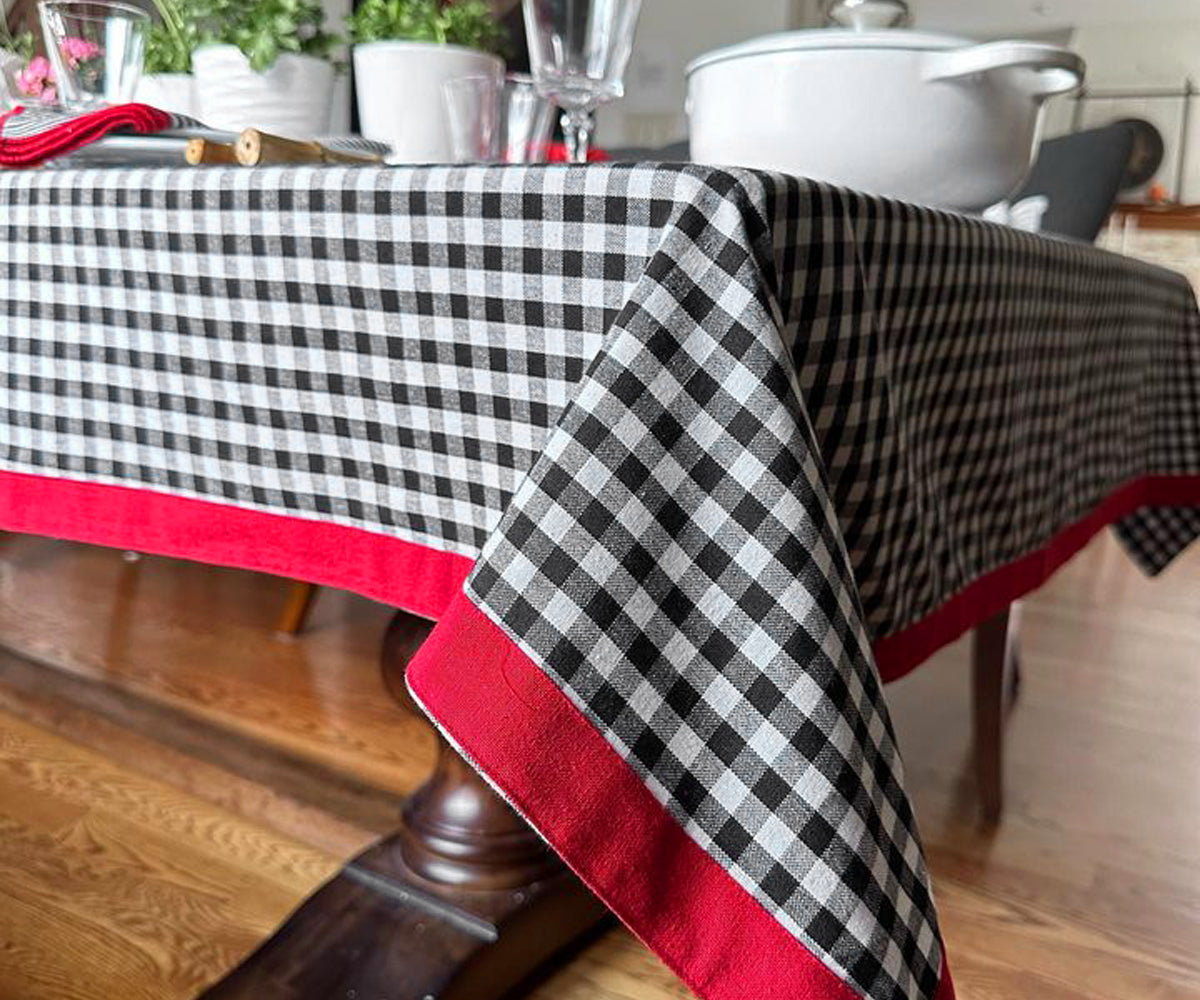
The Drop Length (This is crucial): I see so many people getting this wrong. The "drop" is how far the fabric hangs over the edge.
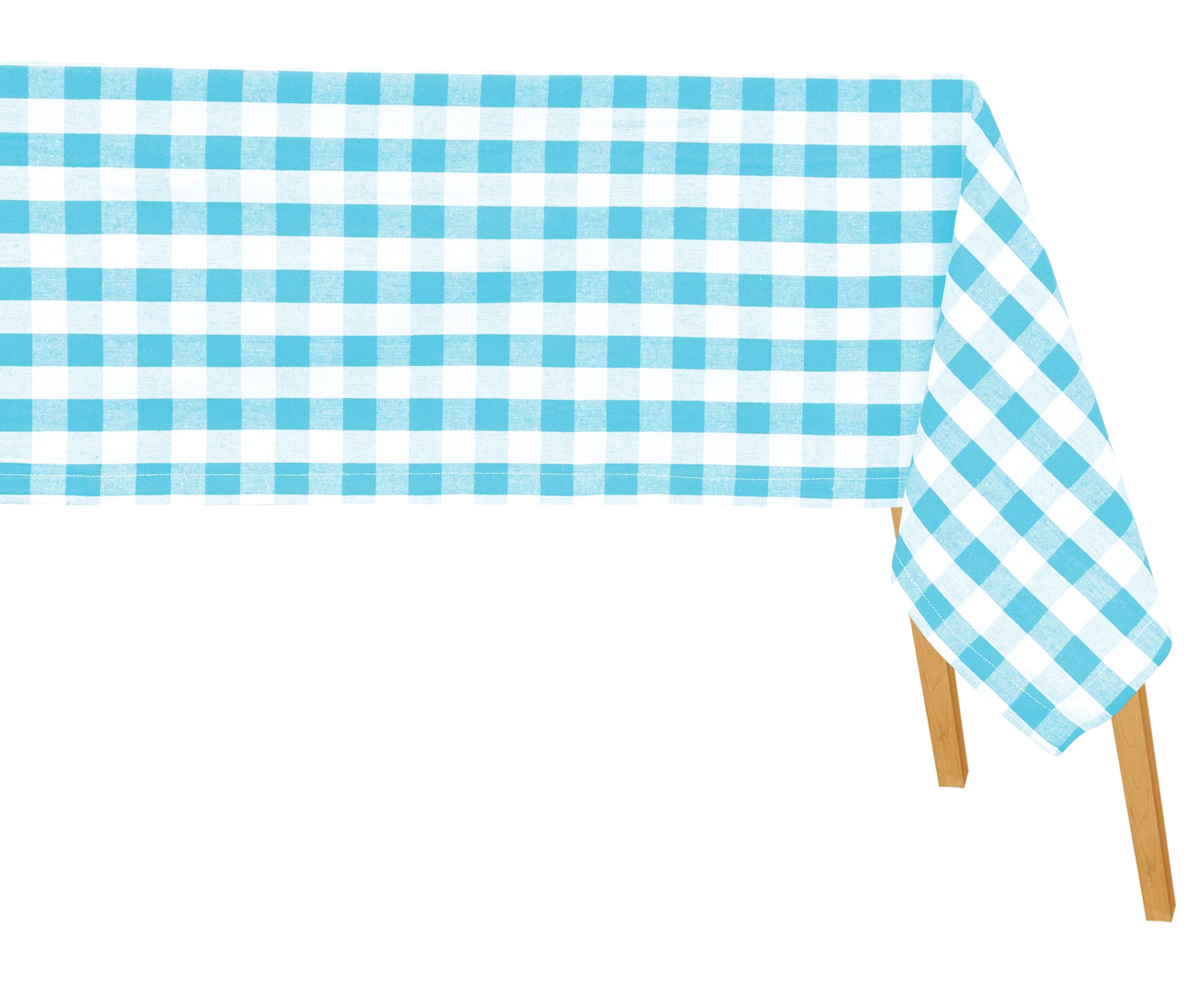
For a casual, everyday vibe, you want an 8 to 10-inch drop. It’s enough to cover the table's edge but short enough that it won’t catch on your knees when you sit down.
If you are going for a formal, elegant setting, a 12 to 15-inch drop looks regal.
Do not, and I repeat, do not, buy a cloth that hangs to the floor unless you are specifically going for a "banquet hall" look or trying to hide ugly table legs. It becomes a tripping hazard and a magnet for pet hair.
Color and Pattern Psychology: Here is my rule of thumb: go neutral for your "base" cloth. A crisp white, a soft beige, or a muted sage green. This gives you the freedom to swap out napkins and centerpieces for every season. If you buy a bold, busy print, you are locked into that look forever. Patterns are fun for picnics and summer parties, but for the main dining table, solids are your best friend.
Find Out: How to Use a Square Tablecloth on a Round Table?
Cotton Tablecloth Size Chart
I am a visual person, and I hate doing math in my head, so I always keep a cheat sheet. Remember the formula: Table Size + (Drop x 2). Here is a quick look-up table for the most common table sizes you’ll find in 2026 homes.
|
Table Shape |
Table Size |
Your Vibe |
Buy This Size |
|
Rectangle |
36" x 60" |
Casual (10" drop) |
56" x 80" |
|
Rectangle |
40" x 72" |
Formal Dinner (12" drop) |
64" x 96" |
|
Rectangle |
48" x 96" |
Banquet Style (15" drop) |
78" x 126" |
|
Square |
44" x 44" |
Brunch Setting |
64" x 64" |
|
Round |
48" Diameter |
Family Dinner |
68" Diameter |
|
Round |
60" Diameter |
Formal Dinner |
84" Diameter |
|
Oval |
44" x 64" |
Everyday |
64" x 84" |
Pro-tip from my own mistakes: If you are buying 100% cotton, size up by about 2 inches on the drop. That way, if it shrinks, you aren't left with a cloth that looks like a mini skirt on a dining table.
Know About: How to Wash, Iron, and Store Your Linen Tablecloths Like a Pro
Cotton vs Linen Tablecloth
This is the eternal debate, and I’ve gone back and forth on this for years. Linen is having a massive moment in 2026, and for good reason. But let’s be real about the differences so you can pick what suits your lifestyle.
|
Feature |
Cotton |
Linen |
|
The "Feel" Factor |
Soft and plush right out of the package. |
Feels a bit rough and "crunchy" at first, but gets beautifully soft over time. |
|
Wrinkle Situation |
Moderate wrinkles. Comes out of the dryer looking decent. |
Wrinkles are part of its charm, but it looks like a crumpled mess if you don't iron it while damp. |
|
Durability |
Solid for 5-7 years of heavy use. |
It’s basically indestructible. It lasts decades. |
|
Care Routine |
Very forgiving. Toss it in the wash and go. |
High maintenance. Needs careful washing and usually a hot iron. |
|
Best Use Case |
Busy families, daily meals, and anyone who hates ironing. |
Formal dining, slow Sunday lunches, and people who appreciate "texture." |
My honest take: If you have kids or a busy household, get the cotton. If you are a minimalist who loves the organic, rumpled aesthetic and don't mind ironing, splurge on the linen.
Read Related: Best Ways to Remove Candle Wax from a Christmas Tablecloth
How to Style a Cotton Tablecloth
A tablecloth sets the stage. Here is how I style mine depending on the occasion, without trying too hard.
Everyday Dining: I keep it loose. A lightweight, cream-colored cotton cloth with no pattern. I pair it with ceramic plates that have a slight imperfection and a small succulent in the center. It feels effortless, and because it’s light, it hides dust well between washes.
Holiday Tables (The Big Show): This is when I pull out the heavyweight cotton or a tight weave. I choose deep colors, like a rich burgundy or forest green. The key to holiday styling is layering. Use the tablecloth as the base, then add a runner down the middle for contrast, and finish with cloth napkins in a complementary (not matching) color.
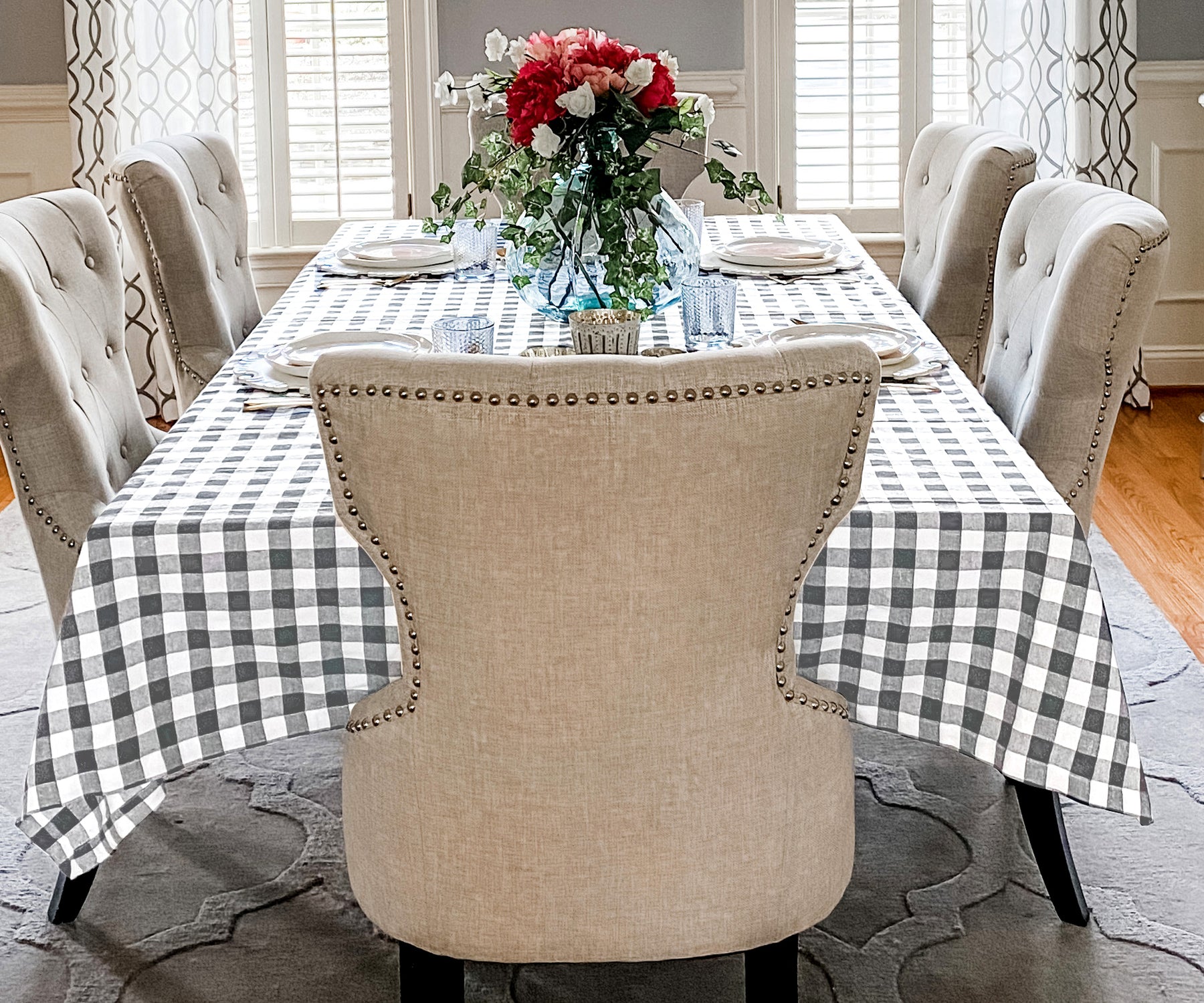
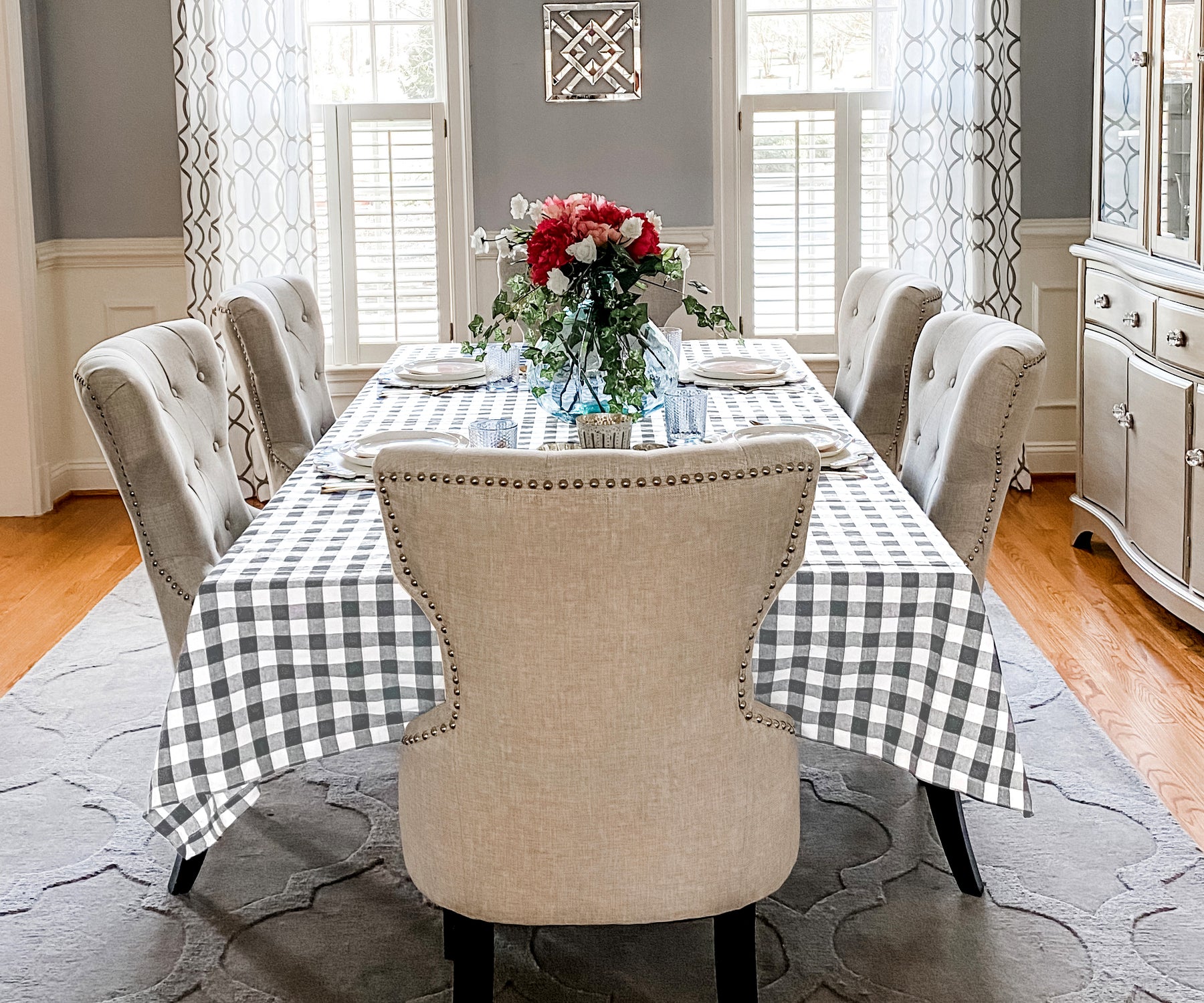
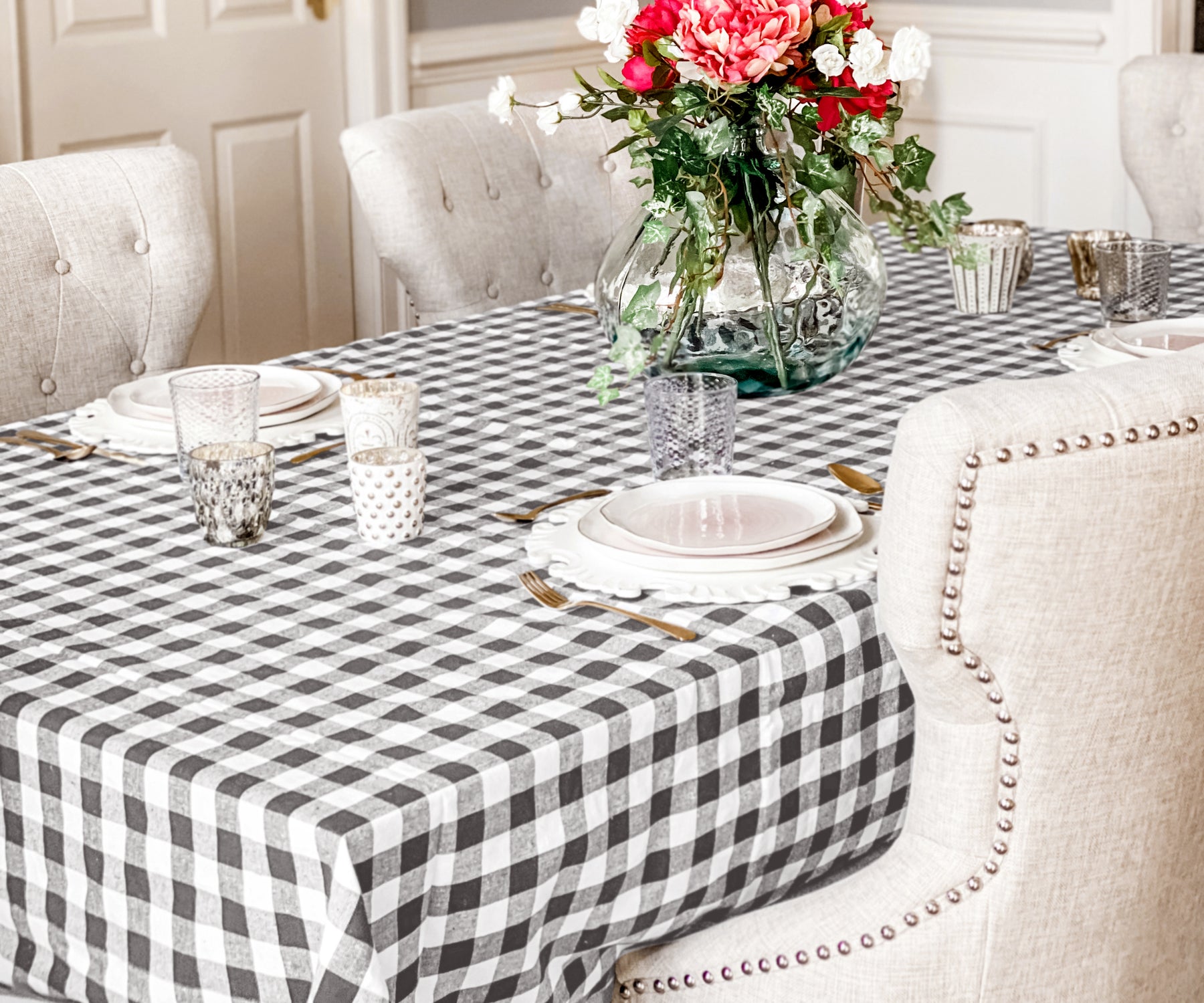
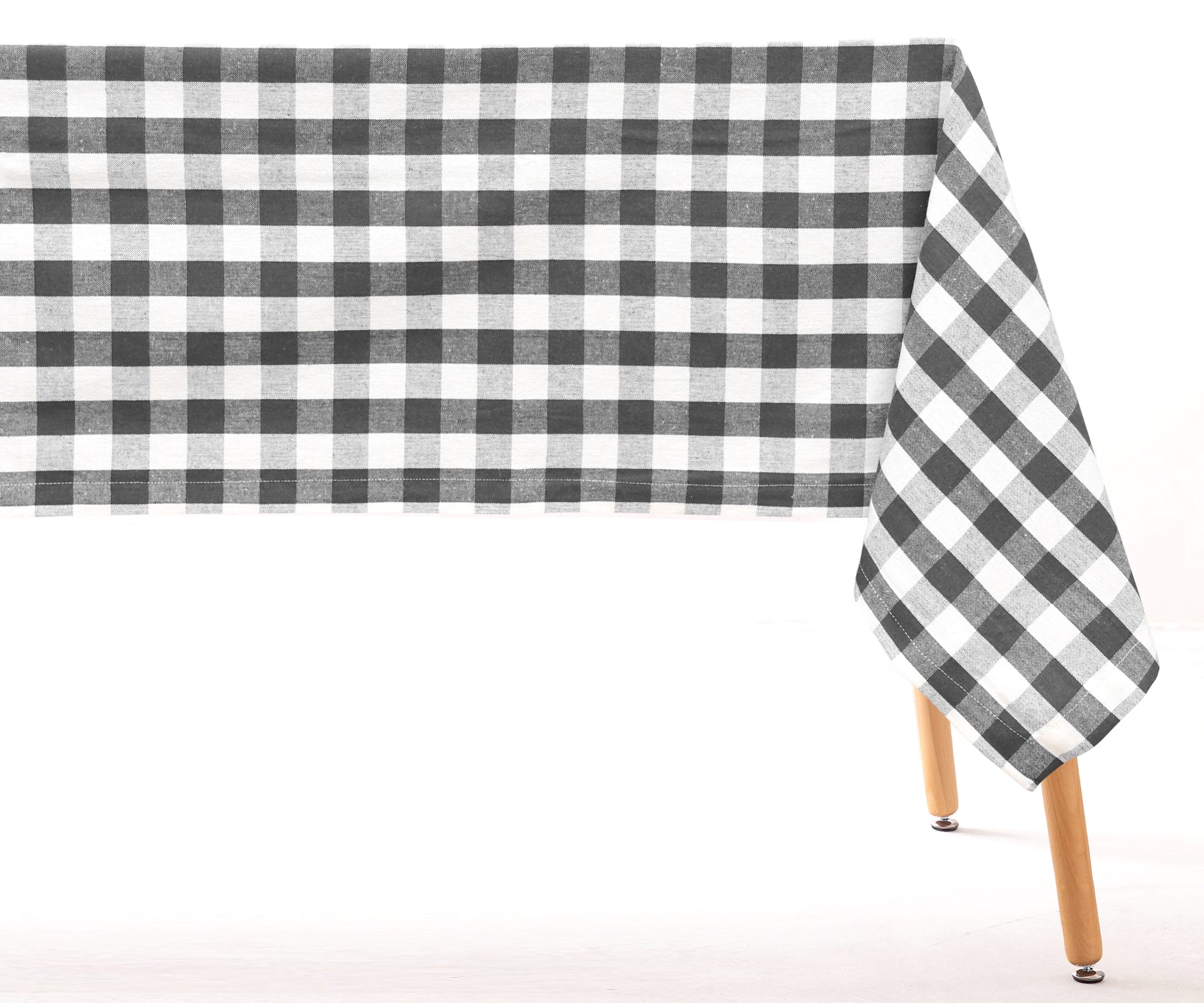
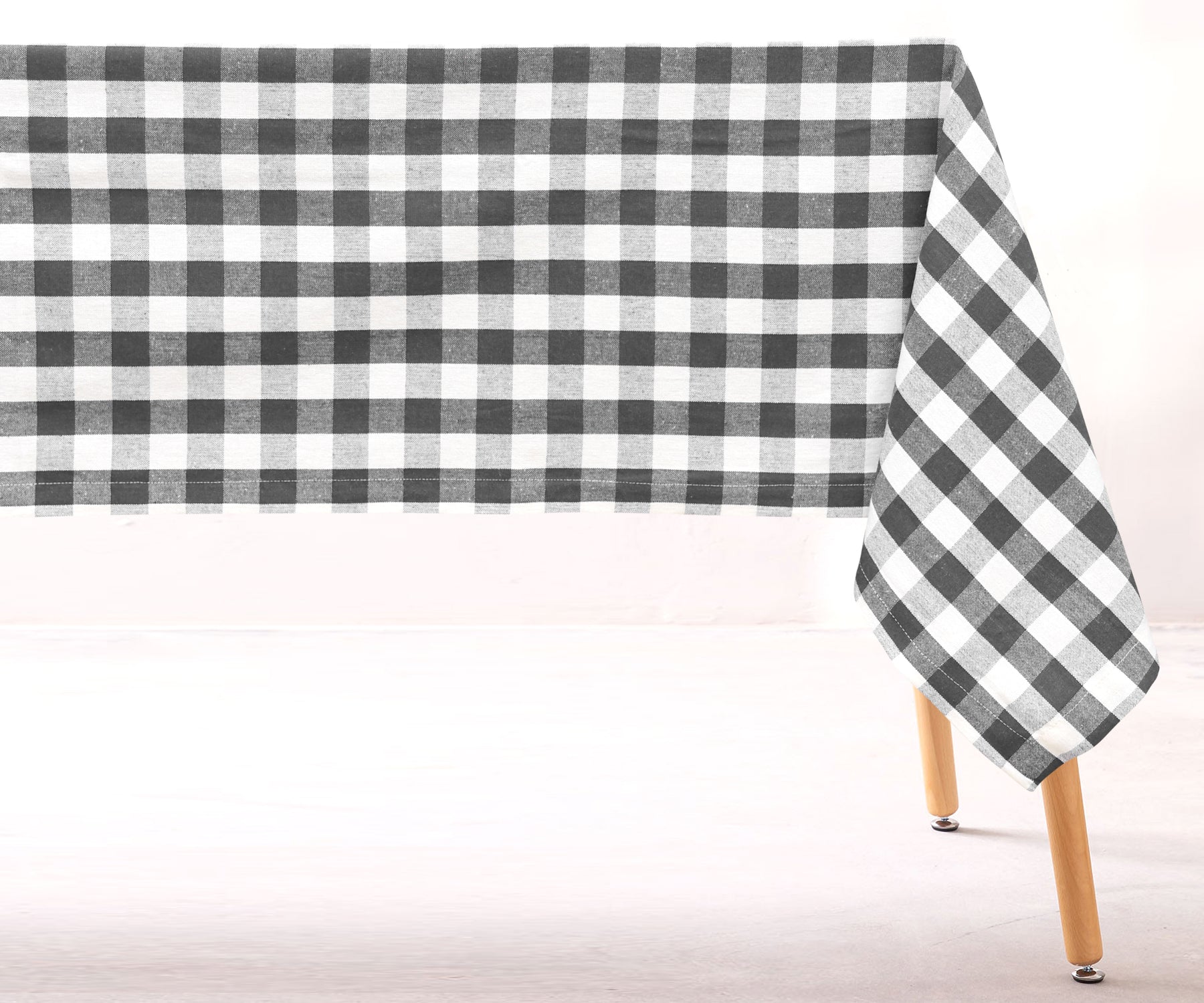
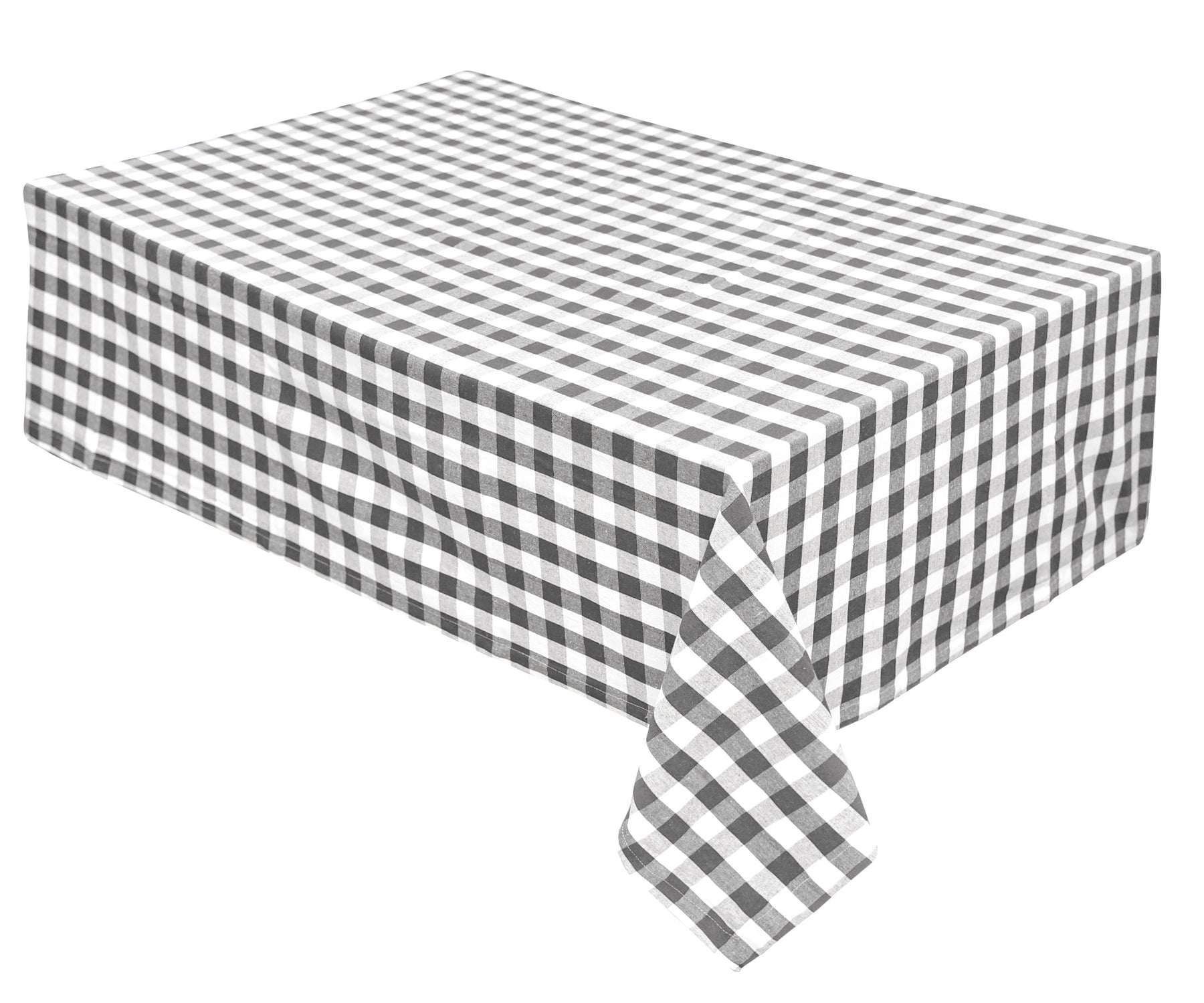
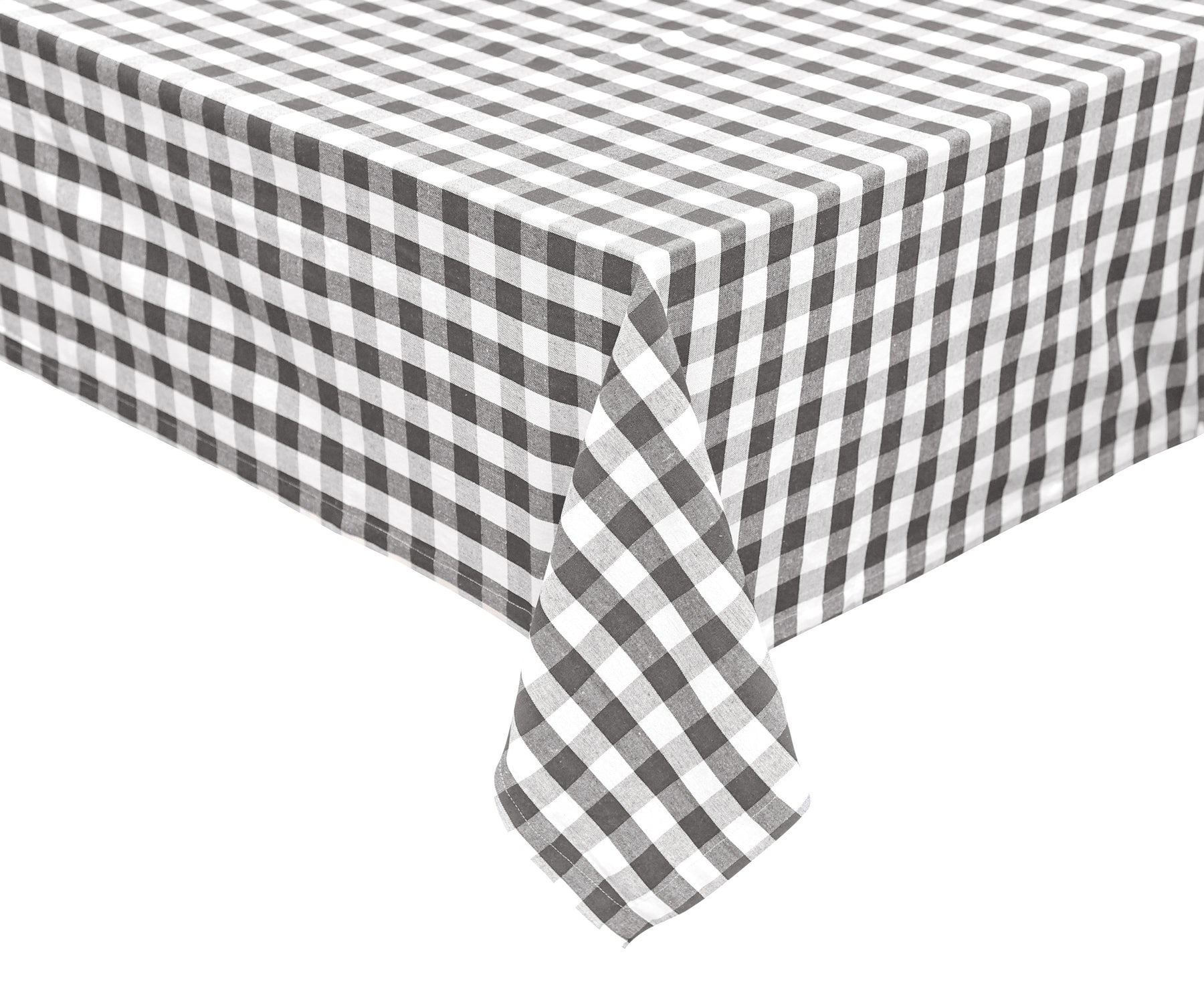
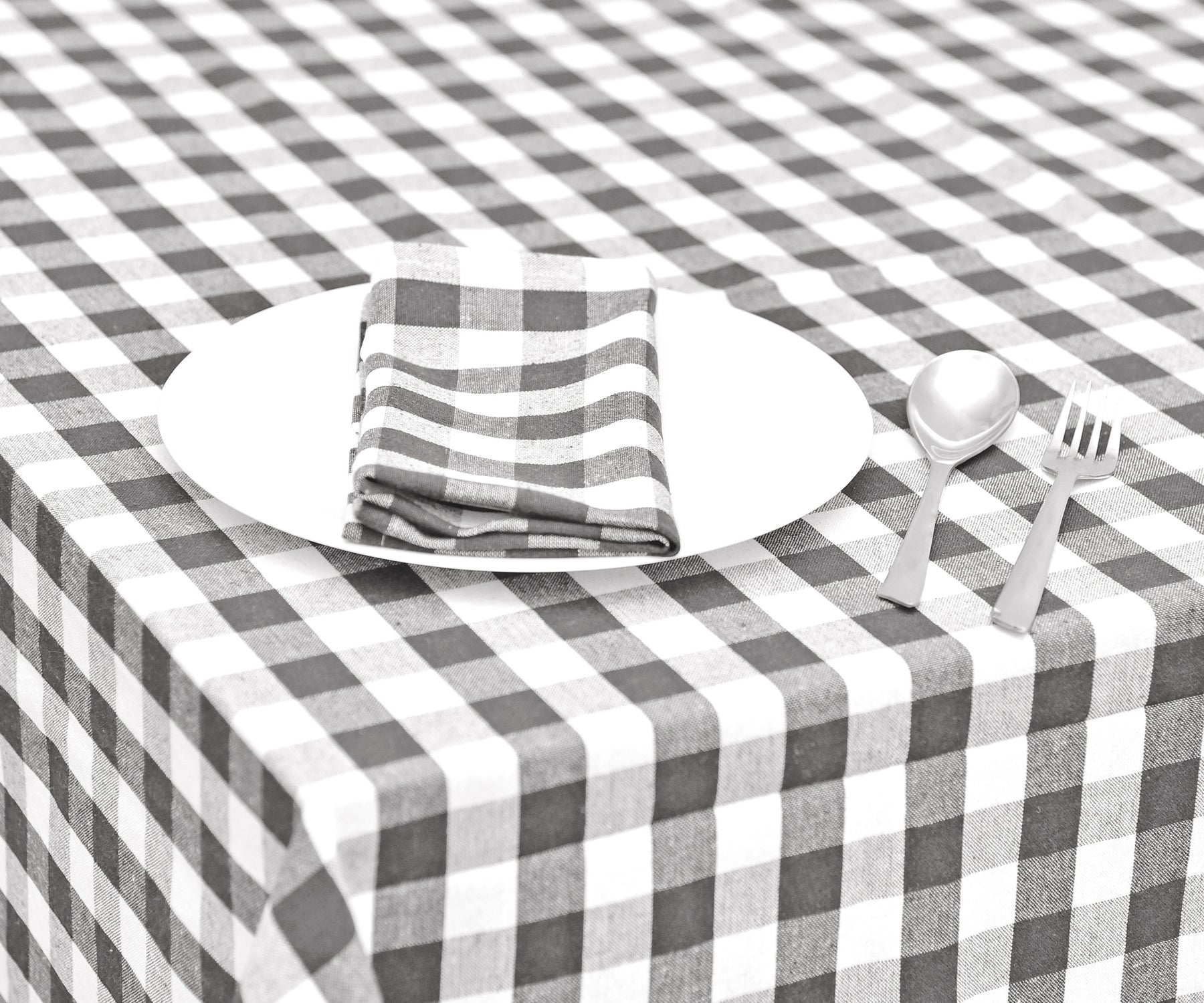
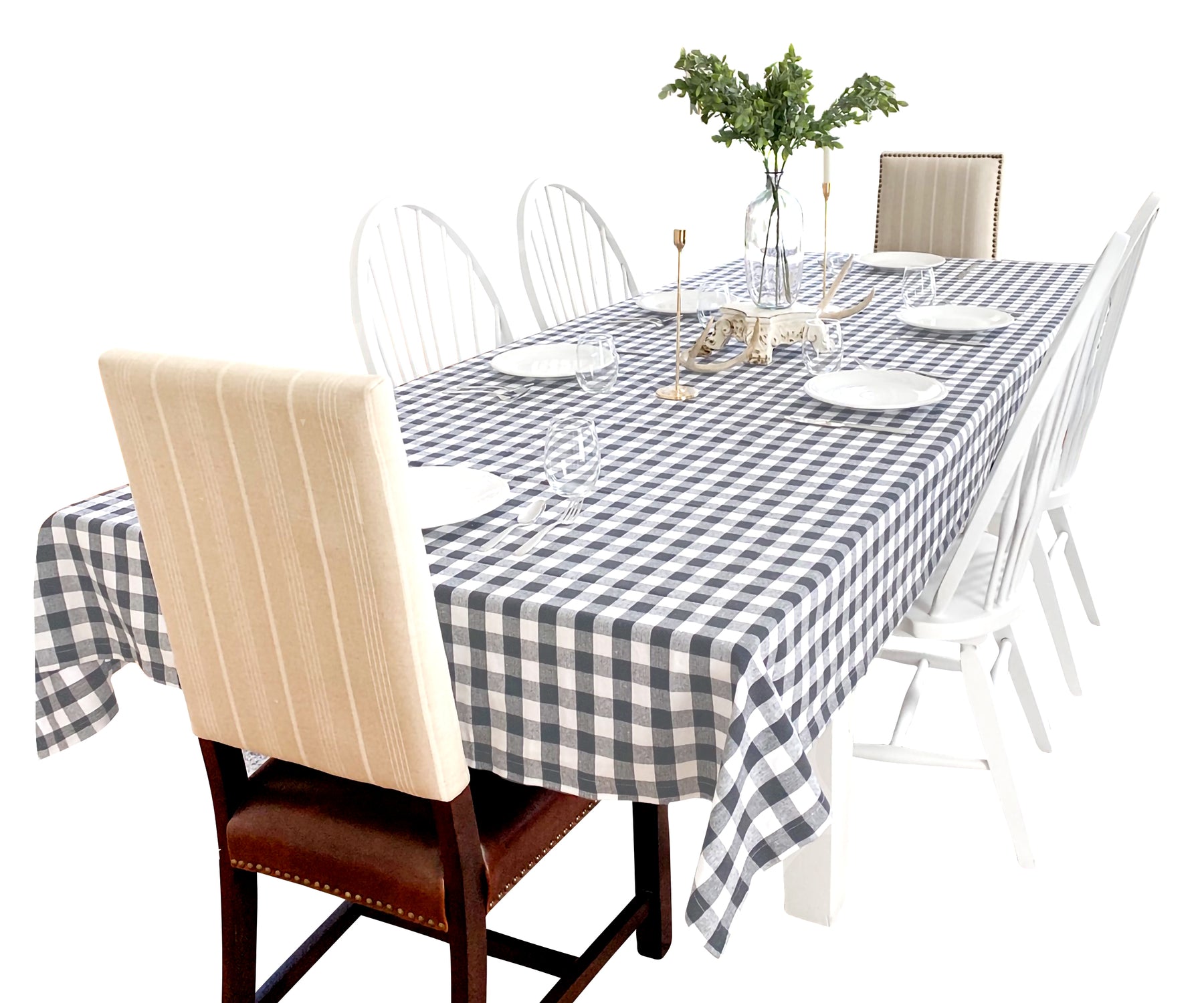
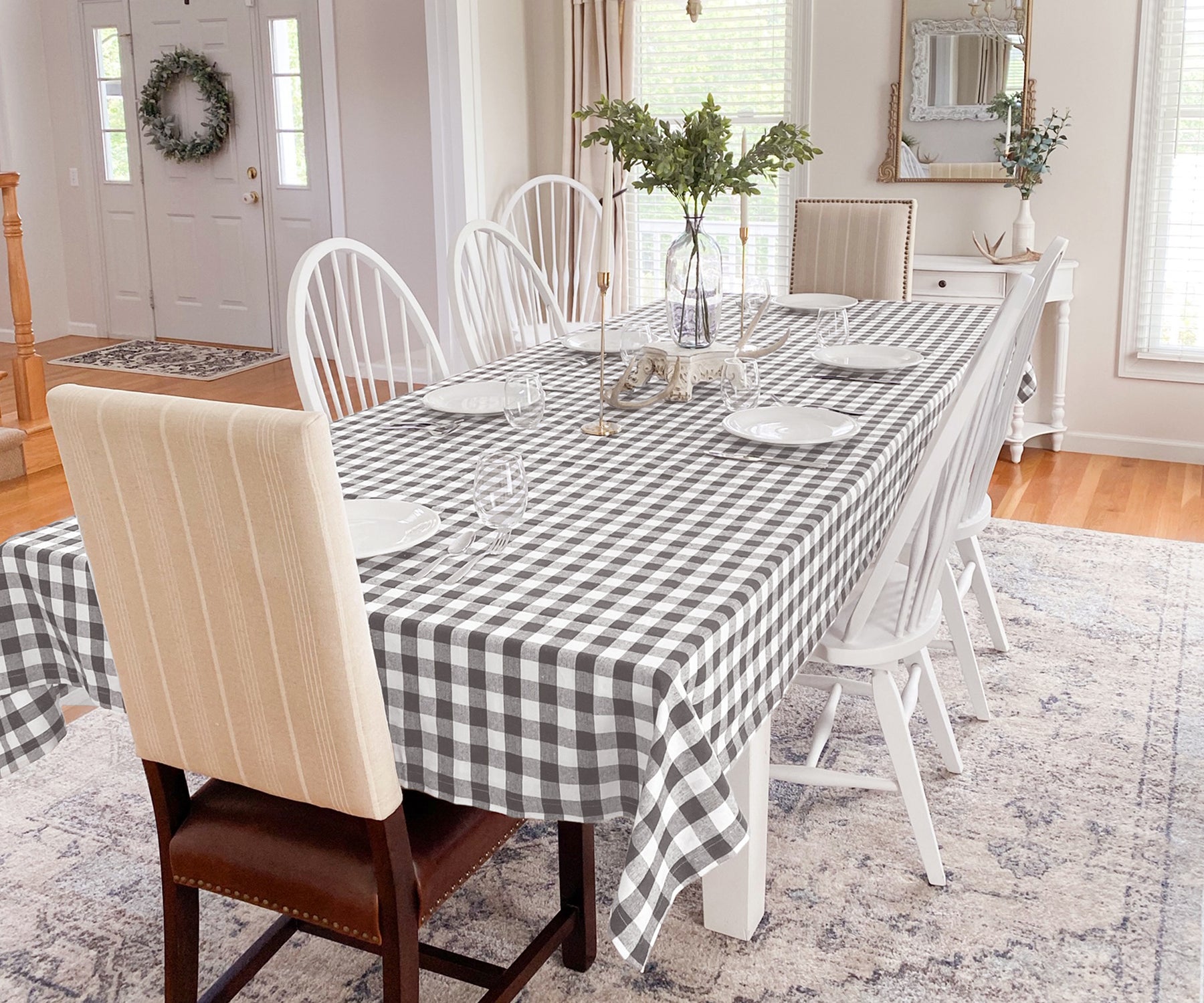
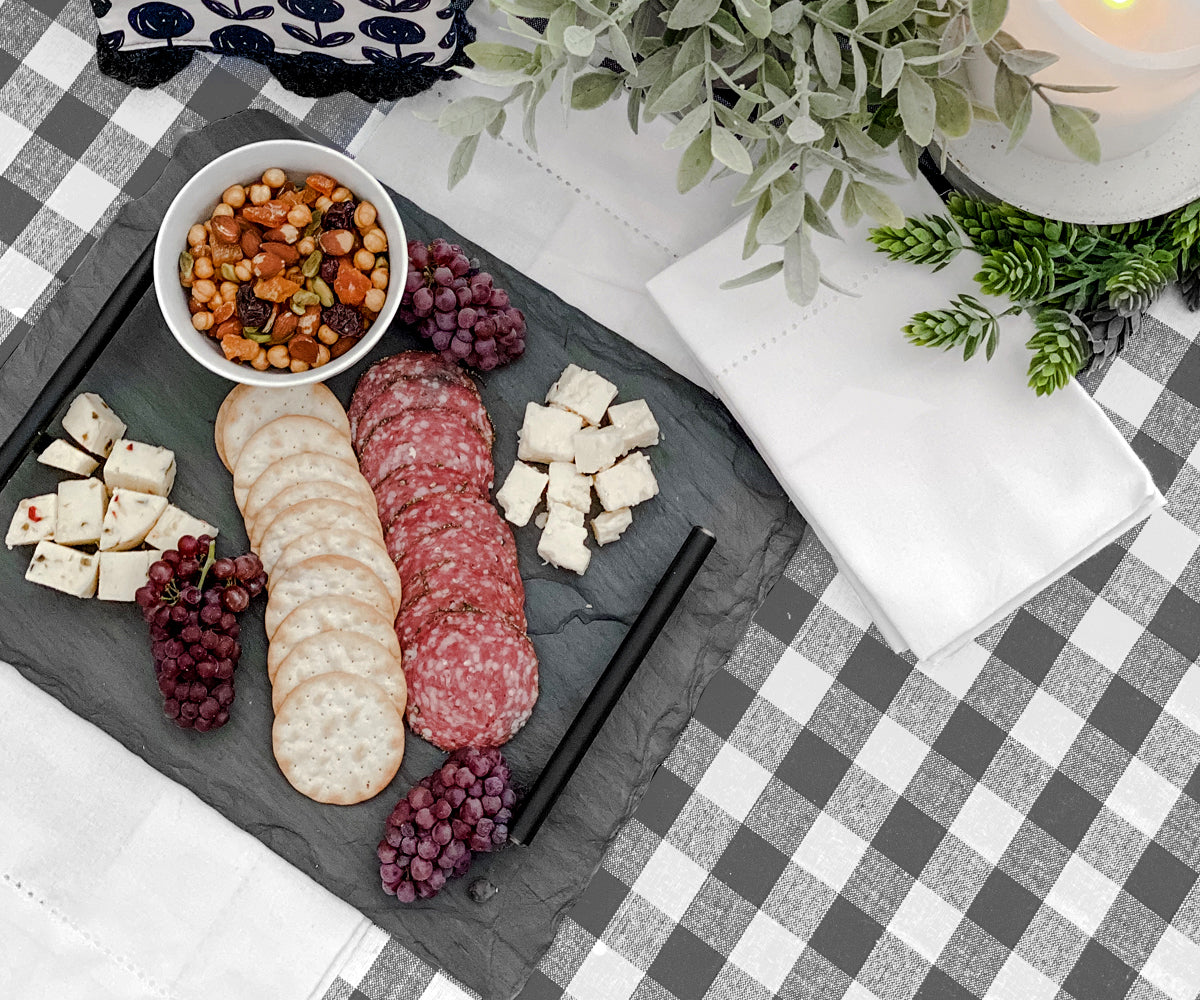
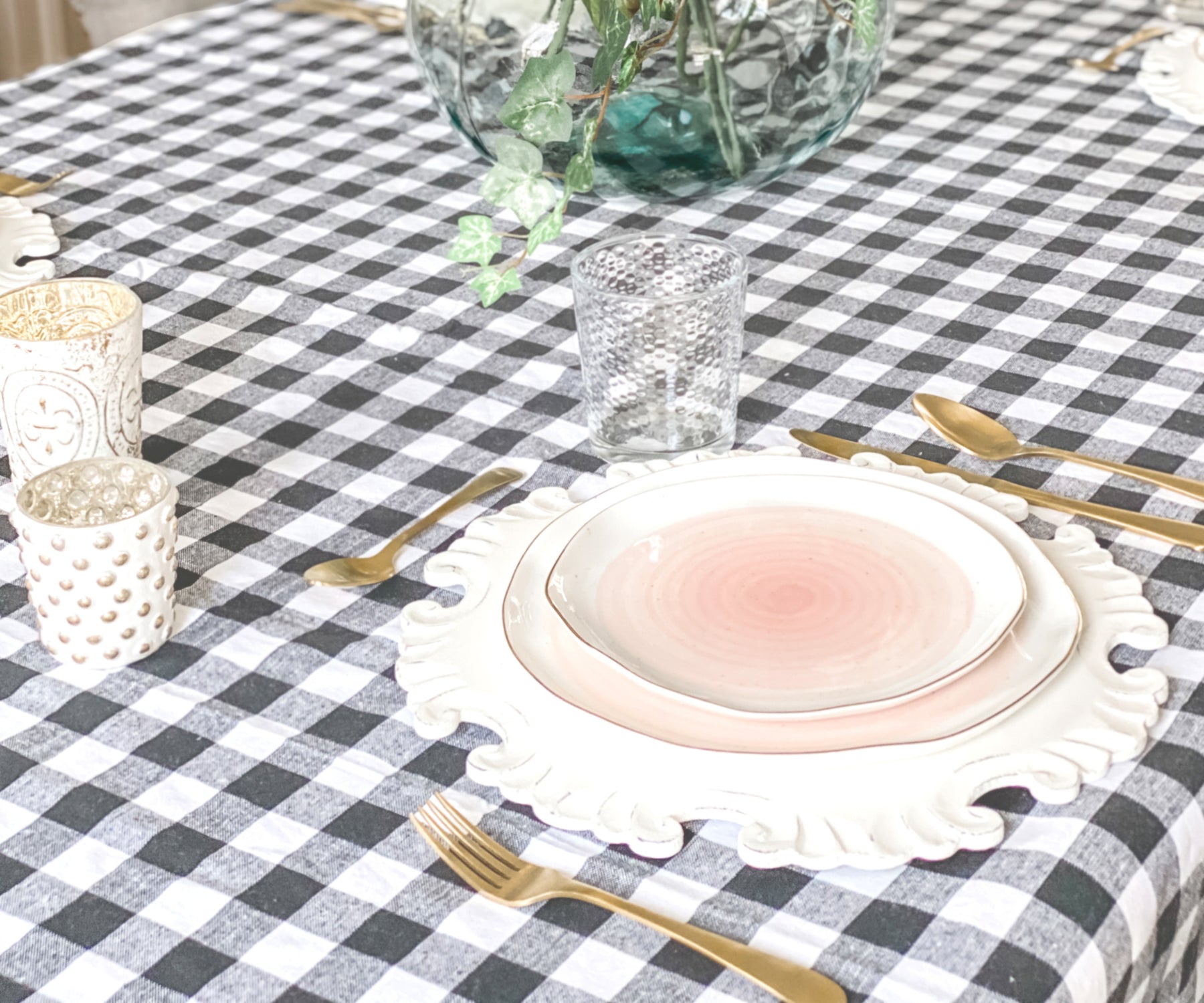
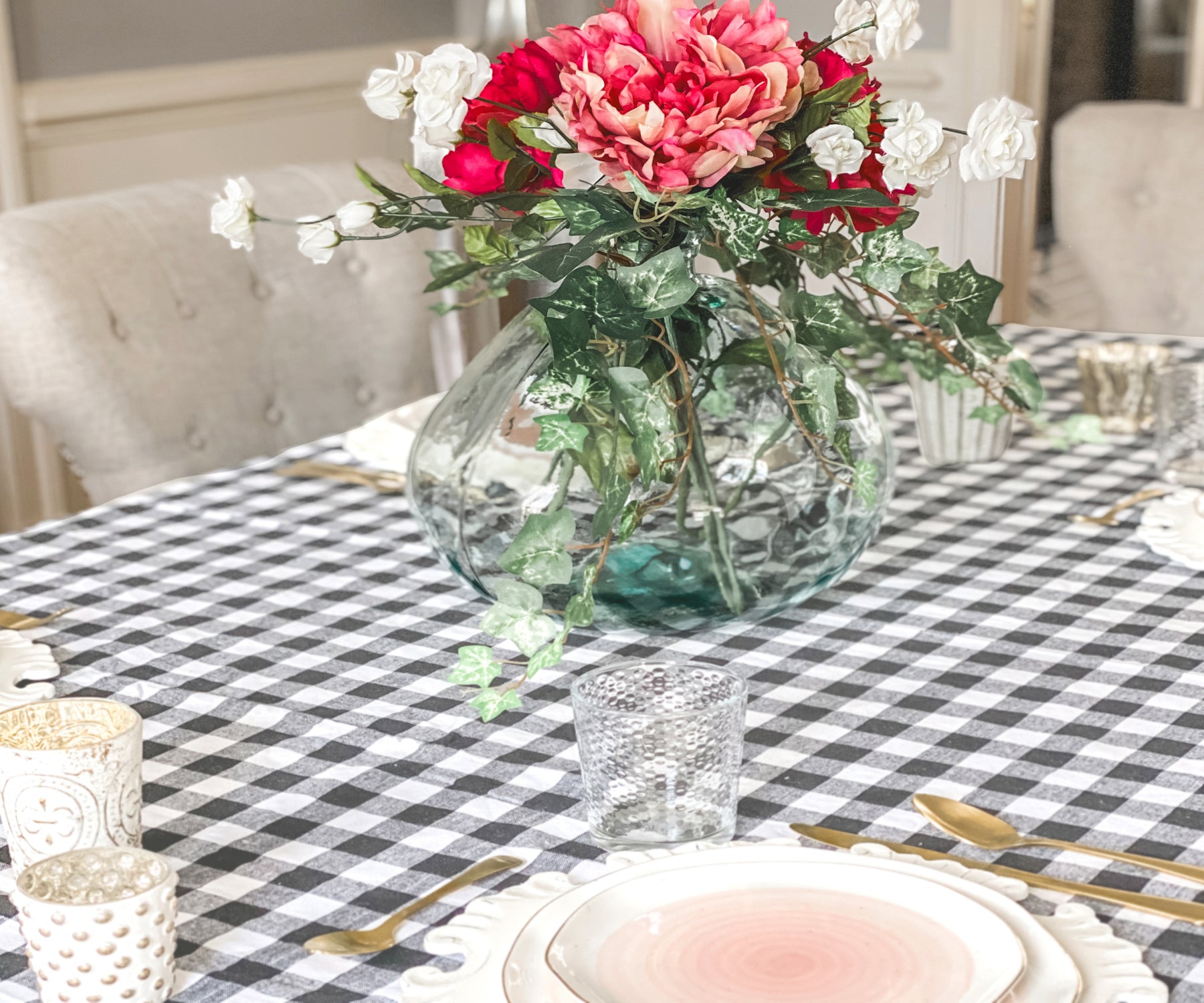
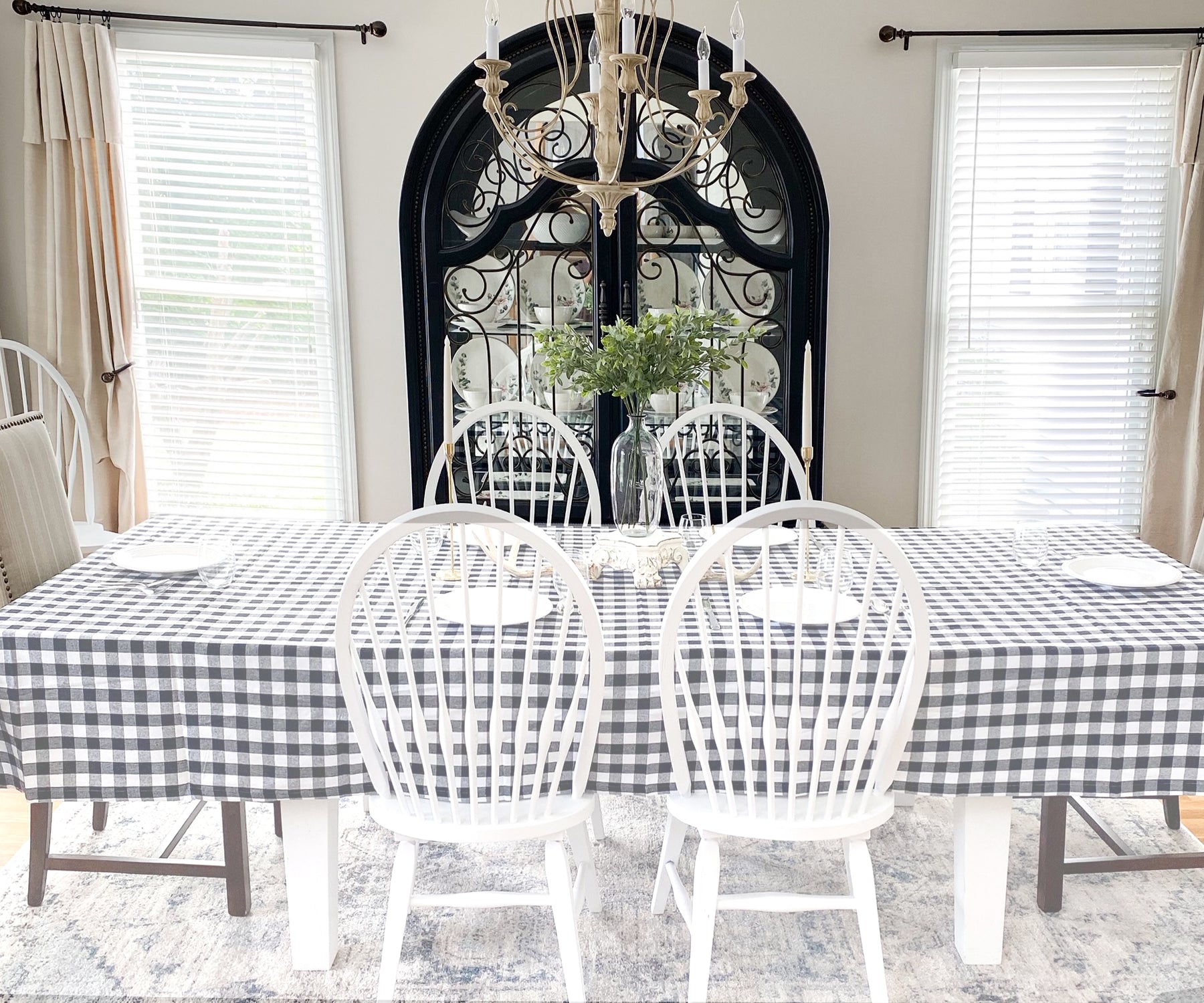
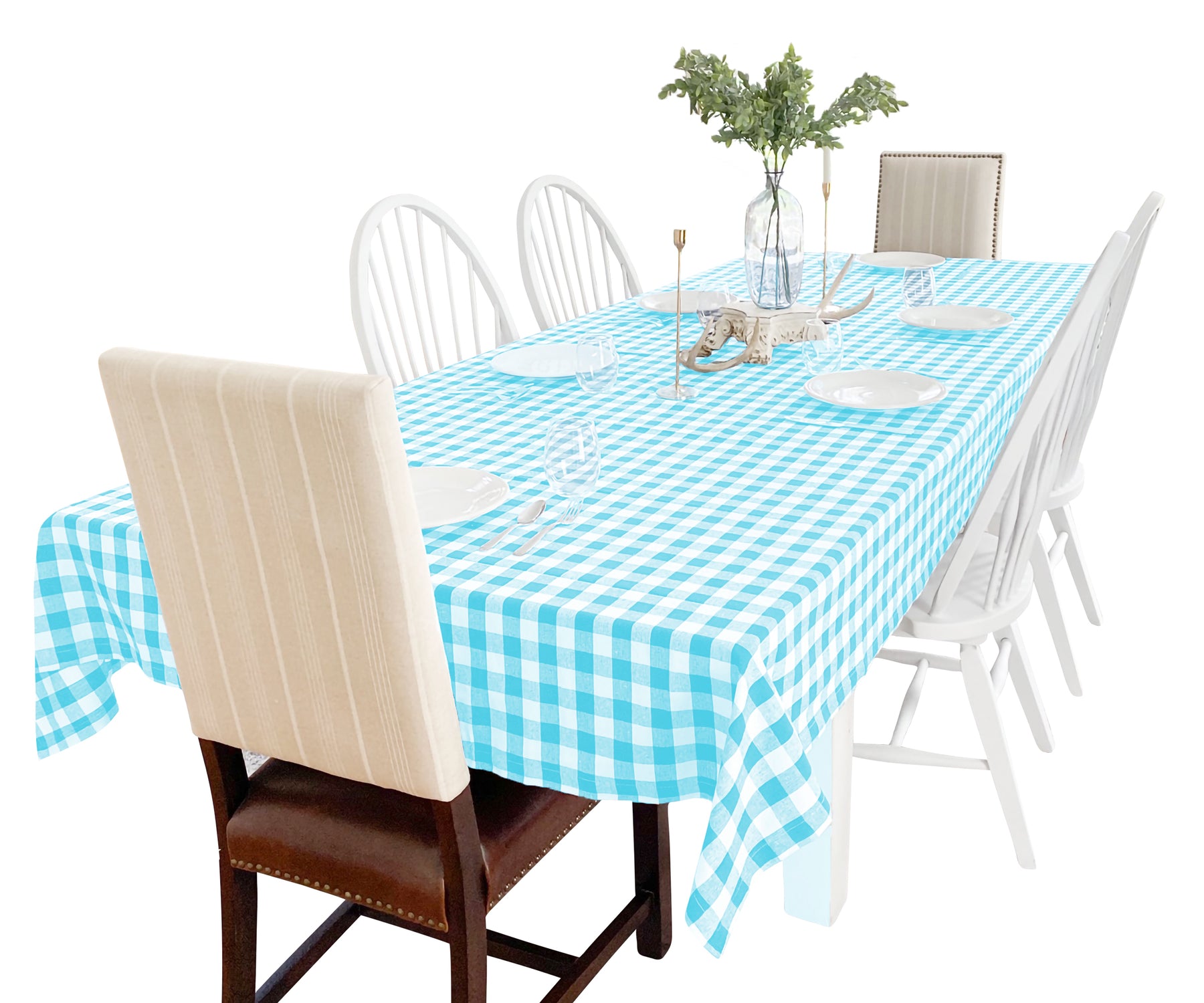
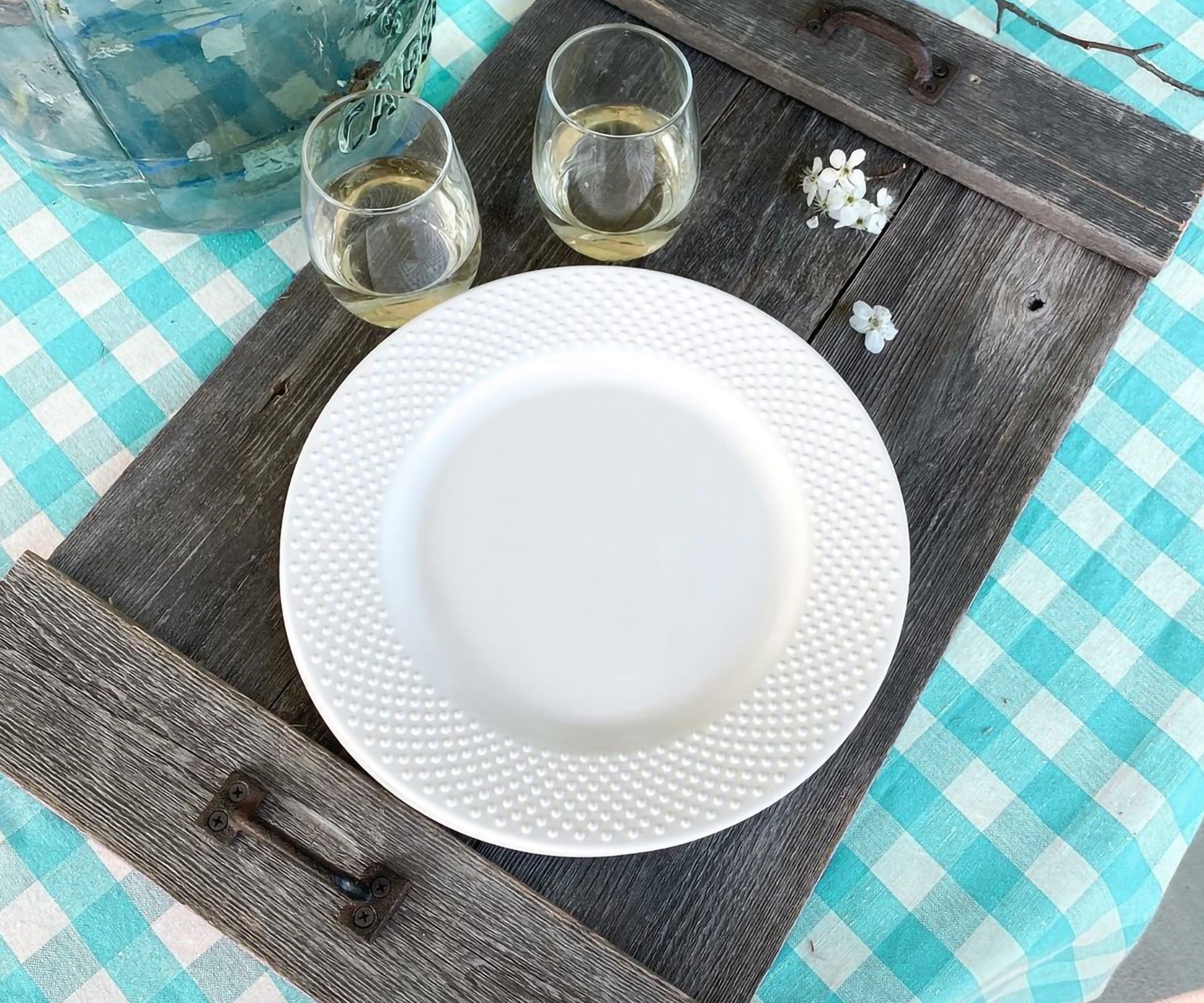
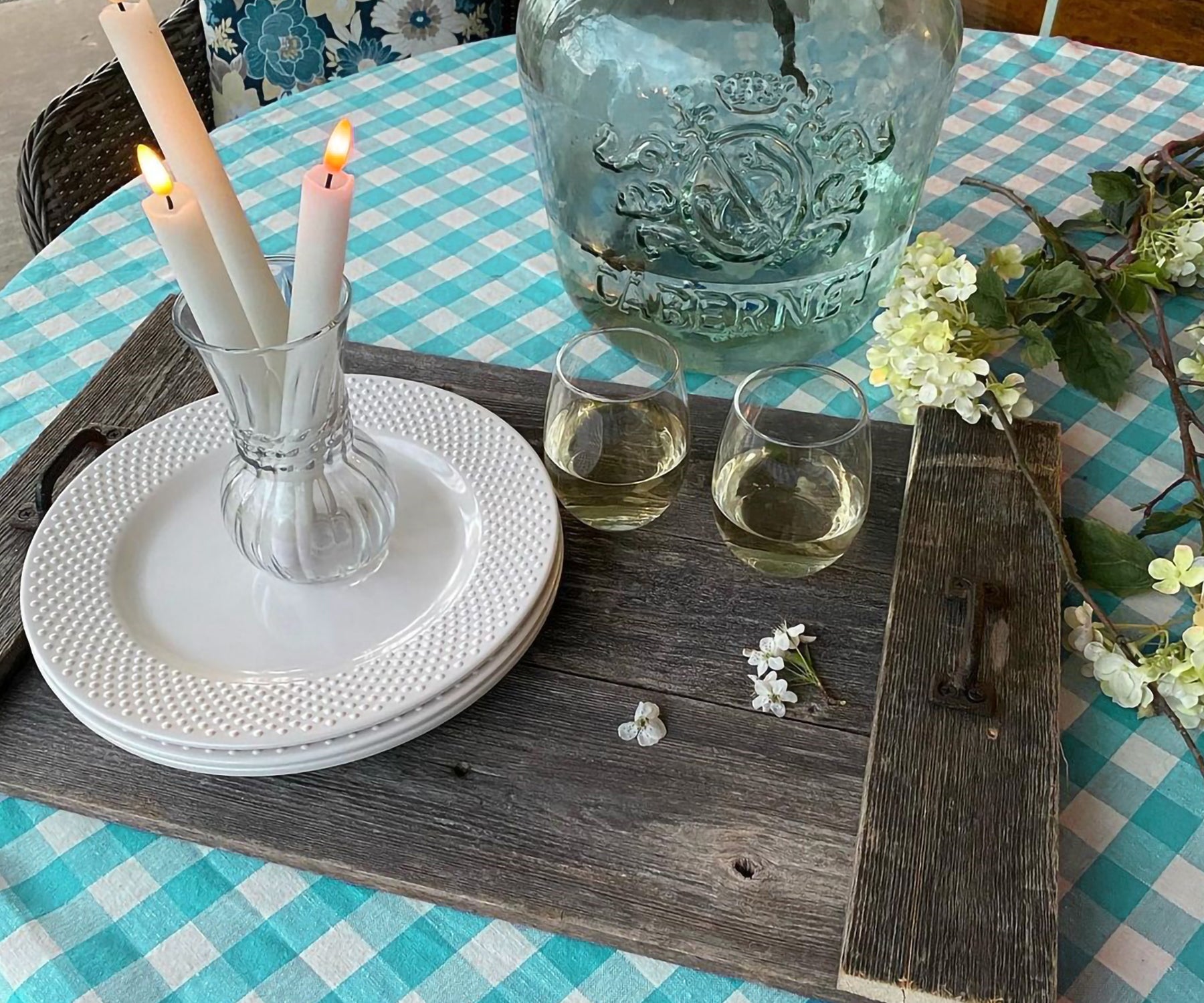
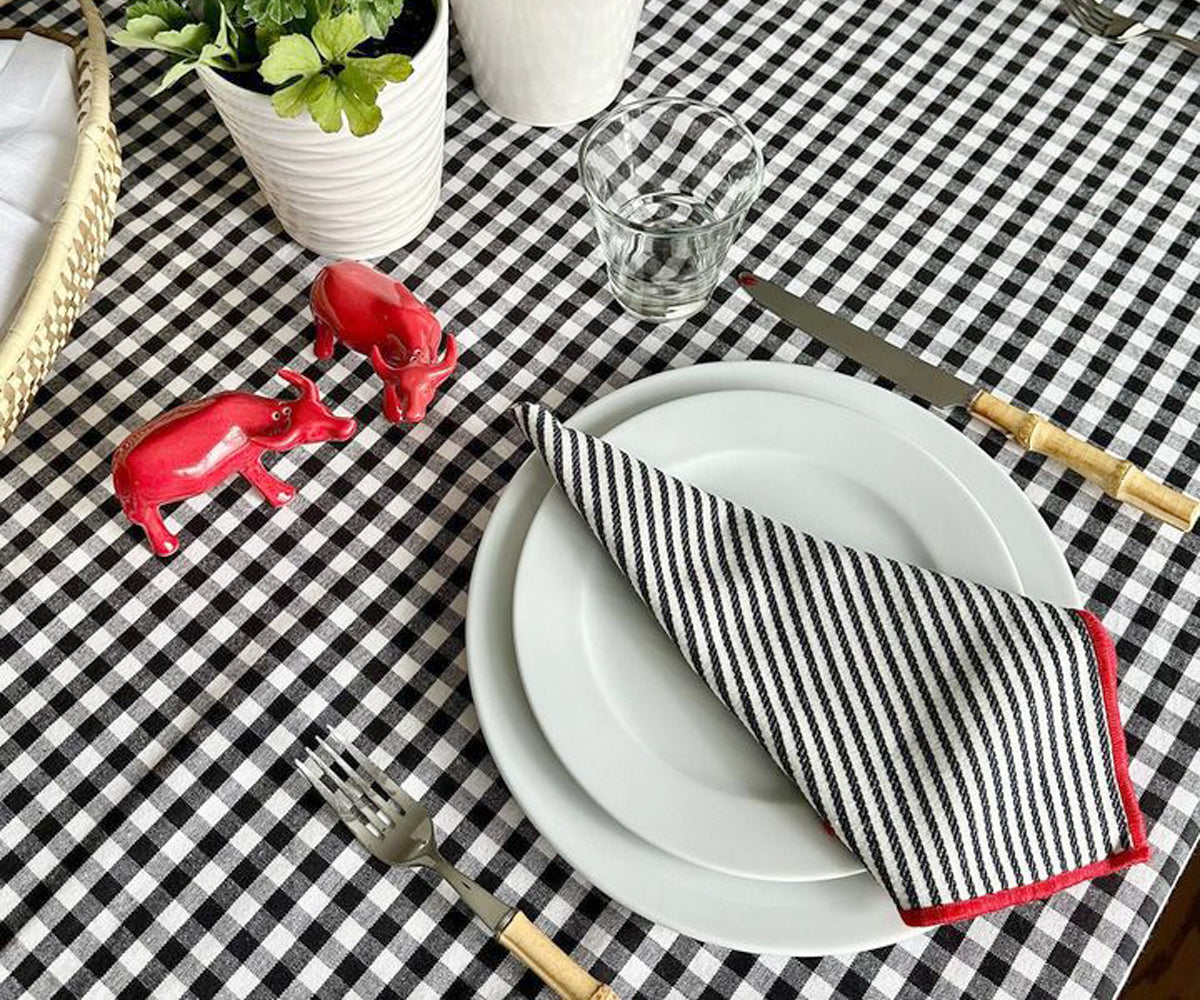
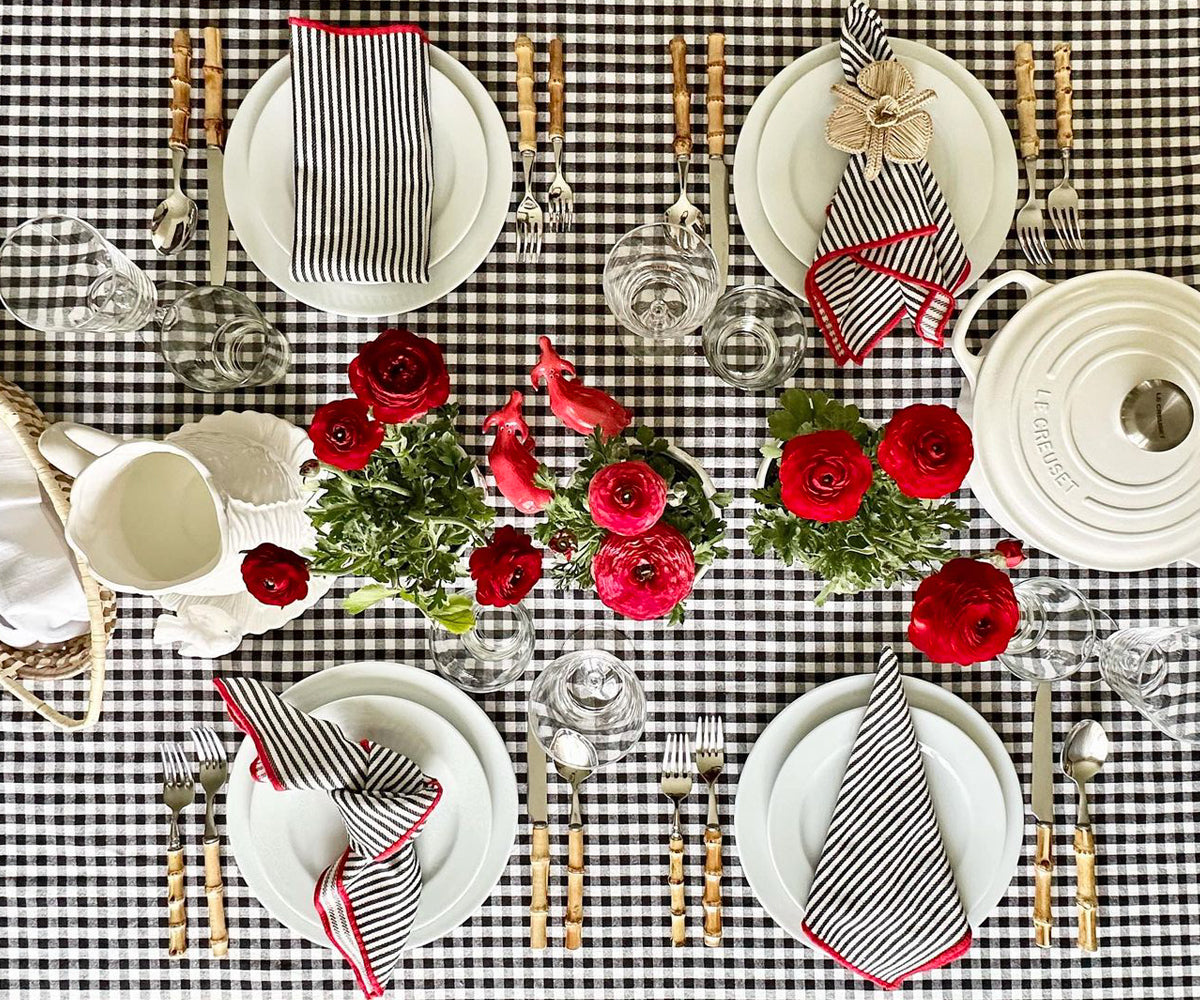
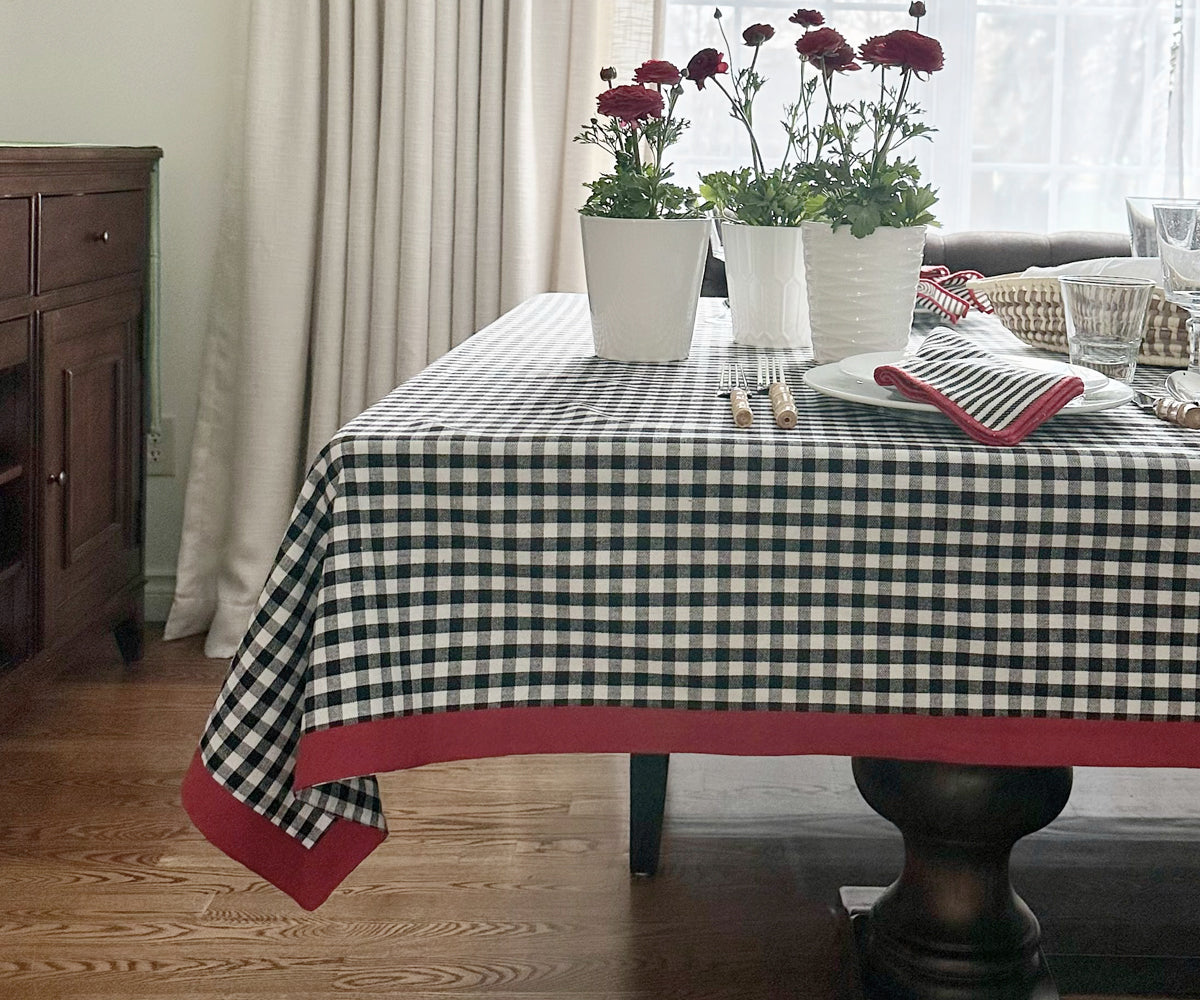
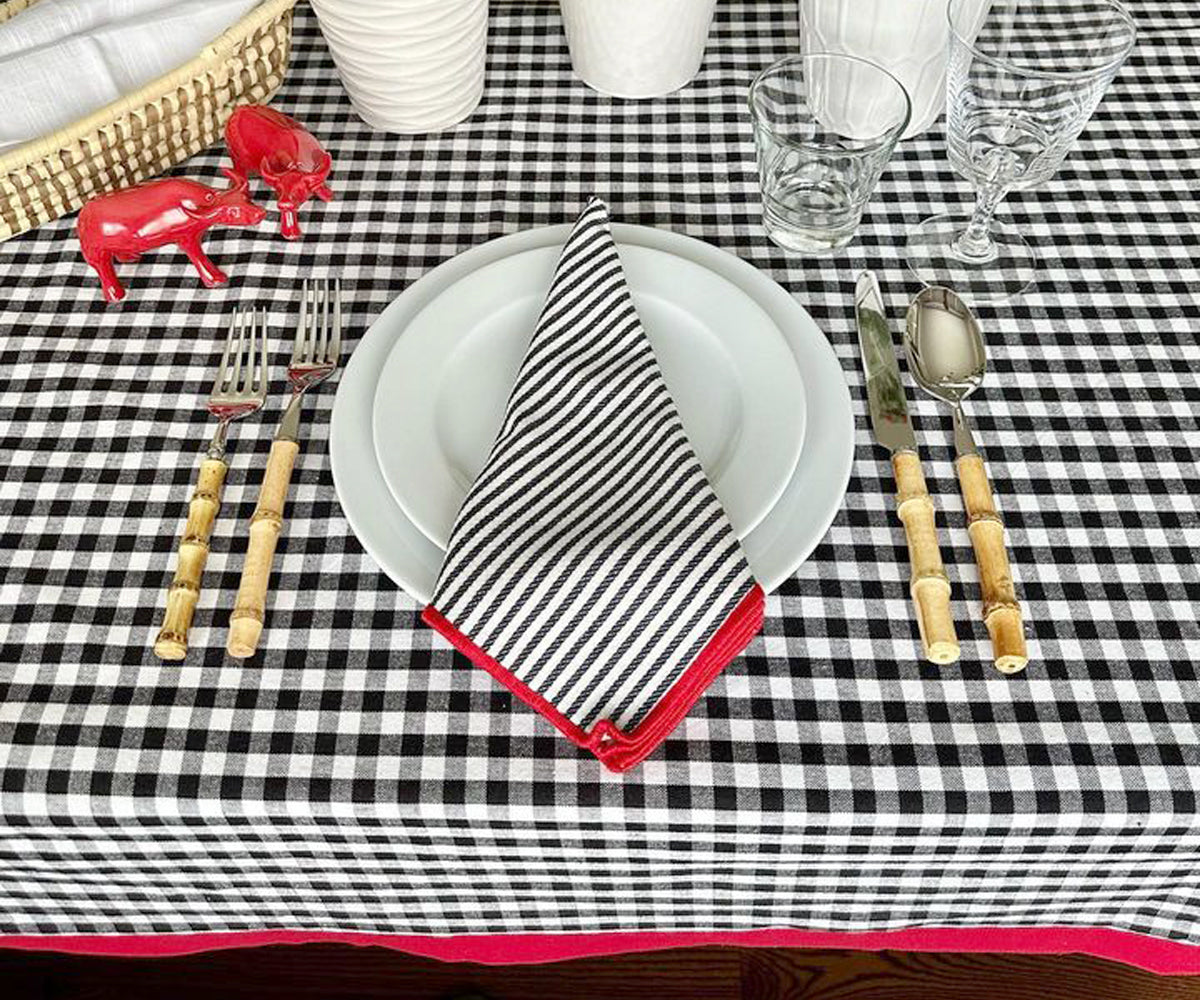
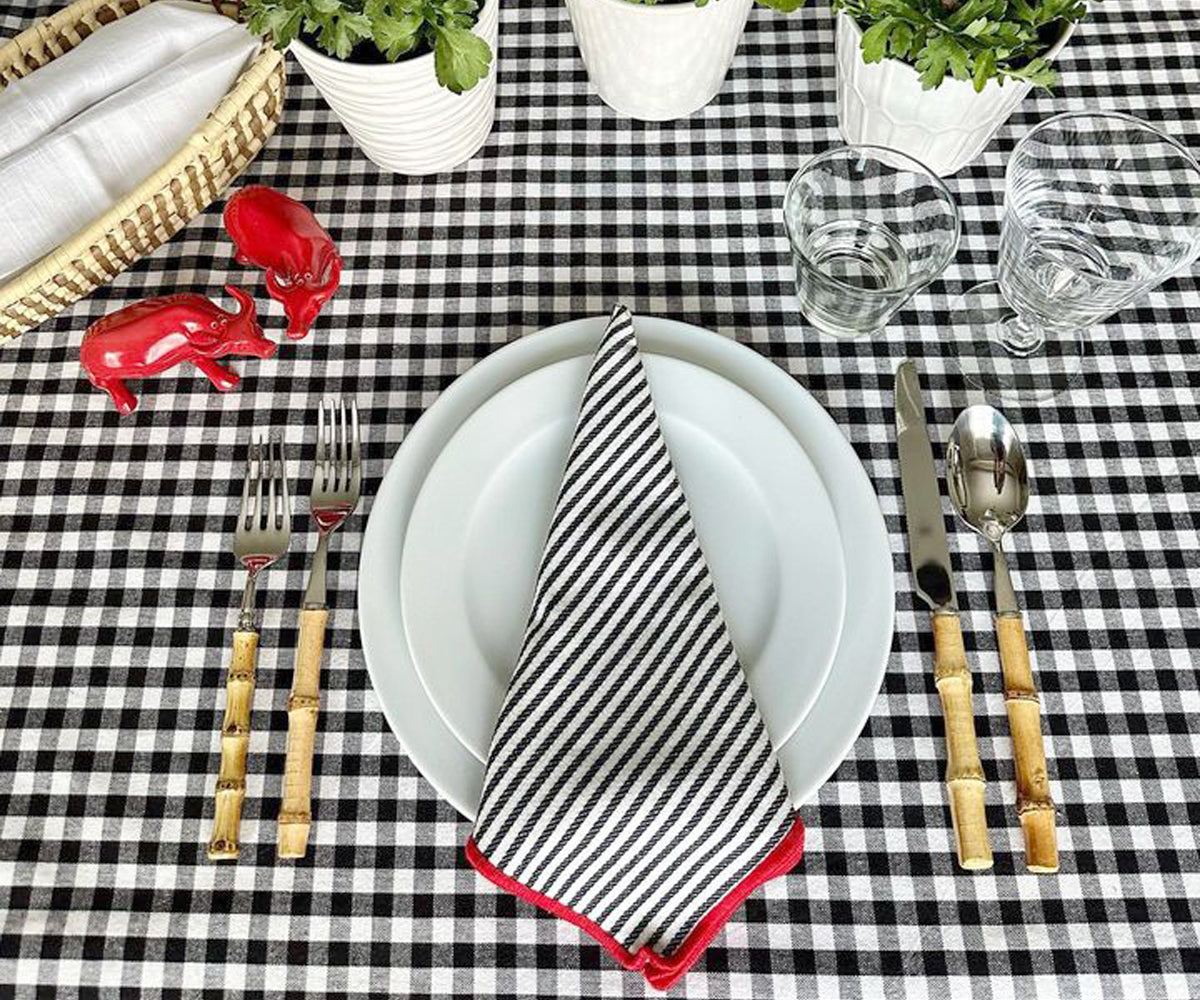
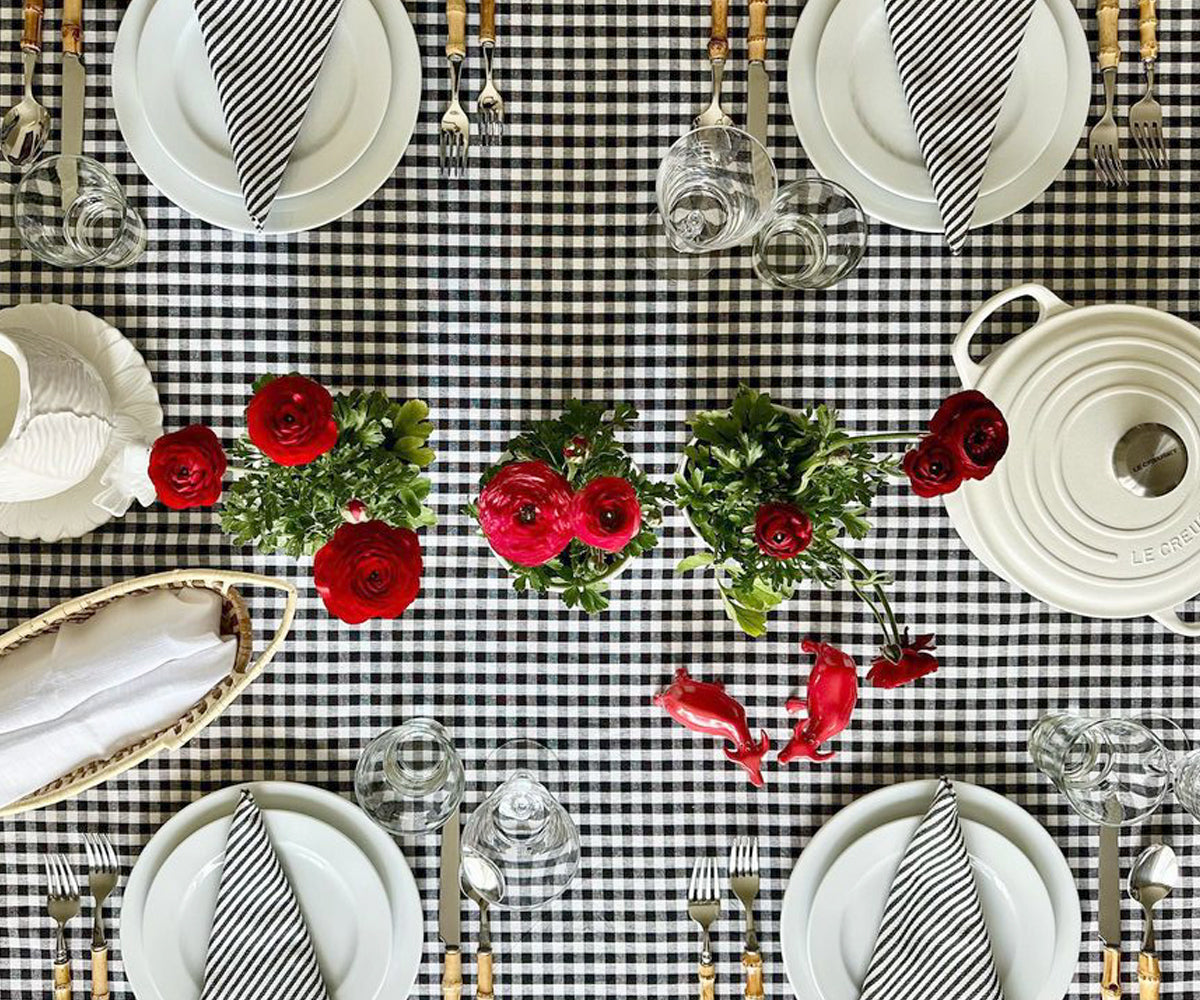
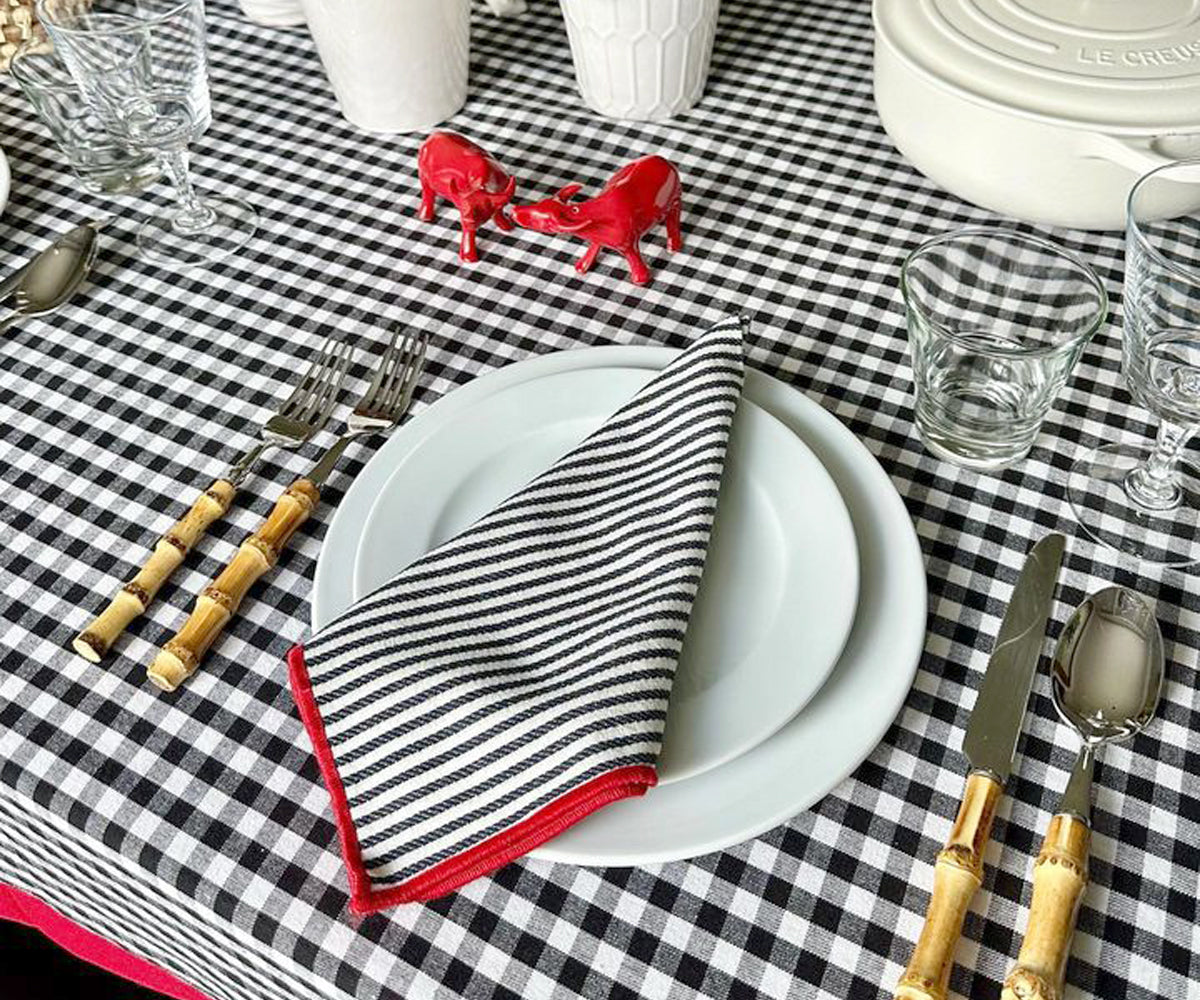
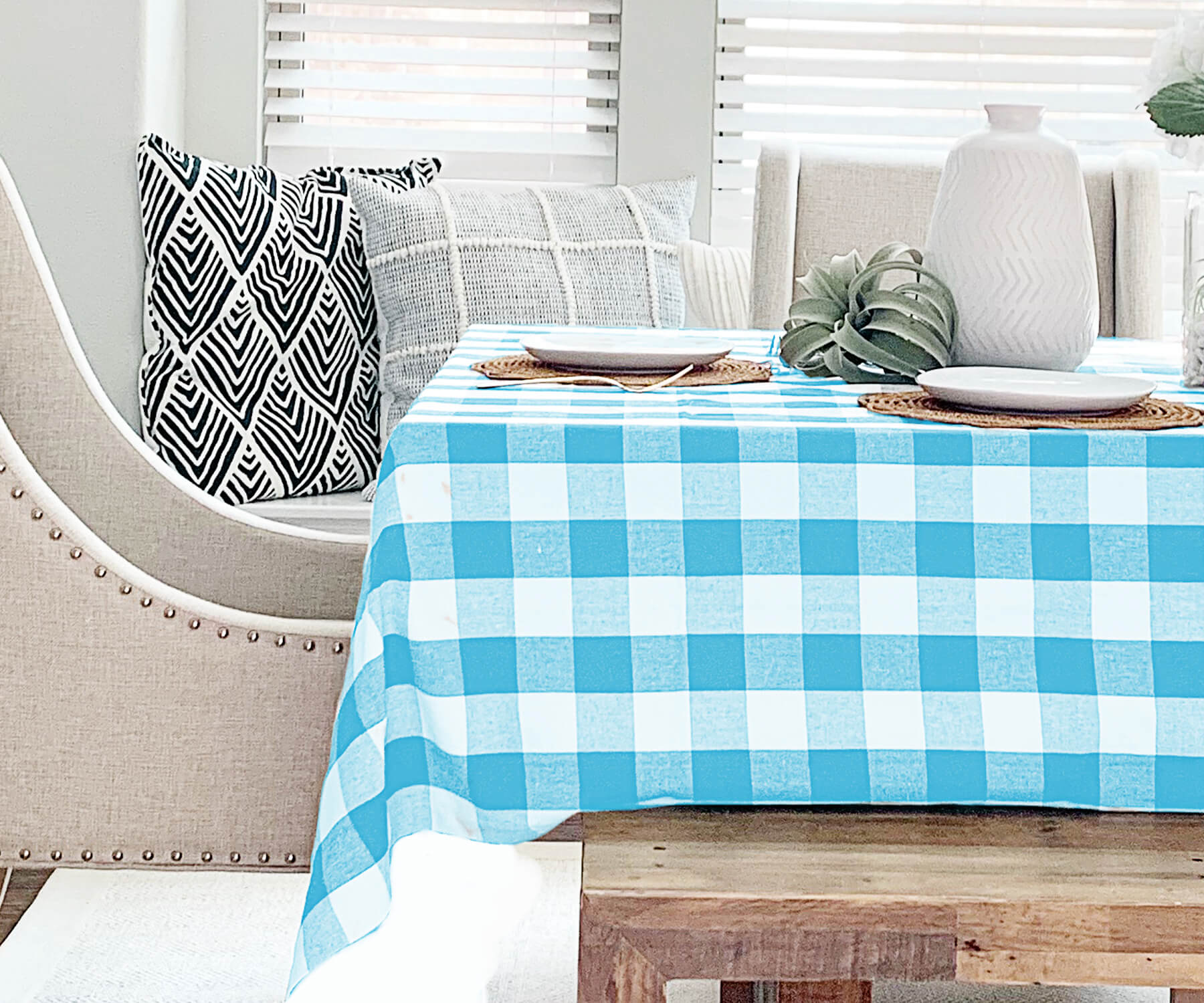
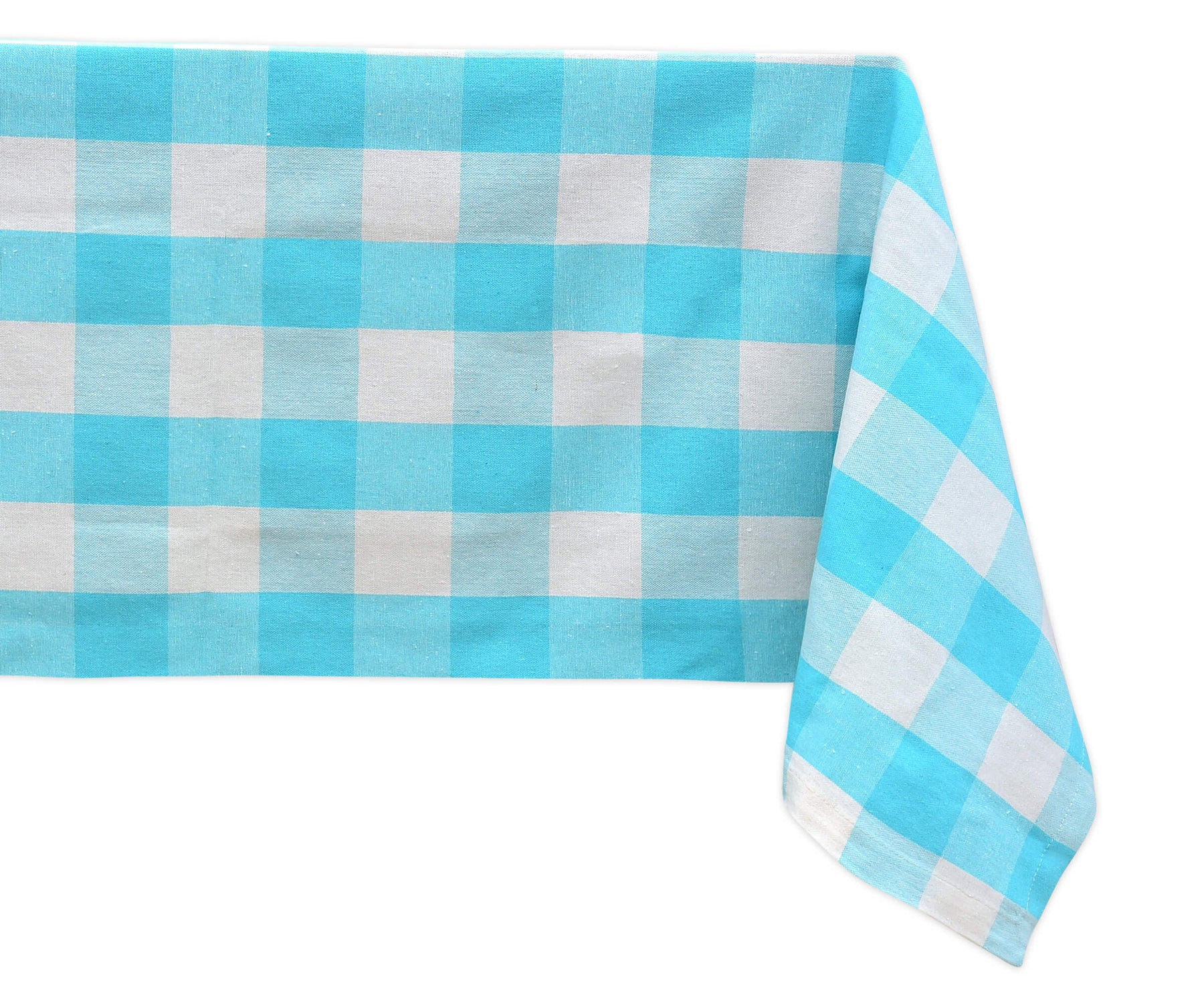
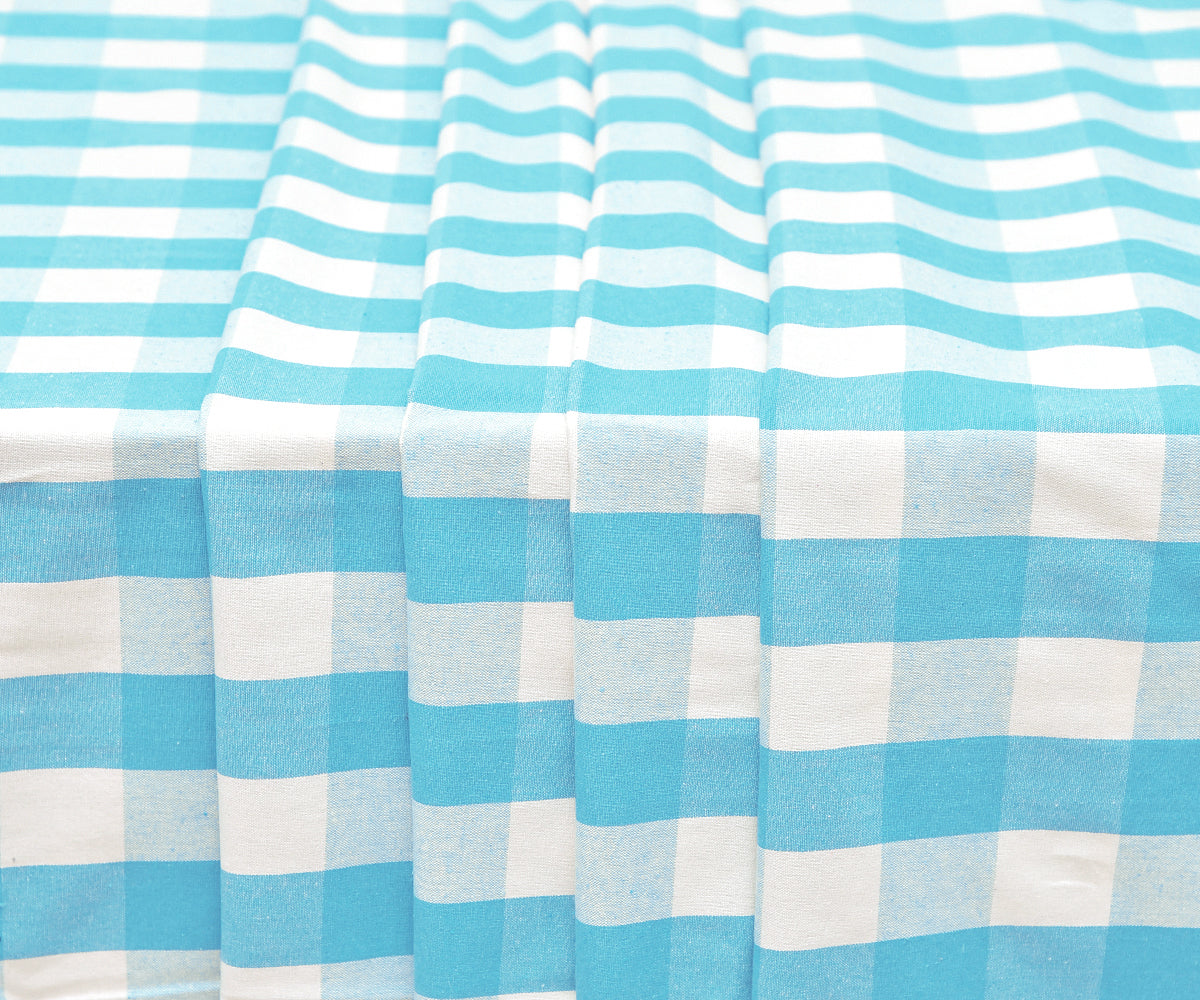
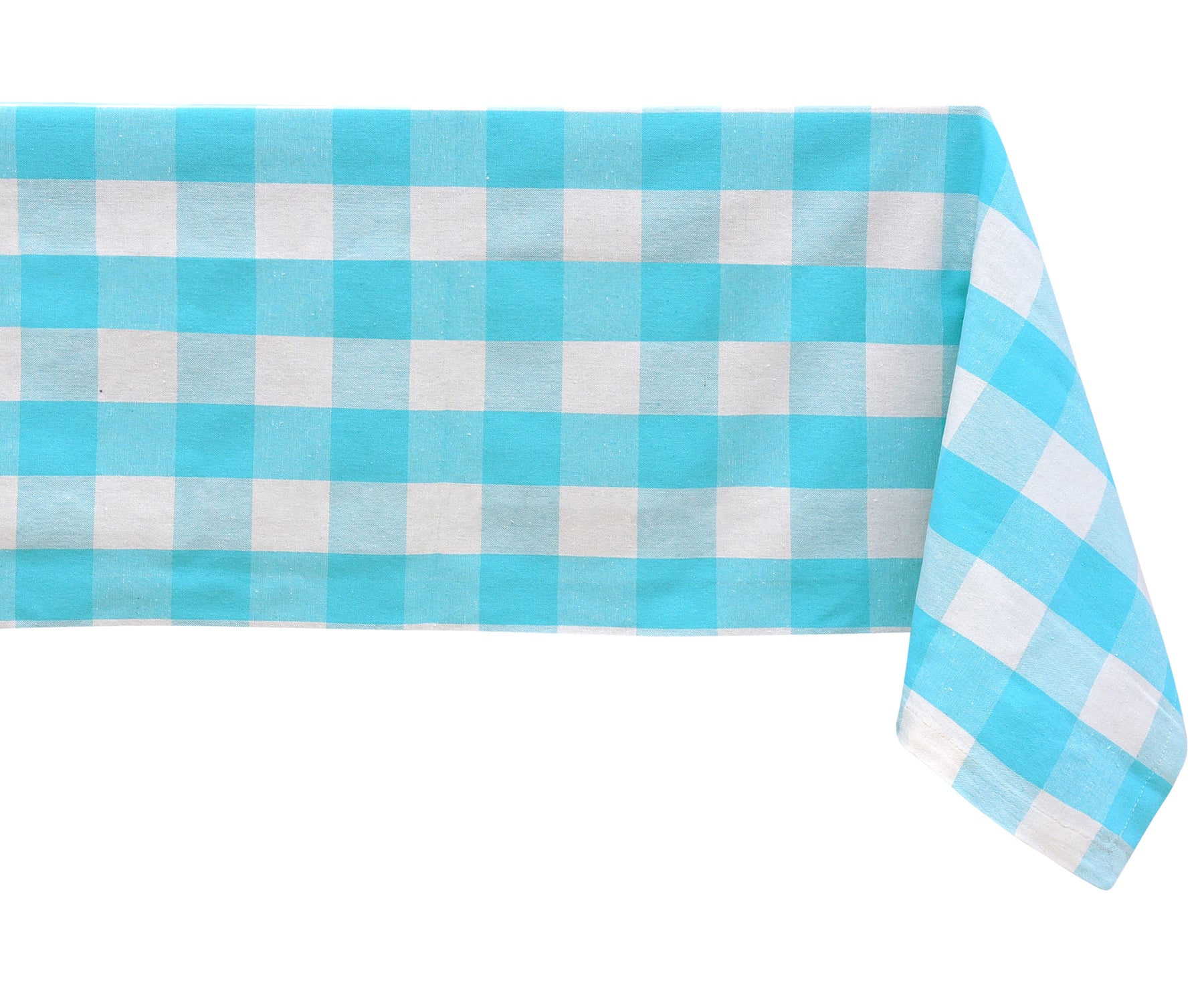
Farmhouse Style: If you love that Joanna Gaines look, get a cotton tablecloth with a subtle stripe or a buffalo check. Let it hang a little unevenly on the edges; perfection is the enemy of farmhouse style. Pair it with wood chargers and mason jar glasses.
Modern Dining: For a sleek, 2026 modern vibe, go for a solid, jewel-toned cotton cloth; think emerald green or slate blue. Keep the drop sharp and crisp. Minimalist tableware, no frills, just clean geometry.
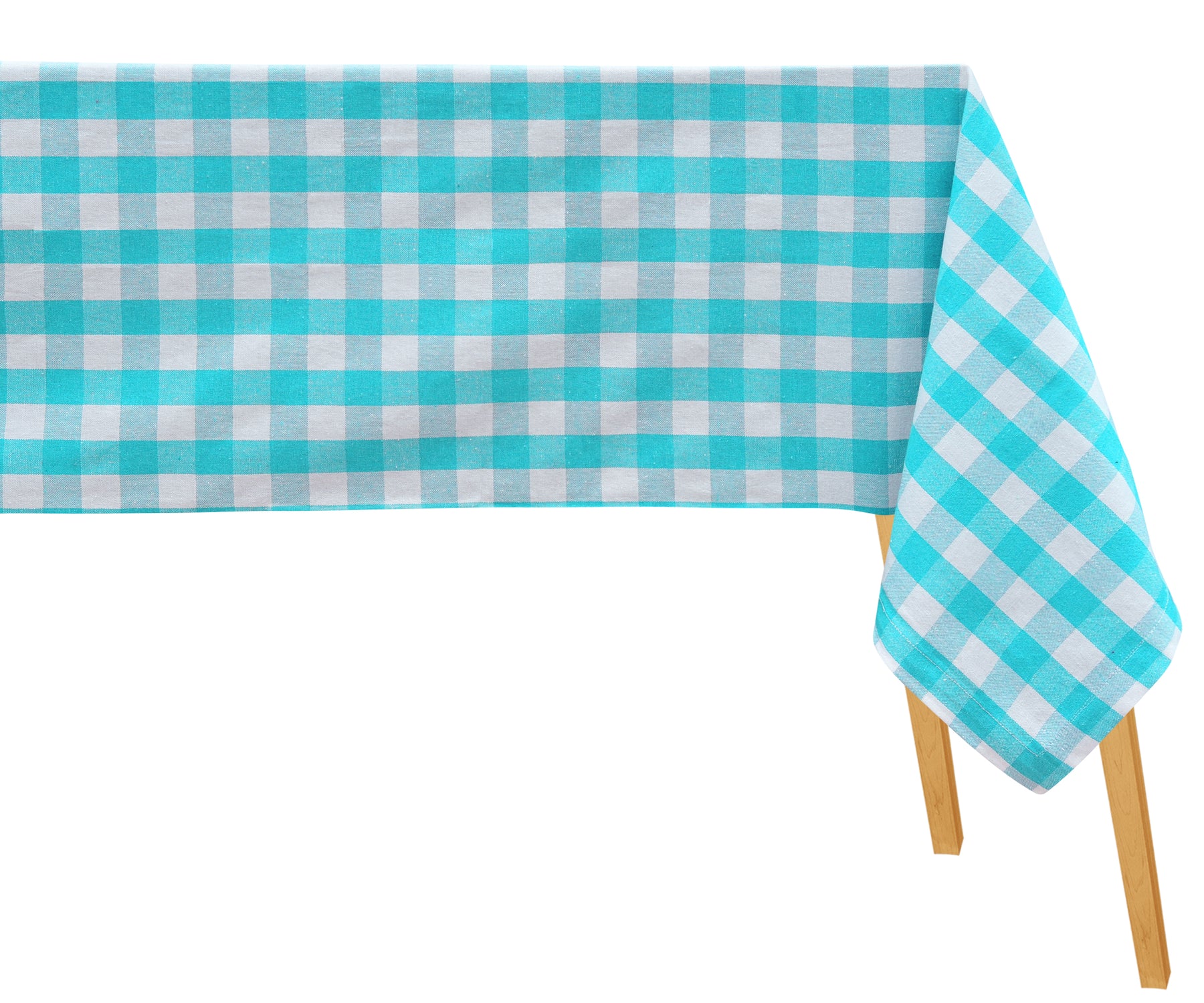
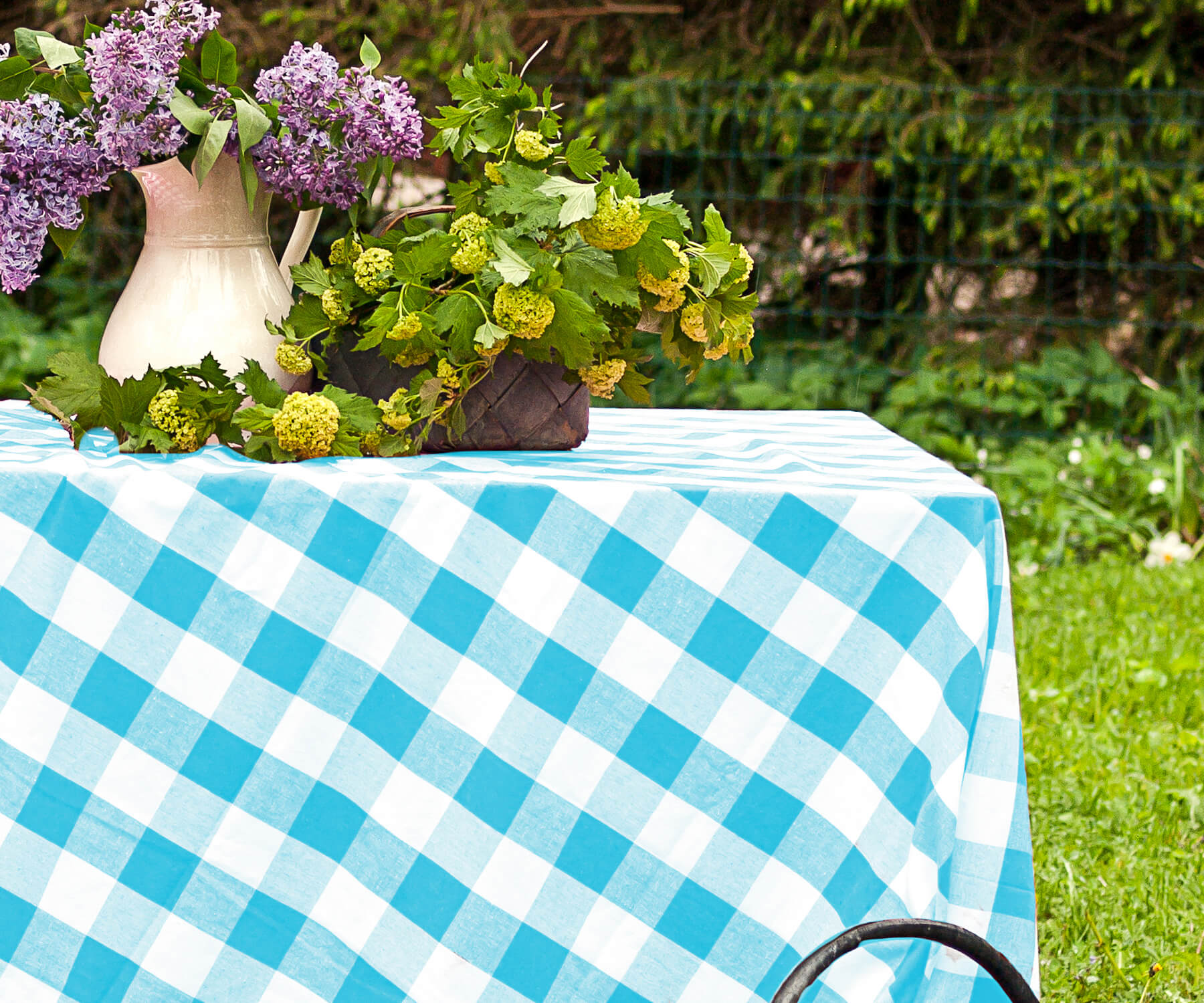
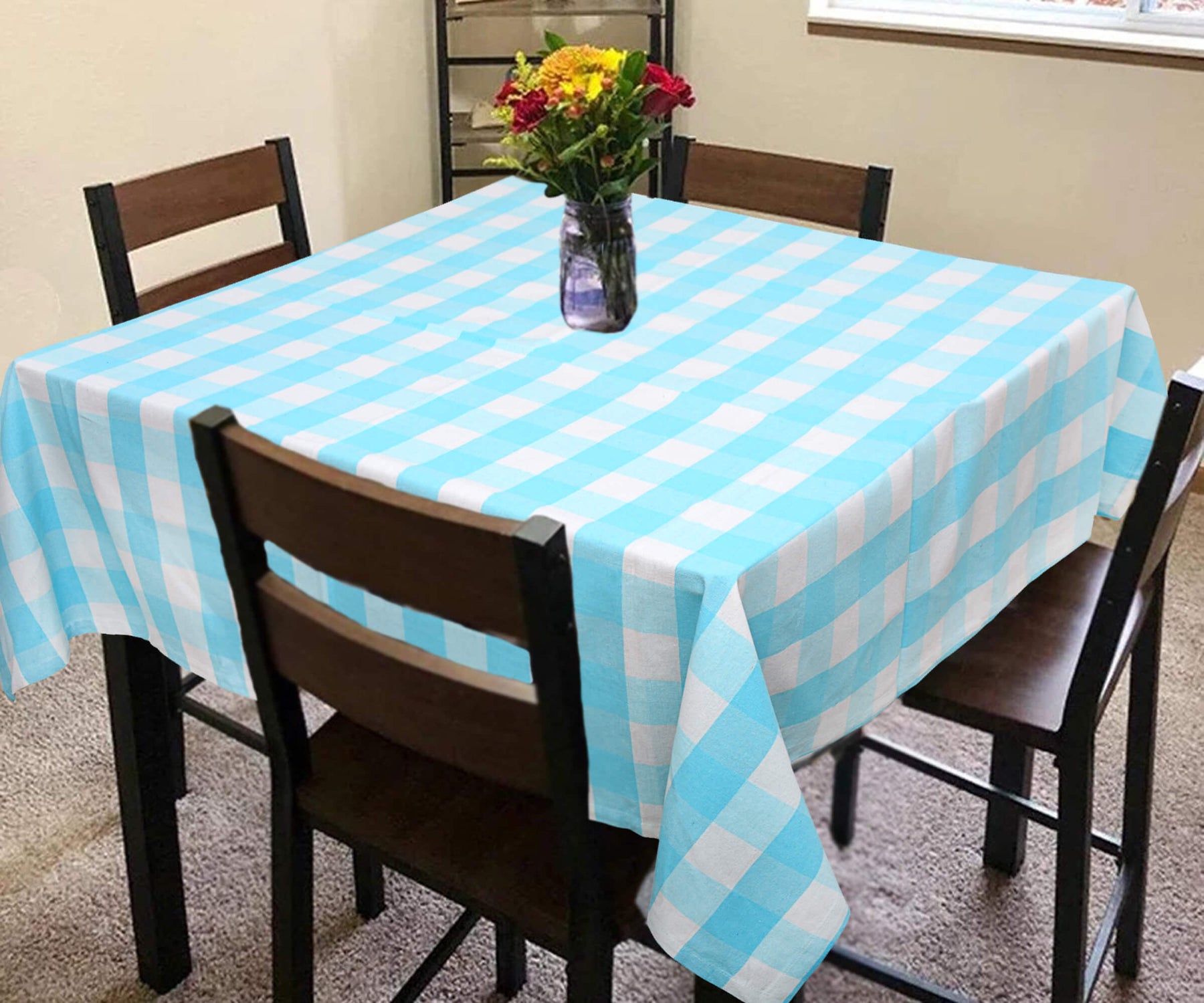
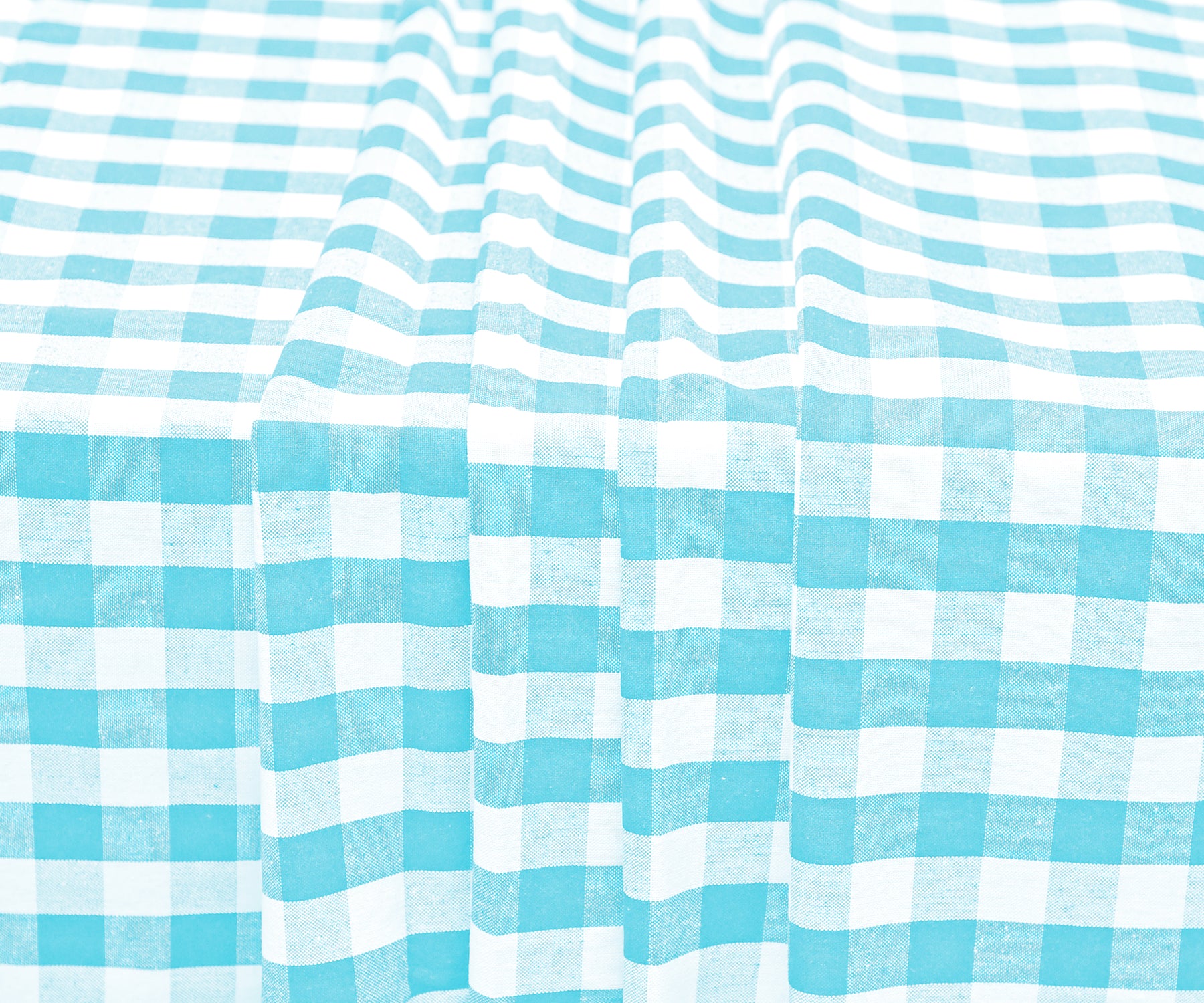
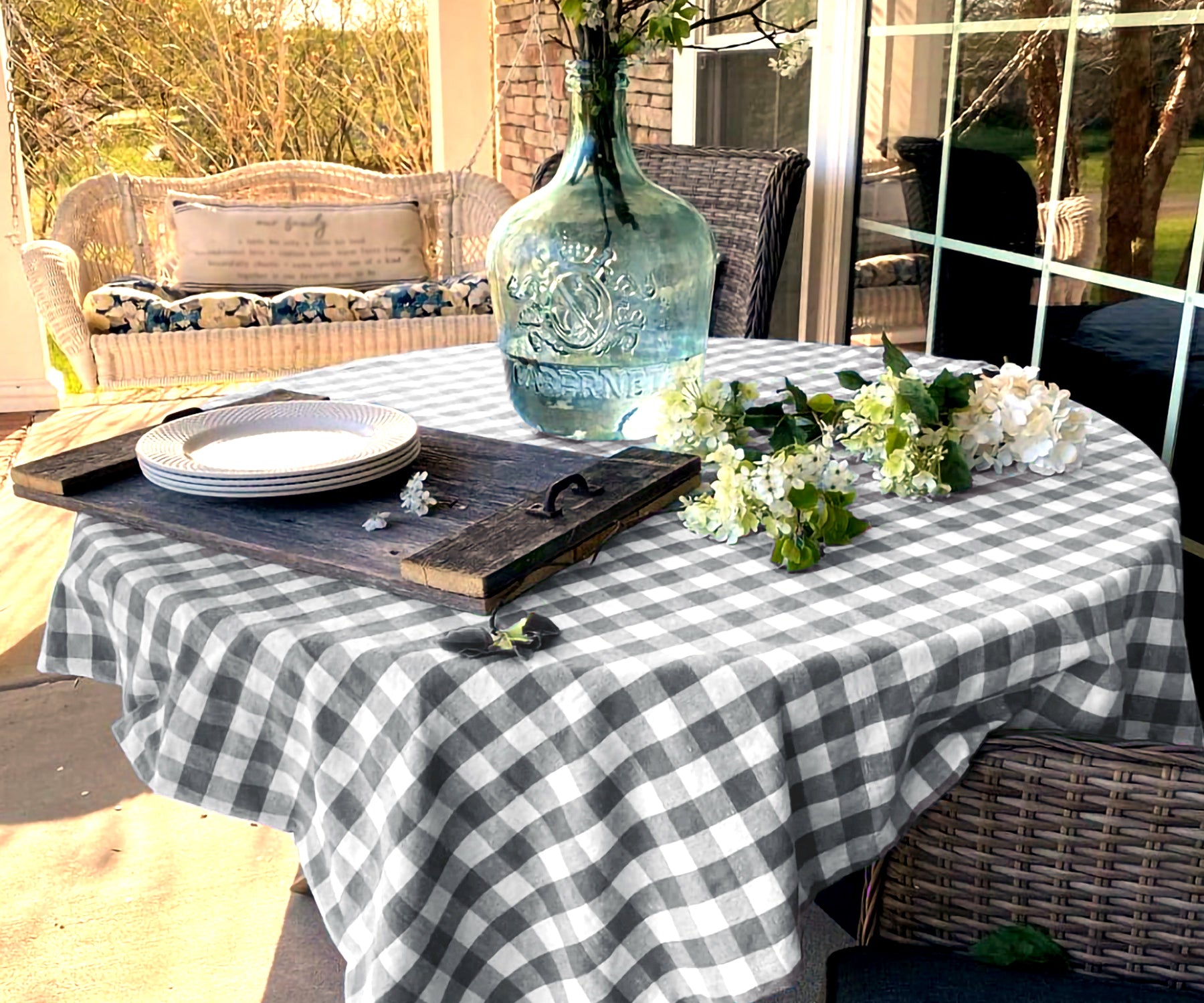
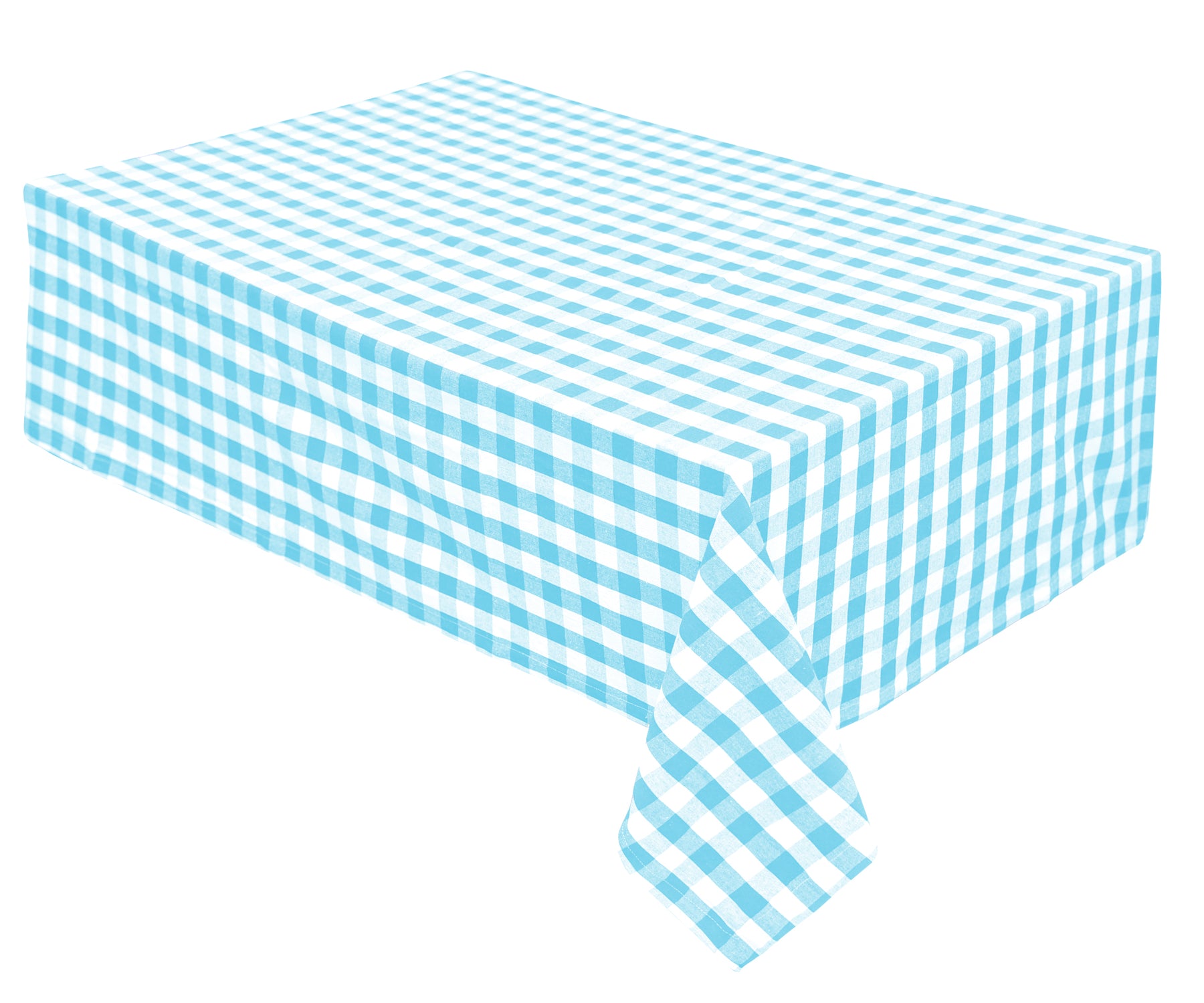
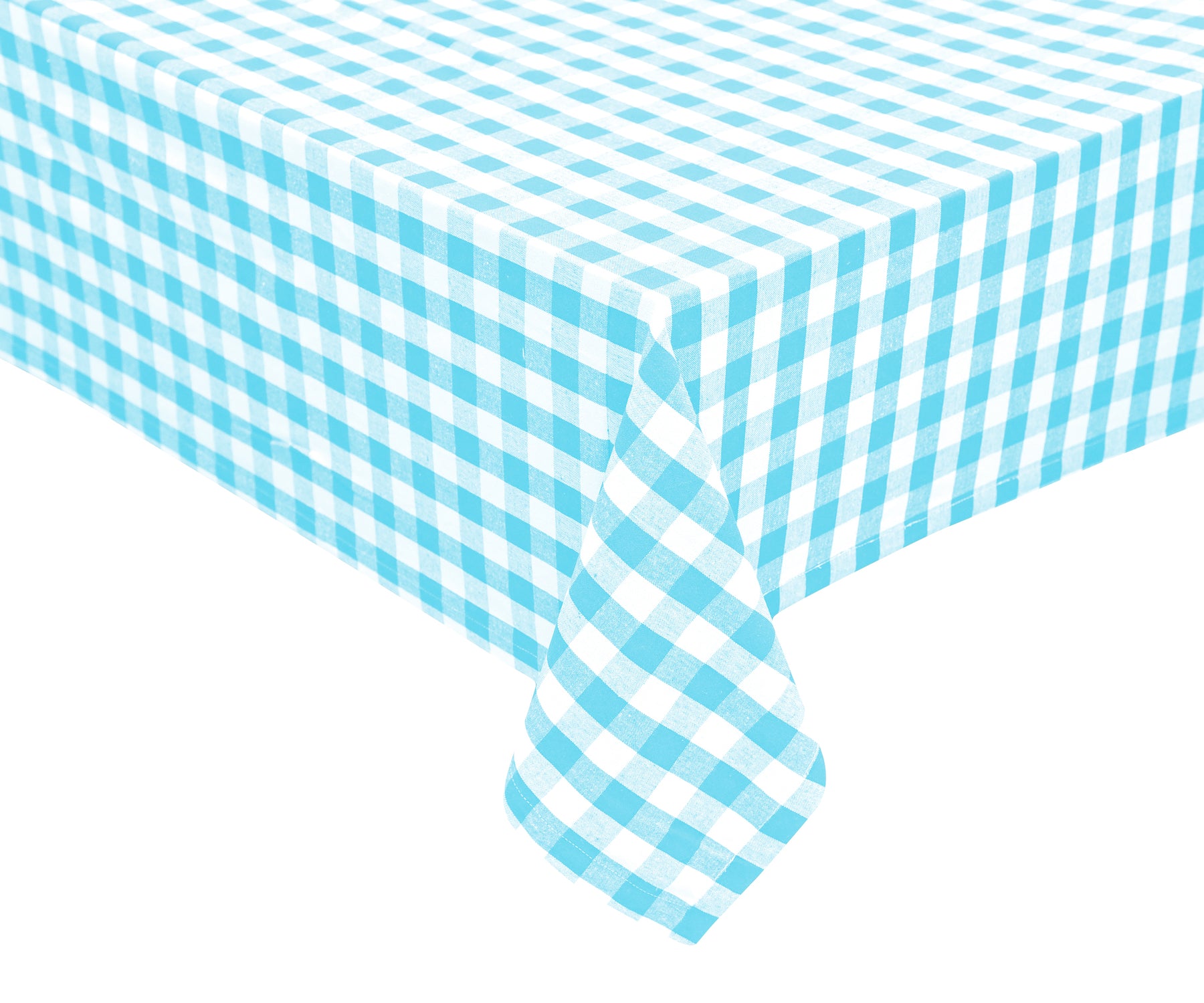
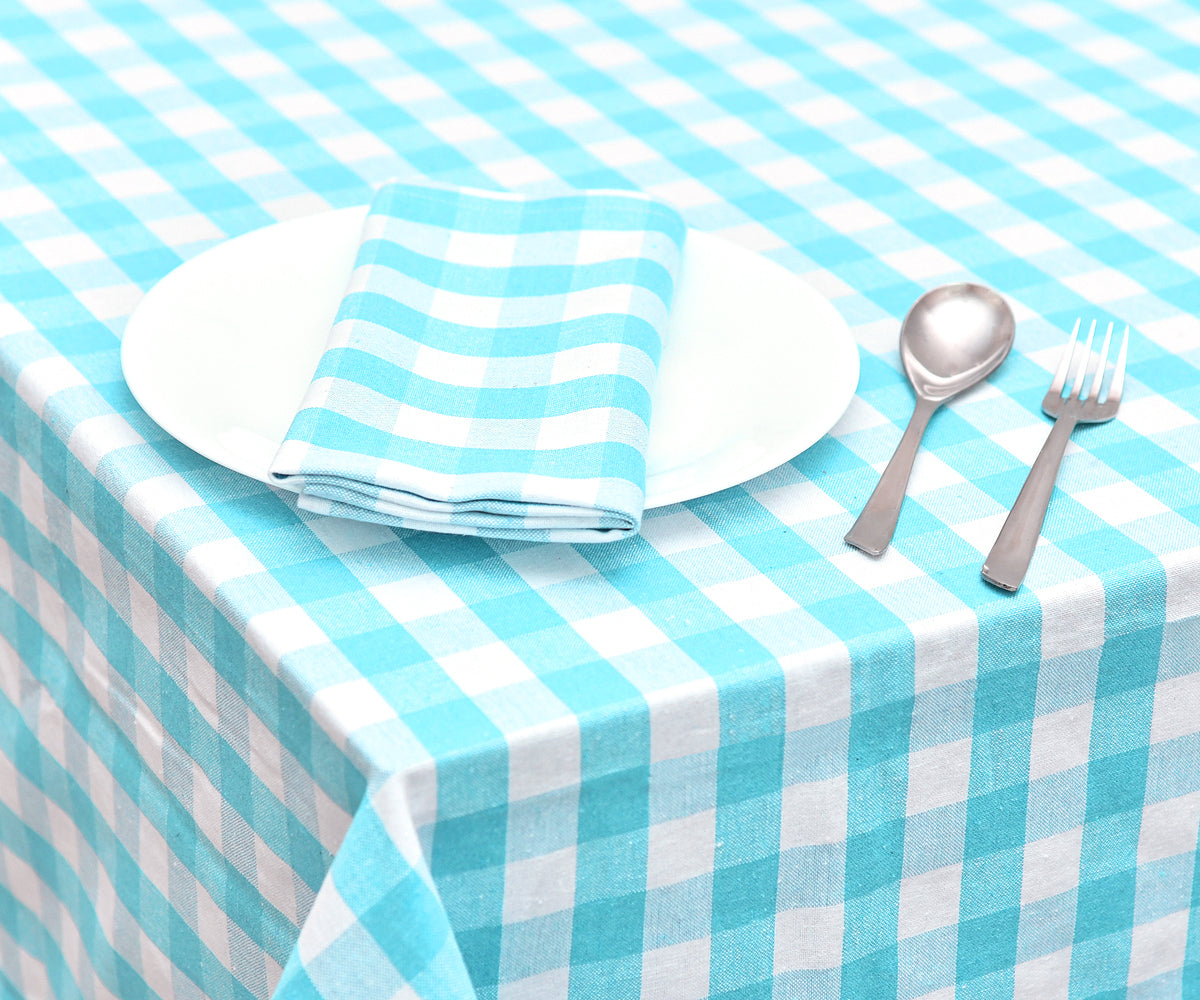
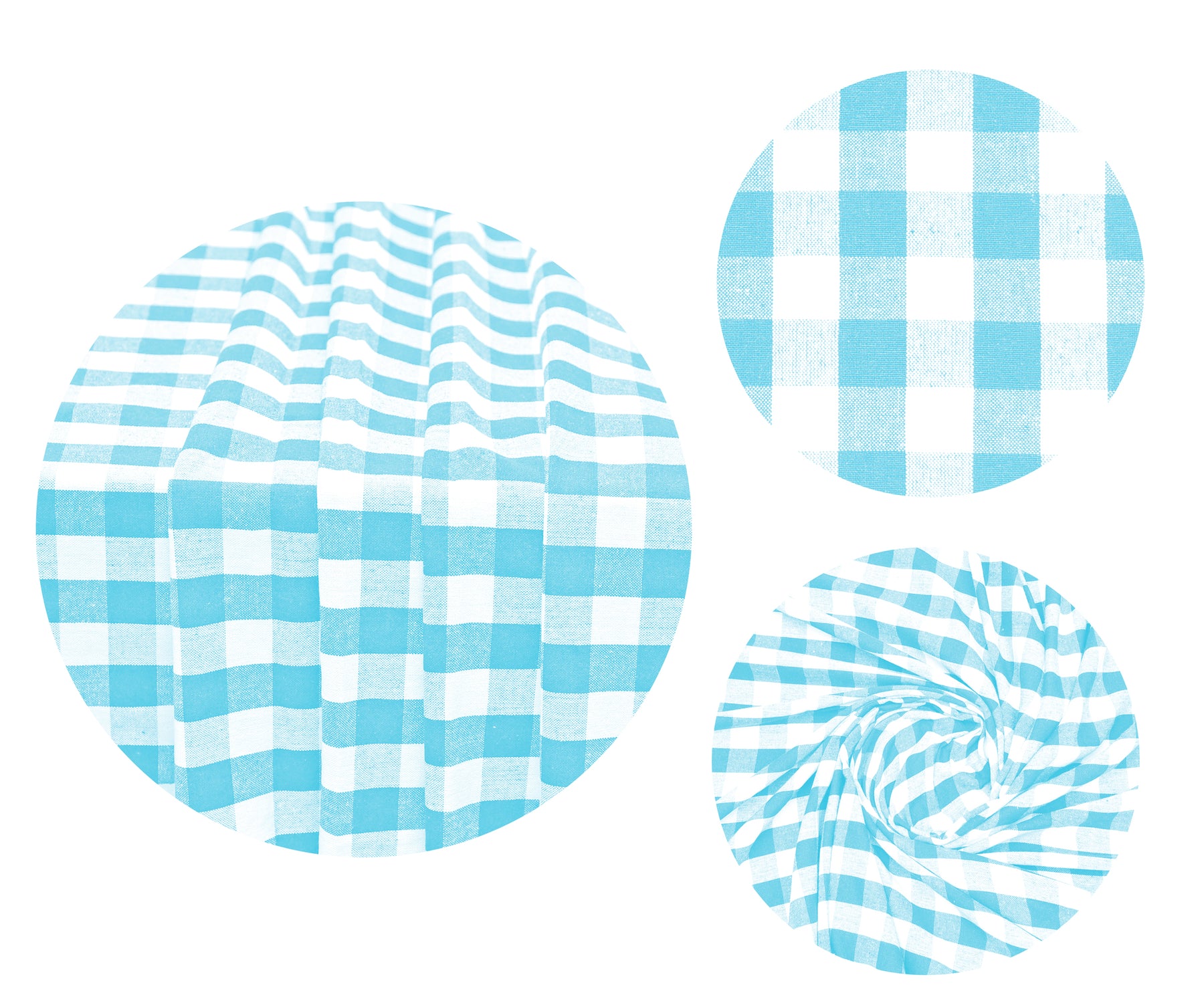
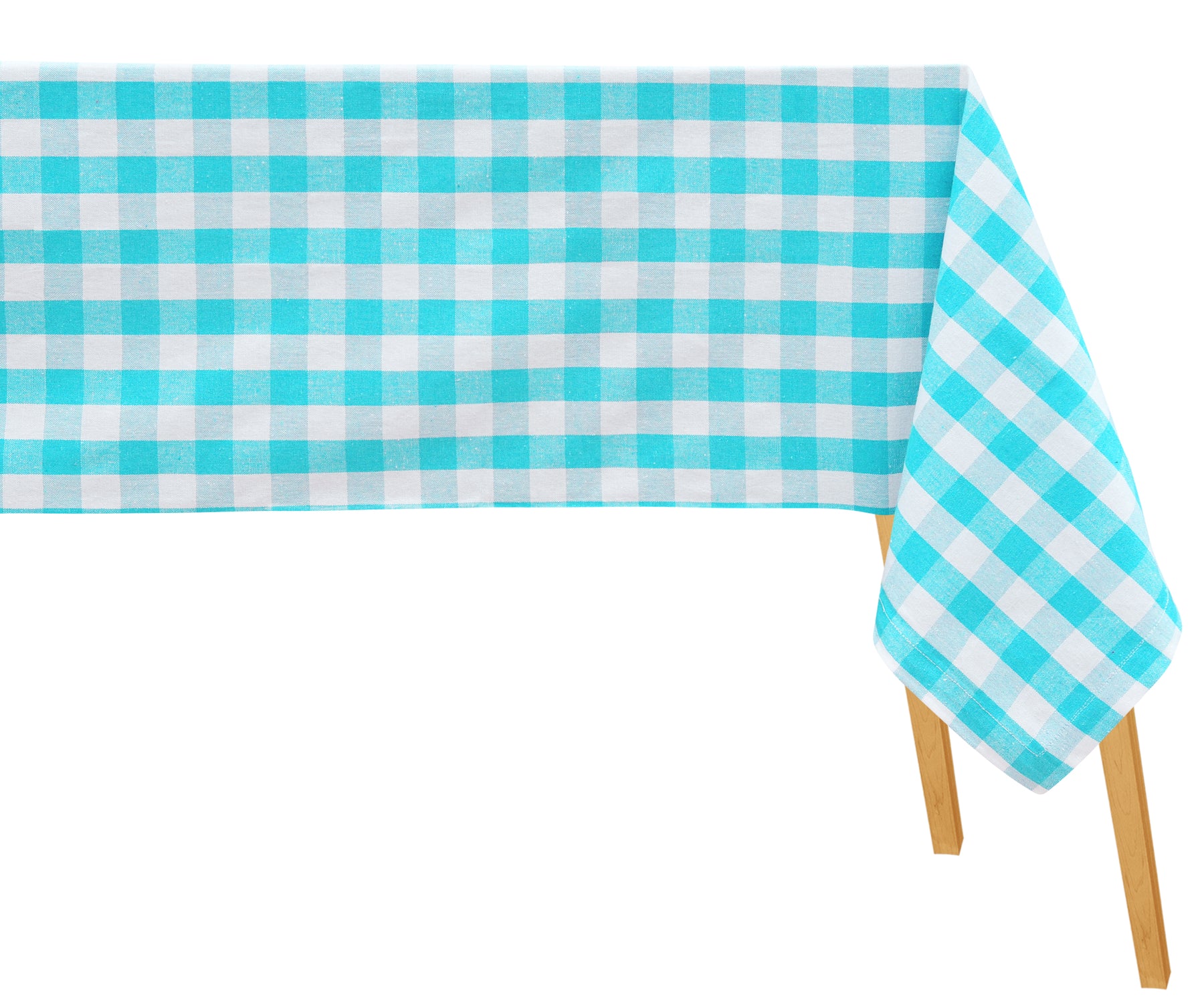
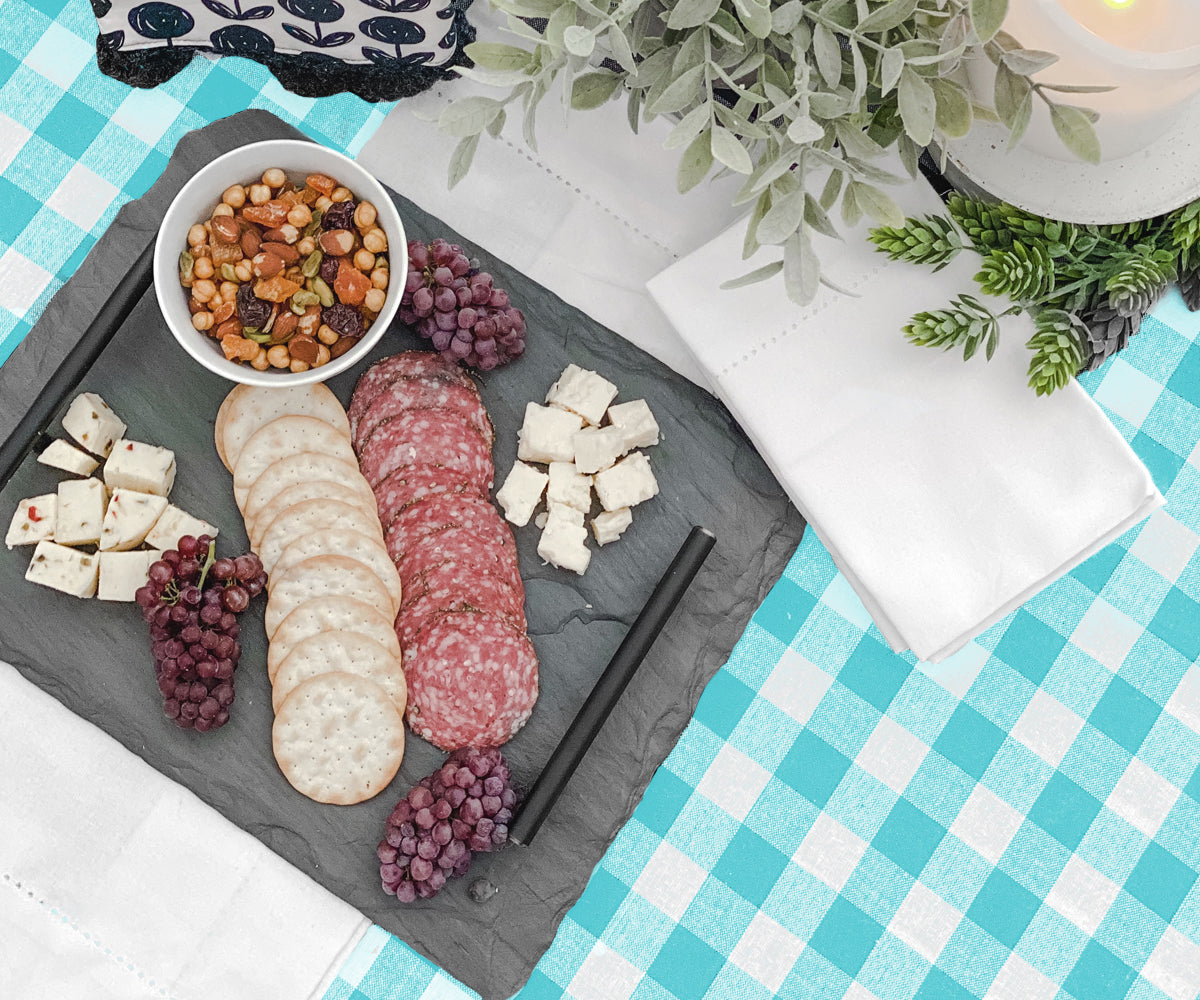
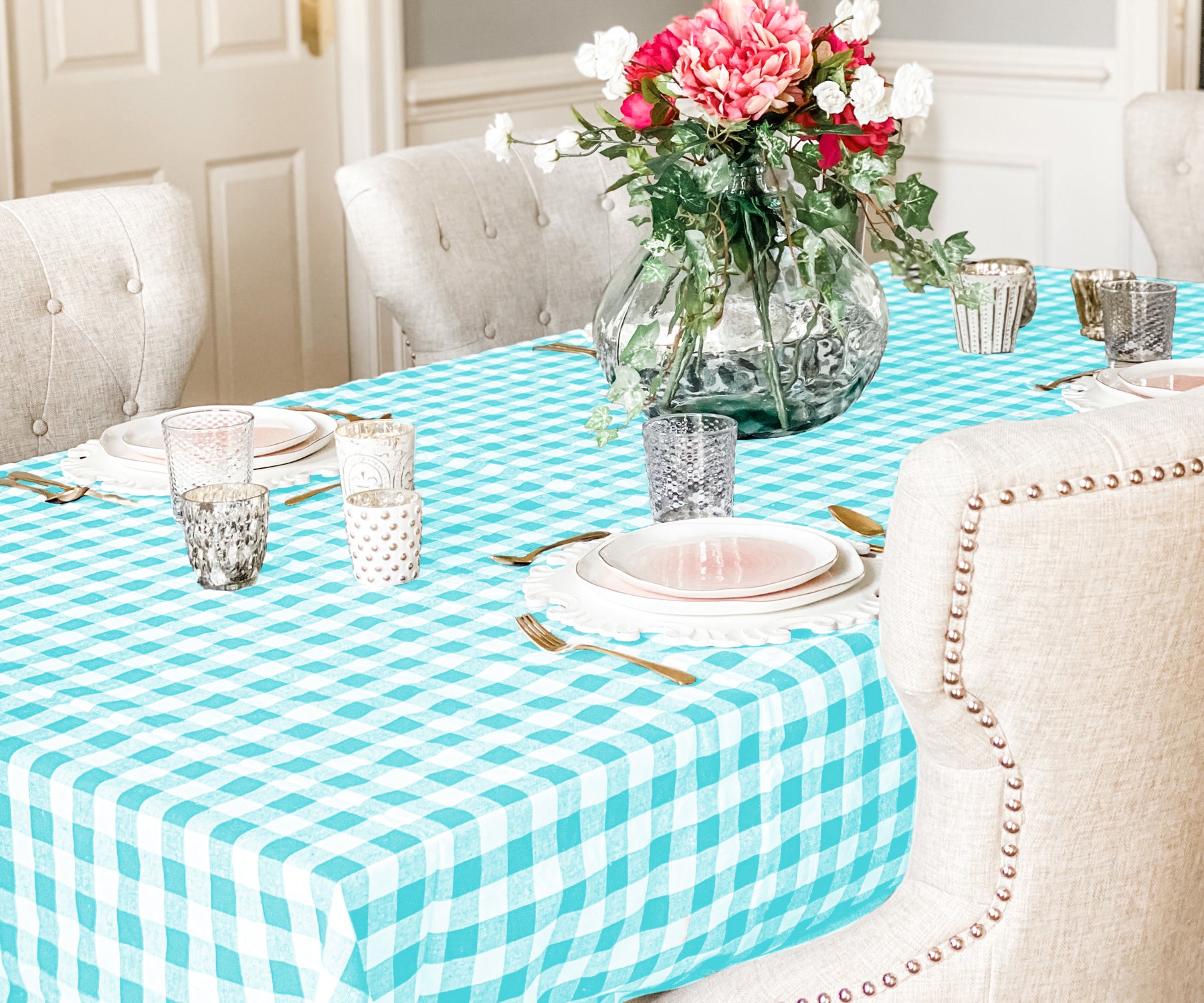
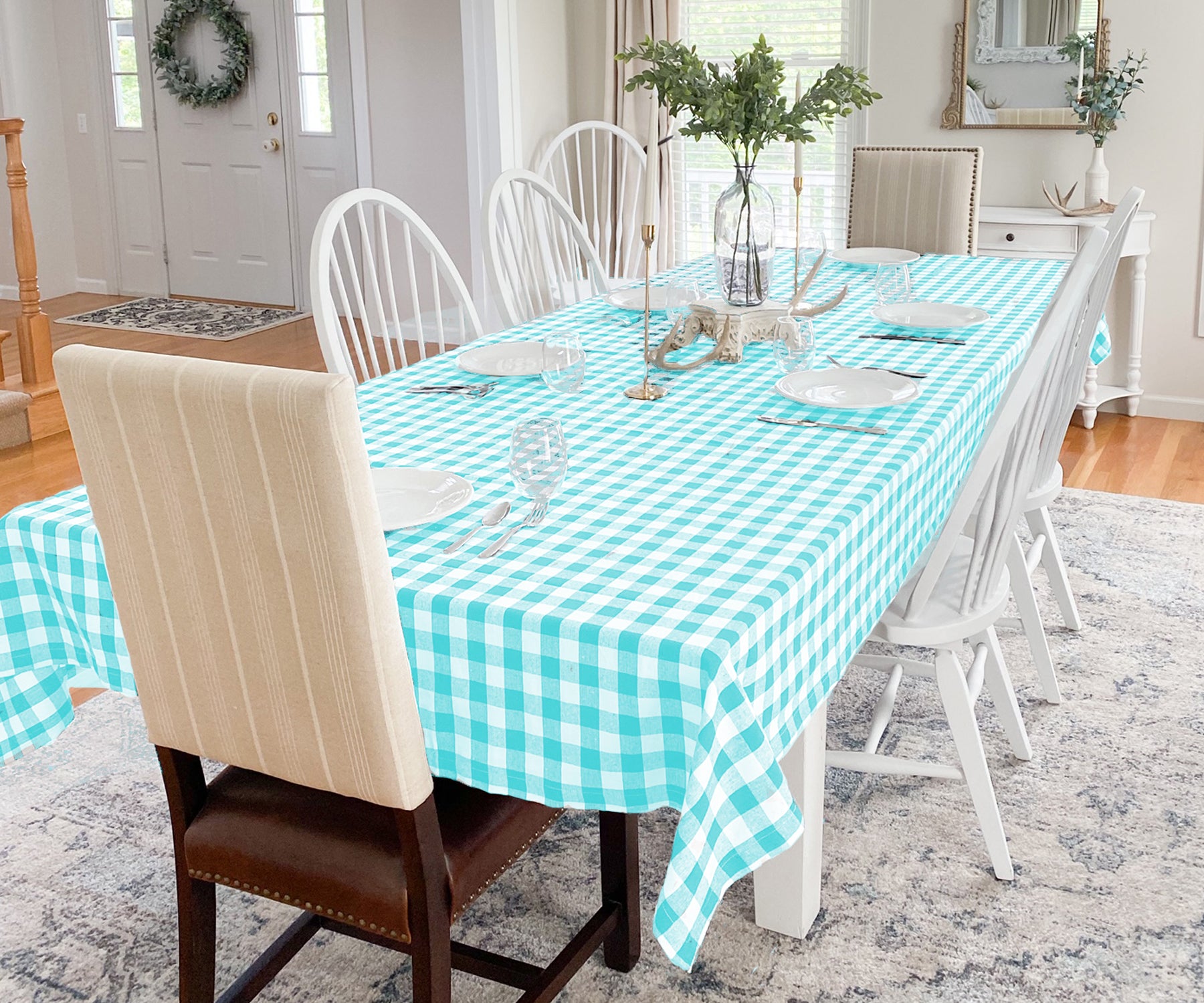
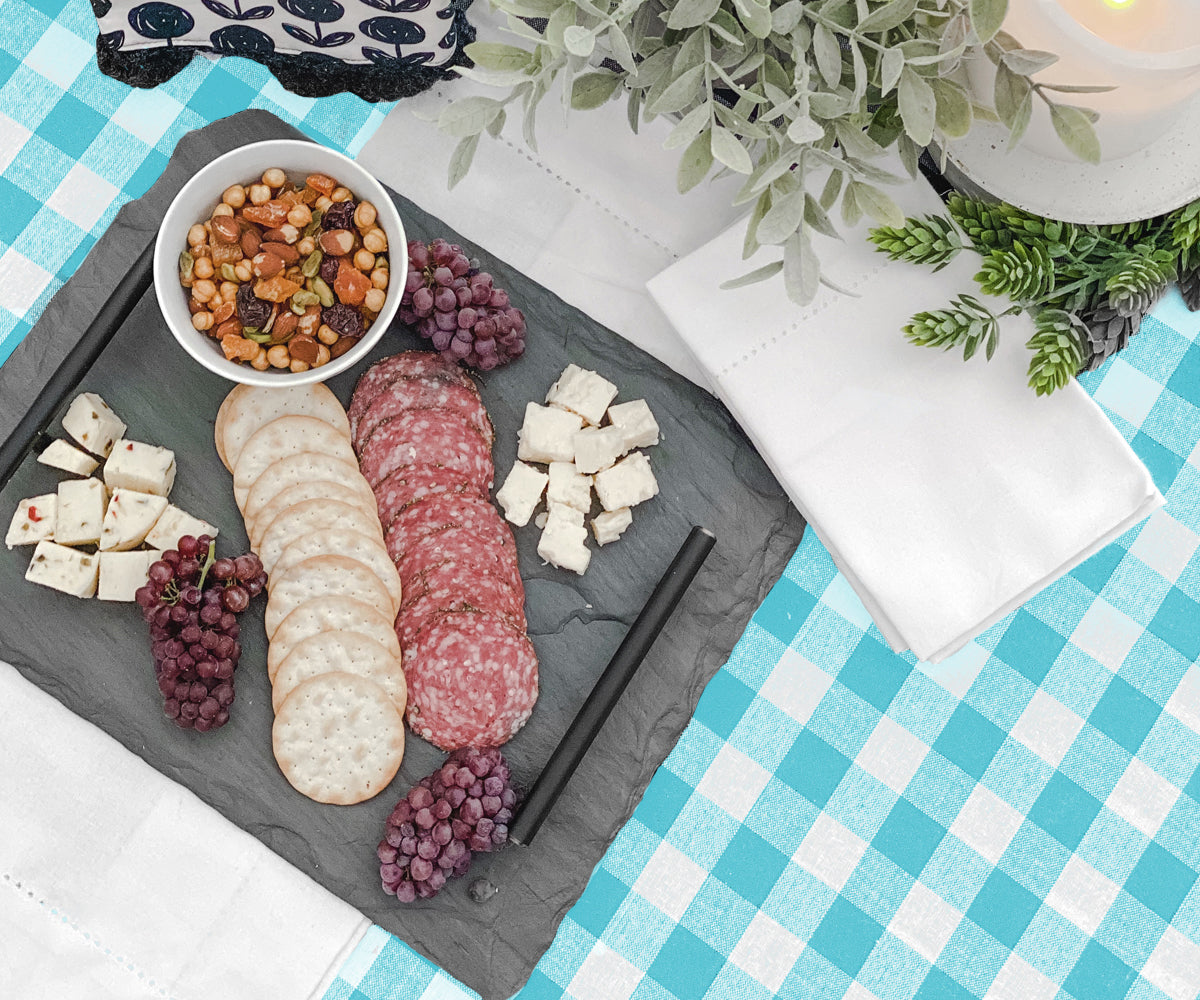
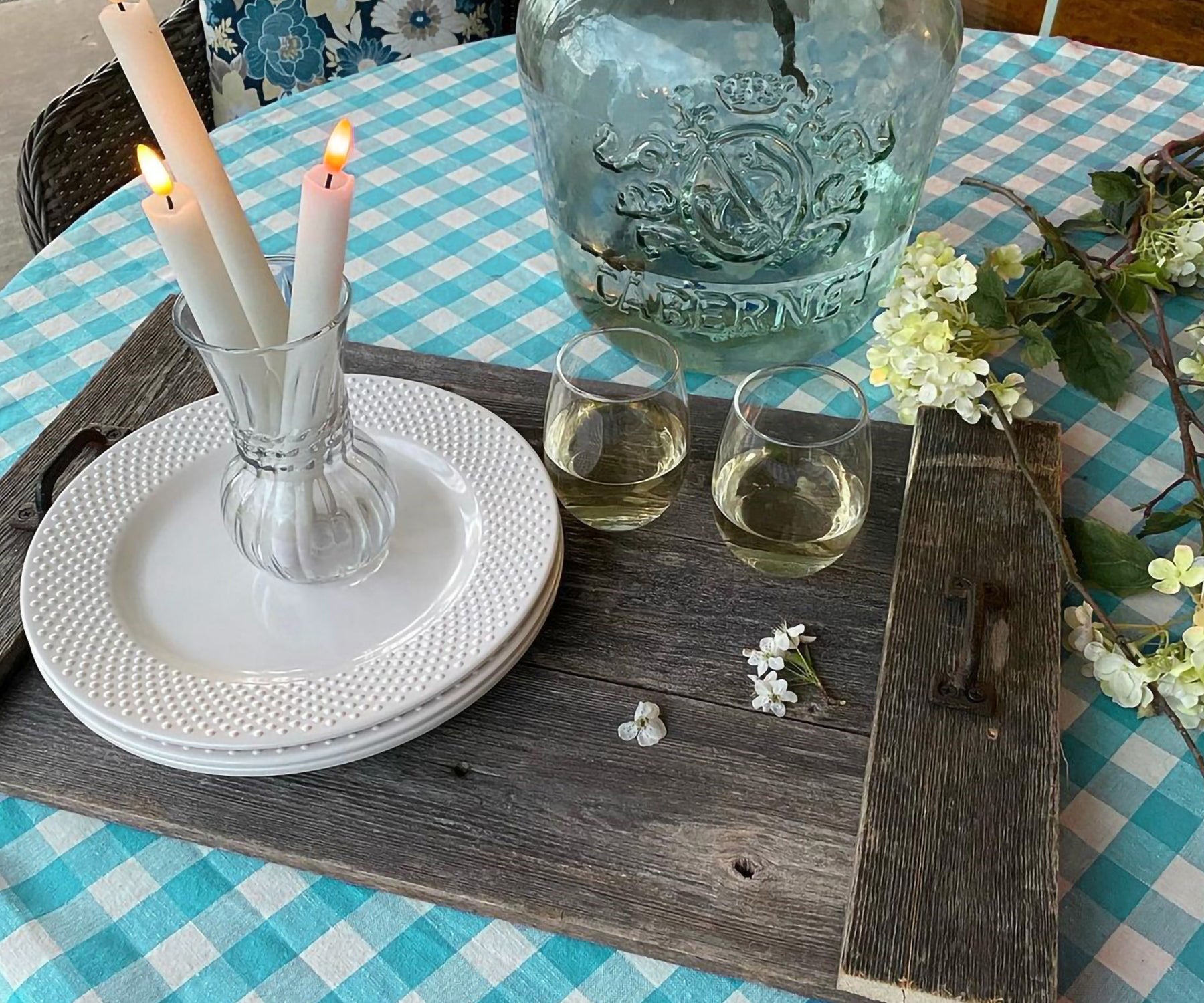
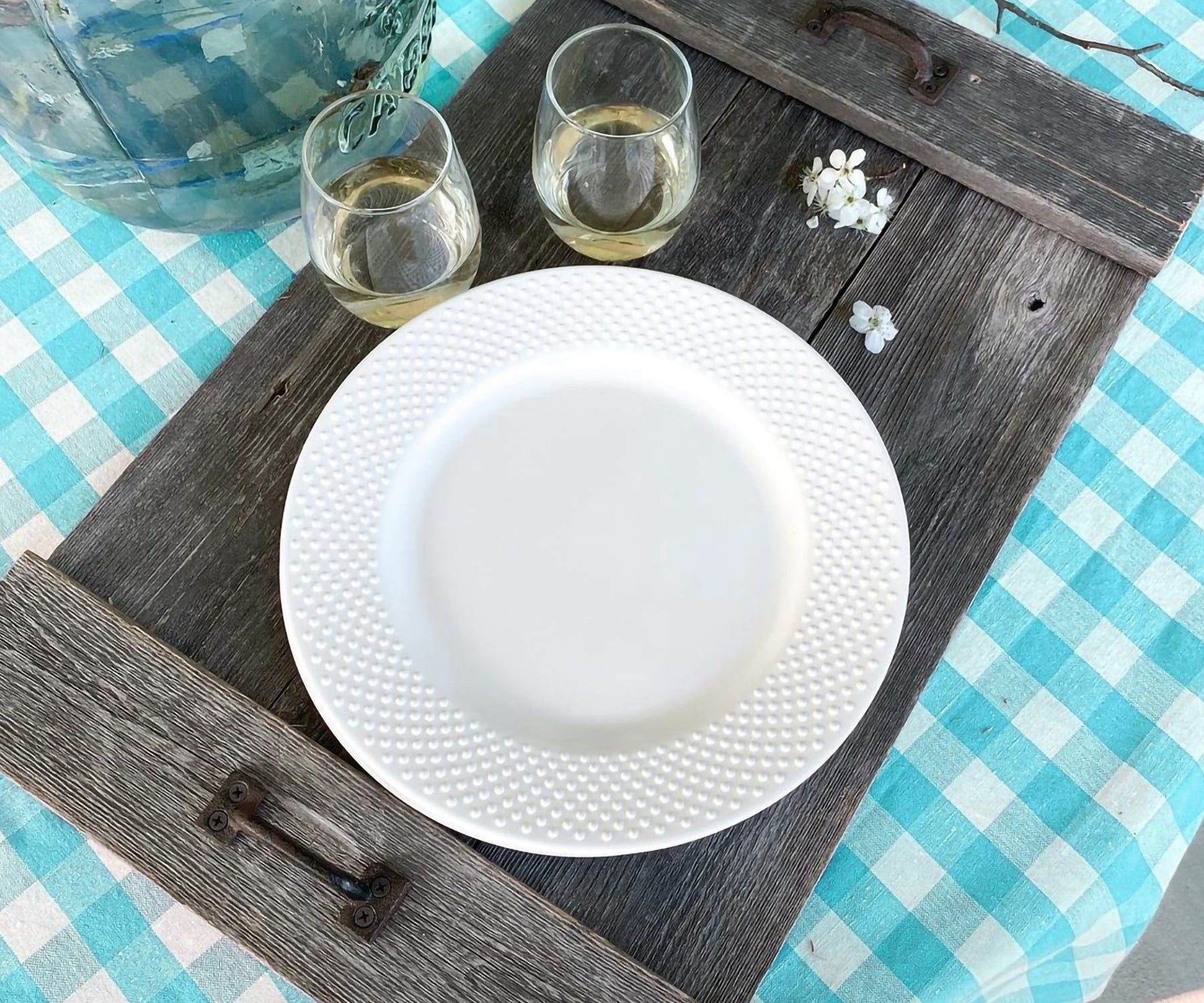
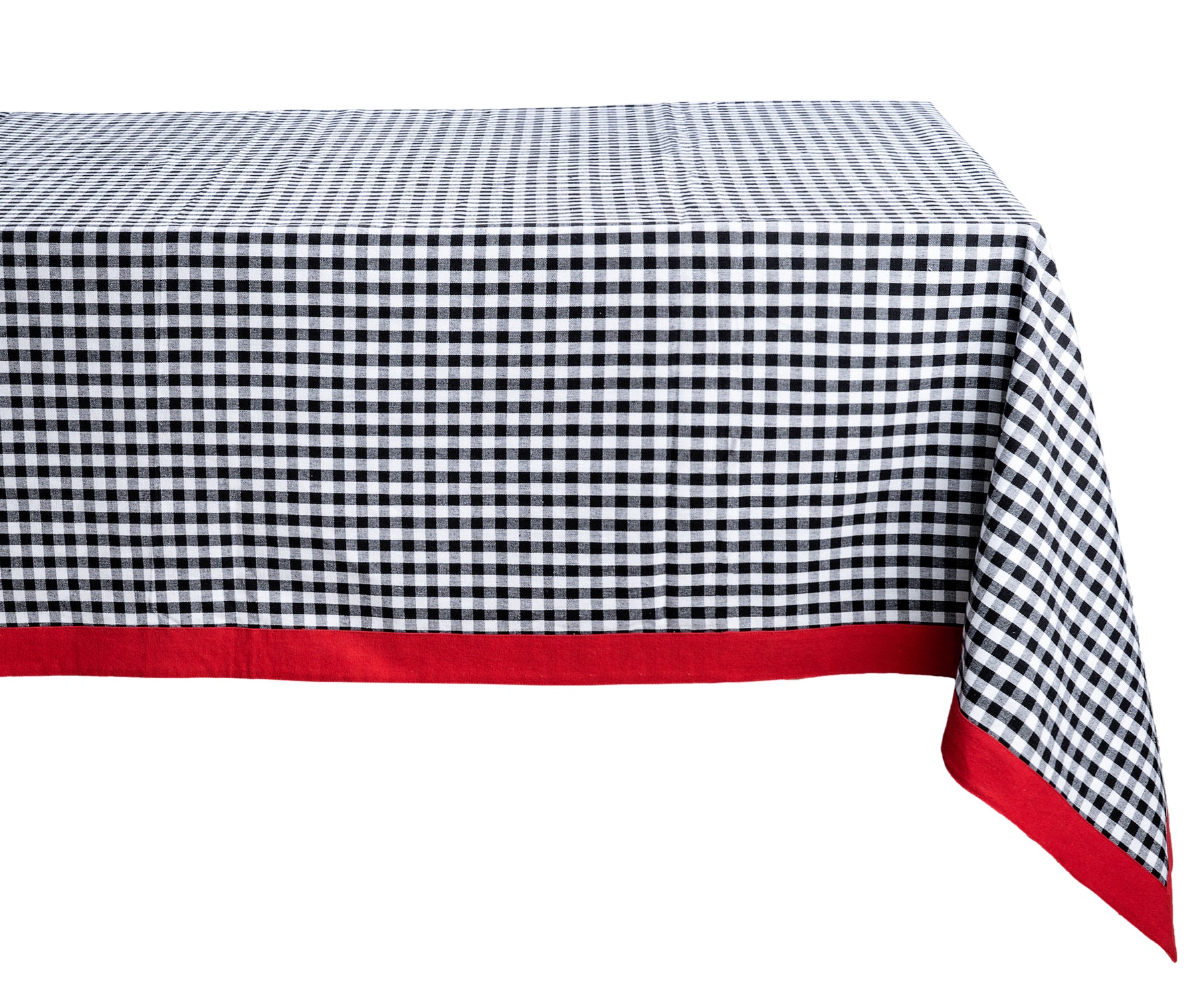
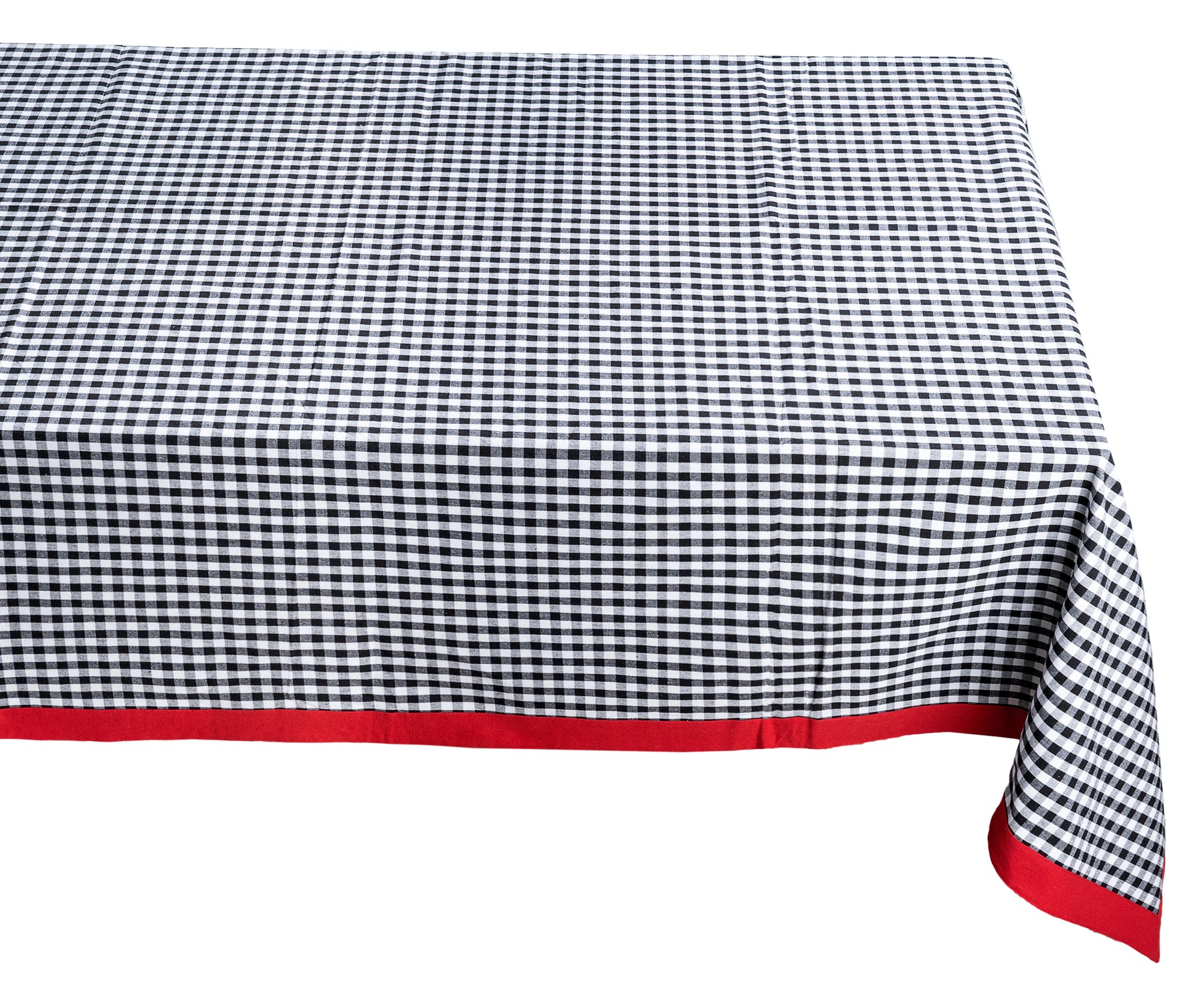
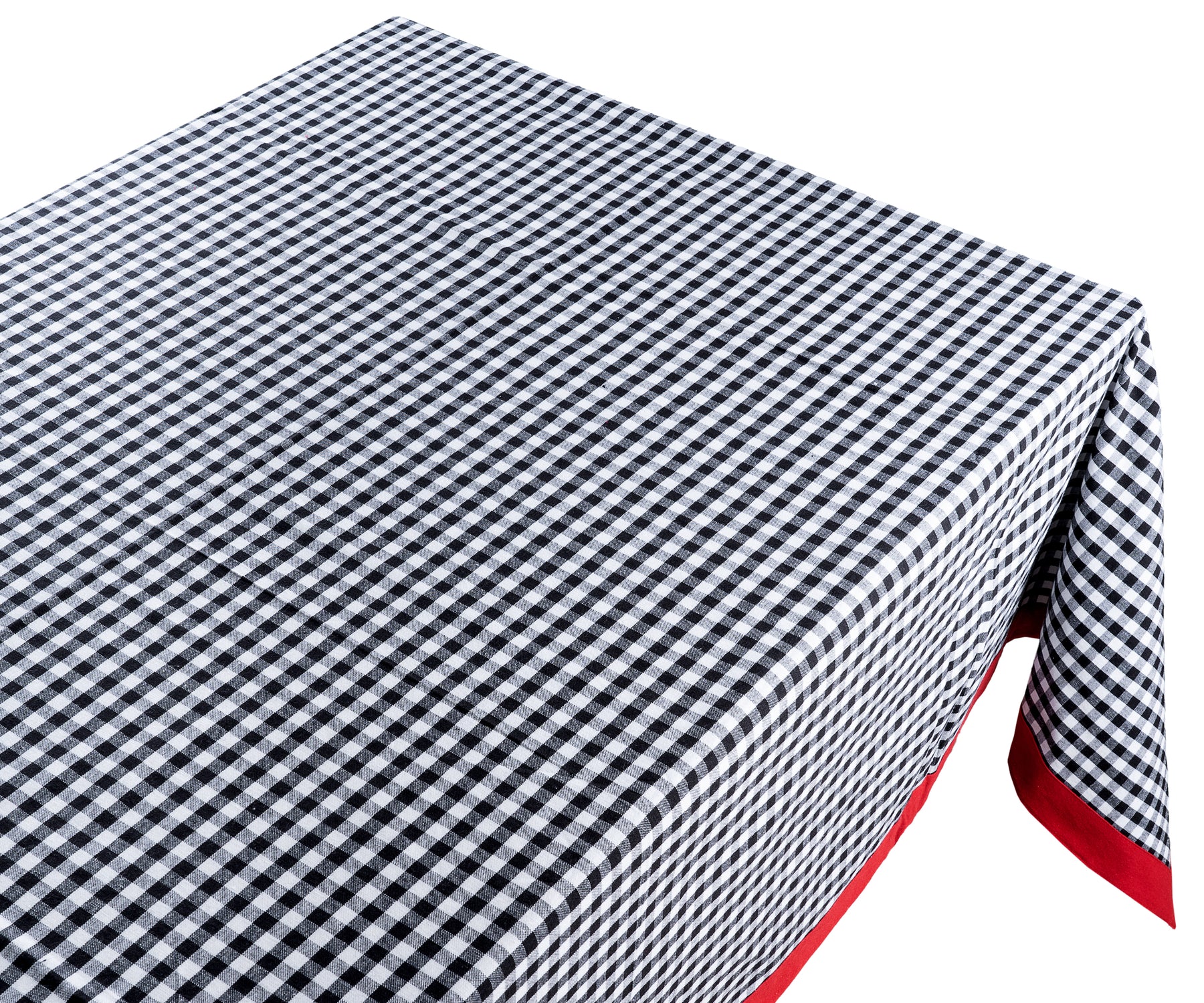
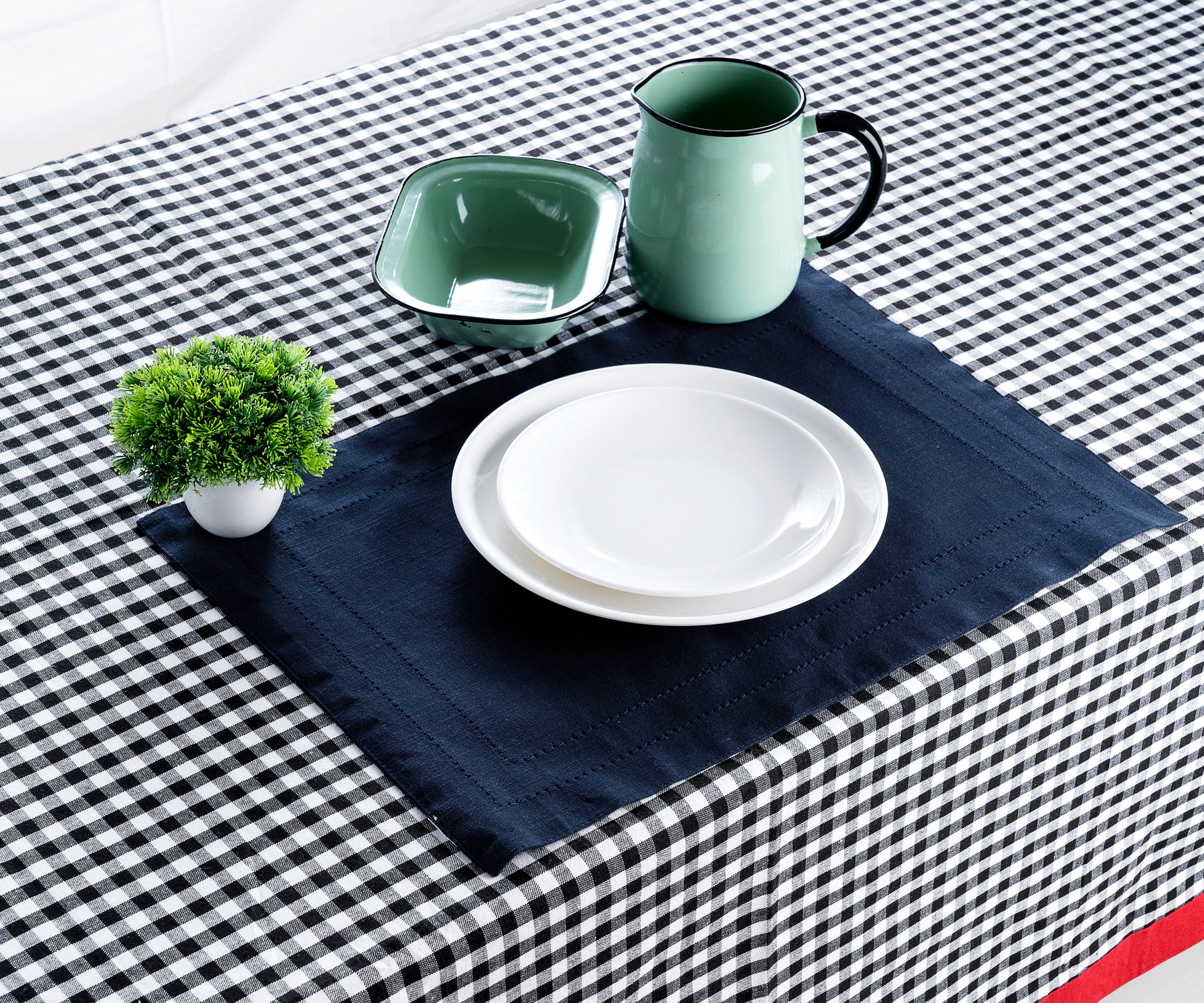
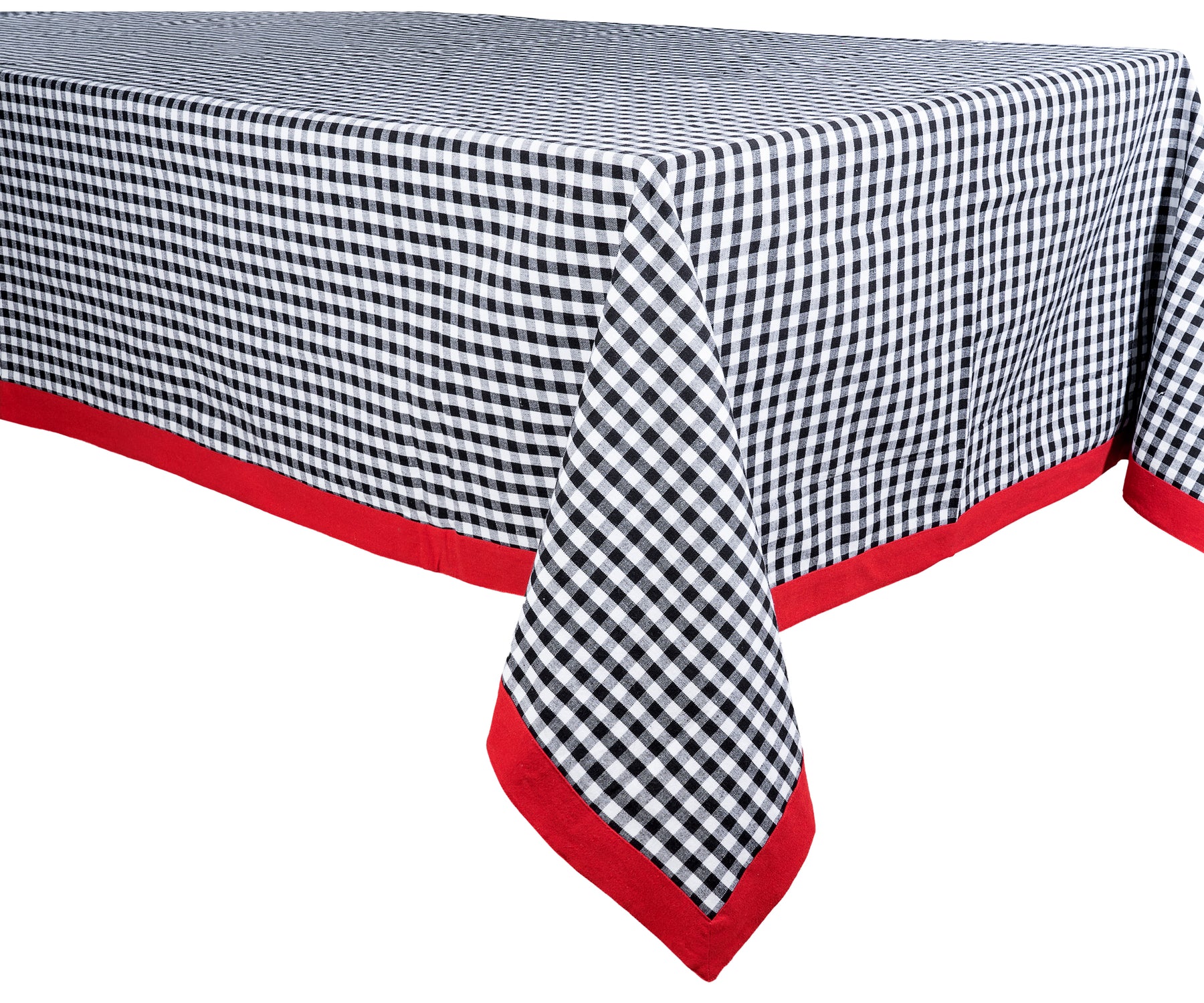
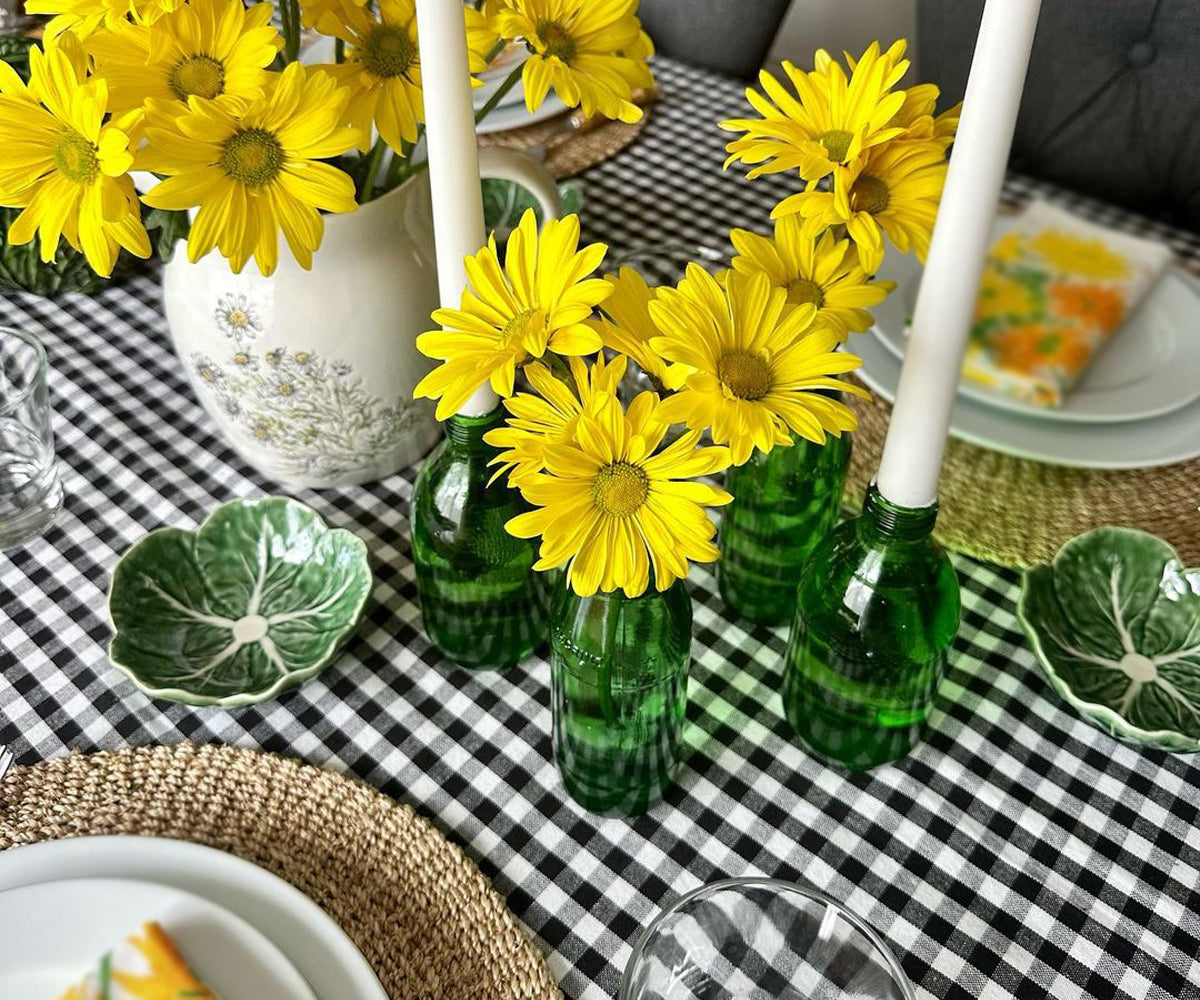
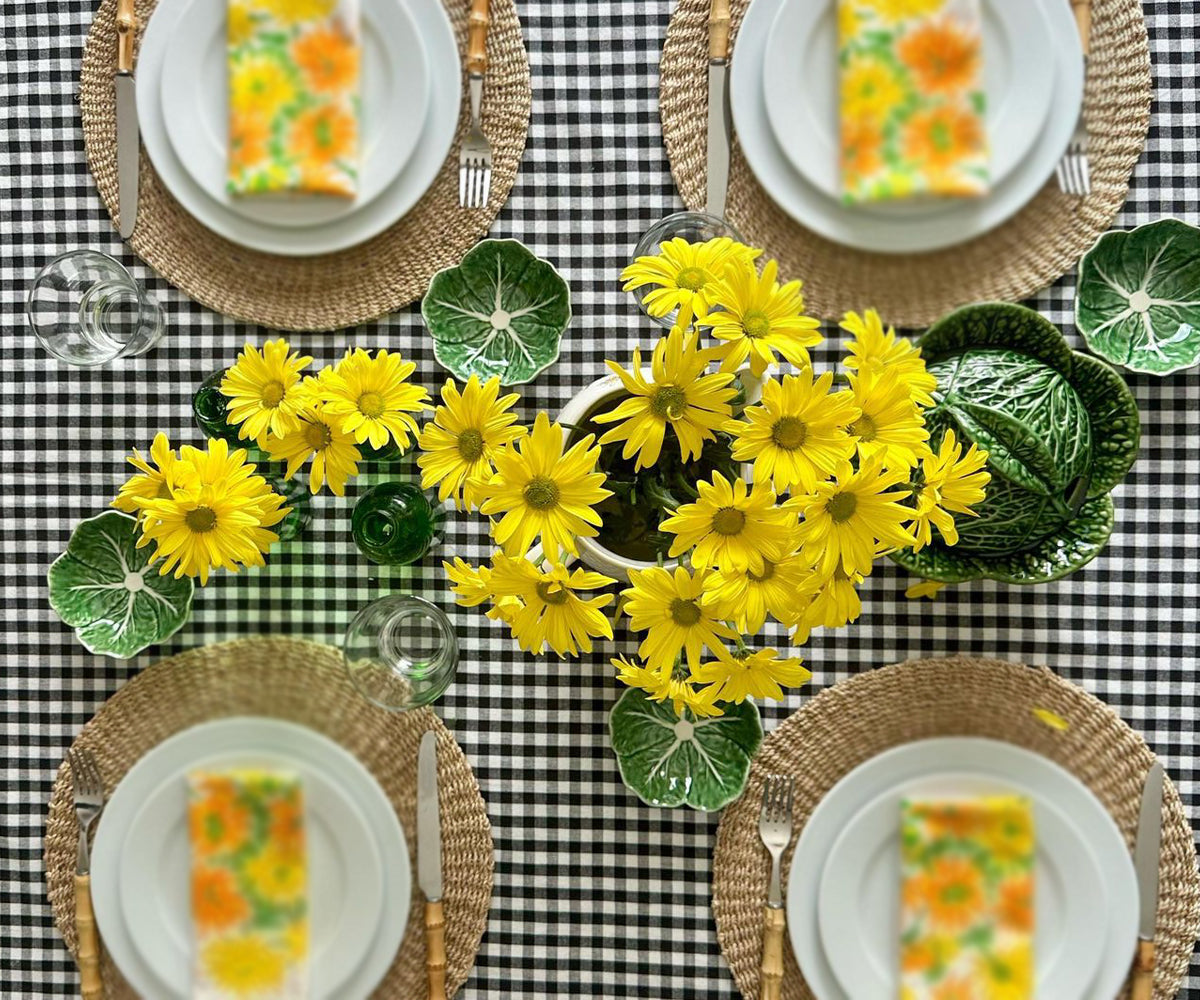
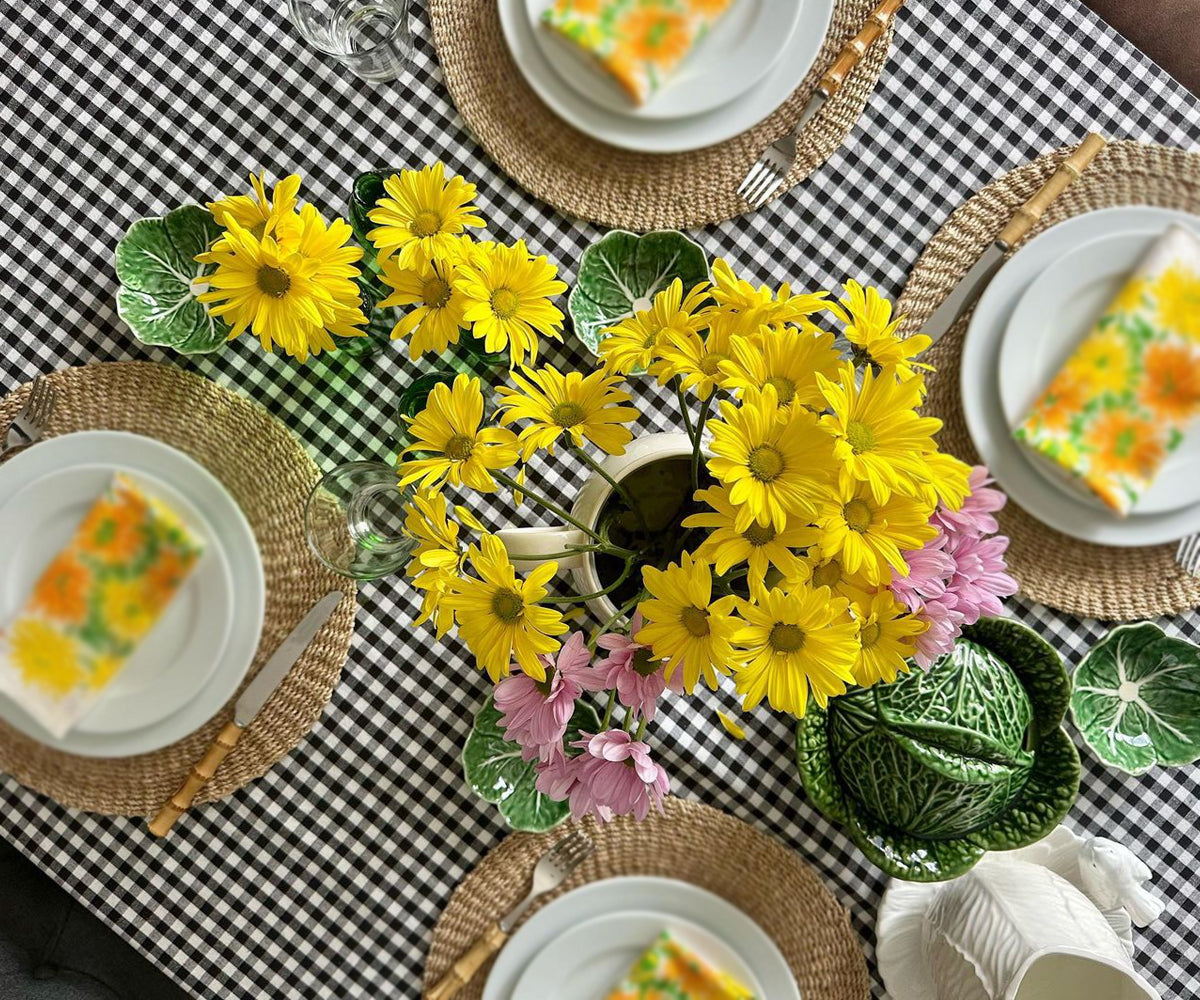
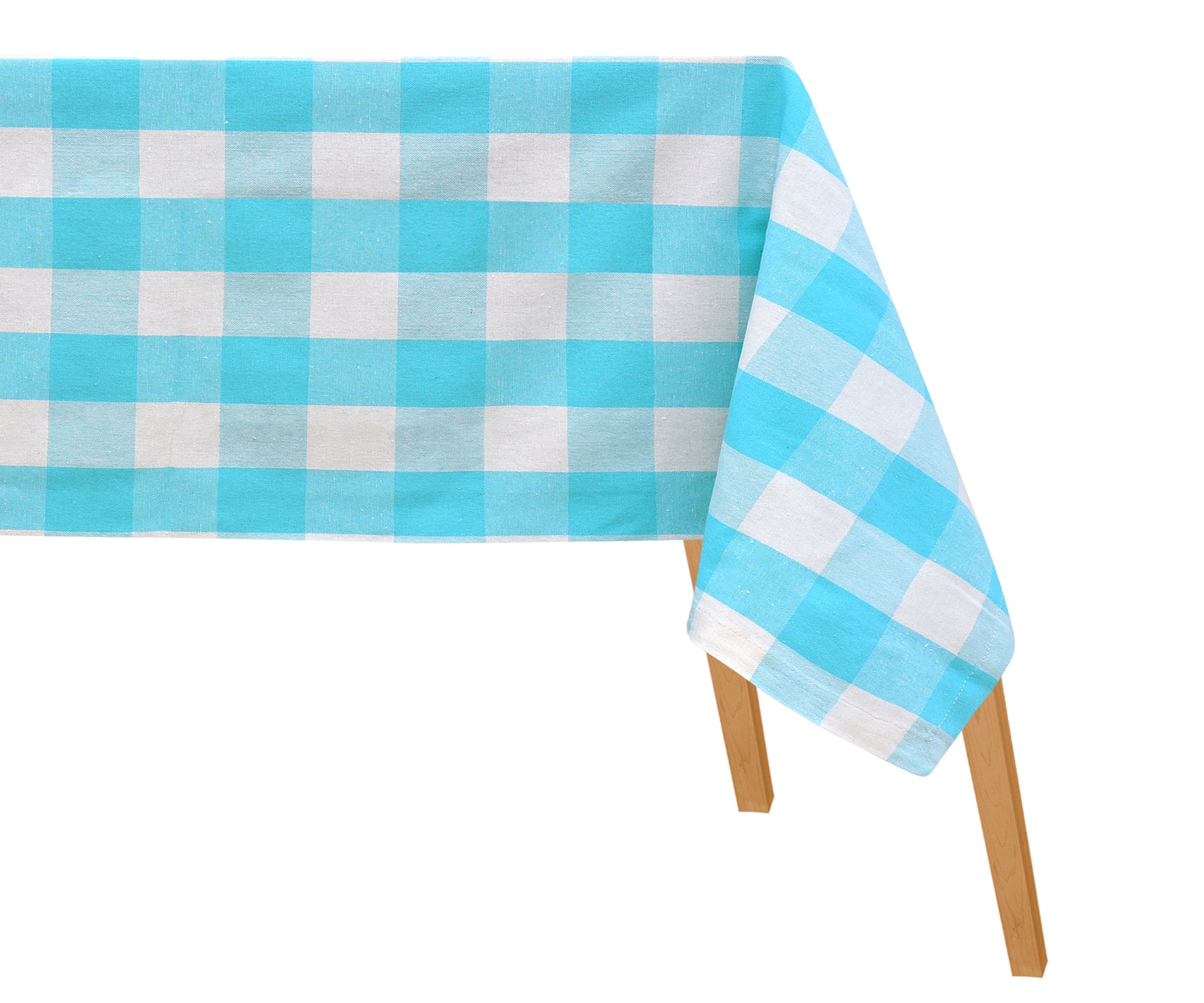
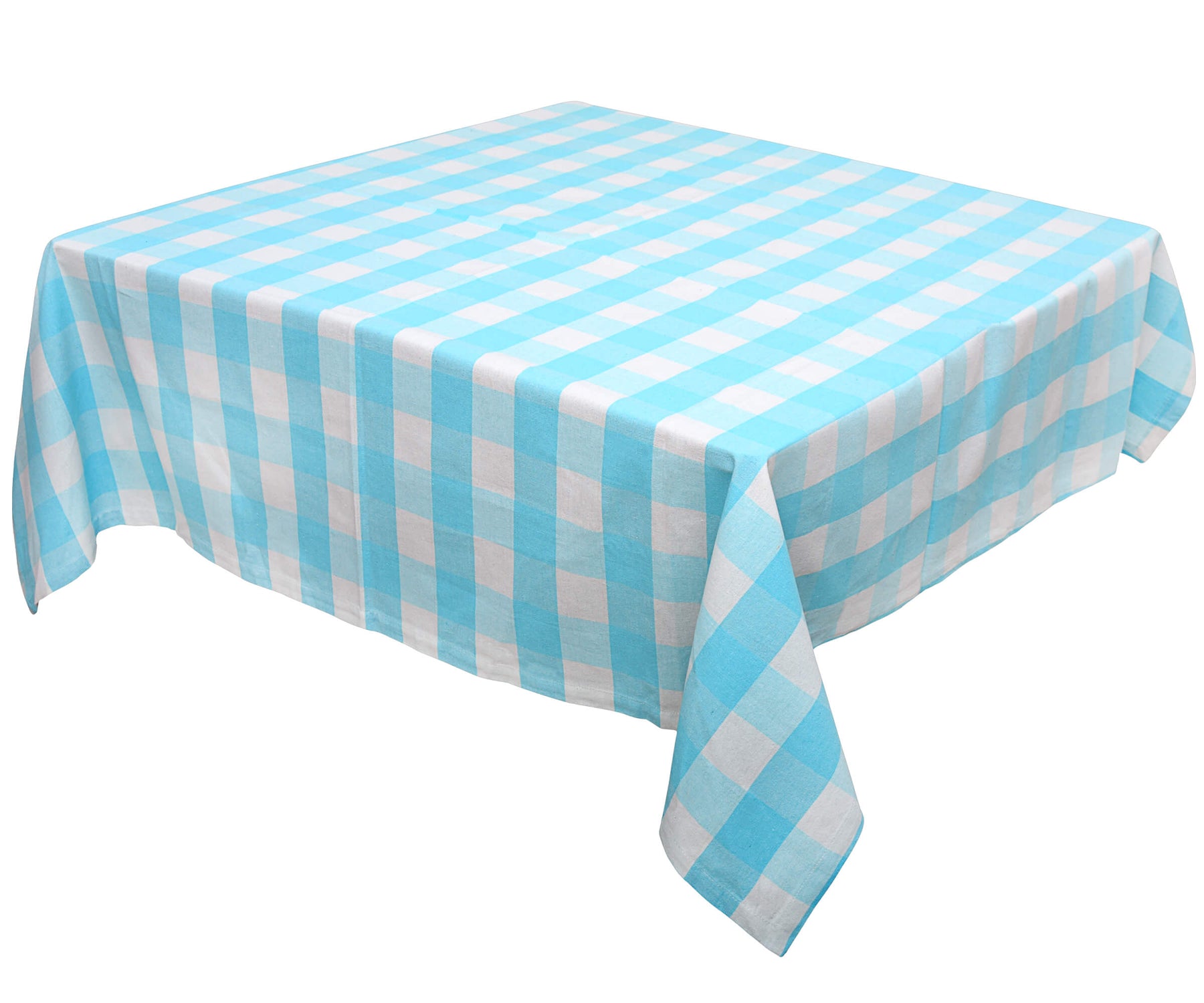
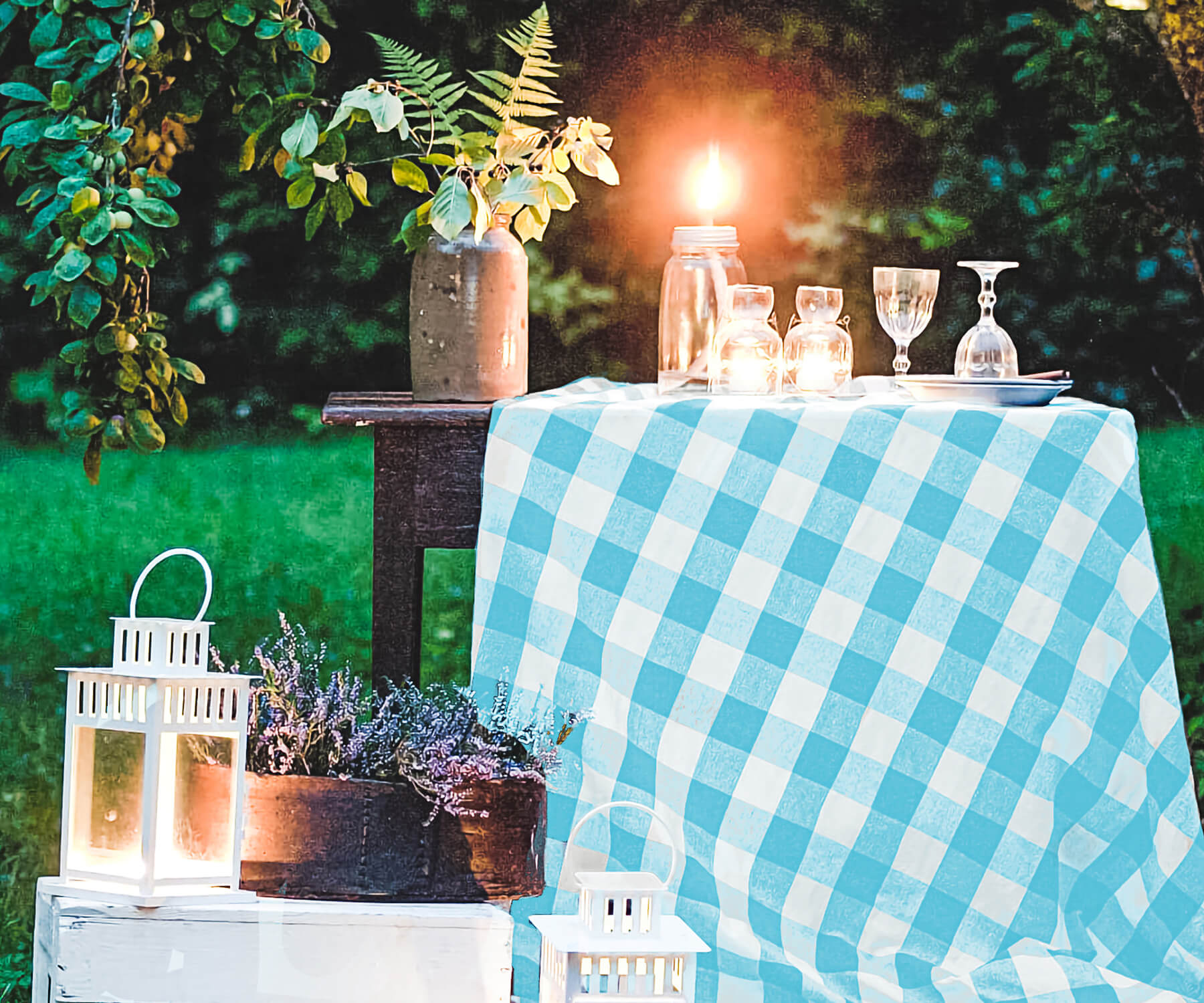
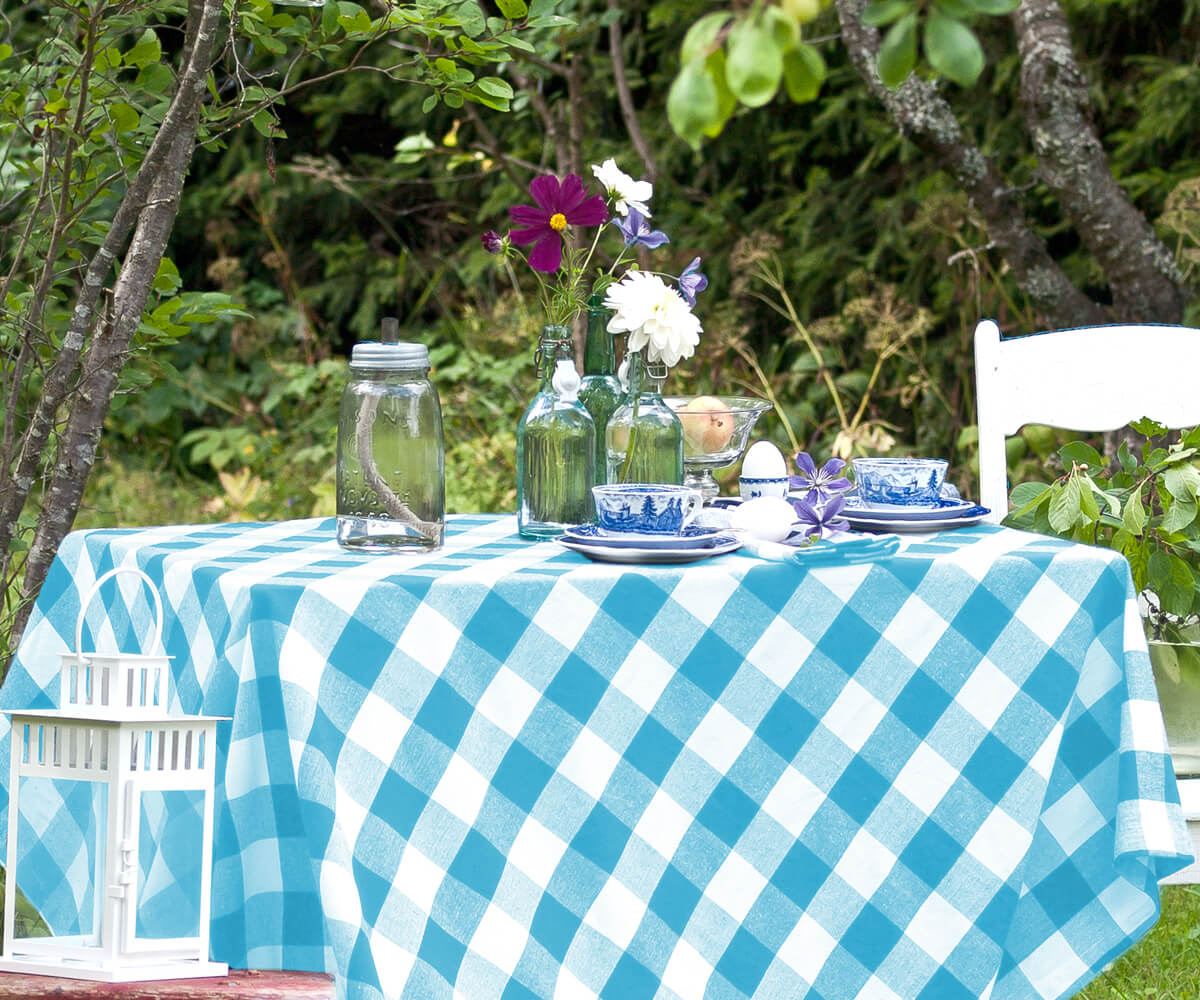
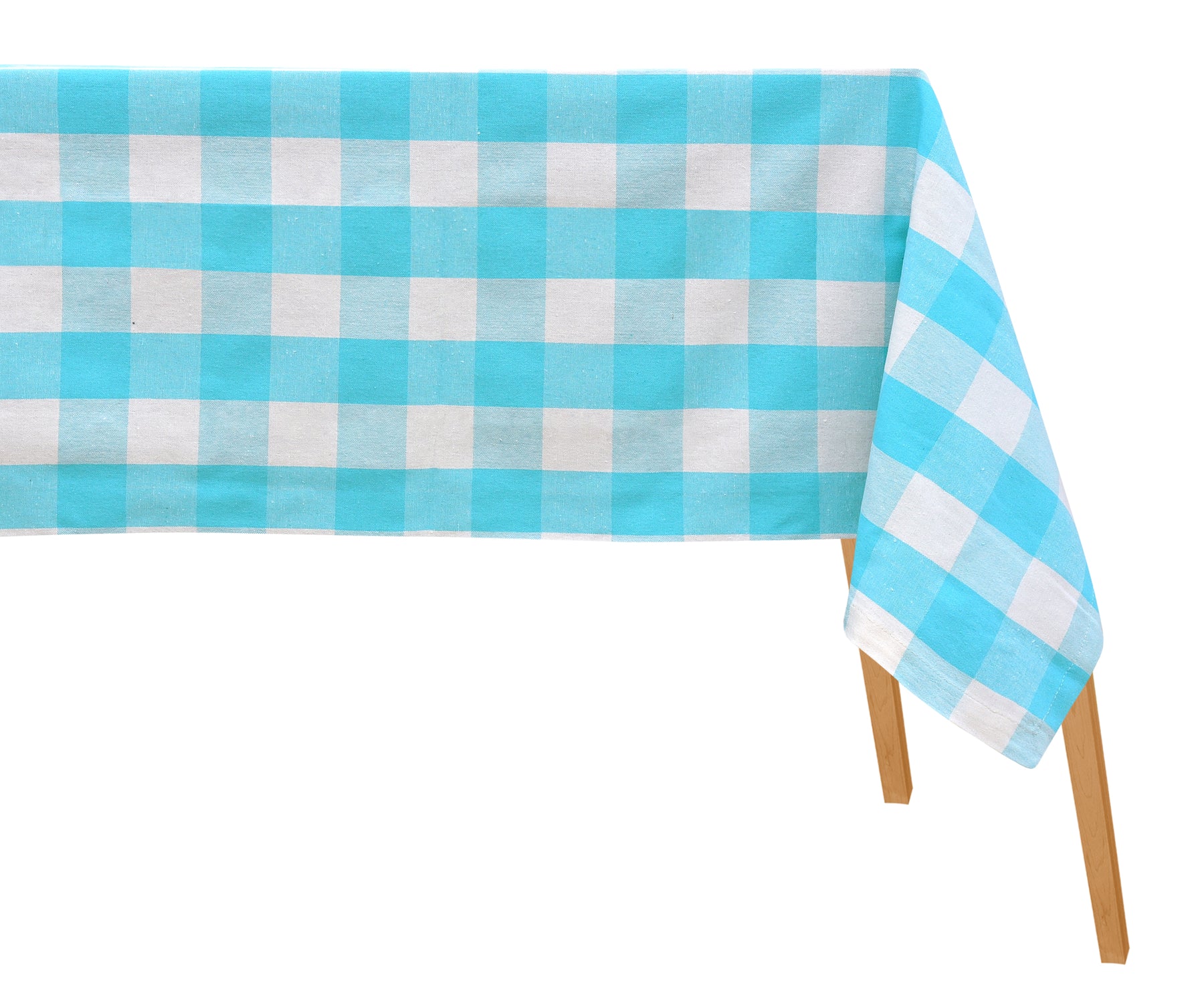
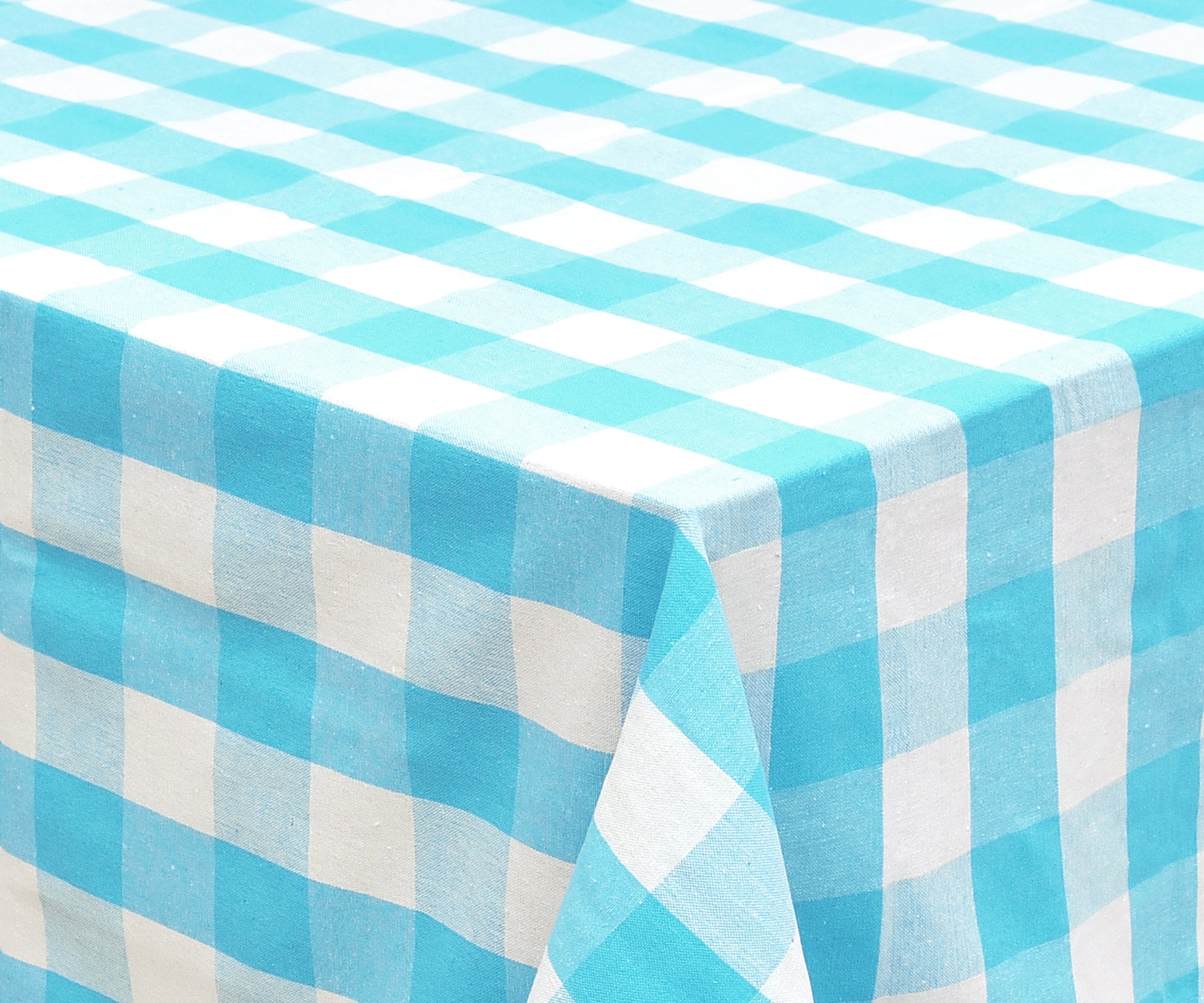
Outdoor Gatherings: I use my lightweight, printed cottons here. Gingham is a classic for a reason; it hides grass stains and ketchup splatters surprisingly well! Weight the corners down with clips if it's breezy.
How to Care for a Cotton Tablecloth

I’m not going to write a novel here because we all know how to do laundry, but there are three cardinal rules you need to tattoo on your brain:
Cold water is your friend. Hot water is the enemy. Hot water causes shrinkage and sets stains. Wash in cold or lukewarm water.
Skip the dryer. I know, it’s tempting. But heat ruins the fibers and creates wrinkles that are impossible to iron out. Hang it to dry on a line or lay it flat. It takes a few extra hours, but your cloth will thank you by looking new for years.
Iron while damp. If you absolutely must have a crisp finish, take the cloth off the line when it’s still slightly moist and iron it. It glides perfectly, and you won’t have to spritz it with water.
Common Mistakes to Avoid
I have literally made every single one of these mistakes, so I’m telling you this from a place of deep, personal embarrassment.
Buying before measuring: I once bought a "standard" 60x84 cloth for a table that turned out to be 44x96. It looked like a bib on a giant. Always. Measure. First.
Ignoring the shrinkage factor: I ruined a gorgeous organic cotton cloth by washing it in hot water because I was in a rush. It shrank so badly it only fits my coffee table now.
Drying on high heat: Just don't. If you must use a dryer, use the "air fluff" or "no heat" setting.
Ignoring the care label: I know we all think we know better than the tag. We don't. The tag exists because the manufacturer knows the fiber better than we do.
Choosing white for a household with pets: Unless you have a robot vacuum that mops, stay away from pure white cotton if you have a shedding dog. Get a heathered gray or a beige.
Conclusion
Look, a dining table is the heart of the home. It’s where we argue over homework, share bad jokes, and occasionally spill expensive wine. The cloth covering it should be able to handle all of that with grace.
Choosing a cotton tablecloth isn’t about following trends; it’s about investing in a piece of fabric that will absorb the memories of your meals and get softer with every single one. Take your measurements, choose the weight that fits your lifestyle, and don't be afraid of a little wrinkle here and there; it just means the table is getting used.
Happy dining, and may your 2026 tables be full of good food and great company (and maybe a little red wine stain that washes right out).