


This guide explains how to set a formal dinner table step by step, including the proper placement of each item and practical hosting tips for a well-organized meal.
What Is a Formal Dinner Table Setting?
A formal dinner table setting is a structured arrangement of plates, flatware, glassware, and napkins prepared for a multi-course meal. Each item has a specific position based on the course it is meant for. Unlike a casual place setting, a formal arrangement may include several forks, knives, spoons, plates, and glasses to make serving and dining easier.

A traditional formal table setting typically includes:
-
Charger plate
-
Tablecloths
-
Dinner plate
-
Salad plate
-
Bread plate
-
Dinner fork
-
Salad fork
-
Dinner knife
-
Soup spoon
-
Dessert spoon
-
Dessert fork
-
Water glass
-
Wine glasses
-
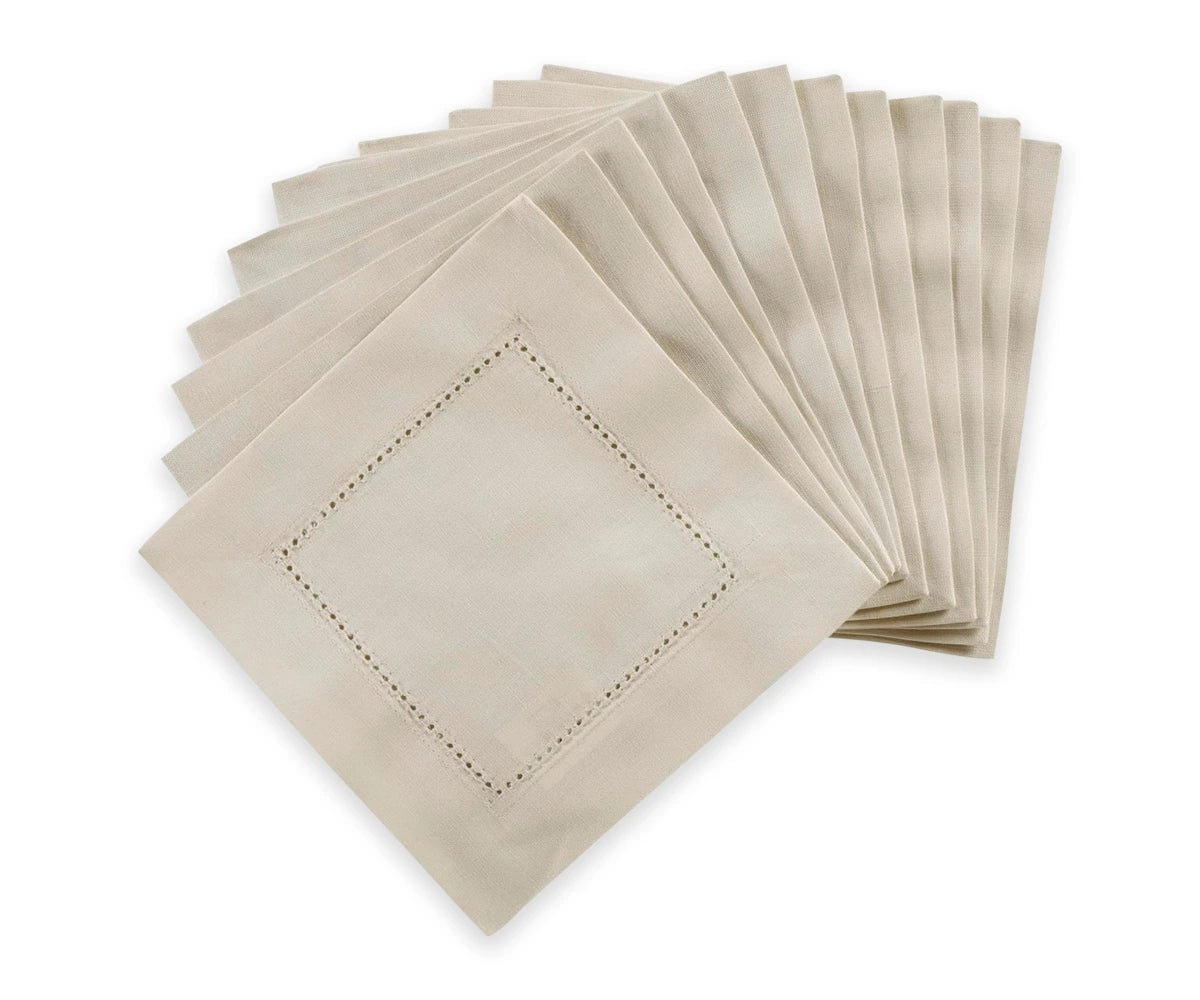
Napkins
-
Placemats
Each item has a specific position that allows guests to easily navigate each course throughout the meal.
How Do I Set a Table Properly?
Setting a table properly comes down to a few consistent principles that apply whether you're hosting a casual dinner or a formal event:
-
Work from the outside in. Flatware is arranged in the order it will be used, starting with the outermost utensil and moving inward toward the plate as the meal progresses.
-
Forks go on the left, and knives and spoons on the right. Knife blades face inward toward the plate, and spoons sit to the right of the knife.
-
Glassware sits above the knife, arranged largest to smallest from left to right: typically a water goblet, then red wine, then white wine, positioned at a slight diagonal for easy reach.
-
The napkin goes to the left of the forks, or centered on the charger/plate, depending on the formality of the occasion.
-
Bread plates sit above the forks, to the upper left, with a small butter knife laid across them.
-
Leave consistent spacing between each setting, roughly 24 inches from center to center, which gives guests comfortable elbow room.
Once these basics are in place, the rest of the table (centerpiece, linens, place cards) can be layered on according to the occasion.
Know About: How to Hang Curtains the Right Way (Step-by-Step Guide)
Formal Dinner Table Setup
A formal dinner table setup follows a more precise structure than everyday dining, typically used for multi-course meals, holidays, or special events:
-
Charger plate as the base, with the dinner plate placed on top once the meal begins (chargers are usually removed before the entrée is served).
-
Flatware for every course, arranged outside-in: appetizer or soup spoon on the far right, followed by the dinner knife, then the salad fork and dinner fork on the left, with dessert utensils placed above the plate or brought out with dessert.
-
Multiple glasses, typically a water goblet plus one or two wine glasses, are arranged above the knife in order of use.
-
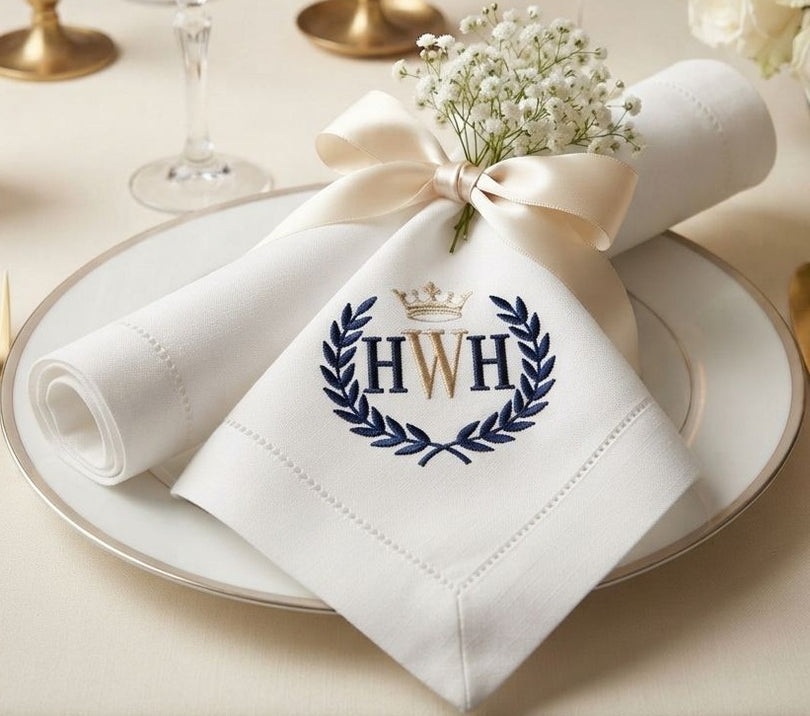
A folded cloth napkin, placed either to the left of the forks or elegantly folded on the charger, often with a napkin ring for formal occasions.
-
A place card at each setting for assigned seating, especially for larger formal dinners.
-
A centerpiece low enough for guests to see across the table, usually florals or candles that don't obstruct conversation.
The key difference between formal and casual setups is precision; every piece has an intentional place, and courses dictate exactly which utensils are used and in what order.
Items Needed for a Formal Dinner Table Setting
Before arranging the table, gather all necessary pieces.
Dinnerware
-
Charger plate
-
Dinner plate
-
Salad plate
-
Bread plate with butter knife
Flatware
-
Salad fork
-
Dinner fork
-
Dinner knife
-
Soup spoon
-
Dessert fork
-
Dessert spoon
Glassware
-
Water glass
-
Red wine glass
-
White wine glass
Linens
-
Tablecloth
-
Cloth napkins
-
Placemats (optional)
Having everything ready before setting the table makes the process much easier.
How to Set a Formal Dinner Table Step by Step
A formal dinner table setting may look complicated at first, but it becomes simple when you follow the right order. This step-by-step guide will show you exactly where to place every plate, utensil, glass, and napkin so you can set an elegant table with confidence.
Step 1: Start With the Tablecloth
Begin by covering the table with a clean, pressed tablecloth.
A formal dining table usually features a tablecloth that hangs evenly on all sides. Neutral colors such as white, ivory, beige, or soft gray work well for most occasions.
The tablecloth creates the foundation for the entire table setting.
Step 2: Place the charger plate.
The charger plate sits in the center of each place setting.
Position it directly in front of each chair, approximately one inch from the edge of the table.
A charger remains on the table during the early courses and serves as a base for the dinner plate and salad plate.
Step 3: Add the Dinner Plate
Place the dinner plate directly on top of the charger.
The dinner plate serves as the main plate for the meal and acts as the focal point of the setting.
Make sure all plates are evenly spaced around the table.
Step 4: Position the Salad Plate
If salad is served before the main course, place the salad plate on top of the dinner plate.
This stacked arrangement keeps the setting organized and allows servers or hosts to remove plates between courses.

Step 5: Arrange the Forks
Forks always go on the left side of the plate.
Place them in the order they will be used.
Typical placements include the following:
-
Salad fork on the outer left
-
Dinner fork closest to the plate
Guests work their way inward as courses are served.
This simple rule makes formal dining much easier to understand.
Step 6: Place the Knife
The dinner knife goes on the right side of the plate.
The blade should face toward the plate.
This placement follows traditional dining etiquette and creates a balanced appearance.
Step 7: Add the soup spoon.
If soup is part of the menu, place the soup spoon to the right of the knife.
The spoon sits on the outside because it is typically used before the main course.
Again, guests work inward toward the plate as the meal progresses.
Step 8: Position the Bread Plate
The bread plate belongs above the forks on the upper left side of the place setting.
A butter knife rests horizontally across the bread plate.
This location keeps bread separate from the main dining area and reduces clutter around the dinner plate.

Step 9: Arrange the Glassware
Glassware sits above the knives and spoons.
The water glass goes directly above the dinner knife.
Wine glasses are placed slightly to the right and behind the water glass.
A common arrangement includes:
-
Water glass
-
Red wine glass
-
White wine glass
The glasses should form a neat diagonal line.
Step 10: Place Dessert Utensils
Dessert utensils sit above the dinner plate.
The dessert spoon typically faces left.
The dessert fork typically faces right.
These utensils remain untouched until dessert is served.
Step 11: Fold and Place the Napkin
A cloth napkin adds a finished look to the table.
Popular napkin placements include the following:
-
Centered on the salad plate
-
Under the forks
-
Between the charger and the salad plate
Simple folds often look cleaner than elaborate designs.
Find Out: How to Care for Linen Tablecloths: Washing, Drying & Storage
Formal Dinner Table Setting Diagram Overview
For quick reference, here's the basic layout:

Left Side:
-
Bread plate
-
Salad fork
-
Dinner fork
Center:
-
Charger plate
-
Dinner plate
-
Salad plate
Right Side:
-
Dinner knife
-
Soup spoon
Top:
-
Dessert spoon
-
Dessert fork
Upper Right:
-
Water glass
-
Wine glasses
This arrangement follows standard formal dining etiquette and works for most special occasions.
Also Read: How to Care for Linen Tablecloths: Washing, Drying & Storage
How to Set a Place Setting at a Table
A single place setting is built from the plate outward, following this general order:
-
Start with the charger or plate as your anchor point in the center of the setting.
-
Add the napkin, folded and placed either to the left of the forks or on top of the plate/charger.
-
Place the forks to the left of the plate, the salad fork on the outside, and the dinner fork closer to the plate if serving multiple courses.
-
Place the knife and spoon to the right, the knife closest to the plate, the blade facing inward, and the spoon to the right of the knife.
-
Add the bread plate and butter knife above the forks, to the upper left.
-
Position the glassware above the knife, water glass closest to the plate, with wine glasses angled slightly to the upper right.
-
Add dessert utensils above the plate, if included, typically a small fork and spoon placed horizontally.
Once you've built one complete place setting, replicate the same spacing and arrangement for each additional guest to keep the table looking cohesive and intentional.
Common Formal Table Setting Mistakes
Even experienced hosts occasionally make mistakes. Paying attention to a few details can help create a more polished table.
Overcrowding the Table
Guests need enough space to eat comfortably.
Avoid adding unnecessary decorations that interfere with plates, glasses, or conversation.
Incorrect Utensil Placement
Remember the simple rule:
Utensils are arranged according to the order of use, starting from the outside and moving inward.
Uneven Spacing
Take a moment to check alignment.
Plates, glasses, and utensils should appear evenly spaced around the table.
Small adjustments can significantly improve the overall presentation.
Using Oversized Centerpieces
Tall centerpieces may block conversation across the table.
Choose arrangements that allow guests to see one another comfortably.

You May Also Like: How to Choose the Right Size and Shape of Cotton Napkins
Tips for Creating a Beautiful Formal Dining Table
A formal table does not need expensive decorations.
A few thoughtful details can create a welcoming atmosphere.
Use Coordinated Linens
Matching tablecloths and napkins create a clean, cohesive look.
Neutral colors remain popular because they pair well with most dinnerware styles.
Add Candles
Candles provide warmth and help create a pleasant dining environment.
Keep flames low and arrangements compact.
Include Fresh Flowers
Fresh flowers can add color and texture without overwhelming the table.
Simple arrangements often work best.
Keep Decorations Functional
Every decorative item should leave enough room for guests to enjoy their meal comfortably.
The dining experience should always come first.
Formal vs. Casual Table Setting
Many people wonder how a formal table setting differs from a casual one.
A casual table setting generally includes:
-
Dinner plate
-
One fork
-
One knife
-
Water glass
-
Napkin
A formal table setting includes additional utensils, glassware, and specialty plates for multiple courses.
The more courses served, the more detailed the table setting becomes.
When Should You Use a Formal Dinner Table Setting?
Formal place settings are commonly used for:
-
Holiday dinners
-
Thanksgiving gatherings
-
Christmas meals
-
Wedding receptions
-
Anniversary celebrations
-
Corporate dinners
-
Special family events
You don’t need a major celebration to set a beautiful formal dinner table. A thoughtfully arranged table can make an everyday dinner or small gathering feel more special and welcoming.
Learning how to set a formal dinner table is simpler than it may seem. Once you know where to place the plates, utensils, glassware, and napkins, the arrangement becomes easy to follow.
Begin by placing the dinner plate in the center of each setting. Forks go on the left, while knives and spoons are placed on the right. Position the glassware above the plate, and arrange the utensils according to when they will be used, with the first-use utensils placed on the outside.
A properly arranged formal table helps guests know what to use and keeps the meal running smoothly. With a little practice, you can confidently set the table for holidays, dinner parties, family celebrations, or any special meal.